
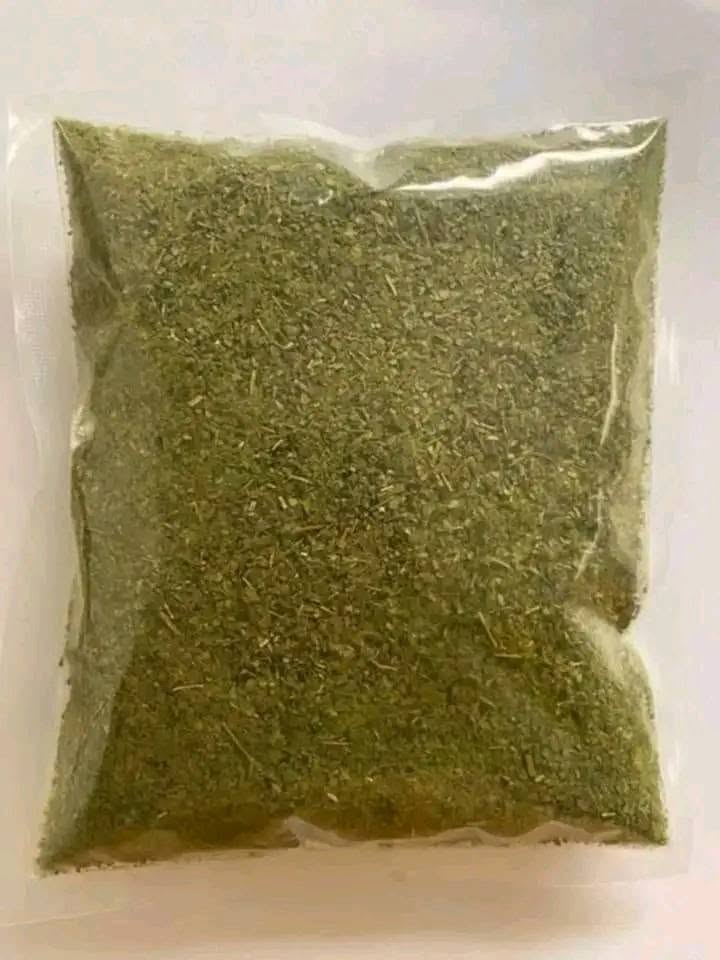

Nigerian Soursop Leaves Powder: The Botanical Whose Acetogenin Compounds Have Generated More Cancer Research Publications Than Almost Any Other Herbal Tea Ingredient in History — While the Same Compound Family, at Chronic High-Dose Consumption Levels Documented in Caribbean Epidemiological Studies, Creates a Neurological Safety Signal Whose Responsible Commercial Communication Is Precisely What Separates Professional Export From Amateur Supply
Soursop Leaves Powder Exporter Nigeria — Dried Soursop Leaves, Soursop Leaf Powder, Herbal Tea-Grade Soursop Leaves, Soursop Leaf Extract Precursor, and Standardised Soursop Leaf Tea Bags, Direct Southern Forest Belt Sourcing, Bulk Supply to Nutraceutical Supplement Brands, Herbal Tea Manufacturers, Pharmaceutical Research Institutions, West African Diaspora Food Retailers, Functional Beverage Companies, and Global Specialty Wholesale Buyers Worldwide
Soursop leaves powder exporter Nigeria is a search phrase that arrives at the most scientifically contested intersection in the entire global herbal medicine market — the precise point where extraordinary laboratory evidence of biological activity, decades of traditional medicinal use across multiple continents, a commercially active international supplement market, and a specific epidemiological safety signal from Caribbean populations all converge on the same botanical compound family, creating the most nuanced dual-narrative in any herbal product’s commercial story.
The extraordinary laboratory evidence: annonacin — the most commercially studied member of the acetogenin compound family produced specifically by Annona muricata (soursop) leaves, bark, roots, and unripe fruit — has been the subject of cell culture research published across more than 3,000 peer-reviewed scientific papers accessible via NCBI’s PubMed database documenting cytotoxic activity against cancer cell lines including pancreatic, lung, colon, breast, prostate, and ovarian cancer cells. Some of the most widely cited early publications — whose claims have been repeatedly reproduced in laboratory settings — documented annonacin’s in vitro cancer cell killing potency at concentrations that in controlled cell culture conditions appeared to significantly exceed conventional chemotherapy agents against the same cell lines.
The safety signal that gives this extraordinary research story its commercial complexity: epidemiological research conducted in Guadeloupe and Martinique — French Caribbean islands whose traditional populations consume soursop products (fruit pulp, herbal teas, and traditional preparations from leaves, bark, and roots) at significantly higher frequency and quantity than any other studied population — documented a strikingly high prevalence of atypical Parkinsonism (a progressive neurological condition resembling Parkinson’s disease but with distinct clinical features) that epidemiological investigation linked to chronic dietary annonacin exposure. The research — published in academic neurology journals and reviewed through NCBI’s neurological disease database — identified annonacin’s specific mechanism of neurological concern: mitochondrial complex I inhibitory activity (the same mechanism as the environmental neurotoxin MPTP that creates experimental Parkinson’s disease in animal models) — creating a plausible biological mechanism for the epidemiological association.
The commercially critical context that determines responsible export communication: the epidemiological Parkinsonism association involves populations consuming soursop products at cultural dietary frequency levels — daily consumption of soursop fruit juice, traditional soursop leaf decoctions taken repeatedly as primary medicinal preparations, and multiple soursop product exposures creating cumulative annonacin intake dramatically exceeding the occasional herbal tea consumption that characterises the international supplement market’s actual use pattern. The toxicological principle that determines the safety boundary: the dose makes the poison. Paracelsus’s foundational toxicological observation — that every substance is toxic at some dose and that the safety question is always a question of dose, not identity — applies precisely to soursop leaf: occasional herbal tea consumption (1–2 cups per day) delivering annonacin at doses far below those associated with chronic Caribbean dietary exposure represents a fundamentally different exposure scenario from the chronic, high-dose, multiple-source annonacin exposure documented in the epidemiological research.
The responsible commercial position that Paradise MultiTrade’s soursop leaf export programme specifically establishes: this safety nuance must be communicated, not suppressed — because the commercial value of soursop leaf in the international supplement and herbal tea market is genuine, the research interest is legitimate, the traditional use is historically validated, and the responsible communication of dose-appropriate use is the specific commercial differentiator that separates professional, documented export from informal supply whose absence of safety communication creates greater risk than informed, contextualised professional supply.
Nigeria’s Annona muricata cultivation — distributed across Lagos, Ogun, Ondo, Edo, Delta, Rivers, Cross River, Akwa Ibom, Anambra, Imo, and Enugu states whose humid tropical and forest-savanna conditions support soursop tree cultivation — creates a leaf production geography whose commercial formalisation through Paradise MultiTrade’s programme provides international buyers with documented, food-safety-tested, annonacin-content-characterised soursop leaf powder from authenticated Nigerian botanical origin.
To discuss sourcing immediately, request a quotation here and our export team responds within 48 hours.
History and Origin — The Caribbean Native Whose Global Spread Created a Multi-Continental Traditional Medicine Heritage
Annona Muricata — Mesoamerican Origin, Tropical World Adoption, West African Integration
Annona muricata L. is a member of the Annonaceae family — the same botanical family as ehuru (Monodora myristica) documented in Article 81 of this series, and the same family whose West African members include multiple economically significant food and medicine plants. Annona muricata is native to the Caribbean and tropical Americas — specifically the lowland tropical regions of Mexico, Central America, Colombia, and the Amazon basin — where indigenous peoples cultivated it primarily for its large, distinctively spiny green fruit whose white, fibrous pulp combines sweet and sour flavours in a combination that has created the most commercially significant tropical fruit beverage in Latin American food culture.
Portuguese and Spanish colonial maritime trade introduced soursop to West Africa, Southeast Asia, and the Pacific from the 16th century — whose adoption by Nigerian, Ghanaian, and West African communities was rapid and commercially significant. In Nigeria — where the tree is cultivated in homestead gardens, farm boundaries, and small commercial orchards across the southern and Middle Belt states — both the fruit (sold in local markets and used in juice preparation) and the leaves (incorporated in traditional medicine preparations) have been integrated into Nigerian food and health culture whose depth reflects approximately 400 years of cultivation experience.
The traditional medicine documentation of soursop leaf use in Nigeria — accessible through Journal of Ethnopharmacology West African ethnobotanical surveys — confirms use in: fever management (documented across Yoruba, Igbo, and Efik traditional healing as an antipyretic herbal tea), diabetes management (blood glucose lowering properties empirically observed in traditional communities across all three major ethnic groups), hypertension management (documented traditional use whose mechanism may involve vasodilatory activity of quercetin and kaempferol compounds), antiparasitic applications (particularly intestinal parasite management whose antiparasitic mechanism parallels the acetogenin’s documented antiprotozoal activity), and cancer management (whose traditional prescriptions in Nigerian herbal medicine precede the modern laboratory research by decades — reflecting empirical observation whose biological plausibility the research has now partially characterised).
This multi-continental traditional use convergence — independent parallel discovery of soursop leaf’s therapeutic properties by Caribbean, South American, West African, and Southeast Asian traditional medicine systems — follows the same ethnomedicinal validation pattern documented throughout this series for guava leaf’s antidiarrheal activity and pawpaw leaf’s platelet restoration: cross-cultural empirical convergence whose consistency creates the strongest possible traditional use evidence for genuine biological activity.
What Is Nigerian Soursop Leaf Powder? The Phytochemical Architecture, Safety Context, and Commercial Product Range
Annona Muricata — The Acetogenin Architecture and the Complete Phytochemical Profile
Annona muricata is a small to medium evergreen tree (5–10m height) — whose large, dark green, glossy leaves (12–20cm long, 5–8cm wide) with characteristic oblong shape, prominent midrib, and slightly wavy margins create the botanical morphology distinguishing A. muricata from other Annona species in cultivation (A. squamosa — sweetsop, A. cherimola — cherimoya, A. reticulata — custard apple) whose botanical confusion creates species authentication requirements.
The Primary Bioactive Compounds:
Annonacin and the Acetogenin Family — the polyketide compounds specifically produced by Annona genus species whose carbon chain structures with multiple hydroxyl groups, flanking tetrahydrofuran rings, and terminal lactone groups create the molecular architecture responsible for both the documented anti-cancer cell activity and the neurological safety concern. Annonacin — the most abundant and most extensively studied acetogenin in A. muricata — is present in leaves at approximately 50–120μg per gram of dry leaf weight — a concentration whose documentation through GC-MS or HPLC analysis creates the safety-relevant compound quantification that responsible supplement formulation requires. The full acetogenin family in A. muricata leaves includes: annonacin A, bullatacin, squamocin, muricin series compounds, and annonacinone — documented through Journal of Natural Products Annona muricata phytochemical characterisation studies.
The Anti-Cancer Cell Culture Evidence — whose commercial communication requires precise scientific language: in vitro cell culture studies — laboratory experiments using cancer cell lines in controlled culture dishes — have consistently documented that annonacin and related acetogenins kill cancer cells at concentrations achievable in laboratory conditions through a specific mechanism: ATP depletion via mitochondrial complex I inhibition — the same biological mechanism that the acetogenins use against Mycobacterium and protozoan parasites. Cancer cells’ higher ATP demand (their accelerated metabolic rate requires more energy than normal cells) creates specific susceptibility to mitochondrial complex I inhibition — creating the selective cancer cell vulnerability that cell culture studies document. The commercial communication boundary: in vitro cell culture results demonstrating cancer cell killing have repeatedly failed to translate into effective cancer therapies in vivo — because: (a) the concentrations active in cell culture cannot be achieved in human blood and tissues at safe oral doses; (b) the same mitochondrial complex I inhibition that kills cancer cells also affects normal neurons (creating the Parkinsonism concern); and (c) human cancer treatment requires in vivo human clinical trial evidence that soursop acetogenins have not yet generated. For supplement communication: soursop leaf can be positioned using traditional use and in vitro research interest language — not as a proven cancer treatment.
Quercetin and Kaempferol — the flavonols documented at commercially significant concentrations — whose blood glucose management (alpha-glucosidase inhibitory) and anti-inflammatory activity creates the antidiabetic and anti-inflammatory pharmacological positioning documented across multiple A. muricata leaf research studies accessible through NCBI.
Muricine and Muricinine — the isoquinoline alkaloids specifically identified in A. muricata leaves — whose antimicrobial activity against common bacterial pathogens creates the antiinfective mechanism complementary to the acetogenin’s antiparasitic application.
Tannins and Polyphenols — the antioxidant and astringent fraction contributing to the characteristic mild bitterness of soursop leaf tea — whose total polyphenol content (80–150mg GAE per gram) creates antioxidant supplement positioning.
Anonol and Related Terpenoids — the sesquiterpenoid compounds contributing aromatic character to the essential oil fraction.
The Neurological Safety Context — Responsible Commercial Communication
The atypical Parkinsonism associated with chronic high-dose soursop consumption — documented in the epidemiological research from Guadeloupe and Martinique published through NCBI’s neurology and epidemiology database — requires responsible commercial communication whose specific framing determines both consumer safety protection and commercial viability:
The epidemiological evidence: Research teams including Lannuzel et al. documented elevated prevalence of an atypical Parkinsonism syndrome in Guadeloupean populations whose clinical features (poor levodopa response, early postural instability, cognitive decline) distinguish it from idiopathic Parkinson’s disease. Annonacin identified as the primary suspected dietary neurotoxin through food frequency questionnaire analysis confirming higher soursop product consumption in affected individuals. Estimated daily annonacin intake in affected Guadeloupean populations: potentially 100–3,000μg per day from combined fruit juice, traditional tea, and multi-source dietary exposure.
The dose context: A single cup of soursop leaf tea (2g dried leaf, 200ml water, 5-minute infusion at 90°C) delivers approximately 5–15μg annonacin — assuming the water extraction efficiency documented in brewing studies. At the typical supplement market consumption of 1–2 cups daily: approximately 10–30μg annonacin per day — representing 1–10% of the estimated dietary exposure in the Guadeloupean epidemiological study. This differential creates the dose-based safety argument whose communication — “occasional herbal tea use is not equivalent to chronic Caribbean multi-source dietary exposure” — is commercially valid and scientifically defensible but requires explicit communication rather than silence.
The European Food Safety Authority (EFSA)‘s position: EFSA has not issued a specific maximum limit for annonacin in food or supplement products as of 2024, but has flagged the neurological concern through its scientific opinion process — recommending caution for high-frequency, high-dose consumption and specifically recommending against soursop product consumption during pregnancy. The French food safety authority ANSES has published specific guidance recommending against daily high-dose soursop supplement consumption and specifically warning against soursop product use during pregnancy and lactation.
Responsible label communication: All soursop leaf products from Paradise MultiTrade are accompanied by the following recommended safety communication for downstream buyer product labelling: “Not recommended for pregnant or breastfeeding women. Not recommended for individuals with Parkinson’s disease or related movement disorders. Not for daily high-dose long-term use. Consult healthcare provider before use if taking medication for neurological conditions.” This communication is the specific differentiator between responsible professional export and informal supply whose absence of safety guidance creates greater consumer risk.
Commercial Product Forms
Dried Whole Soursop Leaves — the primary form for diaspora retail, herbal practitioners, and tea retail whose whole leaf presentation enables visual botanical authentication.
Soursop Leaf Tea Bags (Cut and Sifted 2–4mm) — the standard herbal tea manufacturing form for tea bag filling, creating the most commercially accessible format for the herbal tea market.
Soursop Leaf Powder (80 mesh) — finely milled dried leaves for supplement capsule filling, functional food incorporation, and standardised extract precursor.
Standardised Soursop Leaf Extract — water or ethanol extract standardised to documented annonacin content — the pharmaceutical research grade for investigators requiring consistent compound dosing.
Benefits and Industrial Uses of Nigerian Soursop Leaves
Herbal Tea Manufacturing — The Most Commercially Established International Application
The global herbal tea market — tracked through Grand View Research’s herbal tea market analysis at over USD 4 billion annually — creates the largest volume, most commercially established procurement stream for soursop leaves whose herbal tea application represents the safest, most dose-appropriate commercial format:
West African and Caribbean herbal tea tradition — soursop leaf tea is consumed traditionally across Nigerian, Ghanaian, Jamaican, Trinidadian, and Barbadian communities as a fever management and general wellness tea whose traditional preparation (2–4 leaves or 2g dried leaf in 200ml boiling water, steeped 5–10 minutes) has been practised for generations without documented safety concerns at this occasional use frequency. The diaspora communities whose weekly or occasional soursop leaf tea preparation creates consistent demand for dried leaves and tea bags create the most immediately commercially accessible international buyer community for formal Nigerian soursop leaf supply.
European and North American herbal wellness tea — the European natural health retail sector’s growing category of “exotic botanical herbal teas” — whose commercial development through brands including Yogi Tea, Pukka Herbs, and specialty botanical tea brands — creates procurement demand for soursop leaf tea blend ingredients whose “tropical wellness” positioning and research story creates consumer appeal in the growing functional herbal tea market tracked through Euromonitor International’s tea market analysis.
Japanese functional herbal tea — Japan’s sophisticated functional herbal tea market — whose FOSHU regulatory framework and established consumer preference for evidence-based botanical teas creates quality-demanding procurement — represents a developing opportunity for soursop leaf tea whose antidiabetic (alpha-glucosidase inhibitory) mechanism parallels the guava leaf FOSHU approval — creating potential functional tea pathway. Japanese food safety and novel food requirements administered through MHLW.
Latin American and Caribbean herbal tea export — soursop leaf tea is an established traditional beverage in Jamaica, Barbados, Trinidad, Mexico, Brazil, and Peru — creating natural export markets whose cultural familiarity with soursop creates immediate consumer acceptance.
For herbal tea manufacturing buyers — contact our export team to discuss tea-grade cut and sifted specification.
Nutraceutical Supplement Industry — Research-Substantiated Botanical Positioning
The global anticancer supplement market — whose commercial development around research-backed botanical ingredients tracked through Nutrition Business Journal creates procurement demand for botanicals whose in vitro cancer research profile substantiates consumer wellness communication — creates specific interest in soursop leaf extract despite the critical regulatory boundary that distinguishes in vitro research communication from prohibited disease treatment claims:
Traditional use and in vitro research communication — supplement brands operating within the US DSHEA framework and EU food supplement directive can communicate: traditional use for general wellness, immune support positioning, antioxidant activity from documented polyphenol content, and research interest in soursop leaf’s specific compound profile — without making prohibited disease treatment claims (cancer cure, cancer treatment). The regulatory communication framework within which soursop leaf supplement marketing operates — with appropriate precautionary safety language — creates a commercially viable product category whose responsible positioning distinguishes legitimate botanical supplement from irresponsible therapeutic claim. The Federal Trade Commission (FTC) and FDA’s dietary supplement enforcement framework specifically address soursop supplement marketing — requiring truthful, substantiated, and non-misleading claims.
Blood glucose management positioning — quercetin and kaempferol’s documented alpha-glucosidase inhibitory activity creates the same post-meal blood glucose management mechanism documented for guava leaf — whose commercial communication in supplement products is more clearly supportable than the anti-cancer positioning whose FDA enforcement risk is higher. For supplement brands building metabolic health products — soursop leaf’s antidiabetic mechanism creates commercially viable positioning within the regulatory framework.
Immune support and antioxidant positioning — soursop leaf’s total polyphenol content and traditional use as an immune-supporting botanical creates the general wellness supplement positioning whose commercial development is most straightforward from a regulatory claim communication perspective.
For supplement manufacturers — contact our team to discuss standardised extract-grade specification.
Pharmaceutical Research — The Most Commercially Premium Application
Annonacin isolation for cancer research — pharmaceutical research institutions, academic cancer research centres, and biotechnology companies investigating acetogenin-based anticancer drug development create procurement demand for authenticated, annonacin-content-documented soursop leaf material as research raw material:
Cancer drug development research — the National Cancer Institute (NCI) has specifically investigated soursop acetogenins through its natural products drug discovery programme — whose research interest in developing annonacin or synthetic analogues as cancer therapeutic leads creates institutional procurement demand for high-annonacin-content research-grade leaf material.
Antiparasitic research — annonacin’s documented activity against Leishmania, Trypanosoma, and Plasmodium species creates antiparasitic pharmaceutical research procurement demand from tropical disease research institutions whose WHO mandate covers the neglected tropical diseases for which cost-effective new chemical entities are urgently needed. The Drugs for Neglected Diseases initiative (DNDi) specifically supports natural product drug discovery for tropical disease applications.
Neuropathology research — paradoxically, annonacin’s neurological mechanism — mitochondrial complex I inhibition — creates demand from Parkinson’s disease research laboratories whose experimental models of atypical Parkinsonism require annonacin as a validated neurotoxic tool compound for creating animal models and studying neuroprotective drug candidates.
West African Diaspora Food Retail and Traditional Medicine
Nigerian, Ghanaian, and Caribbean diaspora — whose traditional herbal tea preparation requires consistent, food-safety-documented dried soursop leaves creates the immediate diaspora retail market whose pattern mirrors all previous leaf products in this series: informal personal travel supply, inconsistent specialist retail availability, and absence of formal commercial supply whose documentation enables legitimate international trade.
Traditional herbal medicine practitioners — West African diaspora herbalists and traditional healers in the UK, USA, and Canada whose patient populations receive soursop leaf preparations for traditional wellness applications create consistent practitioner-grade procurement demand for authenticated, food-safety-tested material.
Why Buy Soursop Leaves From Nigeria?
The Responsible Supply Chain — Safety Communication as Commercial Differentiator
Paradise MultiTrade’s soursop leaf export programme is explicitly built around a safety communication framework that most informal soursop leaf suppliers do not provide — because the responsible communication of soursop leaf’s specific dose-dependent safety nuance creates commercial value rather than commercial restriction. International buyers — supplement manufacturers, herbal tea brands, and pharmaceutical researchers — whose product development, regulatory compliance, and brand credibility require documented safety information are commercially better served by a supplier whose transparent safety communication enables informed product development than by an informal supplier whose silence creates regulatory liability.
Specifically: for supplement manufacturers whose product labels must carry appropriate precautionary statements (pregnancy, Parkinson’s disease, dosage guidance) — documented annonacin content per gram of leaf powder is the safety-label substantiation foundation whose absence creates regulatory risk. For herbal tea brands whose product positioning navigates the evidence-interest-without-disease-treatment-claim regulatory framework — supplier documentation whose professional safety communication demonstrates responsible sourcing creates brand credibility whose commercial value exceeds the simple cost of the raw material.
Nigerian Origin Quality — Tropical Growing Conditions and Leaf Compound Content
Nigerian soursop cultivation’s humid tropical growing conditions — whose combination of adequate rainfall, year-round warmth, and mineral-rich laterite soils creates the optimal growing environment for A. muricata — generates leaf material whose acetogenin content, polyphenol density, and overall compound profile reflects the optimal botanical conditions documented for tropical Annona species. GC-MS annonacin quantification confirms Nigerian-origin leaf material’s compound content within the commercially relevant range for herbal tea and supplement applications.
Year-Round Supply — Evergreen Perennial Leaf Production
Annona muricata‘s evergreen growth character — unlike deciduous baobab or seasonally harvested annual crops — creates year-round leaf availability from established trees whose perennial growth provides continuous leaf production independent of specific seasonal harvesting windows. This year-round availability creates supply scheduling flexibility whose commercial value for buyers whose manufacturing requires consistent monthly procurement is documented throughout this series.
Complete Export Documentation
Every soursop leaf shipment carries phytosanitary certification from NAQS, NEPC export documentation, certificate of origin, commercial invoice, packing list, and bill of lading. We coordinate botanical species identity confirmation (Annona muricata — visual morphology and TLC botanical fingerprint, distinguishing from A. squamosa and other Annona species), annonacin content (HPLC or GC-MS quantification — safety-relevant compound documentation), total flavonoid content (aluminium chloride colorimetric), quercetin and kaempferol content (HPLC), total polyphenol content (Folin-Ciocalteu), moisture content, aflatoxin screening, pesticide residue multi-residue analysis to EU MRL standards per Regulation (EC) 396/2005, and microbiological safety testing following AOAC International validated procedures. EU-bound shipments comply with Regulation (EU) 2017/625 on official controls. Our NEPC Export Licence No. 0042385 and CAC Registration No. RC-9284647 are verifiable through NEPC.
Nigeria’s Soursop Leaf Export Strength and Global Market Demand
The Global Market
The global soursop product market — encompassing fruit, leaves, bark, and extract products — is tracked through Grand View Research’s soursop market analysis at over USD 130 million annually in the supplement and herbal extract category, with significant additional untracked informal trade in dried leaves for diaspora food and herbal use. The international dried soursop leaf market is currently supplied primarily by Latin American origins (Peru, Brazil, Mexico) and Southeast Asian origins (Vietnam, Indonesia) — with West African supply largely absent from formal international trade despite Nigeria’s significant A. muricata cultivation creating available leaf production.
The American Botanical Council (ABC), European Herbal & Traditional Medicine Practitioners Association (EHTPA), and the International Herb Association (IHA) provide institutional frameworks tracking soursop leaf’s commercial development within global herbal medicine markets.
Key Export Destination Markets
United States — the world’s most commercially developed soursop supplement market, whose extensive consumer awareness of soursop’s research profile through internet health media creates consistent supplement procurement demand. US requirements through FDA dietary supplement framework and DSHEA with strict enforcement attention to anticancer claims.
United Kingdom — whose Nigerian and Caribbean diaspora communities create herbal tea demand alongside the growing botanical supplement sector. UK requirements through FSA and MHRA.
Germany and Netherlands — Europe’s primary botanical supplement manufacturing hubs creating consistent procurement demand. EU requirements through EFSA and national safety authorities; ANSES (French) precautionary guidance relevant for French market supply.
Japan and South Korea — whose functional supplement markets create quality-demanding soursop leaf procurement tracked through JETRO and KATI.
Brazil, Peru, and Mexico — whose traditional soursop consumption creates both domestic production and import demand for specific quality grades during supply shortfalls tracked through Brazil’s Anvisa food safety framework.
Jamaica, Trinidad, and Caribbean — whose established soursop leaf tea tradition creates diaspora and domestic market demand tracked through regional food safety authorities.
France and Belgium — whose Francophone African and Caribbean diaspora communities create specific herbal tea demand — with ANSES guidance creating specific regulatory awareness requirements for French market supply.
Why Choose Paradise MultiTrade International Limited?
Annonacin Content Documentation — The Safety-Commercial Foundation. Annonacin content quantified by HPLC or GC-MS per lot — providing the safety-relevant compound documentation that supplement manufacturers, herbal tea brands, and pharmaceutical research buyers require for both product safety dossier development and responsible label claim substantiation. This is the single most commercially differentiating analytical documentation in the soursop leaf market — and the most completely absent from informal supply chains. Contact us to discuss annonacin documentation.
Responsible Safety Communication Package. Comprehensive safety communication documentation — annonacin per-serving dose calculation, pregnancy contraindication, Parkinson’s disease precaution, dosage guidance for recommended occasional use — provided with every commercial shipment as the professional safety framework that regulatory compliance and brand credibility require. Contact our team to discuss safety communication package.
Quercetin and Kaempferol HPLC — Antidiabetic Mechanism Documentation. Quercetin and kaempferol content quantified by HPLC — providing the antidiabetic mechanism documentation for supplement manufacturers whose blood glucose management product positioning represents the most commercially supportable regulatory claim pathway for soursop leaf. Contact us to discuss flavonol documentation.
Botanical Authentication — Annona muricata Not Annona squamosa or Other Species. TLC or HPLC botanical fingerprint confirming A. muricata species identity — distinguishing soursop from the commercially related sweetsop (A. squamosa), custard apple (A. reticulata), and cherimoya (A. cherimola) whose acetogenin profiles and leaf morphologies create botanical substitution risk in informal supply chains. Contact us to discuss botanical authentication documentation.
Multi-Commodity West African Botanical and Medicinal Plant Sourcing. Soursop leaf buyers frequently source complementary Nigerian botanicals. Alongside soursop leaves, Paradise MultiTrade exports guava leaves, pawpaw leaves, moringa leaves, moringa leaf powder, neem leaves, neem leaf powder, bitter leaves, hibiscus flower, lemongrass, gongronema leaves, cashew nut kernel, and raw cashew nuts. Explore our full range of Nigerian export commodities and consolidate your West African botanical and medicinal plant sourcing through one verified, licensed export partner.
Product Specifications
| Specification | Details |
|---|---|
| Product | Nigerian Dried Soursop Leaves Powder (Annona muricata) |
| Common Names | Soursop leaves, Graviola leaves (Portuguese/Brazilian trade name), Guanábana leaves (Spanish), Corossol leaves (French), Ọjị oyibo (some Igbo communities), Ẹ̀wọ́ ọjọ́ (Yoruba for soursop leaf) |
| Botanical Species | Annona muricata L. (Annonaceae) |
| Botanical Authentication | Visual morphological certificate; TLC or HPLC acetogenin profile fingerprint (distinguishing A. muricata from A. squamosa and other Annona species) |
| Origin | Nigeria (Lagos, Ogun, Ondo, Edo, Delta, Rivers, Cross River, Akwa Ibom, Anambra, Imo, Enugu States) |
| Harvesting | Mature adult leaves from established soursop trees — year-round with peak compound content in dry season-harvested material |
| Forms Available | Whole dried leaves; Cut and sifted 2–4mm (tea bag grade); Fine powder 80 mesh (supplement/extract grade); Standardised extract precursor |
| Annonacin Content | 50–120μg per gram dry weight (HPLC or GC-MS — safety-relevant compound documentation) |
| Quercetin Content | 15–40mg per gram dry weight (HPLC) |
| Kaempferol Content | 10–25mg per gram dry weight (HPLC) |
| Total Flavonoid Content | 40–90mg quercetin equivalent per gram (aluminium chloride colorimetric) |
| Total Polyphenol Content | 80–150mg GAE per gram (Folin-Ciocalteu) |
| Essential Oil Content | 0.2–0.6% dry weight (hydrodistillation) |
| Moisture Content | ≤10% (whole and cut); ≤8% (powder) |
| Total Ash | ≤8% dry weight |
| Acid-Insoluble Ash | ≤2% dry weight |
| Colour | Deep green to olive green (properly dried material) |
| Aroma | Mildly aromatic, slightly earthy — characteristic Annona muricata leaf |
| Critical Safety Information | Contains annonacin (acetogenin compound). NOT recommended during pregnancy or breastfeeding. NOT recommended for individuals with Parkinson’s disease or movement disorders. For occasional herbal tea use only — not for chronic high-dose daily supplementation. Consult healthcare provider before use if taking neurological medications. |
| Aflatoxin | Total ≤10 ppb; B1 ≤2 ppb |
| Pesticide Residue | Multi-residue analysis to EU MRL standards — mandatory all EU-bound lots |
| Heavy Metals | Lead ≤3 ppm; Cadmium ≤0.5 ppm; Arsenic ≤1 ppm; Mercury ≤0.1 ppm — ICP-MS (supplement/pharmaceutical grade) |
| Microbiological | Salmonella absent/25g; E. coli absent/1g; Total plate count ≤100,000 CFU/g; Mould ≤1,000 CFU/g |
| Allergen Status | Soursop leaves not among 14 major EU allergens or 9 US FDA major allergens |
| EU Novel Food Status | Not formally authorised as a food ingredient — buyers should verify Novel Food status with national food safety authority for food manufacturing applications; supplement/herbal medicine pathways may be more accessible; diaspora herbal retail practice suggests limited enforcement |
| ANSES (France) Guidance | French food safety authority has published specific guidance recommending against high-frequency, high-dose soursop supplement use and specifically warning against use during pregnancy. French market supply should incorporate ANSES-aligned label communication |
| Shelf Life | 24 months (whole and cut, sealed cool dark); 18 months (powder) |
| Packaging Options | 100g, 200g, 500g retail packs with safety communication; 1kg, 5kg food service; 10kg, 25kg supplement/pharmaceutical manufacturing |
| Supply Capacity | 5–300 MT per year |
| MOQ | Whole leaves: 500kg; Cut and sifted: 500kg; Powder: 250kg |
| Export Documentation | Phytosanitary Certificate (NAQS), Botanical Species Identity Certificate (Annona muricata — TLC/HPLC confirmed), Certificate of Origin, NEPC Export Licence, Annonacin Content Certificate (HPLC/GC-MS — per lot), Quercetin and Kaempferol HPLC Certificate, Total Flavonoid Certificate, Total Polyphenol Certificate, Moisture and Ash Certificate, Aflatoxin Certificate, Pesticide Residue Certificate (EU MRL), Heavy Metals ICP-MS Certificate (supplement/pharma grade), Microbiological Certificate, Responsible Safety Communication Documentation Package, EU Novel Food Status Advisory (on request), Commercial Invoice, Packing List, Bill of Lading |
| Payment Terms | T/T, Letter of Credit (LC at sight), Escrow |
| Loading Port | Lagos (Apapa / Tin Can Island Port), Nigeria |
| Incoterms Available | EXW, FOB Lagos, CNF, CIF |
Harvesting and Export Process
Leaf Harvesting. Annona muricata leaves harvested from established soursop trees year-round — with peak compound content in mature adult leaves from the 4th to 8th leaf position from branch tips, whose optimal balance of acetogenin concentration, flavonoid content, and leaf-to-fibre ratio creates premium commercial quality. Dry season harvesting (November–March in Nigeria’s southern states) produces leaves with slightly lower moisture content and higher compound concentration — creating premium-grade material for pharmaceutical research applications requiring maximum annonacin content.
Washing and Initial Processing. Freshly harvested leaves washed in clean potable water, drained, and processed within 2–4 hours to prevent enzymatic browning. Washing removes surface pesticide residues, dust, and soil — contributing to the pesticide residue compliance documentation that EU export requires.
Drying. Washed leaves dried at 45–55°C in hot-air cabinet dryers for 14–20 hours — achieving moisture below 10% while preserving heat-sensitive acetogenin and flavonoid content. Drying above 65°C: documented acetogenin degradation whose consequences include reduced annonacin content in finished powder — creating formulation under-delivery risk for pharmaceutical research buyers and reduced analytical credential for supplement buyers. Temperature documentation maintained in production records for pharmaceutical research grade lots.
Processing to Grade. Whole dried leaves sorted and packed for tea retail grade. Cut and sifted to 2–4mm for tea bag manufacturing grade — the smaller particle size (versus other herbal teas’ 3–8mm standard) creates the optimal extraction in tea bag paper filter without excessive dust creation. Powder — hammer mill to 80 mesh for supplement and extract precursor grade.
Quality Testing. Moisture, annonacin (HPLC/GC-MS), quercetin/kaempferol (HPLC), total flavonoids, total polyphenols, aflatoxin (ELISA), pesticide residue, microbiological — tested before export documentation. Heavy metals ICP-MS for supplement and pharmaceutical grade.
Lead Times. Whole leaves: 14–21 days. Cut and sifted: 21–28 days. Powder: 21–35 days. Full analytical panel (annonacin HPLC, flavonols, heavy metals): add 7–10 days. Standardised extract: 42–56 days (extraction scheduling). Contact us to plan your supply schedule.
Frequently Asked Questions
What is annonacin and why is its documentation commercially significant for soursop leaf buyers?
Annonacin is the primary acetogenin compound produced specifically by Annona muricata — a polyketide natural product whose specific molecular architecture (a long carbon chain with hydroxyl groups, tetrahydrofuran rings, and a terminal gamma-lactone) creates its biological activity profile. Its commercial significance spans three entirely different buyer communities: (1) Cancer research: In vitro studies documenting annonacin’s cancer cell cytotoxicity through ATP depletion via mitochondrial complex I inhibition — whose 3,000+ peer-reviewed publication research profile creates the scientific evidence base that supplement brands reference and pharmaceutical researchers investigate. (2) Neurological safety: The same mitochondrial complex I inhibitory mechanism whose selective cancer cell activity is commercially interesting also affects normal dopaminergic neurons — creating the epidemiologically documented neurological safety concern at chronic high-dose consumption levels. (3) Commercial documentation: Annonacin content documentation by HPLC or GC-MS per lot provides: safety-label substantiation (per-serving annonacin dose calculation enabling responsible dosage guidance); product quality assurance (consistent annonacin content confirms leaf quality); and pharmaceutical research specification (researchers require known annonacin concentration for controlled dosing experiments). The absence of annonacin documentation from informal soursop leaf supply creates: safety label substantiation failure (you cannot calculate per-serving dose without knowing per-gram content); quality assurance failure (you cannot confirm consistent potency); and research specification failure (researchers cannot use undocumented material). Paradise MultiTrade’s per-lot annonacin documentation fills all three gaps simultaneously. Contact us to discuss annonacin documentation.
Is soursop leaf powder genuinely dangerous and should supplement brands avoid it?
The answer requires the dose-dependent nuance whose precise communication distinguishes professional botanical commerce from irresponsible supply: Soursop leaf is not inherently dangerous for occasional herbal tea or supplement use at recommended doses. The neurological safety concern is specifically associated with chronic, high-frequency, high-dose consumption patterns documented in Caribbean populations whose daily multi-source soursop dietary exposure delivers cumulative annonacin at levels dramatically exceeding occasional herbal tea consumption. The toxicological hierarchy whose application creates the responsible commercial position: (1) Acute toxicity: No documented cases of acute annonacin poisoning from herbal tea consumption at standard preparation volumes. (2) Chronic high-dose toxicity: Epidemiological association between chronic high-dose Caribbean soursop dietary exposure and atypical Parkinsonism — documented in research accessible through NCBI’s neurology database. (3) The dose boundary: A standard cup of soursop leaf tea (2g dry leaf, 5-minute infusion) delivers approximately 5–15μg annonacin — compared to estimated 100–3,000μg daily annonacin in the high-exposure Caribbean epidemiological population. The 10–200-fold dose differential creates a safety margin whose responsible communication — “occasional herbal tea use differs fundamentally from chronic dietary overexposure” — enables legitimate commercial use. Specific contraindications regardless of dose: Pregnancy (annonacin’s mitochondrial effects create developmental risk) and existing Parkinson’s disease or movement disorders (where additional mitochondrial complex I inhibition could accelerate neurological progression) represent genuine contraindications warranting absolute avoidance regardless of dose. Paradise MultiTrade provides responsible safety communication documentation with all soursop leaf products. Contact us to discuss safety communication framework.
What regulatory claim framework applies to soursop leaf supplements in the USA and EU?
Soursop leaf supplement marketing operates within the most carefully regulated claim framework of any herbal product in the international natural health market — because the anticancer research profile creates specific regulatory enforcement attention from both FDA and FTC in the USA and from EFSA and national food safety authorities in the EU: (1) USA (DSHEA framework): Permitted claims — structure/function claims referencing traditional use for general wellness, immune support, or antioxidant properties; claims referencing research interest without disease treatment assertions. Prohibited claims — any claim that soursop leaf treats, cures, or prevents cancer, or any other disease claim. FTC and FDA specifically monitor soursop supplement marketing and have issued warning letters to manufacturers making prohibited cancer treatment claims — creating legal liability whose avoidance requires careful claim review by qualified regulatory counsel before product launch. (2) EU (food supplement directive): No EFSA-authorised health claims exist for soursop leaf — meaning no specific health claim (beyond general well-being) can be made on soursop supplement labels in EU markets without EFSA authorisation. Traditional use communication is possible under EU traditional herbal medicine frameworks but requires documentation of 30-year use history including 15 years in the EU. ANSES guidance in France specifically warns against high-dose soursop supplement use. (3) UK (post-Brexit): MHRA regulates herbal medicine claims; FSA oversees food supplement safety. MHRA-registered traditional herbal medicine status potentially available for soursop preparations with documented 30-year traditional use. (4) Recommended approach: Engage qualified regulatory counsel before commercial supplement launch in any regulated market. Paradise MultiTrade provides the botanical authentication and analytical documentation that regulatory counsel needs but does not provide regulatory claim review — that specialist service requires legal expertise whose scope exceeds raw material supply documentation. Contact us to discuss analytical documentation for your regulatory counsel’s review.
What is the traditional preparation of soursop leaf tea and what does responsible daily use look like?
The traditional soursop leaf tea preparation — practised across West African, Caribbean, and Latin American communities — follows a consistent method whose specific parameters create the dose-appropriate consumption that traditional communities have practised without documented safety concerns: (1) Standard preparation: 2–4 fresh leaves (or 1–2 grams of dried leaves) added to 250–300ml of water that has reached a full boil. Removed from heat, steeped for 5–10 minutes with lid on (retaining volatile aromatics). Strained and consumed warm — traditionally with honey or without sweetener. (2) Traditional frequency: Traditional use across West African and Caribbean communities is typically 2–3 times per week as a wellness tea — not daily continuous consumption. This occasional pattern creates the low cumulative annonacin exposure that distinguishes traditional use from the chronic high-dose consumption patterns studied epidemiologically. (3) Responsible commercial guidance: Supplement brands and herbal tea retailers should communicate: “Consume 1–2 cups per day maximum. Not for daily long-term continuous use. Breaks in consumption recommended (use 5 days, break 2 days; or use 3 weeks, break 1 week). Not for pregnant or breastfeeding women.” (4) Flavour profile: Properly prepared soursop leaf tea has a mild, slightly earthy, mildly aromatic character whose subtle pleasant bitterness is far less intense than green tea or chamomile — creating a gentle wellness tea experience whose flavour accessibility supports routine occasional use. (5) Combinations: Soursop leaf tea is commonly combined with lemongrass, ginger, and hibiscus in West African and Caribbean wellness tea blends — whose complementary aromatics create a more complex and commercially appealing herbal infusion blend than soursop leaf alone. Contact us to discuss tea-grade specification for wellness tea blend formulation.
How does soursop leaf’s antidiabetic mechanism compare to guava leaf and what supplement formulation strategy does this suggest?
Both soursop leaf and guava leaf share the alpha-glucosidase inhibitory mechanism — but with different compound-level implementation and different evidence strength — creating specific formulation strategy considerations: (1) Guava leaf alpha-glucosidase inhibition: Primarily through apigenin, quercetin, and luteolin — documented in human clinical trials (FOSHU approval) and mechanistically well-characterised. The evidence is the strongest for any botanical in this series for this specific mechanism. (2) Soursop leaf alpha-glucosidase inhibition: Primarily through quercetin and kaempferol — documented in in vitro enzyme assay studies. Mechanism pharmacologically consistent with guava leaf but without equivalent human clinical trial evidence. (3) Complementary formulation strategy: A multi-botanical blood glucose management supplement combining guava leaf extract (HPLC-documented quercetin for FOSHU-aligned clinical evidence reference) with soursop leaf extract (quercetin/kaempferol documented for traditional use complementation) alongside other antidiabetic botanicals creates a formulary whose breadth of evidence base and mechanism diversity creates stronger supplement positioning than either ingredient alone. The combination specifically avoids reliance on soursop leaf alone for blood glucose claims (whose evidence is weaker than guava leaf) while creating product complexity and traditional use diversity that single-ingredient formulations cannot achieve. For supplement manufacturers building comprehensive metabolic health botanical formulations — this multi-botanical strategy whose individual ingredients each bring distinct evidence layers creates the most commercially sophisticated product positioning. Contact us to discuss combined soursop and guava leaf procurement for metabolic health supplement formulation.
What is the EU Novel Food status of soursop leaves and how does the ANSES guidance affect French market supply?
Soursop leaves’ EU Novel Food regulatory status requires navigation through two distinct considerations — the standard Novel Food question and the specific ANSES safety guidance: (1) EU Novel Food status: Annona muricata leaf’s pre-1997 EU consumption history — through West African, Caribbean, and Latin American diaspora communities in France, UK, Belgium, and Netherlands — may provide some traditional food evidence, but the extent and documentation of this pre-1997 consumption is less well-established than for baobab fruit pulp (which achieved formal Novel Food authorisation). Buyers targeting mainstream EU food manufacturing applications should obtain specific regulatory guidance. For diaspora retail and herbal practitioner supply — current market practice suggests limited Novel Food enforcement. (2) ANSES guidance for French market: The French food safety authority ANSES has published specific guidance on soursop products — recommending against high-dose, long-term supplement use; specifically warning against consumption during pregnancy and breastfeeding; and flagging the neurological safety concern from chronic high-dose exposure. For French market supply — Paradise MultiTrade recommends that all product labelling incorporates ANSES-aligned safety communication: pregnancy and breastfeeding contraindication, avoidance by individuals with Parkinson’s disease or movement disorders, and dosage guidance consistent with occasional herbal tea use. (3) UK market post-Brexit: MHRA regulates medicinal claims; FSA food safety oversight. The safety communication requirements parallel those for EU markets. (4) Supplement pathway in EU: THMP (Traditional Herbal Medicinal Product) registration under EU Directive 2004/24/EC — requiring 30-year traditional use documentation with 15 years in EU — potentially available for soursop leaf preparations marketed as herbal medicines; the pathway’s requirements are demanding but not necessarily insurmountable given Caribbean diaspora historical use. Contact us to discuss EU regulatory navigation and ANSES-aligned safety communication.
What transit times should I expect from Nigeria?
Dried soursop leaves in all forms (standard dry container — no temperature control required): UK (Tilbury, Felixstowe) — 14–18 days from Lagos. Netherlands (Rotterdam) — 14–18 days. Germany (Hamburg) — 14–20 days. France (Le Havre) — 14–18 days. Belgium (Antwerp) — 14–18 days. Italy (Genoa, Naples) — 12–16 days. USA (East Coast — New York, Baltimore, Savannah) — 18–25 days. Canada (Halifax, Montreal) — 18–28 days. UAE (Jebel Ali) — 10–14 days. Japan (Yokohama) — 25–32 days. South Korea (Busan) — 30–38 days. Brazil (Santos) — 12–16 days. Jamaica (Kingston) — 12–16 days. Air freight (UK Heathrow) — 2–3 days total. Air freight (USA JFK/Houston) — 3–4 days total. Packaging note: Dried soursop leaf powder requires sealed moisture-barrier packaging (inner polyethylene liner within outer kraft bag, nitrogen-flushed for pharmaceutical research and premium supplement grade) — preventing moisture ingress that would create mould risk and light-induced acetogenin and flavonoid degradation during transit. Whole and cut leaf: sealed inner polyethylene liner within outer kraft bag, opaque packaging preventing light-induced compound degradation. Add 7–10 days for annonacin HPLC/GC-MS analysis and heavy metals ICP-MS before loading for supplement and pharmaceutical research grade lots. Safety communication documentation package prepared and included with each shipment. Contact us to plan your complete logistics programme.
Ready to Source Nigerian Soursop Leaves Powder — Dried Whole Leaves, Tea-Grade Cut and Sifted, Supplement Powder, and Pharmaceutical Research Grade — With Per-Lot Annonacin HPLC Documentation, Botanical Authentication (Annona Muricata Confirmed), Responsible Safety Communication Package, Quercetin and Kaempferol HPLC Certification, and Full Food Safety Documentation for Herbal Tea Manufacturers, Supplement Brands, Pharmaceutical Research Institutions, Diaspora Food Retailers, and Global Specialty Buyers?
If you are a European or North American herbal tea manufacturer developing tropical wellness, immune support, or traditional botanical teas incorporating authentic soursop leaf whose annonacin content documentation enables responsible label safety communication, whose botanical authentication confirms Annona muricata species identity, and whose ANSES-aligned safety precautionary statements comply with French and EU market regulatory expectations for soursop supplement communication, a nutraceutical supplement brand developing blood glucose management, antioxidant, immune support, or traditional botanical wellness products incorporating soursop leaf powder whose quercetin and kaempferol HPLC documentation provides antidiabetic mechanism substantiation within the DSHEA and EU supplement directive regulatory claim frameworks whose boundaries your qualified regulatory counsel has reviewed, a pharmaceutical research institution or biotechnology company investigating soursop acetogenins for cancer drug development, antiparasitic drug discovery, or Parkinson’s disease experimental model research whose authenticated, annonacin-content-documented, pharmaceutical research grade Annona muricata leaf material requires the specific analytical characterisation that informal supply cannot provide, a West African or Caribbean diaspora food retailer in the UK, USA, Canada, or Europe whose Nigerian, Ghanaian, Jamaican, or Trinidadian customer base demands authenticated, food-safety-certified dried soursop leaves for traditional herbal tea preparation through formal commercial channels with year-round consistent availability, a natural cosmetics or aromatherapy brand developing soursop leaf-based skin care or wellness aromatherapy products whose botanical authenticity and analytical documentation create the ingredient credibility that premium natural beauty consumers require, or a global botanical ingredient trader building Nigerian soursop leaf supply positions for herbal tea, supplement, pharmaceutical research, and diaspora food markets as West African origin creates supply diversification from Latin American and Southeast Asian dominant supply chains — Paradise MultiTrade International Limited is the licensed Nigerian exporter your soursop leaf supply programme needs.
We supply Nigerian Annona muricata dried soursop leaves — whole leaves, cut and sifted tea grade, supplement powder, and pharmaceutical research grade — from Lagos, Ogun, Ondo, Cross River, and Rivers State soursop cultivation operations, botanical species authenticated by TLC/HPLC fingerprint per lot, annonacin content HPLC/GC-MS documented per lot, quercetin and kaempferol HPLC certified, total flavonoid and polyphenol content documented, responsible safety communication package provided with every shipment, ANSES-aligned precautionary label guidance included, aflatoxin ELISA tested, EU pesticide residue MRL compliant, heavy metals ICP-MS for supplement and pharmaceutical grade, year-round supply from evergreen perennial tree production, and exported with full botanical, analytical, and food safety documentation to buyers in every major regulated destination market.
Request a Quotation — share your required form (whole leaves, cut and sifted, supplement powder, or pharmaceutical research grade), annonacin content specification, quercetin/kaempferol minimum, safety communication documentation requirement, volume, application (herbal tea, supplement, pharmaceutical research, diaspora retail, cosmetics, aromatherapy), destination market, and preferred incoterms. We respond within 48 hours.
Contact Our Export Team — speak directly about annonacin HPLC/GC-MS documentation and pharmaceutical research grade specification, responsible safety communication framework for supplement and herbal tea product labelling, quercetin/kaempferol antidiabetic mechanism documentation for blood glucose supplement formulation, botanical authentication distinguishing A. muricata from other Annona species, ANSES guidance compliance for French and EU market supply, EU Novel Food regulatory navigation, combined soursop and guava leaf procurement for metabolic health supplement formulation, diaspora retail packaging with safety precautionary communication, and long-term supply programme structuring.
Explore Our Full Product Range — alongside soursop leaves, Paradise MultiTrade exports guava leaves, pawpaw leaves, moringa leaves, moringa leaf powder, neem leaves, neem leaf powder, hibiscus flower, lemongrass, gongronema leaves, bitter leaves, cashew nut kernel, and raw cashew nuts. One licensed Nigerian exporter. One consolidated West African botanical leaf, herbal tea, medicinal plant, traditional food, and specialty ingredient sourcing relationship — from the most scientifically contested botanical in international herbal medicine commerce to the most responsibly documented West African botanical export portfolio available through a single licensed export partner.
Paradise MultiTrade International Limited | NEPC Export Licence No. 0042385 | CAC No. RC-9284647 | Lagos, Nigeria | www.paradisemultitrade.com
Reviews
There are no reviews yet.