
Nigerian Neem Leaves Powder: The Botanical Whose Ancient Dental Hygiene Application Has Been Formally Endorsed by the World Health Organisation, Whose Antibacterial Activity Against Oral Pathogens Is Documented Through Head-to-Head Clinical Trials Against Conventional Toothpaste, and Whose Full Commercial Potential Across Oral Care, Biopesticide, Pharmaceutical, and Cosmetics Markets the International Industry Has Barely Begun to Develop
Neem Leaves Powder Exporter Nigeria — Dried Whole Neem Leaves, Neem Leaf Powder, and Neem Leaf Extract, Direct Sahel Belt Sourcing, Bulk Supply to Oral Care Manufacturers, Agricultural Biopesticide Companies, Pharmaceutical Ingredient Buyers, Cosmetics Formulators, Animal Health Companies, and Global Wholesale Importers Worldwide
Neem leaves powder exporter Nigeria is a search phrase that arrives at a commercial moment whose significance is easily missed if the buyer’s familiarity with neem is limited to the seed oil and seed cake applications that have dominated international neem trade for the past three decades. The neem seed’s commercial story — azadirachtin, biopesticide, organic agriculture, the subject of our dedicated neem seed and neem oil articles — is well established. The neem leaf’s commercial story is substantially less developed, substantially less documented by international buyers, and for precisely those reasons substantially more commercially interesting to buyers who understand that the ingredients with the deepest traditional use validation, the most comprehensive clinical research base, and the least developed international supply chain infrastructure are the ones whose commercial potential the market has not yet priced in.
The dental hygiene application makes this clearest. Azadirachta indica twigs and leaves have been used as natural toothbrushes — “chewing sticks” or “miswak” equivalents — across South Asian, Middle Eastern, and West African communities for thousands of years. The World Health Organization — in its WHO Oral Health Programme technical reports — has formally reviewed the evidence on chewing stick use and specifically cited neem (Azadirachta indica) alongside Salvadora persica (miswak) as traditional oral hygiene tools whose antimicrobial and anti-caries properties are supported by clinical evidence. Clinical trials comparing neem twig or neem leaf extract to conventional fluoride toothpaste for reduction of Streptococcus mutans (the primary tooth decay bacterium) — published through peer-reviewed dental research in NCBI’s oral health research database — have consistently demonstrated comparable or superior S. mutans reduction with neem interventions, without the fluorosis risk that excess fluoride exposure creates, without synthetic detergents, and without the artificial sweeteners and flavourings that characterise conventional commercial toothpaste.
The global oral care market — tracked through Grand View Research’s oral care market analysis at over USD 48 billion annually — is experiencing one of its most significant formulation revolutions in decades: the consumer shift toward natural, fluoride-free, botanical, and Ayurvedic oral care products whose growth is documented by Innova Market Insights as outpacing conventional toothpaste across European, American, and Asian premium oral care retail simultaneously. In this market — where neem is already one of the most specifically sought-after botanical actives in natural oral care formulation — Nigerian neem leaf powder from documented Sahel origin, analytically characterised for its specific nimbidin and nimbolide antibacterial compound content, positions as one of the most commercially timely botanical ingredients in our entire article series.
And the dental application is only one of five major commercial markets for Nigerian neem leaf powder. At Paradise MultiTrade International Limited, neem leaves and neem leaf powder is a strategically important emerging export category — sourced from the established neem tree populations of Kano, Katsina, Jigawa, Kaduna, Zamfara, Sokoto, Borno, and Niger states where Azadirachta indica was introduced during the British colonial period and has naturalised across the Sahel with extraordinary proliferation, processed into dried whole leaves, coarsely ground leaf meal, and finely milled leaf powder appropriate to the full range of agricultural, pharmaceutical, cosmetics, and oral care buyer requirements, and exported with full analytical and regulatory documentation to international buyers.
To discuss sourcing immediately, request a quotation here, and our export team will respond within 48 hours.
History and Origin of Neem Leaves — The Tree That the British Colonial Administration Planted Everywhere and That Nigeria Will Now Export Commercially
The Dogonyaro Tree — Nigeria’s Most Abundant Medicinal Botanical
As established in our neem seed and neem oil articles earlier in this series, Azadirachta indica was introduced to Nigeria during the British colonial period, planted as a shade tree, urban amenity species, windbreak, and green belt crop across northern cities, including Kano, Kaduna, Sokoto, and Maiduguri. The tree’s extraordinary adaptation to Nigerian Sahel conditions — surviving the harsh dry seasons, growing rapidly in the nutrient-poor sandy soils, providing dense shade, producing abundant biomass annually — made it one of the most successful tree introduction programmes of the colonial period.
What the colonial administrators did not fully anticipate was the extraordinary medicinal and agricultural significance that Nigerian communities would attribute to the tree’s leaves, bark, seeds, and oil — and the depth to which Azadirachta indica would integrate into northern Nigerian traditional medicine and daily life practice within a few generations of introduction. The Hausa name dogonyaro — meaning “tall boy” or “tall son,” a reference to the tree’s characteristic rapid upward growth — became the standard reference for the tree and all its products across northern Nigeria and among Nigerian communities nationwide. The leaves, specifically — in decoction, paste, and smoke form — entered the pharmacopoeia of Hausa, Fulani, and other northern Nigerian healing traditions with a comprehensiveness that reflects genuine community recognition of their therapeutic efficacy.
Today, Nigeria’s naturalised neem tree population — across millions of trees in urban, peri-urban, and rural landscapes across the northern states — constitutes one of the largest commercially harvestable natural neem biomass resources in sub-Saharan Africa. Unlike the deliberately cultivated plantation neem of India’s Tamil Nadu and Rajasthan — which require agricultural investment, land, and management — Nigeria’s neem leaf resource is effectively a free-standing natural resource whose commercial development requires only the harvesting, drying, processing, and export infrastructure that Paradise MultiTrade is systematically building.
The Nigerian Export Promotion Council (NEPC) has recognised neem and neem-derived products within its natural product export development programme — with growing buyer interest from European pharmaceutical natural ingredient buyers, American natural oral care companies, and global organic agriculture input manufacturers driving progressive formalisation of the Nigerian neem leaf export market. Research on Azadirachta indica leaf chemistry and bioactivity in Nigerian production conditions — accessible through NCBI’s phytochemistry database and through research conducted at Nigerian agricultural and pharmaceutical universities — provides the scientific foundation for international buyer evaluation of Nigerian origin neem leaf powder.
What Is Neem Leaf Powder? The Phytochemistry That Drives Five Distinct Commercial Markets
Azadirachta Indica Leaves — The Botanical Profile
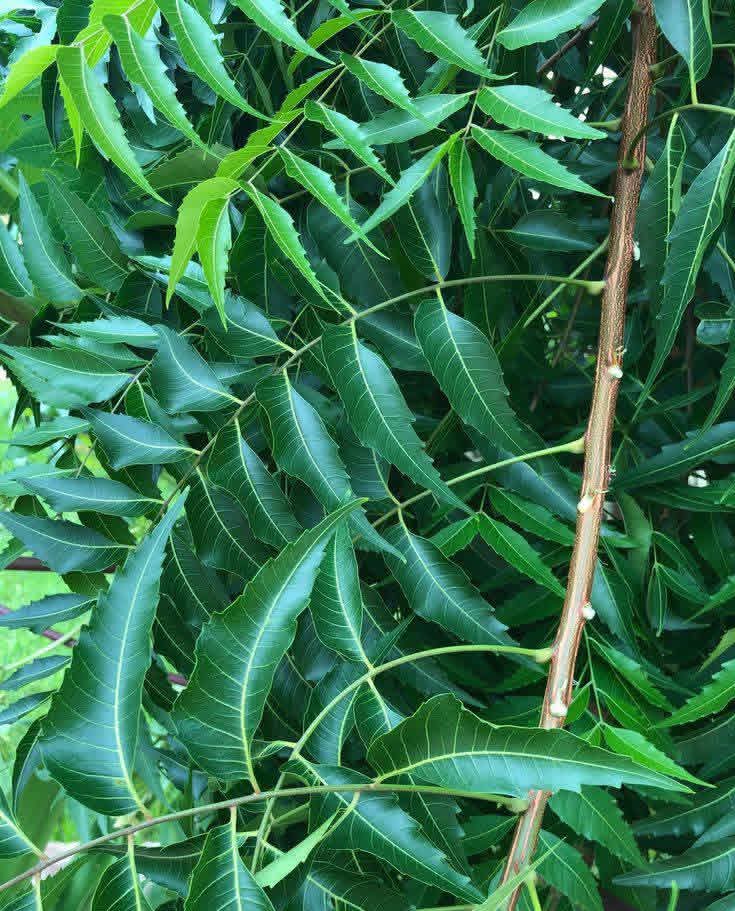
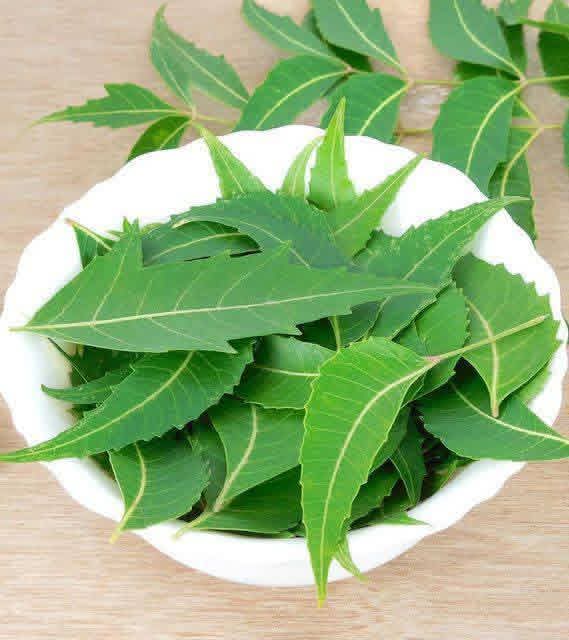
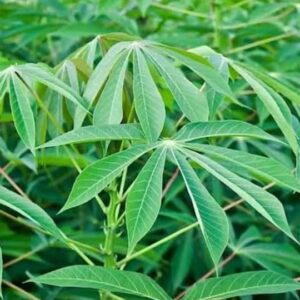
Azadirachta indica leaves are compound pinnate leaves — each leaf consisting of 8–19 pairs of leaflets whose combined surface area maximises photosynthetic output in the tree’s semi-arid growing environment. The leaves are medium green, slightly glossy on the upper surface, and characteristically aromatic — a mild, slightly bitter, faintly garlic-like scent that reflects the limonoid and volatile compound content shared with the seeds and oil but present at lower concentrations in the leaf tissue.
Neem leaves are produced in abundance year-round — with maximum leaf production aligned with the rainy season growing flush (June–September in northern Nigeria) and with the possibility of continuous harvest from established trees through managed pruning that simultaneously harvests leaf biomass and maintains tree structure. The commercial advantage of leaf harvest over seed harvest is continuous availability — unlike the single annual seed harvest window, neem leaves can be harvested multiple times per year from productive trees, providing a year-round raw material supply whose production calendar is far more commercially flexible than the seed-based product supply.
The Phytochemical Profile — The Leaf’s Distinctive Compound Contribution
Nimbolide — the limonoid tetranortriterpene compound present in neem leaves at concentrations that are significantly higher than in neem seeds or neem oil — is the most commercially significant distinction between neem leaf and neem seed as pharmaceutical raw materials. Nimbolide’s documented anticancer activity — specifically its documented induction of apoptosis in cancer cell lines and its inhibition of tumour angiogenesis documented through NCBI’s oncology pharmacology research database — has made it one of the most actively researched natural product anticancer compound leads currently in the pharmaceutical natural product drug discovery pipeline. Unlike azadirachtin (present at much higher concentrations in seeds than leaves), nimbolide is the compound for which pharmaceutical researchers specifically seek neem leaf as the preferred raw material source.
Nimbidin and Nimbin — the anti-inflammatory and antibacterial limonoid compounds documented through NCBI’s pharmacology database for their efficacy against Streptococcus mutans, Staphylococcus aureus, and Propionibacterium acnes — are present in neem leaves at commercially significant concentrations. These are the compounds specifically responsible for neem leaf’s documented oral antibacterial efficacy in the clinical trial literature and its cosmetics anti-acne and anti-dandruff applications. Research published in the Journal of Ethnopharmacology documents nimbidin and nimbin’s antibacterial mechanism as membrane disruption-based — a mechanism that is less susceptible to the antibiotic resistance development that threatens conventional antibiotic-based oral care active ingredients.
Quercetin and Kaempferol — the flavonoid antioxidants present in neem leaf at meaningful concentrations — documented through food chemistry research accessible via NCBI to have anti-inflammatory, antiviral, and antioxidant properties that contribute to neem leaf’s multi-mechanism therapeutic profile.
Chlorogenic Acid — the phenolic compound whose alpha-glucosidase inhibitory antidiabetic activity we documented in the moringa leaf powder article — also present in neem leaf at clinically relevant concentrations, contributing to neem leaf’s documented blood sugar management properties reviewed through NCBI’s endocrinology research.
Beta-Sitosterol and Stigmasterol — the plant sterols documented for cardiovascular health benefits and anti-inflammatory properties — present in neem leaf at concentrations that contribute to its documented anti-inflammatory efficacy in traditional and clinical research contexts.
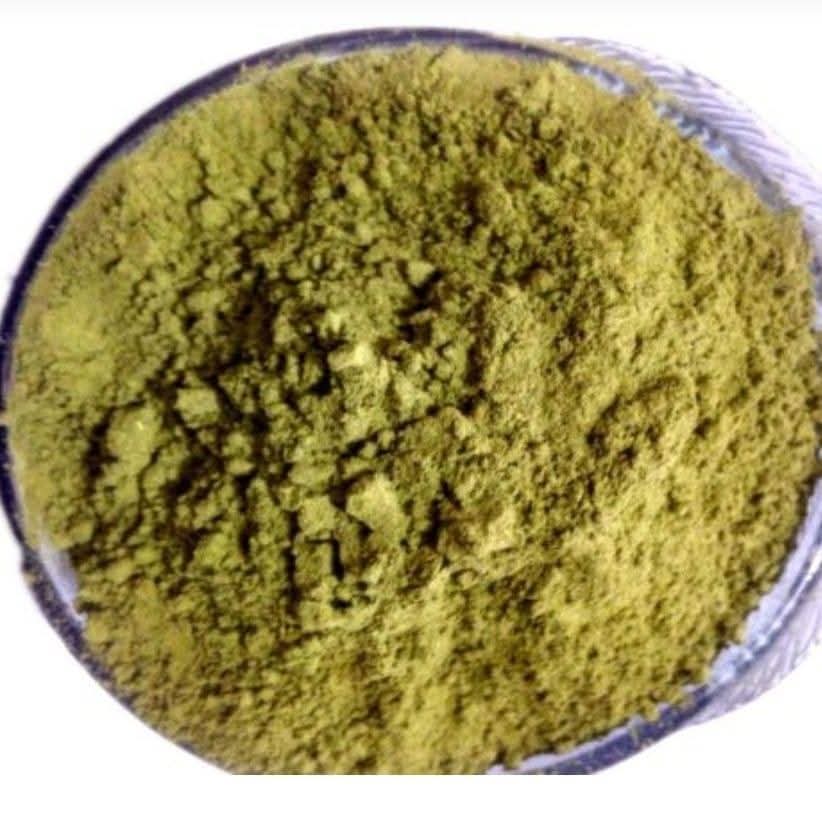
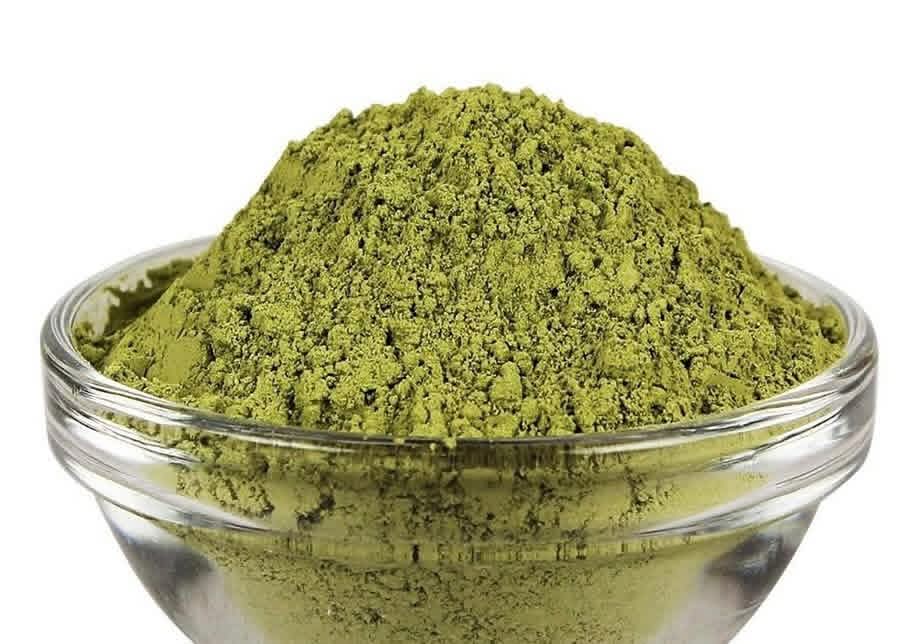
Chlorophyll — present at concentrations that give fresh neem leaf its characteristic dark green colour and dried leaf powder its characteristically dark olive-green appearance — contributing mild detoxification properties and natural green colouring to cosmetics applications.
Azadirachtin — present in neem leaves at lower concentrations than in seeds (typically 0.1–0.5% in dry leaf vs 0.5–5% in dry seed) — but at sufficient concentrations to contribute to neem leaf powder’s biopesticide activity in agricultural applications where seed-grade azadirachtin concentration is not required for efficacy.
Three Commercial Product Forms
Dried Whole Neem Leaves — harvested fresh leaves dried at low temperature (below 50°C) to below 10% moisture — the form preferred for herbal tea manufacture, traditional medicine product companies requiring authentic whole leaf identity confirmation, and animal health applications where whole leaf morphology provides product identity assurance. Whole dried leaves also serve as the raw material for in-house extraction by pharmaceutical and cosmetics buyers who process their own neem leaf extracts.
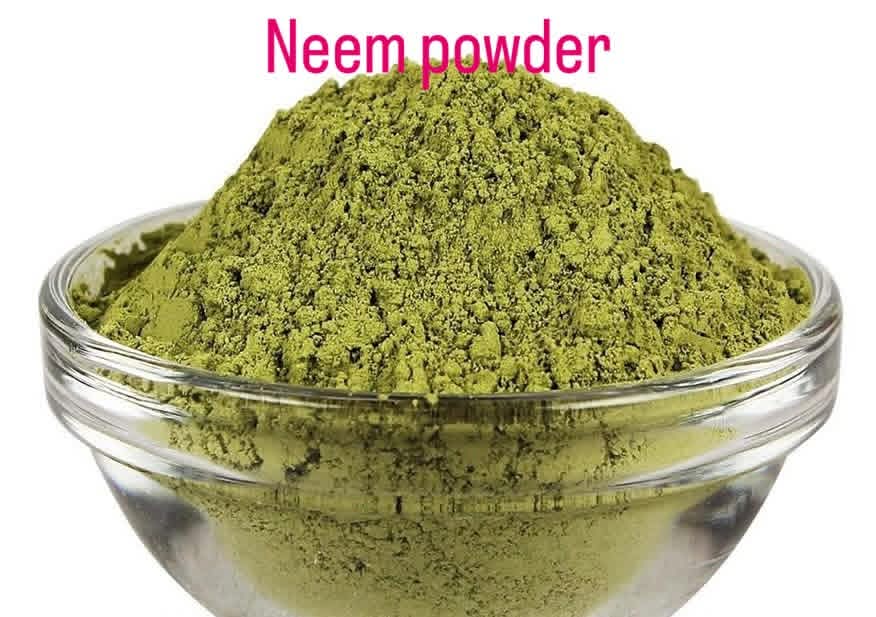
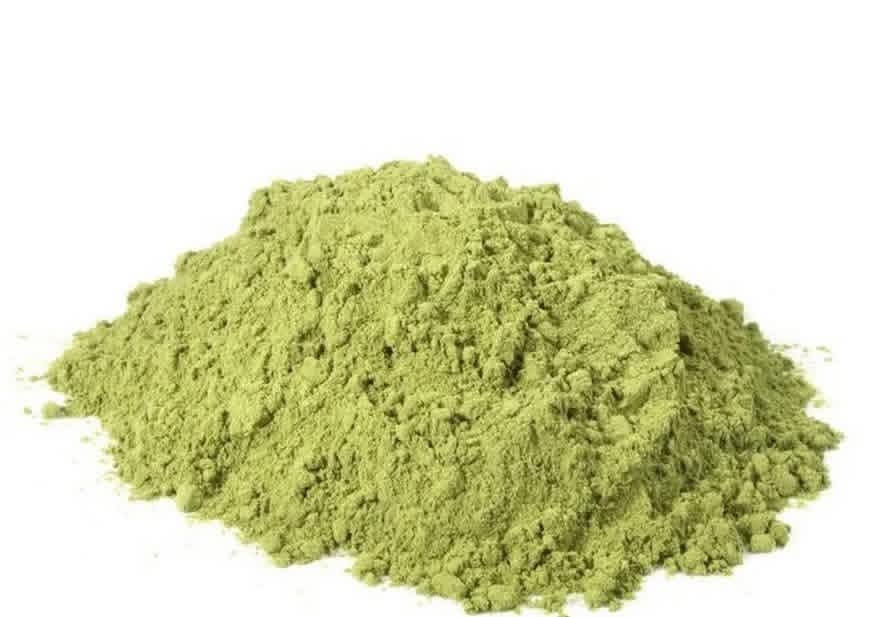
Neem Leaf Powder (Coarse to Fine) — dried leaves milled to particle size ranging from coarse (60–80 mesh for agricultural and herbal product applications) through medium (80–100 mesh for standard cosmetics and nutraceutical incorporation) through fine (100–200 mesh for pharmaceutical-grade and premium cosmetics applications). Particle size specification is a primary quality parameter for each application context.
Neem Leaf Extract — standardised ethanolic or water-based extract produced by solvent extraction of dried neem leaf, concentrated and spray-dried to produce a standardised nimbidin, nimbolide, or total phenolic content extract powder. This is the highest-value-added form, requiring more sophisticated processing capability and analytical standardisation, and commanding the highest per-kilogram pricing in pharmaceutical and premium cosmetics procurement.
Benefits and Industrial Uses of Nigerian Neem Leaves Powder
Oral Care Industry — The Most Commercially Timely Application
The global oral care market’s natural formulation revolution — creating the commercial space for neem leaf powder’s most commercially compelling application — is documented through Grand View Research’s natural oral care market segment data showing the natural and botanical oral care segment growing at 8–10% annually versus conventional toothpaste’s 3–4% market growth. Consumer rejection of fluoride, synthetic detergents (sodium lauryl sulphate), artificial sweeteners (saccharin), and synthetic antibacterial agents (triclosan, now banned in many markets) is creating formulation demand for botanical antimicrobial alternatives whose efficacy is clinically substantiated.
Natural toothpaste and tooth powder formulation — neem leaf powder or neem leaf extract incorporated into natural toothpaste provides documented antimicrobial activity against Streptococcus mutans and Lactobacillus acidophilus (the two primary tooth decay bacteria), Porphyromonas gingivalis and Aggregatibacter actinomycetemcomitans (the primary periodontal disease pathogens), and Candida albicans (the oral fungal pathogen). Clinical trials published through NCBI’s dental research database confirm efficacy comparable to chlorhexidine mouthwash (the pharmaceutical gold standard for oral antibacterial action) against S. mutans in randomised controlled trial conditions — a clinical evidence level that most natural oral care ingredients cannot match.
Premium Ayurvedic oral care brands including Dabur Meswak, Himalaya Herbals, Patanjali, and dozens of independent natural oral care companies across European and American natural health retail have built commercially successful toothpaste, tooth powder, and mouthwash product lines incorporating neem as the primary antibacterial botanical active. The American Dental Association (ADA) and British Dental Association (BDA) have both engaged with research on natural antimicrobial oral care ingredients — confirming the clinical evidence framework within which neem oral care claims can be substantiated.
Mouthwash and oral rinse — neem leaf extract in alcohol or water-based oral rinse formulations provides an evidence-based natural antibacterial mouthwash whose commercial positioning against conventional chlorhexidine mouthwash is supported by the head-to-head clinical trial data in NCBI — confirming comparable efficacy against the key oral pathogens at conventional use concentrations.
Dental floss coating and interdental products — neem extract incorporated into dental floss coating, interdental brush antibacterial coating, and tongue scraper surface treatment provides antimicrobial activity specifically in the interdental and periodontal pockets where P. gingivalis colonisation drives chronic periodontal disease. This is an application category tracked through Mintel’s oral care product innovation database as one of the fastest-growing natural ingredient adoption trends in premium dental health product development.
Chewing gum and breath freshening — neem’s traditional chewing stick application directly maps to the modern breath freshening and oral hygiene chewing gum category — where neem extract provides both genuine antibacterial activity and the mild bitter-aromatic flavour character that premium botanical oral health products communicate as authentic traditional medicine effectiveness.
For oral care manufacturers evaluating Nigerian neem leaf powder and neem leaf extract for toothpaste, mouthwash, or dental product formulation, contact our export team to discuss nimbidin and nimbolide content documentation and standardised extract specifications.
Agricultural Biopesticide and Organic Farming
Neem leaf powder’s biopesticide application — while less azadirachtin-concentrated than seed-derived products — provides commercially meaningful pest management efficacy at the lower application cost that bulk leaf powder’s competitive pricing enables. The leaf’s combination of lower azadirachtin concentration with the full nimbidin, nimbin, and phenolic compound portfolio creates a multi-mechanism pest management profile whose application in soil amendment and foliar spray contexts is documented through agricultural research accessible via NCBI’s plant protection science publications:
Soil amendment — neem leaf powder incorporated into soil at 2–5 tonnes per hectare provides soil-borne pest and nematode suppression through azadirachtin and nimbolide’s soil biological activity, while simultaneously providing organic matter and nutrient contribution analogous to green manure. This dual pest management and soil fertility improvement function makes neem leaf powder one of the most commercially versatile organic agriculture inputs available — simultaneously addressing the soil health and pest management priorities that organic certification requires. The National Organic Program (NOP) and EU Organic Regulation 848/2018 both permit neem leaf powder as an approved organic input.
Foliar spray — neem leaf aqueous extract prepared by soaking dried neem leaf powder in water (1kg powder per 10 litres water, filtered and applied) provides foliar antimicrobial and insect-deterrent activity documented against soft-bodied insect pests, fungal disease, and bacterial leaf spot in organic horticulture. This farmer-level prepared foliar spray application — whose low cost makes it accessible to smallholder organic farmers in developing and developed countries alike — creates significant bulk procurement demand from organic agricultural input distributors.
Stored grain protection — neem leaf powder applied to grain storage facilities and mixed directly with stored grain (at 1–2% by weight) provides documented protection against storage weevils, grain moths, and beetle pests — the traditional Nigerian application of neem leaf in grain storage whose effectiveness is confirmed through agricultural science research from FAO’s integrated pest management programme.
Composting accelerator — neem leaf’s specific biochemical composition — rich in nitrogen (approximately 3–4% N by dry weight), potassium, and organic compounds including limonoids that suppress composting pathogens — makes it a premium compost accelerator and activator ingredient whose commercial appeal to the organic horticulture and urban farming markets is tracked through IFOAM’s organic farming input market intelligence.
For agricultural biopesticide input manufacturers and organic farming supply distributors evaluating Nigerian neem leaf powder for soil amendment, foliar spray production, and grain storage protection, contact our team to discuss bulk agricultural-grade leaf powder specification and supply arrangements.
Pharmaceutical Industry — Nimbolide and the Anticancer Research Frontier
The pharmaceutical industry’s engagement with Azadirachta indica leaf as a source of nimbolide — the tetranortriterpene limonoid whose anticancer properties have attracted the most intensive pharmaceutical research attention of any neem compound — represents the highest-value commercial application for neem leaf as a raw material and the most commercially significant pharmaceutical development opportunity in the neem product portfolio:
Nimbolide anticancer pharmaceutical research — nimbolide’s documented induction of apoptosis (programmed cell death) in breast, prostate, colon, lung, and pancreatic cancer cell lines — reviewed through comprehensive research accessible via NCBI’s oncology pharmacology database and published in journals including the Journal of Natural Products — has made it one of the most commercially interesting natural product anticancer compound leads currently under investigation by pharmaceutical natural product research programmes. For pharmaceutical research institutions and natural product chemistry companies investigating nimbolide as a drug candidate or drug lead for anticancer pharmaceutical development — neem leaf is the preferred raw material source, offering higher nimbolide concentration than seeds while providing more accessible processing than bark-based extraction.
Anti-inflammatory and anti-arthritic pharmaceutical applications — neem leaf extract’s nimbidin-mediated inhibition of prostaglandin synthesis and arachidonic acid metabolism — documented through NCBI’s inflammation and pharmacology research — provides a pharmaceutical evidence base for neem leaf extract as a natural COX-2 inhibitory anti-inflammatory active. Research from the Arthritis Research UK programme and through clinical pharmacology publications accessible via NCBI confirms the anti-arthritic efficacy of neem leaf preparations in both traditional use contexts and limited clinical trial settings.
Antidiabetic pharmaceutical applications — neem leaf’s documented anti-hyperglycaemic activity — through chlorogenic acid’s alpha-glucosidase inhibition and through other insulin-sensitising mechanisms reviewed in NCBI’s endocrinology research database — creates pharmaceutical research interest in neem leaf extract as a candidate natural antidiabetic active. The WHO has engaged with Azadirachta indica leaf within its traditional medicine and phytotherapy documentation programme — providing institutional legitimacy for pharmaceutical research into its antidiabetic mechanism.
Antimalarial pharmaceutical applications — neem leaf’s gedunin and related limonoid compounds’ documented in vitro and in vivo antimalarial activity against Plasmodium falciparum — reviewed through NCBI’s tropical medicine and parasitology publications and tracked by the Medicines for Malaria Venture (MMV) — creates pharmaceutical research interest in neem leaf as a potential antimalarial compound source complementary to the seed-derived antimalarial activity documented in our neem seed article.
Ayurvedic pharmaceutical raw material — the Ayurvedic Pharmacopoeia of India formally recognises Nimba Patra (neem leaf) as a pharmaceutical-grade Ayurvedic drug substance — used in preparations for skin disease management, liver function support, blood purification, and general detoxification across classical Ayurvedic formulation. Ayurvedic pharmaceutical manufacturers globally source authenticated neem leaf as a mandatory raw material for Ayurvedic medicine production.
For pharmaceutical natural product research institutions, Ayurvedic pharmaceutical manufacturers, and pharmaceutical ingredient buyers evaluating Nigerian neem leaf powder or neem leaf extract for nimbolide content, antidiabetic activity, or antimalarial compound research, contact Paradise MultiTrade to discuss pharmaceutical-grade supply and analytical documentation.
Cosmetics and Personal Care Industry — Beyond the Seed Oil
While the neem seed oil article documented neem oil’s extensive cosmetics applications — anti-acne, anti-dandruff, scalp health — neem leaf powder contributes a distinct and complementary set of cosmetics applications based on its specific compound portfolio:
Anti-dandruff shampoo and scalp treatment — neem leaf powder or extract incorporated into shampoo formulations provides documented antifungal activity against Malassezia furfur (the scalp fungus primarily implicated in dandruff and seborrhoeic dermatitis) through nimbidin and nimbolide’s antifungal mechanisms documented in NCBI’s dermatology and mycology research. This is the most commercially established cosmetics application for neem leaf — with market leaders including Himalaya Herbals, Biotique, and Forest Essentials among the natural personal care brands whose neem leaf anti-dandruff shampoos have achieved mainstream commercial success.
Herbal face pack and skin mask — neem leaf powder’s combination of nimbidin antibacterial activity (anti-acne), nimbolide anti-inflammatory activity (reducing skin redness and irritation), quercetin antioxidant protection, and the mild exfoliating effect of powdered leaf material makes it a premium ingredient for herbal face pack formulations targeting acne-prone and oily skin types. This application is one of the most commercially established in the Indian natural beauty market and is progressively gaining adoption in European and American clean beauty formulations, tracked through Mintel’s global facial skin care innovation database.
Natural hair colour and conditioning treatment — traditional use of neem leaf in hair treatments across Indian, West African, and Middle Eastern cosmetics traditions — where regular neem leaf paste application is documented to reduce premature greying, condition hair fibre, and reduce scalp inflammation — creates an interest in herbal hair treatment product development. Research on neem leaf’s hair care properties reviewed through NCBI confirms the biological plausibility of these traditional applications through the leaf’s specific biochemical mechanisms.
Colour cosmetics green ingredient — neem leaf powder’s characteristic dark olive-green colour from chlorophyll content creates natural green colouring applications in botanical cosmetics products where authenticity of natural botanical identity is communicated through the visual character of the leaf material in the finished product.
INCI nomenclature — neem leaf is classified as Azadirachta Indica Leaf Powder and Azadirachta Indica Leaf Extract in the international cosmetics ingredient naming system, confirmed through INCI Decoder — providing EU and international cosmetics regulatory label compliance framework. The Cosmetic Ingredient Review (CIR) has assessed neem leaf in cosmetics applications.
Nutraceutical and Dietary Supplement Industry
Detoxification and blood purification supplements — neem leaf’s traditional Ayurvedic application as a Raktashodhana (blood purifier) and general detoxification botanical — supported by nimbolide’s documented hepatoprotective activity and the leaf’s capacity to enhance liver cytochrome P450 enzyme activity for xenobiotic metabolism documented through NCBI’s hepatology research — creates nutraceutical product development interest in neem leaf extract for detox supplement formulations. The Natural Products Association (NPA) tracks neem leaf supplement development within the broader detox and liver health supplement category.
Immune support supplement — neem leaf’s documented immunomodulatory properties — stimulating lymphocyte proliferation and natural killer cell activity documented through NCBI’s immunology research — create nutraceutical positioning for neem leaf extract in the immune support supplement category whose growth has been dramatically accelerated by post-COVID consumer health awareness.
Blood sugar management supplement — neem leaf’s antihyperglycaemic activity through multiple documented mechanisms — creating nutraceutical product development interest for the enormous and growing diabetic and pre-diabetic consumer supplement market documented through Grand View Research’s antidiabetic supplement analysis.
Skin health supplement — neem leaf’s anti-inflammatory and antibacterial compounds taken as oral supplement for management of acne, eczema, and chronic inflammatory skin conditions — representing a growing category in the beauty-from-within supplement market tracked through Euromonitor International’s nutraceutical market intelligence.
Animal Health and Veterinary Applications
Natural antiparasitic supplement — neem leaf powder incorporated into livestock feed at 1–5% inclusion rates provides documented antiparasitic activity against intestinal helminths (worms) and ectoparasites (lice, ticks, mites) in poultry, cattle, goats, and sheep — through azadirachtin’s antifeedant and growth-disrupting properties on insect and parasite life cycles. Research on neem leaf’s veterinary antiparasitic applications is published through NCBI’s veterinary science publications and confirmed by the American Veterinary Medical Association (AVMA) publications on natural parasite management alternatives.
Poultry health and growth supplement — neem leaf powder at low dietary inclusion rates (1–2%) has demonstrated immunostimulant effects and growth promotion in poultry production systems — reducing mortality from common poultry infections and improving feed conversion ratios documented through veterinary nutrition research. For organic poultry producers whose antibiotic-free production certification prohibits conventional antibiotic growth promoters — neem leaf powder provides an evidence-based natural growth promotion and disease prevention alternative.
Aquaculture and fish health — neem leaf extract’s documented activity against aquaculture bacterial and parasitic pathogens — reviewed through FAO’s aquaculture health management programme — creates commercial demand from aquaculture health management buyers in tilapia, catfish, and shrimp farming operations across African and Asian markets where neem leaf’s accessibility and cost-effectiveness make it a practical disease management tool.
Why Buy Neem Leaves Powder From Nigeria?
The Scale Argument — The World’s Most Abundant Unharvested Neem Leaf Resource
Nigeria’s naturalised neem tree population — estimated in the millions of trees across urban, peri-urban, and rural landscapes of the northern Sahel and Sudan savanna states — represents what is arguably the world’s largest commercially accessible neem leaf biomass resource whose production cost is essentially zero (no planting, no irrigation, no agricultural management) and whose sustainable harvest capacity is enormous relative to current formal export volumes.
This abundance creates a commercial advantage that deliberately cultivated neem origins — including India’s managed neem plantations — cannot replicate at equivalent cost structure: Nigerian neem leaf can be harvested, dried, and processed at raw material costs that reflect collection and processing labour rather than land rent, plantation establishment, and crop management expenses. For bulk agricultural-grade neem leaf powder buyers — where price per tonne determines procurement economics — Nigerian origin’s structural cost advantage over managed-plantation Indian origin is commercially decisive. Contact our team to discuss competitive pricing for bulk agricultural-grade neem leaf powder.
The Nimbolide Concentration Advantage — Sahel Growing Conditions and Limonoid Accumulation
As documented across this entire article series, Azadirachta indica grown under moderate drought stress in the Sahel’s semi-arid conditions accumulates limonoid compounds — including nimbolide, nimbidin, and azadirachtin — at concentrations higher than material grown under more humid, more temperate conditions. Research on Azadirachta indica leaf limonoid variation across growing environments — published through NCBI’s plant chemistry and phytochemistry research — confirms that Sahel-zone neem leaf consistently produces nimbolide and total limonoid concentrations at the higher end of the commercial range — the specification that pharmaceutical research buyers and premium oral care formulators specifically value. Contact us to discuss nimbolide content documentation and HPLC analytical testing.
Supply Diversification From India’s Dominant Neem Leaf Trade
India’s dominance of international neem product trade — including neem leaf powder — creates the same supply concentration risks we have documented across castor oil, black pepper, and moringa. Indian neem leaf’s domestic consumption pressure from the vast Indian Ayurvedic pharmaceutical industry creates competition for export supply. Nigerian origin provides West African neem leaf supply diversification — with comparable or superior limonoid content, Atlantic coast logistics for European buyers, and a production resource whose scale and cost structure is competitive with Indian origin at equivalent quality specifications.
Complete Export Documentation
Every neem leaf powder shipment from Paradise MultiTrade carries phytosanitary certification from NAQS, NEPC export documentation, botanical species identity confirmation (Azadirachta indica leaf), certificate of origin, commercial invoice, packing list, and bill of lading. For pharmaceutical and oral care buyers, we coordinate nimbolide and nimbidin content by HPLC through accredited phytochemistry laboratories, total phenolic content by Folin-Ciocalteu method, moisture content, heavy metal screening by ICP-MS, pesticide residue analysis to EU MRL standards, and microbiological safety testing following AOAC International validated procedures. EU-bound shipments comply with Regulation (EU) 2017/625. Our NEPC Export Licence No. 0042385 and CAC Registration No. RC-9284647 are verifiable through NEPC.
Nigeria’s Neem Leaves Powder Export Strength and Global Market Demand
The Global Market — Multiple Convergent Growth Drivers
The global neem products market — tracked through Grand View Research’s neem products market analysis and Mordor Intelligence’s neem leaf market report — is growing at double-digit compound annual rates driven by the convergence of: natural oral care market growth demanding botanical antimicrobial actives; organic agriculture growth requiring approved biopesticide inputs; Ayurvedic wellness market global expansion driving pharmaceutical raw material demand; and the pharmaceutical natural product drug discovery pipeline’s growing investment in nimbolide as an anticancer compound lead.
The International Neem Network and the Neem Foundation India provide global neem market intelligence — confirming neem leaf’s growing commercial significance within the broader neem product category whose market development has historically been dominated by seed-derived products.
Key Export Destination Markets
Germany and the Netherlands — Europe’s primary natural health product and organic agriculture input markets — where Ayurvedic brand distribution, natural oral care product development, and organic farming supply create simultaneously active demand for pharmaceutical-grade and agricultural-grade neem leaf powder. German natural health product market intelligence is tracked through BVL and the German Natural Health Association (BVNH).
The United Kingdom — whose rapidly growing natural oral care market, Ayurvedic personal care brand penetration, and organic farming sector create dual oral care and agricultural input demand for neem leaf powder. UK botanical supplement import requirements are administered by MHRA for herbal medicines and FSA for food supplements.
The United States — whose natural oral care market (including brands like Desert Essence, Himalaya USA, and hundreds of independent natural personal care companies), organic agriculture input sector, and pharmaceutical natural product research institutions all create active procurement communities for Nigerian neem leaf powder. US food supplement and botanical import requirements are administered through FDA’s dietary supplement framework.
India — simultaneously the world’s largest neem producer and consumer — imports neem leaf powder from West African origins during domestic supply shortfalls and for specifically documented Sahel-zone high-limonoid-content material. Indian Ayurvedic pharmaceutical buyer intelligence is tracked through APEDA.
Japan and South Korea — whose premium natural oral care and cosmetics markets have demonstrated specific adoption of Ayurvedic and natural botanical oral health ingredients — represent growing Asian destinations tracked through JETRO and KATI.
The UAE and Gulf States — where traditional Islamic medicine’s miswak (chewing stick) oral care tradition creates specific cultural receptivity to neem oral care products, and where the large South Asian expatriate community creates Ayurvedic product demand — represent natural destination markets for Nigerian neem leaf powder.
Why Choose Paradise MultiTrade International Limited?
Nimbolide and Nimbidin HPLC Documentation for Pharmaceutical and Oral Care Buyers. We coordinate HPLC analysis of nimbolide and nimbidin content through accredited natural product chemistry laboratories — providing the specific phytochemical documentation that oral care brands and pharmaceutical buyers require for ingredient identity verification and clinical claim substantiation. This analytical capability distinguishes Paradise MultiTrade’s neem leaf programme from commodity suppliers who provide only standard food safety testing. Contact us to discuss nimbolide and nimbidin content documentation.
Botanical Species Identity Confirmation. We provide written Azadirachta indica leaf species confirmation — distinguishing from any related Meliaceae family species — on every export lot. This is the foundational quality assurance step for pharmaceutical buyers whose product registration requires authenticated botanical raw material identity. Contact us to discuss botanical identity documentation.
All Three Commercial Forms Available. Dried whole neem leaves, coarse to fine neem leaf powder (60–200 mesh range), and standardised neem leaf extract (spray-dried, nimbolide-standardised on request) — from the same documented Nigerian Sahel origin neem tree population, with consistent quality management across all forms. Contact our team to specify your required form.
Agricultural-Grade at Competitive Bulk Pricing. For bulk agricultural application buyers — organic farming input manufacturers, compost activator companies, and stored grain protection product developers — we supply large-volume agricultural-grade neem leaf powder at pricing that reflects the natural abundance of Nigeria’s unharvested neem leaf resource. Contact us to discuss bulk agricultural-grade pricing.
Integrated Neem Whole-Plant Sourcing. We supply neem leaf powder alongside neem seeds and neem oil from the same Nigerian Sahel producing communities — allowing buyers who want comprehensive neem ingredient programmes to consolidate leaf, seed, and oil procurement through a single licensed Nigerian exporter with consistent quality documentation. Contact our team to discuss integrated neem whole-plant procurement.
Multi-Commodity West African Sourcing. Neem leaf powder buyers frequently source complementary Nigerian botanical products. Alongside neem leaves powder, Paradise MultiTrade exports neem seeds, neem oil, moringa leaf powder, moringa seeds, shea butter, gum arabic, raw bush honey, hibiscus flower, sesame seeds, cashew nut kernel, and raw cashew nuts. Explore our full range of Nigerian export commodities and consolidate your West African botanical and natural ingredient sourcing through one verified, licensed export partner.
Product Specifications
| Specification | Details |
|---|---|
| Product | Nigerian Neem Leaves / Neem Leaf Powder (Azadirachta indica) |
| Common Names | Neem leaf, Dogonyaro leaf (Hausa/Nigerian), Nim leaf, Nimba Patra (Ayurvedic/Sanskrit), Margosa leaf |
| Botanical Species | Azadirachta indica A. Juss. (Meliaceae) — confirmed by botanical species documentation |
| Origin | Nigeria (Kano, Katsina, Jigawa, Kaduna, Zamfara, Sokoto, Borno, Niger States) |
| Forms Available | Dried whole leaves; Coarse powder (60–80 mesh); Medium powder (80–100 mesh); Fine powder (100–200 mesh); Standardised extract (spray-dried, nimbolide-standardised on request) |
| Nimbolide Content | Documented by HPLC on request (higher in Sahel-zone leaf than humid-zone origin) |
| Nimbidin Content | Documented by HPLC on request |
| Total Phenolic Content | Documented by Folin-Ciocalteu method |
| Quercetin Content | Present — documented by HPLC on request |
| Azadirachtin Content | 0.1–0.5% in dry leaf weight (lower than seed but present) |
| Moisture Content | ≤10% (dried whole leaves and powder) |
| Total Ash | ≤15% on dry basis |
| Foreign Matter | ≤2% (stems, bark fragments, extraneous material) |
| Heavy Metals | Lead ≤1 mg/kg; Cadmium ≤0.3 mg/kg; Arsenic ≤2 mg/kg; Mercury ≤0.1 mg/kg (ICP-MS) |
| Pesticide Residue | Multi-residue analysis to EU MRL standards for all EU-bound lots |
| Microbiological | Total plate count ≤100,000 CFU/g; Salmonella absent/25g; E. coli absent/g |
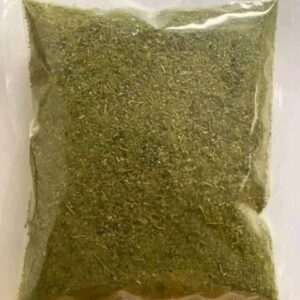
| Colour | Dark olive-green (whole/powder); Characteristic neem leaf aroma — slightly bitter, mild aromatic |
| Packaging Options | 10kg, 25kg, 50kg kraft paper bags with inner polyethylene liner; vacuum-sealed on request |
| Supply Capacity | 5–500+ MT per year (continuous year-round harvest from established urban/peri-urban/rural neem populations) |
| MOQ | Dried whole leaves: 1 MT; Powder: 500kg; Standardised extract: 50kg |
| Shelf Life | 24 months (sealed, cool, dark storage) |
| Export Documentation | Phytosanitary Certificate (NAQS), Botanical Species Identity Certificate, Certificate of Origin, NEPC Export Licence, Certificate of Analysis (AOAC methods — nimbolide/nimbidin/phenolics on request), Heavy Metal Certificate (ICP-MS), Pesticide Residue Certificate (EU MRL), Microbiological Certificate, Commercial Invoice, Packing List, Bill of Lading |
| Payment Terms | T/T, Letter of Credit (LC at sight), Escrow |
| Loading Port | Lagos (Apapa / Tin Can Island Port), Nigeria |
| Incoterms Available | EXW, FOB Lagos, CNF, CIF |
Packaging and Export Process
Leaf Harvest. Neem leaves in Nigeria’s northern Sahel states are available for harvest year-round from established tree populations — with peak leaf biomass production during the rainy season growing flush (June–September) when new growth maximises leaf area and compound concentration. In practice, harvesting is conducted across the full year by managed pruning of branch tips — harvesting the young, compound-leaf flush from the terminal 20–40cm of active growth branches where limonoid concentration is highest. Mature leaves from lower branch positions have lower nimbolide content and higher fibre content — less desirable for pharmaceutical and oral care applications.
Washing and Pre-Drying Inspection. Harvested leaf material is sorted immediately — removing damaged, yellowed, or insect-affected leaflets — then washed in clean water to remove surface dust and potential contamination before the drying stage. Speed of washing-to-drying transfer is important: wet leaves held at ambient temperature before drying create conditions for microbial growth and volatile compound loss.
Low-Temperature Drying. Clean washed leaves are dried on elevated food-grade mesh racks in shaded, well-ventilated drying areas — away from direct UV exposure that degrades chlorophyll and volatile limonoid content — at ambient temperatures maintained below 45°C. Mechanical hot-air drying at controlled 40–45°C is used by more organised processing facilities — producing more consistent moisture content and faster throughput. Target moisture: below 10%. Critical quality note: neem leaf’s volatile aromatic compounds (responsible for the characteristic aroma and partly responsible for biological activity) are heat-sensitive. Drying temperatures above 60°C significantly reduce volatile compound content and the characteristic aromatic profile that authentic neem leaf products require.
Milling. Properly dried leaves are milled through hammer mills or pin mills to the specified particle size — with sieve analysis confirming mesh specification compliance. The characteristic neem aroma is released during milling — the odour strength of freshly milled neem leaf powder is a qualitative indicator of volatile compound preservation during drying.
Quality Testing. Before export documentation preparation, representative samples are submitted for: moisture content, total ash, heavy metals (ICP-MS), pesticide residue multi-residue analysis, microbiological safety. For pharmaceutical and oral care buyers: nimbolide and nimbidin HPLC content analysis, total phenolic content, quercetin content. Results are incorporated into the certificate of analysis.
Lead Times. Dried whole leaves: 14–21 days from order confirmation to container loading. Powder (standard grades): 21–28 days. Fine powder and standardised extract: 28–42 days. Contact us early — particularly for standardised nimbolide-content extract orders requiring phytochemistry laboratory processing and analysis.
Frequently Asked Questions
How does neem leaf powder differ from neem seed powder and neem oil in terms of commercial applications?
These are three distinct products from the same Azadirachta indica tree with different primary compounds and different commercial applications: Neem leaf powder (this article) — higher nimbolide content (the anticancer and anti-inflammatory compound), strong nimbidin and nimbin antibacterial activity (oral care and skin care), lower azadirachtin than seeds, documented dental health applications. Used for: oral care, cosmetics, pharmaceutical nimbolide research, agricultural soil amendment, Ayurvedic medicine, nutraceutical supplements. Neem seed powder — highest azadirachtin concentration (the primary insect growth regulator), highest biopesticide activity. Used for: agricultural biopesticide formulation, azadirachtin extraction, organic farming direct application. Neem oil (cold-pressed from seed) — azadirachtin retained in oil fraction, plus fatty acid profile for cosmetics carrier applications. Used for: biopesticide formulation, cosmetics anti-acne/anti-dandruff, veterinary parasite control. All three are available from Paradise MultiTrade as separate product lines with separate analytical documentation. Contact us to confirm which product your application requires.
What clinical evidence supports neem leaf powder’s use in oral care formulations?
Clinical evidence for neem’s oral antibacterial efficacy is published through peer-reviewed dental research accessible via NCBI — including randomised controlled trials comparing neem leaf extract mouthwash to chlorhexidine (the pharmaceutical gold standard oral antibacterial) for Streptococcus mutans plaque reduction, demonstrating comparable efficacy at standard use concentrations. Additional clinical research documents neem’s efficacy against Porphyromonas gingivalis (primary periodontal pathogen), Lactobacillus acidophilus (dental caries pathogen), and Candida albicans (oral thrush). The WHO’s endorsement of neem twigs as a validated traditional oral hygiene tool provides the highest-level institutional recognition of this clinical evidence base. The specific compound responsible for primary antibacterial activity — nimbidin — operates through membrane disruption that is less susceptible to bacterial resistance development than antibiotic-based oral care actives. For oral care manufacturers who need the complete clinical evidence dossier for regulatory claim substantiation — we provide the academic literature package alongside analytical documentation of nimbidin content. Contact us to discuss oral care application documentation.
What EU regulatory framework applies to neem leaf powder sold as a food supplement in Europe?
Neem leaf powder sold as a food supplement in EU markets is subject to: EU Directive 2002/46/EC on food supplements; general food safety under Regulation (EC) 178/2002; pesticide residue MRL compliance; and heavy metal contaminant limits. Critical regulatory consideration: The European Commission’s Novel Food catalogue classifies neem-derived food products — buyers must verify the specific Novel Food authorisation status for neem leaf in their target EU member state before marketing as a food supplement. Several EU member states have specifically assessed neem leaf’s Novel Food status. Neem leaf’s use in traditional Ayurvedic medicine preparations that predate EU Novel Food regulation may provide a “traditional use” pathway in some member states — but this requires legal review specific to the target country and product application. Paradise MultiTrade provides the source documentation required for Novel Food regulatory assessment but recommends buyers obtain specific regulatory guidance for their target EU market. For oral care product applications (topical, not ingested as food) — Novel Food provisions do not apply. Contact us to discuss regulatory documentation support.
What is nimbolide and why is it commercially more significant in neem leaf than in neem seed or oil?
Nimbolide is a tetranortriterpene limonoid compound — a member of the larger neem limonoid family that also includes azadirachtin, nimbin, nimbidin, and salannin. What distinguishes nimbolide commercially is its specific distribution within the neem plant: while azadirachtin concentrates most heavily in the seed endosperm (making seed the preferred raw material for azadirachtin-based biopesticide), nimbolide concentrates most heavily in the leaf tissue — making neem leaf the preferred raw material for pharmaceutical researchers specifically interested in nimbolide. Nimbolide’s documented anticancer mechanism — inducing apoptosis in multiple cancer cell line types through Akt/mTOR pathway inhibition and NF-κB signalling suppression, reviewed through NCBI’s oncology pharmacology research — has made it one of the most actively studied natural product anticancer compound leads in the pharmaceutical drug discovery pipeline. For pharmaceutical research companies who have identified nimbolide as a drug candidate or drug lead — neem leaf is the raw material; neem seed is not an adequate alternative source at comparable concentration. Paradise MultiTrade coordinates HPLC nimbolide quantification through accredited phytochemistry laboratories for pharmaceutical research buyers. Contact us to discuss nimbolide content specification.
Can neem leaf powder be used in certified organic agricultural systems and what documentation confirms this?
Yes — neem leaf powder is approved as an input in certified organic agricultural systems under both EU Organic Regulation 848/2018 and the USDA National Organic Program (NOP) — where it qualifies as a plant-based natural substance approved for crop protection and soil amendment applications. The specific regulatory basis is its classification as a natural, minimally processed plant material applied for pest management purposes — meeting the organic input criteria that prohibit synthetic inputs while permitting naturally occurring substances. For organic input manufacturers who supply certified organic farms — neem leaf powder from Paradise MultiTrade can be incorporated into certified organic product formulations with appropriate documentation. We provide the natural substance origin declaration and production process description that organic input product certification requires from raw material suppliers. For buyers who additionally want certified organic-grown neem leaf — we are developing organic-certified neem leaf sourcing programmes from farmers in our Sahel producer network. Contact us to discuss organic certification status and availability.
What is the Nigerian neem leaf harvest season and how does year-round availability work?
Unlike seasonal seed crops with a single annual harvest window, Nigerian neem trees produce leaves year-round — with managed pruning harvest possible throughout the calendar year from established tree populations. Peak biomass season: June–September (the rainy season growing flush when new leaf production is highest and fresh leaf mass per harvest is maximum). High compound concentration season: October–February (the dry harmattan season when reduced water availability triggers stress-response secondary metabolite accumulation — producing the higher nimbolide and limonoid content per unit leaf mass that pharmaceutical buyers seek). The practical consequence for procurement planning is genuine year-round supply availability — with pharmaceutical and oral care buyers who specifically need high-limonoid-content material should coordinate for October–February harvest period production. Agricultural-grade buyers for whom bulk volume at competitive price is the primary specification can be served from any harvest period. Contact us to coordinate harvest timing with your compound concentration specification.
What transit times should I expect from Nigeria?
Neem leaf powder (standard dry container — no temperature control required): UK (Tilbury, Felixstowe) — 14–18 days from Lagos. Netherlands (Rotterdam) — 14–18 days. Germany (Hamburg) — 14–20 days. France (Le Havre) — 14–18 days. USA (East Coast — New York, Baltimore, Savannah) — 18–25 days. UAE (Jebel Ali) — 10–14 days. India (Nhava Sheva, Mundra) — 10–15 days. Japan (Yokohama) — 25–32 days. Canada (Halifax, Montreal) — 18–28 days. Packaging note: Neem leaf powder’s moisture absorption and volatile compound preservation both require sealed, moisture-barrier packaging with nitrogen-flushed headspace for premium pharmaceutical and oral care grade lots — ensuring that the nimbolide and nimbidin content documented at point of production is preserved at the same levels through transit and to your facility. Contact us to plan your complete logistics programme.
Ready to Source Premium Nigerian Neem Leaves Powder — Dried Whole Leaves, Coarse to Fine Powder, and Standardised Extract With Nimbolide and Nimbidin HPLC Documentation for Oral Care Manufacturers, Pharmaceutical Research Buyers, Agricultural Input Companies, Cosmetics Formulators, and Global Wholesale Importers?
If you are a natural oral care manufacturer developing neem-active toothpaste, mouthwash, dental powder, or herbal oral health products whose clinical substantiation requires documented nimbidin content and peer-reviewed antibacterial efficacy evidence, a pharmaceutical natural product research institution investigating nimbolide as an anticancer, anti-inflammatory, or antidiabetic drug lead requiring authenticated Azadirachta indica leaf as raw material with documented nimbolide content, an Ayurvedic pharmaceutical manufacturer sourcing Nimba Patra neem leaf meeting Ayurvedic Pharmacopoeia specifications for classical Ayurvedic medicine formulation, an organic farming input manufacturer developing neem leaf powder soil amendment, foliar spray, or stored grain protection products for certified organic agriculture markets in EU, USA, or Australia, a cosmetics brand developing anti-dandruff shampoo, herbal face pack, or Ayurvedic personal care formulations incorporating neem leaf extract or powder as a primary antibacterial and anti-inflammatory active, a nutraceutical brand developing detoxification, immune support, blood sugar management, or skin health supplement products from documented neem leaf extract, a veterinary natural health product manufacturer developing neem leaf antiparasitic feed supplements for organic livestock and poultry production systems, or a global botanical wholesale buyer building Nigerian neem leaf supply positions as an integrated component of a comprehensive neem whole-plant sourcing programme — Paradise MultiTrade International Limited is the licensed Nigerian exporter your neem leaf powder supply programme needs.
We supply Nigerian Azadirachta indica neem leaves and leaf powder — dried whole leaves, coarse to fine powder (60–200 mesh), and standardised spray-dried extract — from Sahel-zone Kano, Katsina, Kaduna, and Sokoto producing communities, botanical species identity confirmed on every lot, nimbolide and nimbidin HPLC documented on request for pharmaceutical and oral care buyers, EU pesticide residue compliant, heavy metal screened, microbiologically certified, and exported with full regulatory and analytical documentation to buyers in every major regulated destination market.
Request a Quotation — share your required form (dried whole leaves, powder mesh specification, or standardised extract), volume, nimbolide/nimbidin content specification if applicable, application context (oral care, pharmaceutical, agricultural, cosmetics, nutraceutical, veterinary), organic certification requirement, destination market, packaging format, and preferred incoterms. We respond with a detailed, competitive quote within 48 hours.
Contact Our Export Team — speak directly with our export coordinators about nimbolide and nimbidin HPLC analysis, botanical species identity documentation, EU Novel Food regulatory status guidance, organic certification availability, oral care clinical evidence documentation support, pharmaceutical-grade extract standardisation, agricultural-grade bulk pricing, integrated neem seed, oil, and leaf whole-plant sourcing, and long-term supply relationship structuring.
Explore Our Full Product Range — alongside neem leaves powder, Paradise MultiTrade exports neem seeds, neem oil, moringa leaf powder, moringa seeds, moringa oil, shea butter, gum arabic, raw bush honey, hibiscus flower, sesame seeds, cashew nut kernel, and raw cashew nuts. One licensed Nigerian exporter. One consolidated West African botanical medicine, natural food ingredient, and agricultural input sourcing relationship — from the most ancient dental hygiene tool that WHO has formally endorsed through the most commercially promising anticancer compound lead in the natural product drug discovery pipeline. Consistent quality, botanical identity documentation, nimbolide certification, and regulatory compliance across every commodity.
Paradise MultiTrade International Limited | NEPC Export Licence No. 0042385 | CAC No. RC-9284647 | Lagos, Nigeria | www.paradisemultitrade.com

Reviews
There are no reviews yet.