
Nigerian Garlic: The Sahel’s Most Medicinally Potent, Most Flavour-Concentrated Allium — and the West African Origin That Serious Spice Processors, Pharmaceutical Buyers, and Wholesale Importers Are Only Now Beginning to Take Seriously
Garlic Exporter Nigeria — Fresh Garlic Bulbs, Dehydrated Flakes, and Garlic Powder, Direct Sahel Origin Sourcing, Bulk Supply to Food Processors, Pharmaceutical Ingredient Buyers, Spice Manufacturers, and Wholesale Importers Worldwide
Garlic exporter Nigeria is a search phrase whose commercial frequency is growing — and growing precisely because the buyers running it have begun to understand something that the international garlic trade has historically overlooked: that Nigeria’s northern Sahel agricultural belt produces garlic of a quality profile — measured in allicin concentration, dry matter content, pungency intensity, and flavour complexity — that is commercially competitive with the established origins that dominate global garlic trade, at pricing and logistics arrangements that make the total landed cost equation increasingly compelling for buyers willing to evaluate West African origin material on its merits rather than its novelty.
Garlic (Allium sativum) is the world’s most medicinally studied food plant. This is not a marketing claim — it is a verifiable fact of academic publication record. Over 6,000 peer-reviewed studies on garlic’s pharmacological properties are indexed in scientific databases, investigating its antimicrobial, cardiovascular, anti-inflammatory, antioxidant, antidiabetic, anticancer, and immunomodulatory properties across a clinical evidence base that no other culinary herb or spice comes close to matching in breadth or depth. The primary active compound responsible for most of this pharmacological activity — allicin — is produced in garlic bulbs in concentrations that vary measurably by growing environment, variety, and post-harvest handling conditions. The Sahel’s specific combination of intense sunshine, sandy, well-drained soils, sharp diurnal temperature variation, and dry-season growing conditions — the same environmental characteristics that make Nigerian chilli pepper highly pungent and Nigerian onion highly flavourful — produce garlic with allicin concentrations at the high end of the commercially traded range. For pharmaceutical and nutraceutical ingredient buyers whose procurement economics are determined by allicin yield per kilogram of raw material processed, this is a commercially actionable quality finding.
At Paradise MultiTrade International Limited, Nigerian garlic is one of our most strategically positioned export commodities — sourced from the established farming communities of Borno, Plateau, Kano, Kaduna, and Sokoto states where garlic cultivation traditions extend across generations, processed into fresh whole bulbs, dehydrated garlic flakes, minced garlic, and garlic powder appropriate to the full range of international buyer requirements, and exported with full regulatory and analytical documentation to buyers across Europe, the Middle East, Asia, and North America who are building Nigerian origin positions in their Allium procurement programmes.
To move directly to pricing and specification discussions, request a quotation here and our export team will respond within 48 hours.
History and Origin of Garlic — The Plant That Changed Medicine, Cuisine, and Commerce Simultaneously
The Most Studied Plant in Human History
Allium sativum carries a distinction that no other cultivated plant in human history can quite match: it has been continuously valued for its medicinal, culinary, and ceremonial properties by virtually every major civilisation on earth, across every inhabited continent, for at least 5,000 consecutive years — without any period in which its significance diminished or its cultivation was abandoned by any culture that adopted it. The pyramids of ancient Egypt were built by workers whose daily rations included garlic — a fact recorded in hieroglyphic inscriptions and corroborated by garlic remains found in Tutankhamun’s tomb. Hippocrates — the father of Western medicine — prescribed garlic for respiratory complaints, intestinal parasites, and fatigue around 400 BCE. Chinese medical manuscripts from the Han dynasty document garlic’s therapeutic applications in internal medicine from approximately 200 BCE. Sanskrit texts from ancient India describe garlic (rasona) as a medicine of the highest category. Norse Viking warriors carried garlic on ocean voyages. Medieval European monks cultivated garlic in monastery physic gardens as one of the most important medicinal plants in their pharmacopoeia.
This extraordinary universality of adoption — across cultures that had no contact with each other, across climates and agricultural systems of remarkable diversity — reflects a plant whose utility is so genuine and so broad that independent human observation consistently arrived at the same conclusions about its value. The garlic trade’s extraordinary commercial history is documented through sources including the Oxford Academic Journal of Food History and historical commodity research maintained by the Kew Royal Botanic Gardens’ economic botany programme — both providing the historical commercial context within which Nigerian garlic’s contemporary export development is positioned.
Botanical Origin and the Journey to West Africa
The botanical origin of cultivated garlic — Allium sativum — is placed by genetic and archaeological evidence in Central Asia, specifically in the region spanning present-day Kyrgyzstan, Tajikistan, Turkmenistan, and Uzbekistan, where the closest wild relatives of cultivated garlic (A. longicuspis and A. tuncelianum) still grow in natural populations. From this Central Asian centre of origin, garlic spread outward through multiple pathways: westward into the Fertile Crescent and Egypt through ancient Near Eastern trade routes, eastward into China and South Asia through the Silk Road precursor trade networks, and southward into Arabia through the trade routes connecting Central Asia to the Arabian Peninsula.
The arrival of garlic in sub-Saharan Africa — specifically in West Africa’s Sahelian agricultural belt — followed the trans-Saharan trade routes that connected North Africa’s Berber and Arab trading networks to the West African Sudan-Sahel kingdoms from at least the 8th century CE. Garlic was among the botanical products carried southward by Arab merchants who introduced it to the farming communities of the Niger Bend, Lake Chad Basin, and the Sahelian agricultural zones of present-day northern Nigeria, Niger, Mali, and Senegal — communities that recognised the plant’s culinary and medicinal value and incorporated it into their agricultural systems with the same adaptability that characterised their adoption of other introduced crops.
In Nigeria specifically, garlic cultivation became established primarily in the cooler highland and Sahelian zones of the north — Plateau State’s Jos Plateau, the Borno highlands, and the Sahel states of Sokoto, Kano, and Kaduna — where the combination of cool temperatures during the December-February growing season (essential for garlic bulb development), well-drained highland and sandy loam soils, and intense dry-season sunshine that concentrates allicin compounds in maturing bulbs created growing conditions that enabled production of commercially viable quality garlic. The Jos Plateau in particular — sitting at 1,200–1,800 metres above sea level with cool dry-season temperatures — produces garlic with a flavour intensity and bulb density that domestic buyers associate with premium quality and that international buyers encountering Nigerian highland garlic for the first time consistently find notable.
Nigeria’s Garlic Production — Scale, Geography, and Commercial Development Trajectory
Nigeria’s garlic production is concentrated in a well-defined geographic arc across the northern and Middle Belt states — with Borno State and the Lake Chad basin emerging as one of Nigeria’s most significant commercial garlic production territories in recent decades, alongside the established highland production of Plateau State (Jos Plateau), and the Sahel zone production of Kano, Kaduna, and Sokoto states.
According to FAO production statistics, Nigeria’s garlic output — while not yet approaching the enormous volumes of China (which produces approximately 70% of the world’s garlic) or India and Bangladesh — has been growing consistently as commercial cultivation expands in response to both domestic market demand and growing awareness of international export potential. The Nigerian Export Promotion Council (NEPC) has actively engaged with garlic as part of its Allium export development programme — recognising the commercial synergies between garlic and onion export development given the shared growing zones, post-harvest infrastructure, and international buyer communities.
International trade flow data from ITC Trade Map confirms Nigerian garlic entering formal export channels — primarily through regional West African trade networks and increasingly through direct export to Middle Eastern and European buyers as awareness of Nigerian origin quality grows. The International Centre for Agricultural Research in the Dry Areas (ICARDA) — the CGIAR research centre whose mandate covers Allium research and dryland agricultural improvement — has conducted research on garlic production systems across West and Central Africa that documents Nigeria’s potential as a garlic producing nation and the agronomic improvements that could progressively increase both yield and quality consistency.
What Is Nigerian Garlic? Botanical Profile, Variety Diversity, and the Allicin Chemistry That Defines Commercial Value
Allium Sativum — The Botany of Commercial Significance
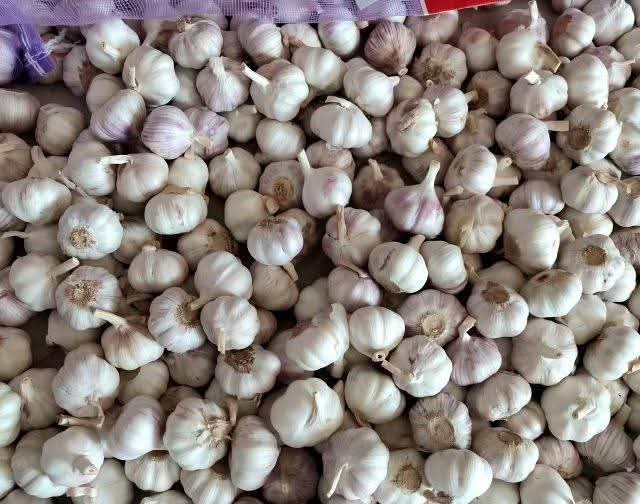
Garlic is a perennial bulbous plant of the Amaryllidaceae family — botanically within the genus Allium alongside onion, leek, chive, and shallot — that is commercially cultivated as an annual, planted in autumn or early dry season and harvested approximately 4–6 months later when leaves begin to yellow and the bulb has reached maximum development. The commercial product — the garlic bulb — is a compound structure consisting of a central stem base surrounded by 8–20 individual cloves, each enclosed in a papery tunic and together wrapped in multiple layers of papery outer skin whose colour (white, cream, purple, or reddish depending on variety) is one of the primary variety identification characteristics.
Nigerian garlic production is dominated by two broad variety categories with distinct commercial profiles:
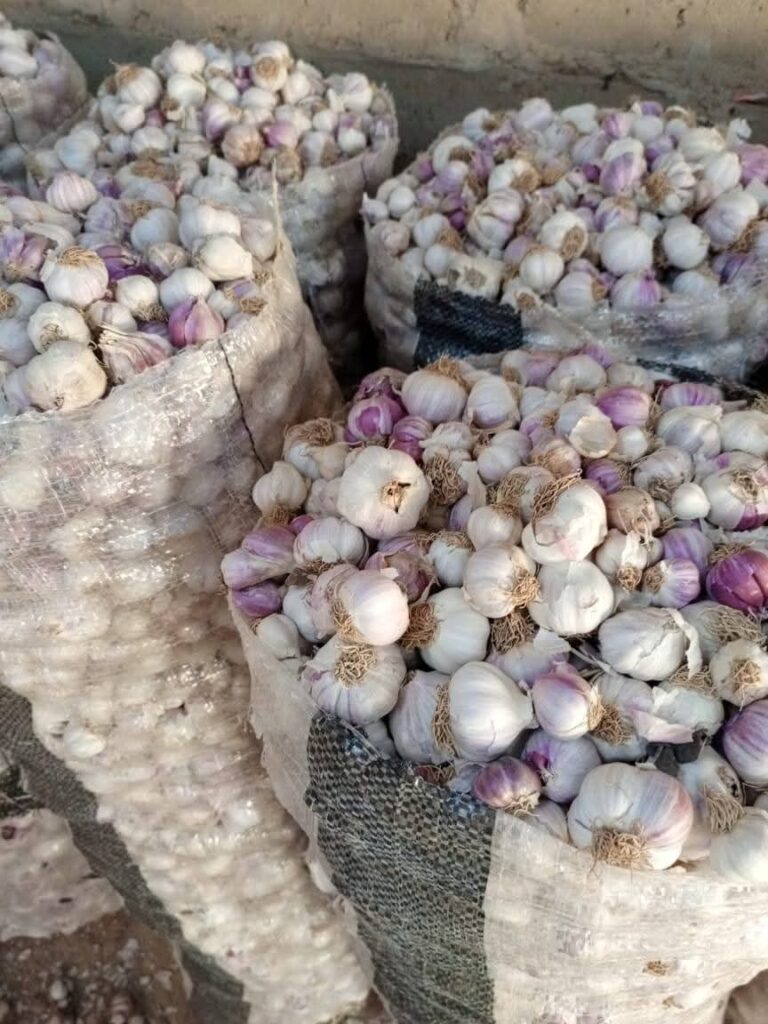
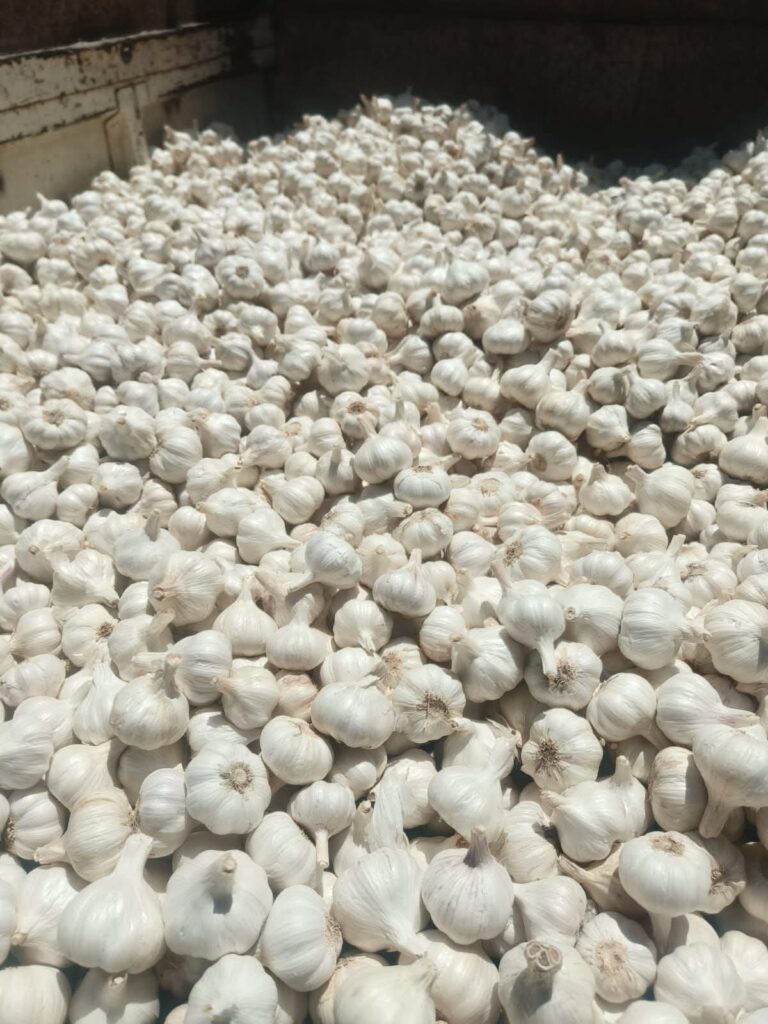
White Garlic (softneck types) — the variety dominant in Borno and Lake Chad basin production zones, producing medium-to-large bulbs with white papery skin, good shelf life, and a pungency profile broadly comparable to the Chinese softneck varieties that dominate global garlic trade. White softneck garlic is the primary commercial form demanded by international food industry buyers for dehydration, powder production, and wholesale fresh produce markets.
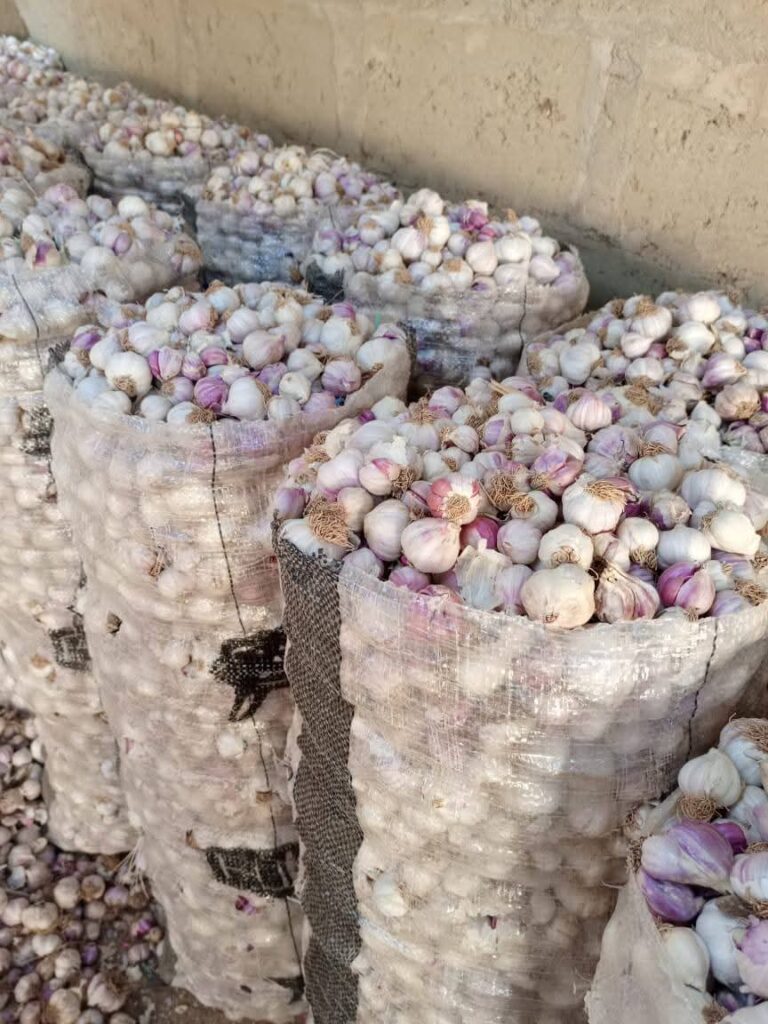
Purple/Pink Garlic (hardneck-adjacent types) — produced particularly in the cooler highland conditions of Plateau State’s Jos Plateau, producing smaller bulbs with purple-streaked papery skin and a more complex, more intense aromatic profile than softneck varieties. Plateau State hardneck-type garlic is valued in premium culinary markets and by pharmaceutical buyers who specifically seek maximum allicin concentration — the cooler growing temperatures and longer growing season of highland conditions producing higher allicin concentrations than warmer lowland growing environments, as documented in Allium research published by the American Society for Horticultural Science (ASHS).
The Allicin Story — The Chemistry That Makes Garlic Commercially Extraordinary
No discussion of garlic’s commercial value for pharmaceutical, nutraceutical, or premium food industry buyers can proceed without addressing allicin — because allicin is the compound around which garlic’s extraordinary commercial and pharmacological significance ultimately revolves.
Allicin (diallyl thiosulfinate) is not pre-formed in intact garlic cloves. It is produced through an enzymatic reaction that occurs when garlic tissue is damaged — when a clove is crushed, cut, or chewed, the enzyme alliinase — stored separately from its substrate alliin in intact cellular compartments — comes into contact with alliin and converts it instantaneously into allicin plus several other sulphur-containing compounds (ajoene, diallyl disulphide, diallyl trisulphide) that together constitute garlic’s characteristic pungent aroma and the primary antimicrobial and pharmacological activity suite that has made garlic medicinally valued since antiquity.
Allicin content of fresh garlic is determined by the alliin content of the intact bulb — a quality parameter that varies by variety, growing environment, harvest maturity, and post-harvest handling, and that is the primary quality specification for pharmaceutical and nutraceutical buyers sourcing garlic as a raw material for standardised allicin supplement production. Research on allicin biochemistry and pharmacological mechanisms — published comprehensively through NCBI’s pharmacology research database — documents the compound’s broad spectrum antimicrobial activity (against bacteria, fungi, viruses, and parasites), its cardiovascular protective properties (blood pressure reduction, cholesterol modulation, antiplatelet activity), its anti-inflammatory mechanisms, and its anticancer properties in multiple experimental models.
The World Health Organization’s formal monograph on Allium sativum — accessible through the WHO Traditional Medicines database — recognises garlic’s clinical evidence base for multiple therapeutic applications and provides the international regulatory legitimacy that pharmaceutical procurement teams require when sourcing garlic as a botanical raw material for registered medicinal products.
The alliin/allicin concentration of Nigerian Sahelian and highland garlic — grown under the specific environmental conditions that promote sulphur compound accumulation in Allium tissue — has been assessed at competitive levels relative to established origins. For pharmaceutical buyers who specify raw garlic on allicin-yield-per-kilogram of dehydrated powder, this analytical credential is the foundation of Nigerian garlic’s commercial case in the pharmaceutical ingredient procurement market. Contact our export team to discuss allicin-yield-focused garlic specification and testing arrangements.
Three Commercial Product Forms for International Export
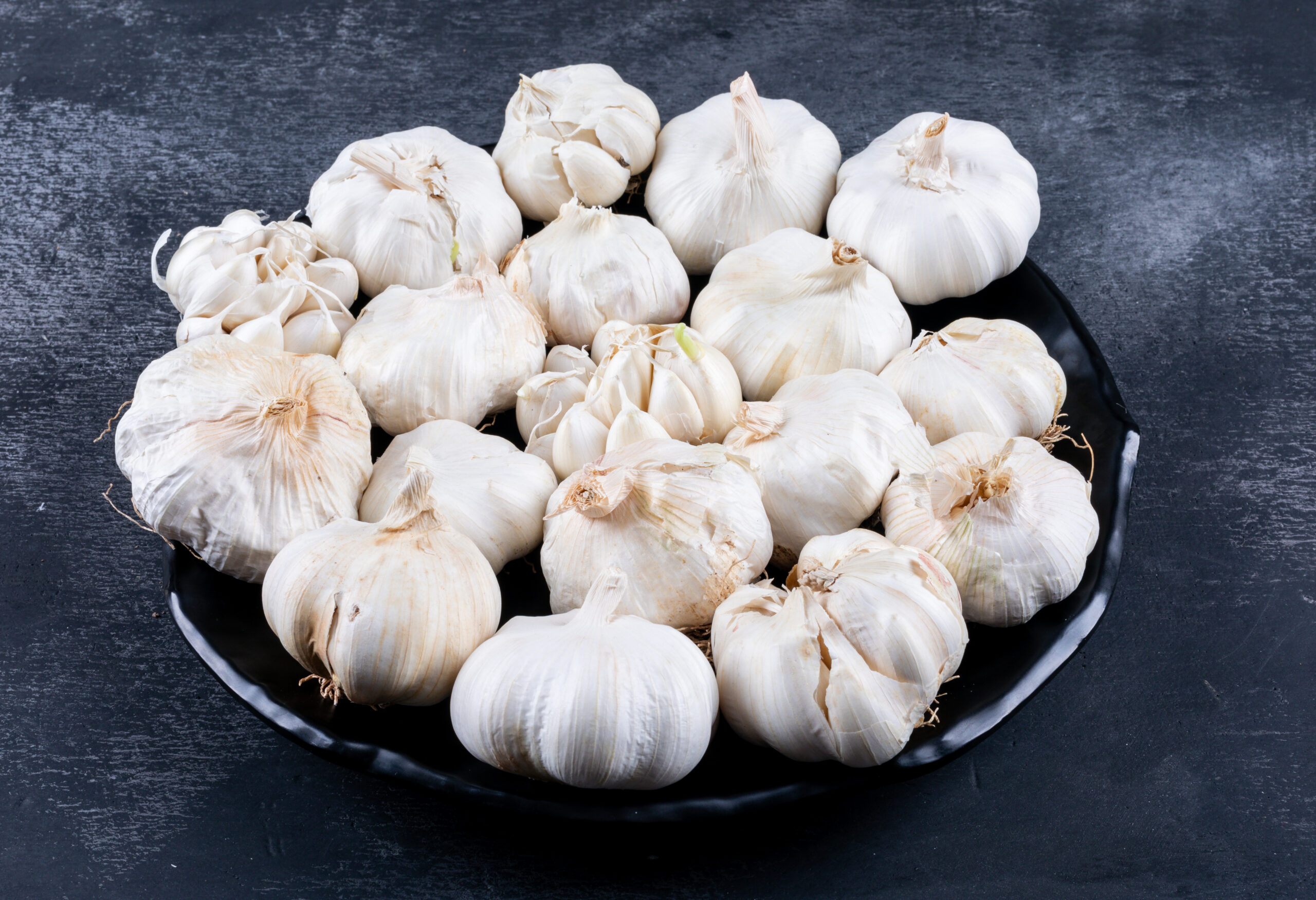
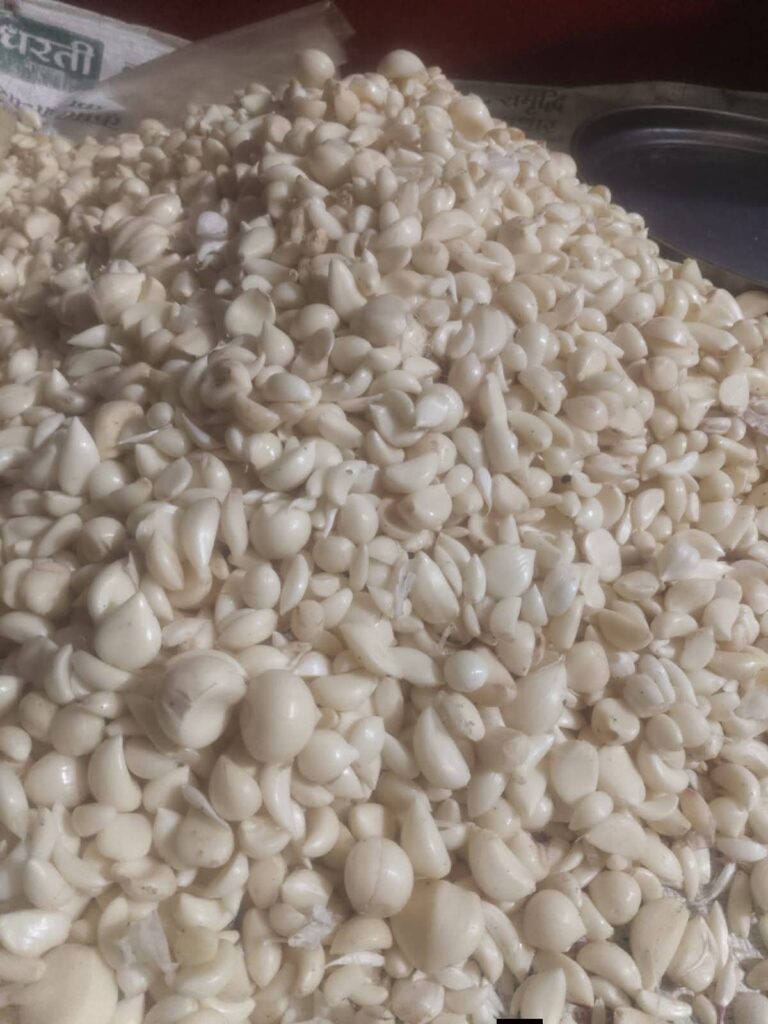
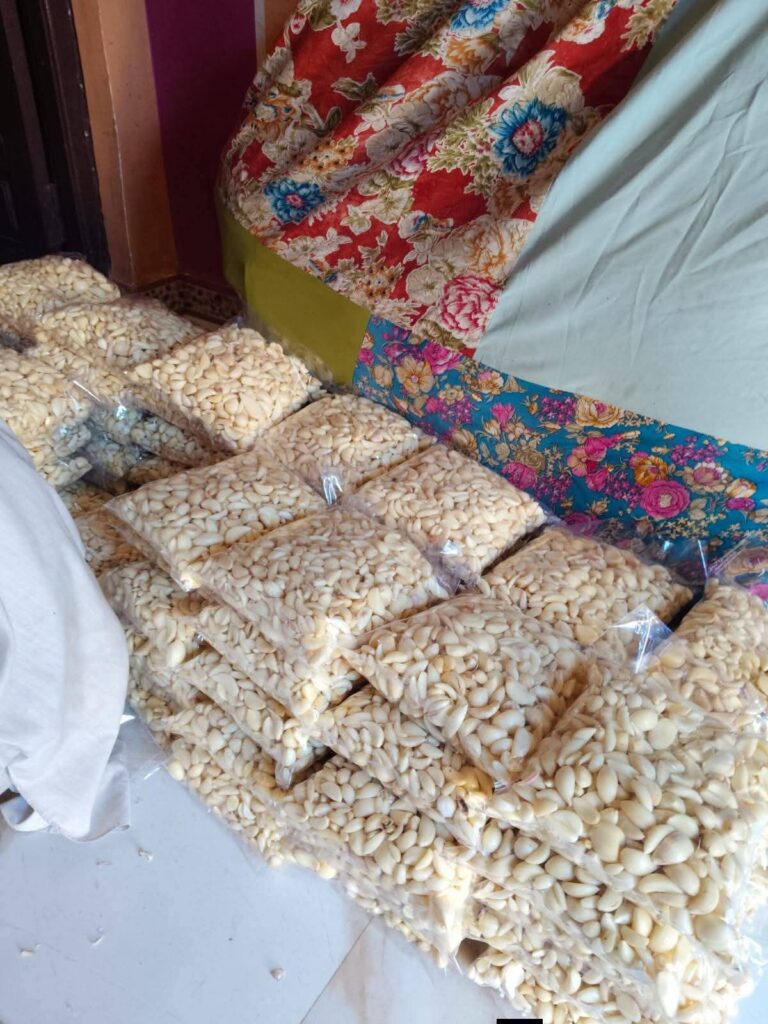
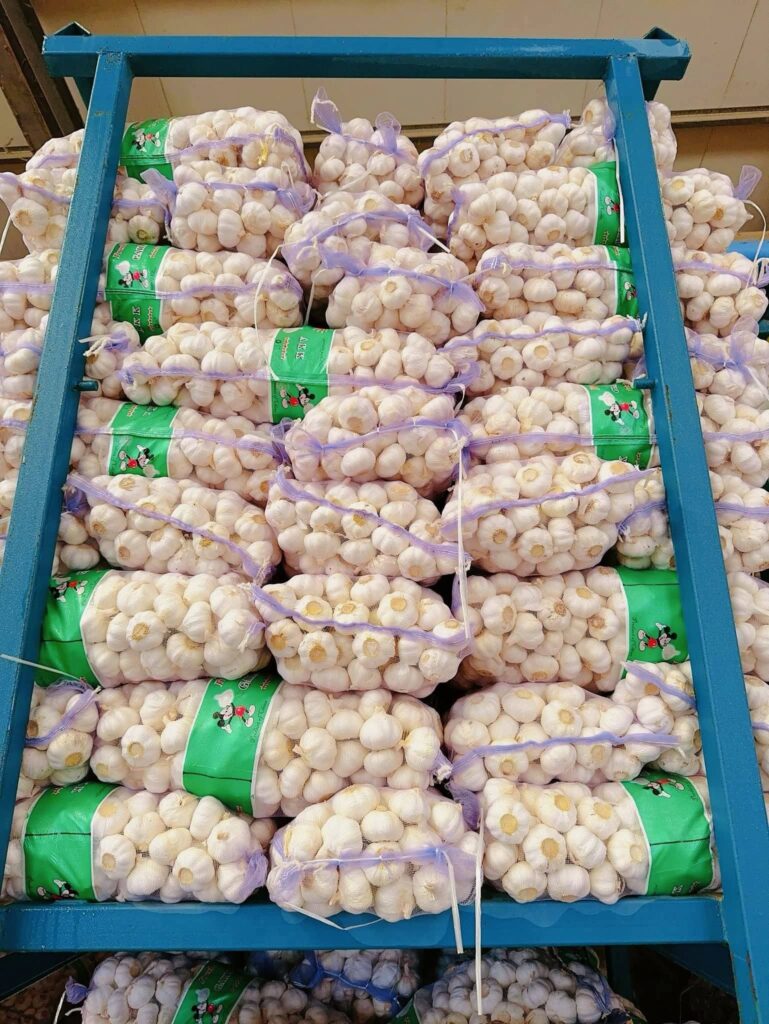
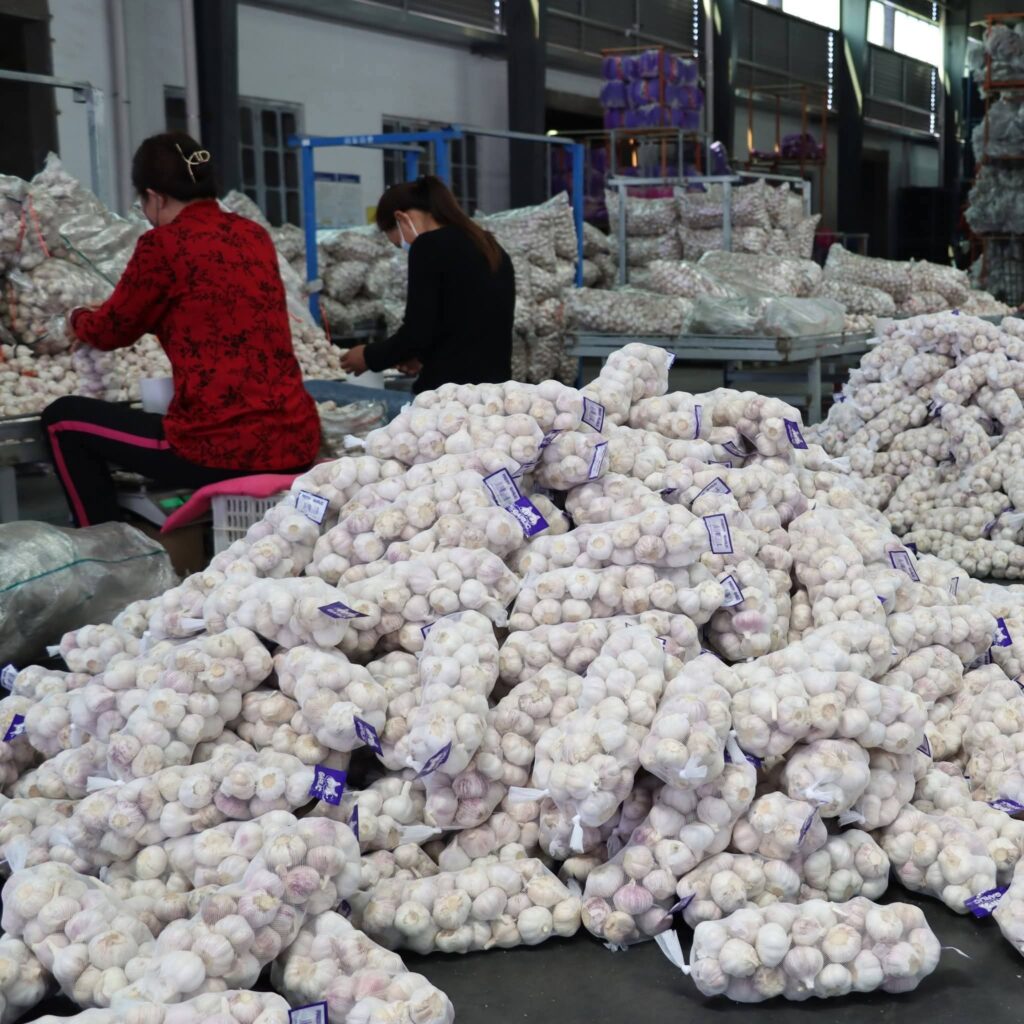
Fresh Garlic Bulbs — the primary export form for fresh produce wholesale buyers, Middle Eastern market chains, diaspora food importers, and food service buyers. Fresh garlic has a shelf life of 6–9 months under proper cool, dry, ventilated storage conditions — making it one of the most logistically practical fresh produce commodities for international export. Fresh Nigerian garlic competes with Chinese, Indian, and Egyptian origin in international wholesale markets on the basis of flavour intensity, dry matter content, and price.
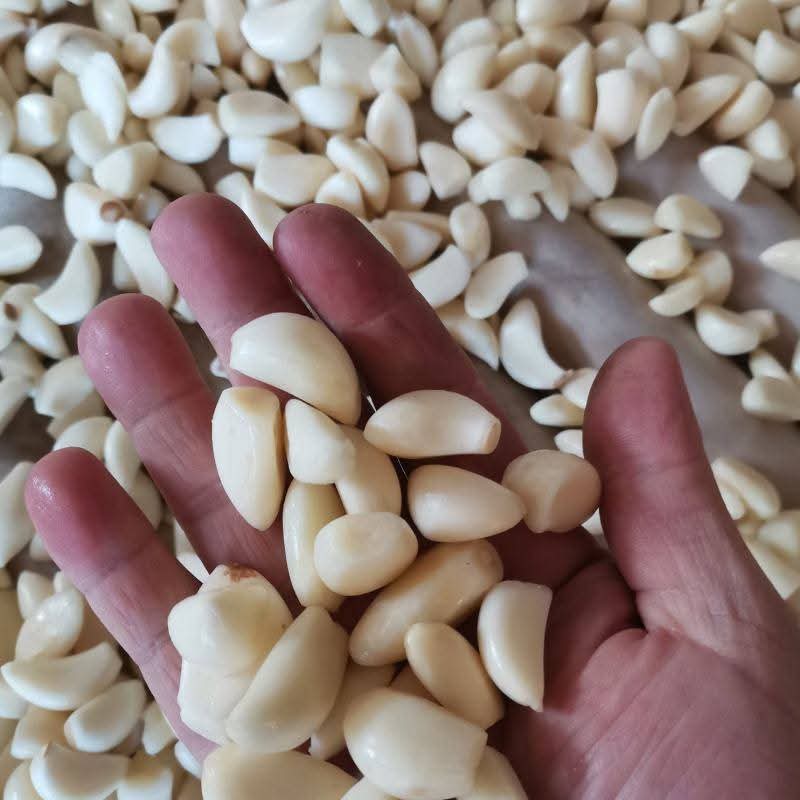
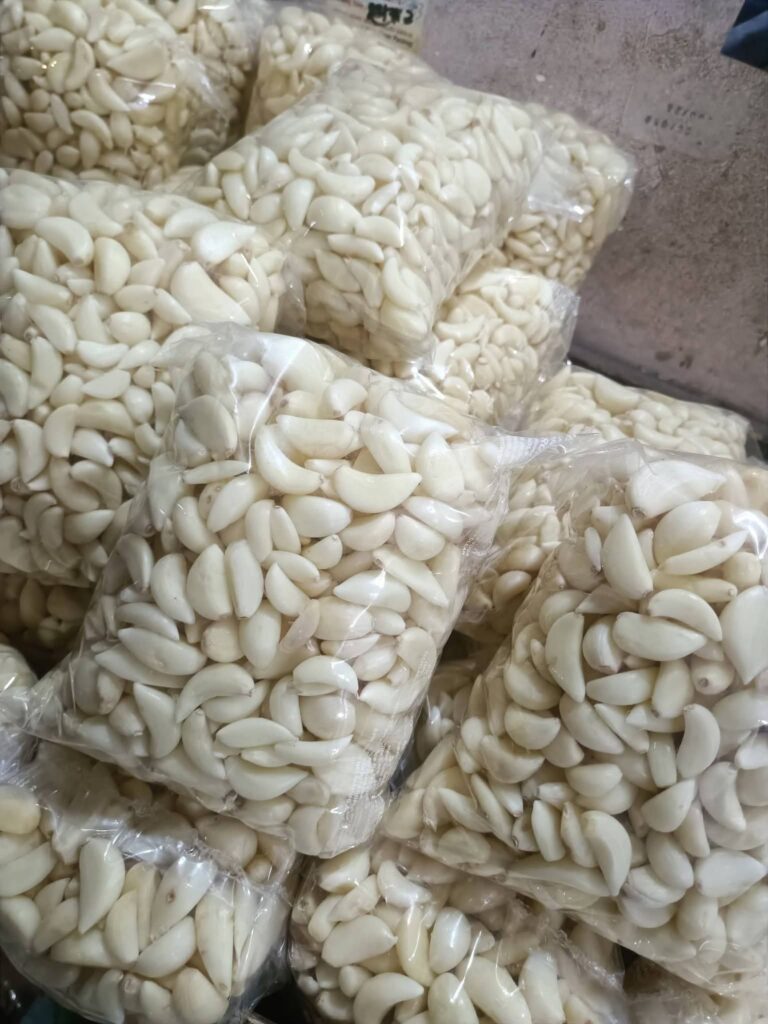
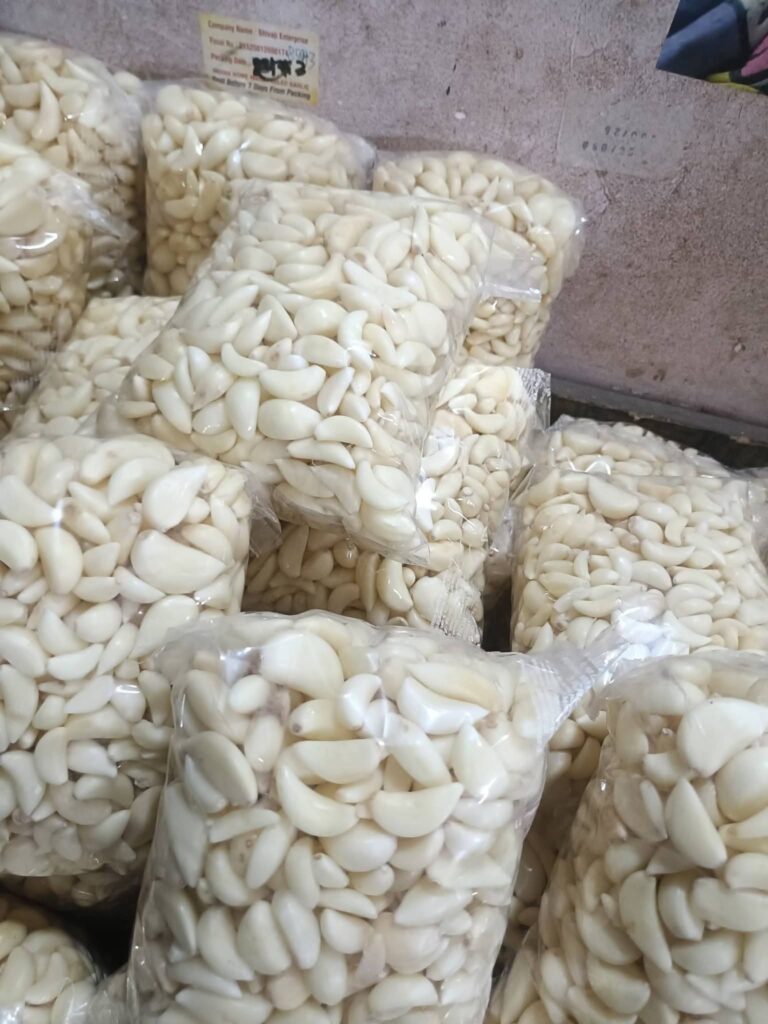
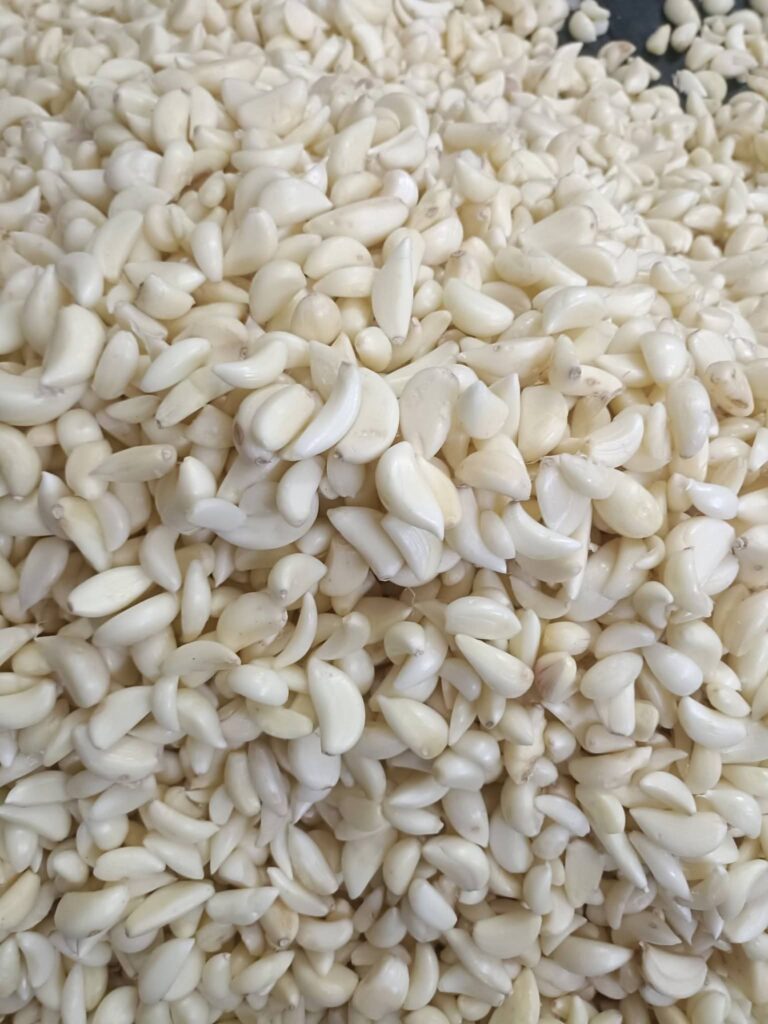
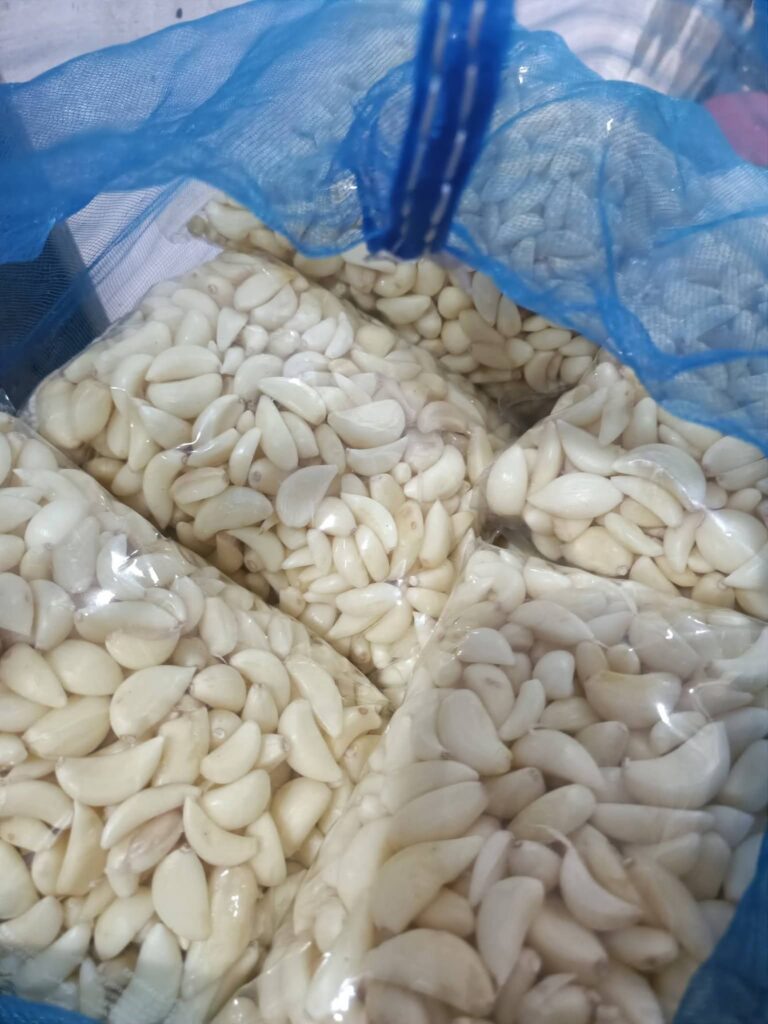
Dehydrated Garlic Flakes, Minced Garlic, and Granulated Garlic — the forms demanded by the global spice processing industry, seasoning manufacturers, soup powder producers, instant noodle flavour companies, and food manufacturers who need garlic flavour without fresh produce logistics. Dehydrated garlic is one of the most universally traded spice ingredients globally — appearing in the ingredient lists of thousands of processed food products across every major market. The American Spice Trade Association (ASTA) and European Spice Association (ESA) both publish quality standards for dehydrated garlic that define the specification framework international buyers apply.
Garlic Powder — the finest-ground form, produced by milling dehydrated garlic to a specific particle size for direct incorporation into dry spice blends, seasoning mixes, meat rubs, snack seasonings, soup bases, and ready meal seasoning systems. Garlic powder is one of the top five most widely used spice ingredients in global food manufacturing by volume — creating a consistent, enormous, and relatively price-stable international demand that positions quality Nigerian garlic powder as a commercially viable supply option for buyers building supply chain diversification away from Chinese-dominated global garlic powder supply.
Benefits and Industrial Uses of Nigerian Garlic
Food Manufacturing and Seasoning Industry
Garlic is not a specialty or occasional ingredient in global food manufacturing — it is a foundational seasoning component used in virtually every cuisine-derived food manufacturing category on earth. Italian pasta sauces, Indian curry pastes, Chinese stir-fry seasonings, American BBQ rubs, Mexican salsa formulations, Middle Eastern za’atar and shawarma seasonings, British ready meal sauce bases, West African stew seasoning blends — all use garlic in some form as a core flavour component. This ubiquitous industrial demand creates a commercial market for garlic in its dehydrated and powdered forms that is among the most stable and reliable in the entire global spice and food ingredient trade.
Market sizing and demand growth analysis published by Grand View Research’s garlic market report values the global garlic market at multiple billions of USD and projects sustained growth driven by expanding processed food consumption across developing markets, growing health consciousness driving garlic supplement consumption, and the food industry’s sustained demand for natural flavour ingredients over synthetic alternatives.
The global dehydrated garlic market — the most commercially significant segment for Nigerian processed garlic export — is tracked comprehensively by Mordor Intelligence’s dehydrated garlic market report, which confirms China’s dominant position and the growing buyer interest in supply chain diversification toward alternative origins including India, Egypt, Spain, Argentina, and increasingly African producers. Nigerian origin dehydrated garlic competes in this market on the basis of pungency, allicin retention in the dehydrated product, dry matter content, competitive pricing, and the supply chain risk management value of origin diversification.
For food manufacturing buyers evaluating Nigerian garlic powder and dehydrated flakes as a supply diversification option, contact our export team to discuss specification requirements, analytical documentation, and supply volume arrangements.
Pharmaceutical Industry — Allicin as a Clinically Active
The pharmaceutical sector’s relationship with garlic extract is one of the longest-established plant-derived ingredient applications in commercial pharmaceutical manufacturing. Garlic extract — standardised for allicin content or allicin-yielding compounds — is used in registered pharmaceutical products across multiple categories:
Cardiovascular pharmaceutical preparations — garlic-based oral preparations for blood pressure management and cholesterol reduction are registered and sold as pharmaceutical products in Germany, France, the United Kingdom, and several other European countries under natural medicine regulatory frameworks. The German Commission E — the pharmacopoeia authority that has most systematically evaluated herbal medicine evidence bases — formally approved garlic preparations for hyperlipidaemia and arteriosclerosis prevention, establishing the regulatory legitimacy that positions pharmaceutical-grade garlic extract as a licensed drug substance in European markets. Commission E monograph documentation is referenced through the American Botanical Council’s HerbalGram database — the primary English-language reference for Commission E herbal medicine approvals.
Antimicrobial pharmaceutical applications — allicin’s broad-spectrum antimicrobial activity — documented through research accessible via NCBI against bacterial, fungal, viral, and protozoal pathogens — has attracted pharmaceutical research investment in garlic-derived antimicrobial formulations as alternatives or adjuncts to conventional antibiotic therapy. The growing global crisis of antimicrobial resistance — tracked through the WHO’s global antimicrobial resistance monitoring programme — is driving significant research investment in natural antimicrobial compounds including allicin, creating upstream procurement interest in high-allicin garlic as pharmaceutical raw material.
Antiparasitic applications — traditional applications of garlic in intestinal parasite management have been investigated through clinical research accessible via NCBI, with evidence supporting activity against specific intestinal parasite species — a clinically relevant application in tropical disease contexts where antiparasitic pharmaceutical development intersects with natural compound research.
For pharmaceutical-grade garlic raw material with documented allicin content, heavy metal compliance, pesticide residue clearance, and microbiological safety documentation, contact Paradise MultiTrade to discuss sourcing requirements and analytical testing packages.
Nutraceutical and Dietary Supplement Industry
The global garlic supplement market is one of the most commercially established and voluminously purchased botanical supplement categories in the world — with garlic capsules, garlic oil softgels, aged garlic extract products, and allicin-standardised garlic supplements sold through health food retail across North America, Europe, Japan, Australia, and increasingly Asia. Market analysis from Grand View Research and Mordor Intelligence consistently ranks garlic among the top ten best-selling botanical supplement ingredients globally — a commercial position sustained by decades of consumer familiarity with garlic’s health associations and by the continuing accumulation of clinical evidence that validates those traditional associations in pharmacological terms.
The nutraceutical industry’s diverse garlic ingredient portfolio — spanning garlic powder capsules, odourless garlic oil softgels, aged garlic extract (produced through prolonged aqueous extraction that converts allicin to more stable organo-sulphur compounds), and fresh garlic equivalent standardised extracts — creates multiple distinct procurement needs that different forms of Nigerian garlic can serve:
Raw garlic powder — for supplement brands producing standard garlic powder capsules where allicin content is not standardised but the product is positioned on the basis of garlic’s general health associations. This is the highest-volume supplement form and the most direct application for Nigerian garlic powder export. The Natural Products Association (NPA) — the primary trade organisation for the American natural products industry — publishes quality standards for dietary supplement ingredient raw materials including garlic that define the specification framework for this buyer category.
Allicin-standardised extract raw material — for supplement manufacturers producing standardised allicin supplement products whose label claim requires documented allicin yield from the raw material. High-allicin Nigerian garlic is the most commercially relevant form for this application — with HPLC allicin content documentation the primary quality specification.
Aged Garlic Extract (AGE) feedstock — for manufacturers producing aged garlic extract products whose differentiated health positioning is based on the stable S-allylcysteine and other organosulphur compounds produced during the ageing process. For this application, fresh garlic with good alliin content is the relevant raw material specification.
The Natural Medicines Comprehensive Database maintains the most rigorously evidence-assessed monograph on garlic supplements available — providing pharmaceutical and nutraceutical buyers with the independent clinical evidence review that supports their ingredient sourcing decisions. Contact our export team to discuss allicin-standardised garlic specification and testing for supplement manufacturer buyers.
Cosmetics and Personal Care Industry
Garlic extract’s antimicrobial, anti-inflammatory, and antioxidant properties have attracted growing cosmetics formulation interest — with garlic-derived ingredients appearing in an expanding range of personal care and cosmetics applications:
Acne treatment formulations — allicin’s documented antimicrobial activity against Propionibacterium acnes (the primary bacterium implicated in acne vulgaris) has positioned garlic extract as a candidate active in natural anti-acne cosmetic formulations. Research on garlic’s antimicrobial efficacy relevant to cosmetics applications is documented through NCBI’s dermatology publications — providing the clinical reference framework that cosmetics formulators use when evaluating natural antimicrobial actives.
Scalp health and hair growth formulations — building on the clinical evidence for onion juice’s hair growth-stimulating effects, garlic extract is being investigated and incorporated in scalp treatment and hair growth formulation products — with research on sulphur compound activity in hair follicle biology accessible through the International Journal of Dermatology.
Anti-aging and antioxidant skincare — garlic’s organosulphur compound antioxidant activity and its quercetin content (present at meaningful concentrations in garlic skin and clove tissue) position it as a candidate anti-aging active in premium natural skincare formulation. The Cosmetic Ingredient Review (CIR) publishes safety assessments for garlic-derived cosmetic ingredients — and the INCI Decoder nomenclature system classifies garlic-derived cosmetic actives within the established international ingredient naming framework.
The CBI Netherlands natural cosmetics ingredient market intelligence has identified Allium ingredients — including garlic — as part of the growing European natural cosmetics ingredient diversification trend that is creating commercial pathways for West African botanical ingredients in European cosmetics formulation.
Traditional Medicine and Herbal Products
Across Nigeria and the West African region, garlic’s traditional medicine applications are extensive and deeply embedded in multiple cultural healing traditions. Used for respiratory infections, digestive complaints, intestinal parasites, hypertension management, and as a general immune tonic across Hausa, Yoruba, Igbo, and other Nigerian healing traditions — garlic occupies a position in West African traditional medicine comparable to its position in Asian, European, and Middle Eastern healing traditions. The consistency of this cross-cultural therapeutic application has been noted by ethnobotanical researchers publishing through the Journal of Ethnopharmacology as strong observational evidence for the genuine therapeutic activity that subsequent pharmacological research has progressively validated.
Herbal product companies, traditional medicine wholesalers, and botanical raw material suppliers serving the herbal medicine market across Europe, North America, and Asia are consistent buyers of quality dried garlic as a herbal medicine raw material — a demand stream whose cultural roots and pharmacological credibility give it the same structural stability that traditional medicine demand provides for bitter kola, alligator pepper, and other deeply culturally embedded Nigerian botanical exports.
Food Service and Fresh Produce Wholesale
Fresh garlic is a daily procurement item for virtually every professional kitchen in the world — used in quantities that make food service supply chains among the most consistent and volume-reliable buyers of fresh garlic at wholesale level. Hotels, restaurant chains, catering operations, airline food production, hospital food service, university catering — all require fresh garlic in regular procurement cycles throughout the year. Middle Eastern hotel and restaurant kitchens — particularly in the UAE, Saudi Arabia, and Kuwait — use garlic in quantities driven by the regional cuisine’s characteristically strong garlic flavour base, creating significant fresh garlic wholesale demand that Nigerian origin material can compete in effectively.
West African restaurant supply chains in the UK, USA, Canada, and France represent a more culturally specific demand stream — one where the preference for fresh garlic with the specific flavour intensity profile of Nigerian Sahelian varieties creates a diaspora-linked quality preference that generic Chinese imported garlic does not satisfy equally well for community kitchens serving discriminating West African cuisine consumers.
Why Buy Garlic from Nigeria?
The Allicin Concentration Argument — Dry Climate, High Sulphur, Superior Yield
The commercial case for Nigerian garlic in pharmaceutical and nutraceutical procurement rests on the same environmental argument that makes Nigerian highland and Sahelian chilli peppers highly capsaicin-dense and Nigerian sesame seed highly oil-rich: the specific combination of growing conditions in Nigeria’s primary garlic zones — intense Sahelian sunshine, cool highland temperatures during the growing season (particularly on the Jos Plateau), well-drained soils with adequate sulphur availability, and the sharp diurnal temperature variation that concentrates sulphur compounds in maturing bulbs — produces garlic with alliin and allicin content at the high end of the commercially traded range.
Research on the environmental drivers of allicin concentration in Allium sativum — published through the Journal of Agricultural and Food Chemistry and reviewed in Allium research papers from the International Society for Horticultural Science (ISHS) — documents the well-established relationship between cooler growing temperatures, sulphur soil availability, and elevated alliin content in garlic bulbs. These are precisely the conditions that Nigeria’s Jos Plateau and Sahelian highland zones provide — making the allicin advantage of Nigerian highland garlic a scientifically grounded claim rather than origin marketing rhetoric.
For pharmaceutical and nutraceutical buyers who calculate their ingredient procurement decisions on cost-per-gram-of-allicin delivered by the raw material — the same cost-effectiveness logic we argue for high-capsaicin chilli, high-curcumin turmeric, and high-gingerol ginger across our other spice exports — Nigerian garlic with documented allicin content warrants serious evaluation against established alternatives from China, India, Spain, and Argentina.
Dry Matter Advantage — Higher Dehydration Yield Than High-Moisture Origins
Nigerian Sahelian garlic — like Nigerian onion — benefits from the dry Sahel growing environment’s influence on fresh bulb moisture content. Fresh garlic produced in the dry conditions of Nigeria’s northern states has measurably lower moisture content (typically 58–65%) than garlic produced in more humid conditions — compared to 60–68% in Chinese and Indian commercial varieties. This dry matter advantage means that dehydrating a tonne of Nigerian garlic produces more dehydrated product than dehydrating the same tonne of higher-moisture origin material — a processing yield advantage that industrial buyers can quantify directly in their processing economics and that the ASTA’s dehydrated garlic quality standards provide the measurement framework to document.
Supply Diversification From China-Dominated Global Garlic Trade
China’s dominance of global garlic supply is more extreme than in almost any other agricultural commodity. Chinese garlic — produced primarily in Shandong, Henan, and Yunnan provinces — accounts for approximately 70–75% of world garlic production and an even higher percentage of internationally traded garlic volume, according to FAO and ITC Trade Map trade flow data. This concentration creates a structural supply risk that dwarfs even India’s dominance of the onion market — Chinese export policy decisions, harvest failures, or logistics disruptions can and periodically do create global garlic supply shocks whose commercial impact on buyers without diversified origin positions is severe.
The China Customs statistics database tracks Chinese garlic export volumes and pricing — and the historical record of dramatic Chinese garlic price swings (which have moved between USD 300 and USD 1,800 per tonne over multi-year cycles depending on domestic harvest conditions and government intervention) is commercially instructive for any buyer running China-concentrated garlic procurement without alternative origin coverage. The argument for Nigerian origin garlic as a supply diversification position is structurally identical to — and arguably more compelling than — the argument for Nigerian origin diversification in onion procurement.
The Tridge garlic commodity intelligence platform tracks global garlic price and supply dynamics across origins — providing the market intelligence framework that procurement teams use to evaluate the commercial timing and pricing logic of Nigerian origin garlic procurement relative to established alternatives.
The Jos Plateau Premium — Highland Garlic as a Specialty Ingredient
Beyond the commodity garlic argument, Nigeria’s Jos Plateau highland garlic production zone creates a commercially interesting premium ingredient positioning opportunity — one that has no parallel in any other Nigerian agricultural export category. The Jos Plateau’s altitude (1,200–1,800 metres), cool dry-season temperatures (10–20°C growing season range), and distinctive red laterite highland soils produce garlic with flavour characteristics — a more complex aromatic profile, higher allicin intensity, and a lingering warmth that highland-grown Allium is known for in all the world’s major highland garlic producing regions — that creates differentiation from commodity Sahelian white garlic comparable to the terroir differentiation that wine, coffee, and cocoa producers leverage in premium market positioning.
Premium food brands, specialty ingredient companies, and culinary-focused buyers who are building origin-specific ingredient portfolios — the same buyer community that has driven the premiumisation of coffee, chocolate, and specialty spices over the past two decades — represent a growing procurement interest in authenticated highland-origin Nigerian garlic that commands pricing above commodity positioning. This is early-stage market development relative to the commodity garlic opportunity — but it is commercially real and growing. Contact our team to discuss Jos Plateau highland garlic availability and premium specification sourcing.
Complete Export Documentation from a Licensed Exporter
Every Nigerian garlic shipment processed through Paradise MultiTrade carries phytosanitary certification from the Nigerian Agricultural Quarantine Service (NAQS), NEPC export documentation, certificate of origin, commercial invoice, packing list, and bill of lading. For pharmaceutical and nutraceutical buyers requiring allicin content documentation by HPLC, heavy metal screening, pesticide residue analysis, and microbiological testing — we coordinate comprehensive analytical packages through accredited third-party laboratories following AOAC International validated methods. For fresh garlic export to EU markets, compliance with Regulation (EU) 2016/2031 on plant health and EPPO phytosanitary requirements for Allium products is managed as standard. EU-bound dehydrated garlic and garlic powder shipments comply with Regulation (EU) 2017/625 on official controls for food imports. Our NEPC Export Licence No. 0042385 and CAC Registration No. RC-9284647 are current and verifiable through NEPC.
Nigeria’s Garlic Export Strength and Global Market Demand
The Global Garlic Market — Dominant Origin, Growing Demand, Structural Opportunity
The global garlic market — tracked comprehensively through FAO production and trade statistics and commercial market intelligence from Grand View Research and Mordor Intelligence — is both enormous in scale and structurally concentrated in a way that creates compelling commercial diversification logic for Nigerian origin development. Total global garlic production exceeds 30 million metric tonnes annually, with China contributing the overwhelming majority. The international trade in fresh, dehydrated, and powdered garlic is valued at billions of USD — with the European Union, the United States, the United Kingdom, Japan, South Korea, and the Middle East as the most commercially significant importing markets.
The Spices Board of India tracks Indian garlic export volumes and provides context on India’s position as the second-most-significant global garlic exporter — important market intelligence for understanding the origin dynamics against which Nigerian garlic must position competitively. Egypt — Africa’s largest garlic exporter and the origin that has most successfully penetrated European fresh garlic wholesale markets from the African continent — provides the most relevant regional competitive benchmark for Nigerian fresh garlic export development.
The African Union Development Agency (AUDA-NEPAD) has engaged with Allium crop development — including garlic — as part of its broader African agricultural value chain development programme, recognising the commercial opportunity in developing African-origin Allium supply chains that reduce the continent’s dependence on Asian imports. This institutional support context is relevant for buyers whose procurement policies prioritise African agricultural development impact alongside commercial quality and pricing criteria.
Key Export Destination Markets
Germany and the Netherlands — The EU’s Garlic Processing and Wholesale Hubs
Germany and the Netherlands dominate European garlic processing and wholesale — with German spice processors, Dutch commodity importers, and the broader European food ingredient distribution network collectively representing the most commercially significant entry point for Nigerian origin garlic into European markets. German and Dutch buyers are analytically sophisticated — evaluating garlic on allicin content, dry matter yield, colour quality of dehydrated product, microbiological safety, and pesticide residue compliance with the precision that has made European food ingredient procurement standards the global benchmark.
The CBI Netherlands market intelligence on spice and herb ingredients has published specific guidance on garlic for European buyers — documenting EU quality requirements, sustainability considerations, and market entry conditions that Nigerian garlic exporters must understand and address. This CBI guidance is the most practically relevant market intelligence document for Paradise MultiTrade’s European garlic market development strategy.
The United Arab Emirates and Saudi Arabia — Fresh and Wholesale Market Access
The UAE and Saudi Arabia are major fresh garlic importing markets — driven by the Gulf’s enormous food service sector, hypermarket retail infrastructure, and diverse expatriate communities whose cuisines place garlic at the centre of daily cooking. Egyptian garlic dominates the Gulf fresh garlic market by volume — but Nigerian origin garlic is entering this market progressively through commodity trading channels as awareness of Nigerian quality grows. The Abu Dhabi Agriculture and Food Safety Authority (ADAFSA) and the Saudi Food and Drug Authority (SFDA) regulate food import safety standards applicable to Nigerian garlic entering UAE and Saudi markets respectively.
The United Kingdom — Diaspora and Food Manufacturing Combined
The UK combines Nigerian and West African diaspora fresh garlic demand with a significant food manufacturing sector that uses dehydrated garlic and garlic powder extensively in ready meal production, seasoning manufacturing, and food service product development. UK food import requirements are overseen by the Food Standards Agency (FSA) — whose standards apply to both fresh and processed garlic imports from Nigeria.
The United States — The World’s Largest Garlic Supplement Market
The USA is the world’s most commercially significant market for garlic supplements — with American consumers purchasing hundreds of millions of dollars of garlic capsules, aged garlic extract products, and allicin supplements annually through health food retail, mass market pharmacy retail, and online supplement commerce. This supplement market’s upstream procurement need for high-allicin garlic raw material represents a commercially significant pharmaceutical and nutraceutical ingredient procurement opportunity for Nigerian highland garlic. US food and supplement import requirements are administered by the FDA’s food import programme — with specific standards for garlic powder and garlic extract products that Paradise MultiTrade coordinates compliance documentation for.
West Africa Regional Market — Immediate Commercial Priority
Nigeria’s West African regional neighbours import significant garlic volumes through both formal and informal trade channels — particularly Ghana, Senegal, Côte d’Ivoire, and Cameroon, where garlic consumption has grown substantially as urbanisation and food culture diversification have increased demand for fresh Allium in urban food service and retail contexts. Formalising this regional trade through documented export channels managed by Paradise MultiTrade creates immediate revenue opportunities while building the export documentation track record needed for extra-regional market development. The ECOWAS Trade Liberalisation Scheme (ETLS) provides the preferential trade framework for Nigerian garlic in regional markets.
Japan and South Korea — Premium Quality Specialty Markets
Japan and South Korea are among the world’s most quality-conscious garlic importing markets — with Japanese consumers demonstrating particular appreciation for garlic with complex flavour profiles and documented nutritional credentials, and Korean food manufacturing using garlic extensively in kimchi, gochujang, and other fermented food product applications. Market intelligence on Japanese and Korean garlic import dynamics is tracked through JETRO’s food and agricultural import data — providing the market entry intelligence relevant to premium Nigerian garlic export targeting these high-value destinations.
Why Choose Paradise MultiTrade International Limited?
Highland and Sahelian Origin Differentiation. We source garlic from two distinct Nigerian production zones — the cooler highland conditions of Plateau State’s Jos Plateau for premium-grade, high-allicin hardneck-type garlic, and the Sahelian flat zone production of Borno, Kano, and Sokoto states for commercial-scale softneck white garlic supply. Buyers who need the highest allicin concentration for pharmaceutical applications are directed toward highland origin material; buyers who need high-volume commercial grade for food manufacturing dehydration are directed toward Sahelian production. This dual-origin sourcing capability is a competitive differentiator that single-zone garlic exporters cannot match. Contact our team to discuss which origin profile best matches your specification.
All Four Commercial Forms Available. We supply fresh whole garlic bulbs, dehydrated garlic flakes, minced/granulated garlic, and garlic powder — addressing the complete spectrum of international buyer requirements from fresh produce wholesale to pharmaceutical extraction raw material. Contact us to specify your required form and discuss specification parameters.
Allicin Content Documentation for Pharmaceutical Buyers. We coordinate HPLC allicin content analysis through accredited third-party laboratories — providing the documented allicin-yield data that pharmaceutical and nutraceutical buyers require for standardised garlic ingredient procurement. Analytical methods follow AOAC International validated procedures for organosulphur compound determination in Allium species. Contact us to arrange allicin analysis.
Integrated Onion-Garlic Procurement Efficiency. Paradise MultiTrade exports both Nigerian garlic and Nigerian onion — from the same Sahelian origin farming networks, through the same post-harvest handling infrastructure, and with the same documentation and logistics framework. Buyers who source both Allium commodities — as most seasoning manufacturers, dehydrated vegetable processors, and diaspora food importers do — benefit from procurement consolidation through a single licensed Nigerian exporter rather than managing separate supply relationships for garlic and onion. See our Nigerian onion export programme for onion specifications alongside garlic.
Multi-Commodity West African Sourcing. Garlic buyers frequently source complementary Nigerian agricultural commodities. Alongside garlic, Paradise MultiTrade exports Nigerian onions, fresh ginger, dry split ginger, turmeric, chilli pepper, cloves, sesame seeds, hibiscus flower, moringa seeds, bitter kola, kola nut, cashew nut kernel, and raw cashew nuts. Explore our full range of Nigerian export commodities and consolidate your West African agricultural and food ingredient sourcing through one verified, licensed export partner.
Product Specifications
| Specification | Details |
|---|---|
| Product | Nigerian Garlic (Allium sativum) — Fresh, Dehydrated, and Powder |
| Primary Varieties | White softneck (Borno/Kano Sahelian zones); Purple/pink hardneck types (Jos Plateau highland) |
| Origin | Nigeria (Borno, Plateau, Kano, Kaduna, Sokoto, Kebbi States) |
| Forms Available | Fresh whole bulbs; dehydrated flakes; minced/granulated; garlic powder |
| Fresh Bulb Size | Small (30–50g), Medium (50–80g), Large (80–120g+); buyer-specified grading |
| Fresh Moisture Content | 58–65% at harvest (lower than many competing origins — dehydration yield advantage) |
| Dry Matter Content (Fresh) | 35–42% — higher than Chinese and Indian commercial varieties |
| Dehydrated Flake Moisture | 5–7% |
| Garlic Powder Moisture | 4–6% |
| Allicin Content | High — documented by HPLC analysis on request (Jos Plateau highland varieties premium grade) |
| Colour (Fresh) | White to cream outer skin (softneck); purple-streaked (hardneck highland type) |
| Colour (Dehydrated) | Cream-white to pale ivory flakes; off-white to cream powder |
| Purity | 95%+ (free from disease, mechanical damage, mould, and foreign matter) |
| Pesticide Residue | Screened per EU MRL requirements on request |
| Microbiological | Total viable count, Enterobacteriaceae, Salmonella (absent/25g), S. aureus per EU/FDA standards |
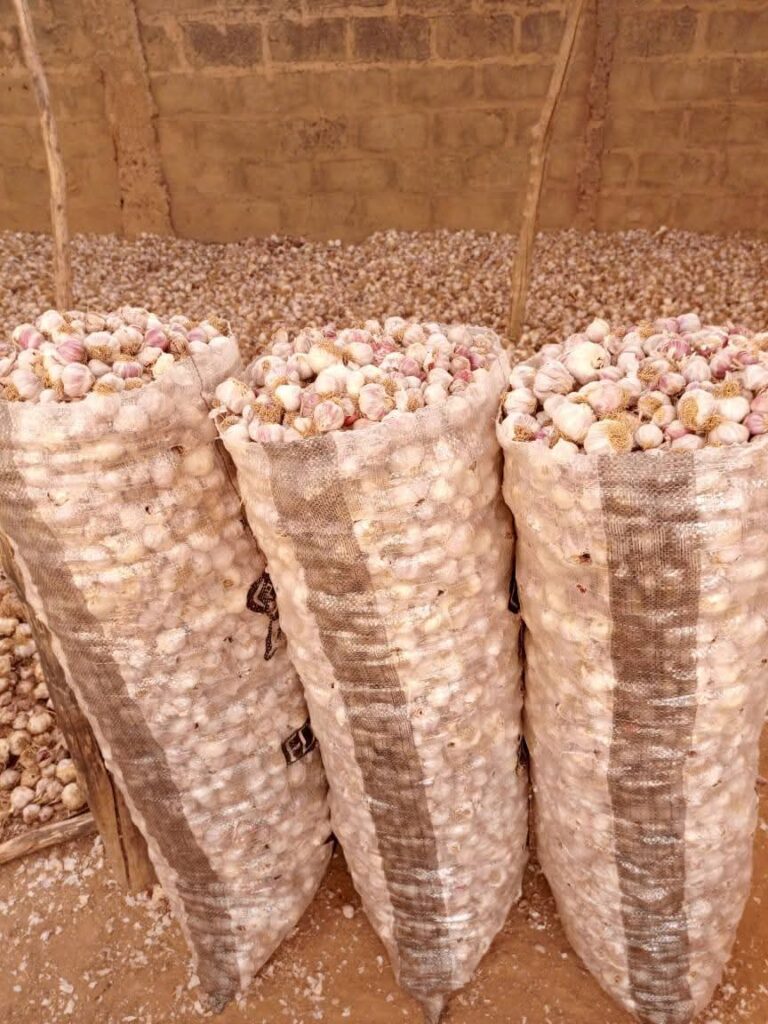
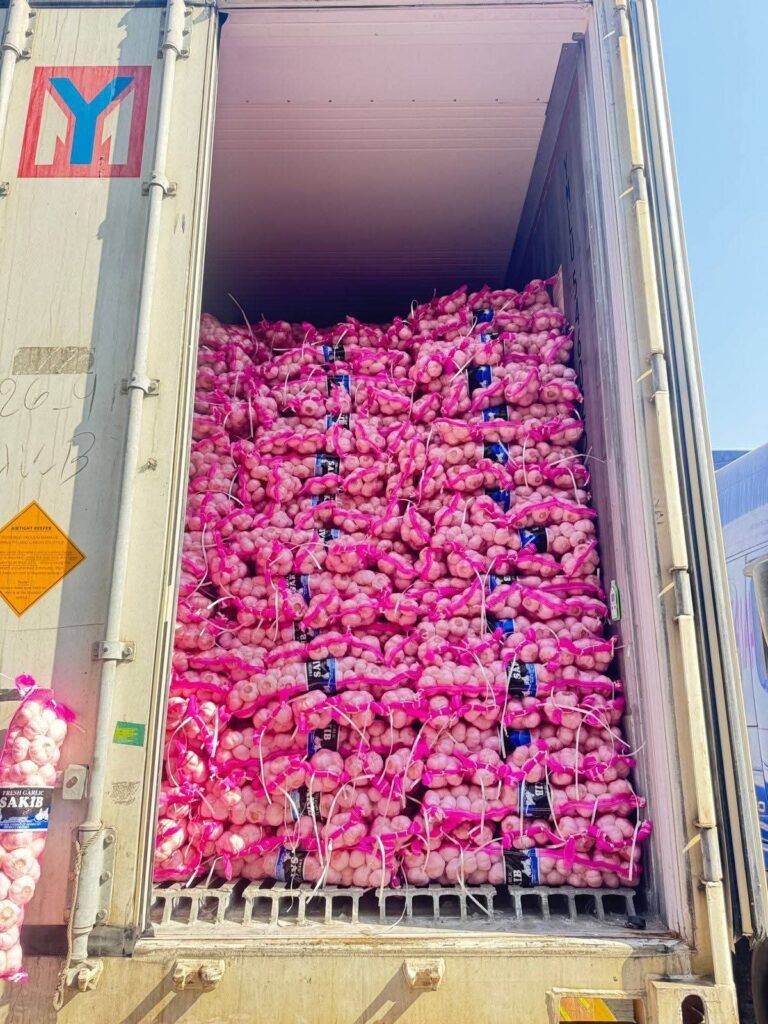
| Packaging — Fresh | 5kg, 10kg, 20kg mesh/jute bags; pallet loading for container |
| Packaging — Dehydrated/Powder | 25kg, 50kg polypropylene bags; 25kg multi-wall paper bags (powder) |
| Supply Capacity | Fresh: 10–500+ MT per shipment; Dehydrated/Powder: 5–200+ MT per shipment |
| MOQ | Fresh: 5 Metric Tonnes; Dehydrated/Powder: 3 Metric Tonnes |
| Shelf Life | Fresh: 6–9 months; Dehydrated flakes: 24 months; Powder: 24 months |
| Export Documentation | Phytosanitary Certificate (NAQS), Certificate of Origin, NEPC Export Licence, Allicin Analysis Certificate (on request), Microbiological Certificate, Heavy Metal Screening, Commercial Invoice, Packing List, Bill of Lading |
| Payment Terms | T/T, Letter of Credit (LC at sight), Escrow |
| Loading Port | Lagos (Apapa / Tin Can Island Port), Nigeria |
| Incoterms Available | EXW, FOB Lagos, CNF, CIF |
Packaging and Export Process
Harvesting. Nigerian garlic is planted in October–December across Sahelian states and harvested in March–May when leaves have yellowed approximately two-thirds of the way down the plant — the standard indicator of bulb maturity across all commercial garlic production worldwide. Highland Plateau State garlic — planted slightly later due to cooler temperatures — harvests between April and June. Harvest is done by hand — pulling entire plants and allowing them to dry briefly in the field before topping, rooting, and transferring to curing facilities.
Curing. Freshly harvested garlic requires a critical curing period — 2–4 weeks in well-ventilated, low-humidity conditions — during which the outer skin layers dry and tighten around the bulb, the neck seals, and the bulb enters the dormant state that enables long-term storage. Properly cured Nigerian garlic develops the characteristic papery, rustling outer skin that indicates complete curing and maximum shelf life potential. Inadequate curing — rushing garlic to market before the curing process is complete — is the most common cause of premature sprouting and fungal disease development during storage and transit.
Grading and Sorting. Cured bulbs are graded by size — small, medium, and large — and sorted to remove diseased, sprouted, mechanically damaged, and doubles-split bulbs. Export-grade garlic requires clean, intact outer skin, fully sealed neck, no visible disease, and size uniformity within the specified grade range.
Phytosanitary Inspection. NAQS-certified phytosanitary inspection is conducted before container loading — checking for the presence of regulated pests including garlic bloat nematode (Ditylenchus dipsaci) and other Allium pests that are regulated in EU and US importing countries. Soil-free presentation is verified at inspection.
Dehydration Processing. For dehydrated forms, cured garlic undergoes peeling, segmentation into individual cloves, slicing or mincing, and hot-air tunnel drying at controlled temperatures (55–65°C) to reduce moisture to 5–7% while maximising allicin precursor retention in the dried product. The relationship between drying temperature and allicin precursor (alliin) retention is critical — excessive heat during drying degrades the alliinase enzyme that converts alliin to allicin upon rehydration, reducing the allicin yield of the final product. Controlled lower-temperature drying — a processing quality standard that Paradise MultiTrade mandates for pharmaceutical and nutraceutical-grade dehydrated garlic — preserves allicin-forming capacity in the dried product.
Quality Testing. Lot samples are submitted to accredited laboratories for moisture content, total ash, colour measurement (ASTA method), allicin content by HPLC where specified, microbiological analysis (total viable count, E. coli, Salmonella, S. aureus), pesticide residue screening, and heavy metal testing following AOAC International and ASTA validated methods.
Packaging and Loading. Fresh garlic is packed in ventilated mesh bags (5–20kg per bag) that allow airflow during transit and storage. Dehydrated flakes and garlic powder are packed in polypropylene woven bags or multi-wall moisture-barrier paper bags. Lead time from order confirmation to container loading runs 10–21 days for fresh garlic; 14–28 days for dehydrated and powder forms. Contact us early — particularly for pharmaceutical-grade orders requiring allicin content analysis before shipping confirmation, which adds 5–7 days to standard lead time.
Frequently Asked Questions
What makes Nigerian garlic different from Chinese or Indian origin garlic?
The primary commercial differentiators are allicin concentration, dry matter content, and the specific flavour complexity of highland-grown varieties. Nigerian Sahelian garlic’s lower fresh moisture content (58–65% vs 60–68% for Chinese and Indian commercial varieties) gives it a processing yield advantage for dehydration buyers. Nigerian Jos Plateau highland garlic’s higher allicin content — a result of cooler growing temperatures and the sharp diurnal temperature variation that concentrate sulphur compounds in maturing bulbs — gives it a pharmaceutical raw material advantage for buyers whose procurement economics are calculated on allicin yield per kilogram. For food industry buyers evaluating dehydrated product flavour intensity, the higher dry matter and pungency profile of Nigerian origin material delivers more flavour per kilogram of finished dehydrated product. Contact us to request a comparative sample and arrange HPLC allicin analysis.
What is allicin and why does it matter for supplement manufacturer buyers?
Allicin (diallyl thiosulfinate) is the primary bioactive compound produced when garlic is crushed or cut — formed instantaneously by the enzyme alliinase acting on the substrate alliin that are stored separately in intact garlic tissue. Allicin is responsible for garlic’s characteristic pungent aroma, its broad-spectrum antimicrobial activity, and most of the cardiovascular, anti-inflammatory, and antioxidant properties documented in clinical research through NCBI and validated by the WHO’s Allium sativum monograph. For supplement manufacturers producing allicin-standardised garlic products — whose product label claims require documented allicin yield from the raw material — the allicin precursor (alliin) content of the raw garlic powder used in production is the defining quality specification. We document this through HPLC analysis on request. Contact us to discuss allicin specification.
Can you supply both garlic and onion from the same Nigerian origin?
Yes — this is one of Paradise MultiTrade’s specific competitive advantages in the Allium category. We source Nigerian garlic and Nigerian onion from the same Sahelian farming communities and processing networks across Kano, Sokoto, Kebbi, Katsina, and Borno states — allowing buyers who procure both commodities (as most seasoning manufacturers, dehydrated vegetable processors, and diaspora food importers do) to consolidate both Allium procurement relationships through a single licensed Nigerian exporter. This consolidation simplifies documentation management, freight coordination, and supplier relationship management — particularly valuable for buyers who are building Nigerian origin positions across multiple commodities simultaneously. See our Nigerian onion export page. Contact us to discuss combined garlic and onion procurement.
What are the EU phytosanitary requirements for Nigerian garlic import?
Fresh Allium sativum entering the EU is subject to phytosanitary requirements under Regulation (EU) 2016/2031 on plant health — primarily targeting the exclusion of garlic bloat nematode (Ditylenchus dipsaci) and other regulated Allium pests. Requirements include phytosanitary certification from NAQS confirming inspection and pest freedom, soil-free presentation of bulbs, and compliance with EPPO’s import requirements for Allium species. Dehydrated garlic and garlic powder — processed forms — are subject to food safety import requirements under Regulation (EU) 2017/625 rather than plant health regulations, significantly simplifying compliance for processed product buyers relative to fresh product. Contact us to discuss phytosanitary compliance documentation for your specific destination market.
What is the Nigerian garlic harvest season and how does it affect export availability?
Nigeria’s primary garlic harvest runs from March through June in Sahelian producing states (Borno, Kano, Sokoto, Kaduna) and from April through July in the cooler highland Jos Plateau zone — with exact timing varying by variety and planting date within each zone. Well-cured, properly stored fresh garlic from this harvest is commercially available for export through approximately December–January of the following year under proper storage conditions. Dehydrated garlic and garlic powder — processed from fresh garlic during the harvest period and shelf-stable for 24 months — are available for export year-round. Buyers planning large-volume pharmaceutical or dehydrated garlic procurement should initiate discussions in January–February to discuss forward pricing and allocation ahead of the March–June harvest window. Contact us to plan your procurement cycle.
How should fresh Nigerian garlic be stored to maximise shelf life?
Store at 0–4°C and 60–70% relative humidity for maximum shelf life of 6–9 months — commercial cold storage is the optimal approach for large-volume importers running fresh garlic in extended supply programmes. For importers without cold storage capability, ambient storage at below 25°C in cool, dark, well-ventilated conditions achieves 3–5 months shelf life. Critical storage rules: ensure full airflow around each container/bag — garlic must breathe; maintain low humidity — moisture promotes mould and neck rot; avoid temperatures above 25°C which stimulate premature sprouting; keep away from ethylene-producing produce. Never store in sealed plastic — the anaerobic conditions promote bacterial development and off-flavour development. Properly stored fresh Nigerian garlic maintains commercial quality and flavour integrity for the full stated shelf life period.
What transit times should I plan for from Nigeria?
Fresh garlic (cool/refrigerated container recommended for maximum shelf life): Europe (Rotterdam, Hamburg, Antwerp) — approximately 14–20 days from Lagos. Middle East (Jebel Ali, Dammam) — 10–16 days. UK (Tilbury, Felixstowe) — 14–18 days. USA (East Coast) — 18–25 days. Japan (Yokohama) — 25–32 days.
Dehydrated garlic and garlic powder (standard dry container, no temperature control required): Same transit times — no temperature management concern at 5–7% moisture.
Ready to Source Premium Nigerian Garlic — High-Allicin Highland Varieties, Sahelian White Garlic, Dehydrated Flakes, and Garlic Powder for Food Processors, Pharmaceutical Buyers, and Wholesale Importers?
If you are a dehydrated garlic manufacturer building supply chain diversification away from China-dominant procurement, a pharmaceutical ingredient buyer sourcing high-allicin garlic for standardised supplement production, a spice and seasoning company looking for competitive-priced garlic powder with documented flavour intensity, a fresh produce wholesale importer supplying Middle Eastern or European markets, a nutraceutical company sourcing garlic for cardiovascular health supplement formulation, a diaspora food importer serving West African communities, or a food manufacturer using garlic as a core seasoning ingredient — Paradise MultiTrade International Limited is the licensed Nigerian exporter your garlic supply chain needs.
We supply Nigerian garlic in fresh, dehydrated flake, minced/granulated, and powder forms — from highland Jos Plateau and Sahelian origin zones, allicin-tested on request, phytosanitary-certified for EU, UK, USA, and Middle Eastern destination markets, microbiologically tested to food safety standards, and exported with full commercial and regulatory documentation to buyers worldwide.
Request a Quotation — share your required form (fresh bulbs, dehydrated flakes, minced, or powder), origin preference (highland or Sahelian), volume, allicin specification if applicable, destination market, and analytical documentation requirements. We respond with a detailed, competitive quote within 48 hours.
Contact Our Export Team — speak directly with our export coordinators about allicin content analysis, highland vs Sahelian origin quality differentiation, combined garlic and onion procurement, dehydration processing specifications, pharmaceutical documentation packages, phytosanitary compliance for your destination market, and long-term contract supply arrangements.
Explore Our Full Product Range — alongside Nigerian garlic, Paradise MultiTrade exports Nigerian onions, fresh ginger, dry split ginger, turmeric, chilli pepper, cloves, hibiscus flower, sesame seeds, moringa seeds, white yam, egusi melon seed, ogbono seed, alligator pepper, bitter kola, kola nut, cashew nut kernel, and raw cashew nuts. One licensed Nigerian exporter. One consolidated West African food and agricultural sourcing relationship. Consistent quality and documentation across every commodity.
Buy Nigerian garlic bulk, Nigerian garlic supplier wholesale, Allium sativum Nigeria export, dried garlic Nigeria bulk buyer, Nigerian garlic powder export, garlic flakes Nigeria food industry, fresh garlic Nigeria wholesale, West African garlic bulk export
Paradise MultiTrade International Limited | NEPC Export Licence No. 0042385 | CAC No. RC-9284647 | Lagos, Nigeria | www.paradisemultitrade.com
Reviews
There are no reviews yet.