
Fresh Ginger from Nigeria: The World’s Most In-Demand Spice Root — and Why Global Buyers Are Sourcing It Here
Fresh Ginger Exporter Nigeria — Premium Quality, Direct Farm Supply, Global Delivery
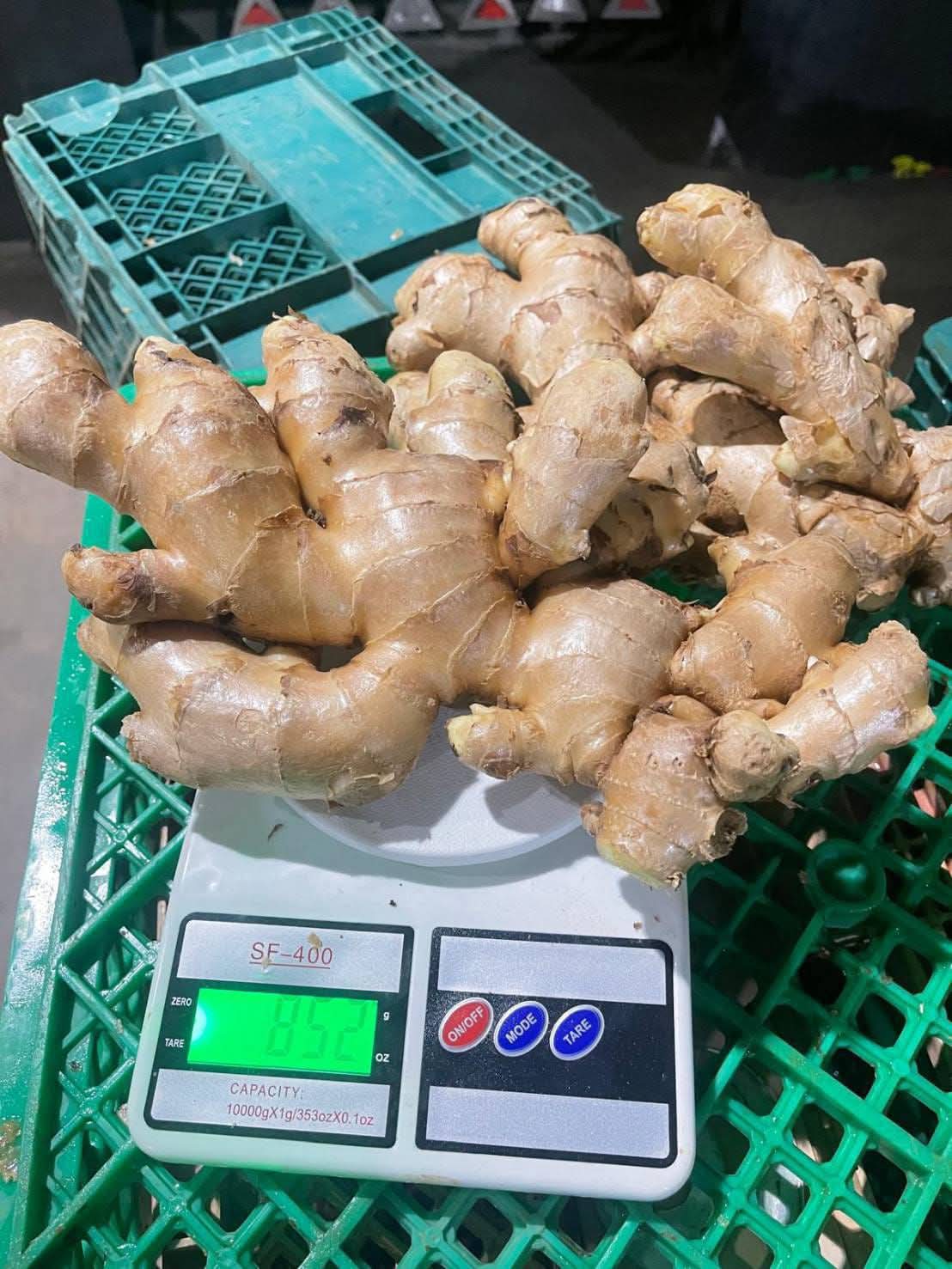
Fresh ginger exporter Nigeria is a phrase that carries serious weight in international agricultural trade — and for good reason. Nigeria is not just a grower of ginger. It is one of the most significant ginger-producing nations on earth, sitting second only to India in total output, with annual production regularly exceeding 600,000 metric tonnes. According to FAO production data, ginger demand at the global level has trended upward for two consecutive decades with no signs of reversing. At Paradise MultiTrade International Limited, we have built our export operations around this single truth: the world needs Nigerian ginger, and we are positioned to supply it — consistently, in volume, and to specification.
Whether you are a food processor in Germany, a herbal extract manufacturer in the United States, a spice wholesaler in the UAE, or a beverage company sourcing raw botanical inputs in Southeast Asia, this article was written specifically for you. If you are ready to source now, request a quotation here and our team will respond within 48 hours.
History and Origin of Fresh Ginger
How Ginger Found Its Way Into the World’s Hands
Ginger (Zingiber officinale) has a history stretching back over 5,000 years. Its roots — quite literally — run through ancient South Asia, where it was first cultivated in the Indian subcontinent and the forests of Southeast Asia. Ancient Sanskrit texts and Chinese medical manuscripts dating as far back as 400 BCE reference ginger as both a medicinal plant and a cooking staple. By the time the Roman Empire was actively trading with Asia, ginger had already become one of the most prized commodities moving along the Silk Road.
Arab traders introduced ginger to East Africa around the 13th century, and during the colonial period, ginger cultivation took hold across tropical Africa. The British, recognizing its commercial value, encouraged its production across West African territories — and that is where Nigeria’s story begins.
Nigeria’s Entry into the Ginger Story
Ginger cultivation in Nigeria traces back to the early 20th century, concentrated in Kaduna, Nasarawa, Benue, Plateau, and Gombe states. The cool highland conditions of these zones, combined with Nigeria’s loamy, well-drained soils and abundant rainfall, created near-perfect agronomic conditions for ginger root development. Farmers in Kaduna State — particularly around the Kachia and Jema’a local government areas — became some of the most prolific ginger growers in sub-Saharan Africa.
What began as a subsistence crop gradually evolved through the 1970s and 1980s into a commercial export product, as international commodity traders recognised the exceptional aroma, fiber content, and oleoresin yield of Nigerian ginger relative to other origins. Today, Nigeria’s role is tracked and published in global commodity databases including ITC Trade Map, where Nigerian ginger consistently appears among the top export origins for key destination markets in Europe, the Middle East, and Asia.
What Is Fresh Ginger?
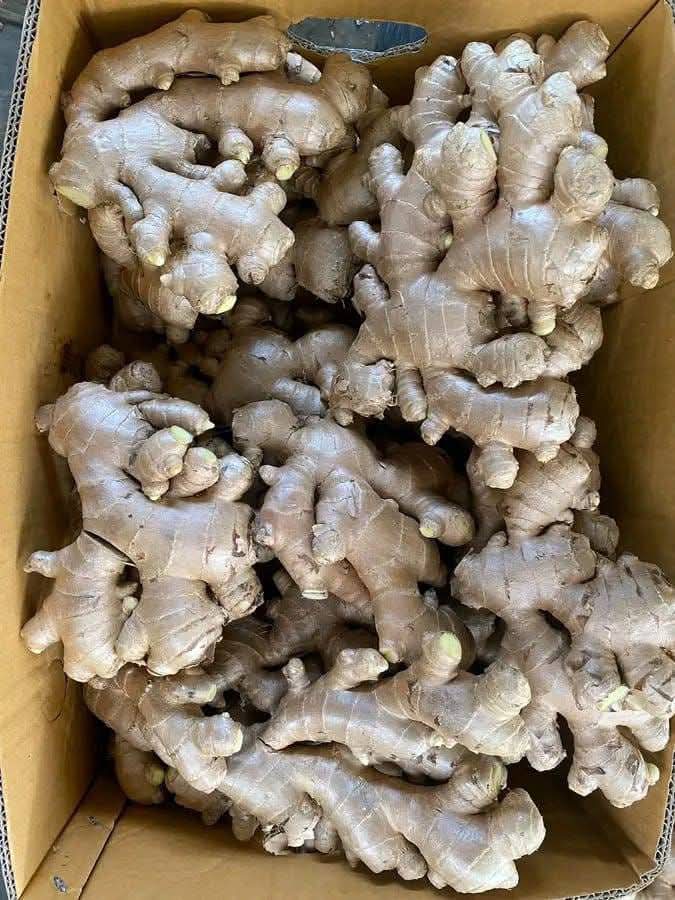
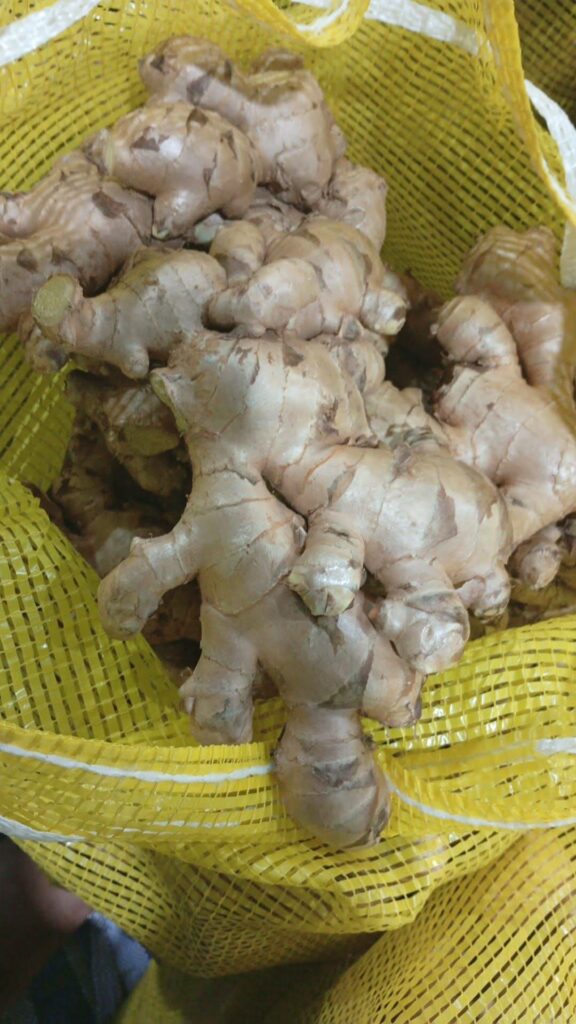
Fresh ginger refers to the raw, undried rhizome of the Zingiber officinale plant, harvested at various stages of maturity. Unlike dried or split ginger — which is processed for long-term shelf life — fresh ginger retains its full moisture content, vibrant aroma profile, and elevated levels of gingerol: the bioactive compound responsible for most of ginger’s pharmacological and culinary properties. Research published through the National Center for Biotechnology Information (NCBI) documents gingerol’s role as a potent anti-inflammatory and antioxidant agent across multiple clinical applications.
Fresh ginger is harvested in two main forms:
Immature (Baby) Ginger — harvested at roughly 6 months, with thin, blush-pink skin, mild flavour, and high moisture content. Preferred in the food service, juicing, and fresh grocery sectors.
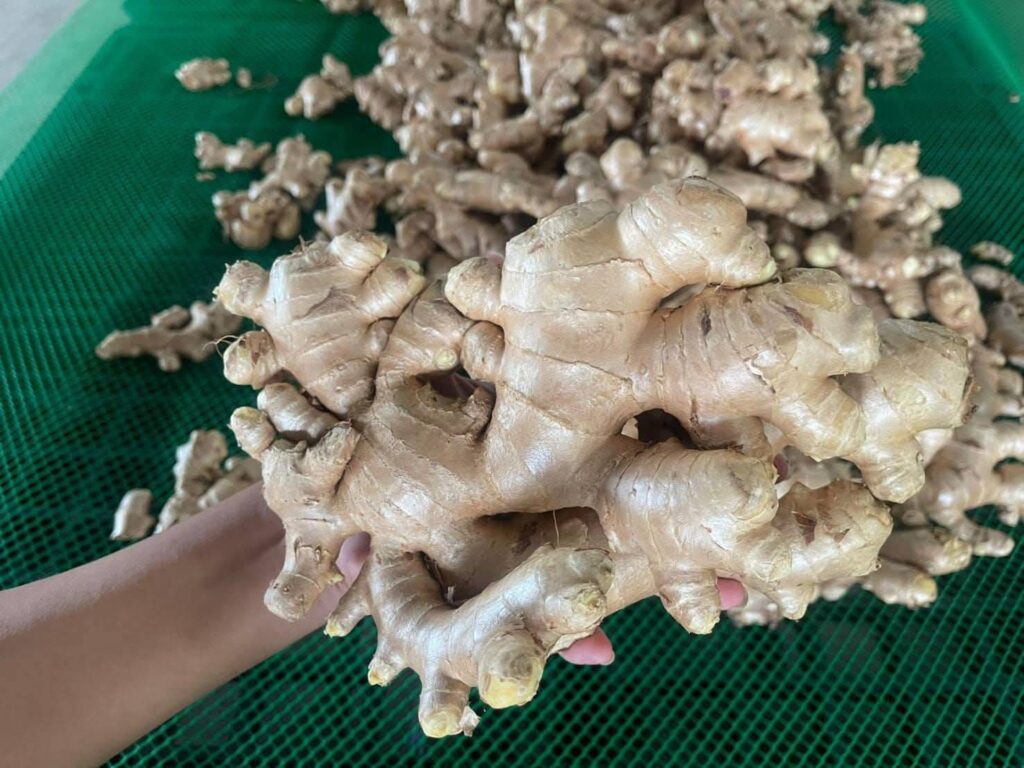
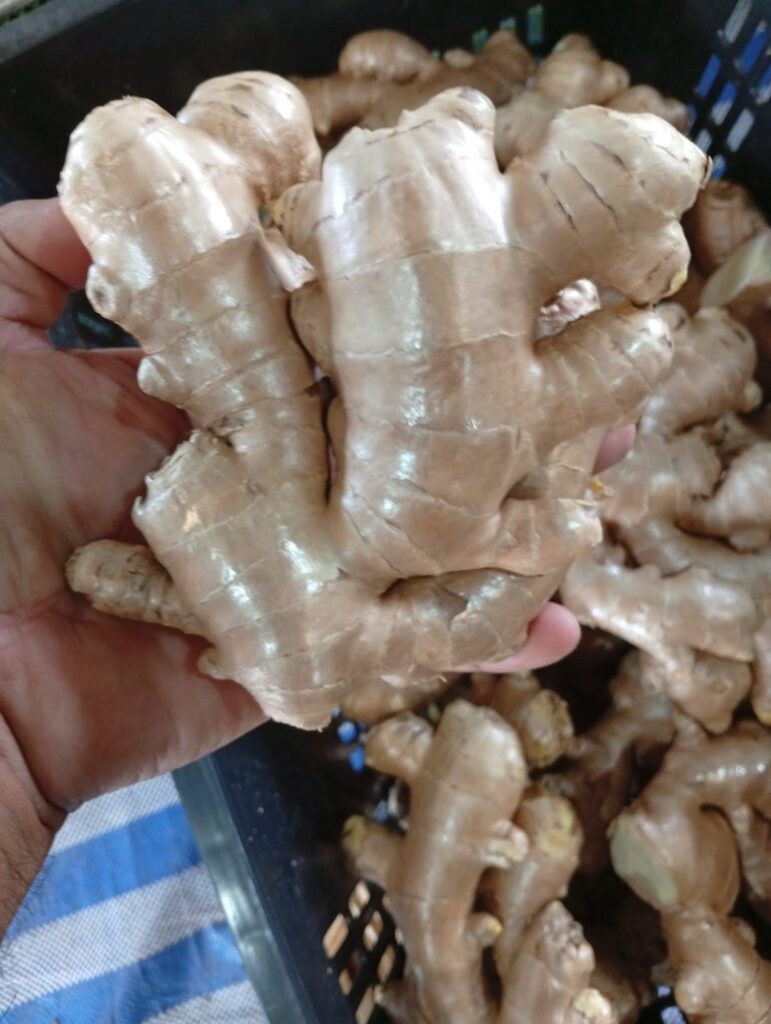
Mature Ginger — harvested at 8–10 months, with firmer flesh, thicker skin, lower moisture content, more pungent aroma, and higher gingerol concentration. This is the primary form exported from Nigeria for industrial and pharmaceutical end-use.
Benefits and Industrial Uses of Fresh Ginger
International buyers aren’t purchasing a simple spice. They are sourcing a raw input with remarkably broad commercial applications across multiple industries.
Food Industry
Fresh ginger is one of the most widely used spice ingredients in commercial food production globally. It forms the flavour backbone of countless sauces, marinades, condiments, ready meals, Asian cuisines, and health-focused food products. Nigerian fresh ginger — known for its high dry matter ratio and robust flavour — is especially suited to industrial cooking applications where intensity of flavour per kilogram matters.
For food processors seeking a dependable bulk supplier, Paradise MultiTrade offers direct farm-to-container sourcing from Nigeria’s primary growing regions, without intermediary layers that inflate cost and dilute quality control.
Pharmaceutical and Nutraceutical Industry
The pharmacological value of fresh ginger is extensively documented. Gingerol is a clinically relevant compound with applications in gastrointestinal health, nausea reduction, anti-arthritic treatment, and cardiovascular function support. Fresh ginger is the preferred raw input for pharmaceutical-grade extract production because gingerol content is highest in undried root. Companies sourcing botanical raw materials for nutraceutical formulation will find Nigeria an increasingly competitive origin — both on price and on compound yield per tonne.
Beverage Industry
The global beverage sector’s appetite for ginger has expanded dramatically over the past decade. Ginger beer, kombucha, functional health tonics, cold-pressed juice blends, and premium craft mixer brands all depend on fresh ginger as a primary ingredient. Many brands source directly from origin exporters to maintain flavour profile consistency batch to batch. USDA Agricultural Market Reports reflect sustained import volumes of fresh ginger across North American beverage ingredient supply chains.
Cosmetics and Personal Care Industry
Fresh ginger extracts and ginger essential oil derived from fresh root are active ingredients in a growing range of cosmetics — including scalp treatment products, anti-aging serums, warming massage oils, and anti-cellulite formulations. The gingerol and shogaol compounds in ginger have demonstrated efficacy in promoting circulation and reducing oxidative stress in skin tissue, making ginger extract highly sought after in premium cosmetic formulation.
Herbal and Traditional Medicine
Across Asia, Europe, and the Americas, traditional medicine practitioners and registered herbalists continue to rely on high-quality fresh ginger as a cornerstone ingredient. The demand from herbal wholesalers, health food stores, and integrative health clinics for verifiable-origin fresh ginger remains steady and, in premium markets, growing.
Why Buy Fresh Ginger from Nigeria?
Agronomic Superiority
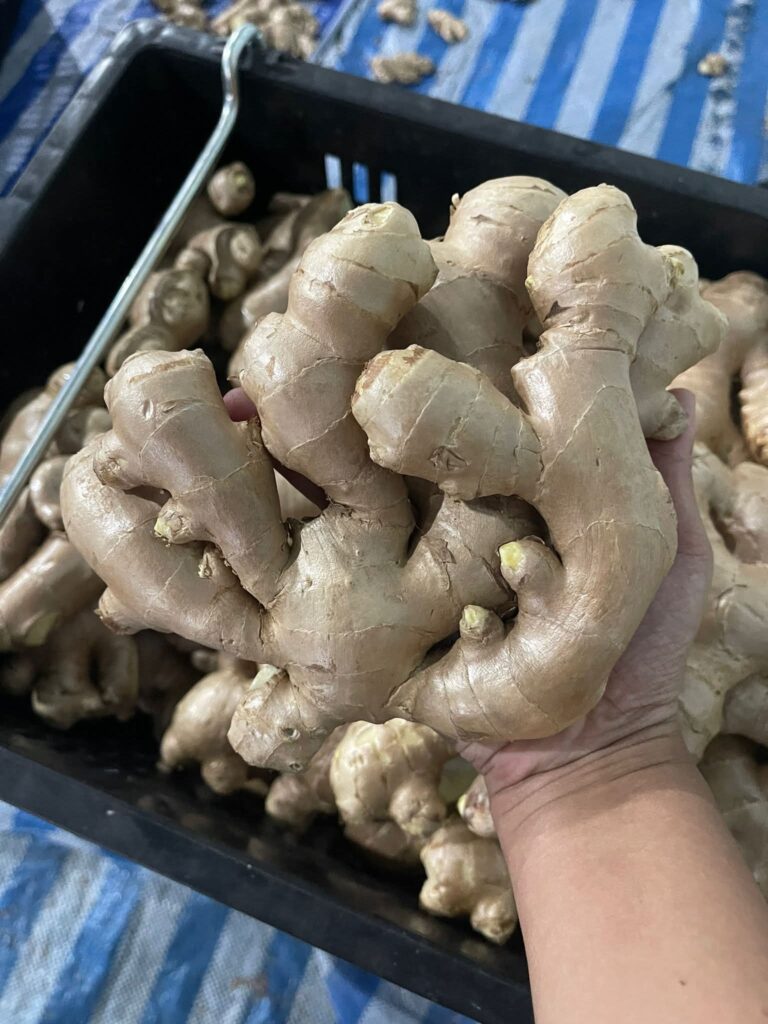
Nigeria’s ginger is grown predominantly in the Middle Belt highlands of Kaduna and Nasarawa states, where altitude, rainfall patterns, and soil mineral content combine to produce a root with markedly higher fiber and oleoresin content than ginger from competing origins. Industry buyers who have benchmarked Nigerian ginger against comparable origins from China, Peru, and Indonesia consistently report that Nigerian material delivers a sharper aroma profile and higher yield of extractable compounds per tonne of raw material.
Price Competitiveness at Source
Buying directly from a licensed Nigerian exporter removes multiple layers of intermediary cost from your supply chain. At Paradise MultiTrade, we source directly from established farming cooperatives and local aggregators in the primary growing regions. Our clients receive competitive FOB Lagos and CNF pricing that reflects the true cost of production — not inflated middleman margins. To see current pricing, contact our export team directly.
Compliance and Export Documentation
Ginger exported from Nigeria through licensed exporters carries full regulatory compliance. Every shipment processed through Paradise MultiTrade is supported by phytosanitary certificates issued by the Nigerian Agricultural Quarantine Service (NAQS), export documentation from the Nigerian Export Promotion Council (NEPC), certificate of origin, commercial invoice, packing list, and bill of lading — all acceptable to customs authorities in the EU, UK, USA, UAE, India, and beyond.
Paradise MultiTrade holds NEPC Export Licence No. 0042385 and CAC Registration No. RC-9284647, with full documentation support for every shipment. EU-bound shipments are prepared in compliance with EU official controls for agri-food imports under Regulation (EU) 2017/625.
Nigeria’s Export Strength and Global Market Demand
Where Nigerian Ginger Goes
Europe remains the single largest destination for Nigerian fresh ginger exports. Germany, the Netherlands, the United Kingdom, France, and Belgium are consistent high-volume buyers, sourcing Nigerian ginger for both direct food processing and pharmaceutical extraction.
India is one of the most active importers of Nigerian ginger for oleoresin extraction, where Nigerian material’s high gingerol yield makes it commercially preferable to domestic Indian varieties for certain processing applications.
The UAE functions as a major re-export hub. Bulk Nigerian ginger enters UAE ports, is inspected and graded, then redistributed into the GCC market and further into South Asia and East Asia.
The United States imports Nigerian ginger through both direct procurement channels and EU-based processors. The American organic and natural food market represents a growing premium opportunity. Import volumes and trade flow data can be verified through ITC Trade Map.
Market Demand Trajectory
Global ginger trade volumes have trended upward consistently over the past two decades. The functional food movement, the rapid expansion of the nutraceutical sector, and the wellness industry’s embrace of botanicals as active ingredients have all contributed to sustained demand growth that Nigerian exporters are well-positioned to meet. Supply-chain disruptions in competing origins — including weather volatility in China and transport bottlenecks in India — have periodically driven European and American buyers toward African sources, reinforcing Nigeria’s strategic value as a diversified supply origin.
Why Choose Paradise MultiTrade International Limited?
At Paradise MultiTrade International Limited, we have structured our entire export operation around one objective: making it easy for international buyers to source Nigerian agricultural commodities with confidence.
Direct Farm Network Access. We work directly with farming cooperatives and post-harvest aggregators in Kaduna and Nasarawa states. There is no unnecessary layer between the farm and your shipping container.
Licensed and Documented. Our NEPC export licence and CAC registration are current and verifiable. Every shipment leaves Lagos with full phytosanitary, certificate of origin, and commercial documentation.
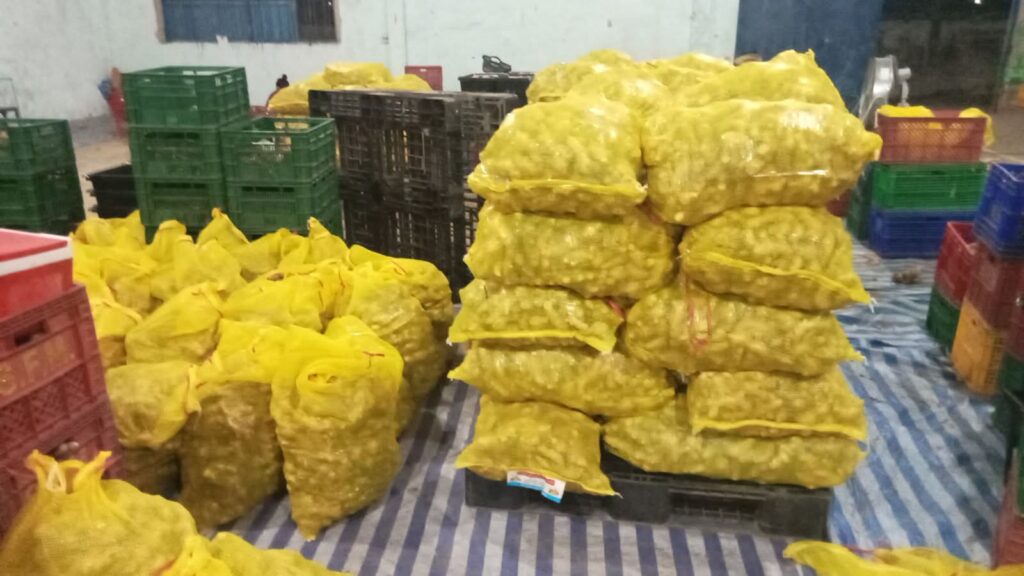
Flexible Specification Capability. Whether you need fresh ginger packed in 10kg mesh sacks for retail redistribution, bulk loose in ventilated containers for processing, or custom graded by rhizome size for food service — we handle specification discussions seriously and practically.
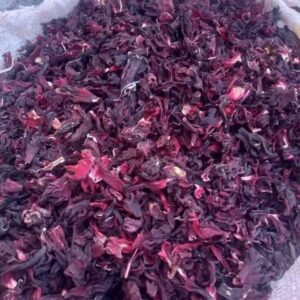
Multi-Commodity Sourcing Convenience. Beyond fresh ginger, Paradise MultiTrade exports sesame seeds, dry split ginger, hibiscus flower, bitter kola, kola nuts, RCN, and cashew kernel. If you source multiple Nigerian commodities, we consolidate your supply chain through a single trusted export partner. Explore our full range of Nigerian export commodities to see what else we supply.
Long-Term Sourcing Partnership Orientation. Our business model is built around repeat buyer relationships with consistent volume offtake. Clients who work with us receive priority access to seasonal stock, advance pricing locks ahead of harvest, and dedicated export coordination support.
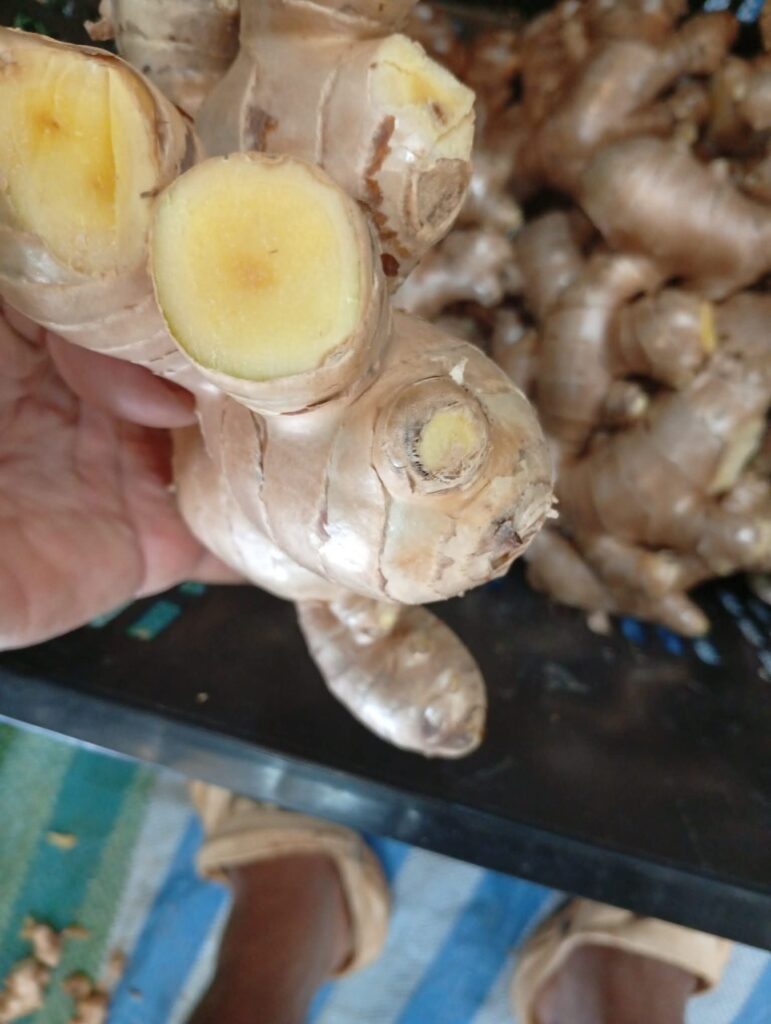
Product Specifications
| Specification | Details |
|---|---|
| Product | Fresh Ginger (Zingiber officinale) |
| Origin | Nigeria (Kaduna, Nasarawa States) |
| Moisture Content | 80–85% (fresh whole root) |
| Purity | 95%+ (free from rot, mould, and foreign matter) |
| Color | Pale yellow to cream (internal flesh), tan to light brown (skin) |
| Grade | Grade A (hand-selected, uniform rhizomes); Grade B available |
| Size | Large (250g+), Medium (100–250g), Mixed/Unsorted |
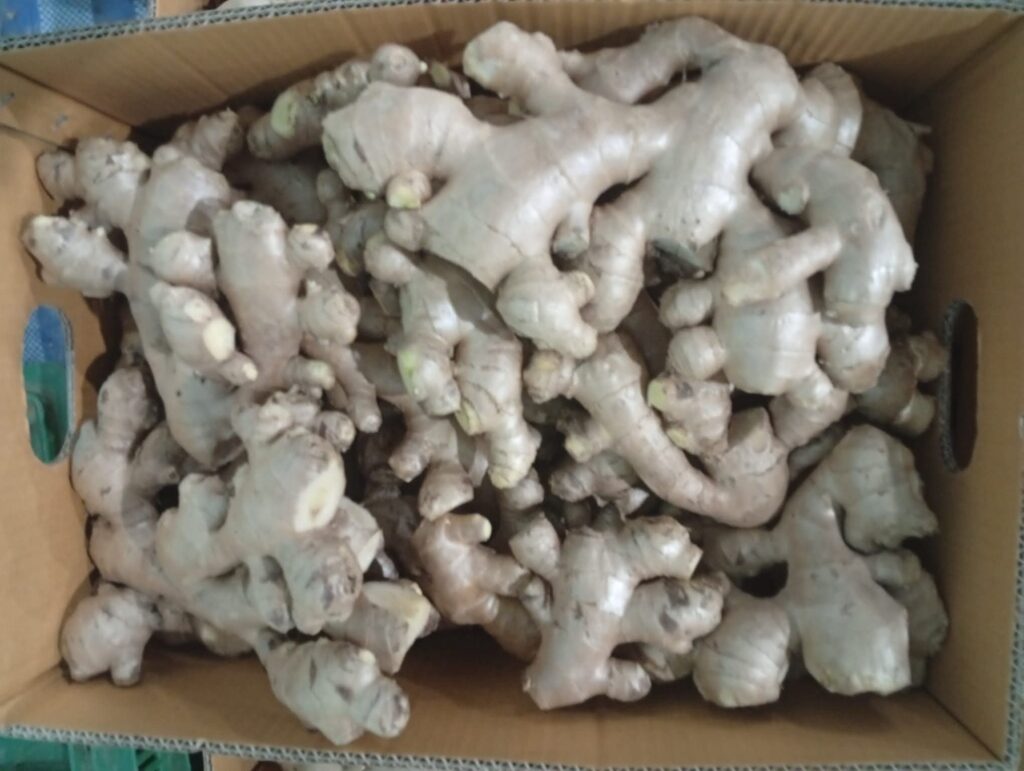
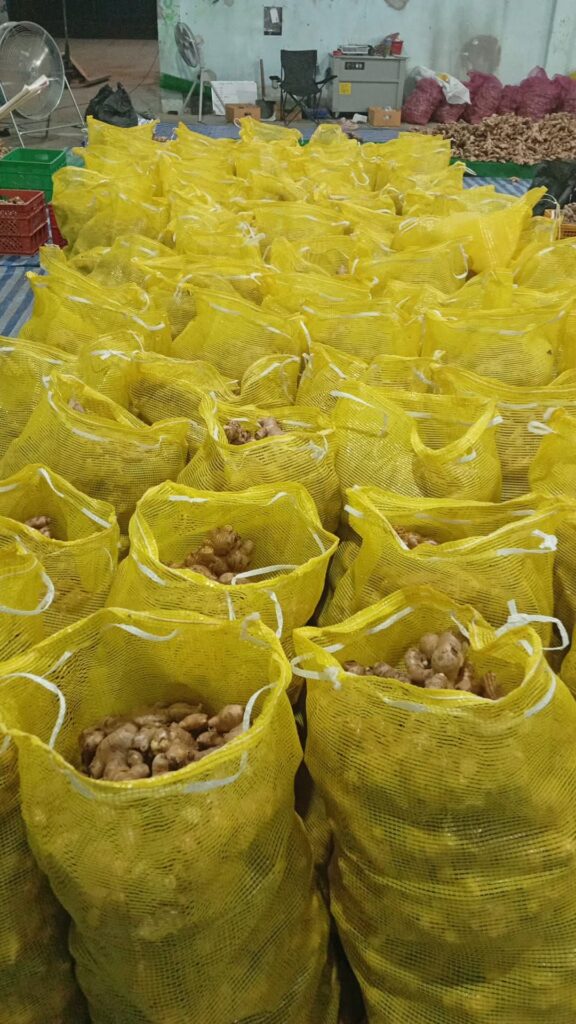
| Packaging Options | 10kg mesh bags, 20kg ventilated crates, loose bulk in reefer containers |
| Supply Capacity | 20–500+ MT per shipment (subject to seasonal availability) |
| MOQ | 5 Metric Tonnes |
| Shelf Life | 4–6 weeks under cold chain (2–10°C, 85–90% RH) |
| Export Documentation | Phytosanitary Certificate, Certificate of Origin, NEPC Export Licence, Commercial Invoice, Packing List, Bill of Lading |
| Payment Terms | T/T, Letter of Credit (LC at sight), Escrow |
| Loading Port | Lagos (Apapa / Tin Can Island Port), Nigeria |
| Incoterms Available | EXW, FOB Lagos, CNF, CIF |
Packaging and Export Process
Fresh ginger is highly perishable and requires careful post-harvest handling to preserve quality from farm to destination.
Post-Harvest Handling. After field harvest, fresh ginger rhizomes are collected, cleaned of excess soil, and sorted by size and quality grade. Damaged, diseased, or undersized pieces are removed at this stage.
Packaging. Depending on buyer specification, fresh ginger is packed in ventilated mesh bags (10–20kg per unit) or ventilated wooden crates for refrigerated container loading.
Cold Chain Logistics. Fresh ginger destined for export is loaded into refrigerated (reefer) shipping containers set to 10–12°C with humidity monitoring. We coordinate with licensed freight forwarders operating reefer container services out of Apapa and Tin Can Island Ports in Lagos.
Documentation. Phytosanitary inspection is conducted by NAQS prior to container sealing. All export documentation is prepared in parallel with logistics coordination to avoid clearance delays at the destination port.
Lead Times. Standard lead time from order confirmation to container loading is 7–14 working days. Buyers are advised to initiate discussions 3–4 weeks ahead of required arrival. Contact us now to begin planning your next shipment.
Global Market Demand and Key Buyer Segments
Understanding who buys Nigerian fresh ginger at scale helps position your own procurement strategy:
Oleoresin and Essential Oil Extractors — primarily based in India, Germany, China, and the USA, requiring consistent raw material with documented gingerol concentration.
Spice Processors and Blenders — concentrated in the EU and UAE, purchasing fresh ginger for preliminary processing before selling into retail or food service supply chains.
Beverage Manufacturers — kombucha brands, craft ginger beer producers, juice companies, and functional drink brands across Europe and North America.
Pharmaceutical Raw Material Suppliers — companies supplying standardised botanical ingredients to pharmaceutical manufacturers. Quality benchmarks and clinical context for ginger applications are well-documented through the NCBI research library.
Supermarket and Grocery Chains — both through direct import programmes and via regional importers and distributors supplying retail fresh ginger to the grocery sector.
Health Food Distributors — specialised in organic and natural food products, sourcing certified or verifiable-origin fresh ginger for premium retail positioning.
Frequently Asked Questions
What is the minimum order quantity for fresh ginger from Paradise MultiTrade?
Our standard MOQ is 5 Metric Tonnes. For first-time buyers, we encourage a sample order to verify quality before committing to full container volumes. Reach out to request a sample.
Can you supply certified organic fresh ginger?
We are actively expanding our certified organic supply capacity. Contact our export team to discuss current certification status and available volumes, as this changes seasonally.
What are your standard payment terms?
We accept T/T, Letter of Credit (LC at sight), and escrow for larger orders. Payment terms are agreed at the quotation stage based on order value and relationship history.
How do you ensure quality consistency across shipments?
We conduct pre-shipment quality checks at our sorting and packing stage. All material is subject to NAQS phytosanitary inspection before loading. We also welcome third-party pre-shipment inspection by SGS, Intertek, or similar agencies at the buyer’s request.
How long does it take for fresh ginger to arrive from Nigeria?
Transit times vary: Europe (Rotterdam, Hamburg, Felixstowe) — 12–18 days; UAE (Jebel Ali) — 10–14 days; India (Nhava Sheva) — 10–15 days; USA (East Coast) — 18–25 days.
Does Nigerian fresh ginger require special import documentation?
Most destination countries require a phytosanitary certificate from NAQS and a certificate of origin. EU buyers must comply with Regulation (EU) 2017/625 on official controls for agri-food imports. We prepare all required documentation and advise on destination-specific requirements.
Can I request a product sample before placing a bulk order?
Yes. We supply pre-shipment samples to verified buyers. Contact us via our Request Quotation page to initiate the process.
Ready to Source Premium Fresh Ginger from Nigeria?
If you are an importer, wholesaler, distributor, food processor, or pharmaceutical ingredient buyer actively looking for a reliable fresh ginger exporter in Nigeria, your search ends here.
Paradise MultiTrade International Limited combines direct farm sourcing, licensed export operations, and a serious commitment to buyer satisfaction — giving you the supply chain confidence you need to place consistent, high-volume orders without the quality or documentation risks that come with sourcing through unverified intermediaries.
Here is what your next step looks like:
Request a Quotation — tell us your required volume, specifications, destination port, and preferred incoterms. We will respond with a competitive, detailed quote within 48 hours.
Contact Our Export Team — speak directly with our export coordinators to discuss your sourcing requirements, sample availability, and long-term supply contract possibilities.
Explore Our Full Product Range — beyond fresh ginger, Paradise MultiTrade exports sesame seeds, dry split ginger, hibiscus flower, bitter kola, kola nuts, and more. Consolidate your Nigerian commodity sourcing through one trusted export partner.
buy fresh ginger from Nigeria, Nigerian fresh ginger supplier, fresh ginger wholesale Nigeria, fresh ginger bulk export, ginger root exporter Africa, fresh ginger importer wholesale, Nigerian ginger for food industry, organic fresh ginger Nigeria
Paradise MultiTrade International Limited | NEPC Export Licence No. 0042385 | CAC No. RC-9284647 | Lagos, Nigeria | www.paradisemultitrade.com
Reviews
There are no reviews yet.