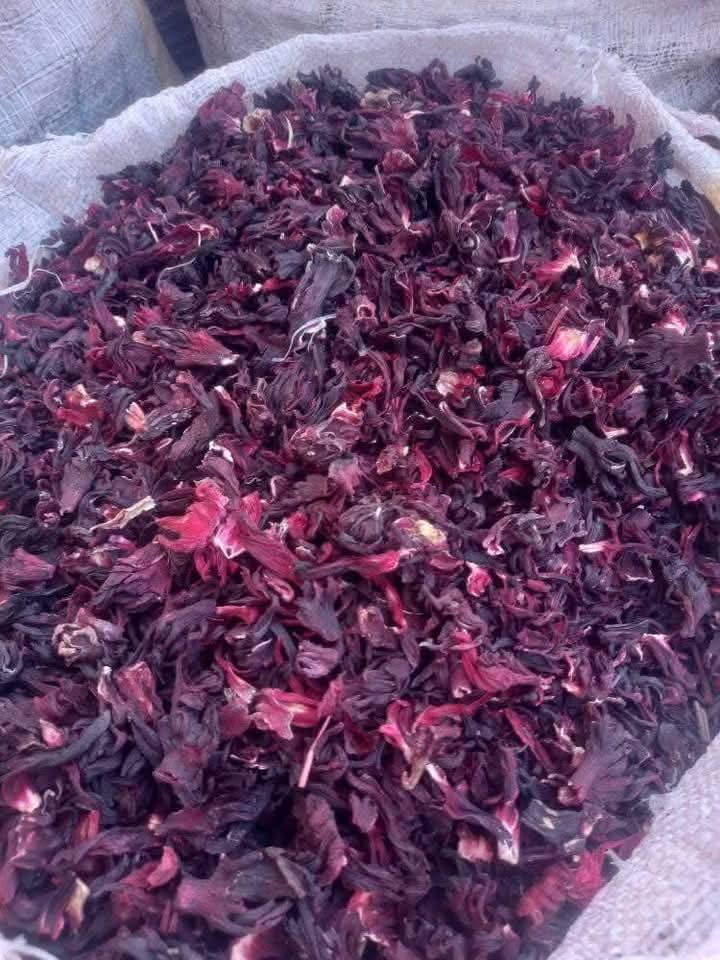

Dried Hibiscus Flower from Nigeria: The Crimson Calyx Driving a Global Beverage, Pharmaceutical, and Wellness Revolution — and Why Nigeria Leads the World in Supply
Hibiscus Flower Exporter Nigeria — Bulk Dried Hibiscus Sabdariffa, Direct Origin Sourcing, Worldwide Delivery
Hibiscus flower exporter Nigeria is a search phrase being typed with growing frequency by beverage brand developers in Germany, pharmaceutical ingredient buyers in the United States, herbal tea blenders in Japan, natural food colourant sourcing managers in France, and functional drink formulators across Southeast Asia. The reason is straightforward: Hibiscus sabdariffa — the species that produces the deep crimson dried calyces traded internationally as hibiscus flower, sorrel, roselle, or zobo — grows in extraordinary volumes across Nigeria’s northern agricultural belt, and Nigeria has quietly become one of the world’s most significant sources of commercial-grade dried hibiscus for the global market.
In Nigeria, the plant is called zobo in everyday language — the word refers both to the plant itself and to the tart, ruby-red drink made from steeping the dried calyces in water, a beverage consumed daily by millions of Nigerians and recognised across West Africa as a cultural institution. But the international commercial story of Nigerian hibiscus flower extends far beyond local tradition. It reaches into the ingredient supply chains of multinational beverage companies, the raw material procurement offices of European pharmaceutical manufacturers, the formulation laboratories of natural cosmetics brands, and the product development kitchens of functional food companies on five continents.
At Paradise MultiTrade International Limited, hibiscus flower is one of our most actively traded export commodities — sourced from the primary producing states of Kano, Katsina, Jigawa, and Bauchi in northern Nigeria, dried and graded to international commercial specification, and exported with full regulatory documentation to buyers across Europe, the Americas, Asia, and the Middle East. If you are sourcing hibiscus flower for industrial, pharmaceutical, or beverage applications and you want to understand why Nigeria is the origin you should be buying from, this article is your complete guide.
To move directly to procurement, request a quotation here and our export team will respond within 48 hours.
History and Origin of Hibiscus Flower
A Plant With Deep Roots Across Cultures and Continents
Hibiscus sabdariffa is a member of the Malvaceae family — the same botanical family as cotton, okra, and cacao — and its origins are the subject of ongoing botanical debate. The most widely accepted academic position places the species’ centre of origin in West Africa or the Indian subcontinent, with evidence pointing to a long history of independent cultivation across both regions. What is beyond dispute is that the plant has been cultivated, consumed, and traded across Africa, Asia, the Middle East, the Caribbean, and Latin America for at least several centuries — with written references to its culinary and medicinal use appearing in Arabic, Indian, and West African historical records dating to the 16th and 17th centuries.
In West Africa — and Nigeria in particular — hibiscus sabdariffa’s integration into food culture, medicine, and social life runs extraordinarily deep. The zobo drink has been brewed and consumed across the northern Sahel and Middle Belt regions of Nigeria for generations, prepared by steeping dried calyces in water and flavouring the resulting deep-crimson liquid with ginger, cloves, or pineapple. Across the Yoruba, Hausa-Fulani, and Igbo cultural spheres, hibiscus in various forms appears in traditional medicine practice — used for managing hypertension, treating digestive complaints, and as a general wellness tonic. This cultural familiarity with the plant’s properties long predated the scientific validation of its bioactive compounds that has since driven international commercial demand.
How Hibiscus Sabdariffa Entered International Commerce
The transition of Nigerian hibiscus flower from domestic cultural product to internationally traded commodity happened through several converging pathways during the 20th century.
The first was the European herbal tea market. By the 1970s and 1980s, European herbal tea manufacturers — particularly in Germany, France, and the Netherlands — had identified Hibiscus sabdariffa as a commercially viable ingredient for fruit-flavoured herbal infusion blends, valued for its striking red colour, tart flavour, and high natural vitamin C content. German spice and herb importers established direct procurement relationships with West African suppliers, and Nigerian hibiscus began appearing in Karkadé tea formulations and mixed fruit herb blends sold across Europe.
The second pathway was the pharmaceutical and nutraceutical sector’s growing interest in anthocyanins — the class of polyphenolic pigment compounds responsible for hibiscus flower’s deep red colour — and their documented antihypertensive, antioxidant, and anti-inflammatory properties. As clinical research on hibiscus anthocyanins accumulated through the 1990s and 2000s, pharmaceutical and supplement manufacturers began sourcing hibiscus flower in volume as a raw material for extract production.
The third — and most recent — pathway is the global functional beverage boom. The past decade has seen hibiscus flower become a mainstream ingredient in ready-to-drink teas, kombucha blends, sparkling botanical waters, health tonics, and natural energy drinks sold in premium grocery chains across North America, Europe, and Asia. This beverage sector demand has driven the most dramatic growth in international hibiscus procurement volumes — and Nigeria, as one of the world’s largest producers of high-anthocyanin dried hibiscus calyces, has been a primary beneficiary of that demand surge.
The Nigerian Export Promotion Council (NEPC) formally recognised hibiscus flower as a priority non-oil export product, with targeted investment in post-harvest standards, market linkage programmes, and documentation infrastructure — creating the institutional framework that supports compliant international export from Nigerian producers to regulated destination markets worldwide. Global trade flow data available through ITC Trade Map confirms Nigeria’s position among the world’s leading hibiscus flower export origins, with consistent shipments reaching Germany, the Netherlands, the United Kingdom, the USA, Mexico, Japan, and China.
What Is Hibiscus Flower (Zobo Leaves)?
The Botany Behind the Commercial Product
Hibiscus sabdariffa is an annual or perennial herbaceous plant that grows to between 1 and 3 metres in height under tropical conditions. It produces distinctive red-stemmed branches and large, lobed leaves, with flowers that bloom briefly before dropping their petals to reveal the commercially valuable structure beneath: the calyx — a fleshy, deeply pigmented, cup-shaped structure that surrounds and protects the developing seed pod.
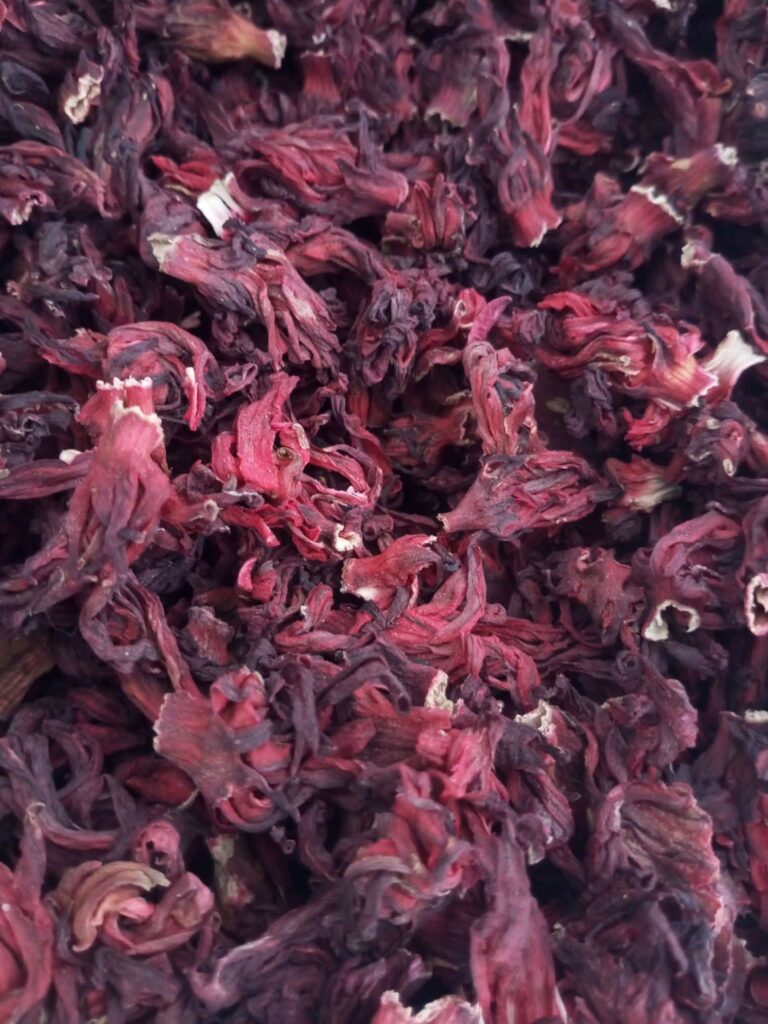
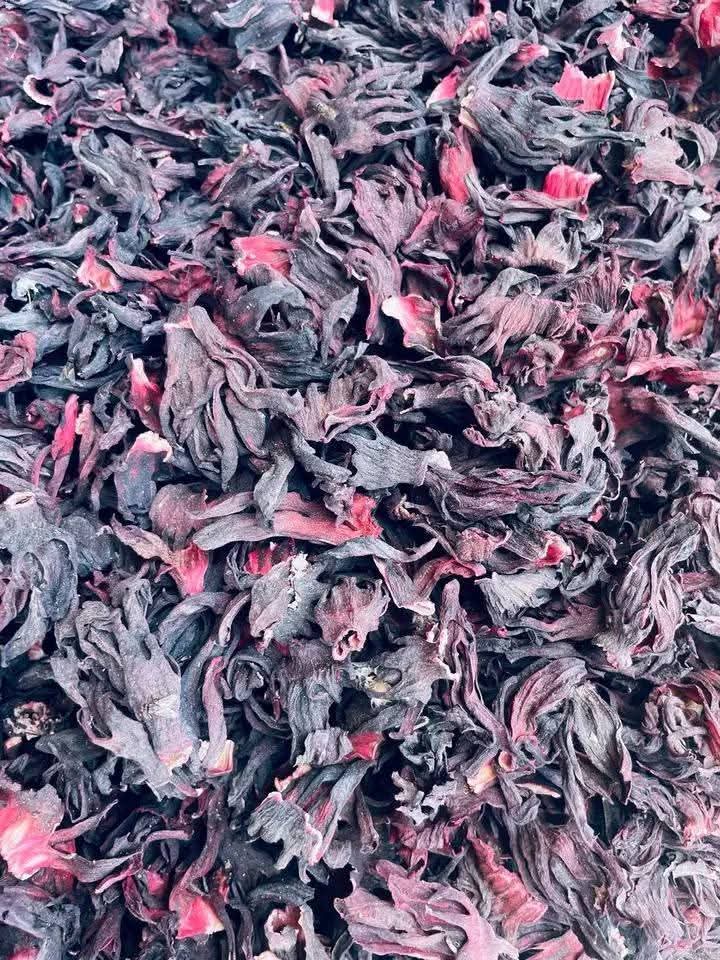
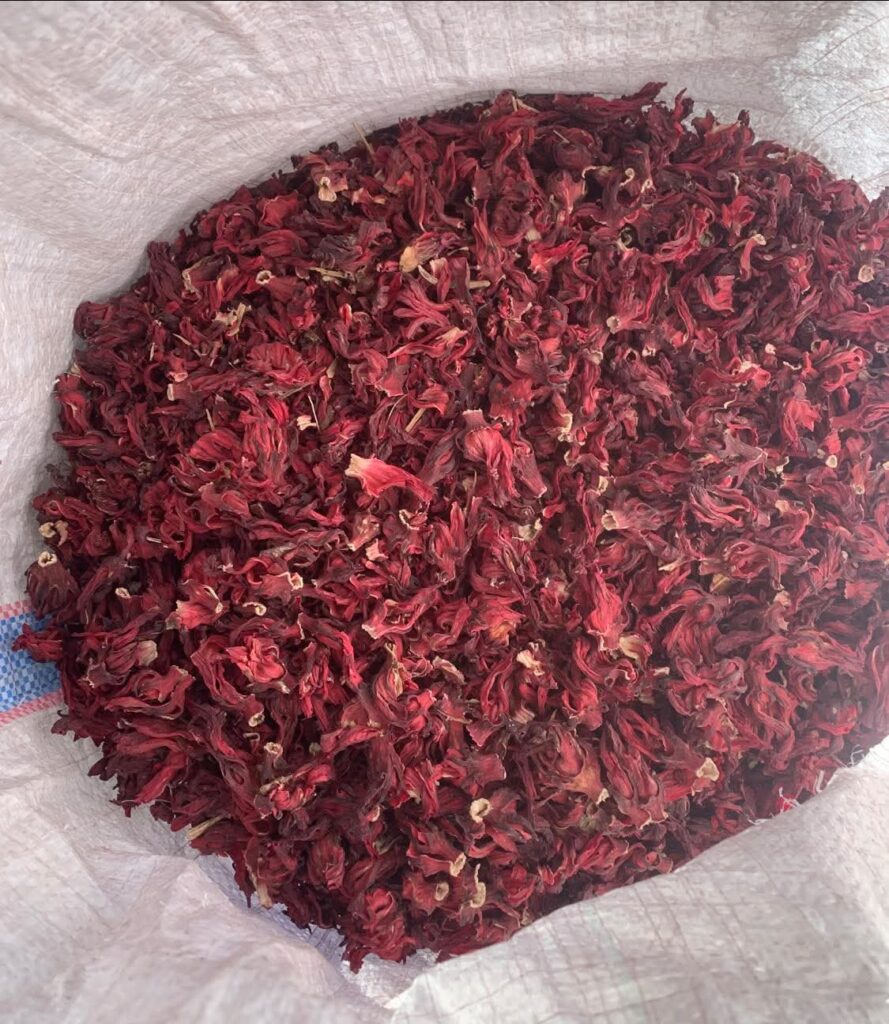
It is this calyx — not the flower petal — that constitutes the commercial product traded internationally as “hibiscus flower,” “dried roselle,” “sorrel,” or zobo. This is a frequently misunderstood botanical point worth clarifying clearly: what is harvested, dried, and exported is the sepals and epicalyx that form the fleshy calyx, not the true flower petals, which are typically white or yellow with a dark red centre and fall off before harvest.
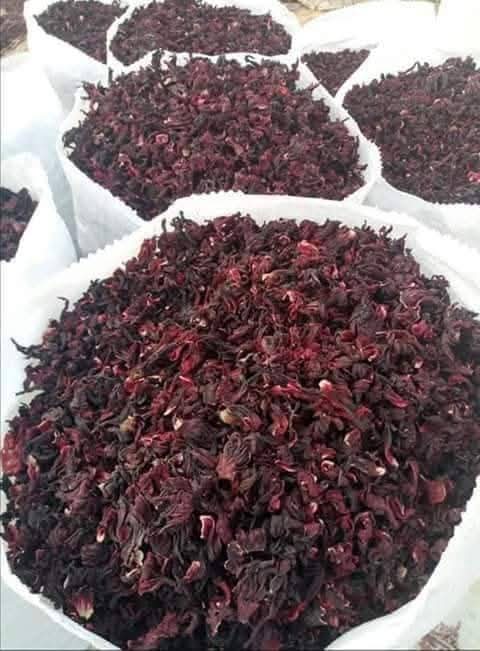
The calyces are harvested by hand as they reach full maturity — typically between October and December across Nigeria’s northern producing states — then dried to reduce moisture content from approximately 85% at harvest to 10–14% for export, producing the wrinkled, intensely coloured, tartly aromatic dried product that international buyers source.
Varieties and Grades
Nigerian hibiscus flower is produced in two primary botanical varieties with distinct commercial profiles:
Sudan Type (Hibiscus sabdariffa var. sabdariffa) — the primary variety cultivated in northern Nigeria for export, producing large, deeply pigmented calyces with high anthocyanin content. This is the variety most valued by pharmaceutical, beverage, and natural colourant buyers for its colour intensity and bioactive compound concentration.
Bred/Improved Varieties — increasingly cultivated through agricultural extension programmes in Kano and Katsina states, producing more uniform calyx size and more consistent colour than traditional landrace varieties — attributes particularly valued by industrial food and beverage manufacturing buyers.
Benefits and Industrial Uses of Hibiscus Flower
Beverage Industry
This is hibiscus flower’s largest and most rapidly growing industrial application globally. Dried hibiscus calyces produce a strikingly coloured, naturally tart infusion when steeped in water — with a flavour profile that blends notes of cranberry, raspberry, and citrus in a combination that has proven extraordinarily popular across multiple beverage categories simultaneously.
Herbal Tea and Infusions. European herbal tea manufacturers — concentrated in Germany, France, the Netherlands, and the UK — have used hibiscus as a core ingredient in fruit herb tea blends for decades. It provides natural red colour, tart flavour, and high vitamin C content without synthetic additives. German tea blenders are among the most sophisticated and consistent buyers of high-grade Nigerian hibiscus flower in global trade.
Ready-to-Drink Teas and Functional Beverages. The past decade has seen hibiscus flower become a mainstream RTD ingredient. Brands including Tazo, Celestial Seasonings, Stash, and dozens of premium and artisan beverage producers now feature hibiscus prominently in their ingredient lists. The American market in particular has embraced hibiscus-based beverages at remarkable speed. USDA Agricultural Market Reports reflect significant and growing US import volumes of dried hibiscus calyces driven by this RTD beverage demand.
Kombucha and Fermented Beverages. Hibiscus has become one of the most popular botanical ingredients in the booming kombucha sector, prized for its colour contribution, flavour complexity, and natural antioxidant content. Kombucha brands sourcing hibiscus flower directly from West African exporters are growing in number as supply chain transparency becomes a marketing asset.
Natural Soft Drinks and Syrups. Traditional zobo drink formulations, commercially produced in bottled and concentrate formats, have expanded from West African community markets into mainstream multicultural retail across the UK, USA, Canada, and France — creating consistent commercial demand for quality Nigerian hibiscus at the consumer product manufacturing level.
Pharmaceutical and Nutraceutical Industry
The pharmacological profile of Hibiscus sabdariffa is among the most extensively documented of any commonly traded botanical. Research available through the National Center for Biotechnology Information (NCBI) has established strong clinical evidence for hibiscus flower’s antihypertensive properties — with multiple randomised controlled trials demonstrating statistically significant reductions in systolic and diastolic blood pressure in hypertensive subjects consuming hibiscus extract. This evidence base has driven serious pharmaceutical procurement interest in standardised hibiscus extract as an active ingredient in cardiovascular health formulations.
Beyond blood pressure management, peer-reviewed research has documented hibiscus’s antioxidant capacity (attributable to its high anthocyanin and polyphenol content), hepatoprotective effects, diuretic activity, anti-inflammatory properties, and preliminary evidence of anticancer activity in laboratory models. The nutraceutical sector has moved aggressively to translate this research into commercial supplement products — hibiscus extract capsules, hibiscus powder supplements, and hibiscus-containing cardiovascular health formulations are now widely available in health food retail across Europe, North America, and Asia.
Pharmaceutical and nutraceutical buyers in this space require hibiscus flower with documented anthocyanin content, consistent colour intensity measurement (ICUMSA or E1cm values), low moisture, and verified origin. These are specifications that Paradise MultiTrade is equipped to support. Contact our export team to discuss analytical specification requirements.
Natural Food Colourant Industry
The global food industry’s accelerating shift away from synthetic artificial colours toward natural alternatives has created a booming market for hibiscus-derived colourants. Hibiscus anthocyanins produce a pH-sensitive colour range from deep red through purple to blue — making hibiscus extract a versatile natural colouring agent for applications including fruit-flavoured confectionery, jams and preserves, dairy products, ice cream, flavoured water, and bakery items.
The EU’s tightening restrictions on synthetic food dyes — following studies linking certain artificial colours to hyperactivity in children — have been a particularly significant driver of hibiscus colourant demand in European food manufacturing. Natural colour ingredient suppliers sourcing dried hibiscus for extraction into standardised colourant preparations are consistent, volume-significant buyers of high-anthocyanin Nigerian hibiscus flower. Import and market trend data in this category is tracked through ITC Trade Map.
Cosmetics and Personal Care Industry
Hibiscus extract is an established active ingredient in premium skincare formulation. Its high content of anthocyanins, vitamin C, and alpha-hydroxy acids (AHAs) — including citric acid and malic acid — gives it documented activity as a gentle exfoliant, antioxidant skin protector, and anti-aging active. Hibiscus has been marketed as “the botox plant” in some premium skincare positioning — a reference to its mucilage content and its ability to improve skin elasticity and moisture retention with regular application.
Cosmetic ingredient suppliers and direct-to-consumer skincare brands in France, South Korea, the UK, and the USA source dried hibiscus flower for extraction into standardised cosmetic actives — hibiscus extract, hibiscus powder, and hibiscus seed oil (derived from the seed rather than the calyx) all appear as distinct cosmetic ingredient forms with growing market presence.
Traditional and Diaspora Food Market
Across West Africa and among diaspora communities globally, zobo remains a daily beverage consumed at home, sold by street vendors, and served at social gatherings. The diaspora food import market — supplying ethnic grocery retailers in the UK, USA, Canada, France, Italy, Germany, and the Netherlands — provides consistent, year-round demand for packaged dried hibiscus calyces at the consumer and food service level. This segment is commercially significant not because of high unit value but because of the absolute reliability and seasonality-independence of its demand.
Why Buy Hibiscus Flower from Nigeria?
Anthocyanin Concentration — The Quality Metric That Matters Most
For pharmaceutical, nutraceutical, and natural colourant buyers, the single most important quality parameter in dried hibiscus flower procurement is anthocyanin content — the concentration of the pigment compounds that determine both the colour intensity and the pharmacological potency of the material. Nigerian hibiscus flower from the northern producing states — particularly Kano, Katsina, and Jigawa — consistently tests at the high end of the commercially traded anthocyanin range, a function of the specific cultivars grown, the soil mineral profile of the Sahel agricultural zone, and the dry-season harvest conditions that concentrate pigment in the calyx as it matures.
For beverage and colourant buyers, this means more colour per kilogram. For pharmaceutical buyers, it means more active compound per unit of raw material. Both translate directly into lower effective cost-per-active-unit in the finished product — a commercial advantage that experienced procurement managers quantify carefully and that drives the repeat purchasing loyalty that Nigerian hibiscus origin suppliers enjoy among informed industrial buyers.
Favourable Drying Conditions in the Northern Sahel
Nigeria’s northern hibiscus producing regions are located in the Sudan and Sahel savanna zones — characterised by low rainfall, intense sunshine, and very low ambient humidity during the October-to-February harvest and post-harvest period. These conditions are exceptionally well-suited to rapid, effective sun-drying of hibiscus calyces — producing a deeply coloured, thoroughly dried product with low moisture content and minimal mould incidence when properly handled. The natural climate advantage in post-harvest processing reduces the need for artificial drying — and the absence of high-heat mechanical drying helps preserve the heat-sensitive anthocyanin compounds that give Nigerian hibiscus its colour and pharmaceutical value.
Scale of Supply
Nigeria’s hibiscus production capacity — concentrated across millions of smallholder farm plots in Kano, Katsina, Jigawa, Bauchi, and Zamfara states — is simply larger than any other single country’s production base for this specific commodity. When international buyers need large contract volumes of high-anthocyanin dried hibiscus with consistent quality across multiple shipping containers, Nigeria is the origin with the supply depth to deliver. Contact our team to discuss large-volume contract supply arrangements.
Complete Export Documentation from a Licensed Exporter
Every hibiscus flower shipment processed through Paradise MultiTrade carries phytosanitary certification from the Nigerian Agricultural Quarantine Service (NAQS), NEPC export documentation, certificate of origin, and full commercial shipping documentation. EU-bound shipments are prepared in compliance with Regulation (EU) 2017/625 on official controls for botanical and agri-food imports. Our NEPC Export Licence No. 0042385 and CAC Registration No. RC-9284647 are current and verifiable through NEPC.
Nigeria’s Export Strength and Global Market Demand
The Markets Driving Nigerian Hibiscus Trade
Germany is consistently Nigeria’s largest European destination for dried hibiscus flower — a position it has held for decades, anchored by Germany’s dominant position in European herbal tea manufacturing, natural ingredient processing, and pharmaceutical extract production. Hamburg-based importers and ingredient distributors are among the most active and sophisticated buyers of Nigerian hibiscus in global trade.
Mexico is a major and often overlooked destination for Nigerian hibiscus. Jamaica flower tea (agua de Jamaica) is a cultural staple across Mexico and the broader Latin American region — consumed daily in homes and restaurants in volumes that require significant import supplementation of domestic Mexican production. Nigerian hibiscus enters the Mexican market both directly and via European trading intermediaries.
The United States has seen dramatic growth in hibiscus import volumes over the past decade, driven by the functional beverage boom, the natural food colourant market, and the nutraceutical sector’s embrace of hibiscus extract as a cardiovascular health ingredient.
The United Kingdom imports Nigerian hibiscus through both direct procurement and European distribution channels, serving a combination of herbal tea manufacturing, diaspora food market demand, and the growing natural skincare ingredient sector.
Japan and China are emerging buyers, with Japanese food and beverage manufacturers particularly interested in high-anthocyanin hibiscus for natural colourant applications in premium product categories where colour purity and natural origin credentials carry significant consumer marketing value.
Why Choose Paradise MultiTrade International Limited?
Northern Origin, High Anthocyanin. We source specifically from Nigeria’s northern producing states where the combination of cultivar selection, soil profile, and natural drying conditions produces the deep colour and high anthocyanin content that commands premium pricing in pharmaceutical and beverage ingredient markets.
Specification-Driven Procurement. Whether you need whole dried calyces for herbal tea blending, consistently sized material for extraction, or specific colour intensity parameters for natural colourant production — we engage with your specification in detail before confirming supply, not after.
Analytical Support. For pharmaceutical and nutraceutical buyers requiring documented anthocyanin content, moisture analysis, and microbiological testing, we coordinate third-party laboratory analysis through accredited Nigerian and international testing facilities. Contact our team to discuss testing arrangements for your specific application.
Multi-Commodity Convenience. Buyers sourcing hibiscus flower often have complementary requirements for fresh ginger, dry split ginger, sesame seeds, bitter kola, or kola nut. Paradise MultiTrade exports all of these alongside hibiscus — consolidating your Nigerian agricultural commodity sourcing through one verified, licensed partner. Explore our full range of Nigerian export commodities.
Product Specifications
| Specification | Details |
|---|---|
| Product | Dried Hibiscus Flower Calyx (Hibiscus sabdariffa) |
| Common Names | Hibiscus flower, Zobo leaves, Roselle, Sorrel, Karkadé, Jamaica flower |
| Origin | Nigeria (Kano, Katsina, Jigawa, Bauchi, Zamfara States) |
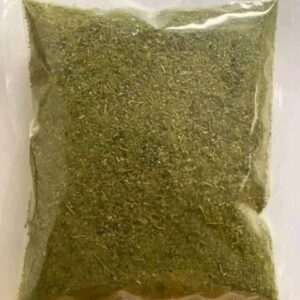
| Form | Whole dried calyx; milled/cut available on request |
| Moisture Content | 10–14% |
| Anthocyanin Content | High (specific values available on lot analysis request) |
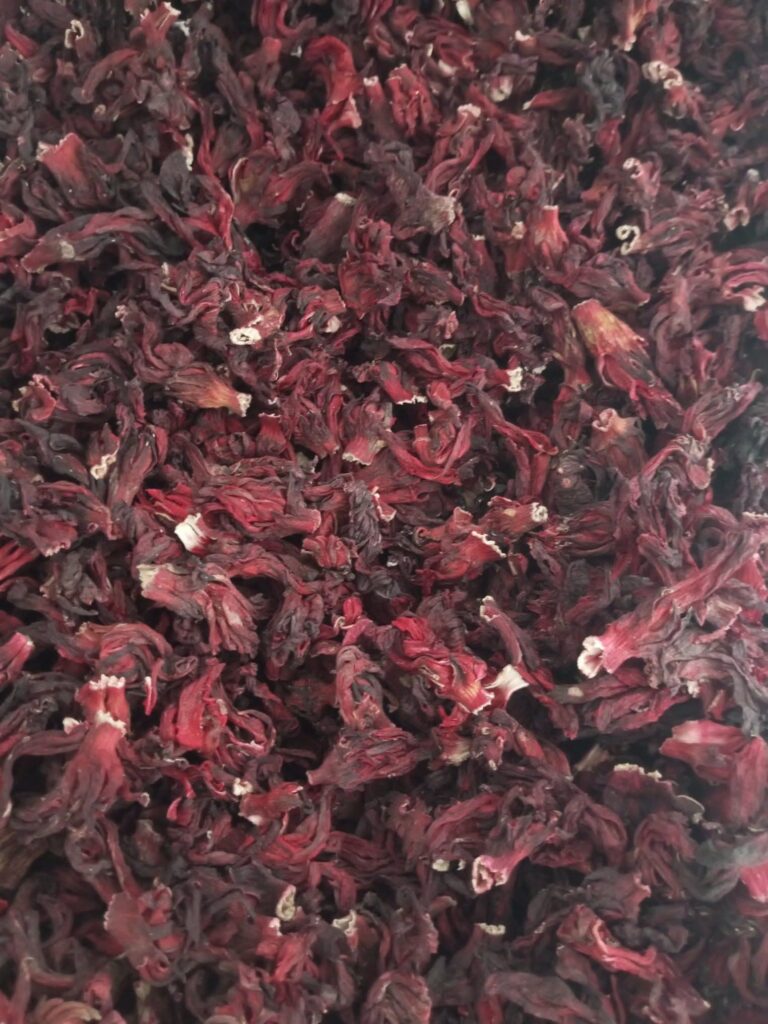
| Color | Deep crimson to dark burgundy red |
| Purity | 95%+ (free from stems, seeds, soil, mould, and foreign matter) |
| Grade | Grade A (large, whole calyces, uniform colour); Grade B (mixed/smaller) |
| Packaging Options | 25kg polypropylene bags, 50kg jute bags, custom packaging on request |
| Supply Capacity | 20–500+ MT per shipment (subject to seasonal availability) |
| MOQ | 3 Metric Tonnes |
| Shelf Life | 18–24 months properly dried and stored (cool, dry, dark conditions) |
| Export Documentation | Phytosanitary Certificate (NAQS), Certificate of Origin, NEPC Export Licence, Commercial Invoice, Packing List, Bill of Lading |
| Payment Terms | T/T, Letter of Credit (LC at sight), Escrow |
| Loading Port | Lagos (Apapa / Tin Can Island Port), Nigeria |
| Incoterms Available | EXW, FOB Lagos, CNF, CIF |
Packaging and Export Process
Harvesting. Hibiscus calyces are harvested by hand between October and December, when the calyces have reached full maturity and maximum colour and anthocyanin development. Harvesting at the correct maturity stage is critical — early harvest produces calyces with lower pigment content, while delayed harvest risks seed pod rupture and calyx splitting that downgrades commercial value.
Separation and Cleaning. Harvested calyces are separated from the seed pod — either by hand or using a simple mechanical decorticator — and cleaned to remove leaf fragments, soil particles, and other field debris. This stage is critical for producing a clean product that meets the low-foreign-matter specifications of European food and pharmaceutical buyers.
Drying. Cleaned calyces are spread in thin layers on raised drying racks or clean drying surfaces and sun-dried under the dry-season harmattan conditions of northern Nigeria — typically achieving the required 10–14% moisture level within 5–10 days under optimal conditions. Proper drying is the single most important post-harvest quality factor: underdried hibiscus develops mould rapidly in storage; overdried hibiscus becomes brittle and breaks into fragments that reduce commercial value and increase rejection risk at the destination.
Sorting and Grading. Dried calyces are sorted by size and colour uniformity. Discoloured, mouldy, fragmented, or seed-contaminated material is removed. Grade A whole calyces are packed separately from mixed/smaller Grade B material.
Packaging. Standard export packaging is 25kg polypropylene bags or 50kg jute bags. All bags are clearly labelled with product name, lot number, moisture content, net weight, harvest region, and export documentation reference. Light-protective packaging is available for buyers with photosensitive colour stability requirements.
Phytosanitary Inspection and Loading. Pre-export inspection by NAQS is conducted before container sealing. Hibiscus flower ships in standard dry containers from Lagos ports — no refrigeration required at export-dried moisture levels. Lead time from order confirmation to container loading runs 10–21 days. Contact us early to plan your shipment schedule, particularly around the October–December peak harvest period when demand on supply is highest.
Frequently Asked Questions
What is the difference between hibiscus flower and zobo leaves?
They are the same product — different names used in different contexts. “Zobo” is the Nigerian colloquial term for both the plant and the dried calyx. “Hibiscus flower” and “roselle” are the names used in international trade and on commercial ingredient labels. “Sorrel” is used in the Caribbean. “Karkadé” is common in the Middle East and North Africa. “Jamaica flower” (flor de Jamaica) is the term used in Mexico and Latin America. All refer to the dried calyx of Hibiscus sabdariffa.
What is the anthocyanin content of Nigerian hibiscus flower?
Anthocyanin content varies by cultivar, growing region, harvest maturity, and post-harvest handling. Nigerian hibiscus from northern producing states consistently delivers high anthocyanin concentration relative to competing origins. For buyers requiring documented analytical values, we arrange third-party laboratory testing on specific lots. Contact us to discuss testing requirements for your application.
Can you supply hibiscus flower in cut or milled form?
Yes. Cut hibiscus calyces — processed to a defined particle size range — are available for herbal tea blending and extraction applications where piece uniformity is important. Milled hibiscus powder is also available on request. Lead times and minimum quantities for processed forms may differ from whole calyx supply. Contact our team to discuss your specific format requirements.
Is Nigerian hibiscus flower suitable for pharmaceutical extract production?
Yes — and it is actively used for pharmaceutical extract production by buyers in Germany, India, and the USA. For pharmaceutical procurement, we recommend discussing analytical specification requirements with our team upfront, as pharmaceutical buyers typically require documented anthocyanin content, heavy metal screening, microbiological limits, and moisture analysis on each lot. Contact us to initiate that conversation.
How should dried hibiscus flower be stored on arrival?
Store in a cool, dark, dry, well-ventilated warehouse. Avoid exposure to direct sunlight — anthocyanin pigments are photosensitive and will fade with extended UV exposure. Maintain temperature below 25°C and relative humidity below 65%. Under these conditions, properly dried Nigerian hibiscus will maintain colour intensity and quality for 18–24 months.
What transit times should I expect from Nigeria?
Europe (Rotterdam, Hamburg, Felixstowe) — approximately 14–20 days from Lagos. UAE (Jebel Ali) — 10–14 days. USA (East Coast) — 18–25 days. Mexico (Manzanillo, Veracruz) — 20–28 days. Japan (Tokyo, Osaka) — 25–32 days.
How is the hibiscus harvest season structured in Nigeria?
The primary hibiscus harvest in Nigeria runs from October through December, concentrated in the northern states of Kano, Katsina, Jigawa, and Bauchi. Post-harvest stock remains available for export through approximately June–July of the following year, depending on the scale of the harvest and the pace of international procurement demand. Buyers planning large-volume purchases are strongly advised to initiate discussions before the harvest period to secure allocation at pre-harvest pricing. Contact us to discuss forward purchasing arrangements.
Ready to Source Premium Hibiscus Flower from Nigeria?
If you are a herbal tea manufacturer, beverage ingredient buyer, pharmaceutical raw material sourcer, natural colourant producer, nutraceutical company, or ethnic food importer actively searching for a reliable hibiscus flower exporter in Nigeria, Paradise MultiTrade International Limited is precisely the partner you are looking for.
We supply high-anthocyanin, northern-origin Nigerian hibiscus flower — whole dried calyces graded to specification, packed for international shipping, and documented for compliance in every major regulated destination market.
Request a Quotation — provide your required volume, grade preference, colour specification if applicable, destination port, and preferred incoterms. We will respond with a competitive, detailed quote within 48 hours.
Contact Our Export Team — speak directly with our export coordinators about anthocyanin analysis, sample requests, cut or milled format availability, and long-term supply contract terms.
Explore Our Full Product Range — alongside hibiscus flower, Paradise MultiTrade exports fresh ginger, dry split ginger, bitter kola, kola nut, sesame seeds, cashew nuts, and charcoal. One licensed Nigerian exporter, one consolidated supply relationship, consistent quality across every commodity.
buy hibiscus flower from Nigeria, Nigerian hibiscus flower supplier, dried hibiscus wholesale export, Hibiscus sabdariffa bulk supplier Nigeria, zobo leaves exporter Africa, roselle flower Nigeria export, hibiscus flower for beverage industry, dried hibiscus calyx bulk buyer
Paradise MultiTrade International Limited | NEPC Export Licence No. 0042385 | CAC No. RC-9284647 | Lagos, Nigeria | www.paradisemultitrade.com

Reviews
There are no reviews yet.