
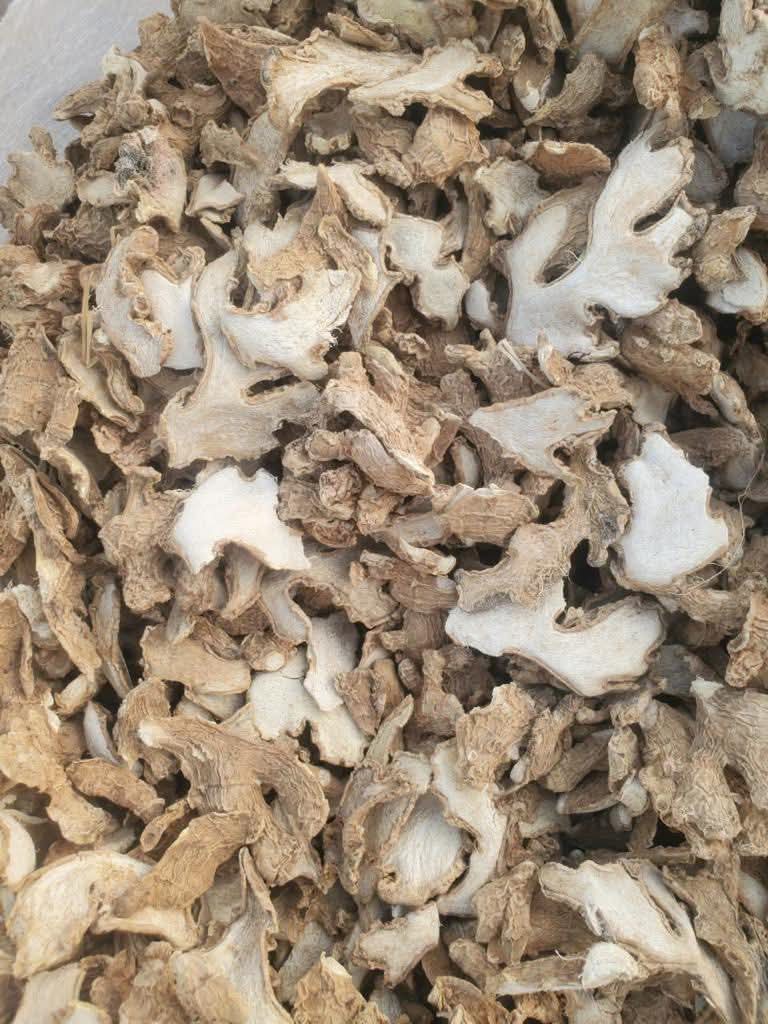

Dry Split Ginger from Nigeria: Inside the Global Spice Industry’s Most Reliable Dried Botanical — and the Origin That Consistently Delivers the Best of It
Dry Split Ginger Exporter Nigeria — Bulk Dried Ginger, Direct Origin Sourcing, Global Delivery
Dry split ginger exporter Nigeria is a search that spice processors, oleoresin manufacturers, pharmaceutical ingredient buyers, and wholesale spice traders have been running with increasing urgency over the past decade — and the reason is not difficult to understand. Nigerian dry split ginger occupies a specific and highly valued position in the global dried spice trade: it is consistently ranked among the highest-yielding ginger origins for oleoresin and essential oil extraction, it commands strong recognition among European and Asian processors for its volatile oil content and sharp pungency, and it is available in commercial export volumes that competing African origins simply cannot match.
At Paradise MultiTrade International Limited, dry split ginger is one of our flagship export products — sourced from the same highland growing regions in Kaduna and Nasarawa states that have supplied the international spice trade for decades, processed to export specification, and shipped with full regulatory documentation to buyers across Europe, Asia, the Middle East, and North America. If you have sourced Nigerian dry split ginger before, you already know its reputation. If you are sourcing it for the first time, this article will tell you everything you need to make a confident procurement decision.
Ready to move straight to pricing? Request a quotation here and our export team will respond within 48 hours.
History and Origin of Dry Split Ginger
How a Preservation Technique Became a Global Trade Standard
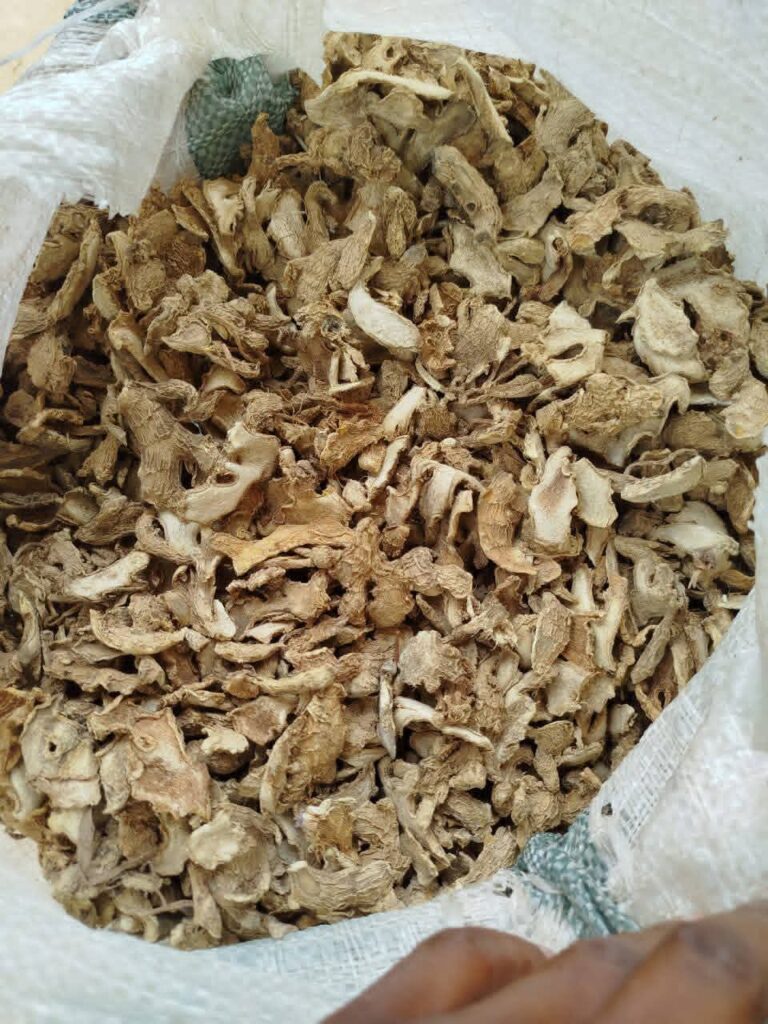
To understand dry split ginger as a commercial product, you have to start not with the drying — but with the problem it solved. Fresh ginger (Zingiber officinale) has a post-harvest shelf life measured in weeks under ambient tropical conditions. For communities growing ginger far from consuming markets, this perishability was a fundamental barrier to trade. The solution — developed independently across ginger-producing cultures in South Asia, Southeast Asia, and eventually West Africa — was drying. Remove the moisture, and the root becomes stable, transportable, and storable across months and even years without significant degradation of its active compounds.
The specific technique of splitting — cutting the rhizome longitudinally or into sections before drying — accelerated moisture removal, reduced drying time, and produced a product with a dramatically larger surface area for both visual quality inspection and industrial processing. Split ginger became the standard form for long-distance trade because it was more consistently dried than whole unpeeled root, easier to inspect for internal quality, and better suited to the grinding and extraction processes that transformed raw dried ginger into the standardised ingredient forms demanded by industrial buyers.
By the time international spice trade was formalised through colonial-era commodity exchanges in the 19th century, dried split ginger from West Africa — particularly from what is now Nigeria — had already established a reputation distinct from Indian, Chinese, and Jamaican origin material. The West African material was sharper, more pungent, and higher in volatile oil content — qualities that processors in Europe valued precisely because they allowed smaller quantities of Nigerian ginger to achieve the same flavour impact as larger quantities of milder origins.
Nigeria’s Position in the Dried Ginger Trade
Nigeria’s dry split ginger trade is anchored in the Middle Belt agricultural zone — specifically the highland states of Kaduna, Nasarawa, Benue, Plateau, and Gombe. These states sit at altitudes between 600 and 1,500 metres above sea level, with cool dry seasons that create ideal natural drying conditions following the main ginger harvest between November and January. The natural climatic advantage is significant: ginger dried under the cool, low-humidity conditions of the Nigerian highland harmattan season retains more of its volatile aromatic compounds than ginger dried under hot, humid coastal conditions — a technical advantage that experienced processors recognise immediately in laboratory analysis.
The Nigerian Export Promotion Council (NEPC) has classified dry ginger as a priority non-oil export commodity since the early 2000s, with targeted programmes supporting post-harvest processing quality, export documentation standards, and international market linkage. This institutional support has progressively improved the traceability and compliance infrastructure surrounding Nigerian dry ginger exports — a direct benefit to international buyers operating under the increasingly stringent import regulations of the EU, UK, and USA.
Global trade flow data accessible through ITC Trade Map shows Nigerian dried ginger entering markets across Germany, the Netherlands, the United Kingdom, India, China, the USA, the UAE, and Japan — a geographic spread that reflects the breadth of industrial applications driving demand for this specific product form.
What Is Dry Split Ginger?
Dry split ginger is the processed, moisture-reduced form of the Zingiber officinale rhizome, prepared specifically for long-distance export and industrial end-use. It is produced through a defined post-harvest sequence:
Washing and Cleaning. Freshly harvested ginger rhizomes are washed to remove soil and field debris.
Peeling or Unpeeled Processing. Depending on buyer specification and intended end-use, ginger may be peeled before drying (producing a lighter-coloured, smoother-surfaced dried product) or left unpeeled (retaining the outer skin and associated surface compounds). Nigerian export dry split ginger is most commonly supplied unpeeled — the skin contributes to the product’s characteristic appearance and contains surface compounds valued by certain processing applications.
Splitting. The cleaned rhizome is split — either by hand or mechanically — into sections that expose the interior flesh. This dramatically increases the drying surface area and ensures that interior moisture can escape evenly during the drying process, preventing the moisture pockets that cause internal mould development in poorly processed whole dried ginger.
Drying. Split ginger sections are dried — through sun-drying, solar drying, or mechanical hot-air drying — until moisture content reaches the 8–12% range required for safe export storage and international shipping. The drying method and conditions significantly affect the final product’s aromatic profile, colour, and volatile oil retention.
Sorting and Grading. Dried split ginger is sorted to remove discoloured, mouldy, or undersized pieces before final packing.
The result is a stable, long-shelf-life product with an intensely concentrated ginger flavour and aroma profile — precisely calibrated through the drying process to meet the specifications of industrial spice processors, oleoresin manufacturers, essential oil producers, pharmaceutical ingredient buyers, and wholesale spice traders worldwide.
Benefits and Industrial Uses of Dry Split Ginger
Spice Processing and Grinding Industry
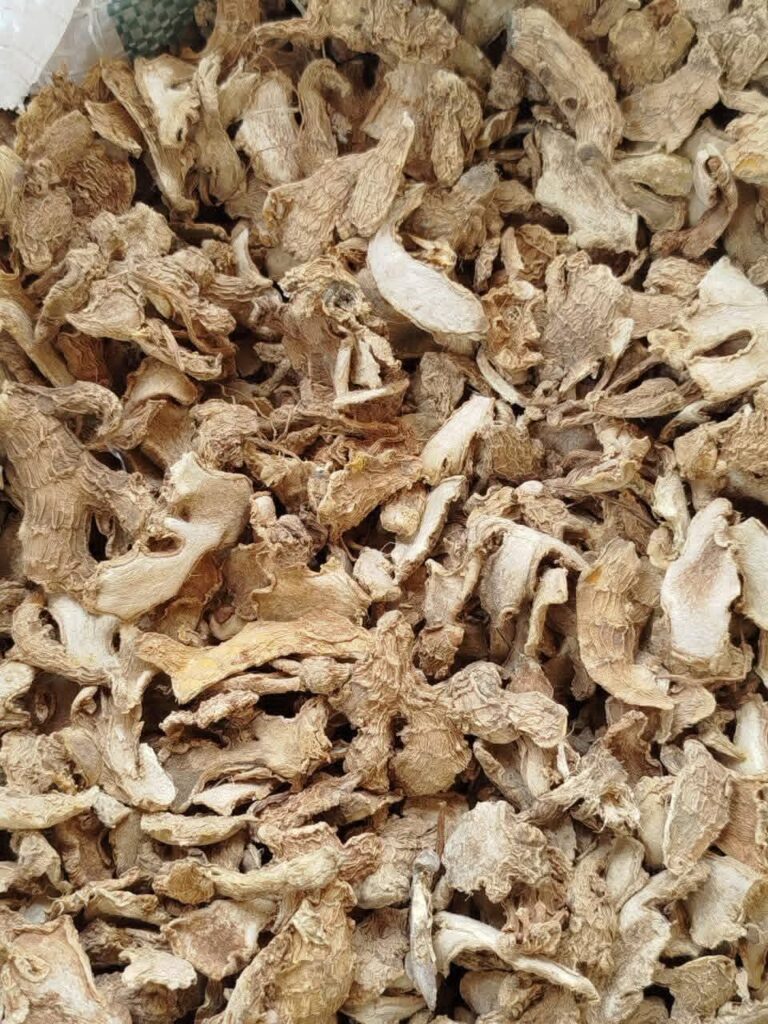
This is dry split ginger’s largest and most straightforward industrial application. Ground ginger — produced by milling dried split ginger through industrial spice grinding operations — is one of the most widely used spice ingredients in global food manufacturing. It appears in spice blends, curry powders, baking mixes, marinades, condiments, snack seasonings, instant noodle flavour packets, sausage and meat seasoning mixes, and hundreds of other food manufacturing applications across every major market.
For spice processors and grinders, dry split ginger is the preferred input form over ground ginger because it allows them to control the milling process — achieving the specific particle size distribution, colour, and aromatic intensity their product specifications require. Nigerian dry split ginger, with its high volatile oil content and strong pungency, is particularly valued by processors producing premium-grade ground ginger for European and Japanese food manufacturing customers, where flavour intensity per unit of ingredient is a competitive differentiator.
Paradise MultiTrade’s direct sourcing from Nigerian highland growing regions delivers dry split ginger with the consistent aromatic profile that processors need to maintain product quality across production batches. Explore our full export commodity range to see how we serve processors with multiple spice ingredient requirements.
Oleoresin and Essential Oil Extraction Industry
This is where Nigerian dry split ginger commands its strongest price premium and most technically exacting buyer demand. Ginger oleoresin — a concentrated extract containing both the volatile aromatic compounds (responsible for ginger’s smell) and the non-volatile pungent compounds (responsible for ginger’s heat, particularly gingerols and shogaols) — is one of the most commercially important spice oleoresins in global trade. It is used as a standardised flavouring ingredient in food manufacturing, as a pharmaceutical active ingredient, and as a natural food colouring and flavour adjunct across dozens of industrial applications.
The oleoresin yield from a given batch of dry split ginger is directly proportional to the volatile oil and gingerol content of the raw material. Nigerian highland-grown dry split ginger consistently delivers oleoresin yields at the high end of the range achievable from commercially traded ginger origins — a technical reality that extraction companies in India (the world’s largest ginger oleoresin producer), Germany, China, and the USA have factored into their procurement decisions for decades.
Research on the phytochemical composition and bioactive properties of ginger oleoresin is extensively documented through the National Center for Biotechnology Information (NCBI), providing extraction buyers with the scientific framework to understand why origin matters so significantly in their raw material selection.
Pharmaceutical and Nutraceutical Industry
Dry split ginger serves as the primary raw material for pharmaceutical-grade ginger extract production — specifically for formulations targeting nausea management, gastrointestinal health, anti-inflammatory applications, and metabolic support. While fresh ginger is preferred for some extraction processes, dry split ginger is the dominant raw material form in pharmaceutical procurement because its reduced moisture content makes it far more stable to transport and store, allows for more consistent active compound concentration in standardised batches, and simplifies the extraction process for most pharmaceutical manufacturing protocols.
The shogaol compounds found in dried ginger — formed through the dehydration of gingerols during the drying process — are actually more potent anti-inflammatory and anticancer agents than the gingerols found in fresh ginger, according to research accessible through NCBI. This means that for certain pharmaceutical applications, dried ginger is not merely a convenient alternative to fresh — it is the biochemically superior raw material. This understanding has driven significant pharmaceutical procurement interest toward high-quality dried ginger origins, with Nigerian highland material consistently attracting attention for its combination of high shogaol content and consistent quality.
Beverage Industry
Dry split ginger is a critical ingredient in commercial ginger ale, ginger beer, and ginger-based health beverage production. Large-scale beverage manufacturers source dry split ginger either for direct extraction into ginger concentrate and flavouring solutions, or supply it to specialist flavour houses that produce the standardised ginger flavour ingredients used in beverage formulation.
The craft beverage sector — including artisan ginger beer producers, kombucha brands, and functional drink manufacturers — is an increasingly significant buyer of smaller volumes of origin-verified dry split ginger, seeking authentic raw material they can reference in product labelling and marketing. The demand for traceable, documented-origin dried ginger in this segment is growing in line with the broader clean-label movement across the global food and beverage industry. USDA Agricultural Market Reports reflect sustained import demand for dried ginger across US beverage ingredient supply chains.
Cosmetics and Personal Care Industry
Dry ginger extract and ginger essential oil — both derived from dry split ginger as the primary raw material — are active ingredients in a growing range of personal care and cosmetics products. Warming hair care products, circulation-stimulating body oils, anti-cellulite creams, scalp treatments, and energising bath and body formulations all use ginger-derived ingredients at varying concentrations. The cosmetics industry’s growing interest in natural, plant-derived active ingredients has driven consistent procurement interest in high-quality dried ginger from documented African origins.
Traditional Herbal Medicine and Ayurvedic Markets
Dry split ginger has been a cornerstone of Ayurvedic medicine — where it is known as shunti or sonth — for thousands of years, used in formulations addressing digestive complaints, respiratory conditions, and inflammatory disorders. The global Ayurvedic products market continues to grow significantly, and the ingredient supply chains supporting that growth include dried ginger from West African origins as a recognised and commercially established input. Herbal medicine wholesalers and Ayurvedic ingredient suppliers in India, the UK, the USA, and Germany are active buyers of Nigerian dry split ginger within this procurement channel.
Why Buy Dry Split Ginger from Nigeria?
The Volatile Oil Advantage
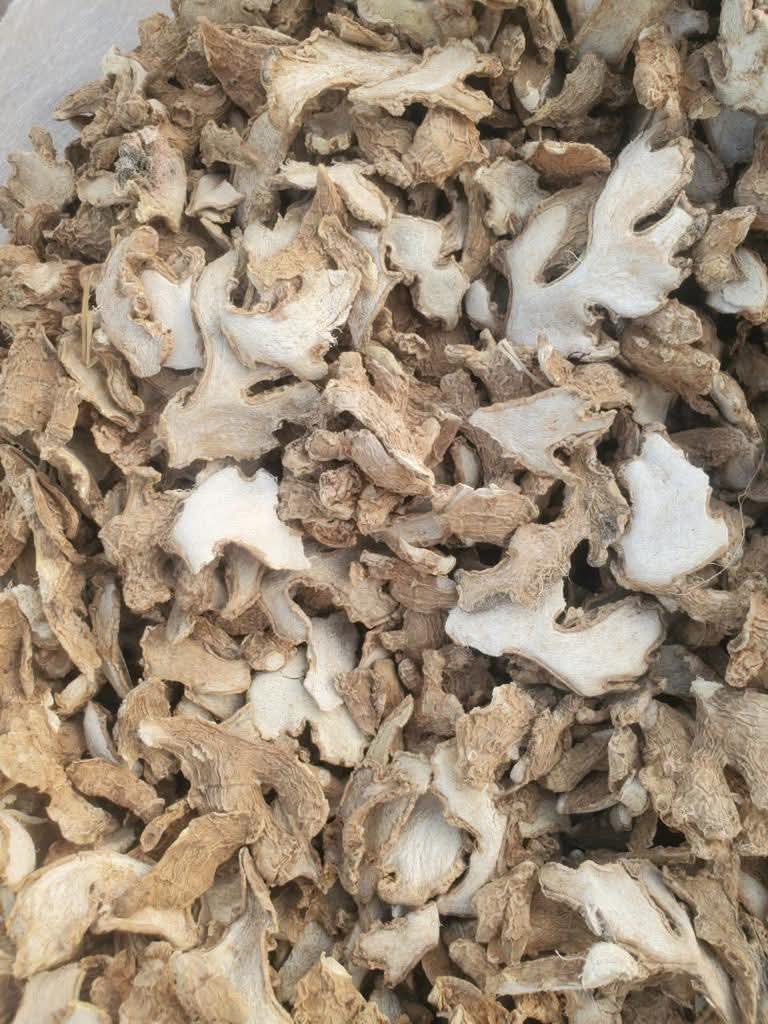
The single most commercially significant quality differentiator of Nigerian dry split ginger is its volatile oil content — the measure of aromatic compound concentration that determines both the sensory intensity of the spice and the oleoresin yield achievable in extraction. Nigerian highland ginger, grown at altitude under the specific climatic conditions of the Middle Belt farming zone, consistently produces dried material with volatile oil content in the range of 1.8–3.5% — at the high end of the commercially traded range globally.
For industrial processors, this is not a marginal advantage. Higher volatile oil content means lower input volumes required to achieve target flavour intensity — which translates directly into reduced raw material cost per unit of finished product. It is the kind of agronomic quality advantage that procurement managers quantify in their cost-per-kilogram-of-active-compound calculations, and it is why Nigerian dry split ginger commands the buyer loyalty it does among experienced spice processors.
Climate-Assisted Drying Quality
The harmattan season that sweeps across Nigeria’s Middle Belt between November and February creates natural drying conditions that are difficult to replicate artificially at commercial scale. Cool temperatures, low relative humidity, and steady airflow through this period allow freshly harvested split ginger to dry slowly and evenly — preserving volatile aromatic compounds that are lost when drying is rushed under high heat. This climate-assisted drying advantage is why experienced buyers who have benchmarked Nigerian dry split ginger against material from competing origins processed under mechanical high-heat drying conditions report a consistently superior aroma profile in the Nigerian product.
Direct Farm-to-Exporter Sourcing
At Paradise MultiTrade, we source dry split ginger directly from established farming networks and post-harvest processing cooperatives in Kaduna and Nasarawa states. This is not secondary market purchasing. We are embedded in the supply chain at the point closest to production — which means we have genuine quality visibility, genuine pricing efficiency, and genuine ability to customise specifications for buyers with defined requirements. Contact our export team to discuss your specific sourcing requirements.
Full Regulatory Compliance from a Licensed Exporter
Every dry split ginger shipment processed through Paradise MultiTrade carries a phytosanitary certificate from the Nigerian Agricultural Quarantine Service (NAQS), NEPC export documentation, certificate of origin, and complete commercial shipping documentation. EU-bound shipments are prepared in compliance with Regulation (EU) 2017/625 governing official controls on agri-food and spice imports. Our NEPC Export Licence No. 0042385 and CAC Registration No. RC-9284647 are active and verifiable through NEPC.
Nigeria’s Export Strength and Global Market Demand
The Destinations That Define Nigerian Dry Ginger Trade
India is, perhaps counterintuitively given its own significant ginger production, one of the most consistent importers of Nigerian dry split ginger. The reason is extraction economics: Indian oleoresin manufacturers use Nigerian material specifically because its higher volatile oil and gingerol content delivers extraction yields that domestic Indian varieties — particularly lower-altitude material — cannot match for premium product lines. India’s oleoresin industry processes Nigerian ginger and re-exports the derived extracts into global pharmaceutical and food ingredient supply chains.
Germany is the EU’s dominant entry point for Nigerian dry split ginger destined for European spice processing. Hamburg and Bremen function as the primary port-of-entry hubs, with German spice processors and ingredient distributors buying Nigerian material for both domestic use and redistribution across the wider EU market. Germany’s food manufacturing industry — among the largest and most technically sophisticated in the world — values Nigerian ginger for its consistency and intensity.
The United Kingdom imports Nigerian dry split ginger through both direct procurement and via European distribution, serving a combination of food manufacturing, herbal product, and ethnic food market demand. The UK’s significant South Asian and West African diaspora populations create layered demand across both the industrial and retail channels.
The UAE functions as a processing and re-export hub, with Dubai and Sharjah-based commodity traders sourcing Nigerian dry split ginger for distribution into Gulf Cooperation Council markets, South Asian markets, and East Asia.
The United States imports dried ginger through both direct procurement from Nigerian exporters and via European ingredient suppliers who process Nigerian raw material into standardised spice ingredients. Demand data is trackable through USDA Agricultural Market Reports and cross-referenced with ITC Trade Map export flow data.
A Market Driven by Multiple, Independent Demand Streams
One of the structural strengths of dry split ginger’s market position is that its demand is not dependent on any single end-use sector. The spice processing industry, the oleoresin extraction industry, the pharmaceutical sector, the beverage industry, the cosmetics sector, and the herbal medicine trade all purchase dry split ginger independently — meaning that a slowdown in one sector does not collapse overall demand. This multi-sector demand base provides the kind of market stability that agricultural commodity buyers and sellers both value in a long-term supply relationship.
Why Choose Paradise MultiTrade International Limited?
Highland Origin Material, Verified. The quality differentiation of Nigerian dry split ginger is geography-dependent. We source specifically from the highland growing zones of Kaduna and Nasarawa states where the altitude and climate produce the volatile oil content that industrial buyers pay a premium for — not from lower-altitude secondary growing areas where quality is less consistent.
Processing to Specification. Different buyers have different requirements. Oleoresin extractors need specific moisture and volatile oil parameters. Spice grinders need defined particle geometry and uniform piece size. Pharmaceutical buyers need documented compound content and lot traceability. We engage with each buyer’s specification requirements seriously, not generically.
Complementary Product Range. Buyers sourcing dry split ginger often have related requirements for fresh ginger, sesame seeds, hibiscus flower, bitter kola, or kola nut. Paradise MultiTrade exports all of these alongside dry split ginger — allowing you to consolidate multiple Nigerian commodity sourcing relationships into one verified partner. See our full range of Nigerian export commodities.
Documentation Integrity. We understand that for buyers in regulated markets — particularly the EU, UK, USA, and Japan — documentation integrity is not a secondary concern. It is the foundation of a viable import operation. We prepare every shipment’s documentation with the care and accuracy that customs compliance demands.
Product Specifications
| Specification | Details |
|---|---|
| Product | Dry Split Ginger (Zingiber officinale) |
| Origin | Nigeria (Kaduna, Nasarawa, Benue, Plateau States) |
| Form | Split/sectioned, unpeeled (peeled available on request) |
| Moisture Content | 8–12% |
| Volatile Oil Content | 1.8–3.5% (varies by harvest and growing zone) |
| Purity | 95%+ (free from mould, insect damage, and foreign matter) |
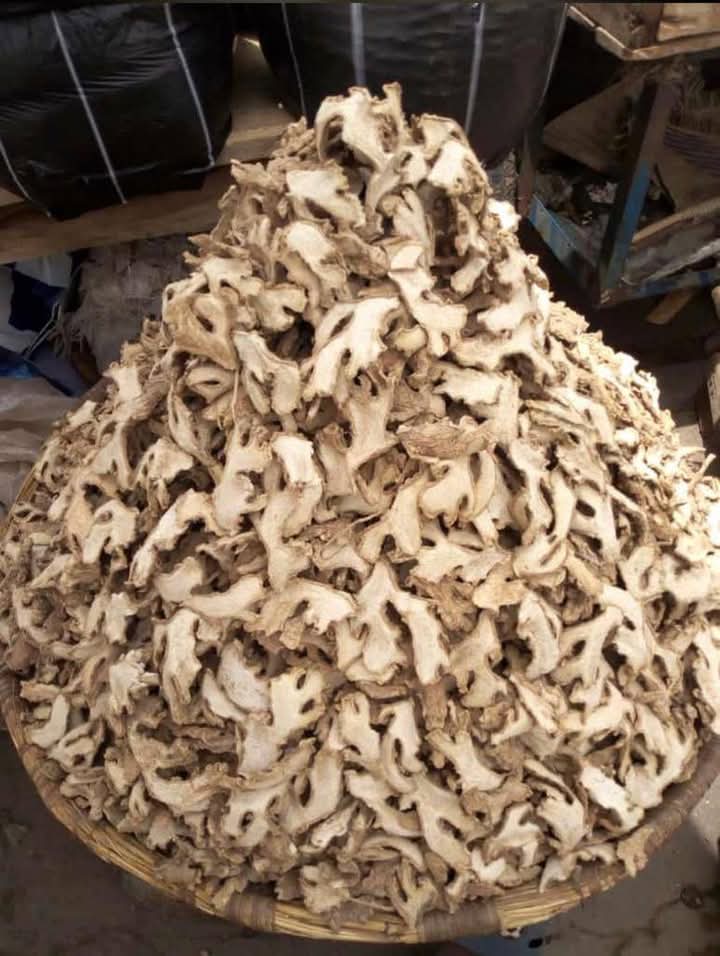
| Color | Light tan to medium brown (unpeeled); pale cream to buff (peeled) |
| Grade | Grade A (uniform splits, low foreign matter); Grade B (mixed/smaller pieces) |
| Piece Size | Standard splits (3–7cm sections); customisable on request |
| Packaging Options | 50kg jute bags, 25kg polypropylene bags, custom packaging on request |
| Supply Capacity | 20–500+ MT per shipment (subject to seasonal availability) |
| MOQ | 5 Metric Tonnes |
| Shelf Life | 18–24 months properly dried and stored (cool, dry, ventilated) |
| Export Documentation | Phytosanitary Certificate (NAQS), Certificate of Origin, NEPC Export Licence, Commercial Invoice, Packing List, Bill of Lading |
| Payment Terms | T/T, Letter of Credit (LC at sight), Escrow |
| Loading Port | Lagos (Apapa / Tin Can Island Port), Nigeria |
| Incoterms Available | EXW, FOB Lagos, CNF, CIF |
Packaging and Export Process
Post-Harvest Processing. Immediately after the main ginger harvest — concentrated in November through January across Nigeria’s Middle Belt — rhizomes are collected, field-cleaned, and transported to processing points for washing, peeling (where specified), and splitting.
Splitting. Rhizomes are split into sections of broadly consistent size to ensure uniform drying. Piece size can be customised within a reasonable range to meet buyer specification — processors with specific grinding or extraction equipment configurations sometimes require defined piece dimensions, and we accommodate these requests at the order specification stage.
Drying. Split sections are dried under controlled conditions — primarily through natural sun-drying in the low-humidity harmattan season environment, supplemented by mechanical drying where production volumes or weather conditions require it — until moisture content reaches 8–12%. Moisture testing is conducted during and after drying to verify compliance with export specification.
Sorting and Quality Control. Dried split ginger is sorted to remove discoloured, mouldy, undersized, or otherwise defective pieces. A final quality check against buyer specification is conducted before packing.
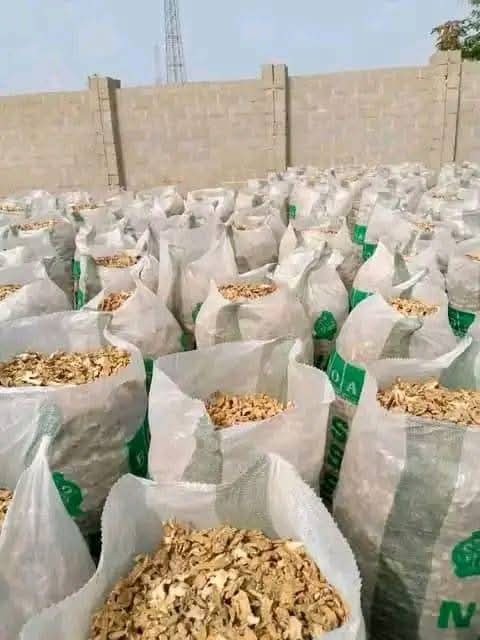
Packaging. Standard export packing is 50kg jute bags or 25kg polypropylene bags. Jute remains the preferred packaging for dried ginger because it allows the product to breathe during transit, preventing moisture accumulation that could lead to quality degradation. All bags are clearly labelled with product details, lot number, moisture content, net weight, and export documentation reference.
Phytosanitary Inspection and Loading. Pre-export inspection by NAQS is conducted before container sealing. Containers are loaded at Apapa or Tin Can Island Port in Lagos. Dry split ginger ships in standard dry containers — no refrigeration required at 8–12% moisture.
Lead Times. From order confirmation to container loading typically runs 10–21 days, depending on volume and current stock position. Peak season availability is strongest between January and June following the main harvest. Contact us early to secure allocation and plan your shipping schedule.
Frequently Asked Questions
What makes Nigerian dry split ginger different from Indian or Chinese dried ginger?
The primary differentiator is volatile oil content and pungency intensity. Nigerian highland-grown dry split ginger consistently delivers higher volatile oil concentrations (1.8–3.5%) than most competing origins, producing stronger flavour impact per kilogram and higher oleoresin extraction yields. Experienced processors working with multiple origins typically rate Nigerian material at the top of their quality ranking for intensity and extraction performance.
What is the difference between dry split ginger and fresh ginger?
Fresh ginger is the undried raw rhizome with 80–85% moisture content, a short shelf life, and is suited to food service, juicing, and applications requiring the full gingerol profile. Dry split ginger is the processed, moisture-reduced form with 8–12% moisture, 18–24 months shelf life, and is suited to industrial grinding, oleoresin extraction, pharmaceutical processing, and long-distance international trade. Paradise MultiTrade exports both — see our fresh ginger export page for details.
Can you supply peeled dry split ginger?
Yes. Peeled dry split ginger — with the outer skin removed before drying — is available on request. Peeled material produces a lighter-coloured final product with a somewhat different surface compound profile, preferred by certain food manufacturing and cosmetic ingredient applications. Minimum order quantities and lead times for peeled material may differ from standard unpeeled supply. Contact us to discuss.
What is the volatile oil content of your dry split ginger?
Our dry split ginger from highland Kaduna and Nasarawa origin typically tests at 1.8–3.5% volatile oil content. Specific lot analysis can be arranged through accredited third-party laboratory testing for buyers with defined pharmaceutical or oleoresin extraction specifications. Contact our team to discuss testing arrangements.
How should dry split ginger be stored upon arrival?
Store in a cool, dry, well-ventilated warehouse away from direct sunlight and moisture sources. Maintain ambient temperature below 25°C where possible and relative humidity below 65%. Under these conditions, properly dried Nigerian split ginger will maintain quality for 18–24 months from the drying date.
What transit times should I plan for?
Europe (Rotterdam, Hamburg, Felixstowe) — approximately 14–20 days from Lagos. UAE (Jebel Ali) — 10–14 days. India (Nhava Sheva, Mundra) — 12–16 days. USA (East Coast ports) — 18–25 days. China (Shanghai, Guangzhou) — 20–28 days.
Is third-party pre-shipment inspection available?
Yes. We welcome pre-shipment inspection by SGS, Intertek, Bureau Veritas, or any other accredited inspection agency the buyer designates. Inspection costs are borne by the buyer. We coordinate timing and access with the inspection agency to ensure the process does not delay container loading schedules.
Ready to Source Premium Dry Split Ginger from Nigeria?
If you are a spice processor, oleoresin extractor, pharmaceutical ingredient buyer, beverage manufacturer, or bulk spice trader actively searching for a dependable dry split ginger exporter in Nigeria, Paradise MultiTrade International Limited delivers exactly what serious industrial buyers require: highland-origin material, consistent specification, verified documentation, and direct commercial communication without the intermediary noise.
Request a Quotation — provide your required volume, moisture specification, piece size preference, destination port, and preferred incoterms. We respond with a detailed, competitive quote within 48 hours.
Contact Our Export Team — speak directly with our export coordinators about sample availability, volatile oil content data, lot-specific analysis, and long-term contract supply arrangements.
Explore Our Full Product Range — alongside dry split ginger, Paradise MultiTrade exports fresh ginger, bitter kola, kola nut, sesame seeds, hibiscus flower, cashew nuts, and charcoal. One licensed Nigerian exporter, one consolidated sourcing relationship, no compromise on quality or documentation.
buy dry split ginger from Nigeria, Nigerian dry ginger supplier, dried ginger wholesale export, split ginger bulk supplier Africa, dry ginger root Nigeria, Nigerian ginger for spice industry, dry ginger importer wholesale, Zingiber officinale dried export Nigeria
Paradise MultiTrade International Limited | NEPC Export Licence No. 0042385 | CAC No. RC-9284647 | Lagos, Nigeria | www.paradisemultitrade.com
Reviews
There are no reviews yet.