
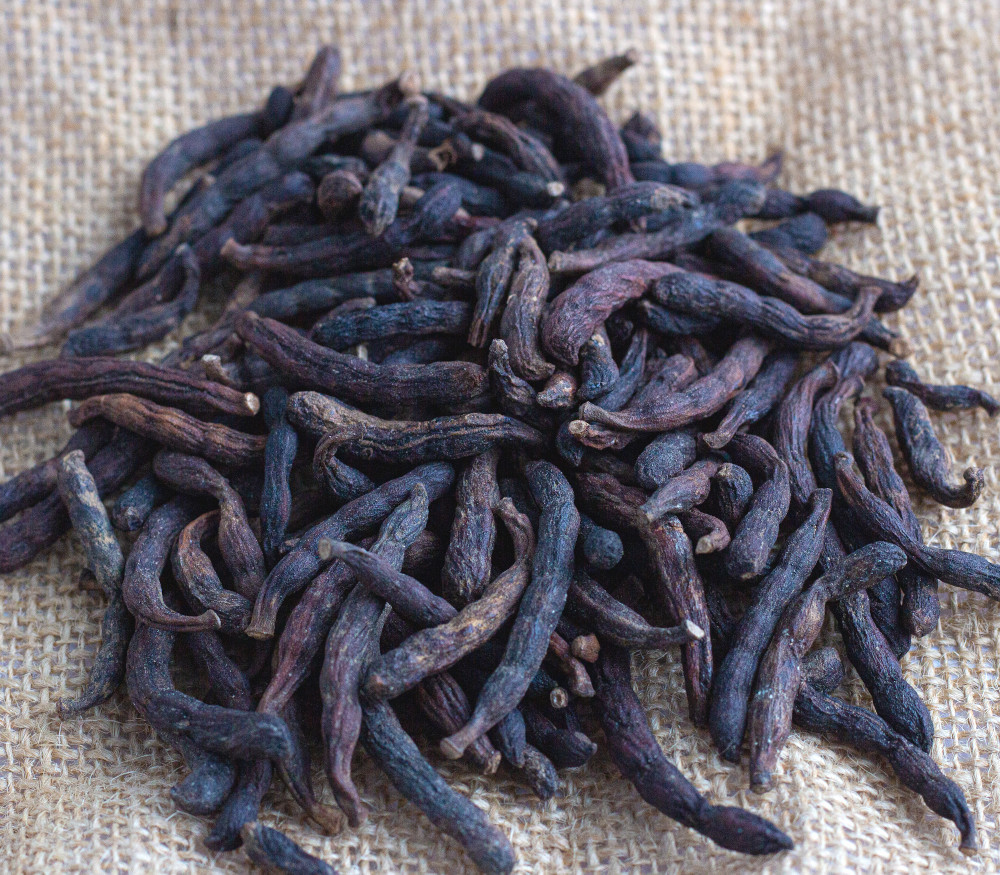

Nigerian Uda Pepper: The Aromatic Seed Pod Whose Entire Commercial Value Rests on Diterpene Compounds That No Other Spice Contains, a Postpartum Healing Tradition That Has Survived 2,000 Years Unchanged, and a Flavour Complexity That Experienced Palates Consistently Describe as Incomparable
Uda Pepper Exporter Nigeria — Whole Dried Pods, Seeds, Powder, and Essential Oil of Xylopia Aethiopica, Direct Forest Belt Sourcing, Bulk Supply to West African Diaspora Food Importers, Traditional Medicine Manufacturers, Spice Processors, Pharmaceutical Ingredient Buyers, and Premium Food Brands Worldwide
Uda pepper exporter Nigeria is a search phrase that almost every buyer who finds it arrives at through the same pathway — a conversation with a Nigerian cook, a hospital dietitian working with postpartum West African patients, a traditional medicine researcher investigating African botanical compounds, or a specialty spice buyer who has read about the “Grains of Selim” historical trade commodity and traced it back to its West African botanical origin. What unites these otherwise disparate professional contexts is the discovery of a product that immediately challenges the assumptions that the word “pepper” creates.
Xylopia aethiopica — the plant that Nigerians call uda in Igbo tradition, eeru alamo in Yoruba, kimba in Hausa, and that international trade has historically catalogued as negro pepper, Ethiopian pepper, Senegal pepper, African pepper, or Grains of Selim — is not, in any pharmacologically meaningful sense, a pepper. Its dried seed pods contain no capsaicin, no piperine, and no capsaicinoid compound of any kind. Consuming uda pepper produces no burning sensation, no TRPV1 receptor activation, no physiological heat response. The “pepper” in its common name is a commercial historical artefact — the same naming convention that attached “pepper” to alligator pepper (Aframomum melegueta), Guinea pepper (Piper guineense/uziza), and cayenne pepper — a European spice trade tradition of calling everything pungently aromatic a “pepper” regardless of botanical identity or chemical mechanism.
What uda actually contains — and what makes it commercially extraordinary once serious buyers move past the misleading name — is a suite of diterpene compounds, primarily xylopic acid, kaurine-class diterpenes, and ent-kaurane derivatives, whose documented biological activity spans antibacterial, antifungal, anti-inflammatory, analgesic, and antimalarial properties in a phytochemical profile unlike any other commercially traded spice. These compounds — unique to the genus Xylopia in the Annonaceae family and absent from every other commonly traded spice — give uda its characteristic, deeply aromatic, slightly bitter, woody-smoky flavour profile that pepper soup connoisseurs and traditional medicine practitioners across West Africa have valued as irreplaceable for generations. They also give the pharmaceutical research community a natural compound portfolio of genuine drug discovery interest whose upstream raw material procurement begins with authenticated Nigerian Xylopia aethiopica pod supply.
The commercial story of UDA is therefore not the story of “another West African pepper to add to the series” — it is the story of a genuinely unique botanical product whose chemical identity, traditional use depth, and emerging pharmaceutical research relevance position it as one of the most commercially multidimensional specialty spice exports in Nigeria’s portfolio. And at Paradise MultiTrade International Limited, we are building the supply chain, the quality documentation infrastructure, and the international buyer awareness that will define the commercial future of Nigerian uda pepper in global markets.
To discuss sourcing immediately, request a quotation here and our export team will respond within 48 hours.
History and Origin of Uda Pepper — The Ancient Healing Spice That Medieval European Traders Called Grains of Selim
Xylopia Aethiopica — Native to the West African Forest, Never Truly Away From Home
Unlike nutmeg, which was introduced to Nigeria from Indonesian archipelago origins and took centuries to establish commercial production, or garlic and onion, which arrived from Central Asian domestication centres through Arab and trans-Saharan trade routes, Xylopia aethiopica is genuinely, originally, and irreplaceably West African. The tree’s natural range spans the humid tropical forest and forest-savanna transition zone across the entire sub-Saharan African belt — from Senegal and Guinea in the west through Nigeria, Ghana, Cameroon, and the Congo Basin eastward to Ethiopia and Kenya — with the highest natural population densities in the wet forest zones of West and Central Africa where the tree has evolved over millions of years as part of the indigenous forest ecosystem.
This nativity — identical to the oil palm’s in the previous articles — carries commercial significance that imported crop productions cannot replicate: Xylopia aethiopica is not a tree that requires management, irrigation, or agronomic investment to grow productively in Nigerian forest conditions. It is a tree that Nigerian farmers manage within already-existing forest systems — protecting individual trees in farm forests, allowing natural regeneration in fallow land, and selectively harvesting from wild populations across a geographic range that covers the entire forest and forest-derived savanna zone of Nigeria’s south and southwest. This farm-forest management system — virtually identical to the parkland system we documented for shea and locust beans — produces a supply of uda pods from millions of trees whose productive capacity represents an enormous agricultural resource whose commercial potential has barely been touched by the formal international market.
The archaeological and historical record of Xylopia aethiopica use is among the deepest of any Nigerian botanical product. Seeds and pod fragments have been recovered from archaeological sites in the forest zones of West Africa dating to before the common era — establishing a human-use relationship with the plant that predates written history in the region. Egyptian archaeological sites have yielded Xylopia remains — suggesting the plant was traded northward through ancient African trade networks that predated the Arab trans-Saharan routes that later formalised this commerce.
The Grains of Selim — The Medieval European Spice Identity
The commercial name “Grains of Selim” — which European spice traders applied to Xylopia aethiopica in the medieval period — reflects the same trans-Saharan trade dynamics that brought gum arabic, shea, and West African peppers northward to Mediterranean markets through the established commercial routes connecting the West African Sudan-Sahel zone to North African ports. Medieval European culinary manuscripts describe “Grains of Selim” as an aromatic spice of West African origin used in spiced wine preparations, meat seasonings, and medical preparations — though the commercial volume was smaller than the trade in West African Piper guineense peppers, whose history we documented in the uziza article.
The historical naming confusion between “Grains of Selim” (Xylopia aethiopica), “Grains of Paradise” (Aframomum melegueta), and various “Guinea peppers” (Piper guineense, Piper clusii) — all West African aromatic botanical products that entered European trade through similar trans-Saharan routes — is extensively documented in spice trade history research accessible through JSTOR’s academic database and food history publications from the Oxford Symposium on Food and Cookery. For commercial buyers evaluating uda pepper documentation — this historical naming confusion is the reason that Paradise MultiTrade provides explicit botanical species confirmation (Xylopia aethiopica) on every export lot, distinguishing it from the other West African botanicals whose trade names have historically been applied interchangeably with uda.
Nigeria’s Uda Production — The Forest Resource That Feeds Millions of Daily Cooks
Nigeria’s Xylopia aethiopica production is distributed across the entire humid forest and forest-derived savanna zone of the south and southwest, with wild-harvest from forest margins and farm forest management constituting the primary supply pathway for both domestic and export market supply:
Imo, Anambara, Enugu, and Ebonyi states — the Igbo-culture southeastern producing zones where uda is embedded most deeply in both culinary tradition (as an essential pepper soup spice) and postpartum medicine (where its traditional use by new mothers is most institutionally documented and most consistently practised). These states constitute the primary commercial supply territory for the domestic Nigerian market and the West African diaspora export market.
Delta, Edo, and Bayelsa states — Niger Delta producing zones where Xylopia aethiopica grows in the humid forest conditions of the Delta margin and where production from farm forest systems contributes to both domestic and export supply.
Ondo, Ogun, and Osun states — southwestern producing zones where Yoruba traditional use of uda (eeru alamo) in pepper soup, traditional medicine, and ceremonial food preparation creates both domestic market demand and the supply-side production that serves it.
Cross River and Akwa Ibom states — southeastern coastal producing zones whose humid tropical conditions support prolific Xylopia aethiopica growth in both managed farm forest and wild populations.
According to FAO production data on non-wood forest products — which tracks Xylopia aethiopica within the broader category of African forest botanical products — Nigeria’s output constitutes a dominant share of West Africa’s total commercial uda production. The Nigerian Export Promotion Council (NEPC) has recognised uda within its indigenous Nigerian spice export development programme alongside uziza, alligator pepper, and ehuru — acknowledging the growing international buyer interest in authentic West African botanical spices. International trade flow data from ITC Trade Map confirms Nigerian uda pepper entering formal export channels at growing volumes — driven primarily by UK and European diaspora food importers, West African restaurant supply chains, and specialty spice importers building authentic West African spice portfolios.
What Is Uda Pepper? The Botanical Reality Behind the Misleading Name and the Phytochemistry That Defines Commercial Value
Xylopia Aethiopica — The Custard Apple Family’s Most Commercially Significant Spice
Xylopia aethiopica is a tall, slender forest tree of the Annonaceae (custard apple or soursop) family, reaching 15–20 metres in height, producing small, oblong, aromatic fruit pods that are the commercial product of trade. The Annonaceae family membership places uda in the same botanical family as Monodora myristica (African nutmeg/ehuru) and the broader family that includes commercially familiar fruits, including soursop (Annona muricata) and custard apple (Annona squamosa) — but uda’s specific commercial significance comes from a chemical profile entirely distinct from its family relatives.
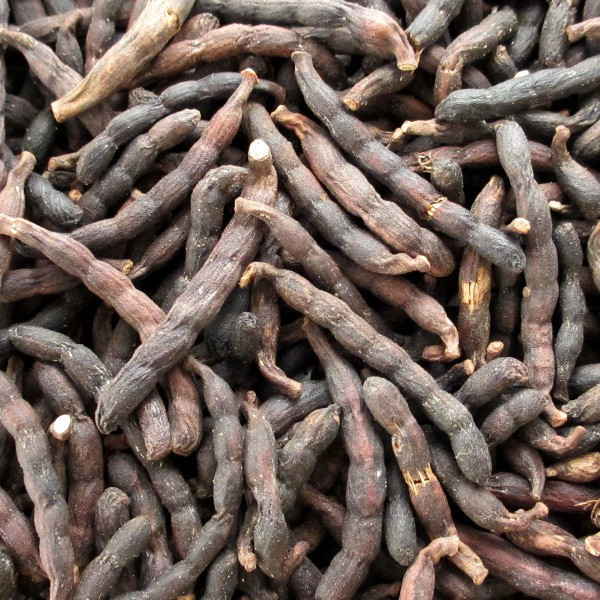
The commercial product — the dried uda pod — is the thin, elongated, slightly twisted fruit of the tree, typically 3–5cm in length, red-orange when fresh, drying to dark brown to black with a wrinkled, woody exterior surface. Each pod contains 5–8 small, hard, aromatic seeds embedded within the thin pod wall. Both the pod wall and the seeds contribute to the commercial aromatic profile, with the pod wall containing primarily the volatile terpene aromatic compounds and the seeds containing the fixed diterpene compounds whose pharmaceutical significance has attracted the most research attention.
The plant’s botanical relationship to Monodora myristica — clarified in our nutmeg article — is commercially relevant: buyers who source uda and African nutmeg (ehuru) for pepper soup spice blend formulation are sourcing from two different Annonaceae family members that are used together in the same traditional preparation but are botanically and chemically distinct products requiring separate documentation, separate procurement, and separate quality specifications. Paradise MultiTrade supplies both products with explicit botanical species identity documentation. Contact our team to discuss combined uda and African nutmeg procurement for West African spice blend applications.
The Phytochemical Profile — The Diterpene Compounds That Make Uda Commercially Unique
The commercial uniqueness of Xylopia aethiopica — the property that makes it genuinely irreplaceable rather than substitutable in every application where it is specified — rests on its diterpene compound portfolio. This is the most commercially significant phytochemical differentiation in the entire article series: while most spices discussed across these articles derive their value from compounds shared across multiple species (capsaicin is also in cayenne, piperine is also in long pepper, curcumin is also in turmeric cultivars across multiple countries), uda’s primary bioactive compounds are specific to the Xylopia genus and essentially absent from every other commonly traded spice:
Xylopic Acid — the primary ent-kaurane diterpene compound isolated from Xylopia aethiopica, documented through research published via NCBI’s phytochemistry and pharmacology database to have potent anti-inflammatory, analgesic, and antimalarial properties through mechanisms distinct from conventional pain and fever management pathways. Xylopic acid’s documented COX-2 inhibitory anti-inflammatory activity — analogous in mechanism but structurally unrelated to conventional NSAIDs — has attracted significant pharmaceutical research investment as part of the natural product drug discovery pipeline targeting chronic inflammatory conditions. This is the compound that makes Uda’s pharmaceutical research significance genuinely novel rather than merely confirmatory of already-established pathways.
Ent-Kaur-16-en-19-oic Acid (Kaurinic Acid) and Related Kaurane Diterpenes — the broader diterpene family to which xylopic acid belongs, present in Xylopia aethiopica at concentrations documented through research published in the Journal of Agricultural and Food Chemistry to be significantly higher than in any other widely traded botanical. Kaurane diterpenes, as a compound class, have attracted pharmaceutical research attention for antidiabetic, anticancer, antimicrobial, and anti-inflammatory properties across multiple disease contexts documented through research accessible via NCBI’s pharmacology research database.
Beta-Pinene, Alpha-Pinene, and Terpinen-4-ol — the primary volatile monoterpene aromatic compounds responsible for Uda’s characteristic fresh-pine, slightly eucalyptus top note — are documented through gas chromatography analysis of Xylopia aethiopica essential oil in research published in the Journal of Essential Oil Research. These compounds contribute to both the aromatic profile that makes Uda commercially distinctive in spice and fragrance applications and to the antimicrobial activity documented against food spoilage organisms and human pathogenic bacteria.
Caryophyllene and Related Sesquiterpenes — the warm, woody, slightly spicy aromatic sesquiterpene compounds that constitute the mid-note aromatic character of uda essential oil — contribute to the depth and complexity that distinguishes Uda’s aromatic profile from simpler monoterpene-dominated essential oils. Beta-caryophyllene’s documented CB2 receptor agonism — whose anti-inflammatory significance we documented in the uziza article — appears in uda essential oil at meaningful concentrations.
Benzyl Benzoate and Phenolic Compounds — the minor but aromatic-profile-defining phenolic compounds that contribute uda’s characteristic slightly sweet, slightly balsamic base note — giving the dried pods their complex, lingering aromatic character that experienced spice buyers recognise as fundamentally different from any other aromatic pod spice.
Essential oil content — approximately 2–5% by dried pod weight — available through steam distillation from dried, comminuted pods, producing the pale yellow to yellow essential oil whose aromatic compound profile makes it commercially interesting to the natural fragrance, aromatherapy, and pharmaceutical industries.
The Critical Naming Disambiguation — Uda, Grains of Selim, and the Confusion With Other West African Peppers
This is the most important commercial clarity intervention in the UDA article — because the historical naming confusion surrounding West African aromatic botanical products has created procurement errors, mislabelled products, and incorrect botanical specifications across the international specialty spice market. For serious buyers, the following distinctions are non-negotiable:
Uda / Negro Pepper / Grains of Selim = Xylopia aethiopica (Annonaceae family) — the dried pod and seeds of the Xylopia tree. This is the product of this article.
Uziza / West African Cubeb / Ashanti Pepper = Piper guineense (Piperaceae family) — the dried berry of the West African climbing pepper vine. Discussed in our uziza seed article. Contains piperine and guineensine.
Alligator Pepper / Grains of Paradise = Aframomum melegueta (Zingiberaceae family) — the small aromatic seeds contained within the Aframomum pod. Discussed in our alligator pepper article. Contains paradol and gingerol-related compounds.
African Nutmeg / Ehuru / Calabash Nutmeg = Monodora myristica (Annonaceae family) — the seed of the calabash nutmeg tree. Discussed in our nutmeg article.
All four are used together in traditional Nigerian pepper soup spice blends — and all four have historically been sold under overlapping common names in different markets and different centuries. Paradise MultiTrade provides explicit botanical species identity documentation — confirmed by botanical name, family, and where required by chemical fingerprinting — for every lot of every West African spice we supply. Contact us to confirm which specific West African spice product your application requires and to receive botanical identity documentation.
Three Commercial Product Forms
Whole Dried Uda Pods — the primary commercial form for diaspora food retail, West African restaurant supply, traditional medicine manufacturing, and specialty spice buyers. Whole pods are the most aromatically stable form — the intact pod wall preserves the volatile aromatic compounds more effectively than any processed form, achieving 18–24 months shelf life under proper sealed storage. The pods are used whole in pepper soup and stew preparation (removed before serving, like a bay leaf) or cracked open to access the seeds within.
Uda Seeds — extracted from the pod by cracking and separating — the seeds contain higher concentrations of the fixed diterpene compounds (xylopic acid and kaurane diterpenes) than the pod wall, making them the preferred specification for pharmaceutical and nutraceutical buyers whose interest is in the diterpene compound portfolio rather than the volatile aromatic oil. Seeds are also ground into powder more efficiently than whole pods.
Uda Powder — whole dried pods or extracted seeds ground to a uniform powder for direct incorporation into spice blend manufacturing, pepper soup spice mix production, food manufacturing seasoning systems, and pharmaceutical extract production. Powder shelf life is shorter than whole pods (6–12 months) but provides immediate incorporation convenience.
Uda Essential Oil — steam distilled from dried, comminuted pods, producing the aromatic essential oil whose terpene compound profile makes it commercially valuable to the natural fragrance, aromatherapy, and pharmaceutical essential oil markets. Essential oil yield from Xylopia aethiopica pods is approximately 2–5% by weight.
Benefits and Industrial Uses of Nigerian Uda Pepper
West African Diaspora Food Retail — The Pepper Soup Spice Nobody Substitutes
The diaspora food retail market for Nigerian uda pepper is structurally identical to the markets we have documented for uziza seed, crayfish, egusi, and ogbono seed — characterised by the same cultural non-negotiability, the same inelastic demand, and the same multi-generational persistence that makes West African botanical spice imports so commercially reliable as a product category.
Nigerian pepper soup — the specific soup that we identified in the uziza article as uda’s most essential culinary application — requires a spice blend of remarkable specificity: uda pods alongside uziza seeds, ehuru (African nutmeg), sometimes alligator pepper, and dried crayfish create the aromatic foundation that makes pepper soup immediately and distinctively recognisable across all Nigerian ethnic traditions and all occasions where it is served. The removal of any single component — particularly uda — produces a soup that Nigerian cooks immediately identify as incomplete, regardless of the quality of other ingredients.
The traditional preparation method — whole uda pods added to the simmering soup liquid and removed before serving — extracts the volatile aromatic compounds into the broth while leaving the insoluble pod structure behind. This technique, practised essentially unchanged across thousands of years of West African cooking, creates a specific aromatic extraction profile that ground uda powder cannot fully replicate — explaining why whole pod demand from diaspora food retail remains high even as powder formats become more convenient for everyday cooking.
Research on West African food culture retention in diaspora communities — documenting the persistence of core spice ingredient use across generations — is published through the African Studies Association and confirmed through food anthropology research in the Journal of Ethnopharmacology. For wholesale importers supplying the UK, USA, Canada, France, and Germany diaspora food retail markets, contact our export team to discuss whole pod and powder supply for diaspora distribution.
Traditional Medicine and Postpartum Care — The Most Deeply Institutionalised Non-Culinary Use
Among all the traditional medicine applications documented across this entire article series, uda pepper’s postpartum use stands out as the most consistently documented, most cross-ethnically practised, and most culturally institutionalised traditional therapeutic application of any ingredient in our portfolio.
Across Igbo, Yoruba, Efik, Ibibio, Ijaw, Bini, and virtually every other Nigerian ethnic tradition with established postpartum care practices — uda pepper is consumed by new mothers in the days and weeks following childbirth as part of a deliberate therapeutic protocol whose objectives include uterine involution (the process by which the uterus contracts back to its pre-pregnancy size), postpartum pain management, antimicrobial infection prevention in the vulnerable postpartum period, and general tonic restoration of the mother’s strength and vitality. The preparation — typically uda pods boiled into a concentrated broth, sometimes combined with other botanical ingredients including uziza leaf, scent leaf (Ocimum gratissimum), and tiger nut — is prepared by experienced female relatives rather than self-administered, reflecting the institutional knowledge base that surrounds its use.
This traditional application is not merely ethnographic observation — it has been systematically investigated in research accessible through NCBI’s ethnomedicine and obstetrics publications and documented in traditional medicine research from Nigerian academic institutions that confirm the biological plausibility of uda’s uterotonic properties through its documented smooth muscle-affecting compounds. The World Health Organization’s traditional medicine research programme has engaged with Xylopia aethiopica within the broader framework of African traditional medicine documentation — providing institutional recognition for a therapeutic use tradition that predates modern pharmacology by millennia.
The commercial consequence of this deeply institutionalised traditional use is a specific and commercially significant demand stream from:
West African diaspora healthcare and cultural wellness providers — midwives, traditional birth attendants, and culturally aware healthcare providers serving Nigerian communities in the UK, USA, Canada, and Europe who source uda specifically for postpartum care recommendations.
Herbal product manufacturers — who develop postpartum wellness tea blends, botanical recovery preparations, and traditional medicine products for the West African diaspora market where authentic uda is an expected and culturally validated ingredient.
Maternal health nutraceutical brands — investigating uda’s documented uterotonic and antimicrobial properties for evidence-based postpartum supplement development whose clinical substantiation begins with authenticated Xylopia aethiopica as the primary botanical ingredient.
For herbal product manufacturers and maternal health supplement developers evaluating Nigerian uda, contact our team to discuss authenticated whole pod, seed, and powder supply with botanical identity documentation.
Pharmaceutical Industry — Xylopic Acid and the Diterpene Drug Discovery Pipeline
The pharmaceutical research community’s engagement with Xylopia aethiopica‘s diterpene compound portfolio — particularly xylopic acid and related kaurane diterpenes — represents one of the most commercially promising natural product drug discovery relationships documented in any article in this series. The research base is both deep and rapidly expanding:
Anti-inflammatory pharmaceutical applications — xylopic acid’s documented inhibition of cyclooxygenase-2 (COX-2) — the primary enzymatic pathway driving inflammatory pain and fever — through mechanisms that provide analgesic and anti-inflammatory effects comparable to non-steroidal anti-inflammatory drugs (NSAIDs) but through structurally distinct molecular mechanisms has attracted pharmaceutical research investment from institutions investigating novel anti-inflammatory drug leads. Research on xylopic acid’s anti-inflammatory mechanism is published through NCBI’s pharmacology research database and reviewed through African natural product chemistry research from the University of Ghana and other West African academic institutions whose natural product programmes have made Xylopia aethiopica a priority research subject.
Antimalarial pharmaceutical applications — kaurane diterpenes from Xylopia aethiopica have demonstrated antimalarial activity in research models accessible through NCBI’s parasitology and tropical medicine database — contributing to the Medicines for Malaria Venture (MMV) and Malaria Consortium programmes that systematically investigate West African traditional medicine plants for anti-malarial compound leads. The global malaria research effort’s sustained investment in natural product antimalarial compound discovery creates upstream procurement interest in authenticated Xylopia aethiopica material for pharmaceutical compound isolation studies.
Antimicrobial pharmaceutical applications — Xylopia aethiopica essential oil and pod extract’s broad-spectrum antimicrobial activity — documented against Staphylococcus aureus, Escherichia coli, Candida albicans, and a range of other clinically relevant pathogens through research accessible via NCBI’s antimicrobial pharmacology database — creates pharmaceutical research interest in uda-derived antimicrobial compounds as part of the global antimicrobial resistance crisis’s demand for novel natural antimicrobial leads. The WHO’s global antimicrobial resistance monitoring programme tracks the urgency of this research investment.
Antidiabetic pharmaceutical applications — kaurane diterpenes’ documented alpha-glucosidase inhibitory activity — reducing post-meal blood glucose elevation through the same mechanism as conventional alpha-glucosidase inhibitor antidiabetic drugs — has attracted pharmaceutical and nutraceutical research interest in Xylopia aethiopica extract as a candidate natural antidiabetic active. Research on the antidiabetic properties of Xylopia aethiopica compounds is accessible through NCBI’s endocrinology and metabolism publications.
Analgesic applications — xylopic acid’s documented central and peripheral analgesic activity — reviewed through pain medicine research accessible via NCBI — positions it as a pharmaceutical natural product candidate for pain management applications where novel mechanisms distinct from opioid and NSAID pathways are commercially and clinically desirable. The Analgesic, Anesthetic, and Addiction Clinical Trial Translations, Innovations, Opportunities, and Networks (ACTTION) public-private partnership that coordinates analgesic drug development investment has engaged with natural compound analgesic leads from African medicinal plants as part of its portfolio.
For pharmaceutical natural product research institutions requiring authenticated Xylopia aethiopica seed, pod, and essential oil with documented xylopic acid content and botanical species confirmation, contact Paradise MultiTrade to discuss pharmaceutical-grade supply and analytical documentation.
Nutraceutical and Dietary Supplement Industry
The nutraceutical industry’s engagement with Xylopia aethiopica is at the earliest but most commercially promising stage — the convergence of documented bioactive compound profile, deep traditional use validation, and growing pharmaceutical research interest creating the conditions for specialty nutraceutical product development:
Women’s postpartum wellness supplements — the opportunity to develop evidence-based postpartum wellness supplement products incorporating authenticated uda for the growing diaspora and mainstream maternal wellness market is one of the most culturally anchored nutraceutical development opportunities in the West African botanical space. For nutraceutical brands developing postpartum wellness tea blends, botanical supplement capsules, or traditional recovery formulations — authenticated whole pod or standardised extract from Paradise MultiTrade provides the raw material foundation.
Anti-inflammatory joint health supplements — xylopic acid’s COX-2 inhibitory anti-inflammatory mechanism creates a scientifically grounded positioning for uda extract in joint health supplement formulation as a complement to established anti-inflammatory supplement ingredients (turmeric/curcumin, boswellia, ginger). The Natural Products Association (NPA) tracks West African botanical supplement development within the broader natural health products sector.
Digestive health and antimicrobial supplements — uda’s traditional use in digestive discomfort management and its documented antimicrobial activity against gastrointestinal pathogenic organisms creates nutraceutical product development interest in uda extract for digestive health and gut microbiome support supplements. Research on uda’s gastrointestinal applications is published through the Journal of Ethnopharmacology.
West African botanical wellness complex — for supplement brands developing authentic West African botanical wellness product lines — the combination of uda, alligator pepper, uziza seed, African nutmeg, and other indigenous Nigerian botanicals creates a culturally coherent, scientifically substantiated West African wellness complex whose ingredient authenticity is supported by Paradise MultiTrade’s full botanical species documentation for each component. Contact us to discuss multi-botanical West African supplement ingredient sourcing.
Specialty Spice and Premium Food Industry
The specialty food industry’s engagement with uda pepper is at the same early commercial stage we documented for uziza — where the first-mover buyers who understand the ingredient’s quality credentials are building sourcing relationships before competitive saturation arrives:
West African cuisine-inspired product development — food manufacturers and restaurant supply companies developing authentic West African cuisine products — jollof rice seasoning mixes, pepper soup spice blends, suya seasoning systems, and Nigerian-inspired condiments — require uda as an authentic, documented-origin botanical ingredient whose presence in the spice blend creates the specific aromatic character that West African food culture recognises as correct.
Premium gin botanical bills — following the pattern documented across the habanero and nutmeg articles — craft gin producers building West African botanical ingredient collections are discovering uda’s complex, woody-smoky aromatic contribution as a genuinely novel botanical that no European or Asian botanical can replicate. The UK Craft Distillers Association and American Craft Spirits Association (ACSA) track West African botanical adoption in craft spirits innovation.
Artisan spice blend manufacturing — European and American specialty spice companies building authentic West African spice blend products — pepper soup mix, suya spice, egusi soup spice blend — for both diaspora retail and the growing mainstream interest in West African cuisine tracked through Mintel’s specialty food innovation database Innova Market Insights’ (https://www.innovamarketinsights.com/) West African food trend tracking. For specialty spice manufacturers building premium West African spice blend collections, contact our team to discuss whole pod, seed, and powder supply alongside our complementary West African spice portfolio.
Fragrance and Essential Oil Industry — The Smoky-Woody Aromatic That Natural Perfumery Cannot Source Elsewhere
Xylopia aethiopica essential oil occupies a rare commercial position in the natural fragrance ingredient market — it is one of the very few commercially available essential oils whose aromatic profile cannot be approximated by blending more common essential oil ingredients. The combination of beta-pinene’s fresh pine character, caryophyllene’s warm woody depth, and the characteristic phenolic compounds that give uda its slightly smoky, balsamic base note produces an aromatic signature that experienced natural fragrance evaluators describe as genuinely irreplaceable.
Natural perfumery base and heart note applications — Uda essential oil’s warm, smoky, slightly resinous character makes it a powerful natural base note in oriental, woody, and smoky fragrance compositions where conventional woody base notes (sandalwood, vetiver, cedarwood) provide insufficient aromatic complexity. French perfume houses developing African-origin natural fragrance collections — whose authenticity requires genuinely African botanical ingredients rather than reconstituted aromatic blends — are among the most commercially sophisticated evaluators of West African botanical essential oils. The International Fragrance Association (IFRA) publishes standards applicable to Xylopia aethiopica essential oil use in fragrance formulation.
Aromatherapy applications — uda essential oil’s documented antimicrobial, anti-inflammatory, and respiratory-supporting properties — confirmed through research accessible via NCBI — position it within the professional aromatherapy community’s growing repertoire of African botanical essential oils for respiratory wellness, muscle comfort, and antibacterial diffuser applications. The National Association for Holistic Aromatherapy (NAHA) represents the professional aromatherapy procurement community whose interest in authentic African botanical oils is growing alongside the broader natural wellness market.
Natural food flavour industry — uda’s essential oil monoterpene and sesquiterpene compound portfolio creates natural food flavour applications in smoked food flavour systems, woody aromatic beverage flavours, and the growing category of authentic African cuisine-inspired food flavour formulation. Research on Xylopia aethiopica‘s aromatic volatile compound profile relevant to food flavour applications is published through the Journal of Essential Oil Research — providing food flavour chemists with the GC compound database for application development decisions.
Why Buy Uda Pepper From Nigeria?
The Origin Authenticity Argument — Nigeria Is Where Uda Comes From
Xylopia aethiopica is a native West African forest tree. It is not cultivated in Asia, not introduced to the Americas at a commercial scale, and not produced in Europe. The entire global commercial supply of Uda pepper originates in West and Central Africa, with Nigeria occupying the position of both the largest producing nation by available forest and farm forest resources and the nation whose domestic consumption tradition and diaspora export demand creates the most developed commercial supply infrastructure on the continent.
For buyers whose product positioning communicates authentic West African botanical origin — whether in food products, supplement formulations, fragrance compositions, or pharmaceutical natural product research — Nigerian uda from Paradise MultiTrade is not an alternative origin. It is the only credible origin at commercial scale with the documentation infrastructure to support international regulatory compliance. Contact our team to discuss origin authentication documentation for your specific application.
The Xylopic Acid Concentration Argument — Nigerian Forest Conditions and Diterpene Accumulation
Research on Xylopia aethiopica compound concentration variation across West African origins — published through NCBI’s phytochemistry publications and conducted through natural product chemistry research at Nigerian and Ghanaian universities — confirms that xylopic acid and total diterpene content varies meaningfully by growing condition, harvest maturity, and post-harvest handling. Nigerian forest-zone material — harvested at full pod maturity from trees growing under the high-rainfall, humid, warm conditions of the southeastern forest belt — consistently produces pods with diterpene content at commercially competitive levels relative to any other West African origin.
For pharmaceutical research buyers whose compound extraction economics depend on xylopic acid yield per kilogram of raw pod material — documented diterpene content from Paradise MultiTrade’s analytical testing programme provides the quality assurance foundation for procurement decisions. We coordinate HPLC analysis of total diterpene content including xylopic acid quantification on request through accredited phytochemistry laboratories. Contact us to discuss diterpene content documentation for pharmaceutical research applications.
The First-Mover Commercial Position — A Category Even Earlier Than Uziza
If the uziza seed category is at the beginning of its commercial rediscovery cycle, uda pepper is one stage further back — at the point where serious buyers who engage now are not merely ahead of the mainstream market, they are defining it. The specialty spice community’s awareness of uziza has begun growing through food media, craft spirits, and West African restaurant coverage. Uda’s equivalent mainstream discovery moment has not yet occurred — meaning that buyers who build supply relationships, develop product applications, and establish commercial precedents with Nigerian uda now will find themselves with first-mover advantages whose value compounds as market awareness grows.
The commercial pattern — documented for shea butter (established in European cosmetics before mainstream adoption), Nigerian sesame (established in Japanese market before mainstream recognition), and Nigerian gum arabic (growing before Sudan crisis created urgent diversification demand) — consistently rewards buyers who engage at the pre-discovery stage. Contact our team to discuss building a first-mover uda pepper supply position.
The Multi-Botanical West African Spice Procurement Efficiency
A specific and commercially practical advantage of sourcing Nigerian uda from Paradise MultiTrade is procurement consolidation: buyers who need a complete authentic Nigerian pepper soup spice blend — uda pods, uziza seeds, ehuru (African nutmeg), and alligator pepper — can source all four botanical ingredients from a single licensed Nigerian exporter with documented botanical species identity for each component, coordinated phytosanitary and food safety certification, and a single logistics arrangement rather than four separate supplier relationships across four different supply chains.
For West African spice blend manufacturers, traditional medicine product developers, and West African restaurant supply chain buyers — this integrated multi-botanical sourcing programme is one of the most commercially practical services Paradise MultiTrade offers in the indigenous Nigerian spice category. Contact our team to discuss integrated West African spice blend ingredient procurement.
Complete Export Documentation from a Licensed Exporter
Every uda pepper shipment processed through Paradise MultiTrade carries phytosanitary certification from the Nigerian Agricultural Quarantine Service (NAQS), botanical species identity confirmation (Xylopia aethiopica — not Aframomum melegueta, Piper guineense, Monodora myristica, or any other species), NEPC export documentation, certificate of origin, commercial invoice, packing list, and bill of lading. For food-grade buyers, we coordinate pesticide residue analysis to EU MRL standards, aflatoxin screening, moisture content, and microbiological safety testing following AOAC International validated procedures. For pharmaceutical buyers requiring xylopic acid and total diterpene content documentation, we coordinate HPLC phytochemical analysis. For essential oil buyers, we coordinate complete GC aromatic compound profile documentation. EU-bound shipments comply with Regulation (EU) 2017/625 on official controls for food and botanical imports. Our NEPC Export Licence No. 0042385 and CAC Registration No. RC-9284647 are verifiable through NEPC.
Nigeria’s Uda Pepper Export Strength and Global Market Demand
The Global Market — Early Stage, Multiple Growth Drivers
The formal global market for Xylopia aethiopica is not yet sized by the major market intelligence platforms in the same way as nutmeg, sesame, or black pepper — because the formal international trade infrastructure for uda is itself at an early development stage. However, the demand drivers that will shape the market’s growth trajectory are already clearly visible across three simultaneously expanding commercial streams:
Diaspora food demand — growing proportionally with West African diaspora population expansion in UK, USA, Canada, France, Germany, and Italy, documented through population statistics and ethnic food retail market intelligence from Mintel and Euromonitor International.
Natural product pharmaceutical research — growing with the pharmaceutical industry’s systematic engagement with African traditional medicine plant compound libraries, tracked through Grand View Research’s natural product drug discovery market analysis and documented through research publication volume growth in African natural products chemistry.
Specialty food and craft spirits — growing with the global specialty food market’s progressive discovery of authentic West African botanical ingredients, tracked through Grand View Research’s specialty spice market analysis and Innova Market Insights’ West African cuisine trend tracking.
The American Spice Trade Association (ASTA) and European Spice Association (ESA) are progressively developing quality specification frameworks for emerging West African botanical spice ingredients including uda — providing the standardisation infrastructure that will accelerate commercial adoption as buyers gain confidence in documented-quality supply.
Key Export Destination Markets
The United Kingdom — combining the UK’s large Nigerian and West African diaspora community’s essential uda procurement with the mainstream British specialty food and craft spirits industries’ progressive discovery of West African botanical ingredients — is the most commercially significant and immediately accessible European destination. UK food import requirements are overseen by the Food Standards Agency (FSA) and APHA.
The United States — whose Nigerian diaspora communities in Houston, Atlanta, New York, and Washington DC create consistent ethnic food retail procurement alongside the American natural health products market’s growing interest in African traditional medicine botanicals — represents the most commercially diverse destination market. US food import compliance is administered through FDA’s food import programme.
France — whose large Francophone West African diaspora community and sophisticated natural fragrance industry create dual commercial demand streams for authenticated Nigerian uda — is a priority European destination for both diaspora food retail and premium natural fragrance essential oil supply. French fragrance industry intelligence is tracked through the French Cosmetics Federation (FEBEA).
Germany — whose growing West African diaspora community and sophisticated pharmaceutical natural product research sector create combined diaspora food and pharmaceutical ingredient procurement interest — represents a growing destination market tracked through BVL import intelligence.
Canada — whose Nigerian diaspora community in Toronto, Ottawa, and Calgary creates consistent diaspora food retail demand alongside the Canadian natural health products market’s growing botanical supplement interest — is an active North American destination whose import requirements are administered through CFIA.
Netherlands — whose Surinamese, Antillean, and West African diaspora communities create ethnic food retail demand alongside Dutch specialty spice import infrastructure for broader EU distribution — provides the most commercially accessible EU entry point for Nigerian uda pepper. The CBI Netherlands market intelligence on spice and herb exports provides direct market entry guidance for West African botanical spice exporters.
Japan — whose pharmaceutical natural product research sector and premium natural fragrance market create combined research ingredient and fragrance application procurement interest — represents a premium Asian destination tracked through JETRO.
Why Choose Paradise MultiTrade International Limited?
Four-Species Botanical Disambiguation — Written Into Every Contract. We formally distinguish Xylopia aethiopica from Piper guineense, Aframomum melegueta, and Monodora myristica on every uda pepper export lot’s botanical identity declaration — eliminating the most commercially damaging procurement error in the West African botanical spice market. This is not administrative formality — it is the foundational quality assurance commitment that protects buyers from receiving the wrong botanical in a market where common names are historically confused and interchangeable. Contact us to discuss botanical identity documentation.
Xylopic Acid and Diterpene Content Documentation for Pharmaceutical Buyers. We coordinate HPLC phytochemical analysis — quantifying xylopic acid and total kaurane diterpene content — through accredited natural product chemistry laboratories for pharmaceutical research and nutraceutical buyers whose application requires documented bioactive compound content. This analytical capability is not standard in the uda pepper supply market — it is a specialist service that positions Paradise MultiTrade as the appropriate supplier for serious pharmaceutical procurement. Contact us to discuss xylopic acid content documentation.
All Four Commercial Forms Available. We supply whole dried uda pods for diaspora retail, traditional medicine, and specialty spice buyers; uda seeds (extracted from pods) for pharmaceutical compound extraction and nutraceutical buyers; uda powder for spice blend manufacturing and food service buyers; and uda essential oil (steam distilled) for natural fragrance, aromatherapy, and pharmaceutical essential oil buyers. Contact our team to specify your required form.
Integrated West African Pepper Soup Spice Procurement. We supply the complete Nigerian pepper soup spice botanical set — uda (Xylopia aethiopica), uziza seed (Piper guineense), African nutmeg/ehuru (Monodora myristica), and alligator pepper (Aframomum melegueta) — all from documented Nigerian origin with individual botanical species identity confirmation for each component. For West African spice blend manufacturers, traditional medicine product developers, and restaurant supply chain buyers who need the complete authentic spice set from a single licensed exporter — this integrated programme eliminates four separate supplier relationships and four separate compliance documentation processes. Contact our team to discuss integrated pepper soup spice procurement.
Multi-Commodity West African Spice and Botanical Sourcing. Uda buyers frequently source complementary Nigerian spice and botanical commodities. Alongside uda pepper, Paradise MultiTrade exports uziza seed, alligator pepper, habanero pepper, nutmeg, cloves, fresh ginger, dry split ginger, turmeric, moringa seeds, bitter kola, kola nut, egusi melon seed, crayfish, hibiscus flower, cashew nut kernel, and raw cashew nuts. Explore our full range of Nigerian export commodities and consolidate your West African spice and botanical ingredient sourcing through one verified, licensed export partner.
Product Specifications
| Specification | Details |
|---|---|
| Product | Nigerian Uda Pepper (Xylopia aethiopica) |
| Common Names | Uda (Igbo), Eeru alamo (Yoruba), Kimba (Hausa), Negro pepper, Ethiopian pepper, Senegal pepper, African pepper, Grains of Selim, Soh-Hweh (Cameroon) |
| Botanical Species | Xylopia aethiopica A. Rich. (Annonaceae) — explicit species confirmation on every lot |
| Origin | Nigeria (Imo, Anambra, Enugu, Delta, Edo, Cross River, Akwa Ibom, Ondo, Ogun States) |
| Forms Available | Whole dried pods; Seeds (extracted); Powder (whole pod or seed); Essential oil (steam distilled) |
| Xylopic Acid Content | Documented by HPLC on request (pharmaceutical and nutraceutical grade) |
| Essential Oil Content | 2–5% by dried pod weight (GC compound profile available) |
| Key Aromatic Compounds | Beta-pinene, alpha-pinene, caryophyllene, terpinen-4-ol (GC analysis) |
| Moisture Content | ≤10% (whole pods); ≤8% (powder) |
| Foreign Matter | ≤1% (stems, leaves, and extraneous material) |
| Purity | ≥99% Xylopia aethiopica pods/seeds (free from admixture with other species) |
| Aflatoxin | Screened per EU maximum limits — certificate provided for EU-bound lots |
| Pesticide Residue | Multi-residue analysis to EU MRL standards for all EU and UK-bound lots |
| Microbiological | Total viable count, Salmonella (absent/25g), E. coli per food safety standards |
| Colour | Dark brown to black (whole dried pods); Dark brown-grey (powder) |
| Aroma | Deeply aromatic — woody, slightly smoky, warm, with pine and balsamic notes — distinctly different from any other commercial spice |
| Shelf Life | Whole pods: 18–24 months (sealed, cool, dark storage); Powder: 6–12 months; Essential oil: 12–24 months |
| Packaging Options | 5kg, 10kg, 25kg, 50kg polypropylene bags; retail packs (50g, 100g, 250g) on request |
| Supply Capacity | 5–100+ MT per season (subject to harvest availability) |
| MOQ | Whole pods: 500kg; Powder: 250kg; Seeds: 250kg; Essential oil: 25kg |
| Export Documentation | Phytosanitary Certificate (NAQS), Botanical Species Identity Certificate, Certificate of Origin, NEPC Export Licence, Pesticide Residue Certificate (EU MRL), Aflatoxin Certificate, Xylopic Acid/Diterpene HPLC Certificate (on request), GC Essential Oil Profile (on request), Microbiological Certificate, Commercial Invoice, Packing List, Bill of Lading |
| Payment Terms | T/T, Letter of Credit (LC at sight), Escrow |
| Loading Port | Lagos (Apapa / Tin Can Island Port), Nigeria |
| Incoterms Available | EXW, FOB Lagos, CNF, CIF |
Packaging and Export Process
Harvest and Collection. Xylopia aethiopica fruits ripen seasonally across Nigeria’s southern forest producing zones — with pod collection concentrated between August and November when pods reach full maturity and begin splitting open to reveal the seeds within. Wild-harvest from forest margins and managed collection from farm forest trees both contribute to commercial supply. Pods are collected at the stage between full colour development (red-orange) and natural splitting — harvested before full splitting to retain seeds within the pod for commercial presentation as whole pods.
Sorting and Quality Selection. Harvested fresh pods are sorted immediately — removing immature, damaged, mouldy, or insect-affected pods that would compromise the whole lot’s quality during drying. Only fully developed, sound pods with complete aromatic development proceed to the drying stage.
Drying. Fresh pods are dried on elevated platforms or through mechanical hot-air drying at temperatures below 50°C — preserving the volatile aromatic compounds responsible for uda’s characteristic profile while reducing moisture to the 8–10% export specification. Slow, cool drying preserves the volatile oil fraction better than rapid high-temperature drying — and the characteristic deep brown-black colour and full aromatic development of properly dried uda is the sensory indicator of quality drying protocol adherence.
Cleaning and Grading. Dried pods are cleaned through sieving and air classification — removing stem fragments, leaf material, soil particles, and damaged pods — to achieve the ≤1% foreign matter specification. Botanical species identity verification is conducted at this stage through morphological examination — confirming Xylopia aethiopica pod characteristics (elongated shape, slightly twisted, characteristic surface texture) and distinguishing from any other Annonaceae family pods that might be co-harvested in mixed wild collections.
Seed Extraction (where specified). For seed-form orders, dried whole pods are cracked open mechanically — the thin pod wall split to release the hard, aromatic seeds within. Seeds are separated from pod wall fragments through sieving and aspiration. Seed form provides higher diterpene compound concentration per unit weight than whole pod form — the relevant specification for pharmaceutical extraction buyers.
Milling to Powder. Whole dried pods designated for powder production are coarsely broken and fed through grinding mills — hammer mills for coarse powder, fine-grinding mills for pharmaceutical-grade particle size. Volatile oil preservation during milling is managed through controlled grinding speed and immediate sealed packaging after milling in moisture-barrier packaging.
Essential Oil Distillation. Comminuted dried pods are steam-distilled in copper or stainless steel distillation equipment — typical distillation runs of 6–8 hours producing 2–5% oil yield from quality pod material. Distillate is separated, analysed by GC for aromatic compound profile confirmation, and packaged in amber glass or stainless steel containers under nitrogen headspace.
Pesticide and Aflatoxin Testing. All EU, UK, and North American-bound lots undergo multi-residue pesticide screening and aflatoxin analysis through accredited laboratory partners before loading confirmation — with compliance certificates issued per lot.
Lead Times. Whole pods: 14–21 days from order confirmation to container loading. Powder: 21–28 days. Essential oil: 28–42 days including distillation and GC analysis. Contact us early — particularly for essential oil and pharmaceutical-grade seed orders requiring extended analytical testing.
Frequently Asked Questions
What exactly is uda pepper and why is it called a pepper if it produces no burning heat?
Uda pepper (Xylopia aethiopica) is the dried pod and seeds of a West African forest tree belonging to the Annonaceae (custard apple) family — botanically unrelated to the Piper genus from which black pepper, white pepper, and uziza derive their pungency through piperine, and completely unrelated to the Capsicum genus from which chilli and habanero derive heat through capsaicin. The “pepper” designation is a historical naming convention from European spice traders who applied the word “pepper” to virtually any aromatic botanical imported from West Africa regardless of its botanical identity or heat mechanism. Uda produces no burning sensation — its commercial value is entirely in its complex aromatic profile (woody, smoky, slightly piney, balsamic) from its volatile terpene compounds, and in its diterpene compound portfolio — particularly xylopic acid — whose pharmaceutical research significance has nothing to do with heat. Contact us if you need botanical identity clarification for regulatory or product labelling purposes.
How does uda differ from the other West African botanical spices in the Nigerian pepper soup blend?
Nigerian pepper soup traditionally requires four distinct botanical ingredients — each from a different plant family with a completely different chemical profile: Uda (Xylopia aethiopica, Annonaceae) — woody, smoky, aromatic pods containing xylopic acid diterpenes; Uziza (Piper guineense, Piperaceae) — spicy berries containing piperine and guineensine; Ehuru / African Nutmeg (Monodora myristica, Annonaceae) — aromatic seeds with a camphor-nutmeg character; Alligator Pepper (Aframomum melegueta, Zingiberaceae) — small seeds containing paradol and gingerol-related compounds providing the heat element. These four species are botanically, chemically, and aromatically distinct — they cannot be substituted for each other and are not interchangeable. Paradise MultiTrade supplies all four with individual botanical species identity documentation. Contact us to discuss integrated pepper soup spice procurement.
What is xylopic acid and why do pharmaceutical researchers specifically seek Xylopia aethiopica for it?
Xylopic acid is an ent-kaurane diterpene compound isolated from Xylopia aethiopica seed — a specific class of terpenoid natural compound whose pharmacological profile includes documented COX-2 inhibitory anti-inflammatory activity, central and peripheral analgesic activity, antimalarial activity, and antidiabetic alpha-glucosidase inhibitory properties documented through research published via NCBI. The pharmaceutical research significance is its structural and mechanistic novelty: xylopic acid achieves anti-inflammatory and analgesic effects through mechanisms distinct from conventional NSAIDs and opioids — making it a genuinely new lead compound rather than a structurally related analogue of existing drugs. It is also specific to the Xylopia genus — not found in any other commonly traded botanical — making Xylopia aethiopica the only natural raw material source. For pharmaceutical research institutions requiring authenticated Xylopia aethiopica seed with documented xylopic acid content, we coordinate HPLC diterpene quantification through accredited laboratories. Contact us to discuss pharmaceutical-grade uda sourcing.
What are the documented traditional postpartum uses of uda pepper and how do they create commercial demand?
Uda pepper’s postpartum applications — documented across virtually every major Nigerian ethnic tradition — involve consuming uda pod broth in the days and weeks following childbirth for uterine involution support, postpartum pain management, antimicrobial infection protection, and general tonic restoration. This use is not self-administered casually — it is prescribed and prepared by experienced female relatives following established community protocols that specify preparation method, concentration, and duration. The commercial consequence is a specific, consistent, and culturally non-negotiable procurement need from: diaspora healthcare providers and midwives serving Nigerian communities across European and North American cities; traditional medicine product manufacturers developing postpartum wellness preparations for diaspora and mainstream markets; and herbal product companies building evidence-based maternal wellness product lines. Research validating the biological plausibility of uda’s uterotonic and antimicrobial postpartum properties is published through Journal of Ethnopharmacology. Contact us to discuss supply for traditional medicine and maternal wellness applications.
What food safety documentation is required for uda pepper entering EU markets?
Uda pepper entering the EU is subject to food safety import requirements under Regulation (EU) 2017/625 — with specific documentation requirements including phytosanitary certification from NAQS, pesticide residue compliance with EU Maximum Residue Levels (tested by multi-residue GC/MS and LC/MS/MS methods covering 400+ compounds), aflatoxin B1 below 5 ppb and total aflatoxin below 10 ppb (per Commission Regulation (EC) 1881/2006), ochratoxin A screening, microbiological safety certification (Salmonella absent/25g, total viable count within limits), and moisture content within specification. Paradise MultiTrade coordinates all of these analytical requirements through accredited laboratory partners as standard pre-export quality assurance for EU-bound uda shipments. Contact us to discuss EU food safety documentation for your specific market entry.
What is the Nigerian uda harvest season and how should I plan procurement?
Xylopia aethiopica pods ripen primarily between August and November across Nigeria’s southern forest producing zones — with peak harvest intensity in September and October across the southeastern states that constitute our primary sourcing territory. Wild-harvest from forest margins and managed collection from farm forest trees both contribute to commercial supply within this seasonal window. Properly dried and stored whole pods from the August–November harvest are commercially available for export from approximately October through the following July under good storage conditions. Powder produced from fresh-season pods during October–January has the fullest aromatic profile — later-season powder shows progressive volatile oil reduction as the dried pod stock ages. Essential oil distillation from fresh-season pods (October–February) produces the highest aromatic compound yield. Buyers planning large-volume procurement — particularly pharmaceutical-grade seed orders requiring xylopic acid documentation — should initiate discussions by July–August to coordinate pre-harvest quality assessment and dedicated production scheduling. Contact us to plan your procurement cycle.
What transit times should I expect from Nigeria?
Uda pepper in all forms (whole pods, powder, seeds — standard dry container, no temperature control required): UK (Tilbury, Felixstowe) — approximately 14–18 days from Lagos. Netherlands (Rotterdam) — 14–18 days. Germany (Hamburg) — 14–20 days. France (Le Havre) — 14–18 days. USA (East Coast — New York, Baltimore, Savannah) — 18–25 days. Canada (Halifax, Montreal) — 18–28 days. UAE (Jebel Ali) — 10–14 days. Japan (Yokohama) — 25–32 days. India (Nhava Sheva) — 10–15 days. Essential oil (sealed amber glass bottles or stainless steel drums, light-protected, no temperature control required): same transit times with light-protected packaging recommended throughout. Contact us to plan your complete procurement and logistics timeline.
Ready to Source Authentic Nigerian Uda Pepper — Whole Pods, Seeds, Powder, and Essential Oil of Xylopia Aethiopica With Botanical Species Documentation, Xylopic Acid Content Certification, and EU Pesticide Compliance for Diaspora Importers, Pharmaceutical Researchers, Spice Manufacturers, and Fragrance Buyers?
If you are a West African diaspora food importer supplying Nigerian and Igbo community cooks whose weekly pepper soup preparation requires authentic uda pods from documented Xylopia aethiopica origin, a traditional medicine product manufacturer developing postpartum wellness preparations, maternal health supplements, or West African botanical herbal products incorporating authenticated uda, a pharmaceutical natural product research institution investigating xylopic acid and kaurane diterpenes as anti-inflammatory, analgesic, antimalarial, or antidiabetic drug candidates, a nutraceutical brand developing West African botanical wellness supplement lines incorporating documented diterpene-content uda, a West African spice blend manufacturer building authentic pepper soup spice mixes or suya seasoning systems requiring all four botanical species with individual identity documentation, a craft spirits producer building African botanical gin bills incorporating uda’s distinctive woody-smoky aromatic contribution, a natural fragrance house developing authentic West African botanical aromatic ingredients for natural perfumery, or a specialty spice import distributor positioning to be among the first to commercially scale authenticated Nigerian uda in European or American specialty food and health product retail — Paradise MultiTrade International Limited is the licensed Nigerian exporter your uda pepper supply programme needs.
We supply Nigerian Xylopia aethiopica uda pepper — whole pods, extracted seeds, powder, and steam-distilled essential oil — sourced from established harvest communities across Imo, Anambra, Cross River, Ondo, and Delta producing zones, botanically authenticated by species identity on every lot, EU pesticide residue compliant as standard, xylopic acid HPLC documented on request for pharmaceutical buyers, GC essential oil compound profile coordinated for fragrance buyers, and exported with full regulatory documentation to buyers in every major regulated destination market.
Request a Quotation — share your required form (whole pods, seeds, powder, or essential oil), volume, botanical identity documentation requirement, xylopic acid content specification if applicable, application context (diaspora food, traditional medicine, pharmaceutical, nutraceutical, spice blend, craft spirits, fragrance), destination market, and preferred incoterms. We respond with a detailed, competitive quote within 48 hours.
Contact Our Export Team — speak directly with our export coordinators about botanical species disambiguation documentation, HPLC xylopic acid and diterpene content analysis, EU food safety compliance testing, GC essential oil composition profile, integrated pepper soup spice botanical procurement, postpartum traditional medicine product raw material supply, pharmaceutical compound research starting material arrangements, and long-term supply contract structuring.
Explore Our Full Product Range — alongside uda pepper, Paradise MultiTrade exports uziza seed, alligator pepper, habanero pepper, nutmeg, cloves, fresh ginger, dry split ginger, turmeric, moringa seeds, bitter kola, kola nut, egusi melon seed, crayfish, hibiscus flower, cashew nut kernel, and raw cashew nuts. One licensed Nigerian exporter. One consolidated West African spice, botanical medicine, and agricultural ingredient sourcing relationship — from the world’s most ancient aromatic pod spice through the world’s most commercially promising diterpene pharmaceutical compound library. Consistent quality, botanical identity documentation, phytochemical certification, and regulatory compliance across every commodity.
Buy Nigerian uda pepper, Xylopia aethiopica Nigeria supplier, negro pepper Nigeria bulk export, Ethiopian pepper Nigeria wholesale, Nigerian uda for food industry, Grains of Selim Nigeria export, uda pepper powder Nigeria, West African negro pepper bulk buyer
Paradise MultiTrade International Limited | NEPC Export Licence No. 0042385 | CAC No. RC-9284647 | Lagos, Nigeria | www.paradisemultitrade.com
Reviews
There are no reviews yet.