
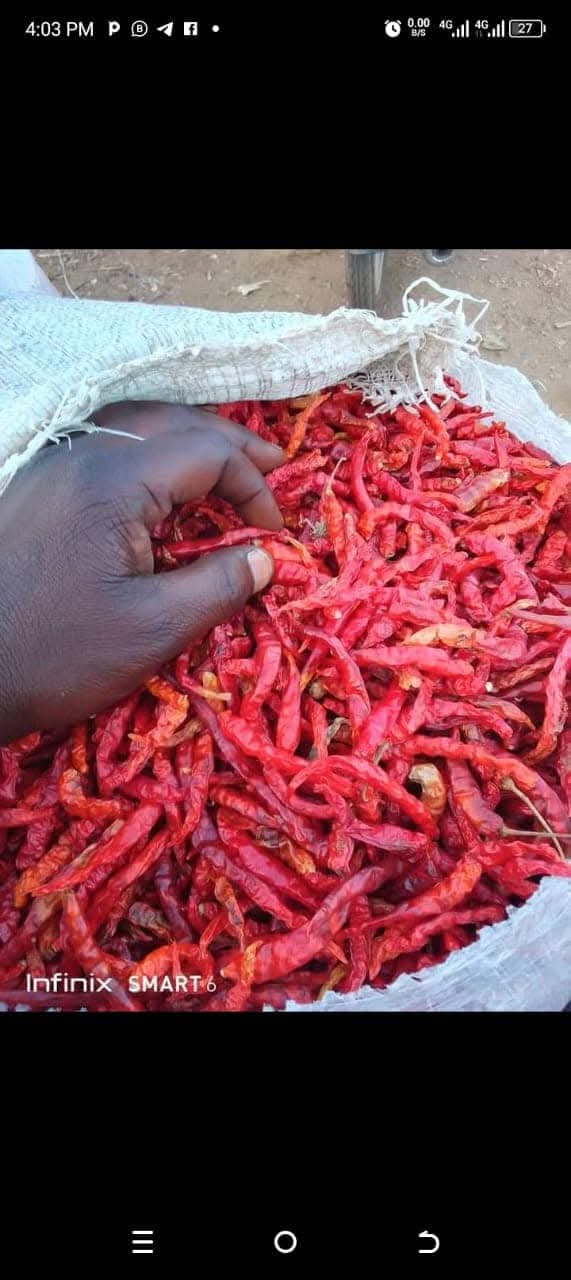

Nigerian Chilli Pepper: West Africa’s High-Capsaicin Fire — and Why the World’s Spice Processors, Pharmaceutical Buyers, and Food Manufacturers Are Sourcing It Directly From the Origin
Chilli Pepper Exporter Nigeria — Dried Cayenne, Scotch Bonnet, and Cameroon Pepper, High Capsaicin Oleoresin-Grade Quality, Direct Farm Sourcing, Global Bulk Supply
Chilli pepper exporter Nigeria is a search phrase that arrives at the intersection of two of the most powerful forces currently shaping global agricultural commodity trade: the world’s seemingly insatiable appetite for heat — the culinary, cultural, and biochemical experience of capsaicin — and the growing recognition among European spice processors, pharmaceutical ingredient buyers, oleoresin manufacturers, and food manufacturers that Nigerian origin chilli pepper delivers capsaicin concentrations, colour value, and flavour profiles that make it commercially competitive with — and in several key quality parameters superior to — the established Asian and Latin American origins that have historically dominated the global dried chilli trade.
Nigeria is not a peripheral player in the global chilli pepper story. It is a country where chilli pepper is not a condiment but a nutritional cornerstone — where meals without the presence of fresh, dried, or processed chilli are considered fundamentally incomplete across every region, every culture, and every income level of one of Africa’s most culinarily diverse societies. This cultural embeddedness has produced a chilli cultivation tradition of extraordinary depth and variety — with Nigerian farming communities across the northern Sahel, the Middle Belt, and the southeastern highlands growing an impressive range of Capsicum species and varieties that span the full commercial spectrum from mild, high-colour tatashe peppers through medium-heat cayenne and shombo varieties to the blistering scotch bonnet and Cameroon pepper varieties whose capsaicin concentrations rival the hottest commercially traded peppers on earth.
At Paradise MultiTrade International Limited, Nigerian dried chilli pepper is one of our most commercially dynamic export categories — sourced from primary producing states across northern and Middle Belt Nigeria, dried and processed to international spice trade specification, and supplied to buyers across Europe, the Middle East, Asia, and North America who are building Nigerian origin positions in their chilli procurement programmes for the first time or deepening established supply relationships. If you are a spice processor, oleoresin extractor, food manufacturer, pharmaceutical ingredient buyer, or wholesale commodity trader evaluating Nigerian chilli pepper as a sourcing option — this is the article that makes the complete commercial case.
To move directly to specifications and pricing, request a quotation here and our export team will respond within 48 hours.
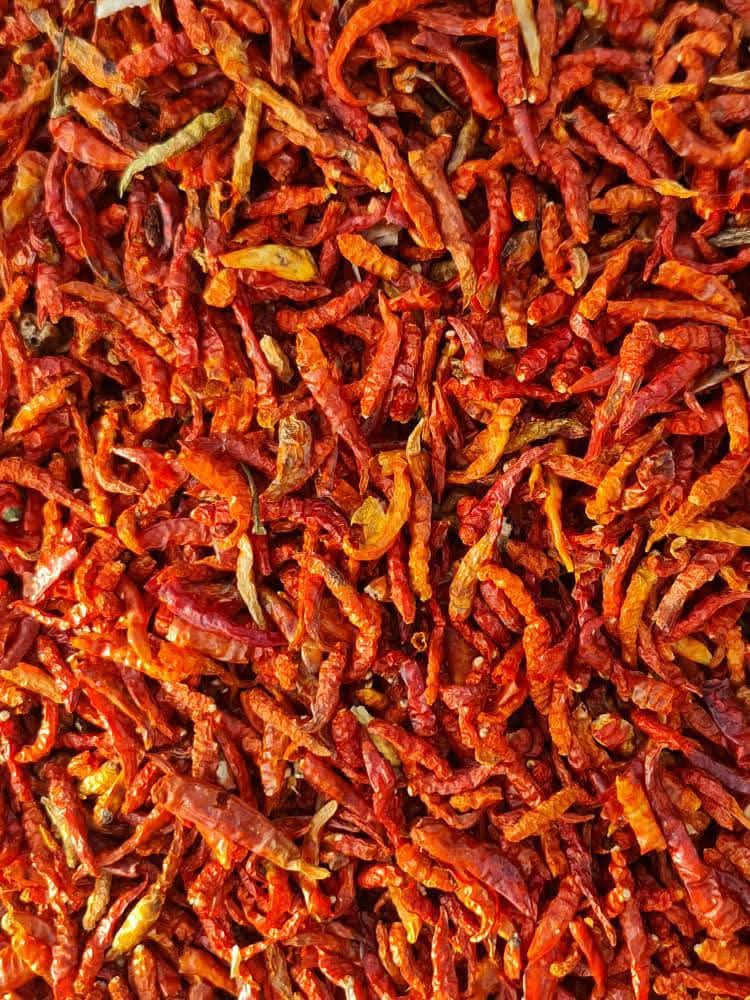
History and Origin of Chilli Pepper — The New World Spice That Conquered Every Kitchen on Earth
From the Amazon Basin to Global Culinary Dominance
The story of chilli pepper’s global expansion is one of the most dramatic episodes in the history of agricultural trade — a story of a plant genus that went from regional obscurity in the Americas to occupying a position of culinary centrality in virtually every food culture on earth within the space of less than three centuries. It is a story that makes the spice trade histories of pepper, cloves, and cinnamon look geographically parochial by comparison.
Capsicum — the genus that contains all commercial chilli peppers — is native to the tropical and subtropical Americas, with the highest botanical diversity concentrated in South America, specifically in the Andean regions of Peru, Bolivia, and Brazil. Archaeological evidence from excavation sites in Peru and Mexico indicates that Capsicum species were being consumed by human communities at least 7,500 years ago — making chilli pepper one of the earliest documented foods in the human agricultural record. By approximately 5,000 BCE, archaeological evidence from the Tehuacan Valley in Mexico documents deliberate cultivation — indicating that chilli pepper was among the first plants intentionally domesticated by pre-Columbian Mesoamerican civilisations.
The five domesticated Capsicum species of commercial significance today — C. annuum, C. frutescens, C. chinense, C. pubescens, and C. baccatum — each have distinct geographic centres of domestication across the Americas and produce fruits of markedly different heat levels, flavour profiles, and commercial applications. The species most relevant to Nigerian commercial production are C. frutescens (bird’s eye, cayenne, and Cameroon pepper types), C. chinense (scotch bonnet and habanero types), and C. annuum (bell pepper, paprika, and jalapeño types).
Columbus, the Portuguese, and the Global Chilli Diaspora
Christopher Columbus encountered chilli peppers during his first Caribbean voyage in 1492 — his journal entries describing a pungent fruit that the indigenous Taíno people used extensively in food preparation. Columbus, seeking the black pepper (Piper nigrum) of Asian spice trade fame, misidentified the plant as a relative of pepper and named it accordingly — a nomenclature confusion that persists in common usage to this day in the word “pepper” applied to Capsicum species that are botanically unrelated to true pepper.
Portuguese navigators — already operating extensive trade routes across West Africa, East Africa, Brazil, and Asia — became the primary vectors of chilli pepper’s global dispersal in the decades following Columbus’s voyages. By approximately 1510, Portuguese traders had introduced Capsicum to India — where it naturalised with extraordinary speed and within less than a century had become so completely integrated into Indian cuisine that many food historians assume it to be an ancient Indian crop. By the mid-16th century, Portuguese traders had carried chilli pepper to West Africa — including what is now Nigeria — where it found similarly enthusiastic adoption across the diverse food cultures of the Niger Delta, the forest belt, and the savanna zones.
As documented in historical food trade research published through the Oxford Academic Journal of Agricultural History and commodity origin research accessible through CABI’s crop science database, the speed of chilli pepper’s adoption across West Africa was directly proportional to the degree to which it replaced or supplemented existing pungent spice ingredients — primarily Grains of Selim (Xylopia aethiopica), Grains of Paradise (Aframomum melegueta), and black pepper — in local cuisines. In Nigeria, chilli pepper found an exceptionally receptive culinary environment and has been a fundamental cooking ingredient for over four centuries.
Nigeria’s Chilli Cultivation Heritage — Variety, Geography, and Commercial Scale
Nigeria’s chilli pepper cultivation is as geographically diverse as the country itself — with distinct variety profiles, cultivation traditions, and end-use applications varying significantly across the country’s six geopolitical zones. Understanding Nigeria’s chilli geography is commercially essential for buyers who want to source the specific variety profile their application requires.
Northern Nigeria — particularly the states of Kano, Katsina, Jigawa, Sokoto, Zamfara, Kebbi, and Yobe — is the primary production zone for Nigeria’s most commercially significant export chilli varieties. The combination of well-drained savanna soils, hot dry-season conditions ideal for colour development and capsaicin concentration during fruit maturation, and centuries of established cultivation tradition makes the northern zone Nigeria’s most important chilli production geography for the international dried spice market.
The Middle Belt states — Kaduna, Plateau, Nasarawa, Benue, and Niger — produce chilli varieties suited to both domestic market supply and emerging export channels, with Plateau State’s highland conditions producing pepper varieties with distinct flavour profiles valued in artisan and specialty food markets.
The southeastern states — Cross River, Akwa Ibom, and Rivers — are the primary production zones for the intensely hot C. frutescens varieties known as Cameroon pepper or Nsukka yellow pepper — varieties whose capsaicin concentrations and unique flavour profiles are attracting growing international buyer attention in the specialty pepper and oleoresin sectors.
The Nigerian Export Promotion Council (NEPC) has formally recognised chilli pepper and dried spice peppers as priority non-oil export commodities — with active market development support including production quality improvement programmes, post-harvest handling training, and international buyer linkage that directly supports the development of Nigeria’s chilli export supply chains. Trade flow data accessible through ITC Trade Map confirms Nigerian dried chilli pepper entering international trade channels across European, Middle Eastern, and Asian markets with growing frequency — a trajectory that reflects both improving supply chain quality and growing buyer awareness of Nigeria’s chilli origin credentials.
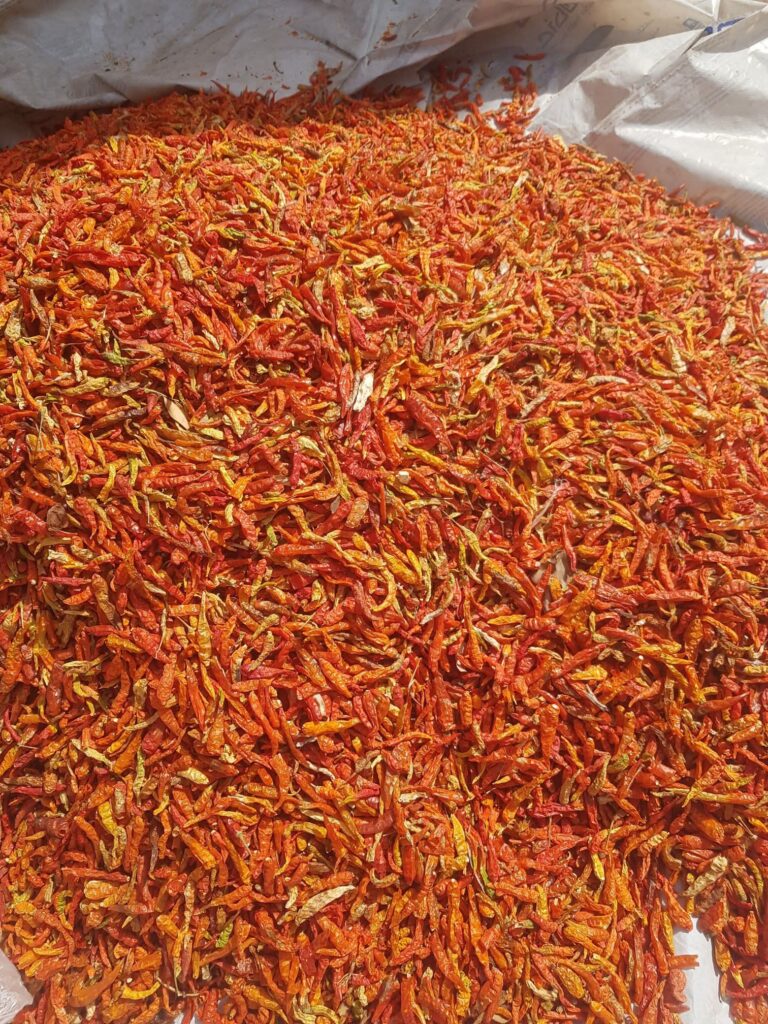
What Is Nigerian Chilli Pepper? Varieties, Heat, and the Capsaicin Commercial Framework
Understanding Capsaicin — The Compound That Determines Commercial Value
Before exploring Nigerian varieties specifically, it is essential to establish the commercial quality framework within which all dried chilli pepper procurement decisions are made — because in the chilli pepper trade, as in the turmeric and moringa seed markets, the active compound concentration is the primary determinant of value.
Capsaicin — and its related compound dihydrocapsaicin, collectively called capsaicinoids — is the phenolic alkaloid responsible for the pungency (heat) of Capsicum fruits. It is simultaneously the flavour compound that drives culinary demand for hot peppers, the pharmaceutical active that gives capsaicin-containing topical analgesics their documented pain-relief efficacy, the bioactive compound that gives chilli extract its documented metabolic and cardiovascular health properties, and the industrial chemical that is synthesised or extracted for use in non-lethal self-defence sprays, marine antifouling coatings, and bird deterrent products.
Capsaicin concentration in chilli pepper is measured commercially in two ways:
Scoville Heat Units (SHU) — the organoleptic scale developed by pharmacist Wilbur Scoville in 1912, measuring the dilution required before capsaicin is no longer detectable by taste panel assessment. The American Spice Trade Association (ASTA) maintains the Scoville methodology alongside more modern analytical methods as part of its quality standards framework for the international spice trade.
ASTA Pungency Units — determined through high-performance liquid chromatography (HPLC) analysis, which directly quantifies capsaicinoid content as a percentage of dry weight. This analytical method — documented through AOAC International validated procedures — is the preferred measurement framework for pharmaceutical, oleoresin, and food ingredient buyers who need precise, instrumentally verified capsaicin concentration data rather than organoleptic estimates.
For commercial spice processors and oleoresin manufacturers, capsaicin content per kilogram of raw dried chilli directly determines the extraction yield of capsicum oleoresin — the concentrated capsaicin-rich extract used as a standardised food additive, pharmaceutical active, and industrial chemical. High-capsaicin raw material means more oleoresin per tonne of pepper processed — the same economic logic that drives ginger buyers toward high-gingerol origins and moringa buyers toward high-oil-content seed origins.
The ASTA Colour Value — The Second Critical Quality Parameter
For food manufacturers and spice processors using chilli pepper as a natural red food colourant — one of the most important commercial applications of dried chilli beyond pungency applications — ASTA Colour Value is the second critical quality parameter. Developed by the American Spice Trade Association (ASTA), the ASTA colour value measures the extractable red pigment content of dried chilli or paprika — specifically the carotenoid compounds capsanthin and capsorubin that give red peppers their characteristic colour.
High ASTA colour value (above 100 ASTA units) indicates pepper rich in natural red pigment — valuable as a natural food colourant for processed meats, sauces, condiments, snack foods, and dairy products. Nigerian red chilli varieties — particularly the dried cayenne and Cameroon pepper types — deliver ASTA colour values in commercially relevant ranges that are analytically verifiable and support their positioning as natural colourant raw materials for EU and US food manufacturing applications.
Key Nigerian Chilli Varieties for Export
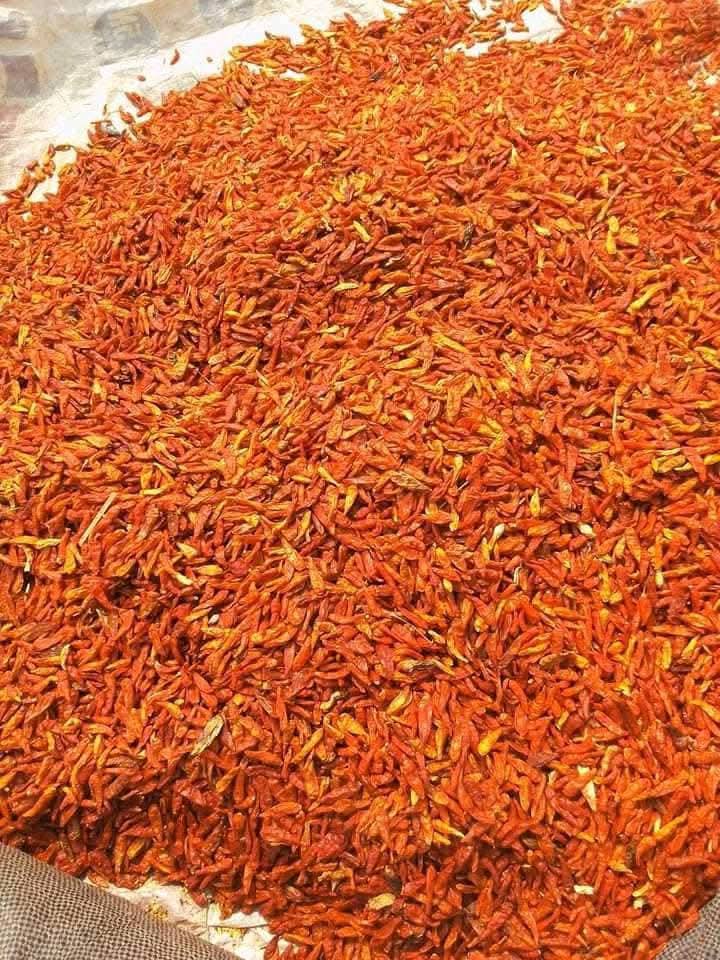
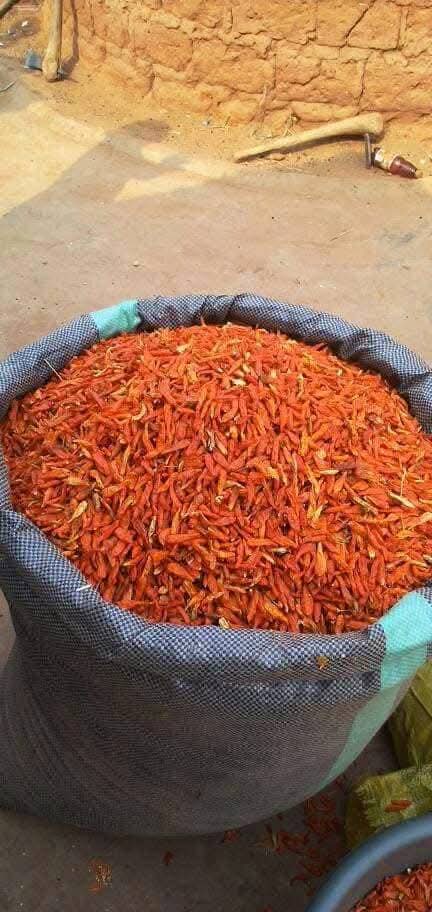
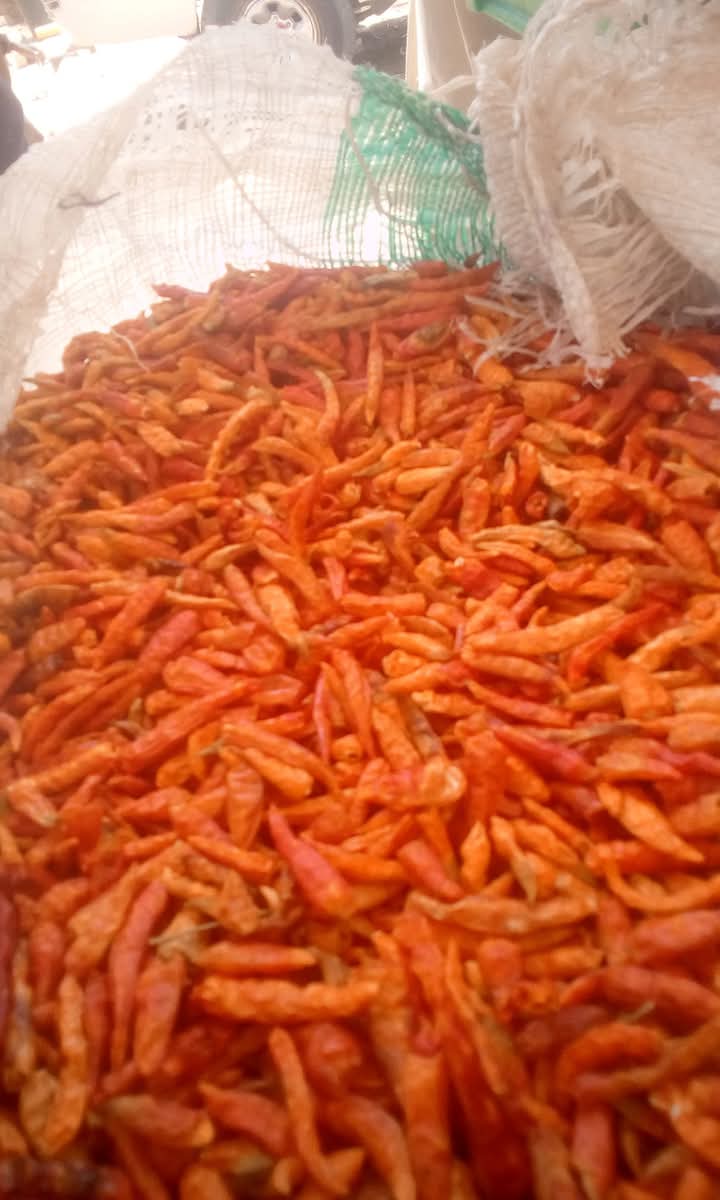
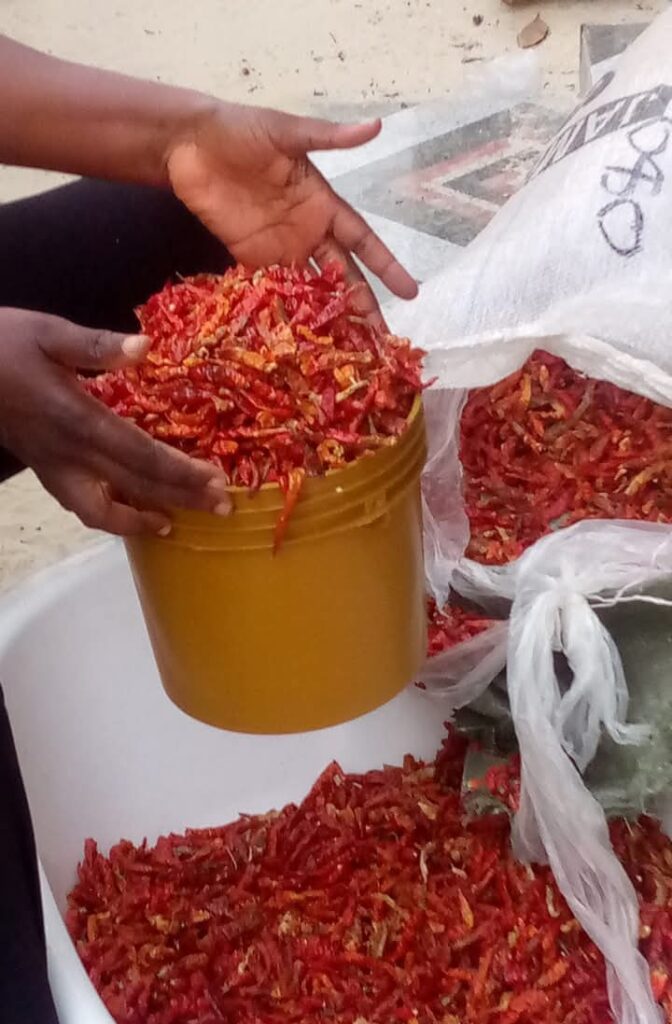
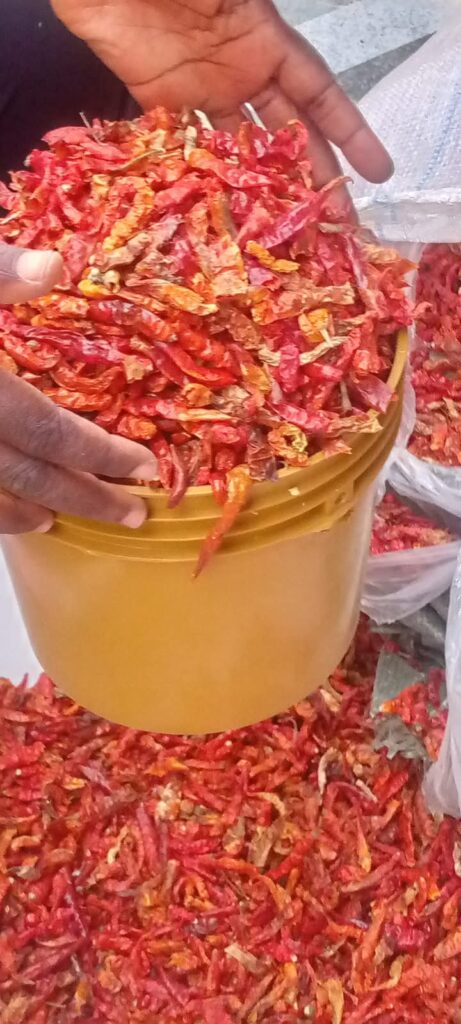
Shombo (Cayenne Type — Capsicum annuum/frutescens) — Nigeria’s most widely cultivated and commercially important export chilli variety, producing elongated red fruits that dry to a deep crimson with concentrated pungency in the 30,000–50,000 SHU range. Shombo is the workhorse of Nigerian dried chilli export — produced in large volumes across the northern states, dried whole or ground, and widely traded internationally as a medium-heat cayenne-type spice pepper.
Tatashe (Capsicum annuum — Bell/Paprika Type) — a large, mild, deeply coloured red pepper consumed primarily fresh in Nigerian cooking but increasingly relevant as a dried paprika-type ingredient for international food manufacturers seeking high ASTA colour value natural colourant raw material from African origins.
Rodo (Scotch Bonnet — Capsicum chinense) — one of Nigeria’s most culturally iconic chilli varieties, producing the distinctively shaped, intensely hot scotch bonnet pepper with Scoville ratings typically ranging from 100,000–350,000 SHU. Nigerian scotch bonnet — consumed fresh in virtually every Nigerian kitchen and increasingly exported dried — is attracting serious interest from specialty food buyers, hot sauce manufacturers, and oleoresin extraction companies who value its unique fruity-floral flavour profile alongside its intense heat.
Cameroon Pepper (Capsicum frutescens) — produced primarily in the southeastern states of Cross River and Akwa Ibom, Cameroon pepper is one of the most pungent commercially traded Capsicum frutescens varieties — delivering Scoville ratings that can exceed 200,000 SHU in well-grown material, alongside a distinctive smoky-earthy flavour profile that has made it highly sought after by specialty food buyers in the UK, USA, and continental Europe. Demand intelligence on specialty pepper sourcing is tracked through Tridge’s chilli pepper market platform.
Bird’s Eye Pepper (Capsicum frutescens) — small, intensely hot peppers (100,000–175,000 SHU) produced across multiple Nigerian states, widely used in West African cooking and increasingly traded internationally as a high-pungency spice pepper for hot sauce, extract, and oleoresin applications.
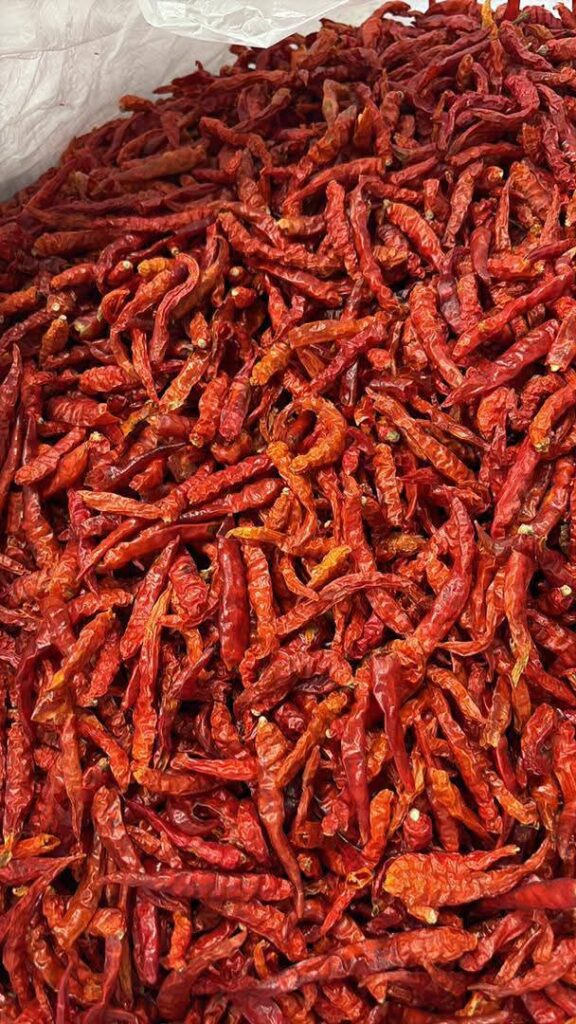
Benefits and Industrial Uses of Nigerian Chilli Pepper
Food Industry — Flavour, Heat, and Natural Colour
Chilli pepper’s role in global food manufacturing is almost impossibly broad — there are few food product categories that do not incorporate chilli or chilli-derived ingredients in at least some formulations. Dried chilli pepper, ground chilli, chilli flakes, chilli powder, capsicum oleoresin, and paprika colour extract collectively appear in processed meats, snack foods, sauces and condiments, instant noodles, ready meals, spice blends, marinades, dairy products, confectionery, and beverages across every major food market globally.
For food manufacturers, the critical quality parameters in dried chilli procurement are capsaicin concentration (for heat-standardised formulations), ASTA colour value (for natural red colour contribution), moisture content, aflatoxin compliance, and freedom from pesticide residues — all parameters that Nigerian dried chilli from quality-managed supply chains can meet and document. European food industry chilli procurement standards are published by the European Spice Association (ESA) — providing the quality framework that EU-market food manufacturers apply to chilli raw material specification.
Nigerian shombo cayenne-type pepper, with its balance of medium-high pungency and strong red colour, is particularly well-positioned for food manufacturing applications that require both heat and colour contribution — sauces, marinades, meat seasoning, and snack food flavouring where the dual functionality of capsaicin heat and carotenoid colour reduces ingredient count. Contact our export team to discuss food manufacturing specification requirements.
Capsicum Oleoresin Extraction Industry
This is the most technically demanding and highest-value-per-unit application for dried chilli pepper in industrial processing — and the procurement segment where raw material quality has the most direct and quantifiable impact on processing economics. Capsicum oleoresin — a concentrated extract containing both capsaicinoids (the pungency fraction) and carotenoids (the colour fraction) — is produced by solvent extraction of dried, ground chilli pepper and is used as a standardised food additive replacing variable-quality dried chilli in food manufacturing, as a pharmaceutical active in topical analgesic formulations, and as a raw material for isolated capsaicin production for pharmaceutical and industrial applications.
The oleoresin yield from dried chilli — and specifically the capsaicinoid and carotenoid content of that yield — directly determines the economic value of any given batch of raw dried pepper for extraction purposes. High-capsaicin Nigerian varieties — particularly Cameroon pepper, scotch bonnet, and bird’s eye types — deliver oleoresin with capsaicinoid concentrations that make them commercially competitive with Indian and Chinese origin high-pungency peppers for extraction applications.
Oleoresin processors evaluate dried chilli raw material using HPLC capsaicinoid analysis methods validated through AOAC International and colour value determination following ASTA colour measurement standards — the analytical framework that Paradise MultiTrade coordinates through accredited laboratories for buyers requiring documented raw material quality certificates. Market intelligence on the global capsicum oleoresin market — including demand forecasts and pricing trends — is published by Grand View Research’s capsicum oleoresin market analysis, which projects sustained demand growth driven by expanding food industry natural ingredient adoption and pharmaceutical sector capsaicin demand.
Pharmaceutical Industry — Capsaicin as a Clinical Active
Capsaicin is one of the most extensively studied naturally occurring pharmacological compounds in clinical medicine — a distinction that translates into a significant and growing pharmaceutical ingredient demand stream for high-capsaicin dried chilli as a raw material for pharmaceutical-grade capsaicin production.
The pharmacological basis of capsaicin’s clinical applications lies in its interaction with the TRPV1 receptor — the transient receptor potential vanilloid 1 channel that mediates pain and heat sensation in the peripheral nervous system. By binding to and ultimately desensitising TRPV1 receptors, capsaicin produces its paradoxical therapeutic effect: initial burning pain followed by prolonged analgesia and reduced pain sensitivity. This mechanism supports capsaicin’s established clinical applications in topical analgesics for neuropathic pain, osteoarthritis, post-herpetic neuralgia, and diabetic neuropathy — documented extensively through clinical research accessible via NCBI’s pharmacology research database.
The European Medicines Agency (EMA) has approved high-concentration capsaicin patches (8% capsaicin — brand name Qutenza) for the treatment of peripheral neuropathic pain in non-diabetic adults — establishing pharmaceutical-grade capsaicin as a regulated, clinically validated drug substance with a defined quality standard that upstream dried chilli raw material must be capable of meeting. This regulatory approval has created a formal pharmaceutical procurement pathway for high-capsaicin dried chilli that represents the highest-value-per-kilogram application in the entire chilli market.
Beyond topical analgesics, pharmaceutical research is investigating capsaicin for applications in weight management, cardiovascular health, and cancer biology — with research published through the American Chemical Society and detailed pharmacological assessments available through NCBI providing the scientific foundation for these emerging applications. The World Health Organization’s monograph on Capsicum formally recognises capsaicin’s medicinal applications — providing the international regulatory legitimacy that pharmaceutical procurement programmes require.
For pharmaceutical-grade dried chilli sourcing discussions — including capsaicinoid content specification, heavy metal compliance, pesticide residue requirements, and microbiological limits — contact Paradise MultiTrade directly.
Natural Food Colourant Industry
The global food industry’s accelerating transition from synthetic artificial dyes toward natural colour alternatives — driven by consumer demand for clean-label products and regulatory pressure particularly in the European Union — has created a major commercial opportunity for capsanthin and capsorubin, the carotenoid pigments extracted from red peppers that produce the natural red to orange-red colours increasingly specified in processed food formulations.
The European Food Safety Authority (EFSA) has assessed paprika extract and capsanthin/capsorubin (registered as food colourant E160c in the EU) — the natural colour fraction extracted from red pepper — confirming its safety and regulatory status as a permitted natural food additive across EU-regulated product categories. This regulatory approval makes high-colour-value dried Nigerian red chilli an increasingly commercially relevant raw material for EU natural colourant manufacturers sourcing pepper-derived pigment extraction feedstock.
The CBI Netherlands market intelligence platform has published specific market guidance on chilli pepper for European buyers — documenting EU buyer quality requirements for dried chilli including ASTA colour value, aflatoxin limits, pesticide residue compliance, and traceability documentation. This guidance directly informs how Nigerian chilli exporters should position their product for the European food colourant and spice processing markets.
Nutraceutical and Dietary Supplement Industry
Capsaicin’s documented metabolic health benefits — including thermogenic effects that support energy expenditure and weight management, cardiovascular protective properties, and its anti-inflammatory activity through TRPV1-mediated mechanisms — have made chilli extract and capsaicin supplement products among the most commercially mainstream botanical supplements in global health retail.
Weight management supplements containing standardised capsaicin extract, cardiovascular health products incorporating capsicum as a circulatory stimulant, and general wellness formulations featuring chilli as a metabolic activator are sold through health food retail across North America, Europe, Australia, and increasingly Asia. Market growth analysis published by Mordor Intelligence’s capsaicin market report projects sustained demand growth for capsaicin and capsicum-derived nutraceutical ingredients — a trajectory that reinforces the commercial relevance of high-capsaicin Nigerian dried chilli as a raw material for this sector.
Research on capsaicin’s nutraceutical properties — particularly its thermogenic and anti-inflammatory mechanisms — is comprehensively documented through NCBI’s nutrition and metabolism research publications, providing the clinical evidence base that supplement brands cite in product marketing and that procurement teams verify when evaluating ingredient sourcing decisions.
Hot Sauce and Specialty Food Industry
The global hot sauce market — which has grown from a niche specialty category into a mainstream condiment sector valued at several billion USD annually according to market data published by Grand View Research’s hot sauce market report — is one of the most dynamic and innovation-driven demand streams for specialty high-heat chilli varieties from documented origins. Nigerian scotch bonnet and Cameroon pepper varieties are attracting particular interest from artisan hot sauce producers and premium condiment brands in the UK, USA, Canada, and Australia — where the unique fruity-floral-intensely-hot flavour profile of West African Capsicum chinense and frutescens varieties offers flavour differentiation unavailable from the jalapeño and habanero varieties that dominate mainstream American hot sauce production.
The specialty food industry’s growing interest in origin-specific, single-variety, and “terroir-driven” chilli products — tracked through trade publications including Specialty Food Magazine and trend analysis from Mintel’s food and drink database — creates a premium commercial opportunity for Nigerian scotch bonnet and Cameroon pepper that commands pricing well above commodity cayenne positioning.
Industrial Applications — Capsaicin Beyond Food and Pharma
Capsaicin’s industrial applications extend significantly beyond food and pharmaceutical markets — creating additional demand streams that contribute to the total commercial picture for high-capsaicin Nigerian dried chilli:
Non-lethal self-defence products — oleoresin capsicum (OC) is the active ingredient in pepper spray formulations used globally by law enforcement agencies, military personnel, and civilians for self-defence. The National Institute of Justice (NIJ) in the USA documents OC specifications and standards for law enforcement applications — creating a significant procurement market for high-capsaicin oleoresin from verified-origin dried chilli sources.
Marine antifouling coatings — capsaicin’s irritant properties extend to marine organisms, and capsaicin-containing marine paint formulations have been developed as alternatives to toxic tin-based antifouling coatings for ship hulls. Research on capsaicin’s antifouling applications is published through marine coating industry technical journals.
Bird and animal deterrent products — capsaicin-treated bird seed prevents squirrels and other mammals (who are TRPV1-sensitive) from consuming feed while leaving birds (who lack functional TRPV1 sensitivity to capsaicin) unaffected. This application creates a consistent commercial demand for capsaicin extract from the wildlife management and garden product industries.
Why Buy Chilli Pepper from Nigeria?
The Capsaicin Concentration Argument — African Varieties at the Hot End of the Scale
Nigerian chilli variety diversity spans a remarkable heat range — from the mild tatashe (essentially zero capsaicin) through shombo cayenne (30,000–50,000 SHU) to scotch bonnet (100,000–350,000 SHU) and Cameroon pepper (up to 200,000+ SHU). For oleoresin extraction buyers and pharmaceutical ingredient procurement teams whose raw material economics are determined by capsaicin yield per tonne — the availability of genuinely high-capsaicin Nigerian varieties at competitive West African origin pricing represents a commercially significant procurement opportunity.
The high-capsaicin profile of Nigeria’s C. chinense and C. frutescens varieties is an agronomic function of the intense dry-season heat and high UV radiation during fruit maturation across Nigeria’s northern growing zones — conditions that stimulate maximum capsaicinoid biosynthesis in the fruit as a phytochemical stress response. This is the same environmental stress mechanism that produces high curcumin in highland turmeric and high volatile oil content in highland ginger — and it delivers the same commercial advantage: more active compound per kilogram of raw material, in an origin that competitive pricing makes economically attractive.
Market intelligence on chilli capsaicin content variation by origin and variety is tracked through commodity platforms including Tridge’s chilli pepper intelligence and cross-referenced with pricing data from ITC Trade Map — enabling procurement managers to conduct the landed-cost-per-unit-of-capsaicin analysis that sophisticated raw material buyers apply to chilli sourcing decisions.
Supply Diversification Away From India and China Concentration
The global dried chilli trade is heavily concentrated around two origin countries — India (the world’s largest chilli producer and exporter by volume according to data from the Spices Board of India) and China (the world’s second-largest producer, dominant in the medium-heat cayenne and paprika sectors). Together, India and China account for a substantial majority of internationally traded dried chilli — a concentration that creates the same structural supply risk that characterises other single-origin-dominated commodity markets: price volatility driven by domestic crop failures, export policy changes, or logistics disruptions in either origin directly affecting the entire global supply chain.
Nigeria provides the same origin diversification value in the chilli market that it provides in the sesame, ginger, and cashew sectors — a West African origin with genuine quality credentials, competitive pricing, and a harvest calendar that does not perfectly correlate with Indian or Chinese production cycles, giving buyers with Nigerian supply relationships a risk management buffer against origin-concentrated disruption. The International Pepper Community (IPC) — the international organisation representing chilli and pepper producing and consuming countries — publishes market data and origin analysis relevant to supply diversification decision-making in global chilli procurement.
Aflatoxin Management — A Critical Quality Dimension
Aflatoxin — the carcinogenic mycotoxin produced by Aspergillus species in warm, humid post-harvest conditions — is the most commercially significant food safety challenge in dried chilli procurement from tropical origins. The European Food Safety Authority (EFSA) has documented elevated aflatoxin risk in dried chilli originating from multiple tropical sources and established maximum limits (10 ppb total aflatoxin in EU-regulated food products) that create mandatory compliance requirements for chilli importers in European markets.
Paradise MultiTrade manages aflatoxin risk in Nigerian chilli through proactive post-harvest handling protocols — specifically ensuring proper drying to below 10% moisture content before bagging, sourcing from producers using raised drying platforms rather than ground-contact sun-drying that creates the moisture re-absorption conditions conducive to mould growth, and coordinating pre-shipment aflatoxin testing through accredited laboratories for all export lots. For EU buyers, aflatoxin test certificates are provided alongside standard phytosanitary documentation. Contact our team to discuss aflatoxin testing protocols specific to your destination market requirements.
Complete Export Documentation from a Licensed Exporter
Every chilli pepper shipment processed through Paradise MultiTrade carries phytosanitary certification from the Nigerian Agricultural Quarantine Service (NAQS), NEPC export documentation, certificate of origin, commercial invoice, packing list, and bill of lading. For spice processing and food manufacturing buyers, we provide ASTA colour value analysis, capsaicinoid content certificates via HPLC analysis, aflatoxin test results, heavy metal screening, and pesticide residue analysis through accredited testing facilities. EU-bound shipments comply with Regulation (EU) 2017/625 on official controls for spice and food imports and reference EFSA’s published capsicum assessments for maximum contaminant limits. Our NEPC Export Licence No. 0042385 and CAC Registration No. RC-9284647 are current and verifiable through NEPC.
Nigeria’s Chilli Pepper Export Strength and Global Market Demand
The Scale of Global Chilli Trade
Chilli pepper is one of the world’s most widely traded spices by volume — with global production of dried chilli exceeding 4 million metric tonnes annually according to FAO production statistics. The international chilli trade encompasses both whole dried chilli, chilli powder and flakes, paprika and capsicum colour extracts, and capsicum oleoresin — each serving distinct buyer segments with different quality specifications and pricing structures.
Market sizing and demand trajectory analysis published by Grand View Research’s chilli pepper market report projects the global chilli market growing at a compound annual rate reflecting expanding consumption in Asia, the Middle East, and increasingly Europe and North America — driven by the globalisation of food culture, the hot food trend across Western markets, the pharmaceutical capsaicin demand growth, and the natural food colourant market’s transition away from synthetic red dyes.
The World Spice Organisation and the American Spice Trade Association (ASTA) both publish market data and quality standards documentation that frames the commercial environment within which Nigerian dried chilli competes for buyer attention — and within which Paradise MultiTrade positions Nigerian origin material for international procurement.
Key Export Destination Markets for Nigerian Chilli
Germany — Europe’s most significant chilli pepper importing and processing market, with German spice processors, oleoresin manufacturers, and food ingredient companies among the most analytically sophisticated and volume-significant buyers of dried chilli in the global trade. German buyers apply rigorous ASTA colour, capsaicinoid content, and food safety specifications to their chilli procurement — standards that Nigerian quality-managed supply chains are increasingly capable of meeting.
The United Kingdom — a major chilli import market driven by the UK’s extraordinary culinary diversity, its enormous South Asian diaspora community’s consumption of high-pungency Indian-style chilli varieties, and its large West African diaspora community’s specific demand for Nigerian scotch bonnet and Cameroon pepper varieties. The UK market offers dual opportunity for Nigerian chilli — industrial procurement for food manufacturing and ethnic retail procurement for diaspora community supply. Market trends in the UK spice sector are tracked by the British Herb & Spice Trade Association.
India — counterintuitively, India is both the world’s largest chilli producer and one of its most active importers — specifically of varieties whose pungency or colour profiles differ from domestic Indian production. Indian oleoresin manufacturers and spice blenders are active buyers of African-origin high-capsaicin varieties for blending and extraction applications. Spices Board of India data tracks these import flows.
The UAE and Saudi Arabia — major chilli consuming markets where West African varieties — particularly scotch bonnet and Cameroon pepper — have established cultural relevance through West African diaspora community consumption and the broader Middle Eastern appetite for intensely hot spice ingredients.
The United States — the world’s largest hot sauce consuming nation and a major spice ingredient import market, with American food manufacturers, hot sauce producers, oleoresin processors, and pharmaceutical capsaicin producers all active as buyers of high-quality dried chilli from multiple origins. Import data is tracked through USDA Foreign Agricultural Service reports.
Japan and South Korea — growing specialty food and ingredient markets where unique-variety, origin-specific dried chilli from African sources is attracting interest from premium food manufacturers and specialty spice importers. JETRO trade data tracks Japanese spice import flows relevant to Nigerian chilli market assessment.
Why Choose Paradise MultiTrade International Limited?
Multi-Variety Sourcing Capability. We supply the full range of commercially significant Nigerian chilli varieties — shombo cayenne, scotch bonnet, Cameroon pepper, bird’s eye, and tatashe — from a single export partner. Buyers who need multiple varieties for different product lines or customer segments can consolidate procurement through Paradise MultiTrade rather than managing separate supplier relationships for each variety.
Capsaicinoid and Colour Value Documentation. We coordinate HPLC capsaicinoid analysis and ASTA colour value determination through accredited laboratories for every export lot where buyers require documented analytical values — providing the raw material quality certificates that food manufacturers, oleoresin processors, and pharmaceutical ingredient buyers need for their ingredient specification and product compliance frameworks. Analytical methods follow AOAC International validated procedures and ASTA analytical methods standards.
Proactive Aflatoxin Management. We conduct pre-shipment aflatoxin testing on all export lots — not as an optional service for EU buyers but as a standard quality control step embedded in our procurement process. We source from producers using elevated drying platforms and proper post-harvest handling practices that reduce aflatoxin risk at source rather than relying on end-of-process testing to detect problems that have already compromised the lot.
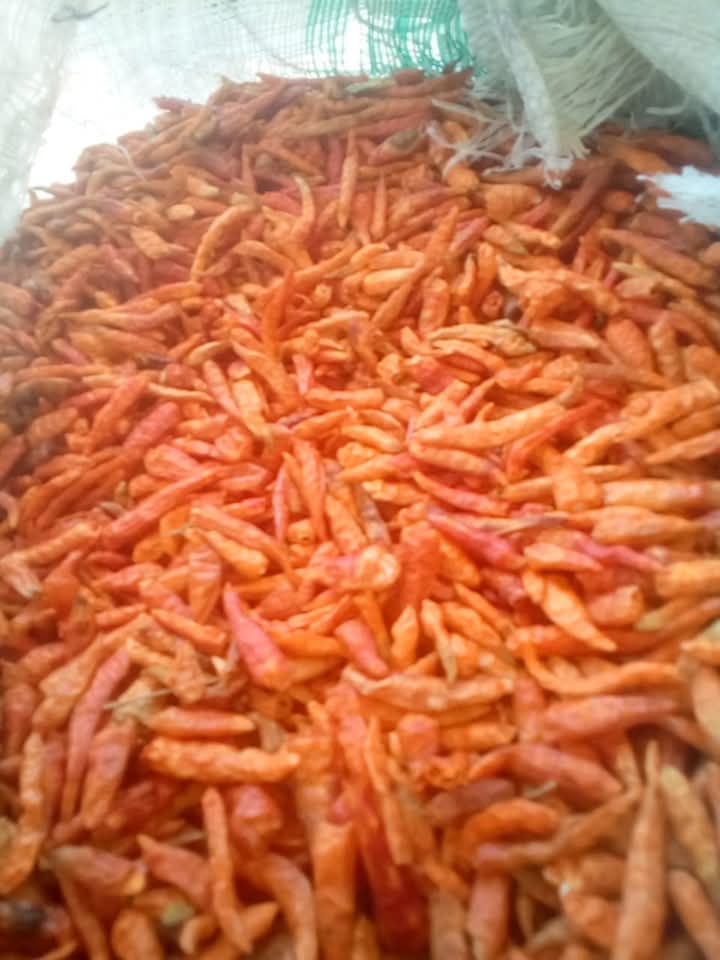
Form Flexibility — Whole, Flakes, Powder. We supply Nigerian dried chilli in whole dried form, crushed flakes, and ground powder — depending on buyer specification and intended end-use. Whole dried chilli is the preferred form for oleoresin extraction and visual quality buyers. Flakes are preferred for food manufacturing and retail spice packaging. Powder is used in food manufacturing where the convenience of pre-ground product justifies the premium over whole pepper and in-house grinding. Contact our team to specify your required form.
Multi-Commodity West African Sourcing. Chilli pepper buyers frequently source complementary Nigerian spice and botanical commodities. Alongside chilli, Paradise MultiTrade exports turmeric, cloves, dry split ginger, fresh ginger, hibiscus flower, sesame seeds, moringa seeds, red palm oil, bitter kola, kola nut, and cashew products. Explore our full range of Nigerian export commodities and consolidate your West African spice and agricultural sourcing through one verified, licensed partner.
Product Specifications
| Specification | Details |
|---|---|
| Product | Dried Chilli Pepper (Capsicum spp.) |
| Varieties Available | Shombo (Cayenne), Scotch Bonnet, Cameroon Pepper, Bird’s Eye, Tatashe (Paprika-type) |
| Origin | Nigeria (Kano, Katsina, Jigawa, Kaduna, Plateau, Nasarawa, Cross River States) |
| Forms Available | Whole dried; crushed flakes; ground powder |
| Capsaicinoid Content | Shombo: 30,000–50,000 SHU; Scotch Bonnet: 100,000–350,000 SHU; Cameroon Pepper: 100,000–200,000+ SHU; Bird’s Eye: 100,000–175,000 SHU |
| ASTA Colour Value | 60–150+ ASTA units (variety and harvest-dependent; lot analysis available) |
| Moisture Content | Maximum 10% (export specification) |
| Purity | 95%+ (free from stems, seeds excess, mould, foreign matter) |
| Aflatoxin | Tested per destination market requirements (EU: ≤10 ppb total) |
| Pesticide Residue | Screened per EU MRL requirements on request |
| Colour | Deep red to red-orange (whole dried); bright red powder |
| Packaging Options | 25kg, 50kg polypropylene bags (whole/flakes); 25kg multi-wall paper bags (powder); custom retail packaging on request |
| Supply Capacity | 20–500+ MT per shipment (subject to variety and seasonal availability) |
| MOQ | 5 Metric Tonnes |
| Shelf Life | 18–24 months properly stored (cool, dark, dry, ventilated conditions) |
| Export Documentation | Phytosanitary Certificate (NAQS), Certificate of Origin, NEPC Export Licence, ASTA Colour Value Certificate, Capsaicinoid Analysis Certificate, Aflatoxin Test Certificate, Commercial Invoice, Packing List, Bill of Lading |
| Payment Terms | T/T, Letter of Credit (LC at sight), Escrow |
| Loading Port | Lagos (Apapa / Tin Can Island Port), Nigeria |
| Incoterms Available | EXW, FOB Lagos, CNF, CIF |
Packaging and Export Process
Harvesting. Nigerian chilli pepper is harvested by hand at full colour maturity — when fruits have fully transitioned to their characteristic red, orange, or yellow ripe colour depending on variety. Harvesting at full maturity maximises both capsaicinoid concentration and carotenoid colour content — the two quality parameters that determine commercial value. Multiple harvests are typically taken from each plant over the growing season as fruits mature progressively.
Initial Field Sorting. Harvested fruits are sorted at farm level to remove diseased, insect-damaged, and immature fruits — reducing the mould inoculum load that compromises post-harvest quality during drying.
Drying. This is the most critical post-harvest quality control stage for dried chilli — and the step that most significantly separates quality-managed Nigerian supply chains from lower-quality material. Chilli fruits are dried on elevated mesh drying platforms or purpose-built drying racks — not on ground-contact surfaces that allow moisture re-absorption from the soil and increase aflatoxin risk through contact with Aspergillus-contaminated soil particles. Drying continues until moisture content reaches 8–10% — verified by moisture meter testing. Properly dried chilli at this moisture level is stable for transport and storage without mould development.
Capsaicin Concentration During Drying. An important biochemical process occurs during drying that is commercially relevant: as moisture is removed from the fruit, the relative concentration of capsaicinoids in the remaining dry matter increases — and enzymatic processes during slow, controlled drying can actually enhance the conversion of capsaicin precursors to free capsaicin, increasing the effective pungency of properly dried material versus fresh. This means that the drying process — when conducted correctly — is not merely a preservation step but a quality-enhancing intervention.
Sorting and Grading. Dried chilli is sorted to remove discoloured, mouldy, or insect-damaged fruits. For flake production, dried whole chilli is crushed in mechanical roller crushers and passed through screens to achieve the defined particle size range. For powder production, dried sorted chilli is milled through pin mills or hammer mills to the required fineness.
Aflatoxin Testing. Lot samples are submitted to accredited laboratories for aflatoxin analysis before packing confirmation. For EU-bound shipments, results are verified against the 10 ppb total aflatoxin maximum limit. Additional pesticide residue screening is conducted for buyers sourcing under EU Maximum Residue Level (MRL) compliance requirements.
Packaging and Loading. Standard export packaging for whole and flaked dried chilli is 25kg or 50kg polypropylene woven bags. Ground chilli powder is packed in 25kg multi-wall paper bags with moisture-barrier inner lining. All packaging is clearly labelled with variety, origin state, lot number, moisture content, Scoville range, net weight, and export documentation reference. Pre-export phytosanitary inspection by NAQS is conducted before container sealing. Lead time from order confirmation to container loading runs 10–21 days. Peak harvest and availability windows vary by variety and producing state. Contact us to plan your procurement cycle.
Frequently Asked Questions
What Nigerian chilli varieties are available for export and what are their heat levels?
Paradise MultiTrade exports four primary varieties: Shombo (cayenne type, 30,000–50,000 SHU — medium heat, widely used in spice blending and food manufacturing), Scotch Bonnet (100,000–350,000 SHU — intensely hot, fruity-floral flavour, premium specialty food and hot sauce market), Cameroon Pepper (100,000–200,000+ SHU — intensely hot, distinctive smoky-earthy profile, oleoresin and specialty food applications), and Bird’s Eye (100,000–175,000 SHU — small, very hot, spice blending and extract applications). Tatashe (mild, high-colour paprika type) is available for natural colourant applications. Contact our team to specify your variety requirement.
How is capsaicin content measured and documented for pharmaceutical buyers?
Capsaicinoid content for pharmaceutical-grade raw material procurement is determined by HPLC (high-performance liquid chromatography) analysis following AOAC International validated methods — expressing total capsaicinoids as a percentage of dry weight or as parts per million (ppm). We coordinate HPLC capsaicinoid analysis through accredited laboratories and provide certificates alongside standard phytosanitary documentation. The European Medicines Agency’s Qutenza monograph provides the pharmaceutical-grade capsaicin specification framework that upstream raw material quality requirements trace to. Contact us to discuss pharmaceutical documentation requirements.
What ASTA colour value does Nigerian dried chilli deliver?
ASTA colour value — measured following ASTA analytical methods for extractable red pigment in dried pepper — varies by variety and harvest quality. Nigerian shombo cayenne and tatashe varieties typically deliver 60–150+ ASTA units in well-grown, properly dried material. Specific lot ASTA colour value analysis is coordinated through accredited laboratories for buyers requiring documented values for natural food colourant specification. Contact our team to request ASTA colour analysis.
How does Paradise MultiTrade manage aflatoxin risk in Nigerian dried chilli?
Aflatoxin management begins at source — we source from producers using elevated drying platforms rather than ground-contact drying surfaces, and we specify post-harvest handling protocols that minimise the warm, humid conditions conducive to Aspergillus mould growth. Pre-shipment aflatoxin testing is conducted on all export lots through accredited laboratories, with test certificates provided alongside standard documentation. EU buyers receive results verified against the 10 ppb total aflatoxin maximum limit established by EFSA. Contact us for detailed aflatoxin management documentation.
Can you supply Nigerian scotch bonnet specifically — and is there international demand for it?
Yes — Nigerian scotch bonnet (Capsicum chinense) is available as a specific variety export from Paradise MultiTrade. International demand for scotch bonnet specifically — as distinct from generic high-heat chilli — is growing rapidly across three distinct buyer segments: artisan hot sauce producers in the UK, USA, and Canada who value its unique fruity-floral flavour profile; West African diaspora food importers supplying ethnic grocery retail in the UK, USA, France, and Canada; and oleoresin producers who value its capsaicinoid concentration. Contact our team to discuss scotch bonnet availability, seasonal harvest timing, and pricing.
What are the storage requirements for dried Nigerian chilli pepper?
Store in a cool, dark, dry, well-ventilated warehouse at ambient temperature below 20°C and relative humidity below 65%. Dried chilli’s carotenoid pigments — responsible for its red colour and ASTA colour value — are sensitive to light, heat, and oxygen exposure, and will fade progressively under poor storage conditions. Capsaicinoid content is more stable but can degrade under high-temperature storage. Store bags on pallets away from direct sunlight, heat sources, and moisture. Under proper conditions, properly dried Nigerian chilli maintains colour value and capsaicin content for 18–24 months from the drying date.
What transit times should I expect from Nigeria?
Europe (Rotterdam, Hamburg, Felixstowe, Antwerp) — approximately 14–20 days from Lagos. UAE (Jebel Ali) — 10–14 days. USA (East Coast) — 18–25 days. India (Nhava Sheva, Mundra) — 10–15 days. Japan (Yokohama) — 25–32 days. China (Shanghai, Guangzhou) — 22–28 days. Saudi Arabia (Jeddah) — 12–16 days.
Ready to Source Premium Nigerian Chilli Pepper — Cayenne, Scotch Bonnet, Cameroon Pepper, and More?
If you are a spice processor, oleoresin extractor, pharmaceutical ingredient buyer, food manufacturer, hot sauce producer, natural colourant company, or wholesale spice trader actively searching for a reliable chilli pepper exporter in Nigeria with multi-variety sourcing capability, documented capsaicinoid and colour value credentials, proactive aflatoxin management, and full regulatory compliance — Paradise MultiTrade International Limited is the supply partner your chilli procurement programme needs.
We offer the full range of Nigerian dried chilli varieties — shombo cayenne, scotch bonnet, Cameroon pepper, and bird’s eye — in whole, flake, and powder forms, analytically tested for capsaicin content and ASTA colour value on request, aflatoxin-screened as standard, and exported with full phytosanitary and commercial documentation to buyers in every major regulated destination market.
Request a Quotation — share your required variety or varieties, form preference (whole, flakes, powder), volume, capsaicin specification, ASTA colour requirement if applicable, destination port, and preferred incoterms. We respond with a detailed, competitive quote within 48 hours.
Contact Our Export Team — speak directly with our export coordinators about capsaicinoid analysis, ASTA colour certification, aflatoxin testing protocols, variety-specific availability, pharmaceutical documentation packages, and long-term contract supply arrangements.
Explore Our Full Product Range — alongside chilli pepper, Paradise MultiTrade exports turmeric, cloves, moringa seeds, dry split ginger, fresh ginger, hibiscus flower, sesame seeds, red palm oil, hardwood charcoal, bitter kola, kola nut, cashew nut kernel, and raw cashew nuts. One licensed Nigerian exporter. One consolidated West African spice and agricultural sourcing relationship. Consistent quality and documentation across every commodity.
Buy Nigerian chilli pepper, dried chilli pepper Nigeria supplier, Nigerian cayenne pepper bulk export, Capsicum frutescens Nigeria wholesale, scotch bonnet pepper Nigeria export, high capsaicin chilli Nigeria, Nigerian chilli pepper for spice industry, dried red chilli pepper Africa, bulk buyer
Paradise MultiTrade International Limited | NEPC Export Licence No. 0042385 | CAC No. RC-9284647 | Lagos, Nigeria | www.paradisemultitrade.com
Reviews
There are no reviews yet.