

Cloves from Nigeria: The World’s Most Eugenol-Rich Spice — and the West African Origin That Serious Buyers Are Just Beginning to Discover
Cloves Exporter Nigeria — High Eugenol Whole Dried Cloves, Direct Origin Sourcing, Bulk Supply to Global Processors and Importers
Cloves exporter Nigeria sits at a fascinating commercial intersection — between a spice with one of the longest and most dramatic histories in all of global trade, and an emerging West African origin whose potential is only now being systematically recognised by the international buyers who have historically defaulted to Indonesian, Madagascan, or Sri Lankan material without fully evaluating what Nigeria’s clove-growing regions can deliver. Syzygium aromaticum — the tropical tree whose dried, unopened flower buds constitute the clove of commerce — produces a spice with the highest eugenol content of any commercially traded botanical. Eugenol is simultaneously one of the most important flavour compounds in the global food industry, one of the most clinically relevant natural antimicrobial and analgesic compounds in pharmaceutical and dental medicine, and one of the most commercially significant aromatic raw materials in the fragrance and cosmetics industries. When you are trading in cloves, you are trading in eugenol — and the quality of every procurement decision ultimately reduces to one question: how much eugenol per kilogram of raw material?
Nigerian cloves — grown primarily in the humid forest belt of the southern and southwestern states where Syzygium aromaticum thrives in conditions that closely approximate its native Maluku Islands environment — are attracting international buyer attention for precisely this reason. Properly sourced and handled Nigerian cloves deliver eugenol concentrations that are commercially competitive with established origins, at pricing and logistics arrangements that make the total landed cost equation increasingly compelling for European, Middle Eastern, and Asian buyers willing to evaluate West African origin material on its merits rather than its novelty.
At Paradise MultiTrade International Limited, cloves are part of our expanding export portfolio of high-value Nigerian botanical commodities — sourced from Nigerian growing regions with the same direct-origin discipline, documentation rigour, and quality management that defines our ginger, turmeric, sesame, and hibiscus export programmes. If you are a spice processor, essential oil distiller, pharmaceutical ingredient buyer, or wholesale commodity trader looking for a reliable cloves exporter in Nigeria, this article makes the complete commercial case for Nigerian origin material and explains exactly how to access it through a licensed, compliant Nigerian exporter.
Ready to discuss specifications and pricing? Request a quotation here and our export team will respond within 48 hours.
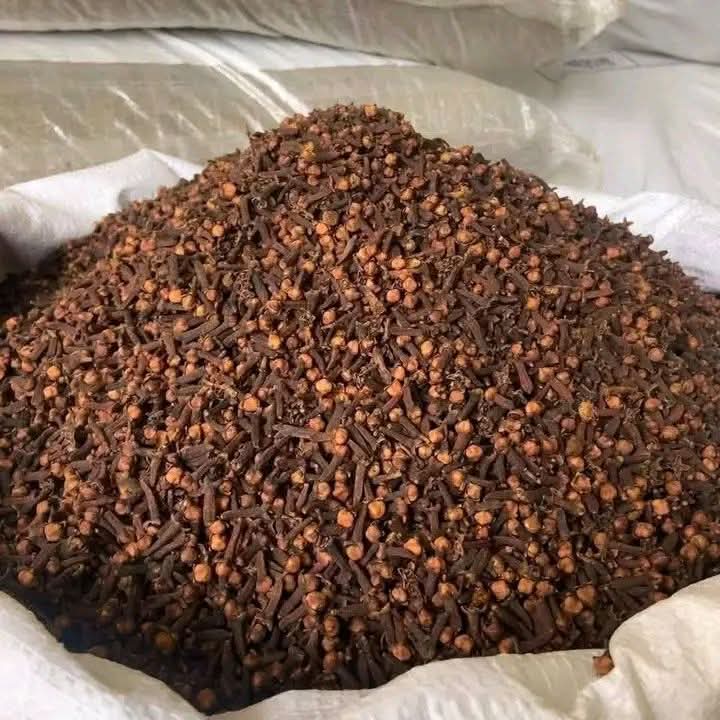
History and Origin of Cloves — The Spice That Launched Wars and Redrew Maps
The Most Fought-Over Spice in Human History
There are agricultural commodities that shaped history — and then there is clove, which did not merely shape history but actively detonated it. The story of cloves in international trade is the story of monopoly, warfare, colonial empire, and the extraordinary lengths to which human civilisations have gone to control access to a dried flower bud from a small cluster of islands in the eastern Indonesian archipelago.
Syzygium aromaticum — the clove tree — is indigenous to the Maluku Islands of eastern Indonesia, specifically the five small volcanic islands of Ternate, Tidore, Moti, Makian, and Bacan that medieval European traders knew collectively as the Spice Islands or Moluccas. These islands, and effectively these islands alone for most of recorded history, produced the world’s entire supply of cloves until European colonial powers began distributing the trees to their tropical plantation territories in the 18th century. The geographic concentration of clove production on just five small islands — combined with the extraordinary value that cloves commanded in medieval European, Arab, Chinese, and Indian markets — made the Maluku Islands the most commercially contested territory on the planet for a period of several centuries.
The desire to control the clove trade was a primary driver behind Portugal’s establishment of the first direct sea route from Europe to Asia in 1498 — Vasco da Gama’s voyage around Africa to India being motivated in significant part by the commercial imperative to bypass Arab trading intermediaries who controlled the overland spice route and extract the astronomical profits of European spice retail for Portuguese traders. When the Portuguese reached the Maluku Islands in 1512, they established a trade monopoly defended by naval force that endured for nearly a century before the Dutch East India Company (VOC) violently displaced them and created one of history’s most aggressive commodity monopolies — going so far as to destroy clove trees on islands outside their direct control to maintain scarcity and price.
This history — documented in detail by historians including Michael Krondl in The Taste of Conquest and commercial historians tracking the VOC’s commodity operations — is more than historical colour. It is the context within which clove’s extraordinary commercial value was established and preserved for centuries, creating the global trade infrastructure, processing relationships, and buyer expectations that still partially shape the modern cloves market.
How Cloves Reached West Africa
The Dutch monopoly on clove production was broken in the late 18th century when French botanist Pierre Poivre — in one of history’s most consequential acts of botanical espionage — smuggled clove seedlings out of the Maluku Islands and established plantations on the French-controlled islands of Réunion and Mauritius. From these initial plantings, clove cultivation spread to Zanzibar (now Tanzania’s dominant clove origin), Madagascar, Sri Lanka, and eventually to the humid coastal and forest regions of West Africa.
Clove trees were introduced to Nigeria’s southwestern states during the colonial period, establishing in the humid forest belt of Ondo, Osun, Ogun, Cross River, and Edo states — regions where the combination of high annual rainfall (1,500–3,000mm), warm temperatures, and well-drained forest soils approximate the volcanic island conditions of the Maluku origin closely enough to produce commercially viable clove trees. Nigerian clove cultivation remained small-scale and primarily domestic for most of the 20th century — supplying local spice markets and traditional medicine practitioners without significant connection to international trade channels.
The commercial opportunity for international export from Nigeria became apparent as global clove demand — particularly for clove essential oil and pharmaceutical-grade eugenol — grew faster than established origins could comfortably supply, and as Nigerian agricultural diversification programmes began identifying high-value botanical exports as priority development areas. The Nigerian Export Promotion Council (NEPC) has been instrumental in supporting the formalisation of clove as part of Nigeria’s spice export portfolio, and ITC Trade Map data reflects Nigerian cloves beginning to appear in international trade flow records with increasing consistency as export volumes grow.
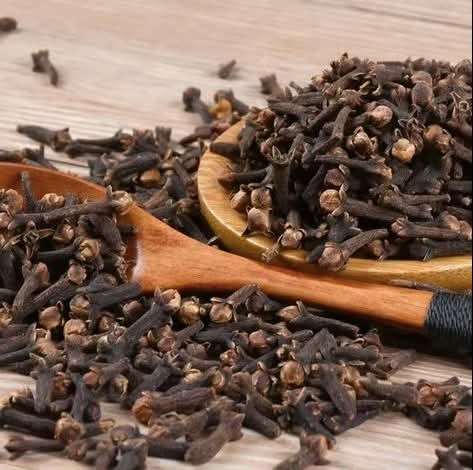
What Are Cloves? The Botanical and Commercial Profile of Syzygium Aromaticum
The Flower Bud That Became a Global Commodity
The clove of commerce is the dried, unopened flower bud of Syzygium aromaticum — harvested by hand before the buds open, at the precise moment when they transition from green to pale pink in colour. This timing is critical: buds harvested too early are small and low in essential oil; buds allowed to open and flower lose their essential oil concentration rapidly through volatilisation. The brief harvest window — typically lasting only a few weeks per tree per season — is the primary agronomic constraint on clove production and the reason that hand-harvesting by skilled pickers remains the dominant harvesting method across all clove-producing origins globally.
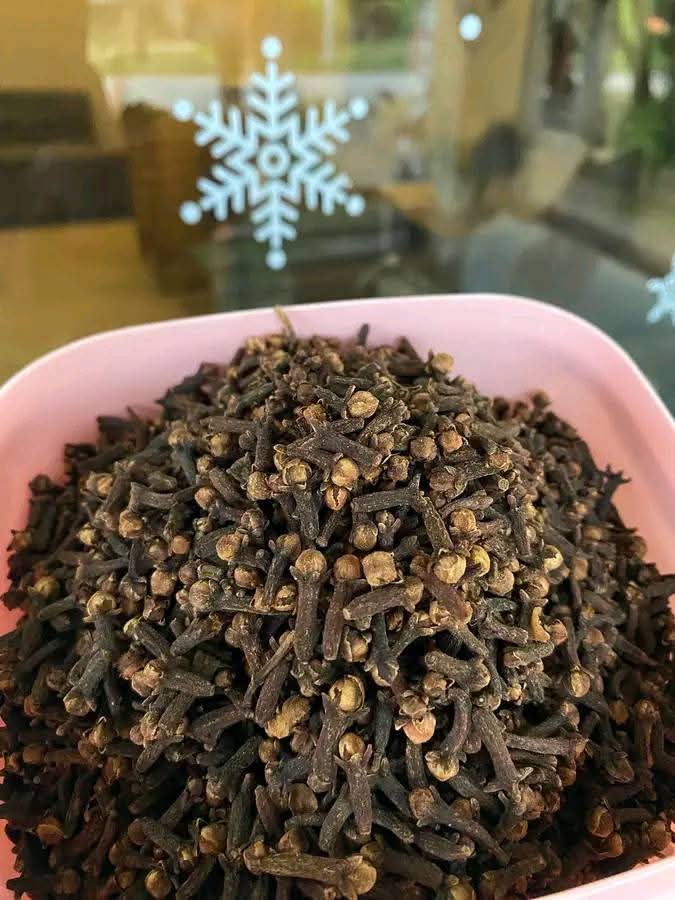
After harvesting, flower buds are dried — traditionally by sun-drying on mats or raised platforms for 4–5 days — until they reach their characteristic dark brown to black colour and the moisture content drops to the 10–14% range required for safe storage and long-distance shipping. Properly dried cloves are firm, slightly oily to the touch due to their essential oil content, and release their characteristic intensely aromatic eugenol fragrance immediately upon being pressed or broken.
The Eugenol Factor — Why Clove Chemistry Matters Commercially
Clove essential oil — steam-distilled from whole cloves, clove stems, or clove leaves — is composed of 70–90% eugenol by volume, making it the most eugenol-rich essential oil commercially produced from any plant species. This extraordinary eugenol concentration is the chemical foundation of cloves’ commercial value across pharmaceutical, dental, flavour, fragrance, and cosmetics applications.
Eugenol (4-allyl-2-methoxyphenol) is a phenylpropanoid compound that functions simultaneously as a powerful antimicrobial agent, a local anaesthetic, an antioxidant, an anti-inflammatory, and a flavour and fragrance compound of exceptional intensity and versatility. Research comprehensively documenting eugenol’s pharmacological properties is accessible through the National Center for Biotechnology Information (NCBI) — providing the scientific evidence base that pharmaceutical procurement teams, dental product manufacturers, and nutraceutical ingredient buyers use to justify their eugenol sourcing decisions.
Eugenol content in dried whole cloves — as distinct from the distilled essential oil — typically ranges from 15–20% by dry weight in high-quality material, making whole cloves one of the most eugenol-concentrated raw botanical materials available in bulk commercial quantities. This is why pharmaceutical and essential oil buyers place eugenol content at the centre of their clove procurement quality assessment — and why the growing evidence that Nigerian cloves from humid forest belt growing regions can deliver eugenol concentrations in this commercially relevant range is attracting serious buyer attention.
Benefits and Industrial Uses of Cloves
Food Industry — The Flavour Backbone of Global Cuisines
Cloves occupy a unique position in the global spice trade — they are simultaneously one of the world’s most intensely flavoured spices (a single clove contains enough eugenol to dominate the flavour of a dish if used carelessly) and one of the most widely used, appearing in the cuisine of virtually every food culture on earth in forms ranging from whole cloves to ground clove powder to clove-derived oleoresin and essential oil extracts.
In food manufacturing, cloves and clove extract are used in meat processing — particularly in cured meats, sausages, and charcuterie where clove’s combination of flavour intensity and antimicrobial properties makes it commercially valuable as both a seasoning and a natural preservative. Cloves are central to spice blends including garam masala, ras el hanout, Chinese five-spice, pumpkin spice, and mulling spice mixes — blends used in enormous volumes by food manufacturers across multiple product categories. Clove extract and clove essential oil are used to flavour beverages, baked goods, confectionery, and condiments in commercial food production globally.
The European Spice Association (ESA) publishes quality standards and market guidance for cloves and clove-derived ingredients within the EU market — the regulatory framework that European food manufacturer procurement teams apply when specifying clove raw material and extract ingredients. For food processors evaluating Nigerian cloves as a sourcing option, contact our export team to discuss specification compliance with ESA standards.
Pharmaceutical and Dental Industry — Eugenol as a Clinical Active
This is cloves’ most historically significant industrial application — and the one that most directly drives high-value procurement of pharmaceutical-grade clove material. Eugenol’s local anaesthetic and antimicrobial properties have made it a cornerstone of dental medicine for well over a century. It is used in zinc oxide eugenol (ZOE) dental cements and cavity liners, in temporary filling materials, in root canal sealers, and in dry socket preparations for post-extraction pain management. The American Dental Association (ADA) has published guidance on eugenol-containing dental materials across multiple professional and patient-facing documents — reflecting the compound’s established, well-documented status as a clinically effective dental active.
Beyond dental applications, eugenol’s anti-inflammatory and analgesic properties have attracted pharmaceutical research interest in systemic pain management, anti-inflammatory formulation, and antimicrobial pharmaceutical development. Research published through NCBI documents eugenol’s mechanism of action across these applications — providing the clinical evidence framework that pharmaceutical ingredient procurement teams evaluate when sourcing clove-derived eugenol raw material. The World Health Organization’s monograph on Syzygium aromaticum formally recognises cloves’ traditional medicinal applications and the modern evidence base supporting several therapeutic uses — providing regulatory legitimacy for pharmaceutical sourcing programmes.
For pharmaceutical buyers requiring pharmaceutical-grade dried cloves with documented eugenol content and compliance testing for heavy metals, pesticide residues, and microbiological limits, contact Paradise MultiTrade to discuss analytical specification requirements and testing coordination.
Essential Oil and Fragrance Industry
Clove essential oil — produced by steam distillation of whole cloves, clove buds, clove stems, or clove leaves in descending order of oil quality and eugenol purity — is one of the most commercially important essential oils in the global aroma chemicals industry. Beyond its direct use as a fragrance ingredient in perfumery, personal care products, and aromatherapy, clove essential oil is a primary industrial source of eugenol for chemical synthesis — eugenol being a precursor compound in the synthesis of vanillin (the world’s most widely used flavour compound), isoeugenol (a fragrance ingredient), and various pharmaceutical intermediates.
Market size and demand trajectory data for the clove essential oil market is tracked by research organisations including Grand View Research and Mordor Intelligence — both of which project sustained market growth driven by expanding pharmaceutical, fragrance, and food flavour industry demand for eugenol and clove-derived aromatic compounds. Essential oil distillers and aroma chemical producers sourcing whole cloves as a raw material are among the most technically demanding buyers in the clove procurement market — requiring specific eugenol percentage documentation, low moisture content, and clean phytosanitary certification.
Nutraceutical and Dietary Supplement Industry
Cloves have earned a prominent position in the global dietary supplement market — driven by the convergence of clinical research on eugenol’s health properties and consumer demand for natural, plant-derived health support products. Clove extract supplements are marketed for antioxidant support (cloves have one of the highest ORAC antioxidant scores of any food or spice, as documented through USDA antioxidant research databases), blood sugar management (eugenol’s insulin-sensitising properties have been documented in several clinical studies), dental and oral health support, and general anti-inflammatory wellness applications.
Market analysis from Mintel’s global food and drink trend database identifies clove as an ingredient with growing mainstream consumer recognition beyond its traditional spice role — appearing increasingly in premium supplement product lines marketed for immune support, metabolic health, and oral wellness. Nutraceutical companies sourcing dried cloves or clove extract for supplement production require consistent eugenol content, certified origin, and full food safety compliance documentation.
Cosmetics and Personal Care Industry
Clove essential oil and clove extract are active ingredients in a substantial and growing range of cosmetics and personal care products. Eugenol’s antimicrobial properties make clove extract relevant in anti-acne formulations, dandruff treatment shampoos, and antibacterial soaps and cleansers. Clove oil’s warming sensation on skin makes it a functional ingredient in massage oils, muscle relief formulations, and warming personal care products. Its fragrance profile — intensely warm, spicy, and distinctive — is used both as a direct fragrance ingredient in fine fragrance formulation and as a natural aroma compound in personal care products positioned on natural ingredient credentials.
Cosmetic formulators evaluating clove ingredients can access safety and ingredient documentation through the Cosmetic Ingredient Review (CIR) database and the INCI ingredient nomenclature system — both of which reference clove-derived ingredients extensively in their published monographs. The key cosmetic formulation concern with eugenol — its documented allergenicity at higher concentrations in some sensitised individuals — requires careful concentration management in finished product formulation, a technical consideration that sophisticated cosmetics buyers factor into their clove ingredient sourcing specifications.
Traditional Medicine and Herbal Products Industry
Across West Africa, South Asia, Southeast Asia, and diaspora communities globally, cloves occupy a deeply embedded position in traditional medicine practice. Their use in treating toothache — applying whole cloves or clove oil directly to affected teeth for temporary pain relief — is one of the most universally practised folk remedies across multiple cultures on multiple continents, reflecting eugenol’s genuine, scientifically validated local anaesthetic efficacy. Cloves are also used in traditional medicine formulations for digestive support, respiratory complaints, headache treatment, and as a general antimicrobial agent.
Herbal product companies, traditional medicine wholesalers, and diaspora food and herbal retail importers are consistent buyers of quality whole dried cloves for direct retail and traditional medicine application — a demand stream that provides reliable, year-round procurement interest independent of the more variable pharmaceutical and essential oil sectors. The American Botanical Council’s HerbalGram publications document cloves’ traditional medicine applications and the modern evidence base alongside detailed market information relevant to herbal product procurement teams.
Food Preservation and Natural Antimicrobial Industry
Clove’s extraordinary antimicrobial potency — eugenol has documented inhibitory activity against a wide range of pathogenic bacteria and fungi including Staphylococcus aureus, E. coli, Candida albicans, and Aspergillus species, as detailed in research accessible through NCBI’s antimicrobial research publications — has attracted significant interest from the food preservation sector as part of the broader industry movement toward natural, clean-label preservative alternatives to synthetic antimicrobials.
Clove extract and clove essential oil are being evaluated and adopted as natural preservation agents in meat products, bakery items, and processed foods — particularly in markets where consumer and regulatory pressure to reduce synthetic preservative use is most intense. This emerging natural preservation application represents a growing demand stream for high-eugenol clove raw material that adds to the already robust procurement demand from the food flavour, pharmaceutical, and essential oil sectors.
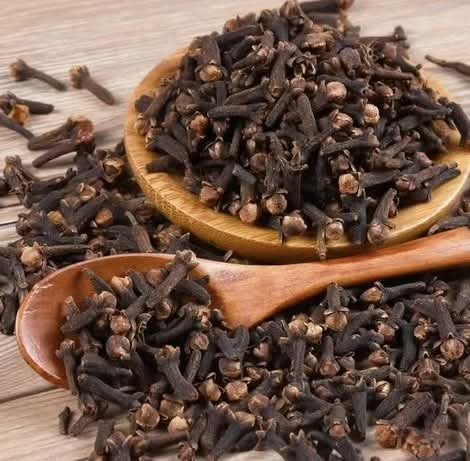
Why Buy Cloves from Nigeria?
The Eugenol Argument — West African Forest Belt Quality
Nigeria’s clove-growing regions are concentrated in the humid forest belt states of the southwest and south — specifically Ondo, Osun, Ogun, Cross River, and Edo states — where annual rainfall of 1,500–3,000mm, year-round warm temperatures, and the deep, well-drained laterite and loamy soils of the Nigerian forest zone create growing conditions that support vigorous Syzygium aromaticum tree development and generous flower bud production.
The eugenol content of cloves produced in Nigeria’s humid forest belt has been assessed at commercially relevant levels — 15–20% eugenol in dried whole cloves, consistent with the range delivered by established origins including Madagascar and Sri Lanka. For essential oil distillers and pharmaceutical buyers whose procurement value is directly proportional to eugenol yield per kilogram of raw material, this is not a speculative quality claim — it is an analytically verifiable starting point for procurement evaluation. Contact our export team to arrange laboratory analysis of a Nigerian clove sample from our current supply.
An Emerging Origin With First-Mover Advantage for Buyers
There is a commercial opportunity that experienced commodity buyers recognise and exploit — the first-mover advantage of establishing direct supply relationships with an emerging, high-quality origin before the broader market discovers it and prices adjust accordingly. Nigerian cloves are at precisely this stage of international market development. The quality credentials are real and analytically verifiable. The supply infrastructure is growing. The export compliance framework — through NEPC and NAQS — is established. But the international buyer community has not yet fully priced Nigerian cloves as a premium origin.
Buyers who establish direct supply relationships with Paradise MultiTrade now — building the quality verification, documentation familiarity, and logistics understanding of Nigerian clove procurement before the market matures — are positioning themselves to benefit from both current pricing competitiveness and long-term supply security as Nigerian clove export volumes and international recognition grow. This is the same early-mover advantage that European buyers who established Nigerian sesame and ginger relationships a decade ago have since benefited from substantially.
Supply Diversification Beyond the Indonesian Concentration
Indonesia — primarily the islands of Zanzibar, Pemba, and Sulawesi — dominates global clove production, accounting for a substantial share of world supply in most years. This concentration creates structural supply risk that is well-documented in commodity market intelligence available through Tridge’s clove intelligence platform and price tracking data from the World Bank’s commodity markets monitoring programme. When Indonesian production is affected by weather events, harvest failures, or logistical disruptions — and the historical record shows it has been multiple times — global clove prices spike sharply and buyers without diversified origin positions face significant procurement disruption.
Nigerian cloves — harvested on a seasonal calendar that does not perfectly correlate with Indonesian production cycles — provide exactly the kind of origin diversification that reduces this supply concentration risk for processors and traders running clove-intensive production operations.
Competitive Pricing and Direct Export Access
Sourcing cloves directly from a licensed Nigerian exporter removes the multiple layers of intermediary cost that accumulate when product travels from Nigerian farms through local traders, to Lagos commodity brokers, to international spice traders, before reaching the end buyer. Paradise MultiTrade’s direct sourcing relationships in Nigeria’s clove-producing states translate into competitive FOB Lagos pricing that reflects actual production and handling costs. For buyers comparing Nigerian origin pricing against established alternatives, contact our team for a direct quotation that enables proper landed cost comparison.
Complete Export Documentation and Regulatory Compliance
Every clove shipment processed through Paradise MultiTrade carries phytosanitary certification from the Nigerian Agricultural Quarantine Service (NAQS), NEPC export documentation, certificate of origin, commercial invoice, packing list, and bill of lading. For pharmaceutical and nutraceutical buyers, we coordinate eugenol content analysis, heavy metal screening, pesticide residue testing, and microbiological analysis through accredited laboratories — providing the complete documentation package that regulated market import compliance requires.
EU-bound shipments are prepared in compliance with Regulation (EU) 2017/625 on official controls for botanical and food imports and in reference to EFSA’s published safety assessments for clove and eugenol as applicable maximum residue and contaminant guidance. Our NEPC Export Licence No. 0042385 and CAC Registration No. RC-9284647 are current and verifiable through NEPC.
Nigeria’s Clove Export Strength and Global Market Demand
The Global Clove Market — Scale and Structure
The global clove market is a structurally significant spice commodity — consumed in enormous volumes across food manufacturing, pharmaceutical processing, essential oil production, and traditional medicine supply chains on every continent. Market sizing and demand analysis published by Grand View Research and Mordor Intelligence both project sustained global clove demand growth through the current decade — driven by the expanding pharmaceutical sector’s eugenol demand, the natural food preservation movement’s adoption of clove extract, and the fragrance industry’s growing consumption of clove-derived aroma chemicals.
Trade flow data accessible through ITC Trade Map confirms the major clove importing markets: Indonesia paradoxically imports significant clove volumes — as the world’s largest clove consumer domestically, Indonesian tobacco manufacturers use cloves as the defining ingredient in kretek (clove cigarettes), the country’s dominant cigarette type, consuming more cloves than the rest of the world combined. Beyond Indonesia, major importing markets include India (for food processing and traditional medicine), Germany and the Netherlands (for spice processing, essential oil production, and pharmaceutical ingredient manufacturing), the United States (for food manufacturing and pharmaceutical supply chains), and the UAE (for regional spice distribution and re-export).
The Markets That Matter for Nigerian Clove Export
Germany is the EU’s most significant clove importing and processing market — German spice processors, essential oil distillers, and pharmaceutical ingredient manufacturers are among the most sophisticated buyers of quality whole cloves globally, with well-established quality assessment frameworks and documented demand for supply chain diversification beyond Indonesian-concentrated procurement.
The United Kingdom imports cloves through both direct procurement and European distribution channels — serving food manufacturing, herbal product, dental supply, and diaspora food retail demand streams across a diverse and commercially significant market.
India — despite its own modest domestic clove production — is a major clove importer for both food manufacturing and Ayurvedic medicine ingredient supply chains. Indian spice traders and herbal medicine ingredient companies are active buyers of African-origin cloves, with the Spices Board of India tracking import flows and quality benchmarks relevant to the Indian procurement market.
The Middle East — particularly the UAE, Saudi Arabia, and Egypt — represents a culturally significant clove consuming region where cloves are central to traditional cuisines, herbal medicine practice, and the incense and oudh fragrance traditions of the Gulf states. UAE-based spice importers and distributors are well-positioned buyers for Nigerian cloves entering the Middle Eastern and North African market.
The United States is a major clove importer for food manufacturing and pharmaceutical applications — with market intelligence on US clove import trends available through USDA Agricultural Market Reports and cross-referenced with ITC Trade Map export flow data.
CBI Netherlands — The European Market Access Framework
The CBI Centre for the Promotion of Imports from developing countries — a Dutch government programme supporting developing country exporters’ access to European markets — has published detailed market guidance specifically on cloves for European importers and developing country suppliers. This guidance documents EU buyer quality requirements, pricing benchmarks, and market entry strategies that directly inform how Nigerian clove exporters should position their product for European procurement — a resource that Paradise MultiTrade leverages in structuring our European buyer engagement approach.
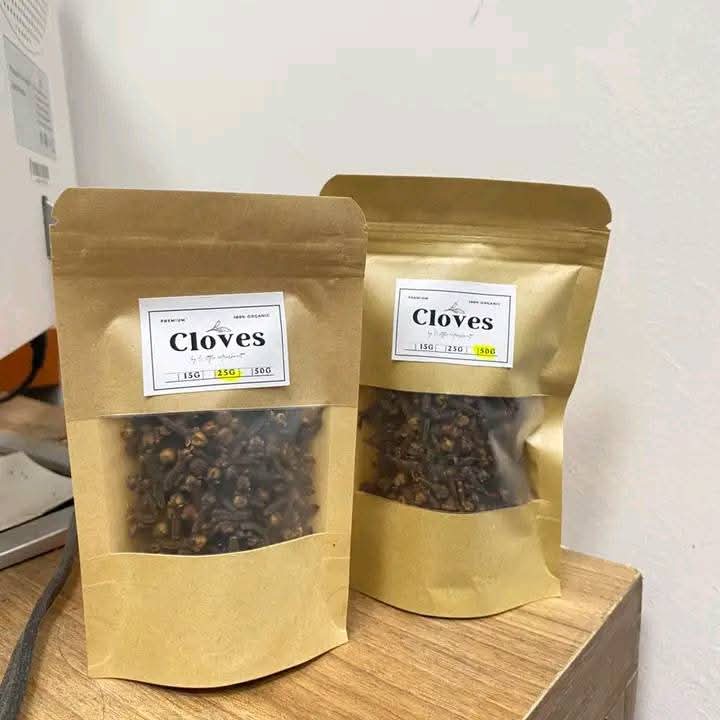
Why Choose Paradise MultiTrade International Limited?
Forest Belt Origin Specificity. Our cloves are sourced from Nigeria’s humid forest belt states — the agro-ecological zone where Syzygium aromaticum grows under conditions closest to its native Maluku Islands environment. We source from specific, known growing communities in Ondo, Osun, and Cross River states — not from undifferentiated Lagos commodity market aggregation.
Eugenol Content Documentation. We coordinate laboratory analysis of eugenol content in whole dried cloves through accredited testing facilities — providing buyers with the analytical data they need to evaluate Nigerian material against established origin benchmarks on the quality parameter that actually determines commercial value. Contact us to request sample and analysis arrangements.
Established Spice Export Infrastructure. Our clove export programme benefits from the same phytosanitary documentation, freight forwarding relationships, and quality management systems that support our turmeric, ginger, and hibiscus export operations — meaning buyers get the institutional reliability of an experienced spice exporter, not the improvisation of a first-time commodity seller.
Relationship-Oriented Supply Development. We are actively building our clove supply base in collaboration with farming communities in Nigeria’s clove-growing states — which means buyers who establish supply relationships with Paradise MultiTrade now are participating in the development of a supply chain that grows more reliable, higher-volume, and better-quality-managed with each passing season.
Multi-Commodity West African Sourcing. Clove buyers frequently source multiple botanical commodities. Alongside cloves, Paradise MultiTrade exports turmeric, dry split ginger, fresh ginger, hibiscus flower, sesame seeds, bitter kola, kola nut, and cashew products. Explore our full range of Nigerian export commodities and consolidate your West African botanical sourcing through one verified, licensed partner.
Product Specifications
| Specification | Details |
|---|---|
| Product | Whole Dried Cloves (Syzygium aromaticum) |
| Origin | Nigeria (Ondo, Osun, Ogun, Cross River, Edo States) |
| Form | Whole dried flower buds (primary); clove stems available on request |
| Eugenol Content | 15–20% by dry weight (lot-specific analysis available) |
| Volatile Oil Content | 15–20% (steam distillation yield) |
| Moisture Content | 10–14% |
| Purity | 95%+ (free from stems, dust, foreign matter, mould) |
| Colour | Dark brown to black (properly dried whole buds) |
| Stem Content | Maximum 5% by weight in whole bud grade |
| Broken Buds | Maximum 5% by weight |
| Packaging Options | 25kg, 50kg polypropylene woven bags; jute bags on request |
| Supply Capacity | 10–150+ MT per shipment (subject to seasonal availability) |
| MOQ | 3 Metric Tonnes |
| Shelf Life | 18–24 months properly stored (cool, dark, dry, ventilated) |
| Export Documentation | Phytosanitary Certificate (NAQS), Certificate of Origin, NEPC Export Licence, Laboratory Analysis Certificate (on request), Commercial Invoice, Packing List, Bill of Lading |
| Payment Terms | T/T, Letter of Credit (LC at sight), Escrow |
| Loading Port | Lagos (Apapa / Tin Can Island Port), Nigeria |
| Incoterms Available | EXW, FOB Lagos, CNF, CIF |
Packaging and Export Process
Harvest Timing and Method. Clove flower buds are harvested by hand at the precise moment of colour transition from green to pale pink — before the buds open. This timing maximises essential oil concentration in the bud. Harvesting is done by hand-picking directly from branches, with harvesters using ladders or climbing the trees to reach upper branches. The brief harvest window — typically 2–4 weeks per tree per season — means that harvest organisation and scheduling are critical to capturing peak-quality material.
Initial Drying. Freshly harvested buds are spread on clean mats or raised drying racks and sun-dried under open-sky conditions for 4–6 days — turning regularly to ensure even drying. This sun-drying phase reduces moisture from approximately 70–80% at harvest to the 10–14% required for safe storage and shipping. The characteristic colour development from green-pink through to deep brown-black occurs during this drying phase as enzymatic reactions and pigment oxidation transform the fresh bud’s appearance.
Sorting and Cleaning. Dried cloves are sorted to remove broken buds, excess stems, leaves, and foreign matter. Whole bud integrity is important for both visual quality assessment by buyers and for essential oil yield in distillation applications — broken buds lose volatile oil through their exposed surfaces during storage. High whole-bud content is a quality premium that buyers in the essential oil and pharmaceutical sectors specifically value.
Quality Testing. Lot samples are retained for moisture, eugenol content, and foreign matter assessment. For pharmaceutical and nutraceutical buyers, samples are submitted to accredited laboratories for heavy metal screening, pesticide residue analysis, and microbiological testing. Eugenol content analysis follows AOAC International validated methods for volatile oil determination in spices.
Packaging. Standard export packaging is 25kg or 50kg polypropylene woven bags, clearly labelled with product name, origin state, lot number, net weight, moisture content, and export documentation reference. Jute bag packaging is available on request for buyers with specific packaging preferences. All bags are stitched and sealed before container loading.
Phytosanitary Inspection and Loading. Pre-export phytosanitary inspection by NAQS is conducted before container sealing. Cloves ship in standard dry containers from Lagos ports — no refrigeration required at 10–14% moisture content. Lead time from order confirmation to container loading typically runs 10–21 days depending on volume and current stock position. Contact us early to plan around the Nigerian clove harvest season.
Frequently Asked Questions
What is eugenol and why does it determine clove commercial value?
Eugenol is the primary phenylpropanoid compound in clove essential oil — comprising 70–90% of the oil by volume and 15–20% of dried whole clove by dry weight. It is simultaneously the flavour compound that gives cloves their characteristic warm, pungent aroma, the local anaesthetic agent used in dental medicine, the antimicrobial active in pharmaceutical and food preservation applications, and the aromatic chemical precursor used in vanillin and fragrance synthesis. Every significant commercial use of cloves is ultimately driven by eugenol — which is why eugenol content is the primary quality parameter for pharmaceutical, essential oil, and nutraceutical buyers. Higher eugenol per kilogram of raw material means higher value per tonne of cloves purchased. Research on eugenol’s properties is extensively documented through NCBI.
How does Nigerian clove quality compare to Indonesian or Madagascan origin?
Nigerian cloves from the humid forest belt growing zones deliver eugenol content in the 15–20% range by dry weight — comparable to Madagascan origin and competitive with mid-range Indonesian material. Indonesian cloves from the Maluku Islands and Sulawesi represent the global benchmark for volume and the origin against which all others are measured. Madagascan cloves are typically positioned as a premium alternative with strong eugenol content. Nigerian cloves are an emerging origin with analytically verifiable quality credentials and the commercial advantage of competitive pricing and supply diversification value. We encourage buyers to request a sample and commission comparative laboratory analysis against their current supply. Contact us to arrange.
Are clove stems and clove leaves also available from Nigeria?
Clove stems — the dried stalk material separated from the buds during sorting — are available as a lower-grade raw material for essential oil distillation. Stem oil has a slightly lower eugenol content than bud oil but is significantly cheaper per kilogram of raw material, making it economically attractive for distillers whose process can handle the slightly different oil profile. Clove leaf material is available in smaller quantities. Both are discussed at the quotation stage. Contact our team to specify your requirement.
What documentation is available for pharmaceutical buyers?
For pharmaceutical procurement, we provide phytosanitary certificate from NAQS, certificate of origin, NEPC export licence documentation, eugenol content laboratory analysis certificate, heavy metal screening results (lead, cadmium, arsenic, mercury), pesticide residue analysis, and microbiological test results — all from accredited laboratories following internationally recognised methods. EU pharmaceutical buyers should reference EFSA’s clove and eugenol safety assessments for applicable contaminant and residue limits. Contact us to discuss your specific documentation requirements.
What is the Nigerian clove harvest season?
Nigerian clove harvest occurs primarily between September and December — when the flower buds reach the precise pre-opening stage that maximises essential oil content. Peak availability of newly processed dried cloves runs from October through January. Export stock is typically available through approximately June of the following year. Buyers planning large-volume purchases should initiate discussions before the harvest period to discuss forward pricing and secure allocation. Contact us to plan your procurement cycle.
How should dried cloves be stored on arrival?
Store in a cool, dark, dry, well-ventilated warehouse at ambient temperature below 25°C and relative humidity below 65%. Cloves’ essential oil content makes them highly susceptible to flavour and aroma loss under warm, humid storage conditions — volatile oil evaporates progressively when cloves are stored in warm environments or exposed to airflow that is too aggressive. Store bags on pallets, away from direct sunlight and heat sources. Under proper conditions, dried Nigerian cloves will maintain essential oil content and commercial quality for 18–24 months from the drying date.
What transit times should I plan for from Nigeria?
Europe (Rotterdam, Hamburg, Felixstowe, Antwerp) — approximately 14–20 days from Lagos. UAE (Jebel Ali) — 10–14 days. USA (East Coast) — 18–25 days. India (Nhava Sheva, Mundra) — 10–15 days. China (Shanghai, Guangzhou) — 22–28 days. Japan (Yokohama, Osaka) — 25–32 days. Indonesia (Surabaya, Jakarta) — 20–26 days.
Ready to Source Premium High-Eugenol Cloves from Nigeria?
If you are an essential oil distiller, pharmaceutical ingredient buyer, spice processor, nutraceutical manufacturer, food flavour company, or wholesale botanical commodity trader actively searching for a reliable cloves exporter in Nigeria with documented eugenol credentials, full regulatory compliance, and the supply chain transparency that serious industrial procurement demands — Paradise MultiTrade International Limited is your partner.
We supply whole dried Nigerian cloves from the humid forest belt growing states — harvested at peak bud development, dried to specification, analytically tested on request, and exported with full phytosanitary and commercial documentation to buyers in every major regulated destination market.
Request a Quotation — share your required volume, eugenol specification, destination port, preferred incoterms, and any analytical testing requirements. We respond with a detailed, competitive quote within 48 hours.
Contact Our Export Team — speak directly with our export coordinators about eugenol analysis, sample requests, stem and leaf availability, pharmaceutical documentation packages, and long-term contract supply arrangements.
Explore Our Full Product Range — alongside cloves, Paradise MultiTrade exports turmeric, dry split ginger, fresh ginger, hibiscus flower, sesame seeds, bitter kola, kola nut, cashew nut kernel, and raw cashew nuts. One licensed Nigerian exporter. One consolidated West African botanical sourcing relationship. Consistent quality and documentation across every commodity.
buy cloves from Nigeria, Nigerian cloves supplier, Syzygium aromaticum bulk export, whole cloves Nigeria wholesale, clove oil raw material Nigeria, high eugenol cloves Africa, dried cloves bulk buyer Nigeria, cloves for pharmaceutical industry Nigeria
Paradise MultiTrade International Limited | NEPC Export Licence No. 0042385 | CAC No. RC-9284647 | Lagos, Nigeria | www.paradisemultitrade.com

Reviews
There are no reviews yet.