
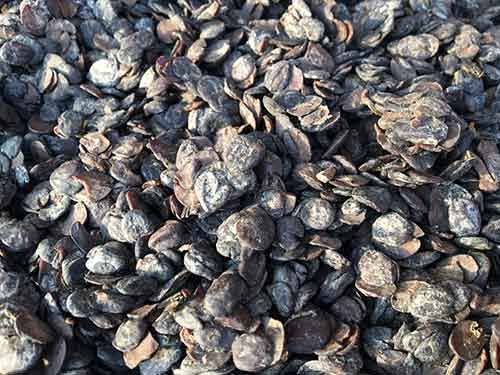

Nigerian Fermented Locust Beans: West Africa’s Most Ancient, Most Pungent, and Most Nutritionally Extraordinary Fermented Food — and the Export Commodity That the Global Umami, Fermented Food, and Plant Protein Industries Are Only Beginning to Discover
Fermented Locust Beans Exporter Nigeria — Ogiri, Iru, and Dawadawa From Parkia Biglobosa, Direct Origin Sourcing, Bulk Supply to Diaspora Food Importers, West African Food Manufacturers, Fermented Food Industry Buyers, and Plant Protein Ingredient Companies Worldwide
Fermented locust beans exporter Nigeria is a search phrase whose commercial frequency is growing at the intersection of two powerful and mutually reinforcing market trends: the global fermented food industry’s extraordinary commercial momentum — driven by mounting clinical evidence for fermented foods’ contributions to gut health, immune function, and metabolic wellbeing — and the West African diaspora food market’s growing demand for the authentic, origin-specific condiments that transform cooking from sustenance into cultural expression. At the centre of both trends sits a product that most of the global food industry has never heard of but whose functional, nutritional, and cultural properties position it as one of the most commercially interesting fermented food ingredients to emerge from the African food system into international trade consciousness in the past decade.
Parkia biglobosa — the African locust bean tree — produces pods containing seeds that, when fermented through a controlled microbial process using primarily Bacillus subtilis bacteria, transform from nutritionally adequate raw beans into one of the most umami-rich, protein-dense, microbiologically complex, and culturally irreplaceable fermented food condiments in the world. In Nigeria’s Igbo communities it is called ogiri — a dark, intensely aromatic fermented paste wrapped in leaves that forms the flavour backbone of traditional soups and sauces. In Yoruba communities it is called iru — pressed into cakes or balls sold in every Nigerian market and used daily in cooking across southwestern Nigeria. In Hausa communities and across the Sahel belt of northern Nigeria, Mali, Burkina Faso, and Niger it is called dawadawa — a crucial protein supplement and flavour agent in the semi-arid Sahel zone where Parkia biglobosa trees grow in the managed parkland agricultural systems that mirror the shea parkland system described in our shea article.
The commercial paradox of fermented locust beans is almost identical to the one that characterises egusi, Bambara nut, and ogbono: a product consumed at remarkable scale by hundreds of millions of West Africans daily, whose nutritional science is extensively documented, whose flavour science directly parallels the most commercially valued umami ingredients in the world — soy sauce, miso, natto, fish sauce — and yet which remains dramatically underrepresented in the formal international agricultural commodity trade. That gap is narrowing rapidly. And the buyers who build supply relationships now — before mainstream international awareness drives competition and pricing to levels that eliminate first-mover advantage — are the ones who will define the commercial landscape for Nigerian fermented locust beans in international markets for the next decade.
At Paradise MultiTrade International Limited, fermented locust beans are one of our most culturally resonant and commercially dynamic emerging export categories — sourced from established production communities across the primary producing states of Kwara, Kogi, Niger, Oyo, Osun, Ekiti, Ondo, Benue, Taraba, and Kano, processed in traditional and semi-industrial fermentation operations whose product meets international food safety standards, and exported in whole, paste, powder, and dried cake forms to diaspora food importers, West African food manufacturers, fermented food ingredient companies, and plant protein ingredient buyers across Europe, North America, and beyond.
To move directly to specifications and pricing, request a quotation here and our export team will respond within 48 hours.
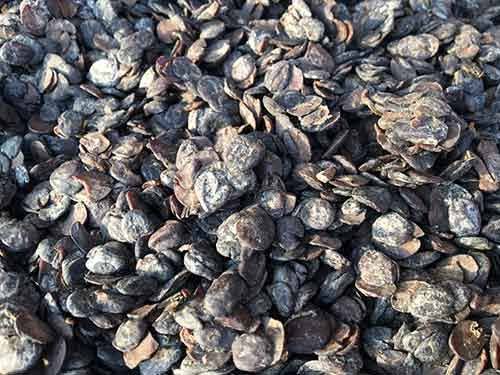
History and Origin of Fermented Locust Beans — The Fermented Condiment That Predates Every Soybean Product in Commercial Trade
A Tree, a Bean, and a Fermentation Discovery That Changed West African Cuisine Forever
The story of fermented locust beans begins with Parkia biglobosa — the African locust bean tree, also called the West African carob or dawadawa tree — a large, spreading deciduous legume tree reaching 15–20 metres in height that grows across the Guinea and Sudan savanna belt of West Africa from Senegal and Guinea in the west through Mali, Burkina Faso, Côte d’Ivoire, Ghana, Nigeria, Niger, and Chad to Uganda in the east. Like the shea tree, the African locust bean tree is not cultivated in the conventional agricultural sense — it is maintained within the farmed parkland landscapes of the West African savanna by generations of farmers who recognised its extraordinary value and protected it from land clearing, creating the farmer-managed parkland agroforestry system that both trees inhabit in overlapping geographic ranges across the Guinea-Sudan savanna belt.
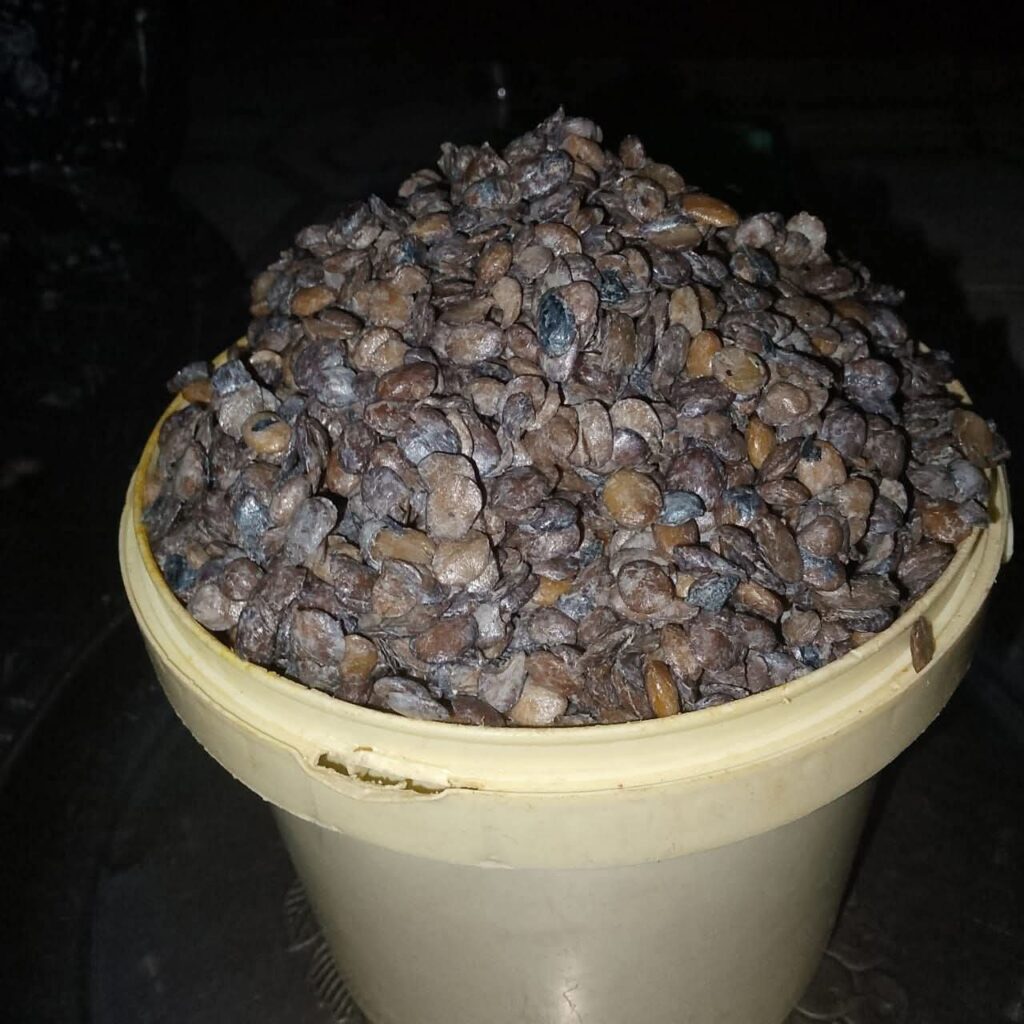
Parkia biglobosa produces distinctive seed pods — long, hanging clusters of 15–25cm cylindrical pods that contain seeds embedded in a sweet, yellow powdery pulp that is consumed directly as a food or processed into drinks across West Africa. It is the seed — not the pulp — whose fermentation produces the condiment of commerce. The seeds are large, flat, kidney-shaped, and tan-brown in colour — with a high protein content that makes them among the most nutritionally significant legume seeds in the West African food system.
The discovery of locust bean fermentation — the controlled microbial process that transforms raw locust beans from hard, tannic, difficult-to-digest seeds into the pungent, protein-rich, intensely flavoured condiment that West African cooking depends on — is one of the great empirical food science discoveries of the African continent. It is impossible to date precisely, but linguistic evidence from multiple West African language families suggests a discovery predating any written record — placing the development of dawadawa/iru/ogiri fermentation technology in the pre-literate era of West African agricultural civilisation, making it one of humanity’s most ancient deliberately managed food fermentation systems alongside Korean kimchi, Japanese miso, Chinese soy sauce, and Ethiopian injera.
The fermentation process works through the action of naturally occurring Bacillus subtilis bacteria — present in the environment, on the seed surface, and on the fermentation vessels and wrapping materials used in traditional processing — which colonise the cooked locust beans and produce a cascade of biochemical transformations over 3–5 days of warm, humid incubation. These transformations — documented comprehensively in fermentation science research published through NCBI’s food microbiology database — include protein hydrolysis into free amino acids (dramatically increasing protein bioavailability and generating the glutamate that creates umami flavour), anti-nutritional factor reduction (tannins and trypsin inhibitors that limit raw locust bean nutritional value are deactivated during fermentation), and the synthesis of novel bioactive compounds by the Bacillus fermentation organisms including enzymes, bacteriocins, and organic acids that give fermented locust beans their antimicrobial food preservation activity.
The Cultural Architecture of Ogiri, Iru, and Dawadawa — Three Names, One Irreplaceable Ingredient
The nomenclature diversity of Nigerian fermented locust beans — ogiri (Igbo), iru (Yoruba), dawadawa (Hausa), and additional regional names across minority ethnic groups — reflects the independent development of fermented locust bean tradition in multiple Nigerian cultural contexts, each with distinct processing techniques, preferred end-product characteristics, and culinary application protocols.
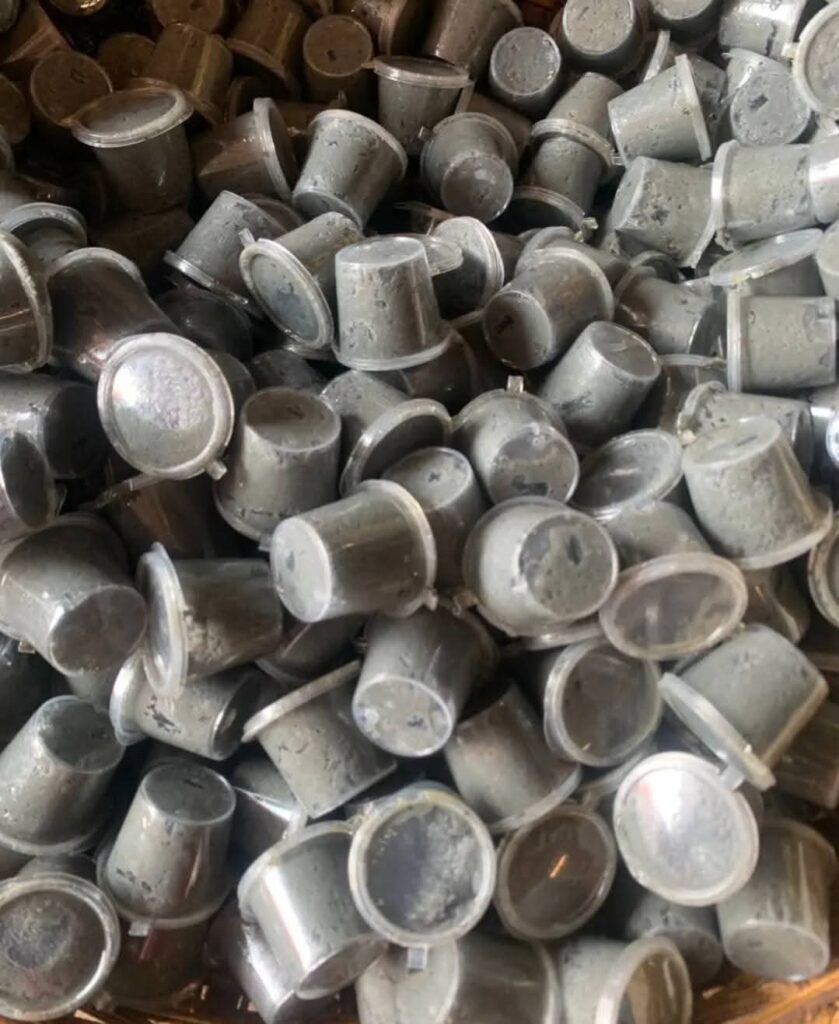
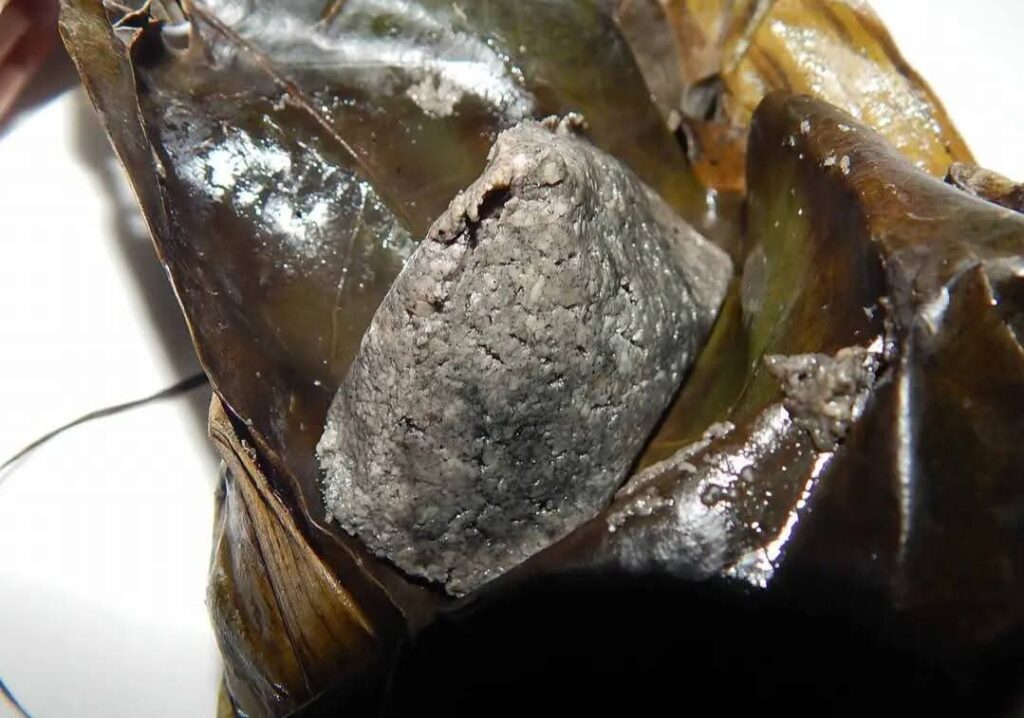
Ogiri in Igbo tradition is typically produced as a dark, soft, strongly aromatic paste — wrapped in uma leaves (Thaumatococcus daniellii) or banana leaves during fermentation and storage, and sold in leaf-wrapped portions in Nigerian markets. Among the Igbo, ogiri is the quintessential “background flavour” ingredient — added in small quantities to pots of egusi soup, oha soup, and bitterleaf soup not as a primary ingredient but as the umami foundation that elevates every other ingredient’s flavour expression. As documented in Igbo culinary literature and ethnographic research accessible through the African Studies Association’s publications, the absence of ogiri from traditionally prepared Igbo soups is immediately detected by experienced cooks — its contribution is not decorative but structural to the dish’s flavour architecture.
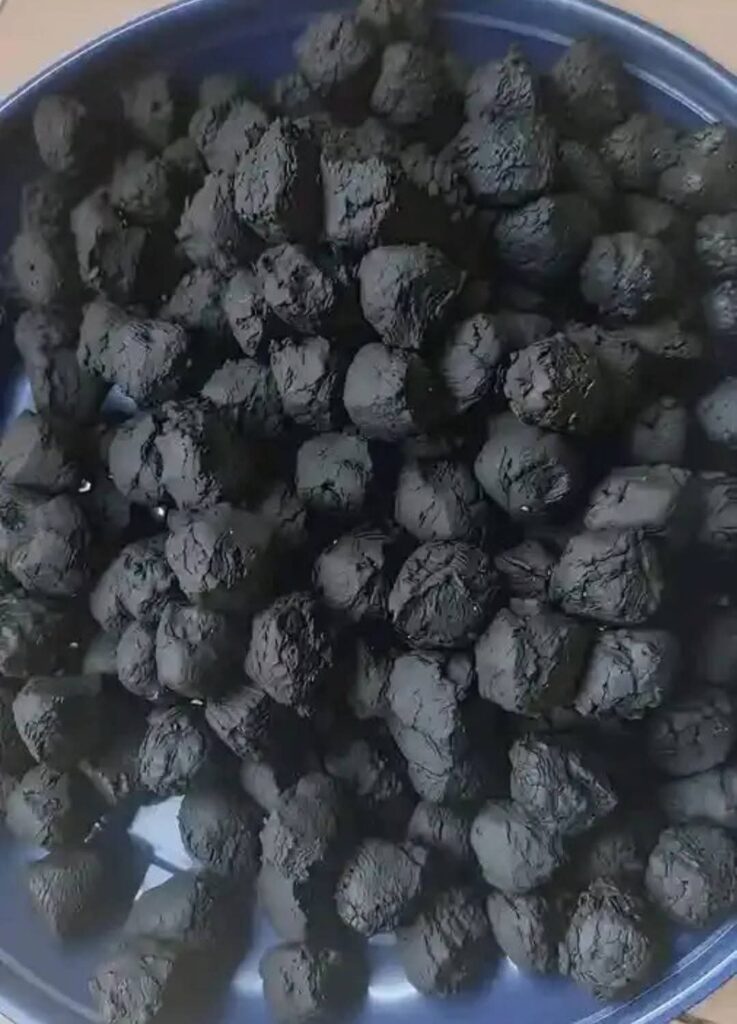
Iru in Yoruba tradition is typically produced in a firmer cake or ball form — pressed and dried to a lower moisture content than ogiri, giving it longer shelf life and easier handling in market distribution. The Yoruba use iru extensively in egusi soup, gbegiri (bean soup), ewedu soup, and as a general seasoning in stew preparation — with the same irreplaceable flavour foundation function that ogiri provides in Igbo cooking but in a slightly less pungent, more controlled form that the drying step produces. Iru’s cultural significance in Yoruba cuisine is documented in food anthropology research published through the Journal of Ethnopharmacology.
Dawadawa in Hausa tradition and across the wider Sahel belt is produced as a harder, more thoroughly dried product — often pressed into small balls or flat discs — that reflects the Sahel’s post-harvest need for products with maximum shelf life under ambient storage conditions without refrigeration. In the Sahel agricultural zone where animal protein is scarce and expensive, dawadawa serves the additional function of a primary protein supplement — its fermentation-enhanced amino acid profile and high bioavailability making it one of the most important protein sources in the diet of Sahel smallholder farming communities. Research on dawadawa’s nutritional role in Sahelian food security is documented through FAO’s West African food security programme and academic research accessible via NCBI’s nutrition and food security publications.
Nigeria’s Position in Global Fermented Locust Bean Production
Nigeria is the world’s most significant commercial producer of fermented locust beans — a position reflecting the country’s combination of vast Parkia biglobosa tree populations across the Guinea-Sudan savanna belt, millions of smallholder farm and market women who manage the processing value chain, enormous domestic consumption demand, and the growing export infrastructure connecting Nigerian production to international diaspora and food industry markets.
FAO production data on Parkia biglobosa and locust bean products confirms Nigeria’s dominant position in sub-Saharan Africa’s locust bean food system — with annual production volumes reflecting the combination of extensive tree populations and deep processing traditions across the country’s primary producing states. The Nigerian Export Promotion Council (NEPC) has recognised fermented locust beans as part of Nigeria’s priority non-oil food export portfolio — acknowledging the product’s growing diaspora market demand and its potential as a premium fermented food ingredient in international markets where fermented foods are experiencing extraordinary commercial momentum.
International trade flow data from ITC Trade Map confirms Nigerian fermented locust beans entering formal export channels — primarily through ethnic food import networks serving West African diaspora communities in the UK, USA, Canada, France, and Germany, and increasingly through direct procurement by fermented food ingredient companies investigating West African fermented foods as novel ingredients for international functional food product development.
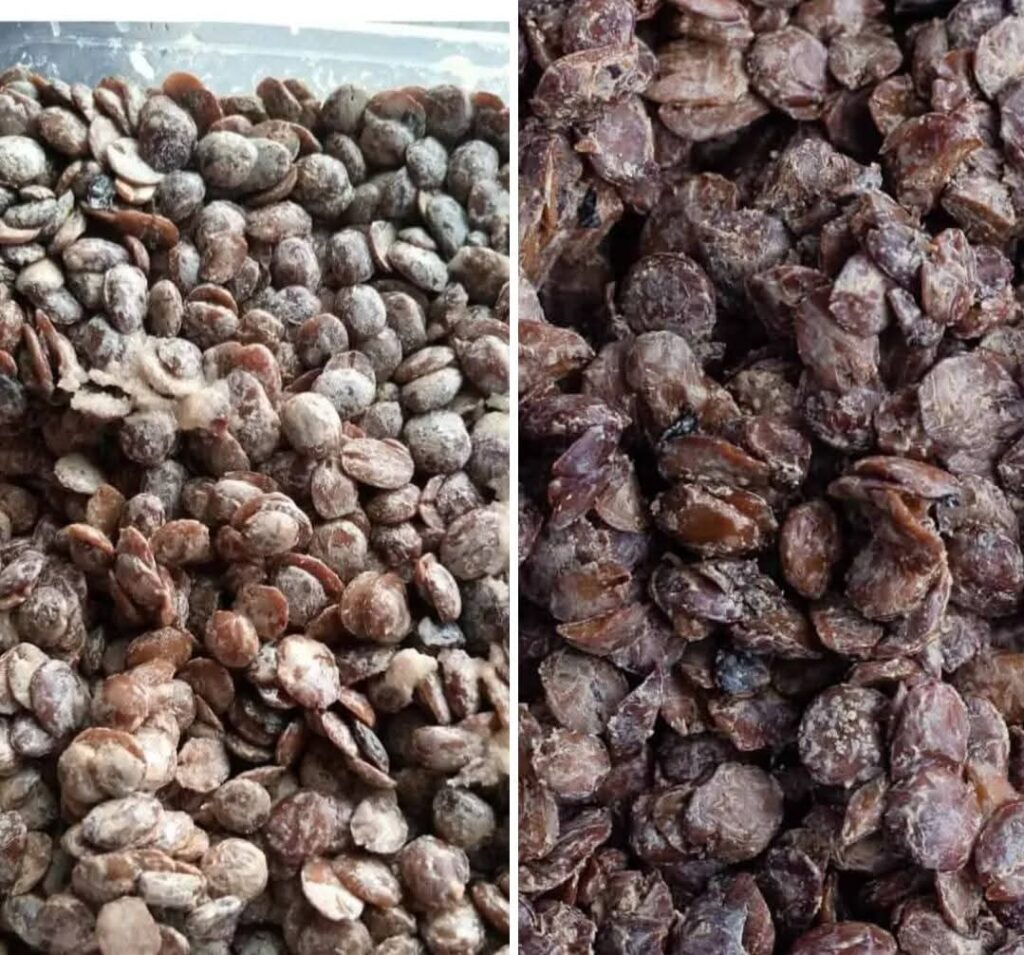
What Are Fermented Locust Beans? The Science Behind the Fermentation and the Product Forms
The Parkia Biglobosa Seed — Raw Material of Extraordinary Quality
Parkia biglobosa seeds — the raw material from which fermented locust beans are produced — are among the most nutritionally significant legume seeds in the West African food system. Raw locust beans contain approximately 23–30% protein by dry weight — comparable to conventional legume seeds including cowpea and chickpea — alongside approximately 15–20% fat, 40–50% carbohydrate, and significant mineral content including calcium, iron, phosphorus, and potassium documented through food composition research published in the Journal of Food Composition and Analysis.
What distinguishes locust beans from most other legume seeds commercially is not the raw nutritional profile but the transformation that fermentation produces — because the Bacillus subtilis-driven fermentation process that converts raw locust beans into ogiri/iru/dawadawa is not merely a preservation technique or a flavour development process. It is a nutritional enhancement system of extraordinary power, and understanding what it does biochemically is essential for buyers who are evaluating fermented locust beans for food manufacturing or nutraceutical ingredient applications.
The Fermentation Process — Bacillus Subtilis and the Biochemical Transformation
Traditional Nigerian locust bean fermentation follows a well-defined sequence that has been practised essentially unchanged for centuries — a process whose microbiology has been systematically studied through fermentation science research at Nigerian universities including the University of Ibadan and documented in international fermentation science literature accessible through NCBI:
Boiling and Dehulling — raw locust bean seeds are boiled for 12–24 hours to soften the seed coat and begin anti-nutritional factor reduction. The softened seeds are then dehulled — the outer seed coat removed through pounding and washing — to expose the cotyledons to the fermentation organisms.
Inoculation and Incubation — dehulled, cooked seeds are packed into fermentation vessels or wrapped in leaves and incubated at 35–40°C for 3–5 days. No starter culture is added — the fermentation relies on naturally occurring Bacillus subtilis populations present in the environment and on traditional fermentation equipment and wrapping materials. Research on the microbiology of fermented locust bean production — specifically the dominance of Bacillus subtilis across traditional and commercial fermentation systems — is published comprehensively through NCBI’s food microbiology and fermentation science publications and reviewed in fermented food research from the Society for Applied Microbiology (SfAM).
The Bacillus subtilis Fermentation — during the 3–5 day incubation, Bacillus subtilis colonises the cooked bean surface and undertakes a cascade of enzymatic biochemical transformations:
Protease-driven protein hydrolysis — Bacillus subtilis produces powerful protease enzymes that cleave the locust bean seed proteins into peptides and then into free amino acids. The most commercially significant product of this hydrolysis is free glutamic acid (glutamate) — the primary carrier of umami flavour — which accumulates in fermented locust beans at concentrations comparable to or exceeding the free glutamate content of premium soy sauce, fish sauce, and dried mushrooms. This glutamate accumulation is the biochemical foundation of fermented locust bean’s irreplaceable umami flavour contribution to West African cuisine — and it is precisely the property that makes it commercially analogous to the East and Southeast Asian fermented protein products (soy sauce, miso, fish sauce, shrimp paste) that the global food industry has spent decades learning to value as natural flavour enhancers and clean-label MSG alternatives.
Anti-nutritional factor degradation — Bacillus subtilis protease and other hydrolytic enzymes degrade the tannins, trypsin inhibitors, phytates, and haemagglutinins present in raw locust beans that limit their nutritional value and digestibility. Post-fermentation, these anti-nutritional factors are reduced by 80–95% compared to raw beans — dramatically increasing the bioavailability of the protein, iron, zinc, and other nutrients present in the fermented product. Research on anti-nutritional factor reduction during locust bean fermentation is documented through food science publications accessible via the African Journal of Food Science.
Bioactive compound synthesis — Bacillus subtilis fermentation produces several commercially relevant bioactive compounds including nattokinase-related enzymes (fibrinolytic enzyme analogues with documented cardiovascular health applications, analogous to the nattokinase of Japanese natto), bacteriocins (natural antimicrobial peptides that contribute to fermented locust bean’s food preservation activity), and γ-polyglutamic acid (a biopolymer with applications in food texture modification and pharmaceutical delivery systems).
The Four Commercial Product Forms
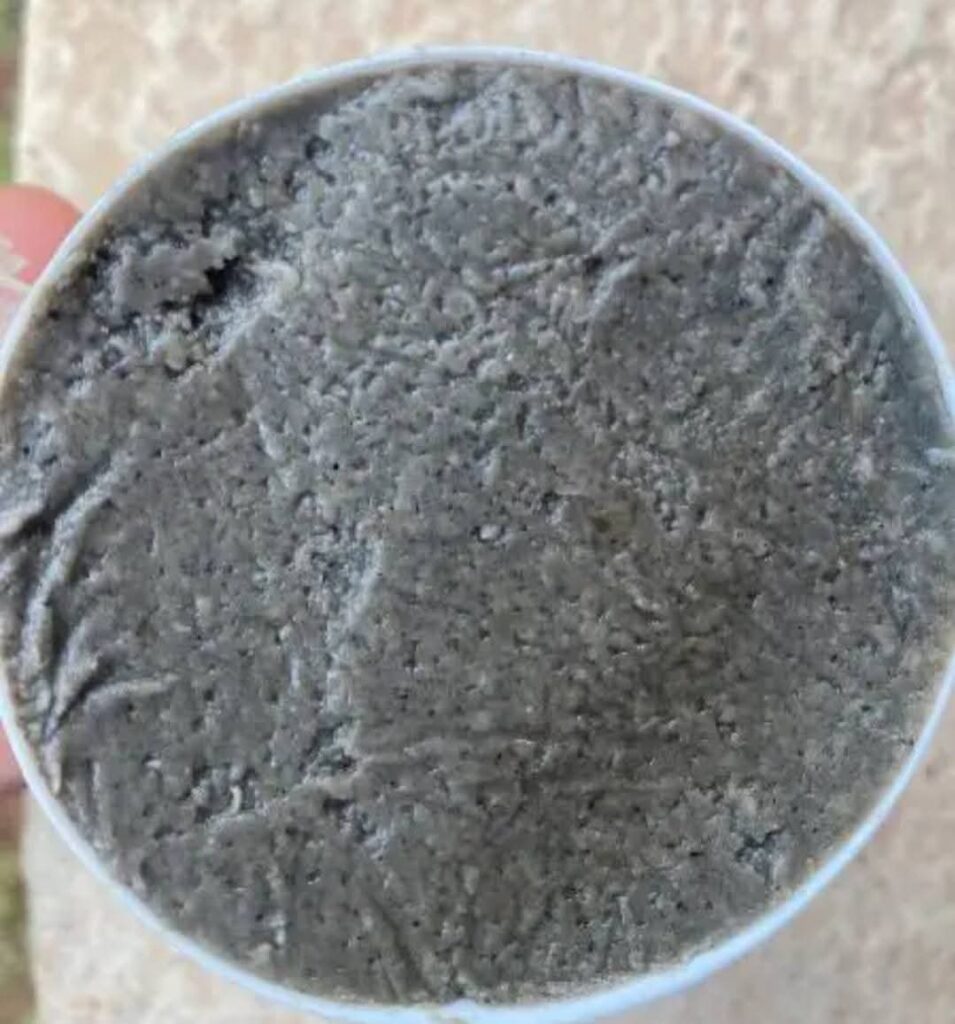
Fresh/Wet Fermented Paste (Traditional Ogiri) — the traditional Igbo form: a dark brown to black, soft, intensely aromatic paste with approximately 50–65% moisture content, wrapped in leaves for both fermentation container and retail packaging. This is the most culturally authentic and most pungent form — the one that diaspora community buyers specifically seek for traditional soup preparation. Shelf life is limited (2–4 weeks at ambient temperature, 2–3 months refrigerated) — making cold chain logistics essential for fresh paste export.
Dried Fermented Locust Bean Cakes and Balls (Iru/Dawadawa) — the Yoruba and Hausa forms: fermented beans pressed into cakes, balls, or cubes and sun-dried or mechanically dried to approximately 15–25% moisture content. Longer shelf life (3–6 months at ambient temperature, 12 months under cool storage) than fresh paste, easier to transport without cold chain, and the form most commonly encountered in Nigerian market retail. This is the form most practical for bulk export without cold chain requirements.
Dried Fermented Locust Bean Powder — produced by further drying and milling dried cakes to a fine powder with approximately 5–8% moisture content. This powder form has the longest shelf life (18–24 months), is most convenient for food manufacturing incorporation and retail measurement, and is the form most readily positioned as a clean-label natural umami flavour ingredient for international food industry applications. The powder form is the most commercially exciting for international food ingredient buyers evaluating fermented locust beans as a natural MSG alternative or umami seasoning ingredient.
Whole Dried Fermented Locust Beans — individual fermented beans dried to approximately 10–15% moisture, used for retail packaging in ethnic food markets and as a raw material for quality-specified processing into powder or extract at the buyer’s facility.
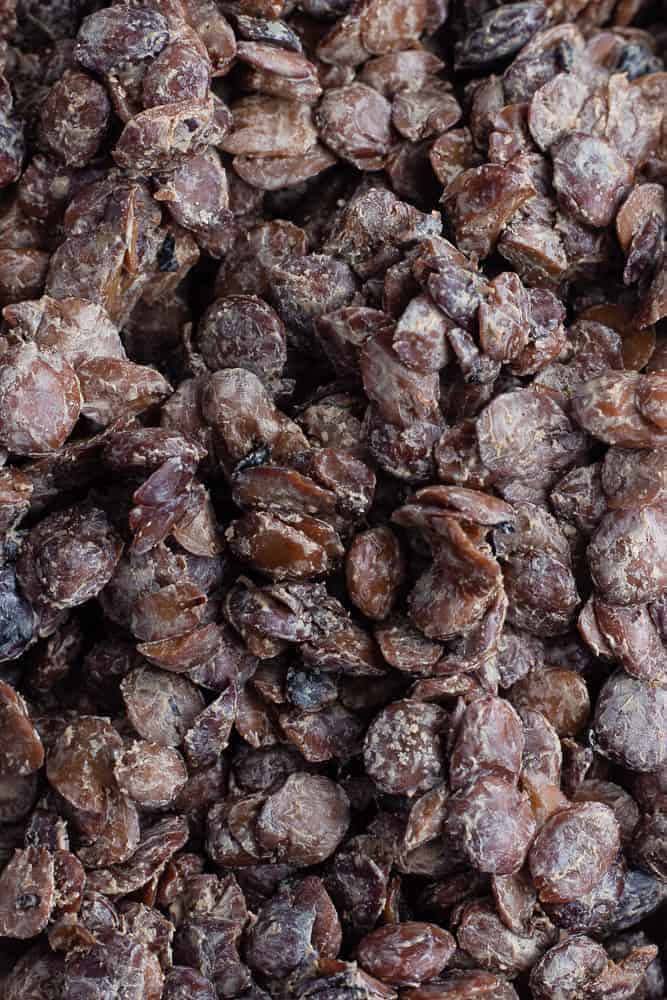
Benefits and Industrial Uses of Nigerian Fermented Locust Beans
West African Diaspora Food Retail — The Cultural Demand Foundation
The diaspora food retail market for authentic Nigerian fermented locust beans — ogiri, iru, and dawadawa — is the most established and culturally persistent international demand stream, driven by millions of Nigerian and broader West African households across the United Kingdom, United States, Canada, France, Italy, Germany, and the Netherlands whose traditional food preparation requires fermented locust beans as a non-negotiable flavour foundation in soups and stews that are prepared multiple times per week.
For West African diaspora cooks, fermented locust beans occupy the same structural position in the flavour architecture of their cooking that fish sauce occupies in Thai cooking or miso occupies in Japanese cooking — not an optional garnish but an essential foundational element whose absence is immediately detectable and whose substitution is not culinarily acceptable. This cultural non-substitutability creates the same structurally persistent, growth-resistant demand that makes Nigerian dried crayfish, Nigerian red palm oil, and Nigerian yam such commercially reliable diaspora food import categories.
The ethnic food retail market intelligence published by Mintel’s food and drink research database confirms West African fermented condiments as part of the growing category of authentic ethnic food ingredients with expanding diaspora retail demand — with the progressive formalisation of West African food import supply chains creating growing opportunities for licensed exporters who can provide consistent quality, reliable supply, and food-safety-documented product for diaspora retail buyers.
For wholesale importers and ethnic food distributors supplying the West African diaspora retail market, contact our export team to discuss dried cake, powder, and fresh paste supply arrangements and packaging options.
Food Manufacturing — The Natural Umami Revolution
This is the commercial application sector whose development represents the most transformative international opportunity for Nigerian fermented locust beans — and the one that most directly parallels the commercial trajectory of Asian fermented condiments (soy sauce, miso, fish sauce, oyster sauce) from regional traditional foods into global food industry staple ingredients. The parallel is not merely structural — it is biochemical. The mechanism by which fermented locust beans enhance flavour — free glutamate accumulation through bacterial protein hydrolysis — is identical to the mechanism by which soy sauce, miso, fish sauce, and Worcestershire sauce function as flavour enhancers. The chemical outcome is the same. The cultural pathway through which the ingredient reached commercial prominence is different — but the functional food science is identical.
The global food industry’s accelerating movement toward clean-label, natural flavour enhancement — replacing monosodium glutamate (MSG) and artificial flavour compounds with naturally occurring glutamate-rich food ingredients that deliver the same umami enhancement without synthetic additive labelling — is creating the precise market opening into which fermented locust bean powder is most naturally positioned. Food manufacturers developing clean-label West African cuisine-inspired products, African food brands, natural seasoning manufacturers, and innovative food companies investigating novel natural umami ingredients are all potential buyers for fermented locust bean powder as a food manufacturing ingredient.
Market intelligence on the global natural flavour and clean-label ingredient market — published by Grand View Research’s natural food flavour market analysis and Innova Market Insights — consistently identifies natural umami ingredients and fermented food-derived seasonings as among the most commercially active categories in food ingredient innovation. The umami-specific market intelligence published by the Umami Information Center documents the free glutamate content of various fermented protein foods — a scientific framework within which fermented locust beans can be positioned and quantified relative to established umami ingredients.
The Institute of Food Technologists (IFT) has published research on fermented legume condiments and their applications in global food flavour systems — providing the technical framework for food manufacturers evaluating fermented locust bean powder as a novel clean-label umami ingredient for incorporation into dry seasoning systems, soup bases, ready meal flavour packets, and West African cuisine-inspired food products.
For food manufacturing buyers evaluating fermented locust bean powder as a natural umami ingredient, contact our export team to discuss powder specification, free glutamate content documentation, and supply arrangements.
The Global Fermented Foods Market — Riding the Most Powerful Food Trend of the Decade
The fermented foods market is experiencing one of the most dramatic commercial growth trajectories of any food category globally — driven by the convergence of clinical gut health research, consumer wellness consciousness, and the food industry’s accelerating embrace of fermentation as both a processing technology and a product positioning differentiator. Market analysis from Grand View Research’s fermented food and beverage market report values the global fermented food market at hundreds of billions of USD and projects compound annual growth exceeding 6–8% through 2030 — growth driven by expanding kombucha, kefir, kimchi, miso, tempeh, and fermented vegetable markets across Western consumer markets that are discovering traditional fermented foods from multiple world cultures simultaneously.
Fermented locust beans fit this commercial moment with compelling precision. They are:
Authentically and genuinely fermented — not fermentation-simulated or artificially flavoured, but the product of a real, traditional microbial fermentation process whose Bacillus subtilis ecology is documented in food microbiology literature and whose fermentation outcomes are measurable and consistent.
Novel to Western consumers — carrying the discovery appeal and cultural curiosity that drives premium positioning in the fermented food market, analogous to the trajectory of kimchi (Korean), kefir (Eastern European), and injera (Ethiopian) from ethnic specialty to mainstream premium food retail.
Nutritionally differentiated — high protein, enhanced bioavailability, prebiotic fibre, and the synthesis of bioactive compounds during fermentation (including nattokinase-analogous enzymes and bacteriocins) gives fermented locust beans a functional food positioning that pure flavour ingredients cannot match.
Backed by traditional knowledge validation — centuries of empirical use in West African communities that have maintained optimal health on fermented locust bean-containing diets provides the traditional knowledge validation that the natural food movement values as confirmation of efficacy beyond laboratory study.
The Society for Applied Microbiology and the International Scientific Association for Probiotics and Prebiotics (ISAPP) — the primary scientific organisations tracking fermented food and probiotic science — have both documented research on Bacillus subtilis fermented foods including locust beans — providing the scientific framework that fermented food ingredient buyers evaluate when sourcing novel fermented botanicals for product development.
Pharmaceutical and Nutraceutical Industry — Nattokinase Analogues and Emerging Drug Research
The pharmaceutical research community’s interest in fermented locust beans centres on two specific bioactive fractions whose commercial pharmaceutical relevance is increasingly well-documented:
Nattokinase-Analogous Fibrinolytic Enzymes — Japanese natto (Bacillus subtilis-fermented soybeans) is the established commercial source of nattokinase — a serine protease with documented fibrinolytic (blood clot dissolving) activity that has been the subject of extensive clinical research for cardiovascular health applications. Fermented locust beans — produced by the same Bacillus subtilis fermentation organism — produce closely related fibrinolytic enzymes whose cardiovascular health properties are being investigated in research accessible through NCBI’s cardiovascular pharmacology database. For pharmaceutical ingredient companies sourcing fibrinolytic enzyme-producing fermented botanical materials as nattokinase alternatives or complement ingredients — fermented locust beans represent a commercially interesting African-origin alternative to the Japanese natto supply chain that has historically dominated nattokinase supplement raw material procurement.
Bacteriocins and Antimicrobial Peptides — Bacillus subtilis fermentation of locust beans produces bacteriocins — natural antimicrobial peptides that inhibit pathogenic bacteria — documented in food microbiology research published through NCBI. As the global pharmaceutical industry’s antimicrobial resistance crisis drives investment in novel natural antimicrobial compounds, bacteriocin-producing fermented foods including locust beans are attracting pharmaceutical research interest as sources of novel antimicrobial peptide leads.
Anti-diabetic Properties — clinical research on Parkia biglobosa seed extracts and fermented locust bean preparations — accessible through NCBI’s diabetes and metabolism research publications — has documented α-glucosidase inhibitory activity that slows post-meal blood glucose rise in experimental models, attracting nutraceutical industry interest in fermented locust bean extract as a natural anti-diabetic supplement ingredient.
The American Botanical Council’s HerbalGram publications have reviewed Parkia biglobosa in the context of traditional medicine and emerging pharmaceutical research — providing the independent evidence assessment that pharmaceutical and nutraceutical buyers reference when evaluating novel African botanical ingredients for ingredient development.
Natural Food Preservation — Antimicrobial Activity in Food Manufacturing
The bacteriocins and organic acids produced during locust bean fermentation give the finished product documented antimicrobial activity against a range of food spoilage and pathogenic organisms — a property that traditional West African food culture has exploited empirically for centuries (fermented locust beans are traditionally added to foods to extend their shelf life, not merely to flavour them) and that modern food science has documented analytically through research published in the Journal of Food Safety.
For food manufacturers investigating natural, clean-label food preservation alternatives to synthetic antimicrobial additives — the antimicrobial activity of fermented locust bean extract or powder represents an emerging functional food ingredient application that aligns with the food industry’s broad movement toward natural preservation systems documented through market intelligence from Mintel and Innova Market Insights.
Animal Feed and Aquaculture — Protein Supplement with Fermentation-Enhanced Bioavailability
The anti-nutritional factor reduction achieved during locust bean fermentation — which dramatically increases protein bioavailability compared to raw locust beans — makes fermented locust bean meal a commercially interesting animal feed ingredient whose enhanced digestibility relative to raw legume feed supplements is documented through animal nutrition research accessible via NCBI’s veterinary and animal science publications. Research on fermented locust bean meal in poultry, fish, and small ruminant feeding trials documents improved feed conversion efficiency and growth performance consistent with the enhanced amino acid bioavailability that fermentation produces.
The aquaculture feed sector’s growing interest in fermented plant protein ingredients — which typically have better digestibility and lower anti-nutritional factor content than unfermented alternatives — positions fermented locust bean meal as a candidate ingredient for fish feed formulation, whose commercial development is in early stages but whose technical logic is well-supported by the available research.
Why Buy Fermented Locust Beans from Nigeria?
The Scale Advantage — West Africa’s Most Productive Locust Bean Belt
Nigeria’s Parkia biglobosa tree populations — maintained in the farmer-managed parkland landscapes of the Guinea-Sudan savanna belt across the shea belt states and extending into the northern Guinea savanna of Kwara, Kogi, Niger, Benue, and Taraba — represent a production base of extraordinary scale. The tree’s management within the same parkland agricultural system that maintains shea trees creates a complementary biological resource endowment in the same geographic zones, with the same farming communities who collect and process shea also managing locust bean production — a production efficiency that Paradise MultiTrade’s sourcing network leverages across both commodity categories.
Research on Parkia biglobosa population distribution and production potential in Nigeria — published through the World Agroforestry Centre (ICRAF) and the International Institute of Tropical Agriculture (IITA) — confirms Nigeria’s position as sub-Saharan Africa’s most significant locust bean producing country, with tree population density and geographic distribution that supports commercial export volumes across all product forms that international buyers require.
The Fermentation Knowledge Depth — Generations of Empirical Expertise
Unlike fermented food products developed in modern food technology laboratories — whose fermentation protocols are recent inventions — Nigerian locust bean fermentation represents accumulated centuries of empirical optimisation by producing communities whose livelihoods have depended on consistent fermentation quality. The women processors of Kwara, Kogi, Oyo, and Benue states — who produce iru and ogiri for market sale — have inherited fermentation knowledge from their mothers and grandmothers across multiple generations, including the knowledge of optimal raw material selection, water quality, incubation temperature management, and endpoint assessment that produces consistently pungent, nutritionally optimal fermented product.
This generational fermentation knowledge is commercially analogous to the traditional cheese-making expertise of French artisan cheese producers or the traditional miso-making craft of Japanese miso producers — it produces a product quality and consistency that industrially optimised fermentation systems have difficulty replicating, and it represents a genuine source of commercial differentiation for Nigerian-origin fermented locust beans relative to synthetic fermentation attempts or poorly controlled artisan production from less experienced origins.
The Umami Credentials — Documented Free Glutamate Content
For food industry buyers who are evaluating fermented locust beans as a natural umami ingredient, the free glutamate content of properly fermented Nigerian locust beans is the primary quality metric — analogous to allicin in garlic, curcumin in turmeric, or capsaicin in chilli. Research published through NCBI’s food chemistry publications documents free amino acid accumulation — including glutamate — in fermented locust beans at concentrations that position them among the most glutamate-rich plant-based fermented food ingredients commercially available. For clean-label food manufacturers specifically seeking natural glutamate sources as MSG alternatives, this documented free glutamate content provides the commercial evidence base for incorporating fermented locust bean powder in natural seasoning formulations.
Paradise MultiTrade coordinates free amino acid profiling — including free glutamate quantification — through accredited food chemistry laboratories for buyers requiring documented umami ingredient credentials. Contact our team to discuss analytical documentation requirements for your specific food manufacturing application.
Complete Export Documentation and Food Safety Compliance
Every fermented locust bean shipment processed through Paradise MultiTrade carries health/sanitary certification from NAFDAC — Nigeria’s national food and drug safety authority whose certification is the primary food safety compliance requirement for processed fermented Nigerian food exports — alongside phytosanitary certification from the Nigerian Agricultural Quarantine Service (NAQS), NEPC export documentation, certificate of origin, commercial invoice, packing list, and bill of lading.
For food manufacturing buyers requiring microbiological analysis, mycotoxin screening, heavy metal testing, free amino acid profiling, moisture content certification, and food safety system documentation — we coordinate comprehensive analytical packages through accredited laboratories following AOAC International validated methods. EU-bound shipments comply with Regulation (EU) 2017/625 on official controls for food imports — with specific attention to the EU’s regulations on fermented food products and natural food additives. Our NEPC Export Licence No. 0042385 and CAC Registration No. RC-9284647 are current and verifiable through NEPC.
Nigeria’s Fermented Locust Bean Export Strength and Global Market Demand
The Three Market Streams Driving International Demand
Diaspora Food Retail — the most established stream, driven by millions of West African diaspora households across Europe and North America whose daily cooking requires authentic fermented locust beans. The UK, USA, Canada, France, Italy, and Germany are the primary destination markets — with growing structured procurement demand as ethnic food retail formalises. Market intelligence on West African diaspora food demand is tracked through Mintel and Euromonitor International ethnic food research.
Fermented Food and Natural Food Industry — the fastest-growing stream, driven by European and American food manufacturers and natural food brands who are discovering fermented locust beans through the fermented foods trend and investigating them as novel clean-label umami and functional fermented food ingredients. The CBI Netherlands market intelligence on West African fermented food exports documents growing European buyer interest in African fermented condiments — providing market entry guidance relevant to Nigerian fermented locust bean export development.
Pharmaceutical and Nutraceutical Research — the most nascent but potentially highest-value stream, driven by pharmaceutical companies and supplement brands investigating fibrinolytic enzyme content, anti-diabetic properties, and antimicrobial peptide applications of fermented locust bean fractions. The Natural Products Association (NPA) and American Botanical Council both provide the market intelligence frameworks within which pharmaceutical buyers evaluate novel African fermented botanical ingredients.
Key Export Destination Markets
The United Kingdom is the most commercially significant European market — driven by the UK’s large Nigerian and broader West African diaspora community, extensive African food retail infrastructure across London, Birmingham, and Manchester, and a mainstream food culture that is simultaneously discovering fermented foods from multiple world traditions. Mintel’s UK fermented food trend analysis documents the commercial space within which Nigerian fermented locust beans can be positioned for both diaspora and mainstream market development.
The United States hosts the world’s largest Nigerian diaspora community — concentrated in Houston, Atlanta, New York, and Washington DC — creating consistent diaspora retail demand alongside the American natural and fermented food industry’s growing interest in novel fermented protein ingredients. American fermented food market intelligence is published by Grand View Research and tracked through fermented food industry publications from Fermentation Association.
Canada — particularly Toronto’s large Nigerian community — is an active diaspora food import market with growing structured procurement for Nigerian fermented condiments through ethnic grocery retail channels serving the Greater Toronto Area’s substantial West African community.
Germany and France — Europe’s most active fermented food development markets — represent both diaspora retail demand (particularly in Germany’s large West African community concentrated in Frankfurt and Hamburg) and industrial fermented food ingredient procurement interest from German and French food manufacturers developing natural umami and fermented ingredient product lines. The German Nutrition Society (DGE) tracks fermented food research and market development that provides context for fermented locust bean positioning in German food culture.
Japan — the world’s most fermented-food-sophisticated consumer market — represents an emerging premium export opportunity for fermented locust beans positioned as an African analogue to natto and comparable Asian fermented protein foods. Japanese consumers’ understanding and appreciation of fermented food complexity, combined with the pharmaceutical research community’s interest in nattokinase-analogous enzymes from non-soy sources, creates a dual commercial pathway for fermented locust beans in the Japanese market. Japanese food import trends are tracked by JETRO.
Why Choose Paradise MultiTrade International Limited?
All Three Nigerian Names and Forms Available. We supply ogiri (Igbo-style paste), iru (Yoruba-style dried cakes), and dawadawa (Hausa-style dried product) — each with their distinct fermentation characteristics, moisture levels, and packaging — alongside dried whole fermented beans and fermented locust bean powder. Diaspora retail buyers can specify the traditional form their customer community prefers; food manufacturing buyers can specify powder for processing convenience. Contact us to specify your required form.
Food Safety Documentation Infrastructure. Fermented locust beans — as a processed fermented food — require more sophisticated food safety documentation than unprocessed agricultural commodities. We engage with NAFDAC certification, microbiological testing, mycotoxin screening, and the EU food import compliance framework specifically for fermented food products. This food safety infrastructure investment distinguishes Paradise MultiTrade from informal community import channels that cannot provide the documented food safety management that regulated market buyers require. Contact us to discuss food safety documentation for your destination market.
Umami Credential Documentation. For food manufacturing buyers evaluating fermented locust bean powder as a natural umami ingredient — we coordinate free amino acid profiling through accredited food chemistry laboratories, providing the documented free glutamate content that clean-label seasoning and food manufacturing applications require for ingredient specification.
Fermentation Quality Consistency. We source from established, quality-consistent fermentation operations across Kwara, Kogi, Oyo, Osun, and Benue states — not from undifferentiated market purchases of mixed-quality, mixed-origin material. Fermentation consistency — the same aroma profile, the same moisture content, the same fermentation degree — is the most critical quality parameter for food manufacturing buyers, and it is the parameter we manage most rigorously in our sourcing quality programme.
Multi-Commodity West African Food Sourcing. Fermented locust bean buyers frequently source complementary Nigerian food commodities. Alongside fermented locust beans, Paradise MultiTrade exports crayfish, egusi melon seed, ogbono seed, red palm oil, alligator pepper, chilli pepper, sheanut, moringa seeds, hibiscus flower, bitter kola, kola nut, sesame seeds, fresh ginger, and cashew products. Explore our full range of Nigerian export commodities and consolidate your West African food ingredient sourcing through one verified, licensed export partner.
Product Specifications
| Specification | Details |
|---|---|
| Product | Fermented Locust Beans (Parkia biglobosa) |
| Common Names | Ogiri (Igbo), Iru (Yoruba), Dawadawa/Dawa dawa (Hausa), African locust bean condiment, Nététu (Wolof/Senegalese) |
| Origin | Nigeria (Kwara, Kogi, Niger, Oyo, Osun, Ekiti, Benue, Taraba, Nasarawa States) |
| Forms Available | Fresh fermented paste (ogiri-style, leaf-wrapped); dried fermented cakes/balls (iru/dawadawa style); dried whole fermented beans; fermented locust bean powder |
| Primary Fermentation Organism | Bacillus subtilis (dominant naturally occurring fermenting organism) |
| Protein Content | 25–35% by dry weight (fermentation-enhanced bioavailability) |
| Free Glutamate Content | High — documented by free amino acid profiling on request |
| Moisture Content | Fresh paste: 50–65%; Dried cakes: 15–25%; Dried whole: 10–15%; Powder: 5–8% |
| Colour | Dark brown to black (characteristic of properly fermented product) |
| Aroma | Intensely pungent, nutty-fermented characteristic aroma (strength varies by form — dried forms less pungent than fresh paste) |
| Anti-Nutritional Factors | Dramatically reduced by fermentation (80–95% reduction in tannins and trypsin inhibitors) |
| Microbiological Standards | Total viable count, Enterobacteriaceae, Salmonella (absent/25g), S. aureus per NAFDAC/EU standards |
| Packaging Options | Leaf-wrapped portions (traditional paste); 25kg, 50kg polypropylene bags (dried cakes/whole); 25kg multi-wall paper bags (powder); retail packs on request |
| Supply Capacity | 5–100+ MT per shipment (subject to seasonal availability) |
| MOQ | 1 Metric Tonne |
| Shelf Life | Fresh paste: 2–4 weeks (ambient), 2–3 months (refrigerated); Dried cakes: 3–6 months; Dried whole: 6–12 months; Powder: 18–24 months |
| Export Documentation | NAFDAC Certificate, Phytosanitary Certificate (NAQS), Certificate of Origin, NEPC Export Licence, Microbiological Analysis Certificate, Free Amino Acid Profile (on request), Commercial Invoice, Packing List, Bill of Lading |
| Payment Terms | T/T, Letter of Credit (LC at sight), Escrow |
| Loading Port | Lagos (Apapa / Tin Can Island Port), Nigeria |
| Incoterms Available | EXW, FOB Lagos, CNF, CIF |
Packaging and Export Process
Raw Material Harvest and Preparation. Parkia biglobosa pods are harvested from trees between March and June across Nigeria’s primary producing states — with the pods collected, cracked open, and the seeds separated from the surrounding yellow pulp. Seeds are cleaned and sorted before beginning the fermentation process. The yellow pulp is consumed fresh by collecting communities or processed separately into beverages and confectionery.
Boiling and Dehulling. Cleaned locust bean seeds are boiled for 12–24 hours — dramatically softening the seed and beginning the reduction of anti-nutritional factors. Boiled seeds are then pounded or mechanically processed to remove the outer seed coat (testa) — a critical step that exposes the cotyledon surface to fermentation organisms and removes the bulk of the seed’s tannin content which is concentrated in the seed coat.
Fermentation Incubation. Dehulled, cooked seeds are packed densely into fermentation vessels — traditionally clay pots, wooden containers, or jute bags lined with leaves — or wrapped directly in leaves and incubated at 35–40°C for 3–5 days. The warm, humid, oxygen-limited environment favours Bacillus subtilis growth and enzyme production. Fermentation endpoint is assessed by experienced producers through aroma profile assessment — the transition from a raw bean smell through a transitional phase to the characteristic mature fermented locust bean aroma that indicates completion. This sensory endpoint assessment — seemingly subjective but actually highly reliable in the hands of experienced processors — is one of the most important quality management skills in the value chain.
Post-Fermentation Processing. After fermentation is complete, the product is processed into the appropriate commercial form: pressed and moulded into cakes or balls for iru/dawadawa production; packed into leaf wrappers for ogiri paste; dried (sun-dried or mechanically dried) for extended shelf life; or milled into powder for food manufacturing applications.
Food Safety Testing. All export lots are submitted to NAFDAC-approved or accredited laboratory testing for microbiological safety — including total viable count, Enterobacteriaceae limits, Salmonella absence, and Staphylococcus aureus limits. Mycotoxin screening (particularly aflatoxin, which is relevant for legume-based fermented products) and heavy metal testing are conducted for EU and US-bound shipments. Free amino acid profiling for umami documentation is available on request.
NAFDAC Certification and Packaging. NAFDAC certification — Nigeria’s food processing authority compliance requirement for processed food exports — is coordinated before final packaging and export documentation preparation. Standard packaging uses 25–50kg polypropylene bags for dried forms and multi-wall paper bags for powder. Custom retail packaging — 50g, 100g, 200g packs — is available for diaspora retail importers. Pre-export phytosanitary inspection by NAQS is completed before container loading. Lead time from order confirmation to container loading runs 14–28 days for dried forms; additional time is required for fresh paste orders requiring cold chain coordination.
Frequently Asked Questions
What exactly are fermented locust beans and how do they differ from soybeans or other fermented legumes?
Fermented locust beans are produced from the seeds of Parkia biglobosa — the African locust bean tree — fermented using naturally occurring Bacillus subtilis bacteria through a traditional West African fermentation process that has been practised for centuries. They are not derived from soybeans and are botanically completely distinct from soy-derived fermented products (miso, natto, tempeh, soy sauce). However, the fermentation mechanism is closely analogous to natto (Bacillus subtilis soybean fermentation) — with the same fermentation organism producing similar biochemical transformations including protein hydrolysis to free amino acids (generating umami flavour), anti-nutritional factor degradation, and fibrinolytic enzyme synthesis. Fermented locust beans are therefore best understood as West Africa’s functional equivalent to Japanese natto or East Asian fermented soy protein condiments — sharing the same microbiology and the same flavour science while originating from an entirely different legume plant. Contact us if you need botanical identity documentation for import classification purposes.
What are ogiri, iru, and dawadawa — are these the same product?
Yes — all three are fermented locust beans from the same Parkia biglobosa raw material and the same Bacillus subtilis fermentation process, but prepared and presented in different traditional forms reflecting the distinct culinary traditions of Nigeria’s major ethnic groups. Ogiri (Igbo) is typically a dark, soft, intensely aromatic fermented paste — the most pungent form, wrapped in leaves, used in traditional Igbo soups. Iru (Yoruba) is typically pressed into firmer cakes or balls and partially dried — less moist than ogiri, easier to portion and trade, used extensively in Yoruba cooking. Dawadawa (Hausa and broader Sahel) is the most thoroughly dried form — harder cakes or balls with the lowest moisture content, longest shelf life, and less intense aroma than ogiri or iru — reflecting the Sahel’s post-harvest need for maximum shelf life. Paradise MultiTrade supplies all three forms. Contact us to specify the traditional form required by your customer community.
How does fermented locust bean function as a natural umami ingredient for food manufacturers?
The primary mechanism is free glutamate accumulation — during Bacillus subtilis fermentation, the organism’s protease enzymes cleave locust bean seed proteins into free amino acids, with glutamic acid (the free form of which is glutamate — the carrier of umami flavour) accumulating at commercially significant concentrations. This is biochemically identical to the mechanism by which soy sauce, fish sauce, miso, Worcestershire sauce, and Parmesan cheese generate their umami flavour — all involving microbial or enzymatic protein hydrolysis that releases bound glutamic acid from protein structures into the free form that activates umami taste receptors. Fermented locust bean powder incorporated into dry seasoning systems, soup bases, or ready meal flavour packets delivers the same natural umami enhancement as these established clean-label umami ingredients — with the additional differentiation of an authentic West African origin story and a novel ingredient identity. Free glutamate content is documented through HPLC amino acid profiling on request. Contact us to discuss clean-label umami ingredient applications.
What food safety documentation is available for EU and US market importers?
For EU buyers, we provide: NAFDAC processing certification, phytosanitary certificate from NAQS, microbiological analysis (total viable count, Enterobacteriaceae, Salmonella absent/25g, Staphylococcus aureus), mycotoxin screening (aflatoxin, ochratoxin A), heavy metal testing (lead, cadmium, arsenic, mercury), moisture content certificate, and certificate of origin — all in compliance with Regulation (EU) 2017/625. For US buyers, we provide FDA prior notice filing support and GRAS-relevant ingredient documentation. EU buyers should note that fermented locust beans may require specific import classification guidance from their customs broker for the appropriate CN/HS code — contact us to discuss import classification and documentation requirements for your specific destination market.
Is fermented locust bean powder suitable as a MSG alternative in food manufacturing?
Yes — fermented locust bean powder is genuinely positioned as a clean-label, natural MSG alternative for food manufacturers developing products where the ingredient list must avoid monosodium glutamate while still delivering umami flavour intensity. The mechanism is identical — free glutamate stimulating the same taste receptors — but the source is a traditionally fermented whole food rather than a synthetic or processed additive. The key considerations for food manufacturers are: the powder’s characteristic dark colour (which may affect finished product appearance), its moderate aroma (which needs to be compatible with the target product flavour profile), and its protein and other nutrient content (which contributes to the finished product’s nutritional profile). For applications where colour and aroma neutrality are critical, a light spray-dried extract may be more appropriate than whole powder. Contact our team to discuss your specific formulation requirements and which product form is most appropriate.
What is the Nigerian fermented locust bean production and availability season?
Parkia biglobosa fruits and pods ripen between March and June across Nigeria’s primary producing states — with seed collection, initial processing, and fermentation concentrated in this window. However, dried fermented locust beans — particularly iru and dawadawa — can be stored for 3–6 months at ambient temperature and are available for export through approximately November–December of the same year. Fermented locust bean powder — with 18–24 months shelf life — is available year-round from processed inventory. Fresh ogiri paste — with its 2–4 week ambient shelf life — must be processed and exported close to the production window, requiring cold chain logistics for international shipment. Buyers planning large-volume purchases of dried forms should initiate discussions in January–February to discuss forward pricing and allocation ahead of the March–June production season. Contact us to plan your procurement cycle.
What transit times should I expect from Nigeria?
Dried fermented locust bean cakes, whole dried beans, and powder (standard dry container): Europe (Rotterdam, Hamburg, Felixstowe) — approximately 14–20 days from Lagos. UK (Tilbury, Felixstowe) — 14–18 days. USA (East Coast — New York, Baltimore, Savannah) — 18–25 days. Canada (Halifax, Montreal) — 18–28 days. France (Le Havre) — 14–18 days. Japan (Yokohama) — 25–32 days.
Fresh paste (ogiri) requiring cold chain/refrigerated container: Same transit times — temperature-controlled container required at 4–8°C.
Ready to Source Premium Nigerian Fermented Locust Beans — Ogiri, Iru, Dawadawa, Dried Cakes, and Fermented Locust Bean Powder for Diaspora Food Retail, Food Manufacturing, and Fermented Food Industry Buyers?
If you are a West African diaspora food wholesale importer supplying Nigerian and broader West African communities who need authentic ogiri, iru, and dawadawa for traditional cooking, a food manufacturer investigating fermented locust bean powder as a clean-label natural umami ingredient or MSG alternative, a natural and fermented food brand developing West African-inspired functional food products, a pharmaceutical ingredient buyer investigating fibrinolytic enzyme and anti-diabetic bioactive applications, a nutraceutical company researching nattokinase-analogous compound sources from non-soy origins, or a food safety and fermentation industry professional evaluating West African fermented food supply chains — Paradise MultiTrade International Limited is the licensed, NAFDAC-compliant Nigerian exporter your supply chain needs.
We supply Nigerian fermented locust beans in all traditional forms — ogiri paste, iru cakes, dawadawa, dried whole beans, and powder — sourced from established, quality-consistent fermentation operations across Nigeria’s primary producing states, food-safety tested and NAFDAC-certified, free amino acid profiled for umami documentation on request, and exported with full regulatory documentation to buyers in every major regulated destination market.
Request a Quotation — share your required form (fresh paste, dried cakes, dried whole, or powder), volume, food safety documentation requirements, destination market, and application context (diaspora food retail, food manufacturing, pharmaceutical). We respond with a detailed, competitive quote within 48 hours.
Contact Our Export Team — speak directly with our export coordinators about free glutamate content documentation, NAFDAC certification, EU food import compliance for fermented legume products, cold chain logistics for fresh paste, powder specification for food manufacturing, fibrinolytic enzyme documentation for pharmaceutical buyers, and long-term contract supply arrangements.
Explore Our Full Product Range — alongside fermented locust beans, Paradise MultiTrade exports crayfish, egusi melon seed, ogbono seed, alligator pepper, red palm oil, chilli pepper, sheanut, gum arabic, moringa seeds, hibiscus flower, bitter kola, kola nut, sesame seeds, fresh ginger, dry split ginger, turmeric, cloves, and cashew products. One licensed Nigerian exporter. One consolidated West African food and agricultural sourcing relationship. Consistent quality, food safety documentation, and regulatory compliance across every commodity.
Buy Nigerian ogiri locust beans, Parkia biglobosa Nigeria supplier, dawadawa Nigeria bulk export, iru fermented locust beans wholesale, Nigerian locust bean condiment export, ogiri for West African food industry, fermented locust bean powder Nigeria, African locust bean bulk buyer
Paradise MultiTrade International Limited | NEPC Export Licence No. 0042385 | CAC No. RC-9284647 | Lagos, Nigeria | www.paradisemultitrade.com
Reviews
There are no reviews yet.