

Nigerian Black Pepper: The Spice That Motivated Columbus, Funded Vasco da Gama, Made Venice the Richest City on Earth, and Remains — Five Centuries After the World Was Reshaped in Its Pursuit — the Single Most Commercially Traded Spice on the Planet
Black Pepper Exporter Nigeria — Whole Dried Berries, White Pepper, Cracked, Ground, Oleoresin, and Piperine-Extract Grades of Piper Nigrum, Direct Coastal Belt Sourcing, Bulk Supply to Food Manufacturers, Spice Processors, Pharmaceutical Ingredient Buyers, and Global Wholesale Importers Worldwide
Black pepper exporter Nigeria is a search phrase whose commercial context is unique in this entire article series — because unlike every other product we have covered, the buyer typing this phrase already knows exactly what black pepper is. There is no disambiguation required, no cultural education needed, no market discovery to facilitate. Piper nigrum — black pepper, the King of Spices — is the most universally understood, most globally consumed, and most internationally traded spice in the history of human commerce. It appears on every restaurant table in the world. It is the second most common condiment globally after salt. It is present in the ingredient lists of more processed food products than any other single spice. And it is the commodity whose pursuit — whose obscene price in medieval European markets, whose geographical concentration in a narrow band of South Indian coastline, and whose potential accessibility through new ocean routes — motivated the Spanish crown to fund Columbus’s westward voyage in 1492 and the Portuguese crown to fund Vasco da Gama’s eastward voyage in 1498, collectively launching the Age of Exploration and permanently reshaping global civilisation.
What is less universally understood — and what makes black pepper exporter Nigeria a commercially serious search phrase rather than a novelty — is that Piper nigrum is not climate-restricted to South Asia, Vietnam, or the Southeast Asian origins that dominate current international trade. The plant grows wherever the specific combination of high rainfall, warm temperatures, high humidity, and the specific well-drained soils it requires coexist — and those conditions are present across a significant portion of Nigeria’s southern coastal and forest belt states. Nigerian Piper nigrum — cultivated in Cross River, Akwa Ibom, Rivers, Delta, Edo, Ondo, and Ogun states by farming communities whose pepper cultivation traditions have developed over decades — produces black pepper of genuine commercial quality whose piperine content, volatile oil percentage, and ASTA colour value are analytically competitive with the benchmark origins that international buyers currently source from.
The commercial case for Nigerian black pepper is not “try this because it’s new.” It is “source this because Vietnam’s 35–40% market share creates supply concentration risk, Indian Malabar pepper’s premium positioning creates price pressure, and Nigerian origin black pepper delivers the quality credentials your procurement requires from a West African Atlantic-coast supply chain whose logistics access to European markets is competitive with Asian origins at a price point that reflects early-stage supply chain development rather than inferior product quality.”
At Paradise MultiTrade International Limited, black pepper is our most commercially universal product — understood by every spice industry buyer, specified in every major food manufacturing procurement programme, and available from Nigerian origin in the widest range of processing grades of any spice in our portfolio. We supply whole dried black pepper, white pepper, cracked pepper, ground pepper, black pepper essential oil, black pepper oleoresin, and piperine extract — sourced from established farming communities across Nigeria’s primary pepper-growing states and exported with the full analytical and regulatory documentation that international food manufacturing, pharmaceutical, and wholesale spice procurement requires.
To move directly to pricing and supply arrangements, request a quotation here, and our export team will respond within 48 hours.
History and Origin of Black Pepper — The Spice That Changed the World
The Malabar Coastline and the Most Commercially Consequential Agricultural Crop in Human History
Piper nigrum is native to the Western Ghats mountains and the Malabar coastline of Kerala in southwestern India — a narrow strip of coastal forest and highland whose specific combination of heavy monsoon rainfall (2,000–4,000mm annually), warm temperatures, high humidity, and well-drained laterite soils produced the optimal conditions for the climbing Piper nigrum vine to evolve over millions of years. Archaeological evidence of pepper use in South Asian cooking dates to at least 2,000 BCE, with Sanskrit texts from the Vedic period describing black pepper (maricha or kali mirch) as a fundamental spice of both culinary and medical significance.
The commercial history that makes black pepper uniquely significant begins with the ancient trade routes — the overland Silk Road, the Arabian Sea maritime routes, and the Red Sea-Mediterranean connection — that carried black pepper from Indian production centres to the consuming markets of ancient Rome, Greece, Egypt, Persia, and Arabia. At its Roman market peak, black pepper was sold by weight in quantities comparable to precious metals — stored in imperial treasuries, used as rent payment, and demanded as ransom in sieges. When the Visigoths sacked Rome in 408 CE, they demanded 3,000 pounds of black pepper as part of their ransom terms — an episode documented by the historian Zosimus and cited in economic history research accessible via JSTOR’s academic database as one of the most vivid illustrations of pepper’s monetary equivalent in the ancient world.
Medieval Europe’s relationship with black pepper was simultaneously a culinary obsession and a commercial crisis. The Arab and Venetian trading intermediaries who controlled the overland pepper trade charged successive markups that, by the time pepper reached northern European tables, made it among the most expensive commodities in commerce. The desire to eliminate these intermediaries — to access Indian pepper directly at source prices rather than through the chain of Arab, Persian, and Venetian middlemen who extracted value at every stage — was the commercial motivation that made Columbus’s proposal to reach India by sailing west commercially fundable, and that made Vasco da Gama’s 1498 successful navigation of the African cape route to India the most commercially consequential voyage in history.
Research on black pepper’s role in the Age of Exploration is documented through economic history publications from the Oxford Symposium on Food and Cookery and reviewed in spice trade histories accessible through JSTOR — establishing beyond historical debate that the world’s current geopolitical configuration was substantially shaped by a climbing vine from the Indian coastline whose berries European consumers wanted on their food and were willing to fund extraordinary voyages to obtain more cheaply.
The Global Dissemination and Vietnam’s Modern Dominance
The Portuguese discovery of the Cape route — ironically, the route that passed directly past the West African coastline that would eventually produce Nigerian black pepper — did not immediately democratise pepper access. Instead, it shifted monopoly control from Venetian-Arab intermediaries to the Portuguese crown, and subsequently through the Dutch VOC to the Netherlands. The systematic transplantation of Piper nigrum cultivation beyond its Kerala homeland — into Indonesia, then Brazil, then Madagascar, then Vietnam — progressively dismantled the geographic concentration of supply that had made pepper so commercially powerful for two millennia.
The 20th century’s most significant development in global black pepper trade was the emergence of Vietnam as the dominant producing nation — a development driven initially by French colonial agricultural policy and then by post-reunification Vietnamese government investment in Chu Se and Dak Nong province pepper plantation development. Vietnam’s share of global black pepper production grew from negligible in the 1990s to approximately 35–40% of world output by 2015–2020 — displacing India as the dominant origin and fundamentally reshaping global black pepper pricing dynamics. The commercial consequences of this Vietnamese dominance — including price volatility when Vietnamese harvests are affected by weather or pest pressure, supply concentration risk for buyers without diversified origin positions, and quality variability as rapid expansion sometimes outpaced quality management infrastructure — are documented through market intelligence published by Tridge’s black pepper commodity intelligence platform and ITC Trade Map trade flow data.
Nigeria’s Black Pepper Production — The Emerging West African Origin
Piper nigrum cultivation in Nigeria was introduced during the British colonial period — with experimental plantings in the humid coastal and forest belt states of the south demonstrating that the plant’s agro-ecological requirements (high rainfall, warm temperatures, high humidity, well-drained acidic soils) were met across significant portions of Nigeria’s southern geography. Commercial cultivation has developed progressively in Cross River, Akwa Ibom, Rivers, Delta, Edo, Ondo, and Ogun states, with the Cross River State agricultural development zone around Calabar representing Nigeria’s most established black pepper production territory.
The Nigerian Export Promotion Council (NEPC) has formally recognised black pepper as a priority spice export commodity — with market development support connecting Nigerian pepper farmers and processors with international buyers across European, American, and Middle Eastern spice import markets. According to FAO production statistics, Nigeria’s black pepper output — while considerably smaller than Vietnam, India, Indonesia, and Brazil — constitutes a growing and commercially formalising sector whose development is accelerating as international buyer interest in supply diversification from Southeast Asian origin concentration grows.
International trade flow data from ITC Trade Map confirms Nigerian black pepper entering formal export channels — with European spice processors in Germany, the Netherlands, and the UK among the most active procurement communities evaluating Nigerian origin material. The West Africa Agricultural Productivity Programme (WAAPP) has engaged with black pepper cultivation development across West African producing countries as part of its spice crop improvement agenda — providing technical support infrastructure for the quality improvement investments that Nigerian black pepper farmers are progressively implementing.
What Is Nigerian Black Pepper? The Botanical Profile, Product Range, and Quality Chemistry That Determine Commercial Value
Piper Nigrum — The Climbing Vine Behind the World’s Most Traded Spice
Piper nigrum is a perennial woody climbing vine of the Piperaceae family — reaching 4–10 metres along its support structure (typically shade trees or purpose-built trellises), producing small, round berries in long hanging clusters (spikes) of 20–30 berries each. The vine requires a supporting structure and high humidity to produce commercially, growing best between latitudes 20°N and 20°S in regions receiving 1,500–3,000mm of well-distributed annual rainfall with no prolonged dry season, precisely the conditions that Nigeria’s southern coastal and forest belt states provide.
The critical commercial fact about black pepper is that it is not a single product but five distinct commercial products derived from the same vine’s berries at different stages of ripeness and processing:
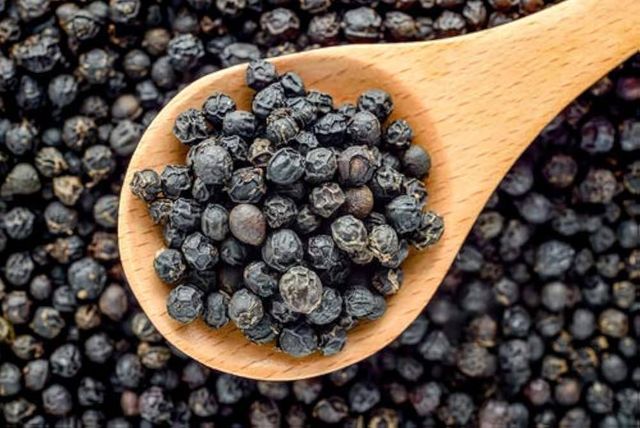
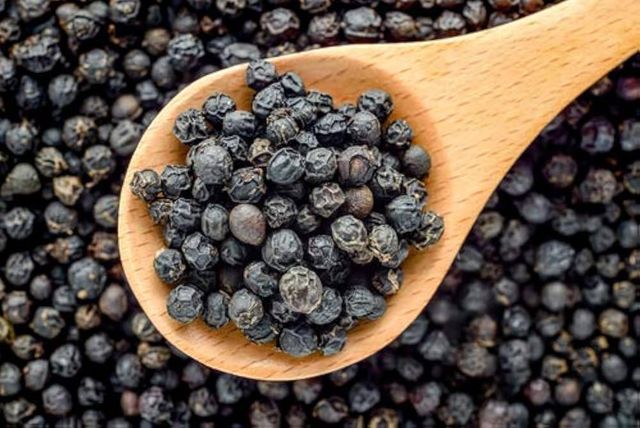
Black Pepper — produced by harvesting pepper berries when they are fully developed but still green (unripe), sun-drying or mechanically drying the berries until the outer skin shrivels and darkens to the characteristic black-brown colour. Black pepper’s flavour — the most pungent, most complex, most aromatic form — reflects the full compound profile of the unripe berry with its outer pericarp intact.
White Pepper — produced by harvesting fully ripe red berries, soaking them in water for 7–10 days to facilitate fermentation and softening of the outer skin, then removing the outer layer through rubbing and washing to reveal the smooth, pale cream inner berry. White pepper’s flavour — cleaner, sharper, less aromatic than black — reflects the inner seed without the pericarp’s aromatic compound contribution, making it preferred in light-coloured sauces, cream dishes, and white sauce formulations where black pepper’s visual presence would be commercially unacceptable.
Green Pepper — fresh, unripe berries either preserved in brine, freeze-dried, or vacuum-packed — producing the fresh, bright, less pungent pepper of gourmet cooking whose seasonal availability and short shelf life in fresh form make it a specialty product in European fine dining and gourmet food retail.
Red Pepper (Piper nigrum) — fully ripe berries preserved in brine or freeze-dried — the rarest commercially traded form, producing a sweeter, more fruity pepper flavour profile used in premium gourmet food applications and by chefs who specifically want the ripe berry’s flavour character.
Pepper Dust and Pinheads — the smaller berry fragments, broken berries, and processing residues from whole pepper cleaning — are sold at lower prices for industrial food manufacturing applications where visual presentation of whole berries is not required.
The Piperine Chemistry — The Active Compound That Defines Every Application
Piperine — the primary alkaloid of Piper nigrum, constituting approximately 5–9% of whole black pepper by dry weight — is the compound responsible for black pepper’s characteristic pungent heat through the same TRPV1 receptor binding mechanism we documented for capsaicin in the habanero article, though at significantly lower receptor affinity (explaining why black pepper’s heat is much milder than chilli’s). The piperine content of commercial black pepper is the single most important quality specification for pharmaceutical, nutraceutical, and oleoresin extraction buyers — whose procurement economics are calculated on piperine yield per kilogram of raw pepper processed.
The same bioavailability-enhancing properties of piperine that we documented in the uziza article — HPLC-confirmed COX-2 enzyme and P-glycoprotein inhibition that increases absorption of co-administered compounds by 20–2,000% — apply with full commercial force to Piper nigrum piperine. The commercial product Bioperine (Sabinsa Corporation’s trademarked standardised piperine extract) is produced specifically from Piper nigrum — establishing the global pharmaceutical and nutraceutical market’s commercial baseline for piperine bioavailability enhancement, whose upstream raw material is black pepper with documented piperine content. Research on piperine’s bioavailability mechanisms published comprehensively through NCBI’s pharmacology database confirms the clinical evidence base that makes piperine one of the most commercially established nutraceutical supplement actives globally.
Volatile Oil Content — the aromatic essential oil present at approximately 1.5–4% of whole black pepper weight — containing the monoterpene and sesquiterpene aromatic compounds (beta-caryophyllene, sabinene, limonene, alpha-pinene, alpha-terpineol, piperitone, and others) that produce black pepper’s characteristic complex aromatic profile beyond its heat — provides the primary quality specification for fragrance industry and food flavour buyers who source black pepper for aromatic contribution rather than piperine heat delivery.
ASTA Colour Value — the standardised measurement of black pepper’s colour intensity using the American Spice Trade Association (ASTA) photometric method — is the most widely used single quality indicator in black pepper commercial trade for food manufacturing buyers. Higher ASTA colour value indicates better-developed, more uniformly mature pepper with fuller aromatic oil content. The European Spice Association (ESA) publishes parallel European quality standards for black pepper that reference ASTA method colour value alongside piperine content minimums and moisture limits.
The Critical Disambiguation — Black Pepper vs. Other West African “Peppers”
Having now written dedicated articles on four distinct West African “pepper” products — habanero (Capsicum chinense), uziza (Piper guineense), uda (Xylopia aethiopica), and now black pepper (Piper nigrum) — this article provides the ideal moment to create a definitive commercial disambiguation table for buyers who encounter Nigerian spice catalogues and need to quickly understand what they are comparing:
Black pepper (Piper nigrum) — pungent heat from piperine, complex aromatic profile, the universal global spice — this article.
Uziza / West African cubeb (Piper guineense) — pungent heat from piperine + guineensine, eucalyptus-camphor aromatic complexity, West African cooking — uziza article.
Habanero / Scotch bonnet (Capsicum chinense) — intense burning heat from capsaicin, tropical fruit aromatic profile, West African and Caribbean cooking — habanero article.
Uda / Negro pepper / Grains of Selim (Xylopia aethiopica) — no burning heat, woody-smoky aromatic, diterpene pharmaceutical compounds, pepper soup spice — uda article.
Alligator pepper / Grains of Paradise (Aframomum melegueta) — pungent heat from paradol/gingerol compounds, aromatic warmth, West African ceremonial spice — alligator pepper article.
All five are from Nigeria. All five are called “pepper” in various commercial contexts. None is interchangeable with any other. Paradise MultiTrade supplies all five with individual botanical species identity documentation. Contact us to confirm which specific product your procurement requirement addresses.
Six Commercial Processing Forms
Whole Black Pepper (with skin/pericarp) — the standard international trade form, sold as dried whole berries in bulk for food manufacturing, wholesale spice, and retail distribution. Whole pepper’s shelf life (3–4 years under proper storage) is the longest of any processing form, making it the preferred form for commodity trading and long-distance export.
Whole White Pepper — the premium white form produced by removing the outer pericarp, commanding a 20–40% price premium over equivalent-grade black pepper in most international markets.
Cracked / Coarsely Ground Black Pepper — mechanically cracked to 4–6 mesh particle size for restaurant and food service applications where visible pepper fragment presentation and accelerated flavour release are both commercially required.
Ground Black Pepper (Powder) — finely milled to uniform particle size for direct incorporation in food manufacturing. The highest-volume processing form by weight in the global black pepper trade — used in seasoning systems, meat processing, sauce manufacturing, and ready meal production.
Black Pepper Oleoresin — the concentrated extract produced by solvent extraction of dried ground black pepper, containing both the piperine (heat) and the volatile oil (aroma) components in a concentrated liquid form, used in food manufacturing seasoning systems where the quantity, consistency, and specific heat-to-aroma ratio must be precisely controlled. Oleoresin eliminates the microbiological risk associated with whole pepper in food manufacturing — making it the preferred specification for certain food safety-sensitive applications.
Piperine Extract — standardised piperine isolated from black pepper oleoresin by crystallisation or chromatographic purification to pharmaceutical-grade purity (typically 95–99% piperine) for nutraceutical supplement, pharmaceutical drug formulation, and Bioperine-equivalent product manufacturing applications.
Benefits and Industrial Uses of Nigerian Black Pepper
Food Manufacturing Industry — The Universal Spice That Every Category Uses
Black pepper’s food manufacturing applications are the most broadly distributed of any spice in this series — appearing in virtually every cuisine-derived food manufacturing category across every major global market simultaneously. The scale of this demand is documented through Grand View Research’s black pepper market report which values the global black pepper market at over USD 4 billion, with consistent growth driven by expanding processed food production across Asian, Middle Eastern, and African markets.
Meat processing and charcuterie — black pepper is the single most widely used spice ingredient in global meat processing — appearing in sausages, salami, ham preparations, paté, luncheon meat, and virtually every other processed meat product whose flavour development includes spice. The German Butchers’ Association (BVDF) data confirms black pepper as Germany’s highest-volume imported spice — reflecting the German meat processing industry’s demand for consistent-quality whole and ground black pepper at significant annual procurement volumes.
Sauces, condiments, and seasonings — black pepper appears in almost every savoury sauce, seasoning blend, and condiment formulation in world commerce — from Worcester sauce to steak sauce to salad dressing to barbecue sauce. The Institute of Food Technologists (IFT) has published food flavour research documenting black pepper’s role as a universal flavour foundation ingredient whose specific combination of heat and aromatic complexity contributes to flavour balance in formulations across every cuisine category.
Snack food seasoning — black pepper is among the top three most used spice ingredients in global snack food seasoning — appearing in potato chip seasoning, flavoured nut seasoning, meat snack seasoning, and cracker flavour systems whose production volumes collectively represent enormous annual procurement. Market intelligence from Innova Market Insights confirms black pepper’s consistent ranking in global snack food new product development flavour specifications.
Dairy and bakery applications — black pepper in premium cheese formulations (poivre coated cheeses, pepper Jack cheese), in artisan bread formulations, and in savoury pastry production create consistent demand from European dairy and bakery manufacturers whose quality-tier product positioning specifically communicates pepper variety and origin credentials. Premium cheese producers in France, Italy, and the UK who specify black pepper by variety origin are a growing commercial buyer community for documented-origin Nigerian black pepper.
Ready meals and convenience food — the global ready meal manufacturing sector — tracked by Mintel’s European and global ready meal market database — uses black pepper in seasoning systems across virtually every ethnic cuisine category represented in ready meal product lines. The scale of this application’s black pepper procurement is enormous — single large-volume ready meal manufacturers sourcing tens of tonnes annually.
For food manufacturing buyers evaluating Nigerian whole black pepper and ground pepper supply, contact our export team to discuss ASTA colour value specifications, piperine content documentation, and supply volume arrangements.
Pharmaceutical Industry — Piperine as Excipient, Bioavailability Enhancer, and Drug Lead
Black pepper’s pharmaceutical significance — anchored in piperine’s extraordinary bioavailability enhancement mechanism — is one of the most commercially well-established natural product pharmaceutical applications in the global supplement and drug formulation market:
Bioperine-equivalent piperine production — the pharmaceutical and nutraceutical industry’s demand for standardised piperine extract for bioavailability-enhancing co-supplement formulation creates specific upstream procurement demand for black pepper with documented piperine content above 7% by HPLC — the specification that makes piperine extraction economically efficient. Nigerian black pepper with documented piperine content provides an alternative raw material source for Bioperine-equivalent piperine extract manufacturers. Research on piperine’s bioavailability enhancement mechanism — documented through NCBI’s pharmacology research database — confirms the clinical evidence base that drives this procurement demand.
Pharmacopoeial excipient and flavouring — black pepper essential oil is listed in the United States Pharmacopeia (USP) as an approved pharmaceutical flavouring agent — used to mask the bitter taste of pharmaceutical preparations and as a digestive stimulant component in traditional medicine pharmaceutical formulations. The European Pharmacopoeia (Ph. Eur.) similarly references black pepper within its aromatic ingredient framework for pharmaceutical preparations.
Anti-inflammatory and analgesic drug research — beta-caryophyllene, the sesquiterpene compound present in black pepper essential oil at approximately 15–25% of total oil, has the same CB2 receptor agonism and anti-inflammatory properties documented for the same compound in uda pepper and uziza seed — creating pharmaceutical research interest in black pepper-derived beta-caryophyllene as a natural anti-inflammatory pharmaceutical compound. Research published through NCBI’s cannabinoid receptor pharmacology database documents beta-caryophyllene’s specific pharmacological mechanisms.
Ayurvedic pharmaceutical applications — the Ayurvedic Pharmacopoeia of India formally recognises Maricha (black pepper) as a primary pharmaceutical-grade Ayurvedic drug substance — present in hundreds of classical Ayurvedic formulations as both an active ingredient and as a bioavailability enhancer for other Ayurvedic medicines. Ayurvedic pharmaceutical manufacturers globally source authenticated black pepper meeting Ayurvedic Pharmacopoeia quality specifications as a fundamental raw material whose procurement scale is significant across the global Ayurvedic medicine manufacturing sector.
For pharmaceutical-grade black pepper procurement — including documented piperine content by HPLC, volatile oil GC analysis, and pharmacopoeial specification compliance testing — contact Paradise MultiTrade to discuss supply requirements.
Nutraceutical and Dietary Supplement Industry — The Bioavailability Enhancement Market
The global nutraceutical industry’s relationship with piperine — and by extension with black pepper as its primary commercial source — is one of the most commercially well-established and highest-growth natural product supplement stories of the past two decades:
Curcumin-piperine combination supplements — the most commercially significant single application, driven by the clinical evidence that piperine increases curcumin bioavailability by 2,000% — making the combination dramatically more effective than curcumin alone despite curcumin’s documented anti-inflammatory efficacy. The commercial success of curcumin-piperine supplement products has created a structural, recurring upstream demand for piperine-content-documented black pepper that grows proportionally with the global turmeric supplement market tracked by Grand View Research’s turmeric market analysis.
General bioavailability enhancement supplements — piperine’s documented enhancement of selenium, beta-carotene, vitamin B6, CoQ10, resveratrol, and numerous other nutritional compound absorptions creates a multi-category supplement application for standardised piperine extract that goes well beyond the curcumin combination. The Natural Products Association (NPA) tracks piperine supplement development across the full range of bioavailability enhancement applications.
Digestive health supplements — black pepper’s traditional and clinically documented role in stimulating digestive enzyme secretion (through piperine’s gastric acid stimulation mechanism), improving gastrointestinal motility, and supporting gut microbiome health creates nutraceutical product development interest in black pepper extract for digestive wellness product lines.
Weight management supplements — piperine’s documented thermogenic properties — stimulating metabolic rate through catecholamine release — create nutraceutical formulation interest in black pepper extract for weight management product lines. Research on piperine’s metabolic effects published through NCBI’s metabolism research database provides the clinical foundation for weight management supplement positioning.
Oleoresin Production — The Food Industry’s Precision Spice Delivery System
Black pepper oleoresin — the concentrated liquid extract containing both piperine and volatile oil in standardised ratios — is one of the most commercially significant food manufacturing ingredients in the global seasoning industry. Oleoresin’s commercial advantages over whole or ground pepper are analytically precise and commercially decisive:
Microbiological safety — dried whole and ground pepper carries inherent microbiological contamination risk from soil-associated organisms, including Salmonella, Bacillus cereus, and various mould species — a risk that has caused significant product recalls in food manufacturing, and that drives risk-sensitive food manufacturers to specify oleoresin where food safety management allows no microbiological risk tolerance. The European Food Safety Authority (EFSA) has published risk assessments on dried spice microbiological contamination — confirming the commercial rationale for oleoresin specification in microbiologically sensitive food manufacturing applications.
Piperine-to-aroma ratio control — oleoresin’s standardised specification allows food manufacturers to precisely control both the heat level and the aromatic intensity of their seasoning systems — a precision impossible with whole or ground pepper, whose piperine and volatile oil content varies batch to batch depending on origin, harvest year, and post-harvest management.
Reduced inclusion rate — oleoresin’s high concentration (typically 5–10× the piperine content of equivalent weight ground pepper) allows food manufacturers to achieve the same seasoning intensity at dramatically lower inclusion rates — reducing shipping costs, storage requirements, and production line handling complexity relative to equivalent quantities of ground pepper.
For oleoresin production buyers evaluating Nigerian black pepper as a raw material source, contact our team to discuss piperine content specification and supply arrangements.
Fragrance and Essential Oil Industry
Black pepper essential oil — steam distilled from dried, comminuted black pepper berries at yields of approximately 2–4% by weight — is one of the most commercially established spice essential oils in the global fragrance industry, with documented use in fine fragrance formulation across masculine, oriental, and woody fragrance categories:
Fine fragrance heart and base note — black pepper essential oil’s specific combination of beta-caryophyllene’s warm spicy depth, alpha-pinene’s fresh pine top note, and piperitone’s characteristic peppery kick makes it a versatile natural fragrance ingredient that appears in the composition of multiple iconic masculine fragrances across luxury and premium perfumery. The International Fragrance Association (IFRA) publishes standards for black pepper essential oil in fragrance formulation and the Research Institute for Fragrance Materials (RIFM) maintains the safety assessment database for black pepper oil in cosmetics and fragrance applications.
Aromatherapy and wellness — black pepper essential oil’s documented warming, stimulating, and analgesic properties — reviewed through NCBI’s aromatherapy research publications — create aromatherapy product development interest for muscle warming, circulation support, and general energising wellness applications. The National Association for Holistic Aromatherapy (NAHA) tracks black pepper essential oil among the most commercially established aromatherapy oils.
Natural food flavour — black pepper essential oil’s aromatic compound profile creates food flavour industry applications in natural seasoning flavour systems, premium meat product flavouring, and high-end ready meal sauce development, where the aromatic complexity of whole oil is preferred over isolated piperine’s singular heat delivery.
Why Buy Black Pepper from Nigeria?
The Supply Diversification Argument — Vietnam’s Dominance Creates Risk That Nigerian Origin Addresses
Vietnam’s 35–40% share of global black pepper production — while commercially beneficial to importers through its volume and pricing competition effects — creates a structural supply concentration that experienced procurement teams at major food manufacturers treat as a Category A supply risk. When Vietnamese black pepper production is disrupted — by El Niño drought events in the Central Highlands, by Phytophthora root rot disease outbreaks (a chronic challenge in Vietnamese pepper cultivation), or by export policy interventions — global black pepper prices spike and supply availability tightens in ways that buyers without diversified origin positions must absorb entirely.
The World Bank’s commodity price monitoring programme documents historical black pepper price volatility — with prices swinging from below USD 2,000 per tonne to above USD 10,000 per tonne across the 2010–2020 decade as Vietnamese production cycles created boom and bust supply conditions. Tridge’s black pepper commodity intelligence tracks current price trends and origin supply dynamics — providing the market intelligence that procurement teams use to evaluate the timing and economics of Nigerian origin position building as a hedge against Vietnamese concentration risk.
Nigerian origin — Atlantic coast, competitive logistics access to European markets, growing production infrastructure, and improving quality management — provides the West African supply chain diversification from the Vietnamese concentration that serious procurement risk management now demands. Contact our team to discuss building Nigerian-origin positions alongside existing Vietnamese and Indian procurement.
The Quality Argument — Piperine Content and ASTA Colour Comparability
Nigerian black pepper from the humid forest belt conditions of Cross River, Akwa Ibom, and Delta states — growing in the high-rainfall, warm, humid conditions that Piper nigrum evolved in — produces berries with piperine content and volatile oil content analytically comparable to the commercial benchmark origins. Research on Piper nigrum quality variation across growing environments — published through food chemistry research accessible via NCBI and reviewed through ASTA and ESA quality standard documentation — confirms that the chemical composition of Piper nigrum berries is primarily determined by botanical species and harvest maturity rather than geographic origin per se — meaning that properly managed Nigerian pepper production delivers piperine and volatile oil content within the commercially accepted ranges of established origins.
We coordinate HPLC piperine content analysis and ASTA colour value determination through accredited laboratories on all export lots — providing buyers with the documented quality basis for procurement decisions that replaces origin assumptions with analytical verification. Contact us to discuss piperine content and ASTA colour value specifications.
The Malabar Premium — Nigerian Origin’s Position in the Quality Spectrum
The global black pepper market has a quality hierarchy whose commercial implications matter for how Nigerian origin is positioned:
Indian Malabar pepper (particularly Tellicherry grade — berries above 4.25mm diameter) commands the highest premium pricing globally — the benchmark of flavour complexity and aromatic quality that premium food brands and fine dining restaurant supply chains specify.
Vietnamese pepper — high volume, competitive pricing, variable quality by growing region and year — the commercial anchor of the global market whose price swings define the commodity pricing benchmark.
Indonesian, Brazilian, and Malaysian pepper — significant origins with established market positions across different quality tiers.
Nigerian origin — analytically competitive on piperine and volatile oil content with mid-range Vietnamese and Indonesian grades, positioned at pricing that reflects supply chain development stage rather than quality inferiority, and carrying the additional commercial value of West African provenance authenticity that premium food brands seeking African-origin ingredient narratives can leverage.
For buyers who specifically need the Malabar Tellicherry premium, we do not pretend that Nigerian pepper is positioned there yet. For buyers who need commercially viable quality at competitive pricing with West African supply chain diversification value, Nigerian origin delivers the commercial proposition with full analytical documentation. Contact us for an honest comparative assessment.
The Logistics Advantage — Lagos to Europe Faster Than Vietnam to Europe
A commercial advantage that is frequently overlooked in origin evaluation is transit time, and for black pepper, Lagos’s transit time advantage to European markets over Vietnamese and Indonesian origins is commercially meaningful. Lagos to Rotterdam takes approximately 14–20 days. Ho Chi Minh City to Rotterdam takes approximately 28–35 days. For buyers managing inventory cycles, this 2-week transit difference reduces working capital tied up in transit stock, improves supply chain responsiveness, and reduces the risk of quality degradation during extended ocean transit under variable temperature conditions.
For European food manufacturers whose procurement planning includes transit time in their landed cost and inventory financing calculations — Nigerian origin’s logistics efficiency advantage compounds the competitive pricing argument in ways that pure ex-works pricing comparisons understate.
Complete Export Documentation from a Licensed Exporter
Every black pepper shipment from Paradise MultiTrade carries phytosanitary certification from the Nigerian Agricultural Quarantine Service (NAQS), NEPC export documentation, certificate of origin, commercial invoice, packing list, and bill of lading. For food-grade buyers, we coordinate ASTA colour value documentation, piperine content by HPLC, volatile oil content by steam distillation, moisture content, pesticide residue analysis to EU MRL standards, aflatoxin and ochratoxin A screening, and microbiological safety certification following AOAC International and ASTA analytical methods. EU-bound shipments comply with Regulation (EU) 2017/625 on official controls. Our NEPC Export Licence No. 0042385 and CAC Registration No. RC-9284647 are verifiable through NEPC.
Nigeria’s Black Pepper Export Strength and Global Market Demand
The Global Market — The World’s Most Traded Spice at Scale
The global black pepper market — by far the most commercially significant single spice category in international trade — is valued at over USD 4 billion and projected to grow at compound annual rates of 4–5% through 2030, according to Grand View Research’s black pepper market report. Mordor Intelligence’s comprehensive black pepper market analysis confirms sustained demand growth driven by expanding processed food production across Asia and the Middle East, growing global foodservice sector consumption, and the nutraceutical industry’s growing piperine-standardised extract procurement.
The International Pepper Community (IPC) — the intergovernmental organisation representing the world’s major pepper-producing and exporting countries (Vietnam, India, Indonesia, Brazil, Malaysia, Sri Lanka) — publishes annual statistics on global pepper production, export volumes, and price trends that provide the market intelligence benchmark against which Nigerian origin development is positioned. Nigerian membership or observer status in the IPC represents a medium-term institutional development goal that would formalise Nigeria’s participation in the global pepper trade’s primary multilateral forum.
Key Export Destination Markets
Germany and the Netherlands — Europe’s primary spice processing and wholesale distribution hubs — are the most commercially significant European destinations for Nigerian black pepper. German meat processing companies, Dutch spice wholesale distributors, and European food manufacturing ingredient buyers collectively represent a procurement community of extraordinary scale and analytical sophistication. The CBI Netherlands market intelligence on black pepper for European buyers provides specific market entry guidance for developing-country black pepper exporters targeting European markets, confirming the quality documentation requirements and sustainability credentials that European buyers specify.
The United Kingdom — whose food manufacturing sector uses black pepper across meat processing, ready meal production, sauce manufacturing, and the growing category of premium British artisan food products — is an active European destination. UK food import compliance is administered by the Food Standards Agency (FSA) with specific attention to pesticide residues, aflatoxin, and microbiological safety standards for spice imports.
The United States — the world’s largest single-country consumer of black pepper and home to the most developed piperine supplement market — represents the highest-value destination for Nigerian black pepper across food manufacturing, wholesale spice, and pharmaceutical piperine extract applications. US food import compliance for spices, including pesticide residue limits and aflatoxin action levels, is administered through FDA’s food import programme.
The Middle East — where black pepper is used in Arabic cuisine (baharat spice blends), Lebanese and Levantine cooking, and the Gulf’s enormous food service sector creates consistent procurement demand — is a growing destination market accessible through the same Gulf trading infrastructure we have documented across previous articles. ADAFSA and SFDA Saudi Arabia regulate food import safety standards for pepper entering the UAE and Saudi markets.
India — whose domestic Malabar pepper industry is the historical world benchmark — paradoxically imports black pepper during domestic supply shortfalls and creates procurement demand for competitively priced origin alternatives, including Nigerian origin during its periodic price spikes. Indian pepper market intelligence is tracked through APEDA and the Spices Board of India.
Japan and South Korea — where the food manufacturing sector’s precision ingredient specification standards and demand for documented-quality spice imports are among the most exacting globally — represent premium Asian destinations for Nigerian black pepper whose quality documentation standards align with Japanese and Korean food safety requirements. Japanese and Korean import intelligence is tracked through JETRO and KATI.
Why Choose Paradise MultiTrade International Limited?
All Six Commercial Forms From One Nigerian Export Source. We supply whole black pepper (with and without skin), whole white pepper, cracked pepper, ground black pepper, black pepper oleoresin, and piperine extract — addressing the complete spectrum of international buyer requirements from commodity food manufacturing through pharmaceutical piperine specification through premium food service supply. Contact our team to specify your required form.
Piperine Content HPLC Documentation as Standard. For pharmaceutical, nutraceutical, and oleoresin extraction buyers whose procurement economics depend on piperine yield per kilogram of raw pepper, we coordinate HPLC piperine content analysis through accredited laboratories on every export lot, providing the documented quality basis for procurement decisions rather than origin assumptions. Contact us to discuss piperine content specification.
ASTA Colour Value and Volatile Oil Content as Standard Documentation. For food manufacturing and spice wholesale buyers whose procurement specifications reference ASTA colour value and volatile oil content minimum thresholds — we coordinate these standard quality determinations through accredited spice analytical laboratories following ASTA analytical methods on every export lot. Contact us to discuss ASTA specification requirements.
EU Microbiological and Pesticide Compliance — Mandatory for European Buyers. Black pepper’s documented history of microbiological contamination challenges — specifically Salmonella and Bacillus cereus — in EFSA risk assessment data and EU RASFF notifications makes pre-export microbiological testing an absolute requirement for EU-bound black pepper, not an optional quality supplement. We conduct microbiological testing alongside pesticide residue analysis to EU MRL standards on every EU-bound shipment as non-negotiable quality assurance. Contact us to discuss EU compliance documentation.
The Honest Competitive Positioning. Nigerian black pepper is not positioned against Indian Malabar Tellicherry at premium tier pricing. It is positioning against mid-range Vietnamese and Indonesian grades as a West African supply diversification option at competitive pricing with full analytical documentation and 14–20 day transit time to European ports versus 28–35 days from Southeast Asia. We make this positioning explicit so buyers can make informed procurement decisions rather than discovering it after purchase. Contact our team for an honest comparative analysis for your specific application.
Multi-Commodity West African Spice Sourcing. Black pepper buyers frequently source complementary Nigerian spice commodities. Alongside black pepper, Paradise MultiTrade exports white pepper, uziza seed, uda pepper, alligator pepper, habanero pepper, nutmeg, cloves, turmeric, fresh ginger, dry split ginger, moringa seeds, sesame seeds, hibiscus flower, cashew nut kernel, and raw cashew nuts. Explore our full range of Nigerian export commodities and consolidate your West African spice and agricultural ingredient sourcing through one verified, licensed export partner.
Product Specifications
| Specification | Details |
|---|---|
| Product | Nigerian Black Pepper (Piper nigrum) |
| Common Names | Black pepper, White pepper (processed form), King of Spices, Kali mirch (Hindi), Poivre noir (French), Schwarzer Pfeffer (German) |
| Botanical Species | Piper nigrum L. (Piperaceae) — botanical species identity confirmed |
| Origin | Nigeria (Cross River, Akwa Ibom, Rivers, Delta, Edo, Ondo, Ogun States) |
| Forms Available | Whole black pepper (with pericarp); Whole white pepper (pericarp removed); Cracked/crushed; Ground powder; Black pepper essential oil; Black pepper oleoresin; Piperine extract |
| Piperine Content | 5–9% by dry weight (HPLC documented per lot) |
| Volatile Oil Content | 1.5–4% by weight (ASTA steam distillation method) |
| ASTA Colour Value | 20–30+ (documented per lot by ASTA photometric method) |
| Moisture Content | ≤12% (whole); ≤10% (powder) |
| Total Ash | ≤6% on dry basis |
| Acid Insoluble Ash | ≤1.2% on dry basis |
| Foreign Matter | ≤1% |
| Aflatoxin | Total aflatoxin ≤10 ppb; B1 ≤5 ppb per EU maximum limits |
| Ochratoxin A | ≤15 ppb per EU maximum limits (Commission Regulation 1881/2006) |
| Pesticide Residue | Multi-residue analysis to EU MRL standards — standard for all EU-bound lots |
| Microbiological | Salmonella absent/25g; Total viable count; E. coli; Enterobacteriaceae per EU food safety standards |
| Oleoresin: Piperine Content | 40–55% piperine by HPLC |
| Oleoresin: Volatile Oil | 15–30% volatile oil by steam distillation |
| Piperine Extract Purity | 95–99% piperine by HPLC (pharmaceutical grade) |
| Packaging Options | 25kg, 50kg polypropylene bags (whole/powder); 200L drums, IBC totes (oleoresin); 25kg drums (piperine extract) |
| Supply Capacity | Whole: 20–500+ MT per season; Powder: 10–200+ MT; Oleoresin: 5–100+ MT |
| MOQ | Whole: 5 MT; Powder: 2 MT; Oleoresin: 1 MT; Piperine extract: 100kg |
| Shelf Life | Whole: 3–4 years; Powder: 12–18 months; Oleoresin: 24 months; Piperine extract: 24 months |
| Export Documentation | Phytosanitary Certificate (NAQS), Certificate of Origin, NEPC Export Licence, ASTA Colour Value Certificate, Piperine HPLC Certificate, Volatile Oil Certificate, Pesticide Residue Certificate (EU MRL), Aflatoxin/Ochratoxin A Certificate, Microbiological Certificate, Commercial Invoice, Packing List, Bill of Lading |
| Payment Terms | T/T, Letter of Credit (LC at sight), Escrow |
| Loading Port | Lagos (Apapa / Tin Can Island Port), Nigeria |
| Incoterms Available | EXW, FOB Lagos, CNF, CIF |
Packaging and Export Process
Harvest Timing — The Most Critical Quality Decision. Piper nigrum berries develop on spikes over approximately 6–8 months from flowering to full maturity, requiring careful harvest timing management that directly determines the commercial quality of the dried product. Berries harvested too early have lower piperine content and lower ASTA colour value. Berries harvested at the optimal stage — approximately 10 months after flowering, when the lowest berries on the spike are just beginning to turn from green toward yellow-orange — provide the best combination of full piperine development and the characteristic dark colour after drying that determines ASTA colour value. Nigeria’s primary pepper harvest runs from October through February across most producing states — aligned with the dry season conditions that facilitate field and mechanical drying.
Harvesting and Transportation. Entire spikes are harvested by hand — cutting the spike from the vine when the lowest berry on the spike reaches the colour transition point. Berries are separated from the spike immediately after harvest through threshing — either by hand or through simple mechanical threshers — to prevent fermentation during the transport period from farm to processing facility.
Drying. Fresh pepper berries — carrying approximately 65–75% moisture at harvest — are dried through sun drying on elevated platforms (traditional) or mechanical hot-air drying at 60–70°C (commercial standard). Proper drying to below 12% moisture is the most critical post-harvest quality management step: under-dried pepper develops aflatoxin and ochratoxin during storage; over-dried pepper becomes brittle and produces excessive pepper dust during handling and grinding. Mechanical drying produces more consistent moisture content across the lot than sun drying and is the recommended specification for export-grade material.
Cleaning and Grading. Dried black pepper is cleaned through sieving (removing stems, leaves, soil, and undersized berries) and aspiration (removing dust, fibres, and lightweight foreign matter). Grading by size is conducted for whole pepper lots destined for premium whole spice markets, with larger berries commanding premium pricing.
White Pepper Processing. Berries designated for white pepper production are sorted to select fully ripe red berries, then soaked in flowing water for 7–10 days, a controlled fermentation that softens the outer pericarp layer. The softened outer skin is removed through mechanical rubbing and washing, leaving the smooth inner berry. White pepper requires thorough washing and drying to eliminate the distinctive fermentation odour that poorly processed white pepper carries — a quality defect that experienced buyers immediately identify.
Oleoresin Production. Dried ground black pepper is extracted with food-grade solvents (typically ethyl acetate or hexane) at controlled temperatures — producing a crude oleoresin whose piperine content and volatile oil ratio are then standardised through blending or fractional processing before packaging in sealed drums for export.
Piperine Extract Production. Black pepper oleoresin is processed through crystallisation or chromatographic purification to isolate piperine at 95–99% purity — producing the pharmaceutical-grade piperine extract whose quality specifications follow pharmaceutical analytical standards.
Quality Testing. ASTA colour value, piperine content by HPLC, volatile oil content by steam distillation, moisture, total ash, acid insoluble ash, aflatoxin, ochratoxin A, pesticide residue multi-residue analysis, and microbiological safety testing — all coordinated through accredited laboratories before export documentation preparation and shipping confirmation.
Lead Times. Whole black pepper: 14–21 days from order confirmation to container loading. Ground powder: 21–28 days. Oleoresin: 28–42 days. Piperine extract: 35–56 days (including purification and pharmaceutical-grade testing). Contact us early — particularly for oleoresin and piperine extract orders where processing and pharmaceutical analytical testing add lead time beyond standard spice supply schedules.
Frequently Asked Questions
How does Nigerian black pepper compare to Vietnamese or Indian Malabar black pepper in terms of quality and pricing?
Nigerian black pepper is most accurately positioned against mid-range Vietnamese and Indonesian commercial grades — not against premium Indian Malabar Tellicherry which commands its own quality tier at premium pricing based on berry size, colour, and the specific flavour complexity of Kerala highland growing conditions. On piperine content (5–9%) and volatile oil content (1.5–4%), properly harvested and dried Nigerian black pepper is analytically within the commercial range of equivalent Vietnamese and Indonesian grades, whose quality is similarly determined by harvest timing management rather than geographic magic. The commercial advantages Nigerian origin provides relative to Vietnamese origin are: shorter transit time to European ports (14–20 days vs 28–35 days), West African supply chain diversification from Vietnamese concentration risk, and the Lagos logistics access whose competitive freight rates to European destinations make total landed cost competitive despite similar ex-works pricing. We provide comparative analytical documentation — ASTA colour value and HPLC piperine — for buyers who want to evaluate Nigerian against their current origin scientifically rather than through assumptions. Contact us to arrange comparative sampling.
What is the difference between black pepper and white pepper from the same Nigerian origin?
Both black and white pepper come from the same Piper nigrum vine — the difference is entirely in harvest timing and processing: Black pepper is harvested when berries are fully developed but still unripe (green), then dried with the outer pericarp (skin) intact — producing the characteristic dark colour and the most aromatic, most complex flavour profile from the full compound contribution of both pericarp and inner seed. White pepper is harvested when berries are fully ripe (red), soaked in water for 7–10 days to ferment and soften the outer pericarp, then the skin is removed through mechanical rubbing, producing the smooth, pale cream inner berry with a cleaner, sharper, less aromatic but equally pungent flavour profile. White pepper is preferred in light-coloured dishes and sauces where black pepper’s visual presence is commercially undesirable. Both forms are available from Paradise MultiTrade, Nigerian origin with equivalent ASTA and piperine documentation. Contact us to discuss white pepper specification alongside black pepper procurement.
What piperine content should I specify for pharmaceutical piperine extract production, and how does HPLC documentation work?
For pharmaceutical piperine extract production — specifically Bioperine-equivalent standardised piperine for supplement co-formulation — specify a minimum 7% piperine content in the raw whole black pepper by HPLC for extraction economics to be commercially viable. Below 6% piperine, extraction yields become economically marginal relative to higher-piperine alternatives. Nigerian black pepper from properly harvested, well-dried Cross River and Akwa Ibom state production typically delivers 6–9% piperine by HPLC, within the range supporting commercial extraction. Our HPLC piperine analysis follows AOAC International validated methods for alkaloid determination in spices, producing certificates of analysis that pharmaceutical procurement teams can reference for raw material specification compliance. For finished piperine extract specification (95–99% purity, pharmaceutical grade), we coordinate the additional chromatographic purification and purity verification analytical testing that pharmaceutical grade requires. Contact us to discuss piperine content specification for your application.
What food safety compliance documentation is required for Nigerian black pepper entering EU markets?
Black pepper entering EU markets is subject to: (1) Phytosanitary certification from NAQS confirming freedom from regulated plant pests; (2) Pesticide residue compliance with EU Maximum Residue Levels — multi-residue GC/MS and LC/MS/MS analysis covering 400+ compounds; (3) Aflatoxin B1 below 5 ppb and total aflatoxin below 10 ppb per Commission Regulation (EC) 1881/2006; (4) Ochratoxin A below 15 ppb per the same regulation; (5) Microbiological safety — specifically Salmonella absent/25g (black pepper has a documented historical Salmonella association that EU border inspection posts routinely test for); and (6) General food safety import compliance under Regulation (EU) 2017/625. Paradise MultiTrade coordinates all six compliance documentation requirements as standard for EU-bound black pepper shipments. Contact us to discuss the complete EU compliance documentation package.
What ASTA colour value should I specify, and what does it indicate about black pepper quality?
ASTA colour value — measured by the ASTA photometric method Cd 13e-92 — quantifies the colour intensity of black pepper on a numerical scale where higher values indicate deeper, more uniformly dark colour that reflects better berry development, appropriate harvest timing, and good post-harvest drying management. Industry standard specifications for commercial food manufacturing procurement typically require a minimum ASTA colour value of 18–20 for standard commercial grade, 25–30+ for premium commercial grade, and 30+ for fine quality grade. Nigerian black pepper from well-managed production typically achieves 20–30+ ASTA colour value, within the commercial standard to premium range. ASTA colour value is routinely documented alongside piperine and moisture content in Paradise MultiTrade’s standard analytical package for food manufacturing buyers. Contact us to specify your ASTA colour value requirement.
What is the Nigerian black pepper harvest season, and how does it affect procurement planning?
Nigeria’s primary black pepper harvest runs from October through February across the southern producing states — aligned with the dry season conditions that facilitate effective field and mechanical drying of freshly harvested berries. Peak harvest in the Cross River and Akwa Ibom primary production zones occurs from November to January. Dried, cleaned, export-grade black pepper from the October–February harvest is available for export from approximately December through August of the following year under proper storage conditions. Buyers planning large-volume procurement — particularly oleoresin and piperine extract orders whose processing adds 4–8 weeks to whole pepper procurement lead times — should initiate discussions by August–September to coordinate pre-harvest quality assessment, dedicated production allocation, and processing scheduling. Contact us to plan your complete procurement cycle.
What transit times should I expect from Nigeria to my destination?
Whole black pepper, ground powder, and oleoresin (standard dry container — no temperature control required): UK (Tilbury, Felixstowe) — 14–18 days. Netherlands (Rotterdam) — 14–18 days. Germany (Hamburg) — 14–20 days. France (Le Havre) — 14–18 days. USA (East Coast — New York, Baltimore, Savannah) — 18–25 days. UAE (Jebel Ali) — 10–14 days. India (Nhava Sheva, Mundra) — 10–15 days. Japan (Yokohama) — 25–32 days. South Korea (Busan) — 25–30 days. Canada (Halifax, Montreal) — 18–28 days. Vs. Vietnam (Ho Chi Minh City) to Rotterdam: 28–35 days. The 14–20 day transit time advantage over Vietnamese origin to European ports is one of Nigerian black pepper’s most operationally significant commercial arguments for European buyers managing inventory financing costs. Contact us to plan your logistics programme.
Ready to Source Premium Nigerian Black Pepper — Whole, White, Ground, Oleoresin, and Pharmaceutical Piperine Extract for Food Manufacturers, Spice Processors, Pharmaceutical Buyers, and Global Wholesale Importers?
If you are a European food manufacturer building West African supply diversification from Vietnamese and Indian black pepper origin concentration, a meat processing company sourcing consistent ASTA colour value and piperine content-documented black pepper for your production year’s seasoning procurement, a pharmaceutical ingredient company producing Bioperine-equivalent piperine standardised extract and evaluating Nigerian origin black pepper as a competitive piperine source, a nutraceutical brand sourcing piperine-content-documented black pepper for curcumin bioavailability enhancement or standalone piperine supplement production, a spice wholesale importer building West African origin black pepper positions before competitive buyer saturation from supply diversification demand arrives, a fragrance house or natural essential oil buyer sourcing black pepper essential oil with documented GC aromatic compound profile, a global food service operator whose procurement team is evaluating Nigerian origin as a transit-time-advantaged supply alternative to Southeast Asian origin for European distribution, or an Ayurvedic pharmaceutical manufacturer sourcing Maricha black pepper meeting Ayurvedic Pharmacopoeia quality specifications — Paradise MultiTrade International Limited is the licensed Nigerian exporter your black pepper supply programme needs.
We supply Nigerian Piper nigrum black pepper — whole, white, cracked, ground, oleoresin, and pharmaceutical piperine extract — from Cross River, Akwa Ibom, Delta, and Ondo producing states, ASTA colour value and piperine content documented as standard, EU aflatoxin, ochratoxin, microbiological, and pesticide compliance coordinated for all European shipments, and exported with full regulatory and analytical documentation to buyers in every major regulated destination market.
Request a Quotation — share your required form (whole black, whole white, cracked, ground, oleoresin, or piperine extract), volume, ASTA colour value and piperine content specification, EU or US compliance documentation requirements, destination market, and preferred incoterms. We respond with a detailed, competitive quote within 48 hours.
Contact Our Export Team — speak directly with our export coordinators about ASTA colour value documentation, HPLC piperine content certification, EU aflatoxin and ochratoxin A compliance, Vietnamese origin diversification programme structuring, oleoresin processing specifications, pharmaceutical piperine extract purification, white pepper processing availability, transit time advantage for European buyers, and long-term contract supply arrangements.
Explore Our Full Product Range — alongside black pepper, Paradise MultiTrade exports uziza seed, uda pepper, alligator pepper, habanero pepper, nutmeg, cloves, turmeric, fresh ginger, dry split ginger, moringa seeds, sesame seeds, bitter kola, kola nut, hibiscus flower, cashew nut kernel, and raw cashew nuts. One licensed Nigerian exporter. One consolidated West African spice, botanical, and agricultural ingredient sourcing relationship — from the world’s most traded spice through the world’s most culturally specific indigenous botanicals. Consistent quality, ASTA documentation, piperine certification, and regulatory compliance across every commodity.
Paradise MultiTrade International Limited | NEPC Export Licence No. 0042385 | CAC No. RC-9284647 | Lagos, Nigeria | www.paradisemultitrade.com
Reviews
There are no reviews yet.