
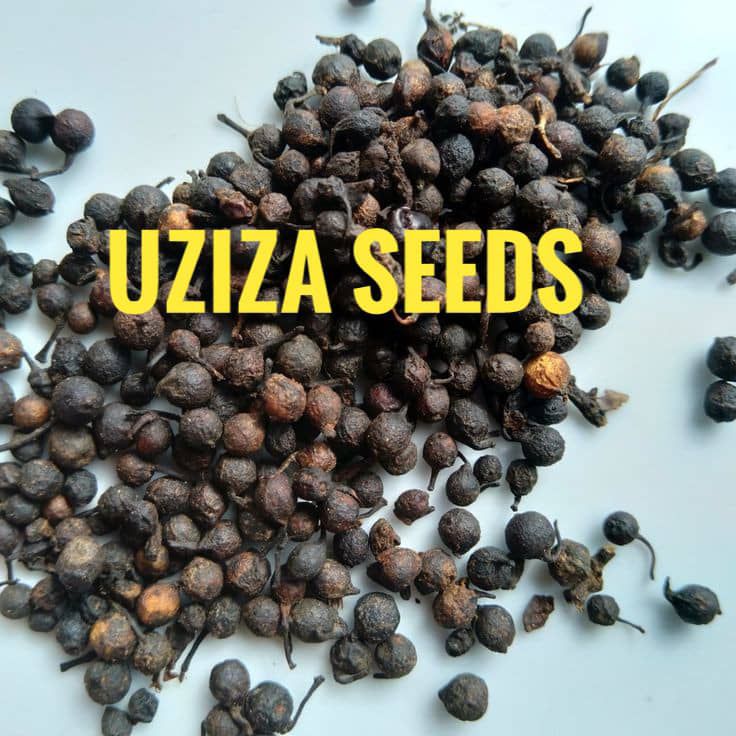

Nigerian Uziza Seed: The West African Pepper That Spiced Medieval Europe Before Portuguese Merchants Replaced It With Black Pepper, Vanished From International Commerce for 400 Years, and Is Now Being Rediscovered by the Global Specialty Spice Industry With an Urgency That Suggests the Market Finally Understands What It Lost
Uziza Seed Exporter Nigeria — Whole, Crushed, and Powdered Piper Guineense, Direct Forest Belt Sourcing, Bulk Supply to West African Diaspora Food Importers, Specialty Spice Manufacturers, Pharmaceutical Ingredient Buyers, Nutraceutical Companies, and Premium Food Brands Worldwide
Uziza seed exporter Nigeria is a search phrase whose commercial frequency tells a story that experienced spice industry professionals find immediately recognisable — the story of a rediscovery that follows the same commercial arc as every other “forgotten ingredient” that the global specialty food market has brought back from obscurity in the past two decades. Sumac. Grains of Selim. Grains of Paradise. Fenugreek. Urfa pepper. Each of these ingredients followed the same trajectory: native to a specific region, used with commercial intensity in their traditional context, displaced from international prominence by more commercially organised substitutes, maintained in survival by diaspora communities and traditional practitioners who never stopped using them, and rediscovered by the international specialty food, pharmaceutical, and nutraceutical industries at the point when their specific biological properties could finally be analytically quantified and commercially validated.
Piper guineense — the plant that Nigerians call uziza (Igbo), iyere (Yoruba), or kale in Cross River communities; that the medieval spice trade called Grains of Selim, Ashanti pepper, Benin pepper, or West African cubeb; and that the global spice history knows as the pepper that helped define European cuisine from the 11th through the 16th centuries before the Portuguese Vasco da Gama’s 1498 discovery of the sea route to India made Indian black pepper (Piper nigrum) cheaply and reliably available and began the commercial erasure of West African pepper from European spice trade — is having a commercial moment whose depth and breadth is only now becoming legible to buyers who look carefully enough.
The specialty spice market’s rediscovery of Piper guineense is not nostalgic. It is analytical. The compound profile of uziza seed — piperine at concentrations comparable to black pepper, plus a suite of monoterpene and sesquiterpene aromatic compounds (including sabinene, myrcene, and alpha-phellandrene) that black pepper simply does not contain — gives uziza a flavour complexity that experienced palates and food scientists consistently describe as “black pepper plus” — hotter in some dimensions, more aromatic and eucalyptus-camphor in others, and carrying the distinct warmth and slight bitterness that West African cooking’s best practitioners have understood as irreplaceable for centuries while the rest of the world forgot the ingredient existed.
At Paradise MultiTrade International Limited, uziza seed is one of our most commercially forward-positioned emerging export categories — sourced from established cultivation and wild-harvest communities across Imo, Anambra, Enugu, Cross River, Akwa Ibom, Rivers, Delta, and Edo states, where Piper guineense grows prolifically in the humid forest understory and is cultivated in traditional farming systems for both the seed and the leaf that West African cuisine uses in entirely different applications. Uziza seed is processed into whole dried seeds, crushed seeds, and finely milled powder appropriate to diaspora food retail, specialty spice manufacturing, pharmaceutical ingredient, and premium food brand applications — and exported with full regulatory and analytical documentation to buyers across Europe, North America, and beyond.
To discuss sourcing immediately, request a quotation here and our export team will respond within 48 hours.
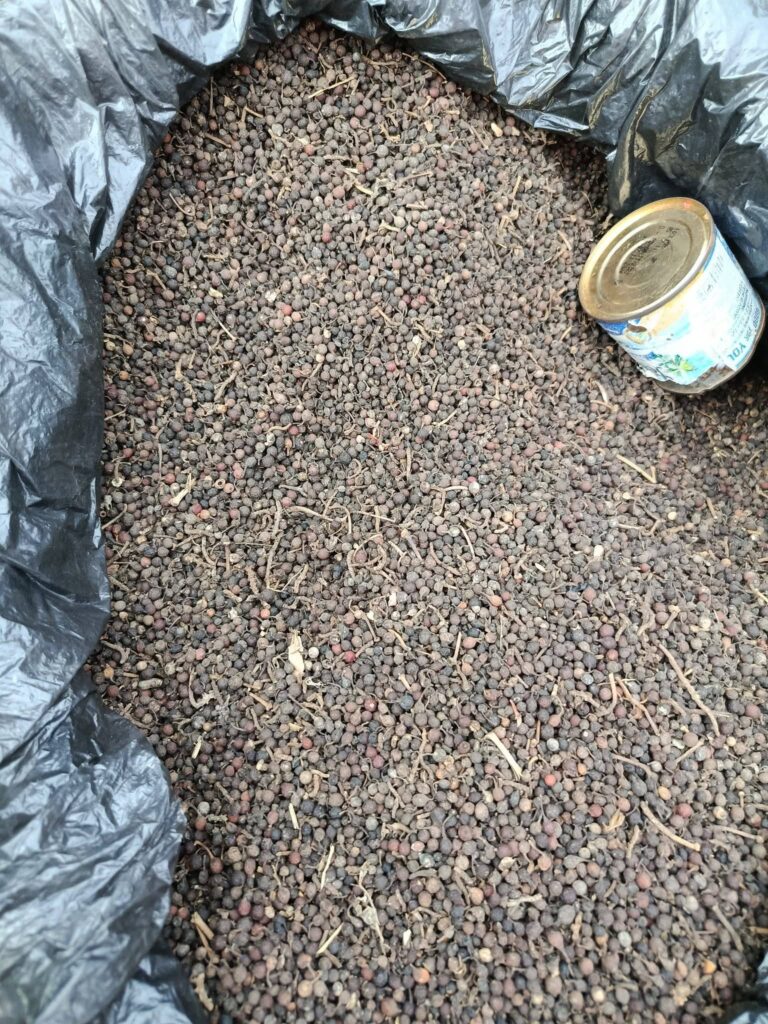
History and Origin of Uziza Seed — The Pepper That Built Medieval European Cuisine and Was Commercially Erased by a Portuguese Sea Route
The West African Pepper Trade — A Commercial History That Preceded Black Pepper’s Global Dominance
To understand uziza seed’s commercial position in the contemporary specialty spice market, it is necessary to understand that the ingredient’s commercial obscurity is not natural — it is historical, specific, and reversible. For approximately four centuries — from the 11th through the 15th centuries CE — West African pepper (Piper guineense and its close relative Piper clusii, the Ashanti pepper) was not an obscure regional ingredient. It was one of the most commercially significant spice commodities in the medieval European spice trade, arriving on European tables through the established trans-Saharan trade routes that carried West African commodities northward through Timbuktu and Morocco to the Mediterranean ports of Marseille, Genoa, and Venice.
Medieval European culinary manuscripts — including the 14th-century Catalan cookbook Llibre de Sent Soví and the French culinary text Le Ménagier de Paris — document what they called poivre de Guinée (Guinea pepper) and poivre du Melegueta (to be distinguished from Melegueta pepper/Grains of Paradise, though both were West African imports) as standard spice ingredients in elite household kitchens whose spice expenditure represented a substantial fraction of total food budget. Research on the medieval West African spice trade — published through economic history journals accessible via JSTOR’s academic database and documented in food history research from the Oxford Symposium on Food and Cookery — establishes this commercial reality without ambiguity: West African pepper was a genuine international commodity of significant commercial value before Portuguese navigation reorganised the global spice trade.
The commercial erasure was precise in its timing. Vasco da Gama’s 1498 navigation of the sea route to India — enabling direct Portuguese trade with the Indian subcontinent’s black pepper (Piper nigrum) producing regions of Malabar — made Indian black pepper available in European markets at volumes and prices that the trans-Saharan trade in West African pepper could not match. Within a generation of da Gama’s voyage, European spice demand had shifted almost entirely to Indian black pepper, and West African Piper guineense retreated from European commercial presence to the subsistence and regional market role it has occupied until now.
The ingredient never disappeared from West African cooking — because West African cooks, who had been using uziza seed and leaf for generations before the European spice trade discovered the plant, continued using it throughout the period of its international commercial absence. The Igbo tradition’s use of uziza seeds in soups, stews, and traditional medicine; the Yoruba use of iyere in pepper soup bases and medicinal preparations; the Cross River communities’ cultivation of Piper guineense in forest gardens alongside other spice and medicinal plants — all maintained the crop’s cultivation, the processing knowledge, and the flavour recognition that now forms the foundation for its commercial re-emergence.
Research on Piper guineense‘s historical and botanical record is documented through the Kew Royal Botanic Gardens’ economic botany collection — which maintains specimens and commercial records confirming the plant’s historical West African distribution and traditional use depth. Ethnobotanical research published through the Journal of Ethnopharmacology documents the extensive traditional knowledge base surrounding Piper guineense across West African communities — a traditional validation depth that the specialty spice and functional food industries are now approaching with the commercial seriousness it has always deserved.
Nigeria’s Uziza Production — The Crop That Never Left
Nigeria’s Piper guineense production is concentrated in the humid forest and forest-derived savanna zones of the southeastern and south-south states — the ecological conditions that most closely approximate the plant’s natural West African forest understory habitat:
Imo and Anambra states — the most commercially significant uziza producing territory, where Piper guineense cultivation in Igbo agricultural communities has been practised for generations, and where the local market infrastructure for both seed and leaf trade is most developed. Owerri (Imo State) markets are among the most important regional trading points for uziza in Nigeria, with produce from surrounding farming communities aggregating for redistribution across Nigeria’s domestic market and increasingly into export channels.
Enugu and Ebonyi states — secondary Igbo-area production zones where uziza cultivation in home gardens and small farm plots contributes to commercial supply alongside wild-harvest from forest margins.
Cross River and Akwa Ibom states — the southeastern coastal producing zones where Piper guineense grows prolifically in the humid forest conditions of the Niger Delta transition zone, with both cultivated and wild-harvest material contributing to commercial supply.
Rivers, Delta, and Edo states — additional Niger Delta and forest-savanna transition zone production territories whose output contributes to the total Nigerian uziza supply across domestic and export channels.
The Nigerian Export Promotion Council (NEPC) has formally identified uziza (alongside other indigenous Nigerian spices including alligator pepper, African nutmeg, and ehuru) as part of its indigenous spice export development programme — recognising the growing international buyer interest in authentic West African botanical spices that the global specialty food movement is driving. Research on Piper guineense agronomy and commercial potential in Nigerian growing conditions — accessible through NCBI’s agricultural science publications and through research conducted at Nigerian agricultural universities — provides the scientific foundation for understanding Nigeria’s specific production geography and quality characteristics.
International trade flow data from ITC Trade Map confirms Nigerian Piper guineense and related spice products entering formal export channels — with UK and French diaspora food importers, German specialty spice distributors, and American ethnic food wholesale buyers among the most commercially active procurement communities.
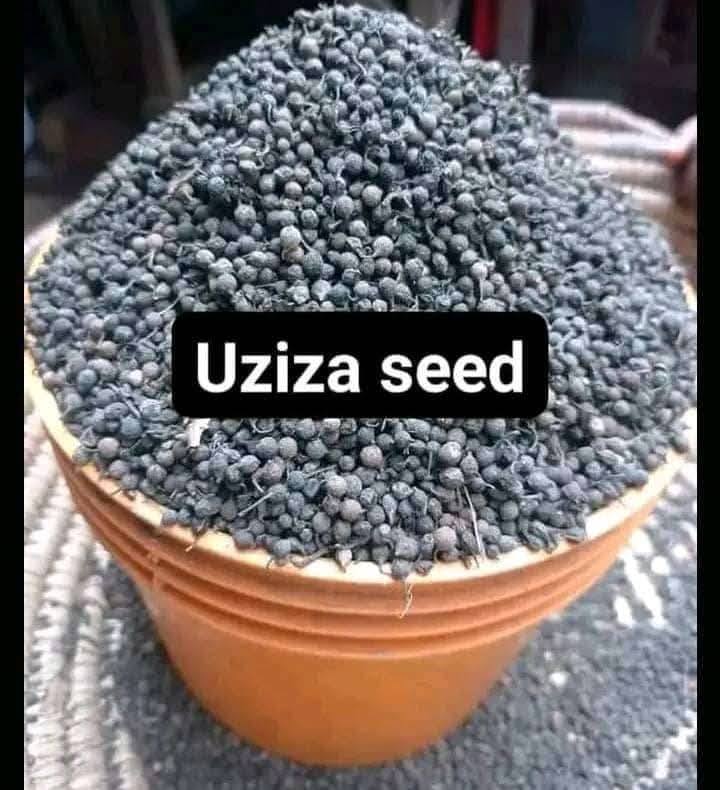
What Is Uziza Seed? Botanical Profile, Aromatic Chemistry, and the Commercial Properties That Are Driving Rediscovery
Piper Guineense — The Botanical Identity That Connects to Pepper’s Most Distinguished Family
Piper guineense is a perennial woody climbing vine of the Piperaceae (pepper) family — the same botanical family that includes Piper nigrum (black pepper), Piper longum (long pepper), Piper cubeba (cubeb or tailed pepper), and Piper methysticum (kava). This family membership is commercially significant: Piper guineense shares the genus with the world’s most widely traded spice (black pepper) and several other commercially significant historical spice plants — meaning that buyers who understand black pepper’s commercial and pharmaceutical profile can extrapolate meaningfully to uziza seed’s properties while also recognising the specific differences that make Piper guineense commercially distinct.
The Piper guineense vine grows naturally in the humid forest understory of West and Central Africa — climbing forest trees using its adhesive stems, producing the characteristic small, oval, reddish-orange to black berries at maturity. Each berry is approximately 3–5mm in diameter — smaller than black pepper berries — and dries to the dark brown to black wrinkled seed that is the commercial product. The plant produces both male and female flowers on separate plants (dioecious), meaning that commercial cultivation requires maintaining both male and female plants in proximity for effective seed production — an agronomic requirement that influences smallholder cultivation system design.
The specific botanical distinction between Piper guineense (uziza) and Piper clusii (Ashanti pepper) — two closely related West African Piper species that are sometimes confused commercially — is commercially relevant for pharmaceutical buyers who specify ingredient identity with botanical precision:
Piper guineense — the primary Nigerian commercial species, called uziza in Igbo tradition, producing berries with the characteristic spiky surface texture whose protruding spine structure distinguishes it visually from black pepper and from Piper clusii. This is the species grown and traded in southeastern Nigeria’s established uziza market.
Piper clusii — the secondary West African species whose berries are rounder and smoother, produced primarily in Cameroon, Gabon, and Ghana, and whose alkaloid and volatile compound profile is similar to but distinctly different from Piper guineense. In some international spice markets, both species are traded under the same “West African pepper” or “Grains of Selim” common name — a commercial conflation that Paradise MultiTrade resolves through botanical species documentation on all uziza seed export lots.
The Phytochemical Profile — Piperine, Monoterpenes, and the Complex Aromatics That Black Pepper Cannot Replicate
The commercial value of Piper guineense seeds in the specialty spice, pharmaceutical, and nutraceutical markets is determined by its specific phytochemical profile — a combination of alkaloids, volatile aromatic compounds, and phenolic compounds that gives uziza seed its distinctive character and commercial differentiation from black pepper:
Piperine — the primary alkaloid responsible for the burning, pungent heat of the pepper family — is present in Piper guineense at concentrations comparable to or slightly lower than Piper nigrum — approximately 2–5% by dry weight compared to black pepper’s 3–7% range. Piperine’s commercial significance extends well beyond its contribution to pepper’s heat: it is a pharmaceutical active of documented bioavailability-enhancing properties — specifically its documented inhibition of cytochrome P450 enzymes and P-glycoprotein drug transporters that results in enhanced absorption of co-administered nutritional and pharmaceutical compounds. Research on piperine’s bioavailability-enhancing properties — published comprehensively through NCBI’s pharmacology research database — establishes its pharmaceutical significance in formulation systems where increasing the bioavailability of poorly absorbed active compounds is the primary therapeutic goal.
Volatile Aromatic Compound Profile — this is where Piper guineense most decisively differentiates from Piper nigrum and where its specialty spice commercial value is most clearly expressed. Gas chromatography analysis of Piper guineense essential oil — documented through research published in the Journal of Agricultural and Food Chemistry and reviewed through spice chemistry research accessible via NCBI — identifies a complex volatile aromatic profile whose primary compounds include:
Sabinene — approximately 10–25% of total volatile oil — contributes the characteristic warm, woody, slightly spicy aroma note that distinguishes uziza’s aromatic profile from black pepper’s sharper, simpler heat presentation.
Myrcene — approximately 5–15% — contributes the green, herbal, slightly balsamic aromatic note that experienced perfumers and food scientists associate with high-quality pepper family plants.
Alpha-Phellandrene — approximately 5–10% — contributes the characteristic eucalyptus-like, menthol-adjacent freshness that is one of uziza’s most distinctive aromatic identifiers and that black pepper essentially lacks.
Beta-Caryophyllene — approximately 5–15% — the same sesquiterpene compound found in cloves, cannabis, and black pepper at lower concentrations, documented through NCBI’s pharmacology database to have significant anti-inflammatory, analgesic, and anxiolytic properties through cannabinoid receptor CB2 agonism.
Linalool, Limonene, and other terpene compounds — in minor but aromatic-profile-defining concentrations that collectively produce the characteristic “warm, complex, slightly mentholic, powerfully aromatic” sensory profile that food scientists and specialty spice buyers describe when they encounter quality Nigerian uziza seed for the first time.
Piperine, Guineensine, and related amides — the nitrogenous amide compounds specific to Piper guineense (and distinct from Piper nigrum) that have attracted pharmaceutical research interest for their documented antifeedant, antiparasitic, and insecticidal properties — creating a distinct phytochemical identity for uziza seed that analytical buyers can verify through chromatographic fingerprinting.
Essential oils (total) — approximately 3–6% by seed weight — a concentration that makes uziza essential oil extraction a commercially viable by-product of the seed trade for essential oil buyers who are building West African spice essential oil portfolios. Research on Piper guineense essential oil composition and extraction is published through the Journal of Essential Oil Research and through aromatic plant chemistry publications from the International Society of Essential Oil Research.
Three Commercial Product Forms
Whole Dried Uziza Seeds — the primary form for diaspora food retail, specialty spice retail, West African restaurant supply, and specialty spice buyers who grind fresh before use to maximise volatile aromatic compound preservation. Whole seeds have a shelf life of 18–24 months under proper sealed storage and deliver the most complete aromatic profile of any processing stage.
Crushed/Cracked Uziza Seeds — partially processed to release the aromatic oils while maintaining coarse particle size — preferred by spice blend manufacturers who incorporate uziza into West African spice mixes, pepper soup spice blends, and artisan spice combinations where full grinding would produce excessive fines and accelerate aromatic compound loss.
Uziza Seed Powder — finely milled to uniform particle size for direct incorporation into food manufacturing seasoning systems, pharmaceutical preparations, and nutraceutical supplement formulations. Powder has a shorter aromatic shelf life than whole seed (6–12 months in moisture-barrier sealed packaging) but offers immediate incorporation convenience for food manufacturing buyers.
Benefits and Industrial Uses of Nigerian Uziza Seed
West African Diaspora Food Retail — The Cultural Foundation of International Demand
The diaspora food retail market for Nigerian uziza seed is the most established and commercially persistent international demand stream — and it is different in character from the diaspora demand for other Nigerian ingredients we have discussed in this series, because uziza seed is used in a specific and culturally defined set of preparations where substitution by any other spice is not merely suboptimal but is recognised by experienced West African cooks as fundamentally altering the dish’s identity.
Nigerian pepper soup — the definitive West African soup whose preparation requires a specific spice combination including uziza seed alongside ehuru (African nutmeg, Monodora myristica), uda (Grains of Selim, Xylopia aethiopica), crayfish, and sometimes Calabash nutmeg — is the preparation in which uziza seed’s culinary irreplaceability is most specifically concentrated. Pepper soup is consumed across all Nigerian ethnic groups and social occasions — as a welcoming soup for visitors, as a postpartum recovery food for new mothers (whose traditional medicine application directly overlaps with its culinary use), as a cold and respiratory season restorative, and as a regular feature of restaurant and food service menus across Nigeria and the Nigerian diaspora.
The ingredient’s multiple simultaneous roles — culinary spice, postpartum nutritional supplement, respiratory medicine, and ceremonial food — create the kind of multi-context demand that produces the purchasing frequency and cultural loyalty that diaspora food retailers experience as near-inelastic demand: uziza seed buyers do not stop buying when prices rise, do not substitute when supply is temporarily unavailable, and do not reduce purchase frequency with acculturation across generations. Research on West African traditional food practices and their persistence in diaspora communities is documented through African Studies Association publications — confirming the multi-generational stability of key ingredient demand that Paradise MultiTrade’s diaspora food retail programme is built around.
For wholesale importers supplying the Nigerian and West African diaspora ethnic food retail market across the UK, USA, Canada, France, Italy, and Germany, contact our export team to discuss whole seed and powder supply for diaspora retail distribution.
Specialty Spice and Premium Food Industry — The “Black Pepper Plus” Positioning
The specialty food industry’s engagement with Piper guineense is at the commercial inflection point that we identified for avocado oil and tigernut oil in earlier articles in this series — the point at which early-mover buyers who understand the ingredient’s quality credentials are building sourcing relationships before competitive buyer saturation makes first-mover advantage unavailable.
Premium hot sauce and condiment manufacturing — uziza seed’s complex aromatic profile — heat plus eucalyptus-menthol plus warm woodiness — gives it a flavour contribution to hot sauce and pepper condiment formulation that is genuinely differentiated from both black pepper and habanero/Scotch bonnet. Artisan hot sauce producers who have incorporated Piper guineense into their formulations consistently report that customers describe the flavour as “complex pepper — like black pepper but more interesting” — a consumer response that premium hot sauce brands can translate directly into premium pricing and product differentiation.
Premium spice blend and seasoning manufacturing — uziza seed incorporated into West African spice blends, pepper soup spice mixes, and artisan seasoning systems provides both authentic cultural provenance and genuine aromatic complexity that elevates the finished seasoning blend beyond generic pepper-based alternatives. The Specialty Food Association tracks specialty spice market development — confirming authentic, origin-specific ethnic spice ingredients as one of the most commercially dynamic categories in premium food retail across European and American specialty food channels.
Chef and restaurant industry — the growing mainstream restaurant industry’s embrace of West African cuisine — documented through food media coverage in Food & Wine, Bon Appétit, and the emergence of Afrocentric fine dining across London, New York, Paris, and Amsterdam — creates professional culinary procurement interest in authentic Nigerian spice ingredients, including uziza seed. Chefs developing West African-inspired menus who source uziza seed are accessing not merely a flavour ingredient but an authentic cultural narrative that their restaurant positioning can build around. Market intelligence on the West African restaurant market development is published through Euromonitor International’s food service reports.
Craft spirits and flavoured alcohol — the craft spirits industry’s exploration of botanical flavouring agents for gin, bitters, and specialty spirits has identified West African botanical spices — including uziza, alligator pepper, and ehuru — as particularly promising flavour contributors whose aromatic complexity enhances craft gin botanical bills and cocktail bitters in ways that conventional European botanical ingredients cannot replicate. The UK Craft Distillers Association and the American Craft Spirits Association (ACSA) track craft spirits innovation, with West African botanicals identified as a growing flavour development trend.
For specialty spice manufacturers, premium food brands, and craft spirits producers evaluating Nigerian uziza seed, contact our team to discuss whole seed, crushed, and powder specifications.
Pharmaceutical Industry — Piperine’s Bioavailability Enhancement Application
The pharmaceutical industry’s commercial interest in Piper guineense seed is anchored primarily in its piperine content — and specifically in the commercially established application of piperine as a bioavailability enhancer for poorly absorbed pharmaceutical and nutraceutical compounds:
Bioperine — the commercial precedent. The commercial product Bioperine — a standardised piperine extract produced from Piper nigrum — has established the global pharmaceutical and nutraceutical market’s acceptance of piperine as a co-supplement that enhances the absorption of curcumin, resveratrol, coenzyme Q10, beta-carotene, and numerous other poorly bioavailable nutritional compounds by 20–2,000% through inhibition of cytochrome P450 and intestinal P-glycoprotein. Research on piperine’s bioavailability-enhancing mechanisms — published comprehensively through NCBI’s pharmacology database — provides the clinical evidence foundation for this application, whose commercial scale extends across hundreds of millions of supplement units annually.
Piper guineense‘s piperine content — at 2–5% of dry seed weight — positions it as a legitimate alternative source of piperine for the nutraceutical bioavailability enhancement market, alongside its guineensine and piperyline compounds that may carry additional bioavailability-modifying properties not present in Piper nigrum. For pharmaceutical ingredient buyers investigating Piper guineense as a piperine source, HPLC piperine content documentation from Paradise MultiTrade’s analytical testing programme provides the specification basis for procurement evaluation. Contact us to discuss piperine content documentation.
Antiparasitic pharmaceutical applications — the guineensine, piperyline, and related amide compounds specific to Piper guineense (not present in Piper nigrum) have documented antiparasitic activity — specifically against Plasmodium falciparum (malaria), Leishmania species, and intestinal helminths — in research published through NCBI’s parasitology and tropical medicine database. In the context of tropical disease pharmaceutical development — particularly the global malaria research effort documented through the Medicines for Malaria Venture (MMV) and the Malaria Consortium — Piper guineense‘s documented antiparasitic compound portfolio represents a pharmaceutical natural product drug lead of genuine research interest.
Respiratory pharmaceutical applications — Piper guineense‘s documented traditional use for respiratory conditions across West African healing traditions — including cough, bronchitis, and congestion management — has attracted clinical pharmacology investigation of its beta-caryophyllene and monoterpene bronchodilatory and expectorant properties. Research on Piper guineense‘s respiratory pharmacology is published through NCBI’s respiratory medicine and ethnopharmacology publications — providing the clinical evidence framework that pharmaceutical researchers investigating natural respiratory medicine therapeutics evaluate when sourcing Piper guineense material for compound isolation studies.
Postpartum nutritional and pharmaceutical applications — one of the most specifically documented traditional applications of uziza seed across multiple West African communities is its use as a postpartum recovery food and supplement — consumed by new mothers to support uterine recovery, milk production, and general postpartum health. This traditional application — documented through ethnomedicinal research published via the Journal of Ethnopharmacology — has attracted modern clinical investigation of Piper guineense‘s galactagogue (milk production-stimulating) and uterotonic properties that create pharmaceutical and nutraceutical research interest in the postpartum maternal health supplement market.
Nutraceutical and Dietary Supplement Industry
The nutraceutical industry’s engagement with uziza seed builds directly on the established piperine bioavailability enhancement market, with Piper guineense positioned as an alternative or complementary piperine source to the well-established Piper nigrum-derived Bioperine:
West African pepper complex supplements — for supplement brands developing authentic West African botanical supplement lines — uziza seed’s combination of piperine content, guineensine antiparasitic activity, beta-caryophyllene CB2 agonism, and traditional postpartum nutritional use creates a multi-mechanism West African wellness supplement positioning that Piper nigrum cannot provide. The Natural Products Association (NPA) tracks West African botanical supplement development within the broader natural products market intelligence framework.
Curcumin-piperine complex formulation — the most commercially established nutraceutical piperine application — curcumin supplement formulations that incorporate piperine as a bioavailability enhancer — creates upstream procurement demand for piperine-containing raw materials from alternative botanical sources. Piper guineense seed powder with documented piperine content provides supplement manufacturers with a sourcing alternative to standard Bioperine supply — particularly relevant for manufacturers seeking authentic whole-food botanical ingredient positioning rather than isolated piperine extract.
Anti-inflammatory complex supplements — beta-caryophyllene’s documented CB2 receptor agonism and its anti-inflammatory mechanism — reviewed through NCBI’s cannabinoid and inflammation research database — creates nutraceutical product development interest in beta-caryophyllene-rich botanical materials as natural anti-inflammatory supplement actives. Piper guineense seed’s beta-caryophyllene content positions it as a potential raw material for anti-inflammatory botanical supplement formulation alongside established beta-caryophyllene sources, including black pepper and cloves.
Traditional Medicine and Herbal Products Industry
Uziza seed’s documented application across multiple West African traditional medicine systems — including Igbo, Yoruba, Efik, and Ibibio healing traditions — creates consistent procurement demand from herbal medicine manufacturers, Ayurvedic and African traditional medicine practitioners, and ethnobotanical supplement companies who require authenticated Piper guineense seed as raw material for traditional medicine preparations:
Postpartum herbal preparations — the specific and well-documented use of uziza seed (alongside uziza leaf, uda/Grains of Selim, and other West African spice plants) in Nigerian traditional postpartum care creates sustained procurement demand from herbal product companies developing women’s health and maternal wellness products for the West African diaspora market and the broader natural maternal health product category.
Respiratory and immune herbal preparations — uziza seed’s traditional use for respiratory conditions, fever management, and general immune support creates procurement interest from herbal medicine manufacturers developing West African botanical respiratory health products whose market has expanded significantly following COVID-19-driven consumer interest in natural respiratory wellness approaches.
General tonifying and digestive herbal preparations — uziza’s piperine content’s documented stimulating effect on digestive enzyme secretion and gastric motility — researched through NCBI’s gastroenterology and pharmacology publications — creates a herbal medicine application for digestive health preparations.
Essential Oil and Aromatic Industry
Piper guineense essential oil — extracted by steam distillation from dried seeds at yields of approximately 3–6% by seed weight — is a commercially interesting specialty essential oil whose specific aromatic compound profile (sabinene, alpha-phellandrene, beta-caryophyllene) gives it distinct applications in the natural fragrance, aromatherapy, and flavour industries:
Natural fragrance ingredient — Piper guineense essential oil’s warm, complex, slightly mentholic aromatic character — documented through essential oil chemistry research published in the Journal of Essential Oil Research — positions it as a premium West African aromatic ingredient for natural perfumery. French perfume houses developing authentic African-origin natural fragrance collections are among the most commercially sophisticated evaluators of West African botanical essential oils, with Piper guineense oil’s distinctive aromatic profile creating a genuinely novel natural fragrance ingredient for this market.
Aromatherapy applications — beta-caryophyllene’s documented anxiolytic and anti-inflammatory properties through CB2 receptor activity, combined with Piper guineense oil’s warming aromatic character, create aromatherapy product development interest in this West African essential oil for stress relief, respiratory wellness, and warming comfort aromatherapy product lines.
Natural flavour industry — Piper guineense essential oil’s specific aromatic compound portfolio creates food flavour industry applications in natural flavour development for West African cuisine-inspired food products, premium meat marinades, and specialty condiment formulations where authentic West African spice aromatic character is the commercial objective.
Why Buy Uziza Seed from Nigeria?
The Origin Authenticity Argument — Nigeria Is Where Uziza Comes From
Unlike every oil, gum, or conventional agricultural commodity in this series, where Nigeria is one of multiple origins competing on quality and price, uziza seed is a Nigerian and West African forest product whose geographic origin is culturally and authentically specific in ways that matter commercially. There is no Thai uziza, no Indian uziza, no Chinese uziza. Piper guineense is West African. It grows in Nigerian forests. It is collected and processed by Nigerian farming communities whose cultivation knowledge extends across generations. For specialty spice buyers, premium food brands, and pharmaceutical buyers whose product positioning specifically communicates authentic West African botanical origin, Nigerian uziza seed is not an alternative origin. It is the origin.
This origin specificity carries particular commercial weight in the specialty food and natural products market, where the authenticity of ingredient provenance is as commercially significant as the analytical quality of the ingredient itself. Contact our team to discuss origin documentation and provenance certification for premium food and pharmaceutical applications.
The First-Mover Commercial Opportunity in the Specialty Spice Rediscovery
The pattern we have documented for tigernut oil, avocado oil, and moringa oil — where commercially alert buyers who establish supply relationships before mainstream buyer awareness saturates the origin secure disproportionate commercial advantages in pricing, supply access, and quality customisation — applies with particular intensity to uziza seed. The specialty spice market’s discovery cycle for “forgotten” indigenous ingredients typically follows a 3–5 year trajectory from initial buyer awareness through mainstream market saturation. For uziza seed, that cycle is just beginning — with awareness expanding, but commercial procurement infrastructure for documented-quality Nigerian uziza still being built. Buyers who engage now are not following a trend. They are building one.
Analytical Quality Documentation — From Ethnic Ingredient to Verified Commercial Spice
The transition of uziza seed from informal ethnic food trade to formal international commercial spice procurement requires the analytical quality documentation infrastructure that informal channels historically do not provide: HPLC piperine content, GC volatile oil composition and percentage, ASTA colour value equivalents, pesticide residue analysis to EU MRL standards, aflatoxin screening, microbiological safety certification, and botanical species identity confirmation. Paradise MultiTrade is building this documentation infrastructure for Nigerian uziza — providing the analytical quality backbone that converts an ethnically important ingredient into a commercially credible international spice commodity that pharmaceutical, nutraceutical, and premium food buyers can specify with confidence.
Contact our export team to discuss the analytical documentation package appropriate to your procurement application.
Complete Export Documentation from a Licensed Exporter
Every uziza seed shipment processed through Paradise MultiTrade carries phytosanitary certification from the Nigerian Agricultural Quarantine Service (NAQS), NEPC export documentation, certificate of origin, botanical species identity confirmation (Piper guineense — not Piper clusii or other species), commercial invoice, packing list, and bill of lading. For food-grade buyers, we coordinate pesticide residue analysis to EU MRL standards, aflatoxin B1 and total aflatoxin screening, moisture content, and microbiological safety testing following AOAC International validated procedures. For pharmaceutical buyers requiring piperine content documentation, we coordinate HPLC alkaloid analysis. EU-bound shipments comply with Regulation (EU) 2017/625 on official controls. Our NEPC Export Licence No. 0042385 and CAC Registration No. RC-9284647 are current and verifiable through NEPC.
Nigeria’s Uziza Seed Export Strength and Global Market Demand
The Global Market — Small Today, Growing With Commercial Acceleration
The global Piper guineense market does not yet have the market sizing documentation of black pepper, habanero, or sesame, because it is in the earliest stage of formal international commercial development. But the market intelligence that tracks the specialty spice category broadly — including reports from Grand View Research’s specialty spice market analysis and the Specialty Food Association’s trend tracking — documents the “authentic ethnic botanical spice” category as one of the most commercially dynamic segments in global specialty food retail.
The American Spice Trade Association (ASTA) and the European Spice Association (ESA) both engage with the development of documentation frameworks for emerging specialty spice ingredients — providing the quality standard infrastructure within which Piper guineense will progressively be standardised as its international commercial volume grows. The Tridge specialty spice intelligence platform tracks emerging botanical spice trade flows that include Piper guineense within West African botanical spice categories — providing early-stage market intelligence for buyers evaluating category entry timing.
Key Export Destination Markets
The United Kingdom — combining the Nigerian diaspora’s established uziza demand with the growing mainstream British interest in West African cuisine and authentic ethnic botanical spices — is the most commercially immediately significant European destination for Nigerian uziza seed. Nigerian restaurant supply chains, West African ethnic grocery distributors, and the growing specialty spice retail sector, whose buyers are tracked through Mintel’s UK specialty food database all represent active procurement communities.
The United States — home to significant Nigerian, Ghanaian, and broader West African diaspora communities whose uziza seed procurement runs through ethnic grocery networks in Houston, Atlanta, New York, and Washington DC, alongside a rapidly growing specialty food and craft food movement whose interest in authentic West African botanical ingredients tracks closely with the patterns documented for alligator pepper, Grains of Selim, and related West African spices. US food import compliance is administered through the FDA food import programme.
France — whose Francophone West African diaspora community (the largest West African diaspora in Europe by combined national origin, concentrated in Paris and surrounding Île-de-France) creates consistent demand for authentic West African spices, including Piper guineense, alongside French craft food and natural fragrance industries whose interest in West African botanical ingredients is among the most sophisticated in Europe. French natural fragrance market intelligence is tracked through FEBEA.
Germany — whose growing West African diaspora community and sophisticated specialty food and botanical ingredient market create procurement interest across both diaspora retail and specialty spice manufacturing channels. The ESA’s European spice quality standards provide the specification framework that German spice manufacturers apply to emerging botanical spice ingredients.
The Netherlands — whose Surinamese, Antillean, and West African diaspora communities create ethnic food retail demand alongside Dutch specialty food ingredient buyers and natural health products distributors who serve the broader EU market. The CBI Netherlands market intelligence on specialty spice and herb ingredients provides European buyer guidance for West African spice export development.
Canada, whose growing Nigerian diaspora community in Toronto, Ottawa, and Calgary creates diaspora food retail demand alongside the Canadian natural health products market’s growing interest in West African botanical supplement ingredients. Canadian food import requirements are administered through CFIA.
Japan, whose sophisticated appreciation for aromatic complexity in food seasoning and whose premium natural health product market creates the conditions for specialty botanical spice adoption from novel origins. Japanese specialty spice import intelligence is tracked through JETRO.
Why Choose Paradise MultiTrade International Limited?
Botanical Species Identity Documentation. We provide confirmed botanical species documentation — Piper guineense (not Piper clusii or other Piper species) — on every uziza seed export lot. This species specificity is essential for pharmaceutical buyers whose sourcing specifications require botanical identity precision, for EU food labelling compliance, where species identity determines the appropriate food additive and spice regulation framework, and for specialty food brands whose product communication specifically names Piper guineense as the botanical ingredient. Contact us to discuss botanical identity documentation.
Piperine Content HPLC Documentation. For pharmaceutical and nutraceutical buyers who evaluate Piper guineense procurement on piperine content, we coordinate HPLC alkaloid content analysis through accredited laboratories providing piperine and dihydrocapsaicin quantification alongside total alkaloid content. This analytical capability distinguishes Paradise MultiTrade’s uziza supply programme from commodity ethnic spice traders who cannot provide the documented phytochemical content that pharmaceutical and nutraceutical ingredient procurement requires. Contact us to discuss piperine content documentation.
All Three Commercial Forms Available. We supply whole dried uziza seeds for diaspora retail, specialty spice, and whole-spice restaurant supply; crushed/cracked uziza for spice blend manufacturers and food service seasoning buyers; and uziza seed powder for food manufacturing, pharmaceutical, and nutraceutical buyers. Contact our team to specify your required form.
Integrated West African Spice Portfolio Sourcing. Uziza seed buyers frequently source complementary Nigerian and West African spice commodities. Paradise MultiTrade exports uziza seed alongside alligator pepper, habanero pepper, fresh ginger, dry split ginger, turmeric, cloves, moringa seeds, bitter kola, kola nut, crayfish, egusi melon seed, sesame seeds, hibiscus flower, cashew nut kernel, and raw cashew nuts. Explore our full range of Nigerian export commodities and consolidate your West African spice and botanical ingredient sourcing through one verified, licensed export partner.
Product Specifications
| Specification | Details |
|---|---|
| Product | Nigerian Uziza Seed (Piper guineense) |
| Common Names | Uziza (Igbo), Iyere (Yoruba), Kale (Cross River), West African black pepper, Ashanti pepper, Benin pepper, Guinea cubeb, Grains of Selim (historical trade name) |
| Botanical Species | Piper guineense — confirmed by botanical identity documentation |
| Origin | Nigeria (Imo, Anambra, Enugu, Cross River, Akwa Ibom, Rivers, Delta, Edo States) |
| Forms Available | Whole dried seeds; Crushed/cracked; Finely milled powder |
| Piperine Content | 2–5% by dry seed weight (HPLC documented on request) |
| Essential Oil Content | 3–6% by seed weight (GC composition profile available) |
| Key Aromatic Compounds | Sabinene, myrcene, alpha-phellandrene, beta-caryophyllene (GC analysis) |
| Guineensine/Piperyline | Present — characteristic Piper guineense amide compounds (HPLC on request) |
| Moisture Content | 8–12% (dried seeds) |
| Foreign Matter | ≤1% (stems, leaves, sand, and other extraneous material) |
| Purity | ≥99% Piper guineense seeds (free from admixture with other Piper species) |
| Aflatoxin | Screened per EU maximum limits — certificate provided for EU-bound lots |
| Pesticide Residue | Multi-residue analysis to EU MRL standards — standard for all EU-bound lots |
| Microbiological | Total viable count, Salmonella (absent/25g), E. coli per food safety standards |
| Colour | Dark brown to black (whole seeds); Dark grey-brown (powder) |
| Aroma | Intensely peppery, warm, camphor-eucalyptus, woody — distinctly more complex than black pepper |
| Shelf Life | Whole seeds: 18–24 months (cool, dark, sealed); Powder: 6–12 months (moisture-barrier sealed) |
| Packaging Options | 5kg, 10kg, 25kg, 50kg polypropylene bags; retail packs (100g, 250g, 500g) on request |
| Supply Capacity | 5–100+ MT per season (subject to harvest availability) |
| MOQ | Whole seeds: 1 MT; Crushed: 500kg; Powder: 500kg |
| Export Documentation | Phytosanitary Certificate (NAQS), Botanical Species Identity Certificate, Certificate of Origin, NEPC Export Licence, Pesticide Residue Certificate (EU MRL), Aflatoxin Certificate, Piperine HPLC Certificate (on request), Essential Oil GC Profile (on request), Microbiological Certificate, Commercial Invoice, Packing List, Bill of Lading |
| Payment Terms | T/T, Letter of Credit (LC at sight), Escrow |
| Loading Port | Lagos (Apapa / Tin Can Island Port), Nigeria |
| Incoterms Available | EXW, FOB Lagos, CNF, CIF |
Packaging and Export Process
Harvest and Collection. Piper guineense berries ripen between August and November across Nigeria’s primary forest and forest-derived savanna producing zones — turning from green through yellow-orange to deep red at peak maturity before being collected. Both wild-harvest from forest margins and cultivated farm garden production contribute to the commercial supply. Berries are harvested by hand at the colour stage appropriate for optimal piperine and essential oil content — deep red-ripe pods are allowed to dry on the vine before stripping, or harvested at orange-red stage and dried off the vine.
Drying. Harvested berry clusters or individual berries are dried through open sun drying on raised platforms or mechanical hot-air drying at 45–55°C to the 8–12% moisture target for safe storage. The drying step is critical for essential oil compound preservation: excessive drying temperatures (above 60°C) begin volatilising the monoterpene aromatic compounds — particularly alpha-phellandrene and sabinene — that give uziza seed its distinctive aromatic character. Low-temperature drying that achieves adequate moisture reduction while preserving the volatile aromatic fraction is the quality management standard that Paradise MultiTrade specifies for all export-grade uziza seed supply.
Separation and Cleaning. Dried berry clusters are threshed to separate individual seeds from their peduncle attachments. Seeds are cleaned through sieving and air classification to remove stems, leaf fragments, sand particles, and other extraneous material — achieving the ≤1% foreign matter specification for export grade. The characteristic protruding spine surface of Piper guineense seeds makes sieve cleaning somewhat more challenging than smooth-surfaced spices — requiring appropriate sieve mesh specification for effective cleaning without excessive seed breakage.
Botanical Identity Verification. A key step that distinguishes Paradise MultiTrade’s uziza supply programme from undifferentiated “West African pepper” sourcing is explicit botanical species identity verification — confirming through morphological examination (seed size, surface spine structure, aroma profile) and, where required, through chromatographic fingerprinting that the supplied material is Piper guineense and not Piper clusii (Ashanti pepper) or other species that may be co-harvested in mixed wild-harvest material.
Processing to Crushed or Powder Form. Whole seeds designated for further processing are fed through appropriate grinding equipment — roller mills for coarse cracking, hammer mills for intermediate crushing, and jet mills or blade mills for fine powder production. Particle size is verified against buyer’s specification. Essential oil preservation during grinding is managed through minimal process heat generation and sealed packaging immediately after milling to prevent volatile compound loss.
Pesticide and Aflatoxin Testing. All export lots designated for EU, UK, and North American markets are sampled for multi-residue pesticide analysis and aflatoxin screening through accredited laboratory partners before loading confirmation. Compliance certificates are issued per lot.
Packaging and Container Loading. Whole seeds are packed in 5–50kg polypropylene woven bags with sealed inner polyethylene moisture barrier. Powder is packed in multi-wall paper bags with a sealed polyethylene inner liner. Retail-format packs (100g, 250g, 500g) are available for importer buyers distributing to diaspora food retail or specialty food channels. Lead time from order confirmation to container loading: whole seeds — 14–21 days; crushed and powder — 21–35 days. Contact us early — particularly for powder orders requiring milling and extended analytical testing.
Frequently Asked Questions
What is uziza seed, and how is it different from black pepper?
Uziza seed (Piper guineense) is the dried berry of the West African climbing pepper vine, botanically within the same Piper genus as black pepper (Piper nigrum) but producing a distinctly different sensory and phytochemical profile. The most commercially significant differences: uziza seed has a more complex aromatic character — heat plus eucalyptus-camphor-warm woodiness from its sabinene, alpha-phellandrene, and beta-caryophyllene content — compared to black pepper’s simpler heat-dominated piperine-driven profile. Uziza contains guineensine and piperyline alkaloids not present in black pepper, with documented antiparasitic and pharmacological properties. In culinary applications, experienced West African and specialty food cooks describe uziza as “black pepper plus” — the same heat foundation with substantially more aromatic complexity. For pharmaceutical buyers, uziza provides piperine comparable to black pepper alongside a phytochemical complexity that Piper nigrum does not match. Uziza is not a substitute for black pepper — it is a complementary and distinct spice with its own applications and identity. Contact us to request a sample for comparative sensory and analytical evaluation.
What are the confirmed traditional uses of uziza seed in Nigerian culture, and how do they create commercial demand?
Uziza seed has four distinct traditional use categories that together create the multi-context demand profile that makes its diaspora retail market so commercially persistent: (1) Culinary — essential spice ingredient in Nigerian pepper soup, native soups, and spiced stews whose preparation requires the specific aromatic and heat contribution that uziza provides and that cannot be substituted without altering the dish’s cultural identity; (2) Postpartum recovery — consumed as soup spice by new mothers across multiple Nigerian ethnic traditions for uterine recovery, milk production support, and general postpartum restoration — a use documented through Journal of Ethnopharmacology research; (3) Respiratory medicine — traditional use for cough, chest congestion, and respiratory illness whose clinical pharmacology basis is supported by the monoterpene bronchodilatory compounds in the essential oil; (4) General tonic and digestive — traditional use as a digestive stimulant and general tonic whose piperine-mediated digestive enzyme stimulation provides the pharmacological basis. These four use contexts together ensure that uziza seed is purchased weekly rather than occasionally by diaspora consumers — creating the procurement consistency that diaspora food retail supply chains depend on for category profitability.
What is piperine, and why do pharmaceutical buyers specifically source Piper guineense for it?
Piperine is the principal alkaloid of the pepper family (Piperaceae) — responsible for the characteristic burning heat of black pepper and related species. Its pharmaceutical significance beyond heat extends to its documented ability to enhance the bioavailability of co-administered compounds by inhibiting cytochrome P450 3A4 (a key drug-metabolising enzyme) and P-glycoprotein (an intestinal drug efflux transporter) — reducing first-pass metabolism and increasing intestinal absorption of compounds that are normally poorly bioavailable. The commercial precedent is Bioperine — standardised piperine extract from Piper nigrum — which has demonstrated 20–2,000% bioavailability enhancement for curcumin, resveratrol, selenium, beta-carotene, and other nutritional compounds in clinical trials reviewed through NCBI. Piper guineense‘s piperine content (2–5% by dry weight) positions it as an alternative piperine botanical source for manufacturers seeking whole-food Piper botanical ingredient positioning rather than isolated piperine extract. We coordinate HPLC piperine quantification per lot for pharmaceutical buyers. Contact us to discuss piperine content specification.
How should I store uziza seed to preserve its volatile aromatic compounds?
Uziza seed’s commercial value in specialty food and pharmaceutical applications depends partly on the preservation of its volatile monoterpene and sesquiterpene aromatic compounds — particularly sabinene and alpha-phellandrene — that are responsible for its distinctive eucalyptus-camphor character and that degrade progressively under heat, light, oxygen, and moisture exposure. Storage recommendations: whole seeds — sealed moisture-barrier bags or airtight containers, cool (below 20°C) and dark storage, away from light and strong odour sources — maintain full aromatic quality for 18–24 months. Grinding immediately before use preserves maximum volatile oil content. Powder — must be sealed immediately after milling in moisture-barrier packaging with nitrogen headspace flushing — volatile oil loss begins from the moment of grinding and is approximately 50% complete within 3–4 months of storage, even under good conditions. Order powder in quantities that will be used within 3–6 months of delivery. Contact us for detailed storage protocol guidance for your specific application.
Is uziza seed the same product as Grains of Selim?
No — Grains of Selim (also called Ethiopian pepper or kimba pepper) is typically used as a commercial trade name for Xylopia aethiopica, a completely different botanical species from the Annonaceae (custard apple) family. Xylopia aethiopica and Piper guineense are both traditional West African spice plants used in Nigerian pepper soup spice blends alongside each other — and both were historically known in some European trade contexts by similar common names — but they are botanically distinct plants with different phytochemical profiles and different commercial applications. The name “Grains of Selim” has historically been applied inconsistently to both species and occasionally to Piper clusii (Ashanti pepper). Paradise MultiTrade resolves this naming confusion through explicit botanical species identity documentation: our uziza seed is certified as Piper guineense on every export lot’s documentation. Contact us if you need clarification on the botanical identity of a specific West African spice product you are evaluating.
What is the Nigerian uziza seed production season, and how does it affect procurement?
Piper guineense produces berries that ripen between August and November across Nigeria’s southeastern forest producing zones, with peak harvest intensity in September and October. Wild-harvest from forest margins and cultivated farm garden production both contribute to the commercial supply within this seasonal window. Dried and cleaned uziza seed from the August–November harvest is available for export from approximately October through June of the following year under proper storage conditions. The short availability of fresh-season whole seed (October–February provides the most complete aromatic profile) means buyers who require maximum volatile oil content should plan procurement for this window. Powder produced from fresh-season seed and packaged immediately after milling is available through approximately March–April with acceptable volatile oil content. Buyers planning large-volume procurement should initiate discussions by July–August to coordinate pre-harvest quality assessment and production scheduling. Contact us to plan your procurement cycle.
What transit times should I expect from Nigeria?
Uziza seed (whole, crushed, or powder — standard dry container, no temperature control required): UK (Tilbury, Felixstowe) — approximately 14–18 days from Lagos. Europe (Rotterdam, Hamburg, Antwerp) — 14–20 days. France (Le Havre) — 14–18 days. Germany (Hamburg) — 14–20 days. USA (East Coast — New York, Baltimore, Savannah) — 18–25 days. Canada (Halifax, Montreal) — 18–28 days. UAE (Jebel Ali) — 10–14 days. Japan (Yokohama) — 25–32 days. France and the UK are the most transit-efficient European destinations given their Atlantic-facing port positions. For powder lots where volatile oil preservation during extended transit is a quality concern, nitrogen-flushed sealed packaging and minimising transit time through efficient shipping selection is recommended. Contact us to plan your complete procurement and logistics timeline.
Ready to Source Authentic Nigerian Uziza Seed — Whole, Crushed, and Powdered Piper Guineense With Botanical Identity Documentation, Piperine Content Certification, and EU Pesticide Compliance For Diaspora Food Importers, Specialty Spice Manufacturers, Pharmaceutical Buyers, and Premium Food Brands?
If you are a West African diaspora food importer supplying Nigerian and Igbo community cooks whose weekly pepper soup preparation requires authentic Nigerian uziza seed from documented origin, a specialty spice manufacturer building authentic West African spice blend portfolios for premium food retail, a pharmaceutical ingredient buyer investigating Piper guineense as a piperine source for bioavailability enhancement formulation or as an antiparasitic pharmaceutical compound research starting material, a nutraceutical brand developing West African botanical wellness supplement lines incorporating documented-piperine Piper guineense seed, a craft gin distiller or artisan spirits producer building West African botanical bills that incorporate uziza’s complex eucalyptus-pepper aromatic character, a natural fragrance house developing authentic West African botanical aromatic ingredients for natural perfumery, a premium food brand developing authentic West African cuisine-inspired products who needs documented botanical identity for their ingredient communication, or a specialty spice import distributor who wants to be among the first to professionally commercialise authenticated Nigerian uziza seed in European or American specialty food retail — Paradise MultiTrade International Limited is the licensed Nigerian exporter your uziza seed supply programme needs.
We supply Nigerian Piper guineense uziza seed — whole, crushed, and powder — sourced from established harvest communities across Imo, Anambra, Cross River, and Akwa Ibom producing zones, botanically authenticated by species as Piper guineense, EU pesticide residue compliant as standard, piperine HPLC documented on request, and exported with full regulatory and analytical documentation to buyers in every major regulated destination market.
Request a Quotation — share your required form (whole, crushed, or powder), volume, botanical identity documentation requirement, piperine content specification if applicable, pesticide compliance standard (EU, UK, USA), application context (diaspora food retail, specialty spice, pharmaceutical, nutraceutical, craft spirits, fragrance), destination market, and preferred incoterms. We respond with a detailed, competitive quote within 48 hours.
Contact Our Export Team — speak directly with our export coordinators about botanical species identity documentation, HPLC piperine content analysis, GC essential oil composition profile, EU MRL pesticide compliance testing protocols, whole seed aromatic quality management, powder volatile oil preservation packaging, craft spirits botanical specification, natural fragrance ingredient documentation, and long-term supply relationship structuring for buyers building first-mover positions in Nigerian uziza seed’s commercial rediscovery.
Explore Our Full Product Range — alongside uziza seed, Paradise MultiTrade exports alligator pepper, habanero pepper, chilli pepper, fresh ginger, dry split ginger, turmeric, cloves, moringa seeds, egusi melon seed, ogbono seed, bitter kola, kola nut, crayfish, sesame seeds, hibiscus flower, cashew nut kernel, and raw cashew nuts. One licensed Nigerian exporter. One consolidated West African spice, botanical ingredient, and agricultural sourcing relationship — from the most commercially established to the most commercially emerging ingredients in the West African spice catalogue. Consistent quality, botanical identity documentation, phytochemical analysis, and regulatory compliance across every commodity.
Buy Nigerian uziza seed, Piper guineense Nigeria supplier, West African black pepper Nigeria bulk export, Ashanti pepper Nigeria wholesale, uziza seed for food industry Nigeria, Guinea pepper Nigeria export, uziza seed powder Nigeria, West African cubeb pepper bulk buyer
Paradise MultiTrade International Limited | NEPC Export Licence No. 0042385 | CAC No. RC-9284647 | Lagos, Nigeria | www.paradisemultitrade.com
Reviews
There are no reviews yet.