
Alligator Pepper from Nigeria: The Sacred Spice of West Africa That Medieval Europe Craved, Craft Brewers Are Rediscovering, and Pharmaceutical Researchers Are Racing to Understand
Alligator Pepper Exporter Nigeria — Aframomum Melegueta Grains of Paradise, Direct Forest-Origin Sourcing, Bulk Supply to Brewers, Pharmaceutical Buyers, Spice Processors, and Diaspora Importers Worldwide
Alligator pepper exporter Nigeria is a search phrase that carries with it one of the most layered commercial stories in the entire West African botanical commodity landscape — a story that moves through sacred ceremony, medieval European spice mania, the craft brewing revolution, cutting-edge thermogenic pharmaceutical research, and the daily food culture of one of Africa’s most culturally rich nations, all converging on a single small, intensely aromatic seed pod from the humid forest undergrowth of West Africa’s coastal belt. Aframomum melegueta — the alligator pepper of Nigerian tradition, the Grains of Paradise of medieval European commerce, the melegueta pepper of colonial botanical trade — is one of those rare botanical products whose commercial significance has been periodically discovered, lost, rediscovered, and appreciated at entirely new levels of sophistication across different eras and by entirely different buyer communities.
We are living in one of those rediscovery moments right now. The global craft brewing industry’s embrace of Grains of Paradise as a flavouring ingredient — following the historical thread of Belgian witbier tradition back to its medieval European roots — has created structured procurement demand for authenticated Aframomum melegueta from a buyer community that did not exist commercially thirty years ago. Simultaneously, pharmaceutical and nutraceutical research into the bioactive compound 6-paradol — unique to Aframomum melegueta among commercially traded botanicals — has produced clinical evidence for thermogenic, anti-obesity, and anti-inflammatory properties that are driving ingredient procurement interest from pharmaceutical companies and supplement brands who see in alligator pepper a genuinely novel bioactive compound from a West African origin that their supply chains have not yet systematically connected to.
And through all of this — the craft brewing excitement, the pharmaceutical research interest, the cosmetics formulators’ discovery of Aframomum melegueta essential oil as a premium fragrance and skin care active — the cultural bedrock of alligator pepper’s commercial significance remains exactly where it has always been: in the ceremonial and culinary traditions of Nigerian communities for whom presenting, breaking, and sharing alligator pepper at gatherings of significance is not a custom but a sacrament.
At Paradise MultiTrade International Limited, alligator pepper is one of our most culturally resonant and commercially interesting export commodities — sourced from the humid forest belt states of Edo, Delta, Cross River, Akwa Ibom, Ondo, and Ogun where Aframomum melegueta grows prolifically in the shaded understorey of secondary forest and established farmland, processed to international specification, and exported with full regulatory documentation to buyers across Europe, North America, Asia, and the Middle East who understand what this spice is genuinely worth.
If you are ready to discuss supply immediately, request a quotation here and our export team will respond within 48 hours.
History and Origin of Alligator Pepper — The Spice That Rivalled Black Pepper for the Soul of Medieval Europe
Born in the West African Forest Understorey
Aframomum melegueta is a herbaceous perennial plant of the Zingiberaceae family — the same botanical family as ginger, turmeric, cardamom, and galangal — that grows as a low-spreading groundcover plant in the humid tropical forest understorey of West and Central Africa. Its natural range extends along the Atlantic coastal forest belt from Sierra Leone through Liberia, Côte d’Ivoire, Ghana, Nigeria, Cameroon, and into Gabon — with Nigeria representing one of the most significant producing territories within this range both by area of natural population and by volume of commercial harvest.
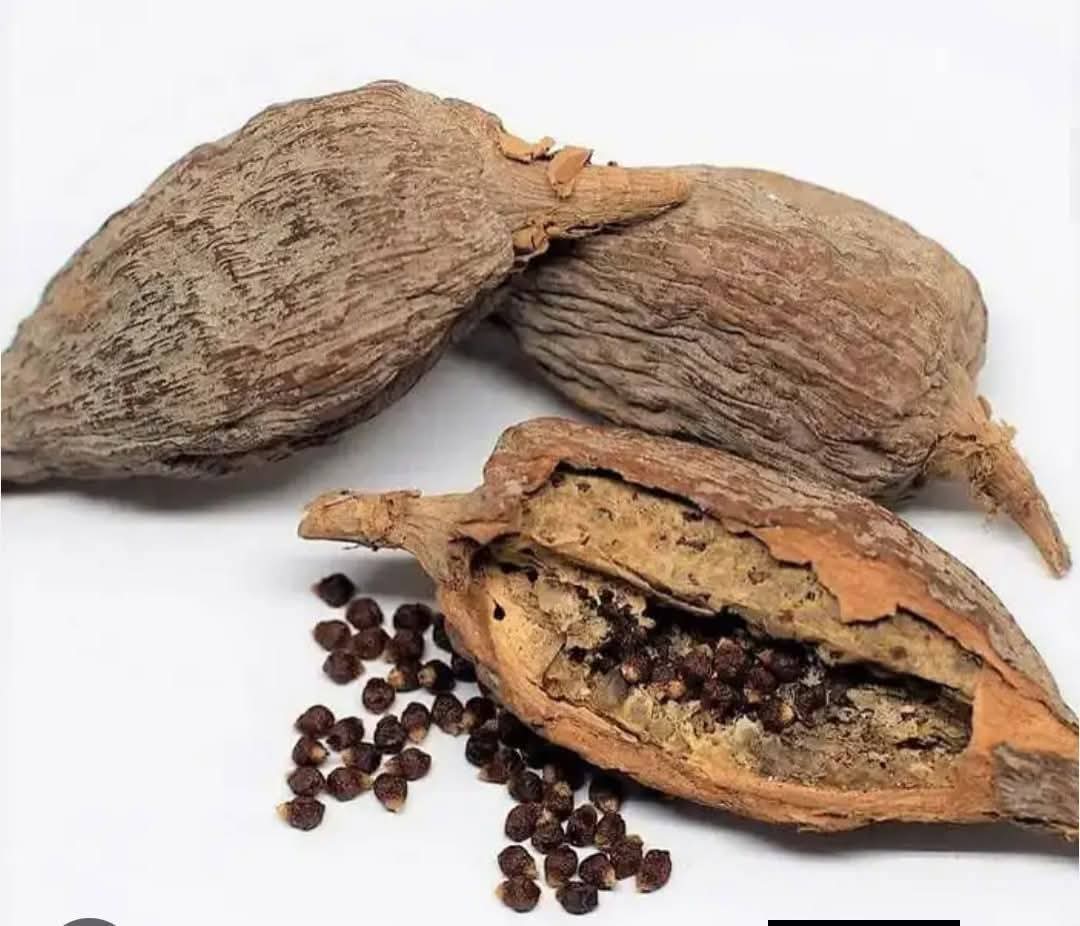
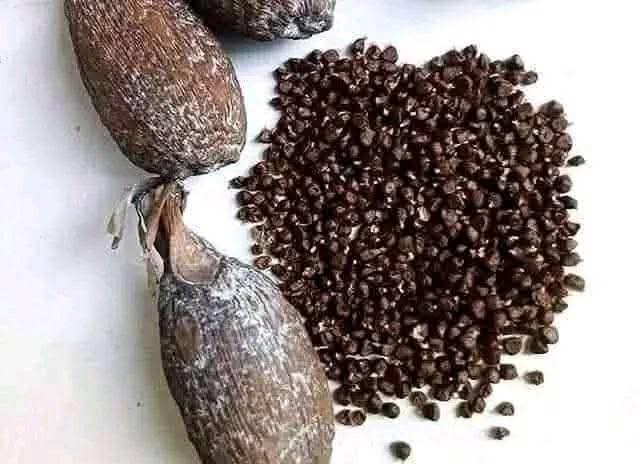
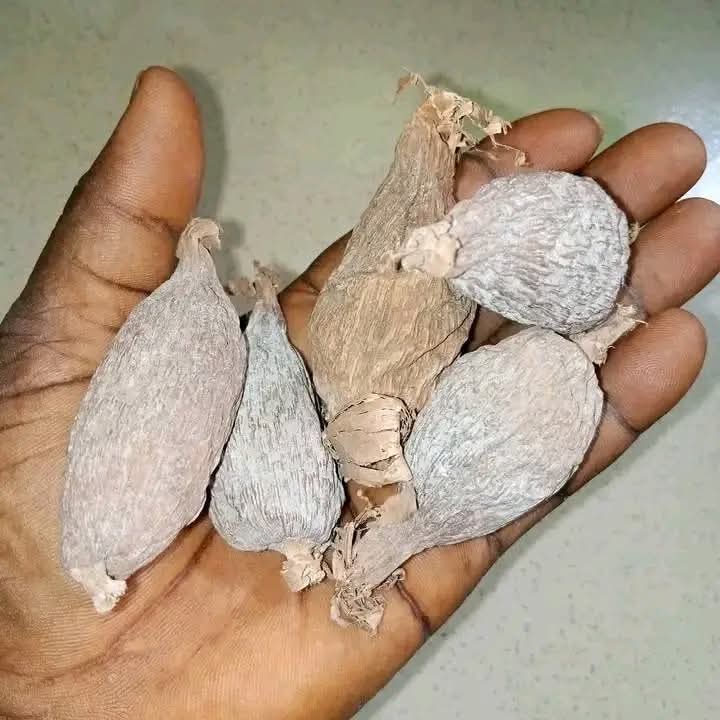
The plant grows to approximately 1.5 metres in height, producing attractive pink to purple flowers directly at ground level from horizontal rhizomes — an unusual botanical characteristic shared with other Aframomum species. The flowers develop into elongated, leathery fruits approximately 5–7cm in length — the “pods” that give rise to the common name “alligator pepper,” a reference to the rough, bumpy exterior surface of the dried pod that evokes the texture of alligator skin. Within each pod, packed in a white, aromatic pulp matrix, are approximately 60–100 small, hard seeds — the commercial spice of trade. These seeds, when separated from the pod and dried, constitute the “Grains of Paradise” of European botanical and culinary tradition.
The distinction between the whole pod (sold in Nigerian and West African markets as alligator pepper) and the extracted seed (sold as Grains of Paradise in European and American spice and brewing markets) is an important commercial differentiation that Paradise MultiTrade handles explicitly — we supply both forms on buyer specification. Contact our team to specify whether your application requires whole pods, extracted seeds, or ground powder.
The Grains of Paradise — Medieval Europe’s Most Coveted Spice
The commercial history of Aframomum melegueta in international trade begins not in Nigeria but in the ports of medieval North Africa and the Mediterranean — where Arab traders were carrying West African botanical products northward through the trans-Saharan trade routes centuries before any European explorer set foot on West African soil. By the 13th century, Aframomum melegueta seeds had reached European markets under the name “Grains of Paradise” — a name chosen with deliberate commercial elegance by spice merchants who understood the marketing power of mystique, suggesting a product of paradisiacal origin that justified the extraordinary prices it commanded.
At its commercial peak in 14th and 15th century Europe, Grains of Paradise was one of the most actively traded and highly valued spices in European commerce — competing directly with the far more famous black pepper (Piper nigrum) as a flavouring, food preservative, and supposed medicinal spice. As documented in historical spice trade research published through the Oxford University Press’s academic history of spice trade, Grains of Paradise was used extensively in medieval European cooking — appearing in recipes from French, English, Italian, and Flemish culinary manuscripts as a pepper substitute and in its own right as a flavouring for meat dishes, wines, and ale. It was taxed, regulated, and debated in the commercial codes of medieval trading cities in the same breath as pepper, ginger, and cinnamon — a measure of its commercial significance.
The spice’s entry into European ale brewing is historically documented as early as the 14th century — when English and Flemish brewers were using Grains of Paradise as a flavouring agent in the pre-hop era when ale flavouring relied on mixtures of spices, herbs, and botanicals rather than the Humulus lupulus hops that eventually became the brewing industry’s dominant bittering and flavouring agent. This historical brewing application — documented in beer history research published by the Brewers Association — is the precise historical thread that the modern craft brewing revival has picked up and is currently running with extraordinary commercial enthusiasm.
The decline of Grains of Paradise in European commerce came — as for so many African botanical products — with the establishment of direct sea routes to Asia that brought vast quantities of black pepper, cinnamon, cloves, and nutmeg into European markets at steadily declining prices, eventually pricing Aframomum melegueta out of its position of commercial prominence. For several centuries, the spice largely disappeared from mainstream European awareness — maintained in active use only in West African cultural and culinary traditions, and in the surviving pocket of Belgian witbier brewing where the medieval Grains of Paradise brewing application was preserved.
Nigeria’s Alligator Pepper Heritage — Ceremony, Medicine, and Cuisine
In Nigeria, Aframomum melegueta never lost its significance the way it did in Europe — because its importance in Nigerian culture was never purely commercial. Across the country’s major ethnic groups, alligator pepper occupies a position of cultural, spiritual, and ceremonial centrality that makes its commercial trade inseparable from its symbolic significance.
Among the Yoruba of southwestern Nigeria, alligator pepper is called atare — one of the primary components of the kola nut presentation that opens every formal gathering, ceremony, and significant social interaction. The ritual presentation of kola nut with alligator pepper is not merely cultural decoration — it is a structured protocol with specific meanings, specific roles for specific individuals, and specific prayers or invocations that vary by community and occasion. Offering someone kola nut and alligator pepper is one of the most profound acts of respect and welcome in Yoruba social culture.
Among the Igbo of southeastern Nigeria, alligator pepper (ose oji — “pepper of the kola”) is inseparable from the kola nut ceremony — the oji presentation that opens every significant Igbo gathering, from family meetings to traditional marriage ceremonies to community assemblies, cannot be properly conducted without alligator pepper alongside the kola nuts. The Igbo cosmological significance of this pairing — kola nut and alligator pepper together representing the connection between the living and the ancestral — gives Aframomum melegueta a spiritual weight in Igbo culture that is difficult to overstate.
Among the Hausa-Fulani of northern Nigeria, alligator pepper (chitta or citta) is used in traditional medicine preparations — particularly in formulations addressing digestive complaints, respiratory conditions, and as a warming stimulant — alongside its use in food seasoning traditions distinct from the southern Nigerian ceremonial context.
This cultural omnipresence across Nigeria’s three largest ethnic groups — each with independent and deeply embedded traditions of alligator pepper use — creates the kind of demand foundation that no marketing campaign could manufacture and no competitor product could displace. It is the cultural bedrock upon which every other commercial dimension of alligator pepper builds.
The Nigerian Export Promotion Council (NEPC) has recognised alligator pepper as part of Nigeria’s spice export portfolio — with a production base that FAO production and trade statistics and international botanical commodity databases confirm as the world’s most significant. Trade flow data from ITC Trade Map shows Nigerian Aframomum melegueta reaching brewing ingredient importers in Europe and North America, pharmaceutical botanical buyers in Germany and the USA, and diaspora community food importers across the UK, France, Canada, and the Netherlands.
What Is Alligator Pepper? Botanical Profile, Commercial Forms, and the Bioactive Chemistry That Matters
The Plant and Its Commercial Anatomy
Aframomum melegueta produces its commercial product in two distinct structural components that are traded separately and serve different buyer communities:
The whole pod — the intact fruit of the plant, dried after harvest to reduce moisture from approximately 65–70% at harvest to the 10–14% required for safe storage and transport. The whole pod is the form used in Nigerian and West African ceremonial, culinary, and traditional medicine contexts — bought by the pod, presented by the pod, and cracked open at the point of use to release the aromatic seeds within. This is the form demanded by diaspora food and cultural goods importers serving West African communities globally, and by traditional medicine practitioners who use the whole pod in preparation of herbal formulations.
The extracted seed (Grains of Paradise) — the small, angular seeds removed from the pod by cracking and separating the pod wall and inner pulp. The extracted seed is the form used by European and American craft brewers, spice processors, culinary professionals, pharmaceutical ingredient companies, and essential oil distillers — who need the pure seed rather than the whole pod, either for direct use or for further processing into ground spice, extract, or essential oil.
Ground alligator pepper — fine-milled dried seed, produced for direct culinary use in food manufacturing and for diaspora retail where convenience of use is a priority.
Alligator pepper essential oil — steam-distilled from the dried seeds, producing an intensely aromatic oil whose fragrance profile and bioactive compound content are attracting growing interest from both the fine fragrance industry and the pharmaceutical sector.
The Bioactive Chemistry — 6-Paradol, Gingerols, and the Thermogenic Revolution
The biochemical profile of Aframomum melegueta seed is one of the most commercially interesting in the entire West African spice portfolio — dominated by a class of phenylalkanone compounds that overlap partially with ginger’s bioactive chemistry but include compounds unique to the Aframomum genus that have attracted serious pharmaceutical research attention.
6-Paradol — the compound unique to Aframomum melegueta that is absent from or present at far lower concentrations in any other commercially traded spice — is the primary driver of pharmaceutical and nutraceutical procurement interest in alligator pepper seed extract. Research published through NCBI’s pharmacological research database documents 6-paradol’s potent thermogenic activity — its ability to stimulate brown adipose tissue (BAT) activation and non-shivering thermogenesis through a mechanism distinct from the TRPV1-mediated pathway of capsaicin, involving direct stimulation of uncoupling protein 1 (UCP1) in brown adipocytes. This thermogenic mechanism has significant implications for weight management, metabolic health, and energy expenditure research — making 6-paradol one of the most commercially interesting naturally occurring thermogenic compounds identified in recent years.
6-Gingerol and 6-Shogaol — the same compounds found in ginger (though at different relative concentrations), contributing anti-inflammatory, antioxidant, and antiemetic properties to alligator pepper’s pharmacological profile. Research accessible through NCBI documents these compounds’ mechanisms of action — providing the clinical reference framework that pharmaceutical ingredient buyers apply when evaluating Aframomum melegueta as a multi-bioactive botanical raw material.
Piperine analogues — compounds structurally related to the active principle of black pepper, contributing to alligator pepper’s characteristic peppery bite and potentially enhancing bioavailability of co-administered compounds through the same mechanism as piperine’s documented bioavailability enhancement activity.
Essential oil fraction — dominated by terpenoid compounds including α-humulene, β-caryophyllene, limonene, and various monoterpenes, producing the distinctive warm, spicy, subtly floral aroma that makes Aframomum melegueta essential oil of interest to the fine fragrance and functional cosmetics industries. Detailed essential oil composition data is published through the Journal of Essential Oil Research — the primary peer-reviewed publication for essential oil chemistry that fragrance industry buyers reference for ingredient evaluation.
Benefits and Industrial Uses of Nigerian Alligator Pepper
Craft Brewing Industry — The Grains of Paradise Renaissance
This is the most rapidly growing and commercially dynamic new application for Nigerian alligator pepper among international buyers who had no awareness of the product thirty years ago — and it is a market whose commercial trajectory is directly traceable to the global craft brewing revolution that has transformed beer from an industrial commodity into an artisan product category with sophisticated ingredient sourcing standards.
The connection between Aframomum melegueta and brewing is not a modern invention — it is a historical rediscovery. Medieval European brewers used Grains of Paradise extensively in the pre-hop era as one of the primary bittering and flavouring ingredients in a blend called gruit — a mixture of botanicals whose specific composition was often regulated by local authority as both a commercial and a taxation mechanism. The transition to hops as the dominant bittering agent during the 15th and 16th centuries was partly driven by hop producers’ commercial interests and partly by hops’ superior preservation properties — but it displaced an entire vocabulary of traditional brewing botanicals including Grains of Paradise whose flavour contributions were genuinely distinctive and valued.
Belgian witbier — the wheat beer style associated with breweries like Hoegaarden — preserved the historical use of Grains of Paradise into the modern era, incorporating Aframomum melegueta alongside orange peel and coriander as defining flavouring ingredients. When the American craft brewing revolution began systematically exploring traditional and historical brewing ingredient traditions in the 1980s and 1990s, Grains of Paradise was among the rediscovered ingredients that captured the imagination of innovative brewers — and it has since become one of the most widely used specialty brewing botanicals in the global craft beer sector.
Today, Aframomum melegueta is used by craft brewers across the United States, United Kingdom, Germany, Belgium, the Netherlands, Canada, Australia, and Japan in an expanding range of beer styles — witbier and wheat beers where it is historically traditional, saisons where its warm spice notes complement the ester-forward yeast character, IPAs and pale ales where it provides a unique peppery accent, winter warmers and holiday ales where its warming properties are seasonally appropriate, and experimental styles where brewers are actively exploring alligator pepper’s distinctive flavour contribution in novel combinations.
The Brewers Association — the primary trade organisation representing American craft brewers — tracks ingredient trends across the craft brewing sector and has documented Grains of Paradise as an established specialty ingredient with consistent procurement demand across the independent brewing community. The Society of Independent Brewers (SIBA) tracks parallel trends across the UK craft brewing market — confirming Aframomum melegueta as an active ingredient in the British artisan brewing vocabulary. Market intelligence on the global craft beer ingredient market is published by Grand View Research’s craft beer market analysis — projecting sustained growth in craft beer production that directly supports continuing strong demand for specialty botanical brewing ingredients including Grains of Paradise.
For craft brewing ingredient buyers and wholesale brewing supply distributors evaluating Nigerian alligator pepper as a Grains of Paradise supply source, contact our export team to discuss seed specification, moisture content, aroma profile assessment, and supply volume arrangements.
Pharmaceutical and Nutraceutical Industry — 6-Paradol and the Thermogenic Research Frontier
The pharmaceutical research community’s interest in Aframomum melegueta and specifically in the compound 6-paradol represents one of the most commercially significant emerging demand streams for authenticated Nigerian alligator pepper seed as a pharmaceutical raw material — and one whose growth trajectory is directly linked to the pace of clinical research on brown adipose tissue activation as a therapeutic target for metabolic disease.
The scientific context is important: brown adipose tissue (BAT) — a metabolically active fat tissue that generates heat by burning energy — has been recognised as a potential therapeutic target for obesity and metabolic syndrome since its rediscovery in adult humans through PET scanning studies published around 2009. The subsequent decade of research on compounds that activate BAT and stimulate non-shivering thermogenesis has identified several natural compounds with documented BAT activation activity — among which 6-paradol from Aframomum melegueta is one of the most pharmacologically interesting, as documented through research published in NCBI’s metabolic disease research database.
Unlike capsaicin — which activates thermogenesis through the TRPV1 receptor pathway and whose burning sensation limits its palatability and dosing flexibility in oral supplement formulations — 6-paradol appears to activate thermogenesis through a TRPV1-independent mechanism that does not produce the same burning sensation, potentially making it more suitable for high-dose oral formulation in weight management supplements and pharmaceutical applications. This pharmacological differentiation from capsaicin gives 6-paradol a distinct commercial identity in the thermogenic compound market rather than simply competing with already established capsaicin-based ingredients.
Research on Aframomum melegueta‘s anti-inflammatory properties — mediated through the same gingerol and shogaol fraction present in ginger alongside the paradol compounds unique to the species — is documented through NCBI’s inflammation research publications. The anti-inflammatory application adds a second pharmacological dimension to pharmaceutical buyers’ interest in the plant — positioning it as a multi-mechanism botanical rather than a single-compound source.
The World Health Organization’s monograph on Aframomum melegueta recognises the plant’s traditional medicinal applications and provides the international regulatory legitimacy framework that pharmaceutical procurement teams reference when evaluating botanicals for clinical product development. For pharmaceutical-grade alligator pepper seed with documented 6-paradol content, heavy metal compliance, pesticide residue screening, and full analytical certification, contact Paradise MultiTrade to discuss sourcing requirements.
Market analysis on thermogenic ingredient demand in the global weight management supplement market is tracked by Mordor Intelligence’s weight management supplement market report and cross-referenced with emerging botanical ingredient procurement intelligence from Tridge’s specialty botanical platform — both confirming the commercial relevance of novel thermogenic botanical compounds in current supplement industry ingredient development.
Spice Processing and Food Industry
As a culinary spice, Aframomum melegueta occupies a flavour space that is simultaneously familiar — sharing the warm, peppery, slightly gingery character of related Zingiberaceae family spices — and distinctively different, with a floral, cardamom-adjacent aromatic dimension that sets it apart from any other commercially traded spice. This combination of accessibility and distinctiveness makes it commercially interesting to spice processors and food manufacturers who are actively seeking novel spice ingredients that can differentiate their products in an increasingly crowded premium spice market.
In the premium retail spice market — where brands like Épices de Cru, Penzeys Spices, and Burlap & Barrel have demonstrated strong consumer appetite for unusual, origin-specific, documented-provenance spices — Grains of Paradise from Nigerian origin is an established product with a defined and growing buyer community. The American Spice Trade Association (ASTA) quality standards and the European Spice Association (ESA) market framework both accommodate Aframomum melegueta within the broader spice category — providing the quality measurement and trade classification framework that commercial spice buyers apply.
Food manufacturers incorporating alligator pepper in spice blend formulations, West African cuisine-inspired seasoning products, premium meat rubs, artisan condiments, and functional food products are an active and growing buyer segment. The ingredient’s clean-label appeal — a named, botanically specific spice with documented West African origin and a compelling cultural narrative — aligns precisely with the clean-label movement that Mintel’s global food trend database consistently identifies as the most powerful driver of premium food product innovation across European and North American markets.
Fragrance and Cosmetics Industry
The fine fragrance industry’s use of Aframomum melegueta — either as an essential oil steam-distilled from the seed or as a concrete and absolute produced through solvent extraction — is a long-established application. The spice’s warm, spicy, subtly woody aromatic profile places it in the category of Oriental and spicy fragrance families — used as a base and heart note in perfumes, colognes, and luxury personal care formulations where its West African origin adds a narrative dimension valued in premium fragrance positioning.
Major international fragrance ingredient suppliers including Givaudan, Firmenich, and International Flavors & Fragrances (IFF) — the three dominant global fragrance and flavour ingredient companies — all reference West African spice botanicals in their ingredient portfolios, with Aframomum melegueta appearing in the ingredient declarations of commercial fragrance formulations across multiple fine fragrance brands. Ingredient safety documentation for fragrance application is assessed through the International Fragrance Association (IFRA) — the industry body that establishes usage limits and safety standards for fragrance ingredients including botanical essential oils.
In skincare formulation, Aframomum melegueta seed extract is attracting growing interest for its anti-inflammatory and antioxidant properties — relevant in formulations targeting sensitive skin, redness reduction, and environmental protection. The CBI Netherlands natural cosmetics ingredient market guidance specifically identifies West African botanical spice ingredients as a growth category in European natural cosmetics ingredient sourcing — a market intelligence finding directly relevant to cosmetics formulators evaluating Nigerian alligator pepper as a novel active ingredient.
Traditional Medicine and Ceremonial Supply — The Cultural Demand That Never Wavers
The traditional medicine applications of alligator pepper across West African communities are extensive and ethnobotanically documented — covering antimicrobial applications (particularly oral and wound applications where the seed’s antimicrobial compounds have been validated through laboratory research published in NCBI’s microbiology publications), digestive support (the seeds are chewed to relieve bloating, nausea, and indigestion — an application consistent with the gingerol content shared with ginger), aphrodisiac traditional application (documented across multiple West African ethnobotanical surveys and assessed through the Journal of Ethnopharmacology), and snakebite treatment formulations used in some forest belt communities.
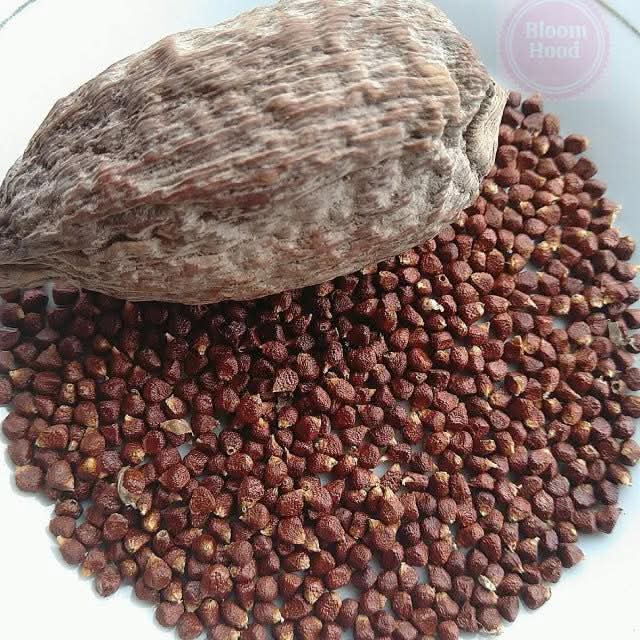
For herbal product companies, traditional medicine wholesalers, and diaspora cultural goods importers — the ceremonial and traditional medicine demand for whole alligator pepper pods is a year-round, culturally persistent procurement requirement that provides the most stable and reliable demand foundation in the entire alligator pepper market. No pharmaceutical research development, no craft brewing trend, and no cosmetics formulation interest can match the sheer consistency of demand from West African diaspora communities who need authentic alligator pepper for naming ceremonies, marriages, funerals, and community gatherings regardless of what is happening in global commodity markets.
For diaspora food and cultural goods importers, contact our export team to discuss whole pod supply specifications and volume arrangements.
The Veterinary and Agricultural Application Sector
Aframomum melegueta‘s antimicrobial and antiparasitic properties have attracted research interest in the veterinary and animal production sector — with studies published through NCBI’s veterinary science publications documenting alligator pepper’s efficacy as a natural growth promoter and feed additive in poultry and aquaculture systems, functioning as an alternative to antibiotic growth promoters. This emerging application adds a new commercial dimension to Aframomum melegueta procurement — one whose growth is directly supported by the global agricultural industry’s ongoing transition away from antibiotic use in animal production. Animal feed ingredient market trends are tracked by the Food and Agriculture Organization’s animal production division — which documents the growing adoption of natural botanical feed additives as antibiotic alternatives across global livestock production systems.
Why Buy Alligator Pepper from Nigeria?
Nigeria’s Natural Production Advantage — Humid Forest Belt Density and Harvest Depth
Aframomum melegueta grows as a native understory species across the humid coastal forest belt of West Africa — but Nigeria’s production advantage among the species’ range countries is a function of both ecological density and the depth of established community harvesting traditions. The southern forest states of Edo, Delta, Cross River, Akwa Ibom, Ondo, and Ogun contain some of the densest natural Aframomum melegueta populations within the species’ entire range — sustained by the region’s high rainfall (1,500–3,000mm annually), deep, well-drained forest soils, and the partial shade conditions that the plant’s understory habitat preference requires.
The community harvesting traditions associated with alligator pepper production in these states are measured not in years but in generations — with harvesting knowledge, productive plant locations within forest territories, and post-harvest processing skills transmitted through farming families over time periods that create institutional knowledge depth that commercial cultivation programmes in other regions cannot replicate quickly. This generational depth of harvesting knowledge translates directly into commercial advantage: consistent pod quality, appropriate harvest timing to maximise seed development, and post-harvest handling practices that preserve the aromatic compound content that drives commercial value.
Aromatic Quality That Origin-Experienced Buyers Recognise
For craft brewers, spice traders, and fragrance industry buyers who have worked with Aframomum melegueta from multiple origins — including Cameroon, Ghana, and Côte d’Ivoire alongside Nigeria — the aromatic profile difference between origins is perceptible and commercially relevant. Nigerian alligator pepper from the humid forest belt states is characterised by particular seed density, depth of aroma, and balance of the warm-spicy and floral notes that define Aframomum melegueta‘s distinctive flavour character. This origin-specific aromatic quality is a function of the specific ecological conditions of Nigeria’s producing zones — the same terroir logic that applies to wine, specialty coffee, and cocoa, and that is increasingly being applied to premium botanical spice sourcing by sophisticated buyers who understand that origin is not merely a compliance requirement but a quality determinant.
Essential oil composition data comparing Aframomum melegueta from different West African origins is published in the Journal of Essential Oil Research — a peer-reviewed resource that fragrance industry buyers and essential oil distillers can reference when evaluating the scientific basis for origin-quality distinctions.
The Sacred Commodity Premium — Cultural Authenticity for Diaspora Buyers
Alligator pepper is not merely a spice in West African cultural tradition — it is a ceremonially significant botanical product whose authenticity, freshness, and proper handling carry meanings that extend beyond commercial specification. For diaspora food and cultural goods importers supplying the West African communities across the United Kingdom, United States, Canada, France, Italy, and Germany who use alligator pepper at ceremonies of profound personal and cultural significance — the authenticity of the product they supply is not a marketing consideration. It is a matter of cultural integrity.
Nigerian-origin alligator pepper, sourced by Paradise MultiTrade directly from the producing communities of the southern forest belt states and exported with verified origin documentation, delivers the cultural provenance that diaspora importers can communicate confidently to the communities they serve. The CBI Netherlands market intelligence on West African food and cultural product exports confirms growing structured demand for authentic West African botanical products among diaspora communities across Europe — a market intelligence finding that validates the commercial case for formalised Nigerian origin supply.
Complete Export Documentation from a Licensed Exporter
Every alligator pepper shipment processed through Paradise MultiTrade carries phytosanitary certification from the Nigerian Agricultural Quarantine Service (NAQS), NEPC export documentation, certificate of origin, commercial invoice, packing list, and bill of lading. For pharmaceutical and nutraceutical buyers, we coordinate 6-paradol content analysis by HPLC, essential oil percentage, heavy metal screening, pesticide residue analysis, and microbiological testing through accredited laboratories following AOAC International validated methods. For craft brewing buyers, we provide moisture content certificates and aroma assessment documentation appropriate to brewing ingredient specification requirements. EU-bound shipments comply with Regulation (EU) 2017/625 on official controls for botanical and food imports and reference EFSA’s botanical ingredient safety assessments. Our NEPC Export Licence No. 0042385 and CAC Registration No. RC-9284647 are current and verifiable through NEPC.
Nigeria’s Alligator Pepper Export Strength and Global Market Demand
The Craft Brewing Market — Quantifying the Opportunity
The global craft beer market represents a commercial context of extraordinary scale and sustained growth momentum. Market analysis from Grand View Research’s craft beer market report values the global craft beer market at over USD 100 billion and projects continued compound annual growth driven by expanding craft brewing culture across Asia, Latin America, and Africa alongside the established craft markets of the USA, UK, Germany, Belgium, and Australia. Within this market, specialty botanical ingredients — Grains of Paradise prominent among them — occupy a growing ingredient procurement subcategory whose commercial significance is documented through brewing industry supplier data and ingredient usage surveys published by the Brewers Association.
American craft brewers alone — the world’s largest craft brewing community by number of licensed breweries, exceeding 9,000 independent craft breweries according to Brewers Association market data — represent a substantial and growing collective procurement demand for Grains of Paradise as a specialty ingredient. Add the UK’s approximately 1,800 craft breweries tracked by SIBA, the European craft brewing scene concentrated in Germany, Belgium, the Netherlands, Italy, and Scandinavia, and the rapidly developing craft brewing sectors in Australia, Japan, and South Korea — and the total buyer community for authenticated Nigerian alligator pepper in craft brewing applications numbers in the thousands of individual potential customers.
Brewing ingredient distributors and wholesale spice suppliers who service the craft brewing market are the primary procurement channel — with companies like MoreBeer and Northern Brewer in the USA and comparable distributors across European craft brewing markets sourcing Grains of Paradise from West African origins for resale to brewing customers. Contact our export team to discuss brewing-grade alligator pepper seed specification and volume supply for wholesale brewing ingredient distribution.
The Pharmaceutical and Supplement Research Market — Following the 6-Paradol Science
The thermogenic supplement market — a subset of the broader weight management supplement category valued by Grand View Research — is actively evolving as pharmaceutical ingredient companies and supplement brands seek novel bioactive compounds to differentiate their product formulations. 6-Paradol’s documented thermogenic mechanism — distinct from capsaicin’s TRPV1 pathway and potentially more suitable for oral supplement dosing — positions Aframomum melegueta extract as a commercially differentiated ingredient in a market where ingredient differentiation directly supports product premium positioning.
As clinical research on 6-paradol accumulates — with ongoing studies tracking BAT activation, metabolic rate effects, and safety parameters — the pharmaceutical procurement demand for authenticated Nigerian alligator pepper as extraction raw material is expected to grow in direct proportion to the strength of clinical evidence. This is the same research-driven demand trajectory that has driven Irvingia gabonensis (African mango) and turmeric (curcumin) from regional botanical obscurity to mainstream supplement ingredient status over the past two decades — and there is no reason to believe Aframomum melegueta‘s trajectory will be substantially different as the science matures.
Key Export Destination Markets
The United States is the world’s most significant market for Nigerian alligator pepper across multiple demand streams simultaneously — craft brewing ingredient procurement, weight management supplement sourcing, premium retail spice distribution, and West African diaspora community ceremonial and culinary supply. The breadth of the American demand base — spanning entirely different buyer categories with entirely different procurement frameworks — makes the USA the single most commercially important destination for Nigerian alligator pepper export.
Germany and Belgium are the most historically significant European markets — Belgian witbier brewing’s centuries-long Grains of Paradise tradition creates both direct craft brewery procurement and wholesale brewing ingredient distribution demand, while Germany’s sophisticated spice processing industry and pharmaceutical ingredient manufacturing sector provide additional demand streams.
The United Kingdom combines all three demand layers that characterise the American market — a thriving craft brewing scene of approximately 1,800 independent breweries, a significant and growing pharmaceutical and nutraceutical ingredient sourcing sector, and the UK’s largest-outside-Africa West African diaspora community whose ceremonial and culinary demand for authentic alligator pepper is among the most consistent in the diaspora food import trade.
The Netherlands — home to both Belgian witbier tradition influences and a sophisticated specialty food and ingredient import sector — is an active European market for Nigerian alligator pepper through both craft brewing and spice trade channels.
Japan — where the growing craft brewing culture is embracing global spice ingredients with the same systematic thoroughness that has characterised Japan’s adoption of every other food craft tradition — is an emerging and increasingly commercially relevant destination for Grains of Paradise. Market intelligence on Japanese specialty ingredient import trends is tracked by JETRO.
Why Choose Paradise MultiTrade International Limited?
Both Whole Pod and Extracted Seed Available. We supply whole alligator pepper pods for diaspora ceremonial and traditional medicine markets and for buyers who need the complete fruit form, and extracted Grains of Paradise seed for craft brewing, spice processing, pharmaceutical extraction, and fragrance industry applications. This dual-form capability means buyers across both traditional West African and international commercial market segments can be served through one supply relationship.
Brewing-Grade Specification Support. For craft brewing buyers and wholesale brewing ingredient distributors, we supply alligator pepper seed with moisture content documentation, aroma assessment support, and piece size consistency appropriate to brewing ingredient specification requirements. We understand that craft brewers need confidence in aromatic consistency across supply batches — and we engage with this requirement seriously. Contact our team to discuss brewing-grade specification.
6-Paradol Documentation for Pharmaceutical Buyers. For pharmaceutical and nutraceutical buyers requiring 6-paradol content quantification by validated HPLC methods, we coordinate analysis through accredited laboratories and provide documented results alongside standard phytosanitary and commercial shipping documentation. Contact us to build your analytical package requirement.
Essential Oil Discussion. For fragrance industry buyers and cosmetics formulators requiring Aframomum melegueta essential oil rather than raw seed, we engage in discussions about essential oil supply from Nigerian distillation operations. Essential oil availability, specification, and minimum volumes are discussed at the quotation stage. Contact our team to initiate this conversation.
Multi-Commodity West African Botanical Sourcing. Buyers sourcing alligator pepper frequently have parallel requirements for other Nigerian botanical commodities. Alongside alligator pepper, Paradise MultiTrade exports ogbono seed, egusi melon seed, cloves, turmeric, chilli pepper, moringa seeds, hibiscus flower, bitter kola, kola nut, dry split ginger, fresh ginger, red palm oil, and sesame seeds. Explore our full range of Nigerian export commodities and consolidate your West African botanical sourcing through one verified, licensed export partner.
Product Specifications
| Specification | Details |
|---|---|
| Product | Alligator Pepper / Grains of Paradise (Aframomum melegueta) |
| Common Names | Alligator pepper, Grains of Paradise, Melegueta pepper, Guinea pepper, Atare (Yoruba), Ose oji (Igbo), Chitta (Hausa) |
| Origin | Nigeria (Edo, Delta, Cross River, Akwa Ibom, Ondo, Ogun States) |
| Forms Available | Whole dried pod; extracted seed (Grains of Paradise); ground powder; essential oil (on request) |
| Moisture Content | 10–14% (whole pod); 8–12% (extracted seed); 6–8% (powder) |
| Essential Oil Content | 0.8–2.5% (seed basis — lot analysis available) |
| 6-Paradol Content | Documented by HPLC analysis on request |
| Purity | 95%+ (free from foreign matter, mould, damaged pods/seeds) |
| Colour | Whole pod: tan-brown to reddish-brown; Seed: reddish-brown to dark brown; Powder: reddish-brown |
| Aroma Profile | Warm, peppery, spicy, floral — cardamom and ginger adjacency with distinctive aromatic notes |
| Packaging Options | 25kg, 50kg polypropylene woven bags (whole pod/seed); 25kg multi-wall paper bags (powder); custom retail packaging on request |
| Supply Capacity | 5–100+ MT per shipment (subject to seasonal availability) |
| MOQ | 1 Metric Tonne |
| Shelf Life | 18–24 months (whole pod and seed, properly dried and stored); 9–12 months (powder) |
| Export Documentation | Phytosanitary Certificate (NAQS), Certificate of Origin, NEPC Export Licence, Laboratory Analysis Certificate (on request), Commercial Invoice, Packing List, Bill of Lading |
| Payment Terms | T/T, Letter of Credit (LC at sight), Escrow |
| Loading Port | Lagos (Apapa / Tin Can Island Port), Nigeria |
| Incoterms Available | EXW, FOB Lagos, CNF, CIF |
Packaging and Export Process
Harvesting. Aframomum melegueta pods are harvested by hand when fully mature — typically between August and December across Nigeria’s primary producing states, following the plants’ fruiting season in the humid forest understory. Harvesters collect pods at the point of maximum aromatic development — when the pod exterior has turned from green through yellow to the characteristic reddish-tan of full maturity. Timing of harvest is critical for commercial quality: under-ripe pods contain incompletely developed seeds with lower aromatic compound content; over-ripe pods may have split and begun seed dispersal.
Initial Processing and Seed Extraction. For whole pod supply, freshly harvested pods are cleaned to remove plant debris and field contamination before drying. For extracted seed supply, pods are cracked open and seeds separated from the fibrous pod wall and aromatic pulp — a labour-intensive step that requires careful handling to avoid seed fragmentation and to preserve the aromatic oils concentrated in the seed surface.
Drying. Whether whole pod or extracted seed, the harvested product is dried on elevated drying platforms under the warm, breezy conditions that follow the rains across Nigeria’s southern states in the August–December period. Moisture is reduced from approximately 65–70% at harvest to the 10–14% target for whole pods and 8–12% for extracted seed — verified by moisture meter testing throughout the drying process. Proper drying is essential for preserving aromatic compound content — high-temperature forced drying that speeds moisture removal also drives off the volatile aromatic fraction that represents much of the seed’s commercial value.
Sorting and Quality Assessment. Dried pods or seeds are sorted to remove damaged, mouldy, or undersized material. A visual and olfactory quality assessment — checking for aroma intensity, colour uniformity, and freedom from off-odours that indicate improper drying or storage — is conducted before packing confirmation. For pharmaceutical buyers, samples are submitted to accredited laboratories for 6-paradol quantification by HPLC, essential oil percentage determination, heavy metal screening, and microbiological testing at this stage.
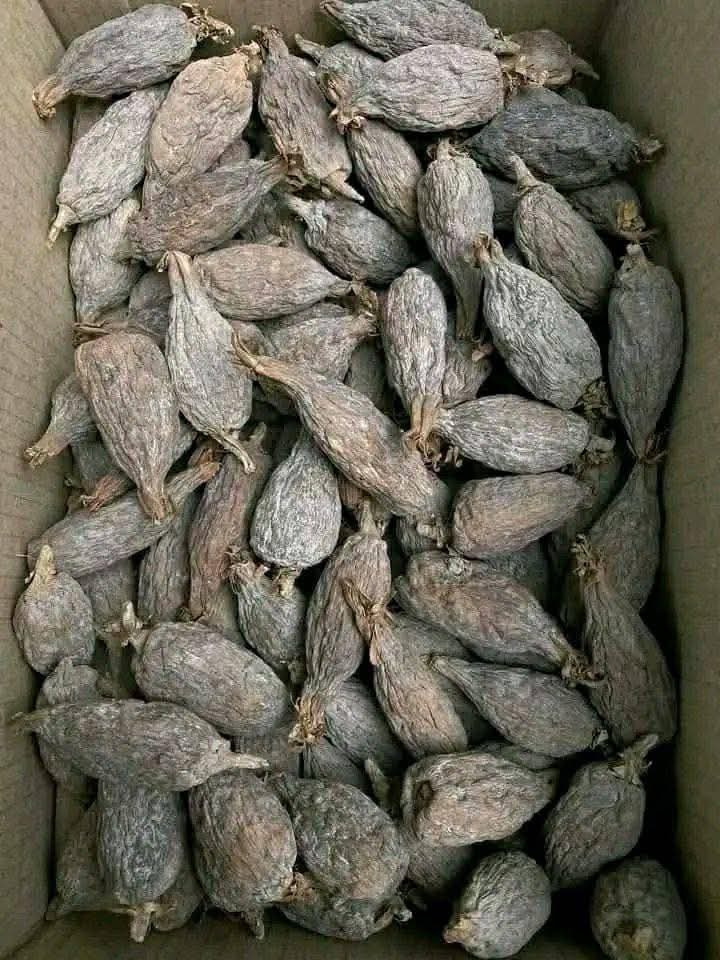
Packaging. Standard export packaging is 25kg or 50kg polypropylene woven bags for whole pods and extracted seeds — providing adequate physical protection while allowing sufficient breathability to prevent moisture accumulation during transit. Ground powder is packed in 25kg multi-wall moisture-barrier paper bags. All packaging is clearly labelled with product form, origin state, lot number, moisture content, net weight, and export documentation reference. Pre-export phytosanitary inspection by NAQS is conducted before container sealing.
Loading. Alligator pepper ships in standard dry containers from Apapa or Tin Can Island Port in Lagos. Lead time from order confirmation to container loading runs 10–21 days for standard whole pod and extracted seed supply. Ground powder and pharmaceutical-grade orders requiring comprehensive analytical testing may require 21–35 days. Contact us early to plan around the August–December harvest season and secure allocation for the current season’s supply.
Frequently Asked Questions
What is the difference between alligator pepper and Grains of Paradise — are they the same product?
Yes — both names refer to Aframomum melegueta, but describe different commercial product forms from the same plant. Alligator pepper refers to the whole dried pod of the plant — the form used in West African cultural, ceremonial, and culinary traditions, where the pod is presented whole and cracked open at the point of use to release the seeds inside. The name references the rough, bumpy exterior of the dried pod that resembles alligator skin. Grains of Paradise refers to the seeds extracted from inside the pod — cleaned and separated from the pod wall and inner pulp. This is the form used by craft brewers, spice processors, pharmaceutical extractors, and fragrance industry buyers. Both forms come from the same Nigerian-origin Aframomum melegueta — they are simply different points of processing on the same product. Paradise MultiTrade supplies both forms. Contact us to specify which form your application requires.
Why is alligator pepper used in craft brewing and what does it contribute to beer flavour?
Aframomum melegueta has been used in European ale brewing since at least the 14th century — historically as part of the gruit botanical blend used before hops became the dominant bittering agent, and preserved into the modern era in Belgian witbier tradition. The seed contributes a warm, peppery, slightly floral flavour note that complements wheat beer’s ester character and adds complexity to a wide range of modern craft beer styles. In craft brewing applications, the seed is typically added in small quantities (5–30 grams per 19-litre homebrew batch, or scaled proportionally for commercial brewing) at various points in the brewing process depending on the desired flavour expression — earlier additions for more integrated flavour, late kettle or dry additions for more aromatic character. The Brewers Association’s style guide references Aframomum melegueta as an acceptable spice in multiple beer style categories. Contact us to discuss brewing-grade seed supply.
What is 6-paradol and why does it matter for pharmaceutical buyers?
6-Paradol is a phenylalkanone compound unique to Aframomum melegueta — not found at commercially significant concentrations in any other traded botanical. It has documented thermogenic activity — the ability to stimulate brown adipose tissue activation and increase metabolic heat production — through a mechanism that does not involve the TRPV1 receptor activated by capsaicin, potentially making it more suitable for oral supplement formulation where capsaicin’s burning sensation limits palatability at effective doses. Research documenting 6-paradol’s pharmacological profile is published through NCBI and is the primary driver of pharmaceutical and nutraceutical ingredient procurement interest in authenticated Nigerian alligator pepper seed. For pharmaceutical-grade sourcing with documented 6-paradol content by validated HPLC analysis, contact our export team.
Can you supply alligator pepper essential oil?
Aframomum melegueta essential oil — steam-distilled from the dried seeds — is a premium fragrance and functional cosmetics ingredient with documented aromatic and bioactive properties. Essential oil supply from Nigerian distillation operations is available for discussion on a case-by-case basis — minimum volumes, specification, pricing, and availability timing are discussed directly with buyers. Contact our team to explore essential oil supply alongside raw seed procurement.
What is the Nigerian alligator pepper harvest season?
Nigeria’s primary Aframomum melegueta fruiting and harvest season runs from approximately August through December — concentrated across the southern forest belt states where the species’ humid forest understorey habitat supports dense natural populations. Peak pod maturity and harvest typically occurs between September and November. Dried pod and extracted seed is available for export through approximately June of the following year under normal production conditions. Buyers planning large-volume orders — particularly pharmaceutical or brewing ingredient buyers who need consistent aromatic quality across large lots — should initiate procurement discussions in June–July to discuss forward pricing and secure allocation ahead of the harvest season. Contact us to plan your procurement cycle.
How should alligator pepper be stored after delivery?
Store in a cool, dark, dry, well-ventilated environment at ambient temperature below 20°C and relative humidity below 65%. Alligator pepper’s volatile aromatic compounds are particularly sensitive to heat, light, and oxygen exposure — all of which accelerate volatilisation of the essential oil fraction and result in loss of the characteristic aroma that defines the product’s culinary and commercial value. Whole pods offer the best natural protection for the seed’s aromatic content — the intact pod wall provides a barrier against oxygen and light exposure that maintains aromatic compound integrity significantly longer than extracted seed or ground powder. Store bags on pallets away from direct sunlight, heat sources, and strong odour sources (the seed readily absorbs ambient odours under poor storage conditions). Under proper conditions, whole pod maintains aromatic quality for 18–24 months; extracted seed 12–18 months; ground powder 9–12 months.
What transit times should I expect from Nigeria?
Europe (Rotterdam, Hamburg, Antwerp, Felixstowe) — approximately 14–20 days from Lagos. Belgium (Antwerp) — 14–18 days. USA (East Coast — New York, Savannah, Baltimore) — 18–25 days. Canada (Halifax, Montreal) — 18–28 days. UAE (Jebel Ali) — 10–14 days. Japan (Yokohama, Osaka) — 25–32 days. Australia (Sydney, Melbourne) — 25–35 days.
Ready to Source Premium Nigerian Alligator Pepper — Grains of Paradise for Craft Brewing, Pharmaceutical Research, Spice Processing, and West African Cultural Supply?
If you are a craft brewer or wholesale brewing ingredient distributor who needs authenticated Grains of Paradise from a direct Nigerian export source, a pharmaceutical ingredient buyer or nutraceutical manufacturer who needs Aframomum melegueta seed with documented 6-paradol content and full analytical certification, a spice processor or premium retail spice brand building a Nigerian origin position, a fragrance or cosmetics industry buyer investigating alligator pepper essential oil and extract, or a diaspora food and cultural goods importer supplying West African communities with authentic ceremonial-grade alligator pepper pods — Paradise MultiTrade International Limited is the licensed Nigerian exporter your supply chain needs.
We supply whole dried alligator pepper pods and extracted Grains of Paradise seed — forest-origin sourced from Nigeria’s southern humid belt states, properly dried to preserve the aromatic compound content that drives commercial value, comprehensively analysed on request, and exported with full phytosanitary and commercial documentation to buyers in every major regulated destination market.
Request a Quotation — share your required form (whole pod or extracted seed), volume, any analytical requirements, destination port, and preferred incoterms. We respond with a detailed, competitive quote within 48 hours.
Contact Our Export Team — speak directly with our export coordinators about 6-paradol analysis, brewing-grade specification, essential oil supply, pharmaceutical documentation packages, diaspora retail packaging, and long-term contract supply arrangements.
Explore Our Full Product Range — alongside alligator pepper, Paradise MultiTrade exports ogbono seed, egusi melon seed, cloves, turmeric, chilli pepper, moringa seeds, hibiscus flower, bitter kola, kola nut, sesame seeds, fresh ginger, dry split ginger, red palm oil, cashew nut kernel, and raw cashew nuts. One licensed Nigerian exporter. One consolidated West African botanical and spice sourcing relationship. Consistent quality and documentation across every commodity.
Buy alligator pepper from Nigeria, Nigerian alligator pepper supplier, Aframomum melegueta bulk export, Grains of Paradise Nigeria wholesale, atare pepper Nigeria export, melegueta pepper bulk supplier Africa, alligator pepper for the pharmaceutical industry, Nigerian alligator pepper for craft brewing
Paradise MultiTrade International Limited | NEPC Export Licence No. 0042385 | CAC No. RC-9284647 | Lagos, Nigeria | www.paradisemultitrade.com
Reviews
There are no reviews yet.