
Nigerian Moringa Leaves Powder: The Plant Food That Contains More Vitamin C Than Oranges, More Calcium Than Milk, More Iron Than Spinach, More Potassium Than Bananas, and More Protein Than Yogurt — and That the United Nations Nutrition Programme Identified as a Solution to Global Micronutrient Malnutrition Before the Global Wellness Industry Discovered It as a Premium Supplement
Moringa Leaves Powder Exporter Nigeria — Food-Grade, Nutraceutical, and Cosmetic-Grade Dried Moringa Oleifera Leaf Powder, Direct Sahel and Sudan Savanna Sourcing, Bulk Supply to Health Food Manufacturers, Dietary Supplement Brands, Food Fortification Programmes, Cosmetics Formulators, and Global Wholesale Importers Worldwide
Moringa leaves powder exporter Nigeria is a search phrase whose buyer arrives with a commercial understanding that most mainstream food buyers reach only after significant exposure to the clinical nutrition and functional food literature — the understanding that Moringa oleifera leaf powder is not a specialty wellness trend whose commercial longevity is uncertain, but a product whose nutritional credentials are so thoroughly documented, so comprehensively researched, and so specifically recommended by the most authoritative international nutrition institutions that its transition from subsistence food to global premium nutraceutical is one of the most commercially inevitable stories in the natural health products industry.
The nutritional comparisons that moringa leaf powder’s marketing consistently deploys — 7× more vitamin C than oranges, 4× more calcium than milk, 3× more iron than spinach, 3× more potassium than bananas, 2× more protein than yogurt — are not marketing claims fabricated by supplement brands. They are figures derived from peer-reviewed nutritional composition research published through the United States Department of Agriculture’s (USDA) nutrient database and FAO’s food composition programme — the same databases that hospital dietitians, clinical nutritionists, and food scientists use as their reference authority. The World Health Organization (WHO) has engaged with Moringa oleifera leaf within its global micronutrient deficiency management programmes — not as a wellness trend to be cautiously evaluated, but as a practical, affordable, and locally producible solution to the iron, vitamin A, calcium, and protein deficiencies that affect hundreds of millions of people in tropical and subtropical developing nations.
What the global wellness industry subsequently discovered — and what the premium nutraceutical and superfood markets have built multi-hundred-million-dollar product lines around — is that this same extraordinary micronutrient density that makes moringa leaf powder a public health nutrition solution also makes it a premium dietary supplement ingredient of compelling commercial value to the health-conscious consumer in European, American, Japanese, and Middle Eastern premium health food markets who will pay USD 30–60 per 100g for a documented, authenticated, food-safety-compliant moringa leaf powder that delivers its extraordinary nutrient profile in a convenient, versatile, and verifiably clean formulation.
Nigeria — whose Moringa oleifera production infrastructure spans the Sahel and Sudan savanna zones of Kano, Katsina, Jigawa, Kaduna, Sokoto, Niger, and Zamfara states in the north alongside production in Plateau, Nassarawa, Benue, Ondo, and Ogun states across the Middle Belt — is positioned at the intersection of the world’s most nutritionally significant food crop and the global wellness market’s most commercially sustained demand trajectory. At Paradise MultiTrade International Limited, moringa leaf powder is one of our most commercially dynamic natural food export categories — sourced from established moringa cultivation communities, processed under food safety-compliant drying and milling protocols that preserve maximum nutritional integrity, and exported with full analytical, regulatory, and organic certification documentation to buyers across every major international health food, nutraceutical, and cosmetics market.
To discuss sourcing immediately, request a quotation here, and our export team will respond within 48 hours.
History and Origin of Moringa Leaves Powder — From Subsistence Survival Food to Global Wellness Phenomenon
The Sahel’s Tree of Life — A Botanical That Never Needed Marketing
As we established in the moringa oil and moringa seed articles earlier in this series, Moringa oleifera arrived in West Africa through the Portuguese and Arab maritime trade networks that progressively distributed South Asian botanical commodities across the tropical world. What we did not develop fully in those articles — because the oil and seed article’s primary commercial focus was the seed’s oil content and phytochemical profile — is the extent to which moringa’s leaves have historically been the most significant and most utilised part of the entire plant for the West African communities who have grown and used it for generations.
In Nigeria’s northern states — where moringa is called zogale in Hausa and is deeply embedded in local food culture — fresh moringa leaves are not a wellness ingredient. They are a food. They are added to soups and stews the same way spinach or kale is added in European cooking — for their flavour, their texture, and the nutritional density that generations of community knowledge has recognised even without the laboratory confirmation that modern food science has subsequently provided. Women across Kano, Katsina, Jigawa, and Sokoto states have been feeding their families moringa leaves throughout recorded history — and the extraordinary micronutrient density that researchers now document in peer-reviewed publications is not a discovery that surprised these communities. It is the scientific validation of what they already knew through observation.
The international scientific community’s engagement with Moringa oleifera as a nutrition intervention tool intensified in the 1990s and 2000s — driven by the growing recognition of micronutrient malnutrition’s global scale (the “hidden hunger” affecting more than 2 billion people worldwide who consume adequate calories but insufficient micronutrients), and by moringa leaf’s specific profile of providing multiple essential micronutrients simultaneously in a form that could be produced locally, stored in powder form without refrigeration, and incorporated into conventional foods without requiring dietary habit changes. The FAO’s nutrition programme documented moringa leaf powder’s potential as a micronutrient supplementation vehicle in several developing country contexts — confirming through formal nutritional assessment what traditional communities had demonstrated through daily food practice for centuries.
The transition from humanitarian nutrition solution to premium global wellness commodity — which occurred progressively from approximately 2010 onwards — is the commercial development whose momentum Paradise MultiTrade’s moringa leaf powder export programme is directly positioned within. Research on moringa’s nutritional properties published through NCBI’s nutrition and food science database and global market development intelligence from Tridge’s moringa commodity platform document the transition from nutrition intervention ingredient to premium nutraceutical whose supply chain formalisation is the defining commercial challenge of this decade.
Nigeria’s Moringa Leaf Production — The Sahel Advantage
Nigeria’s moringa leaf production is concentrated in the Sahel and Sudan savanna zones whose specific growing conditions — as documented in our moringa seed article — produce Moringa oleifera plants with specific biochemical advantages over comparable production from more humid or more temperate origins:
Kano and Katsina states — the most commercially significant moringa leaf producing territory, where established community moringa cultivation alongside the Nigerian moringa seed processing industry creates a dual-product supply chain whose leaf harvest and seed harvest are managed as complementary revenue streams within the same production system.
Jigawa, Kaduna, and Sokoto states — secondary northern Sahel producing zones whose moringa cultivation integrates with smallholder farming systems across the Sudan savanna belt.
Niger State and the Middle Belt — where moringa cultivation extends into the Guinea savanna transition zone — producing leaf with slightly different biochemical profiles reflecting the higher rainfall and more humid growing conditions of the Middle Belt compared to the Sahel northern zone.
Plateau, Nassarawa, and Benue states — where moringa cultivation in the cooler highland conditions of the Jos Plateau and the more humid Middle Belt produces leaf with longer growth seasons and different flavour and aroma profiles than the Sahel-zone material.
According to FAO production data and research from ICRISAT on moringa production systems in the West African Sahel — Nigeria’s combination of established moringa cultivation traditions, processing infrastructure developed for both leaf and seed markets, and the agronomic advantage of the Sahel’s high-sunshine, moderate-drought-stress growing conditions positions Nigerian moringa leaf powder as one of the most commercially credible West African origin products in the global nutraceutical sourcing market.
What Is Moringa Leaves Powder? The Extraordinary Nutritional Chemistry That Has Built a Global Industry
The Nutritional Profile — Every Comparison Wins
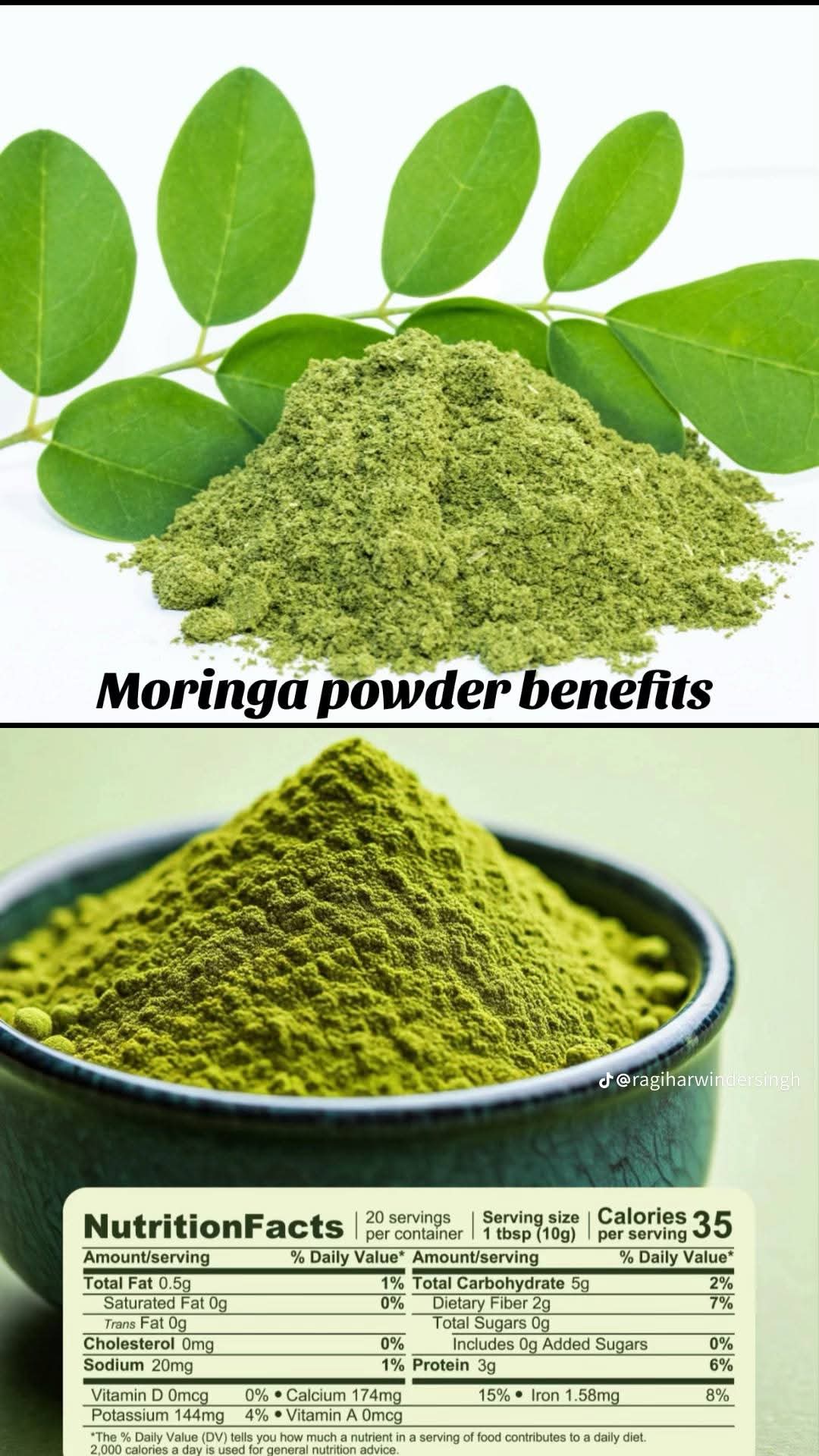
Moringa oleifera leaf powder’s extraordinary micronutrient density is best understood not through abstract percentages but through the direct comparisons that nutritionists and health food brands have made the commercial foundation of the category’s consumer communication — and that rigorous food composition research has validated through peer-reviewed analysis:
Vitamin C — moringa leaf powder contains approximately 220mg per 100g dry weight — compared to approximately 53mg per 100g for fresh oranges. The comparison is dramatic: gram for gram, dried moringa leaf contains approximately 7× the vitamin C of the fruit that has become the universal cultural symbol of vitamin C supplementation. Research on moringa leaf vitamin C content published through NCBI’s food chemistry database confirms this concentration — noting that while vitamin C is partially lost during drying and milling, properly low-temperature-processed moringa leaf powder retains biologically significant vitamin C concentrations that are commercially and nutritionally meaningful.
Calcium — approximately 2,000mg per 100g dry weight — compared to approximately 125mg per 100g for cow’s milk. For populations who are lactose intolerant, vegan, or otherwise unable to access dairy nutrition — moringa leaf powder’s calcium density at this concentration represents a plant-based calcium source of extraordinary practical utility. The International Osteoporosis Foundation (IOF) tracks plant-based calcium source development — and moringa leaf powder’s calcium density positions it uniquely in the plant-based calcium supplement market.
Iron — approximately 28mg per 100g dry weight — compared to approximately 2.7mg per 100g for raw spinach. Iron deficiency anaemia — the most common micronutrient deficiency globally affecting approximately 1.6 billion people according to WHO data — represents the most commercially significant nutritional deficiency that moringa leaf powder’s iron density specifically addresses. The WHO’s guidance on dietary iron for anaemia prevention — referenced in its global anaemia prevention programme — documents the clinical significance of plant-based iron sources with the bioavailability-enhancing compounds that moringa leaf’s vitamin C content simultaneously provides.
Potassium — approximately 1,300mg per 100g dry weight — compared to approximately 360mg per 100g for banana. Potassium’s cardiovascular health significance — in blood pressure management, cardiac function, and electrolyte balance — is documented through the American Heart Association’s (AHA) dietary potassium guidance. Moringa leaf powder’s extraordinary potassium density creates a specific functional food positioning for cardiovascular health support that no other commonly available green powder delivers at comparable concentration.
Protein — approximately 27–30% of dry weight — making moringa leaf powder one of the most protein-rich plant foods in commercial availability. Critically, moringa leaf protein contains all nine essential amino acids — the complete amino acid profile that is rare among plant protein sources and that gives moringa leaf powder a biological value comparable to animal protein sources for essential amino acid delivery. Research on moringa leaf protein’s complete amino acid profile published through NCBI’s plant nutrition database confirms its classification as a complete plant protein — the same classification that makes quinoa commercially premium in the plant protein supplement market, and that makes moringa leaf powder commercially superior to quinoa on every other nutritional parameter simultaneously.
Vitamin A (beta-carotene) — approximately 18,900 IU per 100g dry weight — compared to approximately 8,350 IU per 100g for raw carrots. Vitamin A deficiency — a major cause of childhood blindness and immune system impairment affecting hundreds of millions of children globally according to WHO vitamin A deficiency statistics — is the specific nutritional deficiency that moringa leaf’s beta-carotene content most directly addresses, making it a priority ingredient for food fortification programmes in tropical developing countries and a premium vitamin A source for the natural supplement market globally.
Vitamin E — approximately 113mg per 100g dry weight — the antioxidant vitamin whose skin health, immune function, and cardiovascular protection properties are documented through clinical nutrition research accessible via NCBI.
The Phytochemical Profile — Beyond Vitamins and Minerals
The extraordinary micronutrient density is complemented by a phytochemical profile whose bioactive compounds have attracted independent pharmaceutical and nutraceutical research interest:
Quercetin — approximately 100–200mg per 100g dry weight — the most widely researched dietary flavonoid, whose documented anti-inflammatory, antiviral, antihistamine, and cardiovascular protective properties have been reviewed through NCBI’s flavonoid pharmacology database and confirmed through the European Food Safety Authority (EFSA) dietary flavonoid assessment process. Quercetin’s commercial significance in the nutraceutical market — documented through Grand View Research’s quercetin market analysis — gives moringa leaf powder a specifically valuable flavonoid positioning beyond its vitamin and mineral credentials.
Chlorogenic Acid — the phenolic compound whose documented alpha-glucosidase inhibitory activity creates blood sugar management applications — reviewed through NCBI’s antidiabetic botanical research — and whose commercial significance in the green coffee extract weight management supplement category demonstrates the market appetite for authenticated chlorogenic acid-containing botanical supplements.
Isothiocyanates (particularly moringin / 4-alpha-L-rhamnosyloxy benzyl isothiocyanate) — the sulphur-containing bioactive compounds produced from moringa’s glucosinolate precursors upon leaf tissue disruption — documented through research published in the Journal of Agricultural and Food Chemistry to have documented anticancer, antimicrobial, and anti-inflammatory properties whose pharmaceutical research significance makes moringa leaf powder one of the most actively researched food-botanical ingredients in the current natural product drug discovery pipeline. These isothiocyanates are what distinguish moringa from other green powder supplements — they are essentially absent from spirulina, chlorella, wheatgrass, and barley grass, the primary competitor green powder ingredients in the nutraceutical market.
Zeatin — the cytokinin anti-aging compound whose significance we documented extensively in the moringa oil article — is present in moringa leaf at concentrations documented through NCBI’s plant hormone research to be among the highest of any commonly available plant food. For anti-aging supplement brands who have built product lines around moringa oil’s zeatin content — moringa leaf powder’s zeatin concentration provides a complementary whole-plant source of this commercially significant compound.
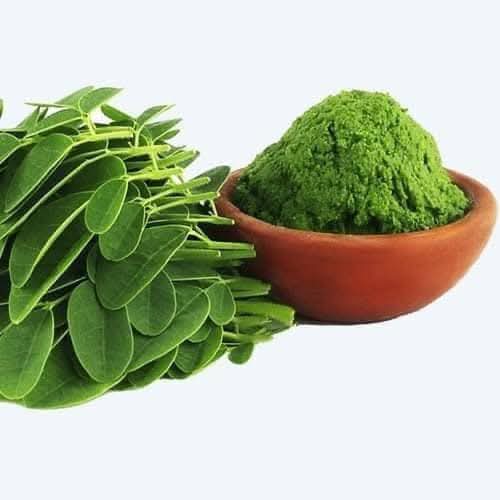
Chlorophyll — present at approximately 2,700mg per 100g dry weight in properly dried and milled moringa leaf powder — contributing the characteristic intense green colour that authenticity-conscious buyers use as a quality indicator, and providing documented detoxification and anti-carcinogenic properties reviewed through NCBI’s chlorophyll pharmacology database.
The Critical Processing Parameter — Temperature During Drying Determines Everything
The most commercially consequential quality decision in moringa leaf powder production — and the one that most differentiates premium-grade from commodity-grade product — is the drying temperature applied to fresh moringa leaves before milling:
Low-temperature drying (below 40°C) — achieved through shade drying on elevated racks in shaded, well-ventilated conditions, or through mechanical heat-assisted drying at carefully controlled low temperatures — preserves the heat-sensitive vitamin C, enzymatic compounds, and volatile phytochemicals (particularly isothiocyanates) that are responsible for moringa leaf powder’s premium nutritional and bioactive profile. Low-temperature dried moringa retains its characteristic bright green colour, its fresh aromatic character, and vitamin C content documented at 200+ mg per 100g. This is the specification that premium nutraceutical buyers and organic supplement brands require.
High-temperature drying (above 60°C) — used in conventional food drying to accelerate throughput — destroys vitamin C substantially (losses of 50–90% documented), degrades isothiocyanate content, reduces chlorophyll to pheophytin (causing the characteristic yellow-brown colour of heat-damaged moringa powder), and eliminates the enzymatic activity whose presence in low-temperature product contributes to bioavailability enhancement. High-temperature dried moringa powder is cheaper, faster to produce, and nutritionally inferior — a commodity product that should not command premium nutraceutical pricing.
Paradise MultiTrade specifies and documents the drying temperature of every moringa leaf powder lot — providing buyers with the processing parameter transparency that premium nutraceutical procurement requires. Contact our team to discuss drying temperature documentation.
Three Commercial Product Grades
Food-Grade Moringa Leaf Powder — produced from clean, properly dried, and finely milled moringa leaves meeting food safety specifications including microbial standards, heavy metal limits, pesticide residue compliance, and moisture content within specification. This is the bulk procurement grade for food manufacturers, food fortification programme buyers, and nutraceutical ingredient buyers who conduct their own quality testing and reformulation.
Nutraceutical-Grade Moringa Leaf Powder — food-grade plus additional quality specifications: low-temperature drying confirmed, vitamin C content documented by HPLC, quercetin and chlorogenic acid content documented, chlorophyll content measured, specific microbial limits appropriate for supplement capsule/tablet manufacturing, and heavy metal screening to supplement manufacturing limits. This is the grade required for dietary supplement encapsulation and tablet manufacturing in regulated markets.
Organic Certified Moringa Leaf Powder — third-party certified organic by a recognised international organic certification body (EU Organic Regulation 848/2018, USDA NOP, or equivalent), confirming freedom from synthetic pesticides, fertilisers, and prohibited inputs throughout the production system. This is the grade required for organic supplement brands, organic food product manufacturers, and buyers whose clean-label positioning specifically communicates “organic” credentials to consumers.
Benefits and Industrial Uses of Nigerian Moringa Leaves Powder
Nutraceutical and Dietary Supplement Industry — The Green Powder That Outperforms Every Competitor
The global dietary supplement market’s green powder category — tracked through Grand View Research’s green powder supplement market analysis — is dominated by spirulina, chlorella, wheatgrass, barley grass, and moringa in roughly descending order of market volume. Moringa’s position within this competitive set is commercially distinctive: unlike spirulina and chlorella (both algae, requiring aquaculture systems and specific processing technology) and unlike wheatgrass and barley grass (whose nutritional profiles are significantly less comprehensive than moringa), moringa leaf powder offers the most complete micronutrient profile of any commonly sold green powder while being producible through conventional agricultural systems in tropical developing countries.
Green superfood supplement — the most commercially established moringa leaf powder application, sold as standalone supplement capsules, tablets, or loose powder in health food retail and online supplement channels globally. Market intelligence from Mordor Intelligence’s moringa products market report documents moringa leaf powder as the highest-value product category within the overall moringa market — with premium retail pricing of USD 20–60 per 100g in European and American health food retail reflecting the ingredient’s documented nutritional superiority over alternatives.
Multivitamin and mineral supplement formulation — moringa leaf powder’s comprehensive micronutrient profile makes it a natural whole-food alternative to synthetic multivitamin formulations for supplement brands positioning around “food-based” or “whole-food” supplement credentials. For nutraceutical brands whose marketing specifically communicates the bioavailability advantages of food-matrix vitamins and minerals over synthetic isolates — moringa leaf powder provides a single ingredient that delivers the majority of the essential micronutrient profile in one authentic food-form source. The Natural Products Association (NPA) tracks moringa leaf powder’s growing adoption in whole-food multivitamin formulation.
Plant protein supplement — moringa leaf powder’s 27–30% complete protein content — containing all nine essential amino acids — creates a plant protein supplement positioning that is commercially competitive with whey protein isolate, pea protein, hemp protein, and soy protein in the rapidly growing plant protein supplement market tracked through Grand View Research’s plant protein market analysis. Unlike isolated plant proteins that require extraction processes separating protein from the food matrix, moringa leaf powder delivers protein alongside the complete micronutrient and phytochemical profile of the whole leaf — creating a “complete nutrition” supplement positioning that protein isolates cannot replicate.
Antioxidant and anti-inflammatory supplement — moringa leaf’s quercetin content, chlorogenic acid, and isothiocyanate portfolio create a multi-mechanism antioxidant and anti-inflammatory positioning that the premium supplement market’s anti-aging and longevity supplement category specifically values. Research on moringa leaf’s antioxidant and anti-inflammatory properties published through NCBI provides the clinical evidence foundation that substantiated anti-aging supplement claims require.
Blood sugar management supplement — moringa leaf powder’s documented chlorogenic acid-mediated alpha-glucosidase inhibitory activity — reducing post-meal blood glucose elevation — has attracted specific nutraceutical product development interest for blood sugar management supplement formulations in the growing diabetic and pre-diabetic consumer health management market. Research on moringa leaf’s antidiabetic properties published through NCBI’s endocrinology research database documents the clinical evidence basis for this application.
Women’s health supplement — moringa leaf powder’s extraordinary iron content (addressing the iron deficiency anaemia that disproportionately affects women of reproductive age), its calcium density (supporting bone health in the perimenopausal population), and its protein completeness (supporting muscle maintenance) create a specific women’s health supplement positioning whose clinical evidence base is documented through WHO’s women’s nutrition guidance. Several premium women’s supplement brands have specifically built moringa leaf powder into their iron and bone health supplement formulations as a whole-food source alternative to synthetic iron and calcium supplements.
For nutraceutical buyers evaluating Nigerian moringa leaf powder for supplement encapsulation and formulation, contact our export team to discuss nutraceutical-grade specifications and vitamin C and quercetin content documentation.
Food Manufacturing and Food Fortification — The Industrial Nutrition Ingredient
Food fortification programmes — the most commercially significant food manufacturing application by social impact, if not by premium pricing. Moringa leaf powder incorporated into staple food products — flour, porridge, biscuits, pasta, infant formula, and school meal programmes — at inclusion rates of 1–5% provides meaningful micronutrient supplementation without requiring dietary behaviour change. The World Food Programme (WFP) and UNICEF’s nutrition programme have both engaged with moringa leaf powder in the context of malnutrition intervention programmes in tropical countries — providing the international institutional endorsement that food fortification programme buyers require when specifying moringa as a fortification ingredient.
Functional food ingredient — green powder smoothie blends, breakfast cereal fortification, health bar ingredient, functional yogurt topping, and the rapidly growing green juice and cold-pressed juice fortification market all represent established food manufacturing channels for moringa leaf powder at food grade specification. Market intelligence from Innova Market Insights documents moringa as a consistently top-ranked ingredient in global functional food new product development — confirming sustained food manufacturing adoption beyond the initial wellness trend phase.
Beverage ingredient — moringa leaf powder as a ready-to-drink tea ingredient, smoothie base, green juice component, and the growing category of moringa-infused energy drinks and wellness beverages. The beverage industry’s adoption of moringa — tracked through Grand View Research’s functional beverage market analysis — represents one of the most commercially accessible high-volume applications for food-grade moringa leaf powder.
Baby food and infant nutrition — moringa leaf powder’s extraordinary beta-carotene (vitamin A), iron, calcium, and complete protein content create a specifically relevant infant and early childhood nutrition fortification application for food manufacturers developing premium natural baby food products. Research on moringa leaf powder’s safety in infant feeding documented through NCBI’s paediatric nutrition publications — alongside ongoing WHO engagement with moringa in malnutrition intervention — provides the clinical evidence foundation for infant nutrition application development.
Culinary ingredient — moringa leaf powder as a high-end restaurant and premium home cooking ingredient — incorporated into pasta dough (producing the characteristic vivid green moringa pasta that premium Italian pasta manufacturers have begun offering), sauce bases, spice rubs, and the growing category of nutrient-dense “superfood” culinary ingredient products in premium food retail. The Specialty Food Association tracks moringa’s growing presence in the premium culinary ingredient category.
For food manufacturing and food fortification programme buyers evaluating Nigerian food-grade moringa leaf powder, contact our team to discuss inclusion rate recommendations, particle size specification, and food safety documentation.
Cosmetics and Personal Care Industry — The Green Superfood Meets Premium Skincare
Moringa leaf powder’s cosmetics applications build on the same phytochemical profile that drives its nutraceutical value — with the zeatin, quercetin, vitamin E, chlorophyll, and isothiocyanate compounds delivering documented skin care benefits when incorporated into topical formulations:
Anti-aging skin care — moringa leaf powder’s zeatin concentration (as documented in the moringa oil article) creates an anti-aging cytokinin mechanism when incorporated into facial serums and masks — with the whole-leaf powder providing the additional antioxidant protection of quercetin and vitamin E that isolated zeatin extracts lack. Premium natural skin care brands have incorporated moringa leaf powder into face masks, green clay powder blends, and scrub formulations where the vibrant green colour, the aromatic freshness, and the documented bioactive profile create both sensory and functional premium positioning.
Scalp and hair care — moringa leaf powder’s iron and protein density — when incorporated into scalp treatment masks and protein conditioning treatments — addresses the nutritional component of hair loss and hair thinning that is increasingly documented to respond to topical iron and protein application at the scalp. The natural hair care community’s specific interest in moringa for scalp health and hair strength is tracked through Mintel’s global hair care innovation database.
Detox and cleansing formulations — moringa leaf powder’s chlorophyll content creates detoxification and purification skincare applications — incorporated into facial cleansers, detox masks, and body wraps where the visual chlorophyll green, the aromatic freshness, and the documented skin purification properties create premium cosmetics positioning that synthetic green colorants cannot replicate with equivalent authenticity.
Natural colour ingredient — moringa leaf powder’s intense green colour — from chlorophyll concentrations of approximately 2,700mg per 100g in properly dried material — creates a cosmetics colour application as a natural colourant for green cosmetics formulations (soaps, bath bombs, face masks) where consumers specifically value natural botanical colouring over synthetic FD&C dyes. The European Commission’s cosmetics regulation framework for natural colorants in cosmetics provides the regulatory basis for moringa leaf powder as a cosmetics colour ingredient in EU market products.
INCI nomenclature — moringa leaf powder is classified as Moringa Oleifera Leaf Powder in the international cosmetics ingredient naming system confirmed through INCI Decoder — providing the cosmetics regulatory framework required for EU and international cosmetics product label compliance.
Pharmaceutical and Traditional Medicine Applications
Antimicrobial and anti-inflammatory research — moringa leaf isothiocyanates’ and quercetin’s documented antimicrobial activity against a broad spectrum of bacterial and fungal pathogens — reviewed through NCBI’s antimicrobial pharmacology research — creates pharmaceutical research interest in moringa leaf extract as a natural antimicrobial compound lead in the context of the global antimicrobial resistance crisis. The Medicines for Malaria Venture (MMV) and Malaria Consortium both track Moringa oleifera within their natural product antimalarial compound investigation programmes.
Traditional medicine applications — moringa leaf’s traditional medicine uses across Nigerian and West African healing traditions — documented through Journal of Ethnopharmacology publications — include treatment of infections, hypertension management, blood sugar management, and general nutrition supplementation in resource-limited community health contexts. The WHO’s traditional medicine programme engages with moringa within the broader framework of evidence-informed traditional medicine documentation.
Lactation and maternal nutrition support — moringa leaf’s galactagogue (milk production-stimulating) properties — documented through clinical research accessible via NCBI’s obstetrics and gynaecology publications — have attracted pharmaceutical and traditional medicine product development interest for lactation support formulations. Several registered herbal medicine products in Southeast Asian markets (the Philippines, Indonesia) specifically incorporate moringa leaf as a primary galactagogue active, providing commercial precedent for similar product development in European and American natural maternal health product markets.
Why Buy Moringa Leaves Powder From Nigeria?
The Sahel Nutrient Concentration Argument — Why Nigerian Moringa Outperforms Humid-Climate Origins
The biochemical principle documented across this entire article series — that drought stress, high UV radiation, and Sahel growing conditions concentrate bioactive compounds in plant tissue — applies with specific force to moringa leaf powder’s nutritional and phytochemical quality. Research on Moringa oleifera leaf biochemical composition variation across growing environments — published through NCBI’s plant nutrition and agronomy research and reviewed through ICRISAT’s moringa research programme — documents that moringa leaves grown under moderate drought stress and high sunshine in the Sahel zone consistently have higher protein content, higher isothiocyanate concentration, and higher mineral density compared to moringa grown in more humid, more equatorial environments.
The mechanism is straightforward: drought stress activates plant secondary metabolite biosynthesis pathways — the same pathways that produce isothiocyanates, quercetin, and glucosinolate precursors — as part of the plant’s stress response. High UV radiation drives chlorophyll production and carotenoid accumulation. Higher evapotranspiration concentrates minerals in remaining plant tissue. The Sahel’s growing conditions are not challenges to overcome in moringa leaf production — they are quality drivers that produce a nutritionally and phytochemically superior product compared to what more comfortable growing environments yield.
The India Diversification Argument — Breaking the South Asian Dominance
India — whose established Moringa oleifera cultivation in Tamil Nadu, Rajasthan, and Andhra Pradesh has made it the dominant global source of commercially traded moringa leaf powder — accounts for approximately 60–70% of internationally traded moringa leaf powder volumes according to ITC Trade Map trade flow data and commodity intelligence from Tridge’s moringa platform. This concentration creates the familiar supply diversification risk that we have documented across black pepper, castor oil, gum arabic, and sesame oil — with Indian harvest failures, export policy interventions, and domestic demand growth from India’s own expanding moringa supplement market all creating supply disruption and price volatility risks for buyers without diversified origin positions.
Nigerian origin provides West African moringa leaf powder supply diversification — with the Sahel’s agronomic advantage producing comparable or superior nutritional profiles, Atlantic coast logistics providing competitive transit to European markets, and the commercial infrastructure that Paradise MultiTrade has built connecting Nigerian Sahel moringa communities with international buyers providing the operational readiness that supply diversification requires. Contact our team to discuss building Nigerian moringa leaf powder positions alongside existing Indian origin procurement.
The Organic Certification Advantage — Nigeria’s Structural Clean Farming
Nigerian smallholder moringa cultivation — practised in traditional farm systems that historically used minimal synthetic inputs not because of environmental consciousness but because of economic accessibility — presents a structural advantage for organic certification that Indian moringa cultivation often cannot match. The cost and logistical challenge of certifying smallholder moringa farms in Nigeria as organic is real — but the base of inputs-free traditional farming that characterises Nigerian Sahel moringa production means that the organic certification process is largely a matter of documenting what is already being done rather than requiring fundamental farm management transformation.
For nutraceutical buyers who require EU Organic Regulation 848/2018, USDA NOP, or equivalent organic certification on their moringa leaf powder — Nigerian origin from Paradise MultiTrade’s certified farming network provides the organic credential that their clean-label supplement positioning requires. Contact us to discuss organic certification availability and documentation.
Complete Export Documentation from a Licensed Exporter
Every moringa leaf powder shipment from Paradise MultiTrade carries phytosanitary certification from the Nigerian Agricultural Quarantine Service (NAQS), NEPC export documentation, certificate of origin, commercial invoice, packing list, and bill of lading. For nutraceutical-grade buyers, we coordinate vitamin C content by HPLC, quercetin content by HPLC, chlorophyll content by spectrophotometry, total protein content by Kjeldahl method, moisture content, water activity, heavy metal screening (lead, cadmium, arsenic, mercury by ICP-MS), pesticide residue multi-residue analysis to EU MRL standards, and microbiological safety testing following AOAC International validated procedures. For organic certified lots, we provide the current organic certification documentation from the certifying body. EU-bound shipments comply with Regulation (EU) 2017/625 on official controls and EU Organic Regulation 848/2018 for organic certified lots. Our NEPC Export Licence No. 0042385 and CAC Registration No. RC-9284647 are verifiable through NEPC.
Nigeria’s Moringa Leaves Powder Export Strength and Global Market Demand
The Global Market — Sustained Growth Across Every Application Sector
The global moringa products market — tracked through Grand View Research’s moringa market analysis valuing the market at USD 600+ million and projecting compound annual growth of 9%+ through 2030 — is driven by simultaneously expanding demand across nutraceutical supplements (the highest value segment), food fortification (the highest volume segment), and cosmetics (the fastest value growth segment). Mordor Intelligence’s moringa leaf powder market report confirms North America and Europe as the primary value markets, with Asia-Pacific as the fastest-growing volume market driven by traditional moringa use in India, Philippines, and Indonesia expanding into formal supplement and food manufacturing channels.
The International Moringa Organization provides global moringa industry development intelligence — tracking the progressive commercial formalisation of moringa supply chains from community-level subsistence production toward export-documented, certification-compliant, analytically verified international commodity status that Paradise MultiTrade’s Nigerian programme is directly developing.
Key Export Destination Markets
Germany — Europe’s most commercially significant natural health products market, whose sophisticated organic food retail sector (Alnatura, Denn’s Biomarkt, Reformhaus chains) and professional supplement manufacturing industry create premium demand for organic certified, analytically documented moringa leaf powder. German food safety requirements for botanical supplements are overseen by BVL and the Federal Institute for Risk Assessment (BfR).
The United Kingdom — whose natural health product retail sector (Holland & Barrett, Planet Organic, Whole Foods UK) and growing direct-to-consumer supplement brands create consistent procurement demand for nutraceutical-grade Nigerian moringa leaf powder. UK food supplement import requirements are administered by the Food Standards Agency (FSA).
The United States — the world’s largest dietary supplement market, whose FDA dietary supplement framework under DSHEA (Dietary Supplement Health and Education Act) governs moringa leaf powder supplement marketing and whose FDA’s food import programme administers food-grade import requirements — represents the highest-volume single-country destination for premium Nigerian moringa leaf powder across supplement and food manufacturing applications.
France — whose premium natural cosmetics market creates specific demand for cosmetic-grade moringa leaf powder and whose sophisticated organic food sector creates premium food-grade procurement interest — is a dual cosmetics and food destination tracked through FEBEA cosmetics intelligence and French organic retail sector data.
Japan — whose premium natural food and supplement market’s extraordinary quality expectations and consumer appreciation for authenticated botanical ingredients create the ideal commercial conditions for premium nutraceutical-grade Nigerian moringa leaf powder. Japanese moringa import intelligence is tracked through JETRO.
UAE and Gulf States — where the growing premium wellness market and traditional Islamic medicine’s recommendation of nutrient-dense natural foods create consistent demand for authenticated moringa leaf powder — represent growing Middle Eastern destinations tracked through ADAFSA.
India — paradoxically one of the world’s largest moringa producers — imports moringa leaf powder from West African origins during domestic supply shortfalls and for specialty certified organic supply where Indian domestic certified organic supply is insufficient to meet premium export brand demand.
Why Choose Paradise MultiTrade International Limited?
Low-Temperature Drying — Documented With Every Lot. We specify, implement, and document drying temperatures below 40°C for all nutraceutical-grade moringa leaf powder — the processing parameter that determines vitamin C retention, isothiocyanate preservation, and chlorophyll integrity. Every nutraceutical-grade lot is accompanied by a drying temperature log alongside the analytical certificate documenting vitamin C content as the primary processing integrity verification. Contact us to discuss drying temperature documentation.
Vitamin C and Quercetin Content HPLC Documentation. We coordinate HPLC analysis of vitamin C content and quercetin content on nutraceutical-grade lots — providing the specific bioactive compound documentation that supplement brands require for their product label nutrient panel claims and for their clinical substantiation dossiers. These analytical capabilities distinguish Paradise MultiTrade’s moringa leaf powder from commodity suppliers who provide only standard food safety testing without the bioactive compound characterisation that premium supplement buyers require. Contact us to discuss bioactive compound documentation.
Organic Certification Available. We supply EU Organic Regulation 848/2018-certified and USDA NOP-certified moringa leaf powder from our certified farming network — providing the third-party organic credential that clean-label supplement brands and organic food manufacturers require. Contact us to discuss organic certified supply availability.
Three Commercial Grades From One Supply Source. Food-grade, nutraceutical-grade, and organic certified moringa leaf powder — all from the same documented Nigerian Sahel origin production network, processed under consistent quality management protocols, and analytically characterised at the level appropriate to each grade specification. Contact our team to specify your required grade.
Integrated Moringa Whole-Plant Sourcing. Paradise MultiTrade supplies moringa leaf powder alongside moringa seeds and moringa oil from the same Nigerian producing communities — allowing buyers who want to build comprehensive moringa ingredient programmes to consolidate leaf, seed, and oil procurement through a single licensed Nigerian exporter with consistent quality documentation across all three moringa product forms.
Multi-Commodity West African Natural Food Sourcing. Moringa leaf powder buyers frequently source complementary Nigerian health food and botanical commodities. Alongside moringa leaf powder, Paradise MultiTrade exports moringa seeds, moringa oil, shea butter, gum arabic, raw bush honey, hibiscus flower, fresh ginger, turmeric, neem seeds, sesame seeds, bitter kola, cashew nut kernel, and raw cashew nuts. Explore our full range of Nigerian export commodities and consolidate your West African natural food and botanical ingredient sourcing through one verified, licensed export partner.
Product Specifications
| Specification | Details |
|---|---|
| Product | Nigerian Moringa Leaves Powder (Moringa oleifera) |
| Common Names | Moringa leaf powder, Drumstick leaf powder, Miracle tree leaf powder, Zogale powder (Hausa) |
| Botanical Species | Moringa oleifera Lam. (Moringaceae) |
| Origin | Nigeria (Kano, Katsina, Jigawa, Kaduna, Sokoto, Niger, Zamfara, Plateau States) |
| Grades Available | Food-grade; Nutraceutical-grade (with bioactive compound documentation); Organic certified (EU 848/2018 and/or USDA NOP) |
| Drying Method | Low-temperature shade/heat-assisted drying (below 40°C) — documented per lot for nutraceutical grade |
| Protein Content | 27–30% by dry weight (Kjeldahl method) |
| Vitamin C Content | 150–220mg per 100g (HPLC documented — nutraceutical grade) |
| Vitamin A (Beta-Carotene) | 18,000–19,500 IU per 100g |
| Calcium | 1,800–2,200mg per 100g |
| Iron | 25–30mg per 100g |
| Potassium | 1,200–1,400mg per 100g |
| Quercetin | 100–200mg per 100g (HPLC documented — nutraceutical grade) |
| Chlorophyll | 2,400–3,000mg per 100g (spectrophotometry) |
| Moisture Content | ≤8% |
| Water Activity | ≤0.55 |
| Particle Size | Fine powder: 80–100 mesh (standard); 150–200 mesh (ultra-fine on request) |
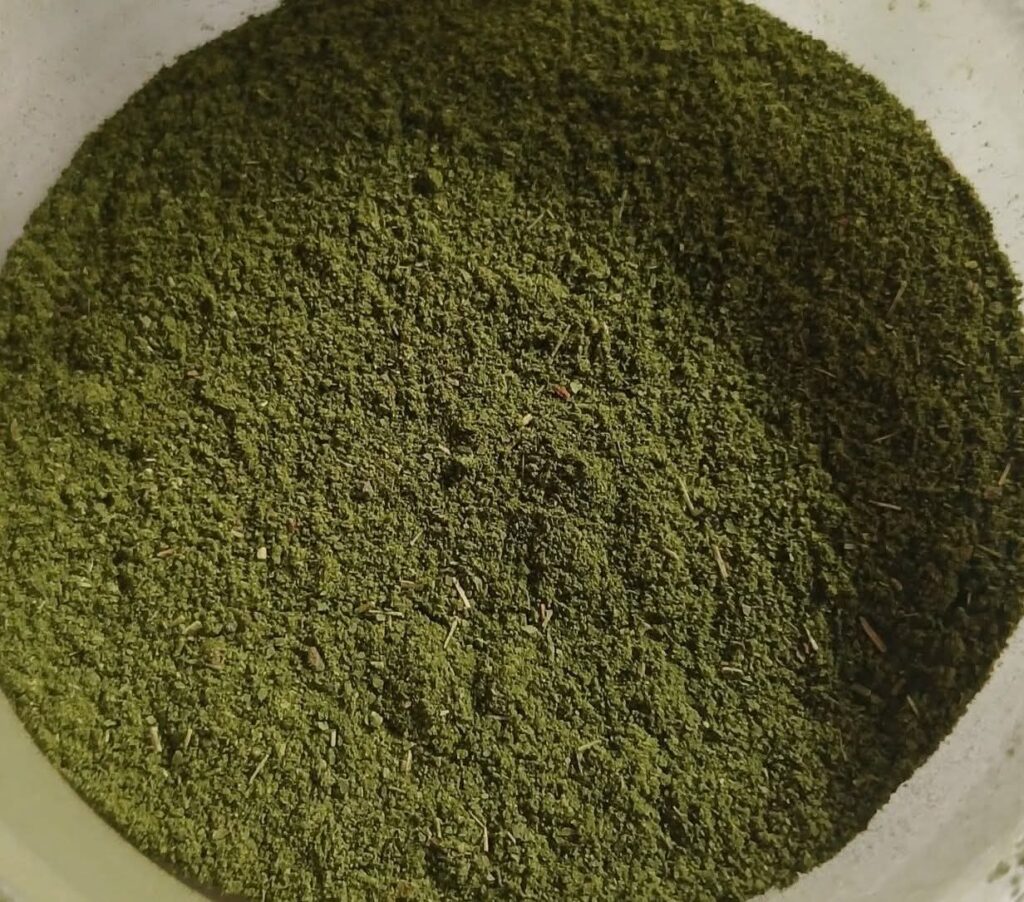
| Colour | Bright green (low-temperature dried); Yellow-green (unacceptable — indicates overheating) |
| Heavy Metals | Lead ≤0.5 ppm; Cadmium ≤0.1 ppm; Arsenic ≤0.1 ppm; Mercury ≤0.05 ppm (ICP-MS) |
| Pesticide Residue | Multi-residue analysis to EU MRL standards — standard for all EU-bound lots |
| Microbiological | Total plate count ≤100,000 CFU/g; Yeast and mould ≤1,000 CFU/g; E. coli absent/g; Salmonella absent/25g |
| Packaging Options | 1kg, 5kg, 10kg, 25kg kraft paper bags with inner polyethylene liner; vacuum-sealed bags on request |
| Supply Capacity | 5–500+ MT per season |
| MOQ | Food-grade: 1 MT; Nutraceutical-grade: 500kg; Organic certified: 500kg |
| Shelf Life | 24 months (sealed, cool, dark storage) |
| Export Documentation | Phytosanitary Certificate (NAQS), Certificate of Origin, NEPC Export Licence, Certificate of Analysis (AOAC methods including vitamin C, quercetin, protein, chlorophyll), Heavy Metal Certificate (ICP-MS), Pesticide Residue Certificate (EU MRL), Microbiological Certificate, Organic Certificate (where applicable), Commercial Invoice, Packing List, Bill of Lading |
| Payment Terms | T/T, Letter of Credit (LC at sight), Escrow |
| Loading Port | Lagos (Apapa / Tin Can Island Port), Nigeria |
| Incoterms Available | EXW, FOB Lagos, CNF, CIF |
Packaging and Export Process
Leaf Harvest and Timing. Fresh moringa leaves are harvested from young, actively growing branches — the terminal 20–30cm of new growth where leaf compound concentration is highest and the leaf-to-stem ratio is most favourable for quality powder production. Leaves are harvested by hand, avoiding older, larger leaves whose nutritional concentration is lower and whose potential for surface contamination from soil splash is higher. In Nigeria’s northern Sahel producing states, moringa can be harvested year-round due to the tree’s fast-growing, multi-harvest character — with pruning management allowing 3–4 harvests per year from productive trees under proper irrigation during the dry season.
Washing and Pre-Processing. Harvested leaf material is washed in clean food-grade water to remove surface dust, soil particles, and potential contaminants — a critical food safety step whose thoroughness directly determines the finished powder’s microbiological safety profile. After washing, excess water is removed through gentle spinning or draining before the drying phase begins.
Critical Step — Low-Temperature Drying. Washed leaves are spread in single layers on clean, food-grade drying racks in shaded, well-ventilated drying areas — away from direct sunlight (UV exposure degrades vitamin C) but with good airflow facilitating moisture evaporation. For controlled low-temperature mechanical drying, hot-air dryers are operated at carefully monitored 35–40°C inlet temperature with continuous temperature verification. Drying continues until leaf moisture content reaches below 8% — confirmed by in-process moisture meter measurement. Drying temperature log records are maintained throughout the drying period and form part of the nutraceutical-grade lot documentation package.
Milling and Sieving. Properly dried leaves are milled through hammer mills or pin mills to produce the fine powder whose particle size specification (80–100 mesh standard; 150–200 mesh ultra-fine on request) is confirmed through sieve analysis. Milling equipment is thoroughly cleaned between production runs to prevent cross-contamination and to minimise the heat generation during milling that could compromise vitamin C content in extended milling runs.
Packaging. Finished powder is packaged in kraft paper bags with sealed inner polyethylene moisture-barrier liners — providing the food-grade packaging integrity required for supplement and food manufacturing buyers. Vacuum-sealed packaging is available on request for buyers whose transit conditions or storage duration require maximum moisture exclusion and oxidative protection.
Quality Testing. Representative samples from each production lot are submitted for the complete analytical package: protein content (Kjeldahl), vitamin C (HPLC), quercetin (HPLC), chlorophyll (spectrophotometry), moisture, water activity, particle size, heavy metal screening (ICP-MS), pesticide residue multi-residue analysis, and full microbiological safety testing before export documentation preparation.
Lead Times. Food-grade: 14–21 days from order confirmation to container loading. Nutraceutical-grade (with extended analytical testing): 21–35 days. Organic certified (subject to certification body audit availability): 28–42 days. Contact us early — particularly for organic certified and nutraceutical-grade orders requiring extended analytical processing.
Frequently Asked Questions
What is the difference between moringa leaf powder and moringa seed powder, and which should I specify for my application?
These are two entirely different products from the same Moringa oleifera tree with completely different nutritional profiles and commercial applications. Moringa leaf powder (this article) — produced from dried, milled leaves — is primarily valued for its extraordinary micronutrient density (vitamins C, A, E; calcium, iron, potassium; complete protein; quercetin; chlorophyll) and is used in nutraceutical supplements, food fortification, health food products, and cosmetics where nutritional delivery and green colour are the primary objectives. Moringa seed powder — produced from dried, milled seeds — contains the oil-bearing endosperm and is primarily valued for its seed protein’s water purification applications and for its glucosinolate compounds whose isothiocyanate hydrolysis products have antimicrobial activity. Moringa oil — extracted from the seeds — is the cosmetics and pharmaceutical excipient used in personal care formulation. Each product is separately documented with its own analytical specifications. Paradise MultiTrade supplies all three. Contact us to confirm which product your application requires.
Why does drying temperature matter so much and how do I verify that a supplier is genuinely low-temperature drying?
Vitamin C — moringa leaf powder’s most commercially significant quality indicator beyond protein content — degrades rapidly and predictably with heat. At 60°C drying temperature, vitamin C loss of 50–80% occurs during a standard drying cycle. At 70°C, losses exceed 90%. Only drying temperatures below 40°C consistently preserve the 150–220mg/100g vitamin C that premium nutraceutical specifications require. The verification challenge is that dried powder’s vitamin C content does not visually differ between well-dried and overheated material — making analytical documentation the only reliable quality verification tool. Paradise MultiTrade addresses this through: (1) drying temperature log records maintained throughout the drying process, available on request for nutraceutical-grade lots; (2) HPLC vitamin C content analysis on every nutraceutical-grade lot, providing the documented retention that confirms processing integrity retrospectively. High chlorophyll content (bright green colour) also serves as a proximate visual quality indicator — moringa dried above 60°C shows characteristic yellow-brown colour from chlorophyll degradation that is immediately visible in the finished powder. Contact us to discuss drying temperature documentation.
What EU regulatory requirements apply to moringa leaf powder sold as a food supplement?
Moringa leaf powder sold as a food supplement in EU markets is subject to: EU Directive 2002/46/EC on food supplements governing supplement product marketing and labelling; general food safety requirements under Regulation (EC) 178/2002; pesticide residue MRL compliance under Regulation (EC) 396/2005 enforced through EFSA’s pesticide MRL database; contaminant limits under Commission Regulation (EC) 1881/2006 for heavy metals and mycotoxins; and general food import controls under Regulation (EU) 2017/625. Several EU member states additionally require Novel Food assessment for moringa — though the European Commission’s Novel Food catalogue classifies moringa as having a “documented history of use” in some EU markets. Buyers should verify the specific Novel Food status in their target EU member state before import. Paradise MultiTrade can provide guidance and documentation support for EU member state regulatory notification requirements. Contact us to discuss EU regulatory compliance.
What is the complete nutritional comparison of moringa leaf powder versus spirulina and other green powders?
Moringa vs. spirulina — the most commercially relevant comparison given spirulina’s dominant position in the green powder supplement market: spirulina leads on protein (60–70% vs moringa’s 27–30%), B12 (though bioavailability of spirulina B12 is disputed in NCBI research), and phycocyanin (a spirulina-specific antioxidant). Moringa leads dramatically on vitamin C (spirulina contains negligible vitamin C; moringa contains 150–220mg/100g), calcium (moringa 2,000mg vs spirulina 120mg), iron (moringa 28mg vs spirulina 28mg — comparable), vitamin A (moringa 18,900 IU vs spirulina 3,000 IU), and potassium (moringa 1,300mg vs spirulina 290mg). Moringa vs. wheatgrass and barley grass — moringa comprehensively outperforms both on every measured micronutrient. Moringa vs. chlorella — moringa leads on vitamin C, calcium, potassium, and protein quality (complete amino acid profile). The nutritional comparison strongly favours moringa on micronutrient diversity and density across vitamins and minerals. Contact us to request our comparative nutritional analysis documentation.
Can moringa leaf powder be incorporated into infant formula and baby food and what safety requirements apply?
Moringa leaf powder has been used in infant and early childhood feeding programmes in developing countries — with WHO and UNICEF engagement confirming its nutritional appropriateness at appropriate inclusion rates. However, food supplement regulations in EU, UK, and US markets specifically restrict novel ingredient use in infant formula under EU Commission Delegated Regulation 2016/127 — which requires formal authorisation for any ingredient not specifically listed in the permitted ingredient framework. Moringa leaf powder’s status as an infant formula ingredient in EU markets requires prior regulatory engagement and is not currently on the permitted ingredient list for EU-marketed infant formula. For food-grade applications in early childhood food products marketed to children above 12 months (beyond the infant formula regulatory scope) — the applicable food safety requirements are the general food regulations plus the specific heavy metal and pesticide residue limits that Paradise MultiTrade documents as standard. Buyers developing infant and early childhood nutrition products should seek specific regulatory guidance for their target market. Contact us for the food safety documentation relevant to your specific application.
What is the Nigerian moringa leaf harvest season and how does it affect procurement?
Moringa oleifera in Nigeria’s Sahel producing states has the agronomic advantage of year-round production potential — unlike seasonal seed crops whose harvest is restricted to one or two windows per year, moringa leaves can be harvested continuously from actively growing trees across the full calendar year under proper farm management. In practice, the highest-quality leaf (highest nutrient concentration, lowest fibre content, brightest green) is produced from young growth on trees that have been pruned to encourage vigorous new growth — available throughout the year on a 4–6 week pruning-to-harvest cycle. Peak quality season in northern Sahel states: October–February (the dry harmattan season, when natural shade conditions, moderate temperatures, and low humidity create optimal low-temperature drying conditions with minimal fungal contamination risk during the drying phase). Challenging quality season: June–August (peak rainy season, when high ambient humidity makes low-temperature drying more difficult and microbial contamination risk during drying increases without controlled drying facilities). Year-round supply is available — but orders timed for October–February production periods deliver the most consistently high-quality product. Contact us to plan your procurement cycle.
What transit times should I expect and what packaging considerations apply?
Moringa leaf powder (standard dry container — no temperature control required, but moisture-barrier packaging is critical): UK (Tilbury, Felixstowe) — 14–18 days from Lagos. Netherlands (Rotterdam) — 14–18 days. Germany (Hamburg) — 14–20 days. France (Le Havre) — 14–18 days. USA (East Coast — New York, Baltimore, Savannah) — 18–25 days. UAE (Jebel Ali) — 10–14 days. Japan (Yokohama) — 25–32 days. India (Nhava Sheva) — 10–15 days. Canada (Halifax, Montreal) — 18–28 days. Critical packaging note: Moringa leaf powder is highly hygroscopic — it absorbs moisture from ambient air through any packaging integrity failure, rapidly increasing moisture content above the 8% safe storage threshold and triggering microbial growth. All packaging must maintain complete moisture barrier integrity throughout transit and storage. Nitrogen-flushed inner bags with heat-sealed closures are recommended for premium nutraceutical grade to simultaneously prevent moisture ingress and oxidative vitamin C degradation. Contact us to plan your complete logistics and packaging programme.
Ready to Source Premium Nigerian Moringa Leaves Powder — Food-Grade, Nutraceutical-Grade, and Organic Certified, With HPLC Vitamin C and Quercetin Documentation, Low-Temperature Drying Verification, and Full EU Regulatory Compliance for Health Food Manufacturers, Supplement Brands, Food Fortification Buyers, and Global Wholesale Importers?
If you are a European or American dietary supplement brand developing moringa leaf powder capsules, tablets, or green powder supplement products and require nutraceutical-grade Nigerian moringa with documented vitamin C and quercetin content, an organic food manufacturer or supplement brand requiring EU Organic Regulation 848/2018-certified or USDA NOP-certified moringa leaf powder from documented West African origin, a food fortification programme developer sourcing food-grade moringa leaf powder for micronutrient fortification of staple foods, school feeding programmes, or therapeutic food products, a functional food and beverage manufacturer incorporating moringa leaf powder as a premium green superfood ingredient in energy bars, smoothie powders, breakfast cereals, functional beverages, or health pasta formulations, a cosmetics formulator developing anti-aging face masks, scalp treatment formulations, or natural green colour cosmetics incorporating moringa leaf powder’s zeatin, quercetin, and chlorophyll content, a nutraceutical ingredient distributor building West African origin moringa leaf powder supply positions for European or American health food retail buyers, a women’s health or maternal nutrition supplement brand developing iron, calcium, or lactation support formulations incorporating whole-food-matrix moringa leaf as a documented natural micronutrient source, or a pharmaceutical natural product research institution investigating moringa leaf isothiocyanates or quercetin as anticancer, antimicrobial, or antidiabetic compound leads — Paradise MultiTrade International Limited is the licensed Nigerian exporter your moringa leaf powder supply programme needs.
We supply Nigerian Moringa oleifera leaf powder — food-grade, nutraceutical-grade, and organic certified — from Kano, Katsina, Jigawa, and Sokoto Sahel-zone producing communities, low-temperature drying documented as standard for nutraceutical grade, vitamin C and quercetin content by HPLC coordinated per lot, EU pesticide residue compliant, heavy metal screened, full microbiological certification, and exported with complete analytical and regulatory documentation to buyers in every major regulated destination market.
Request a Quotation — share your required grade (food, nutraceutical, or organic certified), volume, vitamin C content specification if applicable, quercetin or other bioactive compound documentation requirements, drying method certification, EU or US regulatory compliance requirements, application context (supplement, food, cosmetics, pharmaceutical), destination market, and preferred incoterms. We respond with a detailed, competitive quote within 48 hours.
Contact Our Export Team — speak directly with our export coordinators about low-temperature drying documentation, HPLC vitamin C and quercetin content analysis, organic certification from EU 848/2018 and USDA NOP certifying bodies, EU Novel Food regulatory guidance for your target market, food fortification inclusion rate recommendations, nutraceutical-grade microbiological specifications for supplement manufacturing, integrated moringa leaf, seed, and oil programme procurement, and long-term supply contract structuring.
Explore Our Full Product Range — alongside moringa leaf powder, Paradise MultiTrade exports moringa seeds, moringa oil, shea butter, raw bush honey, gum arabic, hibiscus flower, fresh ginger, turmeric, neem seeds, sesame seeds, bitter kola, cashew nut kernel, and raw cashew nuts. One licensed Nigerian exporter. One consolidated West African superfood, botanical medicine, and agricultural ingredient sourcing relationship — from the most nutritionally dense plant food in commercial trade through the most pharmacologically novel indigenous botanical compounds on the continent. Consistent quality, bioactive documentation, organic certification, and regulatory compliance across every commodity.
Paradise MultiTrade International Limited | NEPC Export Licence No. 0042385 | CAC No. RC-9284647 | Lagos, Nigeria | www.paradisemultitrade.com
Reviews
There are no reviews yet.