
White Sesame Seeds from Nigeria: The World’s Most Traded Oil Seed — and Why 98% Cleaned Nigerian Sesame Is the Standard Serious Buyers Demand
Sesame Seed Exporter Nigeria — 98% Cleaned White Sesame, Direct Farm Sourcing, Global Bulk Supply
Sesame seed exporter Nigeria is a phrase that carries real commercial weight across the trading floors of Hamburg, the ingredient procurement offices of Tokyo, the oilseed crushing facilities of Guangzhou, and the tahini manufacturing plants of Beirut and Istanbul. Nigeria is not an emerging player in the global sesame seed trade — it is an established, high-volume, internationally recognised origin that has been supplying the world’s food industry, oilseed processors, bakery ingredient manufacturers, and confectionery producers with white sesame seeds for decades. What has changed in recent years is the level of international buyer awareness of just how good Nigerian sesame actually is — and how competitively it can be sourced when you go directly to a licensed Nigerian exporter rather than buying through secondary trading intermediaries.
At Paradise MultiTrade International Limited, white sesame seed — specifically 98% cleaned, export-grade Sesamum indicum — is one of our highest-volume export commodities. We source directly from the primary growing regions of Jigawa, Yobe, Borno, Kano, Nassarawa, and Benue states, where Nigeria’s most commercially significant sesame production is concentrated, and we supply international buyers with product that meets the purity, moisture, and visual quality standards demanded by food manufacturers, oil processors, and commodity traders in every major sesame-importing market on earth.
If you are an oil processor in China, a tahini manufacturer in Lebanon, a bakery ingredient buyer in Japan, a health food distributor in Germany, or a commodity trader building an African origin supply chain — this is the article that will tell you everything you need to know about Nigerian white sesame and why 98% cleaned material from Paradise MultiTrade belongs in your procurement programme. To move straight to pricing, request a quotation here and our export team will respond within 48 hours.
buy white sesame seeds from Nigeria, Nigerian sesame seed supplier, 98% cleaned sesame seeds wholesale, white sesame seed bulk export Africa, Sesamum indicum Nigeria export, sesame seed for food industry Nigeria, hulled sesame seed Nigeria, Nigerian sesame seed importer wholesale
History and Origin of Sesame Seed
The Oldest Oilseed in Human History
Sesame (Sesamum indicum) holds a distinction that no other commercially traded oilseed can claim: it is almost certainly the oldest oilseed crop cultivated by human beings. Archaeological evidence from the Harappan civilisation of the Indus Valley — dated to approximately 3,500 BCE — includes charred sesame seeds recovered from excavation sites in what is now Pakistan and northwestern India. Ancient Egyptian tomb paintings depict sesame being added to bread dough. Babylonian women consumed sesame mixed with honey as a longevity food. Ancient Assyrian mythology records that the gods drank sesame wine before creating the world.
This extraordinary antiquity is not merely historical trivia. It is a reflection of sesame’s fundamental agronomic qualities — drought tolerance, heat resistance, and the ability to produce oil-rich seeds in marginal growing conditions where most other crops fail — that have made it indispensable to farming communities across the dryland tropics and subtropics for millennia. The same qualities that made sesame valuable to Harappan farmers five thousand years ago make Nigerian northern-zone sesame production viable today in the semi-arid savanna conditions of the Sahel agricultural belt.
Sesame Travels West — Into Africa and Then to Commerce
From its South Asian and possibly East African centres of origin, sesame cultivation spread westward across the Middle East and into Africa through a combination of trade routes, migration, and agricultural diffusion across several millennia. By the time Arab traders were establishing the trans-Saharan trade networks of the medieval period, sesame was already being grown across North Africa, the Horn of Africa, and the West African Sahel. The crop’s compatibility with the dryland farming systems of the Sahel — where it could be intercropped with sorghum and millet or grown as a standalone cash crop on residual soil moisture after the rains — made its adoption rapid and geographically extensive.
Nigeria’s sesame cultivation became commercially significant during the colonial period, when European trading companies operating in British West Africa identified sesame seeds as an exportable oilseed commodity. By the 1950s, sesame was an established export product moving through Nigerian ports to European and Asian markets. Following Nigerian independence in 1960, sesame production expanded significantly as domestic agricultural development programmes encouraged cash crop cultivation in the northern states.
Nigeria’s Rise to Global Sesame Significance
The past two decades have seen Nigeria consolidate its position as one of Africa’s most important sesame producing and exporting nations — and one of the globally significant origins that international commodity buyers follow closely. According to FAO production statistics, Nigeria consistently ranks among the world’s top ten sesame seed producers by volume, with annual output that has grown substantially as cultivation expanded across the northern and middle belt states. ITC Trade Map data shows Nigerian sesame seed entering markets across Japan, China, South Korea, Turkey, Lebanon, India, Germany, the Netherlands, and the USA — a trade geography that reflects the truly global appetite for Nigerian origin material.
The Nigerian Export Promotion Council (NEPC) has classified sesame seed as one of Nigeria’s priority non-oil export commodities, with active market development programmes, post-harvest quality improvement initiatives, and export documentation infrastructure supporting Nigerian sesame’s competitiveness in international markets. This institutional framework has progressively elevated Nigerian sesame’s standing among international buyers who previously defaulted to Indian, Ethiopian, or Sudanese origin material without fully evaluating the Nigerian alternative.
What Is 98% Cleaned White Sesame Seed?
Understanding the Purity Standard That Matters
Not all sesame seed traded internationally is created equal — and the purity specification is where the commercial quality distinction that separates premium export-grade Nigerian sesame from lower-grade material is most clearly measured.
Raw sesame seed as it leaves the farm contains a mixture of clean seed and various contaminants — soil particles, weed seeds, broken seed, husks, immature seed, and other foreign matter accumulated during harvesting and threshing. The cleaning and grading process that transforms raw farm-gate sesame into export-grade commodity removes these contaminants through a sequence of mechanical cleaning, air aspiration, gravity separation, and optical or density sorting operations.
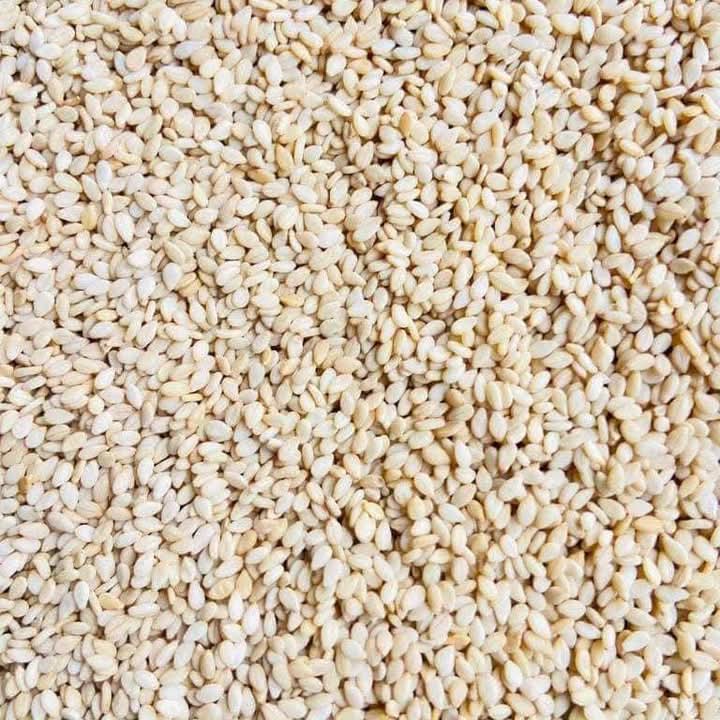
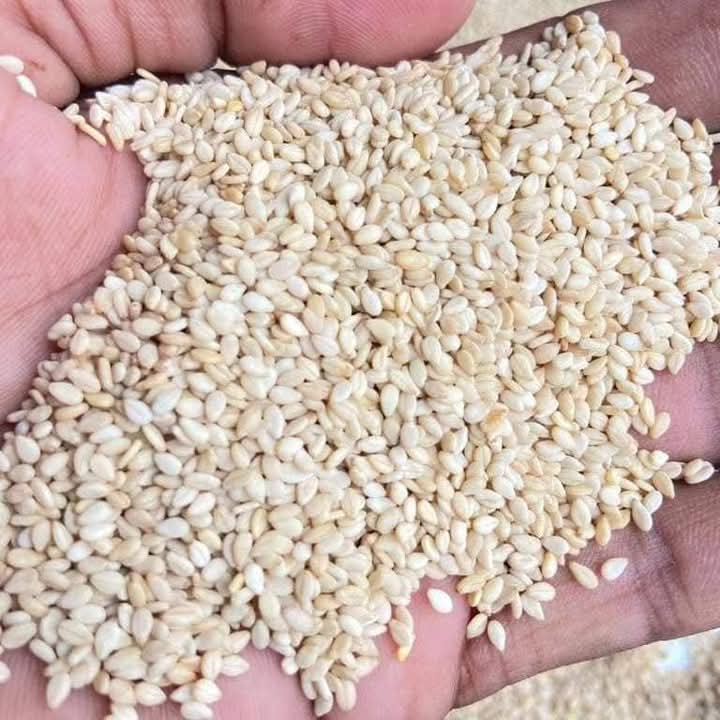
98% cleaned sesame seed means that 98% of the product by weight consists of pure, intact, commercially acceptable sesame seed — with total foreign matter, damaged seed, and extraneous material not exceeding 2% of the total sample. This is the international commercial standard for export-grade sesame seed and the minimum purity specification accepted by most serious industrial buyers in Japan, China, the EU, the USA, and the Middle East.
Some high-specification buyers — particularly Japanese food manufacturers and certain pharmaceutical sector buyers — may specify 99% or 99.5% cleaned material with additional parameters around moisture content, free fatty acid levels, and microbiological limits. Paradise MultiTrade handles these elevated specifications and discusses them directly with buyers at the quotation stage.
White Sesame vs. Other Sesame Varieties
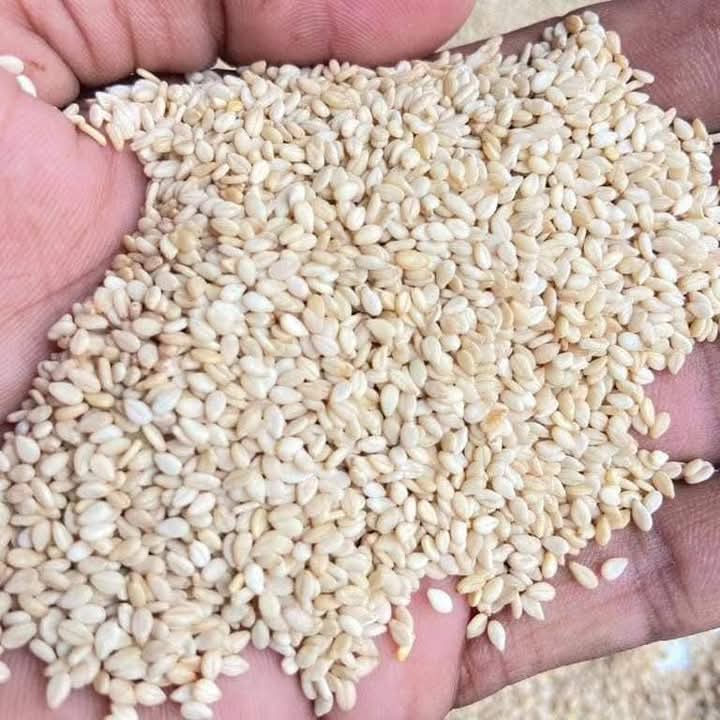
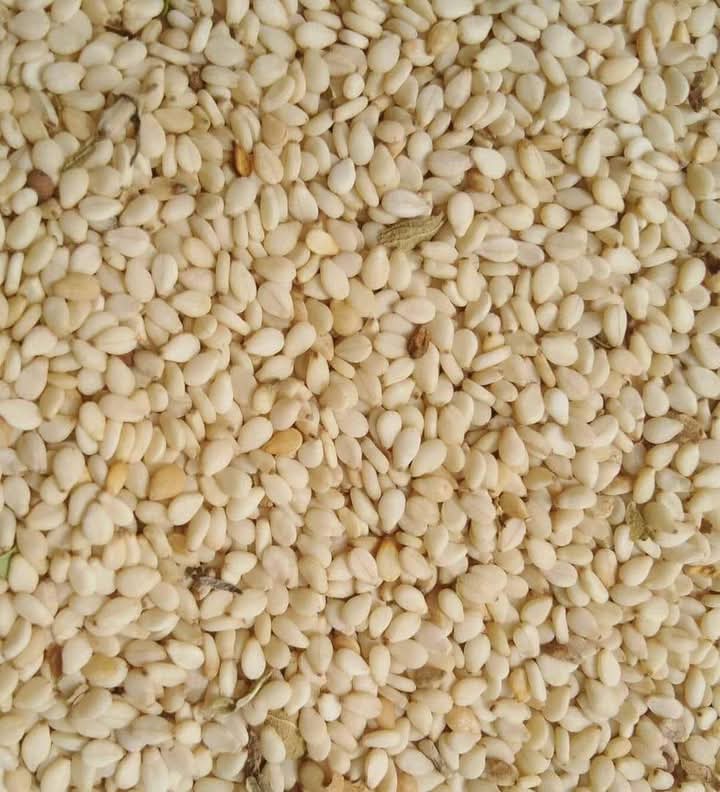
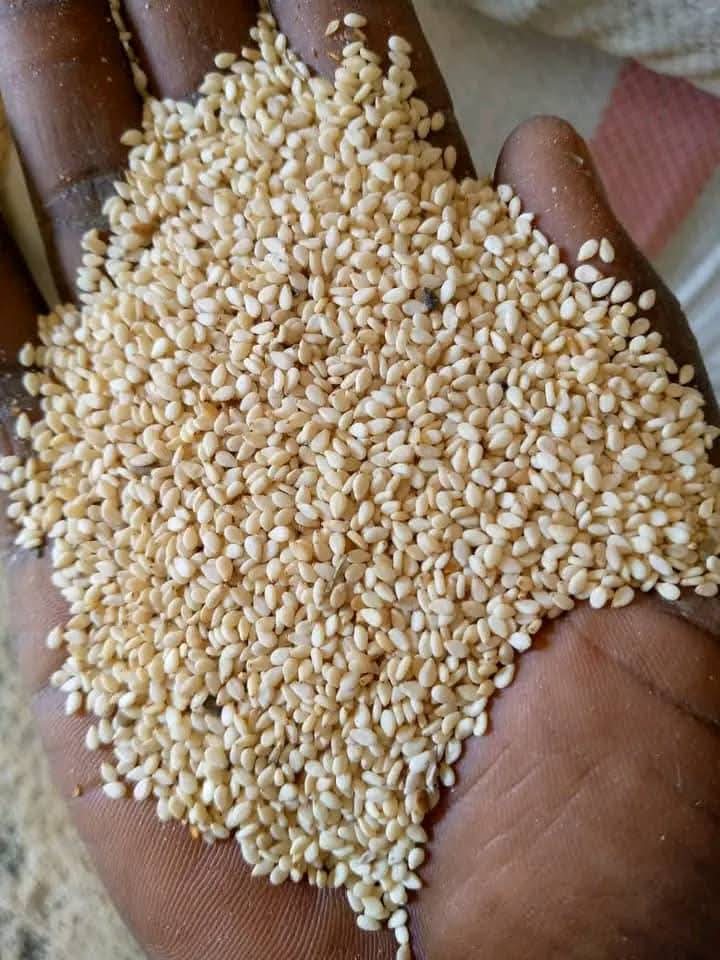
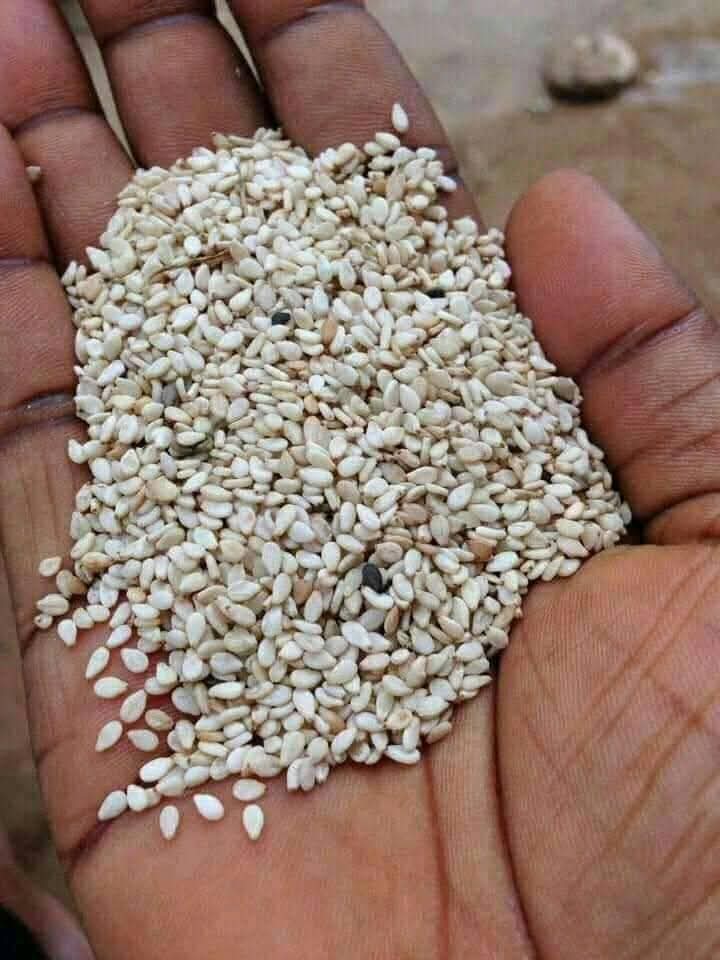
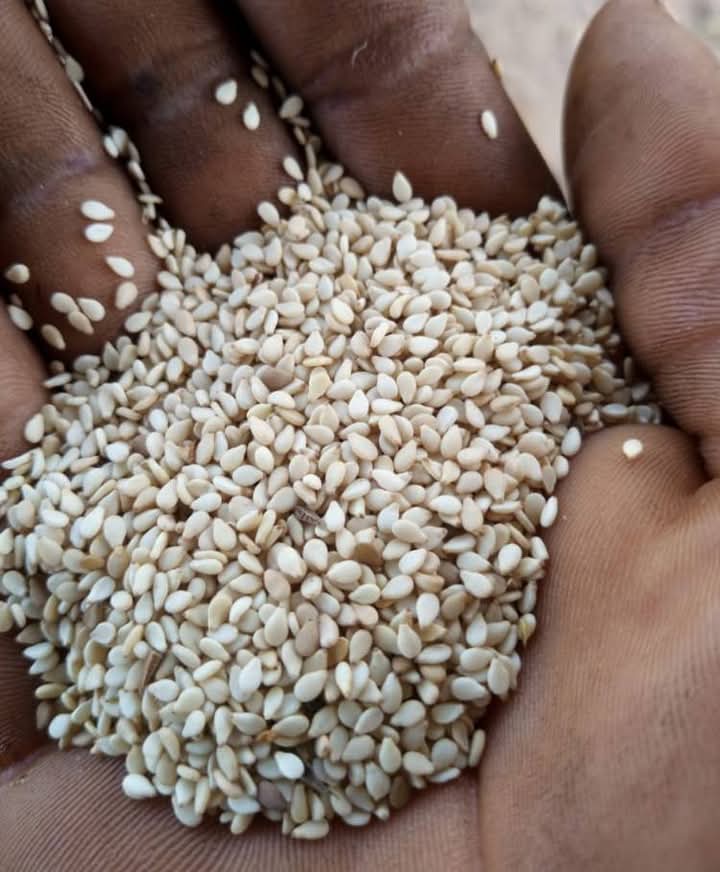
Nigerian sesame production is dominated by white sesame seed — the variety most widely traded internationally and most broadly applicable across food manufacturing, oil processing, and ingredient applications. White sesame is characterised by its ivory to cream-coloured seed coat, mild nutty flavour, and relatively high oil content of 48–55% by dry weight. It is the variety demanded by Japanese food manufacturers for sesame-topped breads and rolls, by Middle Eastern tahini producers, by Chinese sesame oil crushers, and by global confectionery and bakery ingredient buyers.
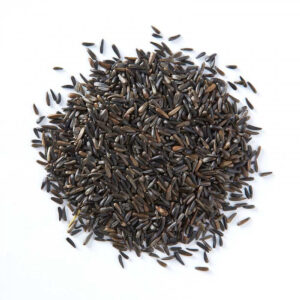
Black sesame — produced in smaller volumes in some Nigerian growing regions — has a distinct market of its own, particularly in East Asian markets where it is used in traditional desserts, black sesame paste, and health supplement products. Paradise MultiTrade handles black sesame on a separate specification and supply discussion basis. Contact our export team if black sesame is part of your sourcing requirement.
Benefits and Industrial Uses of White Sesame Seed
Edible Oil Processing Industry
This is sesame seed’s largest single industrial application globally — and the one that drives the highest volume procurement in international sesame trade. Sesame oil, cold-pressed or expeller-pressed from cleaned sesame seed, is one of the most commercially valuable edible oils in global trade. Its extraordinary oxidative stability — derived from the unique natural antioxidant compounds sesamin and sesamolin found almost exclusively in sesame among commercial oilseeds — gives sesame oil a shelf life that rivals refined synthetic antioxidant-treated oils, without any artificial preservation.
Chinese and East Asian sesame oil producers are the world’s largest processors of sesame seed for oil extraction — consuming enormous volumes of imported sesame seed annually from origins including Nigeria, Sudan, Ethiopia, India, and Tanzania. The quality parameters that determine Nigerian sesame’s competitiveness in this market are oil content, free fatty acid level, moisture, and purity — all of which 98% cleaned Nigerian white sesame can meet at competitive price points when sourced directly from a licensed exporter.
For oil processors interested in current pricing and supply capacity for Nigerian white sesame in bulk container volumes, request a quotation from Paradise MultiTrade with your required specification and destination port.
Tahini and Sesame Paste Production
Tahini — the ground sesame paste that forms the foundation of hummus, baba ganoush, halva, and dozens of Middle Eastern and Mediterranean food products — is produced almost entirely from hulled white sesame seed. Lebanon, Israel, Turkey, Jordan, and increasingly European and American specialty food manufacturers are active buyers of high-quality white sesame seed for tahini production.
The sesame seed quality parameters that matter most to tahini producers are whiteness of seed coat (which determines the colour of the final paste), oil content (which determines yield and flavour richness), and absence of rancidity indicators — specifically free fatty acid content and peroxide value. Nigerian white sesame from well-managed post-harvest supply chains meets these specifications effectively, and several established tahini manufacturers already source Nigerian origin material as part of their blended raw material procurement strategy.
Bakery and Confectionery Industry
Whole sesame seeds — toasted or raw — are among the most widely used topical and inclusion ingredients in global bakery and confectionery manufacturing. Sesame-topped burger buns, bread rolls, crackers, biscuits, bagels, breadsticks, and flatbreads are produced in enormous volumes across North America, Europe, the Middle East, and Asia. Sesame brittle, sesame candy bars, sesame-coated nuts, and sesame-filled confectionery represent a parallel confectionery demand stream of significant commercial scale.
For bakery and confectionery buyers, the key quality parameters are seed whiteness, visual uniformity, cleanliness, and the absence of off-flavours or rancidity. Japanese bakery ingredient buyers — among the most exacting quality specifiers in the global food industry — have been consistent importers of Nigerian white sesame, recognising that properly cleaned and handled Nigerian material meets their stringent visual and sensory standards. USDA Agricultural Market Reports reflect sustained US import demand for white sesame seed across bakery and food service ingredient supply chains.
Health Food and Natural Food Industry
The global health food movement has embraced sesame seed as a nutritional powerhouse — and the commercial data supports this positioning. White sesame seeds are genuinely nutrient-dense: approximately 48–55% oil (predominantly unsaturated oleic and linoleic fatty acids), 17–25% protein, significant calcium content (making them one of the most calcium-rich plant foods commercially available), and notable levels of iron, magnesium, zinc, and B vitamins. The presence of the unique lignan antioxidants sesamin and sesamolin — which have been shown in research accessible through NCBI to have anti-inflammatory, antihypertensive, and hepatoprotective properties — gives sesame seed a nutraceutical dimension that health food brands actively communicate to consumers.
Health food retailers, natural food distributors, and organic food brands across Europe and North America source white sesame seed for direct retail packaging, trail mix and snack blend inclusion, and health-focused food manufacturing applications. This segment values traceability, consistent quality, and clean documentation alongside competitive pricing — all of which Paradise MultiTrade delivers.
Pharmaceutical and Nutraceutical Industry
Beyond sesame oil’s well-documented nutritional profile, the pharmaceutical sector has a specific interest in the lignan compounds unique to sesame — particularly sesamin and sesamolin. These compounds have attracted clinical research attention for their antihypertensive activity, cholesterol-modulating effects, antioxidant capacity, and potential anti-cancer properties, as documented through research available on NCBI. Pharmaceutical ingredient companies sourcing sesame-derived compounds for standardised extract production are a smaller but high-value buyer segment with specific analytical requirements around lignan content and oil purity parameters.
Animal Feed and Aquaculture Industry
Sesame seed meal — the protein-rich press cake remaining after oil extraction — is a valuable animal feed ingredient, with a protein content of approximately 35–40% and a favourable amino acid profile. Aquaculture feed manufacturers, poultry feed producers, and livestock nutrition companies are active buyers of sesame meal, creating a secondary commercial value stream from sesame seed processing that makes the economics of large-scale crushing operations more attractive to oilseed processors worldwide.
buy white sesame seeds from Nigeria, Nigerian sesame seed supplier, 98% cleaned sesame seeds wholesale, white sesame seed bulk export Africa, Sesamum indicum Nigeria export, sesame seed for food industry Nigeria, hulled sesame seed Nigeria, Nigerian sesame seed importer wholesale
Why Buy White Sesame Seed from Nigeria?
Oil Content That Processors Recognise and Pay For
Nigerian white sesame seed from the primary northern and middle belt growing zones consistently delivers oil content in the range of 48–55% by dry weight — at the high end of the commercially traded range for white sesame internationally. For oil crushers whose revenue is directly proportional to the volume of oil they extract from each tonne of raw material, this is not a marginal quality parameter. It is a fundamental commercial variable that procurement teams measure, compare, and factor directly into their cost-per-litre-of-oil calculations.
Experienced sesame oil processors in China, Japan, and the Middle East who have worked with Nigerian origin material understand this advantage quantitatively — and it is one of the core reasons that Nigerian sesame commands buyer loyalty among technically sophisticated processors who evaluate raw material on extraction economics rather than origin preference alone.
The Sahel Agronomic Advantage
Nigeria’s sesame is grown predominantly in the Sudan and Sahel savanna zones of the northern states — an environment characterised by well-defined wet and dry seasons, sandy to loamy well-drained soils, and intense solar radiation during seed maturation. These conditions are agronomically ideal for sesame: the crop thrives on the moisture available during the rainy growing season (June–October) and benefits from the dry, sunny conditions during the final maturation and harvest period (October–December) that minimise seed moisture at harvest and reduce the mould and aflatoxin risks associated with wet-harvest conditions.
This natural agronomic advantage, when combined with proper post-harvest drying and cleaning, produces sesame seed with low moisture content, good visual quality, low free fatty acid levels, and manageable aflatoxin risk — the combination of parameters that food safety-conscious industrial buyers in Japan, the EU, and the USA require from their raw material supply chains.
Competitive FOB Pricing Through Direct Export
The Nigerian sesame supply chain — from Jigawa, Yobe, or Benue state farmgate through regional aggregation and cleaning to Lagos port loading — is well-established and relatively efficient by African agricultural commodity standards. Buyers who source directly from a licensed Nigerian exporter like Paradise MultiTrade access this supply chain at its most cost-efficient point, avoiding the margin accumulation that occurs when product passes through Lagos commodity brokers, secondary exporters, and international trading intermediaries before reaching the end buyer.
Contact our export team for current FOB Lagos and CNF pricing for 98% cleaned white sesame in 20-foot and 40-foot container loads.
Full Export Documentation and Compliance
Every sesame seed shipment processed through Paradise MultiTrade carries a phytosanitary certificate from the Nigerian Agricultural Quarantine Service (NAQS), NEPC export documentation, certificate of origin, commercial invoice, packing list, and bill of lading. For buyers in aflatoxin-sensitive markets — particularly the EU, Japan, and the USA — we coordinate pre-shipment aflatoxin testing through accredited laboratories and provide test certificates alongside standard documentation. EU-bound shipments are prepared in compliance with Regulation (EU) 2017/625 on official controls for food and feed imports. Our NEPC Export Licence No. 0042385 and CAC Registration No. RC-9284647 are current and verifiable through NEPC.
Nigeria’s Export Strength and Global Market Demand
The Markets That Define Nigerian Sesame Trade
China is the single largest buyer of Nigerian sesame seed globally — and one of the most commercially consequential relationships in the entire Nigerian agricultural export sector. Chinese sesame oil crushers and paste manufacturers source enormous volumes of Nigerian white sesame annually, attracted by the combination of high oil content, competitive pricing, and reliable shipping schedules from Lagos through established freight routes to Chinese ports. ITC Trade Map data consistently reflects China as the dominant destination for Nigerian sesame exports by volume.
Japan is a smaller but commercially critical destination — Japanese buyers are among the most exacting quality specifiers in global sesame trade, and the fact that Nigerian sesame consistently meets Japanese import standards for purity, moisture, and sensory quality is a strong indicator of the origin’s genuine quality credentials. Japanese food manufacturers source Nigerian sesame for bakery applications, sesame oil production, and traditional Japanese cuisine ingredients.
South Korea is an active importer, primarily for sesame oil production and the Korean food industry’s significant sesame consumption across numerous traditional dishes and condiments.
Turkey and Lebanon source Nigerian sesame for tahini production — both countries are significant global tahini manufacturers with active procurement programmes across multiple African sesame origins.
Germany and the Netherlands are the EU’s primary entry points for Nigerian sesame, with German and Dutch commodity importers and ingredient distributors supplying the broader European food manufacturing and health food markets.
India sources Nigerian sesame both directly and through commodity trading intermediaries, using it for oil extraction and as a blending component in processed sesame ingredient supply chains.
Demand Trends Supporting Long-Term Market Growth
Several structural trends in global food markets are supporting sustained and growing demand for white sesame seed that positions Nigerian producers and exporters favourably for the medium to long term.
The global tahini and hummus market has expanded dramatically into mainstream Western food retail over the past decade — driven by the Mediterranean diet movement, the growth of plant-based eating, and the mainstreaming of Middle Eastern cuisine across European and North American food culture. This expansion has driven significant growth in tahini production capacity and corresponding raw sesame seed procurement demand outside the Middle East’s traditional consuming regions.
The health food and clean-label food manufacturing movement has elevated sesame seed’s positioning as a nutritionally credible, naturally whole, minimally processed ingredient — creating premium market opportunities for traceable, documented-origin sesame that commands price points above commodity bulk pricing. Buyers building origin-transparent supply chains for premium food brands are actively seeking verified-origin Nigerian sesame from licensed exporters who can support supply chain documentation requirements.
Why Choose Paradise MultiTrade International Limited?
98% Cleaned as Standard, Not as an Upgrade. Our white sesame seed is cleaned to 98% purity as the baseline export specification — not as a premium tier available at additional cost. We invest in proper cleaning and grading because we understand that buyers are running commercial operations where raw material quality directly affects processing yield, product quality, and customer satisfaction downstream.
Direct Northern-Origin Sourcing. We source from established aggregator and cooperative networks in Nigeria’s primary sesame producing states — Jigawa, Yobe, Borno, Kano, Nasarawa, and Benue. This direct sourcing relationship gives us genuine quality visibility and pricing efficiency that Lagos-based secondary traders working from spot market purchases cannot replicate.
Aflatoxin Management and Testing. We understand that aflatoxin is the food safety concern that most frequently complicates Nigerian sesame procurement for EU, Japanese, and American buyers. We work with accredited testing facilities to screen export lots and provide aflatoxin test certificates alongside standard phytosanitary documentation. Contact our team to discuss aflatoxin testing protocols for your specific destination market requirements.
Multi-Commodity Sourcing Partner. Buyers sourcing sesame often have parallel requirements for hibiscus flower, dry split ginger, fresh ginger, bitter kola, or kola nut. Paradise MultiTrade exports all of these alongside sesame seed — consolidating your Nigerian agricultural commodity sourcing through one verified, licensed export partner. Explore our full range of Nigerian export commodities.
Product Specifications
| Specification | Details |
|---|---|
| Product | White Sesame Seed (Sesamum indicum) |
| Origin | Nigeria (Jigawa, Yobe, Borno, Kano, Nasarawa, Benue States) |
| Variety | White sesame (natural, unhulled) |
| Purity | 98% minimum (foreign matter ≤2%) |
| Moisture Content | 5–8% maximum |
| Oil Content | 48–55% by dry weight |
| Free Fatty Acid (FFA) | ≤1% (oleic acid basis) |
| Admixture | ≤2% (including broken seed, shrivelled seed, other colour seeds) |
| Color | Uniform ivory to cream white |
| Aflatoxin | Tested per destination market requirements (EU: ≤10 ppb total; Japan: ≤10 ppb) |
| Grade | Grade A (98% cleaned, uniform colour); Grade B available on request |
| Packaging Options | 25kg, 50kg polypropylene woven bags; bulk container loading available |
| Supply Capacity | 50–2,000+ MT per shipment (subject to seasonal availability) |
| MOQ | 20 Metric Tonnes |
| Shelf Life | 12–18 months properly stored (cool, dry, ventilated conditions) |
| Export Documentation | Phytosanitary Certificate (NAQS), Certificate of Origin, NEPC Export Licence, Aflatoxin Test Certificate, Commercial Invoice, Packing List, Bill of Lading |
| Payment Terms | T/T, Letter of Credit (LC at sight), Escrow |
| Loading Port | Lagos (Apapa / Tin Can Island Port), Nigeria |
| Incoterms Available | EXW, FOB Lagos, CNF, CIF |
Packaging and Export Process
Farm-Level Aggregation. Sesame seed is harvested by smallholder farmers across northern and middle belt Nigeria between October and December — when the sesame plants have fully matured and the seed pods are dry and beginning to split. Harvested plants are threshed to release the seed, which is then collected and transported to regional aggregation points.
Primary Cleaning. At aggregation points, sesame seed undergoes initial cleaning to remove the bulk of soil, straw, and field debris using mechanical cleaners, air aspirators, and vibrating screens. This reduces foreign matter from farm-gate levels (which may be 10–20%) to a cleaner intermediate grade suitable for transport to export cleaning facilities.
Export-Grade Cleaning. At Lagos-area export cleaning and grading facilities, sesame seed is processed through gravity separators, density sorters, and optical colour sorters to achieve the 98% purity standard. Moisture is verified against the 5–8% export specification. Lot samples are retained for documentation and testing purposes.
Aflatoxin Testing. Cleaned sesame seed lots are sampled and submitted to accredited testing laboratories for aflatoxin analysis before packing confirmation. Results are documented and certificates prepared for inclusion in shipment documentation.
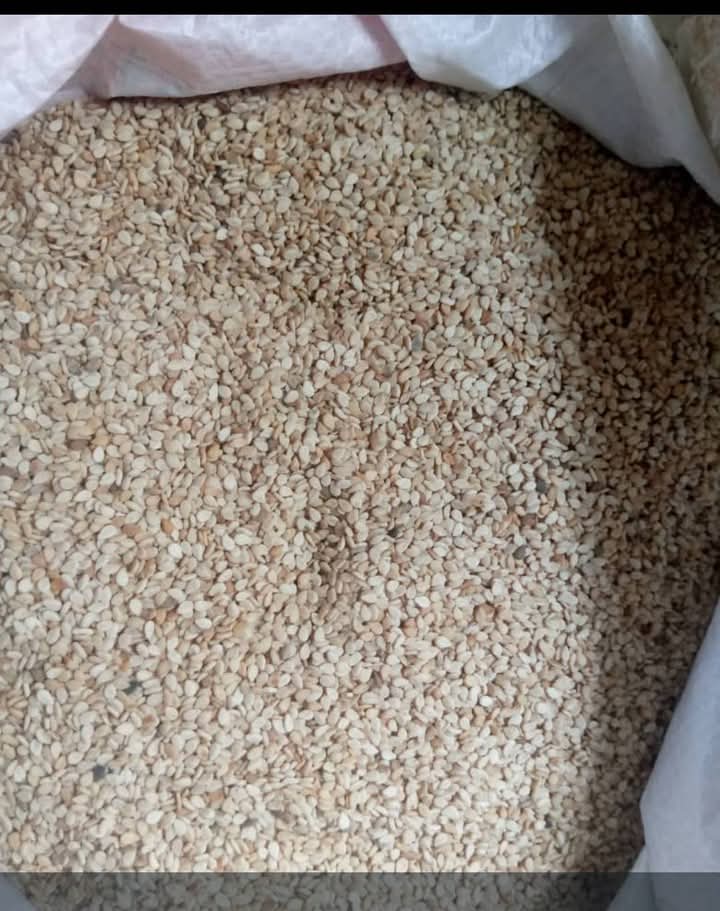
Packaging. Standard export packaging is 25kg or 50kg polypropylene woven bags, heat-sealed and stitched. Bags are clearly labelled with product name, origin, purity specification, lot number, net weight, and export documentation reference. Bulk container loading — loose into lined containers — is available for large-volume buyers with their own receiving infrastructure.
Phytosanitary Inspection and Loading. Pre-export phytosanitary inspection by NAQS is conducted before container sealing. Containers are loaded at Apapa or Tin Can Island Port in Lagos. Sesame seed ships in standard dry containers.
Lead Times. From order confirmation to container loading typically runs 14–21 days for standard volumes. For large multi-container orders, 21–30 days should be anticipated. Peak export season runs January through June following the October–December harvest. Contact us early to secure allocation at favourable pricing.
Frequently Asked Questions
What does 98% cleaned sesame seed mean in practice?
It means that a minimum of 98% of the product by weight is pure, intact, commercially acceptable white sesame seed. The remaining maximum 2% consists of foreign matter — including other colour seeds, broken seed, shrivelled seed, soil particles, and other extraneous material. This is the internationally accepted standard specification for export-grade sesame seed and the minimum purity level accepted by most industrial buyers in Japan, China, the EU, and the Middle East.
What is the oil content of Nigerian white sesame seed?
Nigerian white sesame from our primary sourcing zones in Jigawa, Yobe, and Borno states typically delivers oil content in the range of 48–55% by dry weight — at the high end of the commercially traded range. Specific lot oil content analysis can be arranged for buyers with defined pressing yield requirements. Contact us to discuss.
How does Paradise MultiTrade manage aflatoxin risk in Nigerian sesame?
We coordinate pre-shipment aflatoxin testing through accredited laboratories on every export lot. Test certificates are provided as part of standard shipment documentation. For EU-bound shipments, we ensure aflatoxin results comply with the EU maximum limit of 10 ppb total aflatoxin. For Japanese-market shipments, we apply Japanese import standard parameters. Buyers with specific aflatoxin protocol requirements are encouraged to discuss these with our team at the quotation stage. Contact us for details.
Can you supply hulled white sesame seed?
Hulled sesame — with the outer seed coat removed — is used in certain tahini production, high-end bakery, and confectionery applications where a whiter, milder product is required. Hulled sesame from Nigerian origin is available on request. Lead times, pricing, and minimum quantities differ from standard unhulled supply. Contact our export team to discuss hulled sesame availability.
What is the minimum order quantity for white sesame seed?
Our standard MOQ for white sesame seed is 20 Metric Tonnes — equivalent to approximately one 20-foot container. For buyers interested in sampling Nigerian sesame before committing to container volumes, we can discuss sample arrangements. Reach out here.
How should white sesame seed be stored on arrival?
Store in a cool, dry, well-ventilated warehouse at ambient temperature below 25°C and relative humidity below 65%. Avoid direct contact with concrete flooring — stack bags on pallets to allow air circulation beneath. Sesame seed’s high oil content makes it susceptible to rancidity development under warm, humid storage conditions. Under proper storage, 98% cleaned Nigerian white sesame maintains quality for 12–18 months from the packing date.
What transit times should I plan for from Nigeria?
China (Shanghai, Tianjin, Guangzhou) — approximately 20–30 days from Lagos. Japan (Yokohama, Osaka) — 25–32 days. South Korea (Busan) — 25–30 days. Germany/Netherlands (Hamburg, Rotterdam) — 14–20 days. USA (East Coast) — 18–25 days. Turkey (Mersin, Istanbul) — 12–18 days. Lebanon (Beirut) — 12–16 days. India (Nhava Sheva, Mundra) — 10–15 days.
Ready to Source Premium 98% Cleaned White Sesame Seed from Nigeria?
If you are an oilseed crusher, tahini manufacturer, bakery ingredient buyer, health food distributor, commodity trader, or food manufacturer actively looking for a reliable sesame seed exporter in Nigeria who can deliver 98% cleaned white sesame at competitive pricing with full documentation, Paradise MultiTrade International Limited is the partner your procurement programme needs.
We offer highland-origin, high oil content Nigerian white sesame — cleaned to 98% purity as standard, aflatoxin-tested, phytosanitary-certified, and shipped from Lagos in container loads sized to your volume requirement.
Request a Quotation — share your required volume, purity specification, aflatoxin limit requirements, destination port, and preferred incoterms. We will respond with a competitive, fully detailed quote within 48 hours.
Contact Our Export Team — speak directly with our export coordinators about oil content data, aflatoxin testing protocols, sample availability, hulled sesame options, and long-term contract supply arrangements.
Explore Our Full Product Range — alongside white sesame seed, Paradise MultiTrade exports fresh ginger, dry split ginger, hibiscus flower, bitter kola, kola nut, cashew nuts, and charcoal: one licensed Nigerian exporter, one consolidated sourcing relationship, consistent quality and documentation across every commodity.
buy white sesame seeds from Nigeria, Nigerian sesame seed supplier, 98% cleaned sesame seeds wholesale, white sesame seed bulk export Africa, Sesamum indicum Nigeria export, sesame seed for food industry Nigeria, hulled sesame seed Nigeria, Nigerian sesame seed importer wholesale
Paradise MultiTrade International Limited | NEPC Export Licence No. 0042385 | CAC No. RC-9284647 | Lagos, Nigeria | www.paradisemultitrade.com
Reviews
There are no reviews yet.