

Nigerian Neem Seeds: The Ancient Village Pharmacy Tree Whose 300+ Bioactive Compounds Are Simultaneously Revolutionising Biopesticide Agriculture, Transforming Natural Pharmaceutical Discovery, and Building a Premium Cosmetics Ingredient Category — All From One Extraordinary West African Tree
Neem Seed Exporter Nigeria — Azadirachta Indica Raw Kernels, Cold-Pressed Neem Oil, and Neem Cake, Direct Savanna Origin Sourcing, Bulk Supply to Biopesticide Manufacturers, Organic Agriculture Input Companies, Pharmaceutical Ingredient Buyers, and Cosmetics Formulators Worldwide
Neem seed exporter Nigeria is a search phrase that arrives from multiple entirely different commercial directions simultaneously — and the extraordinary breadth of those directions is the first signal that the product behind them is unlike any other agricultural commodity in our export portfolio. Biopesticide and organic agriculture input manufacturers search for it because azadirachtin — the primary bioactive compound in neem seed — is the most commercially significant naturally occurring insect growth regulator and feeding deterrent ever identified, registered as an approved biopesticide active ingredient in the EU, USA, and over 100 other countries. Pharmaceutical ingredient companies search for it because neem’s 300+ documented bioactive compounds span antibacterial, antifungal, antiviral, anti-inflammatory, antidiabetic, and anticancer activity spectrums that have generated over 4,000 peer-reviewed research publications and multiple pharmaceutical patents. Cosmetics formulators search for it because neem oil’s specific fatty acid profile, high unsaponifiable content, and documented skin benefits — particularly its antibacterial and anti-inflammatory properties relevant to acne-prone and sensitive skin — have established it as one of the fastest-growing active botanical oils in natural beauty formulation. Veterinary product manufacturers search for it because neem-derived preparations represent the most commercially developed natural alternative to synthetic chemical parasite control in both companion animal and livestock care. And organic agriculture practitioners search for it because neem cake — the seed press cake remaining after oil extraction — is simultaneously one of the world’s most effective organic soil fertilisers, nematocides, and soil pest control agents.
Azadirachta indica — the neem tree — is not merely a commercially versatile agricultural commodity. It is, in the words of the scientists who have dedicated careers to studying it, one of the most biochemically rich and medically promising trees on earth. The United Nations has called it the “Tree of the 21st Century.” The Indian government has granted it the status of a national heritage plant. Traditional communities across South Asia and West Africa have called it the “Village Pharmacy” for centuries — using its bark, leaves, seeds, fruit, oil, and roots in an enormous range of medicinal, agricultural, hygienic, and household applications that collectively constitute one of the most comprehensively utilised ethnobotanical traditions documented in the scientific literature.
Nigeria sits at the centre of West Africa’s neem production geography with advantages that the international neem market is only now beginning to fully appreciate. The neem tree’s introduction to Nigeria during the colonial era — planted initially as a shade tree, windbreak, and urban amenity tree — created what is now an enormous naturalised population across the northern Sahel and Sudan savanna states that constitutes one of the most commercially accessible neem seed production resources in sub-Saharan Africa. At Paradise MultiTrade International Limited, neem seed is one of our most strategically important agricultural export commodities — sourced from established harvesting communities and processing operations across the primary producing states of Kano, Katsina, Kaduna, Borno, Jigawa, Sokoto, Zamfara, and Kebbi, processed into whole dried seeds, neem seed kernels, cold-pressed neem oil, and neem cake appropriate to the full spectrum of international buyer requirements, and exported with full regulatory documentation to buyers across Europe, North America, Asia, and the Middle East.
Ready to discuss sourcing immediately? Request a quotation here and our export team will respond within 48 hours.
History and Origin of Neem — The Tree That Migrated From South Asia to Become West Africa’s Most Medicinally Significant Imported Species
Sanskrit Medicine to Global Pharmacopeia — 4,000 Years of Documented Use
The neem tree (Azadirachta indica) belongs to the Meliaceae (mahogany) family and is native to the Indian subcontinent — specifically the dry deciduous forests of India, Myanmar, Bangladesh, and Sri Lanka where it has been cultivated, harvested, and revered for at least 4,000 years. The earliest documented references to neem appear in Sanskrit texts from the Vedic period — where the tree is called Nimba and described as sarva roga nivarini (the curer of all ailments) in ancient Indian medical manuscripts including the Charaka Samhita and Sushruta Samhita, two foundational texts of Ayurvedic medicine that comprehensively document neem’s therapeutic applications across every major body system.
Ancient Indian civilisation’s relationship with neem was total in its scope: neem branches were used as toothbrushes (the original natural toothbrush, still used daily by hundreds of millions of people across South Asia), neem leaf paste was applied to skin conditions, neem oil was used for lamp fuel and skin care, neem seed preparations were applied to agricultural fields to control pests, neem wood was used for furniture and construction, and neem flowers were consumed in food preparations. This comprehensive utilisation — across domestic hygiene, medicine, agriculture, and construction simultaneously — is documented in historical ethnobotanical research accessible through the Kew Royal Botanic Gardens’ economic botany programme and in systematic reviews published through the Journal of Ethnopharmacology.
The global dissemination of neem beyond its South Asian homeland followed two distinct pathways. The first was the deliberate colonial-era transplanting of neem trees across British and other European colonial territories in tropical Africa, the Caribbean, and South America — valued initially as a fast-growing shade tree for urban environments and as a windbreak species for desiccated agricultural landscapes. The second was the post-independence scientific rediscovery of neem’s extraordinary biochemical complexity — specifically the discovery of azadirachtin by German scientist Heinrich Schmutterer in 1959, which triggered the global scientific and commercial recognition of neem’s agricultural pest control potential that has driven the development of the multi-billion-dollar biopesticide industry.
Nigeria’s Neem Population — From Colonial Shade Tree to Commercial Resource
Neem trees were introduced to northern Nigeria during the British colonial period — planted systematically in urban centres including Kano, Kaduna, Sokoto, Maiduguri, and Zaria as roadside shade trees, urban amenity plants, and windbreak species for the semi-arid Sahel environment. The tree’s extraordinary adaptability to the dry conditions of Nigeria’s Sahel and Sudan savanna zones — Azadirachta indica is one of the most drought-tolerant trees in cultivation, surviving on as little as 250mm of annual rainfall — meant that once established, neem trees spread rapidly through natural seed dispersal into the broader landscape, creating a vast naturalised population across the northern states that now constitutes one of sub-Saharan Africa’s most productive neem seed resources.
Nigeria’s naturalised neem population is concentrated primarily across Kano, Katsina, Jigawa, Borno, Zamfara, Sokoto, Kebbi, and Kaduna states — the Sahel and Sudan savanna belt states where the combination of adequate sunshine, low humidity, and seasonal drought stress produces neem seeds with particularly high azadirachtin content. Research on azadirachtin concentration variation by geographic origin and environmental stress — published through the Journal of the Science of Food and Agriculture and documented by the World Neem Organisation — confirms that trees grown under moderate drought stress in semi-arid environments produce seeds with higher azadirachtin concentrations than trees grown under irrigated or humid conditions — providing a quality argument for Nigerian Sahel-origin neem that experienced agricultural biopesticide buyers recognise.
The Nigerian Export Promotion Council (NEPC) has recognised neem seed as a priority non-oil export commodity — with active market development support targeting the expanding global biopesticide, organic agriculture, and natural personal care markets that Nigerian neem’s quality credentials position it to serve competitively. International trade flow data from ITC Trade Map confirms Nigerian neem seeds, neem oil, and neem cake entering international export channels — with organic agriculture input companies in Europe and North America, pharmaceutical ingredient buyers in India and Germany, and cosmetics ingredient suppliers in France and the UK among the growing buyer community sourcing from Nigerian origin.
What Is Neem Seed? Botanical Profile, Commercial Product Forms, and the Extraordinary Biochemistry That Drives Multi-Sector Demand
The Tree and Its Seed — Botanical Identity of Commercial Significance
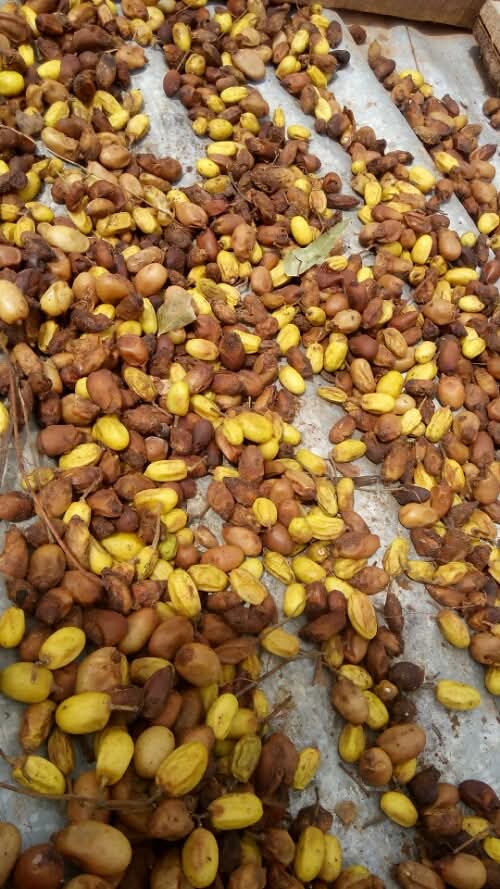
Azadirachta indica is a fast-growing semi-evergreen tree reaching 15–20 metres in height, producing olive-like fruits (called neem fruits or margosa fruits) approximately 1–2cm in length. Each fruit consists of a thin, yellowish, edible pulp surrounding a seed whose outer shell (endocarp) encloses the kernel — the commercial product of primary interest. The kernel typically comprises 60–70% of the seed weight and contains the concentrated fat fraction (approximately 40–50% oil by dry weight) and the limonoid bioactive compounds — primarily azadirachtin and its related compounds — that drive commercial demand across the biopesticide, pharmaceutical, and cosmetics sectors.
Neem fruits ripen between June and August across Nigeria’s northern producing states — falling naturally from the tree when fully ripe. The brief harvest window combined with the rapid deterioration of azadirachtin content in seeds that are not promptly dried after collection makes harvest timing and post-harvest handling the most critical commercial quality management challenge in the neem seed supply chain.
The Extraordinary Biochemistry — 300+ Compounds Across Multiple Commercial Applications
The biochemical complexity of neem seed and neem oil is genuinely without parallel in any commercially traded botanical. Over 300 individual chemical compounds have been identified in neem — primarily limonoids (terpenoid compounds including azadirachtin, nimbin, nimbidin, salannin, and gedunin), flavonoids, alkaloids, polysaccharides, fatty acids, and a diverse array of minor bioactive molecules. This biochemical diversity is documented comprehensively in reviews accessible through NCBI’s phytochemistry database and is the foundation of neem’s extraordinary commercial application breadth — because different buyer categories are interested in different fractions of this biochemical complex.
Azadirachtin — the primary commercial active ingredient for the biopesticide market — is a triterpenoid limonoid present at approximately 0.2–0.6% by weight in neem seed kernel. It is simultaneously an insect growth regulator (disrupting the hormonal control of insect larval development), a feeding deterrent (reducing insect appetite at concentrations many orders of magnitude below lethal doses), an oviposition deterrent (preventing insects from laying eggs on treated plant surfaces), and a repellent. These multiple concurrent mechanisms of action make azadirachtin uniquely effective as a biopesticide — insects cannot develop resistance to a compound that simultaneously attacks multiple biological pathways, unlike synthetic insecticides whose single-mechanism action is easily bypassed by resistance mutation.
Nimbin and Nimbidin — the primary antibacterial and antifungal limonoids, whose antimicrobial activity against a remarkably broad spectrum of human pathogenic bacteria, fungi, and viruses has been documented through extensive clinical and laboratory research accessible via NCBI’s antimicrobial research database.
Gedunin — a limonoid with documented antimalarial activity comparable in some experimental models to chloroquine, and with documented anti-cancer activity across multiple cancer cell line studies. Research on gedunin’s pharmacological profile is published through NCBI’s oncology and parasitology research databases.
The Fatty Acid Complex — neem oil’s fatty acid composition is dominated by oleic acid (approximately 40–50%) and stearic acid (approximately 15–20%), with significant fractions of palmitic acid (15–20%) and linoleic acid (8–15%). This fatty acid profile gives cold-pressed neem oil its characteristic semi-solid consistency at room temperature and its excellent skin penetration properties relevant to cosmetic and pharmaceutical topical applications.
The Three Primary Commercial Product Forms
Whole Dried Neem Seeds — the primary raw material export form, sold to buyers who conduct their own oil extraction, kernel separation, or direct agricultural application processing. Dried whole neem seeds are the raw material from which all processed neem products are derived. The azadirachtin content of whole dried seeds — typically 0.2–0.6% by seed weight — is the primary quality specification for biopesticide manufacturer buyers.
Cold-Pressed Neem Oil (Crude) — produced by mechanical cold pressing of neem seed kernels without solvent extraction or heat treatment, preserving the full spectrum of oil-soluble bioactive compounds including the limonoid fraction, tocopherols, and triterpene compounds that give neem oil its characteristic dark colour, strong odour, and pharmacological activity. Cold-pressed crude neem oil — with its intact bioactive compound profile — is the form demanded by organic agriculture input manufacturers (for biopesticide formulation), pharmaceutical ingredient buyers (for antimicrobial and dermatological formulation), and premium cosmetics formulators (for active botanical skin care ingredients). The colour (dark green to brown), odour (strong sulphureous-garlic characteristic), and bioactive compound content of cold-pressed neem oil are all maintained by avoiding heat treatment during extraction.
Neem Cake (Neem Seed Cake) — the solid press cake remaining after oil extraction from neem seed kernels — containing approximately 5–8% residual oil, 30–35% protein, and the full complement of water-soluble neem bioactive compounds including the azadirachtin fraction that is not fully extracted during oil pressing. Neem cake is one of the most commercially versatile by-products in organic agriculture — used simultaneously as an organic nitrogen fertiliser (its protein content releases nitrogen during soil decomposition), a soil nematocide (the limonoid compounds in the cake kill soil nematode pests), a soil insecticide (acting against soil-dwelling pest insects), and a soil microbial activity enhancer. The simultaneous fertiliser and pest control function of neem cake makes it uniquely valuable in organic farming systems where separate applications for each function would otherwise be required.
Benefits and Industrial Uses of Nigerian Neem Seed
Agricultural Biopesticide Industry — The Most Commercially Significant Application
This is neem seed’s single largest industrial application by commercial value — and the one that most directly determines the pricing benchmark for premium azadirachtin-content neem seed in international trade. The global biopesticide market — tracked comprehensively by Grand View Research’s biopesticides market report — is one of the agricultural input industry’s fastest-growing segments, valued at over USD 4 billion and projected to grow at compound annual rates exceeding 14% through 2030, driven by the global transition toward integrated pest management (IPM) systems that reduce synthetic pesticide dependence, expanding organic agriculture certification requirements across European and American food supply chains, and growing regulatory pressure on synthetic pesticide registration in key markets.
Azadirachtin — registered as a biopesticide active ingredient by the US Environmental Protection Agency (EPA) and approved under EU Regulation 1107/2009 on plant protection products — is the most commercially successful naturally derived insect growth regulator in the global biopesticide market. Unlike synthetic synthetic pyrethroids, organophosphates, and neonicotinoids — whose residue contamination of food, adverse effects on pollinators, and development of insect resistance have driven accelerating regulatory restriction across EU and North American markets — azadirachtin residues are rapidly degraded by sunlight and soil microorganisms, show no significant toxicity to mammals, birds, or beneficial insects at application rates, and have not been associated with development of target pest resistance after decades of commercial use.
The commercial manufacturers who produce azadirachtin-based biopesticide products — including Certis USA, BioWorks, Dhanuka Agri, and Agri Life — source neem seeds or crude neem oil as raw material for azadirachtin standardisation and formulation into commercial biopesticide products including Azatin, Neemix, Neemazal, and AzaMax. These buyers evaluate raw neem seed and crude neem oil primarily on azadirachtin content (expressed as ppm or percentage by weight) — the quality parameter that directly determines their extraction yield economics per tonne of raw material processed.
Nigerian Sahel-zone neem seeds — produced under the moderate drought stress conditions that maximise limonoid biosynthesis in Azadirachta indica — deliver azadirachtin concentrations at the high end of the commercially traded range (3,000–6,000 ppm in well-dried kernel). For biopesticide extraction companies whose production economics are calculated on azadirachtin yield per tonne of seed processed — the same procurement logic that drives ginger buyers toward high-gingerol origins and turmeric buyers toward high-curcumin origins — this concentration advantage is commercially actionable and worth evaluating against established Indian origin material. Market intelligence on the global biopesticide ingredient market is tracked by the Biopesticide Industry Alliance (BPIA) — the primary trade organisation for the American biopesticide sector.
For organic agriculture input manufacturers and azadirachtin-based biopesticide producers evaluating Nigerian origin neem seed, contact our export team to discuss azadirachtin content documentation, seed specification, and supply volume arrangements.
Organic Agriculture — Neem Cake as the Multi-Function Soil Amendment
Neem cake’s simultaneous function as organic fertiliser, soil nematocide, soil insecticide, and soil microbial enhancer makes it one of the most commercially valuable agricultural by-products in the global organic farming input market — and one whose demand is growing rapidly as organic agriculture expansion across European, North American, and Asian food markets increases the need for approved organic farming inputs that deliver multiple functions simultaneously.
The global organic fertiliser and soil amendment market — tracked through Grand View Research’s organic fertiliser market analysis — is growing at compound annual rates exceeding 11% as organic farmland area expands across Europe (driven by the EU Farm to Fork Strategy’s target of 25% organic farmland by 2030), the USA (driven by USDA organic certification programme expansion), and across Indian and Southeast Asian agriculture where neem cake has the longest established commercial history. The US National Organic Program (NOP) and the EU Council Regulation (EC) 834/2007 on organic production both permit neem cake as an approved organic farming soil amendment — regulatory approvals that create a direct commercial pathway for Nigerian neem cake in certified organic agriculture markets.
In India — which has the world’s largest certified organic farmland area and the most mature commercial neem cake market — neem cake has been used as a standard soil amendment for decades, with well-established pricing benchmarks, quality specifications, and trade infrastructure that provides the commercial reference framework within which Nigerian origin neem cake competes. The Spices Board of India and APEDA (Agricultural and Processed Food Products Export Development Authority) track neem cake trade flows from India — providing the competitive intelligence against which Nigerian origin neem cake pricing and quality must be positioned for buyers who are currently India-sourced.
The International Federation of Organic Agriculture Movements (IFOAM) — the global umbrella organisation for the organic agriculture movement — publishes approved input lists and standards relevant to neem cake application in certified organic farming — the regulatory framework that European and American organic farming input buyers reference when specifying neem cake for their product formulations. Contact our export team to discuss neem cake specification, azadirachtin residual content, and supply arrangements for organic agriculture input manufacturers.
Pharmaceutical Industry — The Antimicrobial, Antidiabetic, and Anticancer Research Frontier
The pharmaceutical research community’s engagement with neem is the most extensive of any plant in natural product drug discovery — generating a volume of published research that reflects both the extraordinary breadth of neem’s pharmacological activity and the genuine pharmaceutical industry interest in translating that activity into commercial drug development. Research published through NCBI’s comprehensive pharmacology database reviews neem’s pharmacological properties systematically — providing the evidence framework that pharmaceutical procurement teams evaluate when sourcing neem seed extracts and isolated compounds for drug candidate development.
Antimicrobial pharmaceutical applications — neem’s nimbin and nimbidin limonoids, alongside the polyphenolic compounds in neem leaf and seed extracts, demonstrate documented activity against an extensive range of pathogenic bacteria including Staphylococcus aureus (including MRSA strains), Streptococcus mutans, Mycobacterium tuberculosis, and various Gram-negative pathogens documented through antimicrobial research in NCBI. In the context of the global antimicrobial resistance crisis — monitored through the WHO’s global antimicrobial resistance monitoring programme — neem-derived natural antimicrobial compounds represent genuine pharmaceutical research interest as part of the global search for novel antimicrobial drug leads from natural product libraries.
Antidiabetic pharmaceutical applications — clinical and pre-clinical research on neem seed extract’s effects on blood glucose management — published through NCBI’s diabetes research database — documents α-glucosidase inhibitory activity and insulin-sensitising effects that have attracted pharmaceutical and nutraceutical research investment in neem-derived antidiabetic ingredient development. The global diabetes pharmaceutical market’s sustained growth — driven by the Type 2 diabetes epidemic across both developed and developing markets — creates ongoing upstream demand for novel natural antidiabetic compound leads.
Anticancer research — gedunin, a limonoid compound from neem seed, has demonstrated cytotoxic activity against multiple cancer cell lines including breast, colon, lung, and prostate cancer in laboratory studies published through NCBI’s oncology research publications. While cancer drug development involves a long translational pathway from laboratory evidence to commercial drug, the research pipeline on gedunin and other neem limonoids in cancer biology is active and well-funded — creating upstream procurement interest from pharmaceutical research organisations sourcing authenticated neem seed material for compound isolation and structure-activity relationship research.
Antiviral applications — research published through NCBI documents neem seed and leaf extracts’ antiviral activity against a range of viral pathogens — including herpes viruses, dengue virus, and influenza strains — creating pharmaceutical research interest that has intensified following the COVID-19 pandemic’s elevation of antiviral natural product research as a global pharmaceutical priority. The WHO’s traditional medicine research programme has engaged with neem in the context of traditional medicine systems — particularly Ayurveda — providing the institutional recognition that supports pharmaceutical research investment in neem-derived antiviral compound development.
For pharmaceutical ingredient buyers requiring authenticated Nigerian neem seed with documented azadirachtin, nimbin, nimbidin, and gedunin content — we coordinate comprehensive analytical packages through accredited laboratories following AOAC International validated methods. Contact Paradise MultiTrade to discuss pharmaceutical-grade sourcing requirements.
Nutraceutical and Dietary Supplement Industry
Neem-derived supplements — particularly neem leaf powder capsules and neem seed oil softgels — are established products in the global dietary supplement market, positioned across multiple health benefit categories including immune support, blood sugar management, skin health, and digestive wellness. Market analysis from Grand View Research’s neem products market report documents the global neem extract supplement market as a significant and growing segment of the broader botanical supplement industry.
The nutraceutical sector’s procurement of neem seed — as raw material for neem oil capsule production and neem seed extract supplement formulation — requires documented azadirachtin content, heavy metal compliance, pesticide residue clearance (particularly for neem supplements marketed as natural pesticide-free products — a specific labelling challenge given that azadirachtin itself is a pesticide), and microbiological safety documentation. Nutraceutical buyers navigating the complex regulatory landscape of neem supplement ingredient sourcing should reference the Natural Medicines Comprehensive Database — which maintains the most rigorously evidence-assessed monograph on neem’s clinical evidence base and safety profile — and the American Botanical Council’s HerbalGram reviews of neem in traditional medicine and supplement applications.
Cosmetics and Personal Care Industry — Neem Oil as a Premium Antibacterial Active
The cosmetics industry’s discovery of neem oil as a premium antibacterial, anti-inflammatory, and anti-aging active ingredient is one of the most commercially significant recent developments in natural beauty formulation — with neem oil appearing in an expanding range of anti-acne skincare, scalp treatment, and natural insect-repellent personal care products across European, American, and Asian premium beauty markets.
Anti-acne formulation — neem oil’s documented antibacterial activity against Propionibacterium acnes (the primary bacterium implicated in acne vulgaris) — supported by research published through NCBI’s dermatology database — makes it a premium natural active in the fast-growing natural anti-acne skincare market. The global acne treatment market — tracked by Mordor Intelligence’s acne treatment market report — is valued at billions of USD and is specifically expanding its natural product segment as consumers move away from benzoyl peroxide and salicylic acid-dominant formulations toward botanical alternatives with comparable efficacy and better tolerability.
Scalp health and anti-dandruff formulation — neem oil’s antifungal activity against Malassezia species (the fungal organisms implicated in dandruff and seborrheic dermatitis) positions it as a natural active in scalp health shampoos, scalp serums, and anti-dandruff hair care products. The natural hair care movement’s embrace of traditional botanical treatments — particularly relevant in the Afro-textured hair care segment where traditional West and South African plant-based hair care practices are experiencing commercial revival — creates a culturally authentic positioning for Nigerian-origin neem oil alongside sheanut and moringa as traditional hair care botanicals with documented efficacy.
Natural insect repellent personal care — the growing consumer preference for DEET-free natural insect repellent products — tracked through Mintel’s personal care trend database — has created commercial interest in neem oil as a natural insect repellent active ingredient in sunscreens, body lotions, and dedicated repellent formulations. Azadirachtin’s documented insect feeding deterrent and oviposition deterrent activity — combined with neem oil’s broader terpenoid compound insect repellent effect — provides the natural chemistry foundation for this application.
Anti-aging and antioxidant skincare — neem oil’s tocopherol content, the antioxidant activity of its limonoid compounds, and the fatty acid-based emollient moisturisation it provides position it as a candidate ingredient in premium natural anti-aging skincare — particularly in formulations targeting oxidative stress, environmental pollution protection, and skin barrier function restoration. The Cosmetic Ingredient Review (CIR) has assessed neem seed oil’s cosmetic safety profile — and the INCI Decoder nomenclature system classifies neem seed oil (Azadirachta Indica Seed Oil) within the established international cosmetics ingredient naming framework, facilitating product labelling across regulated cosmetics markets.
The CBI Netherlands natural cosmetics ingredient market intelligence has specifically documented growing European cosmetics buyer interest in African botanical oils and actives — creating a commercial pathway for Nigerian origin neem seed oil in the European natural cosmetics ingredient market alongside the shea butter and moringa seed oil that are already establishing Nigerian botanical ingredient credentials in European beauty formulation.
Veterinary Products Industry — Natural Parasite Control for Companion Animals and Livestock
The veterinary products sector is one of the most commercially mature and volume-significant applications for neem-derived products — particularly in companion animal flea, tick, and mite control products and in livestock parasite management in organic and natural farming systems. The global veterinary parasite control market — tracked by Grand View Research’s veterinary parasiticide market report — is valued at billions of USD and is experiencing growing demand for natural, chemical-free alternatives to synthetic parasite control products as pet owner preferences for natural pet care products expand.
Neem oil incorporated into pet shampoos, flea and tick repellent sprays, and ear cleaning formulations provides documented repellent and parasite-deterrent activity that veterinary natural product brands market as DEET-free, organophosphate-free alternatives to conventional parasite control. Research on neem’s veterinary parasite control applications — documented through the American Veterinary Medical Association (AVMA) publications and veterinary parasitology research accessible through NCBI — provides the evidence foundation that veterinary natural product companies use when sourcing neem oil as an active ingredient.
Traditional Medicine and Ayurvedic Industry
Neem’s 4,000-year history in Ayurvedic medicine — where it is categorised as tikta (bitter) and used for conditions including skin diseases, diabetes, malaria, intestinal parasites, fever, and dental hygiene — creates a sustained and substantial demand stream from Ayurvedic pharmaceutical manufacturers in India, the UK, USA, and Canada who source authenticated neem seed and neem seed oil as Ayurvedic raw material. The Ayurvedic Pharmacopoeia of India establishes quality standards for neem (Nimba) pharmaceutical raw materials — providing the specification framework that Ayurvedic manufacturer procurement teams apply to neem seed sourcing decisions.
Why Buy Neem Seed from Nigeria?
The Azadirachtin Content Argument — Sahel Stress, Superior Yield
The commercial case for Nigerian Sahel-zone neem seed in pharmaceutical and biopesticide procurement rests on the same environmental quality argument that we make across multiple commodity categories in our export portfolio: the specific growing conditions of Nigeria’s Sahelian states — moderate drought stress, intense sunshine, sandy well-drained soils, and the sharp diurnal temperature variation of the continental Sahel climate — trigger maximum limonoid biosynthesis in Azadirachta indica seed tissue, producing seeds with azadirachtin concentrations at the high end of the commercially traded range.
This biological mechanism — drought stress stimulating the production of secondary metabolites including limonoids as a plant stress response — is documented in plant biochemistry research published through NCBI’s plant science database and reviewed in neem agronomy research published by the International Neem Foundation. For azadirachtin extraction companies whose production economics are calculated on yield per tonne of seed — the same logic driving buyers of high-curcumin turmeric, high-capsaicin chilli, and high-allicin garlic toward premium-quality semi-arid origins — Nigerian Sahel neem seed warrants serious analytical evaluation against established Indian origin material.
Scale of the Nigerian Neem Population — Harvesting From Abundance
Unlike agricultural crops whose production volumes are constrained by planted area and cultivation investment, Nigeria’s naturalised neem population provides a vast, geographically distributed seed harvest resource that is not constrained by the planting capacity limitations of smaller origins. The millions of neem trees growing along roadsides, in urban environments, and in agricultural landscapes across Nigeria’s northern states produce annual seed crops of enormous potential volume — most of which currently falls to the ground uncollected because domestic commercialisation of neem has not kept pace with the population’s productive potential.
For international buyers building large-volume supply programmes — biopesticide manufacturers who need tens or hundreds of tonnes of seed per year, neem cake distributors serving organic agriculture markets at commercial scale — Nigeria’s naturalised neem population provides the supply depth that plantation-dependent origins in India or East Africa cannot match without significant agricultural investment.
Supply Diversification From India-Dominant Global Neem Trade
India currently dominates global neem seed and neem product export — with Indian neem oil, neem cake, and neem seed powder exported at significant volumes to European, American, and Asian markets through a well-developed export infrastructure built over decades. The commercial diversification logic that applies to garlic (China-dominant), gum arabic (Sudan-dominant), and palm oil (Southeast Asia-dominant) applies equally to neem: buyers who are India-concentrated in their neem procurement carry supply risk from Indian domestic demand growth, monsoon harvest variability, export policy interventions, and price movements in the world’s largest neem producing and consuming market. Nigerian origin provides exactly the supply chain diversification that risk-conscious procurement managers building resilient agricultural commodity supply chains seek as a strategic complement to Indian origin sourcing.
The Tridge commodity intelligence platform’s neem market tracking and ITC Trade Map trade flow data both provide the market intelligence context within which Nigerian origin positioning relative to India can be commercially evaluated.
Complete Export Documentation from a Licensed Exporter
Every neem seed shipment processed through Paradise MultiTrade carries phytosanitary certification from the Nigerian Agricultural Quarantine Service (NAQS), NEPC export documentation, certificate of origin, commercial invoice, packing list, and bill of lading. For biopesticide manufacturer buyers, we coordinate azadirachtin content analysis by HPLC following validated methods published by the Association of Official Agricultural Chemists (AOAC International). For pharmaceutical buyers, we coordinate nimbin, nimbidin, gedunin, and total limonoid content analysis. For cosmetics buyers, we provide fatty acid profiling, peroxide value, free fatty acid content, and colour measurement. For organic agriculture buyers, we provide certified analysis confirming neem cake’s nitrogen, phosphorus, potassium content and azadirachtin residual levels.
EU-bound shipments comply with Regulation (EU) 2017/625 on official controls for food and botanical imports and — for neem oil and neem cake in agricultural applications — reference EU Regulation 1107/2009 on plant protection products for biopesticide registration compliance. Our NEPC Export Licence No. 0042385 and CAC Registration No. RC-9284647 are current and verifiable through NEPC.
Nigeria’s Neem Export Strength and Global Market Demand
The Multi-Sector Market Architecture
The global neem products market — tracked through Grand View Research’s neem products market analysis and Mordor Intelligence’s neem market report — encompasses five simultaneously growing major application sectors whose combined demand trajectory creates an extraordinary growth environment for Nigerian neem seed export:
Agricultural biopesticides — the largest sector by commercial value, growing at 14%+ annually driven by organic agriculture expansion and synthetic pesticide regulatory restriction. The Biopesticide Industry Alliance (BPIA) and the European Biopesticides Association both track the commercial development of azadirachtin-based biopesticide products — confirming sustained demand growth for high-azadirachtin neem raw material.
Organic agriculture soil amendments — neem cake demand growing with organic farmland expansion globally, anchored by IFOAM approved input status and the EU Farm to Fork Strategy organic agriculture expansion targets.
Pharmaceutical and nutraceutical ingredients — growing as clinical research accumulates and as pharmaceutical companies’ natural product drug discovery programmes increase engagement with neem limonoids. The Natural Products Chemistry & Research journal tracks neem natural product research publications.
Cosmetics and personal care ingredients — neem oil growing rapidly in natural beauty formulation, documented through Mintel and Euromonitor International beauty ingredient trend tracking.
Veterinary natural products — neem oil in pet care growing with the premium natural pet products market tracked by Grand View Research’s pet care market analysis.
Key Export Destination Markets
Germany — Europe’s most significant biopesticide development market and its leading organic agriculture sector — is a primary destination for Nigerian neem products across both the agricultural biopesticide and organic farming input channels. German biopesticide companies developing azadirachtin-based products and German organic agriculture input distributors sourcing neem cake for certified organic farming applications are both commercially significant buyer categories. The German Agribusiness Alliance provides market access intelligence for agricultural input exports to Germany.
The Netherlands — the European Union’s agricultural trading hub and home to a sophisticated organic farming input industry — is the primary European distribution centre for neem products entering the broader EU market. Dutch agricultural commodity importers and organic farming input distributors are active buyers of both neem seed and neem cake from African origins. CBI Netherlands market intelligence on organic agriculture inputs provides European buyer guidance directly relevant to Nigerian neem export positioning.
The United States — the world’s largest biopesticide market and home to the most commercially developed azadirachtin-based biopesticide product portfolio — is the highest-value destination for high-azadirachtin Nigerian neem seed. American biopesticide companies including Certis USA, BioWorks, and several niche biopesticide formulators source neem seed and crude neem oil as azadirachtin extraction raw material. US biopesticide market intelligence is published by the EPA’s biopesticide programme and the BPIA.
India — counterintuitively, India imports neem products from West African origins during periods of domestic supply shortage — creating periodic but significant export opportunities for Nigerian neem seed and oil in the world’s largest neem processing and consuming market. Indian neem trade data is tracked through APEDA and Spices Board of India export and import statistics.
France — Europe’s largest cosmetics manufacturing market and a major pharmaceutical ingredient processing hub — is a significant destination for neem oil sourced for natural cosmetics formulation and pharmaceutical extract production. French cosmetics ingredient buyers are among the most sophisticated evaluators of novel botanical actives, making France a priority target for premium cold-pressed Nigerian neem oil positioned in the natural beauty ingredient market.
Japan — where the organic agriculture movement is growing rapidly and where the cosmetics industry’s interest in natural botanical actives is among the most commercially sophisticated globally — represents a premium export destination for Nigerian neem products. Japanese market intelligence is tracked through JETRO agricultural and cosmetics ingredient import data.
Why Choose Paradise MultiTrade International Limited?
Azadirachtin Content Documentation as Standard. For biopesticide manufacturer buyers whose procurement economics depend on azadirachtin yield per tonne of raw material — we coordinate HPLC azadirachtin content analysis through accredited laboratories on every export lot, providing the documented quality basis for procurement decisions that extractive buyers require. Analytical methods follow AOAC International and EPA validated methods for azadirachtin determination. Contact us to discuss azadirachtin specification.
Three Commercial Product Forms from One Supplier. We supply whole dried neem seeds (for buyers conducting their own extraction), cold-pressed crude neem oil (for biopesticide formulation, pharmaceutical, and cosmetics buyers), and neem cake (for organic agriculture input buyers) — eliminating the need for buyers to manage multiple separate supply relationships for different neem product forms. Contact us to specify your required form.
Sahel Origin Specificity. Our neem seed is sourced from the primary Sahelian producing zones of Kano, Katsina, Jigawa, and Borno states — where the moderate drought stress of the Sahel climate maximises limonoid biosynthesis and produces seeds with azadirachtin content at the high end of the commercially traded range. We do not source from irrigated or humid-zone neem populations where lower limonoid content compromises biopesticide extraction economics.
Multi-Application Analytical Package. Different buyer categories need different analytical documentation from the same raw material — biopesticide buyers need azadirachtin content, cosmetics buyers need fatty acid profile and peroxide value, pharmaceutical buyers need limonoid compound suite analysis, and organic agriculture buyers need nitrogen/phosphorus/potassium content for neem cake. We coordinate the appropriate analytical package for each buyer category through accredited laboratory partners.
Multi-Commodity West African Agricultural Sourcing. Neem seed buyers frequently have parallel requirements for other Nigerian agricultural exports. Alongside neem seed, Paradise MultiTrade exports moringa seeds, sheanut, gum arabic, sesame seeds, hibiscus flower, turmeric, fresh ginger, dry split ginger, chilli pepper, cloves, bitter kola, kola nut, cashew nut kernel, and raw cashew nuts. Explore our full range of Nigerian export commodities and consolidate your West African agricultural and botanical ingredient sourcing through one verified, licensed export partner.
Product Specifications
| Specification | Details |
|---|---|
| Product | Neem Seed / Neem Seed Kernel / Cold-Pressed Neem Oil / Neem Cake (Azadirachta indica) |
| Common Names | Neem, Nimtree, Indian lilac, Dogonyaro (Hausa/Nigerian), Margosa, Village pharmacy tree |
| Origin | Nigeria (Kano, Katsina, Jigawa, Borno, Zamfara, Sokoto, Kebbi, Kaduna States) |
| Forms Available | Whole dried neem seeds; neem seed kernels (dehulled); cold-pressed crude neem oil; neem cake (press cake) |
| Azadirachtin Content (Seed) | 3,000–6,000 ppm (0.3–0.6% by kernel weight — HPLC documented on request) |
| Oil Content (Kernel) | 40–50% by dry weight |
| Neem Oil Primary Fatty Acids | Oleic (40–50%); Stearic (15–20%); Palmitic (15–20%); Linoleic (8–15%) |
| Neem Oil FFA | ≤3% (cold-pressed, fresh season) |
| Neem Oil Peroxide Value | ≤10 meq/kg (fresh cold-pressed) |
| Neem Oil Colour | Dark green to brownish-yellow (characteristic of crude cold-pressed) |
| Neem Oil Odour | Characteristic strong sulphureous-garlic neem aroma |
| Neem Cake Protein | 30–35% by dry weight |
| Neem Cake NPK | N: 5–6%; P: 1–1.5%; K: 1–1.5% (approximate — varies by extraction method) |
| Neem Cake Azadirachtin Residual | 500–3,000 ppm (application-dependent) |
| Seed Moisture Content | 8–10% (export dried) |
| Purity | 95%+ (free from foreign matter, mould, and damaged seed) |
| Packaging Options | 25kg, 50kg polypropylene bags (seeds/cake); 25kg, 200L drums (oil); IBC totes (bulk oil) |
| Supply Capacity | Seeds/Cake: 20–500+ MT; Oil: 10–200+ MT per shipment |
| MOQ | Seeds: 5 MT; Neem oil: 2 MT; Neem cake: 5 MT |
| Shelf Life | Seeds: 12–18 months; Crude oil: 12–18 months; Neem cake: 12–18 months |
| Export Documentation | Phytosanitary Certificate (NAQS), Certificate of Origin, NEPC Export Licence, Azadirachtin Analysis Certificate (HPLC), Fatty Acid Profile, Microbiological Certificate (oil/cake), Commercial Invoice, Packing List, Bill of Lading |
| Payment Terms | T/T, Letter of Credit (LC at sight), Escrow |
| Loading Port | Lagos (Apapa / Tin Can Island Port), Nigeria |
| Incoterms Available | EXW, FOB Lagos, CNF, CIF |
Packaging and Export Process
Fruit Collection and Seed Extraction. Neem fruits ripen between June and August across Nigeria’s northern producing states — falling naturally from trees when fully ripe. Community harvesters collect fallen fruits from beneath productive trees and from roadside and urban neem populations, sorting ripe from unripe fruits at the collection point. Speed of collection is critical — fruits left on the ground past 48–72 hours begin fermenting, which initiates rapid azadirachtin degradation in the seed. Collected fruits are depulped — the thin outer flesh removed — to expose the seed for drying.
Drying — The Most Critical Quality Control Step. Freshly depulped neem seeds carry approximately 40–50% moisture and begin azadirachtin degradation rapidly if not dried promptly. Seeds are spread in thin layers on elevated drying platforms and sun-dried under the intense Sahel sunshine for 5–10 days until moisture reaches the 8–10% target for safe storage and export. This rapid, thorough drying — preserving azadirachtin content by preventing the moisture-activated enzymatic and microbial processes that degrade limonoid compounds — is the single most important quality management intervention in the neem seed export supply chain. Seeds dried slowly under humid conditions or stored at high moisture before export show dramatically reduced azadirachtin content relative to rapidly dried, dry-stored material.
Dehulling (for kernel production). For neem seed kernel export — removing the hard outer shell to expose the oil-rich kernel — dried seeds are processed through mechanical dehullers. Kernel-to-shell separation efficiency and kernel integrity (minimising fragmentation during dehulling) are quality parameters that affect downstream processing yield for buyers who extract oil from kernel rather than whole seed.
Cold Pressing (for neem oil). Neem kernels for oil production are fed directly into mechanical screw presses — without pre-heating — to extract crude neem oil through cold pressing. Cold pressing preserves the temperature-sensitive limonoid compounds (particularly azadirachtin and its analogues) in the oil phase — distinguishing cold-pressed crude neem oil’s superior bioactive content from solvent-extracted neem oil or heat-processed neem oil whose limonoid content is substantially reduced by processing temperature. Oil is collected from the press, allowed to settle, and decanted from sediment before packaging.
Neem Cake Collection and Drying. The solid press cake emerging from the oil press — neem cake — is collected, further dried if necessary to reduce residual moisture, broken into uniform particles, and packaged for export.
Analytical Testing. Lot samples are submitted to accredited laboratories for azadirachtin content (HPLC), fatty acid profile (GC), peroxide value, free fatty acid content, and moisture analysis. Microbiological testing is conducted for neem oil and neem cake lots destined for food-adjacent or pharmaceutical applications. Heavy metal screening is available on request.
Packaging and Loading. Whole seeds and neem cake are packed in 25–50kg polypropylene woven bags. Crude neem oil is packed in 25kg jerricans, 200L steel drums, or IBC totes. All packaging is clearly labelled with product form, azadirachtin content specification, lot number, moisture content, net weight, and export documentation reference. Pre-export phytosanitary inspection by NAQS is completed before container sealing. Lead time from order confirmation to container loading runs 14–28 days. Contact us early — neem seed is a seasonal commodity with peak availability from July through November following the June–August fruit collection window.
Frequently Asked Questions
What is azadirachtin and why does it determine the commercial value of neem seed for biopesticide buyers?
Azadirachtin is a triterpenoid limonoid compound found in neem seed kernel — the primary commercial active ingredient in azadirachtin-based biopesticide products. Its commercial significance derives from its uniquely multi-modal pest control mechanism: it simultaneously functions as an insect growth regulator (disrupting larval development hormones), a feeding deterrent (reducing insect appetite at sublethal concentrations), an oviposition deterrent (preventing egg-laying on treated plants), and a repellent — attacking multiple biological pathways simultaneously in ways that make resistance development essentially impossible for target insects. For biopesticide extraction companies whose product quality is directly proportional to azadirachtin yield per tonne of raw neem seed processed, azadirachtin content is the primary procurement quality specification — analogous to capsaicin in chilli, curcumin in turmeric, or allicin in garlic. Nigerian Sahel-zone neem seed — produced under moderate drought stress that maximises limonoid biosynthesis — delivers azadirachtin content of 3,000–6,000 ppm by kernel weight. We document this through HPLC analysis on every export lot. Contact us to discuss azadirachtin specification.
What is the difference between cold-pressed neem oil and solvent-extracted neem oil — which is better for my application?
Cold-pressed neem oil is produced by mechanical pressing of neem kernels at ambient temperature — preserving the heat-sensitive limonoid compounds (azadirachtin and related bioactives) in the oil phase, maintaining the natural colour (dark green to brown) and aroma, and producing an oil with its full bioactive compound profile intact. This is the form required for biopesticide formulation (azadirachtin must be intact), pharmaceutical topical applications (antimicrobial limonoids must be active), and premium cosmetics formulation (full bioactive profile). Solvent-extracted neem oil — produced using hexane or other solvents — extracts higher quantities of oil per tonne of seed but degrades temperature-sensitive limonoids during the extraction temperature requirements and leaves solvent residues that require removal before pharmaceutical or cosmetics application. For virtually all premium applications, cold-pressed crude neem oil is the appropriate specification. Contact us to confirm which form is appropriate for your application.
Is neem oil and neem cake approved for use in certified organic agriculture in the EU and USA?
Yes — neem-derived agricultural inputs hold approved status in both major organic farming regulatory frameworks. Neem cake is approved as an organic soil amendment under EU Council Regulation (EC) 834/2007 on organic production and is listed as an approved organic input by IFOAM. Azadirachtin-based biopesticide products formulated from neem oil are approved for organic crop protection use under the US National Organic Program (NOP) when formulated products carry appropriate NOP-compliant certification. EU-registered azadirachtin biopesticide products are approved under EU Regulation 1107/2009. Buyers sourcing Nigerian neem seed or neem cake for organic agriculture input formulation should ensure their specific formulated product carries the appropriate organic certification — the raw material approval status and the finished product certification are separate compliance processes. Contact us to discuss documentation support for organic agriculture input applications.
What analytical documentation is available for pharmaceutical buyers sourcing Nigerian neem seed?
For pharmaceutical procurement, we coordinate a comprehensive analytical package through accredited third-party laboratories: azadirachtin content by HPLC, total limonoid suite analysis (nimbin, nimbidin, salannin, gedunin content), fatty acid profile by GC (for neem oil), heavy metal screening (lead, cadmium, arsenic, mercury by ICP-MS), pesticide residue analysis, microbiological testing (total viable count, Salmonella, E. coli, Staphylococcus aureus), moisture content, and peroxide value (for neem oil). All results are provided as laboratory certificates alongside standard phytosanitary and commercial shipping documentation. The Natural Medicines Comprehensive Database maintains a neem monograph that pharmaceutical buyers can reference for clinical evidence assessment. Contact us to build your specific analytical package.
What is the Nigerian neem seed collection season and when should I plan procurement?
Nigeria’s neem fruit collection season runs from June through August — when fruits ripen and fall naturally across the northern Sahel and Sudan savanna producing states. Seed drying and processing occurs through August–October, with dried seeds available for export from approximately September through May of the following year. Azadirachtin content is highest in seeds processed promptly after the collection season — seeds that have been stored for extended periods show progressive azadirachtin degradation even when properly dried and stored. For buyers requiring maximum azadirachtin content, procurement from the October–December post-harvest window is recommended. Neem cake and neem oil — produced from the season’s seed crop — are available year-round from inventory. Contact us to plan your procurement cycle.
How does Nigerian neem seed compare to Indian origin in terms of azadirachtin content?
Indian neem seed — produced from both planted groves and naturalised trees across multiple Indian states — is the established commercial benchmark for the global neem trade, with azadirachtin content typically in the range of 2,000–5,000 ppm depending on variety, growing region, and harvest conditions. Nigerian Sahel-zone neem seed — grown under moderate drought stress in the continental Sahel climate of Kano, Katsina, and Jigawa states — produces azadirachtin content in the comparable range of 3,000–6,000 ppm, with the Sahel stress conditions providing a quality argument competitive with Indian benchmark material. We encourage buyers to commission comparative HPLC azadirachtin analysis on Nigerian and their current Indian origin samples to verify the quality comparison analytically rather than accepting origin assumptions. Contact us to arrange sample supply for comparative testing.
What transit times should I expect from Nigeria?
Europe (Rotterdam, Hamburg, Antwerp, Felixstowe) — approximately 14–20 days from Lagos. UK (Tilbury, Felixstowe) — 14–18 days. USA (East Coast — New York, Baltimore, Savannah) — 18–25 days. India (Nhava Sheva, Mundra) — 10–15 days. Japan (Yokohama) — 25–32 days. UAE (Jebel Ali) — 10–14 days. France (Le Havre, Marseille) — 14–18 days. Germany (Hamburg) — 14–20 days.
Ready to Source Premium Nigerian Neem Seed — High-Azadirachtin Sahel Origin, Cold-Pressed Neem Oil, and Neem Cake for Biopesticide Manufacturers, Organic Agriculture Input Companies, Pharmaceutical Buyers, and Cosmetics Formulators?
If you are a biopesticide manufacturer evaluating high-azadirachtin neem seed as extraction raw material, an organic agriculture input company sourcing neem cake for certified organic soil amendment formulation, a pharmaceutical ingredient buyer investigating neem limonoids for antimicrobial or antidiabetic drug candidate research, a cosmetics formulator building neem oil into natural anti-acne or scalp health product lines, a veterinary natural product company sourcing neem oil for companion animal parasite control formulations, an Ayurvedic pharmaceutical manufacturer sourcing authenticated neem seed as traditional medicine raw material, or a botanical commodity trader building West African neem origin positions — Paradise MultiTrade International Limited is the licensed Nigerian exporter your supply chain needs.
We supply Nigerian neem seed, cold-pressed neem oil, and neem cake — Sahel-origin sourced from Kano, Katsina, Jigawa, and Borno states, properly dried to preserve azadirachtin content, analytically documented for azadirachtin, limonoid suite, fatty acid profile, and food safety parameters, and exported with full phytosanitary and commercial documentation to buyers in every major regulated destination market.
Request a Quotation — share your required product form (whole seeds, kernels, cold-pressed oil, or neem cake), volume, azadirachtin or analytical specification requirements, application context (biopesticide, pharmaceutical, cosmetics, organic agriculture, veterinary), destination market, and preferred incoterms. We respond with a detailed, competitive quote within 48 hours.
Contact Our Export Team — speak directly with our export coordinators about azadirachtin content analysis, cold-pressing processing specifications, pharmaceutical limonoid suite documentation, organic agriculture input certification support, EU biopesticide regulatory compliance documentation, and long-term contract supply arrangements.
Explore Our Full Product Range — alongside neem seed, Paradise MultiTrade exports moringa seeds, sheanut, gum arabic, sesame seeds, hibiscus flower, turmeric, cloves, fresh ginger, dry split ginger, chilli pepper, bitter kola, kola nut, sesame seeds, cashew nut kernel, and raw cashew nuts. One licensed Nigerian exporter. One consolidated West African agricultural and botanical ingredient sourcing relationship. Consistent quality, analytical documentation, and regulatory compliance across every commodity.
Paradise MultiTrade International Limited | NEPC Export Licence No. 0042385 | CAC No. RC-9284647 | Lagos, Nigeria | www.paradisemultitrade.com
Buy Nigerian neem seeds, Azadirachta indica Nigeria supplier, neem seed oil Nigeria bulk export, neem cake Nigeria wholesale, Nigerian neem for agricultural pesticide, neem seed kernel Nigeria export, cold pressed neem oil Nigeria, neem seed powder Nigeria bulk buyer
Reviews
There are no reviews yet.