
Ogbono Seeds from Nigeria: The Bush Mango Kernel That Feeds West Africa, Fuels a Global Weight Management Supplement Industry, and Produces One of the World’s Most Extraordinary Botanical Fats — All From a Single, Undervalued Nigerian Forest Tree
Ogbono Seed Exporter Nigeria — Irvingia Gabonensis Dika Nut Kernels, Direct Forest-Origin Sourcing, Bulk Supply to Supplement Manufacturers, Cosmetics Buyers, Oil Processors, and Diaspora Food Importers Worldwide
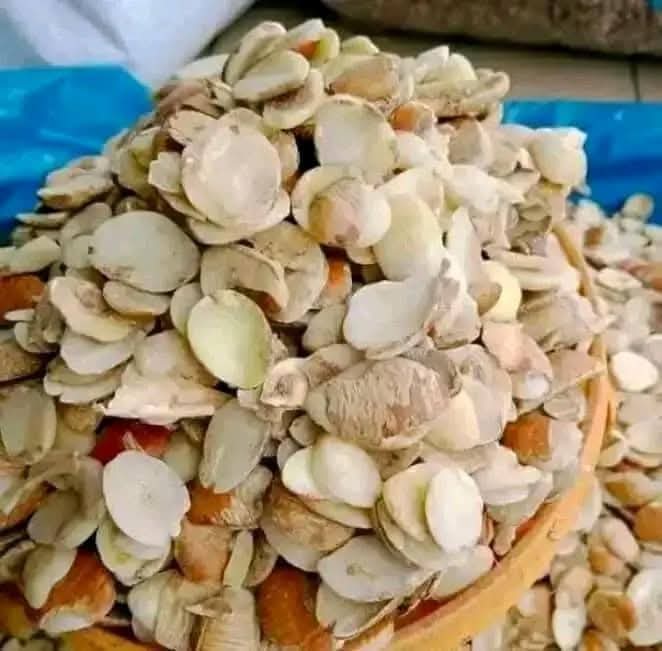
Ogbono seed exporter Nigeria sits at one of the most commercially intriguing intersections in the entire West African agricultural commodity export landscape — a point where ancient forest-harvesting tradition, a multi-billion-dollar global weight management supplement industry, premium cosmetics formulation, and the daily cooking practices of hundreds of millions of West Africans all converge on a single product from a single tree. Irvingia gabonensis — the wild mango or bush mango tree of the West and Central African humid forest belt — produces a fruit whose fleshy exterior is eaten fresh across the region, but whose true commercial value lies in the kernel concealed within its large, fibrous seed: the ogbono of Nigerian cuisine, the dika nut of colonial-era botanical trade, the African mango seed of the global weight management supplement industry.
The paradox at the heart of the ogbono commercial story is almost identical to the one we explored with egusi — a product of extraordinary nutritional complexity and documented pharmacological significance, consumed at massive scale across West Africa for centuries, that remains dramatically underrepresented in the formal international agricultural commodity trade relative to both its production scale and its demonstrated commercial value across multiple industrial sectors. While the weight management supplement industry has driven significant international awareness of Irvingia gabonensis extract under the “African mango” marketing name — generating hundreds of millions of dollars in global supplement sales — the supply chain connecting Nigerian bush mango forest communities to international buyers has remained fragmented, informal, and poorly documented. The buyers who need ogbono seed most — pharmaceutical ingredient companies, nutraceutical manufacturers, cosmetics formulators, and diaspora food importers — are frequently unable to establish reliable, documented supply relationships because the export infrastructure connecting them to Nigerian origin production has not kept pace with their demand.
At Paradise MultiTrade International Limited, we are actively building that infrastructure. Our ogbono seed export programme combines direct relationships with forest-harvesting communities and regional aggregators across Nigeria’s primary bush mango producing states — Cross River, Akwa Ibom, Rivers, Edo, Delta, Imo, and Anambra — with the same export documentation rigour, quality management discipline, and international buyer communication standards that define our broader agricultural export operation. If you are a pharmaceutical ingredient buyer who needs Irvingia gabonensis seed with documented origin and analytical certification, a nutraceutical manufacturer who needs consistent supply of dika nut kernels for African mango extract production, a cosmetics formulator who needs dika butter as a premium botanical ingredient, or a diaspora food importer who needs authentic Nigerian ogbono for West African restaurant and retail supply — this article is the comprehensive guide to sourcing it directly from the origin.
To move immediately to pricing and specification discussions, request a quotation here and our export team will respond within 48 hours.
History and Origin of Ogbono — The Bush Mango Tree That Has Sustained Forest Communities for Millennia
A Forest Giant With Ancient Human Relationships
Irvingia gabonensis belongs to the family Irvingiaceae — a small, botanically distinctive plant family with no close relatives in the broader flowering plant classification, reflecting the tree’s ancient evolutionary lineage as an isolated botanical line that developed its extraordinary biochemical and nutritional properties independently over millions of years in the West and Central African forest belt. The species grows as a large, spreading evergreen tree reaching 25–40 metres in height in intact forest conditions, with a dense, rounded crown that makes it one of the most visually distinctive trees of the Guinea-Congolian rainforest zone.
The tree’s natural distribution spans a belt of humid tropical forest stretching from Senegal and Guinea in West Africa through Nigeria, Cameroon, Gabon, the Republic of Congo, and into the Democratic Republic of Congo — the same geographic range as the Congo Basin and Guinea forest ecosystems that represent one of the most biodiverse terrestrial environments on earth. Within this range, Irvingia gabonensis has been harvested by forest communities for food, medicine, and material use for thousands of years — predating any form of commercial trade by millennia and constituting one of the most important non-timber forest products of the humid tropical African forest zone.
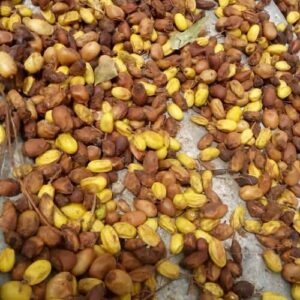
The tree produces mango-like fruits — typically 5–8cm in length, with yellow-orange fibrous flesh surrounding a large, hard-shelled seed approximately 3–5cm across. The flesh is sweet to mildly tart, consumed fresh by both humans and wildlife (bush mango is an important food tree for multiple primate species across its range, including gorillas, chimpanzees, and forest elephants — making it a keystone species in the ecology of the forests where it grows, as documented through biodiversity research published by the International Union for Conservation of Nature (IUCN)). The seed — enclosed in an exceptionally hard woody shell — contains the oil-rich, protein-dense kernel that is the commercial product of international trade.
The Igbo, Yoruba, and Efik Traditions — Ogbono as Cultural Heritage
In Nigeria, where Irvingia gabonensis is most abundantly found across the southern forest belt states, the tree and its kernel occupy a position of cultural and culinary significance that extends across the country’s major ethnic groups — each of which has incorporated ogbono into their culinary tradition so deeply that its presence is considered fundamental rather than optional in the dishes where it appears.
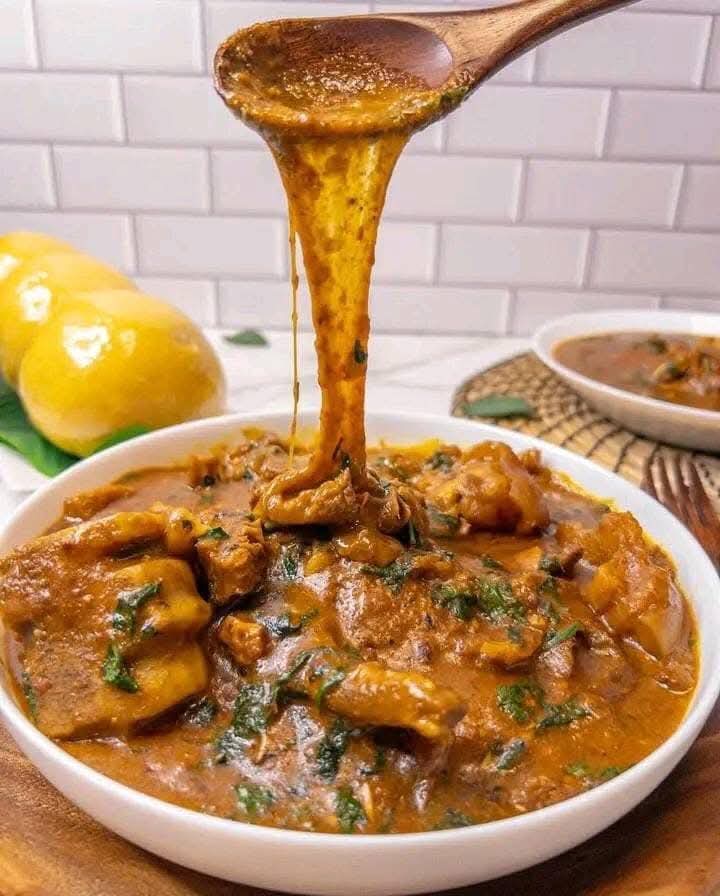
Among the Igbo of southeastern Nigeria, ogbono soup — prepared by dissolving ground ogbono kernel in palm oil and simmering with meats, fish, leafy vegetables, and seasoning — is one of the most beloved and frequently prepared dishes in the culinary canon. Its characteristic viscous, draw quality — the way properly prepared ogbono soup stretches between bowl and spoon in a manner that Igbo cooks specifically cultivate and prize — is a function of the seed’s exceptional soluble fibre content, which hydrates and swells during cooking to create a texture that is simultaneously a culinary technique and a nutritional phenomenon.
Among the Efik and Ibibio of Cross River and Akwa Ibom states — where some of Nigeria’s most prolific Irvingia gabonensis forest populations are found — ogbono (called oro in Efik) is used in both its familiar draw-soup application and in traditional medicine preparations. Among the Yoruba of southwestern Nigeria (apon), ogbono appears in traditional soups and is traded extensively through domestic spice markets.
This cultural entrenchment across multiple major Nigerian ethnic groups is commercially significant for a reason that purely nutritional or pharmacological analysis cannot capture: it means that demand for authentic Nigerian ogbono is not a trend, not a fad, and not dependent on the continuation of any particular marketing campaign. It is embedded in food culture that has persisted for centuries and that West African diaspora communities carry with them wherever they settle — creating the geographically distributed but culturally durable demand foundation that makes ogbono one of the most structurally stable West African food commodity export opportunities available.
The Colonial-Era Discovery of Dika Nut and Its Commercial Potential
European botanical and commercial interest in Irvingia gabonensis dates to the colonial era — specifically to the 19th-century wave of systematic botanical inventory that accompanied European colonial expansion into the West and Central African forest belt. British, French, and German colonial naturalists and botanists collected and described Irvingia gabonensis specimens, documenting both the tree’s botanical properties and the commercial potential of its oil-rich kernel.
The kernel became known in European botanical and trade literature as dika nut — with the fat extracted from it called dika butter or dika fat — a naming convention that distinguished it commercially from the fresh fruit context in which African communities primarily understood the product. Early 20th-century analyses of dika fat documented its extraordinary saturated fat composition — dominated by lauric and myristic acids — which gives it a physical consistency at room temperature similar to coconut oil and properties that attracted interest from both the edible fat and the early soap and cosmetics industries.
The Kew Royal Botanic Gardens’ economic botany collection contains historical specimens of Irvingia gabonensis dika nut collected during the colonial period — reflecting the botanical institution’s long-standing documentation of the species’ economic significance as a West African forest product with international commercial potential. The Kew Gardens’ plant conservation research on Irvingia gabonensis also contributes to understanding sustainable harvesting considerations relevant to modern export supply chain development.
The 21st-Century Rediscovery — African Mango and the Weight Management Industry
The most commercially transformative development in Irvingia gabonensis‘ international history occurred not in the colonial era but in the 21st century — specifically following the publication of clinical research investigating the seed extract’s effects on body weight, body fat, and metabolic parameters in overweight human subjects. A series of clinical trials — the most cited of which was published in the journal Lipids in Health and Disease and is accessible through NCBI’s clinical research database — reported statistically significant reductions in body weight, body fat percentage, waist circumference, fasting glucose, and LDL cholesterol in overweight subjects consuming Irvingia gabonensis seed extract versus placebo over a 10-week intervention period.
These clinical findings — whatever their subsequent methodological debates in the nutrition science community — were sufficient to trigger a global supplement industry response of remarkable speed and commercial scale. Within two to three years of the initial clinical publications, “African mango” supplements based on Irvingia gabonensis seed extract were being marketed by hundreds of supplement brands across the United States, United Kingdom, Europe, and Australia — generating annual sales that placed African mango among the most commercially successful weight management supplement ingredients of the past decade.
The explosive commercial demand this created for Irvingia gabonensis seed extract raw material fundamentally changed the international procurement landscape for ogbono seed — transforming it overnight from a regional West African food commodity with informal ethnic food import channels into an ingredient with genuine pharmaceutical and nutraceutical industry procurement demand. Market analysis on the African mango supplement market and Irvingia gabonensis ingredient demand is tracked by research organisations including Grand View Research’s weight management supplement market report and Mordor Intelligence’s dietary supplement market analysis.
The Nigerian Export Promotion Council (NEPC) recognised ogbono as a non-oil export commodity with growing international commercial significance — and the International Centre for Research in Agroforestry (ICRAF / World Agroforestry Centre) has conducted extensive research on Irvingia gabonensis domestication, sustainable management, and value chain development across West and Central Africa — producing some of the most comprehensive scientific documentation available on the species’ agronomy, kernel composition, and commercial potential. Trade flow data from ITC Trade Map confirms Nigerian Irvingia gabonensis products entering international trade channels with growing regularity across multiple destination markets.
What Is Ogbono Seed? Botanical Profile and the Three Commercial Product Forms
The Tree, the Fruit, and the Kernel
Irvingia gabonensis produces fruits continuously during its fruiting season — typically May through September across Nigeria’s southern forest states — with individual mature trees producing between 50 and 200 fruits per season depending on tree age, canopy competition, and rainfall. Fruits fall naturally from the tree when ripe and are collected from the forest floor — a harvesting method that requires neither tree climbing nor harvesting tools but demands systematic daily collection during the fruiting season to prevent fruit loss to wildlife competition and ground-level decomposition.
The commercial kernel is extracted from the fruit in a two-stage process: first removing the fleshy fruit exterior (either consumed fresh or processed into juice and dried products), then cracking the exceptionally hard woody shell that encases the kernel. Shell-cracking is a labour-intensive operation — the Irvingia gabonensis shell is one of the hardest natural biomaterials in the plant kingdom, resistant to stone impact, and traditionally cracked by placing the seed on a flat stone and striking it with a heavy object at the specific point of structural weakness. Mechanical crackers have been developed for commercial-scale processing, as documented in post-harvest technology research published by the International Institute of Tropical Agriculture (IITA) — but the labour intensity of cracking remains a significant cost factor in the ogbono supply chain.
The Three Commercial Forms of Ogbono Seed
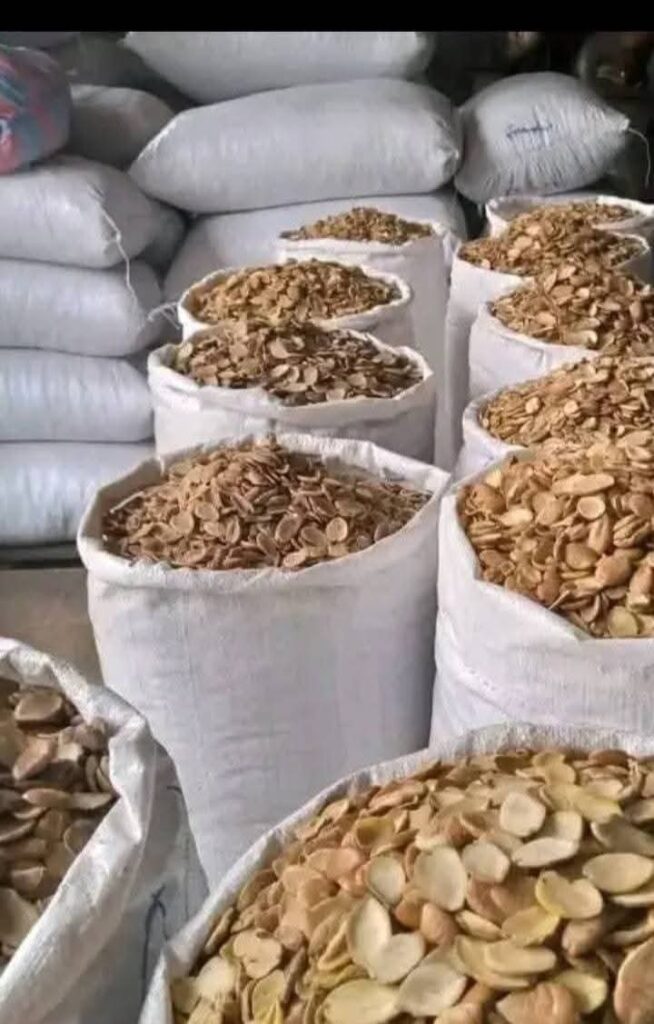
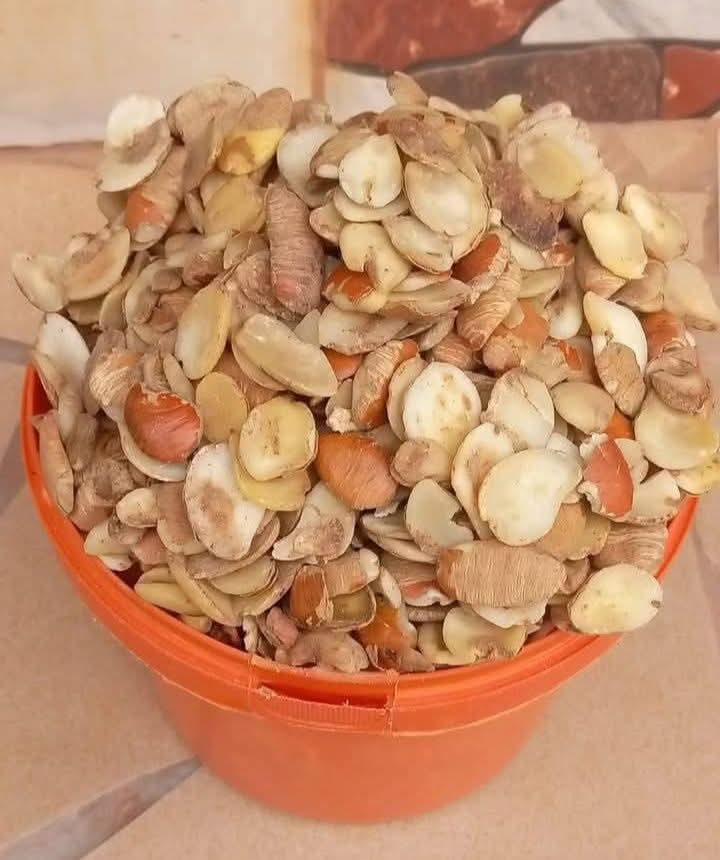
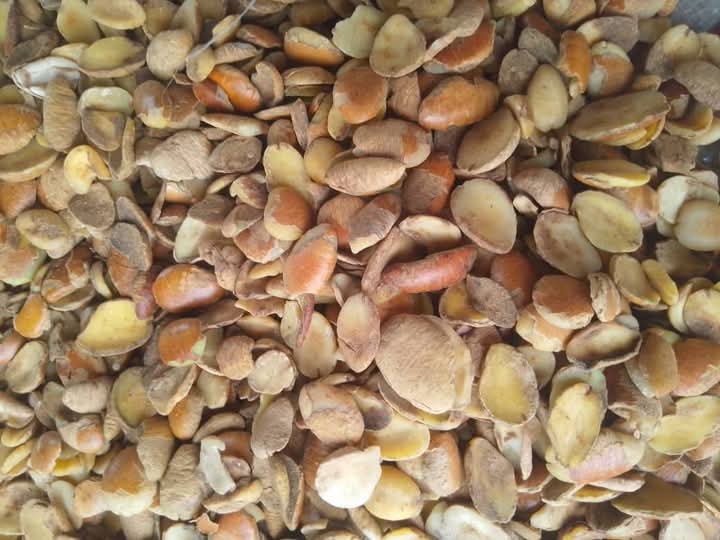
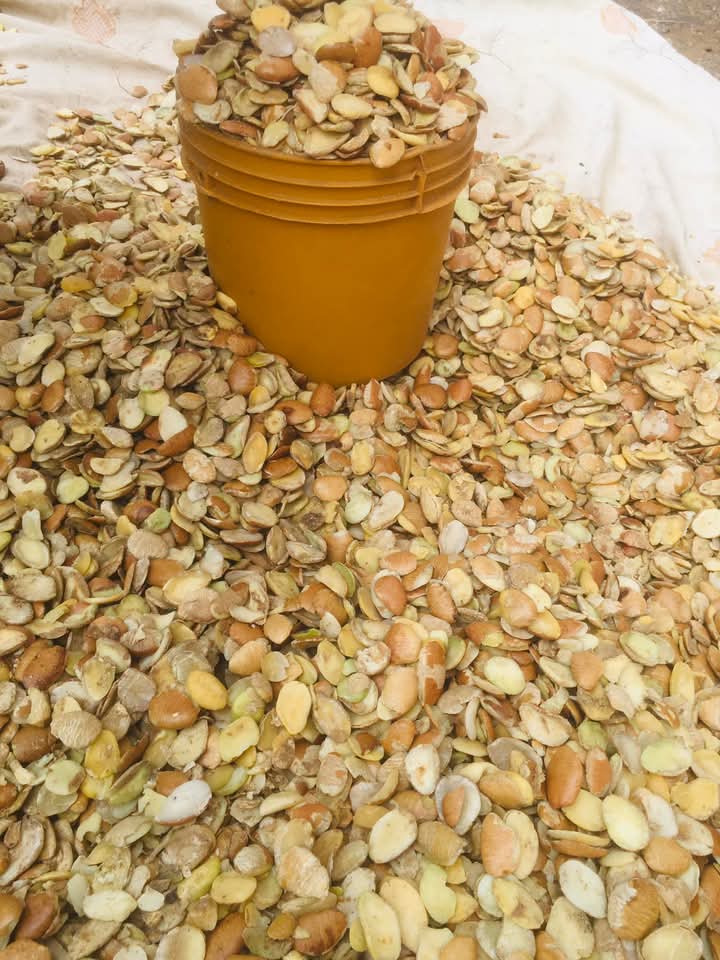
Whole dried ogbono seed (in shell) — the most commonly traded form in Nigerian domestic markets and in informal diaspora import channels. The intact shell provides natural protection for the kernel during storage and transport — making this form the most resilient to moisture damage and the most appropriate for buyers who have their own cracking capacity at destination. Shelf life of properly dried whole ogbono seed in shell is 12–24 months under appropriate storage conditions.
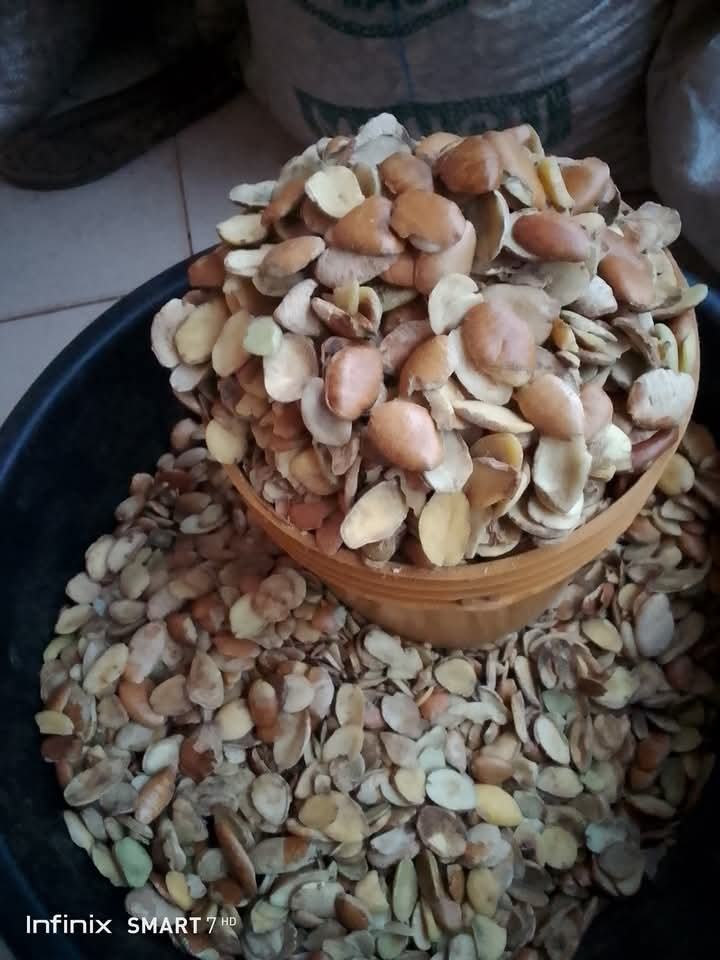
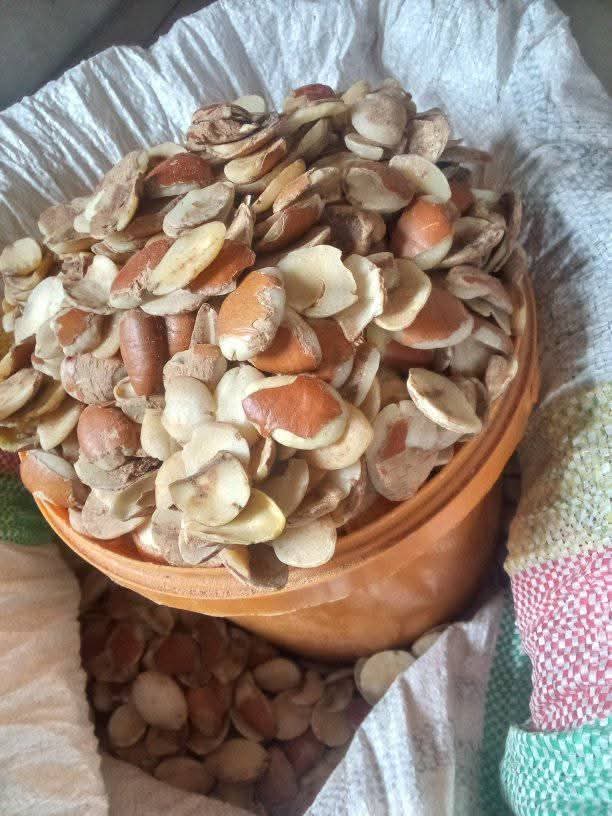
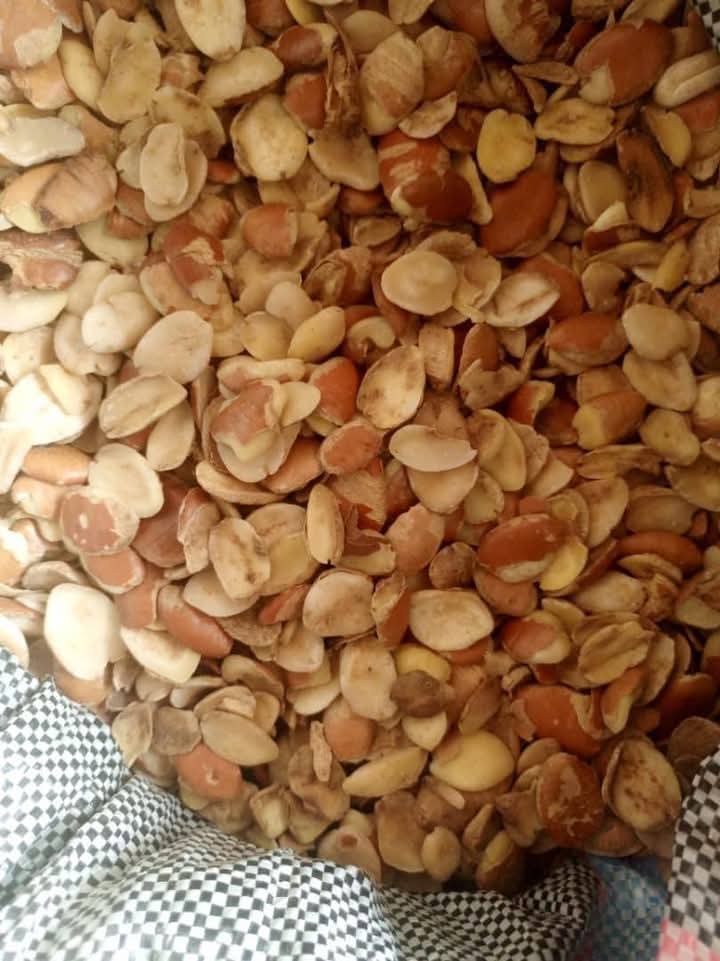
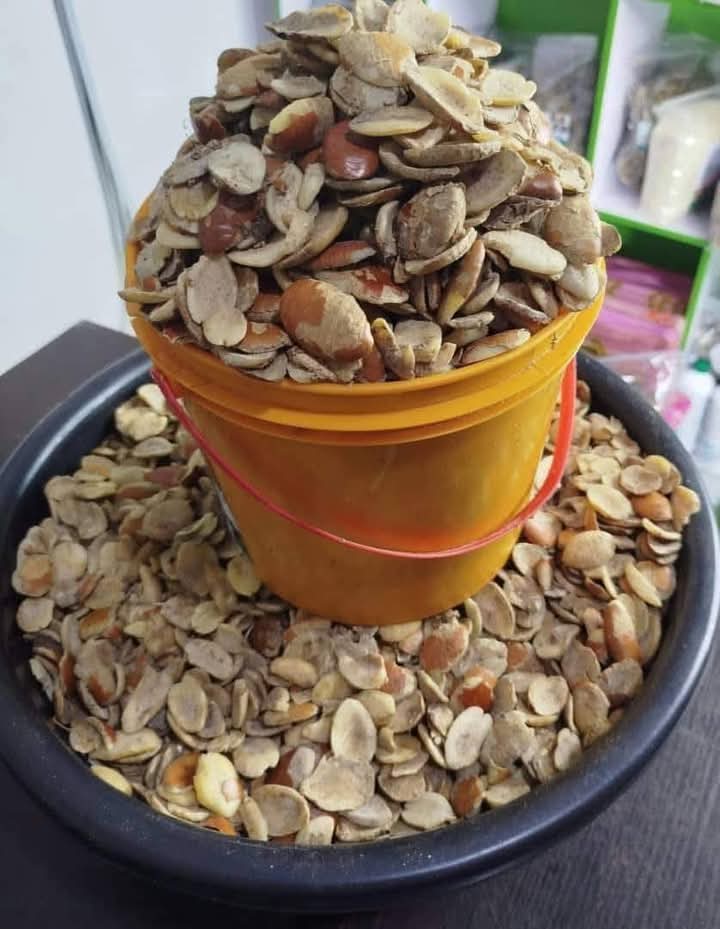
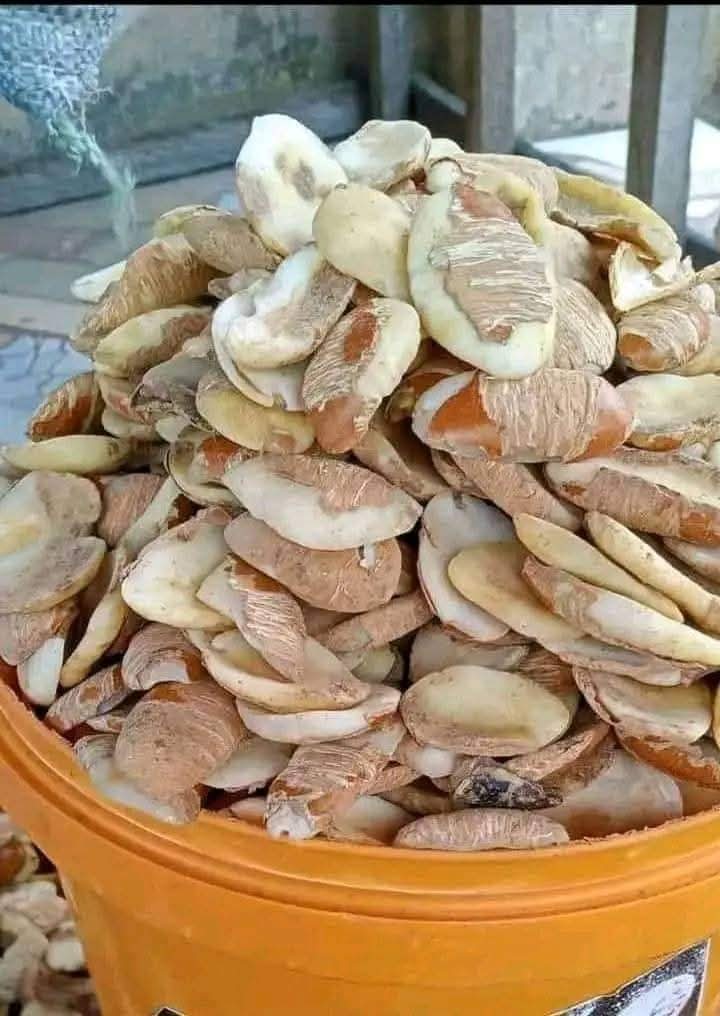
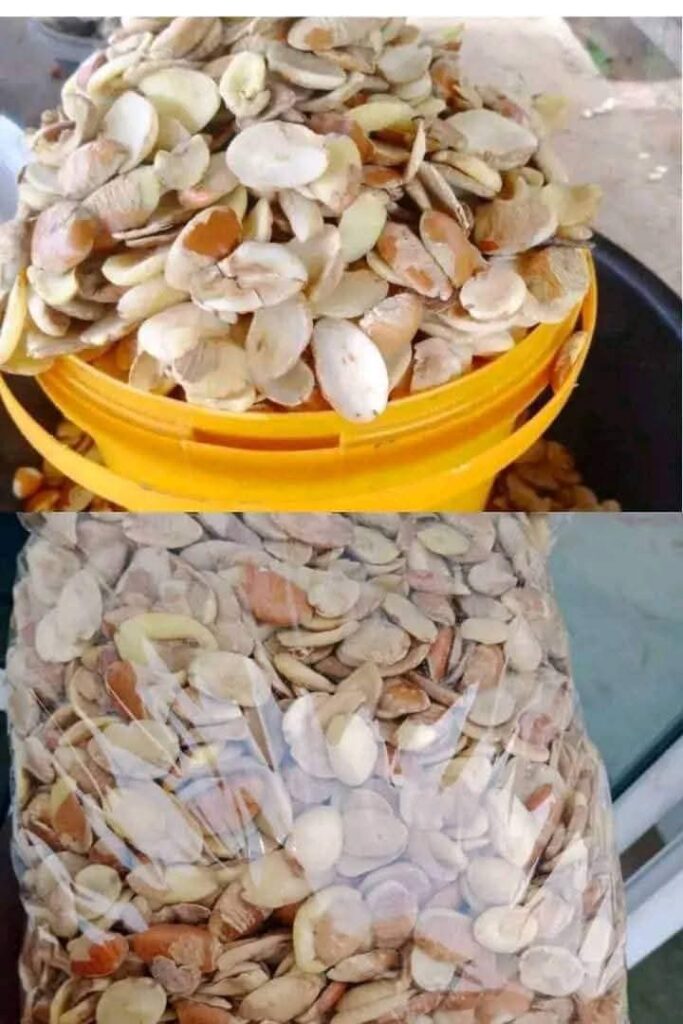
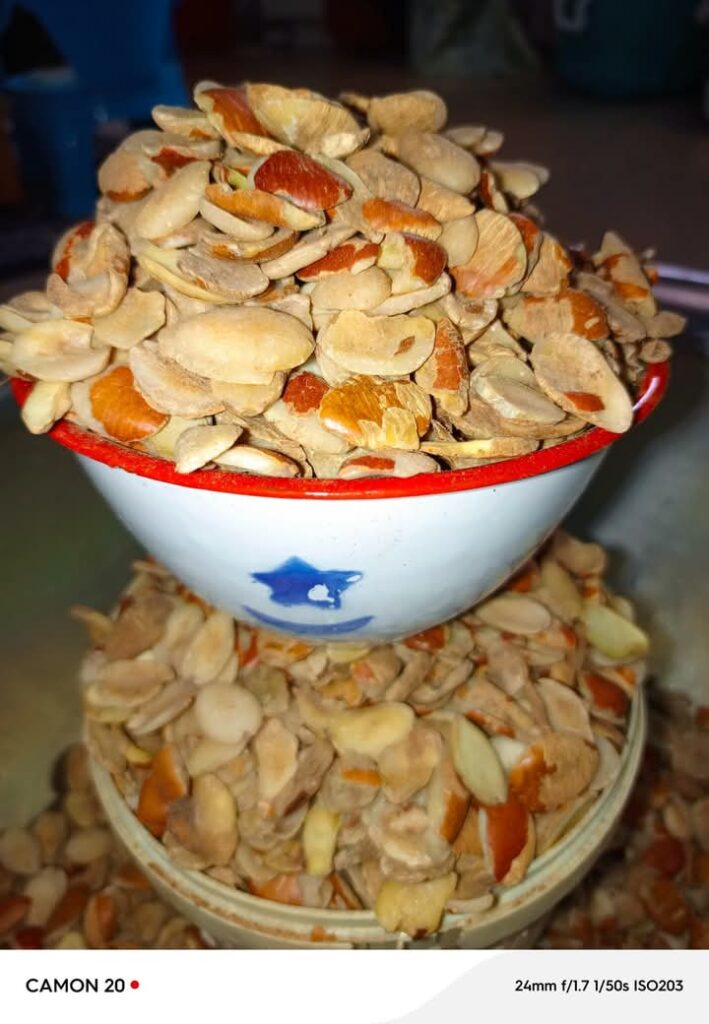
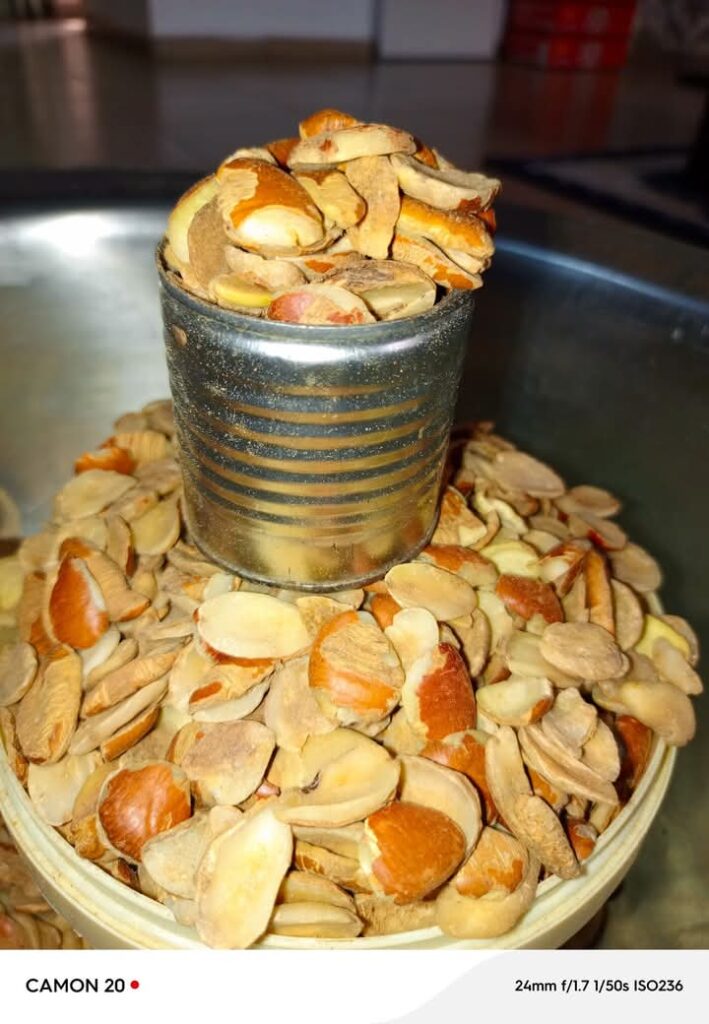
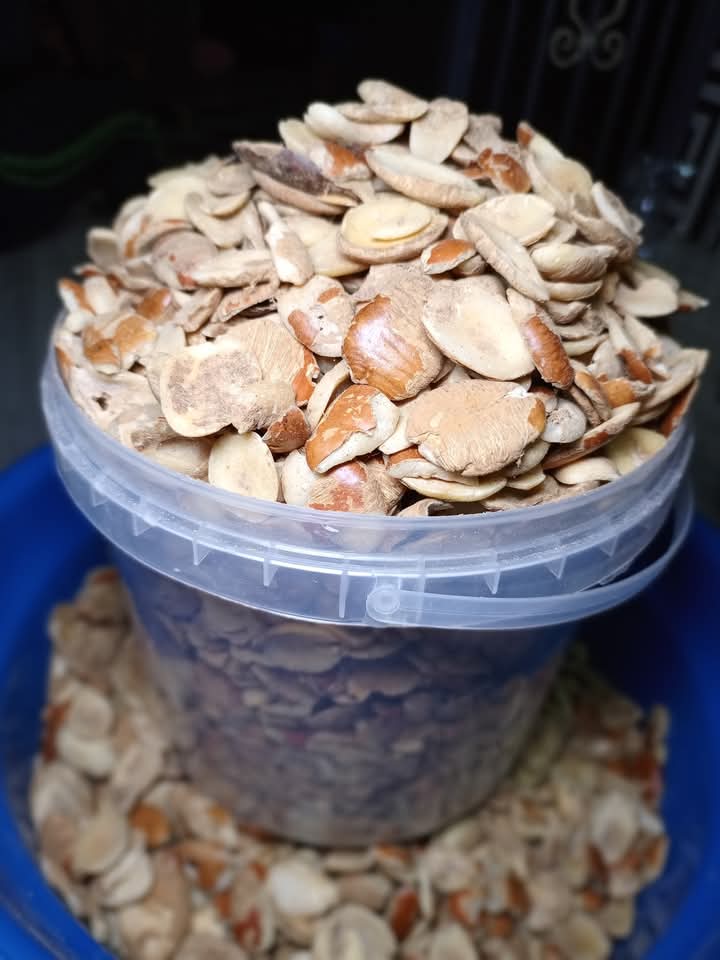
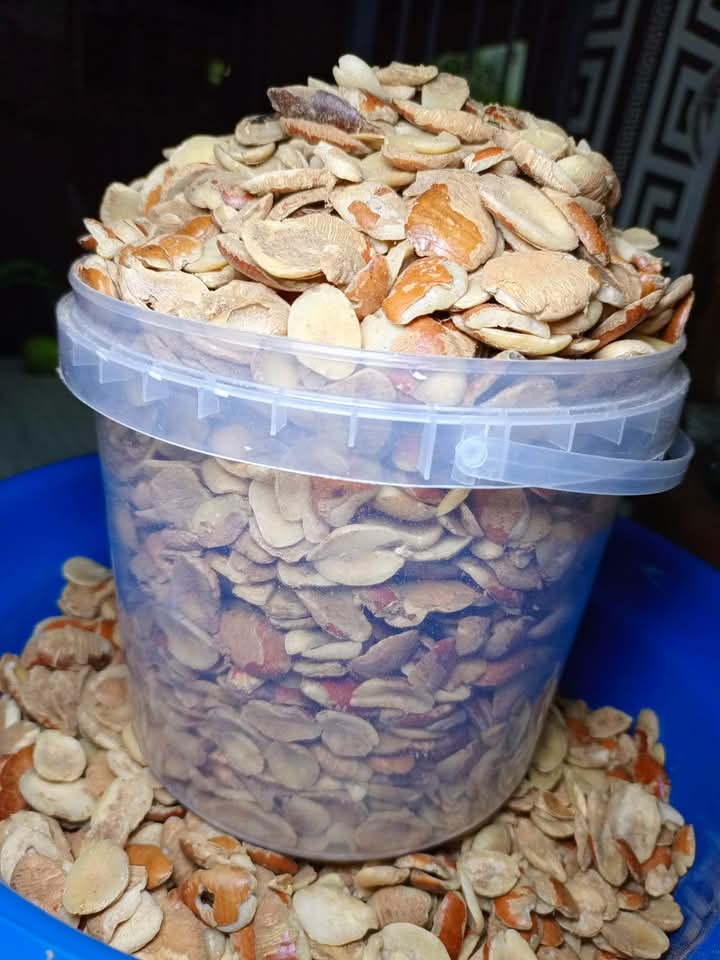
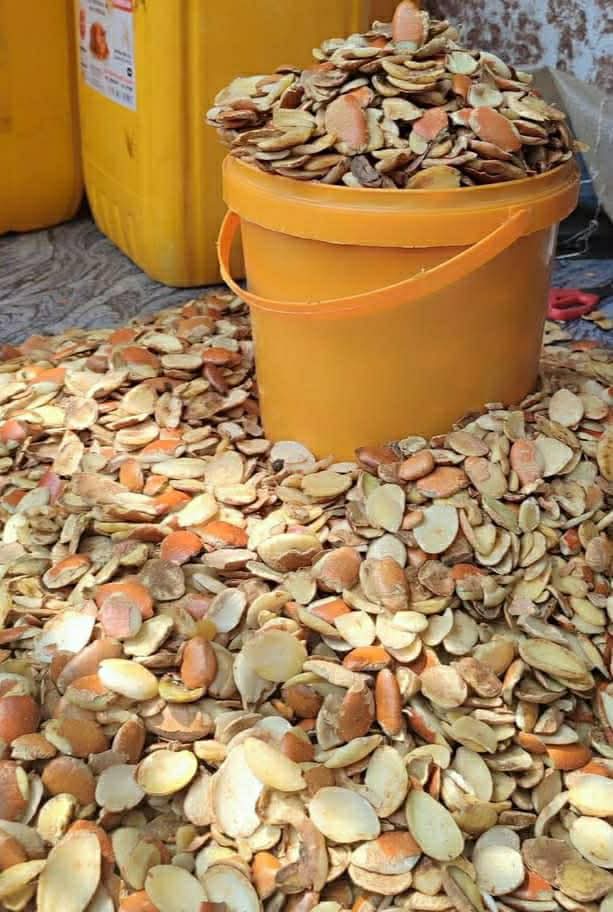
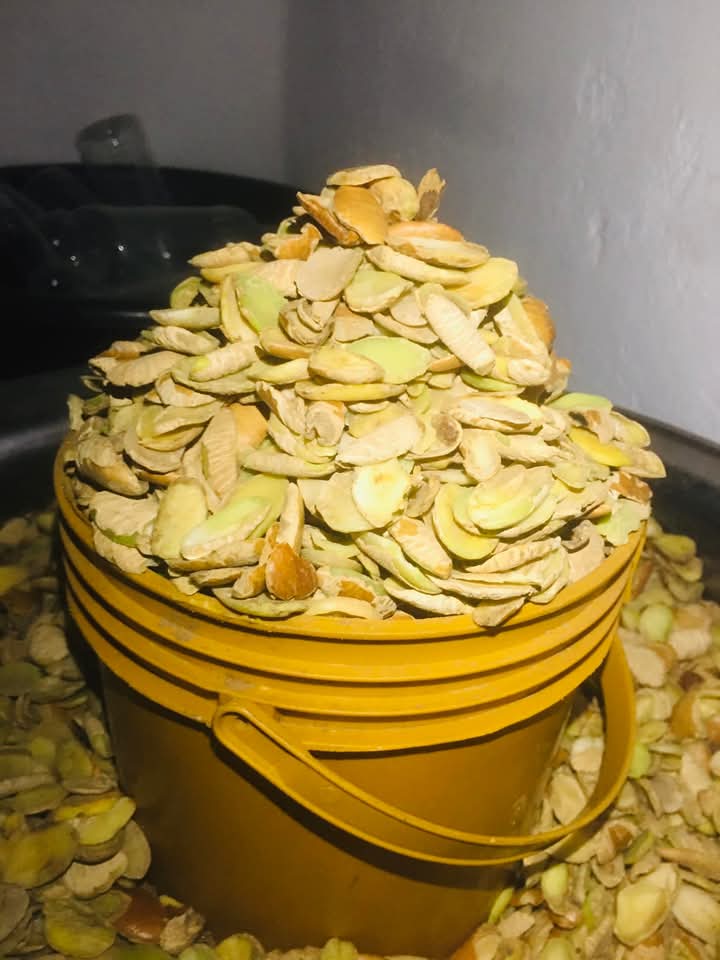
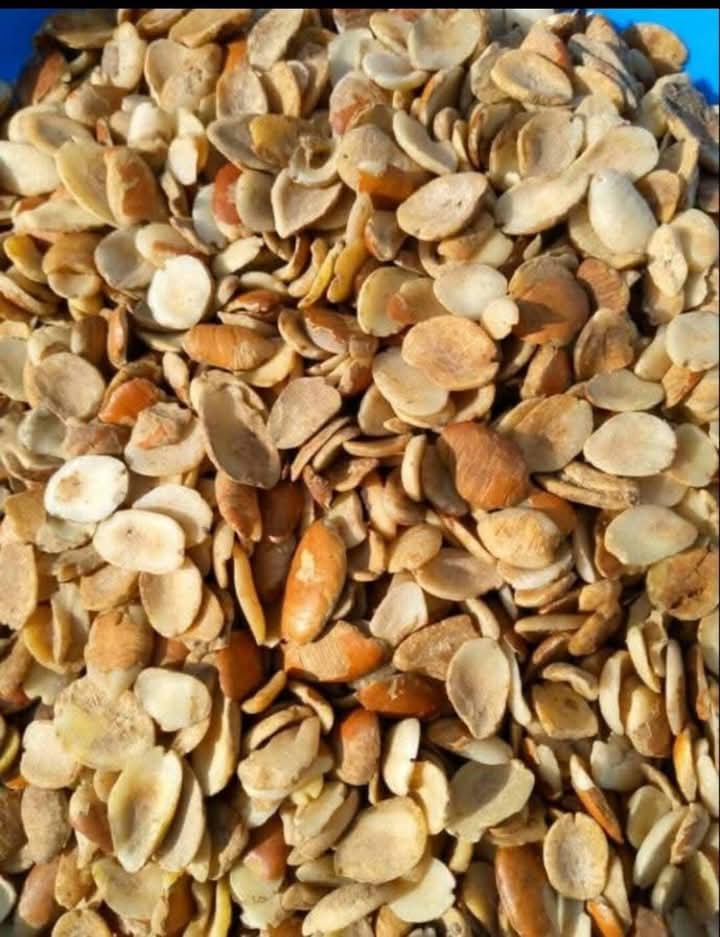
Dried ogbono kernel (cracked, shell removed) — the preferred form for pharmaceutical extraction, nutraceutical processing, cosmetics manufacturing, and premium food ingredient supply chains where the end buyer needs clean kernel without the processing step of shell cracking. Dried kernel is more vulnerable to moisture and oxidative degradation than whole-shell seed — requiring more careful packaging and shorter shelf life management.
Ground ogbono powder (fine-milled dried kernel) — the ready-to-use culinary form widely sold in Nigerian domestic markets and increasingly in diaspora retail, and the form most immediately usable as a food ingredient in industrial food manufacturing applications. Ground powder has the shortest shelf life of the three forms due to its high surface area and consequent vulnerability to moisture absorption and lipid oxidation.
The Biochemical Profile That Makes Ogbono Commercially Extraordinary
Dika Fat (Dika Butter) — The Unusual Fatty Acid Composition
Ogbono kernel contains approximately 50–67% fat by dry weight — making it one of the most oil-dense kernels in the commercial botanical world. What makes this fat commercially remarkable is not merely its quantity but its composition. Dika fat is dominated by lauric acid (approximately 30–40% of total fatty acids) and myristic acid (approximately 25–45% of total fatty acids) — two medium-chain saturated fatty acids that give dika butter its characteristic solid consistency at room temperature (melting point approximately 35–42°C), its exceptional oxidative stability, and its specific cosmetic and pharmaceutical functional properties.
This fatty acid profile — dominated by the same medium-chain saturated fatty acids that characterise coconut oil and palm kernel oil — gives dika butter functional properties highly relevant to both the cosmetics industry (as a solid botanical butter for skin and hair care formulation) and the food industry (as a cocoa butter equivalent in confectionery applications where tropical vegetable butter is used to control chocolate texture and melting properties). Research on dika fat’s fatty acid composition and functional properties is published through the American Oil Chemists’ Society (AOCS) — the primary scientific organisation covering oils and fats analysis — and analytical standards for dika fat quality assessment follow AOAC International validated methods.
Soluble Fibre — The Viscosity That Cooks Prize and Scientists Study
Ogbono kernel’s extraordinary viscosity-producing property — the characteristic that makes ogbono soup “draw” in the distinctive way that West African cooks specifically cultivate — is produced by a specific soluble dietary fibre fraction in the kernel that hydrates rapidly in aqueous cooking environments and dramatically increases liquid viscosity. This is not a minor compositional note — the soluble fibre content of ogbono kernel has been measured at approximately 40% by dry weight in some analyses, making it one of the most soluble-fibre-dense food kernels commercially available.
This fibre fraction is central to the clinical hypothesis behind Irvingia gabonensis extract’s proposed weight management mechanism — the fibre’s hydrogel-forming properties in the gastrointestinal tract are proposed to slow gastric emptying, reduce post-meal glycaemic response, and contribute to satiety through physical mechanisms independent of any bioactive compound action. Clinical research on this mechanism is accessible through NCBI and reviewed in the American Botanical Council’s HerbalGram ingredient review series. The Natural Medicines Comprehensive Database — the primary professional reference for evidence-based natural medicine assessment — maintains a monograph on Irvingia gabonensis that reviews the clinical evidence base and safety profile relevant to pharmaceutical and nutraceutical buyers evaluating ingredient procurement.
Protein — A Contribution Beyond the Fat and Fibre Story
On a defatted basis, ogbono kernel contains approximately 8–12% protein — lower than egusi’s protein content but still a meaningful nutritional contribution in the context of traditional diets where ogbono soup is a primary protein vehicle through the meat, fish, and crayfish it is cooked with. The protein fraction contains essential amino acids in proportions documented through nutritional composition research published via the Journal of Food Composition and Analysis — providing the analytical foundation for food manufacturers evaluating ogbono as a multi-functional food ingredient.
Benefits and Industrial Uses of Nigerian Ogbono Seed
Pharmaceutical and Nutraceutical Industry — The African Mango Weight Management Market
This is the commercial application that has done more than any other to create structured international procurement demand for Irvingia gabonensis seed outside the West African food tradition — and it is the sector whose buyers most urgently need the supply chain formalisation and documentation infrastructure that Paradise MultiTrade is building around Nigerian ogbono export.
The global weight management supplement market — valued at over USD 300 billion annually according to analysis by Grand View Research and projected to continue growing as obesity prevalence increases across developed and developing markets alike — is one of the most commercially significant segments of the global dietary supplement industry. Within this market, plant-derived ingredients with clinical evidence for weight management efficacy command premium ingredient pricing and strong consumer product positioning.
Irvingia gabonensis seed extract — standardised for specific fibre content and marketed under the “African mango” brand name across hundreds of supplement products globally — occupies a defined and commercially established position in this market. The clinical evidence base supporting this positioning is reviewed and rated by independent assessment bodies including the Natural Medicines Comprehensive Database and critically assessed in nutrition science literature accessible through NCBI — providing the scientific framework that pharmaceutical and nutraceutical ingredient buyers use to evaluate sourcing decisions.
For supplement manufacturers producing African mango extract capsules, softgels, or powder formulations — the raw material procurement need is dried ogbono kernel with documented origin, consistent fibre and fat content, heavy metal compliance, pesticide residue clearance, and microbiological safety data. These are exactly the documentation parameters that Paradise MultiTrade coordinates through accredited third-party laboratories for pharmaceutical and nutraceutical buyers. Contact our export team to discuss pharmaceutical-grade ogbono kernel specification and analytical testing packages.
Market intelligence on the African mango supplement ingredient market is tracked by commodity platforms including Tridge’s specialty botanical ingredient intelligence and cross-referenced with ingredient market analysis published by Mintel’s health and wellness supplement database — both of which confirm sustained commercial demand for Irvingia gabonensis extract as an established weight management supplement ingredient with a defined international buyer community.
Cosmetics and Personal Care Industry — Dika Butter as a Premium Botanical Solid Fat
This is ogbono seed’s most underappreciated international commercial opportunity — and the one whose potential is most dramatically disproportionate to its current development level. Dika butter — the solid fat pressed from ogbono kernel — is a genuinely premium cosmetics ingredient whose lauric and myristic acid-dominant fatty acid profile gives it functional properties of direct relevance to cosmetics formulators across multiple product categories.
Skin care formulation — dika butter’s solid consistency at room temperature, its high myristic acid content (which penetrates the skin lipid matrix efficiently), and its naturally occurring tocopherol antioxidant fraction make it a premium emollient and occlusive ingredient for body butters, face creams, healing balms, and intensive moisturising formulations. Its melting point of 35–42°C means it transitions from solid to liquid at skin temperature — the same property that makes shea butter and cocoa butter valued in premium skin care — providing a comfortable skin feel on application.
Hair care formulation — dika butter’s medium-chain saturated fatty acids penetrate the hair cuticle effectively, providing conditioning, moisture retention, and protective coating properties that are particularly valuable in hair care products formulated for textured, natural, or chemically processed hair. The natural Afro-textured hair care movement — which has grown into a billion-dollar market segment globally, as documented through market analysis from Euromonitor International’s beauty industry data — is particularly receptive to authentic West African botanical ingredients whose cultural heritage aligns with the movement’s celebration of African natural hair care traditions.
Lip care and colour cosmetics — dika butter’s melting behaviour and smooth skin-feel make it a functional ingredient in lip balm, lip butter, and tinted lip product formulations, where it serves both as a conditioning active and a texture-modifying base ingredient.
Confectionery and pharmaceutical excipient applications — dika butter’s cocoa butter-equivalent fatty acid profile and melting behaviour have attracted attention from the confectionery industry as a natural tropical fat for chocolate formulation and from the pharmaceutical industry as a base material for suppository and topical pharmaceutical formulation — applications where the specific melting point and consistency properties of cocoa butter equivalents are technically required.
Cosmetics ingredient buyers can access safety documentation for dika butter through the Cosmetic Ingredient Review (CIR) and ingredient nomenclature through the INCI Decoder. Market trend analysis on African botanical beauty ingredients is published by Mintel’s beauty and personal care database — consistently identifying West African botanical ingredients as a growth trend in premium natural beauty product development. The CBI Netherlands market intelligence platform for natural cosmetics ingredients has published guidance specifically on African botanical oils and butters for European cosmetics buyers — a resource directly relevant to ogbono butter procurement evaluation.
West African Food Industry — The Culinary Cornerstone Application
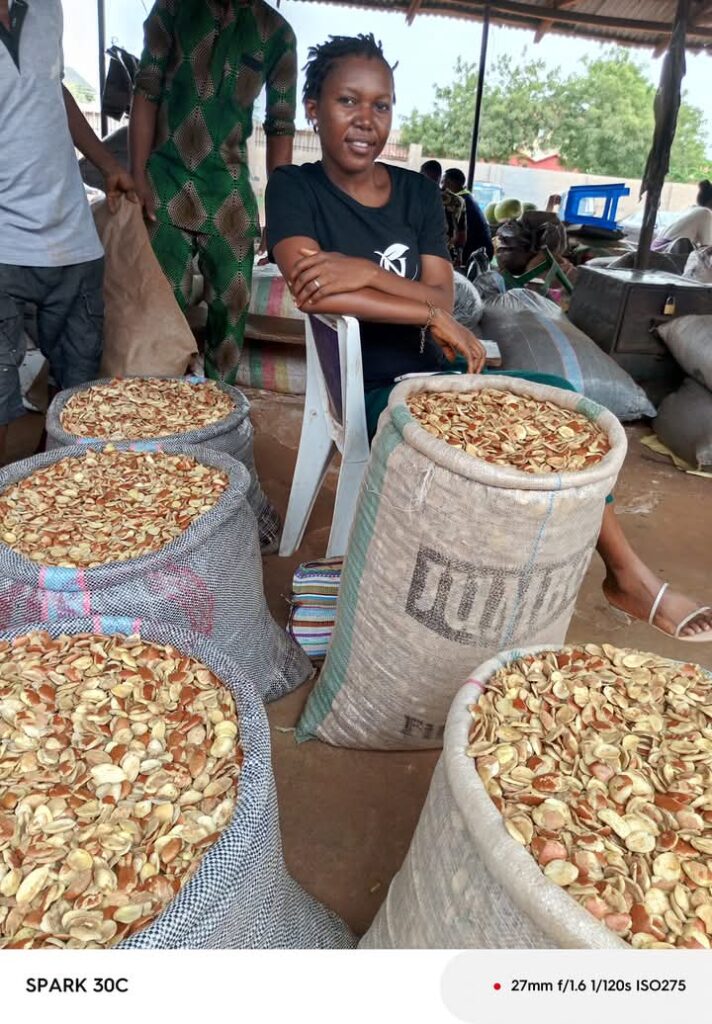
For the West African food industry — both domestic Nigerian food manufacturing and the growing international diaspora food supply chain — ogbono seed’s culinary application as a soup thickener and flavour ingredient is the bedrock demand that has sustained production and trade of this commodity for centuries. Ogbono soup — draw soup in Nigerian parlance — is one of the most consumed soups across Nigeria’s 36 states, prepared in regional variations that differ in their secondary ingredients but share the fundamental ogbono kernel as the defining component.
The commercial demand for ogbono across Nigerian domestic markets is enormous — estimates of annual Nigerian domestic ogbono consumption run into tens of thousands of tonnes, consumed through household cooking, restaurant service, and the growing segment of commercially produced processed foods targeting both domestic and diaspora markets. For the growing segment of Nigerian and West African food brands producing packaged soup mixes, seasoning blends, and ready-meal products for diaspora export — consistent, quality-documented ogbono in ground powder form is a critical ingredient procurement requirement.
International diaspora food importers supplying West African grocery retailers across the UK, USA, Canada, France, Italy, Germany, and the Netherlands — markets where Nigerian, Ghanaian, and broader West African communities maintain the food traditions of their origin countries with remarkable consistency — require reliable, bulk-packaged ogbono supply that meets the quality expectations of consumers who know exactly what authentic ogbono should look, smell, and behave like when cooked. Diaspora food market intelligence is tracked through the CBI Netherlands processed food market platform and consumer trend analysis from Mintel’s ethnic food market database.
For food importers and diaspora retail buyers, contact our export team to discuss whole seed, cracked kernel, and ground powder supply arrangements in both bulk and retail-ready packaging configurations.
Traditional Medicine and Herbal Products Industry
The traditional medicine applications of Irvingia gabonensis across West and Central African communities extend well beyond the seed kernel — the tree’s bark, leaves, and roots are all used in traditional medicine preparations documented across multiple ethnobotanical studies. The kernel itself is used in traditional treatments for dysentery, hernias, and as a general digestive tonic across communities in Nigeria, Cameroon, and the DRC — applications whose mechanisms are increasingly being investigated through the same pharmacological research lens that has validated other traditional African medicine plants.
Herbal product companies, traditional medicine wholesalers, and botanical raw material suppliers sourcing ogbono for traditional medicine and herbal product applications are a consistent demand stream — particularly in European markets with established African diaspora communities and in the growing mainstream herbal medicine market where African botanicals are attracting increasing practitioner and consumer interest. The ethnobotanical documentation of Irvingia gabonensis‘ traditional medicine applications is reviewed in literature accessible through the American Botanical Council’s HerbalGram — the primary reference for ethnobotanical and clinical evidence review in the herbal medicine professional community.
Food Texture and Functional Ingredient Industry
Beyond its conventional culinary application, ogbono kernel’s extraordinary soluble fibre content — producing the dramatic viscosity increase that characterises ogbono soup’s “draw” quality — is attracting exploratory interest from food technologists investigating natural hydrocolloid ingredients for food texture modification applications. Natural hydrocolloids — ingredients that thicken, gel, and modify the texture of food systems — are widely used in food manufacturing across multiple product categories, with a growing preference for natural, clean-label alternatives to synthetic thickeners and modified starches.
Ogbono kernel’s fibre fraction — if isolated and standardised — represents a potentially novel natural hydrocolloid with functional properties distinct from guar gum, xanthan, carrageenan, and other established alternatives. Research on the characterisation of Irvingia gabonensis seed polysaccharides and their functional properties in food systems is accessible through the Journal of Food Science — the primary peer-reviewed food science publication that food ingredient technologists reference when evaluating novel functional ingredient candidates. This is an application area still in early research-to-commercialisation transition — but one that positions ogbono’s fibre fraction as a potentially significant future food ingredient, adding a long-term commercial dimension to procurement interest in Nigerian ogbono seed.
Animal Feed and Wildlife Nutrition
The fruit pulp and shell of Irvingia gabonensis — agricultural by-products of kernel extraction — have documented nutritional value as livestock and wildlife feed supplements. Research published through NCBI’s animal science publications documents the nutritional composition and feed value of Irvingia gabonensis by-products in smallholder livestock systems across West Africa — providing the scientific foundation for commercial animal feed applications of ogbono processing residues. For large-scale ogbono kernel processors who generate significant fruit pulp and shell volumes, these by-product markets represent additional revenue streams that improve the overall economics of commercial ogbono processing operations. Why Buy Ogbono Seeds from Nigeria?
Nigeria’s Unmatched Production Advantage — Forest Density and Harvest Scale
Irvingia gabonensis grows across the humid forest belt of West and Central Africa — with populations documented in Nigeria, Cameroon, Gabon, the Republic of Congo, and the DRC. Among these producing countries, Nigeria’s combination of forest area within the species’ native range, population density of productive Irvingia gabonensis trees, established community harvesting traditions, and domestic market demand that has sustained and incentivised production for generations creates a production base of a scale that competing origins cannot approach for commercial export volumes.
The southern forest states of Cross River, Akwa Ibom, Rivers, Edo, Delta, Imo, and Anambra contain some of the densest natural Irvingia gabonensis populations within the species’ entire range — and community harvesting from these forest populations has been practised with sufficient intensity and consistency to develop the post-harvest knowledge, infrastructure, and marketing channels that commercial export requires. Research on Irvingia gabonensis population distribution and sustainable harvesting in Nigeria is documented through IITA’s agroforestry research publications and through biodiversity assessment data maintained by the IUCN.
The Domestication Opportunity — From Wild Harvest to Managed Production
One of the most commercially significant developments in the Nigerian ogbono supply landscape is the growing body of applied research and farmer adoption of Irvingia gabonensis domestication — the transition from exclusive wild-forest harvest toward managed cultivation of selected, high-yielding trees within farm plots and agroforestry systems. Research on Irvingia gabonensis domestication — pioneered primarily by the World Agroforestry Centre (ICRAF) through its participatory plant domestication programme in West and Central Africa — has identified superior individual trees with significantly higher fruit production, larger kernel size, and better kernel fat content than average wild-population trees, and has developed vegetative propagation techniques for multiplying these superior genotypes.
For international buyers, this domestication trajectory is commercially significant because it points toward progressively increasing supply reliability, quality consistency, and production scale as Nigerian farmers adopt improved Irvingia gabonensis varieties into their agroforestry systems — addressing the supply variability that has historically been the primary barrier to building stable international procurement relationships for ogbono.
Sustainable Forest Sourcing With Documented Conservation Value
Irvingia gabonensis occupies a unique position in the sustainability landscape of West African tree product exports — it is a species whose commercial value as a non-timber forest product provides direct economic incentive for forest conservation by the communities who harvest it. Unlike timber species whose commercial value is realised by cutting the tree, Irvingia gabonensis generates continuous income from fruit and kernel harvest over the lifetime of a standing tree — creating a powerful economic rationale for keeping forest trees alive that conservation organisations including the IUCN and the World Agroforestry Centre have documented and specifically recognised as a conservation mechanism.
This positive conservation alignment gives Nigerian ogbono a sustainability narrative that many other agricultural commodities cannot credibly claim — one that resonates strongly with European and American buyers operating under sustainability procurement policies and with the growing consumer market for ethically sourced, forest-friendly natural ingredients. The Rainforest Alliance — the international sustainable agriculture and forest management certification organisation — has engaged with similar non-timber forest product supply chains in the certification framework context that provides the institutional reference for buyers evaluating sustainability credentials in botanical forest product procurement.
Competitive Pricing Through Direct Origin Sourcing
Nigerian ogbono kernel — sourced directly through Paradise MultiTrade’s forest community and regional aggregator networks in Cross River, Akwa Ibom, and the Niger Delta states — is accessible at competitive pricing relative to processed extract forms that add significant margin through intermediate processing and trading steps. For buyers who conduct their own extraction or processing, sourcing whole or cracked kernel from a licensed Nigerian exporter delivers the value-chain economics advantage of paying for raw botanical material rather than processed ingredient, while maintaining control over extraction standardisation and quality assurance at the processing stage.
For buyers who need processed extract (standardised Irvingia gabonensis extract with defined fibre content), contact our team to discuss what processing arrangements are achievable through our Nigerian supply network before export.
Complete Export Documentation from a Licensed Exporter
Every ogbono seed shipment processed through Paradise MultiTrade carries phytosanitary certification from the Nigerian Agricultural Quarantine Service (NAQS), NEPC export documentation, certificate of origin, commercial invoice, packing list, and bill of lading. For pharmaceutical and nutraceutical buyers requiring documented fat content, soluble fibre analysis, fatty acid profiling by GC, heavy metal screening, pesticide residue analysis, and microbiological testing — we coordinate comprehensive analytical packages through accredited testing facilities following AOAC International and AOCS validated methods. EU-bound shipments comply with Regulation (EU) 2017/625 on official controls for food and botanical imports and reference EFSA’s published botanical ingredient assessments for regulatory clarity. Our NEPC Export Licence No. 0042385 and CAC Registration No. RC-9284647 are current and verifiable through NEPC.
Nigeria’s Ogbono Export Strength and Global Market Demand
The Supplement Market That Changed Everything
The global weight management supplement market — the primary driver of structured international procurement demand for Irvingia gabonensis seed extract — represents a commercial context of extraordinary scale and sustained growth. Market analysis from Grand View Research and the Global Wellness Institute consistently documents the weight management sector as one of the largest segments of the global health and wellness industry — driven by rising obesity prevalence across developed and developing markets, growing consumer willingness to invest in preventive health products, and the dietary supplement industry’s ongoing search for novel, clinically credentialled natural weight management ingredients.
Within this market, African mango (Irvingia gabonensis extract) has established a defined commercial position with an identifiable buyer community — supplement brands across the USA, UK, Germany, Australia, Canada, and Japan who produce African mango capsules, combination weight management formulas, and metabolic health supplements. These buyers need a supply chain that connects them to authentic Nigerian-origin Irvingia gabonensis kernel with the documentation and analytical certification their product quality systems require. This is precisely the supply chain that Paradise MultiTrade is building.
The Diaspora Food Market — Geographically Distributed but Culturally Unshakeable
The West African diaspora food import market for ogbono is smaller per-transaction than the supplement industry procurement but more geographically distributed, more culturally persistent, and frankly more commercially reliable in its demand consistency. Nigerian, Ghanaian, and broader West African communities across the United Kingdom — where Mintel’s ethnic food market research confirms West African food ingredients among the fastest-growing categories in ethnic food retail — the United States (particularly Houston, Atlanta, New York, Washington DC, and Minneapolis), Canada (Toronto, Calgary), France (Paris, Lyon), Italy (Rome, Milan), and Germany (Frankfurt, Hamburg, Cologne) all purchase ogbono through ethnic grocery channels with a regularity that makes diaspora food import one of the most structurally sound demand streams in the Nigerian food export landscape.
The CBI Netherlands market intelligence on West African food exports tracks this demand and provides market access guidance relevant to Nigerian exporters building diaspora retail supply chains — documentation that informs Paradise MultiTrade’s engagement with European diaspora food import buyers.
The Cosmetics Ingredient Market — Growing African Botanical Beauty
The global cosmetics industry’s discovery of West African botanical ingredients as premium, differentiated alternatives to overused Asian and South American botanicals is creating structured procurement interest in dika butter — ogbono’s pressed fat fraction — from cosmetics ingredient suppliers and direct-formulation brands across Europe, North America, and East Asia. Market trend analysis from Euromonitor International and ingredient launch data from Mintel’s beauty and personal care database both confirm African botanical butters and oils as a sustained growth trend in premium cosmetics ingredient sourcing — a trend within which dika butter occupies a compelling position given its distinctive fatty acid profile and authentic West African forest origin story.
Why Choose Paradise MultiTrade International Limited?
Forest-Origin Community Sourcing. Our ogbono is sourced directly from forest-harvesting communities and established regional aggregators in Cross River, Akwa Ibom, Rivers, Edo, and Delta states — the southern forest belt where Irvingia gabonensis populations are densest and harvest traditions are most developed. This is not Lagos commodity market purchasing — it is origin-embedded sourcing that gives us quality visibility and supply continuity that secondary traders cannot replicate.
Three Product Forms Available. We supply whole dried ogbono seed (in shell), cracked dried ogbono kernel (shell removed), and ground ogbono powder — addressing the full spectrum of buyer needs from diaspora retail to industrial food ingredient use to pharmaceutical extraction raw material. Contact our team to specify your required form, and we will advise on specifications, analytical testing, and lead times accordingly.
Pharmaceutical Documentation Package. For supplement manufacturers and pharmaceutical ingredient buyers, we coordinate the complete analytical documentation package — fat content, soluble fibre analysis, fatty acid profiling by GC, heavy metal screening (lead, cadmium, arsenic, mercury), pesticide residue analysis to EU MRL standards, and microbiological testing — through accredited laboratories following AOAC International and AOCS validated methods. Contact us to build your specific analytical package.
Dika Butter Supply Discussion. For cosmetics buyers requiring dika butter rather than raw kernel, we engage in discussions about pressed butter supply from Nigerian processing operations. Dika butter availability, specification, and minimum volume requirements are discussed directly at the quotation stage. Contact our team to initiate this conversation.
Sustainability Documentation Support. For buyers operating under sustainability procurement policies — particularly EU buyers navigating deforestation-risk commodity regulations — we engage with supply chain traceability documentation from forest community harvest through to Lagos port loading, providing the origin documentation that sustainability due diligence requires. We reference the IUCN and World Agroforestry Centre frameworks in our sustainability engagement.
Multi-Commodity Sourcing Integration. Ogbono buyers frequently source complementary Nigerian food commodities. Alongside ogbono seed, Paradise MultiTrade exports egusi melon seed, red palm oil, chilli pepper, moringa seeds, hibiscus flower, sesame seeds, bitter kola, kola nut, fresh ginger, dry split ginger, turmeric, cloves, and cashew products. Explore our full range of Nigerian export commodities and consolidate your West African food and botanical sourcing through one verified, licensed export partner.
Product Specifications
| Specification | Details |
|---|---|
| Product | Ogbono Seed / Bush Mango Kernel (Irvingia gabonensis) |
| Common Names | Ogbono, Bush mango, Wild mango, Dika nut, African mango seed, Oro (Efik), Apon (Yoruba) |
| Origin | Nigeria (Cross River, Akwa Ibom, Rivers, Edo, Delta, Imo, Anambra States) |
| Forms Available | Whole dried seed (in shell); cracked dried kernel; ground powder |
| Fat Content (kernel dry basis) | 50–67% by dry weight |
| Primary Fatty Acids | Lauric acid (30–40%); Myristic acid (25–45%); Oleic acid (5–10%) |
| Soluble Fibre Content | 25–40% by dry weight (kernel basis) |
| Protein Content | 8–12% by dry weight (kernel basis) |
| Moisture Content | Maximum 8–10% (whole seed and kernel); Maximum 6–8% (powder) |
| Purity | 95%+ (free from foreign matter, mould, shell fragments, and damaged kernel) |
| Colour | Whole seed: tan-brown shell; Kernel: cream to pale yellow; Powder: cream-beige |
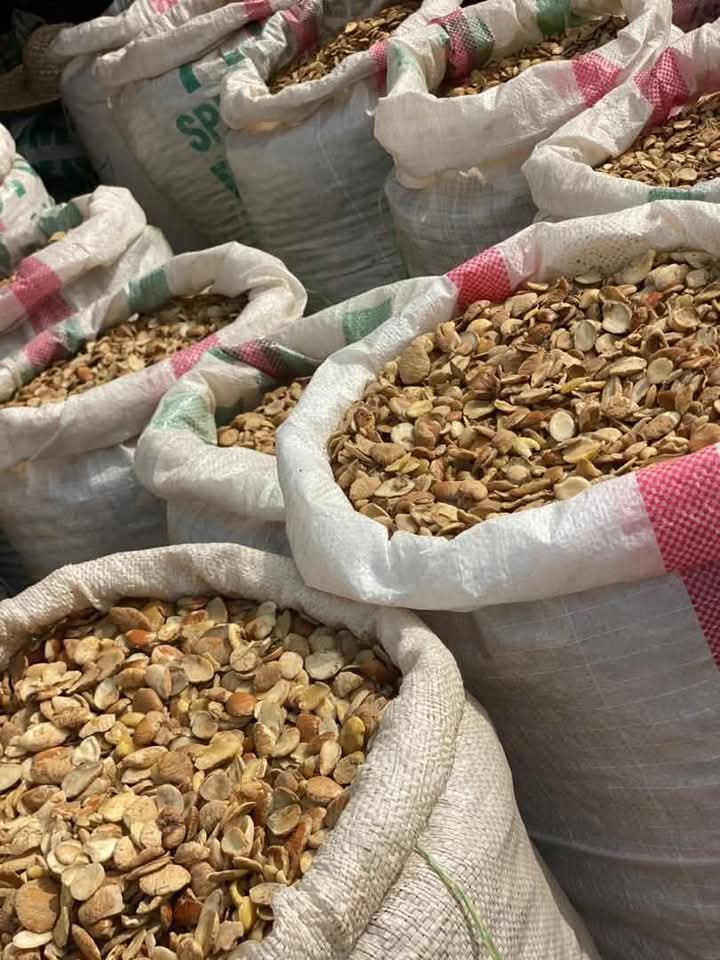
| Packaging Options | 25kg, 50kg polypropylene woven bags (whole/kernel); 25kg multi-wall paper bags (powder); retail packaging on request |
| Supply Capacity | 10–200+ MT per shipment (subject to seasonal availability) |
| MOQ | 3 Metric Tonnes |
| Shelf Life | 18–24 months (whole seed in shell); 12–18 months (kernel); 6–9 months (powder) |
| Export Documentation | Phytosanitary Certificate (NAQS), Certificate of Origin, NEPC Export Licence, Laboratory Analysis Certificate (on request), Commercial Invoice, Packing List, Bill of Lading |
| Payment Terms | T/T, Letter of Credit (LC at sight), Escrow |
| Loading Port | Lagos (Apapa / Tin Can Island Port), Nigeria |
| Incoterms Available | EXW, FOB Lagos, CNF, CIF |
Packaging and Export Process
Fruit Harvest and Collection. Irvingia gabonensis fruits ripen and fall naturally from May through September across Nigeria’s southern forest states. Community harvesters collect fallen fruits daily from beneath productive trees — a collection rhythm that requires regular forest visits during the fruiting season and familiarity with individual productive trees within established community harvesting territories. The daily collection practice prevents fruit deterioration from ground-contact decomposition and competition from wildlife.
Fruit Processing and Seed Extraction. Collected fruits are processed promptly after harvest — the fleshy exterior is removed (by eating, animal feeding, or discarding) and the seed extracted. The seed is washed to remove fruit residue before drying begins — preventing fermentation odours and mould development that arise when fruit-coated seeds are dried.
Drying. Extracted seeds are dried on elevated platforms or clean mats under the intense sunshine of Nigeria’s dry season conditions — reducing moisture from approximately 40–50% at extraction to the 8–10% target for export. Proper drying is the most critical post-harvest quality control step for ogbono — at moisture levels above 10%, both mould development and fat hydrolysis (which increases free fatty acid content and accelerates rancidity) occur during storage and transport. Elevated drying platform use — rather than ground contact — is mandated in our sourcing protocols to minimise aflatoxin risk and soil contamination.
Shell Cracking and Kernel Extraction. For cracked kernel and ground powder supply, dried whole seeds are cracked — using mechanical crackers where available, or traditional hand-stone methods in more remote harvesting areas — to extract the kernel. Cracking efficiency (proportion of kernels extracted whole versus fragmented) is an important quality metric that determines both commercial yield and product grade.
Quality Assessment and Laboratory Testing. Lot samples are assessed for moisture content, visual purity, and fat content before packing confirmation. For pharmaceutical and nutraceutical buyers, samples are submitted to accredited laboratories for comprehensive analytical packages including fat content, fatty acid profiling by GC, soluble fibre determination, heavy metal screening, pesticide residue analysis, and microbiological testing. Analytical methods follow AOAC International validated procedures and AOCS oil analysis standards.
Packaging and Loading. Standard export packaging is 25kg or 50kg polypropylene woven bags for whole seed and cracked kernel — providing adequate protection while allowing some breathability to prevent moisture accumulation. Ground powder is packed in 25kg multi-wall moisture-barrier paper bags. All packaging is clearly labelled with product form, origin state, lot number, moisture content specification, net weight, and export documentation reference. Pre-export phytosanitary inspection by NAQS is conducted before container sealing. Lead time from order confirmation to container loading runs 14–28 days, with additional time required for cracked kernel and ground powder forms that involve processing steps beyond standard whole-seed export. Contact us early — particularly for pharmaceutical-grade orders requiring comprehensive analytical testing before shipping confirmation.
Frequently Asked Questions
What is the difference between ogbono seed, dika nut, and African mango seed — are they the same product?
Yes — all three names refer to the kernel of Irvingia gabonensis, the West African bush mango tree. Ogbono is the Igbo/Nigerian culinary name most widely used in West African food trade. Dika nut is the historical botanical and colonial trade name — still used in cosmetics ingredient and food science literature when referring to the kernel and its extracted fat (dika butter). African mango seed is the name used in the global weight management supplement industry, where Irvingia gabonensis extract is marketed under the “African mango” brand. Same plant, same kernel, different naming conventions across different buyer communities and applications. Contact our team if you need any of these forms and we will confirm the product identity.
What analytical documentation is available for pharmaceutical and nutraceutical buyers?
For pharmaceutical and nutraceutical procurement, we coordinate a comprehensive analytical documentation package through accredited third-party laboratories: fat content determination (following AOAC International methods), fatty acid profiling by gas chromatography (AOCS Ce 1-62 method), soluble dietary fibre analysis (AOAC 991.43), heavy metal screening (lead, cadmium, arsenic, mercury — following ICP-MS methods), pesticide residue analysis to EU MRL standards, total aerobic plate count, yeast and mould count, and Salmonella/E. coli pathogen screening. All results are provided as laboratory certificates alongside standard phytosanitary and commercial shipping documentation. Contact us to build your specific analytical package requirement.
Is dika butter available from Paradise MultiTrade or only the raw kernel?
Our primary export product is dried ogbono kernel — whole in shell, cracked, or ground. Dika butter — the pressed fat extracted from ogbono kernel — is available for discussion depending on current processing capacity within our Nigerian supply network. Dika butter buyers should contact our team directly to discuss specification, minimum volume, availability timing, and pricing. Contact our export team to initiate this conversation.
What is the Nigerian ogbono harvest season?
Nigeria’s primary Irvingia gabonensis fruiting and harvest season runs from May through September — concentrated across the southern forest belt states of Cross River, Akwa Ibom, Rivers, Edo, and Delta. Peak harvest is typically July through August. Post-harvest dried kernel and whole seed is available for export through approximately February–March of the following year under normal production conditions. Buyers planning large-volume pharmaceutical or nutraceutical purchases should initiate discussions in March–April to discuss forward pricing and secure priority access to the new season’s supply. Contact us to plan your procurement cycle around the Nigerian harvest calendar.
How does the soluble fibre content of ogbono kernel relate to its weight management application?
Ogbono kernel’s soluble dietary fibre content — approximately 25–40% by dry weight in whole kernel — is the primary proposed mechanism behind Irvingia gabonensis extract’s observed effects on body weight and metabolic parameters in clinical research published through NCBI. The fibre fraction forms a viscous hydrogel in the gastrointestinal tract upon hydration — slowing gastric emptying, reducing post-meal glycaemic response, and producing satiety signals. For supplement manufacturers standardising Irvingia gabonensis extract to defined fibre content, the soluble fibre percentage of the raw kernel lot is a critical procurement quality parameter. We document this through laboratory analysis using AOAC International 991.43 validated methods. Contact us to discuss specification requirements.
How should ogbono kernel be stored after delivery?
Store in a cool, dark, dry, well-ventilated warehouse at ambient temperature below 20°C and relative humidity below 65%. Ogbono kernel’s high fat content — dominated by lauric and myristic saturated fatty acids that are more oxidatively stable than polyunsaturated fats — gives it better oxidative stability than highly unsaturated oil seeds. However, moisture exposure remains the primary degradation risk — promoting mould growth and fat hydrolysis that increases free fatty acid content and reduces both culinary quality and pharmaceutical extraction yield. Store bags on pallets away from floor contact and moisture sources. Under proper conditions, whole kernel maintains quality for 12–18 months; ground powder should be consumed within 6–9 months of milling.
What transit times should I plan for from Nigeria?
Europe (Rotterdam, Hamburg, Felixstowe, Antwerp) — approximately 14–20 days from Lagos. UK (Tilbury, Felixstowe) — 14–18 days. USA (East Coast — New York, Baltimore, Savannah) — 18–25 days. Canada (Halifax, Montreal) — 18–28 days. UAE (Jebel Ali) — 10–14 days. France (Le Havre) — 14–18 days. Germany (Hamburg, Bremen) — 14–20 days. Japan (Yokohama) — 25–32 days.
Ready to Source Premium Nigerian Ogbono Seeds — Bush Mango Kernel for Supplements, Cosmetics, and West African Food Supply?
If you are a nutraceutical manufacturer producing African mango weight management supplements, a cosmetics formulator seeking authentic dika butter for premium botanical skincare formulation, a diaspora food importer building an authentic West African ingredient supply chain, a pharmaceutical ingredient company sourcing Irvingia gabonensis with comprehensive analytical documentation, or a wholesale commodity trader evaluating Nigerian bush mango as a new product category — Paradise MultiTrade International Limited is the licensed Nigerian exporter your procurement programme needs.
We supply whole dried ogbono seed, cracked kernel, and ground powder — forest-origin sourced from Nigeria’s southern forest belt states, properly dried and cleaned, comprehensively tested on request, and exported with full phytosanitary and commercial documentation to buyers in every major regulated destination market.
Request a Quotation — share your required form (whole, cracked, ground), volume, analytical testing requirements, destination port, preferred incoterms, and application context (food, supplement, cosmetics). We respond with a detailed, competitive quote within 48 hours.
Contact Our Export Team — speak directly with our export coordinators about fat content analysis, soluble fibre documentation, dika butter availability, pharmaceutical documentation packages, sustainability traceability, retail packaging options, and long-term contract supply arrangements.
Explore Our Full Product Range — alongside ogbono seed, Paradise MultiTrade exports egusi melon seed, red palm oil, moringa seeds, chilli pepper, hibiscus flower, turmeric, cloves, sesame seeds, bitter kola, kola nut, fresh ginger, dry split ginger, cashew nut kernel, and raw cashew nuts. One licensed Nigerian exporter. One consolidated West African botanical and food sourcing relationship. Consistent quality and documentation across every commodity.
Buy ogbono seeds from Nigeria, Nigerian bush mango seed supplier, Irvingia gabonensis seed bulk export, dika nut Nigeria wholesale, African mango seed Nigeria export, ogbono seed for weight loss supplements, wild mango kernel Nigeria, bush mango seed bulk buyer Africa
Paradise MultiTrade International Limited | NEPC Export Licence No. 0042385 | CAC No. RC-9284647 | Lagos, Nigeria | www.paradisemultitrade.com
Reviews
There are no reviews yet.