
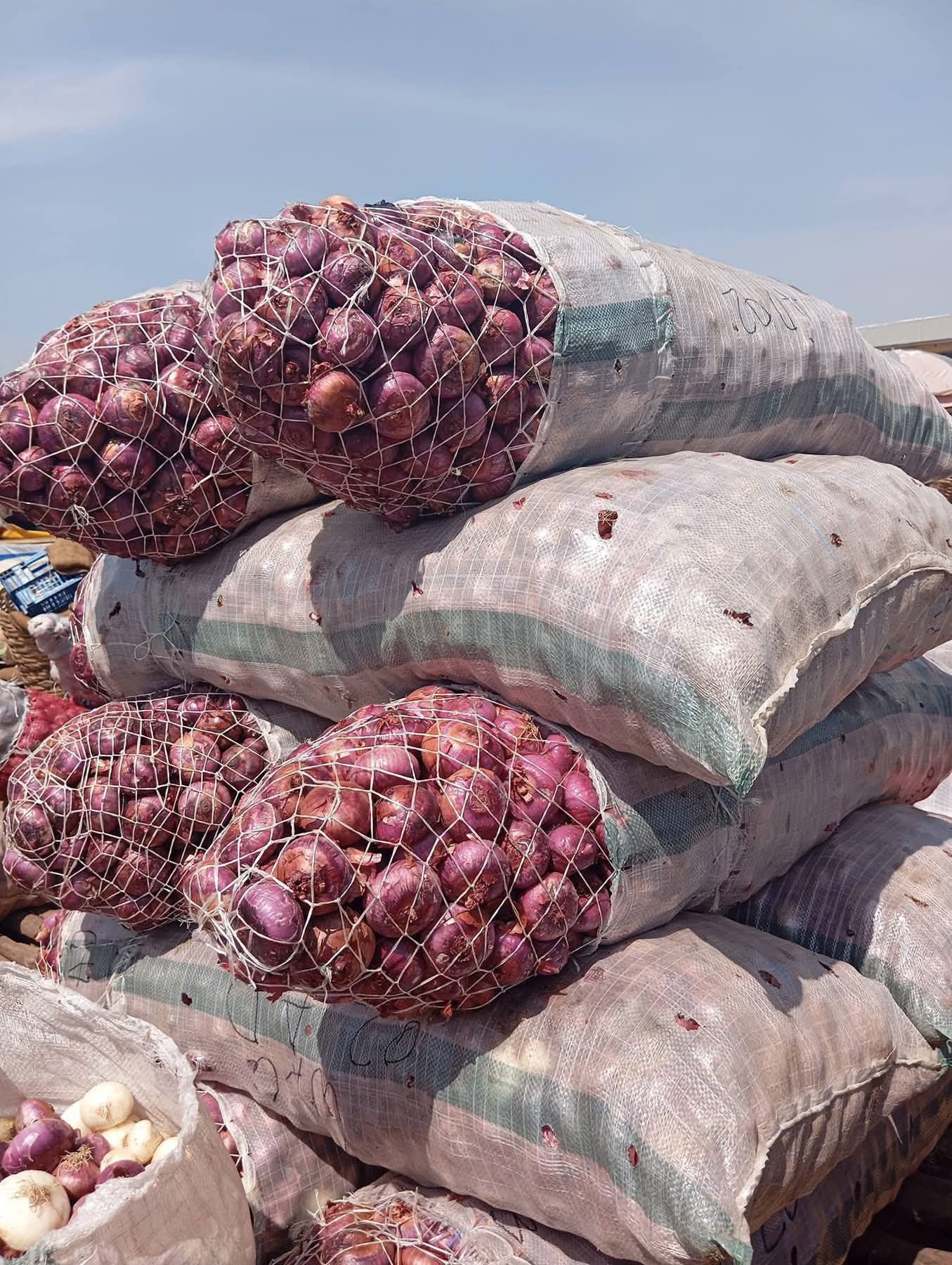

Nigerian Onions: The Sahel’s Most Pungent, Most Productive, and Most Commercially Undervalued Allium — and Why International Buyers Who Have Not Yet Discovered Nigerian Origin Are Paying More for Less
Onion Exporter Nigeria — Fresh Red Onions, Dried Onion Flakes, and Onion Powder, Direct Sahel Sourcing, Bulk Supply to Food Processors, Spice Manufacturers, Seasoning Companies, and Wholesale Buyers Worldwide
Onion exporter Nigeria is a search phrase typed by buyers who have either recently discovered what Nigerian-origin onions can deliver at competitive pricing, or by buyers who have been quietly building Nigerian supply chain positions for years and are looking to expand their procurement volumes. Onion is the world’s second most important vegetable crop by production value after tomato — consumed in virtually every cuisine on earth, processed into dehydrated flakes and powder by the global spice and seasoning industry, and traded internationally in volumes that place it among the most commercially significant fresh produce and food ingredient categories in global agricultural trade. Within that enormous global market, Nigeria occupies a position of remarkable and remarkably underappreciated commercial significance.
Allium cepa — the common onion — grows across Nigeria’s northern Sahel states in conditions that produce a specific flavour and pungency profile that experienced onion buyers in the European seasoning industry, the Middle Eastern fresh produce wholesale market, and the West African food manufacturing sector recognise immediately as distinct from and — for specific applications — superior to Indian, Chinese, or Dutch origin material. Nigeria’s primary onion-growing zones — concentrated across Kebbi, Sokoto, Zamfara, Katsina, Kano, Jigawa, and Niger states in the dry Sahel agricultural belt — produce what is commercially classified as the “Shallot” type or “Kano Red” variety of onion: a relatively small-to-medium, intensely red, strongly flavoured, high-dry-matter Allium whose pungency concentration — the result of the Sahel’s intense dry-season heat and the sharp diurnal temperature variation that concentrates sulphur compounds in the bulb during maturation — delivers flavour intensity per kilogram that larger, milder, European-grown onions cannot match in spice processing and seasoning manufacturing applications.
At Paradise MultiTrade International Limited, Nigerian onion is one of our most commercially dynamic agricultural export categories — sourced from the established smallholder farming communities of the Nigerian Sahelian onion belt where cultivation traditions extend across generations, processed into fresh whole bulbs, dried dehydrated flakes, and ground onion powder appropriate to diverse international buyer requirements, and exported with full regulatory and phytosanitary documentation to food processors, spice and seasoning manufacturers, wholesale distributors, and diaspora food importers across Europe, the Middle East, Asia, and North America.
To move directly to pricing and availability, request a quotation here, and our export team will respond within 48 hours.
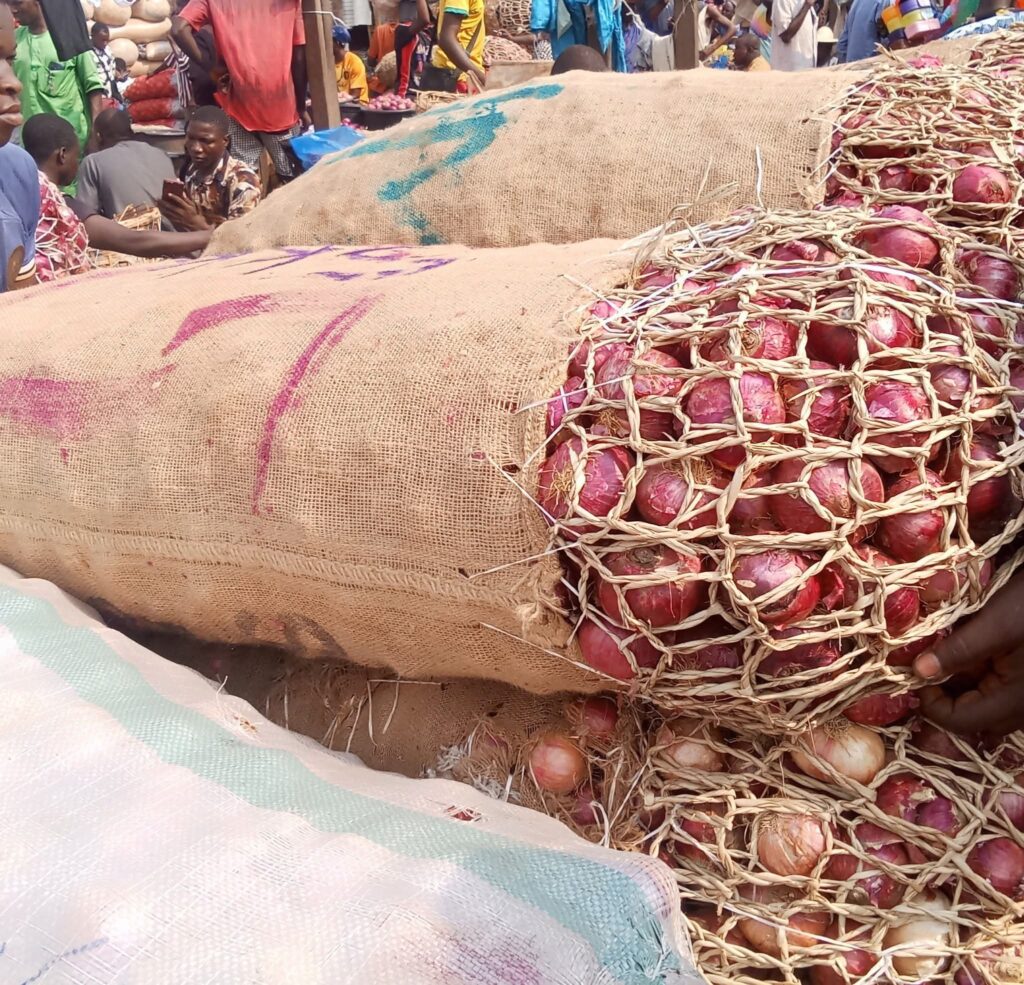
History and Origin of Nigerian Onions — From Ancient Sahelian Agriculture to Global Commercial Significance
The Onion’s Journey to West Africa
The common onion (Allium cepa) is one of humanity’s most ancient cultivated plants — with archaeological evidence of onion use in human communities dating back at least 5,000 years and botanical domestication evidence pointing to Central Asia — specifically the region spanning present-day Iran, Pakistan, and Afghanistan — as the probable centre of original domestication. Onions appear in the archaeological record of ancient Egypt, ancient India, and ancient China, and in the written records of virtually every literate civilisation of the ancient world — from Sumerian agricultural tablets to Egyptian papyrus texts to Greek and Roman agricultural manuscripts.
The spread of onion cultivation into sub-Saharan Africa followed multiple pathways — across the Sahara through trans-Saharan trade routes that connected the Arab world to the West African Sahel kingdoms from at least the 8th century CE, down the East African coast through the Indian Ocean trading networks of Arab and Indian merchants, and across the continent through the progressive diffusion of agricultural knowledge that accompanied human movement and cultural exchange across the African landmass over centuries.
In West Africa — and Nigeria specifically — onion cultivation became established primarily in the northern Sahel agricultural belt: the semi-arid savanna zone south of the Sahara desert that stretches across present-day northern Nigeria, Niger, Mali, and Senegal, where the combination of well-drained sandy soils, intense sunshine, sharp seasonal temperature variation, and seasonal irrigation from river systems including the Sokoto River, Rima River, and the shores of Lake Chad created growing conditions that proved exceptionally well-suited to Allium cultivation.
The specific agricultural geography that defines Nigerian onion production — particularly the Sokoto-Rima River basin and the Kano closureland irrigation systems — was documented by colonial-era agricultural officers who noted the unusual pungency and commercial quality of the onions produced in these zones. Research on the historical development of Sahelian onion cultivation — including the development of the distinctive red onion varieties now associated with Nigerian commercial production — is available through the Food and Agriculture Organization’s West African agricultural history programme and through agricultural history publications accessible via JSTOR’s academic database.
Nigeria’s Onion Economy — Scale, Geography, and Commercial Structure
Nigeria is sub-Saharan Africa’s most significant onion-producing nation, with annual production estimates consistently placing it among the continent’s top producers alongside Niger, Mali, and Egypt. According to FAO production statistics, Nigeria’s onion output runs into millions of metric tonnes annually — a production scale that reflects both the crop’s deep integration into the smallholder agricultural systems of the northern states and the enormous domestic consumption demand of Nigeria’s 200+ million population, for whom onion is as fundamental to daily cooking as any other ingredient.
The geography of Nigerian onion production is defined by two distinct ecological and hydrological systems:
The Sokoto-Rima River Basin — centred on Kebbi and Sokoto states — is Nigeria’s most historically significant onion-producing zone, home to the traditional cultivation of the Sokoto Red variety that has been grown along the seasonal floodplains (fadama) of the Sokoto and Rima rivers for generations. This is where the most intensely pungent, deeply coloured red onions associated with the Nigerian origin’s distinctive flavour profile are produced — in farming communities whose irrigation knowledge, variety selection traditions, and post-harvest management practices represent accumulated agricultural expertise of remarkable depth.
The Kano Closureland and Katsina Plains — the irrigated smallholder farming zones of Kano, Katsina, and Jigawa states — constitute Nigeria’s highest-volume onion production zone, where intensive smallholder cultivation under fadama (floodplain) irrigation produces enormous quantities of the Kano Red and related varieties that dominate both domestic market supply and the growing export trade. The proximity of these production zones to Kano city — Nigeria’s most significant agricultural commodity trading hub for the northern states — creates the commercial infrastructure that connects Sahelian onion production to domestic and international markets efficiently.
Niger State’s fadama zones — particularly along the Niger and Kaduna River floodplains — constitute a third significant production territory whose onions supply both Abuja and the Lagos domestic market alongside contributing to the export supply chain.
The Nigerian Export Promotion Council (NEPC) has formally recognised onion as a priority non-oil export commodity — with active market development support targeting the expansion of Nigerian onion’s presence in Middle Eastern, European, and diaspora food import markets where the product’s distinctive quality credentials can command competitive pricing. International trade flow data from ITC Trade Map confirms Nigerian onion exports reaching markets across West Africa, the Middle East, and increasingly Europe — a geographic expansion reflecting the progressive formalisation of Nigerian onion export supply chains.
What Is Nigerian Onion? Variety Profile, Flavour Science, and the Quality Differentiation That Experienced Buyers Recognise
The Kano Red and Sokoto Red — Nigerian Onion’s Commercial Identity
Nigerian commercial onion production is dominated by the Kano Red and Sokoto Red varieties — small-to-medium bulb size cultivars characterised by their intensely red-purple outer skin, relatively compact size (typically 40–80g per bulb at commercial maturity), and exceptionally high pungency relative to the larger, milder onion varieties that dominate European and North American fresh produce markets.
These varieties belong to the shallot-adjacent or multiplier onion commercial classification — producing clusters of smaller bulbs rather than single large bulbs, with a skin-to-flesh ratio and cell structure that concentrates the sulphur-containing volatile compounds responsible for onion’s characteristic flavour and aroma. The commercial consequence of this structural property is that Nigerian Kano Red and Sokoto Red onions deliver flavour intensity per kilogram that significantly exceeds the large, mild Dutch, French, and Spanish onion varieties that dominate European fresh produce supply chains — making Nigerian onions particularly valuable for applications where flavour concentration matters more than visual size presentation.
The Red Creole variety — a medium-sized, more uniformly shaped red onion derived from selection within Nigerian farming systems — is increasingly important in the export quality supply chain: larger and more visually uniform than traditional Kano Red types, it bridges the quality gap between traditional Sahelian small onions and the size and presentation standards expected by international wholesale markets while retaining much of the flavour intensity that differentiates Nigerian origin onions from European alternatives.
The Flavour Science of Sahel Onion Pungency
The pungency of Nigerian Sahelian onions — the property that experienced buyers in the spice processing, dehydrated onion, and food manufacturing industries most consistently identify as the defining commercial differentiator of Nigerian origin material — is a quantifiable biochemical phenomenon with direct commercial implications for processing yield economics.
Onion pungency is determined by the concentration of pyruvic acid — a proxy measurement for the sulphur-containing volatile compounds (thiosulfinates, thiosulfonates, and related species) that produce the characteristic tear-inducing, intensely aromatic flavour of onion. The pyruvic acid content of onion varieties grown under different conditions is the industry-standard measurement of pungency documented through research accessible via the American Society for Horticultural Science (ASHS) — the primary academic organisation publishing research on Allium breeding, agronomy, and commercial quality.
Nigerian Sahelian onions — grown under high-intensity sunshine, sharp diurnal temperature variation, and the specific soil sulphur profile of the Sahel sandy loam soils — consistently deliver pyruvic acid concentrations at the high end of the commercially traded range. Research on Allium cepa pungency variation by growing environment and variety — published through the International Society for Horticultural Science (ISHS) — documents the environmental drivers of sulphur compound accumulation in onion bulbs, explaining why the Sahel’s specific combination of high UV radiation, hot days, cool nights, and sulphur-adequate sandy soils produces onions of exceptional flavour intensity.
For dehydrated onion manufacturers and spice processors — whose product quality is directly proportional to the flavour intensity of the raw onion they process — this pungency advantage translates into a direct processing economics benefit: more flavour per kilogram of raw onion means lower raw material input cost per unit of finished seasoning output. This is the same cost-per-active-compound logic that drives buyers of high-curcumin turmeric, high-capsaicin chilli, and high-oleoresin ginger toward premium-quality origins — and it creates the same procurement advantage for buyers who evaluate Nigerian onions on processing yield economics rather than purchase price per tonne.
The Three Commercial Forms for International Export
Fresh Whole Onion Bulbs — the primary export form for wholesale fresh produce buyers, diaspora food importers, Middle Eastern fresh produce markets, and West African regional trade. Fresh Nigerian onion has a shelf life of 3–6 months under proper storage conditions — cool, dry, well-ventilated, dark environments with low relative humidity that prevent premature sprouting and fungal disease. Fresh bulb export requires phytosanitary compliance management analogous to fresh yam — with inspection for soil-borne pests, surface fungal disease, and regulated organisms before container loading.
Dried Dehydrated Onion Flakes and Minced Onion — produced by slicing or mincing fresh onion and drying through hot-air mechanical dehydration to reduce moisture from approximately 88–90% in fresh onion to 5–7% in the dehydrated product. Dehydrated onion flakes and minced onion are the primary forms purchased by the global spice processing industry, seasoning manufacturers, soup mix producers, instant noodle flavour packet manufacturers, and industrial food companies who need onion flavour without fresh produce logistics complications. Dehydrated Nigerian onion’s high pungency concentration makes it particularly competitive in this market — delivering more flavour per kilogram of dehydrated product than milder origin alternatives.
Onion Powder — produced by grinding dried dehydrated onion to a fine powder — is the most widely used form in food manufacturing applications including dry spice blends, seasoning rubs, soup powders, gravy mixes, flavoured snack seasonings, and ready meal seasoning systems. Onion powder is one of the most universally used food ingredients in global food manufacturing — appearing in the ingredient lists of thousands of processed food products across every major market globally.
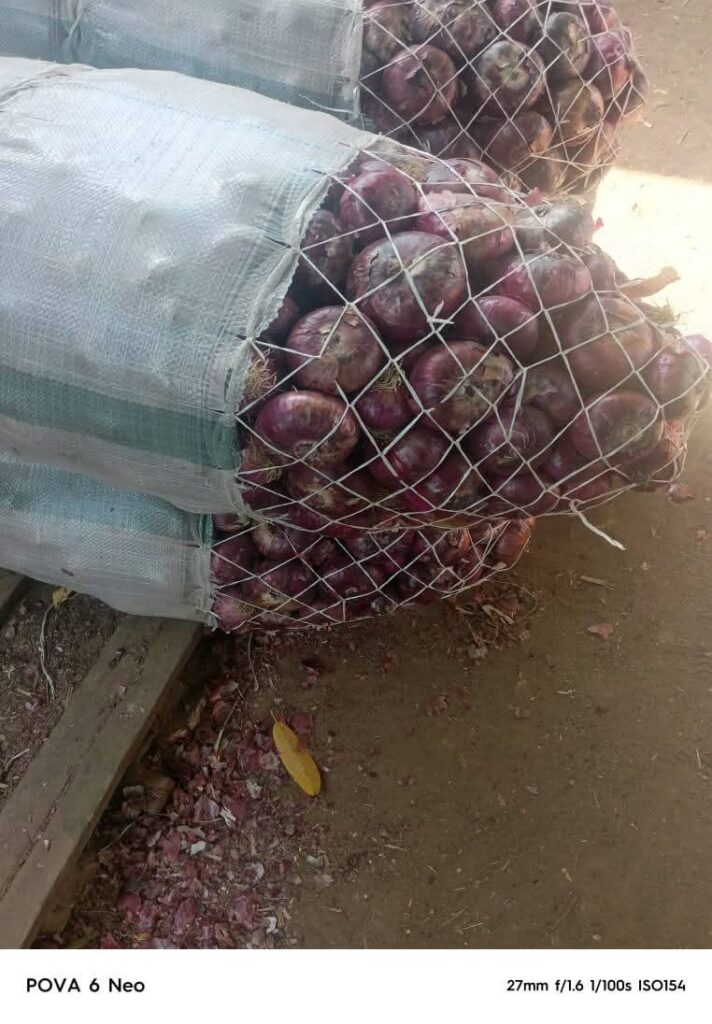
Benefits and Industrial Uses of Nigerian Onion
Food Manufacturing and Seasoning Industry — The Primary Industrial Demand Driver
This is the commercial application that drives the highest volume procurement of dehydrated and powdered onion internationally — and the market whose quality evaluation framework most clearly rewards Nigerian origin onion’s distinctive pungency advantage.
The global dehydrated onion and garlic market — one of the most significant segments of the international spice and food ingredient trade — is dominated by Indian and Chinese origin material for volume, with specific origin premiums available for high-pungency material from specialised growing zones. Market size and growth analysis published by Grand View Research’s dehydrated onion market report values the global dehydrated onion and garlic market at several billion USD and projects sustained demand growth driven by expanding food manufacturing production across Asia, the Middle East, and North America.
German spice processors — who dominate European dehydrated onion processing and wholesale distribution — are among the most sophisticated buyers of raw onion for dehydration, evaluating raw material on pyruvic acid content, dry matter percentage, colour intensity of the dried product, and microbiological safety documentation. The European Spice Association (ESA) publishes quality standards for dehydrated onion and related products — the specification framework that European food ingredient buyers apply to dried onion procurement evaluation.
The American Spice Trade Association (ASTA) publishes parallel quality standards for the American market — including colour value, moisture, total ash, and microbiological specifications for dehydrated onion that American food manufacturing buyers require from their spice ingredient supply chains. For dehydrated onion and onion powder buyers in both European and American markets, contact our export team to discuss Nigerian origin material specification and analytical documentation.
The instant noodle industry — one of the world’s largest single consumer categories of dehydrated onion flavouring — is a particularly significant and volume-consistent demand driver. Major instant noodle producers across Asia, the Middle East, and Africa use dehydrated onion as a core seasoning packet ingredient in volumes that make onion flavour procurement one of their most significant agricultural commodity purchasing categories. Innova Market Insights tracks dehydrated onion usage across global instant noodle product launches — confirming sustained growth in this application that provides stable demand for quality dehydrated onion from multiple origins including Nigeria.
Fresh Produce Wholesale — Middle Eastern and West African Market Chains
The Middle Eastern fresh onion import market — particularly the UAE, Saudi Arabia, Kuwait, Oman, and Qatar — is one of the most commercially active destinations for fresh onion imports from multiple origins including India (dominant), Egypt, China, and increasingly West African origins. Nigerian fresh red onion — whose colour intensity, flavour profile, and pricing are competitive with Indian origin material in Middle Eastern wholesale markets — has been entering the Gulf fresh produce market through both direct Nigerian export channels and through West African regional traders who aggregate Nigerian onions for Gulf-bound shipment.
The Dubai Wholesale City — the primary agricultural commodity wholesale market infrastructure for the UAE’s fresh produce trade — is the central pricing and distribution reference point for fresh onion entering the Gulf region, with market intelligence on origin competitiveness published through UAE agricultural trade reports tracked by JETRO’s Middle East market intelligence.
The West African regional fresh produce market — Nigeria’s most immediately accessible international market for fresh onion — represents an enormous and year-round demand base. West African countries including Ghana, Benin, Togo, Niger, Côte d’Ivoire, and Cameroon all import Nigerian onions through the well-established regional trade networks centred on the Kano commodity market — one of West Africa’s most significant agricultural commodity trading hubs whose market data is tracked by the West Africa Food Hub network and the ECOWAS agricultural trade monitoring system.
Pharmaceutical and Nutraceutical Industry — Quercetin and Beyond
Nigerian onion’s pharmaceutical and nutraceutical commercial relevance centres on its exceptionally high content of quercetin — the flavonoid antioxidant compound found at significantly higher concentrations in red onion varieties than in white or yellow onion types, and for which the scientific evidence of cardiovascular protective, anti-inflammatory, and anticancer properties is among the most extensively documented of any dietary flavonoid. Research published through NCBI’s pharmacology and nutrition databases comprehensively documents quercetin’s pharmacological mechanisms — providing the clinical evidence base that nutraceutical ingredient buyers evaluate when sourcing quercetin-rich botanical materials.
The red skin and flesh of Nigerian Kano Red and Sokoto Red onions — more intensely pigmented than many commercial red onion varieties — reflects elevated anthocyanin content alongside quercetin, adding a second antioxidant compound dimension to Nigerian red onion’s nutraceutical profile. Research on anthocyanin content in Allium cepa red varieties published through the Journal of Agricultural and Food Chemistry documents the relationship between onion skin colour intensity and anthocyanin concentration — a relationship that positions the deeply coloured Nigerian red varieties as high-value raw material for anthocyanin-rich onion extract production.
The global quercetin supplement market — tracked by Mordor Intelligence’s quercetin market report — is growing significantly as clinical evidence for quercetin’s anti-inflammatory and antiviral properties accumulates. COVID-19 pandemic-era research on quercetin’s antiviral properties — including research accessible through NCBI’s COVID-19 research database — significantly elevated consumer and pharmaceutical industry awareness of quercetin as a commercially relevant bioactive compound, driving growth in quercetin supplement sales and upstream pharmaceutical ingredient procurement of quercetin-rich botanical raw materials.
For pharmaceutical and nutraceutical buyers sourcing red onion for quercetin extraction — an application where the intensity of pigmentation and quercetin content of the raw material directly determines extraction yield economics — Nigerian red onion’s elevated quercetin and anthocyanin profile positions it as a commercially competitive raw material that warrants evaluation against conventional quercetin extraction sources. Contact our export team to discuss quercetin-grade red onion specification and analytical testing.
Diaspora Food Retail and West African Restaurant Supply
The West African diaspora food retail market for fresh Nigerian onion — while smaller per-unit than the industrial food manufacturing market — is culturally significant and commercially persistent. Nigerian onion is not merely a generic cooking vegetable in West African cuisine — the specific variety characteristics of the Kano Red and Sokoto Red — their pungency intensity, their deep red colour contribution to cooked dishes, and their specific flavour profile — are recognised and preferred by diaspora cooks who grew up with them.
Nigerian, Ghanaian, and broader West African diaspora communities across the United Kingdom, United States, Canada, France, and Germany purchase fresh red onions from African grocery stores and market stalls with specific origin preference — choosing Nigerian-type small red onions over the large, mild European onions available in mainstream supermarkets. This preference-based demand creates a retail price premium for Nigerian-type origin material in diaspora food retail channels that justifies the additional logistics cost of speciality origin supply.
West African restaurants — from community dining establishments to the growing tier of refined West African cuisine restaurants receiving mainstream food media attention — use Nigerian-type red onions in their cooking both because the flavour profile is authentically correct for traditional dishes and because the intense colour of chopped Nigerian red onion contributes visually to dishes where presentation matters. The Sustainable Restaurant Association (SRA) documents the growing importance of origin-specific ingredient sourcing in restaurant procurement — a trend that creates commercial opportunity for traceable, documented-origin Nigerian onion in the professional kitchen supply chain.
Cosmetics and Nutraceutical Industry — Onion Seed and Onion Extract
Beyond the bulb — the primary commercial product — Allium cepa seed extract and onion bulb extract are active ingredients in a growing range of cosmetics and pharmaceutical topical formulations:
Scar treatment — topical onion extract (standardised for quercetin content) is the active ingredient in Mederma and related over-the-counter scar treatment products — one of the most commercially established cosmetics applications of Allium extract. Clinical evidence for onion extract’s scar-reducing efficacy is assessed through research accessible via NCBI’s dermatology publications — providing the clinical foundation that pharmaceutical topical product manufacturers use when sourcing onion extract raw material.
Anti-hair loss formulations — onion juice applied topically has demonstrated efficacy in stimulating hair regrowth in clinical studies published through NCBI — creating a commercial ingredient demand from topical hair care brands developing onion-based hair loss treatment products in the premium personal care market.
Skin brightening and anti-aging — quercetin’s antioxidant and anti-inflammatory properties make onion extract a candidate active ingredient in anti-aging serum and skin brightening formulation — applications increasingly documented through cosmetic ingredient research published via the Cosmetic Ingredient Review (CIR).
The CBI Netherlands natural cosmetics ingredient market intelligence has specifically identified Allium derived ingredients as a growing category in European natural cosmetics — creating a commercial pathway for Nigerian red onion extract as a premium, African-origin cosmetics active ingredient.
Animal Feed and Agricultural Industry
Onion processing by-products — the outer skin layers, root bases, and damaged bulbs removed during grading and dehydration — have documented value as animal feed ingredients. Research published through NCBI’s animal nutrition database documents onion by-product meal’s nutritional composition and its efficacy as a poultry and livestock feed supplement — providing the scientific foundation for commercial animal feed applications that create additional revenue streams from onion processing operations and reduce post-harvest waste in the Nigerian onion supply chain.
The Food and Agriculture Organization’s animal production division tracks the application of agricultural processing by-products in animal feed systems globally — a context within which Nigerian onion processing by-products represent a commercially relevant feed ingredient for the country’s significant domestic livestock production sector.
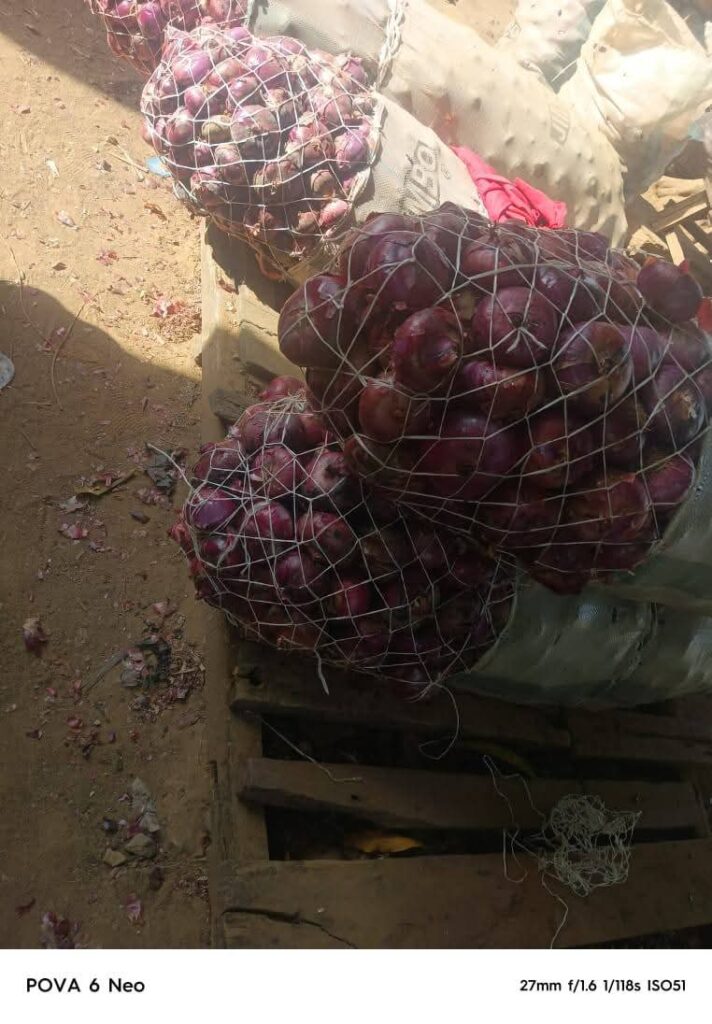
Why Buy Onions from Nigeria?
The Pungency Advantage — More Flavour Per Kilogram Than Milder Origins
The single most commercially significant differentiator of Nigerian Sahelian onion for industrial food processing and seasoning manufacturing applications is its documented pungency superiority to the large-bulb, mild-flavour varieties that dominate global fresh onion trade. When dehydrated onion manufacturers in Germany, the Netherlands, India, and the USA evaluate raw onion sourcing options — they calculate flavour delivery per tonne of raw material processed, and Nigerian Kano Red and Sokoto Red consistently deliver more pyruvic acid — more flavour intensity — per kilogram than larger-bulb, lower-pungency European and Chinese origin alternatives.
For a dehydrated onion manufacturer whose product quality is benchmarked by customers on flavour intensity in the finished dehydrated flake or powder, this is not an academic quality difference. It is a production economics advantage that translates directly into either a competitive product quality advantage or a lower raw material input cost per unit of finished product — both commercially actionable benefits. Market benchmarks for onion pungency across origins are published by research accessible through the ISHS Allium research publications — providing buyers with the scientific framework for origin-quality comparison.
Dry Matter Advantage — More Powder Per Tonne of Fresh Onion
Nigerian Sahelian onions have a significantly lower moisture content than onions grown in more humid European or even equatorial African conditions — a direct consequence of the Sahel’s intense dry season sunshine and low ambient humidity during the bulb maturation period. Fresh moisture content in Nigerian Kano Red onions typically runs at 82–86% — compared to 88–92% in large-bulb European varieties. This 6–10 percentage point dry matter advantage means that processing the same tonne of Nigerian onion delivers significantly more dehydrated product than processing the same tonne of high-moisture European onion — a yield advantage that directly improves dehydration processing economics.
The ASTA’s moisture and yield standards for dehydrated vegetables provide the measurement framework for quantifying this dry matter yield advantage — enabling processing buyers to conduct the cost-per-tonne-of-dehydrated-output analysis that properly accounts for raw material dry matter content alongside purchase price.
Competitive Pricing From West African Origin
Nigerian onion farmgate pricing — reflecting the relatively low land and labour costs of Sahelian smallholder production — is competitive with Indian origin onion (the world’s largest exporter) on a cost-per-tonne basis for FOB pricing from Lagos, particularly for buyers in European and Middle Eastern markets where the freight differential between Nigerian and Indian origin is less significant than for Asian destination buyers.
The World Bank’s commodity price monitoring programme tracks agricultural commodity price benchmarks relevant to onion price competitiveness analysis — providing the market intelligence framework that procurement teams use to evaluate Nigerian origin pricing against established alternatives. Contact our export team for current FOB Lagos pricing across fresh, dehydrated, and powder forms.
Supply Diversification From India-Dominant Global Onion Trade
India dominates global onion export with approximately 20–25% of world export volume according to ITC Trade Map trade flow data — creating the same structural supply concentration risk that characterises palm oil in Southeast Asia, cashew processing in Vietnam, and turmeric in India. When India’s domestic onion production is disrupted — as it has been multiple times by monsoon failure, price control policies, and export bans that have shocked international onion markets — buyers without diversified origin supply chains face significant procurement disruption and price volatility.
Nigeria provides exactly the West African origin diversification position that supply chain risk-conscious buyers in European food manufacturing are increasingly building into their dehydrated vegetable procurement programmes. The Indian Ministry of Commerce and Industry’s export data tracks India’s onion export policies and volumes — and the history of Indian government export restrictions on onions is commercially instructive for any buyer who is India-concentrated without alternative origin coverage.
The Fadama Irrigation Advantage — Year-Round Production Potential
Unlike rain-fed onion production that is strictly seasonal, Nigeria’s Sahelian onion production benefits from the fadama (floodplain) irrigation system — traditional water management that draws from seasonal river and groundwater resources to extend the cultivation calendar beyond the natural rainfall window. This irrigation-supported production system allows Nigerian onion farmers in Kebbi, Sokoto, and Kano states to produce across extended seasons — with fresh onion available for export from the main harvest (February-May) through stored carryover supply into September, and with secondary production under dry-season irrigation filling the calendar gap.
The Federal Ministry of Agriculture and Rural Development’s Fadama Development Programme — Nigeria’s national agricultural irrigation development initiative — has invested significantly in improving the fadama irrigation infrastructure across Nigeria’s northern onion-producing states, progressively improving production volume consistency, reducing weather-related yield variability, and supporting the supply reliability that international buyers require from contracted supply chains.
Complete Export Documentation from a Licensed Exporter
Every Nigerian onion shipment processed through Paradise MultiTrade carries phytosanitary certification from the Nigerian Agricultural Quarantine Service (NAQS), NEPC export documentation, certificate of origin, commercial invoice, packing list, and bill of lading. For fresh onion export to EU markets, compliance with Regulation (EU) 2016/2031 on plant health and the European and Mediterranean Plant Protection Organization (EPPO) phytosanitary import requirements for Allium products is managed as standard. For dehydrated and powdered onion export, food safety documentation including microbiological analysis, heavy metal screening, pesticide residue compliance, and sulphur dioxide testing (where fumigation has been applied) is coordinated through accredited laboratories.
EU-bound shipments comply with Regulation (EU) 2017/625 on official controls for food imports. Our NEPC Export Licence No. 0042385 and CAC Registration No. RC-9284647 are current and verifiable through NEPC.
Nigeria’s Onion Export Strength and Global Market Demand
The Global Onion Market — Enormous Scale, Growing Demand
Onion is among the most voluminously traded agricultural commodities in global fresh produce and food ingredient markets — with the FAO recording global onion production at approximately 100 million metric tonnes annually, and international trade in fresh and dried onion valued at billions of USD. Market size analysis from Grand View Research’s dehydrated onion market report and Mordor Intelligence’s onion market analysis both project sustained demand growth driven by expanding global food manufacturing production, growing instant and convenience food consumption across developing markets, and the global seasoning and condiment industry’s consistent growth trajectory.
The Spices Board of India — which tracks dehydrated onion export volumes from India’s dominant processing industry centred in Mahuva, Gujarat — provides market intelligence on the competitive landscape within which Nigerian dehydrated onion must position itself for European and American buyers. Understanding Indian origin’s pricing and availability patterns — and the periodic disruptions caused by Indian export policy interventions — is the commercial context within which Nigerian origin’s value proposition is most compelling.
Key Export Destination Markets
The Middle East — Nigeria’s Most Immediately Competitive Export Market
The Gulf Cooperation Council fresh onion import market — particularly the UAE, Saudi Arabia, Kuwait, Qatar, and Oman — is the most commercially immediately accessible export destination for Nigerian fresh red onion. The Gulf’s enormous food service sector, hypermarket retail infrastructure, and large South Asian, West African, and Pan-Arab diaspora communities create consistent year-round fresh onion demand that is currently served primarily by Indian and Egyptian origin material. Nigerian origin red onion — competitive on flavour, competitive on pricing, and increasingly visible in UAE wholesale market channels — represents a natural market development target for Paradise MultiTrade’s fresh onion export programme.
UAE food trade intelligence is published through the Dubai Wholesale City and the Abu Dhabi Agriculture and Food Safety Authority (ADAFSA) — both providing the regulatory framework and market access information relevant to Nigerian onion entering the UAE market.
Germany and the Netherlands — The EU’s Dehydrated Onion Processing Hubs
Germany and the Netherlands are Europe’s most significant importers and processors of raw onion for dehydration — with German and Dutch spice processing companies producing dehydrated onion flakes, minced onion, and onion powder for distribution to European food manufacturers. These buyers are the most analytically sophisticated onion procurers in Europe — evaluating raw material on pyruvic acid content, dry matter, colour intensity, and microbiological safety with precision. Nigerian origin material that meets their specification framework is commercially competitive and logistically accessible from Lagos through established shipping routes to Rotterdam and Hamburg.
The CBI Netherlands market intelligence on spice and herb ingredients publishes specific guidance on dehydrated vegetable sourcing for European buyers — documenting the quality requirements, sustainability criteria, and market entry considerations directly relevant to Nigerian origin dehydrated onion development.
The United Kingdom — Diaspora Retail and Food Manufacturing
The UK hosts a large Nigerian and broader West African diaspora community — creating consistent diaspora retail demand for fresh Nigerian-type red onions in ethnic grocery markets across London, Birmingham, and Manchester. Simultaneously, the UK food manufacturing sector — which uses dehydrated onion extensively in seasoning mixes, ready meals, soup products, and instant noodle seasonings — represents an industrial procurement opportunity for Nigerian dehydrated onion and onion powder that Paradise MultiTrade is actively developing.
UK food import requirements are overseen by the Food Standards Agency (FSA) for food safety and APHA for phytosanitary compliance — frameworks that Paradise MultiTrade navigates for UK-bound onion shipments.
India — Counterintuitive But Real Import Demand
India — the world’s largest onion exporter — paradoxically also imports onion during domestic shortage periods when poor monsoon seasons cause production failures that cannot be covered by domestic carryover stock. During these shortage periods, Nigerian origin onion enters the Indian market through commodity traders who aggregate West African supply to fill the Indian supply gap — a trade pattern that reflects the global commodity market’s opportunistic flexibility and that creates periodic significant demand from the world’s dominant onion trading nation for Nigerian origin material.
West Africa Regional Market — The Immediate Commercial Priority
Nigeria’s most immediately accessible and commercially significant onion export market is the West African regional market — the ECOWAS zone countries of Ghana, Benin, Togo, Niger, Côte d’Ivoire, Senegal, Mali, and Burkina Faso that collectively consume enormous quantities of Nigerian onion through the informal and semi-formal cross-border trade networks centred on Kano and other northern Nigerian commodity markets. Formalising this regional trade through documented export channels managed by licensed exporters like Paradise MultiTrade — with proper invoicing, origin certification, and quality management — is a commercial development priority that creates immediate revenue while building the documentation track record needed for extra-regional export market development.
The ECOWAS Trade Liberalisation Scheme (ETLS) provides the regulatory framework for preferential trade in agricultural commodities across the West African region — a framework that Paradise MultiTrade leverages to facilitate competitive pricing of Nigerian onion in regional markets.
Why Choose Paradise MultiTrade International Limited?
Sahelian Origin Specificity. Our onions are sourced specifically from the primary producing zones of Kebbi, Sokoto, Kano, and Katsina states — the Sahel agricultural belt where the specific growing conditions that produce high-pungency, high-dry-matter Nigerian red onion are most concentrated. We do not source from secondary growing zones or mixed-origin aggregation markets in Lagos — we source from the production origin that delivers the quality differentials that serious buyers evaluate.
Three Commercial Forms Available. We supply fresh whole red onion bulbs for fresh produce wholesale, diaspora retail, and Middle Eastern market buyers; dehydrated onion flakes and minced onion for spice processing and food manufacturing buyers; and onion powder for seasoning manufacturing and industrial food ingredient buyers. Each form has distinct specifications, analytical requirements, and logistics frameworks discussed at the quotation stage. Contact our team to specify your required form.
Analytical Documentation for Industrial Buyers. For spice processing and food manufacturing buyers requiring documented pyruvic acid content (pungency), moisture content, dry matter yield, colour value, microbiological analysis, pesticide residue screening, and heavy metal testing — we coordinate comprehensive analytical packages through accredited laboratories following AOAC International and ASTA analytical methods standards. Contact us to build your analytical package requirement.
Quercetin Documentation for Pharmaceutical Buyers. For nutraceutical and pharmaceutical buyers sourcing Nigerian red onion for quercetin extraction applications — we coordinate quercetin content quantification through HPLC analysis and anthocyanin content documentation. Contact our team to discuss pharmaceutical-grade red onion specification.
Multi-Commodity West African Agricultural Sourcing. Onion buyers frequently source complementary Nigerian agricultural commodities. Alongside Nigerian onions, Paradise MultiTrade exports fresh ginger, dry split ginger, turmeric, chilli pepper, sesame seeds, hibiscus flower, moringa seeds, white yam, egusi melon seed, crayfish, bitter kola, kola nut, and cashew products. Explore our full range of Nigerian export commodities and consolidate your West African food and agricultural sourcing through one verified, licensed export partner.
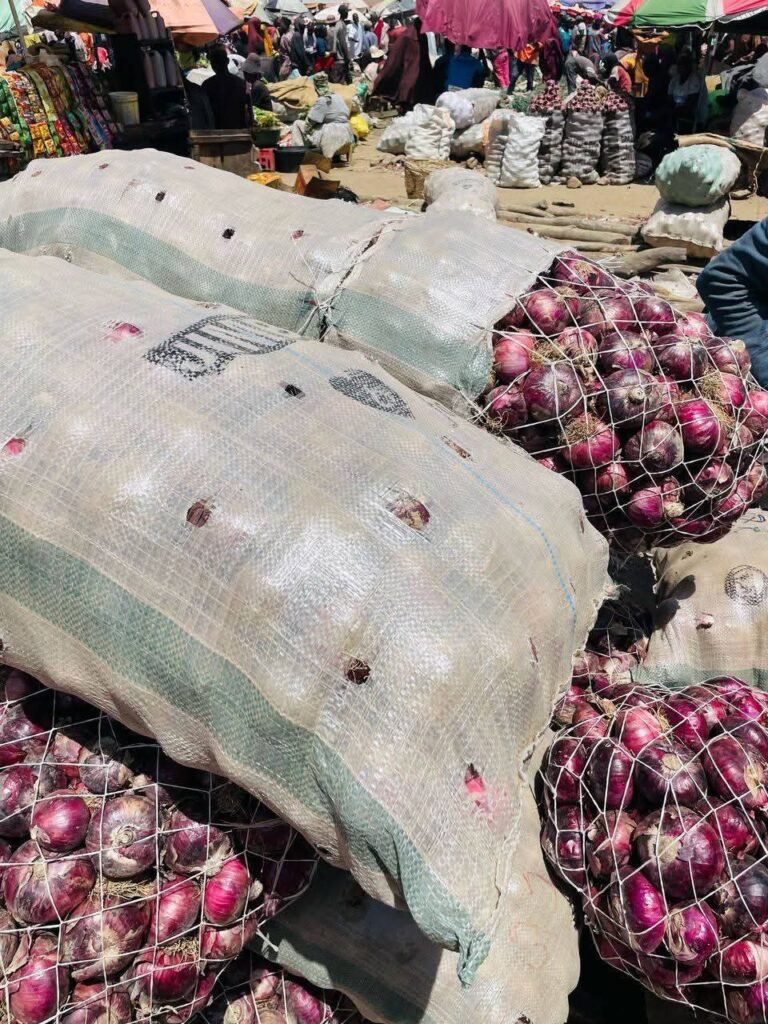
Product Specifications
| Specification | Details |
|---|---|
| Product | Nigerian Red Onion (Allium cepa) — Fresh, Dehydrated, and Powder |
| Primary Varieties | Kano Red, Sokoto Red, Red Creole, Local Shallot types |
| Origin | Nigeria (Kebbi, Sokoto, Kano, Katsina, Jigawa, Zamfara, Niger States) |
| Forms Available | Fresh whole bulbs; dehydrated flakes/minced; ground onion powder |
| Fresh Bulb Size | Small (20–40g), Medium (40–80g), Large (80–120g); buyer-specified grading |
| Fresh Moisture Content | 82–88% at harvest |
| Dry Matter Content (Fresh) | 12–18% (higher than European varieties — processing yield advantage) |
| Dehydrated Flake Moisture | 5–7% |
| Onion Powder Moisture | 4–6% |
| Pungency (Pyruvic Acid) | High — specific values by HPLC analysis on request |
| Quercetin Content | Elevated in red varieties — analytical documentation available |
| Colour (Fresh) | Deep red-purple outer skin; white to cream flesh |
| Colour (Dehydrated) | Light cream to pale yellow flakes; cream-beige powder |
| Purity | 95%+ (free from disease, damage, foreign matter, and soil) |
| Pesticide Residue | Screened per EU MRL requirements on request |
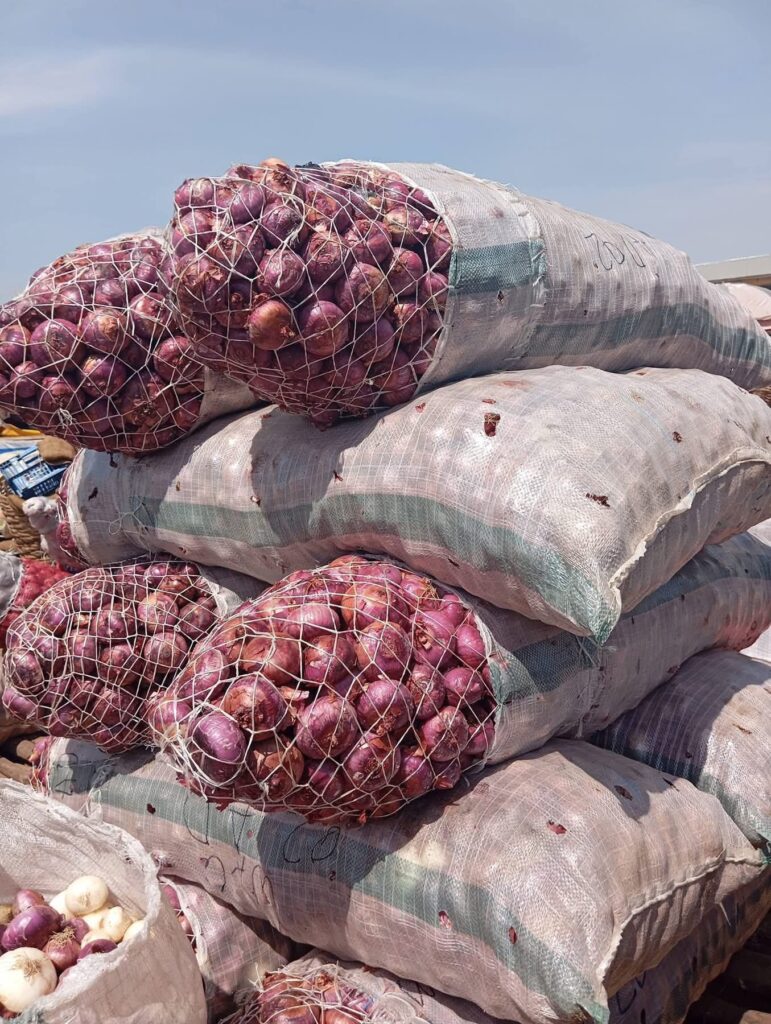
| Packaging — Fresh | 10kg, 25kg, 50kg mesh/jute bags; pallet loading for container |
| Packaging — Dehydrated/Powder | 25kg, 50kg polypropylene bags; 25kg multi-wall paper bags (powder) |
| Supply Capacity | Fresh: 20–2,000+ MT per shipment; Dehydrated/Powder: 10–500+ MT |
| MOQ | Fresh: 10 Metric Tonnes; Dehydrated/Powder: 5 Metric Tonnes |
| Shelf Life | Fresh: 3–6 months; Dehydrated flakes: 18–24 months; Powder: 18–24 months |
| Export Documentation | Phytosanitary Certificate (NAQS), Certificate of Origin, NEPC Export Licence, Analytical Certificate (on request), Commercial Invoice, Packing List, Bill of Lading |
| Payment Terms | T/T, Letter of Credit (LC at sight), Escrow |
| Loading Port | Lagos (Apapa / Tin Can Island Port), Nigeria |
| Incoterms Available | EXW, FOB Lagos, CNF, CIF |
Packaging and Export Process
Harvesting. Nigerian Sahelian onions are harvested manually — tops are bent down to accelerate bulb maturation in the final 2–3 weeks before harvest, then the entire plant is pulled from the sandy soil by hand. Harvest timing is critical: bulbs harvested before full maturity have higher moisture content and reduced storage life; delayed harvest past full maturity risks fungal neck rot infection that spreads rapidly through stored bulbs. Experienced farmers in the Kano and Sokoto growing zones time harvest with precision developed over generations of cultivation.
Field Curing. Freshly harvested onion plants are spread in the field or on drying platforms for 7–14 days — allowing the outer skins to dry, the neck to seal, and the bulb to enter the dormant state that maximises storage life. Properly field-cured Nigerian onions develop the characteristic papery, crackling outer skin that protects the bulb from moisture loss and pathogen entry during storage and transit. Field curing is the most important post-harvest quality management step for fresh onion — improperly cured bulbs lose moisture rapidly and develop fungal neck rot during storage.
Grading and Sorting. Cured bulbs are graded by size — small, medium, and large — and sorted to remove damaged, diseased, and doubled-neck bulbs. Export-grade bulbs are those with clean, intact outer skin, fully sealed neck, no visible disease symptoms, and size within the specified grade range.
Phytosanitary Inspection. NAQS-certified phytosanitary inspection is conducted before container loading — with inspectors checking for the presence of regulated pests including onion thrips (Thrips tabaci) and Allium leaf miners that are regulated in receiving countries. Soil-free presentation and compliance with importing country phytosanitary requirements are verified at this stage.
Dehydration Processing (for dehydrated and powder forms). Fresh onions for dehydration are washed, top-and-tailed, peeled, and sliced or diced — then processed through hot-air tunnel dryers at controlled temperatures (55–65°C) to reduce moisture to 5–7% while preserving colour, flavour, and pungency compounds. Properly dehydrated Nigerian onion retains its characteristic red colour in flake form and reconstitutes with strong pungency that reflects the raw material’s high pyruvic acid content.
Quality Testing. For dehydrated and powder forms, lot samples are submitted to accredited laboratories for moisture content, total ash, acid insoluble ash, microbiological analysis (total viable count, E. coli, Salmonella, Staphylococcus aureus), pesticide residue screening, and heavy metal testing following AOAC International and ASTA validated methods.
Packaging and Loading. Fresh onion is packed in ventilated mesh or jute bags — typically 10–25kg per bag — that allow airflow during transit. Dehydrated flakes and powder are packed in polypropylene woven bags or multi-wall paper bags with moisture-barrier inner lining. Pre-export phytosanitary inspection by NAQS is completed before container sealing. Lead time from order confirmation to container loading runs 10–21 days for fresh onion; 14–28 days for dehydrated and powder forms requiring processing. Contact us to plan your shipment around Nigeria’s main onion harvest season.
Frequently Asked Questions
What makes Nigerian red onion different from European or Indian origin onions?
The primary commercial differentiator is pungency concentration — measured as pyruvic acid content by HPLC analysis. Nigerian Kano Red and Sokoto Red onions — grown under the Sahel’s intense sunshine, sharp diurnal temperature variation, and sulphur-adequate sandy soils — accumulate sulphur-containing volatile compounds at concentrations significantly higher than large-bulb, high-moisture European onion varieties. This pungency advantage translates directly into higher flavour delivery per kilogram of dehydrated product — a processing yield advantage that experienced seasoning manufacturers and dehydrated onion producers quantify and pay for. Nigerian onions are also higher in dry matter content than European varieties — meaning more dehydrated product per tonne of fresh onion processed. Contact us to request a pyruvic acid analysis on Nigerian red onion samples.
What analytical documentation is available for dehydrated onion and powder buyers?
For food manufacturing and spice processing buyers, we coordinate a comprehensive analytical package through accredited laboratories: moisture content, total ash, acid insoluble ash, colour intensity measurement (ASTA colour method), pyruvic acid content (HPLC), quercetin content (where relevant for nutraceutical buyers), microbiological testing (total viable count, E. coli, Salmonella, Staphylococcus aureus), pesticide residue analysis to EU and US MRL standards, and heavy metal screening (lead, cadmium, arsenic, mercury). All results are provided as laboratory certificates alongside standard phytosanitary and commercial shipping documentation. Contact us to specify your analytical package requirements.
What is Nigeria’s onion harvest season and how does it affect export availability?
Nigeria’s primary onion harvest runs from February through May in the main Sahel producing states — when the dry season irrigation-supported crop reaches maturity after the October–January planting season. Secondary production under fadama irrigation fills seasonal gaps, with fresh onion available for export from the main harvest through stored carryover into approximately September before the following season’s early production becomes available. Dehydrated onion and powder — produced from fresh onion during the peak harvest period and stored in processed form — are available for export year-round without seasonal restriction. Buyers planning large-volume fresh onion purchases should initiate discussions in December–January to discuss forward pricing and secure allocation from the February–May harvest. Contact us to plan your procurement cycle.
How does Nigerian onion compare to Indian origin material for dehydration processing?
Indian origin dehydrated onion — produced from large-bulb, high-yield varieties in Mahuva and Bhavnagar districts of Gujarat — dominates global dehydrated onion supply by volume and sets the commercial pricing benchmark. Nigerian origin material is positioned as a complementary origin offering supply diversification value and a specific quality differentiation — higher pungency concentration in smaller-bulb varieties — that appeals to processors targeting premium-flavour dehydrated product rather than commodity-grade volume. For buyers currently running India-concentrated dehydrated onion procurement, Nigeria provides the same supply chain diversification logic that we argue across multiple commodity categories in our export portfolio — reducing the exposure to India’s periodic export restriction interventions that have disrupted global onion markets multiple times. Indian export policy data is tracked by the Spices Board of India — and the historical record of disruption is commercially instructive.
What phytosanitary requirements apply to Nigerian onion import into the EU?
Fresh Allium products entering the EU are subject to phytosanitary requirements under Regulation (EU) 2016/2031 on plant health — primarily targeting the exclusion of regulated pests including onion thrips (Thrips tabaci) and fungal pathogens. Requirements include phytosanitary certification from NAQS confirming inspection and pest freedom, soil-free presentation, and conformity with EPPO’s import phytosanitary requirements for Allium species entering EU territory. Dehydrated onion and onion powder — as processed food ingredients rather than fresh plant material — are subject to food safety import requirements under Regulation (EU) 2017/625 rather than plant health requirements, which simplifies the compliance framework significantly compared to fresh product. Contact us to discuss phytosanitary compliance for your specific destination market and product form.
How should fresh Nigerian onions be stored after delivery?
Fresh onions should be stored in cool, dry, well-ventilated, dark conditions at 0–4°C and 65–70% relative humidity for maximum shelf life — or at ambient cool temperatures (below 25°C) in well-ventilated storage for shorter-term storage. Avoid storing onions near other produce that emits ethylene (such as apples or bananas) — ethylene promotes premature sprouting. Do not store in sealed plastic packaging — onions need airflow to prevent moisture accumulation and fungal disease development. Properly stored, fresh Nigerian onions maintain commercial quality for 3–5 months from harvest. Inspect stored lots regularly for any signs of neck rot, surface mould, or premature sprouting — affected bulbs should be removed promptly to prevent spread.
What transit times should I plan for from Nigeria?
Fresh onion (refrigerated container recommended for maximum shelf life preservation): Europe (Rotterdam, Hamburg, Antwerp) — approximately 14–20 days from Lagos. Middle East (Jebel Ali, Dammam) — 10–16 days. UK (Tilbury, Felixstowe) — 14–18 days. USA (East Coast) — 18–25 days.
Dehydrated onion and onion powder (standard dry container, no temperature control required): Same transit times as above apply — with no temperature management concern given the low moisture content of the processed product.
Ready to Source Premium Nigerian Red Onions — Fresh Bulbs, Dehydrated Flakes, and Onion Powder for Food Processors, Spice Manufacturers, and Wholesale Buyers?
If you are a dehydrated onion manufacturer evaluating Nigerian origin for processing yield economics, a spice and seasoning company building supply chain diversification away from Indian-dominated procurement, a fresh produce wholesale importer supplying Middle Eastern or European markets, a nutraceutical company sourcing high-quercetin red onion for extract production, a diaspora food importer serving West African communities, or a food manufacturing ingredient buyer looking for competitive-priced, high-pungency onion powder — Paradise MultiTrade International Limited is the licensed Nigerian exporter your procurement programme needs.
We supply Sahelian-origin Nigerian red onion — fresh, dehydrated, and powdered — sourced from established Kano and Sokoto belt farming communities, analytically tested for pungency and food safety compliance, phytosanitary-certified for EU, UK, USA, and Middle Eastern destination markets, and exported with full regulatory documentation to buyers worldwide.
Request a Quotation — share your required form (fresh, dehydrated flakes, or powder), volume, pungency specification if applicable, destination market, and analytical documentation requirements. We respond with a detailed, competitive quote within 48 hours.
Contact Our Export Team — speak directly with our export coordinators about pyruvic acid analysis, dry matter yield data, quercetin content documentation, phytosanitary compliance for EU and US-bound shipments, dehydration processing specifications, and long-term contract supply arrangements.
Explore Our Full Product Range — alongside Nigerian onions, Paradise MultiTrade exports fresh ginger, dry split ginger, turmeric, chilli pepper, hibiscus flower, sesame seeds, moringa seeds, white yam, egusi melon seed, ogbono seed, crayfish, alligator pepper, bitter kola, kola nut, cashew nut kernel, and raw cashew nuts. One licensed Nigerian exporter. One consolidated West African food and agricultural sourcing relationship. Consistent quality and documentation across every commodity.
Paradise MultiTrade International Limited | NEPC Export Licence No. 0042385 | CAC No. RC-9284647 | Lagos, Nigeria | www.paradisemultitrade.com

Reviews
There are no reviews yet.