
Nigerian Dried Crayfish: The Tiny Crustacean That Carries the Entire Flavour Architecture of West African Cuisine — and the Export Commodity That Diaspora Communities on Five Continents Cannot Cook Without
Crayfish Exporter Nigeria — Smoked and Sun-Dried West African Crayfish, Direct Coastal Origin Sourcing, Bulk Supply to Diaspora Food Importers, Seasoning Manufacturers, and Restaurant Supply Chains Worldwide
Crayfish exporter Nigeria is a search phrase that arrives with an urgency that few other agricultural commodity searches match — because the buyers running it are not building a new supply chain for a product they recently discovered. They are looking for a reliable source of something their customers have been demanding for generations, something that no substitute ingredient can replace, and something whose absence from the kitchen renders entire categories of West African cuisine simply impossible to prepare authentically. Nigerian dried crayfish — the small, intensely flavoured, smoked or sun-dried crustacean that is ground, whole, or flaked into the soup base of virtually every significant West African dish — is not merely a seasoning ingredient. It is the umami foundation upon which the entire flavour architecture of Nigerian, Ghanaian, Cameroonian, and broader West African cooking is constructed.
To understand the commercial significance of this claim, consider the parallel with fish sauce in Southeast Asian cuisine or with dried bonito flakes in Japanese cooking. These are not ingredients that add a flavour note to dishes that would otherwise be complete — they are the foundational umami substrate that makes the entire cuisine taste the way it tastes. Remove fish sauce from Thai cooking or dashi from Japanese cooking and you have not merely modified the dish — you have dismantled its flavour identity. The relationship between Nigerian crayfish and West African cuisine is functionally identical. Egusi soup without crayfish. Okra soup without crayfish. Ogbono soup without crayfish. Ofe akwu, ofe onugbu, edikaikong — these dishes exist in a different, demonstrably less flavourful universe without the deep, complex, savoury richness that dried Nigerian crayfish contributes.
This cultural and culinary centrality creates a commercial demand dynamic of extraordinary stability and geographic breadth. Wherever Nigerians, Ghanaians, Cameroonians, and West Africans broadly have settled — in London and Birmingham, in Houston and Atlanta, in Toronto and Calgary, in Paris and Lyon, in Rome and Milan, in Amsterdam and Rotterdam — they are cooking the food of their origin cultures, and they need crayfish to do it. They need it reliably, they need it in consistent quality, and they need it in quantities that scale with the growth of diaspora populations whose food consumption patterns are stubbornly, beautifully resistant to assimilation. The global diaspora demand for authentic Nigerian dried crayfish is not a niche ethnic food market curiosity — it is a structurally significant, geographically distributed, and commercially growing demand stream that serious food importers and wholesale distributors are increasingly recognising as a mainstream procurement priority.
At Paradise MultiTrade International Limited, Nigerian dried crayfish is one of our most culturally important and commercially dynamic export categories — sourced from the coastal states and freshwater systems of southern Nigeria where Nigeria’s most productive crayfish harvesting communities operate, processed through traditional smoking and sun-drying methods that produce the flavour concentration that buyers specifically seek, and exported with full regulatory documentation to buyers across Europe, North America, and the Middle East. If you are a diaspora food importer, a West African food manufacturer, a seasoning and condiment company, or a restaurant supply chain buyer who needs reliable, quality-documented Nigerian dried crayfish — this article is your complete sourcing guide.
To move directly to pricing, request a quotation here, and our export team will respond within 48 hours.
History and Origin of Nigerian Crayfish — How a Coastal Harvest Tradition Became a Continental Culinary Institution
The Crustacean Harvest That Built West African Coastal Food Culture
The history of crayfish consumption in Nigeria is inseparable from the history of the country’s coastal and riverine communities — the fishing peoples of the Niger Delta, the Cross River basin, the Lagos Lagoon, and the Bight of Benin who have harvested the rich crustacean populations of Nigeria’s coastal waters and freshwater systems for thousands of years. The term “crayfish” in Nigerian commercial usage — a source of occasional confusion for international buyers unfamiliar with West African food terminology — refers not exclusively to the freshwater crayfish species of North American and European taxonomy (Astacidae family) but encompasses a broader category of small crustaceans including small shrimp, prawns, and true crayfish species that are dried together under the commercial category of “crayfish” in Nigerian trade.
The primary species contributing to Nigeria’s commercial crayfish harvest include pink shrimp (Penaeus notialis) and nylon shrimp (Parapenaeopsis atlantica) from the marine coastal waters of the Atlantic, alongside river prawn (Macrobrachium vollenhovenii) — the large African river prawn — and several smaller freshwater prawn species from the Niger Delta’s extensive freshwater and brackish water systems. Together, these species contribute to the mixed-species dried crustacean product that Nigerian consumers and international diaspora buyers recognise as “crayfish” — a product whose flavour results precisely from this species mixture and the specific processing methods applied to it.
The practice of drying and smoking harvested crustaceans as a preservation technique was developed by Nigerian coastal communities centuries before any commercial trade infrastructure existed — driven by the simple necessity of preserving a highly perishable catch through the only reliable means available in a pre-refrigeration era. Smoking — passing freshly harvested crustaceans through wood smoke over several hours — not only preserved the product by reducing moisture and depositing antimicrobial phenolic compounds from the smoke onto the surface but also dramatically concentrated and transformed the flavour. The Maillard reaction browning that occurs during smoking, the caramelisation of natural sugars in the crustacean tissue, and the deposition of smoke-derived aromatic compounds produce a flavour complexity in smoked dried Nigerian crayfish that fresh or simply dried crustacean cannot approach.
The Geography of Nigerian Crayfish Production — Delta, Coast, and River
Nigeria’s crayfish harvesting and processing geography is defined by the country’s extraordinary aquatic resource endowment — a coastline of over 850 kilometres along the Atlantic Bight of Benin and Bight of Bonny, the vast Niger Delta ecosystem covering approximately 70,000 square kilometres of tidal channels, mangrove swamps, freshwater rivers and lakes, and the major river systems of the Niger, Benue, and Cross River that extend crayfish habitat deep into the country’s interior.
Cross River and Akwa Ibom states — where the Cross River estuary and the coastal waters of the Bight of Bonny intersect with extensive mangrove-edge fishing grounds — are among Nigeria’s most significant crayfish producing territories. Communities including Oron, Eket, Uyo, and the fishing villages along the Calabar waterfront have fishing and crayfish processing traditions that extend across multiple generations — with the knowledge of seasonal harvest timing, species sorting, smoking technique, and post-smoke drying sequence transmitted through families whose entire economic and cultural identity is organised around the crayfish trade.
Rivers, Delta, and Bayelsa states — the heart of the Niger Delta — are characterised by an extraordinary density of tidal channels, creeks, and freshwater systems that support some of West Africa’s most productive mixed crustacean populations. The fishing communities of the Ijaw, Itsekiri, and Urhobo peoples across these states have been crayfish fishing and processing people for generations — their harvesting and drying practices producing the specific flavour profiles associated with Niger Delta origin crayfish that knowledgeable buyers in Nigerian domestic markets specifically seek.
Ondo and Lagos states — the southwestern coastal states where the Lagos Lagoon and the Ondo coastal waters meet the eastern extension of the Bight of Benin — are additional significant production territories, with the fishing communities of Badagry, Epe, Ijaw settlements in Ondo, and the artisanal fishing ports along the Lagos coastline contributing to Nigeria’s overall crayfish output.
The Food and Agriculture Organization’s fisheries statistics programme tracks West African coastal and inland fisheries production — with Nigeria consistently appearing as one of West Africa’s most significant fishery-producing nations, a position directly relevant to the crayfish supply base that Paradise MultiTrade draws on. The Nigerian Institute for Oceanography and Marine Research (NIOMR) — Nigeria’s national marine research institution — has conducted extensive surveys of Nigeria’s coastal and freshwater crustacean populations, providing the scientific documentation of species distribution and harvest seasonality that underpins responsible commercial supply chain development.
From Local Delicacy to Diaspora Essential — How Nigerian Crayfish Conquered the World
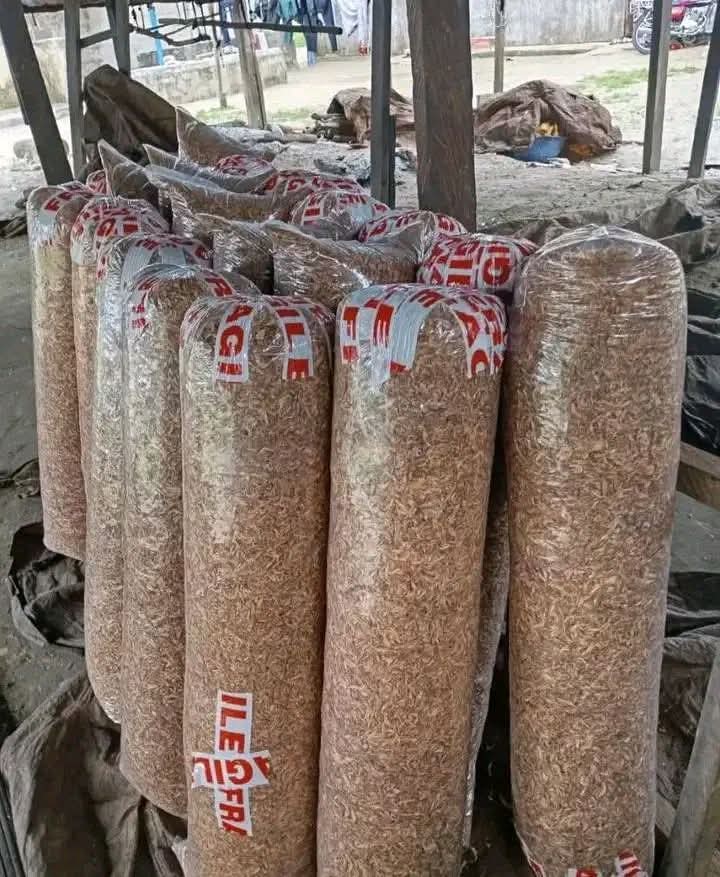
The international commercial journey of Nigerian dried crayfish follows the migration patterns of West African communities to Europe, North America, and other global diaspora destinations — carried initially in personal luggage by migrants who could not conceive of cooking their food without it, then gradually formalised into ethnic food import channels as diaspora communities grew large enough to support dedicated West African grocery retail operations.
The first organised importation of Nigerian dried crayfish into European and North American markets occurred through informal channels — Nigerian community organisations, church networks, and individual traders who recognised the commercial opportunity in supplying a product for which diaspora demand was intense and local alternatives were non-existent. As documented in ethnic food market research published through the Ethnic Grocers Association and trade analysis from Euromonitor International’s ethnic food market reports, West African food products — with crayfish among the most consistently demanded — have progressively transitioned from purely informal community import channels toward organised, structured procurement through licensed food importers and specialist ethnic food distributors.
The Nigerian Export Promotion Council (NEPC) recognised dried crayfish as a priority non-oil export commodity — noting the product’s significant and growing international diaspora demand, its direct linkage to the livelihoods of coastal fishing communities across southern Nigeria, and its potential as a value-added processed food export that commands premium pricing in international markets relative to unprocessed commodity seafood products.
International trade flow data from ITC Trade Map confirms Nigerian dried crayfish entering formal export channels to the United Kingdom, United States, Canada, Germany, France, Italy, the Netherlands, and several Middle Eastern and Asian markets where West African diaspora communities are established. The World Trade Organization’s fisheries trade statistics provide the broader global dried seafood trade context within which Nigerian crayfish export is positioned — a market context that includes the massive Asian dried shrimp trade but whose West African-specific character is distinct in flavour profile, processing method, and end-use application.
What Is Nigerian Dried Crayfish? Processing Methods, Species, and the Flavour Science Behind the Commercial Value
Sun-Dried vs. Smoked Crayfish — Two Distinct Products Serving Different Markets
The international buyer community’s most important initial understanding about Nigerian dried crayfish is that the product is not uniform — there are two primary processing methods that produce products with meaningfully different flavour profiles, colour presentations, shelf lives, and culinary applications:
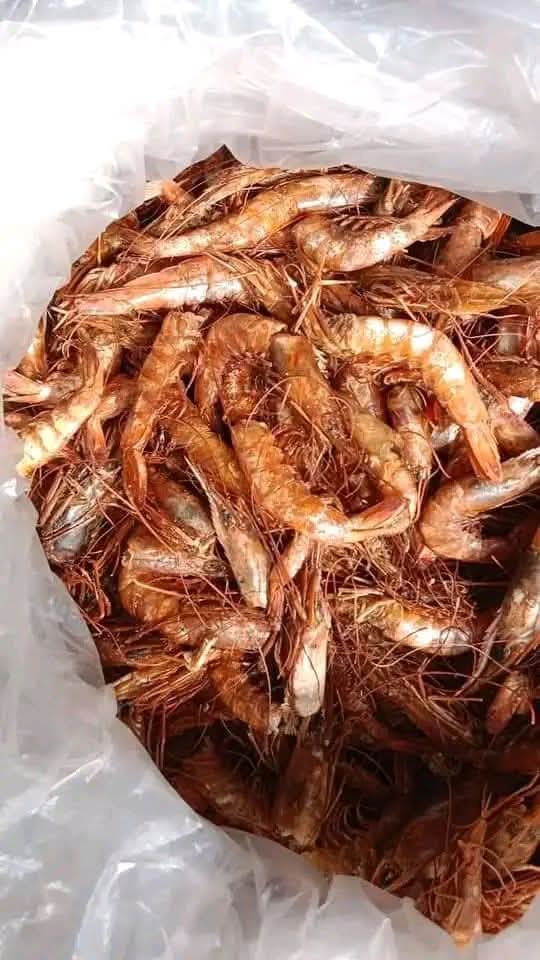
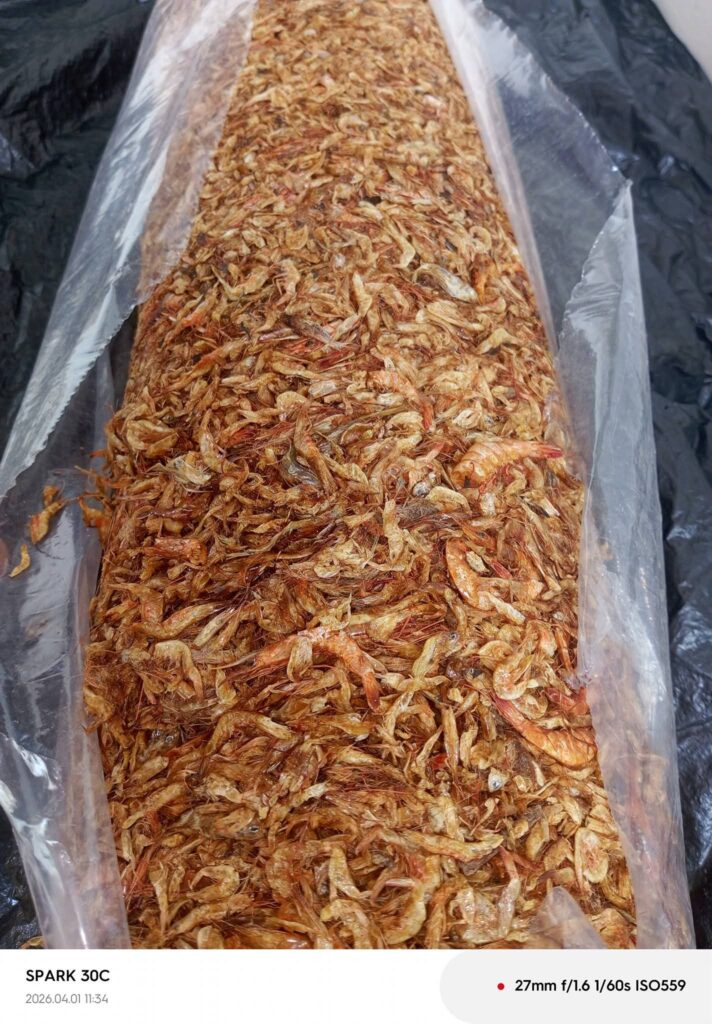
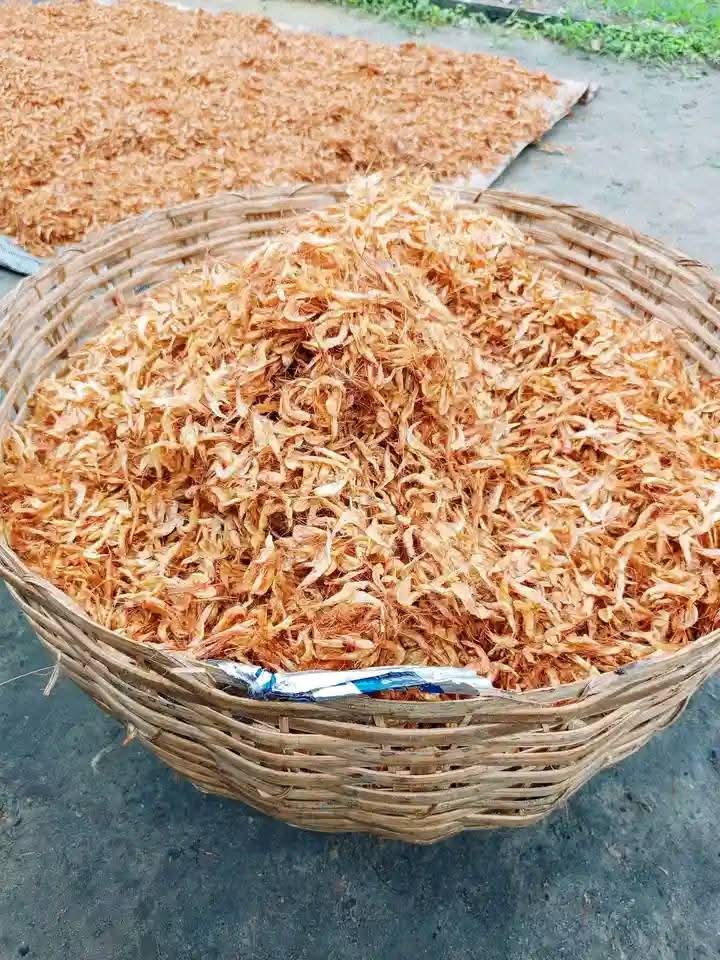
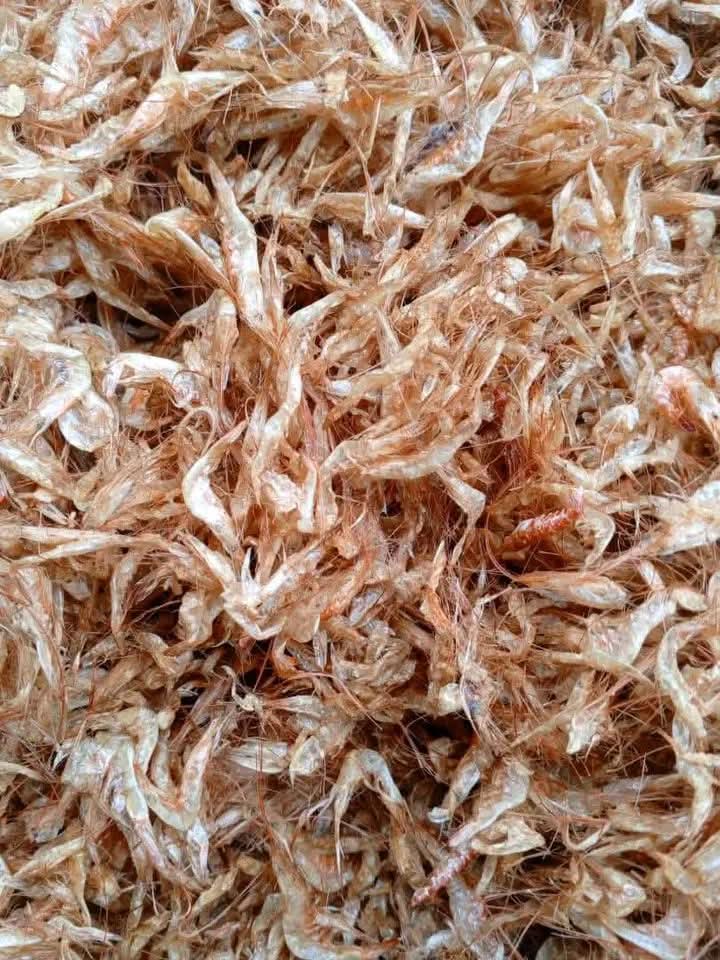
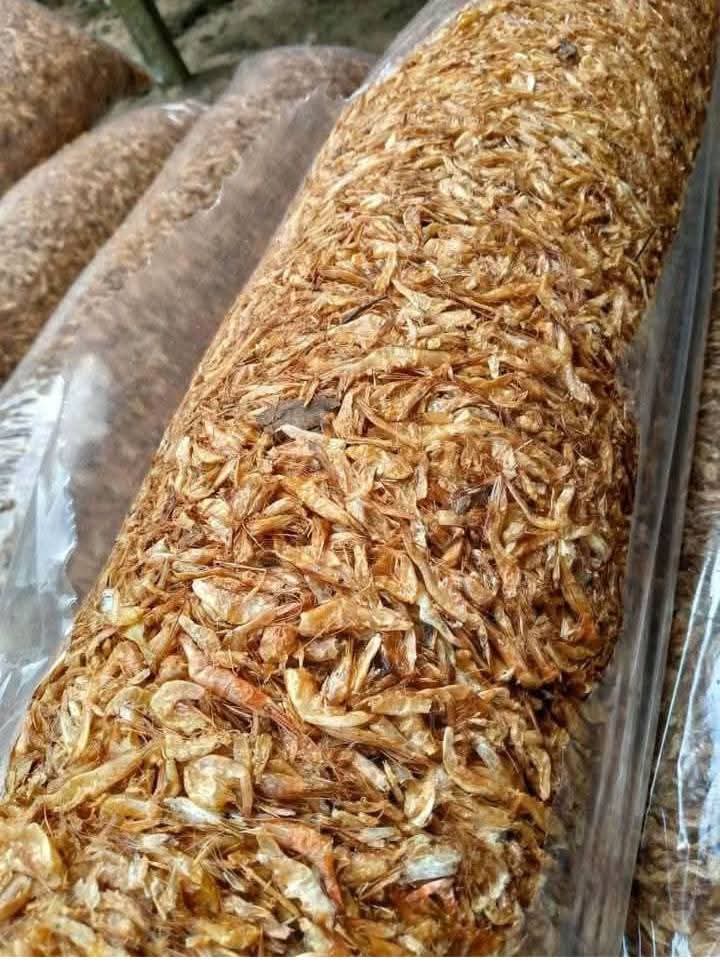
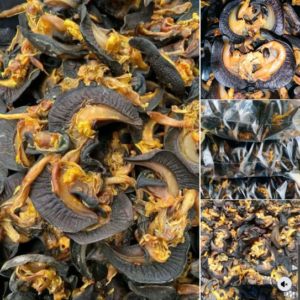
Smoked Dried Crayfish — the most widely traded and culturally significant form, produced by exposing freshly harvested crustaceans to wood smoke at moderate temperatures (typically 60–80°C) for 6–12 hours before completing drying to reduce moisture to the 12–18% range. The smoking process imparts the characteristic deep orange-red to dark reddish-brown colour, the complex smoky-savoury aroma, and the intensely concentrated umami flavour that Nigerian consumers associate with authentic crayfish. Smoked crayfish is the form demanded by diaspora food buyers supplying communities who cook traditional Nigerian cuisine — it is the form that makes the food taste the way it is supposed to taste, and no substitution is commercially or culturally acceptable to this buyer segment.
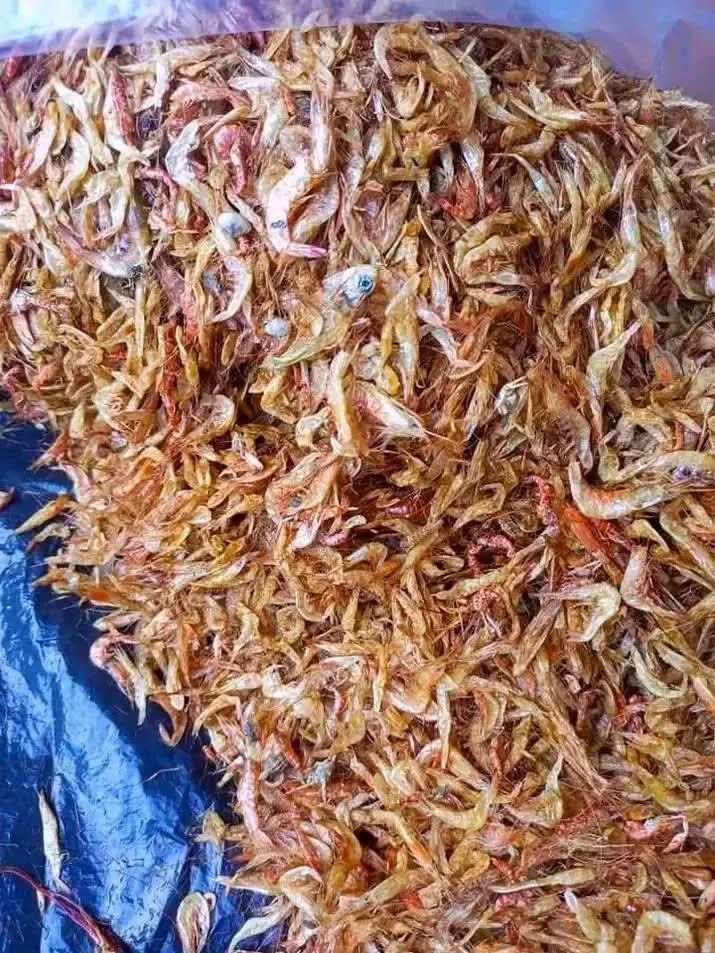
Sun-Dried Crayfish — produced by spreading freshly harvested crustaceans on elevated drying platforms under direct sunlight for 3–5 days without prior smoking, producing a product with a lighter colour (pale orange to cream-orange), a cleaner, less smoky but still intensely savoury flavour profile, and generally lower moisture content than smoked product. Sun-dried crayfish is preferred by certain food manufacturing buyers who want the umami contribution of dried Nigerian crayfish without the smokiness that would dominate a flavour-sensitive food product formulation, and by buyers in markets where smoked seafood products face specific regulatory scrutiny around polycyclic aromatic hydrocarbon (PAH) content from the smoking process.
Understanding this distinction and specifying the correct form for your application is the most important quality conversation that Paradise MultiTrade has with new crayfish buyers. Contact our export team to discuss which form is appropriate for your specific end use.
The Species Mix and Why It Matters
Nigerian commercial dried crayfish is typically a mixed-species product — reflecting the reality that artisanal coastal and riverine fishing operations in Nigeria’s crayfish-producing states harvest multiple small crustacean species simultaneously, which are then processed together. The primary species in the commercial product are:
Pink Shrimp (Penaeus notialis) — the dominant marine species in the Atlantic coastal harvest, producing small to medium shrimp (typically 3–6cm whole length before drying) with a sweet, marine flavour that contributes significantly to the product’s overall savouriness. Its biology and commercial distribution are documented through the FAO’s fisheries species database.
Nylon Shrimp (Parapenaeopsis atlantica) — a smaller, more translucent species found in coastal and estuarine waters across West Africa, contributing a lighter, more delicate flavour note to the mixed crayfish product. Its distribution and biology across West African waters is tracked through the WorldFish Center’s aquatic resources database.
African River Prawn (Macrobrachium vollenhovenii) — the large freshwater prawn of the Niger Delta river systems, producing larger pieces in the dried product that contribute a distinctly different, more robust and intensely savoury flavour profile. The biology and commercial significance of Macrobrachium vollenhovenii across West African freshwater systems is documented through fisheries research published by the WorldFish Center and the Fisheries Society of Nigeria (FISON).
For buyers who need single-species or species-dominant crayfish products — typically food manufacturing buyers with specific formulation requirements — Paradise MultiTrade discusses species separation at the quotation stage. Contact our team to specify your species preference or tolerance.
The Umami Science — Why Nigerian Crayfish Tastes the Way It Does
The flavour intensity that makes Nigerian dried crayfish the irreplaceable culinary ingredient it is across West African cuisine is not merely a matter of crustacean species or cultural familiarity — it is a function of specific biochemical transformations that occur during the drying and smoking process, transformations that have been studied extensively in the context of dried seafood flavour chemistry.
Free glutamate accumulation — crustacean tissue contains bound glutamic acid in protein form. During drying and particularly during the gentle heat of smoking, proteolytic enzymes in the crustacean tissue break down protein bonds and release free glutamate — the principal carrier of umami taste. Properly dried Nigerian crayfish accumulates free glutamate concentrations that place it among the most umami-dense food ingredients commercially available, comparable in glutamate intensity to aged Parmesan cheese, fermented fish paste, and dried kombu — the classic umami reference points of European, Southeast Asian, and Japanese culinary tradition respectively. Research on free glutamate accumulation in dried crustacean products is accessible through the Umami Information Center, the research organisation dedicated to umami science that provides the scientific framework for understanding why dried seafood ingredients function as flavour foundations in world cuisines.
Maillard reaction browning — the non-enzymatic browning reaction between amino acids and reducing sugars that occurs during heat processing produces hundreds of aromatic volatile compounds that contribute to the characteristic roasted, caramelised, smoky dimension of crayfish flavour. This is the same chemistry that gives roasted coffee, seared meat, and toasted bread their complex aromas — and in Nigerian crayfish it is enhanced by the moderate temperature of wood smoking that drives Maillard reactions while preserving moisture loss at a rate that concentrates rather than destroys the volatile aromatic fraction. Research on Maillard reaction products in dried seafood is published through the Journal of Agricultural and Food Chemistry — the primary peer-reviewed publication for food chemistry that flavour industry buyers reference.
Nucleotide umami compounds — inosine monophosphate (IMP) and guanosine monophosphate (GMP), the nucleotide umami compounds that synergise with glutamate to dramatically amplify perceived umami intensity (a phenomenon documented extensively in flavour science literature), are present in dried crustacean products at concentrations that contribute to the multi-dimensional umami impact that single-component glutamate cannot achieve alone. This nucleotide-glutamate synergy is documented in flavour science research published by Givaudan’s flavour research programme and reviewed in academic food science literature from the Institute of Food Technologists (IFT).

Benefits and Industrial Uses of Nigerian Dried Crayfish
Diaspora Food Retail and Wholesale — The Bedrock Market
The West African diaspora food retail market is the largest single demand stream for Nigerian dried crayfish internationally — and understanding its structure, its scale, and its specific quality requirements is essential for any importer considering Nigerian crayfish procurement.
The West African diaspora communities across the United Kingdom, United States, Canada, France, Italy, Germany, the Netherlands, Spain, and Belgium collectively represent tens of millions of people whose food preparation at home relies on a core set of West African pantry ingredients — of which dried crayfish is arguably the most essential and least substitutable. Unlike palm oil (which can be replaced by other red palm oil sources) or dried pepper (which can be sourced from multiple origins) — dried crayfish from the Nigerian coastal harvesting tradition has a specific flavour profile that consumers raised on it immediately recognise and that no Asian dried shrimp or other dried seafood product replicates to their satisfaction.
This consumer specificity creates a retailer obligation that diaspora grocery buyers understand clearly: stock authentic Nigerian-origin dried crayfish or face customer dissatisfaction that drives them to competing retailers. For wholesale food distributors supplying African grocery retail networks across Europe and North America, this makes Nigerian dried crayfish a must-stock item rather than an optional category, and it creates structural procurement demand that persists regardless of price fluctuations that might cause buyers to switch to alternatives in more substitutable commodity categories.
The ethnic food retail market intelligence published by Mintel’s food and drink research database and the diaspora food market analysis from Euromonitor International both confirm West African food ingredients as among the fastest-growing categories in European and North American ethnic food retail — a trend that directly supports growing structured procurement demand for Nigerian dried crayfish through organised import channels.
For diaspora wholesale importers and ethnic food retail distributors, contact our export team to discuss bulk packaging options, supply frequency, and minimum order arrangements appropriate to your distribution network scale.
West African Restaurant and Food Service Supply — The Professional Kitchen Demand
The West African restaurant sector across Europe, North America, and the Middle East — from community-serving casual eateries to the emerging tier of refined West African restaurants receiving mainstream food media attention — shares with diaspora home cooking an absolute dependency on authentic dried Nigerian crayfish that makes food service supply a commercially significant and logistically distinct demand channel from retail.
Restaurant kitchens running West African cuisine menus use dried crayfish in quantities and with a consistency that makes their procurement requirements both larger per account and more reliability-sensitive than retail buyers. A restaurant that runs out of dried crayfish mid-service cannot modify its menu to accommodate the gap — the dishes requiring crayfish simply cannot be prepared authentically without it, and the professional kitchen’s credibility with its West African customer base depends on consistent authenticity. This reliability demand makes restaurant supply chain buyers willing to pay a premium for consistency and predictability that budget-focused retail buyers may not prioritise.
The growing mainstream recognition of West African cuisine — documented through features in major food media including Bon Appétit, Food & Wine, and The Guardian Food, and through the emergence of West African restaurants in mainstream dining guides across London, New York, Paris, and Amsterdam — is expanding the restaurant buyer community for Nigerian crayfish beyond the diaspora community-serving establishments that have historically been the primary food service buyers. As West African cuisine enters the mainstream restaurant landscape, the food service procurement infrastructure that supplies it must professionalise accordingly.
The Sustainable Restaurant Association (SRA) — which monitors sourcing practices and sustainability commitments across the UK and European restaurant sector — has noted the growing importance of documented-origin seafood sourcing in restaurant sustainability policies, a trend that favours licensed, documented Nigerian crayfish exporters over informal supply chain procurement.
Seasoning and Condiment Manufacturing Industry
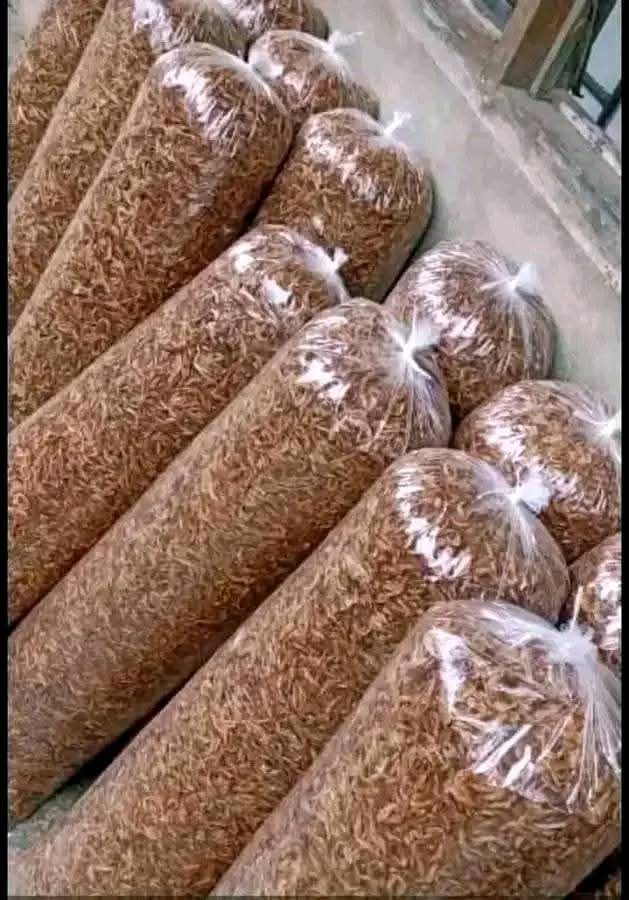
This is the food manufacturing application sector that represents the most significant emerging commercial opportunity for Nigerian dried crayfish beyond the diaspora and restaurant markets — and one whose development has accelerated as the global packaged food industry’s interest in authentic ethnic flavour ingredients has grown substantially.
Ground dried crayfish — powdered to a fine or medium particle size — is the form used in the commercial production of:
West African Soup and Stew Seasoning Cubes and Powders — the enormously popular packaged seasoning products produced by companies including Nestlé (Maggi brand), Unilever (Knorr brand), and Nigerian producers including Doyin Group and Promasidor (Onga brand) — which are consumed across West Africa and by diaspora communities globally. These products traditionally contain dried crayfish as a key flavouring component providing umami depth and the characteristic West African flavour baseline that consumers expect. For large-scale seasoning cube manufacturers sourcing ground or whole dried crayfish as a food ingredient, consistency of flavour, microbiological safety, and reliable supply volume are the primary specification requirements.
Instant Noodle Flavour Packets — the West African instant noodle market — dominated by products from companies including Dufil Prima Foods (Indomie brand), De-United Foods, and various local producers — uses dried crayfish flavouring compounds in noodle seasoning sachets that are sold across Nigeria and West Africa in volumes that place this category among the region’s most significant processed food sectors. As these companies expand export to diaspora markets, their crayfish ingredient procurement requirements extend internationally.
Ready Meal and Convenience Food Production — the emerging sector of commercially produced West African ready meals targeting both domestic Nigerian urban consumers and international diaspora markets uses dried crayfish as an essential seasoning component in soup and stew products. The IFT (Institute of Food Technologists) — the primary professional organisation for food science and technology — has published research on West African culinary ingredient application in commercial food manufacturing that provides the technical context for dried crayfish use in industrial food formulation.
Umami and Flavour Enhancer Ingredients — beyond explicitly West African food applications, the food flavour industry’s growing interest in natural umami ingredients — driven by the clean-label movement’s preference for natural flavour enhancement over monosodium glutamate (MSG) and artificial flavour compounds — creates exploratory procurement interest in dried Nigerian crayfish as a natural umami boosting ingredient for applications beyond West African cuisine. The Umami Information Center documents the growing food industry application of natural high-glutamate ingredients as clean-label MSG alternatives — a commercial context within which properly processed Nigerian dried crayfish has genuine ingredient value.
The seasoning manufacturing application requires ground dried crayfish with documented microbiological safety — specifically total viable count, Enterobacteriaceae limits, Salmonella absence, and Staphylococcus aureus compliance — alongside moisture content, protein content, and flavour profile documentation. For food manufacturing buyers, contact Paradise MultiTrade to discuss ground crayfish specification and analytical documentation packages.
Traditional Medicine and Nutraceutical Applications
Nigerian dried crayfish occupies a modest but real position in traditional medicine practice across West African communities — used in formulations addressing nutritional deficiency, as a protein-dense supplementary food for convalescent care, and in traditional preparations addressing specific health conditions as documented through ethnobotanical and ethnomedicine research accessible through the Journal of Ethnopharmacology.
Beyond traditional medicine, dried crayfish’s nutritional profile — documented through food composition research published via the West African Journal of Food and Nutrition — positions it as a protein-dense, mineral-rich food ingredient with potential relevance to nutraceutical applications targeting protein supplementation, calcium supply, and chitin-derived ingredient development. The chitin content of crustacean shells — remaining in ground dried crayfish that retains partial shell fraction — has attracted nutraceutical and pharmaceutical research interest for its documented prebiotic properties and potential wound healing applications, as reviewed in research accessible through NCBI’s chitin research publications.
The Asian Dried Seafood Market Comparison — Understanding Nigerian Crayfish’s Differentiated Position
For international buyers familiar with the Asian dried shrimp market — the enormous commercial category of dried shrimp and dried seafood products produced primarily in China, Vietnam, Thailand, India, and the Philippines that dominates global dried crustacean trade — the critical commercial question is how Nigerian dried crayfish relates to and differs from this established category.
The distinction is fundamental and commercially significant: Asian dried shrimp and Nigerian dried crayfish are not the same product and are not substitutable for each other in their primary end-use applications. The specific combination of species, processing method (traditional wood smoking versus sun-drying or mechanical drying), flavour profile (the deep, smoky, complex umami of Nigerian smoked crayfish versus the lighter, cleaner marine flavour of Asian dried shrimp), and cultural application context creates products that serve different buyer communities with different requirements.
Nigerian diaspora consumers are not interested in Asian dried shrimp as a substitute for Nigerian crayfish — they find the flavour profile insufficient and the cultural authenticity absent. Conversely, buyers sourcing Asian dried shrimp for East Asian or South Asian culinary applications have no particular interest in Nigerian crayfish. The two products coexist in the global dried seafood market as distinct commodities serving distinct consumer segments — a commercial reality that protects Nigerian crayfish’s market position from Asian competitive pressure in its primary diaspora and West African food service markets.
The Asian Seafood Improvement Collaborative (ASIC) and the Global Seafood Alliance (GSA) track sustainability and quality standards in Asian dried seafood supply chains — providing the industry context against which Nigerian dried crayfish’s distinct origin and processing credentials can be understood and appreciated by international buyers navigating multiple dried seafood procurement options.
Why Buy Dried Crayfish from Nigeria?
The Flavour That Cannot Be Manufactured or Substituted
The commercial case for Nigerian dried crayfish begins and ends with flavour — specifically the combination of umami intensity, smoke complexity, and coastal marine character that is unique to traditionally processed West African crayfish and that no manufacturing process or ingredient substitution can replicate. This flavour uniqueness is not merely anecdotal — it is a function of specific biochemical processes during wood smoking that produce aromatic compound combinations measurably different from any alternative processing method.
For food manufacturers who have attempted to formulate West African seasoning products using alternative ingredients — Asian dried shrimp, dried fish powders, synthetic umami compounds — the feedback from West African consumer panels is consistent: the product does not taste authentic, and authenticity is not a minor quality attribute for consumers whose food culture is being represented. The flavour validation that authentic Nigerian dried crayfish provides to West African food products is a commercial asset whose value exceeds its ingredient cost — a reality that experienced West African food brand managers understand and that their ingredient procurement decisions reflect.
Nigeria’s Coastal Resource Advantage — Scale, Species Diversity, and Processing Tradition
Nigeria’s coastline and extensive Niger Delta water system provide a crustacean harvest resource base whose scale, species diversity, and community processing tradition combines to create a crayfish production capability that no other West African nation approaches in volume or quality consistency. The depth of processing knowledge in communities like Oron, Eket, Badagry, and the Niger Delta fishing villages — communities where crayfish smoking and drying has been practised for generations — translates directly into product quality that industrial processing operations established without this knowledge base cannot replicate quickly.
The Fisheries Society of Nigeria (FISON) — the national professional organisation for fisheries science and management in Nigeria — has published extensive research on Nigeria’s coastal and freshwater crustacean resources, providing the scientific documentation of harvest sustainability and species population status that responsible commercial buyers increasingly require from their seafood ingredient supply chains.
Regulatory Compliance — Navigating Seafood Import Requirements
Dried crayfish as a seafood product faces a more complex regulatory compliance landscape than most of the agricultural commodities in Paradise MultiTrade’s portfolio — because seafood import regulations in major destination markets including the EU, UK, USA, and Canada apply specific requirements around processing establishment registration, HACCP food safety management, heavy metal limits, and microbiological safety standards that go beyond the standard phytosanitary and certificate of origin documentation required for agricultural commodity imports.
EU buyers should be aware that fishery and aquaculture products including dried crayfish are regulated under EU Regulation 853/2004 on hygiene rules for food of animal origin — which requires that seafood products imported into the EU originate from establishments listed on the EU’s approved third-country establishment register maintained by the European Commission DG SANTE. This establishment registration requirement is a critical compliance consideration that Paradise MultiTrade navigates actively with EU-bound dried crayfish buyers — helping ensure that processing establishment documentation is in order before shipment rather than encountering clearance delays at the European port of entry.
US buyers importing Nigerian dried crayfish are subject to FDA prior notice requirements and must ensure that importing establishments hold appropriate FDA registration — compliance requirements that Paradise MultiTrade advises on in the context of US-bound shipment preparation. Contact our export team early in your procurement process to discuss regulatory compliance documentation for your specific destination market before committing to order timelines.
Food safety and heavy metal compliance for dried Nigerian crayfish — particularly cadmium limits that are relevant for crustacean products given crustaceans’ natural bioaccumulation of cadmium from marine environments — is managed through pre-shipment heavy metal testing coordinated through accredited laboratories. EU limits for cadmium in crustaceans are defined in EU Regulation 2023/915 on maximum levels for certain contaminants in food — a regulatory document that EU-bound crayfish buyers should review with their food safety and compliance teams.
Quality Management and HACCP — The Food Safety Infrastructure That International Buyers Require
Dried crayfish — as a seafood product consumed without further cooking in some applications and used as a food ingredient in manufactured products — requires more stringent microbiological safety management than agricultural commodities that are processed or cooked before consumption. International buyers sourcing dried crayfish for food manufacturing or for retail sale in regulated markets require evidence that the product has been processed under HACCP food safety management principles — with documented critical control points at harvest, smoke processing, drying, and packaging stages.
Paradise MultiTrade sources dried crayfish from processing operations that apply HACCP principles and that maintain the processing documentation required for food safety system verification. For food manufacturing buyers who require HACCP certification documentation and processing establishment food safety management records, contact our team to discuss documentation availability and processing facility verification arrangements.
The Codex Alimentarius Commission’s code of practice for fish and fishery products — the international food safety standard framework for seafood — provides the reference framework for dried crayfish production and export food safety management. Nigeria’s National Agency for Food and Drug Administration and Control (NAFDAC) — the Nigerian regulatory authority responsible for food safety standards, including processed seafood products — provides the domestic regulatory framework within which Nigerian crayfish processors operate, and NAFDAC documentation is part of the export compliance package for Nigerian food exports, including dried crayfish.

Complete Export Documentation Package
Every Nigerian dried crayfish shipment processed through Paradise MultiTrade carries health/sanitary certification from NAFDAC, phytosanitary certification from the Nigerian Agricultural Quarantine Service (NAQS), NEPC export documentation, certificate of origin, commercial invoice, packing list, and bill of lading. For EU buyers, processing establishment compliance documentation and heavy metal test certificates are provided. For US buyers, FDA prior notice filing support and FDA establishment registration documentation are coordinated. Microbiological analysis — including total viable count, Enterobacteriaceae, Salmonella, and Staphylococcus aureus — is provided for food manufacturing buyers requiring full food safety documentation packages. Our NEPC Export Licence No. 0042385 and CAC Registration No. RC-9284647 are current and verifiable through NEPC.
Nigeria’s Dried Crayfish Export Strength and Global Market Demand
Mapping the International Crayfish Market by Buyer Segment
The global market for Nigerian dried crayfish is structured around three concentric commercial circles — each with distinct buyer profiles, quality requirements, and procurement dynamics:
The Inner Circle — Diaspora Retail and Food Service constitutes the most established, culturally driven, and geographically distributed demand. Nigerian, Ghanaian, Cameroonian, and broader West African diaspora communities across the UK, USA, Canada, France, Italy, Germany, the Netherlands, Belgium, and Spain collectively represent the largest and most consistent buyer community — purchasing authentic smoked Nigerian crayfish through ethnic grocery retail, online food platforms, and restaurant food service channels with a frequency and loyalty that makes this the structural backbone of the international crayfish market.
The Middle Circle — Food Manufacturing and Seasoning Industry represents the most commercially scalable and volume-significant growth opportunity — encompassing West African seasoning cube manufacturers, instant noodle producers, ready meal brands, and the emerging tier of food manufacturers developing West African cuisine-inspired products for mainstream multicultural food retail. These buyers need ground or whole dried crayfish in larger volumes, with more stringent food safety documentation, and with the processing consistency that industrial food formulation requires.
The Outer Circle — Emerging and Experimental Buyers includes natural flavour ingredient companies exploring Nigerian crayfish as a clean-label umami ingredient, nutraceutical companies investigating chitin applications from crustacean by-products, academic food science researchers studying West African culinary ingredient chemistry, and the early-stage commercial interest from Asian food companies who are discovering Nigerian dried crayfish through cross-cultural culinary exploration.
Key Destination Markets
The United Kingdom is the single most commercially significant European market for Nigerian dried crayfish — driven by the UK’s large and well-established West and Central African diaspora community across London, Birmingham, Manchester, Leeds, Bristol, and other major cities, the country’s extensive African food retail infrastructure, and the growing mainstream food media interest in West African cuisine that is expanding the Nigerian crayfish buyer community beyond the diaspora. The UK Food Standards Agency (FSA) oversees seafood import compliance requirements for UK-bound Nigerian crayfish — a regulatory framework that Paradise MultiTrade navigates actively for UK-bound shipments.
The United States hosts the world’s largest Nigerian diaspora community outside Africa — concentrated in Houston, Atlanta, New York, Washington DC, Dallas, and Minneapolis — creating the most significant single-country diaspora food demand for Nigerian dried crayfish outside the UK. The American food manufacturing sector’s growing interest in West African flavour ingredients adds a commercial dimension beyond diaspora supply. US seafood import compliance is overseen by the FDA’s seafood safety programme — a compliance framework that buyers should engage with early in the procurement planning process.
Canada — particularly Toronto, Ottawa, Calgary, and Edmonton — hosts significant and growing Nigerian and West African diaspora communities creating consistent retail procurement demand through ethnic grocery channels. Canadian Food Inspection Agency (CFIA) import requirements for dried seafood products apply to Nigerian crayfish entering the Canadian market.
France — home to a large West African diaspora community primarily from Francophone West Africa alongside a significant Nigerian community particularly in Paris — is an active European market for Nigerian dried crayfish through both formal import channels and informal community procurement networks. ANSES — France’s national food safety agency — oversees seafood product import safety standards applicable to French-market dried crayfish buyers.
Germany and the Netherlands are the EU’s most commercially significant entry points for Nigerian dried crayfish destined for broader European distribution — with German and Dutch food importers and diaspora food distributors active in building formalised Nigerian crayfish supply chains as diaspora community procurement moves from informal to structured channels.
Italy — with a significant and growing West African diaspora community, particularly in Rome, Milan, Turin, and Naples — is an emerging European market for Nigerian dried crayfish with growing ethnic grocery retail infrastructure serving demand.
The Sustainability Dimension — Responsible Coastal Fisheries Sourcing
Sustainability of the crustacean harvest base underpinning Nigerian dried crayfish production is an increasingly important commercial consideration for EU and UK buyers operating under sustainability procurement policies and for buyers whose product positioning requires responsible sourcing credentials.
The Marine Stewardship Council (MSC) — the primary international sustainable fisheries certification body — provides the certification framework most widely recognised by European and American seafood buyers evaluating sustainable sourcing credentials. While MSC certification of Nigerian artisanal crayfish fisheries is not yet widespread, the trajectory of Nigeria’s fisheries management framework — developed under the guidance of the Federal Ministry of Agriculture and Rural Development’s fisheries division and in collaboration with international fisheries organisations — points toward improving management documentation that will progressively support sustainability verification.
The FAO’s Code of Conduct for Responsible Fisheries — the international framework document for responsible fisheries management that Nigeria has adopted as a reference standard for its national fisheries policy — provides the sustainability management framework context that buyers can reference when evaluating the responsible sourcing credentials of Nigerian-origin dried crayfish. Paradise MultiTrade engages with sustainability documentation requirements actively and welcomes dialogue with buyers whose procurement policies require responsible sourcing evidence.
Why Choose Paradise MultiTrade International Limited?
Coastal Origin Community Sourcing. Our dried crayfish is sourced directly from processing communities in Cross River, Akwa Ibom, Rivers, Delta, and Lagos states — communities with generational knowledge of traditional smoking and sun-drying techniques that produce the authentic flavour profile that buyers and consumers specifically seek. We are not purchasing through Lagos commodity market intermediaries — we are embedded in the coastal supply chain at the processing level.
Both Smoked and Sun-Dried Available. We supply both traditional smoked dried crayfish and sun-dried crayfish — addressing the full spectrum of buyer requirements from diaspora retail buyers who need the authentic smoked flavour to food manufacturing buyers who prefer the sun-dried form for applications requiring a cleaner flavour profile or reduced PAH content. Contact our team to specify which form your application requires.
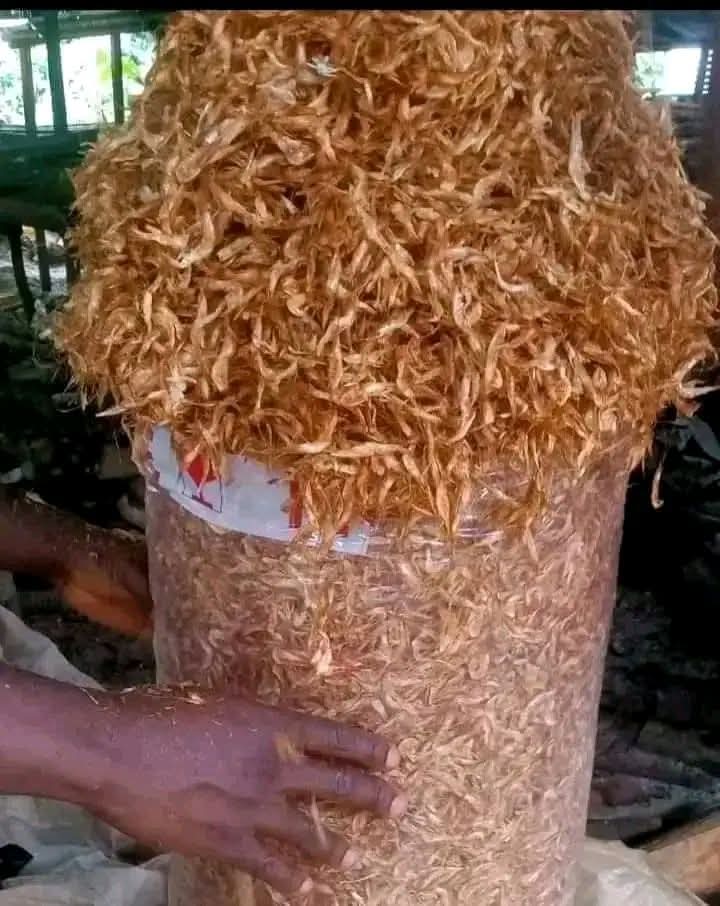
Multiple Grade and Size Options. Dried Nigerian crayfish is graded commercially by size — whole large crayfish commands premium retail pricing, medium mixed sizes are standard for bulk wholesale, and ground or powdered crayfish serves food manufacturing applications. We supply across the grade range on buyer specification and discuss size and grade requirements at the quotation stage.
Food Safety Documentation Infrastructure. We engage with the seafood-specific food safety compliance requirements — NAFDAC certification, HACCP documentation, heavy metal testing, microbiological analysis, and destination-country regulatory compliance support — that distinguish a serious food export operation from an informal commodity trader. This food safety infrastructure investment is particularly important for buyers in EU, UK, USA, and Canadian markets where seafood import compliance is rigorously enforced. Contact us to discuss your specific destination market compliance requirements.
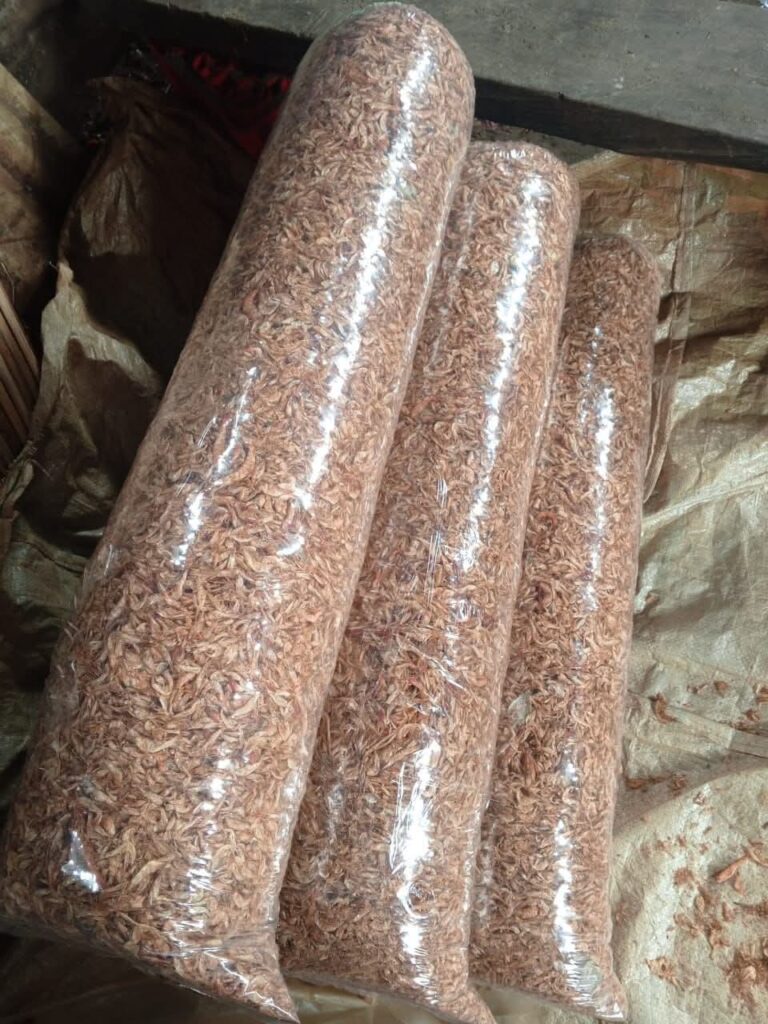
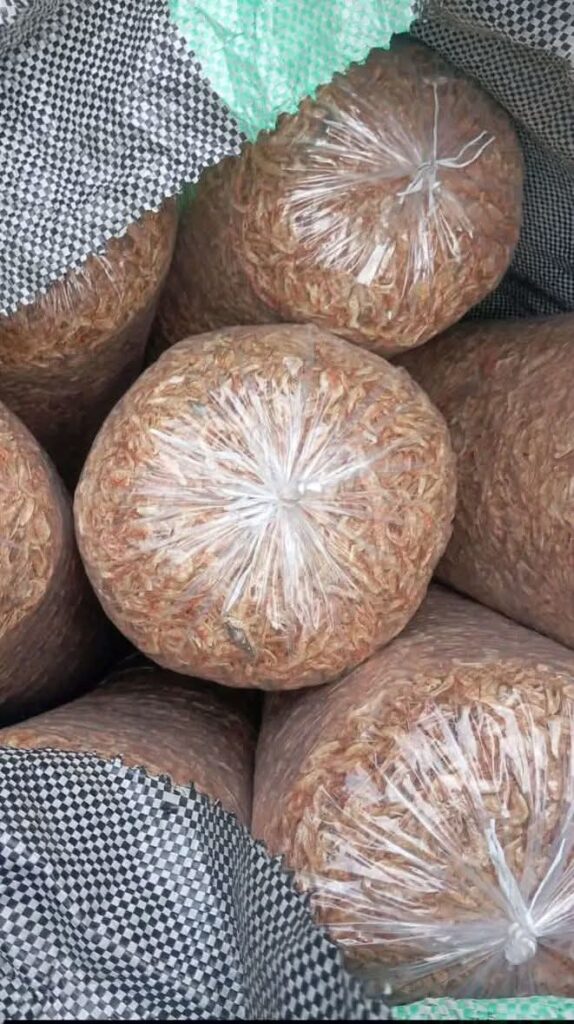
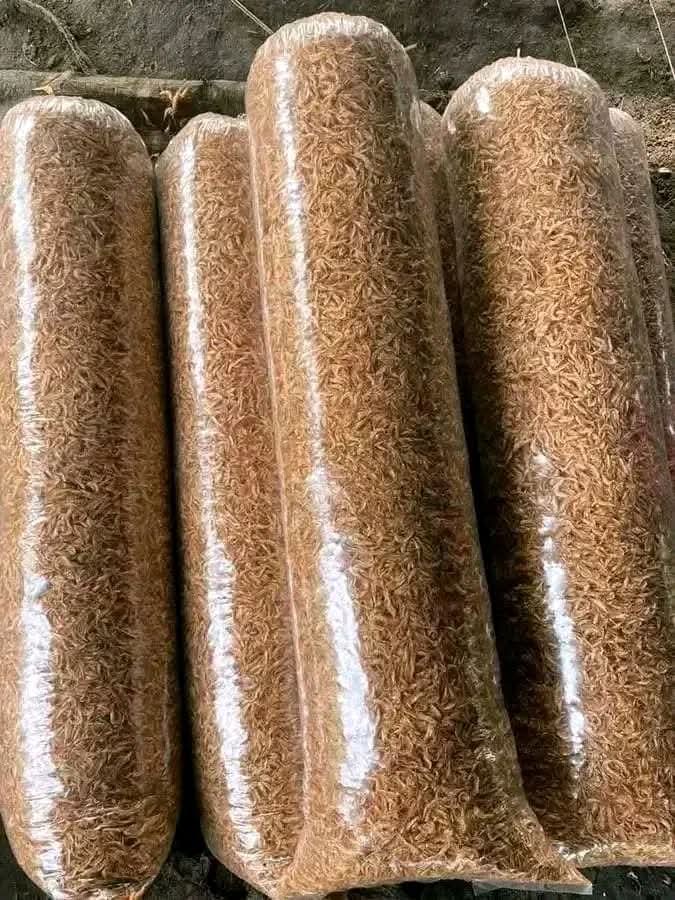
Retail and Bulk Packaging Flexibility. For diaspora retail importers who need branded or private-label consumer packaging, we coordinate retail packaging in 100g, 200g, 500g, and 1kg configurations. For wholesale and food manufacturing buyers, we supply in 5kg, 10kg, 25kg, and 50kg bulk bags. Contact our team to discuss packaging appropriate to your distribution channel.
Multi-Commodity West African Food Sourcing. Crayfish buyers frequently source complementary Nigerian food commodities for the same diaspora or food manufacturing buyer base. Alongside dried crayfish, Paradise MultiTrade exports egusi melon seed, ogbono seed, red palm oil, alligator pepper, chilli pepper, moringa seeds, hibiscus flower, bitter kola, kola nut, sesame seeds, fresh ginger, dry split ginger, and cashew products. Explore our full range of Nigerian export commodities and consolidate your West African food ingredient sourcing through one verified, licensed export partner.

Product Specifications
| Specification | Details |
|---|---|
| Product | Dried Crayfish (Smoked and Sun-Dried Nigerian Coastal and Freshwater Crustaceans) |
| Primary Species | Penaeus notialis, Parapenaeopsis atlantica, Macrobrachium vollenhovenii |
| Origin | Nigeria (Cross River, Akwa Ibom, Rivers, Delta, Bayelsa, Lagos, Ondo States) |
| Processing Forms | Smoked dried (traditional wood smoking); Sun-dried (no smoke) |
| Commercial Grades | Whole large; Whole medium; Mixed size; Ground/powdered |
| Moisture Content | 12–18% (smoked); 8–14% (sun-dried); 6–10% (ground) |
| Protein Content | 45–60% by dry weight |
| Salt Content | Naturally low (no salt addition in traditional processing) |
| Colour | Deep orange-red to dark reddish-brown (smoked); Pale orange to cream-orange (sun-dried) |
| Aroma | Intensely savoury, complex smoky-marine umami (smoked); Clean savoury marine (sun-dried) |
| Heavy Metals | Cadmium, lead, mercury, arsenic tested per destination market limits |
| Microbiological Limits | Total viable count, Enterobacteriaceae, Salmonella (absent/25g), S. aureus per EU/FDA standards |
| Packaging Options | 100g, 200g, 500g, 1kg retail bags; 5kg, 10kg, 25kg, 50kg bulk bags; custom packaging on request |
| Supply Capacity | 5–200+ MT per shipment (subject to seasonal harvest availability) |
| MOQ | 1 Metric Tonne |
| Shelf Life | 12–18 months properly stored (smoked and sun-dried whole); 6–9 months (ground) |
| Export Documentation | NAFDAC Certificate, Phytosanitary Certificate (NAQS), Certificate of Origin, NEPC Export Licence, Heavy Metal Test Certificate, Microbiological Analysis Certificate, Commercial Invoice, Packing List, Bill of Lading |
| Payment Terms | T/T, Letter of Credit (LC at sight), Escrow |
| Loading Port | Lagos (Apapa / Tin Can Island Port), Nigeria |
| Incoterms Available | EXW, FOB Lagos, CNF, CIF |
Packaging and Export Process
Harvest and Landing. Artisanal fishing communities across Nigeria’s coastal and Delta states harvest crustaceans using cast nets, seine nets, and basket traps — typically in the early morning hours when crustacean activity is highest. The catch is sorted at landing to separate crustacean species and size classes from bycatch fish and non-target species.

Initial Washing and Sorting. Freshly landed crustaceans are washed in clean water to remove mud, debris, and loose shell fragments. They are sorted by size — large, medium, and small — with different size grades targeted for different market applications. This sorting stage is critical for producing a commercially consistent product: mixed sizes that include large proportions of very small crustaceans produce ground product more suitable for powder applications, while size-sorted grades produce the visually consistent whole crayfish that retail buyers require.
Smoking (for smoked product). Sorted crustaceans are arranged in layers on smoking racks over hardwood fires — typically using species including iroko, mahogany offcuts, or coconut shell as fuel, whose wood smoke chemistry contributes specific aromatic compound profiles to the finished product. Smoking temperature is maintained at approximately 60–80°C for 6–12 hours — sufficient to partially dehydrate the crustacean and deposit smoke compounds without burning the product. Experienced smoking operators manage fuel quantity, airflow, and rack distance from the fire to achieve the characteristic deep orange-red colour and aromatic intensity that buyers associate with quality Nigerian smoked crayfish.
Drying Completion. After smoking (or directly after washing for sun-dried product), crustaceans are spread on elevated drying platforms and sun-dried for 2–4 days under the intense sunshine conditions of Nigeria’s coastal states — continuing moisture reduction until the target moisture specification is achieved. Elevated platform drying — rather than ground-contact drying — is mandated in our sourcing protocols to reduce contamination risk and improve airflow around the drying product.
Quality Assessment and Food Safety Testing. Dried product lots are assessed for moisture content, visual quality, aroma intensity, and freedom from mould, foreign matter, and physical contamination before packing confirmation. For export lots, samples are submitted to accredited laboratories for heavy metal analysis (cadmium, lead, mercury, arsenic following ICP-MS methods), microbiological testing (total viable count, Enterobacteriaceae, Salmonella, Staphylococcus aureus), and moisture confirmation. NAFDAC pre-export assessment is coordinated alongside laboratory testing.
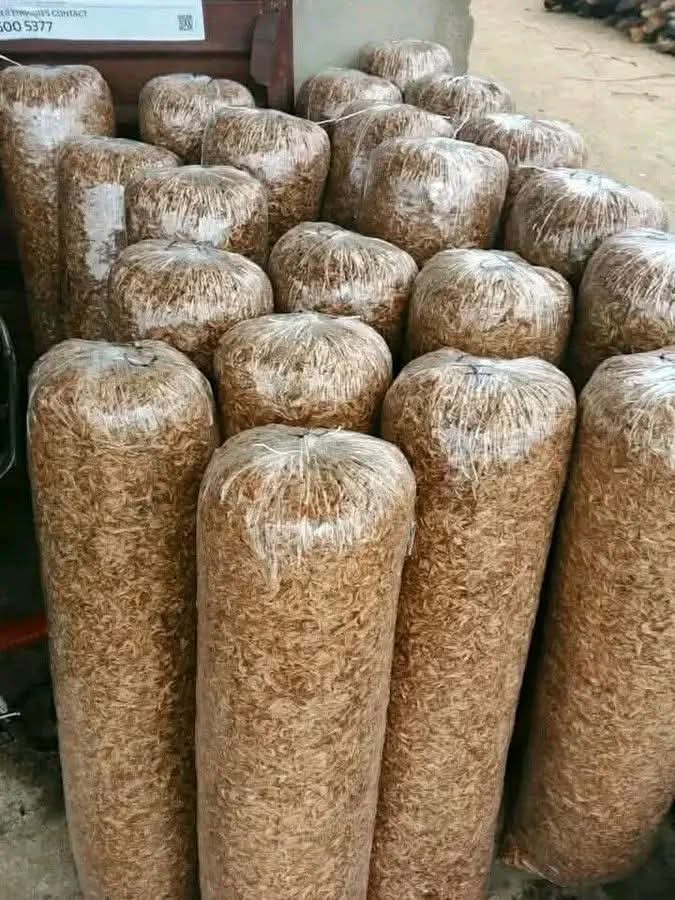
Packaging. Retail packaging in 100g–1kg sealed polypropylene bags is prepared with appropriate labelling including product name, net weight, origin, production date, expiry date, and storage instructions. Bulk packaging in 5–50kg polypropylene woven bags or food-grade sacks is prepared for wholesale buyers. All packaging is clearly labelled with lot number, processing date, moisture content, and export documentation reference. Pre-export phytosanitary inspection by NAQS and NAFDAC certification are completed before container loading. Lead time from order confirmation to container loading runs 14–28 days, with additional time required for retail packaging orders that require specific labelling preparation. Contact us early to plan your shipment schedule — particularly for EU buyers where establishment registration documentation must be verified before shipment confirmation.
Frequently Asked Questions
What exactly is “Nigerian crayfish” — is it the same as crayfish in European or American taxonomy?
No — and this is one of the most important clarifications for international buyers. In Nigerian and West African commercial usage, “crayfish” refers to the mixed dried crustacean product made from small coastal shrimp (Penaeus notialis, Parapenaeopsis atlantica) and freshwater prawns (Macrobrachium vollenhovenii) that are traditional harvest species of Nigeria’s coastal and Delta communities. It is not the same as the freshwater crayfish of European and North American taxonomy (Astacidae family — the lobster-like creatures of European rivers and American streams). Nigerian dried crayfish is functionally more similar to Asian dried shrimp in its taxonomic identity but completely different in its processing method, flavour profile, and cultural application — and it is not substitutable by Asian dried shrimp for West African culinary purposes. Contact our team if you need further clarification on species identity for your import documentation.
What are the EU regulatory requirements for importing Nigerian dried crayfish?
Nigerian dried crayfish as a fishery product is subject to EU Regulation 853/2004 on food hygiene for animal-origin products — which requires that processing establishments be registered on the EU’s approved third-country establishment list. Heavy metal limits under EU Regulation 2023/915 apply — particularly cadmium limits for crustacean products. Microbiological standards under EU food safety regulations apply. NAFDAC certification alongside phytosanitary documentation is required. EU buyers should engage their customs broker and food safety consultant alongside Paradise MultiTrade’s documentation team early in the procurement process to ensure all compliance requirements are addressed before shipment. Contact us to initiate compliance documentation review.
What is the difference between smoked and sun-dried Nigerian crayfish — which should I specify?
Smoked dried crayfish is the traditional form — processed over wood smoke for 6–12 hours before final drying, producing a deep orange-red colour, intensely smoky-savoury aroma, and the complex umami flavour that diaspora consumers and West African restaurant buyers specifically require. If you are supplying diaspora retail or restaurant markets, this is the form you need. Sun-dried crayfish is processed without smoking — lighter in colour and flavour, with a cleaner marine umami character without smokiness. This form is preferred by food manufacturers who want dried crayfish’s umami contribution without smoke flavour in their formulations, and by buyers in markets with specific restrictions on PAH compounds from smoked seafood products. Contact our team to specify your required form.
Can you supply retail-packaged Nigerian dried crayfish with custom branding?
Yes — we supply retail-packaged dried crayfish in 100g, 200g, 500g, and 1kg configurations with custom label printing for importers who sell under their own brand name in diaspora retail markets. Custom packaging requires minimum order quantities and lead time for label design and print production that are discussed at the quotation stage. Contact our export team to discuss retail packaging options and branding requirements.
How does Paradise MultiTrade manage cadmium compliance for EU-bound dried crayfish?
Cadmium is a naturally occurring heavy metal that crustaceans bioaccumulate from their marine environment — making it the primary heavy metal compliance concern for EU-bound dried crustacean imports. EU maximum limits for cadmium in crustaceans are defined in EU Regulation 2023/915. We coordinate pre-shipment cadmium analysis through accredited ICP-MS testing laboratories on all EU-bound crayfish export lots — with results verified against applicable EU limits before shipment confirmation. Lots that test above EU limits are not shipped. Contact us for detailed heavy metal management documentation.
What is the Nigerian crayfish harvest season?
Nigeria’s coastal and Delta crayfish harvest is year-round due to the continuous nature of artisanal coastal fishing operations — unlike seasonally constrained agricultural crops, crayfish is harvested throughout the year with productivity varying somewhat with seasonal rainfall and ocean current patterns. The highest harvest volumes across Nigeria’s Atlantic coastal grounds typically occur between October and February — the dry season period when coastal conditions favour high crustacean activity and when the dry harmattan weather provides optimal natural drying conditions. For large-volume orders, Paradise MultiTrade recommends initiating procurement discussions 4–6 weeks ahead of required delivery to allow adequate lead time for quality assessment, food safety testing, documentation preparation, and container scheduling. Contact us to plan your procurement timeline.
What transit times should I expect from Nigeria?
Europe (Rotterdam, Hamburg, Felixstowe, Antwerp) — approximately 14–20 days from Lagos. UK (Tilbury, Felixstowe) — 14–18 days. USA (East Coast — New York, Baltimore, Savannah) — 18–25 days. Canada (Halifax, Montreal) — 18–28 days. France (Le Havre) — 14–18 days. Italy (Genoa, La Spezia) — 16–22 days. Germany (Hamburg, Bremen) — 14–20 days. UAE (Jebel Ali) — 10–14 days.
Ready to Source Premium Nigerian Dried Crayfish — Smoked and Sun-Dried, for Diaspora Retail, Food Manufacturing, and Restaurant Supply?
If you are a diaspora food wholesale importer building a West African ingredient supply chain, a food manufacturer formulating West African seasoning products, a restaurant supply chain buyer serving West African cuisine restaurants, a seafood ingredient company investigating natural umami ingredients, or a licensed food importer evaluating Nigerian dried crayfish for the first time — Paradise MultiTrade International Limited is the licensed, NAFDAC-compliant Nigerian exporter your supply chain needs.
We supply traditionally smoked and sun-dried Nigerian dried crayfish — coastal-origin sourced from established processing communities in Cross River, Akwa Ibom, Rivers, Delta, and Lagos states, food-safety tested and documented for EU, UK, USA, and Canadian market compliance, packaged for both retail and bulk wholesale applications, and exported with the full regulatory documentation that serious seafood product importers require.
Request a Quotation — share your required form (smoked or sun-dried), grade (whole large, medium, mixed, or ground), volume, packaging specification (retail or bulk), destination market, and regulatory documentation requirements. We respond with a detailed, competitive quote within 48 hours.
Contact Our Export Team — speak directly with our export coordinators about EU establishment registration documentation, heavy metal and microbiological testing, retail packaging and branding options, NAFDAC certification, FDA prior notice support for US buyers, and long-term contract supply arrangements.
Explore Our Full Product Range — alongside dried crayfish, Paradise MultiTrade exports egusi melon seed, ogbono seed, alligator pepper, red palm oil, chilli pepper, moringa seeds, hibiscus flower, turmeric, cloves, bitter kola, kola nut, sesame seeds, fresh ginger, dry split ginger, cashew nut kernel, and raw cashew nuts. One licensed Nigerian exporter. One consolidated West African food and agricultural sourcing relationship. Consistent quality and documentation across every commodity.
Buy Nigerian dried crayfish, Nigerian smoked crayfish supplier, dried crayfish Nigeria bulk export, West African crayfish wholesale, Nigerian crayfish for food industry, dried shrimp Nigeria export, smoked crayfish Nigeria diaspora, Nigerian crayfish seasoning bulk buyer
Paradise MultiTrade International Limited | NEPC Export Licence No. 0042385 | CAC No. RC-9284647 | Lagos, Nigeria | www.paradisemultitrade.com
Reviews
There are no reviews yet.