
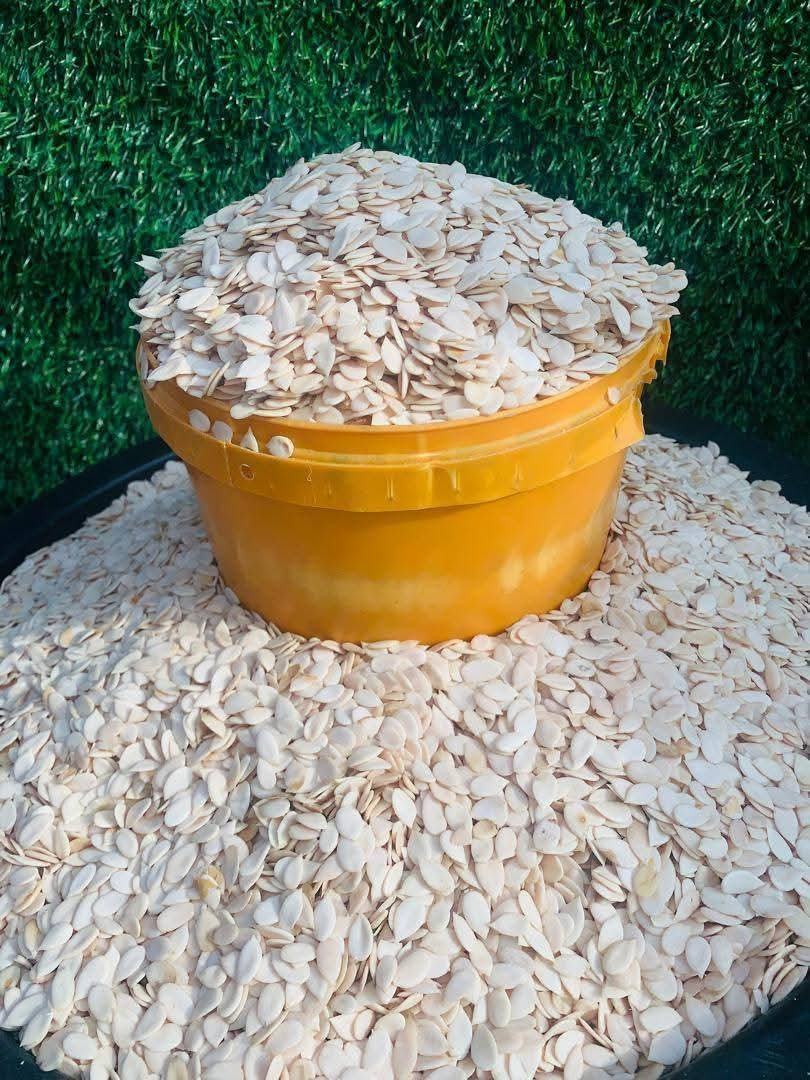

Egusi Melon Seeds from Nigeria: The Protein-Dense West African Seed That Feeds a Continent — and the Export Opportunity That Global Buyers Are Only Beginning to Understand
Egusi Melon Seed Exporter Nigeria — Whole, Dehulled, and Ground Egusi, Direct Farm Sourcing, Bulk Supply to Food Manufacturers, Oil Processors, and Diaspora Importers Worldwide
Egusi melon seed exporter Nigeria is a search phrase that tells a very specific commercial story — the story of a product that occupies an almost paradoxical market position. On one hand, egusi melon seed is one of the most widely consumed and culturally significant food ingredients across the entire West and Central African region — consumed daily by hundreds of millions of people across Nigeria, Ghana, Cameroon, Côte d’Ivoire, Benin, Togo, Sierra Leone, and the Democratic Republic of Congo, and by the tens of millions of West Africans living in diaspora communities across the United Kingdom, United States, Canada, France, Italy, Germany, and the Netherlands. On the other hand, it remains remarkably underrepresented in the formal international agricultural commodity trade — sourced predominantly through informal ethnic food import channels rather than through the structured, documented, multi-container export supply chains that serious industrial buyers require and that Nigeria’s production capacity is fully capable of supporting.
This gap between egusi’s extraordinary consumption scale and its underdeveloped international export infrastructure is not a reflection of the product’s commercial potential — it is a reflection of the fact that until recently, international buyers simply were not looking for egusi through formal procurement channels. That is changing. The explosive growth of West African food culture globally — driven by diaspora community demand, mainstream food media’s discovery of West African cuisine, and the growing presence of West African restaurants, food brands, and grocery retail operations in European and American markets — is creating organised, structured procurement demand for egusi melon seed from buyers who need consistent supply, documented quality, and export-compliant documentation. At the same time, the food processing industry’s growing interest in egusi’s extraordinary protein and oil content — one of the highest combined protein-fat ratios of any commercially harvested seed — is beginning to attract ingredient procurement interest from food manufacturers, oil processors, and nutraceutical companies who have not historically thought of egusi as an ingredient in their supply chains.
At Paradise MultiTrade International Limited, egusi melon seed is one of our most strategically significant emerging export categories — not because its international commercial infrastructure is already mature, but because we can see clearly that it is developing fast, and because Nigeria’s position as the world’s largest egusi producing nation gives us a sourcing advantage that no other origin can replicate. We supply whole dried egusi seed, dehulled egusi kernels, and ground egusi powder to diaspora food importers, food manufacturers, oil processors, and wholesale buyers across Europe, North America, and the Middle East — with the same direct-origin sourcing discipline, quality management, and documentation rigour that defines our broader agricultural export programme.
If you are building an egusi supply chain — for diaspora retail, for West African food manufacturing, for ingredient use in plant-based food formulation, or for oil extraction — this article is your comprehensive sourcing guide. Ready to discuss specifications and pricing immediately? Request a quotation here and our export team responds within 48 hours.
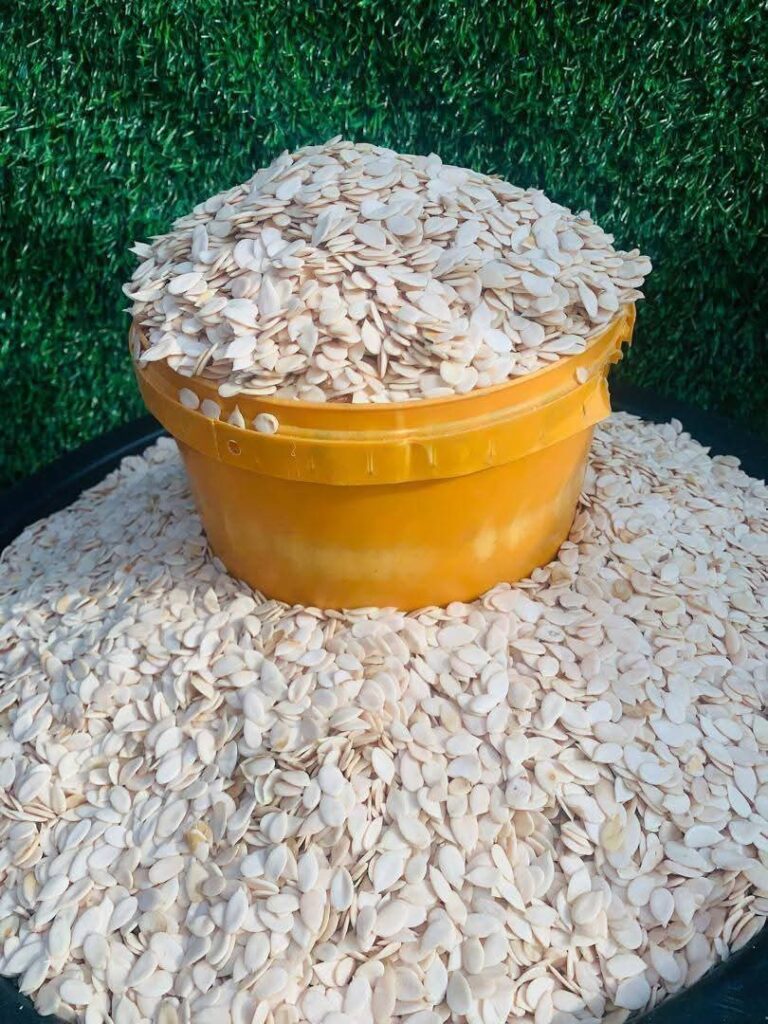
History and Origin of Egusi Melon Seed — From Ancient West African Cultivation to a Continent’s Most Essential Soup Ingredient
A Seed With Roots in the West African Savanna
The story of egusi begins not in a trading port or a laboratory — but in the West African savanna woodland belt, where wild ancestors of the commercial egusi plant have grown, fruited, and been harvested by human communities for thousands of years. Unlike many globally traded agricultural commodities whose origins lie in the Americas or South Asia, egusi is genuinely African — a plant whose domestication and commercial development occurred entirely within the continent, by African farming communities, over a timeframe that botanical and archaeological evidence suggests extends back at least 3,000–4,000 years.
The term “egusi” is primarily a Yoruba word from southwestern Nigeria, but cognate terms exist across dozens of West and Central African languages — reflecting the plant’s wide geographic distribution and deep cultural integration across the region. Egusi in Yoruba, ogiri egusi in Igbo, agusi in Hausa, agushi in Twi (Ghana), and mégui in various Central African languages — the proliferation of names reflects independent traditions of use that developed across multiple cultures simultaneously, driven by the plant’s natural distribution across the West and Central African ecological belt and the remarkable nutritional value of its seeds that farming communities understood empirically long before nutritional science existed to quantify it.
The Botanical Complexity — Understanding What “Egusi” Actually Means
Commercially and botanically, “egusi” is not a single species but a descriptive category applied to the seeds of several different cucurbit plant species that share the characteristic of producing large, oil-rich, protein-dense seeds used similarly in West African cuisine. The primary commercial egusi species are:
Citrullus lanatus var. egusi — the most widely cultivated egusi type in Nigeria’s northern and Middle Belt states, closely related to watermelon but producing fruits with bitter, inedible flesh and large, flat seeds of exceptional commercial value. This is the primary variety that constitutes Nigeria’s largest-volume egusi production and the dominant form in the international trade. Research on its agronomic properties and nutritional composition is documented through CABI’s crop science database — the international reference resource for crop botany that buyers can use to understand variety-specific quality parameters.
Cucumeropsis mannii — known as “white egusi” or “agusi” in parts of West Africa, producing distinctively white seeds with a slightly different fatty acid profile and flavour profile from Citrullus egusi. Cucumeropsis mannii is particularly prized in certain regional cuisines — specifically in parts of southeastern Nigeria and Cameroon — and commands premium pricing in diaspora retail markets where consumers distinguish between white and cream-coloured egusi varieties. Its botanical properties are documented through the World Agroforestry Centre’s agroforestry tree database.
Lagenaria siceraria — the bottle gourd, whose seeds are used as an egusi type in some West African communities, though this represents a smaller fraction of commercial production than the Citrullus and Cucumeropsis types.
For international buyers, the practical commercial distinction is primarily between whole dried egusi seed (in shell), dehulled egusi kernel (shell removed, cream-white seed), and ground egusi (fine powder from dehulled kernel) — with the variety identity (Citrullus vs. Cucumeropsis) determining flavour profile and fatty acid composition in ways that matter for high-specification food ingredient and oil extraction applications.
Nigeria’s Rise as the World’s Dominant Egusi Producer
Nigeria is, by a considerable margin, the world’s largest producer and exporter of egusi melon seed. According to FAO production statistics, Nigeria accounts for a dominant share of global egusi output — with annual production spread across the Middle Belt states of Benue, Kogi, Nasarawa, Edo, and Delta (primary production zone), the southwestern states of Oyo, Osun, Ogun, and Ondo (secondary production), and the northern states of Kaduna and Niger (tertiary production).
The cultural and agricultural logic of Nigeria’s egusi dominance is straightforward: egusi is grown across Nigeria as a primary food security crop — cultivated on its own or intercropped with maize, cassava, yam, and sorghum by smallholder farmers who have been producing it for subsistence and local market sale for generations. The scale of this smallholder cultivation base — millions of farm plots producing egusi across Nigeria’s agricultural landscape — creates a total production volume that no other country approaches. Ghana, Cameroon, and Côte d’Ivoire all produce commercial quantities of egusi, but Nigeria’s production dwarfs all other origins combined.
The Nigerian Export Promotion Council (NEPC) has recognised egusi as a priority non-oil export commodity — noting its domestic production scale, its cultural significance to diaspora communities worldwide, and its potential as a value-added processed food ingredient for international food manufacturing markets. Trade flow data accessible through ITC Trade Map confirms Nigerian egusi entering international trade channels — primarily through ethnic food import networks serving West African diaspora communities across Europe and North America, but increasingly through formal commodity export channels as organised buyers build structured procurement programmes.
The International Institute of Tropical Agriculture (IITA) — headquartered in Ibadan, Nigeria, and one of the world’s leading agricultural research institutions for sub-Saharan Africa — has conducted extensive research on egusi agronomy, variety improvement, post-harvest handling, and nutritional composition. IITA’s research outputs provide internationally credible scientific documentation on Nigerian egusi quality parameters and production systems — a resource that international buyers can reference when evaluating Nigerian origin material.
What Makes Egusi Seed Commercially Extraordinary — The Nutritional and Chemical Profile That Should Be Driving Industrial Buyer Interest
Protein Content That Rivals Conventional Protein Ingredients
The single most commercially significant fact about egusi melon seed that the international food ingredient industry has not yet fully processed is this: dehulled egusi kernel contains approximately 28–35% protein by dry weight — a protein content comparable to soybean, substantially higher than most cereal grains, and competitive with conventional plant protein ingredients like pea protein and sunflower seed protein that are being actively developed as plant-based food ingredients for the growing global market in vegan and plant-based food products.
Research on egusi’s amino acid profile — published through NCBI’s food chemistry research database — documents egusi kernel protein as a complete protein with a relatively balanced essential amino acid profile, including adequate levels of lysine (often limiting in plant proteins), methionine, tryptophan, and threonine. This amino acid completeness makes egusi protein nutritionally superior to many conventional plant protein sources whose amino acid profiles require complementary food pairing to achieve complete essential amino acid coverage.
For food manufacturers developing plant-based meat alternatives, vegan food products, protein-enriched snack foods, or functional food formulations — egusi kernel powder represents a genuinely novel plant protein ingredient from a West African origin that is both nutritionally competitive with established alternatives and culturally differentiated in ways that support premium product positioning. The American Oil Chemists’ Society (AOCS) — the primary scientific organisation covering fats, oils, proteins, and related materials — has published research on African cucurbit seed proteins including egusi that provides the technical reference framework for food ingredient buyers evaluating egusi protein for processing applications.
Oil Content and Fatty Acid Profile — A Premium Edible Oil Hiding in Plain Sight
Alongside its protein content, dehulled egusi kernel contains approximately 45–57% oil by dry weight — making it one of the most oil-rich seeds in the commercial agricultural product universe. To put this in comparative context: sunflower seed contains approximately 40–50% oil, sesame seed 48–55%, and soybean only 18–20%. Egusi’s oil content is therefore at the high end of commercially oilseed plant production — and its fatty acid profile is nutritionally compelling.
Egusi oil is composed primarily of linoleic acid (approximately 50–65% of total fatty acids) — the omega-6 polyunsaturated fatty acid that is nutritionally essential for human health — and oleic acid (approximately 15–25%) — the omega-9 monounsaturated fatty acid associated with cardiovascular health benefits as documented in the Mediterranean diet research literature. The remaining fraction includes palmitic acid (approximately 10–15%) and a small stearic acid component. This fatty acid profile — rich in nutritionally beneficial unsaturated fats, with a relatively low saturated fat fraction — makes egusi oil nutritionally competitive with sunflower, safflower, and sesame oils in the edible oil market.
Research on egusi oil composition and its food and industrial applications is published through NCBI’s lipid chemistry research publications — providing the analytical foundation that oil processors and food ingredient buyers need to evaluate egusi oil’s commercial properties. The American Oil Chemists’ Society (AOCS) oil analysis standards provide the analytical methodology framework for egusi oil quality assessment — including fatty acid profiling by gas chromatography, free fatty acid determination, peroxide value measurement, and iodine value calculation.
Mineral and Micronutrient Density — A Nutritional Story Worth Telling
Beyond protein and oil, egusi kernel delivers a micronutrient profile that further strengthens its nutritional positioning as a premium food ingredient. Research documented through NCBI confirms egusi’s significant content of:
Magnesium — at concentrations that make a single serving of egusi a meaningful contribution to daily magnesium requirements — relevant to bone health, muscle function, and energy metabolism.
Zinc — a mineral of particular nutritional significance in West African diets where animal protein consumption is lower than in developed market contexts, and where egusi’s zinc contribution to the diet has genuine public health relevance.
Iron — present at levels that position egusi as a useful plant-based iron source — relevant both for traditional dietary contexts and for the growing global market in iron-fortified plant-based foods.
Phosphorus and Potassium — at nutritionally significant concentrations that contribute to egusi’s status as a genuinely nutrient-dense food ingredient rather than merely a protein and fat source.
B Vitamins — including thiamine, riboflavin, and niacin at levels that contribute meaningfully to daily requirements when egusi is consumed as a food staple — as it is across West Africa.
This micronutrient density — combined with egusi’s exceptional protein and oil content — gives it a nutritional profile that academic nutrition researchers have characterised as among the most impressive of any commonly consumed traditional African food. Research published through the Journal of Food Composition and Analysis has documented egusi’s nutritional composition in multiple studies, providing the peer-reviewed scientific evidence base that food manufacturers and nutraceutical buyers require when evaluating novel ingredient sourcing decisions.
Benefits and Industrial Uses of Nigerian Egusi Melon Seed
West African Food Industry — The Cultural and Commercial Bedrock of Egusi Demand
Before exploring the industrial applications that are creating new buyer interest in egusi from outside the West African food tradition, it is essential to establish clearly the cultural and commercial foundation upon which all egusi demand ultimately rests — because this foundation is not going away, is not niche, and is far larger than most international commodity buyers realise.
Egusi soup — prepared by frying ground egusi kernel in palm oil with a combination of vegetables, proteins (meat, fish, or crayfish), and seasonings — is one of the most widely consumed dishes across Nigeria, Ghana, Cameroon, and the broader West African region. It is not a festive or occasional dish — it is a daily meal for hundreds of millions of people. In Nigeria alone — a nation of over 220 million people — egusi soup is consumed daily across all six geopolitical zones, in every income bracket, in homes, restaurants, and canteens from Lagos to Kano to Enugu. The scale of domestic egusi consumption in Nigeria is staggering — and it establishes egusi as one of West Africa’s most commercially significant agricultural products by consumption volume.
The West African diaspora communities in the United Kingdom, United States, Canada, France, Italy, Germany, the Netherlands, and Spain recreate this food culture in their new home countries — purchasing egusi through ethnic grocery retailers, African food markets, and online food retailers with a consistency and loyalty that makes diaspora egusi import one of the most reliable demand streams in the global ethnic food trade. UK ethnic food market intelligence published through Mintel’s food and drink database and diaspora food trade analysis from Euromonitor International both confirm West African food ingredients — including egusi — as a fast-growing category in European ethnic food retail.
For food importers and wholesale distributors supplying the West African diaspora market across Europe and North America, contact our export team to discuss bulk egusi procurement across whole seed, dehulled kernel, and ground powder forms.
Food Manufacturing Industry — Egusi as a Novel Plant Protein Ingredient
This is the application sector whose commercial potential is most significantly underexplored relative to egusi’s nutritional credentials — and the one that represents the most significant emerging opportunity for Nigerian egusi export development. The global plant-based food market — driven by consumer trends toward flexitarian, vegan, and vegetarian diets across Europe, North America, and increasingly Asia — is consuming plant protein ingredients at volumes that are stretching the commercial capacity of established alternatives including soy, pea, wheat gluten, and sunflower protein.
Food manufacturers actively seeking novel plant protein sources — ingredients that offer nutritional competitiveness with established alternatives, supply chain diversification, and the “ingredient story” that clean-label product positioning increasingly demands — should be evaluating egusi kernel protein seriously. Market trend analysis from Innova Market Insights consistently identifies protein diversification and novel plant protein sources as among the most significant trends in food product development — a trend direction that positions egusi protein for growing ingredient procurement interest from forward-looking food manufacturers.
The Food and Agriculture Organization’s research on underutilised plant foods — specifically its documentation of traditional African food crops whose nutritional credentials have been validated by modern science but whose entry into mainstream international food ingredient trade has been delayed by institutional and commercial inertia — provides a framework within which egusi’s situation is directly relevant: a nutritionally extraordinary ingredient whose commercial development is running significantly behind its potential.
Ground egusi powder — fine-milled dehulled kernel — is the form most immediately relevant for food manufacturing protein ingredient applications, providing a mild-flavoured, cream-white powder with approximately 28–35% protein, 45–55% fat, and a texture-contributing property in cooked food applications that functions similarly to ground almond or ground sunflower seed in food formulation. Contact our export team to discuss ground egusi powder specifications for food manufacturing applications.
Edible Oil Extraction Industry
Egusi seed’s exceptional oil content — 45–57% oil in dehulled kernel — makes it a commercially relevant raw material for edible oil extraction, producing an oil with a nutritionally favourable fatty acid profile dominated by linoleic and oleic acids. Egusi oil extraction is currently practised primarily at small-scale traditional levels in West Africa — but the economics of large-scale industrial extraction from Nigerian origin egusi seed, evaluated against the nutritional positioning of the resulting oil in premium edible oil markets, are increasingly interesting for oilseed processors who track novel oil ingredients.
The American Oil Chemists’ Society (AOCS) has documented analytical methods for cucurbit seed oil extraction and characterisation — providing the technical standards framework that industrial oil processors use to evaluate new oil seed raw materials. Egusi oil’s linoleic acid dominance gives it a nutritional profile similar to safflower oil — already marketed as a premium heart-healthy cooking oil in Western markets — but with the added differentiation of an authentic West African origin story and a unique cultural heritage that could support premium food positioning.
For oilseed processors interested in evaluating Nigerian egusi as a cold-press or solvent-extraction oil seed raw material, contact Paradise MultiTrade to discuss oil content documentation, seed specification, and supply volume arrangements.
Pharmaceutical and Nutraceutical Industry
Egusi seed’s phytochemical profile extends beyond its macronutrient content to include bioactive compounds with documented pharmacological properties that are attracting growing research interest. Cucurbitacins — a class of triterpene compounds found in cucurbit plants including egusi — have attracted significant pharmaceutical research attention for their documented anti-inflammatory, antiproliferative, and potential anticancer properties in laboratory models. Research published through NCBI’s pharmacology research database documents the bioactive compound profile of egusi seed and its extracts — providing the scientific foundation for nutraceutical buyers investigating egusi-derived ingredients for health supplement applications.
The seed’s vitamin E content — present primarily as tocopherols associated with the oil fraction — contributes antioxidant value that nutraceutical formulators can position in oxidative stress, cardiovascular health, and general wellness supplement formulations. The American Botanical Council’s HerbalGram has published reviews of traditional African medicinal plants including egusi-related cucurbit species that provide the ethnobotanical and emerging clinical context for nutraceutical buyers evaluating African botanical ingredients.
Cosmetics and Personal Care Industry
Egusi seed oil’s fatty acid profile — with its high linoleic acid content and tocopherol-associated antioxidant activity — gives it functional properties relevant to cosmetics and personal care formulation. Linoleic acid-rich botanical oils are valued in skincare formulation for their ability to support skin barrier function, regulate sebum production, and reduce inflammatory skin conditions — making egusi oil a candidate ingredient for acne-prone skin formulations, barrier repair creams, and anti-inflammatory skincare products.
The cosmetics ingredient market’s growing appetite for novel African botanical oils — driven by the “African beauty” trend that has elevated ingredients including marula oil, baobab oil, shea butter, and moringa oil into mainstream premium beauty positioning — creates a commercial pathway for egusi oil that cosmetics ingredient buyers and formulators should be evaluating. Ingredient safety and nomenclature documentation for egusi-derived cosmetics ingredients is available through the Cosmetic Ingredient Review (CIR) and INCI Decoder reference systems. Market trend analysis on African beauty ingredient adoption is published by Euromonitor International’s beauty industry reports.
Animal Feed and Aquaculture Industry
Egusi seed meal — the protein-rich press cake remaining after oil extraction from dehulled egusi kernel — contains approximately 50–60% protein on a defatted basis, making it a highly concentrated plant protein ingredient for animal feed formulation. Research published through NCBI’s animal nutrition publications documents egusi seed meal’s nutritional value as a livestock feed ingredient — with demonstrated efficacy in poultry and fish feed applications where conventional protein sources including fishmeal and soybean meal are being supplemented or partially replaced by alternative plant proteins.
The aquaculture industry’s growing interest in novel, sustainable plant-based protein ingredients for fish feed — driven by the environmental and cost pressure on fishmeal use — positions egusi seed meal as a commercially relevant alternative protein source. The Food and Agriculture Organization’s fisheries and aquaculture department tracks the development of plant-based fish feed ingredients globally — a context within which egusi seed meal’s high protein concentration and favourable amino acid profile are directly relevant.
Why Buy Egusi Melon Seed from Nigeria?
Scale of Production That No Competing Origin Can Match
Nigeria’s dominance of global egusi production is not marginal — it is overwhelming. The combination of Nigeria’s vast agricultural land area, its millions of smallholder farmers with multi-generational egusi cultivation experience, the crop’s integration into farming systems across multiple ecological zones, and the domestic consumption demand that sustains production investment across the agricultural community creates a production base of a scale that Ghana, Cameroon, or any other egusi-producing country cannot approach.
For buyers who need egusi in genuine commercial volumes — multiple container loads per season, consistent annual supply, and the ability to scale procurement as their market develops — Nigeria is the only origin capable of reliably delivering at scale. FAO’s agricultural production data confirms Nigeria’s commanding position in global egusi output — a position built over generations that cannot be replicated quickly by competing origins regardless of their intentions.
Variety Diversity for Application-Specific Sourcing
Nigeria’s egusi production encompasses multiple botanical varieties with distinct quality profiles — allowing buyers to specify the variety most appropriate for their application rather than accepting generic mixed-origin material. For diaspora retail buyers who serve communities with strong preferences for specific egusi types, Paradise MultiTrade’s variety-aware sourcing is a direct commercial advantage. For oil processors who need the highest possible oil content per tonne of seed processed, our ability to source specifically from Citrullus variety production zones delivers the extraction economics advantage that undifferentiated egusi procurement cannot.
The Cultural Authenticity Premium for Diaspora Buyers
For importers serving West African diaspora retail markets — whether through ethnic grocery retail, online food retail, restaurant supply, or specialty food distribution — the authenticity of the egusi they supply matters enormously to their customers. Nigerian-origin egusi, produced by Nigerian farming communities using traditional cultivation and processing methods, carries the cultural provenance that diaspora consumers recognise and value. This is not a marketing abstraction — it is a commercial reality that shapes purchasing decisions in diaspora food retail with the same intensity that wine origin shapes purchasing decisions in premium wine retail.
Paradise MultiTrade’s direct Nigerian sourcing delivers the authentic origin that diaspora retail buyers can communicate confidently to their customers — supporting the brand positioning of imported food products whose cultural credentials are a primary purchase motivator.
Full Export Documentation from a Licensed Exporter
Every egusi melon seed shipment processed through Paradise MultiTrade carries phytosanitary certification from the Nigerian Agricultural Quarantine Service (NAQS), NEPC export documentation, certificate of origin, commercial invoice, packing list, and bill of lading. For food manufacturing and pharmaceutical buyers requiring protein content analysis, oil content documentation, fatty acid profile by gas chromatography, aflatoxin testing, heavy metal screening, pesticide residue analysis, and microbiological testing — we coordinate full analytical packages through accredited third-party laboratories following AOAC International validated methods.
EU-bound shipments are prepared in compliance with Regulation (EU) 2017/625 on official controls for food and botanical imports and reference EFSA’s published guidelines on mycotoxin limits applicable to oil seeds and seed products. Our NEPC Export Licence No. 0042385 and CAC Registration No. RC-9284647 are current and verifiable through NEPC.
Nigeria’s Egusi Export Strength and Global Market Demand
Mapping the International Egusi Market
The global market for Nigerian egusi melon seed is currently structured around three distinct and largely independent demand streams — each with different buyer profiles, quality requirements, and procurement dynamics:
The Diaspora Retail and Food Service Stream — the largest by volume and the most established commercially, supplying ethnic grocery retailers, African food market chains, diaspora food online platforms, and West African restaurants across the UK, USA, Canada, France, Italy, Germany, the Netherlands, Spain, and beyond. This stream demands consistent quality, reliable supply, and authentic Nigerian origin — but operates primarily through informal import channels that are now progressively formalising as procurement volumes grow. The CBI Netherlands market intelligence platform tracks West African food product import trends into European markets — providing procurement context for buyers in this segment.
The Industrial Food Ingredient Stream — an emerging and currently underdeveloped segment, encompassing food manufacturers investigating egusi kernel protein and egusi oil as novel plant-based ingredients for mainstream food product development. This stream is at an early commercial development stage in international markets but is growing in direct proportion to the global plant-based food industry’s demand for protein source diversification. Market intelligence on novel plant protein ingredient trends is published by Innova Market Insights and Mintel — both of which track the diversification of plant protein sourcing that is creating commercial space for novel African seed protein ingredients.
The Research and Pharmaceutical Stream — the smallest by volume but highest by unit value, encompassing pharmaceutical companies, contract research organisations, nutraceutical ingredient suppliers, and academic institutions sourcing authenticated Nigerian egusi seed for bioactive compound research and standardised ingredient development. This stream’s growth trajectory is directly linked to the pace of clinical research publication on egusi-derived compounds — a pace that has been accelerating according to database searches across NCBI’s research publication platform.
Key Destination Markets
The United Kingdom hosts Europe’s largest West African diaspora community — concentrated in London, Birmingham, Manchester, Leeds, and other major cities — creating the most commercially significant European market for Nigerian egusi. UK ethnic grocery retailers including African Food Market, Afrocaribbean food shops, and online platforms like Afrobasket supply egusi to diaspora consumers in volumes that make the UK one of Paradise MultiTrade’s primary egusi export targets. Mintel’s UK ethnic food market research confirms sustained growth in West African food product demand in the UK retail sector.
The United States hosts the largest Nigerian diaspora community outside Africa — particularly concentrated in Houston, Atlanta, New York, Washington DC, Dallas, and Minneapolis — creating a major and growing market for authentic Nigerian egusi across multiple retail and food service channels. The American plant-based food industry’s independent interest in novel protein ingredients adds a second procurement layer from food manufacturers beyond the diaspora community.
Canada — particularly Toronto, Ottawa, Calgary, and Edmonton — hosts significant and growing Nigerian and West African diaspora communities whose food retail procurement needs create consistent demand for Nigerian egusi across ethnic grocery retail channels.
Germany and the Netherlands are the EU’s primary entry markets for Nigerian egusi — with German and Dutch commodity importers supplying the broader European diaspora food distribution network and, increasingly, European food ingredient buyers beginning to evaluate egusi protein and oil for mainstream food manufacturing applications.
France has a significant West African diaspora community — primarily from Senegal, Mali, Côte d’Ivoire, and Cameroon alongside Nigeria — that consumes egusi as part of West African culinary tradition, creating consistent retail demand through Parisian and other urban ethnic food retail channels.
The Middle East — particularly the UAE — serves as a re-export hub for Nigerian egusi reaching expatriate Nigerian and West African communities across the Gulf states, where significant Nigerian professional communities create consistent diaspora food retail demand.
The Emerging Mainstream — West African Cuisine Going Global
Perhaps the most commercially exciting medium-term market development for Nigerian egusi export is the growing mainstream Western interest in West African cuisine — a food culture that has been characterised by major food media publications as one of the defining global food trends of the decade. Publications including Bon Appétit, Food & Wine, and The Guardian Food have published features on West African cuisine that specifically name egusi soup as one of the region’s most compelling dishes — introducing a global food-curious readership to an ingredient they had not previously encountered.
This mainstream media attention is converting into commercial activity — West African restaurants are opening in London, New York, Los Angeles, Amsterdam, and Paris with increasing frequency and with growing mainstream (not just diaspora) customer bases. Each restaurant opening is a procurement event — creating organised purchasing demand for authentic Nigerian ingredients including egusi. The World’s 50 Best Restaurants organisation has increasingly featured African cuisine and African-origin ingredients in its broader food culture coverage — a prestigious signal of West African food’s ascent toward mainstream global gastronomy recognition that carries commercial implications for Nigerian ingredient exporters.
Why Choose Paradise MultiTrade International Limited?
Variety-Aware Sourcing. We source and supply Citrullus lanatus egusi and Cucumeropsis mannii white egusi as distinct, documented variety supplies — not blended generic egusi that cannot be variety-specified. Buyers whose application or customer base requires specific variety identification can specify their requirement and receive documented origin material. Contact our team to discuss variety-specific sourcing.
Three Commercial Forms Available. We supply whole dried egusi seed (in shell — the most commonly traded form for diaspora retail), dehulled egusi kernel (shell removed — the preferred form for food manufacturing protein and oil applications, and for premium retail packaging), and ground egusi powder (fine-milled dehulled kernel — ready for direct food manufacturing use). Form availability, specifications, pricing, and lead times are discussed at the quotation stage. Contact us to specify your required form.
Comprehensive Analytical Support. For food manufacturing and pharmaceutical buyers requiring documented protein content, oil content, fatty acid profile, aflatoxin compliance, pesticide residue screening, and microbiological data — we coordinate the complete analytical package through accredited laboratories following AOAC International and AOCS validated methods. Buyers receive the analytical certificates alongside standard phytosanitary and commercial documentation.
Aflatoxin Management as Standard. Egusi — like other oil-rich seeds stored in tropical conditions — carries aflatoxin risk that must be actively managed through proper post-harvest drying and storage. We source from producers using proper drying protocols and elevated storage conditions, and we conduct pre-shipment aflatoxin testing as a standard quality control step — not an optional add-on. Contact our team to discuss aflatoxin management protocols specific to your destination market requirements.
Multi-Commodity West African Sourcing. Egusi buyers frequently source complementary Nigerian food ingredients. Alongside egusi, Paradise MultiTrade exports red palm oil, crayfish, hibiscus flower, moringa seeds, chilli pepper, sesame seeds, fresh ginger, dry split ginger, bitter kola, kola nut, and cashew products. Explore our full range of Nigerian export commodities and consolidate your West African food ingredient sourcing through one verified, licensed export partner.
Product Specifications
| Specification | Details |
|---|---|
| Product | Egusi Melon Seed (Citrullus lanatus var. egusi / Cucumeropsis mannii) |
| Origin | Nigeria (Benue, Kogi, Nasarawa, Edo, Delta, Oyo, Kaduna States) |
| Varieties Available | Citrullus egusi (cream-yellow seed); Cucumeropsis mannii (white egusi) |
| Forms Available | Whole dried seed (in shell); dehulled kernel; ground powder |
| Protein Content (dehulled basis) | 28–35% by dry weight |
| Oil Content (dehulled basis) | 45–57% by dry weight |
| Primary Fatty Acids | Linoleic acid (50–65%); Oleic acid (15–25%); Palmitic acid (10–15%) |
| Moisture Content | Maximum 8–10% (whole seed); Maximum 6–8% (dehulled/powder) |
| Purity | 95%+ (free from foreign matter, mould, insect damage, and broken seed) |
| Colour | Whole seed: cream to tan shell; Dehulled kernel: cream-white; Powder: off-white to cream |
| Aflatoxin | Tested per destination market requirements (EU: ≤10 ppb total) |
| Packaging Options | 25kg, 50kg polypropylene woven bags (whole/dehulled); 25kg multi-wall paper bags (powder); retail packaging on request |
| Supply Capacity | 20–500+ MT per shipment (subject to seasonal availability) |
| MOQ | 5 Metric Tonnes |
| Shelf Life | 12–18 months properly stored (whole seed and dehulled kernel); 6–12 months (ground powder) |
| Export Documentation | Phytosanitary Certificate (NAQS), Certificate of Origin, NEPC Export Licence, Laboratory Analysis Certificate (on request), Aflatoxin Test Certificate, Commercial Invoice, Packing List, Bill of Lading |
| Payment Terms | T/T, Letter of Credit (LC at sight), Escrow |
| Loading Port | Lagos (Apapa / Tin Can Island Port), Nigeria |
| Incoterms Available | EXW, FOB Lagos, CNF, CIF |
Packaging and Export Process
Harvesting. Egusi melon fruits are harvested when fully mature — typically between October and February across Nigeria’s primary producing states, following the end of the main rainy season. Mature fruits — which may appear dry and brownish on the outside or still retain a green exterior depending on variety — are harvested by hand from the ground or vine, collected in bags, and transported to processing points.
Fruit Processing and Seed Extraction. Harvested fruits are cracked or cut open to extract the seed mass. The seeds — embedded in the fruit’s fibrous interior alongside the bitter, inedible flesh — are scooped out and washed to remove fruit residue. Efficient seed extraction is important for preventing fermentation odours and off-flavours that develop when seed-fruit contact is prolonged in warm temperatures.
Initial Drying. Washed seeds are spread on clean elevated drying surfaces and sun-dried under the dry harmattan season conditions that prevail across Nigeria’s producing states between October and February — ideal natural drying conditions that rapidly reduce seed moisture from approximately 60–70% at extraction to the 8–10% target for safe storage and shipping. Proper elevation of drying surfaces above ground contact is critical for aflatoxin risk management — preventing soil-borne Aspergillus contamination of the drying seed mass.
Dehulling (where specified). For dehulled kernel supply, dried whole seeds are passed through mechanical dehulling machines that crack and remove the hard outer shell, releasing the cream-white kernel. Dehulling efficiency — the percentage of kernels successfully extracted without fragmentation — determines the commercial yield and influences pricing for dehulled product. The shell fraction removed during dehulling can be used as animal feed or biomass fuel — a zero-waste processing approach that maximises the commercial value of the whole seed.
Grinding (where specified). Dehulled kernel destined for ground egusi powder is milled through disc mills or pin mills to the required particle fineness. Ground egusi has a higher surface area and therefore higher moisture absorption and oxidative rancidity risk than whole seed or kernel — requiring moisture-barrier packaging and shorter shelf life management relative to unground forms.
Quality Control and Aflatoxin Testing. Lot samples are assessed for moisture content, visual purity, and physical condition before packing confirmation. Aflatoxin testing is conducted through accredited laboratories on all export lots — with EU-bound shipments verified against the 10 ppb total aflatoxin maximum limit. Protein and oil content analysis, fatty acid profiling, and microbiological testing are coordinated for food manufacturing and pharmaceutical buyers requiring full analytical packages.
Packaging and Loading. Standard export packaging is 25kg or 50kg polypropylene woven bags for whole seed and dehulled kernel, and 25kg multi-wall moisture-barrier paper bags for ground powder. All packaging is clearly labelled with product form, variety, origin state, lot number, moisture content, net weight, and export documentation reference. Pre-export phytosanitary inspection by NAQS is conducted before container sealing. Egusi ships in standard dry containers from Lagos ports. Lead time from order confirmation to container loading runs 10–21 days. Contact us early — particularly for large volume orders requiring dehulling or grinding, which add processing time to the standard lead time.
Frequently Asked Questions
What is the difference between whole egusi seed, dehulled egusi kernel, and ground egusi powder — and which form should I order?
Whole dried egusi seed (in shell) is the most commonly traded form for diaspora retail and food service buyers — it has the longest shelf life, simplest packaging requirements, and lowest unit cost, but requires dehulling by the end user before cooking. Dehulled egusi kernel has the shell removed, revealing the cream-white seed — the form preferred by food manufacturers, premium retail buyers who want a ready-to-use product, and oil processors who need clean seed without shell contamination. Ground egusi powder is fine-milled dehulled kernel — ready for direct cooking use without grinding, preferred by food manufacturers using egusi as a protein or texture ingredient and by diaspora consumers who want a convenient, preparation-ready product. Contact our team to specify your required form and we will advise on specifications, pricing, and lead times.
What is the protein content of Nigerian egusi seed and how does it compare to conventional plant proteins?
Dehulled Nigerian egusi kernel contains approximately 28–35% protein by dry weight — comparable to soybean (36–40%) and significantly higher than pea protein raw material (approximately 22–25% in whole dried peas), sunflower seed (approximately 20–25%), and most cereal grains. Egusi protein has a relatively balanced essential amino acid profile documented through research accessible via NCBI — making it nutritionally competitive with established plant protein ingredients for food manufacturing applications. Specific lot protein analysis following AOAC International methods is available on request. Contact us to arrange testing.
What is the difference between Citrullus egusi and Cucumeropsis mannii (white egusi)?
Both are commercially significant egusi varieties produced in Nigeria, but they differ in appearance, flavour profile, and fatty acid composition. Citrullus lanatus egusi produces cream to tan-coloured seeds with a mild, slightly nutty flavour — the most widely produced and traded Nigerian egusi type. Cucumeropsis mannii (white egusi) produces distinctively white seeds with a slightly different, arguably richer flavour profile and a different oil composition — specifically higher in oleic acid relative to linoleic acid. White egusi commands a price premium in certain diaspora retail markets where consumers distinguish between the two. We source both varieties and can supply on specific request. Contact our team to discuss variety availability.
How does Paradise MultiTrade manage aflatoxin risk in egusi?
Aflatoxin is the primary food safety challenge in egusi procurement — the warm, humid conditions of tropical post-harvest storage create significant Aspergillus mould growth risk if moisture content is not properly controlled. Our aflatoxin management approach begins at the sourcing level — working with producers who use elevated drying platforms, proper post-harvest handling, and adequate ventilated storage — rather than relying exclusively on end-of-process testing. Pre-shipment aflatoxin testing is conducted on all export lots through accredited laboratories, with results provided alongside standard phytosanitary documentation. EU buyers receive results verified against EFSA’s mycotoxin limits. Contact us for detailed aflatoxin protocol documentation.
Is egusi seed EU food import compliant?
Egusi melon seed is a food product imported into the EU under the general food law framework governed by Regulation (EU) 2017/625 on official controls. The primary compliance requirements are phytosanitary certification, aflatoxin compliance (maximum 10 ppb total aflatoxin in oil seeds and products), pesticide residue compliance with EU MRLs, and certificate of origin. We prepare all required documentation and can provide aflatoxin and pesticide residue test certificates for EU-bound shipments. EU buyers should consult their customs broker and regulatory affairs team for product-specific import classification and any additional requirements. Contact us for documentation support.
What is the Nigerian egusi harvest season?
Nigeria’s primary egusi harvest runs from October through February — following the end of the main rainy season across the Middle Belt and southwestern producing states. This provides the dry harmattan conditions ideal for post-harvest drying. Export stock from the main harvest is typically available through approximately July–August of the following year, depending on production volume and procurement demand pace. Buyers planning large-volume purchases should initiate discussions before October to discuss forward pricing and secure allocation for priority access to the new season’s supply. Contact us to plan your procurement cycle.
What transit times should I plan for from Nigeria?
Europe (Rotterdam, Hamburg, Felixstowe, Antwerp) — approximately 14–20 days from Lagos. UK (Tilbury, Felixstowe) — 14–18 days. USA (East Coast, New York/Baltimore) — 18–25 days. Canada (Halifax, Montreal) — 18–28 days. UAE (Jebel Ali) — 10–14 days. France (Le Havre) — 14–18 days.
Ready to Source Premium Nigerian Egusi Melon Seeds?
If you are a diaspora food importer, West African food manufacturer, plant-based food ingredient buyer, edible oil processor, nutraceutical company, or wholesale commodity trader actively searching for a reliable egusi melon seed exporter in Nigeria who can supply whole seed, dehulled kernel, and ground powder with full food safety documentation and the supply chain reliability that serious commercial buyers require — Paradise MultiTrade International Limited is your partner.
We supply Nigerian egusi melon seed — variety-documented, properly dried and cleaned, analytically tested on request, aflatoxin-screened as standard, and exported with full phytosanitary and commercial documentation to buyers in every major destination market across Europe, North America, and the Middle East.
Request a Quotation — share your required form (whole, dehulled, ground), variety preference if applicable, volume, analytical testing requirements, destination port, and preferred incoterms. We respond with a detailed, competitive quote within 48 hours.
Contact Our Export Team — speak directly with our export coordinators about variety-specific sourcing, protein and oil content analysis, aflatoxin testing protocols, processing lead times for dehulled and ground forms, retail packaging options, and long-term contract supply arrangements.
Explore Our Full Product Range — alongside egusi melon seed, Paradise MultiTrade exports red palm oil, chilli pepper, moringa seeds, hibiscus flower, turmeric, cloves, sesame seeds, fresh ginger, dry split ginger, bitter kola, kola nut, cashew nut kernel, and raw cashew nuts. One licensed Nigerian exporter. One consolidated West African food and agricultural sourcing relationship. Consistent quality and documentation across every commodity.
Paradise MultiTrade International Limited | NEPC Export Licence No. 0042385 | CAC No. RC-9284647 | Lagos, Nigeria | www.paradisemultitrade.com
Buy egusi seeds from Nigeria, Nigerian egusi melon seed supplier, Citrullus lanatus egusi bulk export, egusi seed oil Nigeria wholesale, Nigerian egusi for food industry, West African melon seed bulk buyer, egusi powder Nigeria export, dried egusi seeds wholesale Africa

Reviews
There are no reviews yet.