
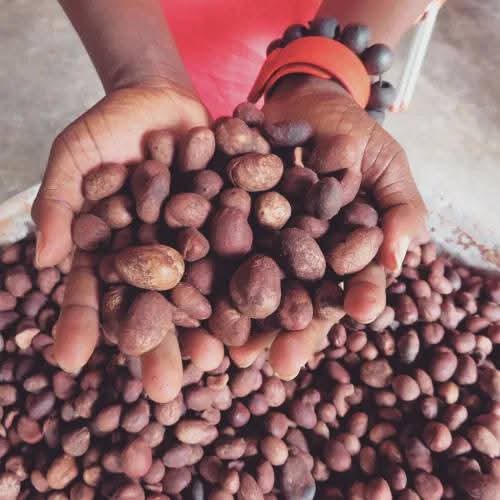

Nigerian Sheanut: The Sacred Tree of the West African Savanna Whose Butter Has Moisturised Skin for Millennia — and Whose Commercial Story Is Now One of the Most Compelling in the Global Cosmetics, Food, and Pharmaceutical Industries
Sheanut Exporter Nigeria — Vitellaria Paradoxa Raw Kernels, Crude Shea Butter, and Refined Shea Products, Direct Savanna Origin Sourcing, Bulk Supply to Cosmetics Manufacturers, Food Processors, Confectionery Companies, and Pharmaceutical Buyers Worldwide
Sheanut exporter Nigeria is a search phrase typed with a specific and urgent commercial purpose — because the buyers running it understand something fundamental about the product they are seeking. Shea butter — extracted from the kernels of Vitellaria paradoxa, the shea tree of the West African savanna — is not a trend ingredient that emerged from laboratory formulation research and entered the beauty industry through conventional new product development pathways. It is an ingredient whose efficacy was demonstrated empirically over thousands of years of continuous use by West African women who applied it to their skin, their children’s skin, their hair, and their bodies with the confidence of accumulated generational knowledge — knowledge that modern cosmetic science has since validated, quantified, and built a multi-billion-dollar international industry around.
Nigeria sits at the geographic and commercial heart of the global shea supply system in a way that the international cosmetics and food industries are only now fully recognising. While Ghana is often cited as the reference point for shea butter quality in Western cosmetics marketing — a perception built more on early market development investment than on underlying botanical advantage — Nigeria is in fact the world’s largest producer of sheanuts by volume. According to FAO production statistics, Nigeria accounts for a dominant share of global Vitellaria paradoxa nut production, with the vast shea parkland of the Guinea and Sudan savanna zones stretching across Kogi, Kwara, Niger, Benue, Kaduna, Nasarawa, Taraba, Adamawa, Plateau, and Kebbi states constituting one of the most productive natural shea tree populations on earth. The women who collect, process, and trade shea in these communities — the producers at the foundation of one of the world’s most significant natural cosmetics supply chains — have been doing so for longer than most currently traded cosmetics ingredients have existed as commercial products.
At Paradise MultiTrade International Limited, sheanut is one of our most strategically important export commodities — sourced from established community collection and processing networks across Nigeria’s primary shea belt states, processed into raw kernels, crude unrefined shea butter, and refined shea products appropriate to the full range of international buyer requirements, and exported with full regulatory, quality, and sustainability documentation to cosmetics manufacturers, food ingredient buyers, confectionery companies, pharmaceutical ingredient sourcing teams, and wholesale commodity traders across Europe, North America, Asia, and the Middle East.
If you are ready to discuss sourcing immediately, request a quotation here, and our export team will respond within 48 hours.
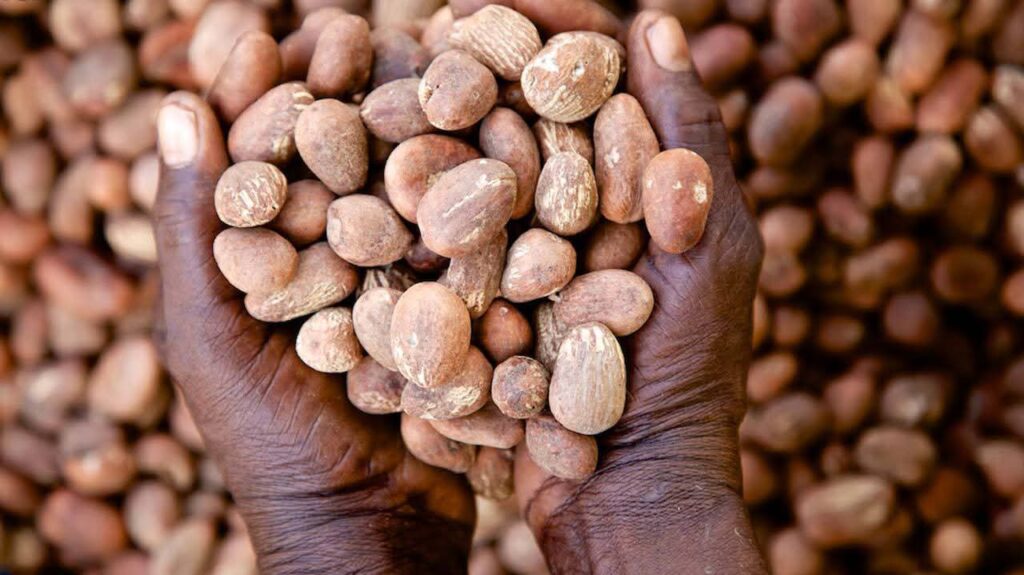
History and Origin of Sheanut — The Tree That Has Never Needed a Marketing Campaign
A Sacred Tree in a Human Landscape
Vitellaria paradoxa — the shea tree — is one of the most remarkable trees on earth, not for its botanical spectacle (it is a relatively modest tree reaching 10–15 metres in height) but for the relationship it has built with the human communities of the West African savanna over a period of time that dwarfs every other cosmetics ingredient’s commercial history. The shea tree’s natural range spans the semi-arid savanna belt of sub-Saharan Africa — stretching from Senegal and Guinea in the west through Mali, Burkina Faso, Ghana, Côte d’Ivoire, Nigeria, Niger, and Benin in the central Sahel, continuing eastward through Chad, Cameroon, Central African Republic, South Sudan, Uganda, and Ethiopia. Within this vast geographic arc, the tree has been present in the human landscape for so long that West African languages have no word for a world without it.
The shea tree does not grow in forests — it grows in the farmed parkland landscapes of the Guinea and Sudan savanna, scattered among crops of sorghum, millet, yam, and cowpea in a distribution that was not random but was deliberately managed by generations of farmers who protected shea trees within their fields while clearing other woody vegetation, recognising the extraordinary value of a tree that produces both food and cosmetics without requiring cultivation, irrigation, or chemical inputs. This farmer-managed parkland system — documented through agroforestry research published by the World Agroforestry Centre (ICRAF) — represents one of the world’s most sophisticated traditional natural resource management systems, maintaining productive shea tree populations across hundreds of millions of hectares of West African farmed landscape.
Archaeological evidence of shea butter use in West Africa dates to at least 100 BCE, with shea residues identified in pottery fragments from archaeological sites in Nigeria, Ghana, and Mali through organic chemistry analysis referenced in research published by the Journal of Archaeological Science. Oral historical accounts extend the record considerably further — with founding myths and cosmological narratives of multiple West African cultures incorporating the shea tree as a symbol of life, fertility, and feminine wisdom that suggests a relationship extending thousands of years before written record.
Women’s Gold — The Economic and Social Significance of Shea
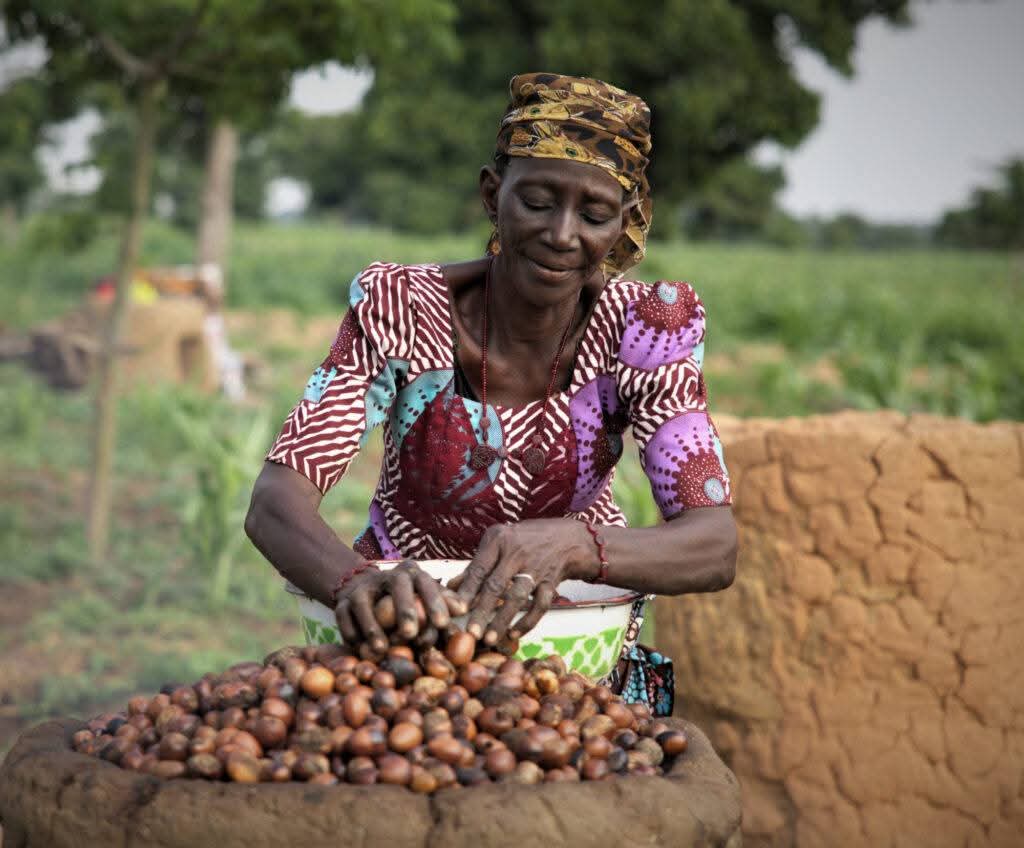
The designation of shea as “women’s gold” — a phrase that has been adopted by the international development and fair trade communities but that originates in West African understanding of the commodity’s economic role — reflects a social reality of extraordinary commercial consequence: in the communities of Nigeria’s shea belt, the entire shea value chain from tree to processed butter has historically been controlled by women. Women collect the fallen shea fruits. Women extract the kernels. Women process the kernels into butter through the labour-intensive traditional processing sequence. Women sell the butter in local and regional markets. And the income generated by this women-controlled value chain has historically been the primary source of women’s independent economic agency in communities where land ownership, formal employment, and commodity cash crop income were male-dominated.
This socioeconomic structure is commercially significant for international buyers in a specific and increasingly important way: the sustainability and fair trade certification frameworks that major cosmetics brands are implementing in their shea supply chains — frameworks including the Fairtrade International certification programme, the Rainforest Alliance certification, and the Women in Shea (WISH) programme coordinated through the Global Shea Alliance (GSA) — are specifically built around documenting, protecting, and enhancing women’s economic role in the shea value chain. Buyers whose corporate sustainability commitments include gender equity in supply chains, community development impact documentation, and fair trade sourcing verification have a direct strategic interest in working with Nigerian shea exporters who can provide the community-level documentation these frameworks require.
Nigeria’s Shea Production Geography — The World’s Most Productive Shea Belt
Nigeria’s shea production is distributed across the Guinea-Sudan savanna transition zone — the ecological belt between the northern Sahel and the southern tropical forest, characterised by well-defined wet and dry seasons, deep, well-drained sandy loam soils, and rainfall of 750–1,200mm annually that supports the conditions in which Vitellaria paradoxa reaches peak productivity. The primary producing states — Kwara, Kogi, Niger, Benue, Kaduna, Nasarawa, Taraba, Adamawa, Plateau, and Kebbi — collectively contain some of the densest natural shea tree populations in the species’ entire geographic range.
Research on Nigeria’s shea tree population density and production potential — conducted through the International Institute of Tropical Agriculture (IITA) and documented in technical publications of the Global Shea Alliance — confirms Nigeria’s position as the world’s largest shea nut producing country by total output, with annual production estimates running into hundreds of thousands of metric tonnes of dry shea kernels per year. This production scale — reflecting the combination of Nigeria’s vast savanna land area, high natural shea tree population density, and the thousands of rural communities engaged in annual shea collection — creates a supply base of a depth and geographic resilience that no other shea origin can approach.
The Nigerian Export Promotion Council (NEPC) has formally designated sheanut and shea butter as priority non-oil export commodities — with active market development support, post-harvest quality improvement programmes, and international buyer linkage that progressively build the formalised export infrastructure connecting Nigeria’s shea belt communities to the international cosmetics, food, and pharmaceutical buyers whose demand is growing faster than the current commercial supply chain is able to serve. International trade flow data from ITC Trade Map confirms Nigerian shea nuts and shea butter entering international export channels at significant and growing volumes — with European cosmetics ingredient buyers, American food manufacturers, and Asian oleochemical companies all represented among the international buyer community sourcing from Nigerian origin.
What Is Sheanut? Botanical Profile, Composition, and the Chemistry Behind the Commercial Value
The Tree and Its Fruit
Vitellaria paradoxa is a slow-growing, long-lived tree of the Sapotaceae family — reaching reproductive maturity at 15–25 years of age and potentially living for 200–300 years, with productivity increasing progressively through the tree’s long life. This biological slow-growth characteristic has profound commercial implications: the shea tree population that exists today across West Africa’s savanna parkland represents centuries of accumulated botanical capital that took many generations of farmers to build and that cannot be quickly replicated through plantation establishment. The preservation of existing shea tree populations — and the managed regeneration programmes being developed through agroforestry initiatives coordinated by organisations including ICRAF and the Alliance of Bioversity International and CIAT — is therefore a long-term commercial infrastructure priority as much as it is an environmental conservation priority.
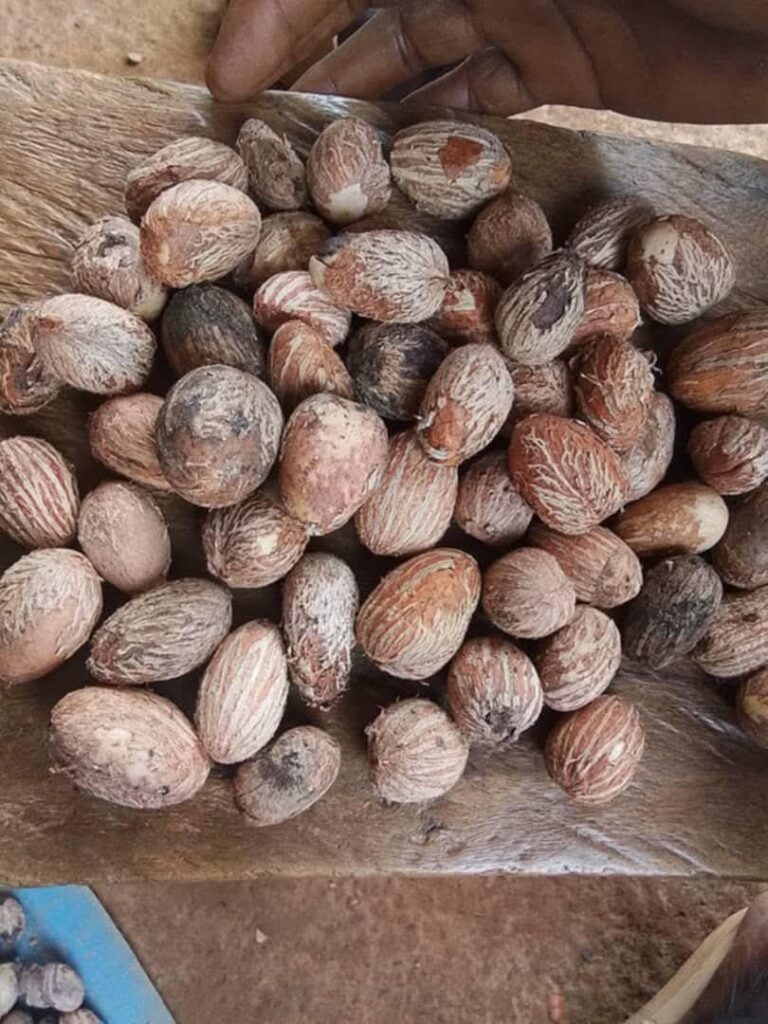
The shea tree produces a plum-like fruit — typically 3–5cm in length, green to yellow-green when ripe — consisting of a sweet, edible pulp surrounding a large seed. The seed comprises a thin seed coat enclosing the seed itself, which in turn consists of an embryo embedded in a large, lipid-rich endosperm — the commercial “kernel” that is the source of shea fat. Shea fruits ripen and fall naturally from June through September across Nigeria’s primary producing states — with the collection season therefore concentrated in this window, creating the seasonal supply pattern that procurement planning for raw shea must accommodate.
The Fat That Defines Shea’s Commercial Value
Shea kernel contains approximately 40–60% fat by dry weight — the shea butter that is the product’s primary commercial value driver across every application sector. This fat has a chemical composition of remarkable and commercially distinctive character, characterised by:
Stearic and Oleic Acid Dominance — shea fat is composed primarily of stearic acid (C18:0, approximately 35–45% of total fatty acids) and oleic acid (C18:1, approximately 40–55% of total fatty acids), with smaller fractions of palmitic acid (C16:0, approximately 4–6%), linoleic acid (C18:2, approximately 5–8%), and other minor fatty acids. This stearic-oleic dominance gives shea butter its characteristic physical properties — solid at room temperature (melting point approximately 32–38°C) but melting readily at skin temperature, producing the characteristic slip and absorption feeling that cosmetics formulators specifically value in premium moisturising formulations.
The stearic acid content of shea butter is commercially significant in confectionery applications: stearic acid is a specific component of cocoa butter’s fatty acid profile, and shea butter’s stearic-oleic-palmitic combination closely approximates the tempering behaviour of cocoa butter in ways that make it a technically compatible cocoa butter equivalent (CBE) for use in chocolate formulation — one of the food industry’s most commercially significant shea fat applications.
Unsaponifiable Fraction — The Bioactive Treasure — what truly distinguishes shea fat from virtually every other commercially produced vegetable fat is the exceptional concentration of its unsaponifiable fraction — the non-fatty acid components of the fat that are not converted to soap during saponification and that include the most biologically active compounds in the kernel. Shea butter’s unsaponifiable fraction — at approximately 5–11% of total fat — is 5–10 times higher than most other edible and cosmetic vegetable oils, and it contains:
Triterpene alcohols (primarily lupeol, α- and β-amyrin, and butyrospermol) — documented through research accessible via NCBI’s phytochemistry database to have potent anti-inflammatory properties directly relevant to shea butter’s traditional and modern therapeutic skin care applications. The anti-inflammatory mechanism of shea triterpene alcohols — involving inhibition of cyclo-oxygenase and 5-lipoxygenase inflammatory enzyme pathways — provides the pharmacological basis for shea butter’s documented efficacy in treating dry skin, eczema, and inflammatory skin conditions.
Tocopherols (Vitamin E) — particularly α- and γ-tocopherol, at concentrations that give shea butter significant antioxidant activity relevant both to the preservation of the fat itself (tocopherols inhibit oxidative rancidity) and to its skin care benefits as a topical antioxidant that protects skin tissue from free radical-induced oxidative damage.
Phytosterols — primarily β-sitosterol and stigmasterol, with documented skin barrier function support, anti-inflammatory activity, and moisturisation efficacy documented through cosmetic science research published in the International Journal of Cosmetic Science.
Cinnamic acid esters — natural UV-absorbing compounds that provide mild photoprotection — a property that contributes to shea butter’s traditional use as a sunscreen in West African communities and that has attracted scientific investigation into its potential as a natural UV filter component in photoprotective cosmetics formulations. Research on shea butter’s UV-absorption properties is published through NCBI’s photochemistry research publications.
This unsaponifiable fraction — documented in comprehensive chemical characterisation research published by the Journal of the American Oil Chemists’ Society (JAOCS) — is the primary bioactive differentiation of shea butter from other cosmetic fats and oils, and it is the fraction that cosmetics scientists, dermatologists, and pharmaceutical formulators most specifically value. The concentration of this fraction in crude, unrefined shea butter is significantly higher than in refined shea — providing the commercial argument for unrefined shea butter that premium cosmetics and dermatological product manufacturers consistently make in their ingredient specifications.
The Three Commercial Product Forms
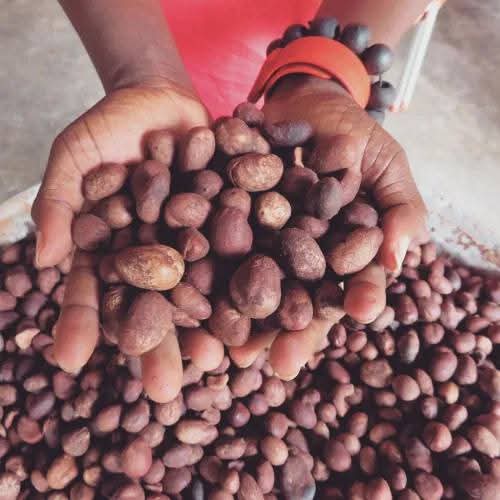
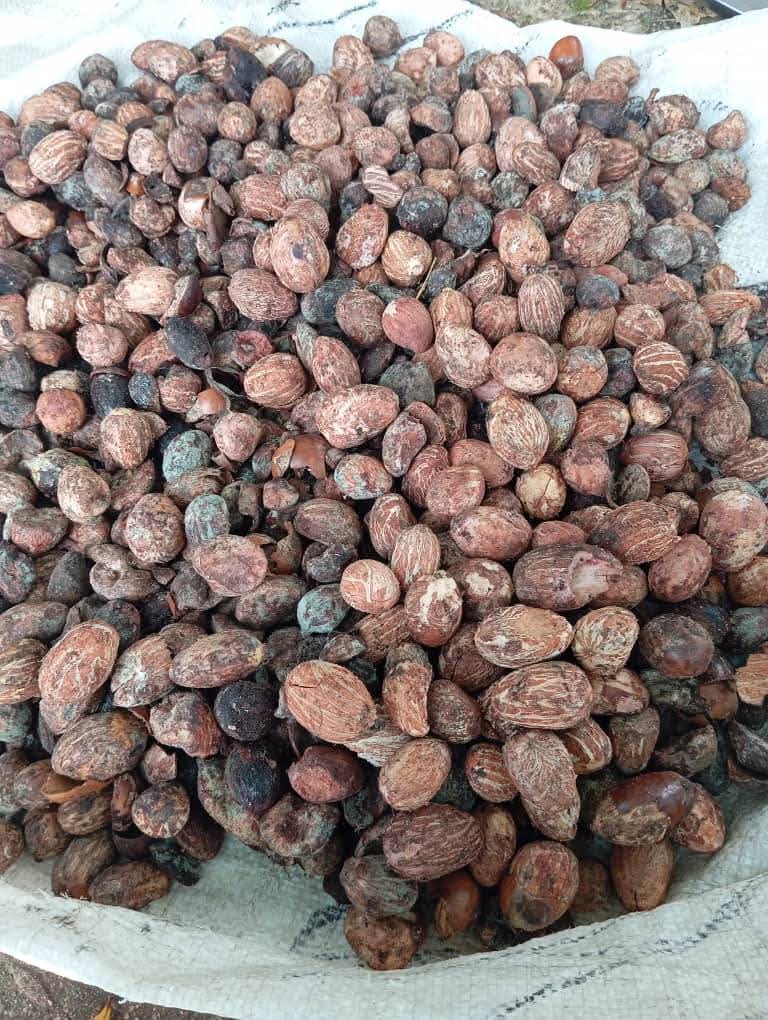
Raw Shea Kernels (Dried) — the primary export form for buyers who conduct their own shea butter extraction, cocoa butter equivalent processing, or industrial oleochemical production. Dried shea kernels — with moisture reduced from approximately 50–60% at fresh extraction to 8–12% for safe storage and export — are the raw material from which all processed shea products are derived. This form is exported in bulk container loads to French shea butter processors, Indian oleochemical manufacturers, and industrial fat processors across Europe and Asia.
Crude Unrefined Shea Butter — the traditional hand-processed or mechanically expelled product produced by cracking, grinding, boiling, and skimming shea kernels — retaining the full unsaponifiable fraction, the characteristic grey-green to ivory-yellow colour, the distinctive smoky-nutty aroma of traditionally processed shea, and all the bioactive compounds that define shea butter’s cosmetics and pharmaceutical value. Crude shea butter is the form demanded by premium cosmetics manufacturers who specifically formulate around the full unsaponifiable fraction — including Body Shop, L’Occitane, Lush, and hundreds of artisan and independent cosmetics brands building natural beauty product lines. It is also the form demanded by diaspora and African food retail buyers who use shea butter as both a cooking fat and a cosmetic in traditional West African practice.
Refined Shea Butter — produced by bleaching, deodorising, and filtering crude shea butter to remove colour, aroma, and some of the unsaponifiable fraction — producing a cream-white, odourless product with a standardised fatty acid profile and improved consistency. Refined shea butter is the form used in industrial cosmetics manufacturing where neutral colour and odour are required for complex formulations, in food industry applications as a cocoa butter equivalent, and in pharmaceutical excipient applications where standardised purity is mandatory. Refining removes or reduces the unsaponifiable fraction — which is commercially relevant: fully refined shea retains perhaps 40–60% of the triterpene and cinnamic acid content of crude shea, making the choice between crude and refined a formulation decision with direct bioactive ingredient implications.
Benefits and Industrial Uses of Nigerian Sheanut
Cosmetics and Personal Care Industry — The Primary Global Demand Driver
The global cosmetics industry’s relationship with shea butter represents one of the most commercially successful natural ingredient integrations in the history of modern beauty formulation — and its scale and growth trajectory are documented comprehensively through market research published by Grand View Research’s shea butter market report and Mordor Intelligence’s shea products market analysis. The global shea butter market — dominated by cosmetics as the primary application sector — is valued at billions of USD and is projected to grow at compound annual rates exceeding 7–8% through 2030, driven by expanding premium natural beauty markets across Europe, North America, Asia, and the Middle East.
Moisturisers and Body Care — shea butter is the foundational moisturising active in an enormous range of body lotions, body butters, hand creams, foot creams, and intensive moisturising treatments across every major cosmetics brand portfolio from mass market to luxury positioning. Its skin feel — the combination of spreadability, rapid absorption, and non-greasy moisturisation that makes shea butter universally beloved as a moisturiser — is a function of its stearic-oleic fatty acid balance and its unsaponifiable fraction’s barrier function enhancement. No other single cosmetic ingredient provides the same combination of sensory elegance, moisturisation efficacy, and safety profile that shea butter delivers as a standalone or formulation ingredient. The Cosmetic Ingredient Review (CIR) has conducted comprehensive safety assessments on shea butter ingredients — confirming the safety of both refined and unrefined shea butter across all cosmetic application categories.
Lip Care — shea butter is one of the most widely used lip balm and lip care base ingredients globally — appearing in products from every tier of the lip care market from pharmacy private label through prestige beauty. Its melting point (slightly below body temperature) provides the comfortable cushioning texture that defines quality lip care formulation, while its emollient and barrier function properties address the chronic moisture loss that causes lip dryness and chapping.
Natural Hair Care — this is one of shea butter’s fastest-growing application segments globally — driven by the natural hair movement’s embrace of traditional West African hair care practices that have used shea butter for moisture retention, protective styling, and scalp health management across generations. The global natural and Afro-textured hair care market — tracked through market intelligence published by Mintel’s beauty and personal care database — has emerged as one of the most commercially significant growth segments in prestige personal care, with shea butter occupying a culturally authentic, clinically supported position as a foundational ingredient. Research on shea butter’s hair conditioning and moisture retention properties is published in the International Journal of Cosmetic Science.
Suncare and Photoprotection — shea butter’s natural cinnamic acid ester content provides mild UV-absorbing activity that has been measured at approximately SPF 3–6 for unrefined shea in isolation — insufficient as a standalone sunscreen but commercially relevant as a complementary photoprotective component in formulations whose primary SPF is delivered by dedicated UV filters. This natural photoprotection property is specifically communicated by premium natural suncare brands that include unrefined shea butter as a substantiated natural ingredient in their product formulations.
Anti-aging and Dermatological Formulation — the clinical evidence for shea butter’s efficacy in treating dry skin conditions — including atopic dermatitis, eczema, and contact dermatitis — is documented through research accessible via NCBI’s dermatology research database and reviewed by dermatological product development teams at major cosmetics companies and dermatology-focused brands including CeraVe, Eucerin, and La Roche-Posay who specifically formulate with shea butter as a clinically validated emollient ingredient.
For cosmetics buyers sourcing crude unrefined shea butter or refined shea butter for specific formulation applications, contact our export team to discuss grade specification, unsaponifiable fraction content, and supply arrangements.
Confectionery and Food Industry — Cocoa Butter Equivalent and Premium Edible Fat
This is shea fat’s most significant food industry application — one whose commercial scale is enormous and largely invisible to consumers who are unaware that their chocolate bar contains West African shea fat alongside or instead of cocoa butter.
Cocoa Butter Equivalent (CBE) — shea stearin (the higher-melting fraction of shea fat produced through fractionation) is one of the most commercially significant cocoa butter equivalents (CBE) approved for use in chocolate production under EU Directive 2000/36/EC, which permits chocolate to contain up to 5% CBE vegetable fats in place of cocoa butter while retaining the designation “chocolate.” The EU market’s enormous chocolate production industry — centred in Belgium, Germany, Switzerland, the Netherlands, and the UK — uses shea stearin CBE at significant volumes as a partial cocoa butter replacement, driven by cost management and supply diversification objectives.
Major confectionery ingredient processors, including AAK (Sweden), Olam Food Ingredients, and Cargill source enormous volumes of shea kernels and crude shea fat from West African origins — including Nigeria — for fractionation into shea stearin (CBE) and shea olein (cocoa butter replacer/softener) for supply to the global chocolate and confectionery manufacturing industry. This industrial supply chain processes Nigerian shea nuts at scales of tens of thousands of tonnes per year — making the confectionery CBE application the highest-volume single industrial application for West African shea beyond the cosmetics sector.
Market intelligence on the cocoa butter equivalent market and shea’s role within it is published by Mordor Intelligence’s CBE market report and cross-referenced with commodity intelligence from Tridge’s shea nut intelligence platform. Contact our export team to discuss bulk shea kernel supply for CBE processing applications.
Margarine and Shortening Production — Shea fat’s solid consistency at room temperature and its resistance to oxidative rancidity (conferred by its tocopherol content) make it commercially suitable as a component in margarine, shortening, and bakery fat formulations — particularly in West African and developing-country markets where locally-sourced, lower-cost alternatives to imported palm oil and hydrogenated vegetable fats are commercially attractive.
Edible Fat for Traditional West African Cooking — crude shea butter has been used as a cooking fat across the West African savanna belt for centuries — used for frying, for enriching grain porridges, and as a flavouring fat in traditional cuisine. The diaspora food market demand for authentic cooking-grade shea butter — from Nigerian, Malian, Burkinabé, and Ghanaian diaspora communities across Europe and North America — provides a consistent retail demand stream for crude shea butter in food-grade packaging that complements the cosmetics channel demand.
Food-Grade Stearic Acid Production — the oleochemical industry sources shea fat as a raw material for stearic acid isolation — with stearic acid produced from shea fat used in food-grade applications, including confectionery hardening, vegetable-derived stearic acid for halal and kosher food formulation, and specialty fatty acid production. The American Oil Chemists’ Society (AOCS) publishes analytical methods and quality standards for edible fats, including shea, that define the specification framework for food-grade shea fat procurement.
Pharmaceutical Industry — Excipient, Emollient, and Topical Drug Delivery
Shea butter’s pharmaceutical applications span both the excipient and active ingredient categories — making it one of the few natural fats with defined roles in both the inert formulation vehicle and the therapeutic active spaces of pharmaceutical formulation:
Topical Pharmaceutical Emollient — shea butter is approved as a pharmaceutical excipient in topical formulations — creams, ointments, and lotions — where its emollient properties, skin compatibility, and patient acceptability are specifically valued in formulations for dry skin conditions, wound healing preparations, and barrier restoration products. The European Pharmacopoeia (Ph. Eur.) and United States Pharmacopeia (USP) both list refined shea butter in their excipient monographs — providing the pharmacopoeial regulatory basis for pharmaceutical-grade shea butter use in registered drug products.
Suppository and Semi-Solid Pharmaceutical Base — shea butter’s melting point (32–38°C) — just above room temperature but below body temperature — makes it an ideal natural base for suppository formulations and certain semi-solid pharmaceutical preparations that need to be solid at room temperature for handling and administration but melt rapidly at physiological temperature for active ingredient release. Shea-based suppository formulations are documented in pharmaceutical formulation research published through the International Journal of Pharmaceutics.
Anti-inflammatory Topical Pharmaceutical Active — the documented anti-inflammatory activity of shea butter’s triterpene fraction positions it as a potential natural pharmaceutical active in anti-inflammatory topical preparations. Research published through NCBI documents the mechanism — inhibition of inflammatory enzyme pathways — with sufficient specificity that pharmaceutical research companies are investigating standardised shea triterpene extract as a pharmaceutical active ingredient in dermatological formulations targeting conditions including atopic dermatitis, contact dermatitis, and inflammatory skin disorders.
Wound Healing Formulations — shea butter’s combination of emollient activity (maintaining tissue hydration at the wound site), anti-inflammatory activity (reducing inflammatory damage to healing tissue), and film-forming properties (providing a protective barrier over healing skin) gives it multi-mechanism relevance in wound healing pharmaceutical formulation — an application documented in clinical research accessible through NCBI’s wound healing research publications.
For pharmaceutical-grade shea butter procurement with Ph. Eur./USP specification compliance, microbiological testing, heavy metal screening, and full pharmacopoeial documentation packages, contact Paradise MultiTrade to discuss sourcing requirements.
Nutraceutical Industry — The Unsaponifiable Fraction as a Bioactive Supplement
The nutraceutical industry’s interest in shea butter’s bioactive unsaponifiable fraction — particularly the triterpene alcohols and cinnamic acid esters — has been growing as clinical evidence for anti-inflammatory and skin-protective properties accumulates. Standardised shea unsaponifiable extract supplements — positioned for joint health, anti-inflammatory support, and skin health applications — represent an emerging nutraceutical product category whose upstream raw material procurement specifically requires high-unsaponifiable-fraction crude or expeller-pressed shea butter from origins that have not undergone the refining process that reduces unsaponifiable content.
The Global Shea Alliance’s research and market development programme tracks nutraceutical applications of shea-derived bioactive compounds — providing the industry intelligence framework that helps nutraceutical ingredient buyers identify high-unsaponifiable-fraction raw material specifications and sourcing strategies. Contact our export team to discuss the high-unsaponifiable-fraction shea specification for nutraceutical applications.
Industrial Oleochemical Applications
Beyond food and cosmetics, shea fat serves as an industrial raw material for oleochemical production — including lubricant base stocks, specialty coatings, and industrial fatty acid production. The industrial oleochemical industry’s procurement of shea fat in bulk form represents a volume-significant demand stream that complements the higher-value cosmetics and food applications, with industrial buyers typically sourcing at lower unit prices but in significantly larger volumes than cosmetics ingredient buyers.
Oleochemical market intelligence is tracked by the AOCS through its lipid chemistry publications, and industrial shea fat trade flows are monitored through ITC Trade Map data that documents shea kernel and crude shea fat moving from West African origins to European and Asian oleochemical processing hubs.
Why Buy Sheanut from Nigeria?
The Production Scale Argument — The World’s Largest Shea Producer
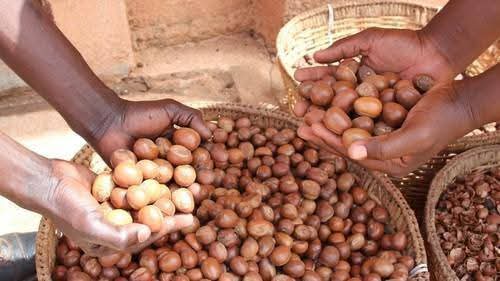
Nigeria’s dominance of global sheanut production — documented through FAO production data and confirmed through field survey research published by the Global Shea Alliance — creates a supply depth advantage that no other origin can match. Burkina Faso, Mali, Ghana, and Côte d’Ivoire all produce significant shea volumes, but Nigeria’s combination of total land area within the shea belt, high natural tree density, and millions of collection community households engaging in annual shea harvest creates aggregate production capacity that dwarfs all other origins.
For buyers planning multi-year supply programmes, expanding production volumes, or building supply relationships that can scale with growing demand — Nigeria’s production depth provides the supply scaling potential that smaller origins cannot credibly offer. The CBI Netherlands market intelligence on shea butter for European buyers specifically documents Nigeria’s production leadership and its implications for supply chain development decisions by European cosmetics ingredient buyers.
The Quality Geography — Fat Content, Unsaponifiable Fraction, and Variety Diversity
Nigerian shea trees — maintained across a vast geographic range of ecological conditions from the southern Guinea savanna through the drier Sudan savanna transition — produce shea kernels with a range of fat content (40–60%) and unsaponifiable fraction concentration (5–11%) that varies meaningfully by geographic zone and tree population within the country. This geographic quality variation — documented through analytical research on Nigerian shea kernel composition published in the Journal of the Science of Food and Agriculture — allows buyers with specific quality requirements to target sourcing from the geographic production zones that most closely match their specification needs.
For cosmetics buyers specifically seeking maximum unsaponifiable fraction — the bioactive-rich fraction that differentiates premium shea — Paradise MultiTrade’s sourcing network in the southern Guinea savanna shea belt states (Kwara, Kogi, Benue) — where lower-altitude, more humid conditions produce shea with specific fatty acid profiles and unsaponifiable content — provides origin specificity that undifferentiated “Nigerian shea” procurement cannot deliver. Contact our team to discuss origin-specific sourcing for your specific unsaponifiable fraction requirement.
Ghana Is Not the Only Quality Origin — Correcting the Market Perception
The cosmetics industry’s historical association of premium shea quality with Ghanaian origin — a perception built through early brand development investment by fair trade organisations and cosmetics brands that established commercial relationships in Ghana before Nigeria’s export infrastructure was comparably developed — does not reflect an underlying botanical quality advantage of Ghanaian over Nigerian shea. Chemical analyses comparing shea from multiple West African origins — published through the AOCS journals and reviewed in natural cosmetics ingredient literature — consistently show overlapping quality ranges between Nigerian and Ghanaian shea, with both origins capable of producing material that meets the highest cosmetics grade specifications.
The perception gap is a commercial opportunity for buyers who evaluate Nigerian shea on analytical credentials rather than marketing heritage — accessing equivalent or superior quality at competitive pricing, with supply volume security that Ghana’s smaller production base cannot provide. Paradise MultiTrade’s analytical documentation programme — providing certified analysis of fat content, unsaponifiable fraction, peroxide value, free fatty acid content, and moisture for all export lots — gives cosmetics buyers the documented quality basis for formulation with Nigerian origin shea alongside or instead of Ghanaian-origin material.
Sustainability and Women’s Economic Empowerment Credentials
The sustainability story of Nigerian shea collection is genuinely compelling — and increasingly important to the European and American cosmetics buyers whose corporate responsibility reporting now specifically addresses supply chain gender equity, community development impact, and deforestation-free sourcing commitments. Nigerian shea is:
Women-controlled at source — the entire collection, processing, and first-sale chain is managed by women in producing communities — providing direct, measurable women’s economic empowerment impact that sustainability procurement teams can document.
Deforestation-neutral by nature — shea tree populations are maintained within farmed parkland landscapes rather than standing forests, and their collection provides economic incentive for farmers to protect rather than clear shea-bearing land — creating a positive conservation dynamic documented through land use research from the International Union for Conservation of Nature (IUCN) and agroforestry research from ICRAF.
Climate resilience contributor — the shea tree’s drought tolerance and its role in maintaining soil carbon and microclimate in degraded savanna landscapes gives it specific value in climate change adaptation narratives documented through CGIAR/CCAFS climate-smart agriculture research.
The Fairtrade International shea certification programme and the Global Shea Alliance’s sustainability standards provide the formal certification frameworks that buyers can reference when building sustainability-documented Nigerian shea supply chains. Paradise MultiTrade engages with these frameworks actively and welcomes dialogue with buyers whose procurement policies require formal sustainability certification alongside commercial quality documentation.
Complete Export Documentation from a Licensed Exporter
Every sheanut and shea butter shipment processed through Paradise MultiTrade carries phytosanitary certification from the Nigerian Agricultural Quarantine Service (NAQS), NEPC export documentation, certificate of origin, commercial invoice, packing list, and bill of lading. For cosmetics-grade shea butter, we coordinate certificate of analysis including fat content, unsaponifiable fraction, free fatty acid (FFA), peroxide value, moisture content, colour measurement, and microbiological safety testing through accredited laboratories following AOCS validated methods and ISO cosmetic ingredient testing standards. For pharmaceutical-grade refined shea butter, we coordinate Ph. Eur. and USP monograph specification testing. EU-bound shea butter and shea kernel shipments comply with Regulation (EU) 2017/625. Our NEPC Export Licence No. 0042385 and CAC Registration No. RC-9284647 are current and verifiable through NEPC.
Nigeria’s Sheanut Export Strength and Global Market Demand
The Global Market — Growing Demand Across Multiple Sectors Simultaneously
The global shea butter market — documented through Grand View Research and Mordor Intelligence — is projected to reach USD 3–4 billion by 2030, growing at compound annual rates of 7–10% driven by expanding premium natural beauty markets in Asia (particularly China, Japan, and South Korea), sustained strong demand from European and American cosmetics manufacturers, growing confectionery CBE application demand from Asian chocolate markets, and the emerging pharmaceutical and nutraceutical sector’s growing shea bioactive interest.
The Global Shea Alliance — the industry consortium representing shea producers, processors, buyers, and development organisations globally — publishes annual market intelligence on shea production volumes, quality trends, and demand sector developments. Their market data is the primary reference for serious shea procurement professionals building long-term supply strategies.
Key Export Destination Markets
France and Belgium — Europe’s Shea Processing Hubs
France and Belgium are the primary European markets for West African shea, with French cosmetics ingredient processors, including L’Occitane’s supply chain partners, Sophim, and specialist shea ingredient manufacturers, and Belgian chocolate manufacturers representing two of the most commercially significant buyer communities for Nigerian shea. French cosmetics culture’s long-established appreciation of African botanical ingredients — including shea — creates a sophisticated buyer community that evaluates Nigerian origin material on objective quality criteria rather than marketing heritage.
Germany and the Netherlands — Food and Oleochemical Processing
German and Dutch food ingredient and oleochemical processors are significant buyers of shea kernels and crude shea fat for CBE production, margarine manufacturing, and industrial fat applications. German confectionery manufacturers — among the world’s most technically sophisticated chocolate producers — source shea stearin CBE at significant volumes through ingredient processors who source raw shea from multiple West African origins, including Nigeria.
The United Kingdom — Cosmetics and Natural Beauty Market
The UK is Europe’s most commercially significant market for premium natural beauty products — with British cosmetics brands including Lush, The Body Shop, Neal’s Yard Remedies, and dozens of independent natural beauty brands all actively sourcing shea butter for their product formulations. The UK’s large Nigerian and West African diaspora community adds a diaspora food and cultural cosmetics demand layer to the mainstream beauty industry procurement. UK cosmetics ingredient import trends are tracked through Mintel’s UK beauty market database.
The United States — The World’s Largest Single-Country Cosmetics Market
American cosmetics manufacturers — from mass market personal care brands through prestige beauty companies — collectively represent the world’s most commercially significant single-country demand for shea butter. American consumers’ embrace of shea butter as both a beauty ingredient and a cultural symbol has driven product launches across every cosmetics category, with shea butter appearing in the ingredient lists of hundreds of millions of personal care product units sold annually. US cosmetics ingredient market trends are tracked by Euromonitor International’s US beauty market reports.
Asia — The Fastest-Growing New Demand Frontier
Chinese, Japanese, South Korean, and Southeast Asian cosmetics markets are the fastest-growing destinations for shea butter — with Asian beauty consumers’ growing appetite for natural, origin-specific botanical ingredients driving rapidly expanding shea import volumes. The CBI Netherlands market intelligence on shea for European and Asian buyers documents this geographic demand expansion. Indian cosmetics and ayurvedic product manufacturers are additionally growing buyers of shea butter for natural beauty formulation — tracked through APEDA India’s cosmetics ingredient import data.
Why Choose Paradise MultiTrade International Limited?
Three Product Forms Available — Raw Kernels, Crude Butter, Refined Butter. We supply dried shea kernels for extraction buyers, crude unrefined shea butter for premium cosmetics and diaspora food buyers, and refined shea butter for industrial food, pharmaceutical, and mainstream cosmetics buyers. Each form has distinct specifications, analytical requirements, and pricing discussed at the quotation stage. Contact our team to specify your required form.
Geographic Origin Specificity Within Nigeria. Our sourcing covers multiple shea belt states — Kwara, Kogi, Niger, Benue, Kaduna, and Nasarawa — with different states producing shea with distinct fat content and unsaponifiable fraction profiles. For buyers with specific cosmetics formulation requirements, we engage with origin-specific sourcing requests rather than supplying undifferentiated Nigerian shea. Contact us to discuss origin-specific quality targeting.
Comprehensive Analytical Certification. We coordinate full cosmetics-grade analysis — fat content, unsaponifiable fraction percentage, FFA, peroxide value, moisture, colour (Lovibond), iodine value, saponification value, and microbiological testing — through accredited laboratories following AOCS and ISO cosmetic ingredient standard methods. Pharmaceutical-grade Ph. Eur. and USP testing available for pharmaceutical buyers. Contact us to build your analytical package.
Sustainability and Women’s Empowerment Documentation. We engage with the Global Shea Alliance’s sustainability framework and provide supply chain documentation on community collection networks, women’s income impact, and sustainable harvesting practices for buyers whose procurement sustainability reporting requires this documentation.
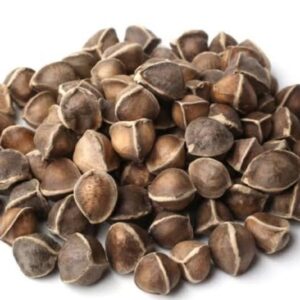
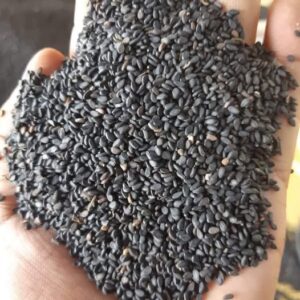
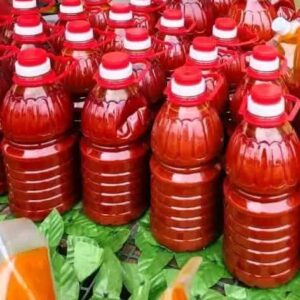
Multi-Commodity West African Agricultural Sourcing. Sheanut buyers frequently source complementary Nigerian agricultural commodities. Alongside sheanut, Paradise MultiTrade exports red palm oil, sesame seeds, hibiscus flower, moringa seeds, gum arabic, fresh ginger, turmeric, bitter kola, kola nut, cashew nut kernel, and raw cashew nuts. Explore our full range of Nigerian export commodities and consolidate your West African natural ingredient sourcing through one verified, licensed export partner.
Product Specifications
| Specification | Details |
|---|---|
| Product | Sheanut / Shea Butter (Vitellaria paradoxa) |
| Common Names | Sheanut, Shea kernel, Shea butter, Karité butter, Ori (Yoruba), Kadanya (Hausa), Nku (Igbo) |
| Origin | Nigeria (Kwara, Kogi, Niger, Benue, Kaduna, Nasarawa, Taraba, Plateau States) |
| Forms Available | Dried shea kernels; crude unrefined shea butter; refined shea butter (bleached and deodorised) |
| Fat Content (Kernel dry basis) | 40–60% by dry weight |
| Unsaponifiable Fraction | 5–11% of total fat (crude unrefined butter) |
| Primary Fatty Acids | Stearic (35–45%); Oleic (40–55%); Palmitic (4–6%); Linoleic (5–8%) |
| Free Fatty Acid (FFA) | ≤3% as oleic acid (cosmetics grade); ≤1% (pharmaceutical grade) |
| Peroxide Value | ≤10 meq/kg (fresh crude butter); ≤5 meq/kg (refined) |
| Moisture Content (Kernel) | 8–12% (export dried) |
| Moisture Content (Butter) | ≤0.5% |
| Colour (Crude Butter) | Ivory to grey-green (traditional processed); pale yellow (mechanically expelled) |
| Colour (Refined Butter) | White to cream-white |
| Aroma (Crude) | Characteristic smoky-nutty shea aroma |
| Aroma (Refined) | Odourless to very faint |
| Melting Point | 32–38°C |
| Iodine Value | 55–70 g I₂/100g |
| Saponification Value | 178–195 mg KOH/g |
| Packaging Options | 25kg, 50kg polypropylene bags (kernels); 25kg, 200L drums, IBC totes (butter); retail jars on request |
| Supply Capacity | Kernels: 50–2,000+ MT; Butter: 20–500+ MT per shipment |
| MOQ | Kernels: 10 MT; Crude butter: 5 MT; Refined butter: 5 MT |
| Shelf Life | Kernels: 12–18 months; Crude butter: 24 months; Refined butter: 24 months |
| Export Documentation | Phytosanitary Certificate (NAQS), Certificate of Origin, NEPC Export Licence, Certificate of Analysis (AOCS/ISO methods), Microbiological Certificate, Commercial Invoice, Packing List, Bill of Lading |
| Payment Terms | T/T, Letter of Credit (LC at sight), Escrow |
| Loading Port | Lagos (Apapa / Tin Can Island Port), Nigeria |
| Incoterms Available | EXW, FOB Lagos, CNF, CIF |
Packaging and Export Process
Fruit Collection. Shea fruits ripen naturally and fall from trees between June and September across Nigeria’s shea belt states. Community women collect fallen fruits daily from beneath producing trees — a labour-intensive, skill-dependent operation that requires knowledge of which trees are in production, the timing of peak maturity across the extended collection window, and the speed of collection needed to prevent ground-contact fermentation that degrades kernel quality. Daily collection from individual trees over the 6–10 week collection season builds the aggregate harvest that drives annual shea production volumes.
Depulping and Seed Extraction. Collected shea fruits are depulped — the sweet outer pulp (consumed fresh by collectors and sold as a fruit) removed to expose the seed beneath. Seed extraction either involves cracking the thin outer shell manually or, in increasingly common practice at community processing points, using simple mechanical depulpers that improve throughput efficiency.
Boiling (Traditional Method) or Skip to Drying (Kernel Export Method). For crude butter production following traditional processing, extracted seeds are boiled before drying — a step that deactivates endogenous lipases that would otherwise cause rapid free fatty acid development in stored kernels. For kernel export supply chains where buyers conduct their own processing, the boiling step may be omitted in favour of direct drying — depending on buyer specification and intended processing timeline.
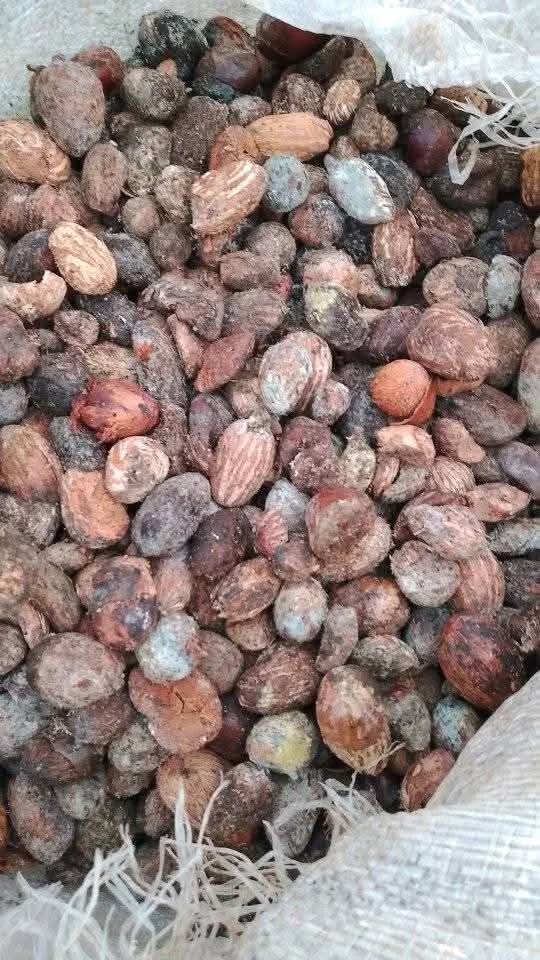
Drying. Kernels are dried on elevated platforms under direct sunshine — from approximately 50–60% moisture at extraction to the 8–12% target for safe export storage. Proper drying is the most critical quality management step in kernel export supply chains — inadequate drying is the primary cause of FFA development and mould growth in stored kernels that degrades commercial value and creates food safety concerns.
Kernel Cracking and Sorting (for butter production). For crude butter production, dried kernels are cracked — to separate the outer shell from the inner kernel — and the kernels roasted and ground before traditional water-boiling butter extraction or mechanical expelling.
Butter Extraction. Traditional water-boiling extraction involves grinding roasted kernels to paste, mixing with water, boiling, and skimming the butter fraction that separates and rises to the surface. Mechanical expelling — increasingly used in community processing operations equipped with oil presses — improves extraction efficiency and reduces the water content and oxidative exposure of the extracted butter compared to traditional methods. Both methods produce crude, unrefined shea butter with the full unsaponifiable fraction intact.
Refining (where specified). Crude butter for refined grade production undergoes bleaching (activated clay treatment to remove colour), filtration, and deodorisation (steam stripping to remove aroma volatiles) — producing the white, odourless refined shea butter used in industrial food, pharmaceutical, and mainstream cosmetics applications.
Quality Testing and Packaging. Butter lots are tested for FFA, peroxide value, moisture, colour, and microbiological safety before packaging. Kernels are tested for moisture, FFA, and physical purity. Packaging options include 25kg and 50kg polypropylene bags for kernels, and 25kg cartons, 200L steel drums, and 1,000L IBC totes for butter. Pre-export phytosanitary inspection by NAQS is completed before container sealing. Lead time from order confirmation to container loading runs 14–28 days for kernels; 21–35 days for butter. Contact us early — particularly for butter orders requiring specific grade or analytical testing that add processing time to the standard lead time.
Frequently Asked Questions
What is the difference between crude, unrefined shea butter and refined shea butter — which should I specify for cosmetics formulation?
Crude, unrefined shea butter retains its full unsaponifiable fraction (5–11% of total fat), its natural ivory to grey-green colour, and its characteristic smoky-nutty aroma. It contains all the triterpene alcohols, cinnamic acid esters, tocopherols, and phytosterols that give shea butter its documented anti-inflammatory, antioxidant, and photoprotective bioactivity. Premium natural cosmetics brands — those specifically formulating around shea’s bioactive properties — require crude, unrefined butter to preserve this unsaponifiable fraction. Refined shea butter has been bleached to white, deodorised to odourless, and filtered, with the unsaponifiable fraction reduced by approximately 40–60% during processing. Refined butter is appropriate for industrial cosmetics applications where neutral colour and odour are required for complex formulations, for pharmaceutical excipient applications, and for food manufacturing CBE applications. The choice is a formulation decision: if bioactive unsaponifiables are the formulation objective, specify crude. If colour and odour neutrality are the priority, specify refined. Contact us to confirm which grade is appropriate for your application.
What is the unsaponifiable fraction and why do premium cosmetics buyers specifically request high values?
The unsaponifiable fraction of shea butter is the portion of the fat that is not converted to soap during alkaline hydrolysis — comprising the non-fatty acid components, including triterpene alcohols, cinnamic acid esters, tocopherols, and phytosterols. This fraction — present at 5–11% of shea fat versus 0.5–1.5% in most other vegetable oils — contains the most biologically active compounds in shea butter, including the anti-inflammatory triterpene alcohols (lupeol, α-amyrin, β-amyrin) and the UV-absorbing cinnamic acid esters that give shea butter its documented therapeutic skin care properties beyond basic emollient moisturisation. Premium cosmetics brands formulating anti-inflammatory, anti-aging, or photoprotective skin care products specifically require high-unsaponifiable-fraction crude shea butter as the basis for those efficacy claims, making unsaponifiable fraction content the most commercially important single quality parameter for therapeutic cosmetics buyers. Research documenting these properties is available through NCBI. Contact us to discuss unsaponifiable fraction documentation for your specific formulation.
What is the free fatty acid (FFA) content of Nigerian shea, and why does it matter?
Free fatty acid content — expressed as percentage oleic acid — is the primary indicator of shea kernel and butter quality at both collection and processing stages. FFA develops through enzymatic hydrolysis of the shea fat by naturally occurring lipases in the kernel tissue — a process that accelerates dramatically with inadequate drying (above 12% moisture), delayed processing of fresh kernels, and high-temperature storage. Low FFA (≤3% for cosmetics grade, ≤1% for pharmaceutical grade) indicates properly harvested, dried, and stored material that has not undergone significant enzymatic degradation. High FFA indicates compromised post-harvest handling and is associated with reduced skin-feel performance, rancidity development, and reduced pharmaceutical suitability. Paradise MultiTrade manages FFA quality at the sourcing level — specifying drying protocol requirements for kernel suppliers and testing FFA on every export lot before shipping confirmation. Contact us to discuss FFA specification requirements.
Is Nigerian shea suitable as a cocoa butter equivalent (CBE) in chocolate manufacturing?
Yes — shea stearin produced by fractionation of Nigerian shea fat is one of the approved cocoa butter equivalents under EU Directive 2000/36/EC, permitted in chocolate at up to 5% of the total fat in the finished product alongside cocoa butter. Nigerian shea kernels with fat content in the 45–60% range, and a stearic-oleic fatty acid profile consistent with CBE fractionation requirements are a suitable feedstock for CBE processors, including AAK, Olam, and Cargill, who supply the European and Asian chocolate manufacturing industry. The critical quality parameters for CBE processing are fat content, stearic acid percentage, and FFA level — all of which we document analytically for kernel lots designated for CBE processing supply chains. Contact our team to discuss bulk kernel supply for CBE extraction applications and the specific quality parameters your processing operation requires.
What is the Nigerian shea collection season, and when should I plan procurement?
Nigeria’s shea fruit collection season runs from June through September, when fruits ripen naturally and fall from trees across the Guinea and Sudan savanna belt states. Peak collection and processing occur in July and August. Dried kernels from the June–September collection are processed and available for export from approximately August through May of the following year. Crude shea butter produced from the season’s kernels is available year-round. Buyers planning large-volume kernel purchases — particularly CBE processors or industrial fat buyers — should initiate discussions in April–May to discuss forward pricing and secure allocation ahead of the June harvest season. Contact us to plan your procurement cycle.
How should crude shea butter be stored after delivery to preserve the unsaponifiable fraction and prevent rancidity?
Store in sealed containers (drums or IBC totes) in a cool, dark environment at ambient temperature below 25°C — ideally in a temperature-controlled warehouse at 15–20°C for premium cosmetics-grade material. The critical protection requirements are: exclusion of light (which accelerates tocopherol oxidation and carotenoid degradation), minimisation of oxygen exposure (which drives oxidative rancidity development), and maintenance of temperature stability (temperature fluctuation causes repeated melting-solidification cycles that can promote physical separation and quality degradation in crude butter). Do not store near strong odour sources — crude shea butter readily absorbs ambient odours in unsealed storage conditions. Under proper sealed storage at stable cool temperatures, properly produced Nigerian crude shea butter maintains quality for 24 months from production. Refined shea butter, with its lower unsaponifiable content and reduced tocopherol fraction, may have slightly different stability characteristics — discuss storage requirements with your formulation team.
What transit times should I plan for from Nigeria?
Shea butter (liquid form, temperature-controlled tanker container recommended above 38°C ambient transit temperatures): Europe (Rotterdam, Hamburg, Antwerp) — approximately 14–20 days. USA (East Coast) — 18–25 days. Solid butter in drums at ambient temperature (below 32°C): same transit times in standard dry containers. Shea kernels (standard dry container): Europe — 14–20 days. USA (East Coast) — 18–25 days. UK (Tilbury, Felixstowe) — 14–18 days. France (Le Havre, Marseille) — 14–18 days. Japan (Yokohama) — 25–32 days. UAE (Jebel Ali) — 10–14 days. India (Nhava Sheva) — 10–15 days.
Ready to Source Premium Nigerian Sheanut — Raw Kernels, Crude Unrefined Shea Butter, and Refined Shea Products for Cosmetics Manufacturers, Confectionery Processors, Pharmaceutical Buyers, and Wholesale Importers?
If you are a premium natural cosmetics brand sourcing high-unsaponifiable-fraction crude shea butter for anti-inflammatory and bioactive skin care formulation, a confectionery ingredient processor building West African shea kernel supply for CBE production, a pharmaceutical ingredient buyer sourcing Ph. Eur./USP-grade refined shea butter for topical excipient applications, a nutraceutical company investigating shea triterpene extract as a supplement active, a wholesale fat and oleochemical trader building Nigerian shea origin positions, or a diaspora food and cultural cosmetics importer serving West African communities — Paradise MultiTrade International Limited is the licensed Nigerian exporter your supply chain needs.
We supply Nigerian sheanut and shea butter — raw kernels, crude unrefined butter, and refined butter — sourced from established community collection networks across Nigeria’s primary shea belt states, analytically tested for fat content, unsaponifiable fraction, FFA, and microbiological safety, sustainability-documented for gender equity and deforestation-free sourcing, and exported with full regulatory and technical documentation to buyers in every major regulated destination market.
Request a Quotation — share your required form (kernels, crude butter, or refined butter), volume, analytical specification requirements (FFA limit, unsaponifiable fraction target, pharmaceutical grade), sustainability documentation requirements, destination market, and preferred incoterms. We respond with a detailed, competitive quote within 48 hours.
Contact Our Export Team — speak directly with our export coordinators about unsaponifiable fraction documentation, FFA quality management protocols, CBE processing kernel specification, pharmaceutical-grade refined butter testing, sustainability and fair trade documentation, origin-specific sourcing within Nigeria, and long-term contract supply structures for business-critical procurement programmes.
Explore Our Full Product Range — alongside sheanut, Paradise MultiTrade exports red palm oil, gum arabic, moringa seeds, sesame seeds, hibiscus flower, turmeric, cloves, fresh ginger, dry split ginger, chilli pepper, bitter kola, kola nut, cashew nut kernel, and raw cashew nuts. One licensed Nigerian exporter. One consolidated West African natural-ingredient and agricultural-sourcing relationship. Consistent quality, sustainability documentation, and regulatory compliance across every commodity.
Buy Nigerian shea nut, Vitellaria paradoxa Nigeria supplier, shea butter raw material Nigeria, shea kernel Nigeria bulk export, Nigerian shea nut for cosmetics industry, crude shea butter Nigeria wholesale, shea nut bulk buyer West Africa, unrefined shea butter Nigeria export
Paradise MultiTrade International Limited | NEPC Export Licence No. 0042385 | CAC No. RC-9284647 | Lagos, Nigeria | www.paradisemultitrade.com
Reviews
There are no reviews yet.