

Nigerian Cotton Seed: The Agricultural By-Product That the Global Textile Industry Has Never Adequately Valued — Whose Oil Content Feeds Hundreds of Millions of People Across Developing Countries, Whose Protein Cake Sustains Livestock Industries Across Africa and Asia, and Whose Gossypol Challenge the Food Industry Has Spent a Century Solving With Solutions That Create Rather Than Eliminate Its Commercial Value
Cotton Seed Exporter Nigeria — Whole Cotton Seed, Delinted Cotton Seed, Oil-Grade Cotton Seed, Cold-Pressed Cotton Seed Oil, Cotton Seed Cake (Animal Feed), and Cotton Seed Hulls, Direct Northern Cotton Belt Sourcing, Bulk Supply to Edible Oil Refineries, Animal Feed Manufacturers, Industrial Oil Processors, Soap and Oleochemical Manufacturers, and Global Commodity Wholesale Buyers Worldwide
Cotton seed exporter Nigeria is a search phrase that arrives in a commercial context whose fundamental economics most commodity buyers have never fully examined — because the cotton seed trade operates in the shadow of the far more commercially visible cotton fibre trade whose global value dominates every media representation of the cotton industry.
The arithmetic is commercially remarkable: for every tonne of cotton lint (fibre) that a cotton gin separates from harvested cotton bolls and sends to the textile industry — the same gin produces approximately 1.6 tonnes of cotton seed. Globally, the cotton industry harvests approximately 25–28 million tonnes of cotton seed annually — a by-product volume that exceeds the primary product’s weight by 60%. The combined market value of global cotton seed — as edible oil feedstock, animal feed protein source, and industrial oleochemical raw material — represents tens of billions of dollars annually. And yet the cotton industry’s commercial narrative remains focused almost entirely on the fibre, treating the seed as a residual commodity rather than the substantial co-product whose independent commercial development it genuinely is.
Nigeria’s cotton production history — concentrated in the northern states of Kano, Katsina, Gombe, Yobe, Borno, Zamfara, Sokoto, Kebbi, Niger, Kaduna, and Adamawa whose sandy loam soils, adequate seasonal rainfall, and warm temperatures create agro-ecological conditions suited to Gossypium hirsutum cultivation — follows a trajectory with striking parallels to the groundnut story we documented in the preceding article. At independence, Nigeria was one of West Africa’s most significant cotton producers — supplying both domestic textile mills and international export markets. The same oil boom displacement, institutional infrastructure collapse, and market liberalisation disruption that collapsed the groundnut pyramids also contracted Nigerian cotton production from its peak. The recovery — through improved variety programmes from the International Institute of Tropical Agriculture (IITA) and the International Cotton Advisory Committee (ICAC) — is ongoing, with Nigerian cotton production rebuilding across the northern belt.
The commercial opportunity for cotton seed specifically — beyond the fibre’s own recovery trajectory — is that every tonne of cotton fibre whose formal export or domestic mill processing is formalised simultaneously generates 1.6 tonnes of cotton seed whose value must be captured or lost. For Paradise MultiTrade’s supply programme, cotton seed procurement from gin operations across Nigeria’s northern cotton belt creates a commercial aggregation opportunity whose raw material source is the inevitable by-product of a textile industry whose own recovery creates supply without requiring independent agricultural investment.
At Paradise MultiTrade International Limited, cotton seed is one of our most industrially versatile commodity categories — sourced from cotton ginning operations across Nigeria’s primary cotton producing states, processed into whole seed, delinted seed, oil-grade, and cake forms appropriate to the full range of industrial buyer requirements, and exported with full food safety, analytical, and regulatory documentation.
To discuss sourcing immediately, request a quotation here and our export team responds within 48 hours.
History and Origin — The Fibre Crop Whose Seed Feeds the World
Gossypium Hirsutum — American Origin, Global Industrial Adoption, Nigerian Commercial History
Gossypium hirsutum — Upland cotton, the species accounting for approximately 90% of global cotton production — is native to Mesoamerica and the Caribbean, where pre-Columbian peoples cultivated it for both fibre and seed use. Spanish colonisers introduced upland cotton to Africa through the Atlantic trade networks of the 16th and 17th centuries — with subsequent commercial development driven by colonial textile industry demand for raw cotton that made sub-Saharan African cotton cultivation commercially significant by the 19th century.
Nigeria’s cotton cultivation history — documented through FAO historical production records and colonial agricultural reports — reflects the systematic development of cotton as a cash crop in the northern states whose agro-ecological conditions proved highly compatible with Gossypium hirsutum‘s requirements. The British colonial administration — through the British Cotton Growing Association and subsequently through the Nigerian Cotton Board — established the ginning, grading, and export infrastructure that made Nigerian cotton commercially viable in international textile markets through the 1950s and 1960s.
The International Cotton Advisory Committee (ICAC) — the intergovernmental organisation tracking global cotton production, consumption, and trade — documents Nigeria’s cotton sector recovery trajectory, whose progressive rebuilding creates the cotton seed supply that Paradise MultiTrade’s export programme aggregates and markets.
The Gossypol Challenge — The Toxic Compound That Defined a Century of Cotton Seed Processing Science
Gossypol — the polyphenolic pigment compound present in cotton seed glands at concentrations of 0.4–1.7% of seed dry weight in conventional Gossypium hirsutum varieties — is the defining quality management challenge in cotton seed commercialisation. Gossypol is toxic to monogastric animals (humans, pigs, poultry) at concentrations above approximately 100mg per kilogram of body weight per day — causing liver damage, oedema, reproductive impairment, and growth suppression documented through NCBI’s gossypol toxicology research database.
The commercial consequence: raw cotton seed cannot be used as direct human food or as primary feed for monogastric livestock without processing to reduce gossypol below safety thresholds. Ruminant animals (cattle, sheep, goats) — whose multi-chamber stomach systems bind gossypol before absorption — can consume raw cotton seed at moderate inclusion rates without significant toxicity concern, creating a specific commercial application for whole raw cotton seed in ruminant feed formulation.
The processing solutions — whose commercial development across a century of food science research have created the cotton seed industry’s diverse commercial product range — are:
Solvent extraction of oil — hexane extraction at high temperature deactivates and removes the majority of gossypol from the oil fraction and concentrates it in the residual meal at levels requiring further processing. The extracted oil — gossypol-free after refining — is safe for human consumption. The meal requires additional treatment.
Heat treatment and screw press — mechanical expeller pressing at elevated temperature (130–150°C) creates a heat-processed meal whose gossypol is partially bound in inactive form — safe for ruminant feed at appropriate inclusion rates and for limited monogastric use within safety thresholds.
Glandless cotton seed development — cotton varieties bred to lack gossypol glands entirely — producing glandless cotton seed with gossypol below 0.04% whose seed meal is safe for direct monogastric consumption without processing. IITA and ICAC-affiliated breeding programmes have developed glandless varieties whose commercial adoption, while limited by agronomic trade-offs (glandless plants are more susceptible to some pests), creates the most commercially versatile cotton seed product — edible flour for human consumption and unrestricted use in all animal feed applications.
What Is Nigerian Cotton Seed? The Botanical Profile, Processing Grades, and Commercial Product Range
Gossypium Hirsutum — The Agricultural Architecture of the Cotton Plant
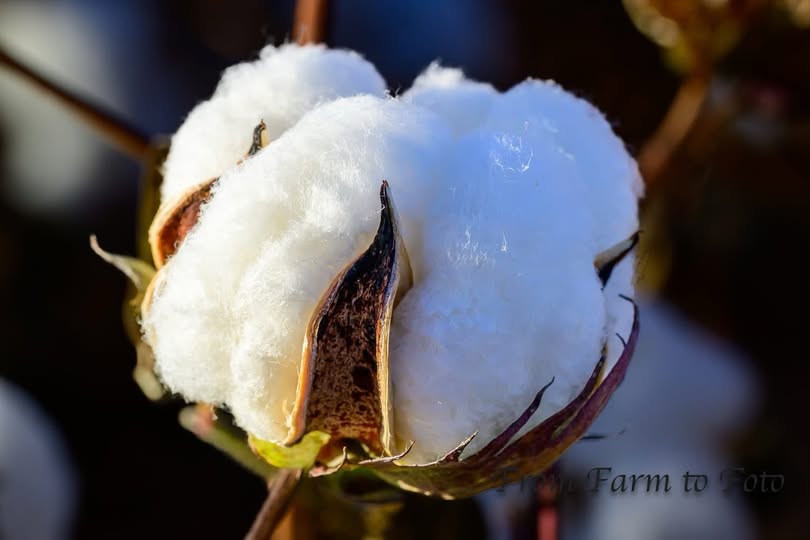
Gossypium hirsutum is a perennial shrub (grown as an annual in commercial systems) of the Malvaceae family — producing bolls (seed pods) whose mature opening reveals the seed-fibre combination that is the cotton harvest. Each boll contains 5–9 seeds surrounded by lint (fibre), whose ginning separation is the first processing step from which cotton seed is produced as a by-product.
Composition of whole cotton seed:
- Lint (short fibres remaining after ginning): 8–10% of seed weight — the short “linter” fibres whose cellulose content creates industrial applications in paper manufacturing, rayon production, and as pharmaceutical excipient (microcrystalline cellulose)
- Hull (outer seed coat): 30–35% of seed weight — high cellulose, low protein — primarily bulk fibre for ruminant feed
- Kernel (inner seed): 55–60% of seed weight — the high-value fraction containing oil, protein, and gossypol
Key kernel composition:
- Oil content: 18–24% of whole seed weight (32–40% of kernel weight) — the primary commercial value driver for oil extraction applications
- Protein content: 18–24% of whole seed weight (38–45% of kernel weight) — the high-protein fraction whose gossypol-managed forms create animal feed and potential food ingredient applications
- Gossypol: 0.4–1.7% of whole seed weight in conventional varieties — the safety management compound whose handling defines processing grade requirements
Commercial Grade Definitions
Whole Fuzzy Cotton Seed — as discharged from the gin, with short lint fibres (linters) still attached. The standard form for direct ruminant feed (dairy cattle, beef cattle, sheep) at inclusion rates up to 15–20% of total diet. Also the raw material input for linter removal (delinting) and subsequent processing.
Delinted Cotton Seed — mechanically or acid-delinted to remove linter fibres, exposing the smooth black seed coat. Easier to handle, transport, and further process than fuzzy seed. Required for oil extraction facilities whose equipment is designed for smooth-surfaced seeds.
Cotton Seed Oil (Refined) — one of the world’s most widely consumed edible oils whose production from cotton seed kernels through solvent extraction and refining produces a neutral-flavoured, pale yellow oil used extensively in food manufacturing across the USA, China, India, and West Africa. Grand View Research’s cotton seed oil market analysis values the global market at over USD 5 billion annually.
Cotton Seed Cake/Meal (Expeller or Solvent) — the defatted residual protein fraction after oil extraction. Expeller-pressed cake: 35–40% crude protein, partially bound gossypol (ruminant safe at appropriate rates, limited monogastric use). Solvent-extracted meal: 41–45% crude protein, higher free gossypol (requires careful inclusion rate management).
Cotton Seed Hulls — the outer seed coat fraction separated during kernel processing — used as a ruminant feed roughage supplement (approximately 4% crude protein, high fibre — ADF 65–70%) and as mushroom cultivation substrate.
Cotton Seed Linters — the short cellulose fibres removed during delinting — used in pharmaceutical microcrystalline cellulose production, specialty paper manufacturing, and nitrocellulose industrial applications.
Benefits and Industrial Uses of Nigerian Cotton Seed
Edible Oil Refining — The World’s Fourth Most Consumed Vegetable Oil
Cotton seed oil — the refined product of cotton seed oil extraction — is the fourth most consumed vegetable oil globally after palm oil, soybean oil, and rapeseed oil, according to USDA FAS vegetable oil production and consumption data. Its specific commercial properties — neutral flavour, high smoke point (approximately 232°C), extended oxidative stability from natural vitamin E and tocopherol content, and semi-solid character at refrigerator temperature (creating natural texture without hydrogenation in some applications) — have made it a preferred food manufacturing oil for:
Frying applications — cotton seed oil’s high smoke point and stability under repeated frying cycles make it a preferred commercial deep-frying oil for snack food manufacturers, fast food operators, and industrial food processing whose frying oil replacement costs and finished product flavour are both directly influenced by frying oil stability. The American snack food industry’s historical preference for cotton seed oil — documented through Institute of Food Technologists (IFT) food technology publications — reflects cotton seed oil’s specific combination of neutral flavour (not imparting detectable oil character to fried products) and frying stability.
Margarine and shortening manufacturing — cotton seed oil’s natural semi-solid character at cool temperatures (from its palmitic acid content) historically made it a preferred base for margarine and shortening production before hydrogenated fats’ commercial development. Its continued use in premium natural margarine formulation reflects its functional properties that do not require hydrogenation.
Salad oil and cooking oil — cottonseed oil’s neutral flavour creates the ideal cooking oil for domestic and food service applications where the oil must not compete with other flavour ingredients.
For edible oil refinery buyers evaluating Nigerian cotton seed for crude oil extraction — contact our export team to discuss oil content specification and gossypol management protocol.
Animal Feed Manufacturing — Cotton Seed Cake as High-Protein Supplement
Cotton seed cake — the defatted meal produced after oil extraction from cotton seed kernels — is one of the most commercially significant animal feed protein ingredients in the developing world whose pricing, availability, and protein content make it a commercially essential alternative to soybean meal in African and Asian animal feed formulation:
Ruminant feed (dairy cattle and beef) — cotton seed cake’s 35–45% crude protein content creates high-quality protein supplementation for ruminant rations whose rumen microbial systems partially detoxify residual gossypol — making expeller-pressed cake safe for ruminant use at inclusion rates of 15–25% of total ration. Research on cotton seed cake’s ruminant nutritional value published through NCBI’s animal nutrition database confirms adequate digestibility and growth performance at recommended inclusion rates. FEFAC tracks cotton seed cake within European compound feed ingredient statistics.
Whole fuzzy cotton seed in dairy cattle TMR — whole cotton seed (fuzzy, undecorticated) incorporated directly into dairy cattle total mixed rations at 2–4kg per cow per day provides a unique combination of high fat (energy), high protein, and high digestible fibre whose combined nutritional contribution is documented through dairy nutrition research as superior to equivalent nutrient amounts from separate fat, protein, and fibre ingredients. Research from the American Dairy Science Association (ADSA) confirms whole cotton seed as one of the most nutritionally versatile whole feed ingredients in dairy cattle ration formulation.
Poultry and swine feed (heat-treated and glandless varieties) — at appropriate inclusion rates and with properly heat-processed or glandless variety material — cotton seed meal creates cost-effective protein supplementation for monogastric rations tracked through FEFAC and Nigerian domestic feed industry procurement intelligence.
Industrial Applications — Linters and Hulls
Pharmaceutical microcrystalline cellulose (MCC) — cotton seed linters (the short cellulose fibres removed during delinting) are the primary raw material for pharmaceutical-grade microcrystalline cellulose production — the most widely used tablet excipient in pharmaceutical manufacturing. Research on MCC production from cotton linters published through USP (United States Pharmacopeia) and European Pharmacopoeia (Ph. Eur.) confirms cotton linters as the standard raw material for this pharmaceutical critical excipient. For pharmaceutical excipient manufacturers sourcing cotton linter raw material — Nigerian delinted cotton seed processing creates linter supply whose cellulose quality and availability create pharmaceutical industry procurement interest.
Specialty paper and nitrocellulose — cotton linter cellulose’s high alpha-cellulose content (above 90%) creates specialty paper manufacturing applications (currency paper, filter paper, technical papers) and nitrocellulose production (explosive propellant, lacquer, and specialty coating industrial applications) documented through FAO’s industrial cellulose utilisation research.
Mushroom cultivation substrate — cotton seed hulls’ high cellulose and lignin content creates mushroom cultivation substrate applications — particularly for oyster mushroom (Pleurotus spp.) and white button mushroom (Agaricus bisporus) commercial production whose substrate requirements are met by cotton hull’s specific cellulose degradability profile. For mushroom cultivation substrate suppliers — Nigerian cotton hulls provide cost-effective high-volume growing medium.
Soap and Oleochemical Manufacturing
Soap manufacturing — crude cotton seed oil and cotton seed fatty acids whose saponification creates soap whose historical significance in African traditional soap manufacturing (alongside palm oil) creates domestic market demand. Black soap (ose dudu) manufacturing traditions in southwestern Nigeria historically incorporated various plant oils including cotton seed.
Oleochemical feedstock — cotton seed oil’s fatty acid composition — palmitic acid (22%), oleic acid (18%), linoleic acid (54%) — creates oleochemical raw material interest for fatty acid derivative manufacturing whose applications span plasticisers, surfactants, and specialty lubricants tracked through Mordor Intelligence’s oleochemical market report.
Why Buy Cotton Seed From Nigeria?
The By-Product Supply Chain Economics — Cotton Seed Whose Cost Is Determined by the Fibre Industry
Cotton seed’s most commercially distinctive pricing characteristic — unique among all agricultural commodities in our portfolio — is that its production cost is essentially determined by the economics of cotton fibre production rather than by cotton seed’s own market value. When a Nigerian cotton farmer plants cotton, the decision is made based on lint price economics; the cotton seed that the gin produces is inevitable. This creates a commodity whose farmgate price reflects residual value rather than independent production cost — typically pricing cotton seed at a significant discount to comparable oilseeds (groundnut, soybean, sunflower) whose production economics are directly tied to seed value.
For edible oil refiners and animal feed manufacturers whose raw material cost is the primary margin determinant — this pricing characteristic makes cotton seed one of the most cost-competitive oilseeds commercially available when the processing and gossypol management investment is properly made. Contact our team to discuss cost-competitive cotton seed procurement.
The Glandless Variety Development — The Future Quality Premium
IITA’s crop improvement programme and ICAC-affiliated breeding research in Nigeria are progressively developing glandless cotton varieties whose gossypol absence eliminates the primary processing challenge that limits cotton seed’s food and feed application versatility. Glandless Nigerian cotton seed — when commercially available at scale — would create the most commercially versatile cotton seed product available: human-food-safe flour, unrestricted monogastric animal feed, and edible oil without the gossypol management burden. Paradise MultiTrade monitors glandless variety adoption progress — and will integrate glandless material into our supply programme as commercial volumes develop. Contact us to discuss glandless variety availability.
Nigerian Production Scale and Atlantic Logistics
Nigeria’s northern cotton belt — spanning Kano, Katsina, Gombe, Borno, and adjacent states — produces cotton at scales sufficient to support commercial cotton seed export volumes alongside domestic oil mill and feed industry demand. The Atlantic coast loading at Lagos creates 14–18 day transit to European buyers — competitive with Indian and Central Asian cotton seed origins for European animal feed and oleochemical industry buyers.
Complete Export Documentation
Every cotton seed shipment carries phytosanitary certification from NAQS, NEPC export documentation, certificate of origin, commercial invoice, packing list, and bill of lading. For oil-grade buyers, we coordinate oil content (Soxhlet), gossypol content (HPLC or spectrophotometric method per AOAC International method 975.18), free fatty acid, moisture content, and aflatoxin screening. For feed-grade buyers, we coordinate crude protein (Kjeldahl), crude fat, crude fibre, moisture, gossypol (free and total), and microbiological safety testing. EU-bound shipments comply with Regulation (EU) 2017/625 on official controls and Commission Regulation (EU) 574/2011 feed material safety requirements. Our NEPC Export Licence No. 0042385 and CAC Registration No. RC-9284647 are verifiable through NEPC.
Nigeria’s Cotton Seed Export Strength and Global Market Demand
The Global Market
The global cotton seed market — tracked through Grand View Research’s cottonseed oil market analysis and Mordor Intelligence’s cotton seed market report — generates billions of dollars in annual trade value across its oil, cake, hull, and linter product streams. The International Cotton Advisory Committee (ICAC) publishes the most authoritative global cotton and cotton seed production and trade statistics — confirming Nigeria’s position within West African cotton production and the growing commercial interest in formalised Nigerian cotton seed export as the sector recovers from its post-oil-boom contraction.
Key Export Destination Markets
India — one of the world’s largest cotton seed processors, whose domestic production is supplemented by imports from African and Central Asian origins during supply shortfalls — creates specific demand for oil-grade cotton seed tracked through APEDA.
China — the world’s largest cotton producer and cotton seed processor — creates consistent demand for cotton seed oil and cake from West African origins during domestic supply-demand imbalances tracked through GACC.
Germany and the Netherlands — Europe’s primary oleochemical manufacturing and animal feed ingredient procurement centres — creating demand for cotton seed cake as a protein supplement and cotton linters for pharmaceutical and specialty cellulose applications. EU feed material import requirements administered through FEFAC.
Egypt and North Africa — major cotton producing and processing regions with established cotton seed oil refining infrastructure — creating regional trade interest in Nigerian cotton seed as a supplementary raw material whose Atlantic coast logistics creates competitive pricing.
UK and European edible oil refineries — whose post-Ukraine supply chain diversification programmes create developing interest in West African origin edible oil feedstocks including cotton seed. UK requirements through FSA.
UAE and Gulf States — regional oleochemical and soap manufacturing industries creating specific demand for cotton seed oil and fatty acid fractions tracked through ADAFSA.
Why Choose Paradise MultiTrade International Limited?
Gossypol Documentation — The Most Critical Safety Parameter. Free gossypol content quantification by AOAC method 975.18 (spectrophotometric) or HPLC — confirming gossypol concentration within safe limits for the specific buyer’s intended application (ruminant feed, poultry feed, edible oil, industrial use). This is the foundational safety documentation that regulated cotton seed markets require and that distinguishes professional export-grade supply from undifferentiated commodity trading. Contact us to discuss gossypol management documentation.
Multiple Processing Forms Available. Whole fuzzy seed (ruminant feed direct use), delinted whole seed (oil extraction and general processing), crude cotton seed oil (edible oil refining), expeller-pressed cake (ruminant feed), and cotton hulls (ruminant roughage, mushroom substrate) — from the same Nigerian northern cotton belt supply network. Contact our team to specify your required form.
Linter Supply for Pharmaceutical Excipient Buyers. Cotton seed linters recovered from delinting operations — available for pharmaceutical microcrystalline cellulose manufacturers and specialty paper producers whose alpha-cellulose content specification we coordinate through cellulose chemistry analytical testing. Contact us to discuss linter supply and cellulose specification.
Glandless Variety Programme Monitoring. We actively track IITA and ICAC glandless cotton variety commercial adoption across Nigerian producing states — and will integrate glandless material into our supply programme as commercial volumes develop, providing buyers with the most commercially versatile gossypol-free cotton seed when available. Contact us to register interest in glandless variety supply.
Multi-Commodity West African Oilseed and Industrial Sourcing. Cotton seed buyers frequently source complementary Nigerian agricultural and industrial commodities. Alongside cotton seed, Paradise MultiTrade exports groundnut, sesame seeds, soybeans, sunflower seed, niger seed, groundnut oil, shea butter, sorghum, millet, cowpeas, cashew nut kernel, and raw cashew nuts. Explore our full range of Nigerian export commodities and consolidate your West African oilseed, feed ingredient, and industrial raw material sourcing through one verified, licensed export partner.
Product Specifications
| Specification | Details |
|---|---|
| Product | Nigerian Cotton Seed (Gossypium hirsutum) |
| Common Names | Cotton seed, Cottonseed, Tufan kwalba (Hausa), Cotton kernel |
| Botanical Species | Gossypium hirsutum L. (Malvaceae) |
| Origin | Nigeria (Kano, Katsina, Gombe, Yobe, Borno, Zamfara, Sokoto, Kebbi, Kaduna, Adamawa States) |
| Forms Available | Whole fuzzy seed (ruminant feed); Delinted whole seed (oil extraction); Crude cotton seed oil; Expeller-pressed cake; Solvent-extracted meal; Cotton seed hulls; Cotton linters |
| Oil Content (Whole Seed) | 18–24% dry weight (Soxhlet extraction) |
| Oil Content (Kernel) | 32–40% dry weight |
| Crude Protein (Whole Seed) | 18–24% dry weight (Kjeldahl) |
| Crude Protein (Expeller Cake) | 35–40% dry weight |
| Crude Protein (Solvent Meal) | 41–45% dry weight |
| Gossypol — Free (Whole Seed) | 0.4–1.7% dry weight (conventional varieties) — AOAC method 975.18 |
| Gossypol — Free (Expeller Cake) | ≤0.04% for glandless; 0.02–0.05% for heat-processed conventional |
| Gossypol — EU Feed Limit | Maximum 20mg free gossypol per kg complete feed (EU 2002/32/EC on undesirable substances) |
| Moisture Content | ≤12% (whole seed); ≤10% (cake and meal) |
| Crude Fibre (Cake) | 12–15% dry weight |
| Crude Fat (Cake) | 3–8% (expeller); ≤1.5% (solvent extracted) |
| Total Ash | ≤7% dry weight |
| Aflatoxin | Total ≤10 ppb; B1 ≤2 ppb |
| Pesticide Residue | Multi-residue analysis to EU MRL standards — mandatory all EU-bound lots |
| Microbiological | Salmonella absent/25g; Total plate count within feed/food safety limits |
| Linter Alpha-Cellulose (for pharma) | ≥94% (pharmaceutical grade); ≥88% (industrial grade) |
| Hull Crude Fibre | 45–55% dry weight |
| Packaging Options | Bulk container loading (whole seed and cake); 50kg polypropylene bags; Oil in sealed drums |
| Supply Capacity | 500–20,000+ MT per season |
| MOQ | Whole seed: 25 MT; Cake: 25 MT; Oil: 5 MT; Linters: 5 MT; Hulls: 10 MT |
| Shelf Life | Whole seed: 12 months; Cake: 6 months; Oil: 12 months |
| Export Documentation | Phytosanitary Certificate (NAQS), Gossypol Content Certificate (AOAC 975.18), Certificate of Origin, NEPC Export Licence, Oil Content Certificate (Soxhlet), Crude Protein Certificate (Kjeldahl), Aflatoxin Certificate, Pesticide Residue Certificate (EU MRL), EU 2002/32/EC Gossypol Feed Compliance Statement, Linter Alpha-Cellulose Certificate (pharma grade on request), Microbiological Certificate, Commercial Invoice, Packing List, Bill of Lading |
| Payment Terms | T/T, Letter of Credit (LC at sight), Escrow |
| Loading Port | Lagos (Apapa / Tin Can Island Port), Nigeria |
| Incoterms Available | EXW, FOB Lagos, CNF, CIF |
Packaging and Export Process
Cotton Harvest and Ginning. Nigerian cotton harvest runs October through January — following the June–August planting and September–October boll maturation in the Sudan and Guinea savanna producing zones. Harvested bolls are brought to ginning facilities where the mechanical gin separates lint (fibre) from seed — producing cotton seed as the primary by-product of every ginning operation. Gin throughput and seed quality are directly related to harvest timing — properly matured bolls whose lint and seed have fully developed produce seed with maximum oil content and minimum moisture. Immature bolls — harvested prematurely — produce seed with lower oil content and higher moisture whose oil extraction economics and storage stability are both inferior.
Post-Gin Seed Handling — Speed to Drying is Critical. Fresh cotton seed from the gin carries 10–14% moisture whose reduction to below 12% storage specification is the critical quality management step for gossypol stability and aflatoxin prevention. Seed held at above 12% moisture at warm temperatures creates aflatoxin production risk and gossypol oxidation whose products create off-flavours in the extracted oil. Gin-side drying through aeration or mechanical dryers to below 12% moisture within 48–72 hours of ginning is the standard quality management protocol.
Delinting (where specified). Whole fuzzy seed — with short linter fibres attached — fed through flame delinting (acid or mechanical rubber-roll delinting for premium grades). Acid delinting (sulfuric acid treatment that dissolves linter fibres from the seed coat) produces the cleanest, most uniformly smooth delinted seed whose oil extraction equipment compatibility is highest. Mechanical delinting through rubber rolls is gentler but less complete. Linters recovered from the delinting process are dried and baled for industrial cellulose markets.
Oil Extraction. Delinted seed is cracked (roller mills), flaked (flaking rolls), and either solvent-extracted (hexane extraction for maximum oil yield) or expeller-pressed (mechanical extraction for partially defatted cake). Cold-pressing at below 60°C for premium oil grade is possible but at lower yield economics than hot pressing.
Gossypol Testing. Representative samples from every production lot undergo gossypol content testing — free gossypol by AOAC spectrophotometric method or HPLC — before export documentation preparation. Results segregate lots into: ruminant feed (whole seed, expeller cake — gossypol at natural levels for ruminant-safe use), processed feed grade (heat-treated to below EU feed limits), and industrial/oil grade.
Lead Times. Whole fuzzy seed: 14–21 days from harvest season stock. Delinted seed: 21–28 days. Expeller cake: 21–35 days. Crude oil: 28–42 days. Linters (baled): 21–35 days. Contact us to plan your procurement schedule.
Frequently Asked Questions
What is gossypol and how does it affect cotton seed’s use in animal feed and human food?
Gossypol is a polyphenolic aldehyde compound produced in Gossypium seed glands — present at 0.4–1.7% of whole seed dry weight in conventional varieties. Its toxicological significance: gossypol is toxic to monogastric animals (humans, pigs, poultry) at chronic dietary exposure above approximately 100mg per kg body weight per day — causing liver damage, reproductive impairment, haemolytic anaemia, and growth suppression documented through NCBI’s toxicology database. Ruminant animals (cattle, sheep, goats) whose rumen bacterial populations bind gossypol as an inactive rumen-indigestible complex can consume cotton seed and cotton seed cake at conventional inclusion rates without significant toxicity — making ruminant feed the primary market for conventional cotton seed products. Processing solutions for monogastric and human use: (1) Oil extraction and refining removes gossypol from the oil fraction — refined cotton seed oil is gossypol-free and completely safe for human consumption. (2) Heat treatment (130–150°C in expeller pressing) partially binds gossypol in inactive form — reducing but not eliminating free gossypol in the cake, limiting (not eliminating) monogastric inclusion. (3) Glandless variety cultivation produces inherently gossypol-free seed for unrestricted use. The EU’s maximum gossypol limit in complete animal feed under EU Directive 2002/32/EC is 20mg free gossypol per kg complete feed — the regulatory standard that Paradise MultiTrade tests against for all EU feed-grade shipments. Contact us to discuss gossypol management documentation.
What makes cotton seed oil one of the world’s most consumed edible oils and what are its specific commercial applications?
Cotton seed oil’s commercial success — fourth in global vegetable oil consumption despite coming from what is primarily a fibre crop — reflects four specific functional properties that food manufacturers consistently value: (1) Neutral flavour — refined cotton seed oil has essentially no detectable flavour character of its own, creating a neutral cooking and frying medium that does not impart oil character to finished food products. This neutrality makes it ideal for applications where other ingredients must define the flavour profile. (2) High smoke point (232°C) — significantly higher than olive oil (165–190°C), butter (150°C), and comparable to refined groundnut oil — creating commercial viability for high-temperature frying without oil breakdown and acrolein formation. (3) Extended frying stability — cotton seed oil’s natural tocopherol and tocotrienol vitamin E content provides antioxidant protection that extends commercial frying oil service life compared to less stable alternatives. (4) Semi-solid character — cotton seed oil’s palmitic acid content (22%) creates a natural tendency to partial solidification at refrigerator temperature — historically valuable for margarine and shortening production without requiring hydrogenation. The American snack food industry’s documented historical preference for cotton seed oil — confirmed through IFT food technology publications — made Frito-Lay’s original corn chip and potato crisp formulations cotton seed oil-based. Contact us to discuss oil-grade specification for edible oil refinery buyers.
How is whole cotton seed used in dairy cattle rations and why is it commercially valued beyond oil and cake?
Whole fuzzy cotton seed — fed directly to dairy cattle without any processing — is one of the most nutritionally unique feed ingredients in ruminant nutrition whose value derives from the simultaneous provision of three limiting nutrients in a single ingredient: (1) High fat (18–24% of whole seed weight) — providing energy density that supports milk production in high-yielding dairy cows whose energy requirements exceed what conventional forage and cereal grain can economically supply. (2) High protein (18–24% of whole seed weight) — the undegraded (bypass) protein fraction whose passage through the rumen intact and absorption in the small intestine provides metabolisable protein for milk protein synthesis. (3) High digestible fibre — the seed’s hull and lint fibres create a physically effective neutral detergent fibre (peNDF) fraction that stimulates rumen contractions, supports rumen pH buffering, and contributes to rumen health — all while providing energy from fibre fermentation. Whole cotton seed’s ability to simultaneously address energy, protein, and fibre limitations in dairy cattle rations — with a single ingredient whose inclusion at 2–4kg per cow per day is well within ruminant gossypol safety thresholds — makes it uniquely valuable in commercial dairy ration formulation. Research from ADSA dairy nutrition publications and Nigerian livestock research institutions confirms whole cotton seed’s value in sub-Saharan African dairy cattle production systems whose feed ingredient access is limited. Contact us to discuss ruminant-grade whole cotton seed supply.
What are cotton linters and why do pharmaceutical manufacturers need them?
Cotton linters are the short cellulose fibres — typically 2–6mm in length — that remain attached to the cotton seed after mechanical ginning removes the primary lint (commercial cotton fibre). These linters, removed during the delinting process, are among the world’s purest naturally occurring sources of alpha-cellulose — the specific highly crystalline cellulose fraction that pharmaceutical manufacturing specifically requires. Pharmaceutical microcrystalline cellulose (MCC): Cotton linter alpha-cellulose (purity typically 94–98%) is hydrolysed with dilute hydrochloric acid under controlled conditions to produce microcrystalline cellulose — the most widely used pharmaceutical tablet excipient in the world. USP and European Pharmacopoeia both list MCC specifications that reference cotton linter as the standard raw material source. MCC’s function in tablet manufacturing: filler/binder (providing tablet structural integrity), disintegrant (facilitating tablet breakdown in GI fluid), and flow aid (improving powder flow in tablet presses). Global MCC production consumes hundreds of thousands of tonnes of cotton linters annually — creating substantial industrial procurement demand for high-alpha-cellulose linter raw material. For pharmaceutical excipient manufacturers evaluating Nigerian cotton linters — alpha-cellulose content testing through cellulose chemistry analysis is coordinated as standard documentation. Contact us to discuss linter supply and cellulose specification.
How does EU Directive 2002/32/EC’s gossypol limit affect Nigerian cotton seed cake imports into EU animal feed markets?
EU Directive 2002/32/EC on undesirable substances in animal feed — amended and updated through Commission Regulation (EU) 2015/786 — sets a maximum limit of 20mg free gossypol per kilogram complete feed (with separate limits for cotton seed products used as raw materials in complete feed manufacture). For cotton seed cake imported as a feed ingredient into EU markets: the relevant limit is the free gossypol content of the cake itself, which must not contribute gossypol to the finished complete feed above the maximum inclusion-adjusted limit. For expeller-pressed cotton seed cake from conventional gossypol-containing varieties — free gossypol content of 0.02–0.05% (200–500mg/kg) means that inclusion rates in complete feed must be limited to ensure the maximum 20mg/kg complete feed limit is not exceeded. For heat-treated or solvent-extracted cake with lower free gossypol — higher inclusion rates become possible. Paradise MultiTrade tests free gossypol content (AOAC method 975.18) on all EU-bound cotton seed cake lots and provides the gossypol concentration data that EU compound feed manufacturers require to calculate safe inclusion rates within the 2002/32/EC framework. Glandless variety cake — when commercially available from Nigerian production — would have gossypol below 0.04% and could be used at higher inclusion rates with more straightforward compliance management. Contact us to discuss EU feed compliance documentation.
What is the Nigerian cotton seed harvest season and when should I plan procurement?
Nigerian cotton seed availability follows the cotton fibre harvest calendar: October through January is the primary ginning season when harvested cotton bolls are processed through gins — producing cotton seed as the immediate by-product whose availability peaks at gin operations during this window. Commercial cotton seed aggregation from multiple gin operations across the northern producing belt (Kano, Katsina, Gombe, Borno) creates the consolidated supply volumes that export-scale procurement requires. Procurement planning: (1) For large-volume whole seed or delinted seed orders — initiate discussions by August–September to coordinate gin-side procurement contracts before ginning season begins. (2) For cotton seed cake from oil mills whose processing runs from December through March (processing the harvested season’s seed) — procurement initiation by October ensures production scheduling. (3) Year-round supply from storage is feasible through approximately July of the following year for properly dried seed held in sealed, ventilated storage — with gossypol oxidation and aflatoxin risk increasing with storage duration beyond 6 months. Best quality: October–February fresh ginning season material. Contact us to plan your procurement cycle.
What transit times should I expect from Nigeria?
Cotton seed, cotton seed cake, and cotton linters (standard dry container or bulk container — no temperature control required for properly dried product below 12% moisture): UK (Tilbury, Felixstowe) — 14–18 days from Lagos. Netherlands (Rotterdam) — 14–18 days. Germany (Hamburg) — 14–20 days. France (Le Havre) — 14–18 days. Egypt (Alexandria, Port Said) — 8–12 days. India (Nhava Sheva, Mundra) — 10–15 days. China (Shanghai, Tianjin) — 28–35 days. UAE (Jebel Ali) — 10–14 days. USA (East Coast — New York, Baltimore) — 18–25 days. Japan (Yokohama) — 25–32 days. Canada (Halifax, Montreal) — 18–28 days. For bulk volume buyers (above 5,000 MT): bulk vessel chartering from Lagos provides significantly lower per-tonne freight costs for cotton seed cake and whole seed commodity volumes — economically comparable to Indian and Central Asian origins for European buyers. Add 5–7 days for gossypol AOAC testing documentation before loading confirmation. Contact us to plan your complete logistics programme.
Ready to Source Nigerian Cotton Seed — Whole Fuzzy Seed, Delinted Seed, Crude Oil, Expeller-Pressed Cake, Cotton Hulls, and Pharmaceutical-Grade Linters — With Gossypol Documentation, Oil Content Certification, EU Feed Safety Compliance, Cellulose Analysis for Pharmaceutical Buyers, and Full Analytical Documentation for Edible Oil Refineries, Animal Feed Manufacturers, Industrial Oil Processors, and Pharmaceutical Excipient Producers?
If you are an edible oil refinery building West African origin crude cotton seed oil supply whose Atlantic logistics advantage over Central Asian and South Asian origins creates freight economics that improve your raw material cost structure, an animal feed compound manufacturer whose ruminant feed formulation uses cotton seed cake as a cost-competitive protein supplement to soybean meal and who needs documented gossypol content within EU 2002/32/EC compliance limits for EU market feed products, a pharmaceutical microcrystalline cellulose manufacturer sourcing cotton linter raw material whose alpha-cellulose purity specification and consistent supply volume require a formally documented West African origin supplier, a dairy cattle nutritionist or livestock feed operation evaluating whole cotton seed inclusion in high-yielding dairy cattle TMR rations whose energy-protein-fibre combination provides superior nutritional value to equivalent separate ingredient formulations, an oleochemical or soap manufacturer evaluating Nigerian cotton seed oil as a raw material for fatty acid derivative production at competitive West African commodity pricing, a specialty cellulose manufacturer producing nitrocellulose, specialty paper, or technical cellulose products from high alpha-cellulose cotton linter raw material, or a global oilseed commodity trader building Nigerian cotton seed supply positions for edible oil, feed protein, and industrial cellulose markets whose combined procurement potential justifies formal export relationship development with Nigeria’s recovering cotton production sector — Paradise MultiTrade International Limited is the licensed Nigerian exporter your cotton seed supply programme needs.
We supply Nigerian Gossypium hirsutum cotton seed — whole fuzzy seed, delinted seed, crude oil, expeller cake, hulls, and baled linters — from Kano, Katsina, Gombe, and Borno gin-sourced supply, gossypol content AOAC 975.18 documented on every lot, oil content Soxhlet-certified, EU 2002/32/EC feed gossypol compliance statement as standard for EU feed-grade shipments, alpha-cellulose cellulose chemistry analysis for pharmaceutical linter buyers, aflatoxin screened, and exported with full industrial and food safety documentation to buyers in every major regulated destination market.
Request a Quotation — share your required form (whole fuzzy seed, delinted seed, crude oil, expeller cake, hulls, or linters), gossypol specification (ruminant-grade, processed feed-grade, or gossypol-free glandless), oil content minimum, volume, application (edible oil refining, ruminant feed, poultry/swine feed, pharmaceutical cellulose, oleochemical, commodity), destination market, and preferred incoterms. We respond within 48 hours.
Contact Our Export Team — speak directly about gossypol content AOAC testing and EU 2002/32/EC compliance documentation, whole seed ruminant feed specification, crude oil extraction grade gossypol-free confirmation, linter alpha-cellulose analysis for pharmaceutical buyers, glandless variety availability monitoring, ginning season procurement planning, bulk vessel charter logistics, and long-term supply programme structuring.
Explore Our Full Product Range — alongside cotton seed, Paradise MultiTrade exports groundnut, sesame seeds, soybeans, sunflower seed, niger seed, pumpkin seed, groundnut oil, castor oil, shea butter, gum arabic, cashew nut kernel, and raw cashew nuts. One licensed Nigerian exporter. One consolidated West African oilseed, feed ingredient, industrial cellulose, and agricultural commodity sourcing relationship — from the crop whose by-product is worth more per tonne than its primary product in several commercial contexts, to the most industrially versatile oilseed in West African agriculture.
Paradise MultiTrade International Limited | NEPC Export Licence No. 0042385 | CAC No. RC-9284647 | Lagos, Nigeria | www.paradisemultitrade.com

Reviews
There are no reviews yet.