

Bambara Nuts from Nigeria: The African Legume That Nutritional Scientists Call Complete, Plant-Based Food Brands Are Discovering, and West African Communities Have Relied On for Millennia — Finally Getting the Global Commercial Attention It Deserves
Bambara Nut Exporter Nigeria — Vigna Subterranea Whole Seeds, Flour, and Protein-Grade Supply, Direct Farm Sourcing, Bulk Export to Food Manufacturers, Plant-Based Protein Brands, and Diaspora Importers Worldwide
Bambara nut exporter Nigeria is a search phrase that increasingly arrives from two entirely different directions — and the commercial story of why becomes one of the most compelling underdog narratives in the entire global plant protein market. The first direction is deeply familiar: diaspora food importers, West African restaurant supply chain buyers, and ethnic food wholesale distributors who know exactly what Bambara nut is, who have been trying to source it reliably for years, and who are frustrated by the lack of formal, documented export supply chains connecting Nigeria’s enormous Bambara nut production base to their procurement programmes. The second direction is entirely new and commercially transformative: plant-based food manufacturers, functional protein ingredient companies, and food technology startups across Europe and North America who have encountered Vigna subterranea in academic literature, in food innovation reports, or in trend intelligence briefings — and who have arrived at the same conclusion that nutritional scientists have been publishing for decades: Bambara nut is among the most nutritionally complete plant-based protein sources on earth, and the global plant-based food industry has been almost entirely ignoring it.
That convergence — a product simultaneously in structured demand from diaspora communities who know it well and in emerging discovery from a plant protein industry that knows it barely at all — creates one of the most commercially interesting positioning opportunities in the Nigerian agricultural export landscape. Because what it means is that Nigerian Bambara nut is not building commercial relevance from scratch. It is a product with centuries of proven consumption, documented nutritional science, a production base of considerable scale across northern and Middle Belt Nigeria, and now the tailwind of the global plant-based protein movement pushing new buyer categories directly into its commercial orbit.
At Paradise MultiTrade International Limited, Bambara nut is one of our most strategically interesting emerging export commodities — sourced from established farming communities across the primary producing states of Kano, Katsina, Borno, Yobe, Sokoto, and Kebbi in the north, alongside significant production in Benue, Nasarawa, and Niger states in the Middle Belt, processed into whole dried seed, dehulled kernel, and flour forms appropriate to diverse international buyer requirements, and exported with full regulatory documentation to buyers across Europe, North America, Asia, and the Middle East who are at various stages of discovering or deepening their engagement with this extraordinary African legume.
If you are ready to discuss sourcing immediately, request a quotation here and our export team responds within 48 hours.
History and Origin of Bambara Nut — The African Legume That Was There Before Every Other Cultivated Pulse
Domesticated in Africa, Forgotten by Global Agriculture, and Now Being Rediscovered
Vigna subterranea — the Bambara groundnut, Bambara nut, underground bean, or earth pea — holds a distinction that is as commercially significant as it is botanically remarkable: it is one of the very few major food crops whose entire history of domestication, cultivation, and commercial development occurred entirely within Africa. Unlike soybean (domesticated in China), peanut (domesticated in South America), or lentil (domesticated in the Fertile Crescent) — Bambara nut was domesticated by African farming communities, for African farming systems, in an African ecological context that shaped every aspect of its extraordinary agronomic and nutritional properties.
The botanical evidence for Bambara groundnut’s African domestication is consistent and well-documented — with the species’ greatest genetic diversity concentrated in West and Central Africa, particularly in the Sudan-Sahel agricultural zone that stretches across northern Nigeria, Niger, Mali, Burkina Faso, and Chad. This is the region where the wild ancestor — Vigna subterranea var. spontanea — still grows in natural populations today, and where the transition from wild harvest to deliberate cultivation appears to have occurred somewhere between 3,000 and 5,000 years ago, making Bambara nut one of the most ancient crop domestications on the African continent.
The plant’s name in international botanical literature derives from the Bambara people of present-day Mali — one of the West African ethnic groups with the longest recorded history of Bambara groundnut cultivation and consumption — whose cultural identity has been associated with the crop’s production for as long as oral historical records extend. In Nigeria, where the crop is known as gurjiya in Hausa, okpa in Igbo (where it is the defining ingredient of okpa pudding, one of southeastern Nigeria’s most iconic dishes), and epa-roro in Yoruba, the depth of cultivation and consumption tradition varies by region but is universally multi-generational.
The remarkable thing about Bambara nut’s history is not merely its antiquity but the degree to which this ancient African crop — nutritionally superior to most globally traded legumes, agronomically adapted to the difficult growing conditions that climate change is making more prevalent globally, and culturally embedded across the African continent — was systematically overlooked by the 20th-century green revolution’s crop improvement programmes that poured resources into soybeans, maize, rice, and wheat while leaving African indigenous crops in research obscurity. The consequences of that oversight are now being revisited by the food science community, the plant protein industry, and the development agriculture sector simultaneously — creating the convergence of academic, commercial, and humanitarian interest in Bambara nut that is driving its current emergence into international commercial markets.
As documented in crop science research published by the International Institute of Tropical Agriculture (IITA) — which has conducted some of the most comprehensive research on Bambara groundnut agronomy and genetic diversity in West Africa — Vigna subterranea is finally receiving the systematic attention that its nutritional credentials have always deserved. The Kew Royal Botanic Gardens’ Millennium Seed Bank maintains Vigna subterranea germplasm collections as part of its crop wild relative conservation programme — a reflection of the species’ recognised importance as a genetic resource for food security in a climate-changing world.
Nigeria’s Bambara Nut Production — Geography, Scale, and Farming System Context
Nigeria is one of sub-Saharan Africa’s most significant Bambara groundnut producing nations — with cultivation distributed across two primary geographic zones that reflect the crop’s remarkable ecological flexibility: the Sahel and Sudan savanna zones of the northern states, where Bambara nut is grown as a primary food security crop on sandy soils with low rainfall (400–800mm annually), and the Guinea savanna and forest-savanna transition zones of the Middle Belt, where it is grown in more productive intercropping systems alongside sorghum, millet, maize, and cassava.
In the northern states — Kano, Katsina, Borno, Yobe, Sokoto, Kebbi, and Zamfara — Bambara nut cultivation has been practised for generations as a critical food security crop precisely because of its extraordinary drought tolerance and its ability to fix atmospheric nitrogen and improve soil fertility in the degraded sandy soils of the Sahel. Farming communities across these states have maintained diverse local landraces — varieties selected over generations for specific qualities of seed colour, size, cooking time, and flavour — that represent a genetic diversity of significant conservation and commercial value documented through crop biodiversity research published by Bioversity International.
In the Middle Belt states of Benue, Nasarawa, Niger, and Kaduna, Bambara nut production intersects with one of its most commercially distinctive Nigerian applications — the production of okpa, the traditional Igbo steamed bean pudding that is one of southeastern Nigeria’s most beloved street foods and whose commercial production in Enugu, Anambra, and Ebonyi states creates a significant domestic demand pull that sustains Bambara nut farming networks across a broad geographic area.
The Nigerian Export Promotion Council (NEPC) has recognised Bambara groundnut as part of Nigeria’s expanding non-oil export portfolio — identifying its production scale, nutritional credentials, and growing international buyer interest as the foundation for a formal export development programme. International trade flow data from ITC Trade Map shows Nigerian Bambara nut entering export channels primarily through informal West African regional trade and increasingly through formal commodity export pathways as international buyers build awareness of Nigerian origin supply.
The Food and Agriculture Organization’s crop production statistics track Bambara groundnut production across sub-Saharan Africa — with Nigeria consistently appearing among the most significant producing nations by volume, a position that reflects both the crop’s deep integration into northern Nigerian smallholder farming systems and the scale of Nigeria’s agricultural land base within the species’ preferred growing zone.
What Is Bambara Nut? The Botanical Profile and the Nutritional Science That Demands Attention
The Underground Bean — Botanical Identity and Growth Habit
Vigna subterranea is a member of the Fabaceae (legume) family — the botanical family that includes soybean, lentil, chickpea, pea, and peanut — and shares with peanut (Arachis hypogaea) the botanically unusual habit of geocarpy: producing its seeds in pods that develop underground after the flower has been pollinated at soil level. This underground pod development — which gives the plant its alternative common names of “underground bean” and “earth pea” — is an adaptation to the dry savanna environments where the plant evolved, protecting developing seeds from the heat, desiccation, and insect predation that would compromise above-ground pod development during the Sahel’s intense dry seasons.
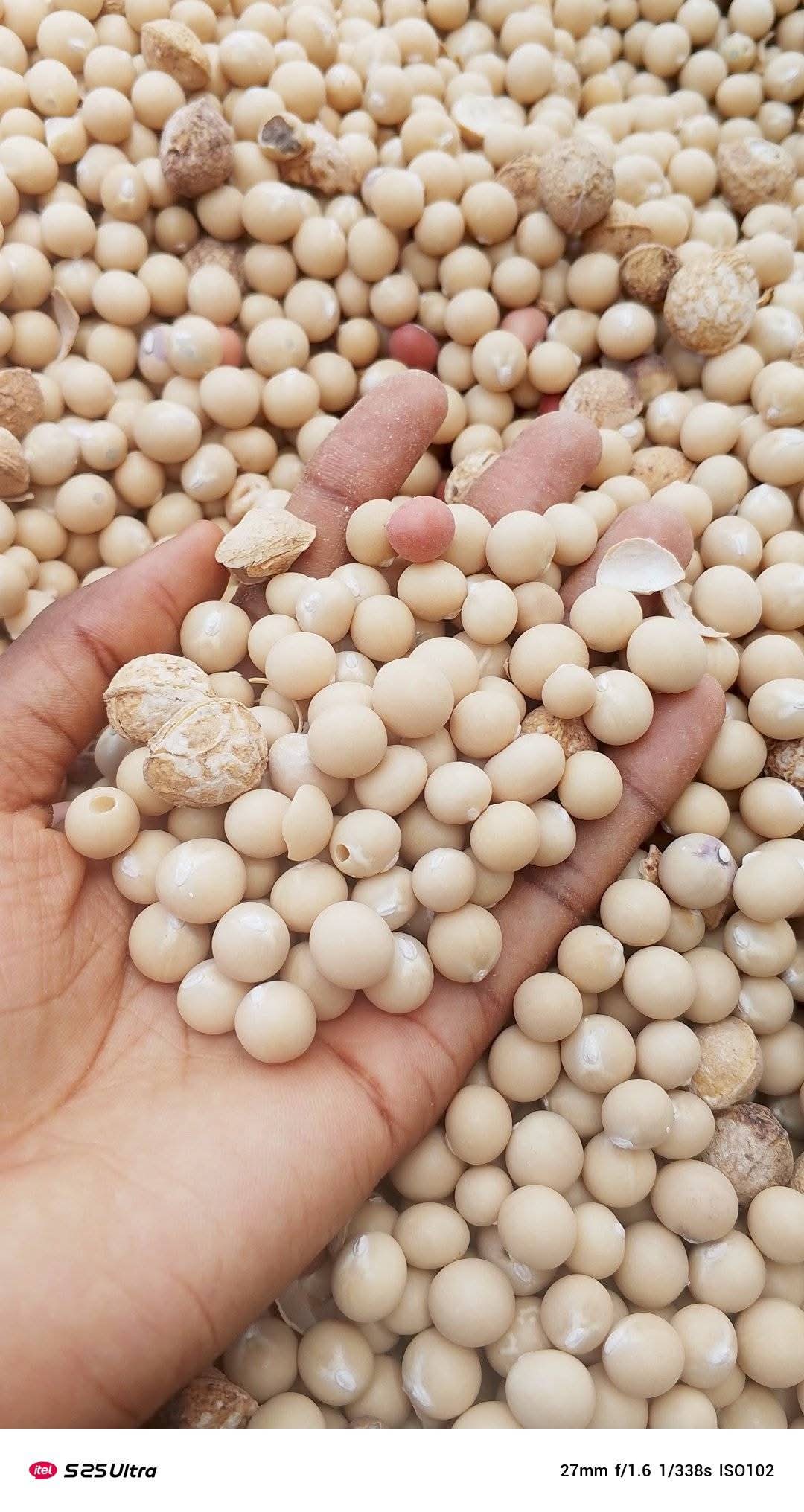
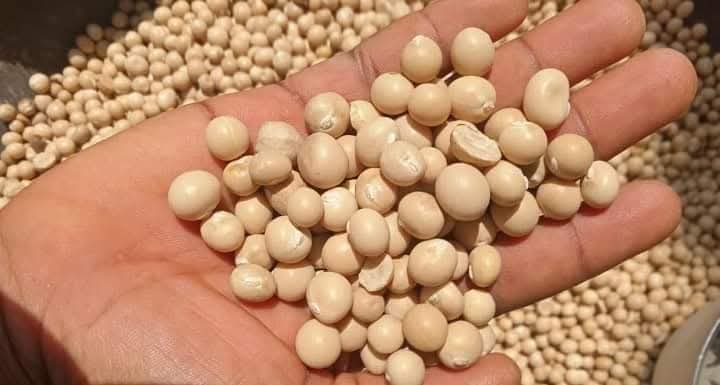
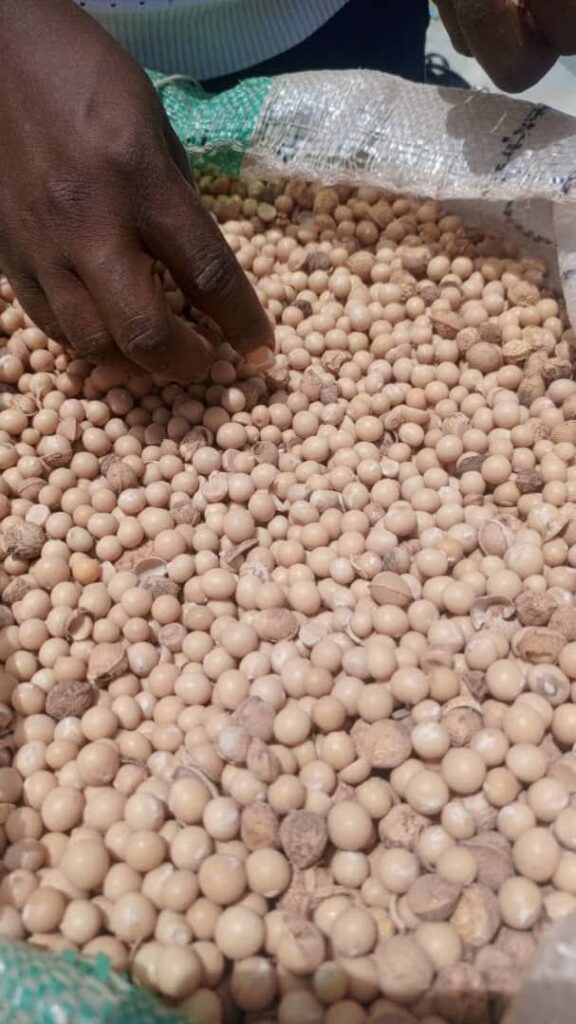
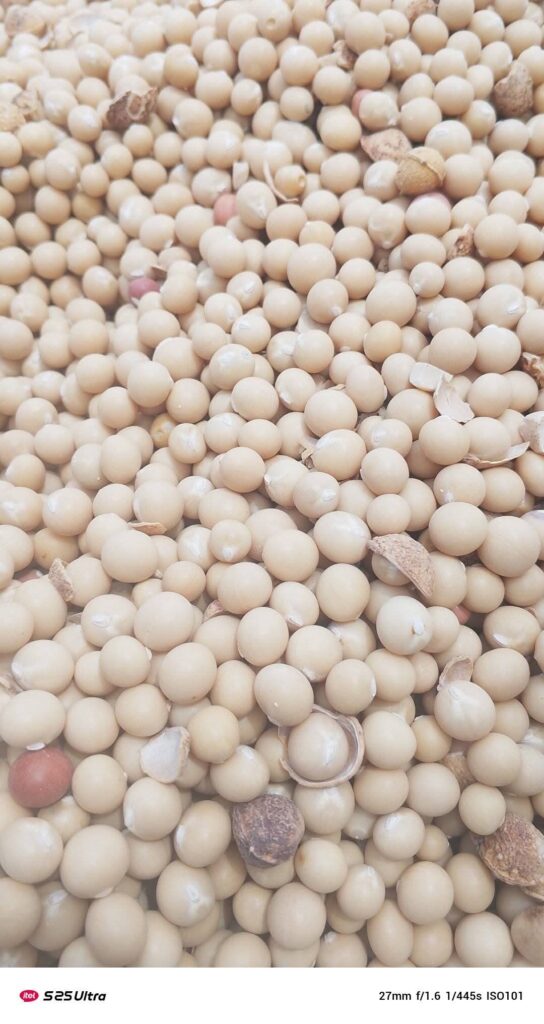
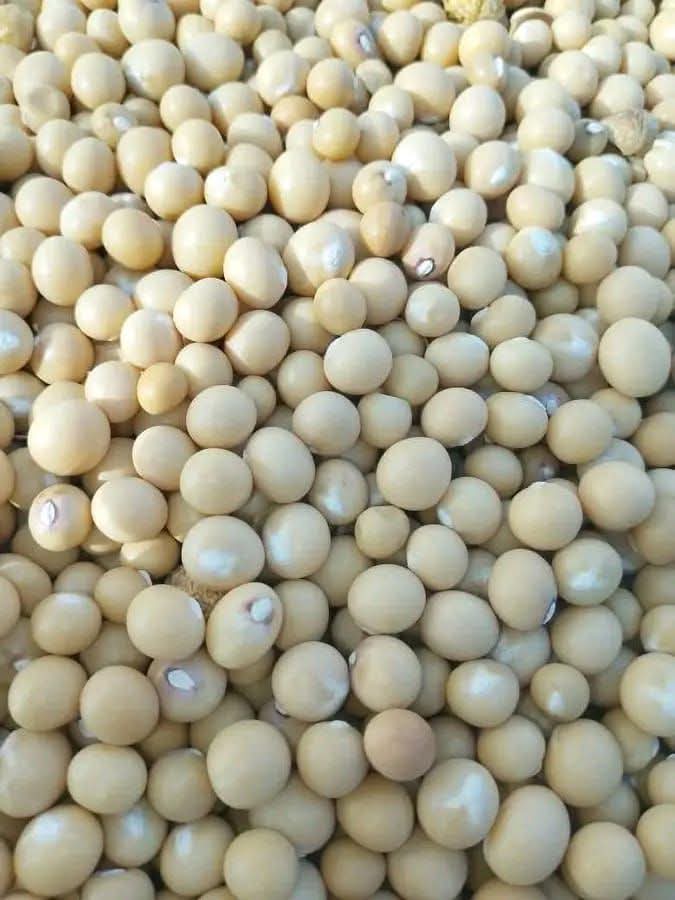
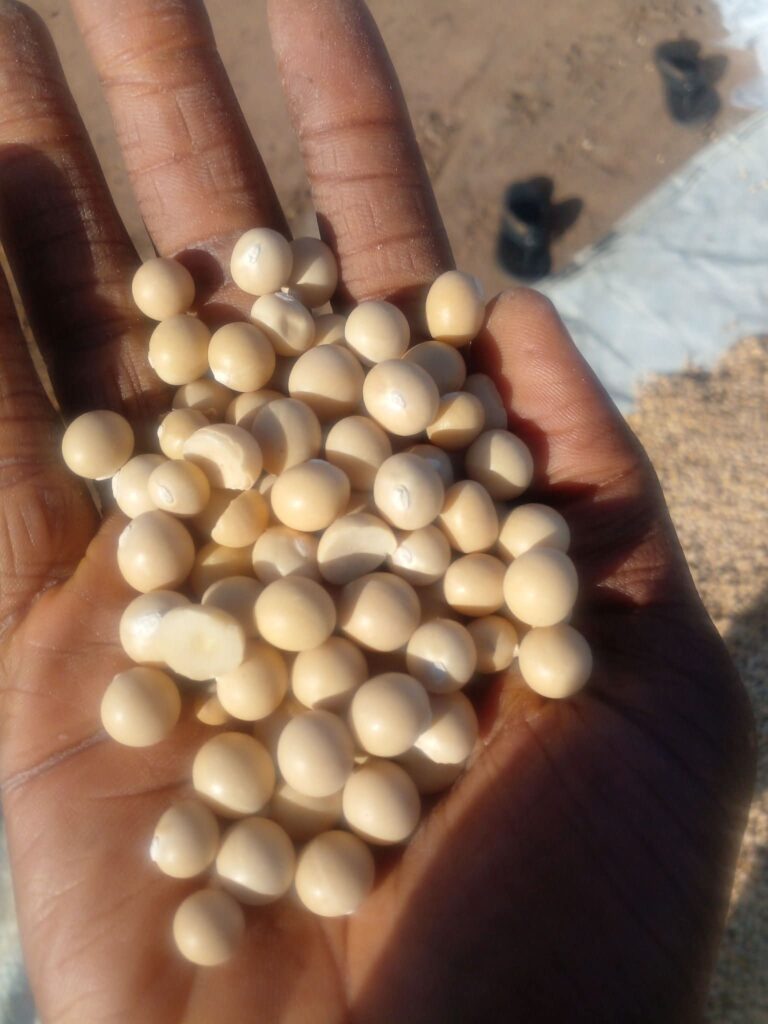
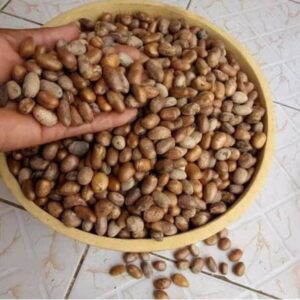
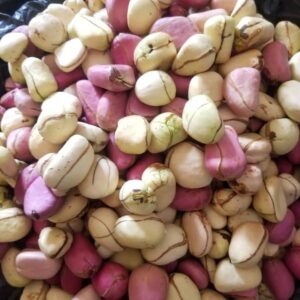
The plant grows as a low, spreading annual reaching approximately 15–30cm in height, with trifoliate leaves, small yellow to white flowers, and underground pods containing 1–3 seeds each. Seeds vary significantly in colour across the hundreds of landrace varieties cultivated across West Africa — ranging from cream-white and buff through reddish-brown, dark brown, and mottled patterns — with colour being one of the primary variety identification characteristics used by farmers and traders in West African markets. Commercial export material is typically dominated by cream-white to buff varieties from northern Nigerian growing zones — the colour profile most readily accepted by international food industry buyers.
The Nutritional Profile That Makes Scientists Use the Word “Complete”
The claim that Bambara nut is nutritionally complete — made in academic food science literature and increasingly in plant protein industry communications — is not marketing hyperbole. It reflects a specific and genuinely remarkable nutritional finding: that Bambara groundnut seed contains protein, carbohydrate, fat, essential amino acids, vitamins, and minerals in a combined profile that can theoretically support human nutritional requirements as a near-standalone food — a property shared by very few plant foods in the commercial world and which historically explains why Bambara nut served as a primary food security crop for communities with limited access to diverse food sources across the West African Sahel.
The specific nutritional data that drives this claim includes:
Protein content — approximately 18–24% protein by dry weight in whole seed, rising to 22–28% in dehulled kernel — a protein content comparable to other premium legumes including chickpea, lentil, and pea, and significantly higher than cereal grains. Research published through NCBI’s food chemistry and nutrition database documents Bambara groundnut’s protein quality in detail — confirming a relatively balanced essential amino acid profile that includes adequate levels of lysine (typically limiting in cereal grains), methionine-cysteine (typically limiting in most legumes), threonine, and tryptophan. The amino acid profile quality has been assessed using the FAO/WHO’s PDCAAS (Protein Digestibility Corrected Amino Acid Score) framework — the internationally accepted measure of protein nutritional quality — with scores that position Bambara groundnut protein as superior to most common plant protein sources and comparable to soybean.
Carbohydrate content — approximately 60–65% total carbohydrate in whole seed, dominated by starch with significant dietary fibre content that slows glucose release and contributes to satiety — a glycaemic profile relevant to the growing food industry interest in low-glycaemic-index functional food ingredients. Research on Bambara groundnut starch properties published through the Journal of Food Science documents unique starch characteristics including high amylose content and specific gelatinisation behaviour that have attracted food technology research interest for novel food ingredient applications.
Fat content — approximately 4–7% fat by dry weight — significantly lower than soybean (18–20%) and peanut (45–52%), giving Bambara nut a nutritional positioning closer to lentil and chickpea as a low-fat, high-protein legume suitable for health-conscious food formulation without the caloric density concerns associated with higher-fat plant proteins.
Essential minerals — particularly iron, zinc, calcium, phosphorus, and potassium at concentrations documented through nutritional composition research published in the Journal of Food Composition and Analysis — with iron and zinc levels of particular nutritional significance in West African dietary contexts where mineral deficiency is a documented public health concern.
Dietary fibre — approximately 8–12% total dietary fibre in whole seed — contributing to the prebiotic dietary fibre content that positions Bambara nut as a functional food ingredient relevant to gut health formulation in the nutraceutical and functional food sectors.
B vitamins — including thiamine, niacin, riboflavin, and folate at nutritionally meaningful concentrations that contribute to Bambara nut’s “complete food” characterisation in nutritional science literature.
The comprehensive nutritional assessment of Bambara groundnut has been conducted most systematically by researchers at the University of Nottingham’s Bambara Groundnut Consortium — a multi-institutional research partnership including universities from the UK, South Africa, Zimbabwe, and Botswana that has produced some of the most rigorous and internationally recognised scientific documentation of Vigna subterranea‘s nutritional and agronomic properties. Their published research — accessible through the Plant Foods for Human Nutrition journal — provides the academic foundation that plant protein industry buyers reference when evaluating Bambara nut as a novel ingredient.
The Agronomic Case — Why Climate Change Is Making Bambara Nut More Commercially Relevant
Beyond its nutritional properties, Bambara groundnut’s agronomic characteristics make an increasingly powerful commercial argument as global food supply chains grapple with climate change impacts on crop productivity:
Drought tolerance — Vigna subterranea is among the most drought-tolerant food legumes in cultivation globally. Its deep taproot system, its ability to enter temporary dormancy under water stress and resume growth when moisture returns, and its underground pod development that protects seeds from surface heat and moisture loss allow it to produce food in conditions that destroy conventional crops. Climate adaptation research published by the CGIAR Research Programme on Climate Change, Agriculture and Food Security (CCAFS) specifically identifies Bambara groundnut as a climate-smart crop of growing significance for food security in drought-prone agricultural zones globally.
Nitrogen fixation — like all legumes, Bambara groundnut fixes atmospheric nitrogen through root nodule bacteria — improving soil fertility in the nutrient-depleted sandy soils of the Sahel and reducing the fertiliser input requirements that make conventional crop production economically and environmentally costly. The soil fertility improvement function makes Bambara nut a valued intercrop and rotation crop across northern Nigerian farming systems where soil degradation is an active agricultural challenge.
Low input requirements — Bambara groundnut requires minimal fertiliser, pesticide, or irrigation input to produce commercially viable yields — a characteristic that makes it economically accessible to smallholder farmers without access to input financing and that positions it as a low-carbon-footprint crop relative to input-intensive legumes like soybean.
Marginal land productivity — Vigna subterranea produces nutritious food on soils too poor, too sandy, and too low in rainfall to support conventional legume crops — a property whose significance grows as climate change and land degradation progressively reduce the area of land suitable for conventional crop production.
These agronomic properties are documented through crop science research published by IITA and reviewed in climate adaptation literature from the International Center for Tropical Agriculture (CIAT/Alliance of Bioversity International and CIAT) — providing the scientific framework that sustainability-oriented food companies and development finance institutions use when evaluating Bambara nut as both an ingredient and an impact investment target.
Benefits and Industrial Uses of Nigerian Bambara Nut
Plant-Based Food and Protein Ingredient Industry — The Defining Emerging Market
This is the commercial application sector whose development represents the most transformative commercial opportunity for Nigerian Bambara nut export — and the one whose trajectory most directly explains why this product is appearing increasingly in the innovation pipelines of food manufacturers who had no awareness of it five years ago.
The global plant-based food market — driven by the convergence of consumer environmental consciousness, health-oriented dietary shifts, and the food technology sector’s remarkable progress in developing meat and dairy alternatives from plant proteins — is consuming plant protein ingredients at volumes and growth rates that are creating structural supply challenges for established sources. Soy protein — the dominant industrial plant protein — carries growing consumer concerns around GMO modification, rainforest deforestation, and monoculture agricultural practices. Pea protein — the most commercially successful alternative — is constrained by supply growth limitations and flavour profile challenges that have driven significant R&D investment in alternative sources. Wheat gluten, sunflower protein, faba bean, and lentil protein are all being actively developed — but the search for novel, sustainable, nutritionally differentiated plant protein sources continues with genuine urgency.
Bambara nut fits this search profile with remarkable precision. Its protein content (18–24% in whole seed), amino acid completeness (superior to most legumes), low fat content (4–7%), neutral to mild flavour profile (a significant advantage over soy and pea whose “beany” flavour requires extensive masking in food formulation), and low-input sustainable production credentials align with exactly what the plant-based food industry’s ingredient innovation programmes are looking for. Research on Bambara groundnut protein’s functional properties — solubility, emulsification capacity, foaming properties, and gelation behaviour — published through the Journal of the Science of Food and Agriculture has demonstrated characteristics relevant to food manufacturing applications including plant-based meat formulation, dairy alternative production, and high-protein bakery ingredient development.
Market intelligence on the global plant protein ingredient market — published by Grand View Research’s plant protein market analysis and Mordor Intelligence’s plant-based food market report — projects the plant protein ingredient sector growing at double-digit compound annual rates through 2030, creating the demand growth context within which novel African legume proteins including Bambara nut can establish commercial positions. The Good Food Institute (GFI) — the primary research and advocacy organisation for the alternative protein sector — has published Bambara groundnut in its alternative protein landscape analysis — a signal of the sector’s awareness of the ingredient’s potential.
Ingredient innovation databases from Mintel’s Global New Products Database and new product launch tracking from Innova Market Insights have begun documenting Bambara groundnut appearances in new plant-based food product launches — the leading commercial indicator of ingredient commercial uptake. Contact our export team to discuss protein-grade Bambara nut flour and dehulled kernel specifications for plant-based food manufacturing applications.
West African Food Industry and Diaspora Food Retail — The Cultural Foundation
Before the plant protein industry discovered Bambara nut, West African communities were already consuming it at remarkable scale — and this cultural demand foundation provides the commercial stability that emerging ingredient markets cannot offer. In Nigeria and across West Africa, Bambara groundnut is consumed in multiple traditional food applications that create consistent, year-round demand across both domestic and diaspora markets:
Okpa — the traditional Igbo bean pudding of southeastern Nigeria, prepared by mixing ground Bambara nut flour with palm oil, crayfish, pepper, and water, then steaming in banana or plantain leaf parcels — is one of Nigeria’s most beloved and widely consumed traditional street foods. Sold by roadside vendors and market women across Enugu, Anambra, Ebonyi, Imo, and Abia states, and increasingly in Lagos, Abuja, and other Nigerian urban centres, okpa’s cultural significance to Igbo food identity is comparable to akara (bean cake) to Yoruba food culture. The diaspora appetite for authentic okpa — and therefore for authentic Nigerian Bambara nut flour — is substantial across UK and US Nigerian communities. Research on okpa’s nutritional profile and food science properties is published through the African Journal of Food Science — documenting the nutritional contribution of this traditional food product.
Roasted Bambara nuts — eaten as a snack food throughout northern Nigeria under the Hausa name gurjiya, roasted Bambara nuts are a common street food sold by vendors across northern Nigerian cities and towns. Their roasted, slightly earthy, pleasantly flavoured profile makes them a natural comparison to roasted chickpeas and roasted edamame in the global premium snack food market — a commercial parallel that snack food brands building African ingredient portfolios are beginning to explore.
Boiled Bambara nuts — consumed as a hot snack food or as a component of mixed grain and legume dishes across West Africa — are sold by street vendors in boiled form with salt and pepper seasoning across markets throughout Nigeria, Ghana, and Cameroon.
Bambara nut porridge — consumed as a breakfast food particularly in northern Nigeria and across the Sahel belt — prepared by boiling whole or cracked Bambara nuts with water, milk, and spices.
For diaspora food importers supplying West African communities across Europe and North America with authentic ingredients for okpa preparation and traditional snack consumption, contact our export team to discuss whole seed and flour supply specifications.
Functional Food and Nutraceutical Industry
Bambara nut’s combination of high-quality protein, dietary fibre, low fat content, and documented mineral density positions it as a natural functional food ingredient for the health-positioned food sector — a market whose scale and growth trajectory are documented through research from Grand View Research’s functional food market analysis projecting continued double-digit growth in functional food consumption across major markets.
The dietary fibre fraction of Bambara nut — including both soluble and insoluble fibre components that provide prebiotic substrate for beneficial gut bacteria — has attracted specific research attention for its potential in gut health formulation. Research published through NCBI’s nutrition and gut health publications documents Bambara groundnut’s prebiotic fibre profile and its potential contribution to gut microbiome diversity — a functional food claim category that is among the fastest-growing in premium food and supplement retail according to Mintel’s health and wellness trend database.
The resistant starch fraction of Bambara nut — starch that resists digestion in the small intestine and undergoes fermentation in the large intestine — contributes both to the low glycaemic index property that diabetic and metabolic health-oriented consumers increasingly seek in food products and to the prebiotic fibre function that supports gut health positioning. Resistant starch research in Bambara groundnut is documented through the Journal of Food Science — providing the scientific foundation for functional food and nutraceutical ingredient applications.
Bakery, Snack, and Specialty Food Industry
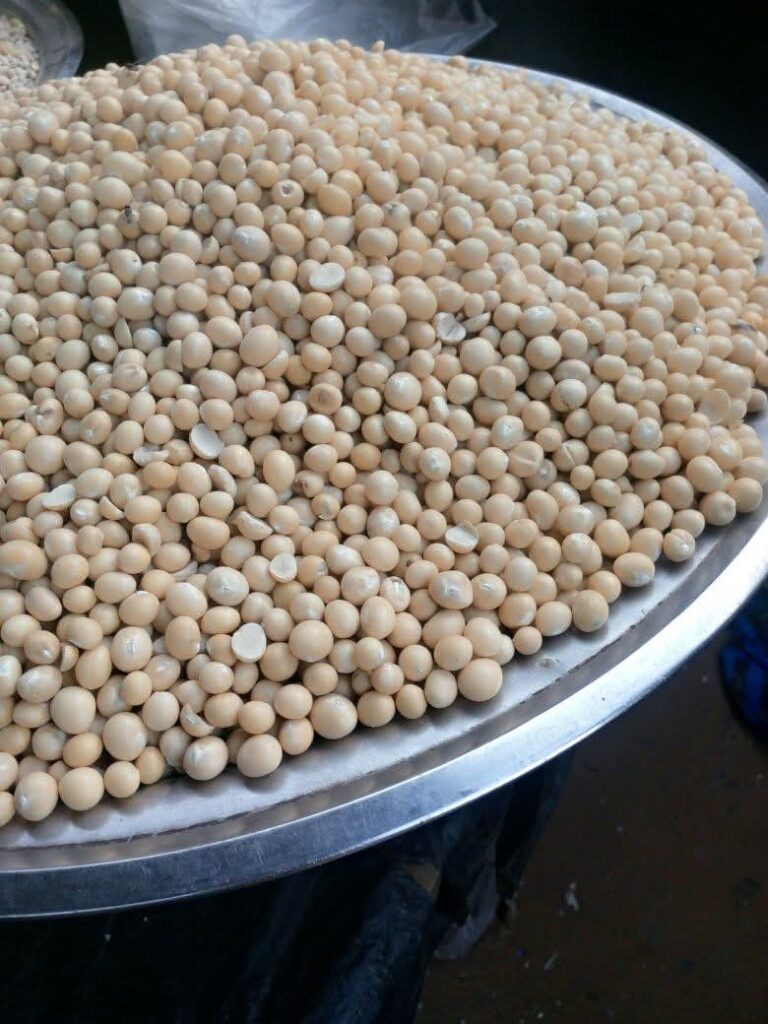
Bambara nut flour — produced by milling dried dehulled Bambara nut kernel — has functional properties of direct relevance to bakery and snack food manufacturing: its protein content improves the nutritional profile of flour blends, its flavour neutrality allows incorporation without flavour masking requirements, its water absorption and gelation properties provide textural contribution in baked goods, and its naturally gluten-free status makes it appropriate for the growing market of gluten-free food products.
European and American specialty food brands developing African-inspired, high-protein, or nutrient-dense bakery products — protein bars, energy balls, high-protein bread, chickpea-style snacks, and similar functional food products — are beginning to incorporate Bambara nut flour as a differentiated, authentic African ingredient. The CBI Netherlands market intelligence platform has published guidance specifically on African legume ingredients for European food buyers — identifying Bambara groundnut among the African crops with growing European market interest.
For bakery and snack food manufacturers evaluating Bambara nut flour as a novel ingredient, the American Association of Cereal Chemists International (AACCI) publishes standard analytical methods for legume flour functional properties — providing the testing framework for flour specification and quality documentation that food manufacturing buyers apply when evaluating novel flour ingredients. Contact our export team to discuss flour specification, particle size, protein content documentation, and minimum order requirements.
Animal Feed and Aquaculture Industry
The defatted meal remaining after oil extraction from Bambara nut kernel — or the whole ground seed used directly as a feed ingredient — has documented value as a livestock and aquaculture feed protein source. Research published through NCBI’s animal nutrition publications documents Bambara groundnut meal’s digestibility, protein quality, and growth-promoting efficacy in poultry, fish, and small ruminant feeding studies — providing the scientific foundation for commercial animal feed ingredient applications.
The aquaculture sector’s growing demand for plant-based fish feed ingredients — driven by environmental and economic pressure on fishmeal use — positions Bambara groundnut meal as a candidate alternative protein source. The Food and Agriculture Organization’s fisheries and aquaculture division tracks the development of plant-based fish feed ingredients globally — a demand context within which Bambara nut meal’s protein content and amino acid profile are commercially relevant.
Cosmetics and Personal Care Industry
Bambara nut’s protein and starch fractions have attracted exploratory cosmetics ingredient research interest — with the seed’s water-soluble protein extract studied for potential skin conditioning and film-forming properties, and the starch fraction evaluated for its potential as a natural skin smoothing and texture-modifying ingredient in cosmetic formulation. While cosmetics application is at an earlier commercial development stage than food and feed uses, the cosmetics ingredient industry’s sustained interest in novel African botanical and legume-derived ingredients — documented through Euromonitor International’s beauty ingredient innovation reports — creates a potential future commercial pathway for Bambara nut extract and derived ingredients.
Why Buy Bambara Nuts from Nigeria?
The Production Scale Advantage — West Africa’s Most Significant Bambara Nut Origin
Nigeria’s Bambara groundnut production base — spread across millions of smallholder plots in the northern Sahel and Sudan savanna zones and extending into the Middle Belt guinea savanna states — represents the most commercially accessible scale of Bambara nut production among all the crop’s West African growing countries. Niger, Mali, Burkina Faso, and Ghana all produce meaningful Bambara groundnut volumes, but Nigeria’s combination of production geography, domestic market development, and export infrastructure gives it the supply depth that international buyers who need multiple container loads of seed per season require.
The Bioversity International genetic resources research programme — which maintains the most comprehensive Bambara groundnut germplasm collection outside Nigeria — has documented Nigeria as one of the most genetically diverse Bambara nut growing territories, with hundreds of distinct landrace varieties maintained by farming communities across the northern states. This genetic diversity is commercially significant: it means that Nigeria can supply Bambara nut across a range of seed colour, size, and composition profiles to match diverse buyer specifications.
The Climate Resilience Story — A Supply Chain for a Warming World
For buyers whose procurement policies include climate risk assessment — increasingly standard among European and North American food companies operating under ESG frameworks — Bambara nut’s extraordinary drought tolerance and low-input production system offer supply chain climate resilience credentials that few other legumes can match. As documented in climate adaptation research from CCAFS, Bambara groundnut production in Nigeria’s Sahel zone is significantly less vulnerable to rainfall variability than alternative legume crops grown in the same region — providing supply continuity under climate conditions that would compromise soybean or cowpea production.
This climate resilience argument is becoming a meaningful commercial differentiator in ingredient sourcing conversations with European food manufacturers who are actively stress-testing their supply chains against climate scenario projections — and it positions Nigerian Bambara nut supply as a strategically valuable, not merely commercially convenient, addition to their ingredient procurement programmes.
The “Unexploited” Competitive Advantage — Building Supply Before the Market Matures
Experienced commodity buyers understand the commercial value of establishing supply relationships with high-quality ingredients before mainstream market awareness drives both demand and pricing to levels that make first-mover advantage impossible to achieve. Nigerian Bambara nut is at precisely the stage of international commercial development where that first-mover advantage is still available — the nutritional science is solid and well-published, the production base is established and scalable, but the international buyer community has not yet fully priced the ingredient’s potential into procurement strategies.
The parallel with Nigerian sesame seed ten years ago — when early-mover European buyers who established direct Nigerian sourcing relationships enjoyed both competitive pricing and supply priority as the market developed — is commercially instructive. Buyers who build Bambara nut supply relationships with Paradise MultiTrade now are positioning themselves ahead of the demand curve that the plant protein market’s discovery of this ingredient will inevitably drive.
Full Export Documentation from a Licensed Exporter
Every Bambara nut shipment processed through Paradise MultiTrade carries phytosanitary certification from the Nigerian Agricultural Quarantine Service (NAQS), NEPC export documentation, certificate of origin, commercial invoice, packing list, and bill of lading. For food manufacturing and nutraceutical buyers requiring protein content analysis, amino acid profiling, starch characterisation, dietary fibre quantification, aflatoxin screening, heavy metal testing, pesticide residue analysis, and microbiological testing — we coordinate comprehensive analytical packages through accredited third-party laboratories following AOAC International validated methods.
EU-bound shipments comply with Regulation (EU) 2017/625 on official controls for food and botanical imports and reference EFSA’s published novel food assessments for regulatory clarity on Bambara groundnut’s status in EU food markets. Our NEPC Export Licence No. 0042385 and CAC Registration No. RC-9284647 are current and verifiable through NEPC.
Nigeria’s Bambara Nut Export Strength and Global Market Demand
The Three Converging Demand Streams
The global market for Nigerian Bambara nut is being built simultaneously from three independent directions — each with different commercial dynamics but all contributing to a demand growth trajectory that makes Bambara nut one of the most commercially interesting emerging commodities in the Nigerian agricultural export portfolio:
Diaspora and West African food cultural demand — the most established and culturally persistent stream, driven by the Nigerian and broader West African diaspora communities across the UK, USA, Canada, France, and Germany who need Bambara nut for traditional food preparation — particularly okpa in Igbo communities and boiled or roasted Bambara nut consumption across northern Nigerian diaspora networks. This demand is consistent, culturally resilient, and growing in proportion to diaspora population expansion.
Plant-based protein industry discovery — the fastest-growing and most commercially transformative stream, driven by food technology companies, plant-based food brands, and functional food manufacturers across Europe and North America who are systematically searching for novel plant protein sources with clean nutritional credentials. Market intelligence on this stream is published by Innova Market Insights and Grand View Research — both confirming the structural demand growth that makes Bambara nut’s plant protein positioning commercially timely.
Food security and development-linked procurement — a third stream driven by international development organisations, food security NGOs, and governmental food fortification programmes that are increasingly looking to African indigenous crops as nutritionally superior, culturally appropriate, and economically accessible alternatives to imported food commodities in food security interventions across sub-Saharan Africa and diaspora communities. The World Food Programme (WFP) and UNICEF’s nutrition programmes have both engaged with African indigenous crops including Bambara groundnut in the context of food security and nutrition intervention programmes — institutional buyer contexts that create procurement demand distinct from commercial food industry channels.
Key Destination Markets
The United Kingdom combines the strongest diaspora demand pull (Nigeria’s largest diaspora population outside Africa), the most active plant-based food innovation market in Europe (as documented through new product launch data from Mintel), and a sophisticated food ingredient import infrastructure that can accommodate novel ingredients like Bambara nut efficiently. The CBI Netherlands market platform documents the UK as a primary European entry market for West African food ingredients — making it the logical first European export target for Nigerian Bambara nut.
Germany and the Netherlands are Europe’s most active plant-based food innovation markets and the EU’s primary food ingredient import hubs — with German food manufacturers and Dutch commodity importers both representing structurally important buyer categories for Bambara nut as both a diaspora food ingredient and a plant protein ingredient. The German Nutrition Society (DGE) publishes nutrition science communications that shape German consumer and food industry interest in high-quality plant protein sources — a market intelligence context within which Bambara nut’s nutritional credentials are directly relevant.
The United States is the world’s largest plant-based food market by total value — with American food technology companies, plant-based protein startups, and established food manufacturers all active in novel plant protein ingredient sourcing. American diaspora demand for Nigerian Bambara nut — particularly concentrated in communities around Houston, Atlanta, and Washington DC — adds a cultural demand layer to the plant protein industry interest that makes the US market uniquely broad in its Bambara nut buyer community. US food ingredient import trends are tracked through USDA Foreign Agricultural Service reports.
Canada — particularly Toronto, where one of the world’s largest Nigerian diaspora communities is concentrated — is an active market for Nigerian food ingredients including Bambara nut, with diaspora retail demand complemented by the Canadian food innovation sector’s growing interest in diverse plant protein sources.
Japan — where the functional food industry’s sophistication and consumer interest in nutritionally complete plant foods creates a specific market opening for Bambara nut’s nutritional credentials — is an emerging export target. JETRO’s food product import intelligence tracks Japanese functional food ingredient import trends relevant to Bambara nut market assessment.
Why Choose Paradise MultiTrade International Limited?
Multiple Commercial Forms Available. We supply whole dried Bambara nut (the primary export form for diaspora retail and roasted snack applications), dehulled Bambara kernel (preferred form for food manufacturing protein ingredient applications and flour production), and Bambara nut flour (fine-milled dehulled kernel for direct food manufacturing use in bakery, protein blend, and functional food formulation). Form specifications, analytical requirements, and lead times are discussed at the quotation stage. Contact our team to specify your required form.
Variety and Colour Specification Capability. Nigerian Bambara nut is produced in multiple seed colour varieties — cream-white, buff, red-brown, and mottled types — with different colour profiles preferred in different market applications. Cream-white and buff varieties dominate for food manufacturing and diaspora retail. We source with variety awareness and can target specific colour profiles on buyer request. Contact us to specify your colour preference.
Protein and Nutritional Documentation. For plant-based food manufacturers and nutraceutical buyers requiring documented protein content, amino acid profiling, dietary fibre quantification, and starch characterisation — we coordinate comprehensive analytical packages through accredited laboratories following AOAC International methods and FAO/WHO PDCAAS protein quality assessment framework. Contact us to discuss your analytical package requirement.
Aflatoxin Management as Standard. Bambara nut — like other legumes stored in warm, humid tropical conditions — carries aflatoxin risk that we manage proactively through source-level drying protocol requirements and pre-shipment aflatoxin testing. EU buyers receive aflatoxin test certificates verified against EFSA’s mycotoxin limits applicable to dried legume seeds.
Multi-Commodity West African Sourcing. Bambara nut buyers frequently source complementary Nigerian food commodities. Alongside Bambara nut, Paradise MultiTrade exports egusi melon seed, ogbono seed, crayfish, alligator pepper, chilli pepper, red palm oil, moringa seeds, hibiscus flower, sesame seeds, bitter kola, kola nut, fresh ginger, and cashew products. Explore our full range of Nigerian export commodities and consolidate your West African food ingredient sourcing through one verified, licensed export partner.
Product Specifications
| Specification | Details |
|---|---|
| Product | Bambara Groundnut / Bambara Nut (Vigna subterranea) |
| Common Names | Bambara nut, Bambara groundnut, Underground bean, Earth pea, Gurjiya (Hausa), Okpa bean (Igbo), Epa-roro (Yoruba) |
| Origin | Nigeria (Kano, Katsina, Borno, Yobe, Sokoto, Kebbi, Benue, Nasarawa, Niger States) |
| Forms Available | Whole dried seed (in skin); dehulled kernel; ground flour |
| Protein Content | 18–24% (whole seed, dry basis); 22–28% (dehulled kernel, dry basis) |
| Carbohydrate Content | 60–65% (whole seed, dry basis) |
| Fat Content | 4–7% (whole seed, dry basis) |
| Dietary Fibre | 8–12% (whole seed, dry basis) |
| Moisture Content | Maximum 10–12% (whole seed); Maximum 8–10% (dehulled/flour) |
| Seed Colour | Cream-white to buff (primary commercial grade); red-brown and mottled available |
| Purity | 95%+ (free from foreign matter, mould, insect damage, and broken seed) |
| Aflatoxin | Tested per destination market requirements (EU: ≤10 ppb total) |
| Packaging Options | 25kg, 50kg polypropylene woven bags (whole/dehulled); 25kg multi-wall paper bags (flour); custom retail packaging on request |
| Supply Capacity | 20–500+ MT per shipment (subject to seasonal availability) |
| MOQ | 5 Metric Tonnes |
| Shelf Life | 18–24 months (whole seed, properly stored); 12–18 months (dehulled); 6–9 months (flour) |
| Export Documentation | Phytosanitary Certificate (NAQS), Certificate of Origin, NEPC Export Licence, Analytical Certificate (on request), Aflatoxin Test Certificate, Commercial Invoice, Packing List, Bill of Lading |
| Payment Terms | T/T, Letter of Credit (LC at sight), Escrow |
| Loading Port | Lagos (Apapa / Tin Can Island Port), Nigeria |
| Incoterms Available | EXW, FOB Lagos, CNF, CIF |
Packaging and Export Process
Harvesting. Bambara groundnut pods develop underground and are harvested by uprooting the entire plant — typically between October and January in northern Nigeria following the end of the rainy season, and slightly earlier in Middle Belt states where the growing season begins earlier. The underground development of pods means harvest requires either hand-digging around each plant or use of simple digging tools to loosen soil around the root system before pulling. Harvest timing is critical: early harvest produces immature seeds with lower starch and protein development; delayed harvest beyond full maturity risks pod splitting underground and seed loss to soil fungi.
Post-Harvest Drying. Harvested plants are spread on the ground or on elevated surfaces in the sun for 1–3 days — allowing the pods to dry and detach more easily from the plant before threshing. The intact pod provides some protection to the seed during this initial field drying phase. After plant drying, pods are separated from the aerial plant mass by beating or threshing and collected for seed extraction.
Pod Threshing and Seed Extraction. Dried pods are threshed — either by beating with sticks on clean hard surfaces or through mechanical threshers — to crack open the pods and release the seeds. The seeds are then cleaned through air aspiration and screening to remove pod fragments, soil particles, and foreign matter.
Secondary Drying. Extracted seeds are further sun-dried on elevated platforms until moisture content reaches the 10–12% export specification — preventing mould development during storage and shipping. Proper moisture management at this stage is the most important post-harvest quality control step for aflatoxin risk reduction.
Dehulling (where specified). For dehulled kernel supply, dried whole seeds are processed through abrasive dehullers that remove the seed coat (testa) — revealing the cream-white cotyledon within. Dehulling efficiency and kernel integrity are monitored to minimise fragmentation.
Milling (where specified). For flour production, dehulled kernel is milled through disc or pin mills to the required particle fineness — with the resulting flour screened for particle size uniformity before packing.
Quality Testing. Lot samples are assessed for moisture, visual purity, and protein content before packing confirmation. Aflatoxin testing is coordinated through accredited laboratories for all export lots. Full analytical packages including protein content, amino acid profiling, dietary fibre, and microbiological testing are available for food manufacturing buyers on request following AOAC International methods.
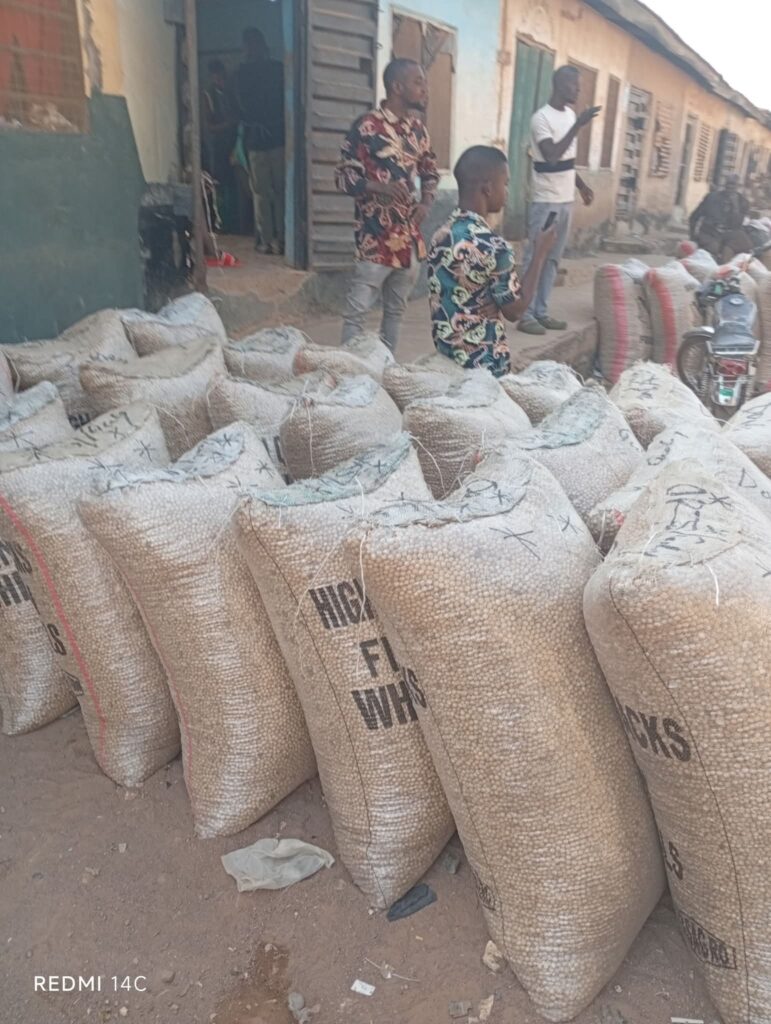
Packaging and Loading. Standard export packaging is 25kg or 50kg polypropylene woven bags for whole seed and dehulled kernel, and 25kg multi-wall moisture-barrier paper bags for flour. Pre-export phytosanitary inspection by NAQS is conducted before container sealing. Lead time from order confirmation to container loading runs 10–21 days for whole seed; 21–35 days for dehulled and flour forms requiring processing. Contact us early to plan your shipment schedule around the October–January peak harvest availability window.
Frequently Asked Questions
What exactly is Bambara nut and how is it different from groundnut (peanut)?
Bambara nut (Vigna subterranea) and groundnut (Arachis hypogaea) are two entirely distinct plant species that share only the geocarpy trait of underground pod development — a superficial similarity that can cause naming confusion. They are not related botanically, nutritionally, or culinarily. Groundnut is a South American crop domesticated in Peru/Bolivia with approximately 45–52% fat content — primarily an oil crop. Bambara nut is an African crop domesticated in West Africa with only 4–7% fat and 18–24% protein — primarily a protein and carbohydrate food crop. Bambara nut has a completely different flavour, texture, and nutritional profile from peanut and is consumed in entirely different culinary applications. It is also unrelated to “tiger nut” (Cyperus esculentus) — another source of naming confusion in international markets. Contact us if you need species clarification for import documentation purposes.
Why is Bambara nut described as “nutritionally complete” in scientific literature?
The “complete” characterisation refers to Bambara nut’s unusually well-balanced combination of protein (18–24%), carbohydrate (60–65%), fat (4–7%), dietary fibre (8–12%), essential amino acids, B vitamins, iron, zinc, calcium, and phosphorus — a nutrient profile that can support human nutritional requirements across multiple macronutrient and micronutrient categories as a near-standalone food. Most plant foods are nutritionally excellent in one or two dimensions but deficient in others — cereal grains are high in carbohydrate but low in protein and lysine; most legumes are high in protein but low in methionine. Bambara nut’s protein and amino acid profile is more balanced than most legumes, making it one of very few plant foods that approaches nutritional completeness. Research documenting this is published through NCBI and reviewed by the University of Nottingham’s Bambara Groundnut Consortium.
What forms of Bambara nut are available from Paradise MultiTrade?
We supply three commercial forms: whole dried Bambara nut (in skin — the primary diaspora retail and snack market form), dehulled Bambara kernel (skin removed — preferred for food manufacturing protein ingredient and flour production applications), and Bambara nut flour (fine-milled dehulled kernel — ready for direct incorporation in food manufacturing formulations). Each form has distinct specifications, analytical requirements, and lead times discussed at the quotation stage. Contact our team to specify your required form.
Is Bambara nut gluten-free and suitable for gluten-free food formulation?
Yes — Bambara nut is naturally gluten-free, containing no wheat, barley, rye, or related gluten-containing grains. For food manufacturers developing gluten-free products, Bambara nut flour represents a high-protein, nutritionally dense flour alternative with functional properties documented through food science research. Cross-contamination controls during harvest, processing, and packaging are applied following good manufacturing practice standards — for EU food manufacturers requiring documented gluten-free supply chain controls, we discuss manufacturing facility practices at the quotation stage. Contact us to discuss gluten-free supply chain documentation requirements.
What is the protein content of Nigerian Bambara nut and how does it compare to other plant proteins?
Nigerian Bambara nut whole seed contains approximately 18–24% protein by dry weight — rising to 22–28% in dehulled kernel. For comparison: chickpea contains approximately 19–22%, lentil 24–26%, pea 22–25%, and soybean 36–40%. Bambara nut is therefore comparable in protein content to chickpea, pea, and lentil — and significantly superior to cereal grains (wheat: 10–14%, maize: 8–10%). Its critical advantage over many legumes is the amino acid balance — including a methionine-cysteine content that is superior to most legumes, addressing the sulphur amino acid limitation that makes many legume proteins nutritionally incomplete without complementary food pairing. Specific lot protein analysis following AOAC International methods is available on request. Contact us to discuss analytical requirements.
What is the Nigerian Bambara nut harvest season?
Nigeria’s Bambara nut harvest runs primarily from October through January — concentrated in the northern states following the end of the August–September rainy season. Middle Belt state harvests may begin slightly earlier in September–October. Properly dried Bambara nut from the October–January harvest is available for export through approximately July–August of the following year under normal procurement conditions. Buyers planning large-volume orders — particularly food manufacturing buyers who need consistent annual supply — should initiate procurement discussions in August–September to discuss forward pricing and secure allocation ahead of the harvest season. Contact us to plan your procurement cycle.
What transit times should I expect from Nigeria?
Europe (Rotterdam, Hamburg, Felixstowe, Antwerp) — approximately 14–20 days from Lagos. UK (Tilbury, Felixstowe) — 14–18 days. USA (East Coast — New York, Baltimore, Savannah) — 18–25 days. Canada (Halifax, Montreal) — 18–28 days. UAE (Jebel Ali) — 10–14 days. Japan (Yokohama) — 25–32 days. Germany (Hamburg) — 14–20 days. France (Le Havre) — 14–18 days.
Ready to Source Premium Nigerian Bambara Nuts — Africa’s Most Complete Legume, Now Available for Global Food Manufacturers, Plant-Based Protein Brands, and Diaspora Importers?
If you are a plant-based food manufacturer building a novel protein ingredient supply chain, a functional food brand developing high-protein African ingredient products, a diaspora food importer supplying Nigerian communities who cook okpa and traditional Bambara nut dishes, a food scientist evaluating Nigerian Bambara nut for new product development, a wholesale distributor building a West African food ingredient portfolio, or an animal feed ingredient buyer investigating plant protein alternatives — Paradise MultiTrade International Limited is the licensed Nigerian exporter your procurement programme needs.
We supply whole dried Bambara nut, dehulled kernel, and ground flour — sourced from established farming communities across Nigeria’s primary producing states, analytically tested for protein content and food safety compliance, aflatoxin-screened as standard, and exported with full phytosanitary and commercial documentation to buyers in every major regulated destination market.
Request a Quotation — share your required form (whole, dehulled, flour), seed colour preference, volume, analytical testing requirements, destination port, and application context (food manufacturing, diaspora retail, animal feed). We respond with a detailed, competitive quote within 48 hours.
Contact Our Export Team — speak directly with our export coordinators about protein content documentation, amino acid profiling, aflatoxin testing protocols, flour particle size specifications, gluten-free supply chain documentation, variety and colour sourcing, and long-term contract supply arrangements.
Explore Our Full Product Range — alongside Bambara nut, Paradise MultiTrade exports egusi melon seed, ogbono seed, crayfish, alligator pepper, chilli pepper, red palm oil, moringa seeds, hibiscus flower, turmeric, cloves, sesame seeds, bitter kola, kola nut, fresh ginger, cashew nut kernel, and raw cashew nuts. One licensed Nigerian exporter. One consolidated West African food and agricultural sourcing relationship. Consistent quality and documentation across every commodity.
Paradise MultiTrade International Limited | NEPC Export Licence No. 0042385 | CAC No. RC-9284647 | Lagos, Nigeria | www.paradisemultitrade.com
Buy Bambara nuts from Nigeria, Nigerian Bambara groundnut supplier, Vigna subterranea bulk export, Bambara bean Nigeria wholesale, African groundnut Nigeria export, Bambara nut for food industry, Nigerian Bambara nut flour bulk buyer, underground bean Nigeria wholesale
Reviews
There are no reviews yet.