
Bitter Kola from Nigeria: The Ancient Seed the World’s Pharmaceutical and Wellness Industries Are Quietly Racing to Source
Bitter Kola Exporter Nigeria — Bulk Garcinia Kola, Direct Source, International Supply
Bitter kola exporter Nigeria is a search phrase increasingly typed by pharmaceutical procurement officers, herbal supplement manufacturers, and specialty food importers who have discovered — often through clinical literature before commercial channels — that this small, amber-brown seed from the West African forest belt carries a biochemical profile that few natural products can match. Nigeria is the world’s dominant source of Garcinia kola, supplying the vast majority of commercially traded bitter kola reaching markets in Europe, North America, Asia, and the Middle East. At Paradise MultiTrade International Limited, bitter kola is one of our flagship export commodities — sourced directly from forest-harvesting communities across Nigeria’s southern and middle belt regions, graded for international trade, and exported with full regulatory documentation.
If you are sourcing bitter kola for pharmaceutical research, herbal product manufacturing, nutraceutical formulation, or bulk wholesale distribution, this guide covers everything you need to know about the product, its commercial value, Nigeria’s role in global supply, and how to place a verified bulk order. To skip straight to procurement, request a quotation here and our export team will respond within 48 hours.
History and Origin of Bitter Kola
A Seed Older Than Commerce Itself
The story of bitter kola does not begin in a trading port or a commodity exchange. It begins deep inside the tropical rainforests of West and Central Africa, where Garcinia kola — the plant that produces bitter kola seeds — has grown wild for thousands of years. Long before European traders arrived on the West African coast, bitter kola was already woven into the social, spiritual, and medicinal fabric of dozens of ethnic communities across present-day Nigeria, Cameroon, Ghana, Côte d’Ivoire, and the Democratic Republic of Congo.
Among the Yoruba of southwestern Nigeria, bitter kola is called orogbo — a word that carries connotations of longevity and vitality. Among the Igbo of southeastern Nigeria, it is aki ilu, a seed associated with respect and used in traditional ceremonies of welcome, blessing, and conflict resolution. Among the Hausa of northern Nigeria, it has long been used as a chewing stimulant and a medicine for respiratory complaints. Across all of these cultures, one thing is consistent: bitter kola has never been a casual crop. It has always been regarded as something significant.
The Botanical Identity of Garcinia Kola
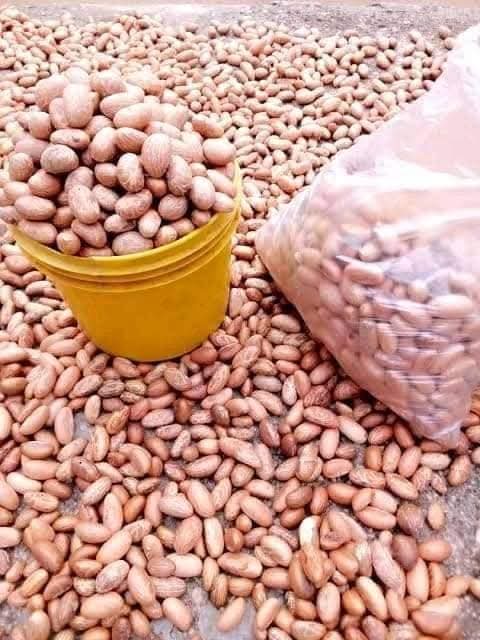
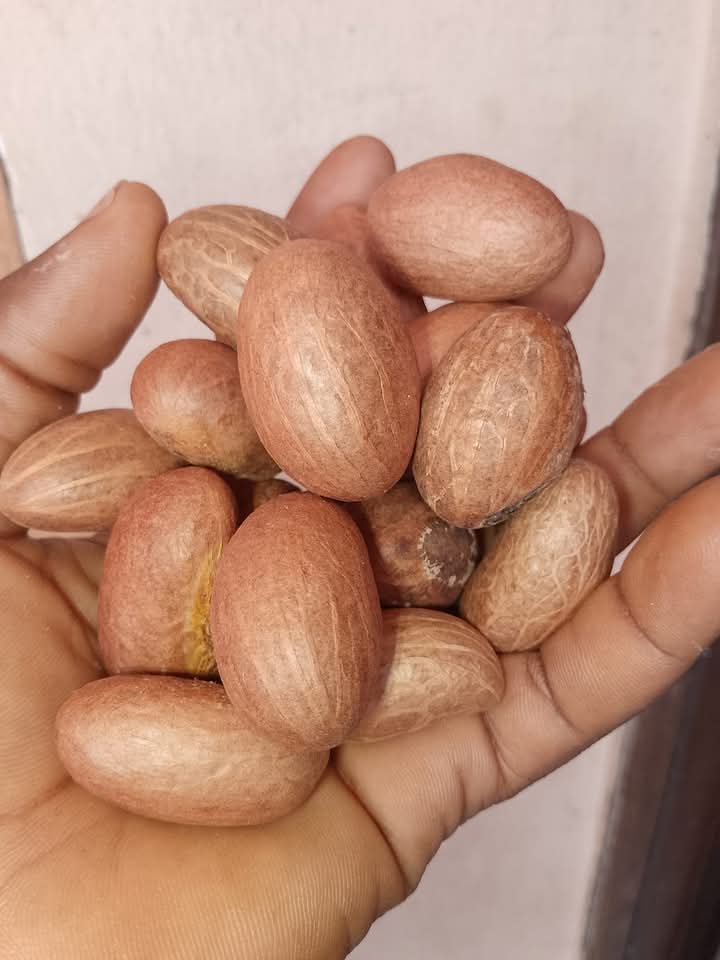
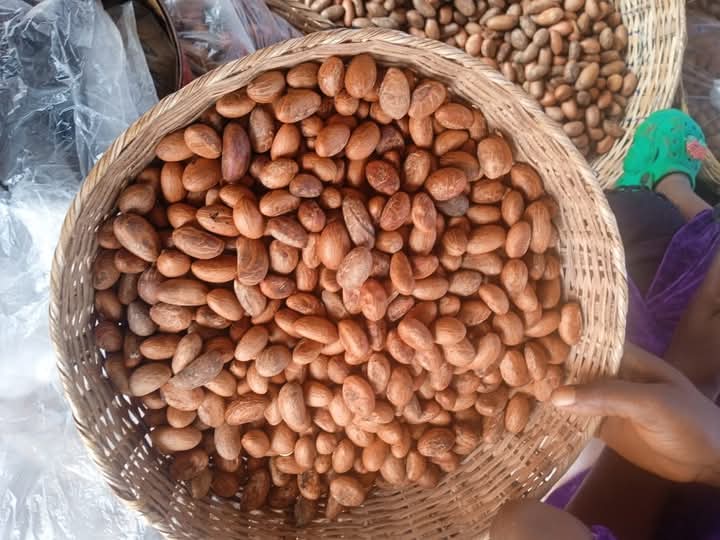
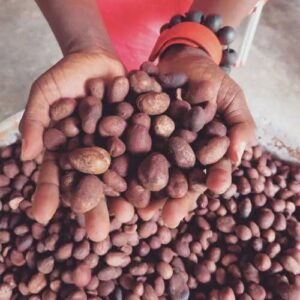
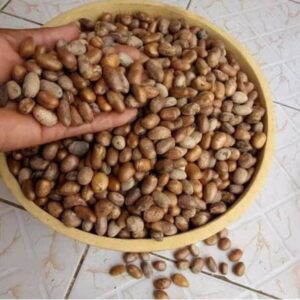
Garcinia kola is a medium-to-large tropical tree belonging to the Clusiaceae family. It is native to the humid lowland forests of West and Central Africa, thriving between sea level and approximately 1,200 metres altitude in areas of high annual rainfall. The tree produces a yellow-orange fruit roughly the size of a tennis ball, inside which are packed between 2 and 4 large, resinous seeds — the bitter kola nuts of commerce. Each seed is covered in a thin reddish-brown skin, with a dense, fibrous, intensely bitter interior that turns slightly sweet on prolonged chewing.
The bitterness is the point. The very compounds responsible for that sharp, astringent taste — primarily kolaviron, a bioflavonoid complex unique to Garcinia kola — are the same compounds driving pharmaceutical and nutraceutical interest in the seed. As research published through the National Center for Biotechnology Information (NCBI) has increasingly documented, kolaviron demonstrates hepatoprotective, anti-inflammatory, antioxidant, and antimicrobial properties that position bitter kola as a high-value botanical ingredient for the modern health industry.
From Forest Floor to International Trade
For most of its history, bitter kola moved through informal, community-level trade networks across West Africa — sold in local markets, exchanged at ceremonies, and carried by traders between villages and towns. Its entry into formal international commerce happened gradually through the latter half of the 20th century, as Western pharmaceutical researchers began investigating African medicinal plants for bioactive compounds and as the global appetite for functional botanicals began to grow.
Nigeria, as the country with both the largest natural Garcinia kola forest population and the largest domestic consumption base, naturally emerged as the central node of international bitter kola supply. By the 1990s, Nigerian commodity exporters were shipping bitter kola in meaningful volumes to buyers in Europe and Asia. By the 2000s, it had been formally classified as a priority non-oil export commodity by the Nigerian Export Promotion Council (NEPC), recognising its commercial potential as part of Nigeria’s agricultural diversification strategy.
What Is Bitter Kola?
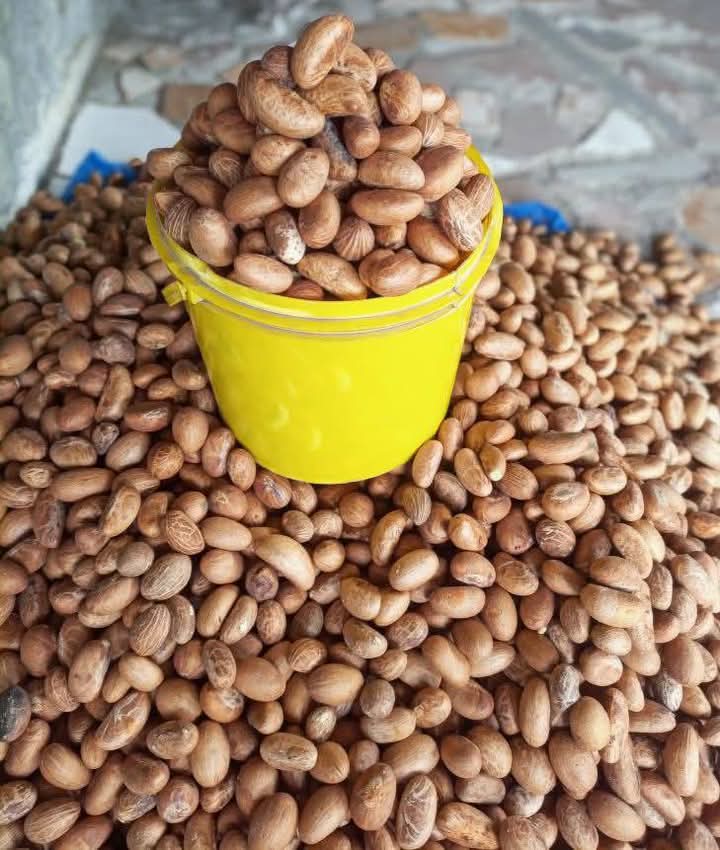
Bitter kola is the dried, cured seed of the Garcinia kola tree, sold in both whole and split forms for various commercial and traditional end-uses. It should not be confused with the more widely known cola nut (Cola nitida or Cola acuminata) — a related but chemically and commercially distinct product that Paradise MultiTrade also exports. See our kola nut export page for details on that separate product.
Bitter kola seeds are typically 3–5 cm in length, roughly oval in shape, with a dense, hard interior and a resinous, waxy surface. Fresh bitter kola has a moisture content of around 40–55%, while dried bitter kola — the form used in international export — is processed down to 8–12% moisture to allow safe storage and shipping over long distances without spoilage.
The seeds contain an unusually rich phytochemical profile — including kolaviron, biflavonoids, xanthones, benzophenones, and various phenolic compounds — that makes them of significant interest to the pharmaceutical, nutraceutical, cosmetics, and research sectors globally.
Benefits and Industrial Uses of Bitter Kola
Pharmaceutical Industry
This is where bitter kola’s commercial future is most firmly anchored. Kolaviron — the dominant bioflavonoid complex in Garcinia kola — has been the subject of dozens of peer-reviewed studies investigating its hepatoprotective effects (liver protection), anti-inflammatory action, antioxidant capacity, and potential applications in metabolic disease management. Research accessible through NCBI has also examined kolaviron’s antimicrobial activity against several pathogenic bacteria and fungi, its neuroprotective potential, and its possible role in managing glaucoma — a discovery that has drawn serious pharmaceutical research interest.
Pharmaceutical companies and contract research organisations sourcing plant-derived bioactive compounds are among the most sophisticated buyers of high-grade bitter kola on the international market. Their specifications are exacting, their volumes are significant, and their need for supply chain traceability is non-negotiable. Paradise MultiTrade services this segment with documented-origin bitter kola, full phytosanitary certification, and laboratory analysis support.
Nutraceutical and Dietary Supplement Industry
The global nutraceutical sector has embraced bitter kola as an ingredient in immune-support formulations, liver health supplements, respiratory health products, and general wellness capsules. In markets where consumer interest in African botanicals is growing — particularly the United States, Germany, the United Kingdom, and the Netherlands — bitter kola extract is appearing in premium supplement product lines at an accelerating rate.
Buyers in this segment typically source bitter kola in dried whole or split form for extraction, or as a pre-processed powder or extract. ITC Trade Map data reflects growing import volumes of bitter kola into key European markets over recent years, consistent with the broader trend of rising demand for African functional botanicals in Western supplement markets.
Food and Flavour Industry
In West African communities — both on the continent and across diaspora populations in the UK, USA, Canada, France, Italy, and beyond — bitter kola is consumed directly as a traditional chewing product. This diaspora retail market represents a consistent, year-round demand stream for whole dried bitter kola in consumer packaging. Ethnic food importers and African grocery wholesalers supplying these diaspora communities are among the most volume-consistent buyers of Nigerian bitter kola internationally.
Beyond the diaspora market, food technologists are beginning to explore bitter kola’s potential as a natural preservative and flavour modifier in functional food formulations — a niche but growing application driven by industry interest in plant-derived alternatives to synthetic food additives.
Cosmetics and Personal Care Industry
Bitter kola seed extract is finding application in premium cosmetics formulation — specifically in anti-aging serums, skin-brightening products, and formulations targeting oxidative stress and inflammation-related skin conditions. The antioxidant properties of kolaviron and related phenolic compounds in bitter kola make it a candidate ingredient for cosmetic formulators seeking differentiated African botanical inputs. Some European and Asian cosmetic ingredient suppliers have begun sourcing bitter kola extract as part of their “African actives” ingredient ranges.
Traditional Medicine and Herbal Trade
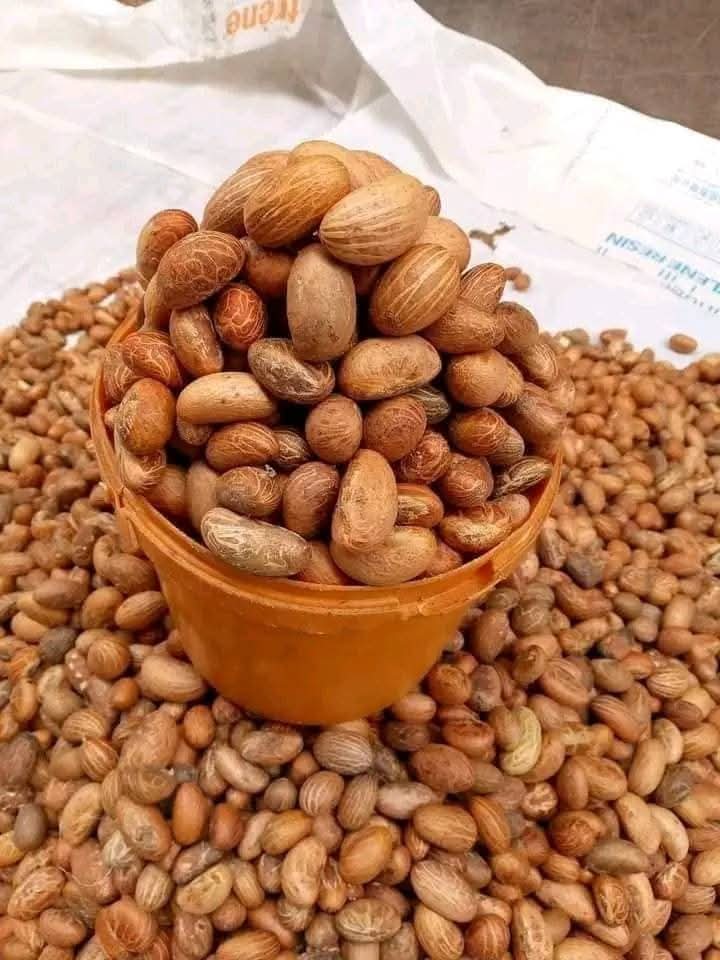
Across West Africa and among diaspora communities worldwide, bitter kola’s traditional uses span a remarkable range — from managing coughs and bronchial complaints, to use as an antimicrobial mouth freshener, to its role in fertility and pregnancy traditions. In Nigeria, it is widely used as a natural preservative for other foods and botanicals stored alongside it. Herbal medicine practitioners and traditional health product distributors in Europe, North America, and Asia source bitter kola specifically to serve communities that have relied on it for generations.
Why Buy Bitter Kola from Nigeria?
Nigeria Is the Source — Not One of Many
This is not a situation where multiple countries compete on equal terms for a global commodity. Garcinia kola is native to West and Central Africa, and Nigeria — by virtue of its forest coverage, domestic production scale, and established export infrastructure — is the world’s primary commercial source. When European herbal product companies, American supplement brands, and Asian pharmaceutical research organisations need bitter kola at scale, they come to Nigeria. There is no credible alternative at volume.
Forest-to-Export Traceability
Paradise MultiTrade sources bitter kola through established relationships with community-level harvesters and regional aggregators across Nigeria’s bitter kola-producing states — primarily in the South-South and South-West zones, where Garcinia kola grows in native forest conditions. This direct relationship with the supply base gives us product visibility that intermediary traders simply cannot provide, and it allows us to maintain documentation of sourcing origin that pharmaceutical and nutraceutical buyers increasingly require.
Competitive Pricing Through Direct Sourcing
Removing the middlemen from your supply chain has a measurable impact on cost. Buyers who source bitter kola through multi-tier trading networks — West African aggregator to regional trader to export broker to importer — absorb margin at every level. At Paradise MultiTrade, our direct sourcing structure translates into competitive FOB Lagos pricing that reflects actual production and handling costs. Contact our export team for a current price list.
Full Export Compliance and Documentation
Every bitter kola shipment processed through Paradise MultiTrade is supported by a phytosanitary certificate from the Nigerian Agricultural Quarantine Service (NAQS), export documentation from the Nigerian Export Promotion Council (NEPC), certificate of origin, commercial invoice, packing list, and bill of lading. EU-bound shipments are prepared in compliance with Regulation (EU) 2017/625 on official controls for agri-food and botanical imports. Paradise MultiTrade holds NEPC Export Licence No. 0042385 and CAC Registration No. RC-9284647.
Nigeria’s Export Strength and Global Market Demand for Bitter Kola
The Destinations Driving Demand
Europe is the most active international market for Nigerian bitter kola outside the African continent. Germany, the United Kingdom, the Netherlands, France, and Italy all import bitter kola in meaningful volumes — driven by a combination of diaspora community demand, pharmaceutical research procurement, and growing mainstream consumer interest in African botanicals. The UK market in particular has a large and commercially significant West African diaspora population that consumes bitter kola as both a traditional product and a health supplement.
North America — particularly the United States and Canada — mirrors the UK pattern, with established Nigerian and broader West African diaspora communities sustaining a robust ethnic retail market, alongside growing pharmaceutical and supplement sector procurement.
Asia — specifically India, China, South Korea, and Japan — represents an emerging growth frontier. Asian pharmaceutical and cosmetic ingredient companies are actively investigating African botanicals as new input materials, and bitter kola’s documented kolaviron content has attracted preliminary procurement interest from research-oriented buyers in these markets.
The Middle East — especially the UAE, Saudi Arabia, and Kuwait — serves as both a direct consumption market (for diaspora and regional traditional medicine demand) and a re-export hub into South Asian markets.
A Market Supported by Growing Scientific Interest
One factor that distinguishes bitter kola’s demand trajectory from many other agricultural commodities is that scientific research is actively driving commercial interest — not the other way around. Each new study published on kolaviron’s pharmacological properties creates downstream procurement interest from research institutions, contract manufacturers, and supplement brands. The pipeline from laboratory discovery to commercial ingredient demand is shortening as the nutraceutical industry’s sophistication grows. Buyers who establish supply relationships now are positioning themselves ahead of what is likely to be significantly higher demand within the next five to ten years.
Why Choose Paradise MultiTrade International Limited?
At Paradise MultiTrade International Limited, we have built our bitter kola export operation specifically to serve the requirements of international buyers who need more than a product — they need a supply partner they can rely on.
Community-Level Sourcing Relationships. Our bitter kola is sourced from harvesting communities with established relationships built over multiple seasons. This is not spot-market purchasing. It is a network that gives us supply consistency, origin traceability, and quality visibility that secondary traders cannot replicate.
Grading and Quality Control. We sort and grade bitter kola by size, moisture content, and physical condition — removing damaged, diseased, or undersized seeds before packing. Buyers receive product that meets the specification they agreed at the quotation stage, not a mixed-quality bag of whatever was available.
Licensed and Verified. Our NEPC export licence and CAC registration are active and verifiable. Documentation integrity is non-negotiable for our pharmaceutical and nutraceutical clients, and we maintain that standard for every buyer regardless of order size.
Multi-Commodity Export Convenience. If your sourcing requirements extend beyond bitter kola, Paradise MultiTrade exports fresh ginger, dry split ginger, sesame seeds, kola nut, hibiscus flower, cashew nuts, and charcoal. Explore our full range of Nigerian export commodities and consolidate your sourcing through one trusted partner.
Product Specifications
| Specification | Details |
|---|---|
| Product | Bitter Kola (Garcinia kola seed) |
| Origin | Nigeria (South-South and South-West states) |
| Form | Whole dried seed; split available on request |
| Moisture Content | 8–12% (export-dried) |
| Purity | 95%+ (free from foreign matter, mould, and insect damage) |
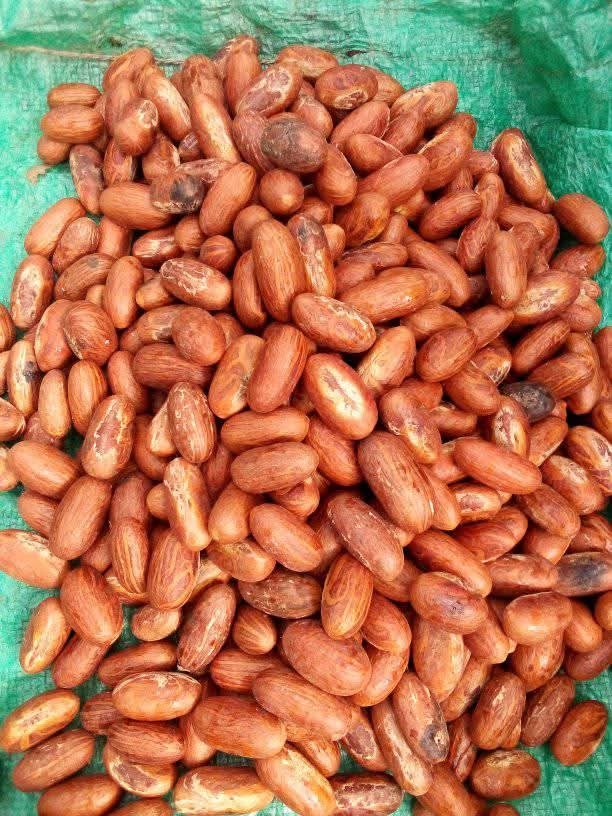
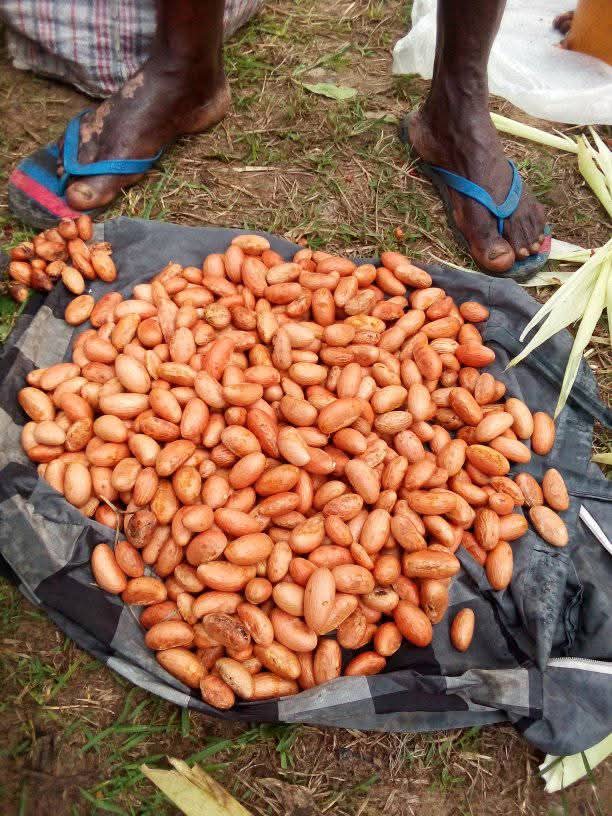
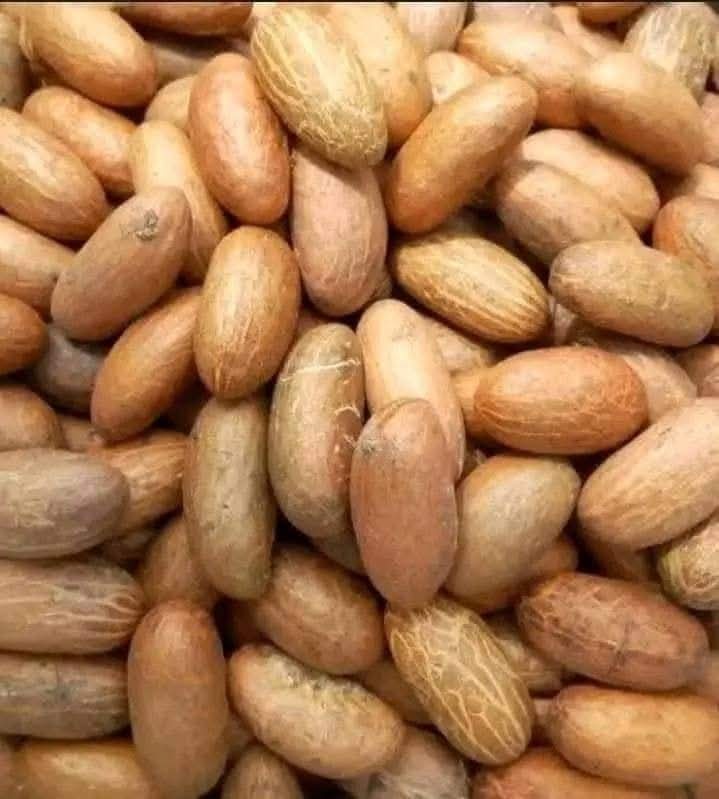
| Color | Reddish-brown to amber skin; cream to pale brown interior |
| Grade | Grade A (uniform, large seeds); Grade B (mixed/smaller sizes) |
| Seed Size | Large (3–5cm), Medium (2–3cm), Mixed |
| Packaging Options | 50kg jute bags, 25kg polypropylene bags, custom packaging available |
| Supply Capacity | 10–200+ MT per shipment (subject to seasonal availability) |
| MOQ | 3 Metric Tonnes |
| Shelf Life | 12–18 months properly dried and stored (cool, dry, ventilated conditions) |
| Export Documentation | Phytosanitary Certificate (NAQS), Certificate of Origin, NEPC Export Licence, Commercial Invoice, Packing List, Bill of Lading |
| Payment Terms | T/T, Letter of Credit (LC at sight), Escrow |
| Loading Port | Lagos (Apapa / Tin Can Island Port), Nigeria |
| Incoterms Available | EXW, FOB Lagos, CNF, CIF |
Packaging and Export Process
Drying and Curing. Freshly harvested bitter kola seeds are cleaned, sorted, and dried — either sun-dried under controlled conditions or mechanically dried — to reduce moisture content to the 8–12% range required for safe long-distance shipping and extended shelf life.
Grading and Sorting. Seeds are hand-sorted by size and physical condition. Cracked, moulded, or insect-damaged seeds are removed. This stage is critical for pharmaceutical and nutraceutical buyers whose processing equipment is calibrated for uniform input material.
Packaging. Standard export packaging is 50kg jute bags or 25kg polypropylene bags. Custom packaging is available for buyers with specific requirements. All bags are clearly labelled with product name, origin, lot number, net weight, and export documentation reference.
Phytosanitary Inspection. All shipments are inspected by NAQS prior to container loading. The phytosanitary certificate issued at this stage is required by customs authorities in virtually all destination markets.
Logistics. Containers are loaded at Apapa or Tin Can Island Port in Lagos, coordinated through our licensed freight forwarding partners. Bitter kola ships in standard dry containers — no refrigeration required at the 8–12% moisture level.
Lead Times. Standard lead time from order confirmation to container loading is 10–21 days depending on volume, current stock position, and documentation processing. Contact us early to secure your allocation, particularly during peak harvest season.
Global Market Demand and Key Buyer Segments
Pharmaceutical Research Procurement Teams — sourcing high-grade bitter kola for kolaviron extraction, bioactive compound isolation, and clinical research input material. This is the highest-value buyer segment by unit price and the most documentation-sensitive.
Nutraceutical and Supplement Manufacturers — sourcing dried whole or powdered bitter kola as an ingredient for liver health, immune support, and respiratory wellness supplement product lines.
Ethnic Food Importers and African Grocery Wholesalers — sourcing whole dried bitter kola for diaspora retail distribution across UK, USA, Canada, France, Italy, the Netherlands, and the UAE. This segment drives consistent year-round volume with relatively straightforward specification requirements.
Herbal Medicine Wholesalers — supplying traditional medicine practitioners and herbal retail outlets in Europe, North America, and Asia with identifiable-origin bitter kola.
Cosmetic Ingredient Suppliers — sourcing bitter kola seed extract or raw material for cosmetic formulation applications. A smaller but growing segment with premium pricing potential.
Academic and Research Institutions — universities and research organisations sourcing authenticated Nigerian bitter kola for pharmacological and phytochemical studies. Volumes are smaller, but these buyers are often the upstream scouts for commercial procurement that follows from positive research outcomes.
Frequently Asked Questions
What is the minimum order quantity for bitter kola from Paradise MultiTrade?
Our standard MOQ is 3 Metric Tonnes. For first-time buyers, we encourage an initial sample to confirm product grade and quality before proceeding to full order volumes. Request a sample here.
What is the difference between bitter kola and regular kola nut?
They are completely different products from different plant species. Bitter kola (Garcinia kola) is significantly more bitter, contains the unique kolaviron bioflavonoid complex, and is primarily valued for its pharmaceutical and health properties. Regular kola nut (Cola nitida) is milder, higher in caffeine, and has different commercial applications. Paradise MultiTrade exports both — see our kola nut export page for details on that product.
Can bitter kola be supplied in powdered or extract form?
Currently, we supply bitter kola in dried whole and split seed form. If you require powder or extract, we can discuss further processing arrangements. Contact our team to explore options.
What quality checks are performed before shipment?
We conduct pre-shipment grading, moisture testing, and physical inspection at our packing stage. All shipments undergo NAQS phytosanitary inspection before loading. Third-party pre-shipment inspection by SGS, Intertek, or equivalent agencies is available at the buyer’s request.
How long does bitter kola last in storage?
Properly dried bitter kola (8–12% moisture) stored in cool, dry, ventilated conditions maintains quality for 12–18 months. Buyers should store in breathable bags away from direct sunlight and moisture exposure.
What transit times should I expect?
Europe (Rotterdam, Hamburg, Felixstowe) — approximately 14–20 days from Lagos. UAE (Jebel Ali) — 10–14 days. USA (East Coast) — 18–25 days. India (Nhava Sheva) — 12–16 days.
How do I verify that Paradise MultiTrade is a legitimate Nigerian exporter?
Our NEPC Export Licence No. 0042385 and CAC Registration No. RC-9284647 are verifiable through the Nigerian Export Promotion Council. We welcome due diligence enquiries and are accustomed to supporting buyers’ vendor verification processes.
Ready to Source Premium Bitter Kola from Nigeria?
If you are a pharmaceutical buyer, nutraceutical manufacturer, herbal wholesaler, ethnic food importer, or cosmetic ingredient sourcer looking for a dependable bitter kola exporter in Nigeria, Paradise MultiTrade International Limited is ready to supply.
We offer direct farm-network sourcing, verified export documentation, consistent grading, and the kind of straightforward commercial communication that serious buyers need when building an international supply relationship.
Request a Quotation — share your required volume, grade specification, destination port, and preferred incoterms. We will respond with a detailed, competitive quote within 48 hours.
Contact Our Export Team — speak directly with our export coordinators about sourcing requirements, sample requests, and long-term supply contract terms.
Explore Our Full Product Range — Paradise MultiTrade exports fresh ginger, dry split ginger, sesame seeds, hibiscus flower, kola nut, cashew nuts, and charcoal alongside bitter kola. One supplier, multiple Nigerian commodities, zero compromise on quality.
buy bitter kola from Nigeria, Nigerian bitter kola supplier, bitter kola wholesale export, Garcinia kola bulk supplier, bitter kola for pharmaceutical industry, bitter kola importer wholesale, Nigerian bitter kola bulk buyer, bitter kola export Africa
Paradise MultiTrade International Limited | NEPC Export Licence No. 0042385 | CAC No. RC-9284647 | Lagos, Nigeria | www.paradisemultitrade.com
Reviews
There are no reviews yet.