
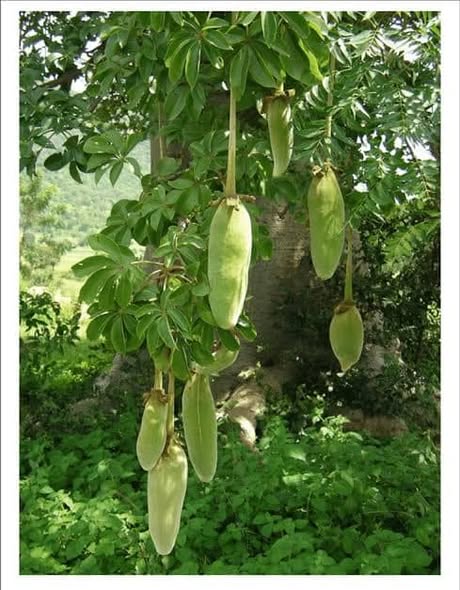

Nigerian Baobab Leaves: The Nutritionally Extraordinary Leaf of the Tree of Life — Whose Iron Content Exceeds Red Meat, Whose Calcium Content Exceeds Milk, and Whose Complete Protein Profile Has Sustained Sahel Communities Through Drought and Famine for Five Thousand Years While the Global Superfood Market Remained Almost Entirely Unaware of Its Existence
Baobab Leaves Exporter Nigeria — Dried Baobab Leaves, Kuka Powder (Dried Ground Baobab Leaves), Whole Dried Baobab Leaves for Traditional Use, Supplement-Grade Baobab Leaf Powder, and Baobab Leaf Extract Precursor, Direct Northern Savanna and Sahel Belt Sourcing, Bulk Supply to Food Manufacturers, Functional Food Brands, West African Diaspora Food Retailers, Nutraceutical Supplement Companies, Baby Food Manufacturers, and Global Specialty Wholesale Buyers Worldwide
Baobab leaves exporter Nigeria is a search phrase that arrives at what may be the single most commercially undervalued nutritional product in the entire West African agricultural export portfolio — a leaf whose documented nutritional profile, ancient traditional use heritage, and extraordinary mineral density place it in competition with the most premium nutritional supplements on the global market, yet whose international commercial trade remains almost completely undeveloped.
The nutritional facts about Adansonia digitata dried leaves are so commercially striking that they require presentation before any historical, botanical, or market context:
Iron content: Approximately 28–35mg per 100g of dried baobab leaf powder — compared to approximately 2.6mg per 100g of beef, 2.7mg per 100g of lamb, and 1.7mg per 100g of chicken. Dried baobab leaf contains 10–12 times more iron per gram than red meat. In a continent where iron deficiency anaemia affects approximately 50% of children under five and 30–40% of women of reproductive age according to WHO’s global anaemia programme — this iron density is not merely a nutritional curiosity but a public health resource whose commercial formalisation creates both international supplement market value and food security intervention value.
Calcium content: Approximately 300–400mg per 100g of dried baobab leaf powder — compared to approximately 120mg per 100g of whole milk. Dried baobab leaf provides 2.5–3× more calcium per gram than milk. In regions and populations whose lactose intolerance, cultural dairy abstention, or economic access constraints limit milk consumption — baobab leaf provides a genuinely superior plant-based calcium source whose traditional use by Sahel communities reflects millennia of empirically validated nutritional intelligence.
Protein content: Approximately 13–16% of dried leaf weight — comparable to or exceeding many legumes — with a documented essential amino acid profile that includes lysine (the limiting amino acid in most cereal and plant protein sources) at concentrations that create a complete protein whose biological value approaches animal source food quality. Research on baobab leaf protein quality published through NCBI’s food composition and nutrition research database confirms essential amino acid completeness that the global plant protein market has barely discovered.
Vitamin C content: Approximately 200–300mg per 100g of dried leaf — 3–5 times the vitamin C content of fresh oranges, substantially higher than fresh spinach, and remarkably high for a dried leaf product whose heat-sensitive vitamin C might be expected to degrade during processing. The specific dehydration conditions whose management preserves baobab leaf vitamin C — quick-drying at appropriate temperatures below 55°C — create the processing specification whose commercial importance we document in the export process section.
The commercial paradox whose resolution this article addresses: the global superfood market — which has enthusiastically commercialised baobab fruit powder (whose vitamin C content and prebiotic fibre create genuine functional positioning) — has almost completely overlooked the leaf of the same tree whose nutritional profile dramatically exceeds the fruit’s on iron, calcium, and protein metrics. While baobab fruit powder is sold in health food stores across Europe, USA, and Australia at premium pricing, baobab leaves — whose nutritional credentials are more impressive on the most commercially relevant micronutrient deficiency metrics — remain essentially unknown to the international supplement and functional food markets.
At Paradise MultiTrade International Limited, baobab leaves is one of our most strategically significant botanical product categories — sourced from traditional harvesting communities across Nigeria’s northern Sahel and Guinea savanna states of Kano, Katsina, Jigawa, Sokoto, Kebbi, Zamfara, Borno, Yobe, Gombe, Bauchi, Adamawa, and Niger where Adansonia digitata grows prolifically in the savanna parkland agroforestry systems that have characterised northern Nigerian agricultural landscape management for millennia.
To discuss sourcing immediately, request a quotation here and our export team responds within 48 hours.
History and Origin — The Five-Thousand-Year Tree of Life and Its Most Nutritious Product
Adansonia Digitata — Africa’s Most Ancient Cultivated Agroforestry Tree
Adansonia digitata L. — the African baobab — is among the longest-lived and most ecologically significant trees in African savanna landscapes. Individual trees live for 2,000–5,000 years — documented through radiocarbon dating of their unique ring-free wood structure — creating living monuments whose presence in West African savanna landscapes predates written history and whose economic, cultural, and ecological significance to Sahel communities represents one of the oldest continuous human-tree agroforestry relationships on earth.
The baobab’s extraordinary physical character — its massively swollen, water-storing trunk (which can reach 10 metres in diameter in ancient specimens), its characteristic deciduous leaf canopy, its large white pendulous flowers, and its hard-shelled oval fruits hanging from long stalks — creates the visual identity whose commercial recognition in global superfood markets has been built primarily around the fruit powder. But traditional Sahel community relationship with the baobab is far more comprehensive than fruit harvest alone:
The leaf — harvested from young shoots in the early wet season when maximum nutritional content coincides with maximum leaf tenderness — is the most nutritionally important baobab product in traditional northern Nigerian food culture. In Hausa cuisine, dried baobab leaves ground into powder (kuka or tamba) are the defining ingredient of miyan kuka — the Hausa traditional soup that is consumed across northern Nigeria as both a daily staple and a celebratory food whose cultural significance is as central to Hausa identity as jollof rice is to West African identity broadly. The soup’s characteristic slimy texture — created by baobab leaf mucilaginous compounds — creates the specific mouthfeel whose authenticity traditional northern Nigerian cooks immediately recognise and that no substitute ingredient replicates.
The bark — used traditionally for rope fibre, cloth, and building material.
The fruit pulp — the white, tartly acidic powder surrounding the seeds — whose vitamin C content and tartaric acid create the flavouring, thickening, and nutritional applications that the international superfood market has commercialised as baobab fruit powder.
The seed — whose oil extraction creates a cosmetics and cooking oil with specific fatty acid and antioxidant properties.
The root — used in traditional medicine for specific therapeutic applications.
Of all these products, the leaf is the most nutritionally significant for human food use — and the most commercially underexported.
The Kuka Tradition — Documenting a Nutritional Wisdom That Science Is Only Now Validating
The Hausa kuka powder tradition — documented through food anthropology research accessible via Journal of Ethnic Foods and the African Studies Association — represents a specific, highly developed traditional food processing system whose outcomes — dried baobab leaves ground to powder, used in soups, sauces, and porridges — create dietary iron, calcium, and protein supplementation whose population-level nutritional effect in northern Nigeria has sustained community health across periods of drought, crop failure, and food scarcity when cereal crops failed and animal protein sources were unavailable.
The specific nutritional intelligence embedded in the kuka tradition is remarkable: the combination of baobab leaf’s iron with the vitamin C present in the same leaf — whose ascorbic acid dramatically enhances non-haeme iron absorption (documented through NCBI’s iron nutrition research database — the presence of 25mg vitamin C can increase non-haeme iron absorption by 2–4 fold) — creates a natural iron bioavailability enhancement in the same food package. Traditional nutritionists who developed the kuka tradition did not know the biochemistry — but they arrived at a food whose iron and vitamin C coexistence creates maximum iron nutritional effectiveness through precisely the same mechanism that modern dietitians prescribe when advising iron-deficient patients to take iron supplements with orange juice.
What Is Nigerian Baobab Leaf? The Nutritional Profile, Phytochemical Architecture, and Commercial Product Range
Adansonia Digitata Leaf — The Complete Nutritional Architecture
Adansonia digitata is a member of the Malvaceae family (in modern molecular taxonomy, previously classified in Bombacaceae) — the same large botanical family that includes cotton (Gossypium hirsutum) and durian (Durio zibethinus). The commercial leaf product is harvested from young, newly emerged shoots and fully expanded young leaves — whose maximum compound content, minimum fibre, and most suitable texture for both fresh consumption and drying characterise the optimal harvesting window.
The Complete Nutritional Profile — Dried Leaf:
Iron: 28–35mg per 100g — primarily non-haeme iron (plant-sourced) whose absorption is enhanced by the co-present vitamin C — creating effective bioavailable iron at concentrations that far exceed any other plant leaf in common trade. The WHO’s global anaemia strategy identifies iron deficiency as affecting 2 billion people globally — whose dietary management through high-iron plant foods specifically values baobab leaf’s extraordinary iron density.
Calcium: 300–400mg per 100g — documented through FAO food composition research as one of the highest plant-source calcium concentrations commercially available — exceeding dairy milk, sesame (despite sesame’s high calcium reputation), and most other plant calcium sources on a gram-for-gram basis.
Protein: 13–16% of dry weight — with documented essential amino acid completeness including lysine (approximately 3.8g per 100g protein), methionine, threonine, and tryptophan whose combined profile creates the plant protein source whose quality most closely approaches animal food proteins of any commonly traded leaf vegetable. Research through NCBI’s plant protein quality database confirms baobab leaf protein’s PDCAAS (Protein Digestibility-Corrected Amino Acid Score) significantly above most other plant protein leaves.
Vitamin C: 200–300mg per 100g — extraordinary for a dried leaf product. The specific low-temperature drying requirement to preserve vitamin C — a heat-sensitive compound that degrades significantly above 55°C — creates the processing specification that distinguishes premium-grade from commodity-grade baobab leaf powder.
Vitamin A precursors (β-carotene and related carotenoids): 5,000–8,000 μg RAE per 100g — creating one of the highest plant-source vitamin A precursor concentrations documented in any commonly traded leaf vegetable — critical for child vision health and immune function in Sahel communities whose vitamin A deficiency is a documented public health burden tracked through UNICEF’s nutrition programme.
Magnesium: 150–200mg per 100g — creating the third major mineral credential alongside iron and calcium.
Potassium: 600–800mg per 100g — cardiovascular health mineral positioning.
Mucilaginous polysaccharides — the water-soluble gum fraction whose hydration creates the characteristic viscosity of miyan kuka soup — whose prebiotic gut microbiome stimulation activity is documented through ISAPP‘s prebiotic definition framework alongside the functional food positioning as a natural thickening agent.
Flavonoids (quercetin, rutin, kaempferol) — the antioxidant polyphenol fraction documented through NCBI’s food chemistry research confirming significant antioxidant activity alongside the mineral nutrition credentials.
Commercial Product Forms
Whole Dried Baobab Leaves — intact dried leaves for traditional market supply and premium herbal product presentation.
Kuka Powder (Traditional Milled Grade) — dried baobab leaves ground to coarse powder matching the traditional miyan kuka specification — the primary form for diaspora food retail and West African food manufacturing.
Fine Baobab Leaf Powder (Supplement Grade) — finely milled to 80–100 mesh with documented mineral content, vitamin C, and protein specifications — for nutraceutical supplement capsule filling, baby food fortification, and functional food ingredient applications.
Organic Certified Baobab Leaf Powder — from certified organic traditional agroforestry production whose organic farming documentation enables premium organic product positioning for European and North American natural food markets.
Benefits and Industrial Uses of Nigerian Baobab Leaves
Baby Food Fortification — The Most Nutritionally Critical Application
The global baby food and complementary food market — whose nutritional adequacy is specifically targeted by UNICEF’s complementary feeding strategy and WHO’s infant and young child feeding guidelines — creates the most nutritionally important commercial application for baobab leaf powder:
Iron fortification for weaning food — the 6–24 month complementary feeding period is the highest-risk window for iron deficiency in infants, whose rapid growth demands iron intake that breast milk alone cannot supply and that traditional cereal-based weaning foods (including akamu/pap, documented in our preceding article) do not naturally provide in sufficient quantity. Baobab leaf powder — added to complementary food recipes at 5–10% inclusion — significantly increases dietary iron delivery per meal without changing the food’s sensory character at appropriate inclusion rates. UNICEF’s IYCF (Infant and Young Child Feeding) complementary feeding programmes in West African countries increasingly incorporate locally sourced nutrient-dense plant foods including baobab leaf — creating institutional procurement demand for documented, food-safety-certified baobab leaf powder at programme scale.
Calcium fortification for dairy-free populations — lactose intolerance affects approximately 65–75% of adults globally and is particularly prevalent in African populations — creating dietary calcium gaps in populations whose dairy consumption is limited. Baobab leaf’s extraordinary calcium content (300–400mg per 100g) creates the most commercially accessible plant-based calcium source for complementary food fortification whose impact on bone density development in early childhood creates public health significance documented through International Osteoporosis Foundation (IOF) calcium nutrition programme research.
Protein fortification for plant-based weaning — baobab leaf’s complete essential amino acid profile creates specific value in complementary food fortification for children whose animal protein access is limited by poverty, cultural food practice, or vegetarian dietary patterns.
For baby food manufacturer buyers — contact our export team to discuss nutritional documentation and food-safety-certified supply for complementary food fortification.
West African Diaspora Food Retail and Traditional Food Manufacturing
Miyan kuka and traditional Hausa cuisine — the most commercially immediate application whose diaspora demand is directly comparable to the akamu, ehuru, and suya spice diaspora supply gaps documented in earlier articles. Northern Nigerian diaspora communities in the UK, USA, Canada, and continental Europe specifically seek authentic kuka powder for miyan kuka preparation — a soup whose cultural centrality to Hausa identity means that diaspora community members actively maintain the cooking tradition requiring authentic kuka ingredient supply.
Traditional northern Nigerian restaurant supply — the growing commercial West African restaurant sector whose northern Nigerian cuisine representation — Hausa and Kanuri food including miyan kuka, miyan taushe, and related soups — creates consistent food service procurement demand for authenticated kuka powder at commercial kitchen volumes.
West African processed food manufacturing — the commercial development of packaged miyan kuka soup mixes, dehydrated soup bases, and instant traditional food products creates food manufacturing procurement demand for baobab leaf powder whose functional contribution (thickening, nutrition, flavour) is irreplaceable in authentic product formulations.
For diaspora food retail buyers — contact our team to discuss kuka powder specification and retail packaging.
Nutraceutical Supplement Market — Iron, Calcium, and Multivitamin-Mineral Positioning
The global mineral supplement market — tracked through Grand View Research’s mineral supplement market analysis at over USD 20 billion annually — creates specific procurement demand for high-bioavailability plant-source iron, calcium, and protein ingredients:
Iron supplement — plant-based source — the growing vegan, vegetarian, and plant-based consumer market’s demand for plant-source iron supplements — whose iron-with-vitamin-C co-delivery in the same baobab leaf food matrix creates the bioavailability enhancement that isolated iron supplements require orange juice to achieve — creates premium positioning for baobab leaf as a whole-food-matrix iron supplement ingredient whose natural co-delivery of iron-bioavailability-enhancing vitamin C is the most commercially elegant plant iron solution available.
Women’s health supplement — iron deficiency anaemia’s particular prevalence in women of reproductive age — affecting approximately 30–40% of women globally according to WHO — creates a specific demographic supplement market whose women’s health iron supplement formulation benefits from baobab leaf’s iron-vitamin C-calcium combination.
Multivitamin-mineral supplement — African botanical source — the growing consumer interest in whole-food-matrix, plant-source multivitamin-mineral supplements whose ingredient communication specifically values botanical origin over synthetic mineral isolates creates premium supplement positioning for baobab leaf powder as a “natural whole-food iron and calcium source” whose marketing narrative specifically contrasts with ferrous sulphate tablets and calcium carbonate isolates. The Natural Products Association (NPA) tracks whole-food supplement development as one of the fastest-growing supplement category trends.
Functional Food Manufacturing
Iron-fortified breakfast cereals and porridge — baobab leaf powder as a natural iron fortification ingredient for breakfast cereal and porridge products whose iron fortification previously relied on synthetic ferrous sulphate or ferric pyrophosphate — whose bioavailability is lower than vitamin-C-enhanced plant iron. The clean-label positioning of “baobab leaf (natural iron source)” versus “ferrous sulphate (synthetic iron)” creates food manufacturing premium product differentiation in the natural food manufacturing sector tracked through Innova Market Insights’ global natural food ingredient innovation database.
Plant-based protein food ingredient — baobab leaf powder’s complete protein profile creates plant protein food formulation applications whose amino acid completeness complements the isolated plant proteins (soy, pea) that currently dominate the plant-based food manufacturing market — providing a whole-food-matrix protein ingredient whose natural origin and complete amino acid story creates clean-label positioning advantages over processed protein isolates.
Natural green food colouring — baobab leaf’s rich chlorophyll content creates natural green colouring applications for food manufacturers whose clean-label reformulation programmes specifically replace synthetic green colourants (e.g. E142 Green S) with natural botanical green sources.
Why Buy Baobab Leaves From Nigeria?
The Northern Sahel Agroforestry Heritage — 5,000-Year Cultivation Depth
Nigeria’s northern Sahel and Guinea savanna baobab populations — cultivated and managed within the traditional Sahel agroforestry system whose parkland agriculture maintains baobab trees scattered throughout cropped fields as permanent, multi-product trees — represent one of the oldest and most ecologically stable agroforestry food production systems in the world. The research literature on West African parkland agroforestry — published through ICRISAT, CGIAR, and FAO’s agroforestry programme — documents baobab’s central role in Sahel food security whose leaf production is a specifically documented nutrition safety net during cereal crop failure.
For premium food and supplement brands whose product communication values botanical heritage depth and traditional knowledge authenticity — Nigerian baobab leaf’s 5,000-year documented continuous use creates the most commercially credible origin story available for any ingredient in this series.
The Supply Diversification Opportunity — No Dominant Commercial Origin
Unlike most products in this series — where India, China, or specific Asian origins dominate international commercial supply — the global dried baobab leaf market has no established dominant commercial origin. Current international supply is fragmented across Senegal, Mali, Burkina Faso, Ghana, and Nigeria — with none achieving the formal, food-safety-documented, commercially scalable export infrastructure that international buyers require. This absence of dominant origin means Paradise MultiTrade’s Nigerian programme does not face the same entrenched supplier relationships that other products require buyers to displace — the market is open for origin development.
The Organic Certification Opportunity
Traditional baobab tree management in northern Nigeria — involving minimal to zero synthetic input (these are wild agroforestry trees whose management requires no pesticides, herbicides, or synthetic fertilisers) — creates an inherent organic farming foundation whose certification documentation is primarily a verification process rather than a farming system change. For supplement and food brands whose product positioning specifically communicates “certified organic” — Nigerian baobab leaf’s traditional agroforestry origin creates the most commercially accessible organic certification pathway of any mineral-dense botanical in our portfolio. Contact us to discuss organic certification programme.
Vitamin C Preservation — The Low-Temperature Drying Differentiator
The nutritional credential that most differentiates premium from commodity baobab leaf powder — vitamin C content documented at 200–300mg per 100g — requires the same low-temperature drying discipline documented for pawpaw leaf enzyme activity preservation. Paradise MultiTrade’s baobab leaf programme specifically coordinates low-temperature drying (below 55°C) whose vitamin C preservation creates the analytically documented nutritional premium that high-specification supplement and baby food buyers specifically require. Contact us to discuss vitamin C preservation specification.
Complete Export Documentation
Every baobab leaf shipment carries phytosanitary certification from NAQS, NEPC export documentation, certificate of origin, commercial invoice, packing list, and bill of lading. We coordinate iron content (ICP-MS), calcium content (ICP-MS), vitamin C content (HPLC ascorbic acid or titration), protein content (Kjeldahl), β-carotene content (HPLC), total phenolic content (Folin-Ciocalteu), quercetin and rutin (HPLC), moisture content, aflatoxin screening, pesticide residue multi-residue analysis to EU MRL standards, and microbiological safety testing following AOAC International validated procedures. EU-bound shipments comply with Regulation (EU) 2017/625 on official controls. Our NEPC Export Licence No. 0042385 and CAC Registration No. RC-9284647 are verifiable through NEPC.
Nigeria’s Baobab Leaf Export Strength and Global Market Demand
The Global Market
The global baobab product market — primarily baobab fruit powder to date — is tracked through Grand View Research’s baobab market analysis at over USD 200 million annually with consistent growth driven by superfood positioning in European and North American natural food retail. Baobab leaf — the nutritionally superior co-product of the same tree — represents a commercial development opportunity whose scale should, given its nutritional profile, ultimately exceed the fruit powder market but whose current international commercial footprint is dramatically smaller due to the supply chain development gap that Paradise MultiTrade’s programme addresses.
The Baobab Foods and African Baobab Alliance institutional frameworks confirm the growing international commercial interest in baobab product diversification beyond fruit powder — creating the institutional market development context within which Paradise MultiTrade’s leaf programme builds.
Key Export Destination Markets
Germany and Netherlands — Europe’s primary superfood manufacturing and natural food ingredient distribution hubs whose baobab fruit powder market development creates adjacent commercial awareness and buyer infrastructure for baobab leaf as a natural extension. EU food safety and labelling requirements administered through EFSA and BVL.
United Kingdom — whose established baobab fruit powder retail market and growing interest in African botanical ingredients creates the most immediately commercially receptive European market for baobab leaf extension. UK food safety through FSA.
United States — whose natural food retail (Whole Foods, Sprouts) and supplement manufacturing sector create specific procurement interest in novel African botanical superfoods. US requirements through FDA food import and DSHEA supplement framework.
West African diaspora markets (UK, USA, Canada) — whose northern Nigerian Hausa and Kanuri communities create authentic kuka powder demand creating the most immediately commercially accessible diaspora retail channel.
Japan and South Korea — whose functional mineral supplement and natural food markets create developing baobab leaf interest tracked through JETRO and KATI.
International development nutrition programmes — WFP, UNICEF, and NGO complementary feeding and food security programmes whose interest in locally produced nutrient-dense plant foods creates institutional procurement demand for documented, food-safety-certified baobab leaf powder at programme scale. Contact us to discuss programme-scale institutional supply.
Why Choose Paradise MultiTrade International Limited?
Complete Mineral Panel Documentation — Iron and Calcium by ICP-MS. Iron (28–35mg per 100g target), calcium (300–400mg per 100g target), and magnesium content quantified by ICP-MS through accredited mineral analysis laboratories — providing the specific mineral density documentation that baby food, supplement, and functional food buyers require for label claim substantiation. This is the foundational commercial quality documentation that distinguishes analytically credentialed baobab leaf from undifferentiated commodity dried leaf. Contact us to discuss mineral content documentation.
Vitamin C Preservation — Low-Temperature Drying Programme. All supplement-grade and baby food-grade baobab leaf production dried at below 55°C — preserving vitamin C at 200–300mg per 100g target — whose analytical confirmation by HPLC ascorbic acid analysis provides the vitamin C credential that completes the iron bioavailability enhancement story whose commercial communication to consumers creates premium supplement positioning. Contact us to discuss vitamin C preservation and documentation.
Traditional Kuka Powder Specification for Diaspora and Food Manufacturing. Coarse-ground kuka powder matching traditional northern Nigerian culinary specification — particle size, colour, aroma, and mucilaginous viscosity character confirmed to authenticate the miyan kuka preparation experience whose cultural authenticity diaspora consumers specifically seek. Contact our team to discuss kuka powder specification.
Organic Certification Programme. Certified organic baobab leaf powder from documented traditional agroforestry wild-management production — coordinated through EU Organic Regulation 848/2018 and USDA NOP accredited certification bodies. Contact us to discuss organic certification timeline and availability.
Multi-Commodity West African Botanical and Nutritional Sourcing. Baobab leaf buyers frequently source complementary Nigerian products. Alongside baobab leaves, Paradise MultiTrade exports baobab powder (fruit), moringa leaves, moringa leaf powder, guava leaves, hibiscus flower, akamu (pap/ogi), millet, sorghum, locust beans, cashew nut kernel, and raw cashew nuts. Explore our full range of Nigerian export commodities and consolidate your West African botanical, nutritional, and specialty food sourcing through one verified, licensed export partner.
Product Specifications
| Specification | Details |
|---|---|
| Product | Nigerian Dried Baobab Leaves (Adansonia digitata) |
| Common Names | Baobab leaves, Kuka (Hausa — dried ground baobab leaves), Tamba, Lalo (Wolof/Senegalese trade name), Monkey bread tree leaves |
| Botanical Species | Adansonia digitata L. (Malvaceae) |
| Botanical Authentication | Visual morphological confirmation; HPLC phenolic profile fingerprint on request |
| Origin | Nigeria (Kano, Katsina, Jigawa, Sokoto, Kebbi, Zamfara, Borno, Yobe, Gombe, Bauchi, Niger States — Sahel and Guinea savanna belt) |
| Harvesting | Young emerging shoots and fully expanded young leaves — first wet season harvest — traditional community harvesting |
| Forms Available | Whole dried leaves; Traditional kuka powder (coarse ground); Fine supplement/baby food powder (80–100 mesh); Organic certified variants |
| Moisture Content | ≤8% (supplement grade); ≤10% (standard grade) |
| Iron Content | 28–35mg per 100g dry weight (ICP-MS) |
| Calcium Content | 300–400mg per 100g dry weight (ICP-MS) |
| Magnesium Content | 150–200mg per 100g dry weight (ICP-MS) |
| Potassium Content | 600–800mg per 100g dry weight (ICP-MS) |
| Vitamin C Content | 200–300mg per 100g dry weight (HPLC ascorbic acid — low-temperature dried material) |
| β-Carotene Content | 5,000–8,000 μg RAE per 100g dry weight (HPLC) |
| Protein Content | 13–16% dry weight (Kjeldahl) — complete essential amino acid profile |
| Lysine Content | ≥3.5g per 100g protein (HPLC amino acid analysis on request) |
| Crude Fibre | 10–15% dry weight |
| Total Phenolic Content | 60–120mg GAE per gram (Folin-Ciocalteu) |
| Quercetin Content | 15–30mg per gram dry weight (HPLC) |
| Rutin Content | 20–40mg per gram dry weight (HPLC) |
| Mucilaginous Polysaccharides | 15–25% dry weight (determining viscosity in traditional soup application) |
| Total Ash | ≤10% dry weight |
| Acid-Insoluble Ash | ≤2% dry weight |
| Drying Temperature | ≤55°C (vitamin C-preserving grade); standard grade: 55–65°C |
| Aflatoxin | Total ≤10 ppb; B1 ≤2 ppb |
| Pesticide Residue | Multi-residue analysis to EU MRL standards — mandatory all EU-bound lots |
| Heavy Metals | Lead ≤3 ppm; Cadmium ≤0.5 ppm; Arsenic ≤1 ppm; Mercury ≤0.1 ppm — ICP-MS |
| Microbiological | Salmonella absent/25g; E. coli absent/1g; Total plate count ≤100,000 CFU/g; Mould ≤1,000 CFU/g |
| Allergen Status | Baobab leaves are not among the 14 major EU allergens or 9 US FDA major allergens |
| Colour | Deep green to olive green (premium vitamin C-preserving grade); darker olive-brown (standard grade) |
| Aroma | Mild, slightly earthy, characteristic baobab — distinct from moringa or neem |
| Organic Certification | EU Organic Regulation 848/2018; USDA NOP — available on request |
| EU Novel Food Status | Baobab leaves require verification — EU Novel Food authorisation process may apply for food use; buyers confirm with national food authority. Supplement use may follow different pathway |
| Shelf Life | 24 months (whole and ground, sealed cool dark); 18 months (fine supplement powder) |
| Packaging Options | 5kg, 10kg, 25kg multilayer kraft bags with inner polyethylene liner; vacuum-sealed nitrogen-flushed (supplement grade) |
| Supply Capacity | 20–1,000+ MT per year |
| MOQ | Whole leaves: 1 MT; Kuka powder (traditional grade): 1 MT; Supplement/baby food powder: 500kg |
| Export Documentation | Phytosanitary Certificate (NAQS), Botanical Species Identity Certificate (Adansonia digitata), Certificate of Origin, NEPC Export Licence, Iron and Calcium ICP-MS Certificate, Vitamin C HPLC Certificate, β-Carotene HPLC Certificate, Protein Content Certificate (Kjeldahl), Total Phenolic Certificate, Quercetin and Rutin HPLC Certificate, Moisture and Ash Certificate, Drying Temperature Protocol Documentation (vitamin C grade), Aflatoxin Certificate, Heavy Metals ICP-MS Certificate, Pesticide Residue Certificate (EU MRL), Microbiological Certificate, Organic Certificate (where applicable), Commercial Invoice, Packing List, Bill of Lading |
| Payment Terms | T/T, Letter of Credit (LC at sight), Escrow |
| Loading Port | Lagos (Apapa / Tin Can Island Port), Nigeria |
| Incoterms Available | EXW, FOB Lagos, CNF, CIF |
Harvesting and Export Process
Harvest Season. Adansonia digitata leaf harvesting in Nigeria’s northern savanna belt is specifically timed to the early wet season (May–July) — when new leaves emerge following the dry season leaf drop and before the full wet season canopy creates older, more fibrous, nutritionally declining leaves. The young emerging shoots and first-expansion leaves at this stage carry maximum iron, calcium, vitamin C, and β-carotene content — whose nutritional peak is specifically why traditional communities harvest kuka at this season despite the logistical challenge of early wet season fieldwork. A secondary harvest is possible in September–October from actively growing trees in areas with extended rainfall.
Community Harvesting Protocols. Traditional baobab leaf harvesting in northern Nigerian farming communities follows established protocols whose sustainability is maintained by the tree’s indefinite lifespan — individual trees providing leaf harvest for centuries across generations of farming families whose relationship with their baobab trees constitutes an ongoing agroforestry production partnership. Paradise MultiTrade sources from community harvesting cooperatives whose documentation confirms sustainable collection from established tree populations without destructive practices.
Washing and Preparation. Freshly harvested baobab leaves washed in clean potable water to remove dust, soil, and surface contaminants accumulated during field collection. Prompt processing after washing — within 2–4 hours — prevents the enzymatic browning whose rapid onset in wounded leaf tissue creates colour quality degradation.
Drying — The Critical Grade-Determining Step. Two drying protocols applied based on grade specification:
Vitamin C-preserving grade (supplement and baby food): Shade drying on raised mesh racks at ambient temperature under shade cloth — 3–6 days in Sahel’s low-humidity harmattan conditions or 5–10 days in higher-humidity wet season conditions. Temperature confirmation below 40°C ambient throughout drying period documented in production records. Vitamin C analysis post-drying confirms preservation achievement.
Standard grade (traditional kuka and food manufacturing): Hot-air drying at 55–65°C — 12–24 hours to below 10% moisture. Appropriate for applications where vitamin C is not the primary nutritional credential.
Grinding and Sieving. Dried leaves ground to specification:
- Traditional kuka powder: Hammer mill to coarse powder (500–1,000 microns) matching traditional preparation texture — not fine supplement powder. Coarser particle size preserves the mucilaginous viscosity character that creates miyan kuka soup’s characteristic texture.
- Supplement/baby food powder: Impact mill to 80–100 mesh (150–180 microns) — fine, free-flowing powder for capsule filling and food manufacturing incorporation.
Quality Testing. Iron and calcium by ICP-MS, vitamin C by HPLC or titration, β-carotene by HPLC, protein by Kjeldahl, moisture, total ash, aflatoxin (ELISA), pesticide residue, microbiological — tested before export documentation. Full amino acid profile by HPLC on request for protein quality buyers.
Lead Times. Whole dried leaves from harvest season: 14–21 days. Traditional kuka powder: 14–21 days. Supplement-grade fine powder (low-temperature dried, full analytical panel): 28–42 days. Organic certified: add 7 days for certification documentation. Contact us to plan your supply schedule.
Frequently Asked Questions
How can baobab leaves have more iron than red meat — is this nutritional comparison accurate?
The comparison is analytically verified and commercially important to understand precisely: dried baobab leaf powder contains approximately 28–35mg iron per 100g — confirmed by ICP-MS mineral analysis documented through FAO food composition research and multiple West African nutrition research publications accessible via NCBI. For comparison: cooked beef sirloin contains approximately 2.6mg iron per 100g. This comparison is strictly a weight-for-weight mineral density comparison — not a comparison of typical serving sizes consumed. A 100g serving of beef is typical; a 100g serving of baobab leaf powder is not. Commercial translation: when baobab leaf is incorporated in a food product at 5g per serving — the typical functional ingredient inclusion rate — it delivers approximately 1.5–2mg iron per serving, compared to red meat’s ~2.6mg per 100g serving. The comparison’s commercial value is not “eat baobab leaves instead of beef” but “baobab leaf is the most iron-dense plant ingredient available for food fortification and supplement formulation” — meaning less ingredient per serving is needed to deliver meaningful iron nutrition than any alternative plant source. For baby food manufacturers, iron supplement formulators, and functional food developers — baobab leaf’s iron density creates formulation economics that lower-iron plant sources cannot match. Contact us to discuss iron content documentation.
What is miyan kuka and why does authentic preparation specifically require Nigerian baobab leaf?
Miyan kuka (baobab leaf soup) is the defining traditional food of Hausa and Kanuri cuisine in northern Nigeria and the Lake Chad basin — whose preparation from dried, ground baobab leaves (kuka powder) creates a dish whose cultural centrality to northern Nigerian food identity is comparable to jollof rice in West African food identity broadly. The soup’s specific character: (1) Texture: Kuka powder’s mucilaginous polysaccharide content creates a characteristic slimy, viscous soup texture (similar to okra soup’s texture) whose specific mouthfeel is the defining sensory experience of authentic miyan kuka — no other ingredient replicates this exact texture. (2) Colour: Properly prepared miyan kuka has a distinctive deep green to olive colour from baobab leaf chlorophyll — immediately identifiable to northern Nigerian food culture consumers whose visual expectation is established by childhood experience. (3) Flavour: Baobab leaf’s specific mild earthy flavour with a characteristic slight sourness from organic acid content creates the flavour profile whose authenticity diaspora communities specifically seek. (4) Nutrition: Traditional northern Nigerian communities specifically associate miyan kuka with strength, recovery from illness, and nursing mother nutrition — reflecting the empirically observed iron, calcium, and protein nutritional effects whose mechanism modern nutrition science has now characterised. Why Nigerian baobab leaf specifically: Adansonia digitata from Nigeria’s northern Sahel traditional harvesting communities produces kuka powder whose specific variety, harvest timing, and processing match the flavour, texture, and nutritional profile that traditional miyan kuka preparation requires. Baobab leaf from other origins or Adansonia species may differ in these parameters. Contact us to discuss traditional kuka powder specification.
What is the EU Novel Food status of baobab leaves and how should European buyers approach regulatory compliance?
Baobab leaves’ EU Novel Food regulatory status requires the same careful navigation we documented for guava leaves and pawpaw leaves: Baobab fruit pulp has received formal EU Novel Food authorisation under Regulation (EU) 2015/2283 — published in the EU Novel Food catalogue as authorised for use in food products. Baobab leaves — specifically dried leaf powder as a food ingredient — do not have the same explicit EU Novel Food authorisation as the fruit pulp. The key question is whether baobab leaf has documented significant consumption in the EU prior to May 1997 — through West African immigrant communities in the UK, France, Spain, and the Netherlands whose traditional use of kuka could potentially establish a traditional food status. Current market reality: Dried baobab leaves and kuka powder are sold in West African diaspora food retail across EU member states without systematic Novel Food enforcement — reflecting the same regulatory pragmatism documented for other African botanical leaves. Recommended approach for European food manufacturers: (1) For diaspora food retail use — current market practice suggests limited regulatory enforcement risk; (2) For mainstream food manufacturing at scale — obtain specific EU Novel Food regulatory advice from a food law specialist and consult the relevant national food safety authority before commercial launch; (3) For botanical supplement use — the regulatory pathway may differ from food use and may be more commercially accessible. Paradise MultiTrade recommends buyers obtain specific regulatory guidance for their specific product application and target market before large-volume procurement commitment. Contact us to discuss regulatory navigation support.
How does the traditional vitamin C and iron co-delivery in baobab leaf create superior iron bioavailability versus iron supplements?
The iron bioavailability enhancement from vitamin C co-delivery is one of the most well-established mechanisms in nutrition science — confirmed through decades of research accessible via NCBI’s iron absorption research database. The mechanism: non-haeme iron (plant-source iron) — unlike haeme iron from animal sources — must be reduced from Fe³⁺ to Fe²⁺ in the intestinal lumen before the divalent metal transporter 1 (DMT1) on the intestinal brush border can absorb it. Vitamin C (ascorbic acid) acts as a reducing agent — chemically converting Fe³⁺ to Fe²⁺ in the intestinal lumen, dramatically improving DMT1 absorption. Research consistently documents that consuming 25–75mg vitamin C simultaneously with non-haeme iron increases iron absorption by 2–4 fold. Clinical dietitians routinely advise iron-deficient patients to take iron supplements with orange juice specifically to achieve this enhancement. Baobab leaf’s commercial advantage: the iron and vitamin C are present in the same food ingredient at the same time — creating automatic co-delivery in the intestinal lumen without requiring the consumer to separately consume an orange or supplement vitamin C. For baby food manufacturers whose complementary food iron fortification requires maximum bioavailability per gram of ingredient — this inherent co-delivery is the most commercially elegant iron fortification approach available. No synthetic iron supplement formulation achieves this co-delivery elegance in a single plant-sourced ingredient. Contact us to discuss baby food fortification specification.
What is the protein quality of baobab leaf and how does it compare to conventional plant protein sources?
Baobab leaf protein quality is commercially remarkable for a leaf vegetable — typically the most nutritionally limited food category for protein quality due to low lysine content and high fibre-to-protein ratio: (1) PDCAAS (Protein Digestibility-Corrected Amino Acid Score): Research published through NCBI’s plant protein quality database documents baobab leaf protein PDCAAS values of 0.7–0.9 — significantly above moringa leaf (0.5–0.7), spinach (0.4–0.6), and comparable to soybean isolate (1.0) when accounting for the digestibility correction. (2) Lysine content: Approximately 3.8g per 100g protein — above WHO’s reference pattern minimum (4.5g per 100g protein for children above 3 years, 1.6g for adults). For adults, baobab leaf lysine exceeds minimum requirements. For young children — supplementation with lysine-rich animal proteins or legumes creates nutritional completeness. (3) Essential amino acid balance: All eight essential amino acids present at nutritionally relevant concentrations — an unusual characteristic for a leaf vegetable. (4) Total protein content: 13–16% of dry weight — significantly higher than spinach (2% of fresh weight, approximately 10% of dried), comparable to moringa leaf (22–25%) but with superior amino acid profile balance. For plant protein supplement manufacturers, functional food formulators, and complementary food developers — baobab leaf protein’s completeness and density creates premium plant protein positioning that combines with the mineral density and vitamin C content to create a truly multi-dimensional functional ingredient. Contact us to discuss protein quality documentation.
What is the traditional harvesting season and how does year-round supply work?
Baobab leaf harvesting in Nigeria’s northern Sahel follows a precise seasonal pattern dictated by the tree’s deciduous phenology: (1) Primary harvest (May–July): New leaves emerge at the onset of the wet season — the most nutritionally dense harvest whose young leaf tissue carries peak iron, calcium, vitamin C, and β-carotene content. This is the traditional kuka harvesting season — when northern Nigerian communities specifically harvest for drying and storage through the year. (2) Secondary harvest (September–October): Later wet season leaves available from actively growing trees — nutritional content slightly lower than primary harvest but commercially acceptable for most applications. (3) Dry season (November–April): Baobab trees are leafless during the harmattan dry season — no fresh leaf harvest possible. Supply during this period comes entirely from properly stored dried material from the preceding wet season harvest. Year-round supply management: Properly dried baobab leaf powder sealed in moisture-barrier packaging maintains quality for 24 months — enabling year-round supply from two growing season stock. For buyers whose annual procurement requirements exceed 100 MT — advance procurement booking (March–April, before primary harvest) ensures priority access to peak-quality first-harvest material. For buyers with smaller volumes — year-round inventory supply from sealed storage is available throughout the year. Contact us to plan your procurement cycle.
What transit times should I expect from Nigeria?
Dried baobab leaves, kuka powder, and supplement-grade fine powder (standard dry container — no temperature control): UK (Tilbury, Felixstowe) — 14–18 days from Lagos. Netherlands (Rotterdam) — 14–18 days. Germany (Hamburg) — 14–20 days. France (Le Havre) — 14–18 days. Italy (Genoa, Naples) — 12–16 days. USA (East Coast — New York, Baltimore, Savannah) — 18–25 days. Canada (Halifax, Montreal) — 18–28 days. UAE (Jebel Ali) — 10–14 days. Japan (Yokohama) — 25–32 days. South Korea (Busan) — 30–38 days. India (Nhava Sheva, Mundra) — 10–15 days. Air freight (UK Heathrow) — 2–3 days total. Air freight (USA JFK/Houston) — 3–4 days total. Packaging note: Supplement-grade fine powder (particularly vitamin C-preserving grade) requires nitrogen-flushed, moisture-barrier sealed packaging to prevent ascorbic acid oxidation during transit and storage — whose irreversible oxidation to dehydroascorbic acid would reduce the analytically documented vitamin C content below label claim. Standard kuka powder and whole leaves: sealed inner polyethylene liner within outer multilayer kraft bag. Add 7–14 days for full analytical panel (iron ICP-MS, calcium ICP-MS, vitamin C HPLC, β-carotene HPLC, protein Kjeldahl) before loading confirmation for supplement and baby food grade lots. Contact us to plan your complete logistics programme.
Ready to Source Nigerian Baobab Leaves — Whole Dried Leaves, Traditional Kuka Powder, Vitamin C-Preserving Supplement Powder, and Organic Certified Variants — With Iron and Calcium ICP-MS Documentation, Vitamin C HPLC Certification, β-Carotene Analysis, Complete Protein Profile, and Full Analytical Documentation for Baby Food Manufacturers, Nutraceutical Supplement Brands, West African Diaspora Retailers, and Global Specialty Buyers?
If you are a baby food or complementary food manufacturer building West African or globally positioned weaning food products whose iron, calcium, and vitamin A fortification requires the most mineral-dense, vitamin-C-co-delivering, complete-protein plant leaf ingredient commercially available from authenticated African agroforestry origin, a nutraceutical supplement brand developing women’s health iron supplements, plant-based calcium supplements, or African superfood multivitamin-mineral products whose whole-food-matrix iron and calcium co-delivery with vitamin C creates the most nutritionally sophisticated plant mineral supplement available in the natural supplement market, a West African diaspora food retailer in the UK, USA, Canada, or continental Europe whose northern Nigerian Hausa and Kanuri customer base demands authenticated, food-safety-certified traditional kuka powder for miyan kuka preparation through formal commercial channels with consistent availability and legitimate food safety documentation, a functional food manufacturer developing iron-fortified breakfast cereals, natural plant protein foods, or African botanical superfood products whose clean-label positioning communicates “natural iron source from baobab leaf” versus synthetic ferrous sulphate fortification, an international development nutrition programme or food security NGO whose evidence-based complementary food or food security intervention incorporates locally produced nutrient-dense plant foods for anaemia prevention, child growth support, or maternal nutrition improvement at documented quality, or a global specialty botanical trader building Nigerian baobab leaf supply positions for European, North American, and Japanese natural food and supplement markets as baobab leaf product development creates the commercial category whose nutritional credentials the fruit powder market has not yet exploited — Paradise MultiTrade International Limited is the licensed Nigerian exporter your baobab leaf supply programme needs.
We supply Nigerian Adansonia digitata baobab leaves — whole dried leaves, traditional kuka powder, vitamin C-preserving supplement-grade fine powder, and organic certified variants — from Kano, Katsina, Sokoto, and Borno Sahel belt traditional agroforestry community harvesting, iron content ICP-MS documented (28–35mg per 100g), calcium ICP-MS documented (300–400mg per 100g), vitamin C HPLC certified for low-temperature dried material, β-carotene HPLC documented, protein Kjeldahl analysed with complete amino acid profile available, aflatoxin ELISA tested, EU pesticide residue MRL compliant, heavy metals ICP-MS for supplement and baby food grade, organic certification available, and exported with full nutritional and food safety documentation to buyers in every major regulated destination market.
Request a Quotation — share your required form (whole leaves, kuka powder, or supplement fine powder), drying temperature specification (vitamin C-preserving or standard), iron and calcium content minimum, vitamin C documentation requirement, protein quality analysis need, organic certification requirement, volume, application (baby food, iron supplement, calcium supplement, diaspora food retail, functional food, institutional nutrition), destination market, and preferred incoterms. We respond within 48 hours.
Contact Our Export Team — speak directly about iron and calcium ICP-MS documentation for baby food and supplement label claims, vitamin C preservation drying protocol, β-carotene content for vitamin A nutrition positioning, complete amino acid profile for plant protein quality documentation, traditional kuka powder coarse-grind specification for diaspora food retail, organic certification programme, EU Novel Food regulatory navigation, institutional nutrition programme procurement, and long-term Sahel agroforestry supply programme structuring.
Explore Our Full Product Range — alongside baobab leaves, Paradise MultiTrade exports baobab powder (fruit), moringa leaves, moringa leaf powder, guava leaves, pawpaw leaves, hibiscus flower, akamu (pap/ogi), millet, sorghum, cashew nut kernel, shea butter, and raw cashew nuts. One licensed Nigerian exporter. One consolidated West African botanical leaf, superfood powder, traditional food, oilseed, and natural ingredient sourcing relationship — from the leaf of the tree of life whose nutritional credentials make it the most iron-dense, calcium-dense, and nutritionally complete plant leaf in commercial trade to the most thoroughly documented West African agroforestry food product available through a single licensed export partner.
Paradise MultiTrade International Limited | NEPC Export Licence No. 0042385 | CAC No. RC-9284647 | Lagos, Nigeria | www.paradisemultitrade.com

Reviews
There are no reviews yet.