
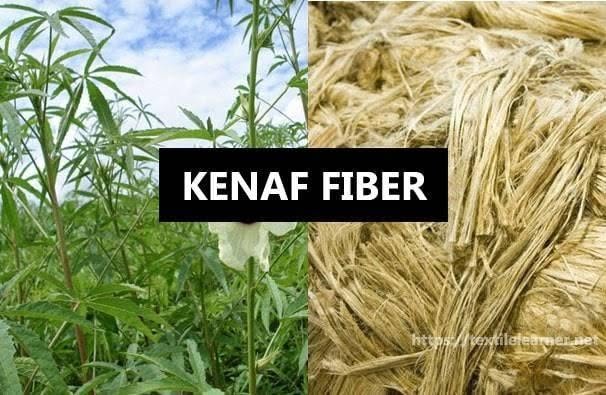

Nigerian Kenaf Fibre: The World’s Fastest-Growing Commercial Fibre Crop — Whose Unique Dual-Fibre Architecture Creates Two Commercially Distinct Industrial Raw Materials From a Single Plant and Whose Nigerian Production From Established Sudan Savanna Cultivation Zones Creates the Most Commercially Immediate Hard Fibre Export Programme in Category 13
Kenaf Fibre Exporter Nigeria — Kenaf Bast Fibre (Long — Retted Grade), Kenaf Core Fibre (Decorticated Woody Core), Kenaf Whole Stem (Chipped — Paper Pulp Grade), Kenaf Fibre Board (Particleboard and MDF Grade), Kenaf Geotextile Mat, Kenaf Animal Bedding (Absorbent Core Grade), Kenaf Rope and Twine, Kenaf Biocomposite Mat (Automotive Grade), and Kenaf Paper Pulp (Kraft-Cooked), Direct Kano, Katsina, Zamfara, Sokoto, Kebbi, Jigawa, and Borno State Sourcing from Documented Kenaf Farms and Decortication Operations, Bulk Supply to Paper and Pulp Mills, Fibre Board and Particleboard Manufacturers, Geotextile and Civil Engineering Suppliers, Animal Bedding Companies, Automotive Composite Material Producers, Rope and Cordage Manufacturers, and Global Industrial Fibre Buyers Worldwide
Kenaf fibre exporter Nigeria is a search phrase that arrives at the most structurally distinctive crop in the entire Category 13 fibre portfolio — distinguished from every other natural fibre in this series by a botanical characteristic whose commercial consequence creates simultaneously two different industrial products from a single plant stem:
Kenaf (Hibiscus cannabinus L.) — a member of the Malvaceae family (whose most commercially prominent Nigerian member, Hibiscus sabdariffa, was documented in Category 4 as the hibiscus flower export programme) — produces a dual-architecture stem whose commercial processing creates two compositionally and commercially distinct fibre fractions:
Bast fibre (the outer stem layer — approximately 30–40% of total stem dry weight): Long, golden-cream, soft fibre whose composition (65–70% cellulose; 15–18% hemicellulose; 8–13% lignin — the lowest lignin content of any commonly traded hard natural fibre) creates properties superior to jute in specific applications — whiter colour (less lignin creating less chromophore-driven yellowing than jute), better tensile strength (390–500 MPa), and superior dyeability (lower lignin creating better dye uptake for coloured packaging and textile applications). Kenaf bast fibre creates the premium commercial fraction whose rope, geotextile, and packaging applications parallel and in some specifications surpass jute quality.
Core fibre (the woody interior — approximately 60–70% of total stem dry weight): Short, lightweight, highly absorbent woody fibre whose composition (40–48% cellulose; 25–35% hemicellulose; 15–21% lignin — higher lignin than the bast) creates properties fundamentally different from the bast: the porosity (approximately 30–35% void volume in the core’s cellular structure creating exceptional liquid absorbency — documented at 3–4× body weight water absorption capacity) whose commercial applications in animal bedding, oil spill absorbent, horticultural growing medium, and insulation create the most commercially diverse secondary fibre application of any single natural fibre crop.
The commercial consequence of this dual architecture: kenaf’s total commercial value per hectare is the sum of two separate product values — bast fibre at premium jute-equivalent pricing PLUS core fibre at absorbent/board manufacturing pricing — creating the most commercially efficient single-crop industrial fibre investment in any tropical agricultural system.
Kenaf’s extraordinary growth rate — reaching 4–6 metres in 120–150 days (among the fastest-growing commercial plants on Earth, exceeded among agricultural crops only by specific bamboo species) — creates production economics whose specific consequences are the most commercially significant single agronomic parameter in the portfolio:
Carbon sequestration: Kenaf sequesters approximately 1.5–2.0 tonnes of carbon per tonne of dry matter produced — at 15–20 tonnes dry matter per hectare per 150-day season, creating 22–40 tonnes CO₂ equivalent sequestration per hectare per season (documented through USDA Agricultural Research Service kenaf studies). This rate — approximately 3–5× higher than an equivalent-area forest — creates the most commercially documented carbon sequestration claim available from any annual crop.
Yield efficiency: 15–20 tonnes dry stem per hectare per 150-day season — versus jute’s 2–3 tonnes fibre per hectare per season — creates production scale whose commercial development at Nigerian Sudan Savanna farm economics creates cost-competitive supply from a single seasonal planting.
Nigeria’s kenaf heritage: documented cultivation in Kano, Katsina, Zamfara, Kebbi, Sokoto, and Jigawa states — the same Sudan Savanna belt whose cotton cultivation was documented in Article 125 — creates established farmer knowledge of kenaf agronomy (locally called rama in Hausa — the same word applied to Corchorus tridens as documented in Article 127, reflecting the cultural overlap between the two crops in northern Nigerian food and fibre traditions). The National Cereals Research Institute (NCRI) at Badeggi, Niger State and Institute for Agricultural Research (IAR) Zaria’s documented kenaf variety trials create the agronomic foundation whose commercial scale-up creates Paradise MultiTrade’s sourcing base.
At Paradise MultiTrade International Limited, kenaf fibre is the most technically innovative Category 13 export programme — whose dual-product commercial architecture creates the most commercially distinctive value proposition of any single crop in the Nigerian fibre portfolio.
To discuss sourcing immediately, request a quotation here and our export team responds within 48 hours.
History and Origin — From Ancient Textile Fibre to 21st-Century Biocomposite Raw Material
Hibiscus Cannabinus in Nigeria — Botanical Heritage, Colonial Documentation, and the Modern Commercial Opportunity
Hibiscus cannabinus L. has one of the most geographically complex origin debates in economic botany — with credible claims to both African (West and Central Africa) and South Asian (India) centres of diversity, reflecting the plant’s extraordinarily wide natural distribution across tropical and subtropical regions of both continents. The earliest documented cultivation records: ancient Egyptian textile fragments analysed by archaeobotanists at the University of Cairo’s Institute of African Studies, and Indian textual references to ambari hemp (the Sanskrit name for H. cannabinus) in medieval agricultural texts — both pre-dating the colonial period’s commercial development.
The botanical connection within Paradise MultiTrade’s portfolio:
Hibiscus cannabinus (kenaf) and Hibiscus sabdariffa (roselle — hibiscus flower, Category 4) are congeners — members of the same genus whose commercial differentiation is entirely in the harvested plant part and application: H. sabdariffa‘s fleshy calyx (the hibiscus flower product creating the tea, colouring, and food ingredient documented in Category 4) versus H. cannabinus‘s stem bast and core (creating the industrial fibre documented here). The same Malvaceae family also includes cotton (Gossypium hirsutum — Article 125) and okra (Abelmoschus esculentus) — making the Malvaceae the single most commercially significant plant family in the Paradise MultiTrade product catalogue by number of articles.
Nigeria’s kenaf cultivation history:
The British colonial agricultural documentation of northern Nigeria identifies kenaf (H. cannabinus — known locally as rama in Hausa agricultural communities) as an established pre-colonial cultivation across the Sudan Savanna belt — used for: coarse rope and fishing net manufacture; traditional sacking (grain bags); and occasional food use (young leaves as vegetable, comparable to the okra-family mucilaginous leaf tradition documented in the jute/ewedu article). Colonial agricultural surveys from the 1930s and 1940s document kenaf as among the most widely grown non-food crops in Kano, Sokoto, and Katsina Provinces — creating the historical cultivation baseline whose contemporary commercial development builds on established farmer familiarity rather than introducing an entirely new crop.
The post-independence commercial decline: the same petroleum revenue dominance whose impact on cotton and rubber was documented in Articles 124 and 125 reduced kenaf cultivation from its colonial agricultural survey levels as farmers in the Sudan Savanna shifted to cash crops with better marketing board support (cotton) and food crops with stronger domestic price support (sorghum, millet — both documented in Category 5). The residual wild and semi-cultivated kenaf populations across northern Nigeria’s savanna edges create the genetic resource whose commercial development revives the agricultural tradition whose farmer familiarity creates the lowest-barrier-to-entry new crop introduction in any Category 13 product.
What Is Nigerian Kenaf Fibre? The Stem Architecture, Separation Science, and Commercial Grade Structure
Hibiscus Cannabinus — The Dual-Fibre Stem Chemistry
Stem architectural anatomy:
The kenaf stem — harvested at 120–150 days when the stem reaches 4–6m height and 2–4cm basal diameter — has a concentric ring structure visible in cross-section:
Epidermis and primary phloem (outer bark): The thin outermost layer (approximately 0.5–1mm thickness) — removed during initial field processing or decorticating, contributing negligible weight to either fibre fraction.
Bast fibre zone (secondary phloem): The commercially premium layer — 2–4mm thickness whose long sclerenchyma fibre cells (individual cell length 2.0–5.0mm; 20–30 μm diameter) create the bast fibre bundle architecture paralleling jute’s anatomy but with specific property differences documented below.
Core (xylem/pith): The dominant volumetric fraction — 60–70% of stem cross-section — consisting of parenchyma cells interspersed with vessel elements (the water-conducting cells whose large-diameter, thin-walled character creates the porosity responsible for the core’s extraordinary absorbency) and wood fibres (short, 0.5–1.2mm, thick-walled cells providing the structural cellulose creating board and pulp applications).
Bast fibre chemical composition:
- Cellulose: 65–70% (degree of polymerisation DP approximately 800–1,200 — between jute’s 600–900 and sisal’s 1,000–1,400)
- Hemicellulose: 15–18%
- Lignin: 8–13% — the lowest lignin content of any commercially traded natural fibre in Category 13 — creating kenaf bast’s specific advantages (superior colour, superior dyeability, better alkali treatment response)
- Pectin: 2–4% (the bonding polymer requiring retting for removal)
- Waxes and ash: 1–2%
Core fibre chemical composition:
- Cellulose: 40–48%
- Hemicellulose (pentosans): 25–35% — the highest hemicellulose fraction of any Category 13 fibre product, creating the water absorption whose commercial consequence defines core applications
- Lignin: 15–21%
- Extractives (resins, fats, phenolics): 3–6%
The mechanical property comparison:
| Property | Kenaf Bast | Jute | Sisal | Cotton |
|---|---|---|---|---|
| Tensile Strength (MPa) | 390–500 | 400–500 | 600–700 | 400 |
| Young’s Modulus (GPa) | 14–53 | 10–30 | 9–22 | 5–13 |
| Elongation at break (%) | 1.5–3.0 | 1.5–2.0 | 3–5 | 3–10 |
| Lignin (%) | 8–13 | 11–13 | 9–14 | <1 |
| Colour (whiteness) | Cream-white (highest) | Golden-brown | White-cream | White |
Kenaf bast fibre’s lowest lignin content creates the most commercially significant single chemical advantage over jute in applications where colour and dyeability are commercially critical — the carpet backing, decorative rope, and premium geotextile markets whose aesthetic requirements create specific premium for lighter, whiter natural fibre.
The Separation and Processing Science — Bast from Core
Decorticating kenaf — the most commercially critical processing step:
Unlike jute (whose retting is the primary processing challenge) or sisal (whose decortication machinery is the capital investment), kenaf processing combines two sequential operations — retting or mechanical separation to free bast from core, then separation of the two fractions — creating the specific process whose management determines which fraction predominates and its quality:
Water retting (traditional — creating highest bast quality):
Kenaf stems submerged in water (river, pond, or purpose-built retting tank) for 10–20 days — the same microbial pectin degradation process documented for jute in Article 127, creating bast-from-core separation whose retting completion enables hand-stripping. Water-retted bast creates the highest colour purity and lowest bark residue — preferred for premium textile and geotextile applications.
Dew retting (field retting — lower investment, lower quality):
Harvested kenaf stems spread on the field surface — morning dew and seasonal rainfall creating the ambient moisture environment whose microbial activity (primarily fungal — Aspergillus and Penicillium species creating pectinase activity at the stem surface) creates partial bast separation over 3–6 weeks. Dew retting creates lower colour purity (grey-brown discolouration from fungal pigmentation versus water retting’s golden-cream) but requires no water infrastructure investment — creating the most accessible entry-level processing for smallholder kenaf farmers.
Mechanical decortication (no retting — fastest, creates mixed bast/core fraction):
Hammer mill or disc decorticator processing of green or dry kenaf stems without retting — creating simultaneous fragmentation of bast and core whose mechanical separation (air classification or screening — exploiting density difference between long bast fibres and short dense core particles) creates impure but commercially acceptable fractions for paper pulp and board manufacturing applications where bast-core mixing is acceptable.
The dual-fraction output:
After separation: bast fibre (30–40% of stem dry weight) and core fibre (60–70% of stem dry weight) — the specific ratio confirming the commercial arithmetic that bast processing yields less material but at higher per-kg pricing, while core processing yields more material at lower per-kg pricing but higher total revenue from the core fraction’s unique applications.
Benefits and Industrial Uses of Nigerian Kenaf Fibre
Paper and Newsprint Manufacturing — The Most Commercially Significant Global Kenaf Market
Kenaf as a wood pulp substitute:
The global paper and pulp industry — tracked through Food and Agriculture Organisation’s global forest products statistics at approximately 400 million tonnes of paper and board produced annually, consuming approximately 180–200 million tonnes of wood pulp — faces the most commercially significant raw material sustainability challenge of any major manufacturing sector: deforestation-linked fibre supply whose environmental consequences create growing regulatory and consumer pressure toward non-wood fibre alternatives.
Kenaf’s specific paper pulp credentials — documented through the USDA Agricultural Research Service’s kenaf paper programme (one of the most extensively studied alternative non-wood fibre programmes in US agricultural history, beginning in the 1950s as documented through USDA ARS research archives) — create the most commercially evidenced single paper pulp alternative to wood pulp from any annual fibre crop:
Kraft cooking of kenaf whole stem: Kenaf whole stems (chipped to 2–4cm chip size — the standard kraft pulp mill chip specification) cooked in kraft white liquor (NaOH + Na₂S solution, standard sulfate cooking) at 170°C for 90–120 minutes creates: kappa number 18–25 (medium-bleachability pulp — equivalent to hardwood kraft pulp); brightness 25–35% ISO before bleaching (comparable to hardwood); and tensile index 50–65 N·m/g after beating (exceeding softwood newsprint pulp). The specific commercial advantage: kenaf pulp’s higher tear index (the measure of paper’s resistance to tearing propagation across a sheet) versus recycled newsprint pulp creates newspaper printing performance superior to 100% recycled content paper.
The USDA kenaf newsprint programme: Beginning with USDA experimental kenaf newsprint publications in the 1970s (documented newspapers printed entirely on kenaf newsprint demonstrating commercial viability — whose commercial milestone created the original investor enthusiasm for kenaf as a US domestic wood pulp alternative), the programme established kenaf’s newsprint technical credentials whose commercial exploitation awaited the regulatory and economic conditions creating wood pulp competitive pressure. The USDA’s kenaf research bibliography — containing over 300 published studies — creates the most thoroughly documented research foundation of any alternative paper fibre.
Kenaf bast versus kenaf core pulp differentiation: Separate cooking of bast and core creates distinctly different paper grades: bast pulp (lower lignin, higher cellulose DP) creates long-fibre, high-strength kraft paper (whose tensile index 65–80 N·m/g creates packaging paper and industrial sack paper applications); core pulp (higher lignin, shorter fibre) creates lower-strength printing/writing paper and tissue (whose absorbency and surface quality suits newsprint, tissue, and printing paper applications). For paper mills evaluating Nigerian kenaf: the option to process separated bast and core separately creates two paper grade outputs from one raw material — the most commercially flexible fibre supply in any paper pulp programme. Contact us to discuss kenaf paper pulp grade specification.
Fibre Board and Particleboard Manufacturing — The Core Fibre Premium Market
Kenaf core in composite board manufacturing:
Kenaf core fibre’s specific dimensional properties — short fibre (0.5–1.2mm cell length), high lignin (15–21% creating natural binder activity under heat and pressure), and cellulose content (40–48% providing structural integrity) — create the most commercially developed non-wood lignocellulosic board material in industrial composite manufacturing:
Kenaf core particleboard (KCB): Kenaf core particles (2–5mm dimensions from hammer mill decortication) hot-pressed with UF (urea-formaldehyde) or MDI (methylene diphenyl isocyanate — the formaldehyde-free binder creating low-emission “green” boards) at 160–180°C and 2.5–3.5 MPa pressure for 8–12 minutes creating standard particleboard panels (15–20mm thickness, 680–750 kg/m³ density) whose modulus of rupture (MOR 12–18 MPa) and internal bond (IB 0.3–0.6 MPa) meet EN 312 particleboard standard for general use (Type P2: MOR ≥11 MPa; IB ≥0.24 MPa) — creating commercial viability for furniture manufacturing, floor underlayment, and interior construction applications.
Kenaf core MDF (Medium Density Fibreboard): Kenaf core fibres refined through disc refiner (the same fibre separation technology used in wood MDF manufacturing) to individual fibre level; blended with MDI binder (5–7% by weight); mat-formed and hot-pressed creating kenaf MDF whose surface smoothness (Rz roughness 25–35 μm versus particleboard’s 50–80 μm) creates paintability and veneering surface quality superior to kenaf particleboard. Application: cabinet doors, furniture components, and interior panelling whose paintable surface creates premium furniture manufacturing value.
KENBOARD and commercial precedents: Commercial kenaf board products have been produced by US companies (documented through Industrial Hemp Association and kenaf industry reports) including Kentucky Kenaf Corporation’s kenaf particleboard and BioComposites Group’s kenaf core board — creating commercial product precedents whose performance data enables buyer confidence in Nigerian kenaf core supply for board manufacturing applications. Contact us to discuss kenaf core fibre specification for board manufacturing.
Animal Bedding — The Highest-Value Core Fibre Application
Kenaf core as premium animal bedding:
Kenaf core fibre’s extraordinary liquid absorbency (3–4× body weight water absorption — documented through Journal of Natural Fibres absorbency comparative studies) and dust-free character (core particles’ lignified structure creating minimal respirable dust versus wood shavings whose volatile organic compound off-gassing and fine wood dust creates documented respiratory risk in stabled animals) creates the most commercially premium application of kenaf core:
Horse bedding: Kenaf core particles (5–15mm — bedding-appropriate size from screen classification) creating the premium horse stall bedding whose: 3–4× greater liquid absorption than wood shavings (reducing mucking-out frequency from daily to every 3–4 days — creating significant labour cost reduction for stable operations); 40% lower volume required versus straw to achieve equivalent bedding depth (reducing storage space and disposal volume); and near-neutral pH (6.5–7.0 — versus wood shavings’ potential phenolic acidity) creating hoof health compatibility. European premium horse bedding market — tracked through European Horse Network market research — creates the highest per-kg premium for kenaf core of any application: EUR 0.80–1.50 per kg versus EUR 0.20–0.40 per kg for bulk paper pulp applications.
Poultry litter: Kenaf core’s high absorbency and thermal insulation (air-filled cellular structure creating R-value approximately 2.5 per cm — better than wood shavings) creates superior poultry house floor management versus conventional wood shavings — reducing litter-borne disease risk (lower moisture content reducing Coccidium and Salmonella substrate) and improving bird welfare through dry foot contact.
Oil spill absorbent: Kenaf core’s high oil absorbency (oleophilic character — absorbing 4–5× its weight in hydrocarbons creating oil spill containment material) tracked through Environmental Science and Technology journal oil absorption comparative studies. Industrial and marine spill response market whose premium environmental materials create specific premium pricing for documented-absorbency kenaf core.
Automotive Biocomposite Manufacturing
Kenaf bast as automotive interior reinforcement:
The same automotive biocomposite market documented in the sisal article (Article 126) creates specific procurement for kenaf bast fibre reinforcement — whose lower lignin than sisal creates specific processing advantages:
Better alkali treatment response: Kenaf bast’s lower initial lignin (8–13%) means alkali treatment (5% NaOH — the surface modification documented in Article 126) removes proportionally more surface material per treatment, creating greater cellulose surface exposure and hydrophilicity improvement (water contact angle reduced from ≥80° to ≤30° versus sisal’s ≤40° post-treatment) — improving fibre-matrix interfacial bonding beyond what sisal achieves under equivalent treatment conditions.
Toyota bast fibre programme: Toyota Motor Corporation’s documented use of kenaf bast fibre in natural fibre reinforced polypropylene (NFRP) floor silencers and spare tire covers — documented through Toyota’s sustainability reports accessed via Toyota Global Environmental Activities — creates the most commercially visible OEM automotive endorsement for kenaf biocomposite applications, establishing the commercial precedent that other automakers’ procurement teams reference in natural fibre composite evaluation.
The weight reduction calculation: Kenaf bast-PP composite (density 1.07–1.15 g/cm³) versus glass-PP composite (density 1.35–1.50 g/cm³) at equivalent component volume: 20–30% weight reduction — translating to approximately 2–5% vehicle fuel efficiency improvement from interior component lightweighting whose regulatory value (EU CO₂ fleet average requirements under Regulation (EU) 2019/631) creates specific automotive OEM procurement motivation.
Geotextile and Rope — The Direct Jute Alternative
Kenaf bast in geotextile and rope manufacturing:
Kenaf bast fibre’s properties — lower lignin than jute (better colour, better dyeability), comparable tensile strength (390–500 MPa versus jute’s 400–500 MPa), and comparable biodegradation rate (8–14 months in tropical soil versus jute’s 6–12 months) — create a direct premium alternative for every jute geotextile and rope application documented in Article 127:
Geotextile: Kenaf woven geotextile (200–350 g/m² basis weight — comparable to jute geotextile specification) for slope stabilisation, river bank protection, and revegetation — with the specific additional commercial communication: kenaf’s lower lignin creating faster initial biodegradation in the critical first 2–3 months (when slope revegetation establishment most needs active water retention and seed protection from the geotextile’s intact structure) while maintaining structural integrity for the 6–12 months required for plant root network establishment.
Premium rope: Kenaf bast rope’s whiter colour (lower lignin — less amber tint than jute rope) creating the premium natural rope positioning for: decorative rope (garden, interior design, rustic aesthetic retail — whose premium pricing per metre exceeds functional rope by 3–5×); premium gift packaging rope; and coastal décor rope whose lighter colour creates greater visual impact than darker-toned jute.
Why Buy Kenaf Fibre From Nigeria?
The Sudan Savanna — Optimal Kenaf Growing Conditions
Hibiscus cannabinus‘s specific agronomic requirements — creating the ecological justification for Nigerian Sudan Savanna production:
Photoperiod sensitivity: Kenaf is a short-day plant requiring day length below 12.5 hours to trigger flowering — whose premature flowering (before stem height target is achieved) abruptly ends stem elongation, reducing fibre yield. Nigeria’s Sudan Savanna latitude (10–13°N) creates the specific photoperiod dynamic where: planting in April–May (when day length exceeds 12.5 hours — preventing premature flowering) allows 90–120 days of pure vegetative growth (maximum stem elongation) before natural day length reduction in July–August triggers controlled flowering at target height. This photoperiod management — creating stem harvest before flowering reduces fibre quality — is the most commercially important agronomy decision in kenaf production, and Nigeria’s Sudan Savanna latitude specifically creates the longest possible vegetative growth window before photoperiod triggering.
Soil compatibility: Kenaf’s tolerance of the ferruginous tropical soils of Nigeria’s Sudan Savanna (well-drained sandy loam to clay loam with pH 6.0–7.5 — documented through NCRI soil surveys) creates agronomic compatibility with the same farming belt documented for cotton (Article 125) and sesame (Article 1) — enabling intercropping or rotation with these established cash crops without soil amendment investment.
Growth rate creating harvest economics: At 15–20 tonnes dry stem per hectare per 150-day season — creating 4.5–8 tonnes of separated bast plus core fibre per hectare — kenaf’s yield economics per land area per season are the highest of any Category 13 fibre crop, creating the smallest land requirement for equivalent total fibre output.
NCAM Decorticator Technology — Local Processing Capability
The National Centre for Agricultural Mechanisation (NCAM) at Ilorin, Kwara State — whose mandate includes developing appropriate processing technology for Nigerian agricultural crops — has documented kenaf decorticator designs adapted to Nigerian production scale (50–200 kg/hour throughput appropriate for smallholder cooperative processing) whose local fabrication creates the most cost-appropriate processing technology for Nigerian kenaf programme development without imported machinery investment. Paradise MultiTrade’s processing programme specifically coordinates with NCAM-certified decorticator operators — creating quality-managed bast-core separation whose documentation enables commercial export grade specification. Contact us to discuss NCAM decorticator programme.
The Carbon Story — Nigeria’s Most Climate-Positive Export Crop
Nigerian kenaf’s carbon sequestration credentials create the most commercially powerful climate communication available from any Category 13 product:
The calculation: 15–20 tonnes dry matter per hectare per crop × 1.5–2.0 tonnes CO₂ per tonne dry matter = 22–40 tonnes CO₂ equivalent per hectare per crop. At Nigeria’s Sudan Savanna kenaf potential of 500,000 hectares planted (conservative estimate based on NCRI land suitability surveys) = 11–20 million tonnes CO₂ equivalent sequestration per year from kenaf cultivation alone — comparable to the annual emissions of a mid-sized African country.
For industrial buyers whose corporate sustainability commitments require supply chain emissions reduction and whose Scope 3 procurement carbon footprint specifically includes raw material sourcing — Nigerian kenaf creates the most carbon-positive industrial raw material available from any annual crop. The specific carbon documentation (dry matter yield per hectare, carbon fraction per dry matter, CO₂ equivalent per tonne — all from USDA ARS published methodology) creates the most defensible single-crop climate claim in any natural fibre category. Contact us to discuss carbon sequestration documentation.
Complete Export Documentation
Every kenaf fibre shipment carries NEPC export documentation, certificate of origin, phytosanitary certificate, commercial invoice, packing list, and bill of lading. We coordinate: bast fibre grade certificate (colour, length, cleanliness, tensile strength); core fibre specification certificate (particle size distribution, moisture content, bulk density, absorbency — water and oil absorption ratio); pulp grade certificate (whole stem kraft cook — kappa number, brightness, tensile index); moisture content (bast ≤13%; core ≤12%; whole stem chipped ≤15%); tensile strength (bast — Instron UTM, MPa); fineness (bast — tex); chemical composition (cellulose, lignin, hemicellulose — where buyer specifies); carbon content (dry matter carbon fraction — for carbon sequestration claim documentation); bulk density (core fibre — kg/m³ — for animal bedding and absorbent pricing); absorbency ratio (core — water absorption × bodyweight at saturation); phytosanitary certificate (NAQS — Hibiscus stem borer and kenaf mosaic disease free); variety certificate (documented NCRI or IAR variety — confirming pure H. cannabinus versus H. sabdariffa species identity); and fumigation certificate (where required). Our NEPC Export Licence No. 0042385 and CAC Registration No. RC-9284647 are verifiable through NEPC.
Nigeria’s Kenaf Fibre Export Strength and Global Market Demand
The Global Market
Global kenaf fibre production — approximately 300,000–500,000 metric tonnes annually (tracked through FAO’s jute and allied fibres database — kenaf historically grouped with jute in production statistics) — is dominated by China (approximately 200,000–300,000 MT domestically consumed for paper pulp and textiles), India (approximately 30,000–50,000 MT), Bangladesh (minor quantities alongside jute), USA (small but commercially documented production in Mississippi and Texas — the USDA programme states), and Thailand. West Africa produces negligible formal kenaf for export despite the historical cultivation documented above — creating the category-defining first-mover opportunity.
The specific commercial context: global kenaf demand is growing faster than any other natural fibre tracked by FAO — driven by the paper industry’s transition from wood pulp, the automotive industry’s natural fibre composite programme, and the animal bedding premium market’s growth in European equestrian markets. Supply growth from existing Asian origins is constrained by: Chinese domestic consumption absorbing most Chinese production; Indian production quality challenges (water retting quality management); and US production remaining at experimental/boutique scale despite USDA programme endorsement. Nigerian supply development therefore enters a demand-constrained market — the most commercially favourable condition for a new origin establishing supply.
Key Export Destination Markets
USA (paper mills, board manufacturers, equestrian supply): The most commercially receptive market for kenaf — whose USDA programme history creates the most thoroughly informed buyer community of any kenaf destination. US paper and board industry through American Forest and Paper Association. US equestrian supply through specialist kenaf bedding distributors.
Germany (automotive composites, paper, board): BMW and Mercedes-Benz natural fibre composite procurement creates premium kenaf bast demand; German paper and board industry through Verband Deutscher Papierfabriken (VDP).
Japan (Toyota biocomposite programme, specialty paper): Toyota’s documented kenaf bast procurement programme creates the most commercially credible single OEM kenaf buyer relationship. Japan paper industry through Japan Paper Association.
Netherlands (Rotterdam — European natural fibre commodity hub): European natural fibre merchants creating spot procurement demand from all West African fibre origins.
Belgium and UK (equestrian supply, geotextile): European premium horse bedding market whose kenaf core demand creates the highest per-kg pricing of any kenaf application.
South Korea (Hyundai-Kia natural fibre composite programme): Documented Korean automotive natural fibre composite R&D creating emerging procurement interest for kenaf bast from traceable origins. Contact us to discuss automotive composite grade specification.
Why Choose Paradise MultiTrade International Limited?
Dual-Fraction Processing Documentation — Bast AND Core Commercial Transparency. Complete processing yield documentation: bast fraction percentage (confirmed by batch-specific separation yield), core fraction percentage, and grade certificate for each fraction separately — creating the commercial transparency that enables buyers to price and plan for two distinct product purchases from one supply relationship. For paper mills requiring whole stem; board manufacturers requiring core; and geotextile/composite manufacturers requiring bast — a single Nigerian kenaf supply relationship through Paradise MultiTrade creating all three commercial formats. Contact us to discuss dual-fraction supply programme.
NCAM Decorticator Quality Programme — Processing Standard Documentation. Processing coordination through NCAM-certified decorticator operators — creating the equipment specification, throughput rate, and quality output documentation that artisanal hand-separation cannot achieve. Bast-core separation purity confirmation: bast fraction core contamination ≤5% (by manual picking on representative sample); core fraction bast contamination ≤10% — creating the separation quality that industrial buyers require for consistent formulation. Contact us to discuss processing quality documentation.
Carbon Sequestration Certification — The Most Powerful Sustainability Credential. USDA ARS methodology-based carbon sequestration calculation per lot (dry matter yield per hectare confirmed at harvest; carbon fraction 1.5–2.0 tCO₂eq per tonne dry matter; lot-specific CO₂ sequestration documented) — creating the carbon claim documentation whose corporate sustainability reporting value creates premium pricing justification for buyers whose scope 3 procurement carbon calculation specifically benefits from kenaf sourcing. Contact us to discuss carbon documentation programme.
Variety Authentication — H. cannabinus Versus H. sabdariffa Confirmation. Nigeria’s simultaneous cultivation of Hibiscus cannabinus (kenaf — industrial fibre) and Hibiscus sabdariffa (roselle/zobo — food/beverage) creates species confusion risk in informal procurement. Paradise MultiTrade’s variety confirmation programme — leaf morphology assessment (kenaf’s deeply lobed leaves versus roselle’s less deeply cut lobes) and stem colour assessment (kenaf typically green-to-purple stem versus roselle’s characteristic red stem) creates the species authentication documentation that industrial fibre buyers require. Contact us to discuss variety authentication protocol.
Multi-Commodity West African Industrial Fibre and Natural Product Sourcing. Kenaf fibre buyers frequently source complementary products. Alongside kenaf fibre, Paradise MultiTrade exports sisal fibre, jute fibre, coconut coir fibre, raffia fibre, raw cotton, natural rubber, hibiscus flower, sesame seeds, shea butter, moringa leaf powder, and palm oil. Explore our full range of Nigerian export commodities.
Product Specifications
| Specification | Kenaf Bast (Retted Grade A) | Kenaf Bast (Dew Retted B) | Kenaf Core (Animal Bedding) | Kenaf Core (Board Grade) | Whole Stem (Paper Pulp) | Kenaf Geotextile Mat |
|---|---|---|---|---|---|---|
| Species | Hibiscus cannabinus L. (confirmed) | H. cannabinus | H. cannabinus | H. cannabinus | H. cannabinus (whole stem chipped) | H. cannabinus bast woven |
| Fraction | Bast only — water retted | Bast only — dew retted | Core only — decorticated | Core only — screened | Whole stem | Woven bast fabric |
| Fibre Length | ≥150cm (mean bundle) | 100–150cm | 5–15mm (particle — screened) | 2–8mm (fine particle) | N/A (chipped — 2–4cm chips) | N/A |
| Lignin Content | 8–13% (lowest of Category 13) | 8–13% | 15–21% | 15–21% | 11–17% (whole stem average) | N/A |
| Cellulose Content | 65–70% | 63–68% | 40–48% | 40–48% | 52–60% (whole stem average) | N/A |
| Tensile Strength | 390–500 MPa (Instron UTM) | 350–450 MPa | N/A | N/A | N/A | Tensile per ISO 10319 |
| Colour | Cream-white — L* ≥78 (lowest lignin — whitest natural fibre) | L* 60–75 (grey-brown dew retted) | Off-white to tan | Off-white to tan | N/A | Natural cream |
| Moisture Content | ≤12% | ≤13% | ≤10% (dry for absorbency) | ≤12% | ≤15% | ≤13% |
| Bulk Density | N/A | N/A | 70–100 kg/m³ (loose fill) | 150–250 kg/m³ (compressed) | N/A | N/A |
| Water Absorbency | N/A | N/A | 3–4× dry weight (saturation) | N/A | N/A | N/A |
| Oil Absorbency | N/A | N/A | 4–5× dry weight | N/A | N/A | N/A |
| Dust Content | N/A | N/A | ≤2% (respirable dust — horse bedding critical) | N/A | N/A | N/A |
| Bark Residue | ≤2% | ≤8% | N/A | N/A | N/A | N/A |
| pH | N/A | N/A | 6.5–7.0 (near neutral — hoof health) | N/A | N/A | N/A |
| Kappa Number (Kraft Cook) | N/A | N/A | N/A | N/A | 18–25 (bleachable — comparable to hardwood) | N/A |
| Brightness (Post-Bleach) | N/A | N/A | N/A | N/A | 75–85% ISO (after 3-stage bleaching) | N/A |
| MOR (Board) | N/A | N/A | N/A | 12–18 MPa (EN 312 P2 ≥11 MPa) | N/A | N/A |
| Internal Bond (Board) | N/A | N/A | N/A | 0.3–0.6 MPa (EN 312 P2 ≥0.24 MPa) | N/A | N/A |
| Phytosanitary | NAQS — stem borer free | NAQS | NAQS | NAQS | NAQS | N/A |
| Variety Certificate | H. cannabinus confirmed | Confirmed | Confirmed | Confirmed | Confirmed | Confirmed |
| Carbon Certificate | Available — USDA ARS methodology | Available | Available | Available | Available | N/A |
| Bale/Bag Weight | 100–150 kg bale (wire-bound) | 100–150 kg | 15–25 kg bags (animal bedding retail) / 500 kg bulk | 500–1,000 kg bulk bags | N/A (loose chips or pellets) | 50 kg rolls |
| Container Loading | 12–16 MT per 20ft | 12–16 MT | 8–12 MT per 20ft (low density) | 15–20 MT | 20–22 MT | 10–14 MT |
| Supply Capacity | 200–5,000 MT/year | 200–5,000 MT | 500–10,000 MT/year | 500–10,000 MT | 1,000–20,000 MT/year | 50–500 MT/year |
| MOQ | 10 MT | 10 MT | 5 MT | 10 MT | 20 MT | 500 m² |
Export Documentation: Species/Variety Certificate (H. cannabinus confirmed — leaf and stem morphology), Bast Grade Certificate (colour L*a*b*, length, tensile, bark residue), Core Specification Certificate (particle size, moisture, bulk density, water and oil absorbency, pH, dust content), Kraft Pulp Grade Certificate (kappa number, brightness, tensile index — where applicable), Board Grade Certificate (MOR, IB per EN 312 — where applicable), Moisture Certificate, Phytosanitary Certificate (NAQS), Carbon Sequestration Certificate (USDA ARS methodology — dry matter yield × carbon fraction per hectare per lot), Fumigation Certificate (where required), Certificate of Origin, NEPC Export Licence, Commercial Invoice, Packing List, Bill of Lading.
Processing and Export Process
Seed Procurement and Planting Schedule. IAR Zaria or NCRI-documented kenaf seed (variety-confirmed H. cannabinus — preventing H. sabdariffa contamination whose stem fibre is inferior to kenaf bast) distributed to registered Sudan Savanna smallholder farmers in Kano, Katsina, Zamfara, and Kebbi states. Planting: April–May (ensuring ≥12.5 hour day length at planting — preventing premature flowering). Row planting at 50cm × 10cm spacing (20 plants per m² — high-density planting whose competition for light creates maximum stem height and bast fibre yield); fertiliser application (NPK 20:10:10 at 200 kg/ha — nitrogen-responsive crop whose yield responds more strongly to nitrogen than any other macronutrient).
Harvest Management. Stems harvested at 120–150 days (at maximum height before natural photoperiod-triggered flowering at day length ≤12.5 hours — August–September in Nigerian Sudan Savanna). Harvest: manual cutting at 5–10cm above soil level (retaining root for soil organic matter); stems bundled in 50-stem bundles immediately after cutting.
Retting (Bast Production). Water retting: stem bundles submerged in Hadejia-Jama’are wetland systems or purpose-built concrete retting tanks (the most commercially controlled retting environment — pH 6.5–7.5 maintained, temperature 28–32°C, dissolved oxygen monitoring creating retting quality documentation equivalent to the jute retting water management documented in Article 127). Retting period: 10–18 days. Pull test daily from day 10. Fibre stripping and washing.
Mechanical Decortication (Core Production). Dry kenaf stems (field-dried to ≤18% moisture) fed through hammer mill decorticator; cyclone separator collecting bast fibres (long, low density — centrifugally separated); screen classifier separating core particles by size (5–15mm animal bedding grade; 2–8mm board grade; <2mm pulp grade). Each fraction separately bagged.
Drying, Grading, and Baling. Bast fibre sun-dried to ≤12% moisture; colour sorted (Grade A water-retted versus Grade B dew-retted); baled in hydraulic press. Core fibre drum-dried (60°C, 2-hour retention) to ≤10% moisture; screened to grade; bagged. Whole stem chips (50mm drum chipper) dried to ≤15%.
Quality Testing. Bast: tensile (Instron 5 tests/lot), colour (spectrophotometer), length (ruler 50-fibre sample), moisture. Core: absorbency (saturation test 3 samples/lot), bulk density, particle size distribution, pH, dust content (BSI sieve test). Lead times: 28–49 days from planting scheduling. Contact us to plan your supply schedule.
Frequently Asked Questions
What is the commercial difference between kenaf bast fibre and kenaf core fibre and which buyers need each product?
The most commercially important disambiguation in kenaf procurement — whose confusion is the most common buyer error in the kenaf supply chain: (1) Kenaf bast fibre: The outer stem layer (30–40% of stem weight) — long fibre (≥150cm bundles for Grade A), cream-white colour (lowest lignin of any Category 13 hard fibre creating the lightest colour), tensile strength 390–500 MPa, water or dew retted — commercially comparable to premium jute but whiter and more dyeable. Buyer community: rope manufacturers (premium decorative rope, agricultural rope), geotextile manufacturers (slope stabilisation, erosion control), automotive composite engineers (door panels, trunk liners), carpet backing producers (biodegradable carpet backing alternative to jute where whiter colour is aesthetically preferred), and premium packaging twine manufacturers. (2) Kenaf core fibre: The woody interior fraction (60–70% of stem weight) — short particles (2–15mm depending on grade), off-white to tan, high porosity creating exceptional absorbency (3–4× water, 4–5× oil), bulk density 70–250 kg/m³ depending on compaction. Buyer community: animal bedding companies (premium horse stall and poultry litter), oil spill response material suppliers, horticultural growing medium manufacturers, particleboard and MDF manufacturers (kenaf core board meeting EN 312 standard), paper mills (whole stem including core — kraft pulp programme), and insulation material manufacturers. (3) The commercial integration opportunity: A single kenaf supply programme providing both fractions through Paradise MultiTrade creates the most commercially efficient buyer relationship — purchasing bast for premium applications at bast pricing AND purchasing core at core pricing from the same supply lot whose split reduces waste and maximises total payment per tonne of raw material purchased. For buyers who need only one fraction: the other fraction creates resale value through Paradise MultiTrade’s parallel buyer network, reducing the per-unit cost of the desired fraction. Contact us to discuss dual-fraction procurement.
Why does kenaf bast fibre have a lower lignin content than jute and sisal and what commercial advantages does this create?
Kenaf’s lowest-lignin position in Category 13 — the most commercially significant single chemical property creating specific market advantages: (1) The chemistry: Kenaf bast’s lignin content of 8–13% reflects the specific secondary cell wall lignification pattern of H. cannabinus phloem fibres — whose biosynthesis produces proportionally less monolignol polymerisation in the middle lamella and secondary wall compared to Corchorus (jute, 11–13%) and Agave (sisal, 9–14%) species. The specific molecular structure: kenaf lignin is predominantly syringyl-type (S-lignin) with lower guaiacyl (G-lignin) content versus jute’s predominantly G-type lignin — and S-type lignin creates lower UV chromophore density, directly explaining kenaf bast’s lighter colour. (2) Colour advantage: Lignin’s chromophoric groups (phenolic structures absorbing UV/visible radiation) create the amber-golden colour of jute and the cream-white of sisal. Kenaf’s lower chromophore density (less lignin, lower G-type percentage) creates the palest natural colour of any commonly traded hard natural fibre — L* ≥78 in CIE L*a*b* measurement versus jute’s L* 55–70 and sisal’s L* 65–75. This colour advantage creates: premium decorative rope (lighter colour creating brighter, more vibrant dye colours with lower dye quantity); premium hessian (lighter background enabling printed-pattern hessian fabric without bleaching); and premium geotextile (aesthetically preferred in visible landscape applications). (3) Processing advantages: Lower lignin creates: more efficient alkali treatment (more thorough delignification for composite applications); better compatibility with bleaching (lower chlorine or hydrogen peroxide consumption for brightness targets versus jute — documented in Holzforschung journal bleaching comparison studies); and better biodegradation rate control (lower lignin creating faster initial biodegradation — useful for short-service-life geotextile applications where rapid initial performance followed by biodegradation is preferred over slow-degrading designs). (4) Dyeability: Lower lignin creates less physical blockage of dye diffusion into cellulose fibre and less chemical competition between lignin hydroxyl groups and reactive dye molecules — creating superior dye uptake (measured as K/S value in spectrophotometric dyeing assessment) with equivalent dye bath concentration. For premium coloured rope, geotextile, and packaging applications where dye colour consistency creates brand value: kenaf bast creates the most vivid, most consistent colour results of any hard natural fibre. Contact us to discuss colour specification.
What is photoperiod sensitivity in kenaf and how does Nigeria’s Sudan Savanna latitude manage it commercially?
Photoperiod sensitivity — the most commercially critical agronomy factor in kenaf whose management determines whether the crop reaches commercial fibre height before reproductive stage abruptly ends stem elongation: (1) What photoperiod sensitivity means in kenaf: Hibiscus cannabinus is a quantitative short-day plant — initiating floral development when day length decreases below a critical photoperiod of approximately 12.5 hours (the threshold whose crossing triggers the hormonal cascade converting vegetative to reproductive growth). Once flowering begins, stem elongation abruptly stops and resources redirect to floral and seed development — creating the specific planting timing imperative: kenaf must be planted when day length exceeds the critical threshold, allowing maximum stem height achievement before natural day-length reduction below 12.5 hours triggers flowering. (2) The day-length calendar for Nigerian Sudan Savanna (12°N latitude): Day length at 12°N latitude (Kano — the primary kenaf production zone): April planting: day length 12.4 hours at month start → rising to 13.1 hours by late May (above critical threshold — purely vegetative growth); June–July: day length 12.8–13.1 hours (maximum — continued vegetative growth for a further 60–90 days); August: day length begins decreasing below 13 hours; September (month 4–5 from April planting): day length reaching 12.3 hours — beginning to approach critical threshold, triggering flowering at target height of 4–6m. This calendar creates a 120–150 day vegetative growth window from April planting before photoperiod-triggered flowering — the maximum achievable anywhere in West Africa outside the equatorial zero-latitude zone. (3) The commercial planting discipline: Late planting (July–August — when day length is already decreasing) creates premature flowering at 1–2m stem height (insufficient for commercial fibre yield) versus April–May planting creating 4–6m stems before flowering. The most commercially damaging error in Nigerian kenaf farming: late planting whose photoperiod-triggered premature flowering creates 70–80% yield loss versus properly timed planting — creating the most commercially important single agronomic training priority in the Paradise MultiTrade farmer cooperative programme. Contact us to discuss farmer agronomy training programme.
How does kenaf core fibre create premium value in the European equestrian animal bedding market?
The equestrian bedding application — the highest-value commercial channel for kenaf core whose premium per-kg pricing creates the most commercially attractive first export market for Nigerian kenaf core: (1) The European equestrian bedding market: Europe’s estimated 7 million horses (tracked through European Horse Network demographic data) each consuming approximately 1.5–2.5 tonnes of bedding material per year creates an annual bedding market of approximately 10–17 million tonnes. The premium bedding segment (wood-free, dust-free, high-absorbency alternatives to wood shavings and straw) — consuming approximately 10–15% of total bedding volume — creates 1.0–2.5 million tonnes per year of premium bedding demand whose kenaf core penetration remains below 1% despite documented performance advantages, creating the commercial development opportunity. (2) Equine respiratory health — the kenaf dust advantage: The most commercially compelling single kenaf bedding advantage: conventional wood shavings and sawdust generate respirable crystalline silica (RCS) and wood dust particles (below 10 μm aerodynamic diameter) whose inhalation by stabled horses creates equine asthma (heaves/RAO — recurrent airway obstruction) — documented as the most common non-infectious respiratory disease in European stabled horses, affecting approximately 10–17% of the stabled population. Kenaf core’s lignified cellular structure creates minimal respirable dust (≤2% particles below 10 μm — versus wood shavings’ 5–15% in dustiest cutting conditions), documented through Equine Veterinary Journal comparative bedding dust studies, creating specific veterinary recommendation for dust-sensitive horses. (3) Absorbency economics: Kenaf core’s 3–4× water absorbency versus wood shavings’ 1.2–1.8× means: a stable using 10 kg of kenaf per horse per day achieves equivalent moisture management to 25–35 kg of wood shavings — reducing mucking-out frequency from daily to every 3–4 days and reducing total bedding volume purchased per year despite the higher per-kg price of kenaf versus wood shavings. The total cost-in-use (absorbency-adjusted cost per horse per year) making kenaf competitive with premium wood shavings at 3–4× per-kg price. (4) Retail pricing: Premium European horse kenaf bedding products: EUR 15–25 per 20kg bag retail (EUR 0.75–1.25 per kg) versus Nigerian kenaf core bulk export price of USD 0.15–0.25 per kg — creating the margin whose supply chain value addition (packaging, distribution, branding) creates the most commercially attractive kenaf export-to-retail pathway in any Category 13 product. Contact us to discuss animal bedding grade specification.
What makes kenaf the most carbon-positive industrial crop in the Nigerian agricultural portfolio and how is this commercially documented?
Kenaf’s carbon sequestration credentials — the most commercially valuable single sustainability metric available from any annual crop in this series: (1) The basic photosynthesis calculation: All plants sequester carbon through photosynthesis (converting atmospheric CO₂ into organic matter). The commercial difference between crops: the rate of carbon fixation per unit time per unit land area — determined by growth rate, canopy area development, and metabolic efficiency. Kenaf’s 15–20 tonnes dry matter per hectare per 150-day season creates carbon fixation at a rate of approximately 6–8 tonnes of carbon per hectare per growing season (each tonne of dry matter containing approximately 40–45% carbon by mass — the standard biological carbon fraction for lignocellulosic material). Converting to CO₂ equivalent: 6–8 tonnes C × 3.67 (CO₂/C molecular weight ratio) = 22–29 tonnes CO₂ equivalent sequestered per hectare per 150-day crop. (2) Comparison with forest sequestration: A mature tropical forest sequesters approximately 5–8 tonnes CO₂ equivalent per hectare per year in net above-ground biomass accumulation (the IPCC default value for tropical moist forest — documented through IPCC Sixth Assessment Report). Kenaf’s 22–29 tonnes CO₂ per hectare per 150-day season (×2 annual crops = 44–58 tonnes CO₂/ha/year) creates a 5–8× higher annual carbon sequestration rate than equivalent tropical forest area. (3) Commercial documentation methodology: USDA ARS published carbon accounting methodology (dry matter yield × carbon fraction × CO₂ molecular weight ratio) applied to lot-specific kenaf yield data creates the per-shipment carbon certificate — expressing CO₂ tonnes sequestered in the kenaf biomass comprising each shipment. For corporate buyers whose scope 3 emissions accounting specifically credits “biogenic carbon in procured biomaterials” under GHG Protocol Land Sector and Removals Guidance — kenaf purchases create documentable scope 3 carbon credit whose value in voluntary carbon markets (approximately USD 15–50 per tonne CO₂ equivalent in voluntary markets tracked through Gold Standard Foundation) creates a financially quantifiable sustainability benefit exceeding the value of some kenaf products themselves. (4) The product lifecycle perspective: When kenaf fibre becomes a long-lived product (particleboard with 15–20 year service life; automotive panel with 10–15 year vehicle lifetime) — the sequestered carbon remains stored in the product throughout its lifetime, reducing its lifecycle carbon footprint below even certified sustainable timber products whose processing creates significant energy emissions. Contact us to discuss carbon certificate methodology.
How does kenaf whole stem compare to wood pulp as a paper raw material and what specific paper grades does it create?
Kenaf paper pulp versus wood pulp — the most technically detailed paper science comparison in any Category 13 article: (1) Fibre morphology comparison: Wood pulp fibre (softwood kraft): 2.5–4.0mm cell length; 30–45 μm diameter; thick secondary wall; low lignin after kraft cooking (kappa 20–30 before bleaching). Kenaf whole stem kraft pulp: bast fibre component 2.0–5.0mm length (comparable to softwood); core fibre component 0.5–1.2mm length (comparable to hardwood). This mixed-length distribution creates kenaf pulp behaviour intermediate between softwood and hardwood kraft — with: better long-fibre content than pure hardwood (higher tear strength from bast fraction); better sheet formation than pure softwood (shorter core fibres creating smoother sheet surface); and overall paper quality documentation demonstrating kenaf paper’s suitability for newspaper, book paper, and packaging applications. (2) Kraft cooking of Nigerian kenaf: White liquor application (16–18% effective alkali as Na₂O); H-factor 800–1,200 (cooking severity measure integrating temperature and time); resulting in: kappa number 18–25 (before bleaching — requiring ECF or TCF bleaching for printing paper brightness targets); screened yield 43–48% (comparable to hardwood kraft); reject level ≤0.5%. (3) Bleaching: ECF (Elemental Chlorine Free — ClO₂ bleaching) or TCF (Totally Chlorine Free — ozone + peroxide bleaching) to ISO brightness 78–85% for printing/writing paper grade; kraft-unbleached (kappa 18–25; brightness 25–35% ISO) for packaging paper and kraft sack paper whose strength properties (tensile index 65–80 N·m/g from long bast fibre fraction) specifically suit cement bag and industrial sack applications. (4) The newsprint application: USDA ARS kenaf newsprint studies specifically documented kenaf newsprint achieving: tensile strength ≥3.5 kN/m (TAPPI T494); tear index ≥7.5 mN·m²/g (TAPPI T414); porosity (Gurley) 7–12 seconds (optimal for offset printing ink set) — all meeting or exceeding US newsprint standard ANSI/TAPPI T1200 requirements. The specific commercial milestone: USDA-funded trials printing actual commercial newspapers on 100% kenaf newsprint in the 1990s creating the most credible commercial proof-of-concept for any alternative paper raw material programme. Contact us to discuss paper pulp grade specification.
What transit times and logistics apply to Nigerian kenaf fibre export and how do the different product formats create different logistics requirements?
Nigerian kenaf fibre logistics — whose specific variation by product format creates the most diverse logistics profile of any single Category 13 product: Kenaf bast fibre (baled — ambient standard dry container): UK — 14–18 days. Netherlands — 14–18 days. Germany — 14–20 days. Japan — 25–32 days. USA — 18–25 days. South Korea — 25–30 days. Container loading: 12–16 MT per 20ft container (low density versus cotton or rubber). Moisture management: identical to sisal and jute — calcium chloride desiccant 300g/m³ (intermediate between sisal’s 250g and jute’s 500g per m³) given moisture absorption between the two; PE container liner for vapour management. Kenaf core fibre (bulk bags or retail animal bedding bags): Same sea freight routes; 8–12 MT per 20ft (very low density — core’s 70–100 kg/m³ bulk density creates volume-limited containerisation); moisture management critical for animal bedding (core must arrive ≤10% moisture — higher moisture creating mould risk and reduced absorbency performance; silica gel desiccant 400g/m³ in sealed polyethylene-lined containers). Whole stem chips (pulp grade): Dense loading (approximately 20–22 MT per 20ft container at chip density 200–250 kg/m³); standard bulk container; moisture target ≤15% for safe shipping (spontaneous heating risk above 18% moisture in large chip volumes — the same fire risk principle documented for cotton bales in Article 125). Kenaf bast tensile and colour documentation timeline: Instron testing (5 days); colour spectrophotometry (3 days); length measurement (2 days); total bast documentation: 7–10 days. Core absorbency testing: 3–5 days. Phytosanitary inspection: 3–5 days. Species authentication: Morphological assessment: 2–3 days. Carbon certificate: Yield-based calculation from harvest records: 3–5 days. Total order-to-shipment: 28–49 days from harvest scheduling. Contact us to plan your logistics programme.
Ready to Source Nigerian Kenaf Fibre — Kenaf Bast Fibre Grade A (Water-Retted, ≥150cm, L* ≥78, 390–500 MPa), Kenaf Bast Grade B (Dew-Retted), Kenaf Core Fibre (Animal Bedding: 5–15mm, Absorbency 3–4×, pH 6.5–7.0, Dust ≤2%; Board Grade: 2–8mm EN 312 Specification), Whole Stem Kraft Pulp Grade (Kappa 18–25, Screened Yield 43–48%), and Kenaf Geotextile Mat — With Species Certificate (H. cannabinus Confirmed), Bast Grade Certificate (Colour L*a*b*, Length, Tensile, Bark Residue), Core Specification Certificate (Absorbency, Bulk Density, pH, Particle Size, Dust Content), Kraft Pulp Grade Certificate, Carbon Sequestration Certificate (USDA ARS Methodology), Phytosanitary Certificate (NAQS), Moisture Certificates, and Full Export Documentation for Paper Mills, Board Manufacturers, Equestrian Bedding Companies, Automotive Composite Engineers, Rope Manufacturers, Geotextile Producers, and Global Industrial Fibre Buyers?
If you are a paper mill in the USA, Germany, Japan, or another major paper producing country whose wood pulp sustainability pressure creates procurement interest in the most technically documented non-wood fibre alternative — requiring Nigerian kenaf whole stem kraft pulp grade (kappa 18–25, screened yield 43–48%, tensile index ≥50 N·m/g) or separated bast pulp (kappa 15–20, tensile index ≥65 N·m/g) with USDA ARS-methodology carbon certificate documenting 22–40 tonnes CO₂ equivalent sequestered per tonne of kenaf dry matter creating the most commercially powerful supply chain sustainability claim available from any annual fibre crop, a particleboard manufacturer, MDF producer, or wood panel company whose agricultural fibre board programme requires kenaf core particles (2–8mm size, ≤12% moisture, 40–48% cellulose, 15–21% lignin, board pressing confirmed to EN 312 Type P2 MOR ≥11 MPa and IB ≥0.24 MPa) creating formaldehyde-free MDI-bonded panels whose “kenaf core” communication creates the most commercially distinctive natural material story in sustainable furniture and interior construction, a premium equestrian bedding company or animal welfare-focused agricultural supply distributor in Germany, Netherlands, Belgium, UK, or France whose premium horse stall and poultry litter product range requires kenaf core (5–15mm, ≤10% moisture, absorbency 3–4× dry weight confirmed, pH 6.5–7.0, dust ≤2% respirable — veterinarian-recommended for RAO-susceptible horses) whose EUR 0.75–1.25 per kg retail value creates the most commercially attractive margin of any kenaf core application, an automotive composite engineer at Toyota, BMW, Hyundai, or a Tier 1 automotive supplier whose natural fibre reinforced polypropylene programme requires kenaf bast (water-retted Grade A, cream-white L* ≥78, tensile 390–500 MPa, alkali treatment available — FTIR and contact angle confirmation) whose lowest-lignin natural fibre character creates the best alkali treatment response and highest fibre-matrix interfacial bonding improvement of any Category 13 hard fibre for NFRP automotive interior panel applications, or a rope manufacturer, geotextile supplier, or premium packaging twine company whose product differentiation requires the whitest, most dyeable natural hard fibre available — kenaf bast’s cream-white colour (L* ≥78 — exceeding all jute and sisal grades) creating the most vibrant dye colour results and the most premium aesthetic in decorative rope, gift packaging twine, and premium geotextile applications — Paradise MultiTrade International Limited is the licensed Nigerian kenaf fibre exporter your industrial natural fibre supply programme needs.
Request a Quotation — share your required product (bast Grade A water-retted, bast Grade B dew-retted, core animal bedding grade, core board grade, whole stem pulp chips, geotextile mat), fraction specification (bast-only, core-only, mixed, or whole stem), fibre length minimum (bast), particle size specification (core), absorbency requirement (core — water or oil or both), board test standard (EN 312 or buyer specification), pulp grade (kappa target, brightness target, yield minimum), tensile strength minimum (bast — MPa), colour specification (L*a*b* targets), moisture maximum, carbon certificate requirement (yes/no — USDA ARS methodology), species authentication documentation level, alkali treatment requirement (untreated or treated — FTIR and contact angle confirmation), bale or bag format, volume (MT per shipment, annually), destination port, payment terms, and preferred incoterms. We respond within 48 hours.
Contact Our Export Team — speak directly about photoperiod management and Sudan Savanna planting calendar (April–May timing — 150-day vegetative window before 12.5-hour day-length threshold); NCAM decorticator technology and bast-core separation purity (≤5% core in bast fraction); water versus dew retting quality comparison (colour L*a*b* difference, bark residue percentage); kenaf bast lignin content verification (Klason lignin TAPPI T222); kraft cooking parameters (H-factor, effective alkali, kappa achievement); carbon certificate USDA ARS methodology (dry matter yield measurement, 40–45% carbon fraction, CO₂/C ratio calculation); core absorbency testing protocol (saturation method — water weight at saturation divided by dry core weight); EN 312 board test coordination (MOR and IB measurement at certified testing laboratory); RAO veterinary documentation for equestrian bedding application (respirable dust specification ≤2% below 10 μm); Toyota natural fibre composite programme kenaf specification alignment; species authentication (H. cannabinus versus H. sabdariffa morphological protocol); and long-term supply programme structuring for annual procurement.
Explore Our Full Product Range — alongside kenaf fibre, Paradise MultiTrade exports sisal fibre, jute fibre, coconut coir fibre, raffia fibre, raw cotton, natural rubber, hibiscus flower, sesame seeds, shea butter, moringa leaf powder, and palm oil.
Paradise MultiTrade International Limited | NEPC Export Licence No. 0042385 | CAC No. RC-9284647 | Lagos, Nigeria | www.paradisemultitrade.com


Reviews
There are no reviews yet.