
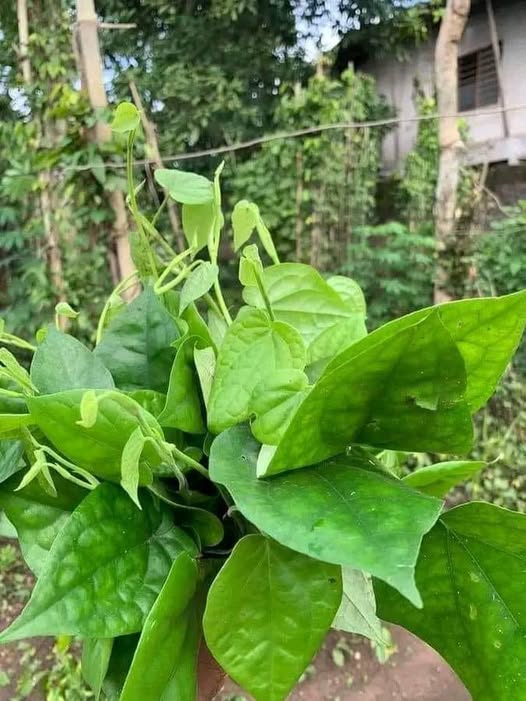

Nigerian Gongronema Leaves (Utazi): The West African Bitter Herb Where the Chef’s Culinary Ingredient and the Herbalist’s Antidiabetic Medicine Are Not Merely Related — They Are Chemically Identical, Because the Bitter Glycosides and Alkaloids That Make Utazi Irreplaceable in Nkwobi and Ugba Are Precisely the Same Compound Classes Whose Antidiabetic, Hepatoprotective, and Antimalarial Activity Is Documented in Pharmacological Research Across Four Decades of West African Ethnopharmacology
Gongronema Leaves Exporter Nigeria — Dried Gongronema Latifolium Leaves (Utazi), Cut and Sifted Utazi, Gongronema Leaf Powder, and Gongronema Leaf Extract Precursor, Direct Southern Forest Belt Sourcing, Bulk Supply to West African Diaspora Food Retailers, Nigerian Restaurant Chains, Traditional Food Manufacturers, Nutraceutical Supplement Brands, Herbal Medicine Producers, and Global Specialty Wholesale Buyers Worldwide
Gongronema leaves exporter Nigeria is a search phrase that opens into one of the most intellectually striking food-medicine relationships in the entire West African botanical landscape — a relationship whose commercial articulation requires no creative framing because the factual relationship itself is commercially compelling enough:
The culinary bitterness that makes Gongronema latifolium leaves — known as utazi in Igbo, arokeke in Yoruba — irreplaceable in nkwobi (spiced cow foot), ugba (fermented oil bean salad), oha soup, and traditional palm wine preparation is not a secondary or incidental quality of the leaf. It is the primary sensory expression of the same bitter glycoside and alkaloid compound profile — specifically luteolin glycosides, quercetin derivatives, gongronema-specific saponins, and alkaloids — whose biological activity in pharmacological research has generated documented antidiabetic effects in animal models, hepatoprotective activity in liver toxicity studies, antimalarial activity against Plasmodium falciparum, and antioxidant capacity measurements that have produced over 200 peer-reviewed publications accessible via NCBI’s PubMed database since systematic research on G. latifolium began in the 1980s.
This is not the coincidental overlap that occurs when a food plant happens to also have medicinal properties. This is the specific case where the phytochemical profile responsible for a food’s most defining sensory characteristic — the bitterness that experienced Nigerian cooks specifically seek and whose absence in a substitute ingredient immediately reveals inauthenticity — is precisely the same profile whose biological activity traditional Igbo, Yoruba, and Efik healers have exploited for documented therapeutic purposes across the same centuries that the same leaves were appearing in the same communities’ cooking pots.
The commercial consequence of this food-medicine identity is a product whose dual buyer community — the diaspora food retail market whose nkwobi and ugba preparation requires authentic utazi leaf, and the nutraceutical supplement market whose antidiabetic and hepatoprotective botanical interest in Gongronema latifolium creates ingredient procurement demand — creates a broader, more commercially resilient market foundation than purely culinary or purely medicinal botanicals individually possess.
The supply chain reality whose formalisation this article documents: utazi leaves — despite their cultural importance in Igbo cuisine and their significant pharmacological research profile — are essentially absent from formal international agricultural trade. The diaspora supply chain for utazi mirrors the pattern documented for uziza leaves, ehuru, and suya spice: informal personal travel networks, inconsistent specialist retail availability, and complete absence from any formal commercial export programme whose food-safety documentation enables legitimate international trade at commercial scale.
At Paradise MultiTrade International Limited, gongronema leaves is a priority botanical and diaspora food product — sourced from cultivated and semi-wild Gongronema latifolium production across Nigeria’s southern forest belt states of Enugu, Anambra, Imo, Abia, Ebonyi, Cross River, Akwa Ibom, Rivers, Delta, Edo, and Ogun, processed into dried whole leaf, cut grade, and supplement powder forms, and exported with full botanical authentication, food safety, and phytochemical documentation.
To discuss sourcing immediately, request a quotation here and our export team responds within 48 hours.
History and Origin — The West African Forest Vine Whose Bitterness Is Its Most Valuable Commercial Property
Gongronema Latifolium — Indigenous Forest Climber, Dual Identity as Food and Medicine
Gongronema latifolium Benth. is a member of the Apocynaceae family (formerly classified in Asclepiadaceae under older botanical taxonomy) — a large, primarily tropical family whose West African members include several commercially and medicinally significant plants. G. latifolium is specifically indigenous to the humid forest and forest-savanna transition zones of West and Central Africa — native to Nigeria, Ghana, Cameroon, Côte d’Ivoire, and extending into the Congo Basin — where it grows as a woody climbing vine on forest trees and at forest margins.
The cultural documentation of G. latifolium‘s dual food and medicine identity in Nigerian communities is among the most thoroughly recorded food-medicine relationships in West African ethnobotany:
In Igbo food culture: utazi leaf’s role is irreplaceable in three specific traditional preparations whose cultural significance is enormous: Nkwobi — the spiced cow foot dish whose characteristic bitter-warm flavour profile requires utazi leaf’s specific bitterness as a counterpoint to the rich palm oil and pepper seasoning base, creating the flavour balance that experienced nkwobi consumers specifically associate with authentic preparation. Ugba (oil bean salad, Pentaclethra macrophylla) — the Igbo fermented oil bean preparation whose strong, rich fermented character is specifically balanced by utazi leaf’s bitter freshness, creating the dish’s characteristic complex flavour that no other bitter leaf replicates with the same aromatic profile. Oha soup (Pterygota macrocarpa leaf soup) — where utazi leaf may be incorporated as a flavour complement in some Igbo traditional recipe variants.
In Efik and Ibibio culture: G. latifolium leaf incorporated in pepper soup preparations whose bitter herbal character creates complexity beyond simple heat and salt seasoning.
In Yoruba traditional medicine: arokeke (G. latifolium) used specifically for liver conditions, malaria management, and diabetes — documented through Journal of Ethnopharmacology Yoruba ethnomedicinal surveys as one of the most frequently prescribed bitter herbs in Yoruba healing practice.
In traditional palm wine preparation: G. latifolium leaves added to fresh palm wine in specific traditional practices — whose antimicrobial activity creates natural preservation and whose bitter character creates flavour complexity in the fermenting beverage.
The overlap between the food preparation communities and the traditional medicine communities is not coincidental — they are the same communities, for whom the leaf’s bitterness is simultaneously its culinary value and its medicinal value, and whose empirical knowledge that bitter plants have specific biological effects has been validated by pharmacological research whose four decades of systematic investigation have created the peer-reviewed evidence base that global nutraceutical markets increasingly value.
The Pharmacological Research Trajectory — Four Decades of Documentation
The systematic pharmacological investigation of Gongronema latifolium began with ethnopharmacological surveys in the 1980s — whose documentation of traditional antidiabetic use motivated the in vitro and in vivo animal model studies that followed. The research trajectory documented through NCBI’s PubMed database and Journal of Ethnopharmacology:
1980s–1990s: Ethnomedicinal documentation establishing G. latifolium‘s traditional antidiabetic, antimalarial, and hepatoprotective use across Yoruba, Igbo, and Efik communities; initial phytochemical screening confirming presence of alkaloids, saponins, tannins, and flavonoids.
2000s: Animal model studies confirming blood glucose lowering effects of G. latifolium leaf extract in streptozotocin-induced diabetic rats; hepatoprotective activity confirmed in paracetamol-induced liver toxicity models; antimicrobial activity documented against common pathogens.
2010s: More sophisticated mechanistic research — alpha-glucosidase inhibitory activity confirmed (the same mechanism documented for guava leaf and papaya leaf); antioxidant capacity measurement by multiple methods; lipid-lowering effects documented in animal models.
Present: Growing research interest in specific bioactive compound isolation — luteolin glycoside purification, saponin fractionation, alkaloid identification — whose pharmaceutical development interest creates commercial procurement demand for research-grade G. latifolium leaf material.
What Is Nigerian Gongronema Leaf? The Botanical Profile, Phytochemical Architecture, and Commercial Product Range
Gongronema Latifolium — The Bitterness-Bioactivity Phytochemical Identity
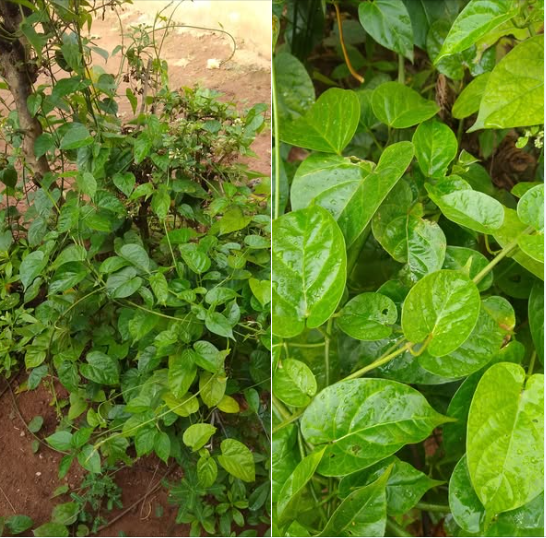
Gongronema latifolium is a woody climbing vine whose large, broadly ovate leaves (8–15cm long, 6–12cm wide) with characteristic heart-shaped base, prominent venation, and smooth upper surface create the botanical morphology that distinguishes G. latifolium from the multiple other bitter leaf plants in Nigerian food culture — particularly from Vernonia amygdalina (bitter leaf/onugbu) and Vernonia calvoana whose bitterness character and culinary applications are distinct. The disambiguation from Vernonia species is commercially essential — “bitter herb” as a common name creates buyer confusion whose resolution through botanical authentication is Paradise MultiTrade’s quality assurance foundation.
The Primary Bioactive Compounds:
Luteolin and Luteolin Glycosides — the primary flavone documented in G. latifolium leaf through Journal of Agricultural and Food Chemistry phytochemical characterisation studies. Luteolin’s specific biological activities — COX-2 inhibitory anti-inflammatory activity, alpha-glucosidase inhibitory blood glucose management, documented antitumour activity in cell culture research, and antimicrobial activity — create the multi-mechanism pharmacological profile that makes G. latifolium leaf one of the most pharmacologically active culinary bitter herbs in West African food culture. Luteolin’s bitter taste contribution — alongside the saponins and alkaloids — creates the characteristic utazi bitterness whose specific quality traditional cooks identify as distinct from Vernonia‘s sharper, more aggressive bitterness.
Quercetin and Quercetin Glycosides — documented at concentrations creating significant antioxidant activity — adding the same blood glucose management mechanism (alpha-glucosidase inhibition) documented for guava leaf and pawpaw leaf, but in a culinary herb whose dietary consumption creates functional food positioning rather than supplement positioning.
Gongronema-Specific Saponins — the steroidal saponin fraction specifically isolated from G. latifolium — whose specific chemical identity has been partially characterised through Journal of Natural Products research documenting oleanolic acid and ursolic acid saponin derivatives — creates both the characteristic bitter-astringent character of utazi leaf and the specific biological activity mechanisms documented in animal model antidiabetic studies.
Alkaloids — the total alkaloid fraction whose specific compounds include Gongronema-specific structures documented through NCBI’s alkaloid pharmacology database as contributing to the antimalarial activity (Plasmodium falciparum growth inhibitory effects in in vitro studies) and hepatoprotective activity (liver enzyme normalisation in paracetamol-toxicity animal models).
Tannins — the astringent polyphenol fraction contributing to the mouth-coating sensory character of utazi leaf that creates its specific textural contribution in nkwobi — the lip-tingling, slightly astringent sensation that traditional nkwobi lovers specifically seek as confirmation of authentic utazi incorporation.
Essential Oil — approximately 0.3–0.8% of dried leaf weight — containing β-caryophyllene, α-humulene, and sesquiterpene hydrocarbons whose aromatic contribution creates the volatile dimension of utazi’s flavour complexity beyond the non-volatile bitter and astringent compounds.
Iron: 22–28mg per 100g dry weight — creating significant mineral nutrition positioning alongside the pharmacological credentials.
Calcium: 200–280mg per 100g dry weight — contributing mineral nutrition complementary to the established antidiabetic and hepatoprotective pharmacological applications.
The Critical Disambiguation — Utazi vs Bitter Leaf vs Other Nigerian Bitter Herbs
The Nigerian bitter herb landscape creates commercial buyer confusion whose resolution requires explicit disambiguation:
| Herb | Botanical Species | Igbo Name | Primary Culinary Use | Primary Bitterness Character |
|---|---|---|---|---|
| Gongronema leaf | Gongronema latifolium | Utazi | Nkwobi, ugba, pepper soup | Mild-pleasant bitter, slightly sweet after-note |
| Bitter leaf | Vernonia amygdalina | Onugbu | Ofe onugbu, egusi soup | Sharp, intensely bitter, requires washing |
| Scent leaf | Ocimum gratissimum | Nchanwu | Pepper soup, stews | Aromatic-herbal, not primarily bitter |
| Uziza leaf | Piper guineense | Uziza | Ofe onugbu, egusi | Peppery-aromatic, mild bitter |
For buyers who want bitter leaf (Vernonia amygdalina) — see our bitter leaf article. For buyers who want utazi (Gongronema latifolium) — this is the correct article. The confusion between utazi and bitter leaf in diaspora retail is commercially common and culinarily consequential — utazi in ofe onugbu creates an overwhelmingly bitter, unbalanced dish (bitter leaf soup made more bitter with utazi is a culinary error), while bitter leaf in nkwobi creates an inauthentic, aggressively bitter dish whose balance the more pleasant bitterness of utazi specifically provides.
Commercial Product Forms
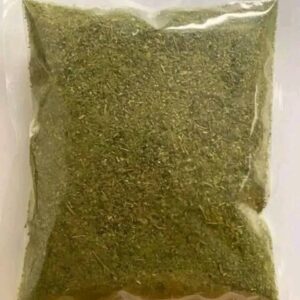
Dried Whole Gongronema Leaves — the primary form for diaspora retail and traditional food service whose whole leaf presentation enables visual botanical authentication.
Cut and Sifted (3–8mm) — the soup manufacturing and herbal infusion grade for consistent food manufacturing incorporation.
Gongronema Leaf Powder (60–80 mesh) — finely milled dried leaves for supplement capsule filling, functional food ingredient, and extract precursor.
Standardised Extract Precursor — highest-luteolin-content lots specifically selected for extract manufacturing buyers whose supplement formulation requires documented luteolin and total flavonoid content.
Benefits and Industrial Uses of Nigerian Gongronema Leaves
West African Diaspora Food Retail — Nkwobi and Ugba Cannot Be Authentic Without Utazi
The cultural food supply gap for utazi leaves in diaspora communities is arguably more culinarily specific than any other leaf documented in this series — because utazi’s role in nkwobi and ugba is not merely an aromatic herb addition but a structural flavour component whose specific bitterness quality is the defining counterpoint in both dishes:
Nkwobi — the premium Nigerian restaurant dish — cow foot simmered and spiced in palm oil, ugba, utazi leaf, and ofe seasoning — is the Nigerian restaurant and social occasion dish whose premium status in Nigerian food culture makes it the most commercially significant specific utazi application for restaurant supply buyers. Nkwobi without utazi is commercially unacceptable in any Nigerian restaurant that serves authentic Igbo or eastern Nigerian cuisine — the dish’s bitter-rich-spicy flavour balance whose commercial recognition drives premium menu pricing specifically requires utazi’s pleasant bitterness as the flavour architecture’s counterpoint element.
Ugba (oil bean salad) — fermented oil bean (Pentaclethra macrophylla) dressed with palm oil, seasoning, crayfish, and utazi leaf — is the Igbo food culture’s most distinctive fermented food product whose international recognition is growing as the global fermented food movement embraces African fermented ingredients. Authentic ugba preparation specifically incorporates fresh or dried utazi leaf whose bitter freshness balances the rich, intensely flavoured fermented oil bean. Ugba producers in diaspora markets — whose commercial production serves both retail and restaurant channels — create consistent utazi supply demand.
UK, USA, and Canadian diaspora retail — the pattern documented for uziza leaves applies with equal force to utazi: specialist West African food retailers whose Nigerian customer base creates consistent demand, informal supply through personal travel networks, and absence of reliable formal commercial supply whose inconsistency creates customer frustration that formalised Paradise MultiTrade supply specifically resolves.
For diaspora food retail buyers — contact our export team to discuss retail packaging specification and supply consistency.
Nigerian and West African Restaurant Supply
Nkwobi restaurant supply — the growing number of Nigerian restaurants across London, New York, Houston, Toronto, and Amsterdam whose nkwobi menu item creates consistent weekly utazi leaf procurement demand at food service scale. Unlike diaspora home cooks whose monthly consumption is measured in grams — restaurant operations serving nkwobi as a weekly special create consistent kilogram-scale procurement that formal supply chains serve cost-effectively.
West African food hall and catering operations — the progressive development of West African food halls, pan-African cuisine restaurants, and Nigerian catering operations creates institutional food service demand for authenticated utazi leaf whose quality consistency restaurant kitchen operations specifically require.
Ugba commercial producers — the growing commercial production of packaged ugba for diaspora retail — a West African fermented food product category whose development parallels the commercialisation of kimchi and other fermented foods in mainstream markets — creates specific utazi procurement demand from ugba manufacturers whose product authenticity requires documented utazi leaf.
Nutraceutical Supplement Industry — Antidiabetic and Hepatoprotective Positioning
The global diabetes management supplement market — tracked through Grand View Research’s blood glucose supplement market analysis at over USD 30 billion annually — creates commercial procurement demand for documented antidiabetic botanicals whose evidence base, however, extends beyond the alpha-glucosidase inhibitory mechanism documented for guava leaf and pawpaw leaf:
Alpha-glucosidase inhibitory activity — the same post-meal blood glucose peak reduction mechanism whose FOSHU-validated guava leaf application we documented in the guava leaves article — is present in G. latifolium leaf through luteolin and quercetin’s documented alpha-glucosidase inhibitory activity reviewed via NCBI’s diabetes nutrition research database. For supplement manufacturers building multi-botanical blood glucose management products — G. latifolium provides the same inhibitory mechanism alongside additional hepatoprotective and antioxidant mechanisms that create multi-dimensional metabolic health positioning beyond single-mechanism competitors.
Hepatoprotective supplement — G. latifolium leaf’s documented liver protection activity — whose animal model evidence base includes studies confirming normalisation of elevated liver enzymes (ALT, AST, ALP) in toxic-injury models — creates liver health supplement positioning complementary to the antidiabetic primary application. The global liver health supplement market — tracked through Mordor Intelligence’s liver health supplement analysis — creates specific botanical hepatoprotective ingredient procurement demand from supplement brands building liver support products.
West African botanical antidiabetic supplement — the commercial positioning of G. latifolium as a specifically West African traditional antidiabetic botanical creates geographic-origin supplement marketing that differentiates from Asian (berberine, bitter melon) and European (cinnamon, gymnema) dominant antidiabetic supplement origins — creating African botanical identity that emerging African health brand developers specifically value.
For supplement manufacturers requiring HPLC-documented luteolin and total flavonoid content — contact our team to discuss extract-grade specification.
Traditional Medicine and Herbal Medicine Manufacturing
Antimalarial herbal preparation — G. latifolium leaf’s documented in vitro antimalarial activity against Plasmodium falciparum — reviewed through NCBI’s malaria research database confirming significant parasite growth inhibition at relevant extract concentrations — creates traditional medicine application demand from West African herbal medicine practitioners whose antimalarial herbal preparations incorporate G. latifolium alongside other documented antimalarial botanicals.
Anti-inflammatory herbal product — luteolin’s COX-2 inhibitory activity creates documented anti-inflammatory mechanism documentation for herbal anti-inflammatory preparations whose traditional use for joint pain and inflammatory conditions is grounded in the same luteolin pharmacology whose commercial articulation creates herbal medicine positioning.
Detoxification and liver support herbal tea — G. latifolium herbal tea products whose hepatoprotective activity positioning creates the liver detox herbal tea category whose European herbal wellness market is documented through EHTPA and the American Herbal Products Association (AHPA).
West African traditional medicine supply — authenticated, food-safety-tested G. latifolium leaf for traditional medicine practitioners whose patient populations across Nigeria, Ghana, Cameroon, and diaspora communities create specific procurement demand from documented, quality-certified supply.
Functional Food Applications
Bitter food functional positioning — the global “bitter is better” functional food movement — whose commercial development around bitter melon, dandelion, radicchio, and other bitter functional foods reflects growing consumer appreciation for bitter compounds’ specific gastrointestinal and metabolic benefits — creates a developing market for G. latifolium as a specifically West African functional bitter food ingredient whose traditional cuisine heritage substantiates authentic bitter food positioning.
Natural bitter flavouring — G. latifolium leaf extract’s complex bitter character — more pleasant and nuanced than quinine’s sharp pharmaceutical bitterness — creates natural bitter flavouring interest for artisan beverage manufacturers developing bitter aperitif spirits, craft bitters for cocktail use, and functional bitter beverages whose African botanical ingredient story creates premium positioning.
Fermented food complement — the natural affinity between G. latifolium‘s pleasant bitterness and fermented food flavours — demonstrated empirically in the traditional ugba preparation — creates functional food formulation interest for artisan fermented food producers whose products benefit from traditional bitter herb complementation.
Why Buy Gongronema Leaves From Nigeria?
Origin Authenticity — The Indigenous Centre of Culinary and Medicinal Use
Gongronema latifolium‘s indigenous distribution in West and Central African forest zones means that Nigeria — whose southeastern forest states are both the geographical heart of the plant’s natural range and the cultural centre of the culinary traditions that create diaspora demand — represents the most authentically sourced origin. Unlike products whose African presence reflects introduction from other continents, utazi is genuinely Nigerian — whose cultivation, culinary use, and medicinal application represent continuous indigenous knowledge whose depth creates the most credible origin story available for international commercial communication.
The Phytochemical Research Heritage — Commercial Documentation for Supplement Buyers
Nigeria’s academic institutions — particularly the University of Nigeria Nsukka, University of Benin, and Obafemi Awolowo University — have been the primary sources of the pharmacological research on Gongronema latifolium accessible through NCBI and international pharmacology journals. This institutional research heritage creates a specifically Nigerian-origin pharmacological evidence base whose geographic congruence with Nigerian leaf supply creates a supply-evidence alignment that other geographic origins cannot offer. For supplement manufacturers whose product communication references the traditional use and pharmacological evidence for G. latifolium — Nigerian-origin supply is the most authentically documented choice.
The Bitterness Quality Gradient — Harvest Timing Determines Commercial Grade
G. latifolium leaf bitterness intensity — determined by the relative concentrations of saponins, alkaloids, and bitter flavone glycosides — varies with leaf age, harvest season, and cultivation conditions. Young leaves from actively growing vine tips carry higher bitter compound concentration and more intense bitterness — preferred for nkwobi and ugba applications where maximum pleasant bitterness creates optimal dish character. Older, more mature leaves carry lower bitter compound density with more balanced flavour — preferred for herbal tea applications where milder bitterness creates a pleasant infusion without overwhelming astringency. Paradise MultiTrade’s harvest grading protocol documents leaf age and bitter compound concentration through total alkaloid and saponin screening — allowing buyers to specify bitterness intensity appropriate to their application. Contact us to discuss bitterness grade specification.
Complete Export Documentation
Every gongronema leaf shipment carries phytosanitary certification from NAQS, NEPC export documentation, certificate of origin, commercial invoice, packing list, and bill of lading. We coordinate botanical species identity confirmation (Gongronema latifolium — visual morphology and TLC or HPLC botanical fingerprint, specifically distinguishing from Vernonia amygdalina and other Nigerian bitter herbs), moisture content, total flavonoid content (aluminium chloride colorimetric), luteolin and quercetin content (HPLC), total alkaloid content (gravimetric or HPLC), total saponin content, aflatoxin screening, pesticide residue multi-residue analysis to EU MRL standards per Regulation (EC) 396/2005, and microbiological safety testing following AOAC International validated procedures. EU-bound shipments comply with Regulation (EU) 2017/625 on official controls. Our NEPC Export Licence No. 0042385 and CAC Registration No. RC-9284647 are verifiable through NEPC.
Nigeria’s Gongronema Leaf Export Strength and Global Market Demand
The Global Market — Dual-Stream Commercial Development
The global market for Gongronema latifolium leaf operates across two distinct commercial streams whose combined demand creates more commercially resilient market foundation than either stream individually: the diaspora food retail stream — whose immediate commercial demand is concentrated in UK, USA, Canada, and continental European Nigerian communities — and the botanical supplement stream — whose pharmaceutical research interest and nutraceutical product development create growing procurement demand from supplement manufacturers in USA, Europe, Japan, and South Korea. The Specialty Food Association and Grand View Research’s botanical supplement market provide the most relevant intelligence frameworks within which G. latifolium‘s dual-stream commercial development is contextualised.
Key Export Destination Markets
United Kingdom — home to the largest Nigerian diaspora in Europe, creating concentrated nkwobi and ugba preparation demand. UK botanical supplement sector creates secondary procurement demand. Requirements administered by FSA and MHRA.
United States — Nigerian-American diaspora concentrated in Houston, Atlanta, and New York creating food retail demand alongside growing African botanical supplement market interest. Requirements through FDA and DSHEA supplement framework.
Canada — Toronto Nigerian diaspora community creates consistent demand tracked through CFIA.
Germany and Netherlands — growing West African diaspora and European botanical supplement manufacturing sector creating dual demand streams.
Japan and South Korea — whose functional supplement markets and growing interest in African botanicals create developing procurement demand tracked through JETRO and KATI.
UAE and Gulf States — Nigerian professional expatriate communities creating consistent demand tracked through ADAFSA.
West African Regional Market — Cameroon, Ghana, and regional Nigerian food industry creating domestic and intra-regional trade.
Why Choose Paradise MultiTrade International Limited?
Botanical Authentication — Gongronema latifolium Distinguished From Vernonia and Other Bitter Herbs. The most commercially critical quality assurance for utazi supply — whose common name “bitter herb” creates substitution risk from Vernonia amygdalina (bitter leaf) or other Nigerian bitter plants whose culinary and pharmacological properties are entirely different. TLC or HPLC botanical fingerprint confirms G. latifolium species identity before commercial acceptance. Contact us to discuss botanical authentication documentation.
Luteolin and Total Flavonoid HPLC Documentation. Luteolin content quantified by HPLC — providing the primary bioactive compound documentation for supplement manufacturers whose antidiabetic and anti-inflammatory product formulation requires documented luteolin content — and total flavonoid content by aluminium chloride colorimetric method providing the comprehensive flavonoid profile documentation for research-grade procurement. Contact us to discuss luteolin specification.
Bitterness Grade Specification — Young Leaf vs Mature Leaf. Harvest-graded supply with total alkaloid and saponin documentation confirming bitterness intensity grade — allowing buyers to specify the bitterness level appropriate for their application (high-bitterness young leaf for nkwobi and supplement use; moderate-bitterness mature leaf for herbal tea and functional food use). Contact our team to discuss bitterness grade specification.
Consistent Year-Round Supply. Perennial G. latifolium vine cultivation creates year-round harvesting potential — supplemented by dried inventory management ensuring supply availability outside peak growing season. The same year-round supply commitment documented for uziza leaves applies to utazi. Contact us to discuss supply scheduling.
Multi-Commodity Authentic West African Culinary Ingredient Sourcing. Gongronema leaf buyers frequently source complementary authentic Nigerian ingredients. Alongside gongronema leaves, Paradise MultiTrade exports bitter leaves, uziza leaves, scent leaves, ugu leaves, crayfish (dried shrimp), locust beans (iru/dawadawa), ehuru, ugba (fermented oil bean), alligator pepper, moringa leaf powder, hibiscus flower, and cashew nut kernel. Explore our full range of Nigerian export commodities — the most comprehensive formally documented West African authentic food ingredient and botanical portfolio available through one licensed export partner.
Product Specifications
| Specification | Details |
|---|---|
| Product | Nigerian Dried Gongronema Leaves (Gongronema latifolium) |
| Common Names | Utazi (Igbo), Arokeke (Yoruba), Utasi (Efik/Ibibio variant), Madumaro (some communities), African bitter herb, West African gongronema |
| Botanical Species | Gongronema latifolium Benth. (Apocynaceae — formerly Asclepiadaceae) |
| Critical Disambiguation | DISTINCT from bitter leaf (Vernonia amygdalina — onugbu), scent leaf (Ocimum gratissimum), and uziza leaf (Piper guineense). All are different plants with different culinary and medicinal properties. Botanical authentication essential. |
| Botanical Authentication | Visual morphological certificate; TLC or HPLC botanical fingerprint confirming G. latifolium (not Vernonia or other bitter herbs); species identity certificate |
| Origin | Nigeria (Enugu, Anambra, Imo, Abia, Cross River, Akwa Ibom, Rivers, Delta, Edo, Ogun States) |
| Harvesting | Year-round; young leaf tips (higher bitterness — nkwobi/supplement grade); mature leaves (moderate bitterness — herbal tea/functional food grade) |
| Forms Available | Whole dried leaves; Cut and sifted 3–8mm; Fine powder 60–80 mesh; Standardised extract precursor |
| Luteolin Content | 20–50mg per gram dry weight (HPLC) |
| Quercetin Content | 10–30mg per gram dry weight (HPLC) |
| Total Flavonoid Content | 50–100mg quercetin equivalent per gram (aluminium chloride colorimetric) |
| Total Alkaloid Content | 0.5–2.0% dry weight (gravimetric — bitterness grade indicator) |
| Total Saponin Content | 2.0–5.0% dry weight (gravimetric) |
| Total Tannin Content | 1.0–3.0% dry weight |
| Total Phenolic Content | 80–160mg GAE per gram (Folin-Ciocalteu) |
| Essential Oil Content | 0.3–0.8% dry weight (hydrodistillation) |
| Iron Content | 22–28mg per 100g dry weight |
| Calcium Content | 200–280mg per 100g dry weight |
| Moisture Content | ≤10% (whole and cut); ≤8% (powder) |
| Total Ash | ≤10% dry weight |
| Acid-Insoluble Ash | ≤2% dry weight |
| Colour | Medium to dark green (properly dried); yellowing indicates poor drying or senescence |
| Aroma | Mild, herbal, slightly bitter-aromatic — characteristic G. latifolium note |
| Taste | Pleasant bitter with mild sweet after-note — distinct from Vernonia‘s sharper, more aggressive bitterness |
| Aflatoxin | Total ≤10 ppb; B1 ≤2 ppb |
| Pesticide Residue | Multi-residue analysis to EU MRL standards — mandatory all EU-bound lots |
| Heavy Metals | Lead ≤3 ppm; Cadmium ≤0.5 ppm; Arsenic ≤1 ppm; Mercury ≤0.1 ppm — ICP-MS (supplement grade) |
| Microbiological | Salmonella absent/25g; E. coli absent/1g; Total plate count ≤100,000 CFU/g; Mould ≤1,000 CFU/g |
| Allergen Status | Gongronema leaves not among 14 major EU allergens or 9 US FDA major allergens |
| EU Novel Food Status | Not formally authorised — buyers should verify status with national food authority for food manufacturing applications; diaspora food retail practice suggests limited enforcement; supplement use may follow different pathway |
| Shelf Life | 18 months (whole and cut, sealed cool dark); 12 months (powder) |
| Packaging Options | 100g, 200g, 500g retail packs (diaspora); 1kg, 5kg food service; 10kg, 25kg manufacturing |
| Supply Capacity | 5–150 MT per year |
| MOQ | Whole leaves: 500kg; Cut and sifted: 500kg; Powder: 250kg |
| Export Documentation | Phytosanitary Certificate (NAQS), Botanical Species Identity Certificate (Gongronema latifolium confirmed — distinguished from Vernonia species), Certificate of Origin, NEPC Export Licence, Luteolin and Quercetin HPLC Certificate, Total Flavonoid Certificate, Total Alkaloid and Saponin Content Certificate (bitterness grade), Total Phenolic Certificate, Moisture and Ash Certificate, Iron and Calcium Content Certificate, Aflatoxin Certificate, Pesticide Residue Certificate (EU MRL), Heavy Metals ICP-MS Certificate (supplement grade), Microbiological Certificate, EU Novel Food Status Advisory (on request), Commercial Invoice, Packing List, Bill of Lading |
| Payment Terms | T/T, Letter of Credit (LC at sight), Escrow |
| Loading Port | Lagos (Apapa / Tin Can Island Port), Nigeria |
| Incoterms Available | EXW, FOB Lagos, CNF, CIF |
Harvesting and Export Process
Vine Management and Leaf Production. Gongronema latifolium cultivation in Nigeria’s southeastern forest states follows the same traditional vine-on-support system documented for Piper guineense — woody climbing vines managed on tree supports or purpose-built trellises in homestead plots, farm boundaries, and semi-commercial garden growing areas. The vine’s perennial growth character creates year-round leaf availability — with peak growth and maximum compound content during Nigeria’s rainy season (April–October) when active vegetative growth produces the most aromatic, most bitter, and most compound-rich leaves.
Grade Differentiation at Harvest. The bitterness grading system whose commercial value is unique among all leaf products in this series:
Young leaf grade (tips — 1st to 4th leaf from vine tip): Highest saponin, alkaloid, and bitter flavone concentration — most intense pleasant bitterness — specifically appropriate for nkwobi preparation, ugba complement, and supplement/extract manufacturing whose pharmacological activity correlates with maximum compound content.
Mature leaf grade (5th to 10th leaf position): Moderate compound concentration — milder, more balanced pleasant bitterness — appropriate for herbal tea, functional food manufacturing, and broader culinary applications whose moderate bitterness integration is preferred.
Post-Harvest Processing. Harvested leaves washed in clean potable water — removing surface dust, soil, and insect residue — and processed promptly within 2–4 hours to prevent enzymatic browning.
Drying. Hot-air cabinet drying at 45–55°C for 12–20 hours — achieving moisture below 10% while preserving heat-sensitive luteolin glycosides and alkaloids whose thermal stability allows standard drying temperatures without significant compound degradation. Above 65°C — some luteolin glycoside hydrolysis is documented in flavonoid chemistry research; temperature management below 60°C for supplement-grade material preserves maximum luteolin content. Target: ≤10% moisture for whole leaf, ≤8% for powder.
Processing to Grade. Whole dried leaves — sorted, removing damaged and discoloured material — packed directly. Cut and sifted — mechanical cutting to 3–8mm with sieve classification. Powder — hammer mill to 60–80 mesh.
Quality Testing. Moisture, botanical authentication (TLC/HPLC fingerprint), total flavonoids, luteolin and quercetin (HPLC), total alkaloids, total saponins, total phenolic, aflatoxin (ELISA), pesticide residue, microbiological — tested before export documentation. Heavy metals ICP-MS for supplement grade buyers.
Lead Times. Whole leaves from growing season production: 14–21 days. Cut and sifted: 21–28 days. Powder: 21–35 days. Full analytical panel (HPLC, alkaloids, saponins, heavy metals): add 7–10 days. Contact us to plan your supply schedule.
Frequently Asked Questions
What is utazi leaf and how is it different from bitter leaf (onugbu, Vernonia amygdalina)?
The confusion between utazi (Gongronema latifolium) and bitter leaf (Vernonia amygdalina) is the most commercially consequential botanical confusion for Nigerian cooking ingredient buyers — because both are “bitter herbs” used in Nigerian soups, and both are dried and exported through West African specialty food channels, yet they are entirely different plants with different culinary roles, different bitterness characters, and different pharmacological profiles: Utazi (G. latifolium): Large, heart-shaped leaves; pleasant, moderate bitterness with mild sweet after-note; used primarily in nkwobi, ugba, and pepper soup; bitterness does NOT need washing out — it is the desired flavour. Bitter leaf (V. amygdalina): Smaller, more elongated leaves; intensely sharp, aggressive bitterness that is specifically reduced by washing, squeezing, and boiling before culinary use; used primarily in ofe onugbu, egusi soup. The dishes that require each: Nkwobi and ugba require utazi — NOT bitter leaf. Ofe onugbu (bitter leaf soup) requires bitter leaf — NOT utazi (adding utazi would create a doubly-bitter inauthentic dish). Ordering guide: “I am making nkwobi” → order utazi (G. latifolium). “I am making ofe onugbu” → order bitter leaf (V. amygdalina). Both are available from Paradise MultiTrade as separate, authenticated products. Contact us to confirm which product your application requires.
What is the pharmacological evidence for Gongronema latifolium‘s antidiabetic activity and how strong is it?
The antidiabetic evidence base for G. latifolium — documented across four decades of West African pharmacological research accessible through NCBI’s PubMed database — is best characterised as strong preclinical evidence with limited but consistent human traditional use validation: (1) Alpha-glucosidase inhibitory activity: Luteolin and quercetin’s documented inhibition of intestinal alpha-glucosidase — the enzyme whose inhibition reduces post-meal blood glucose peaks (the same mechanism as the pharmaceutical drug acarbose and the FOSHU-validated guava leaf extract) — has been confirmed in in vitro enzyme assay studies for G. latifolium leaf extract. (2) Animal model antidiabetic effects: Multiple studies in streptozotocin-induced diabetic rats documenting significant fasting blood glucose reduction, improved glucose tolerance, and partial restoration of pancreatic beta-cell function following G. latifolium leaf extract treatment. (3) Lipid profile improvement: Reduction in total cholesterol, LDL cholesterol, and triglycerides alongside HDL cholesterol increase — documented in both diabetic and high-fat-diet animal models. (4) Antioxidant mechanism: Oxidative stress is a major pathological mechanism in diabetes progression — G. latifolium‘s documented antioxidant capacity creates a protective mechanism whose diabetes relevance is pharmacologically established through NCBI’s oxidative stress and diabetes research database. Evidence limitations: The published evidence is predominantly animal model research with limited human randomised controlled trial data — meaning the evidence supports biological plausibility and traditional use validation rather than clinical trial-level efficacy confirmation of the kind achieved for guava leaf (FOSHU approval) or papaya leaf (AYUSH approval). For supplement manufacturers — the evidence supports traditional use with preclinical evidence communication rather than health claim communication requiring human trial level evidence. Contact us to discuss supplement-grade analytical documentation.
How is utazi traditionally used in nkwobi and ugba and why is it irreplaceable in both dishes?
The specific culinary role of utazi in nkwobi and ugba — the two traditional dishes most dependent on authentic utazi — illustrates why the ingredient is culinarily non-negotiable for experienced Nigerian cooks: (1) Nkwobi: Cow foot (or snail in some preparations) is boiled until tender, then tossed in a sauce of palm oil, ground crayfish, ogiri (fermented sesame seed paste), potash (kaun/limestone water — whose specific reaction with palm oil creates nkwobi’s characteristic thick sauce), ground pepper, and — crucially — fresh or rehydrated dried utazi leaf shredded over the finished dish. The utazi’s role: its bitter freshness cuts through the richness of the palm oil-potash sauce, whose intensely rich, sticky character would be cloying without the contrasting bitterness. The dish’s flavour architecture is a deliberate tension between richness and bitterness whose balance is precisely calibrated by the quantity and quality of utazi used. (2) Ugba: Fermented oil bean whose extremely rich, intensely flavoured fermented character (oily, pungent, complex fermentation flavour) is dressed with palm oil, crayfish, salt, pepper — and shredded utazi leaf whose bitter freshness creates the counterpoint that prevents the dish’s richness from becoming overwhelming. Traditional ugba preparation wisdom: the ratio of ugba to utazi is the defining skill whose calibration separates excellent from merely adequate ugba. Too little utazi: rich, heavy, one-dimensional. Too much: overly bitter, the ugba’s complex fermentation flavour obscured. (3) Preparation guidance for dried utazi: Dried utazi leaf should be rehydrated in warm water (5–10 minutes) before use in either dish — restoring flexibility and releasing volatile aromatic compounds before the leaf is shredded and added. The rehydration step is specific to dried leaf — fresh leaf is used directly. Contact us to discuss culinary-grade specification.
What is the hepatoprotective activity of Gongronema latifolium and what supplement applications does it create?
Gongronema latifolium‘s hepatoprotective (liver-protecting) activity is one of the most specifically documented pharmacological properties in its research profile — whose evidence base creates specific liver health supplement positioning: (1) Animal model evidence: Studies in paracetamol-induced liver toxicity models — a standard experimental protocol for hepatoprotective activity assessment — document significant reduction in elevated liver enzymes (ALT — alanine aminotransferase; AST — aspartate aminotransferase; ALP — alkaline phosphatase) in animals pre-treated with G. latifolium extract before toxic challenge. These enzymes — whose blood levels increase when liver cells are damaged — are the clinical markers used in human liver function tests, making the animal model evidence clinically translatable. (2) Mechanism: The hepatoprotective mechanism is proposed to operate through antioxidant protection of hepatocyte cell membranes from oxidative stress-induced damage — luteolin and quercetin’s documented free radical scavenging activity and mitochondrial protective effects whose direct hepatocyte protection prevents the enzyme leakage that toxic challenge causes. (3) Supplement application: Liver health supplement brands developing “liver support” or “liver detox” products can incorporate G. latifolium leaf powder or extract with reference to the animal model hepatoprotective evidence and the traditional Yoruba use for liver conditions — creating a West African botanical hepatoprotective ingredient whose differentiation from the dominant silymarin (milk thistle) and TUDCA liver supplement market is both pharmacologically supported and culturally distinctive. Contact us to discuss hepatoprotective supplement-grade specification.
What is the EU Novel Food status of Gongronema latifolium leaf and how should European buyers approach compliance?
Gongronema latifolium leaf faces the same EU Novel Food regulatory challenge documented for uziza leaves and other West African botanical herbs in this series: (1) G. latifolium is not an established EU food ingredient with documented significant consumption before May 1997 — its use is concentrated in West African communities whose presence in EU member states was limited before that date. (2) Current diaspora market reality: Dried utazi is sold in West African specialist food retailers across EU member states without systematic Novel Food enforcement — reflecting the same regulatory pragmatism for small-volume diaspora foods documented throughout this series. (3) Food manufacturing vs retail risk: EU commercial food manufacturers incorporating utazi as a named ingredient at commercial manufacturing scale may face Novel Food scrutiny — particularly for functional food or supplement products making health claims. (4) Supplement pathway: THMP (Traditional Herbal Medicinal Product) registration under EU Directive 2004/24/EC potentially available for preparations with documented 30-year traditional use — requiring demonstration of 15 years EU use (challenging for G. latifolium) or derogation for non-European origins with documented traditional use outside the EU (more accessible). (5) Recommended approach: Obtain specific EU food regulatory legal advice from a botanical product specialist before commercial food manufacturing scale use in EU markets. For diaspora retail and specialist food use — current market practice suggests limited enforcement risk. Paradise MultiTrade provides EU Novel Food status advisory documentation to support buyers’ regulatory navigation. Contact us to discuss EU regulatory support.
Why is the food-medicine identity of Gongronema latifolium commercially significant for supplement brands?
The specific commercial significance of G. latifolium‘s food-medicine compound identity — where the same compounds creating culinary bitterness create documented pharmacological activity — is commercially exploitable in ways that neither purely culinary nor purely medicinal botanicals individually achieve: (1) Traditional use evidence depth: When the same compounds appear in the same cultural context as both food and medicine — as they do in G. latifolium where Igbo cooks and Igbo herbalists have used the same leaf for culinary and therapeutic purposes in the same communities for the same centuries — the traditional use evidence base is uniquely deep. Traditional use evidence for supplement regulatory purposes (EU THMP framework, US DSHEA traditional use communication) is specifically strengthened by cultural dietary use documentation alongside medicinal use documentation — because dietary consumption frequency and dosage documentation is more complete than medicinal use records. (2) Clean functional food positioning: The fact that G. latifolium is a traditional food ingredient — consumed in nkwobi and ugba as a normal dietary component — creates clean “functional food” rather than “pharmaceutical supplement” positioning that some consumer markets specifically prefer. A supplement whose active ingredient is also a traditional food enjoys a naturalness credential that isolated pharmaceutical compounds cannot communicate. (3) Dual market access: A single ingredient supply programme serves both diaspora food retail (through culinary demand) and supplement manufacture (through pharmacological demand) — creating commercial resilience whose dual market foundation protects supply programme economics from single-market fluctuation. Contact us to discuss how to structure procurement for dual culinary and supplement market applications.
What transit times should I expect from Nigeria?
Dried gongronema leaves in all forms (standard dry container — no temperature control required): UK (Tilbury, Felixstowe) — 14–18 days from Lagos. Netherlands (Rotterdam) — 14–18 days. Germany (Hamburg) — 14–20 days. France (Le Havre) — 14–18 days. Italy (Genoa, Naples) — 12–16 days. USA (East Coast — New York, Baltimore, Houston) — 18–25 days. Canada (Toronto via Halifax or Montreal) — 18–28 days. UAE (Jebel Ali) — 10–14 days. Japan (Yokohama) — 25–32 days. South Korea (Busan) — 30–38 days. Ghana (Tema) — 3–5 days. Air freight (UK Heathrow) — 2–3 days total (recommended for urgent diaspora retail restocking). Air freight (USA JFK/Houston) — 3–4 days total. Packaging note: Dried gongronema leaf’s volatile essential oil and heat-sensitive luteolin glycoside content requires sealed moisture-barrier packaging (inner polyethylene liner within outer kraft bag) preventing moisture ingress and light-induced flavonoid degradation during transit. Powder grade: nitrogen-flushed sealed packaging preserving maximum compound integrity. Add 7–10 days for full analytical panel (luteolin HPLC, alkaloid content, saponin content, heavy metals ICP-MS) before loading for supplement-grade lots. Contact us to plan your complete logistics programme.
Ready to Source Nigerian Gongronema Leaves (Utazi) — Whole Dried Leaves, Cut and Sifted Grade, and Supplement Powder — With Botanical Authentication (Gongronema latifolium Distinguished From Vernonia amygdalina), Luteolin and Total Flavonoid HPLC Documentation, Alkaloid and Saponin Bitterness Grade Certification, Consistent Year-Round Supply, and Full Food Safety Documentation for West African Diaspora Food Retailers, Nigerian Restaurant Chains, Traditional Food Manufacturers, Antidiabetic and Hepatoprotective Supplement Brands, and Global Specialty Buyers?
If you are a West African diaspora food retailer in the UK, USA, Canada, or continental Europe whose Nigerian Igbo, Efik, or Ibibio customer base demands authenticated, food-safety-certified utazi leaves for nkwobi and ugba preparation through formal commercial channels with year-round consistent availability eliminating the stockout pattern that informal travel-based supply creates, a Nigerian or West African restaurant chain whose nkwobi menu requires consistent, authentic dried utazi leaf supply at commercial kitchen volumes whose weekly procurement needs formal supply chain documentation and reliability that informal procurement cannot provide, a traditional food manufacturer developing packaged nkwobi seasoning kits, commercial ugba products, or authentic Nigerian soup bases whose formulation specifically requires dried Gongronema latifolium leaf with botanical authentication and food safety certification for legitimate commercial food product labelling, a nutraceutical supplement brand developing antidiabetic support, liver health, anti-inflammatory, or African botanical wellness products incorporating Gongronema latifolium extract whose luteolin HPLC documentation, total alkaloid content, and hepatoprotective pharmacological evidence reference your product dossier and label communication, a natural food manufacturer developing functional bitter food products, craft bitters for cocktail and aperitif applications, or fermented food complement ingredients whose West African botanical bitter herb ingredient requires authenticated botanical identity and documented phytochemical profile, a pharmaceutical research institution sourcing authenticated G. latifolium leaf for luteolin isolation, saponin fractionation, or alkaloid characterisation research whose material quality requires botanical species confirmation and documented compound content, or a global specialty botanical ingredient trader building supply positions in the most pharmacologically documented underexported West African culinary herb as African botanical ingredient awareness reaches the global supplement and functional food manufacturing sector — Paradise MultiTrade International Limited is the licensed Nigerian exporter your gongronema leaf supply programme needs.
We supply Nigerian Gongronema latifolium utazi leaves — whole dried leaves, cut and sifted grade, supplement powder, and extract precursor — from Enugu, Anambra, Imo, Cross River, and Rivers State southeastern forest belt production, botanical species authenticated by TLC/HPLC fingerprint distinguishing G. latifolium from Vernonia amygdalina and other bitter herbs, luteolin and quercetin HPLC certified, total alkaloid and saponin bitterness grade documented, total phenolic Folin-Ciocalteu measured, aflatoxin ELISA tested, EU pesticide residue MRL compliant, heavy metals ICP-MS for supplement and pharmaceutical grade, EU Novel Food status advisory provided, year-round supply commitment from cultivation-sourced production, and exported with full botanical and food safety documentation to buyers in every major regulated destination market.
Request a Quotation — share your required form (whole leaves, cut and sifted, or supplement powder), botanical authentication documentation requirement, bitterness grade specification (young leaf high-bitterness or mature leaf moderate-bitterness), luteolin content minimum, alkaloid documentation need, volume, application (diaspora food retail, restaurant supply, food manufacturing, antidiabetic supplement, hepatoprotective supplement, bitter food ingredient, pharmaceutical research), destination market, and preferred incoterms. We respond within 48 hours.
Contact Our Export Team — speak directly about botanical authentication distinguishing G. latifolium from Vernonia and other Nigerian bitter herbs, luteolin HPLC documentation for supplement antidiabetic positioning, alkaloid and saponin bitterness grade for culinary specification, hepatoprotective supplement dossier documentation, EU Novel Food regulatory navigation, nkwobi and ugba preparation guidance for diaspora retail packaging, year-round supply scheduling, combined utazi and bitter leaf procurement for buyers requiring both, and long-term supply programme structuring.
Explore Our Full Product Range — alongside gongronema leaves, Paradise MultiTrade exports bitter leaves, uziza leaves, scent leaves, ugu leaves, crayfish (dried shrimp), locust beans (iru/dawadawa), ehuru, alligator pepper, hibiscus flower, moringa leaf powder, cashew nut kernel, and raw cashew nuts. One licensed Nigerian exporter. One consolidated West African authentic culinary herb, bitter botanical, indigenous spice, traditional food ingredient, and nutraceutical sourcing relationship — from the bitter herb whose food-medicine compound identity represents the most intellectually compelling food-medicine continuum in West African ethnobotany to the most comprehensively documented Nigerian food and botanical export portfolio available through a single licensed export partner.
Paradise MultiTrade International Limited | NEPC Export Licence No. 0042385 | CAC No. RC-9284647 | Lagos, Nigeria | www.paradisemultitrade.com
Reviews
There are no reviews yet.