
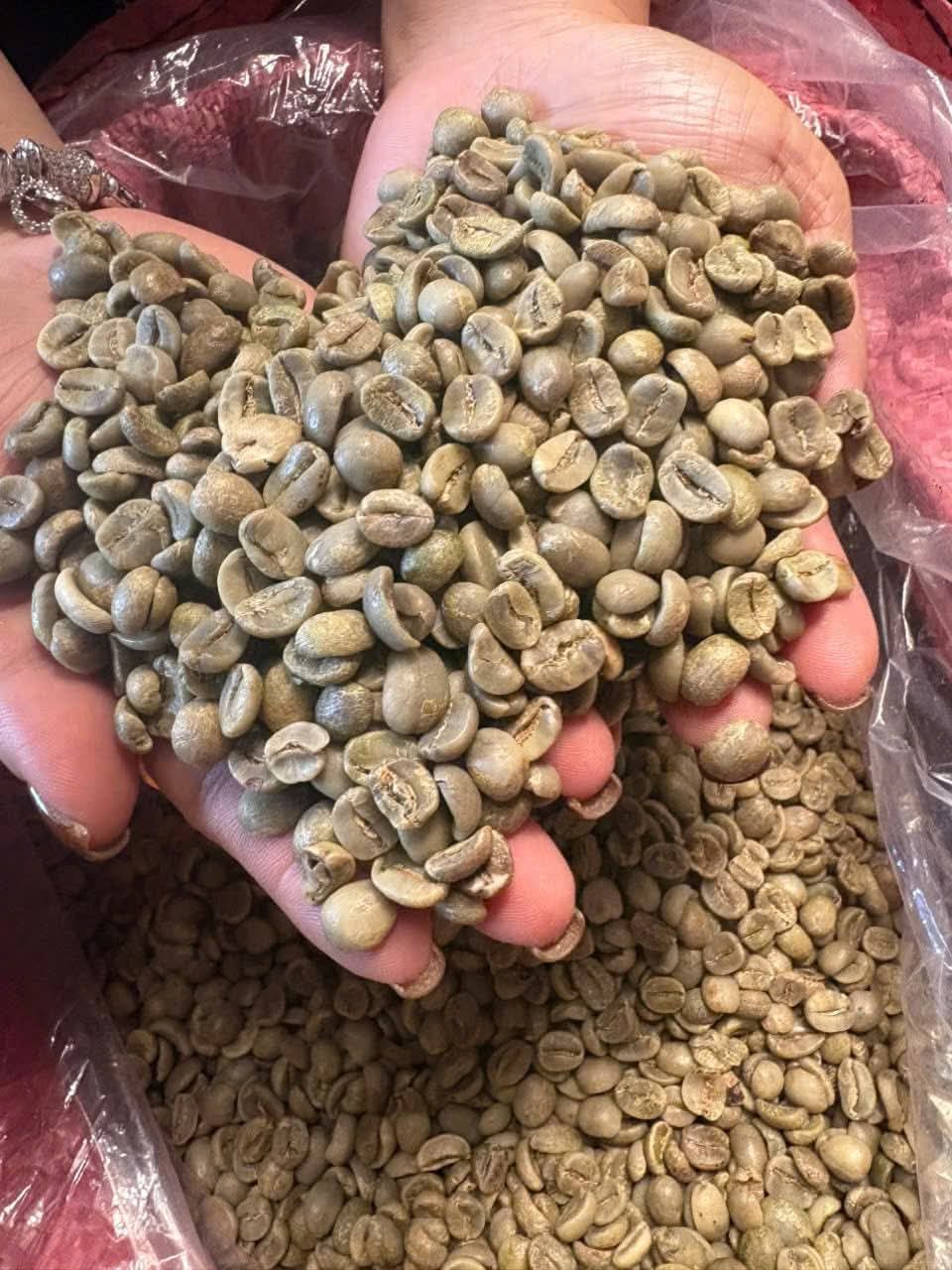

West African Coffee: The Cameroon Highland Arabica Whose Volcanic Growing Conditions, 1,200–2,000 Metre Altitude Zones, and Complex Cup Profile Place It in Direct Agronomic Competition with Ethiopia and Kenya — Yet Whose Commercial Discovery by the Specialty Roasting Community Remains Sufficiently Incomplete That the Price Premium Its Quality Deserves Has Not Yet Been Fully Established in the International Market
Coffee Exporter Nigeria — West African Green Coffee Beans, Cameroon Highland Arabica and Lowland Robusta, Washed and Natural Process, Direct West African Regional Sourcing, Bulk Supply to Specialty Coffee Roasters, Coffee Importers, Espresso Blend Manufacturers, Instant Coffee Producers, and Global Commodity Coffee Wholesale Buyers Worldwide
Coffee exporter Nigeria is a search phrase whose commercial context requires immediate transparency before any product description, origin story, or cup profile analysis begins: Paradise MultiTrade International Limited is a Nigerian-licensed exporter whose coffee supply programme sources green coffee beans from Cameroon and neighbouring West African producing countries — aggregated through our Nigerian commercial infrastructure, exported under our NEPC export licence, and supplied to international roasters and coffee buyers who want access to West African specialty coffee through a formally documented, food-safety-compliant, single-exporter sourcing relationship.
This transparency matters commercially because it distinguishes two important things: what Paradise MultiTrade is, and what the coffee is. We are a Nigerian-headquartered commodity aggregator and exporter. The coffee is West African — primarily from Cameroon’s volcanic highland producing zones and selected neighbouring producing territories — whose specific growing conditions, processing traditions, and cup profiles are the commercial product that international specialty roasters, importers, and wholesale buyers are evaluating when they engage with our coffee programme.
The commercial opportunity whose existence justifies this article — and the reason a West African coffee sourcing conversation through Paradise MultiTrade is commercially interesting to sophisticated coffee buyers — is a specific and documentable market inefficiency: Cameroon grows Arabica coffee at altitudes of 1,200–2,000 metres above sea level on volcanic basalt soils in the Bamenda Highlands, the Bafoussam plateau of the West Region, and the Adamawa plateau — growing conditions whose combination of altitude, rainfall pattern, diurnal temperature variation, and soil mineral profile are agronomically comparable to the Ethiopian and Kenyan highland zones whose Arabica coffees command the specialty market’s highest price premiums. The cup profiles that Cameroon highland Arabica produces — documented by Cup of Excellence-affiliated tasting panels and by specialty importers including Sucafina and Olam Coffee — include the floral aromatics, fruit-forward brightness, and complex finish that specialty roasters specifically seek. And yet Cameroon’s coffee — unlike Ethiopian Yirgacheffe, Kenyan AA, or Rwandan Bourbon — remains commercially underpriced relative to its quality because the specialty coffee community’s sourcing narrative has not yet fully incorporated West Africa into the origin story it tells its consumers.

This commercial timing creates the first-mover sourcing opportunity that informed specialty roasters and importers are beginning to act on — and that Paradise MultiTrade’s West African coffee programme is positioned to supply with the documentation, consistency, and logistical infrastructure that formal commercial buyer relationships require.
To discuss sourcing immediately, request a quotation here and our export team responds within 48 hours.
History and Origin of West African Coffee — From Colonial Plantation Introduction Through Production Decline to Specialty Revival
Coffee in West Africa — The German and French Colonial Agricultural Heritage
The commercial history of coffee in West Africa — and specifically in Cameroon, the primary source of Paradise MultiTrade’s coffee programme — is inseparable from the colonial agricultural development programmes that European powers implemented across their West and Central African territories in the late 19th and early 20th centuries.
Coffea arabica was introduced to Cameroon during the German colonial period (Kamerun was a German protectorate from 1884 to 1916) — with experimental plantation development in the highland zones of what is now the West and Northwest Regions, where German colonial administrators recognised the botanical similarity between the Bamenda Highlands’ volcanic soil and altitude conditions and those of established East African Arabica-growing territories. After Germany’s defeat in World War I, Cameroon was divided between French and British administration — and both colonial powers continued and expanded coffee cultivation: the French developing Arabica in the highland zones of their mandate territory and Robusta in the lowland forest zones, while the British expanded coffee cultivation in the Northwest and Southwest Regions under their mandate.
By the 1970s and 1980s, Cameroon had become one of sub-Saharan Africa’s most significant coffee exporters — documented through FAO historical production statistics at peak annual production exceeding 150,000 metric tonnes of green coffee equivalent, making it a commercially significant origin in the international coffee trade. The International Coffee Organization (ICO) — whose records document Cameroon’s historical trade volumes and current production recovery trajectory — confirms Cameroon’s established position in the international coffee trade framework, whose institutional infrastructure facilitates formal export documentation.
The production decline that followed price liberalisation in the 1990s — when the dissolution of cooperative marketing structures and the collapse of international coffee prices under the failure of the International Coffee Agreement created severe economic disincentives for smallholder coffee farming across West and Central Africa — is well documented through ICO historical market data. Production fell from peak levels to approximately 30,000–50,000 metric tonnes annually by the 2000s — a decline driven by economic factors rather than agronomic capacity.
The contemporary specialty coffee revival in Cameroon’s highland producing zones — driven by direct trade relationships between international specialty roasters and Cameroonian farmer cooperatives, by the Common Fund for Commodities (CFC)-supported highland coffee development programmes, and by the progressive recognition in the specialty coffee community of West African Arabica’s commercial potential — is creating the commercial conditions whose exploitation Paradise MultiTrade’s sourcing programme is specifically designed to support.
Cameroon’s Coffee Geography — Two Distinct Commercial Origins
Highland Arabica Producing Zones:
The Bamenda Highlands (Northwest Region) — altitude 1,400–2,000m, volcanic basalt soils, 1,500–2,000mm annual rainfall with distinct wet and dry seasons creating the stress-recovery growing cycle that Arabica coffee’s complex flavour development requires. The UCCAO (Union Centrale des Coopératives Agricoles de l’Ouest) and related northwest cooperatives manage the most commercially organised highland Arabica supply whose documentation and traceability infrastructure provides the lot-level provenance that specialty roasters require for single-origin product positioning.
The Bafoussam / West Region Highlands — altitude 1,200–1,600m, Bamileke plateau’s fertile volcanic soils, the most densely populated Arabica producing zone with the longest continuous farming tradition and the most developed processing infrastructure. The characteristic fruit-forward, medium acidity, complex floral finish cup profile documented in West Region Arabica through specialty tasting panels is the commercial quality credential that positions this origin alongside mid-tier Ethiopian specialty grades.
The Adamawa Plateau — altitude 1,000–1,400m, Nigeria’s border region, producing Arabica whose geographic proximity to Nigerian commercial aggregation infrastructure makes it particularly accessible through Paradise MultiTrade’s cross-border sourcing programme.
Lowland Robusta Producing Zones:
The Center, South, and Littoral Regions — lowland humid forest zones below 800m altitude producing Coffea canephora (Robusta) whose high caffeine content, bold body, and earthy character create commercial value in espresso blend formulation, instant coffee manufacturing, and the cost-economic blending that commercial roasters use to manage margin across their product ranges.
What Is West African Coffee? The Botanical Profile, Variety Landscape, Processing Methods, and Commercial Product Range
Coffea Arabica and Coffea Canephora — The Two Commercial Species and Their Distinct Commercial Roles
Coffea arabica (Arabica coffee) — the premium species whose beans constitute approximately 60–70% of global coffee production by value, grown at altitude in the highland regions of Cameroon’s West, Northwest, and Adamawa zones. Arabica’s specific biochemical advantages over Robusta: lower caffeine content (0.8–1.4% versus Robusta’s 1.7–4%), higher sugar content (creating the sweetness and caramelisation that specialty roasters develop through roast profiles), more complex aromatic compound portfolio (including hundreds of volatile organic compounds contributing to floral, fruity, and chocolate aroma notes), and the acidity that distinguishes fine coffee from commodity beverage. Research on Arabica’s flavour chemistry published through NCBI’s food chemistry database and curated through Specialty Coffee Association (SCA) sensory science publications confirms Arabica’s biochemical superiority for specialty applications.
Coffea canephora var. robusta (Robusta coffee) — the high-yield, high-caffeine, climate-resilient species whose commercial value lies in espresso blend formulation (where Robusta’s crema-generating properties and bold body complement Arabica’s aromatics) and instant coffee manufacturing (where Robusta’s higher soluble solids content improves yield economics per tonne of green bean input). Cameroon’s lowland Robusta — growing at altitudes below 800m in the humid forest zones of the Center and South Regions — produces beans whose cup profile, while not appropriate for specialty single-origin positioning, meets the commercial espresso blend and industrial coffee manufacturing specifications that account for approximately 40% of global green coffee procurement by volume.
The Cup Profile — What Specialty Buyers Are Purchasing
Cameroon Highland Arabica’s cup profile — documented through professional cupping evaluations conducted by importers including Sucafina, Olam Coffee, and independent specialty traders — typically presents:
Aroma: Florals (jasmine, magnolia in the finest examples), fruit (stone fruit, tropical notes in wet-processed material), chocolate and nutty undertones in naturally processed material
Flavour: Medium to complex sweetness, chocolate base with fruit overlay, gentle spice notes in some Adamawa plateau material
Acidity: Medium, citric to malic — bright but not aggressive in well-processed washed lots; subdued and sweet in natural process material
Body: Medium to full — heavier body than Ethiopian Yirgacheffe, lighter than Kenyan AA, comparable to Colombian mid-range specialty
Aftertaste: Clean to lingering in well-processed washed material; complex and fruit-forward in natural process lots
SCA Score Range: Well-sourced highland Cameroon lots consistently score 82–87 SCA points through professional cupping — within the specialty grade threshold (above 80 SCA points) and approaching the premium specialty range (85+ SCA points) for exceptional lots from the highest altitude, most carefully processed material.
Research on West African Arabica cup quality documented through NCBI’s food science and flavour chemistry publications and cupping intelligence from Coffee Quality Institute (CQI) confirms West African highland Arabica’s specialty commercial viability.
Varieties — Bourbon, Typica, and Local Selections
Bourbon — the most commercially significant Arabica variety in Cameroon’s highland zones, introduced through the East African trade route and specifically adapted to the Bamenda Highlands’ altitude and rainfall conditions. Bourbon’s documented cup quality — its sweetness, complex aromatics, and balanced acidity — is the variety characteristic that most contributes to Cameroon Highland Arabica’s specialty positioning.
Typica — the historically first-planted variety in Cameroon during the German colonial period, whose presence in established highland farms represents the oldest continuous coffee cultivation heritage in the country. Typica’s characteristically low yield per tree is compensated by its clean, classic cup profile whose delicacy distinguishes it from higher-yielding but less complex hybrids.
Catimor and hybrid varieties — disease-resistant hybrid varieties introduced through government and NGO replanting programmes whose higher yield compensates for somewhat less complex cup profiles — appropriate for commercial-grade rather than specialty-grade positioning.
Three Commercial Processing Methods
Washed (Wet) Process — the most commercially significant processing method for Cameroon Highland Arabica’s specialty positioning: fresh cherry is pulped immediately after harvest (removing the outer fruit skin), fermented in water for 12–36 hours to break down the mucilage layer, washed in clean water, and dried on raised African beds until moisture content falls below 11.5%. Washed processing produces the clearest, brightest cup expression — maximising the floral and fruit aromatics that specialty roasters specifically seek — and is the processing standard for premium single-origin specialty green bean lots. Research on wet processing’s cup quality impact published through NCBI food science and the SCA’s processing science resources documents washed processing’s specific flavour advantages for highland Arabica.
Natural (Dry) Process — whole cherry harvested and dried without pulping — the fruit skin and mucilage remaining in contact with the bean throughout the 3–6 week drying period, infusing the bean with fermented fruit flavours, sweetness, and body that produce distinctive chocolate and tropical fruit cup notes. Natural process Cameroon Arabica is less common than washed but creates a commercially distinctive product whose unique cup profile differentiates it from standard washed African Arabica in specialty retail positioning.
Honey Process — partial mucilage removal (between fully washed and fully natural) creating intermediate cup profiles — less common in Cameroon than in Central American producers but developing as a processing option in highland cooperative processing stations.
Benefits and Industrial Uses of West African Coffee
Specialty Coffee Roasters — The First-Mover Origin Opportunity
The global specialty coffee market — tracked through Grand View Research’s specialty coffee market analysis at over USD 50 billion annually with compound growth of 8–10% — is structured around origin discovery as one of its primary commercial mechanisms: specialty roasters differentiate their product by sourcing from origins whose specific terroir, variety, processing, and farmers’ story create the narrative that justifies premium consumer pricing above commodity coffee.
The specialty coffee community’s East Africa origin dominance — Ethiopia (Yirgacheffe, Sidama, Guji), Kenya (Kirinyaga, Nyeri, Embu), Rwanda, Burundi, and Uganda collectively monopolising the “African specialty coffee” commercial narrative — has left West African Arabica origins commercially undervalued relative to their agronomic potential. Cameroon’s highland Arabica’s agronomic comparability to East African specialty origins — documented volcanic soil chemistry, comparable altitude ranges, similar Bourbon variety heritage — creates the commercial arbitrage that the specialty roasting community’s discovery dynamic will progressively close.
Specialty single-origin positioning — Cameroon Highland Arabica marketed as a single-origin product under the specific regional designation (Northwest Region / Bamenda Highlands, West Region / Bafoussam) — creates the terroir-specific origin story that specialty retail consumers respond to. The Specialty Coffee Association (SCA) and Coffee Quality Institute (CQI) provide the sensory evaluation frameworks within which West African specialty grades are progressively being documented — building the institutional coffee science foundation that specialty origin positioning requires.
Traceable lot sourcing for third-wave roasters — Paradise MultiTrade’s cooperative-level sourcing relationships provide the lot-level traceability — cooperative name, altitude, variety, processing method, harvest date — that third-wave specialty roasters require for product label communication to their discerning consumer base.
For specialty coffee roaster buyers evaluating West African Arabica, contact our export team to discuss SCA cupping score documentation and lot-level traceability.
Commercial Coffee Importers and Green Bean Traders
The international green coffee import infrastructure — whose major participants include Sucafina, Olam Coffee, Volcafe, ECOM Coffee, and hundreds of independent specialty importers — creates the primary commercial buyer community for large-volume and medium-volume green coffee procurement. For importers building West African origin positions — whether for specialty differentiation or supply diversification from East African dominant origins — Paradise MultiTrade’s aggregated West African supply provides documented quality, consistent volume, and the formal export documentation that professional importers require.
Supply diversification from East African dominance — specialty importers whose existing African coffee positions are concentrated in Ethiopian and Kenyan origins face the same supply concentration risk we have documented across this series. Ethiopia’s political instability, Kenya’s increasingly complex quality certification bureaucracy, and Rwanda’s small production scale collectively create the diversification motivation that West African specialty origins — specifically Cameroon — are positioned to meet. Contact our team to discuss building West African coffee origin positions.
Espresso Blend Manufacturers — The Robusta Commercial Market
European and American espresso blend manufacturers — whose commercial roasting operations produce blended espresso for food service, capsule/pod systems, and commercial grocery retail — create consistent, high-volume procurement demand for Robusta green beans whose caffeine content, crema-generating properties, and cost-economic contribution to blend formulation define commercial espresso’s sensory and economic architecture:
Italian espresso blend tradition — the traditional southern Italian espresso blend formula (70–80% Arabica + 20–30% Robusta) whose specific use of Robusta for crema persistence, caffeine intensity, and body richness creates commercial procurement demand for quality Robusta at specification. West African Robusta from Cameroon’s lowland forest zones — whose cup profile provides the earthy, bold character that the Italian espresso tradition specifically values — creates commercial interest from Italian and European blend manufacturers tracked through the Italian Espresso National Institute (INEI).
Capsule and pod coffee manufacturing — the global growth of single-serve coffee systems (Nespresso, Dolce Gusto, Keurig) tracked through Mordor Intelligence’s coffee capsule market report at over USD 20 billion annually — whose blend formulations for compatibility across different machine pressure systems specifically value Robusta’s high soluble solids content — creates industrial coffee manufacturing procurement demand for consistent, well-documented Robusta supply.
For espresso blend manufacturers evaluating West African Robusta, contact our team to discuss blend specification and Robusta cup profile documentation.
Instant Coffee Manufacturing — Robusta’s Industrial Application
The global instant coffee market — tracked through Grand View Research’s instant coffee market analysis at over USD 14 billion annually — uses Robusta as the primary green bean input for both spray-dried and freeze-dried instant coffee production because Robusta’s higher soluble solids content (30–35% versus Arabica’s 25–28%) delivers more instant coffee powder per tonne of green bean input — the yield economics that make Robusta the preferred industrial coffee manufacturing raw material. Cameroon Robusta’s cup strength and caffeine intensity also contribute to the perceived strength that instant coffee consumers associate with a satisfying coffee experience.
Fairtrade and Organic Premium Coffee Market
The global ethical coffee certification market — whose Fairtrade-certified, organic-certified, and direct-trade coffee products command significant consumer price premiums documented through Fairtrade International’s annual coffee market data — creates specific procurement interest in West African coffee whose smallholder farming systems have the structural characteristics that certification programmes target:
Smallholder production structure — Cameroon’s highland coffee production is almost entirely smallholder-based, with average farm sizes of 0.5–3 hectares whose collective cooperative marketing structure is directly analogous to the Fairtrade certification model’s intended beneficiary structure. Fairtrade Africa and Rain Forest Alliance both operate certification programmes in Cameroonian coffee-producing regions — providing the ethical sourcing credentials that socially-conscious specialty coffee brands require.
Organic certification potential — Cameroon’s smallholder coffee farms — whose traditional low-input farming systems use minimal synthetic pesticides and fertilisers due to economic rather than ideological considerations — present the same structural organic certification advantage we documented for Nigerian sesame, neem, and moringa. The base of minimal-input traditional farming that characterises Cameroon’s highland coffee systems means that organic certification is primarily a documentation and verification process rather than a fundamental farm management change. For specialty roasters whose product positioning specifically communicates “organic” credentials — West African organic certified Arabica provides a premium positioning opportunity.
Why Source West African Coffee Through Paradise MultiTrade?
The West African Origin Transparency — Why Our Sourcing Model Matters
Paradise MultiTrade is explicit about its coffee sourcing model: we are a Nigerian-licensed exporter who aggregates West African coffee — primarily from Cameroon’s highland Arabica zones and lowland Robusta zones — through our commercial network that spans Nigeria, Cameroon, and neighbouring West and Central African producing territories. This transparency is not a commercial weakness. It is the foundation of the long-term buyer relationships that commodity integrity requires.
The commercial value we provide is not “Nigerian-grown coffee” — it is: (a) aggregated, quality-documented West African specialty and commercial green coffee from specific producing zones; (b) exported with full NEPC documentation, phytosanitary certification, and ICO export certification from Nigeria’s formal commercial export infrastructure; (c) supplied with the food safety, analytical, and traceability documentation that regulated import markets in Europe, the USA, and Japan require; and (d) managed by a licensed, SCUML-certified Nigerian exporter whose commercial accountability provides the formal trade relationship security that informal West African coffee trade cannot offer.
For buyers who want West African coffee and who want it with formal export documentation, consistent quality management, and a single accountable commercial partner — Paradise MultiTrade’s model delivers exactly this. Contact our team to discuss our sourcing model.
The Underpriced Origin Opportunity
The commercial argument for building West African Arabica origin positions now — before the specialty coffee community’s full discovery of Cameroon’s highland quality — is the most directly applicable first-mover opportunity in our portfolio. Specialty coffee’s origin discovery dynamic is well documented: an origin identified as producing comparable quality to established premium origins at lower green bean pricing attracts early adopter specialty roasters, creates demand pressure that progressively raises farm gate and FOB prices toward quality parity with established origins, and rewards early buyers with below-market pricing for above-market quality.
Ethiopian Yirgacheffe’s commercial price trajectory — from commodity-priced undiscovered origin to premium specialty pricing — is the historical precedent whose pattern is progressively repeating in Rwanda, Burundi, Uganda, and is now beginning in Cameroon. For specialty coffee buyers who want to act on this pattern before Cameroon highland Arabica’s price fully reflects its quality — the commercial window is open now. Contact us to discuss green bean pricing and lot availability.
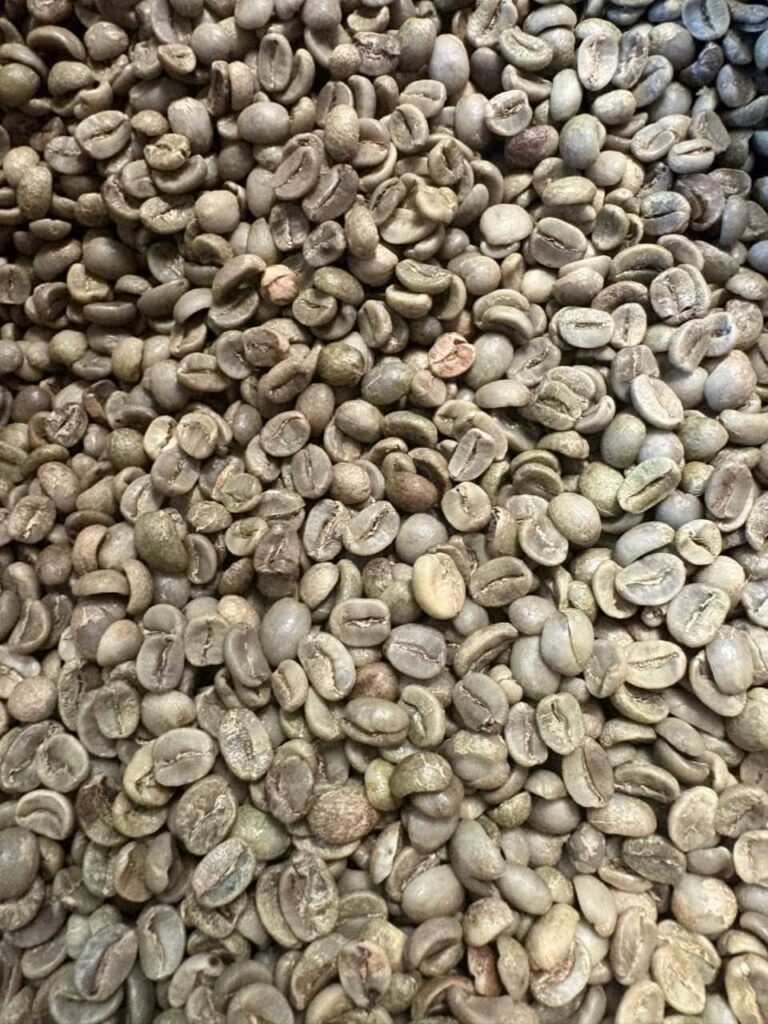
ICO Documentation and Export Certification
Every coffee shipment from Paradise MultiTrade is exported with the complete formal documentation that regulated coffee importing markets require:
ICO Certificate of Origin — the International Coffee Organization‘s export certification confirming the producing country of origin, green coffee quantity, and export authorisation — required by ICO-member importing country coffee trade associations for import customs processing.
Phytosanitary Certificate — issued by the relevant agricultural authority confirming freedom from quarantine pests and compliance with the importing country’s plant health requirements.
NEPC Export Documentation — Paradise MultiTrade’s NEPC Licence No. 0042385 covers the export of agricultural commodities including coffee through Nigerian commercial infrastructure.
Grade and Outturn Report — professional green coffee grading report confirming screen size, defect count, moisture content, and density — the commercial grade documentation that importers use for contract specification verification.
Certificate of Analysis — moisture content, defect count, and on request: pesticide residue analysis to EU MRL standards (Regulation (EC) 396/2005), mycotoxin (ochratoxin A) analysis per Commission Regulation (EC) 1881/2006, and full cupping score documentation by Q-graded cuppers for specialty-grade lots.
Our NEPC Export Licence No. 0042385 and CAC Registration No. RC-9284647 are verifiable through NEPC.
The Global Coffee Market and Key Destination Markets
The Global Market — The World’s Second Most Traded Commodity
The global coffee market — tracked through ICO’s annual coffee market report, Grand View Research’s global coffee market analysis, and USDA FAS coffee production estimates — is valued at over USD 100 billion at retail and over USD 40 billion in green bean trade. The Specialty Coffee Association (SCA)‘s annual State of the Specialty Coffee Industry report and the Coffee Quality Institute (CQI)‘s certification and cupping science programme provide the institutional frameworks for specialty grade coffee’s progressive commercial development.
The ICO’s coffee production and trade statistics confirm West African and Central African coffee’s presence in international trade — with Cameroon maintaining ICO member status whose export data provides the institutional trade documentation framework for formal coffee export.
Key Export Destination Markets
Germany — the European Union’s largest coffee importing and consuming market, whose sophisticated specialty coffee retail sector (including established roasters such as Tchibo, Jacobs/Jacobs Douwe Egberts, and hundreds of independent specialty roasters) and commercial espresso blend manufacturing industry create combined specialty and commercial grade green coffee procurement demand. German food import requirements for coffee are administered by BVL with specific attention to ochratoxin A (OTA) compliance under EU Commission Regulation (EC) 1881/2006 (maximum 5 ppb OTA in roasted coffee).
Italy — the world’s most commercially sophisticated espresso culture, whose blend manufacturing industry creates specific West African Robusta procurement demand, and whose growing third-wave specialty roasting community creates developing West African Arabica interest. Italian coffee import requirements are administered through the Italian Espresso National Institute (INEI).
The United Kingdom — the UK’s rapidly growing specialty coffee retail sector and established commercial roasting industry (including Lavazza UK, Illy UK, and hundreds of independent specialty roasters) create combined demand for both specialty-grade West African Arabica and commercial-grade Robusta. UK coffee import requirements administered by FSA.
The United States — the world’s largest single-country coffee consumer market, whose specialty coffee third-wave retail sector (Blue Bottle, Stumptown, Intelligentsia, and thousands of independent specialty roasters) creates growing demand for undiscovered origin Arabica — precisely the commercial context where Cameroon Highland Arabica’s quality-to-price relationship creates buyer interest. US coffee import requirements administered through FDA and USDA APHIS.
Japan — whose extraordinary per-capita specialty coffee consumption and premium natural product market create the most commercially receptive single Asian market for West African specialty Arabica. Japanese coffee import intelligence tracked through JETRO and the All Japan Coffee Association (AJCA).
South Korea — whose among the world’s most vibrant specialty coffee cultures and rapidly developing third-wave roasting community creates growing demand for undiscovered specialty origins tracked through KATI.
France — whose café tradition and growing specialty coffee market create developing demand for West African Arabica whose Francophone West African connection (France’s historical relationship with Cameroon through the French mandate period) creates specific cultural market access relevance.
Why Choose Paradise MultiTrade International Limited?
Transparent Sourcing, Formal Documentation. We are explicit about our West African aggregation model — sourcing highland Arabica and lowland Robusta from Cameroon’s primary producing zones through documented cooperative and direct relationships. Every lot is traceable to the specific producing cooperative, region, altitude, variety, and processing method — providing the supply chain transparency that formal coffee importers and specialty roasters require. Contact us to discuss lot-level traceability documentation.
Both Species, Both Processing Methods, All Grades. Highland Arabica (washed, natural, and honey process) and lowland Robusta (natural process, commercial grade) — from the same West African regional sourcing network. Specialty-grade Arabica lots (82–87 SCA points documented by Q-grader cupping) alongside commercial-grade commodity Arabica and Robusta — allowing buyers to specify exactly the quality tier that their procurement programme requires. Contact us to discuss grade specification.
Ochratoxin A Testing for EU-Bound Lots. EU Commission Regulation (EC) 1881/2006 sets a maximum of 5 ppb ochratoxin A (OTA) in roasted coffee and 10 ppb in green/raw coffee — the primary food safety compliance requirement for EU coffee imports. We coordinate OTA testing through accredited food safety laboratories as standard for all EU-bound green coffee shipments. Contact us to discuss EU food safety compliance.
Q-Grader Cupping Scores for Specialty-Grade Lots. Specialty-grade Arabica lots are cupped by CQI-certified Q-graders — providing SCA protocol cupping scores and sensory notes whose professional credibility specialty roasters require for product development and marketing claim substantiation. Contact our team to discuss specialty-grade cupping documentation.
Multi-Commodity West African Agricultural Sourcing. Coffee buyers frequently source complementary West African food commodities. Alongside coffee, Paradise MultiTrade exports shea butter, raw bush honey, gum arabic, hibiscus flower, moringa leaf powder, sesame seeds, cashew nut kernel, raw cashew nuts, bitter kola, soybeans, sorghum, and lemongrass. Explore our full range of West African export commodities and consolidate your West African agricultural and botanical sourcing through one verified, licensed export partner.
Product Specifications
| Specification | Details |
|---|---|
| Product | West African Green Coffee Beans — Arabica and Robusta |
| Species | Coffea arabica L. (Arabica); Coffea canephora var. robusta (Robusta) — Rubiaceae |
| Origin | Cameroon Highland Arabica: West Region (Bafoussam), Northwest Region (Bamenda Highlands), Adamawa Plateau. Cameroon Lowland Robusta: Center, South, Littoral Regions |
| Sourcing Model | West African regional aggregation through Paradise MultiTrade’s Nigeria-based commercial infrastructure |
| Grades Available — Arabica | Specialty Grade (82–87+ SCA score, Q-grader cupped); Fine Commercial Grade (78–82 SCA); Commercial Grade (standard green bean) |
| Grades Available — Robusta | FAQ Grade (standard commercial Robusta for espresso blends and instant coffee) |
| Processing Methods | Washed/Wet Process; Natural/Dry Process; Honey Process (select lots) |
| Varieties — Arabica | Bourbon (primary), Typica, Catimor, local selections |
| Altitude (Arabica) | 1,200–2,000m (highland zones) |
| Altitude (Robusta) | Below 800m (lowland zones) |
| Moisture Content | ≤11.5% (Arabica green bean, SCA standard); ≤12.5% (Robusta commercial) |
| Water Activity | ≤0.70 |
| Screen Size (Arabica) | Specialty: minimum screen 15 (6.0mm); Commercial: screen 14–17 |
| Defect Count (Specialty) | ≤5 full defects per 300g sample (SCA green coffee classification) |
| Defect Count (Commercial) | Per buyer specification |
| Ochratoxin A (OTA) | ≤10 ppb green bean (EU Regulation 1881/2006 — tested per lot for EU-bound shipments) |
| Pesticide Residue | Multi-residue analysis to EU MRL standards — coordinated on request for EU-bound lots |
| SCA Cup Score (Specialty) | 82–87+ points (Q-grader cupping protocol — documented per specialty lot) |
| Cupping Profile (Arabica) | Floral aromatics, stone fruit, chocolate base, medium acidity, full body, clean finish |
| Caffeine Content (Arabica) | 0.8–1.4% dry weight |
| Caffeine Content (Robusta) | 1.7–4.0% dry weight |
| Packaging Options | 60kg sisal/jute GrainPro-lined bags (specialty and commercial); Vacuum-sealed 30kg bags (specialty micro-lot) |
| Supply Capacity | 10–500+ MT per harvest season |
| MOQ | Specialty grade: 1 MT (1× 60kg bag = sample; commercial quantity from 10 bags); Commercial Arabica: 10 MT; Robusta: 25 MT |
| Shelf Life | 12 months in GrainPro-lined bags (cool, dry, ventilated warehouse); 18 months vacuum-sealed |
| Export Documentation | ICO Certificate of Origin, Phytosanitary Certificate, NEPC Export Licence, Grade and Outturn Report, Certificate of Analysis (moisture, defect count), OTA Certificate (EU-bound), Q-Grader Cupping Score Sheet (specialty grade), Pesticide Residue Certificate (on request), Commercial Invoice, Packing List, Bill of Lading |
| Payment Terms | T/T, Letter of Credit (LC at sight), Escrow |
| Loading Port | Lagos (Apapa / Tin Can Island Port), Nigeria; Douala (Cameroon) — coordinate per order |
| Incoterms Available | EXW, FOB Lagos / FOB Douala, CNF, CIF |
Sourcing and Export Process
Harvest Season. Cameroon Highland Arabica’s primary cherry harvest runs October through February — with peak cherry ripeness in the highland zones concentrated in November and December when the combination of the preceding rainy season’s fruit development and the onset of the dry season’s ripening conditions produces the highest concentration of sugars and aromatic precursors in the cherry. Robusta’s harvest runs from September through January in the lowland zones. The specific harvest window creates a defined export season whose planning implications — discussed below in the FAQ — are commercially important for buyers who want to align procurement with fresh crop availability.
Cherry Reception and Sorting. Red cherry is received at cooperative or mill-level reception points — sorted to remove under-ripe green cherry, over-ripe black cherry, and damaged fruit whose inclusion reduces cup quality. Cherry sorting quality at this stage is the most commercially significant single processing decision — the one that most differentiates specialty-grade from commercial-grade production lots.
Processing Route Selection:
Washed Process: Sorted red cherry fed through mechanical pulpers removing the fruit skin — the exposed mucilage-covered beans fermented in water tanks for 12–36 hours (fermentation time managed by smell and touch evaluation by experienced processing staff) — washed in multiple clean water changes — transferred to raised African drying beds for slow, even drying over 15–25 days to target moisture below 11.5%.
Natural Process: Whole sorted red cherry spread on raised African drying beds in single layers — turned regularly for even drying over 25–40 days — until moisture reaches 11.5%. The extended drying period in contact with the fruit skin and pulp infuses the bean with the fermented fruit character that natural-process specialty positioning markets.
Milling. Dried parchment coffee (for washed lots) or dried whole cherry (for natural lots) is milled at certified hulling facilities — removing the parchment layer to reveal green beans. Hulled green beans are polished, density-sorted (removing hollow and low-density defective beans), and screen-sorted to buyer specification.
Cupping and Quality Assessment. Specialty-grade lots are cupped by Q-graders following SCA cupping protocol (11-attribute sensory evaluation: fragrance/aroma, flavour, aftertaste, acidity, body, balance, uniformity, clean cup, sweetness, defects, overall). Commercial-grade lots are assessed for defect count, screen size distribution, moisture, and appearance. Full cupping score documentation is provided for specialty-grade lots.
OTA and Pesticide Testing. EU-bound lots undergo ochratoxin A testing through accredited food safety laboratories before export documentation preparation. Pesticide residue multi-residue analysis is coordinated on request.
Container Loading. Green coffee is packed in 60kg GrainPro-lined jute bags — the international standard specialty and commercial coffee packaging — and loaded into 20-foot containers (approximately 250–280 bags per container, 15–17 MT). Specialty micro-lot sizes are vacuum-sealed in 30kg grain-pro bags for maximum quality preservation during transit.
Lead Times. Specialty-grade (with Q-grader cupping, OTA testing): 28–42 days from lot selection to container loading. Commercial grade: 14–21 days from order confirmation. Contact us early — particularly for specialty lots whose cupping and grading timeline adds to standard lead time.
Frequently Asked Questions
How is Paradise MultiTrade’s coffee sourced and why is transparency about the sourcing model commercially important?
Paradise MultiTrade is a Nigerian-licensed commodity exporter whose coffee programme aggregates green coffee from Cameroon’s highland Arabica producing zones (West Region, Northwest Region, Adamawa Plateau) and lowland Robusta zones (Center, South, Littoral Regions), alongside selected neighbouring West and Central African producing territories, through our Nigerian commercial infrastructure and NEPC-licensed export programme. We are not marketing this as “Nigerian-grown coffee” — Nigeria’s own coffee production, while present in small volumes in Cross River, Ondo, and Ogun states, is not yet at commercial export scale. We are marketing it as West African coffee exported through a formally documented, licensed Nigerian commercial operation. This transparency is commercially important because it is the foundation of buyer trust — and because the alternative (opaque origin claims that buyers cannot verify) creates exactly the commercial risk that international food importers’ due diligence programmes exist to identify and reject. For buyers who want documented, traceable, formally exported West African green coffee with a single accountable commercial partner — our model delivers this clearly. Contact us to discuss sourcing documentation.
What SCA cup score range should I expect from Cameroon Highland Arabica and how does it compare to Ethiopian and Kenyan specialty grades?
Well-sourced Cameroon Highland Arabica from the Bamenda Highlands and West Region plateau zones consistently achieves 82–87 SCA points through professional Q-grader cupping evaluations — firmly within specialty grade (above 80 SCA points) and approaching premium specialty territory (85+ SCA) for the finest highland lots with meticulous cherry selection and processing. Compared to East African specialty benchmarks: Ethiopian Yirgacheffe typically scores 85–89 SCA (premium specialty, significantly higher price); Kenyan AA top lots 86–90 SCA (premium, highest price); Rwandan bourbon specialty 83–86 SCA (comparable pricing tier to West African specialty in the developing specialty market). The commercial opportunity is that Cameroon Highland Arabica’s 82–87 SCA performance is currently priced below its Ethiopian and Kenyan equivalents — not because the cup quality is inferior but because the specialty community’s origin discovery narrative has not yet fully incorporated West Africa. For specialty roasters building origin diversity — Cameroon Arabica’s quality-to-price relationship is currently commercially favourable. Contact us to request cupping sample lots for independent Q-grader evaluation.
What is ochratoxin A and why is it specifically tested for coffee entering EU markets?
Ochratoxin A (OTA) is a mycotoxin produced by Aspergillus ochraceus and Penicillium verrucosum mould species — whose growth on green coffee during inadequate drying, improper storage, or humid transit conditions produces OTA contamination at commercially and toxicologically significant levels. EU Commission Regulation (EC) 1881/2006 sets maximum OTA limits of 10 ppb in green coffee and 5 ppb in roasted coffee — the primary contaminant compliance requirement for coffee entering EU markets. OTA cannot be removed from contaminated coffee through roasting (roasting reduces OTA by approximately 40–80% but does not eliminate it) — making pre-harvest and post-harvest prevention (rapid drying to below 12% moisture, proper storage above damp ground, avoiding mixing old and new crop) and pre-export testing the only effective compliance management strategies. Paradise MultiTrade coordinates OTA testing by HPLC through GAFTA-approved accredited food safety laboratories on all EU-bound green coffee lots — providing the test certificates that EU coffee importers and roasters require for import compliance. Contact us to discuss OTA testing documentation.
What is the difference between washed and natural process coffee and how does it affect my purchasing decision?
The processing method applied to coffee cherry after harvest is the most significant single variable determining the cup profile of the finished green bean — comparable in importance to variety and altitude: Washed (Wet) Process — cherry pulped, fermented, and washed before drying. Result: clean, bright, transparent cup where the specific variety, altitude, and terroir character is most clearly expressed without fermented fruit overlay. Acidity is clearer and brighter. Body is lighter to medium. Best for: specialty single-origin positioning where terroir clarity and floral/fruit aromatics are the commercial focus. Natural (Dry) Process — whole cherry dried without pulping. Result: complex, rich, fruit-forward cup with fermented tropical fruit, chocolate, and wine-like sweetness from the extended fruit contact during drying. Body is heavier. Acidity is subdued. Best for: distinctive specialty positioning where complexity and fruit intensity are the commercial differentiator — typically commands higher specialty premiums than equivalent washed lots. For espresso blend buyers: washed Robusta provides cleaner espresso base; natural Robusta provides heavier body and distinct crema character. For specialty roasters: specify your preferred processing method at order — we source both. Contact us to discuss processing method specification.
What Fairtrade and organic certifications are available on West African coffee and how do I access them?
Fairtrade-certified and Rainforest Alliance-certified coffee cooperatives exist in Cameroon’s highland producing regions — with the UCCAO cooperative network having historically engaged with Fairtrade certification and several cooperative groups active in organic conversion programmes. Fairtrade Africa coordinates Fairtrade certification in West and Central Africa including Cameroon. Rainforest Alliance operates certification programmes in Cameroon’s coffee sector. The availability of certified lots within any specific harvest season depends on the certification status of the specific cooperative lot from which the supply is sourced — not all Cameroonian cooperatives are currently certified, and certification status changes as programmes develop. For buyers whose product positioning specifically requires Fairtrade or Rainforest Alliance certification — we coordinate sourcing specifically from certified cooperative lots and provide the certification documentation chain that your product labelling programme requires. Organic certification similarly requires sourcing from specifically certified farming groups. Contact us in advance of the harvest season to ensure certified lot allocation. Contact our team to discuss ethical certification sourcing.
What is the West African coffee harvest season and when should I plan procurement?
Cameroon Highland Arabica primary cherry harvest: October through February (peak: November–December for the most altitude-grown material). The harvest timing reflects the highland growing season — the long rains of April–September drive vegetative growth and fruit development; the onset of the dry season in October–November triggers rapid cherry ripening across the altitude zones with highest-altitude material (1,600–2,000m) ripening last (December–January). Commercial availability of milled green beans follows approximately 4–6 weeks after harvest peak — allowing for processing, drying, milling, grading, and shipping preparation. Practical procurement calendar: For November–December harvest lots (peak quality) — initiate discussions by August–September to confirm lot pre-allocation with cooperative partners; expect January–February container loading. For the full available harvest window — orders placed by December can be fulfilled from January–March lots through May shipping at the latest before the new crop cycle begins. Cameroon Robusta harvest: September through January — slightly earlier than highland Arabica. Contact us to plan your procurement cycle around the West African harvest calendar.
What transit times should I expect from Nigeria for green coffee shipments?
Green coffee (standard dry container — temperature-controlled shipping not required for properly dried green beans with moisture below 11.5%): UK (Tilbury, Felixstowe) — 14–18 days from Lagos. Netherlands (Rotterdam) — 14–18 days. Germany (Hamburg) — 14–20 days. France (Le Havre) — 14–18 days. Italy (Genoa, Naples) — 12–16 days. USA (East Coast — New York, Baltimore, Savannah) — 18–25 days. Canada (Halifax, Montreal) — 18–28 days. UAE (Jebel Ali) — 10–14 days. Japan (Yokohama) — 25–32 days. South Korea (Busan) — 30–38 days. Important packaging note: Green coffee shipped in GrainPro-lined jute bags maintains quality over these transit durations provided container moisture is controlled — we recommend silica gel desiccant in containers for all shipments and GrainPro inner liners as standard. For specialty micro-lot shipments — vacuum-sealed 30kg bags provide maximum quality preservation over the full transit duration. Add 7–10 days for specialty lots requiring Q-grader cupping and OTA testing before loading. Contact us to plan your complete logistics programme.
Ready to Source Premium West African Green Coffee — Cameroon Highland Arabica and Lowland Robusta — Washed and Natural Process, Specialty and Commercial Grade, With Q-Grader Cupping Documentation, Ochratoxin A Compliance, ICO Export Certification, and Full Traceability for Specialty Roasters, Coffee Importers, Espresso Blend Manufacturers, and Global Wholesale Buyers?
If you are a European or American specialty coffee roaster building undiscovered origin Arabica supply positions whose first-mover discovery of West African highland coffee creates both quality differentiation and commercial pricing advantage before the specialty community’s full discovery of Cameroon’s agronomic quality drives prices to parity with Ethiopian and Kenyan equivalents, a green coffee importer building West African origin supply diversification from East African dominant positions whose supply concentration risk, political instability, and complex certification bureaucracy create the supply chain resilience motivation to develop Cameroon Arabica as a complementary or alternative African specialty origin, an Italian, Spanish, or European espresso blend manufacturer whose Robusta procurement programme needs West African origin documentation alongside established Vietnamese and Ugandan supply, an instant coffee manufacturer evaluating West African Robusta for high-soluble-solids industrial coffee production whose documented origin and OTA compliance certification meet your quality system requirements, a Fairtrade or ethical sourcing coffee brand seeking smallholder-produced West African Arabica from certified cooperative supply chains with documented social impact and environmental credentials, a specialty coffee importer whose Q-grader-cupped, traceable, transparently sourced West African specialty lot development programme requires a formal, licensed West African export partner to build long-term cooperative-level sourcing relationships, or a commodity coffee trader building West African green bean supply positions for the European, Japanese, or South Korean market whose appetite for African coffee origin diversification beyond East Africa is growing — Paradise MultiTrade International Limited is the licensed Nigerian exporter your West African coffee supply programme needs.
We supply West African green coffee — Cameroon Highland Arabica (washed and natural process, specialty and commercial grade) and Cameroon Lowland Robusta — sourced transparently from Cameroon’s primary producing cooperatives, exported under Nigerian NEPC Licence No. 0042385 with ICO export documentation, Q-grader cupping scores for specialty lots, ochratoxin A tested for EU-bound shipments, Fairtrade and Rainforest Alliance certified lots available, and full supply chain transparency from cooperative origin to container loading for buyers in every major regulated destination coffee market.
Request a Quotation — share your required species (Arabica or Robusta), grade specification (specialty, fine commercial, or commercial), processing method (washed or natural), volume, certification requirement (Fairtrade, Rainforest Alliance, or organic), OTA testing requirement, SCA score range target, destination market, and preferred incoterms. We respond within 48 hours.
Contact Our Export Team — speak directly about our West African regional sourcing model, Q-grader cupping documentation and lot-level traceability, OTA compliance testing for EU importers, Fairtrade and Rainforest Alliance certified lot availability, harvest season procurement planning for October–February Arabica crop, specialty micro-lot vacuum packaging, ICO certificate of origin documentation, and long-term cooperative-level sourcing relationship development.
Explore Our Full Product Range — alongside coffee, Paradise MultiTrade exports shea butter, raw bush honey, gum arabic, hibiscus flower, moringa leaf powder, sesame seeds, cashew nut kernel, raw cashew nuts, bitter kola, soybeans, sorghum, and lemongrass. One licensed Nigerian exporter. One consolidated West African coffee, botanical, grain, oilseed, and natural food sourcing relationship — from the specialty highland Arabica whose commercial discovery window is open right now to the continent’s most diverse agricultural commodity portfolio.
Paradise MultiTrade International Limited | NEPC Export Licence No. 0042385 | CAC No. RC-9284647 | Lagos, Nigeria | www.paradisemultitrade.com
buy West African coffee, Cameroon Arabica Nigeria supplier, Robusta coffee Nigeria bulk export, green coffee beans Nigeria wholesale, specialty coffee West Africa Nigeria, Arabica coffee beans Cameroon export, Robusta coffee West Africa, Nigerian coffee exporter wholesale buyer

Reviews
There are no reviews yet.