
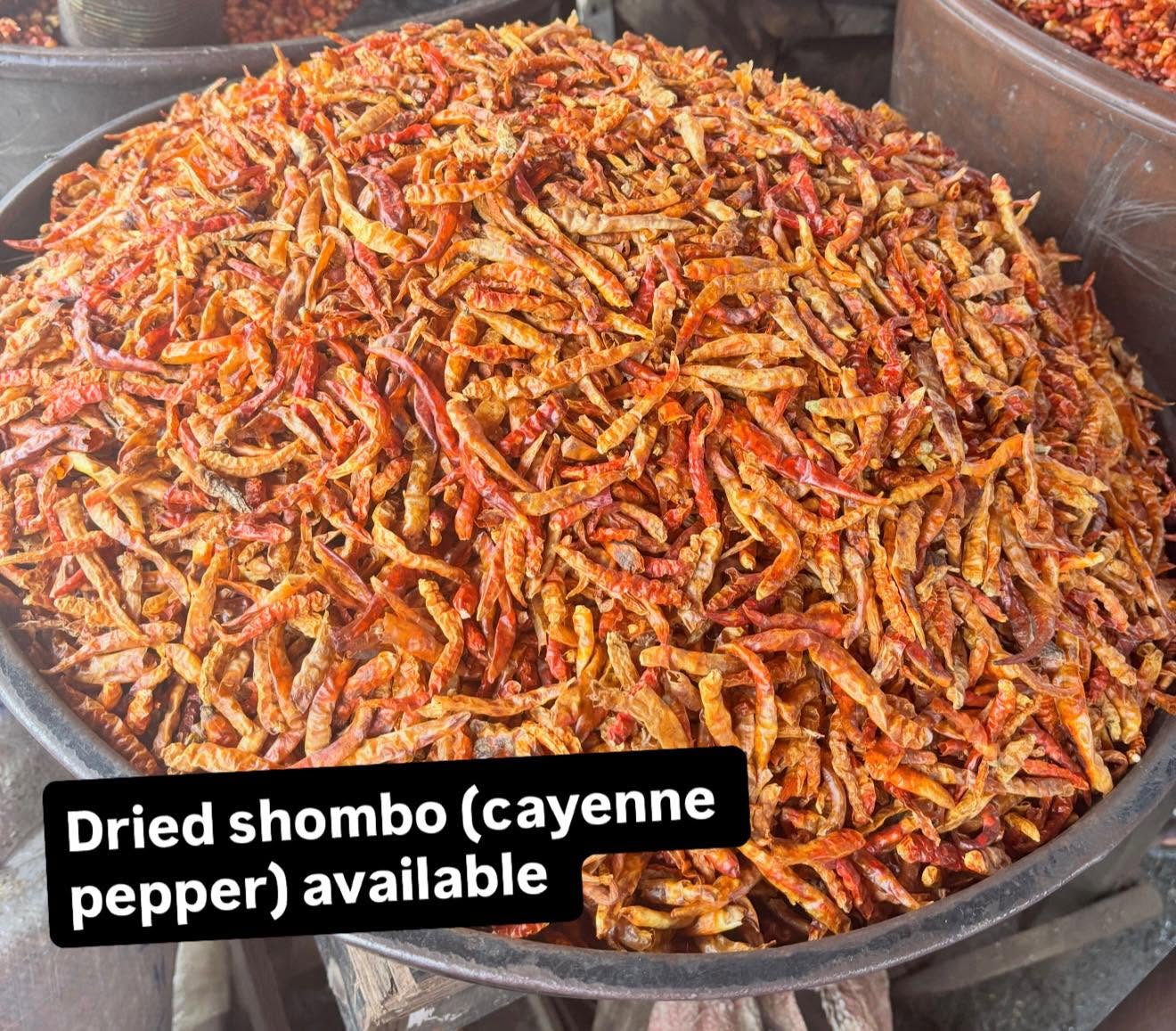

Nigerian Cayenne Pepper: The Only Commonly Traded Agricultural Spice Whose Primary Bioactive Compound Has Achieved FDA-Approved Prescription Pharmaceutical Drug Status — Existing Simultaneously as a Supermarket Spice Rack Staple and as a Controlled Hospital Pharmacy Medication Whose 8% Concentration Patch Treats Neuropathic Pain Conditions That Opioids and Conventional Analgesics Cannot Adequately Manage
Cayenne Pepper Exporter Nigeria — Ground Cayenne Pepper Powder, High-Heat Capsaicin-Grade Cayenne, Crushed Red Pepper Flakes, Capsaicin-Standard Oleoresin Precursor, and Whole Dried Cayenne Pods, Direct Northern and Middle Belt Sourcing, Bulk Supply to Food Manufacturers, Spice Blending Companies, Pharmaceutical Raw Material Buyers, Hot Sauce Producers, Nutraceutical Supplement Brands, and Global Commodity Wholesale Buyers Worldwide
Cayenne pepper exporter Nigeria is a search phrase that arrives at a commercial intersection more genuinely remarkable than any other in this series — a pharmaceutical-regulatory intersection whose existence most food industry buyers have never encountered because it operates in the entirely separate professional world of hospital pain management rather than in the spice procurement world where cayenne pepper is primarily known.
The fact is commercially verifiable and pharmacologically precise: capsaicin — the vanillyl alkaloid compound produced in cayenne pepper’s placental tissue whose concentration in the Capsicum fruit creates the pungency measured in Scoville Heat Units — was approved by the US Food and Drug Administration in 2009 as the active ingredient in Qutenza® (capsaicin 8% topical patch), a prescription pharmaceutical product manufactured by Averitas Pharma and specifically indicated for the management of neuropathic pain associated with postherpetic neuralgia (shingles pain) and HIV-associated peripheral neuropathy. The European Medicines Agency (EMA) granted Qutenza marketing authorisation for the EU in 2009 under the same clinical evidence package.
This is not an over-the-counter capsaicin cream available in pharmacies — those products contain 0.025–0.1% capsaicin for general musculoskeletal pain. Qutenza’s 8% capsaicin concentration — 80–320 times higher than over-the-counter preparations — must be applied by healthcare professionals in clinical settings, causes intense burning during application that requires pre-treatment with topical anaesthetic, and achieves durable pain relief for 3–6 months after a single 60-minute application through selective desensitisation of TRPV1 (transient receptor potential vanilloid 1) nociceptor channels — the same molecular receptor whose activation by capsaicin produces the burning sensation of eating hot peppers.
The commercial consequence of this pharmaceutical approval is that capsaicin — and by extension the cayenne pepper from which pharmaceutical-grade capsaicin is extracted — occupies a unique regulatory position in global commodity trade: it is simultaneously a food ingredient (requiring food safety documentation), a dietary supplement active (requiring nutraceutical analytical documentation), and a pharmaceutical raw material (requiring pharmaceutical-grade purity and content specifications). No other commonly traded spice exists across all three regulatory frameworks simultaneously.
Nigeria’s cayenne pepper production — concentrated in the northern and Middle Belt states of Kebbi, Sokoto, Zamfara, Niger, Kogi, Benue, Nassarawa, and Plateau where the small, thin-walled, fiercely pungent cayenne-type Capsicum annuum varieties grow with the intense pungency that high UV radiation and low irrigation stress specifically promotes — creates the raw material base for cayenne powder export whose capsaicin content, documented Scoville Heat Units, and food safety compliance provide the analytical foundation that every buyer community across the food, supplement, and pharmaceutical spectrum requires.
At Paradise MultiTrade International Limited, cayenne pepper is sourced from established farming communities across Nigeria’s primary hot pepper producing belt, processed into ground cayenne powder, high-heat capsaicin-grade material, crushed flakes, and whole dried pods appropriate to the full buyer spectrum, and exported with full food safety, capsaicin content, Scoville measurement, and regulatory documentation.
To discuss sourcing immediately, request a quotation here and our export team responds within 48 hours.
History and Origin — The American Fruit That Conquered Global Cuisine and Found Its Way Into the Hospital Pharmacy
Capsicum Annuum — Mesoamerican Origin, Global Adoption, West African Integration
Capsicum annuum is native to Mexico and Central America — where archaeological evidence confirms human use beginning approximately 9,000 years ago in what is now Mexico’s Tehuacan Valley, making it among the earliest cultivated food plants in the Americas. Pre-Columbian Mesoamerican peoples — Aztec, Maya, and their predecessors — cultivated, traded, and prescribed Capsicum across all pungency levels from mild to excruciating, integrating it into food, medicine, ritual, and warfare (pepper smoke as a weapon against enemies) with a cultural depth that no subsequent adopting culture has matched.
Columbus’s 1493 return to Europe with Capsicum specimens — which he named “pepper” believing he had found a New World relative of Piper nigrum black pepper — began the most rapid global diffusion of any food plant in history. Within 50 years of Columbus’s return, Capsicum had been adopted into the cuisines of Portugal, Spain, Hungary, Turkey, India, China, Thailand, Korea, Ethiopia, and West Africa — adapting to local cooking traditions with speed that reflects the universal human sensory response to capsaicin’s stimulation of the trigeminal nerve as a flavour-enhancement mechanism.
West Africa’s adoption of Capsicum — through Portuguese maritime traders who introduced it along the West African coast — created the hot pepper tradition that is now inseparable from Nigerian cooking. Hausa, Yoruba, and Igbo culinary traditions all integrate hot pepper at levels of pungency and culinary application depth that reflect generations of cultural adaptation. The specific cayenne-type varieties — small, thin-fruited, intensely pungent peppers distinct from the broader, milder bell pepper relatives and distinct from the habanero/scotch bonnet varieties covered in our habanero article — are cultivated across Nigeria’s northern savanna and Middle Belt zones whose growing conditions, as documented throughout this series, consistently concentrate secondary metabolites including capsaicin at the upper range of commercial specification.
The scientific documentation of capsaicin’s pharmacological properties begins with the work of Rudolf Schindler and László Bartók in the 1900s — whose chemical isolation and initial characterisation of capsaicin from Capsicum fruit established the compound’s identity. The subsequent century of pharmacological research — whose climax was the identification of the TRPV1 receptor by David Julius (awarded the Nobel Prize in Physiology or Medicine 2021) as the molecular target through which capsaicin, heat, and acid all create the sensation of burning pain — created the scientific foundation for capsaicin’s pharmaceutical drug development whose culmination was the Qutenza approval.
What Is Nigerian Cayenne Pepper? The Botanical Profile, Capsaicin Chemistry, and Commercial Product Range
Capsicum Annuum — The TRPV1 Receptor, the Scoville Scale, and the Capsaicinoid Family
Capsicum annuum is a member of the Solanaceae (nightshade) family — the same botanical family as tomatoes (Solanum lycopersicum), potatoes (Solanum tuberosum), and tobacco (Nicotiana tabacum). The cayenne pepper varieties relevant to commercial export production are elongated, thin-walled fruits (6–20cm long, 1–2cm diameter) whose characteristic deep red colour at maturity reflects lycopene and capsanthin carotenoid accumulation and whose extreme pungency reflects capsaicinoid biosynthesis in the placental tissue (the white spongy material connecting seeds to the fruit wall).
The Capsaicinoid Chemistry:
Capsaicin (8-methyl-N-vanillyl-6-nonenamide) — the primary capsaicinoid comprising approximately 68–70% of total capsaicinoids in Capsicum annuum. The compound that activates TRPV1 nociceptors, producing the burning sensation experienced as both a food flavour (pungency) and as pain at high concentrations. Capsaicin’s molecular mechanism — binding the TRPV1 channel’s intracellular vanilloid-binding domain and causing sustained channel opening that floods neurons with calcium — is documented through the Nobel Prize-recognized research of David Julius at UCSF and reviewed through NCBI’s pain physiology database.
Dihydrocapsaicin — approximately 22% of total capsaicinoids — the saturated analogue of capsaicin whose pungency is approximately equal to capsaicin on a molar basis and whose combined documentation with capsaicin creates the “total capsaicin” measurement that pharmaceutical and nutraceutical buyers specify.
Nordihydrocapsaicin, homodihydrocapsaicin, and homocapsaicin — the minor capsaicinoids whose combined contribution represents approximately 10% of total capsaicinoids but whose individual pungency character differences (nordihydrocapsaicin produces a milder, shorter-lasting heat; homodihydrocapsaicin produces a more intense, lingering heat) create organoleptic interest for premium hot sauce and specialty food applications.
The Scoville Scale — the Universal Pungency Communication Tool:
The Scoville Organoleptic Test — developed by pharmacist Wilbur Scoville in 1912 — originally measured pungency by human sensory panel dilution: how many parts of sugar water were required to dilute pepper extract until heat was no longer detectable. The result, expressed as Scoville Heat Units (SHU), remains the universal commercial language for pepper pungency despite modern replacement of the subjective sensory panel with High Performance Liquid Chromatography (HPLC) measurement of capsaicinoid concentration — whose conversion to Scoville equivalents (1 ppm capsaicin ≈ 15 SHU) provides objective analytical measurement reported in familiar Scoville language.
Cayenne pepper commercial Scoville range: 30,000–50,000 SHU for standard cayenne powder — placing it significantly above chili powder (1,000–8,000 SHU) and paprika (100–500 SHU) but well below habanero (100,000–350,000 SHU). Nigerian cayenne-type varieties — whose small fruit size, thin walls, and high UV stress growing conditions concentrate capsaicinoid biosynthesis — consistently achieve the upper end of the commercial cayenne range (40,000–50,000 SHU), creating commercially superior pungency density per gram versus lower-Scoville commodity cayenne from milder growing conditions.
Capsanthin and Capsorubin — the red carotenoid pigments responsible for cayenne’s characteristic deep red colour — documented through FAO food composition research and Journal of Agricultural and Food Chemistry carotenoid characterisation studies. ASTA colour unit measurement — the same standardised colorimetric method applied to turmeric and paprika — provides food colour buyers with the pigment intensity specification that determines inclusion rates for red colour development in food products.
Vitamin C — fresh cayenne contains extraordinary vitamin C concentration (approximately 144mg per 100g fresh weight — 3× the concentration of sweet oranges). Much is lost during drying, but residual vitamin C in cayenne powder (approximately 50–80mg per 100g dry weight) contributes antioxidant positioning.
Four Commercial Product Forms
Ground Cayenne Powder — whole dried cayenne pods ground to 60–80 mesh — the primary commercial form for food manufacturing, spice blending, and retail spice applications.
High-Heat Capsaicin-Grade Cayenne — specifically selected from highest-SHU lots (above 45,000 SHU confirmed by HPLC) — the raw material form for pharmaceutical capsaicin extraction, hot sauce production, and capsaicin supplement manufacturing.
Crushed Cayenne Flakes — coarsely broken dried cayenne (seeds and flesh) — the form for pizza topping, chili flake seasoning, and retail dried chili applications.
Whole Dried Cayenne Pods — intact dried cayenne fruits — for premium spice retail, restaurant supply, and specific culinary applications requiring whole pod presentation.
Benefits and Industrial Uses of Nigerian Cayenne Pepper
Food Manufacturing — The Heat Standard in Global Savoury Seasoning
The global hot pepper market — tracked through Grand View Research’s capsaicin market analysis and Mordor Intelligence’s chili pepper market report at over USD 4 billion annually — creates the largest volume commercial procurement stream for cayenne powder through its role as the standard heat-providing compound across virtually every global spice blend and seasoning system:
Hot sauce manufacturing — cayenne pepper is the foundational ingredient in the most commercially significant hot sauce brands in the world — Frank’s RedHot (the world’s best-selling hot sauce by volume), Tabasco (whose Capsicum frutescens base uses a closely related Capsicum species), Crystal Hot Sauce, and hundreds of craft hot sauce brands collectively consume millions of tonnes of cayenne pepper annually. The Specialty Food Association documents hot sauce as one of the fastest-growing condiment categories in premium food retail — with sriracha, cayenne-based, and fermented hot sauces collectively expanding the hot sauce category beyond its traditional consumer base.
Spice blend manufacturing — cayenne powder as the heat component in commercial chili powder, taco seasoning, BBQ rub, Cajun seasoning, and dozens of national and ethnic spice blends creates consistent food manufacturing procurement demand whose annual volume across the USA, EU, and Asian processed food sectors is measured in thousands of tonnes. Innova Market Insights’ global spice blend new product launch database confirms cayenne as the most widely specified heat-contributing spice in new blend development.
Processed meat and protein seasoning — cayenne powder in chorizo, salami, pepperoni, spicy sausage, and marinated poultry products creates substantial food manufacturing procurement demand from European and American meat processing operations whose product formulations incorporate specific Scoville-targeted heat levels.
Snack food flavouring — cayenne powder in hot potato crisps, spicy tortilla chips, hot nuts, and spicy crackers creates consistent procurement demand from snack manufacturers whose heat-flavoured product lines require consistent Scoville intensity per gram of cayenne inclusion.
Instant noodle heat sachets — the global instant noodle market’s spicy variants — whose expansion across Asian and African markets creates the fastest-growing application for cayenne powder in food manufacturing — require consistent, high-SHU cayenne powder whose heat contribution per gram determines the product’s spiciness level without requiring excessive inclusion volumes.
For food manufacturing buyers evaluating Nigerian cayenne powder — contact our export team to discuss SHU specification and HPLC capsaicin documentation.
Pharmaceutical Raw Material — The Qutenza Clinical Framework
The pharmaceutical market for capsaicin — created by the Qutenza 8% patch approval and by the broader prescription and over-the-counter capsaicin topical preparation market — creates a specific, analytically demanding procurement stream for high-capsaicin-content cayenne pepper as pharmaceutical raw material:
Prescription pharmaceutical applications — Qutenza® (capsaicin 8% topical patch) — manufactured by Averitas Pharma for distribution in the USA and EU — uses pharmaceutical-grade purified capsaicin extracted from Capsicum fruit as the active pharmaceutical ingredient. The FDA approval is documented through the FDA drug approval database (NDA 022395) and the EMA through the EMA product information database. The clinical mechanism: high-concentration capsaicin causes initial TRPV1 activation (burning sensation during application — managed by pre-treatment with topical lidocaine) followed by receptor desensitisation and defunctionalisation of epidermal nociceptors — providing 3–6 months of neuropathic pain relief from a single treatment. For pharmaceutical manufacturers sourcing cayenne pepper as capsaicin extraction raw material — total capsaicinoid content (HPLC), heavy metals (ICP-MS), pesticide residue (pharmacopoeia-level multi-residue), and microbiological safety to pharmaceutical manufacturing standards are the critical specifications.
Over-the-counter topical pain relief — 0.025–0.1% capsaicin creams (Zostrix, Capzasin-P, and related products) for arthritis and musculoskeletal pain management create substantial OTC pharmaceutical procurement demand whose raw material sourcing from documented, consistent-capsaicin-content cayenne provides the formulation consistency that OTC pharmaceutical manufacturing quality systems require.
Traditional medicine pharmaceutical use — cayenne (Capsicum frutescens and Capsicum annuum) is incorporated in Ayurvedic formulations (the Ayurvedic Pharmacopoeia of India lists Capsicum preparations for digestive and circulatory conditions), in traditional Chinese medicine preparations for warming and circulatory stimulation, and in Unani medicine — creating pharmaceutical raw material demand from Asian traditional medicine manufacturers.
For pharmaceutical raw material buyers evaluating high-capsaicin Nigerian cayenne — contact our team to discuss pharmaceutical-grade specification and HPLC total capsaicinoid documentation.
Nutraceutical and Supplement Industry — Thermogenesis and Metabolism
The global weight management supplement market — tracked through Grand View Research’s weight loss supplement market analysis at over USD 30 billion annually — has created a substantial commercial category for capsaicin as a thermogenic supplement ingredient:
Brown adipose tissue activation — capsaicin’s documented stimulation of brown adipose tissue (BAT) thermogenesis through sympathetic nervous system β3-adrenergic receptor activation — reviewed through NCBI’s metabolism and adipose tissue research database — creates the scientific foundation for capsaicin’s commercial positioning as a natural thermogenic that increases resting energy expenditure. Research published in the American Journal of Clinical Nutrition documents statistically significant increases in metabolic rate and fat oxidation following capsaicin supplementation — providing human clinical evidence whose commercial translation into weight management supplement claims the Natural Products Association (NPA) tracks.
Capsaicin supplement formulation — standardised capsaicin extract (typically expressed as cayenne pepper extract standardised to X% capsaicin) in capsule or tablet form for thermogenic weight management, athletic performance, and metabolic health supplement categories creates consistent ingredient procurement demand from supplement manufacturers whose formulation requires documented capsaicin percentage content.
Digestive health supplement — capsaicin’s documented stimulation of gastric acid secretion and digestive enzyme activity — reviewed through NCBI’s gastroenterology research database — creates nutraceutical positioning for cayenne-based digestive health supplements whose commercial development is tracked through the American Herbal Products Association (AHPA).
Cardiovascular circulation supplement — cayenne’s traditional use as a circulatory stimulant — documented in the Commission E monograph system and referenced in the WHO’s traditional medicine monograph programme — creates herbal medicine positioning for cayenne-based circulation support supplements in EU THMP regulatory frameworks.
Natural Food Colour — Capsanthin and Red Pepper Pigment
Paprika oleoresin and red pepper oleoresin — the concentrated carotenoid-capsaicinoid extract from red cayenne and paprika peppers — creates a natural red food colour application documented through EU food additive regulations as permitted natural colour extract. The food colour application creates specific procurement interest in cayenne pepper varieties whose high capsanthin content (deep red colour) creates maximum colour yield per tonne of extraction raw material.
Why Buy Cayenne Pepper From Nigeria?
The High-SHU Advantage — Stress-Induced Capsaicinoid Accumulation
The same growing condition quality enhancement principle documented throughout this series for Sahel-grown crops — drought stress, high UV radiation, and mineral-rich soils concentrating secondary metabolites — applies with particular commercial force to capsaicin biosynthesis in Capsicum. Research on capsaicin concentration variation across Capsicum annuum growing environments — published through Journal of Agricultural and Food Chemistry and accessible via NCBI’s plant secondary metabolite research — documents that moderate water stress during the fruit maturation period specifically upregulates the phenylpropanoid and branched-chain fatty acid biosynthesis pathways that produce capsaicinoids — creating measurably higher SHU values in stress-grown material versus irrigated, high-density-planted material.
Nigerian cayenne pepper’s dry northern belt growing conditions — limited irrigation, high solar radiation intensity, and significant diurnal temperature variation — create the capsaicin biosynthesis stimulation whose commercial expression is consistently high SHU values (40,000–50,000 SHU) at the upper end of the commercial cayenne specification. For food manufacturers whose formulation requires specific heat intensity per gram of cayenne inclusion — and for pharmaceutical extraction operations whose capsaicin yield per tonne of raw material depends on starting material capsaicinoid content — Nigerian origin’s natural high-capsaicin quality creates procurement economics that lower-SHU origins cannot match.
Supply Diversification From Indian, Chinese, and Mexican Dominance
India, China, Mexico, and the USA collectively dominate globally traded cayenne and hot pepper supply — with Indian cayenne (primarily from Andhra Pradesh and Telangana) accounting for a significant fraction of European and American import volumes according to ITC Trade Map commodity flow data. The supply concentration risk documented throughout this series applies equally to cayenne — with Indian monsoon variability, Chinese export policy changes, and Mexican logistics disruptions all creating supply volatility that West African alternative origin specifically addresses. Nigerian highland cayenne’s Atlantic coast logistics position — Lagos to Rotterdam at 14–18 days versus Indian origin’s 20–25 days — creates the freight economics and supply chain resilience value we have documented across comparable spice products.
The Pharmaceutical Grade Programme — Consistent Capsaicin Documentation
For pharmaceutical and nutraceutical buyers whose sourcing requires documented, consistent capsaicinoid content — Paradise MultiTrade’s analytical documentation programme provides HPLC total capsaicinoids (capsaicin and dihydrocapsaicin individually documented) whose per-lot consistency supports pharmaceutical manufacturing quality system requirements. This analytical capability — which most commodity cayenne suppliers do not provide — creates a specific commercial value proposition for the pharmaceutical raw material buyer community whose procurement requirements extend beyond food safety compliance into pharmaceutical raw material quality standards. Contact us to discuss pharmaceutical-grade specification.
Complete Export Documentation
Every cayenne pepper shipment carries phytosanitary certification from NAQS, NEPC export documentation, certificate of origin, commercial invoice, packing list, and bill of lading. For food manufacturing buyers, we coordinate moisture content, total ash, acid-insoluble ash, ASTA colour units (for red colour applications), Scoville Heat Units (HPLC capsaicin converted to SHU), aflatoxin screening, ochratoxin A, pesticide residue multi-residue analysis to EU MRL standards, and microbiological safety testing following AOAC International validated procedures. For pharmaceutical and nutraceutical buyers, we coordinate HPLC total capsaicinoids (capsaicin and dihydrocapsaicin separately documented), heavy metals ICP-MS (lead, cadmium, arsenic, mercury), complete mycotoxin panel, and pharmaceutical-grade microbiological specifications. EU-bound shipments comply with Regulation (EU) 2017/625 on official controls and Commission Regulation (EC) 1881/2006. Our NEPC Export Licence No. 0042385 and CAC Registration No. RC-9284647 are verifiable through NEPC.
Nigeria’s Cayenne Pepper Export Strength and Global Market Demand
The Global Market
The global capsicum and hot pepper market — tracked through Grand View Research’s hot pepper market analysis and Mordor Intelligence’s capsaicin market report — is valued at over USD 4 billion annually with consistent growth driven by the global hot food trend, hot sauce market expansion, thermogenic supplement demand, and pharmaceutical capsaicin application growth. The American Spice Trade Association (ASTA) and European Spice Association (ESA) provide the quality standard frameworks within which commercial cayenne specification is established.
Key Export Destination Markets
USA — the world’s largest hot sauce and spicy food market whose Frank’s RedHot, Tabasco, and Sriracha-led hot sauce culture and massive spice seasoning manufacturing industry create the most commercially significant single-country procurement market for cayenne pepper. FDA food import requirements through FDA food import programme and pharmaceutical requirements through FDA pharmaceutical drug registration for capsaicin pharmaceutical raw material.
Germany, Netherlands, and UK — Europe’s primary spice processing, food manufacturing seasoning, and pharmaceutical manufacturing hubs creating consistent cayenne procurement demand. EU food safety requirements and pharmaceutical requirements administered through EFSA and EMA.
India — paradoxically both a major cayenne producer and a pharmaceutical capsaicin extraction operation centre creating specific demand for high-SHU raw material during domestic supply shortfalls tracked through APEDA.
Japan — whose sophisticated food manufacturing industry, traditional pepper (togarashi) culture, and pharmaceutical ingredient manufacturing create quality-demanding cayenne procurement tracked through JETRO.
South Korea — whose kimchi, gochujang, and spicy food culture create consistent pepper procurement demand tracked through KATI.
UAE and Gulf States — where Middle Eastern cuisine’s hot pepper tradition and growing food manufacturing create consistent demand tracked through ADAFSA.
Mexico — the birthplace of Capsicum cultivation whose hot sauce and spice manufacturing industry creates both domestic and export demand that imports specific high-heat varieties during shortfalls.
Why Choose Paradise MultiTrade International Limited?
HPLC Capsaicin and Dihydrocapsaicin Documentation — The Pharmaceutical Quality Standard. Total capsaicinoids quantified by HPLC (capsaicin and dihydrocapsaicin individually documented, expressed as percentage of dry weight) — the analytical standard required by pharmaceutical raw material buyers and premium nutraceutical supplement manufacturers whose product label claims require objective capsaicin content verification beyond the subjective Scoville sensory panel. HPLC-to-Scoville conversion (1 ppm total capsaicinoids ≈ 15 SHU) also provides the objective Scoville equivalent that food manufacturing buyers require without the methodological variability of organoleptic assessment. Contact us to discuss HPLC capsaicinoid documentation.
Scoville Heat Unit Specification — Confirmed by HPLC. SHU values derived from HPLC capsaicinoid content measurement — providing food manufacturers with the heat intensity specification whose lot-to-lot consistency enables formulation-consistent spice blend production without batch Scoville variation. Nigerian highland cayenne’s consistently high SHU (40,000–50,000) creates heat intensity documentation whose upper-range position reduces inclusion rates required per unit heat contribution. Contact us to discuss SHU specification.
Pharmaceutical-Grade Programme for Prescription Capsaicin Raw Material Buyers. Complete pharmaceutical manufacturing quality system documentation — heavy metals ICP-MS, full pesticide residue to pharmacopoeia standard, HPLC purity and assay, full microbiological panel — coordinated through accredited pharmaceutical analytical laboratories for Qutenza-equivalent and OTC pharmaceutical capsaicin raw material buyers. Contact our team to discuss pharmaceutical-grade supply.
ASTA Colour Unit Documentation for Red Colour Applications. For buyers incorporating cayenne for both heat and red colour in food manufacturing — ASTA colour unit documentation alongside SHU confirms both the pigment (capsanthin/capsorubin) and pungency (capsaicin) specifications from a single lot. Contact us to discuss combined colour and heat specification.
Multi-Commodity West African Spice Sourcing. Cayenne buyers almost always source complementary Nigerian spices. Alongside cayenne pepper, Paradise MultiTrade exports chili pepper, habanero pepper, black pepper, ginger powder, turmeric powder, onion powder, garlic (dried), cloves, dry split ginger, hibiscus flower, cashew nut kernel, and raw cashew nuts. Explore our full range of Nigerian export commodities and consolidate your West African spice, botanical, and agricultural sourcing through one verified, licensed export partner.
Product Specifications
| Specification | Details |
|---|---|
| Product | Nigerian Cayenne Pepper Powder (Capsicum annuum) |
| Common Names | Cayenne pepper, Ground red pepper, Barkono (Hausa — for hot pepper), Ata wewe (Yoruba — for small hot pepper), Ose oyibo (Igbo) |
| Botanical Species | Capsicum annuum L. (Solanaceae) — cayenne type varieties |
| Origin | Nigeria (Kebbi, Sokoto, Zamfara, Niger, Kogi, Benue, Nassarawa, Plateau States) |
| Forms Available | Ground cayenne powder (60–80 mesh); High-heat capsaicin-grade powder; Crushed cayenne flakes; Whole dried cayenne pods |
| Scoville Heat Units (SHU) | 30,000–50,000 SHU (HPLC capsaicin conversion) — specify target range at order |
| Capsaicin Content | 0.2–0.35% dry weight (HPLC) |
| Dihydrocapsaicin Content | 0.06–0.10% dry weight (HPLC — documented separately) |
| Total Capsaicinoids | 0.28–0.45% dry weight (capsaicin + dihydrocapsaicin by HPLC) |
| ASTA Colour Units | ≥80 ASTA units (standard grade); ≥100 ASTA units (premium colour grade) |
| Moisture Content | ≤10% (standard); ≤8% (pharmaceutical grade) |
| Particle Size (Powder) | Through 60–80 mesh (≤180–250 microns) |
| Total Ash | ≤8% dry weight |
| Acid-Insoluble Ash | ≤1.5% dry weight |
| Crude Fibre | 20–30% dry weight |
| Vitamin C (residual) | 50–80mg per 100g dry weight |
| Aflatoxin | Total ≤10 ppb; B1 ≤2 ppb |
| Ochratoxin A (OTA) | ≤10 ppb |
| Heavy Metals | Lead ≤3 ppm; Cadmium ≤0.5 ppm; Arsenic ≤1 ppm; Mercury ≤0.1 ppm — ICP-MS |
| Pesticide Residue | Multi-residue analysis to EU MRL standards — mandatory all EU-bound lots; Pharmacopoeia-standard analysis for pharmaceutical grade |
| Microbiological | Salmonella absent/25g; E. coli absent/1g; Total plate count ≤100,000 CFU/g; Yeast and mould ≤1,000 CFU/g |
| Allergen Status | Capsicum peppers are not among major declared allergens under EU 1169/2011 or US FDA allergen framework |
| Colour | Deep red to red-orange (characteristic of high-colour Nigerian cayenne) |
| Aroma | Characteristic sharp, warm, pungent capsicum — no foreign off-note |
| Shelf Life | 24 months (sealed, cool, dark storage) |
| Packaging Options | 25kg, 50kg multilayer kraft paper bags with inner polyethylene liner; pharmaceutical-grade sealed containers for pharma buyers |
| Supply Capacity | 50–2,000+ MT per year |
| MOQ | Food grade: 5 MT; Pharmaceutical grade: 500kg; Whole pods: 5 MT |
| Export Documentation | Phytosanitary Certificate (NAQS), Certificate of Origin, NEPC Export Licence, HPLC Capsaicin and Dihydrocapsaicin Certificate, SHU Equivalent Certificate, ASTA Colour Unit Certificate, Moisture and Ash Certificate, Aflatoxin Certificate, OTA Certificate, Heavy Metals ICP-MS Certificate, Pesticide Residue Certificate (EU MRL / Pharmacopoeia standard), Microbiological Certificate, Pharmaceutical Grade Quality System Documentation (on request), Commercial Invoice, Packing List, Bill of Lading |
| Payment Terms | T/T, Letter of Credit (LC at sight), Escrow |
| Loading Port | Lagos (Apapa / Tin Can Island Port), Nigeria |
| Incoterms Available | EXW, FOB Lagos, CNF, CIF |
Packaging and Export Process
Harvest Season. Nigerian cayenne pepper harvest runs October through January — following the July–September growing and ripening season in the northern savanna and Middle Belt producing zones. Cayenne pods harvested at full red maturity — confirmed by deep red colour development across the full fruit surface — achieve maximum capsaicin, carotenoid, and dry matter content. Premature harvest (orange-yellow stage) produces significantly lower SHU and ASTA colour values and is commercially rejected for export-grade production.
Post-Harvest Drying. Fresh cayenne pods sun-dried on raised mesh platforms for 7–14 days under the October–January harmattan’s low-humidity conditions — whose optimal drying environment (below 30% relative humidity, strong sunlight) achieves rapid moisture reduction without the aflatoxin risk of humid-season drying. Mechanical hot-air drying at 55–65°C supplements sun drying for processing-facility operations — producing more consistent moisture reduction with documented temperature records. Target moisture: below 10%.
Cleaning and Inspection. Dried pods cleaned to remove stems, soil, extraneous plant material, and discoloured or visually damaged pods whose inclusion increases mycotoxin risk and reduces product quality. Metal detection clears every batch through magnetic and inductive detection.
Grinding and Sieving. Clean dried cayenne pods (with or without seeds depending on buyer specification — seeds contribute significant capsaicin through seed coat contact and placental tissue attachment) fed through hammer mills to target mesh. Seed inclusion specification: with seeds (standard cayenne powder — higher fibre, seeds contribute additional pungency from seed coat-adjacent placental tissue); without seeds (premium smooth powder — lower fibre, slightly higher pungency concentration from pure placental tissue exclusivity).
Capsaicin Sampling and Quality Grading. Representative samples from every production lot analysed by HPLC for capsaicin and dihydrocapsaicin content — whose conversion to SHU provides the lot-specific heat intensity documentation before commercial grading. High-SHU lots (above 45,000 SHU) segregated for pharmaceutical and premium food manufacturing grade.
Quality Testing. Moisture, ash, ASTA colour (spectrophotometric), HPLC capsaicinoids (capsaicin + dihydrocapsaicin), aflatoxin (ELISA), OTA (ELISA), pesticide residue multi-residue analysis, and microbiological — tested before export documentation. Heavy metals ICP-MS for pharmaceutical and nutraceutical grade.
Lead Times. Ground cayenne powder from harvest stock: 14–21 days. High-heat pharmaceutical grade (full analytical panel): 35–56 days. Whole dried pods: 14–21 days. Contact us to plan your supply schedule.
Frequently Asked Questions
What is Qutenza and how does cayenne pepper raw material connect to a prescription pharmaceutical drug?
Qutenza® (capsaicin 8% patch) is a prescription pharmaceutical product approved by the US FDA (NDA 022395, approved 2009) and the European Medicines Agency for treatment of neuropathic pain in adults — specifically postherpetic neuralgia (the burning pain that persists after shingles infection resolves) and HIV-associated peripheral neuropathy. The active pharmaceutical ingredient is capsaicin at 8% concentration — extracted, purified, and formulated from Capsicum species raw material. Clinical application requires a healthcare professional who applies pre-treatment topical anaesthetic (lidocaine cream) before the Qutenza patch — because 8% capsaicin causes intense burning during the 60-minute treatment session. The mechanism: high-concentration capsaicin causes sustained TRPV1 receptor activation that depletes substance P from peripheral nociceptors and ultimately defunctionalises the epidermal pain-sensing nerve fibres — providing 3–6 months of pain relief from a single treatment session. Pharmaceutical manufacturers sourcing Capsicum raw material for Qutenza and related capsaicin pharmaceutical production require: HPLC-documented total capsaicinoid content (capsaicin + dihydrocapsaicin), heavy metals ICP-MS to pharmacopoeia limits, pesticide residue to pharmacopoeia standard (more comprehensive than food safety MRL compliance), and microbiological safety to pharmaceutical manufacturing standards. Paradise MultiTrade’s high-capsaicin pharmaceutical-grade programme specifically addresses these requirements for cayenne pepper raw material buyers in the pharmaceutical manufacturing sector. Contact us to discuss pharmaceutical-grade supply.
What are Scoville Heat Units and how should food manufacturers specify cayenne pungency?
The Scoville Scale — created by pharmacist Wilbur Scoville in 1912 — originally measured pungency by diluting pepper extract with sugar water until a trained sensory panel detected no heat — the number of dilutions required expressed as Scoville Heat Units (SHU). Modern commercial measurement uses HPLC to quantify capsaicin and dihydrocapsaicin content in ppm — converted to SHU by the factor 1 ppm total capsaicinoids ≈ 15 SHU. Commercial cayenne specification ranges: standard culinary cayenne powder 30,000–40,000 SHU; premium high-heat cayenne 40,000–50,000 SHU; pharmaceutical/supplement grade above 45,000 SHU. For food manufacturers: specify your target SHU range and the inclusion rate calculation becomes straightforward — if your formulation requires 1,000 SHU per 100g finished product and you’re using 40,000 SHU cayenne, you need 2.5g cayenne per 100g product. Nigerian highland cayenne’s consistent 40,000–50,000 SHU reduces the inclusion rate required per unit heat contribution by 25–65% versus 30,000 SHU commodity cayenne — creating flavour-per-gram economics whose difference at industrial scale represents meaningful raw material cost reduction. We document SHU by HPLC capsaicin measurement on every export lot — providing the objective specification that replaces subjective tasting panel assessment. Contact us to discuss SHU specification for your formulation.
How does capsaicin work as a thermogenic supplement and what does the clinical evidence show?
Capsaicin’s thermogenic mechanism operates through the sympathetic nervous system: TRPV1 receptor activation by capsaicin in the gastrointestinal tract triggers sympathetic nervous system discharge that activates β3-adrenergic receptors in brown adipose tissue (BAT) — the metabolically active fat whose thermogenic function (generating heat by uncoupling mitochondrial oxidative phosphorylation from ATP synthesis through Uncoupling Protein 1 / UCP1) increases resting energy expenditure. Research published in the American Journal of Clinical Nutrition and reviewed in NCBI’s obesity and metabolism research database documents: 10–16% increase in lipid oxidation following capsaicin consumption; 4–5% increase in resting metabolic rate in capsaicin-habituated subjects; reduction in appetite through cholecystokinin-mediated satiety signalling from gastrointestinal TRPV1 activation. Effect magnitude context: these are statistically significant but modest effects — capsaicin is not a dramatic weight loss intervention but a physiologically active metabolic modulator whose long-term cumulative contribution to energy balance is commercially marketed in thermogenic supplement blends. Clinical study dosages typically use 2–6mg capsaicin per dose (equivalent to approximately 0.5–1.5g cayenne powder at 0.4% capsaicin). For supplement manufacturers developing thermogenic formulations — standardised capsaicin content documentation from our HPLC analysis provides the active ingredient specification that label claims and formulation consistency require. Contact us to discuss thermogenic supplement-grade cayenne specification.
What is the difference between cayenne pepper, chili powder, paprika, and habanero — and how should buyers specify which product they need?
These four commonly confused products all derive from Capsicum species but differ in species origin, pungency level, colour, and commercial applications: Cayenne pepper (C. annuum cayenne types) — 30,000–50,000 SHU — thin-walled, small, fiercely pungent. Deep red colour. Used as pure heat-contributing spice ingredient. Chili powder — a blend of mild chili (C. annuum ancho/pasilla types), cumin, garlic, oregano, and other spices — typically 1,000–8,000 SHU. A seasoning blend, not a single spice. Paprika (C. annuum sweet varieties) — 100–500 SHU — large, thick-walled, mild to slightly sweet. Primarily valued for red colour (highest ASTA colour units of all Capsicum products) rather than pungency. Habanero (C. chinense) — 100,000–350,000 SHU — entirely different Capsicum species. Fruity aromatic profile alongside extreme heat. Paradise MultiTrade’s coverage: cayenne (this article), chili pepper (separate article), habanero (separate article). Paprika is a distinct procurement category not covered in this series. Specification guidance: For heat without significant colour — specify cayenne at target SHU. For colour with mild heat — specify paprika (different article). For extreme heat with fruity aroma — specify habanero (different article). For ready-mixed seasoning — specify chili powder blend. Contact us to confirm which product specification fits your application.
What aflatoxin and OTA risk does cayenne pepper present and how is it managed?
Dried cayenne pepper faces two mycotoxin risks documented through EFSA’s mycotoxin monitoring programme: Aflatoxin — from Aspergillus flavus growth on inadequately dried pepper — whose EU maximum in spices under Commission Regulation (EC) 1881/2006 is B1 ≤5 ppb and total ≤10 ppb. Ochratoxin A (OTA) — from Aspergillus ochraceus and Penicillium species — EU maximum in spices: 15 ppb OTA. Both risks are managed through rapid drying to below 10% moisture (preventing mould establishment) and pre-export ELISA/HPLC testing per lot. Nigeria’s harmattan season drying window (October–March) provides the low-humidity conditions that minimise aflatoxin risk in pepper production — mirroring the quality advantage we documented for groundnut and copra. Paradise MultiTrade tests both aflatoxin and OTA on every EU-bound cayenne shipment through GAFTA-approved accredited laboratories — rejecting any lot exceeding EU spice limits before export documentation is prepared. Pharmaceutical-grade cayenne requires complete mycotoxin panel testing including aflatoxins, OTA, zearalenone, deoxynivalenol, and fumonisins to pharmaceutical raw material standards. Contact us to discuss mycotoxin management documentation.
What is the Nobel Prize connection to cayenne pepper research and why does it matter commercially?
David Julius at the University of California San Francisco (UCSF), together with Ardem Patapoutian, was awarded the 2021 Nobel Prize in Physiology or Medicine for the discovery of receptors for temperature and touch — a discovery specifically catalysed by research using capsaicin as the molecular probe. Julius’s 1997 paper in Cell — documenting the cloning and characterisation of the TRPV1 (Transient Receptor Potential Vanilloid 1) capsaicin receptor — is the most commercially consequential single scientific publication in the history of natural products research, because: (1) it explained precisely why capsaicin causes burning (molecular receptor activation rather than tissue damage); (2) it identified TRPV1 as a drug target for pain management — directly enabling the Qutenza pharmaceutical development programme; (3) it created an entire field of TRPV1-targeted drug discovery that has generated hundreds of pharmaceutical research programmes worldwide. The commercial implication for cayenne pepper is that its primary active compound is not merely a food spice — it is the prototypical ligand for a Nobel Prize-validated pain receptor whose pharmacological targeting by prescription pharmaceutical products creates a legitimate, regulated pharmaceutical ingredient procurement market. For pharmaceutical raw material buyers — the scientific credibility of capsaicin’s pharmacological mechanism is the highest achievable in natural product science: Nobel Prize validation by the world’s most prestigious scientific award authority. Contact us to discuss pharmaceutical-grade cayenne procurement.
What transit times should I expect from Nigeria?
Ground cayenne powder, crushed flakes, and whole dried pods (standard dry container — no temperature control): UK (Tilbury, Felixstowe) — 14–18 days from Lagos. Netherlands (Rotterdam) — 14–18 days. Germany (Hamburg) — 14–20 days. France (Le Havre) — 14–18 days. Italy (Genoa, Naples) — 12–16 days. USA (East Coast — New York, Baltimore, Savannah) — 18–25 days. Canada (Halifax, Montreal) — 18–28 days. UAE (Jebel Ali) — 10–14 days. Japan (Yokohama) — 25–32 days. South Korea (Busan) — 30–38 days. India (Nhava Sheva) — 10–15 days. Air freight (UK Heathrow) — 2–3 days total. Air freight (USA JFK/Houston) — 3–4 days total. Packaging note: Cayenne powder’s intense capsaicin content creates severe mucous membrane irritation if packaging fails during transit — sealed inner polyethylene liner within outer multilayer kraft bag is mandatory with heat-seal closure, preventing any powder escape during handling. Pharmaceutical-grade: hermetically sealed aluminium-laminate packaging preventing moisture ingress and volatile compound loss. Add 14–21 days for pharmaceutical-grade full analytical panel testing before loading. Contact us to plan your complete logistics programme.
Ready to Source Premium Nigerian Cayenne Pepper — Ground Cayenne Powder, High-Heat Capsaicin-Grade, Crushed Flakes, and Whole Dried Pods — With HPLC Capsaicin and Dihydrocapsaicin Documentation, SHU Equivalent Certification, ASTA Colour Unit Measurement, Aflatoxin and OTA Testing, EU Pesticide Residue Compliance, Pharmaceutical-Grade Programme, and Full Analytical Documentation for Food Manufacturers, Pharmaceutical Raw Material Buyers, Thermogenic Supplement Brands, Hot Sauce Producers, and Global Wholesale Buyers?
If you are a European or American hot sauce manufacturer, spice blend producer, instant noodle seasoning company, or processed food flavour developer building supply from documented West African origin Nigerian cayenne whose HPLC-documented 40,000–50,000 SHU heat intensity creates per-gram formulation economics superior to lower-SHU commodity cayenne at competitive pricing, a pharmaceutical manufacturer sourcing capsaicin raw material for Qutenza-type prescription topical products or OTC capsaicin pain relief preparations whose pharmaceutical manufacturing quality system requires HPLC capsaicinoid documentation, heavy metals pharmacopoeia compliance, and full mycotoxin panel certification from a formally documented agricultural origin, a nutraceutical supplement brand developing thermogenic weight management, metabolism support, or digestive health supplement products incorporating standardised cayenne extract whose HPLC-documented capsaicin percentage supports your thermogenic formulation label claims and clinical evidence communication, a natural food colour manufacturer sourcing high-ASTA red pepper oleoresin feedstock whose capsanthin and capsorubin content creates maximum colour yield per tonne of extraction input from a West African origin alternative to Indian and Chinese dominant supply, a spice blending company building a complete West African origin hot pepper portfolio combining Nigerian cayenne alongside chili pepper, habanero, ginger powder, onion powder, and turmeric powder from one licensed exporter with consistent analytical documentation, or a global pharmaceutical ingredient trader building Nigerian cayenne supply positions for the capsaicin pharmaceutical raw material market as West African origin high-capsaicin pepper achieves commercial recognition in the regulated pharmaceutical ingredient procurement landscape — Paradise MultiTrade International Limited is the licensed Nigerian exporter your cayenne pepper supply programme needs.
We supply Nigerian Capsicum annuum cayenne pepper — ground powder, high-heat capsaicin-grade, crushed flakes, and whole pods — from Kebbi, Sokoto, Niger, and Kogi savanna belt processing operations, HPLC capsaicin and dihydrocapsaicin certified per lot with SHU equivalent, ASTA colour unit documented, aflatoxin and OTA ELISA tested, heavy metals ICP-MS for pharmaceutical and nutraceutical buyers, EU pesticide residue MRL compliant, pharmaceutical-grade quality system documentation on request, and exported with full analytical and regulatory documentation to buyers in every major regulated destination market.
Request a Quotation — share your required form (ground powder, high-heat grade, crushed flakes, or whole pods), SHU minimum specification, HPLC capsaicin documentation requirement, pharmaceutical grade need, volume, application (food manufacturing, pharmaceutical, thermogenic supplement, hot sauce, spice blend, natural food colour), destination market, and preferred incoterms. We respond within 48 hours.
Contact Our Export Team — speak directly about HPLC capsaicin and dihydrocapsaicin quantification, SHU conversion methodology, pharmaceutical-grade quality system documentation for Qutenza-equivalent raw material, ASTA colour unit for red pepper colour applications, thermogenic supplement capsaicin standardisation, mycotoxin OTA management for EU spice compliance, seed-in versus seed-out specification, and long-term supply programme structuring.
Explore Our Full Product Range — alongside cayenne pepper, Paradise MultiTrade exports chili pepper, habanero pepper, black pepper, ginger powder, turmeric powder, onion powder, garlic (dried), cloves, dry split ginger, hibiscus flower, cashew nut kernel, and raw cashew nuts. One licensed Nigerian exporter. One consolidated West African spice, botanical, oilseed, and natural food sourcing relationship — from the spice whose active compound won a Nobel Prize and earned a prescription drug licence to the most analytically documented and pharmaceutically credentialed capsicum product available from West African origin.
Paradise MultiTrade International Limited | NEPC Export Licence No. 0042385 | CAC No. RC-9284647 | Lagos, Nigeria | www.paradisemultitrade.com

Reviews
There are no reviews yet.