
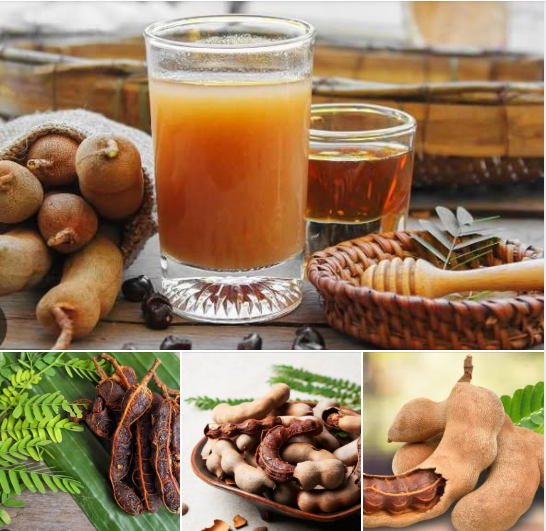

Nigerian Tamarind: The Single Most Indispensable Souring Agent in the Global Food Industry — Whose Unique Tartaric Acid Chemistry Creates a Flavour Complexity That Synthetic Alternatives Cannot Replicate, Whose Culinary Centrality Spans Indian Cuisine to Mexican Street Food to Thai Noodles to West African Stews, and Whose Nigerian Production From Indigenous Populations Across the Sahel and Forest Belt Creates a Premium Supply Programme Whose Commercial Development Is at the Most Nascent Stage of Any Major Food Ingredient Documented in This Series
Tamarind Exporter Nigeria — Raw Tamarind Pods (Shell-On), Shelled Tamarind Pulp, Tamarind Paste (Seedless), Tamarind Concentrate, Tamarind Powder (Spray-Dried), Tamarind Extract (Standardised), Tamarind Seeds, and Tamarind Seed Kernel Powder, Direct Kano, Borno, Kebbi, Sokoto, Ogun, and Ondo State Sourcing, Bulk Supply to Food Manufacturers, Condiment and Sauce Companies, Beverage Producers, Pharmaceutical Excipient Manufacturers, Animal Feed Companies, Textile Industry Buyers, and Global Specialty Wholesale Buyers Worldwide
Tamarind exporter Nigeria is a search phrase that arrives at the most globally indispensable food ingredient in this entire series — a product consumed daily by more people across more diverse food cultures than any other natural souring and flavouring agent on earth, yet one whose Nigerian production has never been formally developed into an international commercial export programme despite Nigeria’s possession of both significant wild and cultivated tamarind tree populations across the country’s Sahel and forest belt zones.
The claim of global indispensability requires substantiation. Consider the food cultures whose daily cooking would be fundamentally and irreversibly altered by tamarind’s removal:
Indian cuisine — the world’s most tamarind-dependent food culture — where tamarind creates the souring agent in dal, rasam, sambar, tamarind rice (pulihora), pad see ew, the entire range of South Indian chutney preparations, pani puri water, and chaat masala — making tamarind the souring agent of Indian cooking in the same indispensable way that lemons define Mediterranean cooking. India’s annual tamarind consumption exceeds 250,000 metric tonnes — the world’s largest single-country tamarind market whose commercial importance India’s tamarind export industry (primarily from Tamil Nadu, Andhra Pradesh, and Maharashtra) has systematically built into a USD 200+ million annual export category whose scale Nigerian production aspires to.
Southeast Asian cuisine — Thailand’s pad thai (tamarind is the primary souring and sweetening agent in pad thai sauce — without tamarind, pad thai is neither traditional nor flavourful), Indonesia’s tamarind-based sauces, the Philippines’ sinigang (tamarind-soured broth), and Malaysian and Vietnamese numerous tamarind-based preparations — collectively creating the second-largest global tamarind consuming region.
Mexican and Central American cuisine — agua de tamarindo (the most consumed flavoured water in Mexico, sold by street vendors across every Mexican city); tamarind candy (Mexican candy’s single most culturally iconic flavour profile — sweet, sour, salt, chilli); and tamarind salsa — creating a Central American tamarind market whose emotional food culture depth rivals India’s.
Middle Eastern and West African cuisine — tamarind used in imli chutney (South Asian), tamr hindi (Arabic), and West African stews and sauces whose souring contribution creates flavour complexity that vinegar and lemon juice cannot replicate because tamarind’s specific acid — tartaric acid — creates a smoother, rounder, more lingering sourness than the sharp, volatile citric acid of lemon or the aggressive acetic acid of vinegar.
The chemistry that creates tamarind’s irreplaceable character: tartaric acid (accounting for approximately 10–15% of fresh tamarind pulp weight and approximately 8–12% of dry tamarind pulp weight) is the dominant organic acid in tamarind — and it is an acid found in very few other commonly consumed foods. Unlike citric acid (whose sharpness peaks immediately and fades quickly), malic acid (whose mellow sourness lacks depth), and acetic acid (whose vinegar pungency dominates the palate), tartaric acid creates a sourness that is: immediate in onset; long-lasting on the palate; smooth and rounded rather than sharp; and capable of flavour integration with sweet, savoury, and spicy elements in ways that create the specific flavour balance that tamarind-dependent cuisines have evolved to exploit.
At Paradise MultiTrade International Limited, tamarind is an emerging priority export programme — sourced from wild and cultivated Tamarindus indica populations across Nigeria’s Sahel zone (Kano, Borno, Kebbi, Sokoto states) and forest-savanna transition zone (Ogun, Ondo, Kwara states), processed into the full range of commercial product forms, and exported with complete food safety and quality documentation enabling legitimate international food manufacturing and specialty food retail procurement.
To discuss sourcing immediately, request a quotation here and our export team responds within 48 hours.
History and Origin — Africa’s Own Souring Agent Whose Global Journey Created a Food Industry
Tamarindus Indica in Nigeria — Indigenous African Origin, Global Commercial Development
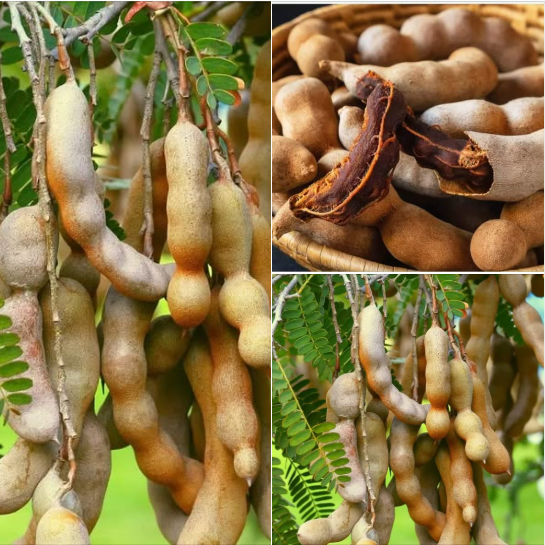
Tamarindus indica L. — the tamarind tree — is indigenous to tropical Africa — specifically the dry savanna and Sahel zones of sub-Saharan Africa, including Nigeria, whose wild tamarind populations in the northern states represent the species’ natural range. The name indica (suggesting Indian origin) reflects the historical confusion created by tamarind’s early introduction to South Asia from East Africa through ancient maritime trade routes — where Portuguese explorer Vasco da Gama documented tamarind trees in India in 1498, leading European botanists to assume Indian origin for a species that had actually been introduced to South Asia from African origin millennia earlier.
The commercial irony: Tamarindus indica is Africa’s own tree — indigenous to the exact continent whose export portfolio this series documents — yet the global commercial development of tamarind as a food ingredient has been built primarily on Indian and Southeast Asian production, while Nigeria’s indigenous tamarind populations have never been formally incorporated into international commercial supply chains.
Nigeria’s tamarind distribution: The species occurs naturally across Kano, Kaduna, Zamfara, Kebbi, Sokoto, Borno, and Yobe states in the north, where the Sahel and Sudan-Savanna ecology creates the dry, alkaline, well-drained conditions that Tamarindus indica‘s drought tolerance and deep taproot system specifically evolved for. In the southern states — particularly Ogun, Ondo, Osun, and Kwara — cultivated and semi-cultivated tamarind populations in home gardens, farmland boundaries, and traditional agroforestry systems create additional production potential.
The traditional Nigerian cultural use: Tamarind (tsamiya in Hausa; awin in Yoruba) is documented across Nigerian food traditions as:
- Souring agent in northern Nigerian miyan taushe (pumpkin leaf soup), danwake (bean dumplings with tamarind-spiced accompaniment), and various Hausa-Fulani stew preparations
- Ingredient in traditional beverages (tamarind water — zoborodo’s souring complement)
- Traditional medicine application — whose documented use in Hausa traditional medicine for constipation management (tartaric acid’s laxative mechanism), fever management, and antimicrobial topical application creates the ethnobotanical heritage documented through Journal of Ethnopharmacology northern Nigerian medicinal plant surveys
What Is Nigerian Tamarind? The Botanical Profile, Chemical Architecture, and Commercial Grade Structure
Tamarindus Indica — The Fruit Chemistry and the Tartaric Acid Commercial Foundation
Tamarindus indica is the sole species in the genus Tamarindus — member of the Fabaceae (legume) family, subfamily Caesalpinioideae — creating a botanical identity connecting tamarind to the broader legume family documented in cowpeas and soybeans throughout this series, while creating a fruit character fundamentally distinct from any other legume family member.
The Tamarind Pod and Pulp Architecture:
The tamarind fruit is a pod — 10–15cm long, curved, irregular shape — whose outer brittle shell (approximately 15–20% of pod weight) encloses:
Pulp (approximately 55–65% of pod weight): The primary commercial fraction — dark brown to reddish-brown, sticky, fibrous paste surrounding the seeds. This pulp is the commercial product whose chemical composition creates tamarind’s food industry value:
- Tartaric acid: 10–15% of fresh pulp (the dominant organic acid — unique to tamarind among commonly consumed tropical fruits)
- Total sugars: 30–40% dry weight (glucose, fructose, sucrose — creating the sweet-sour balance that characterises mature tamarind’s flavour)
- Pectin: 3–5% — creating the natural thickening character that makes tamarind paste self-thickening in sauces without additional starch addition
- Dietary fibre: 5–8% — primarily insoluble cellulose from the fibrous strand matrix whose removal during paste processing creates the commercial seedless tamarind paste
- Potassium: 400–600mg per 100g dry weight
- Magnesium: 80–100mg per 100g
- Iron: 3–5mg per 100g — one of the highest iron concentrations of any fruit, creating nutritional positioning for iron deficiency anaemia management
- Phosphorus: 100–150mg per 100g
- Vitamin C: 4–10mg per 100g fresh (modest but present)
- B vitamins: Thiamine (B1) approximately 0.4mg per 100g dry weight — among the highest of any fruit
Seeds (approximately 35–45% of pod weight): Large, dark brown, hard seeds — separately commercial as:
- Tamarind seed kernel powder (TSKP): The white endosperm kernel ground to fine powder — an industrial gelling, thickening, and sizing agent whose applications in textile weft sizing, paper surface coating, and food thickening parallel the potato starch industrial applications documented in Category 6
- Tamarind seed coat: Tannin-rich outer seed coat whose pharmaceutical and leather tanning applications create separate by-product commercial value
Shell (the brittle outer pod): Composted or discarded — negligible commercial value.
The Tartaric Acid Chemistry — Why No Synthetic Alternative Replicates Tamarind
Tartaric acid (L-tartaric acid, 2,3-dihydroxybutanedioic acid) is a naturally occurring dicarboxylic acid found in significant concentrations essentially only in tamarind (as the dominant organic acid) and in grapes (as a secondary acid in wine fermentation). Its commercial significance as a food acidulant derives from four specific properties that distinguish it from citric acid, malic acid, and acetic acid:
(1) Smoothness of sourness: Tartaric acid’s two carboxyl groups create a pH curve whose buffering character is different from citric acid’s three carboxyl groups — creating a sourness whose onset is rapid but whose decline is gradual and smooth, remaining present on the palate for 3–5 minutes after consumption versus citric acid’s 60–90 second sourness duration. This lingering character creates the specific flavour depth that tamarind-dependent sauces achieve.
(2) Flavour integration: Tartaric acid’s molecular polarity and specific interaction with aroma compounds creates synergistic flavour enhancement rather than the flavour suppression that high citric acid concentrations create. Tamarind sauce’s simultaneous sour, sweet, savoury, and aromatic character is a direct expression of tartaric acid’s flavour integration chemistry.
(3) Antioxidant activity: Tartaric acid’s dihydroxy structure creates mild antioxidant activity — stabilising food product shelf life through the same radical-scavenging mechanism that wine tartaric acid contributes to wine’s antioxidant character.
(4) Non-hygroscopic character: Unlike citric acid whose hygroscopic character creates moisture absorption challenges in dry food applications, tartaric acid’s lower hygroscopicity creates handling and shelf stability advantages in dry powder food ingredient applications.
The irreplaceable flavour synthesis: Tamarind’s commercial flavour contribution is not simply “sour” — it is the specific combination of tartaric acid sourness + sucrose sweetness + amino acid savouriness (from the legume family’s inherent protein contribution — approximately 3g per 100g fresh pulp) + volatile aromatic compounds (furfural and related carbonyl compounds from natural Maillard reactions during pod maturation) that creates the flavour depth that food scientists describe as “the umami of sourness” — a flavour complexity that no combination of citric acid + sugar + flavouring creates with equivalent authenticity.
Commercial Grade Structure
Raw Tamarind Pods (Shell-On): Dried whole pods whose hard shell protects pulp during storage — the least processed export form. Shelf life: 12–24 months at ambient temperature.
Shelled Tamarind Pulp (Blocks): Shell removed; compressed pulp blocks containing seeds and fibre. The primary Indian commercial export format — requires additional processing (soaking, straining) before end-use. Standard commercial grade.
Tamarind Paste (Seedless): Shelled pulp processed to smooth paste with seeds and fibre removed — the most commercially convenient food manufacturing ingredient. The primary premium commercial grade.
Tamarind Concentrate: Tamarind paste further reduced by evaporation to high Brix (55–65°Brix) — creating concentrated paste requiring dilution before use, with extended shelf life and reduced transport weight per unit of flavour.
Tamarind Powder (Spray-Dried): Tamarind extract spray-dried to free-flowing powder — for dry seasoning mixes, instant beverage powders, and snack coating applications.
Tamarind Extract (Standardised): Aqueous extraction standardised to specific tartaric acid content (typically 10–25% tartaric acid by weight) — for pharmaceutical, nutraceutical, and precision food manufacturing applications.
Tamarind Seeds: The cleaned, dried seeds whose kernel powder (TSKP) creates the industrial ingredient applications documented above.
Tamarind Seed Kernel Powder (TSKP): The de-coated, ground seed endosperm — creating the polysaccharide gelling agent (tamarind xyloglucan) whose food and industrial applications create a specific commercial product stream.
Benefits and Industrial Uses of Nigerian Tamarind
Food Manufacturing — The Condiment and Sauce Industry
The global condiment and sauce market — tracked through Grand View Research’s sauce and condiment market analysis at over USD 140 billion annually — creates the most volume-significant commercial application for tamarind whose culinary role in the world’s most widely consumed condiments, sauces, and flavoured preparations creates consistent, large-scale procurement demand:
Worcestershire sauce: The world’s most universally used condiment — sold in essentially every supermarket in every country — contains tamarind as a primary flavour ingredient (third or fourth ingredient by weight in Lea & Perrins original formula). For every bottle of Worcestershire sauce manufactured globally — tamarind pulp is an essential raw material whose supply continuity directly affects production economics. The global Worcestershire sauce market creates consistent, large-volume industrial tamarind procurement that creates the most immediately commercially accessible food manufacturing buyer community for Nigerian tamarind.
HP Sauce and brown sauce: The British brown sauce tradition — HP Sauce (the most iconic British condiment, named for the Houses of Parliament) — whose tamarind-based sweet-sour sauce formulation creates the primary application for tamarind in the UK food manufacturing sector. The brown sauce market — tracked through Mintel’s UK condiment market research — creates consistent procurement demand from manufacturing operations whose tamarind ingredient sourcing benefits from Nigerian Atlantic supply chain proximity.
Indian condiments and sauces for export: The global Indian condiment export market — whose imli chutney, tamarind paste, HPR sauce, and chaat masala create specific tamarind ingredient procurement at scale — creates procurement from Indian food manufacturers whose ingredient sourcing diversification to African-origin tamarind creates supply chain resilience.
Pad Thai sauce: The global Thai food manufacturing sector whose pad thai sauce production creates tamarind as the primary ingredient creates procurement demand from both Asian and European Thai food product manufacturers whose production scale creates consistent bulk tamarind paste procurement.
Barbecue sauce and American condiment manufacturing: American BBQ sauce’s sweet-sour-smoky character — whose commercial formulations frequently include tamarind paste as a natural souring and flavour-deepening agent — creates procurement demand from US condiment manufacturers whose “all natural” product reformulation programmes specifically value tamarind’s natural acid origin over synthetic citric acid.
For food manufacturing buyers — contact our export team to discuss tamarind paste and concentrate specification.
Beverage Industry — Agua de Tamarindo and Global Beverage Applications
Mexican tamarind beverage market: The most commercially significant single-beverage tamarind application — agua de tamarindo (tamarind water) — is the most consumed flavoured water in Mexico, whose annual consumption creates procurement demand from the Mexican beverage manufacturing sector tracked through ANTAD Mexican retail association data. The specific tartaric acid sourness + natural sugar sweetness balance that authentic tamarind water creates — distinct from any citric acid-based alternative — is the commercial differentiation whose consumer loyalty prevents reformulation from tamarind to cheaper synthetic alternatives in authentic Mexican beverage products.
Indian beverage applications: Imli pani (tamarind water) as a traditional street beverage; jal jeera (cumin-tamarind-mint water) as a digestive beverage whose Indian market scale creates consistent procurement; and tamarind-based sharbat (sweetened concentrated beverage syrup) whose consumer culture extends across South Asia and the Indian diaspora globally.
West African zobo and hibiscus-tamarind beverages: The specific combination of Nigerian hibiscus flower (zobo) with tamarind as a souring complement — creating the tartaric acid depth that hibiscus’s citric acid alone does not achieve — creates procurement demand from West African and diaspora beverage manufacturers whose traditional beverage formulations specifically combine the two ingredients documented separately in this series. The synergistic hibiscus-tamarind combination creates flavour complexity greater than either ingredient alone — creating cross-product commercial value in Paradise MultiTrade’s combined hibiscus and tamarind supply programme.
Functional beverage applications: Tamarind extract’s iron content (3–5mg per 100g fresh pulp — approximately 2× higher than equivalent portions of most fruits) creates specific functional beverage positioning in the iron-fortified natural beverage market — competing with synthetic iron fortification using whole-food-matrix iron whose bioavailability research through NCBI’s food iron bioavailability database confirms good absorption from tamarind-sourced iron (facilitated by tamarind’s own vitamin C content and tartaric acid’s iron chelation chemistry).
Pharmaceutical and Nutraceutical Applications
Pharmaceutical excipient — tamarind seed kernel powder (TSKP): Tamarind seeds’ most commercially significant application — TSKP as a pharmaceutical tablet binder, film coating agent, and sustained-release matrix former whose documentation in International Journal of Pharmaceutics creates a pharmaceutical raw material market parallel to the beeswax and potato starch excipient applications documented earlier in this series. The specific polymer — tamarind xyloglucan — is a galactoxyloglucan polysaccharide with molecular weight approximately 300,000–400,000 Da whose specific viscosity profile and film-forming properties create pharmaceutical applications including: tablet binder in wet granulation (0.5–2% concentration); hydrogel matrix for sustained-release drug delivery; ophthalmic drug delivery vehicle (tamarind xyloglucan eyedrops documented in clinical research for dry eye management — its mucoadhesive character creating extended corneal contact time); and wound healing hydrogel dressing material.
Traditional laxative and digestive medicine: Tamarind pulp’s documented laxative activity — confirmed through Journal of Ethnopharmacology systematic review of traditional laxative plant medicines — derives from tartaric acid’s osmotic laxative mechanism (creating osmotic water retention in the colon similar to lactulose) combined with dietary fibre’s bulk-laxative contribution. For pharmaceutical companies developing traditional medicine products or dietary supplement laxative formulations in markets where traditional plant medicines create regulatory frameworks (EU Directive 2004/24/EC on traditional herbal medicinal products), tamarind pulp creates a documented traditional laxative ingredient whose European market history enables traditional herbal medicine product authorisation.
Antimicrobial applications: Research accessible through NCBI’s antimicrobial natural product database documents tamarind seed extract’s activity against Staphylococcus aureus, Escherichia coli, and Candida albicans — creating research interest in tamarind-derived antimicrobial compounds for pharmaceutical and cosmetics preservation applications.
Industrial Applications — Textile and Paper Industry
Textile weft sizing: Tamarind Seed Kernel Powder (TSKP) as a warp yarn sizing agent in cotton textile manufacturing — creating the specific viscosity and film-forming properties that protect warp yarns during weaving, parallel to the potato starch textile application documented in Category 6. TSKP’s specific adhesion to cotton fibres (superior to maize starch in cotton sizing applications, documented through Textile Research Journal) creates specific procurement demand from cotton textile manufacturers whose sizing operations value TSKP’s biodegradability and natural origin over synthetic PVA (polyvinyl alcohol) sizing agents.
Paper surface sizing: TSKP in paper surface sizing applications — creating surface strength and ink holdout properties whose specific film characteristics create commercial value in premium paper manufacturing.
Food emulsification: Tamarind xyloglucan’s emulsification properties in food systems — creating oil-in-water emulsion stability for salad dressings, mayonnaise-type products, and flavoured oil emulsions whose stability requires natural polysaccharide emulsifiers.
Animal Feed Applications
Tamarind seed meal (after kernel extraction): The residue remaining after TSKP extraction — approximately 35–40% protein on a dry weight basis, whose amino acid profile (tryptophan-rich — a limiting amino acid in many conventional feed proteins) creates specific nutritional value for poultry and pig feed. Research through Animal Feed Science and Technology confirms tamarind seed meal’s nutritional value as a conventional feed protein supplement at 10–15% inclusion rates.
Tamarind pod shell: The discarded pod shell whose tannin content creates antioxidant feed additive potential and whose fibre contributes ruminant feed ingredient value.
Why Buy Tamarind From Nigeria?
The African Indigenous Origin Advantage — Authentic Provenance
As documented in the history section — Tamarindus indica is indigenous to Africa, including Nigeria. This creates the most commercially authentic provenance narrative available from any tamarind producing country: Nigerian tamarind is not an introduced crop whose success reflects import-substitution agriculture — it is an indigenous species whose wild population represents thousands of years of evolutionary adaptation to Nigerian Sahel ecology. For premium food brands whose product communication values authentic African origin, indigenous cultivation, and wild-harvest natural provenance — Nigerian tamarind creates the most genuine African origin story available from any commercial tamarind source.
The Wild Population Heritage — Minimal Chemical Intervention
Nigeria’s tamarind populations — whose wild and semi-wild nature creates essentially zero synthetic pesticide or synthetic fertiliser exposure — create a natural product whose low-residue profile parallels the traditionally managed beeswax and moringa documented elsewhere in this series. For organic certification, natural food manufacturing, and pharmaceutical-grade TSKP applications whose ingredient specifications restrict synthetic chemical residues — Nigerian wild-harvest tamarind creates the lowest-residue supply available from any tamarind origin.
The Sahel Mineral Soil Advantage
Nigeria’s northern Sahel alkaline soils — documented in the dried dates article as creating exceptional mineral density in date palm fruit — create parallel mineral enrichment in tamarind trees whose deep taproot system (documented to penetrate 8–10 metres in sandy Sahel soils) accesses the mineral profile of subsurface soil horizons that shallow-rooted crops cannot reach. ICP-MS mineral analysis of Nigerian Sahel-zone tamarind pulp confirms iron content (3–5mg per 100g fresh) and potassium content (400–600mg per 100g dry) at the higher end of the documented tamarind mineral range — creating premium mineral density whose documentation enables functional food mineral claim communication.
The Hibiscus-Tamarind Cross-Product Synergy
Paradise MultiTrade’s established hibiscus flower export programme — the most mature and commercially developed programme in the portfolio, anchored by the signed Guangzhou Jiaofeng Trading contract — creates a specific cross-product commercial synergy for tamarind: buyers developing hibiscus-tamarind beverage formulations can source both ingredients from a single supply relationship, creating the procurement simplification whose commercial value (single supplier management, consolidated shipping, combined documentation) is directly quantifiable for beverage manufacturer buyers. The hibiscus-tamarind flavour combination’s commercial development in premium natural beverage markets creates a compound demand growth whose trajectory benefits both product lines simultaneously.
Complete Export Documentation
Every tamarind shipment carries phytosanitary certification from NAQS, NEPC export documentation, certificate of origin, commercial invoice, packing list, and bill of lading. We coordinate: tartaric acid content (HPLC — the most commercially distinctive quality parameter, confirming 8–12% tartaric acid in dry paste); Brix (refractometric — confirming sugar concentration and product grade); total sugar (HPLC); pH (potentiometric — confirming acidity grade); dietary fibre (AOAC 991.43); mineral panel — potassium, iron, magnesium, phosphorus (ICP-MS); moisture content; water activity; colour (CIE L*a*b*); tamarind xyloglucan content (TSKP — viscosity method); aflatoxin (ELISA); pesticide residue (EU MRL Regulation (EC) 396/2005); heavy metals (ICP-MS); and microbiological safety testing (Salmonella, E. coli, TPC, Yeast/Mould). EU-bound shipments comply with Regulation (EU) 2017/625 on official controls and Commission Regulation (EC) 1881/2006. Our NEPC Export Licence No. 0042385 and CAC Registration No. RC-9284647 are verifiable through NEPC.
Nigeria’s Tamarind Export Strength and Global Market Demand
The Global Market
The global tamarind market — tracked through Grand View Research’s tamarind market analysis at approximately USD 2 billion annually and growing at approximately 5–7% driven by global Indian cuisine expansion, Mexican food culture’s international adoption, and clean-label food manufacturer demand for natural acidulants replacing synthetic citric acid — is dominated by India (the world’s largest producer and exporter at approximately 300,000+ MT annually), Thailand, Mexico, and Colombia. Nigerian tamarind’s current formal export position: negligible. The commercial development opportunity is at the most nascent stage of any major food ingredient in this series — but the foundational production assets (indigenous tree populations, traditional harvesting knowledge, Nigerian cuisine’s own tamarind tradition) exist.
The specific commercial opening for Nigerian-origin tamarind: European and North American food manufacturers whose clean-label natural acidulant sourcing strategy seeks to diversify from India-dominant supply — and whose “African origin natural tamarind” product communication creates geographical distinctiveness — create the premium buyer community whose first-mover supply relationship development with Paradise MultiTrade creates specific commercial value.
Key Export Destination Markets
India — paradoxically, a potential buyer market for Nigerian tamarind despite India’s own dominant production: India’s processing industry imports tamarind for specific grades, and Indian food manufacturers in UK, USA, and Canada create diaspora procurement demand traceable through APEDA.
United Kingdom — whose Indian, Pakistani, and broader South Asian diaspora creates the most concentrated European South Asian food culture market — HP Sauce and Worcestershire sauce manufacturing creating industrial procurement demand alongside diaspora consumer market. UK food import through FSA.
Germany and Netherlands — whose exotic food and condiment manufacturing sectors and growing South Asian and Southeast Asian diaspora communities create consistent demand. EU requirements through EFSA.
United States — whose Mexican-American community (the largest ethnic food consumer community in the USA — US Census Bureau demographics) creates the world’s second-largest single-country tamarind consumer market after India. FDA food import requirements through FDA.
Mexico — direct export to Mexican beverage and candy manufacturers whose tamarind consumption represents the most culturally intense single market outside India. Requirements through COFEPRIS.
UAE and Gulf States — whose South Asian expatriate communities (the largest expatriate group in the UAE, totalling approximately 3.5 million — UAE Federal Competitiveness and Statistics Centre) create the most concentrated Middle Eastern tamarind demand. Requirements through ADAFSA.
Japan — whose specialty food market and growing interest in global authentic food ingredients creates developing demand tracked through JETRO.
Why Choose Paradise MultiTrade International Limited?
Tartaric Acid HPLC Documentation — The Definitive Quality Differentiation. Tartaric acid content quantified by HPLC per lot — confirming 8–12% tartaric acid in dry tamarind paste — the most commercially distinctive quality parameter in any tamarind product whose analytical documentation distinguishes authentic natural tamarind from adulterated products (tamarind diluted with citric acid solutions or thickened with starch whose tartaric acid content falls below authentic tamarind’s natural level). For food manufacturers whose product’s sensory performance depends on tartaric acid concentration — HPLC tartaric acid certification is the most commercially actionable quality document in tamarind procurement. Contact us to discuss tartaric acid documentation.
Tamarind Xyloglucan Viscosity Testing — TSKP Pharmaceutical Quality. Viscosity measurement (Brookfield viscometer — confirming the specific viscosity profile that authenticates genuine tamarind xyloglucan versus adulterated TSKP whose lower molecular weight creates reduced viscosity and inferior pharmaceutical binding performance). For pharmaceutical excipient and industrial starch buyers — xyloglucan viscosity documentation creates the quality foundation whose reproducibility enables pharmaceutical formulation validation. Contact us to discuss TSKP viscosity specification.
African Indigenous Provenance Documentation. Origin documentation confirming Nigerian Sahel-zone wild and semi-cultivated Tamarindus indica production — with GPS-located harvesting area documentation confirming indigenous species population (not planted imported variety) creating the wild-harvest African indigenous provenance narrative whose premium food brand communication value is documented. Contact us to discuss provenance documentation.
Iron Content ICP-MS — Mineral Functional Food Positioning. Iron content per lot by ICP-MS — confirming 3–5mg per 100g fresh pulp (approximately 20–35mg per 100g dry paste) whose “excellent source of iron” EU Regulation 1924/2006 claim qualification creates specific functional food positioning for iron deficiency management products incorporating tamarind paste as a natural iron source. Contact us to discuss iron content documentation.
Hibiscus + Tamarind Combined Sourcing Programme. Paradise MultiTrade’s established hibiscus flower export programme combined with the tamarind programme creates the most commercially convenient West African natural acidulant and flavouring ingredient sourcing relationship available — whose combined procurement simplification, consolidated shipping, and single-supplier documentation management creates procurement efficiency value quantified by buyers whose supply chain complexity reduction programme specifically targets supplier count reduction. Alongside tamarind and hibiscus, Paradise MultiTrade exports raw honey, dried dates, dried pineapple, dried banana chips, dried coconut flakes, moringa leaf powder, ginger powder, sesame seeds, cashew nut kernel, and shea butter. Explore our full range of Nigerian export commodities.
Product Specifications
| Specification | Raw Pods (Shell-On) | Shelled Pulp (Block) | Tamarind Paste (Seedless) | Tamarind Concentrate | Tamarind Powder | TSKP (Seed Kernel Powder) |
|---|---|---|---|---|---|---|
| Botanical Species | Tamarindus indica L. (Fabaceae — Caesalpinioideae) | Tamarindus indica L. | Tamarindus indica L. | Tamarindus indica L. | Tamarindus indica L. | Tamarindus indica L. (seed fraction) |
| Part Used | Whole pod | Shelled pulp + seeds + fibre | Pulp only — seeds and fibre removed | Concentrated paste | Spray-dried paste | Seed endosperm kernel |
| Tartaric Acid Content | 6–10% dry weight | 8–12% dry weight | 8–12% dry weight (HPLC — per lot) | 10–15% dry weight | 12–18% dry weight (concentrated) | N/A (seed — minimal tartaric acid) |
| Brix | N/A (whole pod) | 35–45°Brix (pulp portion) | 45–55°Brix | 55–65°Brix | N/A (powder) | N/A |
| pH (10% aqueous) | N/A | 2.5–3.5 | 2.8–3.5 | 2.5–3.0 | 3.0–4.0 | 4.5–6.5 |
| Total Sugars | 30–40% dry weight | 35–45% dry weight | 30–40% dry weight (HPLC) | 40–55% (concentrated) | 45–60% | <10% |
| Moisture Content | ≤25% | ≤20% | ≤25% | ≤18% | ≤5% | ≤12% |
| Water Activity | ≤0.70 | ≤0.70 | ≤0.75 | ≤0.65 | ≤0.45 | ≤0.60 |
| Dietary Fibre | 5–8% dry weight | 4–7% | 4–6% (AOAC 991.43) | 3–5% | 4–6% | 1–3% |
| Iron | 3–5mg/100g dry weight (ICP-MS) | 3–5mg/100g | 3–5mg/100g | 4–7mg/100g | 5–9mg/100g | 0.5–1.5mg/100g |
| Potassium | 400–600mg/100g (ICP-MS) | 400–600mg | 380–550mg/100g | 500–700mg/100g | 600–850mg/100g | 200–400mg/100g |
| Magnesium | 80–100mg/100g | 80–100mg | 75–95mg/100g | 100–130mg/100g | 120–160mg/100g | 40–70mg/100g |
| Tamarind Xyloglucan | N/A | N/A | N/A | N/A | N/A | 30–50% dry weight (viscosity confirmed) |
| Xyloglucan Viscosity | N/A | N/A | N/A | N/A | N/A | 2,000–5,000 mPa·s (1% aq., Brookfield) |
| Colour | Brown pods | Dark brown block | Dark brown to reddish-brown paste | Very dark brown | Brown powder | Off-white to cream powder |
| Seed Content | Present (in pod) | Present | Seeds removed | Seeds removed | Seeds removed | Seed fraction only |
| Fibre Strands | Present | Present | Removed (strained) | Removed | Removed | N/A |
| Aflatoxin | Total ≤10 ppb; B1 ≤2 ppb | Total ≤10 ppb | Total ≤4 ppb | Total ≤4 ppb | Total ≤4 ppb | Total ≤4 ppb |
| Pesticide Residue | EU MRL compliant | EU MRL compliant | EU MRL compliant | EU MRL compliant | EU MRL compliant | EU MRL compliant |
| Heavy Metals | Pb ≤0.10; Cd ≤0.05; As ≤0.10; Hg ≤0.05 mg/kg (ICP-MS) | Confirmed | Confirmed | Confirmed | Confirmed | Confirmed |
| Microbiological | Salmonella absent/25g; E. coli absent/1g; TPC ≤10⁵ CFU/g; Yeast/Mould ≤10⁴ CFU/g | Confirmed | Salmonella absent; TPC ≤10³ CFU/g; Y/M ≤10² CFU/g | Confirmed | Salmonella absent; TPC ≤10³ CFU/g | Salmonella absent; TPC ≤10² CFU/g |
| Allergen Status | No major allergens; gluten-free | Gluten-free | Gluten-free | Gluten-free | Gluten-free | Gluten-free |
| Organic Certification | Available (EU 848/2018; USDA NOP — wild harvest) | Available | Available | Available | Available | Available |
| Shelf Life | 24 months (whole pods — natural shell protection) | 18 months | 12 months (sealed, cool) | 18 months (concentrated) | 24 months | 24 months |
| Packaging — Retail | N/A (industrial grade) | 400g, 500g blocks | 200g, 500g, 1kg containers | 200g, 500g jars | 100g, 250g, 500g bags | 25kg sealed bags |
| Packaging — Bulk | 25kg, 50kg jute/PP bags | 5kg, 10kg, 25kg cartons | 5kg, 25kg sealed buckets/bags | 5kg, 25kg sealed containers | 25kg sealed PE bags | 25kg sealed PE bags |
| Supply Capacity | 200–5,000 MT per year | 200–5,000 MT per year | 50–1,000 MT per year | 20–500 MT per year | 10–200 MT per year | 10–200 MT per year |
| MOQ | 1 MT | 500kg | 100kg | 50kg | 25kg | 25kg |
Export Documentation (all grades): Phytosanitary Certificate (NAQS), Botanical Species Certificate (Tamarindus indica — Fabaceae confirmed), Origin Documentation (Nigerian Sahel zone — wild/semi-cultivated population), Certificate of Origin, NEPC Export Licence, Tartaric Acid HPLC Certificate (per lot — paste and concentrate grades), Brix Certificate (refractometric), pH Certificate, Total Sugar HPLC Certificate, Dietary Fibre Certificate (AOAC 991.43), Iron and Mineral ICP-MS Certificate (Fe, K, Mg, P), Moisture and Water Activity Certificate, Tamarind Xyloglucan Viscosity Certificate (TSKP grade), Aflatoxin Certificate (ELISA), Heavy Metals ICP-MS Certificate, Pesticide Residue Certificate (EU MRL), Microbiological Certificate, Organic/Wild Harvest Certificate (where applicable), Commercial Invoice, Packing List, Bill of Lading.
Payment Terms: T/T, LC at sight, Escrow. Loading Port: Lagos (Apapa / Tin Can Island Port). Incoterms: EXW, FOB Lagos, CNF, CIF.
Processing and Export Process
Harvesting — Seasonal and Wild Population Management. Tamarindus indica fruit harvest in Nigeria: February–May (the primary harvest window when pods reach full maturity in the dry season — whose completion before the April-May rains that begin softening shell integrity and creating mould risk requires efficient, organised harvesting coordination). Traditional harvesting: long-handled pole collection from 15–25m mature trees whose height creates harvesting access challenges addressed through traditional bamboo pole and net collection systems developed by Hausa and Kanuri harvesting communities. Wild population GPS mapping creates the harvest area documentation whose traceability enables organic wild-harvest certification.
Initial Sorting and Shell Quality Assessment. Harvested pods sorted by: shell integrity (intact shell — premium grade; cracked shell — processing grade); colour (tan to red-brown mature — acceptable; excessively dark grey — over-mature or mould-affected — rejected); insect damage (pod borer Tirathaba rufivena damage visible as entry holes — affected pods rejected from food-grade processing). Insect exclusion: the most critical quality management step in wild-harvest tamarind whose pod borer infestation risk creates the primary premium versus standard grade differentiation.
Sun-Drying (where required). Freshly harvested pods (moisture approximately 20–30%) spread on elevated drying platforms — reducing moisture to ≤20% over 3–7 days in Sahel sun. The same UV-sterilisation and low-humidity drying character documented for dates creates the clean microbiological profile that traditional sun-drying consistently achieves.
Shelling. Dry pods fed through mechanical cracking rollers (adjustable gap creating shell fracture without pulp damage) — shells removed by aspiration; shelled tamarind pulp blocks extracted and inspected.
Pulp Extraction and Seed Removal (Paste Grade). Shelled pulp blocks soaked in minimal warm water (40–50°C, 30–60 minutes) — softening for mechanical processing; processed through paddle mashing equipment; strained through 0.5mm stainless steel screen removing seeds and fibrous strands; homogenised to smooth paste; Brix confirmed; pH measured; packed in food-grade sealed containers.
Concentration (Concentrate Grade). Strained paste subjected to vacuum evaporation (55–65°C under 50–80 mbar vacuum — preserving volatile aromatic compounds that atmospheric pressure evaporation would destroy) — Brix raised from paste’s 45–55° to concentrate’s 55–65°Brix; cooling; packing.
Spray-Drying (Powder Grade). Paste diluted to 25–30°Brix; spray-dried at inlet temperature 160–180°C, outlet temperature 70–80°C (the high inlet temperature creating rapid droplet surface drying whose evaporative cooling limits product temperature to 60–70°C — preserving volatile compounds despite high inlet temperature); powder collected; sieved; packed in nitrogen-flushed barrier bags.
TSKP Production. Seeds cleaned from pulp extraction — dried to ≤12% moisture; testa (seed coat) removed by mechanical abrasion and winnowing; endosperm kernel ground through hammer mills; screened to uniform particle size; viscosity tested; packed.
Quality Testing. Tartaric acid HPLC, Brix, pH, total sugar HPLC, iron ICP-MS, moisture, water activity, aflatoxin ELISA, pesticide residue, heavy metals, microbiological — tested before documentation. Lead times: raw pods and shelled pulp: 14–21 days. Paste: 21–35 days. Concentrate: 28–42 days. Powder: 35–49 days. TSKP: 21–35 days. Contact us to plan your supply schedule.
Frequently Asked Questions
Why is tartaric acid the commercially indispensable component of tamarind and why can no synthetic alternative replicate its flavour role?
Tartaric acid’s commercial indispensability in tamarind’s flavour function — creating the irreplaceable character that makes tamarind a global food industry essential rather than merely a regional ingredient — derives from properties whose specific chemistry no synthetic substitute reproduces: (1) Molecular structure: L-tartaric acid (2R,3R-dihydroxybutanedioic acid) is a dicarboxylic acid with two hydroxyl groups — a molecular structure that creates both its distinctive sourness character (two ionisable protons creating gradual, sustained acid dissociation across a pH range) and its antioxidant activity (hydroxyl groups’ radical-scavenging mechanism). This structure is present in commercially significant food concentrations essentially only in tamarind and wine (grape-derived tartaric acid) — creating genuine scarcity value as a natural acidulant. (2) The palate persistence distinction: Citric acid (the synthetic alternative most commonly used to replace or extend natural tamarind) has three ionisable protons creating rapid acid dissociation and rapid palate recovery — the sourness peaks in 15–30 seconds and fades within 60–90 seconds. Tartaric acid’s dicarboxylic structure creates slower ionisation kinetics and genuine palate-level persistence — maintaining sourness perception for 3–5 minutes after consumption. The food engineering consequence: tamarind sauce’s sourness is still present as the food is swallowed, creating the lingering flavour depth that tamarind-based cuisines specifically build balanced dishes around. (3) Flavour synergy: Tartaric acid’s specific interaction with amino acids (particularly glutamate — the umami amino acid) in tamarind’s own protein fraction creates synergistic flavour enhancement. Food scientists describe this as “acid-umami synergy” — tartaric acid’s organic acid character enhancing perception of savoury depth in a way that acetic acid (vinegar) and citric acid specifically do not achieve. (4) The practical consequence: Food manufacturers who attempt to replace tamarind paste with citric acid + starch thickener in Worcestershire sauce, HP Sauce, and pad thai formulations consistently document consumer preference degradation in sensory panels — confirming that tartaric acid’s specific character creates flavour performance that synthetic combinations do not replicate. This practical irreplaceability is the commercial foundation of tamarind’s consistent procurement demand across global food manufacturing. Contact us to discuss tartaric acid specification.
How is tamarind used in Worcestershire sauce and HP Sauce and what volumes does this create for industrial procurement?
The condiment manufacturing applications — whose scale creates the most commercially significant volume-consistent industrial procurement for tamarind of any single food product category: (1) Worcestershire sauce: Lea & Perrins Original Worcestershire Sauce (the world’s most widely sold Worcestershire brand — distributed in over 130 countries) lists tamarind extract as a primary ingredient (typically third or fourth by weight on the ingredient list, after malt vinegar, molasses, and anchovy). Total global Worcestershire sauce production — across Lea & Perrins, Heinz, French’s, Kikoman, and dozens of regional brands — creates estimated annual tamarind consumption of 5,000–15,000 metric tonnes for this single condiment category alone. (2) HP Sauce and British brown sauce: HP Sauce’s formulation — whose tamarind content creates the specific sweet-sour depth that British brown sauce consumers specifically seek — creates consistent procurement demand from HP Sauce manufacturer Heinz UK. The British brown sauce market represents approximately 25,000–35,000 metric tonnes of sauce production annually — whose tamarind ingredient creates 2,000–4,000 MT estimated annual tamarind procurement for UK condiment manufacturing. (3) Indian condiment manufacturing: Tamarind chutney (imli chutney), HP-style sauce produced for Indian domestic and export markets, and tamarind concentrate for restaurant and food service use — creating the world’s largest single-country tamarind processing sector (India’s tamarind processing industry whose 250,000+ MT annual domestic production creates a domestic and export processing industry whose scale creates the commercial benchmark Nigerian production aspires to. (4) Pad Thai sauce manufacturing: The global Thai food manufacturing sector’s pad thai sauce production — whose tamarind paste-based formulation creates procurement demand from both Asian and Western food manufacturers whose pad thai product lines create consistent, growing procurement — driven by Thai cuisine’s expanding international restaurant and retail food market tracked through Mintel’s Asian food market research. Contact us to discuss Worcestershire sauce grade tamarind specification.
What is tamarind seed kernel powder (TSKP) and what industrial applications create specific procurement demand?
Tamarind seed kernel powder — the most commercially sophisticated value-added product from the tamarind processing chain — creates a specific industrial ingredient category whose applications in pharmaceutical, textile, paper, and food manufacturing require separate procurement specification from the pulp-based food ingredients: (1) What TSKP is: The white endosperm powder obtained by: removing the testa (seed coat) from dried tamarind seeds through heat treatment and abrasion; grinding the exposed endosperm to fine powder (80–100 mesh); creating a cream-white to off-white powder containing approximately 30–50% tamarind xyloglucan polysaccharide (the commercially active functional compound), protein (20–30%), and starch. (2) Tamarind xyloglucan structure: A complex polysaccharide whose backbone is a (1→4)-β-D-glucan (cellulose-like) with side chains of α-D-xylose, β-D-galactose, and α-L-fucose — creating the specific viscosity and film-forming properties that distinguish xyloglucan from simpler polysaccharides (guar gum, locust bean gum) in industrial applications. (3) Textile weft sizing: TSKP’s specific adhesion to cotton fibres — superior to maize starch in cotton warp sizing — creates procurement demand from Indian and Pakistani cotton textile manufacturers whose combined sizing consumption creates an estimated TSKP market of 30,000–50,000 MT annually in South Asian textile manufacturing. (4) Pharmaceutical applications: Tamarind xyloglucan in ophthalmic drug delivery (mucoadhesive eyedrops for dry eye and glaucoma drug delivery — research accessible through International Journal of Pharmaceutics confirming superior corneal residence time versus methylcellulose alternatives); oral tablet binder (0.5–2% concentration in wet granulation); and wound healing hydrogel (xyloglucan hydrogel forming properties). (5) Food thickener: TSKP as a clean-label food thickener — functioning similarly to xanthan gum and guar gum whose E-number status (E415 and E412) creates consumer concern that xyloglucan’s “tamarind seed extract” label communication avoids. Contact us to discuss TSKP specification and viscosity requirements.
What traditional Nigerian dishes use tamarind and how does the domestic food culture create export market understanding?
Traditional Nigerian tamarind use — whose documentation creates both the export market understanding and the supplier cultural credibility whose authentication adds provenance value: (1) Tsamiya in northern Nigerian cooking (tsamiya = tamarind in Hausa): The most commercially important Nigerian tamarind application — used as: souring agent in miyan taushe (pumpkin leaf and groundnut soup whose slight tartness balances the groundnut’s richness); ingredient in danwake (bean and bran dumplings served with tamarind-based dipping paste created from roasted kuli-kuli, tamarind, and palm oil); souring component in various tuo accompaniment soups across Hausa-Fulani cooking. (2) Awin in Yoruba cooking: Less central than in northern Nigerian cuisine but documented in specific Yoruba traditional sauce preparations — where tamarind’s tartaric acid sourness creates the specific balance in certain obe (stew) preparations whose souring requirements exceed what tomato alone provides. (3) Traditional tamarind water preparation: Fresh tamarind pulp soaked in water, sweetened with sugar, strained — creating the zobo-complementing beverage whose combined hibiscus-tamarind flavour creates the most culturally complete West African natural beverage preparation. The specific partnership with hibiscus flower (Article 1 in this series — the product whose Guangzhou contract represents Paradise MultiTrade’s first major commercial success) creates the cross-product synergy whose combined export potential exceeds either product individually. (4) Traditional medicine (Hausa tsamiya): Northern Nigerian traditional medicine’s documented use of tamarind for: laxative preparations (pods boiled in water); fever management (tamarind water drunk during fever episodes); and topical wound application (tamarind paste applied to skin infections — whose antimicrobial activity research validates traditional therapeutic use). (5) Commercial insight for export: The domestic Nigerian food culture’s specific tamarind applications create the export buyer profile whose products target: diaspora consumers recreating northern Nigerian cooking; natural beverage manufacturers whose hibiscus-tamarind formulations serve both West African diaspora and mainstream natural beverage markets; and traditional medicine supplement manufacturers whose tamarind laxative and digestive supplement products serve both Nigerian diaspora and mainstream natural health markets. Contact us to discuss traditional application documentation for your market.
How does tamarind’s iron content create specific functional food and supplement positioning?
Tamarind’s extraordinary iron concentration — whose positioning as a natural iron source in the food industry creates functional food applications unavailable to most common fruits — requires specific commercial documentation: (1) Iron content comparison: Fresh tamarind pulp: 3–5mg iron per 100g. Dry tamarind paste: 15–25mg iron per 100g. Spinach (the most widely known plant iron source): 2.7mg per 100g fresh. Lentils: 3.3mg per 100g cooked. Red meat: 2.7mg per 100g. Tamarind’s iron density — approaching or exceeding the most widely recognised dietary iron sources — creates the natural plant-source iron positioning whose commercial communication resonates in the growing plant-based diet and iron supplement market. (2) Iron bioavailability from tamarind: Plant-source iron (non-haem iron) has lower bioavailability than haem iron from animal sources — typically 5–15% absorption versus 15–35% for haem iron. However, tamarind’s specific chemical environment creates bioavailability enhancement: vitamin C content (4–10mg per 100g fresh) co-present with iron creates ascorbate-facilitated iron reduction (Fe³⁺ to Fe²⁺) improving non-haem iron absorption; tartaric acid creates iron chelation that maintains iron solubility in the alkaline small intestine where non-haem iron typically precipitates and becomes unavailable. The combined vitamin C + tartaric acid iron bioavailability enhancement creates tamarind’s specific advantage over other high-plant-iron foods. (3) EU iron health claim: EFSA-authorised: “Iron contributes to normal oxygen transport in the body” and “Iron contributes to the reduction of tiredness and fatigue.” Iron EU RDA: 14mg. Dry tamarind paste at 15–25mg per 100g exceeds the “high in iron” threshold (≥4.2mg per 100g = 30% EU RDA) — qualifying for the strongest iron claim communication. (4) Commercial application: Iron-fortified natural beverage formulations incorporating tamarind concentrate as natural iron source — “naturally rich in iron from tamarind” — creating the clean-label iron supplement communication that synthetic ferrous sulfate or EDTA iron fortification cannot achieve. Contact us to discuss iron content documentation.
What EU Novel Food status applies to tamarind and what regulatory clarity exists for European food manufacturers?
Tamarind’s EU regulatory status — whose clarity among the products documented in this series is exceptional — creates one of the most commercially straightforward European market access pathways of any ingredient: (1) Pre-1997 EU consumption history: Tamarind has been consumed in the EU significantly before May 1997 — through: Indian, Pakistani, and Bangladeshi diaspora communities in UK, Netherlands, Belgium, Germany, and France whose South Asian food culture dates to the 1950s–1960s; Caribbean diaspora communities whose tamarind candy and beverage traditions created retail presence; Portuguese and Spanish colonial connections to producing countries creating tamarind product retail presence; and the documented availability of Worcestershire sauce (containing tamarind) in European retail for over 100 years whose tamarind ingredient demonstrates multi-generational EU food consumption. (2) EU Novel Food catalogue status: Tamarind (Tamarindus indica) fruit and its processed forms (pulp, paste, concentrate, powder, seeds) are NOT listed as requiring Novel Food authorisation in the EU Novel Food catalogue — confirming pre-1997 consumption history sufficient to exclude Novel Food concerns. This creates the most commercially clean EU market access status of any product in this series alongside sweet potato and plantain. (3) TSKP regulatory position: Tamarind seed kernel powder’s EU status creates slightly more complexity — TSKP is not widely consumed in the EU in traditional food use, and the EFSA Novel Food Panel has assessed TSKP for specific applications (ophthalmic use — approved; food thickener — historical assessment). Food manufacturers incorporating TSKP in new food applications should seek specific regulatory guidance. Tamarind pulp and paste-based products: unequivocally no Novel Food concern. (4) Practical guidance for EU food manufacturers: Standard food safety compliance (EU MRL, contaminant limits, microbiological standards) applies; no Novel Food application required for tamarind pulp, paste, concentrate, or powder — creating immediate commercial development access without the regulatory timeline costs. Contact us to discuss EU regulatory documentation.
What transit times should I expect from Nigeria for tamarind products?
Nigerian tamarind in all commercial forms (standard dry container — with specific moisture and temperature management notes below): UK (Tilbury, Felixstowe) — 14–18 days from Lagos. Netherlands (Rotterdam) — 14–18 days. Germany (Hamburg) — 14–20 days. France (Le Havre) — 14–18 days. Belgium (Antwerp) — 14–18 days. USA (East Coast — New York, Baltimore, Houston) — 18–25 days. Mexico (Veracruz, Manzanillo) — 18–28 days. Canada (Halifax, Montreal) — 18–28 days. UAE (Jebel Ali) — 10–14 days. India (Mumbai — industrial processing destination) — 16–22 days. Japan (Yokohama) — 25–32 days. Air freight (UK Heathrow) — 2–3 days total. Air freight (USA JFK/Houston) — 3–4 days total. Product-specific transit considerations: Raw pods and shelled blocks: fully stable in ambient container — natural shell protection on pods, low water activity on blocks. Tamarind paste: water activity ≤0.75 creates ambient temperature transit risk above 30°C for extended periods (mould growth at warm temperatures at this water activity) — cool, shaded container positioning recommended for tropical transit above 21 days; refrigerated container for paste stored or transited above 6 weeks. Tamarind concentrate: highly stable (Brix 55–65°, water activity ≤0.65) — ambient temperature transit across all routes. Tamarind powder: nitrogen-flushed barrier bag essential — hygroscopic powder whose moisture absorption creates caking and flavour loss; desiccant sachets in outer packaging. TSKP: same packaging requirements as powder; moisture-sensitive — sealed PE bags in cardboard cartons. Labelling note for EU Worcestershire/condiment manufacturing buyers: Tamarind paste and concentrate exported to EU food manufacturers for incorporation in complex condiment formulations should carry ingredient traceability documentation sufficient for downstream EU product ingredient list communication. Add 7–10 days for tartaric acid HPLC, iron ICP-MS, aflatoxin ELISA, and pesticide residue analytical panel before loading. Contact us to plan your complete logistics programme.
Ready to Source Nigerian Tamarind — Raw Pods, Shelled Pulp, Seedless Paste, Concentrate, Spray-Dried Powder, Tamarind Extract, and Tamarind Seed Kernel Powder (TSKP) — With Tartaric Acid HPLC Certification Per Lot, Iron and Mineral ICP-MS Panel, African Indigenous Wild-Harvest Provenance Documentation, Aflatoxin and Pesticide Residue Compliance, Tamarind Xyloglucan Viscosity Certification for TSKP, EU Novel Food-Free Regulatory Clarity, and Full Food Safety Documentation for Condiment Manufacturers, Beverage Companies, Pharmaceutical Excipient Buyers, Textile Industry Customers, and Global Wholesale Buyers?
If you are a condiment or sauce manufacturer producing Worcestershire sauce, HP sauce, pad thai sauce, tamarind chutney, or BBQ sauce whose tamarind paste or concentrate ingredient requires tartaric acid HPLC certification confirming 8–12% tartaric acid in dry paste — the analytically authenticated souring intensity whose documentation distinguishes authentic natural tamarind from adulterated citric acid-extended alternatives — alongside Brix standardisation, microbiological safety certification, and EU contaminant limit compliance enabling large-scale food manufacturing procurement from a licensed, documented West African origin, a beverage manufacturer developing agua de tamarindo, tamarind water, hibiscus-tamarind natural beverage, or iron-rich functional drink whose tamarind concentrate ingredient requires tartaric acid certification, iron ICP-MS documentation enabling natural iron source communication, and the co-supply relationship with Paradise MultiTrade’s established hibiscus flower programme creating the consolidated West African natural acidulant and botanical flavouring ingredient sourcing whose procurement simplification delivers quantifiable supply chain management value, a pharmaceutical excipient manufacturer or drug product company developing tamarind xyloglucan-based ophthalmic drug delivery vehicles, oral tablet binders, or sustained-release matrix formulations whose TSKP ingredient requires tamarind xyloglucan viscosity certification (Brookfield viscometer), purity documentation, and the pharmaceutical-grade microbiological quality whose documentation creates drug product quality system compliance, a textile manufacturer or paper manufacturer whose warp sizing or surface sizing operations incorporate tamarind seed kernel powder as a natural, biodegradable sizing agent — requiring TSKP with viscosity documentation, particle size specification, moisture content certification, and supply chain transparency whose African wild-harvest origin creates natural product sustainability communication, a premium food manufacturer, health food brand, or supplement company developing natural laxative products, digestive health supplements, or iron-rich natural food products whose tamarind extract ingredient requires EU traditional herbal medicine framework documentation, iron bioavailability research references, and the EU Novel Food-free regulatory status whose clarity creates immediate commercial development access without regulatory authorisation delay, or a global food ingredient trader building Nigerian tamarind supply positions for Indian condiment manufacturing, Mexican beverage production, European natural food manufacturing, and Middle Eastern food service markets as tamarind’s global food industry indispensability creates consistent growing demand that African-indigenous-origin supply from Nigeria’s wild tamarind populations can specifically serve — Paradise MultiTrade International Limited is the licensed Nigerian exporter your tamarind supply programme needs.
Request a Quotation — share your required grade (raw pods, shelled pulp, seedless paste, concentrate, powder, standardised extract, or TSKP), tartaric acid minimum specification (paste/concentrate grades), Brix target, pH specification, moisture maximum, iron content documentation requirement, tamarind xyloglucan viscosity specification (TSKP), organic or wild-harvest certification need, volume, packaging (retail or bulk), application (condiment manufacturing, beverage, pharmaceutical, textile, food thickener, natural laxative, iron supplement, wholesale), destination market, and preferred incoterms. We respond within 48 hours.
Contact Our Export Team — speak directly about tartaric acid HPLC per-lot certification and quality grading, the Worcestershire sauce and HP sauce condiment manufacturing grade specification, pad thai sauce tamarind paste formulation standard, hibiscus-tamarind combined sourcing programme for beverage manufacturers, iron ICP-MS certification and bioavailability enhancement documentation, TSKP viscosity testing and pharmaceutical application support, African indigenous provenance documentation for premium brand storytelling, EU Novel Food regulatory clarity confirmation, wild-harvest organic certification pathway, northern Nigerian traditional food culture documentation for ethnic food market communication, tamarind-hibiscus flavour synergy in West African beverage formulation, and long-term supply programme structuring.
Explore Our Full Product Range — alongside tamarind, Paradise MultiTrade exports hibiscus flower, dried dates, dried pineapple, dried banana chips, dried coconut flakes, raw honey, moringa leaf powder, ginger powder, sesame seeds, cashew nut kernel, shea butter, and neem oil.
Paradise MultiTrade International Limited | NEPC Export Licence No. 0042385 | CAC No. RC-9284647 | Lagos, Nigeria | www.paradisemultitrade.com
Reviews
There are no reviews yet.