
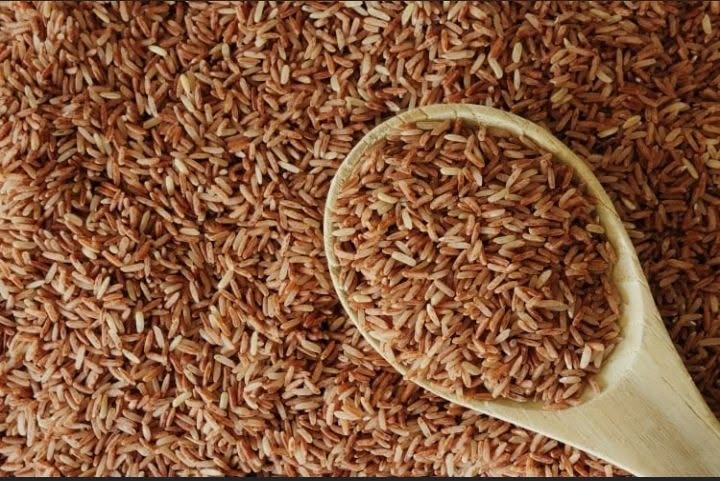

Nigerian Brown Rice: The Whole Grain Whose Nutritional Superiority Over White Rice Is Among the Most Thoroughly Documented Dietary Improvement Interventions in All of Epidemiological Research — Yet Whose Adoption in Global Food Culture Has Been Systematically Slowed by Milling Economics, Cooking Convenience, and the Sensory Preferences That Industrial Food Processing Has Spent a Century Training Consumers to Prioritise Over Nutrition
Brown Rice Exporter Nigeria — Whole Grain Brown Rice, Parboiled Brown Rice, Brown Rice Flour, Brown Rice Bran, Brown Rice Protein, and Brown Rice Oil-Grade Bran, Direct Northern and Middle Belt Sourcing, Bulk Supply to Health Food Manufacturers, Functional Food Companies, Plant Protein Ingredient Buyers, Natural Food Retailers, Organic Food Brands, Gluten-Free Food Manufacturers, Nutraceutical Supplement Brands, and Global Wholesale Buyers Worldwide
Brown rice exporter Nigeria is a search phrase that arrives at the most nutritionally validated whole grain dietary improvement the food science literature has collectively produced — and simultaneously at the product category whose formal export development from Nigerian production represents one of the most commercially aligned opportunities in the entire West African natural health food export landscape.
The nutritional facts are among the most firmly established in human dietary epidemiology: brown rice is simply white rice that has not had its bran and germ layers removed by milling. The nutritional consequence of this difference — documented through five decades of epidemiological, clinical, and mechanistic nutritional research accessible via NCBI’s PubMed database and reviewed through WHO’s nutrition guidelines — is as commercially significant as any dietary science finding:
Thiamine (Vitamin B1): White rice retains approximately 20% of brown rice’s thiamine content after milling. The disease whose pandemic in the early 20th century specifically traced to white rice consumption — beriberi, the thiamine deficiency neurological condition that killed hundreds of thousands in rice-dependent Asian populations following the adoption of mechanical milling — represents perhaps the most dramatic food processing-induced public health disaster in history. The Christiaan Eijkman Nobel Prize in Physiology or Medicine (1929) was awarded specifically for establishing the connection between polished white rice and beriberi — a disease whose elimination in most countries required either reverting to brown rice or mandating thiamine enrichment of milled white rice.
Niacin (Vitamin B3): White rice retains approximately 30% of brown rice’s niacin after milling — whose deficiency creates pellagra, a disease documented across white rice and white maize consuming populations whose historical public health burden validates whole grain consumption’s specific niacin nutrition advantage.
Magnesium: White rice retains approximately 17% of brown rice’s magnesium — a mineral whose population-level deficiency is documented across Western dietary patterns in NCBI’s magnesium and cardiovascular research database as a contributing factor to cardiovascular disease, type 2 diabetes, and hypertension risk.
Dietary Fibre: White rice retains essentially zero dietary fibre from milling — the bran’s entire fibre content (2–3g per 100g — creating meaningful soluble fibre for cholesterol management and insoluble fibre for digestive health) is completely removed by polishing. Brown rice’s full fibre retention creates the prebiotic and digestive health positioning that white rice cannot support.
Oryzanol (γ-oryzanol): The ferulic acid ester mixture specifically found in rice bran — absent from white rice after milling — whose documented cholesterol-lowering activity, antioxidant properties, and pharmaceutical research profile creates one of the most commercially significant nutraceutical compound research areas in rice science. Research through Journal of Agricultural and Food Chemistry and NCBI’s lipid and cardiovascular research database confirms γ-oryzanol’s significant LDL cholesterol reduction at clinical doses (300mg daily) — creating both a dietary supplement market and a specific ingredient procurement demand for oryzanol-rich rice bran from brown rice milling operations.
Glycaemic Index: Brown rice’s bran layer creates a significantly lower glycaemic index than white rice — documented at approximately 50–55 GI versus white rice’s 64–72 GI in multiple clinical studies accessible through NCBI’s glycaemic index research database — whose blood glucose management relevance for pre-diabetic and type 2 diabetic populations creates the most commercially significant health positioning in the global health food rice market.
The commercial paradox that creates the Nigerian brown rice export opportunity: Nigeria’s Anchor Borrowers’ Programme-driven rice production growth — documented in the local rice article as 74% production increase since 2015 — creates a paddy rice supply whose brown rice fraction has received essentially no formal export development attention. Every tonne of paddy rice produced in Nigeria generates the same fraction of whole grain brown rice — before any milling whatsoever — whose commercial value in international health food markets significantly exceeds the fully milled white rice commodity that Nigerian rice export programmes have historically focused on. Brown rice’s premium over commodity white rice in European and North American natural food retail is commercially documented and substantial — creating the value proposition that this article’s export programme specifically captures.
At Paradise MultiTrade International Limited, brown rice is a priority health food export programme — produced from the same paddy rice farming communities across Nigeria’s northern and Middle Belt production states that supply our conventional rice programme, processed through de-husking only (without subsequent whitening/polishing that removes nutritional bran) to whole grain specification, and exported with full nutritional documentation including B vitamin content, oryzanol content, dietary fibre, and glycaemic index documentation appropriate to the health food and nutraceutical buyer communities whose procurement requirements this article serves.
To discuss sourcing immediately, request a quotation here and our export team responds within 48 hours.
History and Origin — The Original Rice, Made Nutritionally Superior by Not Processing It
Brown Rice — The Agricultural Processing Story Whose Nutritional Consequence Has Shaped Global Health
The history of brown rice is inseparable from the history of rice milling technology — because brown rice is not a different variety or a different species of rice. It is simply paddy rice from which only the outer husk has been removed (de-husking), leaving the bran layers and germ intact — the natural state in which all rice existed before mechanical milling technology created the economic and culinary incentive for complete bran removal.
Traditional rice consumption across Asia and Africa before mechanical milling was consumption of hand-pounded or stone-milled rice — whose imperfect bran removal created a product closer to modern brown rice than to the completely polished white rice that industrial milling creates. The hand-pounding tradition — still practised in some rural West African and Asian communities as a preference for traditional flavour and nutritional character — creates rice with partial bran retention whose nutritional profile is significantly superior to machine-milled white rice.
Mechanical milling’s adoption in the late 19th and early 20th centuries — creating perfect, gleaming white rice at industrial scale — was commercial and culinary progress whose immediate appeal (whiter appearance, longer storage life due to removed fat-bearing germ, faster cooking) came with the nutritional cost that took decades to fully document. The beriberi epidemics in Japan (following adoption of white rice for the navy in the 1870s), in the Philippines (following American colonial administration’s white rice promotion), and across Southeast Asia — whose thiamine deficiency toll is estimated in the hundreds of thousands of deaths — represents the most catastrophic documented consequence of food processing-induced nutritional degradation in history.
The whole grain health food movement — whose commercial expression in European and North American natural food retail from the 1970s onward created the premium brown rice market — is specifically a response to the nutritional consequences of industrial milling. Brown rice’s adoption as the dietary foundation of the macrobiotic diet, the Pritikin diet, and subsequently the evidence-based whole grain dietary recommendations whose institutional endorsement by WHO, American Heart Association, and European Heart Network creates the mainstream health positioning that Nigerian brown rice’s commercial development specifically targets.
What Is Nigerian Brown Rice? The Processing Definition, Nutritional Architecture, and Commercial Product Range
Oryza Sativa — The Whole Grain Processing Specification
Brown rice is defined — by Codex Alimentarius Standard CODEX STAN 198-1995 and by international food labelling regulations — as husked rice from which only the outer husk (chaff) has been removed, retaining the bran layers (pericarp, seed coat, aleurone layer) and the germ (embryo) intact. This definition creates a precise processing specification: brown rice is paddy rice that has been through the de-husker only — no whitening, no polishing, no further processing that removes bran or germ.
The grain structure retained in brown rice and removed by white rice polishing:
Bran Layer Complex (approximately 5–8% of total grain weight):
Pericarp: The outermost layer — contributing primarily insoluble fibre (cellulose) and surface protection.
Testa and Aleurone Layer: The most nutritionally significant bran fractions — containing the majority of the grain’s B vitamins (thiamine, riboflavin, niacin, B6, pantothenic acid, folate), minerals (iron, zinc, magnesium, phosphorus, potassium), dietary fibre (both soluble arabinoxylan and insoluble cellulose), antioxidant phenolic acids (ferulic acid, caffeic acid, p-coumaric acid), and γ-oryzanol — the rice-specific phytosterol ester whose commercial significance parallels but exceeds plant sterol esters from other grain sources. Research through Journal of Nutritional Science and Vitaminology documents aleurone layer’s specific concentration of nutrients that the outer pericarp and inner endosperm both lack — making the aleurone the nutritional core of the brown rice advantage.
Germ (Embryo — approximately 2–3% of total grain weight):
The lipid-rich germ fraction containing: rice germ oil (approximately 20–25% oil content — rich in tocols, particularly γ-tocotrienol and γ-tocopherol); γ-oryzanol (concentrated in germ alongside bran aleurone); octacosanol and triacontanol (long-chain aliphatic alcohols documented for ergogenic and lipid-lowering activity); and the highest protein concentration in the grain (approximately 20% protein in germ fraction).
The Complete Nutritional Comparison — Brown Rice vs White Rice
| Nutrient | Brown Rice (per 100g dry) | White Rice (per 100g dry) | % Retained After Milling |
|---|---|---|---|
| Thiamine (B1) | 0.40–0.55mg | 0.07–0.12mg | ~20% |
| Riboflavin (B2) | 0.08–0.12mg | 0.02–0.04mg | ~28% |
| Niacin (B3) | 5.0–6.5mg | 1.5–2.5mg | ~32% |
| Vitamin B6 | 0.50–0.65mg | 0.10–0.15mg | ~22% |
| Magnesium | 120–160mg | 20–30mg | ~17% |
| Phosphorus | 300–380mg | 110–140mg | ~37% |
| Iron | 1.5–2.5mg | 0.5–1.0mg | ~35% |
| Zinc | 2.0–2.8mg | 0.8–1.2mg | ~38% |
| Dietary Fibre | 3.5–4.5g | 0.4–0.8g | ~15% |
| γ-Oryzanol | 200–450mg | <5mg | <2% |
| Tocols (Vitamin E) | 2.0–3.5mg | 0.1–0.3mg | ~8% |
| Glycaemic Index | 50–55 | 64–72 | — |
This comparative table — whose data is sourced from FAO food composition research and NCBI’s nutritional science database — represents the most commercially significant nutritional comparison in any grain product article in this series, and provides the foundational evidence base for every health claim category associated with brown rice.
Oryzanol — The Commercially Significant Nutraceutical Compound
γ-Oryzanol — a mixture of ferulic acid esters of phytosterols and triterpene alcohols — is the compound most specifically associated with rice bran’s commercial nutraceutical value:
Cholesterol-lowering activity: Clinical studies documenting significant LDL cholesterol reduction at 300mg γ-oryzanol daily — reviewed through NCBI’s lipid research database — create the pharmaceutical mechanism for rice bran oil’s documented cardiovascular benefit. Mechanism: competitive inhibition of cholesterol absorption in the intestine (similar to plant sterol esters whose EU regulatory framework has authorised specific health claims).
EU health claim for plant sterols: The EU has authorised the health claim “Plant sterols have been shown to lower blood cholesterol” for foods containing plant sterols at ≥0.8g per serving — creating a regulatory health claim pathway for γ-oryzanol-standardised rice bran extract products whose oryzanol content delivers the effective plant sterol dose. EFSA’s health claim opinions database confirms this authorisation — creating commercial supplement and functional food applications for oryzanol-rich brown rice bran.
Antioxidant activity: γ-Oryzanol’s ferulic acid component creates documented DPPH radical scavenging activity confirming antioxidant positioning for cosmetics and supplement formulations.
Menopausal symptom management: Japanese traditional medicine’s use of γ-oryzanol for menopausal hot flash management — whose clinical evidence basis documented through NCBI includes multiple small clinical trials showing significant hot flash frequency reduction — creates women’s health supplement positioning for oryzanol-standardised rice bran extract.
Commercial Product Forms
Whole Grain Brown Rice (Long Grain — FARO Varieties) — de-husked, non-milled Nigerian parboiled paddy converted to whole grain brown rice — the primary form for health food retail and natural food manufacturing.
Parboiled Brown Rice — parboiled before de-husking — creating the improved milling recovery and longer shelf life of parboiled rice while retaining whole grain bran and germ — combining the nutritional advantage of brown rice with the cooking convenience advantage of parboiled rice whose firmer, less sticky texture some consumers prefer.
Brown Rice Flour — whole grain brown rice milled to fine flour — the premium gluten-free flour whose nutritional superiority over white rice flour creates specific positioning in the gluten-free and natural food baking market.
Brown Rice Bran (for oryzanol extraction) — the bran and germ fraction removed during brown rice whitening (for buyers who want white rice but capture the bran separately) — the highest-value by-product stream for oryzanol extraction, rice bran oil production, and dietary fibre ingredient manufacturing.
Brown Rice Protein Concentrate — the protein fraction of brown rice bran — approximately 15–18% protein in the bran fraction — whose extraction creates a plant protein ingredient for the sports nutrition and vegan protein supplement market.
Benefits and Industrial Uses of Nigerian Brown Rice
Health Food and Natural Food Retail — The Most Established International Market
The global health food brown rice market — tracked through Grand View Research’s brown rice market analysis at over USD 4 billion annually and growing consistently with the global whole grain food trend — creates the most established and commercially accessible procurement stream for Nigerian brown rice:
European natural food retail — the European natural food retail sector whose Demeter, Bio, and organic-certified whole grain rice markets create consistent procurement demand from German, Dutch, UK, and Scandinavian natural food retailers whose brown rice category is firmly established in mainstream supermarket organic sections alongside specialty health food retail. German whole grain food consumption data tracked through BVL and Max Rubner Institut confirms brown rice as among the most rapidly growing categories in German health food retail. For European natural food retailers — Nigerian brown rice’s non-GMO status (NBMA has not approved GM rice varieties for Nigerian cultivation), West African terroir story, and competitive FOB pricing create the sourcing differentiation that supplements existing Asian brown rice origin supply.
UK organic and natural food retail — Waitrose, Planet Organic, As Nature Intended, Holland & Barrett, and the Ocado organic delivery platform whose brown rice sections create consistent consumer retail demand. The UK Organic Market Report confirms organic whole grain cereals as the most growth-consistent category in UK organic food retail — whose procurement infrastructure creates an accessible market channel for documented, certified Nigerian brown rice.
USA natural food retail — Whole Foods Market, Sprouts, Natural Grocers, and Trader Joe’s whose brown rice sections represent one of the most developed natural food grain markets globally. USDA Organic certification creates the premium tier whose procurement requires organic farming documentation — achievable through the traditional, low-synthetic-input farming methods of Nigerian smallholder rice cultivation that create the inherent organic farming foundation documented for baobab and other traditional Nigerian crops.
For health food retail buyers — contact our export team to discuss whole grain brown rice specification and organic certification.
Functional Food Manufacturing — Whole Grain Ingredient for Health-Positioned Products
The global functional food market — tracked through Mordor Intelligence’s functional food market analysis at over USD 280 billion annually — creates growing procurement demand for whole grain rice as a clean-label functional ingredient:
Whole grain breakfast cereals and granola — brown rice grain and brown rice flakes as functional whole grain components in premium breakfast cereal formulations whose whole grain communication creates regulatory (EU Regulation 1924/2006 whole grain health claim) and marketing value. The whole grain labelling threshold — 51% whole grain ingredients on a dry weight basis in EU regulation — creates the food manufacturing specification that Nigerian brown rice supply supports.
High-fibre functional foods — brown rice’s 3.5–4.5g dietary fibre per 100g creates functional food positioning in the digestive health and gut microbiome product category whose global market size is tracked through Grand View Research’s digestive health supplement market analysis. Brown rice fibre’s specific arabinoxylan fraction — documented as a prebiotic substrate for Bacteroides and Lactobacillus growth in NCBI’s prebiotic and microbiome research — creates microbiome health positioning that supplements the general dietary fibre positioning.
Gluten-free food manufacturing — brown rice flour as the premium whole grain gluten-free flour creating nutritional superiority over white rice flour in the global gluten-free food market tracked through Grand View Research’s gluten-free products market analysis at over USD 8 billion annually. For coeliac disease dietary management, non-coeliac gluten sensitivity, and the wider gluten-free food trend — brown rice flour’s combination of gluten-free compliance with whole grain nutritional positioning creates the clean-label, nutritionally credible gluten-free flour that white rice flour cannot claim.
Diabetes management functional food — brown rice’s documented 15–20 GI point reduction versus white rice — creating statistically significant post-meal blood glucose peak reduction in multiple RCTs accessible through NCBI’s glycaemic index and diabetes research database — creates functional food positioning in the growing diabetes management dietary category. The landmark Harvard School of Public Health study (Sun et al., 2010 in Archives of Internal Medicine, accessible via NCBI) documenting that replacing 50g per day of white rice with brown rice was associated with a 16% reduction in type 2 diabetes risk represents the most commercially significant epidemiological evidence for brown rice’s health positioning.
For functional food manufacturer buyers — contact our team to discuss brown rice flour and whole grain brown rice specification.
Nutraceutical Supplement Industry — Oryzanol, Rice Bran Oil, and Brown Rice Protein
γ-Oryzanol supplement — the global market for oryzanol-standardised rice bran extract supplements — whose cholesterol management, menopausal symptom management, and antioxidant positioning creates commercial procurement demand for brown rice bran with documented oryzanol content (typically 200–450mg per 100g of full-fat rice bran). For supplement manufacturers developing cholesterol management, cardiovascular health, or women’s wellness products — Nigerian brown rice bran’s oryzanol content documentation by HPLC creates the standardisation foundation whose regulatory claim communication the EU plant sterol health claim framework authorises.
Brown rice protein concentrate — the global plant protein supplement market’s progressive incorporation of rice protein as an alternative to whey (whose dairy origin excludes vegan consumers) and soy (whose allergen status and GMO concerns reduce appeal for some consumers) creates procurement demand for brown rice protein concentrate (approximately 70–80% protein on a dry weight basis after protein extraction from bran fraction). Brown rice protein’s methionine-limited amino acid profile is specifically complemented by pea protein’s methionine content — creating the brown rice + pea protein combination that is now the standard vegan protein blend in most plant protein supplement products globally.
Rice bran oil for nutraceutical and cosmetics — γ-oryzanol’s cosmetic activity (UV absorption, antioxidant skin protection, whitening effect documented in Japanese and Korean cosmetics research) creates significant cosmetics procurement demand for high-oryzanol rice bran oil from brown rice milling operations.
The Diabetes Epidemic — The Most Commercially Significant Health Driver
The global type 2 diabetes epidemic — whose 537 million adults with diabetes in 2021 (projected to 783 million by 2045) according to IDF Diabetes Atlas — creates a dietary management consumer demand whose scale creates the largest single health-motivated food category shift in the history of consumer food markets. For rice-consuming populations whose white rice dietary pattern creates documented diabetes risk elevation — the substitution of brown rice for white rice represents one of the most evidence-based, practically feasible dietary interventions documented in clinical nutrition science. The commercial consequence: the brown rice market’s growth is structurally linked to the diabetes epidemic’s expansion — creating demand trajectory that is not discretionary lifestyle choice but dietary management necessity for hundreds of millions of consumers across Asia, Africa, and globally.
For Nigerian brown rice export — this diabetes management demand creates commercial market access in Japanese, Korean, Chinese, and Southeast Asian markets whose high diabetes prevalence and cultural rice consumption combine to create the world’s most commercially significant brown rice consumer markets.
Why Buy Brown Rice From Nigeria?
The Non-GMO Premium — Nigeria’s Most Commercially Accessible Market Entry
As documented throughout this series, Nigerian rice cultivation is entirely non-GMO — NBMA has not approved GM rice varieties for commercial cultivation. For European, Japanese, and other regulated markets whose non-GMO food labelling and consumer preference creates procurement premium for documented non-GMO grain — Nigerian brown rice’s inherent non-GMO status creates commercial differentiation from US-origin rice whose GMO status may require specific non-GMO segregation documentation.
The Organic Certification Potential
Nigerian smallholder rice farming’s characteristic low synthetic input use — whose primary pest management is water management (flooding creating natural weed suppression in paddy systems), whose fertiliser use is below EU organic conversion thresholds in most smallholder operations, and whose absence of synthetic herbicides in many traditional cultivation systems creates an inherent near-organic farming foundation — creates the most commercially accessible organic certification pathway of any cereal grain in our portfolio. EU Organic Regulation 848/2018 and USDA NOP certification whose conversion requirements Nigerian smallholder rice systems can satisfy without significant farming practice change. For premium organic brown rice procurement — contact us to discuss organic certification programme.
The Processing Simplicity Premium
Brown rice’s production economics create a specific commercial advantage over white rice: it requires less processing. De-husking only — versus de-husking plus whitening plus polishing — creates fewer processing steps, less energy use, less grain breakage (the milling steps that create broken rice as a by-product are eliminated), and shorter processing time. The processing simplicity creates competitive FOB pricing for Nigerian brown rice that captures the value of reduced processing cost at an attractive supply price point for international health food buyers.
The Whole Grain Story — Nigerian Agricultural Heritage Framing
The specific commercial narrative for Nigerian brown rice whose health food market positioning specifically values: traditional Nigerian smallholder farming communities whose low-input cultivation creates minimally processed whole grain rice whose origin story resonates with natural food consumers seeking authentic, traditional agricultural products rather than industrial commodity grains — creates the same premium food narrative that has been commercially successful for quinoa (Bolivia/Peru), teff (Ethiopia), and fonio (Mali/Guinea) in European and North American natural food retail.
Complete Export Documentation
Every brown rice shipment carries phytosanitary certification from NAQS, NEPC export documentation, certificate of origin, commercial invoice, packing list, and bill of lading. We coordinate moisture content, thiamine (B1) content (HPLC), niacin (B3) content (HPLC), dietary fibre (AOAC 991.43), γ-oryzanol content (HPLC — bran-fraction buyers), glycaemic index documentation (reference to validated GI database — NCBI/international GI database), protein content (Kjeldahl), fat content (Soxhlet), broken grain percentage, milling degree confirmation (bran retained — IRRI), aflatoxin screening (ELISA), pesticide residue multi-residue analysis to EU MRL standards per Regulation (EC) 396/2005, heavy metals (ICP-MS for supplement and pharmaceutical grade bran), and microbiological safety testing. EU-bound shipments comply with Regulation (EU) 2017/625 on official controls and Commission Regulation (EC) 1881/2006. Our NEPC Export Licence No. 0042385 and CAC Registration No. RC-9284647 are verifiable through NEPC.
Nigeria’s Brown Rice Export Strength and Global Market Demand
The Global Market
The global brown rice market — tracked through Grand View Research’s brown rice market analysis at over USD 4 billion annually and growing at approximately 5–7% annually driven by whole grain dietary adoption, diabetes management demand, and natural food retail expansion — creates procurement demand from health food retailers, functional food manufacturers, organic food brands, and nutraceutical supplement ingredient buyers across European, North American, and progressively Asian markets whose brown rice consumption growth is specifically driven by diabetes management dietary recommendations from national health authorities.
Key Export Destination Markets
Germany and Netherlands — Europe’s largest organic and natural food markets creating consistent whole grain brown rice demand. EU whole grain and organic food regulations create the documented supply requirements whose compliance Paradise MultiTrade’s programme specifically addresses. Requirements through EFSA and national organic certification bodies.
United Kingdom — whose natural food retail sector (Holland & Barrett, Planet Organic, Waitrose organic range) creates consistent premium whole grain demand. UK food safety through FSA.
United States — the world’s most commercially developed natural food and organic food retail market whose brown rice category is firmly established. US organic requirements through USDA National Organic Program and food safety through FDA.
Japan and South Korea — whose health-conscious food cultures, diabetes management dietary awareness, and established whole grain rice consumption create consistent premium brown rice demand. Japanese brown rice (genmai) is a firmly established food category tracked through JETRO and KATI.
Australia — whose natural food retail sector and diabetes management dietary focus create growing demand tracked through DAFF.
West African Regional Market — the growing middle-class health food consumer segment in Nigeria, Ghana, and Côte d’Ivoire whose awareness of whole grain dietary benefits creates developing regional demand for brown rice as a health food product.
Why Choose Paradise MultiTrade International Limited?
Comprehensive Nutritional Documentation — The Health Food Retail Foundation. Thiamine (HPLC), niacin (HPLC), dietary fibre (AOAC 991.43), magnesium (ICP-MS), iron (ICP-MS), protein (Kjeldahl), and fat content (Soxhlet) — creating the complete nutritional panel whose documentation enables health food product labelling, EU nutrition claim verification, and USDA nutritional database compliance. Contact us to discuss nutritional documentation.
γ-Oryzanol HPLC Documentation for Supplement and Rice Bran Buyers. γ-Oryzanol content quantified by HPLC — confirming 200–450mg per 100g full-fat bran — for bran-fraction buyers developing cholesterol management supplements, rice bran oil products, and menopausal health formulations whose oryzanol content creates the EU plant sterol health claim communication foundation. Contact us to discuss oryzanol documentation.
Glycaemic Index Reference Documentation. Validated GI documentation referencing published brown rice GI measurements from international GI database — providing the GI 50–55 credential whose communication on natural food retail products creates the diabetes management and blood glucose health positioning whose consumer demand is growing consistently with the diabetes epidemic’s expansion. Contact us to discuss GI documentation.
Organic Certification Programme. EU Organic Regulation 848/2018 and USDA NOP certified brown rice from documented low-input smallholder farming communities — creating the organic premium whose price differential in European and North American natural food retail is commercially significant. Contact our team to discuss organic certification programme.
Integrated Rice Portfolio. Brown rice buyers frequently source complementary Nigerian rice products. Alongside brown rice, Paradise MultiTrade exports local parboiled rice (FARO varieties), Ofada rice (heritage aromatic variety), maize, sorghum, millet, cowpeas, soybeans, moringa leaf powder, hibiscus flower, shea butter, and cashew nut kernel. Explore our full range of Nigerian export commodities and consolidate your West African whole grain, health food, and natural ingredient sourcing through one verified, licensed export partner.
Product Specifications
| Specification | Long Grain Brown Rice | Parboiled Brown Rice | Brown Rice Flour | Brown Rice Bran (Oryzanol Grade) |
|---|---|---|---|---|
| Botanical Species | Oryza sativa L. (Poaceae) | Oryza sativa L. | Oryza sativa L. | Oryza sativa L. |
| Processing | De-husked only — bran and germ retained | Parboiled paddy, then de-husked — bran retained | Whole grain milled to flour | Bran and germ fraction — no further processing |
| Varieties | FARO 44, FARO 52, FARO 60 | FARO 44, FARO 60 | FARO series | FARO series |
| Milling Degree | IRRI degree 0 (no bran removed) | IRRI degree 0–1 (minimum bran loss) | Whole grain flour | N/A (bran fraction) |
| Grain Length | ≥6.2mm (long grain) | ≥6.2mm | Flour — N/A | N/A |
| Moisture Content | ≤14% | ≤14% | ≤12% | ≤10% |
| Protein Content | 8–10% dry weight (Kjeldahl) | 8–10% | 8–10% | 13–16% |
| Fat Content | 2–4% dry weight (Soxhlet) | 2–4% | 3–5% | 18–22% |
| Dietary Fibre | 3.5–4.5g per 100g (AOAC 991.43) | 2.5–3.5g per 100g | 4.0–6.0g per 100g | 10–15g per 100g |
| Thiamine (B1) | 0.40–0.55mg per 100g (HPLC) | 0.45–0.60mg per 100g (parboiling increases B1 retention) | 0.35–0.50mg per 100g | 1.5–2.5mg per 100g |
| Niacin (B3) | 5.0–6.5mg per 100g (HPLC) | 5.5–7.0mg per 100g | 4.5–6.0mg per 100g | 20–35mg per 100g |
| Magnesium | 120–160mg per 100g (ICP-MS) | 110–150mg per 100g | 130–170mg per 100g | 500–700mg per 100g |
| Iron | 1.5–2.5mg per 100g (ICP-MS) | 1.5–2.5mg per 100g | 1.8–2.8mg per 100g | 6–12mg per 100g |
| γ-Oryzanol | 200–450mg per 100g (HPLC — whole grain reference) | 250–500mg per 100g (parboiling concentrates oryzanol in endosperm) | 180–400mg per 100g | 1,000–2,500mg per 100g |
| Glycaemic Index | 50–55 (reference GI database) | 48–54 (parboiling further reduces GI) | N/A (flour — GI depends on preparation) | N/A |
| Broken Grain | ≤10% | ≤8% | N/A (flour) | N/A |
| Foreign Matter | ≤0.2% | ≤0.2% | ≤0.1% | ≤0.5% |
| Aflatoxin | Total ≤10 ppb; B1 ≤2 ppb | Total ≤10 ppb | Total ≤10 ppb | Total ≤20 ppb |
| Pesticide Residue | EU MRL compliant | EU MRL compliant | EU MRL compliant | EU MRL compliant |
| Heavy Metals | Standard food limits | Standard food limits | Standard food limits | ICP-MS for supplement grade |
| Microbiological | Salmonella absent/25g; TPC ≤100,000 CFU/g | Salmonella absent/25g | Salmonella absent/25g | Salmonella absent/25g |
| Allergen Status | Gluten-free (no wheat, barley, rye) | Gluten-free | Gluten-free | Gluten-free |
| Non-GMO Status | Confirmed — NBMA non-GM cultivation | Confirmed | Confirmed | Confirmed |
| Organic Certification | Available (EU 848/2018; USDA NOP) | Available | Available | Available |
| Colour | Tan-brown (characteristic whole grain) | Golden-brown (parboiling darkens slightly) | Beige-tan flour with bran flecks | Light to medium tan-brown |
| Aroma | Mild nutty, slightly bran-forward | Mild nutty, less raw bran character | Mild whole grain | Strong rice bran — nutty, oily |
| Shelf Life | 12 months (sealed, cool dark) | 12 months | 6–9 months (fat oxidation limits shelf life) | 3–6 months (high fat content — rapid oxidation without antioxidant treatment) |
| Packaging | 1kg, 5kg, 10kg, 25kg, 50kg pp bags | 25kg, 50kg pp bags | 25kg vacuum-sealed | 25kg sealed moisture-barrier bags |
| Supply Capacity | 500–20,000 MT per year | 500–20,000 MT per year | 100–2,000 MT per year | 200–5,000 MT per year |
| MOQ | 25 MT (container); 500 MT (bulk) | 25 MT; 500 MT | 5 MT | 2 MT |
Export Documentation (all grades): Phytosanitary Certificate (NAQS), Certificate of Origin, NEPC Export Licence, Full Nutritional Panel Certificate (protein, fat, fibre, thiamine, niacin, magnesium, iron — HPLC and ICP-MS), γ-Oryzanol HPLC Certificate (bran fraction and whole grain), GI Reference Documentation, Milling Degree Certificate (IRRI — bran retention confirmed), Broken Grain Certificate, Aflatoxin Certificate, Pesticide Residue Certificate (EU MRL), Heavy Metals ICP-MS (supplement/pharma grade), Microbiological Certificate, Non-GMO Certificate, Organic Certificate (where applicable), Commercial Invoice, Packing List, Bill of Lading.
Payment Terms: T/T, LC at sight, Escrow. Loading Port: Lagos (Apapa / Tin Can Island Port). Incoterms: EXW, FOB Lagos, CNF, CIF.
Processing and Export Process
Paddy Selection. Paddy rice procured from documented FARO variety smallholder farming communities — with priority given to communities whose traditional low-input farming practice creates the near-organic agricultural foundation appropriate for organic certification. Moisture measurement at procurement — accepting paddy below 20% for immediate processing.
Parboiling (for Parboiled Brown Rice Grade Only). Paddy steeped and steam-parboiled at 100–110°C for 20–25 minutes before de-husking — creating the parboiled brown rice whose nutritional advantage (parboiling drives B vitamins into endosperm, improving retention through milling and cooking) complements the whole grain’s inherent nutritional superiority over white parboiled rice. Parboiled brown rice’s specific advantage: even if a consumer slightly overcooks it (a common problem with brown rice), the gelatinised-then-retrograded starch structure retains more nutritional integrity than raw brown rice that is overcooked.
De-Husking. Paddy (parboiled or raw) processed through rubber roll huller — removing the outer husk (approximately 20% of paddy weight) to produce brown rice. Critical processing discipline: the de-husker is the final processing step for brown rice. No whitening cylinder, no polishing machine — stopping processing at de-husking maintains the bran and germ whose complete retention defines brown rice. This processing discipline is enforced through production monitoring confirming no whitening equipment is engaged for brown rice production lots.
Cleaning and Grading. Brown rice cleaned through gravity separator (removing light, immature grains) and length grader (removing broken grains below 6.2mm) — producing whole grain brown rice whose physical quality confirmation includes broken grain percentage and foreign matter documentation.
Milling for Brown Rice Flour. Whole grain brown rice milled through roller mills or stone mills — producing brown rice flour whose whole grain composition creates the beige-tan colour and nutty flavour whose distinction from white rice flour is the primary consumer quality marker. Temperature-controlled milling prevents fat oxidation from the germ’s lipid content whose rancidity creates the shelf life limitation that brown rice flour requires moisture-barrier packaging to manage.
Rice Bran Separation (for Bran-Grade Buyers). In operations producing both white rice and brown rice bran — the whitening step on a separate production line generates the bran fraction whose collection, immediate stabilisation (heat treatment at 100–120°C for 3–5 minutes to deactivate lipase enzyme preventing fat hydrolysis rancidity), and packaging creates the oryzanol-rich bran product.
Storage and Shelf Life Management. Brown rice’s higher fat content (2–4%) versus white rice (<1% after germ removal) creates specific oxidative rancidity risk during extended storage. Storage programme: sealed moisture-barrier packaging with nitrogen flushing for long-term retail stock; cool warehouse storage (below 25°C); oxygen absorber sachets in retail consumer packs; FIFO inventory management. Rice bran’s high fat content (18–22%) creates the most acute rancidity risk — immediate lipase inactivation after bran separation (the critical processing step) followed by sealed nitrogen-flushed packaging and refrigerated or cool storage extends shelf life.
Lead Times. Whole grain brown rice: 21–28 days. Parboiled brown rice: 28–35 days. Brown rice flour: 21–35 days. Brown rice bran (stabilised): 14–21 days. Full analytical panel (thiamine HPLC, oryzanol HPLC, fibre AOAC, heavy metals): add 7–10 days. Contact us to plan your supply schedule.
Frequently Asked Questions
What is the clinical evidence for brown rice’s benefit over white rice for type 2 diabetes risk?
The epidemiological evidence for brown rice’s diabetes risk reduction versus white rice is among the most commercially significant food-health relationship findings in nutritional epidemiology — because it directly implicates the world’s most consumed grain in diabetes risk elevation and provides a practical dietary substitution intervention: (1) Harvard School of Public Health (Sun et al., 2010 — Archives of Internal Medicine): Analysis of three large US cohort studies (Nurses’ Health Studies I and II; Health Professionals Follow-Up Study — combined n=197,228) documenting that consumption of ≥5 servings white rice per week versus <1 serving was associated with 17% higher type 2 diabetes risk, while replacing 50g per day of white rice with equivalent brown rice was associated with 16% lower type 2 diabetes risk. (2) Mechanism: Multiple complementary mechanisms documented through NCBI’s diabetes nutrition research database: Glycaemic index difference (brown rice GI 50–55 versus white rice GI 64–72) creating lower post-meal blood glucose peaks; dietary fibre’s insulin sensitisation effects; magnesium’s documented insulin secretion and insulin action roles; and phytic acid’s documented glucose absorption retardation (despite phytic acid being an anti-nutritional factor in other contexts). (3) Asian population evidence: Studies in Chinese and Japanese populations — whose rice consumption is 3–5× the US levels studied — show even stronger associations between white rice consumption and diabetes risk, suggesting that the absolute disease burden from white-rice-associated diabetes in Asia is among the most commercially significant dietary intervention opportunities globally. (4) Regulatory claim implications: This evidence base does not support EU or US regulatory health claim communication for brown rice specifically reducing diabetes risk (regulatory claims require interventional clinical trial evidence rather than epidemiological association). However, the evidence supports general whole grain health claim communication authorised under EU Regulation 1924/2006 and USDA whole grain health claims. Contact us to discuss GI and whole grain claim documentation.
What is γ-oryzanol and what supplement and functional food applications does it create?
γ-Oryzanol is a mixture of ferulic acid esters of phytosterols (campesterol, sitosterol, stigmasterol) and triterpene alcohols (cycloartenol, 24-methylenecycloartanol) — found exclusively in rice bran (and in much lower concentrations in some other grains) at concentrations of 1,000–2,500mg per 100g of full-fat stabilised rice bran. Its commercial applications span three distinct markets: (1) Cholesterol management supplement: Clinical studies at 300mg oryzanol daily documenting 8–12% LDL cholesterol reduction — mechanistically through intestinal cholesterol absorption inhibition by the phytosterol component (the same mechanism as plant stanol esters whose EU authorised health claim “plant sterols reduce blood cholesterol” applies). The EU authorised health claim’s specific trigger dose (0.8g plant sterols per serving) can be achieved with appropriate oryzanol-standardised rice bran extract supplementation — creating regulated health claim communication for product labels. (2) Menopausal symptom management: Japanese traditional medicine’s 50+ year use of γ-oryzanol for hot flash management — supported by small clinical trials documented through NCBI confirming significant hot flash frequency reduction versus placebo — creates women’s health supplement positioning in Japanese, Korean, and progressively European natural health markets. (3) Cosmetics — UV absorption and skin whitening: γ-Oryzanol’s UV-absorptive capacity (absorbing UV-A and UV-B wavelengths) and melanin synthesis inhibitory activity creates cosmetics application in sunscreen formulations, skin brightening products, and anti-aging skin care documented through Japanese and Korean cosmetics research. For supplement and cosmetics buyers requiring oryzanol-rich Nigerian brown rice bran — HPLC oryzanol documentation per lot provides the compound content specification whose standardisation creates product formulation reproducibility. Contact us to discuss oryzanol documentation.
How should brown rice be cooked to maximise nutritional benefit and achieve optimal texture?
Brown rice cooking — whose specific requirements differ significantly from white rice — creates consumer education opportunities for health food retailers and product developers whose packaging guidance directly affects consumer satisfaction and repeat purchase: (1) Soaking (optional but beneficial): Soaking brown rice in cold water for 30 minutes to 8 hours before cooking serves two purposes: reducing cooking time (soaked brown rice cooks in 25–30 minutes versus 40–45 minutes unsoaked); and reducing phytic acid content through phytase enzyme activation during soaking — increasing mineral bioavailability by up to 50% for iron and zinc. (2) Water ratio: 1:2 (brown rice to water by volume) — more water than white rice due to the bran layer’s water absorption requirement. (3) Cooking method: Bring to boil, reduce to very low simmer, cover tightly — 40–45 minutes (unsoaked) or 25–30 minutes (soaked) until water is fully absorbed. (4) Resting: Remove from heat, keep covered, rest 10 minutes — allowing steam redistribution to complete cooking without additional heat that would overcook the outer bran. (5) Texture result: Properly cooked brown rice has a firm, slightly chewy texture — the bran layer’s resistance creating more chew than white rice — whose characteristic texture is the primary sensory distinction from white rice that consumers must adjust to during dietary transition. The slight chewiness whose initial perception some consumers dislike becomes preferred after consistent consumption — an important communication point for health food retailers supporting consumer dietary transition from white to brown rice. (6) Parboiled brown rice advantage: Parboiled brown rice’s gelatinised starch structure cooks in approximately 20–25 minutes rather than 40–45 minutes for raw brown rice — creating the significant cooking time reduction that is the primary practical barrier to brown rice adoption and whose partial elimination through parboiling represents the most commercially important convenience improvement available without sacrificing whole grain nutritional credentials. Contact us to discuss cooking guide for retail packaging.
How does brown rice flour compare to white rice flour and almond flour in gluten-free baking?
Brown rice flour’s specific positioning in the crowded gluten-free flour market — relative to white rice flour, almond flour, and other alternatives — creates the commercial differentiation whose communication to gluten-free food manufacturers and consumers is commercially significant: versus white rice flour: Brown rice flour provides 6× more dietary fibre, 3× more B vitamins, 4× more magnesium, and significant γ-oryzanol — creating nutritional superiority whose food manufacturing communication justifies premium pricing. The slightly nuttier flavour and beige colour distinguish it from white rice flour’s flavour neutrality — creating a product with sensory character rather than blank-slate neutrality. versus almond flour: Brown rice flour provides lower fat content (3–5% versus almond flour’s 50%+), lower allergen risk (tree nut allergy affects 1–2% of the population; rice allergy is among the rarest food allergies), higher starch content creating better structure in baked goods, and significantly lower cost per kg. Brown rice flour is not interchangeable with almond flour (different starch-to-protein-to-fat ratios creating different baking function) but occupies a distinct market position whose starch-based baking function parallels wheat flour more closely than almond flour’s fat-based baking function. Gluten-free baking application: Brown rice flour creates best results in: quick breads and muffins (where gluten’s structural role is less critical); rice noodles (where starch gel provides all required structure); pancakes and crepes; and rice-based cookies whose slightly sandy texture is acceptable. For products requiring strong gluten-like structural network (sandwich bread, pizza dough) — brown rice flour requires combination with xanthan gum or psyllium husk as gluten replacers whose specific formulation creates the structural performance white flour achieves through gluten alone. Contact us to discuss brown rice flour specification for gluten-free food manufacturing.
What is the beriberi connection to white rice and why is it relevant to brown rice’s commercial positioning?
The beriberi disease story — whose historical connection to white rice milling represents the most dramatic food processing-induced public health catastrophe in history — provides the most powerful historical validation for brown rice’s commercial positioning, while illustrating the specific nutritional mechanism whose modern expression is dietary B vitamin deficiency in rice-dependent populations: (1) Beriberi history: When mechanical rice milling created completely polished white rice in Asian markets during the late 19th and early 20th centuries, populations shifting from hand-pounded rice to machine-milled white rice began showing increasing rates of beriberi — a thiamine (Vitamin B1) deficiency causing progressive neurological damage (dry beriberi), cardiovascular failure (wet beriberi), or both (Wernicke-Korsakoff syndrome in severe cases). The Japanese Imperial Navy’s beriberi epidemic (30% of sailors affected in the 1870s–1880s) was traced by military physician Kanehiro Takaki to the white rice-dominant naval diet — whose replacement with barley and vegetables eliminated the disease. (2) Eijkman and the Nobel Prize: Dutch physician Christiaan Eijkman’s 1897 observation that chickens fed polished white rice developed polyneuritis (a beriberi-like condition) that was reversed by feeding them rice bran — whose therapeutic active component was identified as thiamine by Casimir Funk in 1912 — established the foundation for the Nobel Prize in Physiology or Medicine (1929) awarded to Eijkman and Frederick Gowland Hopkins. (3) Commercial relevance today: While beriberi is now rare (most white rice is thiamine-enriched in developed countries), the story provides: the most powerful historical narrative for whole grain consumption’s health superiority; the most specifically documented nutritional loss from grain processing in history; and the consumer education foundation whose understanding creates the health food market motivation for brown rice’s dietary adoption. Contact us to discuss historical context for product communication.
What organic certification options are available for Nigerian brown rice?
Nigerian brown rice’s inherent near-organic farming foundation creates commercially accessible organic certification options: (1) EU Organic Regulation 848/2018: The primary certification for European market premium. Requires: documented absence of prohibited synthetic pesticides, herbicides, and fertilisers for minimum 3-year conversion period; organic crop rotation; no GMO use; regular inspection by EU-accredited certification body. Nigerian smallholder rice farming whose primary pest management is traditional water management (flooding for weed control), whose fertiliser use is predominantly organic (compost, farmyard manure), and whose absence of synthetic herbicides in many traditional operations creates the farming system baseline whose formal documentation converts to organic certification without requiring significant farming practice changes. (2) USDA NOP (National Organic Program): US market equivalent — requires USDA-accredited certifier whose standards parallel EU Organic requirements. (3) Certification bodies operating in Nigeria: Control Union Certifications, Bureau Veritas, and SGS all offer organic certification services in Nigeria whose inspection programmes create internationally recognised certification documentation. (4) Organic premium commercial value: EU organic brown rice retails at 2–3× conventional brown rice pricing in European natural food retail — whose premium margin creates the investment justification for certification cost. USDA organic carries similar premium in US natural food retail. (5) Timeline: Conventional farming to certified organic requires minimum 3-year conversion whose documentation Paradise MultiTrade coordinates through certification body partnerships. Farms already practising organic methods may achieve accelerated certification through documented history review. Contact us to discuss organic certification programme and timeline.
What transit times should I expect from Nigeria?
Nigerian brown rice in all forms (standard dry container — cool, dark, dry conditions prioritised for fat oxidation prevention): UK (Tilbury, Felixstowe) — 14–18 days from Lagos. Netherlands (Rotterdam) — 14–18 days. Germany (Hamburg) — 14–20 days. France (Le Havre) — 14–18 days. USA (East Coast — New York, Baltimore, Savannah) — 18–25 days. Canada (Halifax, Montreal) — 18–28 days. UAE (Jebel Ali) — 10–14 days. Japan (Yokohama) — 25–32 days. South Korea (Busan) — 30–38 days. Australia (Sydney, Melbourne) — 28–38 days. Air freight (UK Heathrow) — 2–3 days total. Air freight (USA JFK/Houston) — 3–4 days total. Critical transit consideration — fat oxidation: Brown rice’s germ fat content (2–4%) creates oxidative rancidity risk during extended transit in hot containers. Container temperature management: avoid container placement in positions receiving direct solar heat loading (deck loading in tropical latitudes, or positions near engine room heat in ro-ro logistics). Priority: cool, shaded container loading position, sealed moisture-barrier packaging with nitrogen flushing for retail consumer packs. Brown rice flour and bran: Higher fat content (flour 3–5%; bran 18–22%) creates proportionally higher rancidity risk — refrigerated container (5–10°C) recommended for brown rice bran in long-haul transit (above 25 days) or hot-season shipments. Vacuum-sealed barrier packaging for flour retail packs extends shelf life through oxygen elimination. Add 7–10 days for full nutritional panel (thiamine, niacin, fibre, oryzanol) and organic certification documentation before loading. Contact us to plan your complete logistics programme.
Ready to Source Nigerian Brown Rice — Whole Grain Long Grain, Parboiled Brown Rice, Brown Rice Flour, and Oryzanol-Grade Brown Rice Bran — With Complete Nutritional Documentation (Thiamine HPLC, Niacin HPLC, Dietary Fibre AOAC, Magnesium ICP-MS, Iron ICP-MS), γ-Oryzanol HPLC Certification, GI Reference Documentation, Non-GMO Confirmation, Organic Certification Available, and Full Food Safety Documentation for Health Food Manufacturers, Natural Food Retailers, Functional Food Companies, Gluten-Free Food Manufacturers, Nutraceutical Supplement Brands, and Global Wholesale Buyers?
If you are a European or North American natural food retailer building a whole grain rice portfolio whose Nigerian brown rice product creates African origin differentiation from established Asian brown rice supply — requiring complete nutritional documentation, non-GMO confirmation, and optional organic certification that enables Demeter, Bio, or USDA Organic label communication on shelf, a functional food manufacturer developing whole grain breakfast cereals, high-fibre functional foods, diabetes management products, or gluten-free baking ingredients whose Nigerian brown rice ingredient requires thiamine, dietary fibre, GI reference, and full nutritional panel documentation enabling EU whole grain and nutrition claim communication and USDA whole grain labelling, a nutraceutical supplement brand developing cholesterol management, cardiovascular health, menopausal symptom management, or antioxidant products incorporating oryzanol-standardised rice bran extract whose γ-oryzanol HPLC content documentation enables EU authorised plant sterol health claim communication and regulatory supplement dossier substantiation, a gluten-free food manufacturer replacing white rice flour with nutritionally superior brown rice flour in your gluten-free product range whose whole grain nutritional communication creates premium positioning over conventional white rice flour alternatives and almond flour whose allergen and cost profile limits market reach, a plant protein ingredient buyer developing brown rice protein concentrate for vegan sports nutrition and plant protein supplement formulations whose brown rice protein provides the methionine-limited profile specifically complemented by pea protein in the standard vegan protein blend formulation, or a global commodity and health food grain trader building West African brown rice supply positions as Nigeria’s rice production growth creates progressive surplus export capacity and the global whole grain dietary trend creates growing commercial demand for documented, certified, non-GMO brown rice from African origin — Paradise MultiTrade International Limited is the licensed Nigerian exporter your brown rice supply programme needs.
We supply Nigerian Oryza sativa brown rice — whole grain long grain, parboiled brown rice, brown rice flour, and oryzanol-grade brown rice bran — from FARO variety farming communities across Kebbi, Niger, Benue, and Plateau State production, complete nutritional panel documented (thiamine HPLC, niacin HPLC, dietary fibre AOAC, magnesium and iron ICP-MS, protein Kjeldahl, fat Soxhlet), γ-oryzanol HPLC certified for bran fraction buyers, GI reference documented, milling degree IRRI confirmed (bran retention verified), non-GMO confirmed (NBMA non-cultivation), organic certification programme available (EU 848/2018 and USDA NOP), aflatoxin ELISA tested, EU pesticide residue MRL compliant, microbiological safety certified, nitrogen-flushed moisture-barrier packaging for retail consumer packs, and exported with full nutritional and food safety documentation to buyers in every major regulated destination market.
Request a Quotation — share your required form (whole grain brown rice, parboiled brown rice, flour, or oryzanol-grade bran), nutritional documentation requirement (which nutrients HPLC documented), organic certification need, GI documentation requirement, volume, application (health food retail, functional food manufacturing, gluten-free baking, supplement, plant protein, oryzanol extraction), destination market, and preferred incoterms. We respond within 48 hours.
Contact Our Export Team — speak directly about complete nutritional panel documentation for EU nutrition claim verification, γ-oryzanol HPLC documentation for cholesterol management supplement, GI reference documentation for diabetes management food positioning, organic certification programme timeline, parboiled brown rice specification for cooking convenience positioning, brown rice flour specification for gluten-free food manufacturing, brown rice bran stabilisation and shelf life management, fat oxidation prevention packaging specification, and long-term supply programme structuring.
Explore Our Full Product Range — alongside brown rice, Paradise MultiTrade exports Ofada rice (heritage aromatic variety), local parboiled rice (FARO varieties), maize, sorghum, millet, cowpeas, soybeans, moringa leaf powder, baobab powder, hibiscus flower, shea butter, and cashew nut kernel. One licensed Nigerian exporter. One consolidated West African whole grain, health food, botanical supplement, and specialty agricultural commodity sourcing relationship — from the grain whose nutritional superiority over its processed equivalent is among the most thoroughly documented dietary science findings in history to the most comprehensively documented Nigerian health food and agricultural export portfolio available through a single licensed export partner.
Paradise MultiTrade International Limited | NEPC Export Licence No. 0042385 | CAC No. RC-9284647 | Lagos, Nigeria | www.paradisemultitrade.com

Reviews
There are no reviews yet.