
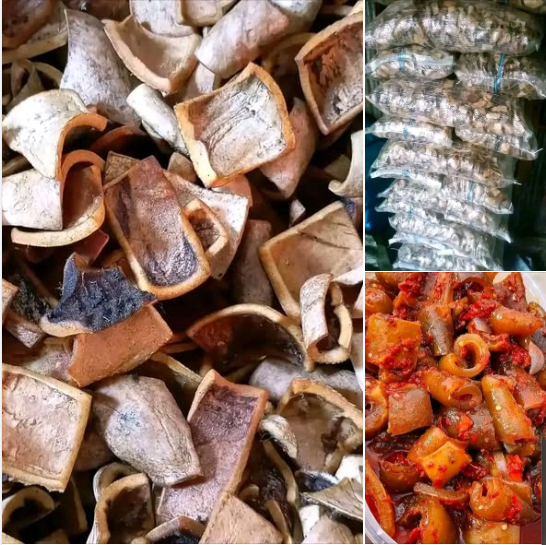

Nigerian Ponmo (Dried Cow Skin): The Traditional Protein That Is Simultaneously a West African Culinary Icon, the World’s Most Affordable Whole-Food Collagen Source, and a Cosmetics Industry Raw Material — Whose Cultural Presence Across Every Nigerian Ethnic Group and Every Economic Level Has Created the Most Emotionally Resonant Diaspora Food Procurement Gap in the Entire Bovine Protein Category
Ponmo Exporter Nigeria — White Ponmo (Unsmoked Processed Cow Skin), Smoked Ponmo, Dried Ponmo Pieces, Ponmo Powder (Collagen-Rich), Ponmo Stock Concentrate, and Collagen Hydrolysate from Bovine Skin, Direct Lagos, Ogun, Kano, Kaduna, Anambra, and Enugu State Sourcing From Documented Halal Slaughterhouses, Bulk Supply to West African Diaspora Food Retailers, Nigerian Restaurant Chains, Food Manufacturing Companies, Collagen Ingredient Buyers, Cosmetics Raw Material Procurement Teams, and Global Specialty Wholesale Buyers Worldwide
Ponmo exporter Nigeria is a search phrase that arrives at the most uniquely Nigerian traditional food product in the entire Category 10 portfolio — a product that has no direct equivalent in any other global food culture, whose specific combination of gelatinous texture, intense collagen richness, and deeply embedded cultural meaning creates a diaspora demand whose emotional intensity rivals the most beloved comfort foods of any immigrant community worldwide.
Ponmo — the processed and dried skin of Bos taurus (domestic cattle) — is called kpomo in Igbo, kanda in Hausa, and ponmo in Yoruba, with the Yoruba term achieving the broadest national and diaspora recognition as the standard Nigerian English designation. It is not a by-product in the Nigerian cultural understanding — it is a primary food ingredient whose presence in soups, stews, and as a standalone protein snack reflects a food culture whose utilisation of the complete animal creates the most nutritionally and economically efficient protein system in the Nigerian food portfolio.
The commercial paradox that creates ponmo’s unique market position: at the same time that Nigerian consumers consume ponmo as a beloved everyday food across all economic levels (from the roadside buka where ponmo is served with rice to the Lagos fine dining restaurant where ponmo stew appears on premium menus), the global cosmetics and nutraceutical industry pays premium prices for bovine skin collagen hydrolysate — the same protein whose presence in ponmo creates its characteristic gelatinous texture — as a primary ingredient in anti-ageing creams, joint health supplements, and beauty products whose global market exceeds USD 3 billion annually according to Grand View Research’s collagen market analysis.
The same bovine skin. The same protein. Radically different commercial contexts whose simultaneous existence creates the most commercially multi-dimensional product in the Nigerian animal protein portfolio.
The specific chemistry creating this dual commercial value: bovine skin is composed of approximately 28–32% Type I collagen on a dry weight basis — the most abundant structural protein in mammalian bodies, whose triple-helix molecular structure creates the mechanical properties of skin, tendon, and bone, and whose commercial hydrolysis creates the collagen peptides (molecular weight 2,000–5,000 Da) that the cosmetics, nutraceutical, and food ingredient industries value for their specific bioactive properties.
At Paradise MultiTrade International Limited, ponmo is a priority Category 10 export programme — sourced exclusively from documented halal slaughterhouses whose full animal traceability creates the bovine origin documentation that both food safety regulation and Islamic dietary law require, processed through controlled de-hairing and drying or smoking protocols, and exported with complete food safety, veterinary certification, and quality documentation.
To discuss sourcing immediately, request a quotation here and our export team responds within 48 hours.
History and Origin — The Cultural Institution Whose Complete-Animal Philosophy Creates West Africa’s Most Distinctive Protein Tradition
Ponmo in Nigerian Food Culture — From Cattle Slaughter By-Product to Cultural Centrepiece
The cultural journey of bovine skin from slaughter by-product to culturally valued food ingredient — whose Nigerian expression creates the most complete cattle utilisation tradition in West Africa — reflects a food philosophy whose economic logic and nutritional intelligence predates the modern food waste reduction movement by centuries.
In traditional Nigerian cattle slaughtering practice — conducted in every state across the country at registered abattoirs (ilepa in Yoruba market terminology) and community slaughter facilities — the complete cattle carcass is processed within hours of slaughter, with every anatomical component allocated to specific commercial and culinary use: muscle meat; offal (liver, kidney, tripe — shaki); bone marrow; head meat; tail; and skin — whose processing into ponmo creates the ingredient that feeds as many Nigerian households as the muscle meat itself.
The traditional processing technology whose indigenous development creates authentic ponmo: singeing — the application of direct flame to the hairy cattle skin surface — creates the most culturally distinctive step in ponmo production. The intense heat (700–1,000°C from open fire) destroys the hair follicles and surface epidermis, simultaneously burning off the hair, sterilising the skin surface, and creating the characteristic slightly charred outer layer whose presence in the finished ponmo contributes specific smoky, caramelised notes to soups and stews. After singeing, the skin is scraped clean, washed, and either:
- Cooked directly (fresh ponmo): Boiled 45–90 minutes to create the tender, gelatinous fresh ponmo sold at Nigerian markets within hours of slaughter.
- Sun-dried or smoked (dried ponmo): Further dehydrated to shelf-stable moisture (≤20%) creating the product whose ambient stability enables the supply chain whose export programme this article documents.
The cultural embedding across ethnic communities: the specific preparations that document ponmo’s cross-ethnic universality:
Assorted meat stew (obe efo riro, obe ata) in Yoruba cooking: ponmo as the non-negotiable component in the “assorted” protein combination — alongside stockfish, dried fish, and muscle meat — whose specific gelatinous contribution to the stew sauce creates the body and richness that muscle meat alone does not provide.
Nkwobi in Igbo cooking: the spiced palm oil dish whose primary ingredient is cow foot, but where ponmo (kpomo) creates the most commercially available and most widely consumed equivalent in urban Igbo restaurants.
Pepper soup (cross-ethnic): ponmo pieces in pepper soup creating the gelatinous protein addition whose specific texture (tender, slightly chewy, releasing collagen into the broth during cooking) creates the most distinctive mouthfeel of any soup protein ingredient in Nigerian cooking.
What Is Nigerian Ponmo? The Collagen Chemistry, Processing Science, and Commercial Grade Structure
Bos Taurus Bovine Skin — The Collagen Architecture
The biochemical composition of cattle skin creates ponmo’s specific culinary and commercial properties:
Type I Collagen — The Dominant Structural Protein:
Bovine skin’s dry weight composition is approximately 28–32% Type I collagen — the most structurally abundant protein in vertebrate organisms. Type I collagen’s triple-helix molecular structure (three polypeptide chains wound into a right-handed triple helix, stabilised by hydrogen bonds and covalent crosslinks) creates the mechanical strength of skin — and it is this specific molecular architecture whose behaviour during cooking, drying, and hydrolysis creates ponmo’s culinary properties:
Collagen denaturation during cooking: When ponmo is heated above approximately 65°C during cooking (the collagen denaturation temperature for bovine Type I collagen — measured by differential scanning calorimetry in Journal of Food Science bovine skin research), the triple-helix structure unwinds into random coils — creating the gelatinisation that transforms the initially tough, rubbery raw ponmo into the tender, slippery, gelatinous texture that cooked ponmo is specifically valued for. This gelatinisation releases gelatin (denatured collagen) into the cooking liquid — creating the stock enrichment that ponmo’s long simmering contributes to Nigerian soups, thickening the broth and creating the specific viscous body that dishes containing ponmo develop.
Hydroxyproline — The Collagen-Specific Amino Acid:
The most commercially diagnostic property of collagen protein: hydroxyproline (4-hydroxyproline — a post-translationally modified form of proline created by prolyl hydroxylase enzyme in collagen biosynthesis) is found at significant concentrations essentially exclusively in collagen and gelatin. Hydroxyproline content per gram of protein is the analytical marker used to confirm collagen presence and quantify collagen concentration — typically 12–14% of total amino acids in Type I collagen (versus <1% in most non-collagen proteins). For ponmo export documentation: hydroxyproline content by HPLC or colorimetric assay confirming the collagen-dominant protein composition that the product’s culinary function and cosmetics raw material application both require.
The Incomplete Protein Nutritional Reality:
A commercially important nutritional fact whose honest communication distinguishes Paradise MultiTrade’s export programme: ponmo’s collagen protein is nutritionally incomplete — lacking significant tryptophan (an essential amino acid destroyed or absent from collagen’s specific amino acid composition) and with limited methionine and cysteine. Collagen’s high content of glycine (approximately 33% of total amino acids — the highest of any protein), proline (approximately 12%), and hydroxyproline (approximately 12%) creates a specific amino acid profile whose biological value for complete protein nutrition is lower than muscle meat, eggs, or dairy. This fact — documented in Journal of Nutrition and Food Sciences — does not diminish ponmo’s cultural, culinary, and commercial value, but it creates the accurate nutritional communication that food labelling requires.
The Practical nutritional contribution of ponmo in Nigerian diet: Despite incomplete protein status, ponmo contributes: glycine (supporting glutathione synthesis and creatine production); proline and hydroxyproline (joint cartilage support whose research basis creates the joint health supplement market); and the satiety value of a high-protein, low-fat (ponmo’s fat content is primarily in the subcutaneous fat layer removed during processing — dried ponmo is typically 8–15% fat) food whose volume and chewy texture creates meal satisfaction disproportionate to its protein biological value.
The Processing Science — Singeing, Cooking, and Drying
De-hairing by Singeing — The Traditional Method:
Open-flame singeing using gas burners or wood fire creates the traditional Nigerian ponmo character whose specific charred outer layer is the product’s most culturally distinctive visual feature. The singeing temperature (700–1,000°C at the surface for 30–90 seconds per side) must achieve: complete hair destruction (follicle destruction preventing regrowth or hair fragment contamination); surface epidermis sterilisation (reducing surface microbial load); and slight outer layer caramelisation (creating the smoky-caramelised flavour notes that distinguish singed ponmo from chemically de-haired alternatives).
Alternative De-hairing — Chemical Depilation:
Industrial bovine skin processing (primarily for leather production) uses calcium hydroxide (slaked lime) or sodium sulfide depilation — dissolving hair protein through alkaline hydrolysis. For food-grade ponmo: lime depilation is occasionally used in some processing operations, creating white, cleaner-looking ponmo without the charred layer. Paradise MultiTrade’s programme uses flame singeing exclusively — creating the authentic traditional character and avoiding any chemical residue concerns from lime treatment.
The White Ponmo vs. Smoked/Singed Ponmo Distinction:
The most commercially significant grade differentiation in dried ponmo:
White Ponmo: Skin processed through boiling (without singeing) or through singeing with complete outer char layer removal — creating a pale, cream-coloured product whose clean appearance creates premium visual presentation in restaurant and retail contexts. Milder flavour (no smoke/char notes); more neutral in soups. Preferred in some urban Nigerian restaurant contexts and by diaspora consumers who find the charred outer layer’s bitterness unfamiliar.
Singed/Smoked Ponmo: The traditional and most widely consumed format — amber to dark brown outer layer from singeing retained; specific smoky-caramelised flavour notes contributing to soups. The most culturally authentic format with widest diaspora demand.
Cooking Stage:
After de-hairing and surface cleaning, ponmo is boiled in clean water (90–120 minutes for full cattle skin; 45–60 minutes for pre-cut pieces) — creating initial collagen denaturation (the skin becomes pliable and slightly tender) before drying. Pre-cooking reduces water activity more efficiently than raw-skin drying (pre-cooked protein matrix dries more evenly) and creates the initial sterilisation step whose commercial documentation confirms the heat treatment received.
Drying:
Cooked ponmo dried by hot-air cabinet (55–65°C, 12–24 hours) or sun-drying (3–5 days in full sun) to target moisture ≤20% (dried ponmo), ≤15% (extended shelf life grade), or ≤10% (powder production grade).
Commercial Product Forms
White Ponmo (Whole or Pieces): Cream-coloured, boiled and dried, hair-removed skin — premium restaurant and retail grade.
Singed Ponmo (Traditional): Dark amber to brown, flame-singed, boiled and dried — the most culturally authentic format.
Dried Ponmo Pieces: Pre-cut into 3–8cm irregular pieces — the convenience format for diaspora retail and food service.
Ponmo Powder (Collagen-Rich): Fully dried ponmo milled to fine powder — for food manufacturing, collagen ingredient, and soup seasoning.
Ponmo Stock Concentrate: Aqueous collagen extraction from ponmo — rich gelatin stock for food manufacturing, soup base, and instant food applications.
Collagen Hydrolysate (Bovine Skin): Enzymatic hydrolysis of ponmo creating low-molecular-weight collagen peptides (2,000–5,000 Da) — for nutraceutical supplement and cosmetics ingredient applications.
Benefits and Industrial Uses of Nigerian Ponmo
West African Diaspora Food Retail — The Most Emotionally Resonant Demand
The diaspora ponmo supply failure: Ponmo’s specific supply chain challenge in diaspora markets creates a commercial gap that is simultaneously the most emotionally charged and the most practically constrained:
Customs restrictions in destination countries: Many national customs authorities (UK APHA, US CBP, Canadian CFIA) impose specific restrictions on bovine products from countries with ongoing animal disease concerns — particularly Foot and Mouth Disease (FMD) and Bovine Spongiform Encephalopathy (BSE) — creating import documentation requirements that informal personal luggage transport fundamentally cannot satisfy. This creates the specific situation where: customs officers at UK Heathrow and US JFK routinely confiscate informally carried ponmo from Nigerian travellers (bovine animal product without veterinary certification); diaspora communities whose supply depends on this personal transport channel face regular supply disruption; and the formal export documentation whose creation enables legal commercial import — veterinary health certificate, animal disease status documentation, halal slaughter certification — essentially does not exist in any formal Nigerian ponmo export programme currently operating.
The commercial opportunity: The gap between the diaspora’s intense ponmo demand and the near-zero formal supply — whose creation through Paradise MultiTrade’s documented slaughterhouse sourcing, veterinary certification, and regulatory compliance programme creates the only legitimate commercial channel for ponmo export to regulated markets — represents one of the most commercially clear supply-demand gaps in the entire Nigerian food export portfolio.
For diaspora food retail buyers — contact our export team to discuss veterinary-certified ponmo specification.
Nigerian Restaurant Supply
The “assorted” restaurant necessity: Every Nigerian restaurant operating in diaspora markets whose traditional menu includes assorted meat stew, pepper soup, ofe onugbu, or banga soup requires ponmo as the gelatinous protein component that creates the authentic “assorted” character. Restaurant-scale ponmo demand — multiple kilograms per week — cannot be met through informal personal procurement networks whose supply unpredictability creates the most operationally damaging ingredient shortage in traditional Nigerian restaurant management.
Premium restaurant ponmo positioning: The emerging trend in Nigerian fine dining — whose representation through London restaurants including Ikoyi and Lagos destination restaurants including Nok by Alara — has specifically elevated ponmo from informal buka ingredient to premium menu element. The specific preparation: ponmo in high-quality pepper sauce (slow-cooked in blended Scotch bonnet, tatashe, and habanero peppers with palm oil and seasoning) creates the premium ponmo stew whose restaurant positioning as a sophisticated traditional ingredient communicates the food culture depth that premium Nigerian restaurants specifically build their brand around.
Food Manufacturing — Gelatin and Collagen Applications
Nigerian commercial soup and seasoning manufacturing: The domestic Nigerian food manufacturing sector — whose seasoning cubes, soup concentrates, and ready-to-cook traditional food products create commercial procurement demand for ponmo-derived collagen — represents the most volume-accessible industrial application for ponmo export:
Gelatin production: Ponmo’s collagen content (28–32% dry weight Type I collagen) creates a natural gelatin source whose extraction through controlled acid or alkaline treatment creates food-grade gelatin for: jelly confectionery manufacturing; yogurt and dairy product stabilisation; pharmaceutical capsule shell production; and photographic emulsion (a niche but persistent industrial application). Nigerian ponmo’s halal-certified gelatin — produced from animals slaughtered according to Islamic requirements — creates specific commercial value for halal food manufacturers whose pork-gelatin-free product formulations require documented halal animal-source gelatin alternatives to the more expensive fish gelatin.
Collagen hydrolysate for functional food: Enzymatic hydrolysis of ponmo powder (using food-grade protease and collagenase enzymes) creating collagen peptides (molecular weight 2,000–5,000 Da) — the same collagen peptide ingredient sold in premium nutraceutical supplements (Peptan, Verisol, and similar branded collagen peptide ingredients) at USD 15–30 per kg — from a raw material (ponmo) whose current Nigerian market price is a fraction of this value. The commercial development opportunity: Nigerian ponmo as a raw material for halal collagen hydrolysate production creates a value chain whose industrial processing converts a traditional food into a globally traded premium ingredient.
The Cosmetics Collagen Raw Material Market
Bovine skin collagen in cosmetics: Type I collagen from bovine skin is one of the primary sources for collagen hydrolysate used in: anti-ageing face cream formulations (topical collagen as a moisturising and film-forming ingredient); hair conditioning products (hydrolysed collagen’s protein film on hair surface reducing breakage and improving texture); nail strengthening treatments; and joint health supplement capsules. The global collagen market — tracked through Grand View Research’s collagen market analysis at over USD 3 billion annually and growing at approximately 9% — creates commercial procurement demand for bovine skin collagen raw material whose documented, certified origin creates specific premium positioning.
The BSE/TSE regulatory framework for bovine collagen: EU Regulation (EC) 999/2001 on transmissible spongiform encephalopathies (TSEs — the regulatory framework addressing BSE, the “mad cow disease” safety concern) creates specific requirements for bovine-derived collagen intended for human use:
Country of origin’s BSE risk classification (assigned by World Organisation for Animal Health (WOAH/OIE)) determines the specific documentation and sourcing restrictions for bovine collagen. Nigeria’s BSE risk status — which buyers must verify through current WOAH/OIE country status listings — creates the specific veterinary certification package that bovine skin export documentation must address.
The practical commercial pathway: bovine hide collagen from countries with controlled or negligible BSE risk status, sourced from cattle under 30 months of age (below the age threshold for TSE risk tissue accumulation), with documented halal slaughter and veterinary health certification creates the regulatory compliance package for EU collagen raw material import.
Why Buy Ponmo From Nigeria?
Documented Halal Slaughterhouse Sourcing — The Regulatory and Religious Foundation
Paradise MultiTrade’s ponmo programme sources exclusively from Nigeria Islamic Slaughterhouse Foundation (NISF)-registered and state-licensed halal slaughterhouses in Lagos (Oko-Oba Abattoir — the largest in West Africa), Kano (Bompai Abattoir), and Kaduna (Kakuri Abattoir) — creating the dual documentary value of:
Food safety compliance: Licensed slaughterhouses with veterinary ante-mortem and post-mortem inspection, carcass stamping, and health certification create the animal health documentation that UK, EU, and US bovine product import requirements specifically mandate. Informal ponmo sources (community slaughter without veterinary inspection) cannot generate this documentation. Contact us to discuss slaughterhouse documentation.
Islamic dietary compliance: Zabiha (halal) slaughter documentation — confirming the slaughter was performed by a Muslim with the appropriate bismillah invocation, that the animal was alive and healthy at slaughter, that blood was fully drained, and that no prohibited substances were used in processing — creates the halal certificate whose presence specifically serves the Muslim diaspora community’s religious dietary requirements and enables halal food retail positioning in UK, EU, and Gulf market halal food channels. Contact us to discuss halal certification.
The Flame-Singeing Authenticity Programme
Paradise MultiTrade’s exclusive use of gas burner flame singeing (rather than chemical depilation) — creating the authentic traditional ponmo character whose specific charred outer layer and smoky-caramelised flavour notes diaspora consumers specifically authenticate — is documented through:
Process confirmation: Singeing temperature documentation (infrared thermometer readings: 700–1,000°C at fish surface per treatment); singeing duration records; visual colour confirmation (outer layer amber-brown to dark brown); guaiacol and related Maillard reaction product presence (confirming thermal processing without chemical treatment).
Chemical depilation absence: Testing confirming absence of calcium hydroxide residue or sulfide compounds (confirming no chemical de-hairing was used) — creating the authentic traditional processing claim that premium diaspora retail requires.
Hydroxyproline Documentation — The Collagen Credential
HPLC hydroxyproline per lot — confirming bovine skin collagen content (hydroxyproline 12–14% of total amino acids confirming Type I collagen-dominant composition) — creating the analytical credential that food manufacturing gelatin buyers, collagen ingredient buyers, and functional food manufacturers whose product formulation specifically requires documented collagen content specifically require. Contact us to discuss hydroxyproline documentation.
Complete Export Documentation
Every ponmo shipment carries veterinary health certification (NAQS/Federal Department of Veterinary and Pest Control Services), NEPC export documentation, certificate of origin, commercial invoice, packing list, and bill of lading. We coordinate: veterinary ante-mortem and post-mortem inspection records (slaughterhouse documentation); halal slaughter certificate (from NISF-registered halal certifier); species confirmation (Bos taurus — cattle); animal age documentation (below 30 months for TSE risk management); BSE/TSE country status documentation (current WOAH/OIE Nigerian status); hydroxyproline content (HPLC per lot — collagen confirmation); protein content (Kjeldahl); fat content (Soxhlet); moisture content (≤20% dried ponmo); water activity (≤0.75); heavy metals ICP-MS (lead, cadmium, arsenic, mercury — confirming absence of environmental contamination from abattoir water sources); microbiological safety (Salmonella, E. coli, Staphylococcus aureus, Clostridium perfringens, Listeria monocytogenes, TPC); and veterinary drug residue (antibiotics, hormones — EU food safety requirements for bovine products). EU-bound shipments comply with Regulation (EU) 2017/625, Regulation (EC) 853/2004, Regulation (EC) 999/2001 (TSE), and Commission Regulation (EC) 1881/2006. Our NEPC Export Licence No. 0042385 and CAC Registration No. RC-9284647 are verifiable through NEPC.
Nigeria’s Ponmo Export Strength and Global Market Demand
The Diaspora Market Scale
The Nigerian diaspora’s ponmo demand — whose scale reflects the product’s complete cross-ethnic cultural penetration (Yoruba, Igbo, and Hausa all consume ponmo equally, unlike many traditional foods with ethnic specificity) — creates a market across the same 17–20 million diaspora population documented in the smoked fish article (Article 116). The specific frequency of ponmo consumption: diaspora Nigerian households serving traditional meals (estimated at 3–5 cooking occasions per week by University of Sussex Nigerian diaspora food culture research) use ponmo in approximately 40–60% of those occasions — creating a per-household consumption of approximately 100–200g per week, translating to an estimated 5,000–8,000 metric tonnes annual diaspora demand globally.
Key Export Destination Markets
United Kingdom — the most developed West African food retail market in Europe; London’s Peckham and Dalston West African food retailers whose ponmo demand is the most commercially concentrated in Europe. Bovine product import requirements through APHA — veterinary health certificate mandatory for bovine products from third countries.
United States — whose Nigerian-American communities in Houston, Atlanta, Dallas, and New York create significant demand. USDA FSIS requirements for imported bovine products through USDA Food Safety and Inspection Service — country eligibility and establishment listing for processed bovine products required.
Canada — whose Toronto and Ottawa Nigerian communities create consistent demand through CFIA bovine product import requirements.
Germany, Netherlands, France — whose West African diaspora communities create developing demand through EU food safety framework.
UAE and Gulf States — whose Nigerian expatriate communities and halal food retail sector create specific halal-certified ponmo demand tracked through ADAFSA.
Why Choose Paradise MultiTrade International Limited?
WOAH/OIE-Documented BSE Risk Management. Nigeria’s current WOAH/OIE BSE risk classification documentation — accompanying every shipment with current country status evidence and specific animal age documentation (below 30 months — below TSE risk tissue accumulation threshold) creating the regulatory compliance foundation for EU bovine-derived food product import. Contact us to discuss BSE/TSE documentation.
Oko-Oba Abattoir Sourcing — West Africa’s Largest Licensed Facility. Sourcing from Oko-Oba Abattoir (Lagos State) — the largest registered abattoir in West Africa whose state veterinary inspection programme, licensed premises, and carcass stamping system creates the most commercially robust animal health documentation available from any Nigerian slaughterhouse. Contact us to discuss slaughterhouse specification.
Halal Certificate Chain of Custody — Islamic Dietary Law Compliance. Halal certification from NISF-registered certifiers, covering the complete process chain from slaughter through processing and packaging — creating the halal chain of custody documentation that Muslim diaspora food retail and Gulf market distribution specifically requires. Contact us to discuss halal certification.
Hydroxyproline and Collagen Content Documentation — For Industrial Buyers. HPLC hydroxyproline per lot — creating the specific collagen content certification that gelatin manufacturers, collagen hydrolysate producers, and functional food manufacturers whose procurement specifically requires documented bovine skin collagen content require for quality system compliance. Contact us to discuss industrial collagen specification.
Multi-Commodity West African Protein and Traditional Food Sourcing. Ponmo buyers frequently source complementary traditional food products. Alongside ponmo, Paradise MultiTrade exports dried catfish, smoked fish, stockfish, dried goat meat, kilishi, egusi, locust beans (iru), palm oil, garri, and yam flour. Explore our full range of Nigerian export commodities.
Product Specifications
| Specification | White Ponmo | Singed Ponmo (Traditional) | Dried Ponmo Pieces | Ponmo Powder | Ponmo Stock Concentrate | Collagen Hydrolysate |
|---|---|---|---|---|---|---|
| Species | Bos taurus (domestic cattle) | Bos taurus | Bos taurus | Bos taurus | Bos taurus | Bos taurus (enzymatic hydrolysis) |
| Animal Age | ≤30 months (TSE risk management) | ≤30 months | ≤30 months | ≤30 months | ≤30 months | ≤30 months |
| Source | Licensed halal abattoir (Oko-Oba, Bompai, Kakuri) | Same | Same | Same | Same | Same |
| De-hairing Method | Boil-scrape (no singeing) — white grade | Flame singe (gas burner 700–1,000°C) | Either method (specified) | Either method | Either method | Either method |
| Processing | Dehairing-cook (90–120 min boiling)-dry (55–65°C) | Singe-scrape-wash-cook-dry | Cook then pre-cut into 3–8cm pieces before drying | Fully dry to ≤10% then mill | Cook-extract-concentrate | Ponmo powder-enzymatic hydrolysis-filter-dry |
| Moisture Content | ≤20% | ≤20% | ≤18% | ≤10% | 30–40% (concentrate) | ≤8% |
| Water Activity | ≤0.75 | ≤0.75 | ≤0.70 | ≤0.55 | ≤0.95 (refrigerate) | ≤0.45 |
| Protein Content | 55–65% dry weight (Kjeldahl) | 55–65% | 55–65% | 60–70% | 15–25% liquid basis | 85–92% (concentrated) |
| Collagen (% of Protein) | 85–95% (predominantly Type I collagen) | 85–95% | 85–95% | 85–95% | 85–95% | 90–98% (purified) |
| Hydroxyproline | 12–14% of total amino acids (HPLC) | 12–14% | 12–14% | 12–14% | 12–14% | 12–14% |
| Glycine | ~33% of total amino acids | ~33% | ~33% | ~33% | ~33% | ~33% |
| Proline | ~12% of total amino acids | ~12% | ~12% | ~12% | ~12% | ~12% |
| Fat Content | 8–15% dry weight (Soxhlet) | 8–15% | 8–15% | 6–12% | 5–10% | 1–5% |
| Colour | Cream to off-white (boil-scraped) | Amber to dark brown (singed outer layer) | White or amber (grade specified) | Light tan to brown powder | Brown liquid | Off-white powder |
| Singeing Marker (Guaiacol) | Absent (boil-scraped — not singed) | Present (confirms flame-singeing) | Grade-dependent | Grade-dependent | Grade-dependent | Trace |
| Molecular Weight (Collagen) | Native triple helix (~300,000 Da) | Same | Same | Same | Gelatin ~50,000–300,000 Da | 2,000–5,000 Da (hydrolysate) |
| Veterinary Health Certificate | Mandatory — NAQS/FDVPCs issued | Mandatory | Mandatory | Mandatory | Mandatory | Mandatory |
| Halal Certification | Available — NISF registered certifier | Available | Available | Available | Available | Available |
| BSE/TSE Documentation | WOAH/OIE country status + animal age ≤30 months | Same | Same | Same | Same | Same |
| Chemical Depilation | Absent (lime/sulfide — not used) | Absent | Absent | Absent | Absent | Absent |
| Salmonella | Absent/25g | Absent/25g | Absent/25g | Absent/25g | Absent/25g | Absent/25g |
| E. coli O157:H7 | Absent/25g (bovine-specific pathogen) | Absent/25g | Absent/25g | Absent/25g | Absent/25g | Absent/25g |
| Clostridium perfringens | ≤100 CFU/g | ≤100 CFU/g | ≤100 CFU/g | ≤100 CFU/g | ≤50 CFU/g | ≤50 CFU/g |
| Listeria monocytogenes | Absent/25g | Absent/25g | Absent/25g | Absent/25g | Absent/25g | Absent/25g |
| TPC | ≤10⁵ CFU/g | ≤10⁵ CFU/g | ≤10⁴ CFU/g | ≤10³ CFU/g | ≤10⁴ CFU/ml | ≤10² CFU/g |
| Heavy Metals | Pb ≤0.10; Cd ≤0.050; As ≤0.10; Hg ≤0.050 mg/kg (ICP-MS) | Confirmed | Confirmed | Confirmed | Confirmed | Confirmed |
| Veterinary Drug Residue | Antibiotics absent; hormones absent (EU MRL compliance) | Confirmed | Confirmed | Confirmed | Confirmed | Confirmed |
| Allergen | Contains milk allergen risk (bovine origin — cross-declare as appropriate) | Same | Same | Same | Same | Same |
| Shelf Life | 12 months (sealed, cool, dark) | 12 months | 12 months | 18 months | 3 months refrigerated | 24 months |
| Packaging — Retail | 200g, 500g, 1kg vacuum-sealed packs | 200g, 500g, 1kg vacuum-sealed | 200g, 500g vacuum | 200g, 500g, 1kg sealed bags | 250ml, 500ml bottles | 100g, 250g, 1kg sealed bags |
| Packaging — Bulk | 5kg, 10kg vacuum-sealed cartons | 5kg, 10kg cartons | 5kg, 10kg cartons | 10kg, 25kg sealed bags | 5L, 20L sealed containers | 5kg, 25kg sealed bags |
| Supply Capacity | 50–2,000 MT per year | 50–2,000 MT per year | 50–2,000 MT per year | 10–500 MT per year | 5–100 MT per year | 5–100 MT per year |
| MOQ | 100kg | 100kg | 100kg | 25kg | 20L | 10kg |
Export Documentation (all grades): Veterinary Health Certificate (NAQS/FDVPCs — ante-mortem and post-mortem inspection confirmed), Halal Slaughter Certificate (NISF registered certifier), Species Certificate (Bos taurus), Animal Age Certificate (≤30 months — TSE risk compliance), WOAH/OIE BSE Country Status Documentation, Slaughterhouse Registration Certificate (Oko-Oba/Bompai/Kakuri), Hydroxyproline HPLC Certificate (12–14% of total amino acids — collagen confirmation), Protein Content Certificate (Kjeldahl), Fat Content Certificate (Soxhlet), Moisture and Water Activity Certificate, Chemical Depilation Absence Certificate (lime/sulfide not detected), Singeing Confirmation Certificate (white grade — absent; singed grade — guaiacol marker present), Heavy Metals ICP-MS Certificate, Veterinary Drug Residue Certificate (antibiotics, hormones — EU MRL compliant), Microbiological Certificate (Salmonella, E. coli O157:H7, Clostridium, Listeria, TPC), Certificate of Origin, NEPC Export Licence, Commercial Invoice, Packing List, Bill of Lading.
Payment Terms: T/T, LC at sight, Escrow. Loading Port: Lagos (Apapa / Tin Can Island Port). Incoterms: EXW, FOB Lagos, CNF, CIF.
Processing and Export Process
Slaughterhouse Sourcing and Veterinary Documentation. Cattle procured only from registered commercial slaughterhouses — ante-mortem inspection confirming animal health (no signs of fever, lameness, neurological symptoms, or emaciation — the clinical signs triggering veterinary rejection); post-mortem inspection confirming carcass and organ health (absence of measles cysts, tubercular lesions, systemic infection signs); carcass stamping by state veterinary officer confirming passed inspection; hide allocated to ponmo processing within 2 hours of slaughter — preventing the microbial colonisation that begins within 4–6 hours of skin separation at tropical ambient temperatures.
Hide Receipt and Temperature Management. Fresh hides received at processing facility in chilled insulated transport (temperature ≤10°C from slaughterhouse to facility, transit ≤2 hours); immediate processing initiation preventing E. coli O157:H7 and Salmonella multiplication whose risk in bovine gut-associated material — particularly relevant for bovine skin whose outer surface was in contact with gut contents during slaughter — creates the critical hygiene management requirement specific to bovine products.
Singeing (Singed Grade). Hide spread flat on concrete processing surface or raised metal frame; gas burner (LPG — consistent heat, controllable temperature) passed systematically over entire skin surface at 15–20cm distance; treatment duration 60–90 seconds per 30cm² section; temperature confirmed by infrared thermometer (target: 700–900°C at surface); complete hair destruction confirmed by visual inspection (no remaining hair follicle or shaft visible); surface caramelisation confirmed by colour (amber-brown developing evenly).
Scraping and Washing. After singeing: surface scraped with stainless steel blade removing carbonised hair debris and epidermis remnants; washed in hot potable water (60–70°C — reducing surface microbial load while initiating outer layer hydration). White ponmo grade: scraped to complete pale surface without singeing step; lime residue (if any — not in Paradise MultiTrade programme) confirmed absent.
Cutting. Full cattle hide cut into manageable sections (approximately 30×30cm pieces) for even cooking and drying — whole hide (1.5–3.0m² per animal) is too large for practical processing and even heat penetration.
Cooking. Ponmo pieces cooked in clean boiling water (100°C, 90–120 minutes for standard thickness pieces) — collagen denaturation creating pliable, slightly tender texture; internal temperature ≥85°C for minimum 15 minutes confirmed by probe thermometer (equivalent pasteurisation step creating the thermal kill for surface pathogens whose control creates the food safety critical control point in bovine skin processing).
Drying. Cooked ponmo drained and arranged on stainless steel mesh drying racks; hot-air cabinet drying at 55–65°C for 12–20 hours to target moisture ≤20%; moisture confirmed by Karl Fischer moisture meter on representative samples.
Vacuum Packaging. Dried ponmo individually or portion-packed in vacuum-sealed PA/PE multi-layer barrier bags — oxygen removal preventing both fat oxidation and microbial growth reactivation at marginal water activity (≤0.75 — lower than most products in this series, requiring consistent vacuum packaging for shelf stability).
Lead Times. Standard dried ponmo: 21–35 days from slaughter scheduling. Collagen hydrolysate: 42–60 days (enzymatic hydrolysis and purification). Full analytical panel (hydroxyproline HPLC, E. coli O157:H7, microbiological, heavy metals, veterinary drug residue): add 10–14 days. Contact us to plan your supply schedule.
Frequently Asked Questions
What is Type I collagen and why is bovine skin one of the most commercially valuable sources of this specific protein?
Type I collagen’s commercial value and bovine skin’s specific position as a primary source — creating the dual traditional food and industrial ingredient market that makes ponmo uniquely commercially multi-dimensional: (1) Collagen family context: The collagen superfamily encompasses 28 distinct collagen types (Type I through XXVIII) — each with specific tissue distribution and specific commercial applications. Type I collagen is the most abundant collagen in the human body (accounting for approximately 90% of all collagen in skin, bone, tendon, and ligament) and the most commercially developed source for food, pharmaceutical, and cosmetics applications. (2) Bovine skin as Type I collagen source: Bovine hide is approximately 28–32% Type I collagen on dry weight — making it the most concentrated commercially accessible whole-tissue collagen source available from any livestock by-product globally. Porcine skin creates equivalent collagen content but is excluded from halal and kosher dietary frameworks; marine fish skin creates Type I collagen but at 15–20% dry weight concentration (lower than bovine). (3) The triple-helix structure: Type I collagen’s three polypeptide chains (two α1 chains and one α2 chain, each approximately 1,400 amino acids) wound into the triple helix creates the thermally stable, mechanically strong structure whose denaturation at 65°C (bovine — lower for fish collagen, approximately 20°C) creates the gelatin transition whose cooking temperature dependence explains why ponmo becomes gelatinous in Nigerian soups cooking above 65°C for extended periods. (4) Commercial hydrolysate applications: Enzymatic hydrolysis of Type I collagen into collagen peptides (2,000–5,000 Da) creates the bioactive collagen ingredient whose joint health, skin elasticity, and wound healing clinical evidence is documented in Journal of Agricultural and Food Chemistry. The commercial value: whereas raw ponmo sells for USD 2–6 per kg in Nigerian wholesale markets, pharmaceutical and cosmetics-grade bovine collagen hydrolysate (derived from the same raw material through enzymatic processing) sells for USD 15–30 per kg globally. Contact us to discuss collagen hydrolysate programme.
What is BSE (mad cow disease) and how does Nigeria’s status and Paradise MultiTrade’s programme manage this regulatory concern?
BSE’s commercial relevance for Nigerian ponmo export — whose regulatory framework creates the most technically demanding documentary requirement in any bovine product export: (1) What BSE is: Bovine Spongiform Encephalopathy (BSE) — the prion disease of cattle whose misfolded prion protein (PrPSc) creates progressive, fatal neurological degeneration in affected animals. The pathological mechanism: PrPSc serves as a template causing normal prion protein (PrPC) to refold into the abnormal prion form — whose accumulation creates the spongiform brain lesions characterising the disease. Human variant Creutzfeldt-Jakob disease (vCJD) — linked to consumption of BSE-infected bovine products in the UK BSE epidemic of the 1980s–1990s — created the regulatory framework whose specific requirements protect against any repetition. (2) Nigeria’s BSE status: Nigeria has historically maintained a “negligible risk” BSE classification through WOAH/OIE — reflecting Nigeria’s absence of commercial meat and bone meal (MBM) feeding to cattle (the specific feed practice that amplified the UK BSE epidemic through the cattle-to-cattle prion transmission that MBM feeding created). Nigeria’s predominantly pastoral and traditional cattle production whose natural grazing diet does not include processed animal protein creates the risk profile underlying the current status classification. Buyers must verify Nigeria’s current WOAH/OIE BSE risk classification through WOAH’s official country status listings at time of procurement — status classifications are reviewed annually. (3) EU Regulation (EC) 999/2001 practical requirements: For bovine-derived products from countries with controlled or negligible BSE risk — specific material restrictions (specified risk material — SRM — including brain, spinal cord, skull, vertebral column of cattle over 12 months must be excluded from food products); age documentation (cattle under 30 months generally exempt from stricter SRM restrictions); and veterinary health certification confirming compliance with EU TSE regulations. (4) Paradise MultiTrade’s protocol: Sourcing from cattle ≤30 months only (age documented from slaughterhouse records); processing only skin (not SRM tissue); veterinary certificate confirming SRM-free processing; current WOAH/OIE Nigeria status documentation updated per shipment. Contact us to discuss BSE/TSE documentation.
Why is E. coli O157:H7 specifically monitored in ponmo and how is it managed?
E. coli O157:H7 — the bovine-specific enteric pathogen whose management creates a critical control point specific to bovine skin processing that is not shared by fish, poultry, or plant product processing: (1) Why E. coli O157:H7 is a bovine-specific concern: Escherichia coli O157:H7 is a Shiga toxin-producing E. coli (STEC) that colonises the intestinal tract of healthy cattle without causing disease in the animal — making visual inspection unable to identify carrier animals. The pathogen contaminates bovine hides during slaughter when hide removal creates contact between the outer hide surface (which contacts fecal contamination in the processing environment) and the hide surface that becomes the food product. The specific clinical significance: E. coli O157:H7 infection in humans causes haemorrhagic colitis (bloody diarrhoea) and in vulnerable populations (children, elderly) creates haemolytic uremic syndrome (HUS) — a life-threatening condition causing kidney failure whose association with bovine product contamination has generated the most significant UK and US food safety regulatory responses of the past 30 years. (2) EU food safety criterion: Commission Regulation (EC) 2073/2005 establishes food safety criteria for E. coli in various food categories — with STEC-specific requirements for bovine meat whose application to bovine skin food products creates the regulatory monitoring basis. (3) Paradise MultiTrade management: Pre-hide singeing (700–900°C surface temperature creating the equivalent of pasteurisation for surface E. coli); post-singe scraping removing contaminated surface layer; hot water washing at 60–70°C reducing surface microbial load; cooking at 100°C for 90–120 minutes (internal temperature ≥85°C sustained for 15 minutes — equivalent to >6-log reduction of E. coli O157:H7 whose D72°C value of approximately 0.4 minutes creates complete lethality at this treatment); E. coli O157:H7 testing on every export lot using PCR-based rapid detection (same-day result enabling processing batch correlation). Contact us to discuss E. coli O157:H7 management programme.
What is the collagen hydrolysate opportunity and how can ponmo serve as a raw material for premium global markets?
The collagen hydrolysate value chain whose development creates the most commercially transformative opportunity in the entire ponmo export programme: (1) The value chain: Raw ponmo (dried bovine skin) at Nigerian wholesale prices (USD 2–6 per kg) → enzymatic hydrolysis creating collagen peptides → food and cosmetics-grade collagen hydrolysate (USD 15–30 per kg) — a 3–10× value addition through processing. The specific enzymes: food-grade collagenase (bacterial origin, Clostridium histolyticum — creates specific cleavage of the triple-helix Gly-X-Y repeat sequence) and protease (Alcalase, Neutrase — non-specific protease creating collagen peptide mixture) — both available as food-grade commercial enzyme preparations for controlled hydrolysis. (2) Molecular weight targeting: Collagen hydrolysate commercial specifications: 2,000–5,000 Da (the range documented in clinical research as bioactive for joint and skin health — accessible through NCBI collagen peptide research); below 2,000 Da creates amino acid mixture losing the specific peptide bioactivity; above 5,000 Da creates incompletely hydrolysed gelatin reducing solubility. Molecular weight distribution confirmed by size exclusion chromatography (SEC-HPLC) — the commercial specification test. (3) Halal collagen advantage: The global halal collagen hydrolysate market — whose Muslim consumer demand for pig-free, bovine-halal collagen supplement and cosmetics creates specific premium pricing — is served primarily by marine fish collagen (halal by default but more expensive raw material and lower collagen content) and porcine collagen (prohibited). Halal-certified bovine collagen hydrolysate from Nigerian ponmo — documented halal slaughter certification, Muslim-country origin narrative, NISF certification — creates a specifically competitive position in Gulf markets and Muslim-majority country consumer markets. (4) Partnership model: Paradise MultiTrade’s initial programme offers dried ponmo as raw material for international collagen processing facilities — whose industrial enzymatic hydrolysis equipment and SEC-HPLC quality testing creates the processing investment whose scale requires industrial partner collaboration. Future development: in-country enzymatic hydrolysis creating higher value-add export. Contact us to discuss collagen hydrolysate raw material supply.
What is the difference between white ponmo and singed ponmo and which should diaspora retailers prioritise?
The white versus singed ponmo distinction — creating the most commercially significant product grade differentiation in diaspora retail: (1) Singed ponmo (traditional — most widely demanded): Created by flame treatment (700–1,000°C) whose effect: destroys hair follicles and epidermis; creates charred outer layer of caramelised protein (Maillard reaction at extreme temperatures); contributes specific smoky-caramelised flavour notes to soups; creates amber to dark brown appearance that experienced Nigerian cooks authenticate as the “real” ponmo. The vast majority of ponmo consumed in Nigeria is singed — making this the format most diaspora consumers specifically seek and whose absence creates the most immediate retail disappointment. (2) White ponmo (boil-scraped — premium restaurant grade): Created by boiling and mechanical scraping without singeing — creating pale, cream-coloured product with neutral flavour whose visual cleanliness creates premium restaurant presentation value. More uniform colour (easier to assess quality); no charred outer layer flavour contribution; more visually appealing to non-Nigerian consumers or diaspora consumers whose food acculturation creates preference for less intensely processed visual character. (3) Diaspora retail recommendation: Stock both, label clearly (singed ponmo / traditional ponmo vs white ponmo / boiled ponmo), with singed comprising approximately 70% of order volume. The specific diaspora consumer segment whose cooking style matches singed ponmo (most diaspora cooks from the generation that grew up eating traditional market ponmo) creates the majority demand. White ponmo serves: younger diaspora consumers; non-Nigerian partners of diaspora consumers; and restaurant operations whose visual presentation standards prefer cleaner-looking ingredients. (4) Never mix or mislabel: A diaspora consumer who purchases white ponmo expecting singed (or vice versa) will detect the difference immediately through flavour and visual assessment — creating the trust failure that negative community word-of-mouth creates for diaspora food retail businesses. Contact us to discuss grade specification and retail assortment.
What are the specific customs and import regulations governing ponmo import into the UK, USA, and Canada?
Bovine skin food product import regulations — the most complex regulatory framework of any product in this series, reflecting the specific animal disease and food safety concerns that bovine products create: (1) United Kingdom (post-Brexit): Bovine products from third countries require: GB health certificate (GBHCs) signed by official veterinarian in Nigeria; pre-notification through the UK Import of Products, Animals, Food and Feed System (IPAFFS) — minimum 24 hours before arrival; documentary, identity, and physical checks at UK Port Health Authority (PHA) inspection facility; compliance with UK TSE Regulations 2010 (equivalent to EU Regulation 999/2001). UK’s BSE country risk assessments: buyers must confirm UK APHA’s current Nigerian bovine product import eligibility status through APHA’s non-EU country approved lists. (2) United States: USDA Animal and Plant Health Inspection Service (APHIS) governs animal product imports including bovine skin food products. Key requirements: Nigeria must be on USDA FSIS’s list of eligible countries for processed beef products; product must come from a FSIS-approved foreign establishment; FSIS Public Health Veterinarian certificate required. USDA APHIS animal product import permit requirements must be verified by buyer for current Nigerian eligibility status. (3) Canada: CFIA Animal Health import requirements for bovine products — facility registration, health certificate, and permit requirements detailed through CFIA’s automated import reference system (AIRS). (4) EU (Germany, Netherlands, France): EU Regulation (EU) 2017/625 — listed establishment requirement; NAQS competent authority health certificate; BIP physical inspection; TSE compliance documentation (EU Regulation 999/2001). (5) Practical implication: Buyers must conduct current eligibility verification with their destination country’s relevant authority before placing initial orders — regulatory status can change. Paradise MultiTrade provides current documentation support but cannot guarantee regulatory status whose determination rests with importing country authorities. Contact us to discuss import eligibility verification support.
What transit times should I expect from Nigeria for ponmo and what packaging prevents quality deterioration?
Nigerian ponmo transit and logistics — whose specific requirements reflect dried bovine skin’s unique combination of moderate water activity, fat content, and bovine-product regulatory requirements: UK (Tilbury, Felixstowe) — 14–18 days from Lagos. Netherlands (Rotterdam) — 14–18 days. Germany (Hamburg) — 14–20 days. France (Le Havre) — 14–18 days. USA (East Coast — New York, Baltimore) — 18–25 days. Canada (Halifax, Montreal) — 18–28 days. UAE (Jebel Ali — halal market destination) — 10–14 days. Air freight (UK Heathrow) — 2–3 days total. Air freight (USA JFK) — 3–4 days total. Critical packaging requirement: Ponmo’s water activity (≤0.75 — higher than most dried products) combined with fat content (8–15%) and bovine protein substrate creates three simultaneous quality risks requiring vacuum packaging management: mould growth (aw 0.75 is near the threshold for xerophilic mould initiation — vacuum removes oxygen preventing mould even at this water activity); fat oxidation (rancidity particularly relevant for singed ponmo whose higher-temperature processing creates slightly more oxidised fat); and rehydration from atmospheric humidity in damaged packaging (creating surface mould initiation). Vacuum sealing is mandatory — minimum PA/PE 80 micron barrier film. Nitrogen back-flush for singed ponmo (additional protection against fat oxidation). Temperature: No cold chain required at water activity ≤0.75 with vacuum packaging for ambient sea freight temperatures. Temperatures above 35°C create mild microbial and fat stability concerns — cool container positioning recommended. UK/EU regulatory: UK health certificate and IPAFFS pre-notification 24 hours before UK arrival; EU health certificate and TRACES NT pre-notification for EU-bound shipments; BIP physical inspection adding 2–5 days to customs clearance — allow in logistics schedule. Analytical timeline: E. coli O157:H7 PCR (24–48 hours); microbiological panel (5–7 days); hydroxyproline HPLC (5–7 days); veterinary drug residue (7–10 days); heavy metals ICP-MS (5–7 days). Combined pre-export analytical timeline: 10–14 days. Total order-to-shipment lead time: 35–49 days. Contact us to plan your logistics programme.
Ready to Source Nigerian Ponmo — White Ponmo (Boil-Scraped), Singed Ponmo (Traditional Flame-Singed), Dried Ponmo Pieces, Ponmo Powder, Ponmo Stock Concentrate, and Collagen Hydrolysate — With Veterinary Health Certificate (NAQS/FDVPCs), Halal Slaughter Certificate (NISF Registered), BSE/TSE Documentation (WOAH/OIE Country Status + Animal Age ≤30 Months), Hydroxyproline HPLC Collagen Content Certification, E. coli O157:H7 PCR Safety Testing, Heavy Metals ICP-MS, Veterinary Drug Residue EU MRL Compliance, and Full Documentary Package for Diaspora Food Retailers, Nigerian Restaurants, Food Manufacturers, Gelatin Producers, and Global Buyers?
If you are a West African diaspora food retailer in the UK, USA, Canada, or UAE whose Nigerian and West African customer base demands authentic, veterinary-certified singed ponmo and white ponmo through formal commercial channels — eliminating the customs confiscation risk and supply inconsistency of informal luggage import while creating the regulatory compliance documentation that licensed food retail in regulated markets requires, with halal certification serving your Muslim-majority Nigerian diaspora customer base whose religious dietary requirements specifically require documented halal slaughter chain, a Nigerian restaurant chain operating in London, Houston, New York, or Toronto whose traditional menu assorted meat stew, ofe onugbu with assorted, nkwobi, and pepper soup with ponmo requires consistent, veterinary-certified ponmo at commercial kitchen volumes whose weekly demand exceeds informal procurement networks, whose food safety management system requires supplier documentation, and whose premium menu positioning specifically requires the authentic singed ponmo character that informal supply inconsistency cannot reliably deliver, a food manufacturer developing Nigerian soup concentrates, traditional West African ready-to-cook products, or halal gelatin for confectionery and pharmaceutical applications whose ponmo or ponmo-derived gelatin ingredient requires veterinary health certification, halal slaughter documentation, BSE/TSE regulatory compliance package, and hydroxyproline HPLC collagen content confirmation enabling commercial food product manufacturing and regulated market distribution, a collagen ingredient buyer, nutraceutical supplement company, or cosmetics raw material procurement team developing halal-certified bovine collagen hydrolysate products whose Nigerian ponmo raw material requires documented halal slaughter chain, animal age ≤30 months for TSE compliance, hydroxyproline HPLC quality specification, and the specific competitive advantage of halal-certified bovine collagen whose Gulf market and Muslim-majority country positioning creates premium pricing unavailable from porcine collagen alternatives, or a global specialty ethnic food distributor building Nigerian traditional food supply positions for European, North American, and Middle Eastern diaspora markets as the 17–20 million Nigerian diaspora’s consistent, cross-ethnic demand for authentic ponmo — the most universally consumed traditional protein across all Nigerian communities — creates the most commercially clear supply gap in the entire Nigerian diaspora food portfolio — Paradise MultiTrade International Limited is the licensed Nigerian ponmo exporter your supply programme needs.
Request a Quotation — share your required grade (white ponmo, singed/traditional ponmo, pieces, powder, stock concentrate, or collagen hydrolysate), de-hairing method requirement (flame-singed traditional or boil-scraped white), BSE/TSE documentation requirement, halal certificate requirement, E. coli O157:H7 testing protocol, hydroxyproline specification (food retail or industrial collagen grade), veterinary drug residue panel requirement, volume, packaging (retail vacuum packs or bulk cartons), animal age specification (≤30 months EU compliance or standard), application (diaspora food retail, restaurant supply, food manufacturing, gelatin production, collagen hydrolysate, cosmetics raw material, wholesale), destination market, and preferred incoterms. We respond within 48 hours.
Contact Our Export Team — speak directly about WOAH/OIE Nigeria BSE risk classification and current country status verification guidance, Oko-Oba Abattoir and partner slaughterhouse veterinary inspection documentation, NISF halal certification chain of custody, flame-singeing authentication programme (guaiacol marker confirmation distinguishing singed from boil-scraped), chemical depilation absence documentation, E. coli O157:H7 PCR rapid testing and cooking step validation as CCP, hydroxyproline HPLC collagen quantification for industrial buyers, collagen hydrolysate enzymatic programme and molecular weight targeting, UK IPAFFS pre-notification and EU TRACES NT documentation coordination for bovine product import, veterinary drug residue EU MRL compliance (antibiotics, hormones), and long-term supply programme structuring.
Explore Our Full Product Range — alongside ponmo, Paradise MultiTrade exports dried catfish, smoked fish, stockfish, dried goat meat, kilishi, egusi, locust beans (iru), palm oil, garri, yam flour, moringa leaf powder, hibiscus flower, and cashew nut kernel.
Paradise MultiTrade International Limited | NEPC Export Licence No. 0042385 | CAC No. RC-9284647 | Lagos, Nigeria | www.paradisemultitrade.com

Reviews
There are no reviews yet.