
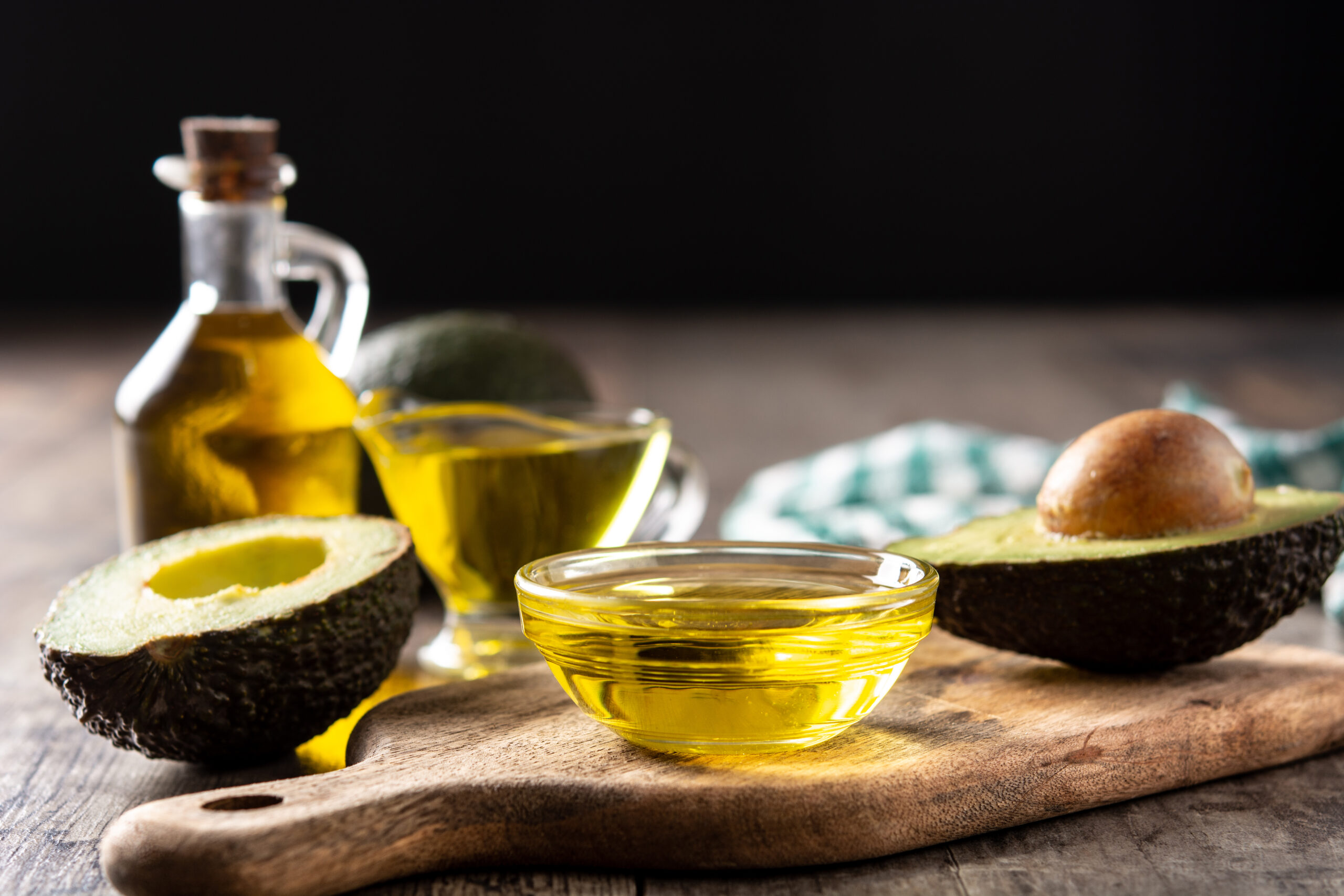

Nigerian Avocado Oil: The Premium Cooking Oil Market’s Most Explosive Growth Story — and Why West Africa’s Emerging Avocado Production Belt Is Where the Most Commercially Alert Buyers Are Building Supply Positions Before the Mainstream Market Arrives
Avocado Oil Exporter Nigeria — Cold-Pressed Virgin, Refined, and Cosmetic-Grade Persea Americana Oil, Direct Middle Belt and Southeastern Origin Sourcing, Bulk Supply to Food Manufacturers, Premium Cosmetics Formulators, Nutraceutical Ingredient Buyers, and Wholesale Importers Worldwide
Avocado oil exporter Nigeria is a search phrase that reveals the commercial intelligence of the buyer typing it — because the buyers who search specifically for Nigerian avocado oil rather than simply “avocado oil supplier” have typically already grasped something that most of the international procurement market has not yet fully processed: that the global avocado oil market is in the earliest and most commercially advantageous phase of a supply geography transformation. Mexico, Kenya, and South Africa have dominated the narrative. But West African avocado production — growing quietly across Nigeria’s Middle Belt highlands, southeastern forest-savanna transition states, and high-altitude plateau communities — is building toward commercial export readiness at precisely the moment that international buyers are most urgently seeking to diversify away from the supply concentration, logistics complexity, and premium pricing that established avocado origin dominance imposes.
The commercial timing argument for Nigerian avocado oil is not merely about market development theory. It is about the specific structural advantage that accrues to buyers who establish origin supply relationships before the competitive buyer market discovers them. Every premium agricultural commodity export category in this series — sesame oil, shea butter, gum arabic, castor oil, palm kernel oil — has a historical inflection point where early-mover buyers secured supply relationships, pricing positions, and quality partnerships that late-arriving buyers could never replicate at equivalent commercial terms. For Nigerian avocado oil, that inflection point is now, not five years from now, when infrastructure is mature, and every procurement team has added Nigeria to their approved vendor list.
Persea americana — the avocado — produces what is commercially positioned as the world’s most nutritionally complete cooking oil: an oleic acid-dominated fatty acid profile that rivals extra virgin olive oil, a smoke point that exceeds every other commonly traded edible oil at approximately 270°C for the refined grade, a lutein content that is unique among edible cooking oils, and a vitamin E and plant sterol concentration that gives avocado oil a documented cardiovascular and anti-inflammatory health positioning of genuine clinical credibility. The global food industry, the premium cosmetics sector, and the nutraceutical industry have collectively recognised these properties — driving the global avocado oil market from a specialty niche into one of the fastest-growing premium oil categories in international food and ingredient trade. Nigeria’s entry into this market — as a West African origin with genuine agronomic foundations, growing processing capacity, and the supply chain development support of Paradise MultiTrade’s export infrastructure — is the commercial story whose early chapters are being written now.
At Paradise MultiTrade International Limited, avocado oil is one of our most strategically forward-looking export categories — sourced from established avocado growing communities across Nigeria’s primary producing states of Plateau, Benue, Cross River, Kwara, Anambra, Imo, Ekiti, and Osun, processed into cold-pressed virgin, refined, and cosmetic-grade oils appropriate to the full range of international buyer requirements, and exported with full regulatory and analytical documentation to food manufacturers, premium cosmetics formulators, nutraceutical ingredient buyers, and wholesale importers across Europe, North America, Asia, and the Middle East who are building West African avocado oil sourcing positions before the mainstream market saturates them.
To discuss sourcing immediately, request a quotation here and our export team will respond within 48 hours.
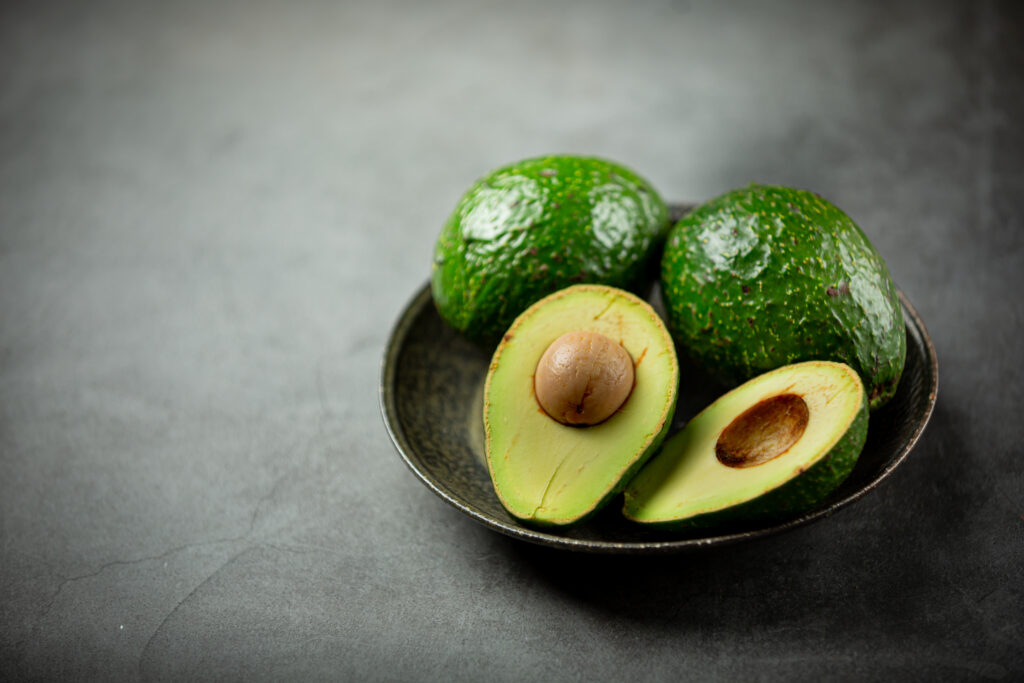
History and Origin of Avocado Oil — From Mesoamerican Jungle Fruit to the World’s Most Commercially Dynamic Premium Oil
The Avocado’s Journey — From Aztec Superfood to Global Premium Commodity
Persea americana — the avocado — is a large evergreen tree of the Lauraceae family native to the highland forests of Mesoamerica — specifically the mountainous regions of southern Mexico, Guatemala, and Honduras where wild Persea species still grow in their natural habitat and where archaeological evidence of human avocado consumption dates back at least 10,000 years. The Aztec and Maya civilisations incorporated avocado into their food systems with an intimacy that reflects genuine recognition of the fruit’s extraordinary nutritional density — the Aztec word ahuacatl (from which the English “avocado” derives through Spanish) appears in Aztec medicinal manuscripts describing the fruit’s use not merely as food but as a skin treatment, hair care ingredient, and digestive medicine that speaks directly to the multi-application commercial positioning avocado has achieved in the 21st century.
Spanish conquistadors encountered the avocado in the early 16th century, carrying seeds and plants back to Europe and progressively distributing the species across tropical and subtropical regions of both hemispheres through the global botanical exchange networks that characterised European colonial expansion. The avocado’s introduction to West Africa followed the colonial distribution pathway — arriving in the British and French West African territories during the late 19th and early 20th centuries and naturalising with surprising ease across the highland and forest-savanna transition zones whose altitude, rainfall, and temperature conditions closely approximate the Mexican highland habitat in which the avocado evolved.
In Nigeria specifically, avocado cultivation became established primarily across the highlands of Plateau State (Jos Plateau) — where the altitude of 1,200–1,800 metres, cool temperatures, and adequate rainfall create near-ideal avocado growing conditions — and across the forest-savanna transition zone of Benue, Cross River, Anambra, Imo, Kwara, Ekiti, and Osun states where the combination of moderate altitude, well-distributed rainfall, and the deep, well-drained loamy soils that avocado requires for optimal root development have supported avocado cultivation traditions that span multiple generations of Nigerian farming communities.
The historical documentation of avocado cultivation in Nigeria — including colonial-era agricultural reports and post-independence agricultural survey data — is accessible through historical agricultural records maintained by the Federal Ministry of Agriculture and Rural Development (FMARD) and research publications from the International Institute of Tropical Agriculture (IITA) whose crop improvement programmes have engaged with avocado as part of Nigeria’s agricultural diversification agenda.
The Commercial Transformation — From Subsistence Fruit to Premium Export Oil
For most of its Nigerian agricultural history, avocado has been a subsistence and local market fruit — consumed fresh, sold in roadside markets, and occasionally pressed informally for household oil use — rather than a formal export commodity. The global avocado oil market’s explosive commercial growth over the past decade — driven by the convergence of the premium cooking oil trend, the food industry’s appetite for high-smoke-point stable cooking oils, and the cosmetics industry’s embrace of avocado oil as a premium emollient active — has retroactively elevated Nigeria’s established avocado production from subsistence agriculture to a potential commercial export origin.
The Nigerian Export Promotion Council (NEPC) has formally recognised avocado and avocado-derived products as priority non-oil export commodities within its agricultural diversification programme — with market linkage support, quality standards development, and international buyer connection activities that are progressively building the formal export infrastructure for Nigerian avocado oil. Research on avocado cultivation potential and production systems in Nigerian growing zones — conducted through IITA’s Ibadan research campus and accessible through the West Africa Agricultural Productivity Programme (WAAPP) — provides the scientific foundation for understanding which Nigerian growing zones and which avocado varieties produce the highest-quality oilseed material for international commercial specifications.
International trade flow data from ITC Trade Map documents Nigerian avocado and avocado product export at early but growing volumes — with European premium food ingredient buyers, UK natural cosmetics companies, and American specialty oil wholesale distributors among the procurement communities showing the most active commercial engagement with Nigerian avocado oil development.
What Is Avocado Oil? Botanical Profile, Fatty Acid Chemistry, and the Commercial Properties That Have Built One of the World’s Most Dynamic Premium Oil Markets
Persea Americana — The Botanical Foundation of Extraordinary Commercial Value
Persea americana is a large, fast-growing evergreen tree reaching 9–20 metres in height, producing the avocado fruit — technically a large, single-seeded berry — whose commercial value is contained within its thick, oil-rich flesh (mesocarp). The avocado fruit is unlike any other fruit commercially used for oil extraction — because while most oil-bearing fruits and seeds store their lipids in the seed (castor, sesame, groundnut, palm kernel), the avocado stores its oil primarily in the flesh surrounding the seed, at concentrations of approximately 15–30% of fresh flesh weight depending on variety, maturity, and growing conditions.
This mesocarp oil storage — producing an oil from fruit flesh rather than from seed — is the botanical basis for avocado oil’s distinctive fatty acid profile, its high content of fat-soluble vitamins and phytochemicals that would be destroyed in seed-oil extraction processes, and its specific functional properties in both food and cosmetics applications that distinguish it from seed-derived oils.
Nigerian avocado production encompasses several commercially significant variety types:
Hass variety — the dominant international commercial variety, characterised by its pebbly, dark skin that turns from green to purple-black when ripe, its rich, creamy flesh, and its high oil content (18–30% of fresh flesh weight). Hass is the variety most specified by international avocado oil buyers for cold-pressed virgin grade production — its oil content and flavour profile setting the commercial benchmark. Hass cultivation in Nigeria is concentrated in the cooler highland zones of Plateau State and the higher-altitude areas of Benue and Ekiti states.
Fuerte variety — a Mexican-Guatemalan hybrid variety producing a pear-shaped fruit with smooth green skin and slightly lower oil content (12–20% of fresh flesh weight) than Hass, with a milder, less intense flavour profile. Fuerte is widely cultivated across Nigeria’s mid-altitude producing zones — Cross River, Anambra, Imo, Kwara, and Osun states — producing volumes that are commercially significant for refined avocado oil production even where Hass-grade cold-pressed oil specifications cannot be met.
Local Nigerian varieties — landrace avocado varieties selected over generations by Nigerian farming communities for productivity, disease resistance, and adaptation to local growing conditions — produce fruit with variable oil content but with flavour characteristics and functional properties that are increasingly of interest to buyers who specifically seek West African origin provenance rather than internationally standardised varieties.
The Fatty Acid Profile — Why Avocado Oil Rivals Olive Oil in Every Application Where Olive Oil Has Been Premium
The fatty acid composition of avocado oil is the scientific foundation of its commercial pre-eminence in the premium edible oil category — and the comparison that matters most for food industry buyers who have built premium product lines around olive oil and are looking for alternatives that deliver equivalent or superior functional performance:
Oleic Acid (C18:1) — approximately 55–74% of total fatty acids — the dominant monounsaturated fatty acid that is also olive oil’s primary fatty acid and the compound responsible for both oils’ cardiovascular health positioning, oxidative stability relative to polyunsaturated oils, and characteristic mouthfeel in premium culinary applications. Avocado oil’s oleic acid content — particularly from Hass variety fruit at peak ripeness — can reach the upper end of this range, matching or exceeding many extra virgin olive oils in the most commercially valuable fatty acid specification.
Palmitic Acid (C16:0) — approximately 10–20% of total fatty acids — contributing to avocado oil’s body and mouthfeel and to its stability at high temperatures where the saturated fraction provides additional heat resistance beyond the oleic acid component.
Linoleic Acid (C18:2) — approximately 10–15% of total fatty acids — the essential omega-6 fatty acid contributing to avocado oil’s skin care benefits (linoleic acid is specifically associated with skin barrier function reinforcement and is deficient in acne-prone skin) and its nutritional polyunsaturated fat content.
Palmitoleic Acid (C16:1) — approximately 4–9% of total fatty acids — the distinctive omega-7 monounsaturated fatty acid found at meaningful concentrations in avocado oil and sea buckthorn oil but rarely in other common vegetable oils. Palmitoleic acid has attracted specific pharmaceutical and nutraceutical research interest for its documented anti-inflammatory and metabolic health properties, as documented through NCBI’s lipid metabolism research database — positioning avocado oil’s omega-7 content as a commercially differentiating nutritional attribute.
Alpha-Linolenic Acid (C18:3, ALA) — approximately 0.5–1.5% — the plant-based omega-3 essential fatty acid, adding to avocado oil’s essential fatty acid nutritional profile.
Beyond the fatty acids, the unsaponifiable fraction of avocado oil is commercially extraordinary:
Lutein — avocado oil is the only commonly traded edible oil that contains lutein — the carotenoid pigment with documented roles in macular degeneration prevention and eye health protection — at nutritionally meaningful concentrations. Research on lutein’s eye health applications is published comprehensively through the American Optometric Association and clinical evidence reviewed by NCBI’s ophthalmology research database — providing the scientific foundation for avocado oil’s unique “eye health” nutritional positioning that no other edible oil can credibly claim.
Beta-sitosterol and plant sterols — at concentrations documented through AOCS analytical publications — contributing to avocado oil’s documented cholesterol-modulating functional food positioning, supported by European Food Safety Authority (EFSA) approved health claims for plant sterols.
Vitamin E (tocopherols) — particularly alpha-tocopherol, at concentrations that give cold-pressed avocado oil meaningful antioxidant protection of both the oil itself and the skin to which it is topically applied.
Chlorophyll — giving cold-pressed virgin avocado oil its characteristic vivid green colour — a visual quality indicator that premium food and cosmetics buyers use to assess cold-pressing authenticity, and that provides mild UV-absorbing properties relevant to suncare formulation.
The Smoke Point Advantage — The Most Commercially Significant Functional Property for Food Industry Buyers
Among all the commercially traded edible oils, refined avocado oil holds an extraordinary and commercially decisive distinction: the highest smoke point of any commonly used cooking oil — approximately 270°C (518°F) for refined avocado oil, exceeding refined coconut oil (232°C), refined groundnut oil (230°C), refined palm oil (232°C), and every other vegetable oil in commercial use. Cold-pressed virgin avocado oil’s smoke point — approximately 190–205°C — is still competitive with many refined oils and significantly higher than extra virgin olive oil (190–207°C).
This smoke point superiority is not a marketing claim. It is a measurable physical property determined by the oleic acid-dominated fatty acid profile and the exceptionally low free fatty acid content achievable from properly processed fresh Hass avocado. For commercial food manufacturers whose frying operations run continuously at high temperatures, for food service operations whose product quality depends on oil stability across extended service life, and for consumers who cook at high temperatures and need an oil that does not smoke, degrade, or produce acrolein and other harmful volatile compounds — the smoke point advantage of avocado oil is the single most important functional property driving their purchasing decision.
The commercial consequence is a premium pricing position that reflects genuine functional performance superiority — with refined avocado oil commanding prices per litre significantly above refined groundnut oil, refined sunflower oil, and refined palm oil in European and American premium food retail and food service channels. For Nigerian avocado oil producers and Paradise MultiTrade as their export partner, this functional premium is the commercial foundation of the oil’s international value proposition.
Three Commercial Processing Grades
Cold-Pressed Virgin Avocado Oil — produced by mechanical centrifugal extraction of oil from fresh, ripe avocado flesh without heat application beyond the ambient temperature of the process — producing the characteristic vivid green to dark green oil with intense avocado aroma, maximum chlorophyll, lutein, vitamin E, and plant sterol content, and the full bioactive profile of fresh avocado flesh. Cold-pressed virgin avocado oil is the premium grade demanded by health food retailers, premium cooking oil brands, nutraceutical ingredient buyers, and cosmetics formulators who specifically communicate “cold-pressed” and “unrefined” credentials in their product positioning.
Refined Avocado Oil — produced by bleaching (removing chlorophyll and colour compounds) and deodorising (removing the avocado aroma) crude avocado oil — producing the pale yellow to nearly colourless, neutral-flavoured, extremely high-smoke-point oil used in industrial food manufacturing, commercial food service frying operations, and cosmetics formulation where neutral colour and odour are required. Refined avocado oil retains its exceptional fatty acid profile and most of its plant sterol content, losing primarily the heat-labile and bleach-sensitive compounds (chlorophyll, some lutein, some tocopherol) during processing.
Cosmetic-Grade Avocado Oil — produced through either cold pressing or mild solvent-assisted extraction, specifically optimised for cosmetics applications — with quality specifications including peroxide value, free fatty acid content, colour, and penetration properties tailored for cosmetics rather than food use. Cosmetic-grade avocado oil may have different solvent-residue specifications and colour treatments than food-grade oil — a product-category distinction that Paradise MultiTrade explicitly manages in documentation for cosmetics buyers.
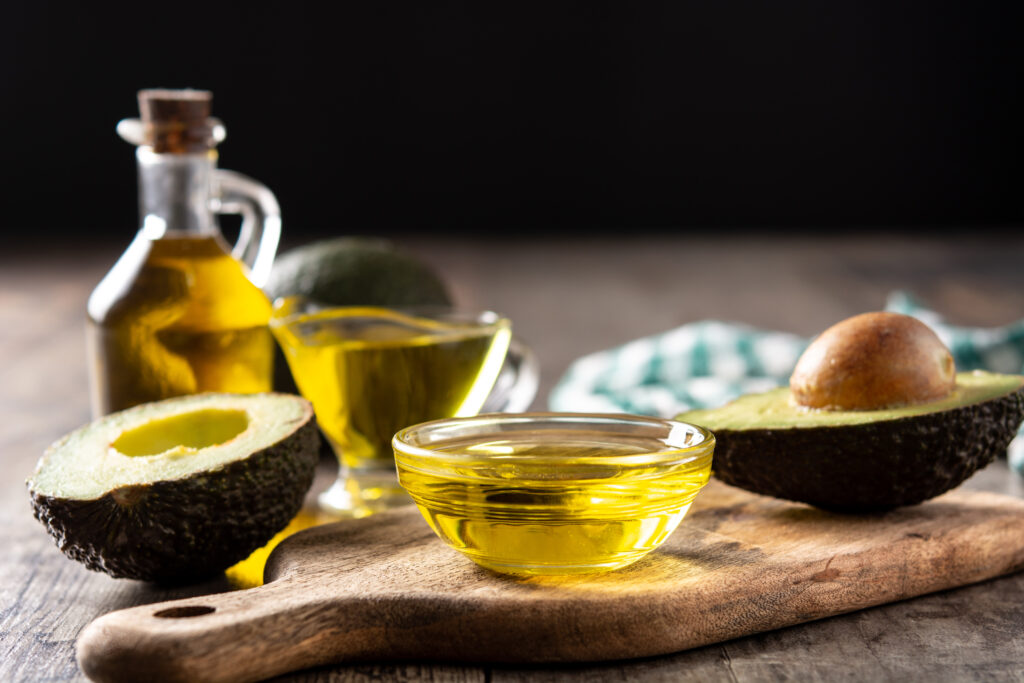
Benefits and Industrial Uses of Nigerian Avocado Oil
Premium Food Manufacturing and Culinary Industry — The Highest-Smoke-Point Cooking Oil at Commercial Scale
The global premium cooking oil market’s extraordinary growth — documented through Grand View Research’s avocado oil market report which values the market at over USD 700 million with projected compound annual growth exceeding 7% through 2030 — has been driven predominantly by food industry buyers who have discovered that avocado oil’s performance credentials justify its premium pricing in high-temperature cooking applications where no other oil delivers equivalent stability, flavour neutrality at the refined grade, and consumer marketing appeal simultaneously.
Commercial deep frying and high-heat cooking — refined avocado oil’s 270°C smoke point makes it the most technically capable frying oil in commercial food manufacturing, maintaining quality under continuous deep frying conditions longer than any commonly traded alternative. For snack food manufacturers, potato chip producers, commercial fried chicken operations, and food service frying equipment that runs continuously at 180–200°C, the commercial economics of avocado oil are increasingly compelling: lower frying oil replacement frequency, cleaner flavour transfer to fried foods, and a premium ingredient narrative that can be communicated on product packaging in ways that refined palm oil, refined sunflower oil, and refined groundnut oil cannot match in premium food segments.
The Institute of Food Technologists (IFT) has published food lipid chemistry research on high-oleic oil stability in commercial frying applications — confirming that oleic acid-dominated oils, including avocado and high-oleic sunflower, maintain significantly lower oxidation product formation under commercial frying conditions than conventional edible oils — providing the food science foundation for avocado oil’s frying stability commercial claims.
Premium salad dressing and cold culinary applications — cold-pressed virgin avocado oil’s vivid green colour, buttery avocado flavour, and clean nutritional credentials make it the premium specialty oil of choice for artisan salad dressings, finishing oils, and gourmet cooking oil positioning across European and American specialty food retail. The Specialty Food Association tracks premium culinary oil market development — confirming avocado oil as one of the fastest-growing categories in specialty food retail, where its positioning alongside extra virgin olive oil as a heart-healthy, premium, flavour-forward cooking oil drives both volume and margin.
Clean-label food formulation — avocado oil’s natural origin, minimal processing credentials (cold-pressed grade), documented health profile, and premium positioning make it a preferred ingredient for clean-label food product development — particularly in mayonnaise, dressings, dips, and spreads where Primal Kitchen (acquired by Kraft Heinz), Chosen Foods, and other avocado oil-forward food brands have demonstrated that avocado oil can command 2–3× the retail price of conventional alternatives when positioned correctly around its functional and nutritional credentials. Market intelligence on avocado oil’s clean-label food positioning is tracked through Innova Market Insights food ingredient innovation database.
Baby food and infant nutrition — avocado oil’s extraordinarily gentle fatty acid profile — dominated by oleic acid, with palmitoleic acid (an omega-7 found in human breast milk), and with negligible trans fat or problematic contaminant risk — positions it as a premium fat source for infant and baby food formulation. Research on avocado oil’s compatibility with infant nutrition requirements is reviewed through NCBI’s paediatric nutrition publications — and several premium baby food brands across European and American markets have incorporated avocado oil as a key differentiating ingredient in their first-food oil formulations.
For food manufacturing buyers evaluating Nigerian cold-pressed virgin or refined avocado oil for premium culinary, clean-label, or high-heat frying applications, contact our export team to discuss grade specifications and supply arrangements.
Nutraceutical and Dietary Supplement Industry — Lutein, Omega-7, and the Cardiovascular Positioning
The nutraceutical industry’s engagement with avocado oil is built across multiple evidence-based health benefit dimensions — each supported by clinical research that positions avocado oil as a functional food ingredient with genuine therapeutic relevance beyond its culinary applications:
Eye health and lutein supplement applications — avocado oil’s unique lutein content — making it the only common edible oil that delivers meaningful lutein concentrations in a fat-soluble matrix that significantly enhances lutein bioavailability — has attracted nutraceutical development interest from supplement companies developing macular degeneration prevention, eye health maintenance, and blue light protection products. Research on lutein’s role in age-related macular degeneration prevention is reviewed comprehensively through NCBI’s ophthalmology database and endorsed by the American Academy of Ophthalmology — providing the clinical legitimacy that eye health supplement brands build their product positioning around. For supplement manufacturers sourcing avocado oil specifically for lutein content, cold-pressed virgin avocado oil retaining maximum chlorophyll and carotenoid content is the required specification.
Cardiovascular health positioning — avocado oil’s oleic acid content, its plant sterol fraction, its omega-7 palmitoleic acid (with documented effects on LDL particle size and cardiovascular inflammation markers), and its vitamin E content collectively constitute a multi-mechanism cardiovascular health profile documented through clinical research accessible via NCBI’s cardiovascular nutrition database. The American Heart Association (AHA) positions oleic acid-rich oils within healthy dietary fat recommendations — providing the institutional endorsement that cardiovascular health supplement and functional food brands require for their product development strategy.
Metabolic health and anti-inflammatory applications — avocado oil’s documented effects on post-meal blood triglyceride response, its anti-inflammatory oleic acid-mediated properties, and palmitoleic acid’s specific effects on insulin sensitivity documented through NCBI’s endocrinology and metabolism publications create a metabolic health positioning for avocado oil supplements that is commercially compelling in the context of the global diabetes and metabolic syndrome epidemic. The Natural Products Association (NPA) tracks avocado oil supplement development within the broader natural health products market.
Micronutrient bioavailability enhancer — research published through NCBI has specifically documented that consuming avocado or avocado oil alongside carotenoid-rich vegetables (salads, tomatoes, carrots) significantly enhances carotenoid absorption from those vegetables — positioning avocado oil not merely as a source of fat-soluble nutrients itself but as a bioavailability enhancer for the nutrients in other foods consumed alongside it. This “nutrient amplifier” positioning is commercially unique among edible oils and provides nutraceutical product developers with a scientific basis for salad dressing and meal supplement formulations that specifically incorporate avocado oil for enhanced nutrient delivery.
For nutraceutical buyers sourcing Nigerian cold-pressed avocado oil for lutein content, omega-7 positioning, or cardiovascular health supplement applications, contact our team to discuss lutein content documentation and oil specification.
Cosmetics and Personal Care Industry — The Penetrating Emollient That Has Transformed Premium Skincare
The cosmetics industry’s adoption of avocado oil as a premium emollient active is one of the most commercially successful natural ingredient integration stories of the current decade — with avocado oil appearing across every major cosmetics category from anti-aging serums through hair treatment to body care and sunscreen at a pace that mirrors the food industry’s parallel adoption trajectory.
Anti-aging skin care — avocado oil’s skin penetration properties — documented through cosmetics science research published in the International Journal of Cosmetic Science — show that its oleic acid-dominated fatty acid profile disrupts the upper layers of the stratum corneum lipid bilayer sufficiently to facilitate deep penetration into the epidermis and upper dermis, carrying its antioxidant vitamin E, plant sterols, and anti-inflammatory compounds directly to the skin tissue where aging processes are most active. Research published through NCBI’s dermatology and cosmetics science database documents avocado oil’s stimulation of collagen synthesis in dermal fibroblasts — a specific anti-aging mechanism that premium anti-aging brands incorporate into their product development and marketing claims.
Eczema, dry skin, and dermatological application — avocado oil’s combination of oleic acid-mediated skin barrier function support, linoleic acid deficiency correction in barrier-compromised skin, vitamin E antioxidant protection, and documented anti-inflammatory properties positions it as a clinically relevant ingredient in formulations for atopic dermatitis, eczema, psoriasis, and severely dry skin. Research on avocado oil’s dermatological efficacy is reviewed through NCBI’s dermatology clinical research publications — providing the clinical evidence foundation that medical skin care brands including CeraVe, Eucerin, and La Roche-Posay, evaluate when formulating with avocado oil as a clinically substantiated emollient active. The Cosmetic Ingredient Review (CIR) has reviewed avocado oil’s safety in cosmetic applications — confirming its approved status across all application categories.
Hair care and scalp treatment — avocado oil’s exceptional penetration into hair fibre — documented through comparative oil penetration studies in the Journal of Cosmetic Science — makes it one of the most effective natural conditioning oils for dry, damaged, colour-treated, and chemically processed hair. Its high oleic acid content allows it to penetrate the hair cortex more deeply than most other vegetable oils, reducing protein loss during washing and styling, similarly to coconut oil’s documented hair penetration mechanism but with a lighter, non-occlusive finish preferred by fine to medium hair types. The natural hair care movement’s embrace of avocado oil — particularly in Afro-textured hair care where deep moisture penetration without product buildup is the primary consumer requirement — is tracked through Mintel’s global hair care innovation database as one of the most active ingredient adoption trends in the sector.
Suncare and UV protection — avocado oil’s chlorophyll content (in the cold-pressed grade) and its vitamin E, beta-sitosterol, and oleic acid components collectively contribute UV-absorbing and UV-damage-repair properties that make it a substantiated supporting ingredient in natural sunscreen formulations. Research on avocado oil’s UV interaction properties is documented through photobiology research published via NCBI — and multiple premium natural suncare brands across European and American markets have incorporated cold-pressed avocado oil as a key active in their natural mineral sunscreen formulations.
Scalp psoriasis and inflammatory scalp conditions — avocado oil’s B12-avocado oil combination treatment for psoriasis — documented in a clinical study published through the Dermatology journal — is one of the few traditional botanical oil applications to have received formal clinical trial validation for a specific dermatological condition, establishing a pharmaceutical-adjacent positioning for avocado oil in the dermatological treatment market that few other cosmetic oils can claim.
Nail care and cuticle treatment — avocado oil’s penetration into nail plate and cuticle tissue — carrying vitamin E and plant sterols to condition and protect the nail structure from brittleness and water loss — positions it as a premium active in natural nail care formulations across the growing chemical-free nail care market tracked by Euromonitor International’s beauty market intelligence.
The CBI Netherlands market intelligence on natural cosmetics ingredients documents avocado oil as one of the most commercially active natural ingredient categories in European premium cosmetics, with West African origin specifically identified as a developing supply geography of growing buyer interest. The INCI Decoder nomenclature system classifies avocado oil (Persea Gratissima Oil) within the established international cosmetics ingredient naming framework that product label compliance requires across the EU, US, and Asian markets.
For cosmetics buyers sourcing cold-pressed or cosmetic-grade Nigerian avocado oil for anti-aging, hair care, suncare, or dermatological formulation, contact our export team to discuss grade specification, chlorophyll and lutein content, and supply arrangements.
Pharmaceutical Industry — The Excipient With Cardiovascular Credentials
Avocado oil’s pharmaceutical applications span from established pharmacopoeial excipient use through specific drug formulation applications to the patented pharmaceutical product Piascledine — one of the only plant-oil-derived pharmaceutical products formally registered as a drug for osteoarthritis treatment:
Piascledine (Avocado Soybean Unsaponifiables — ASU) — the pharmaceutical preparation of avocado unsaponifiable compounds combined with soybean unsaponifiables is registered as a pharmaceutical drug for osteoarthritis treatment in France and multiple other European countries. Clinical evidence for ASU’s efficacy in reducing osteoarthritis pain and improving joint function — documented through clinical trials reviewed by the Cochrane Collaboration and published in rheumatology research accessible via NCBI — establishes avocado oil’s unsaponifiable fraction as a pharmaceutical active of genuine clinical credibility in the joint health disease space. For pharmaceutical ingredient buyers sourcing avocado oil’s unsaponifiable fraction as a drug substance raw material, cold-pressed Nigerian avocado oil’s high unsaponifiable content is the relevant quality specification.
Pharmacopoeial excipient applications — avocado oil meets the quality specifications for inclusion in pharmaceutical topical formulations, oral preparations, and drug delivery systems as a biocompatible, physiologically well-tolerated lipid excipient. The European Pharmacopoeia (Ph. Eur.) and United States Pharmacopeia (USP) reference avocado oil in their excipient monograph frameworks — establishing the regulatory basis for its use in registered pharmaceutical products across EU and US markets.
Drug absorption enhancer — avocado oil’s oleic acid content facilitates transdermal and oral drug absorption through the same mechanism by which it enhances skin nutrient penetration — disrupting skin lipid bilayer organization and increasing permeability to lipophilic drug compounds. Research on oleic acid-based drug absorption enhancement is published through the International Journal of Pharmaceutics — providing the pharmaceutical formulation science basis for avocado oil’s drug delivery vehicle applications.
For pharmaceutical-grade avocado oil procurement — including USP/Ph. Eur. specification compliance testing, unsaponifiable fraction quantification, and complete pharmacopoeial analytical packages — contact Paradise MultiTrade to discuss sourcing requirements.
Professional Food Service and Restaurant Industry
The food service sector’s adoption of avocado oil — driven by the premium restaurant and food service operator’s desire for a high-performance cooking oil with the marketing appeal and health positioning that matches the premium experience they are delivering to their customers — represents a growing wholesale procurement stream for refined avocado oil. Premium restaurant groups, hotel food and beverage operations, and food service operators positioning themselves in the health-conscious and premium dining segment are progressively replacing refined sunflower and refined groundnut oil with refined avocado oil for their cooking and finishing oil needs — a procurement trend documented through food service market intelligence from Euromonitor International’s food service channel reports.
Why Buy Avocado Oil from Nigeria?
The First-Mover Commercial Argument — Build the Relationship Before the Market Arrives
The most commercially compelling argument for buying Nigerian avocado oil now is the simplest: the buyers who establish supply relationships, quality partnerships, and preferential pricing with Nigerian avocado oil producers and exporters before the mainstream buyer market discovers this origin will secure commercial advantages — in pricing, in supply access, in quality customisation — that later-arriving buyers cannot obtain at equivalent terms. Every commodity article in this series has documented this first-mover dynamic for a different product. For Nigerian avocado oil — where the combination of growing production, developing processing infrastructure, and the global market’s explosive growth trajectory are converging at exactly this moment — the first-mover window is currently open in a way that it will not remain open as Nigerian avocado oil gains mainstream international market recognition.
The Tridge avocado oil commodity intelligence platform tracks global avocado oil supply development — documenting the progressive entry of new origin markets into the global supply picture. West Africa’s entry — through Nigeria, Cameroon, and the Ivory Coast — is at an early stage whose commercial rewards will be disproportionately captured by buyers who engage now rather than after commercial saturation.
Nigeria’s Agro-Ecological Advantage for Avocado Cultivation
Persea americana thrives in the specific ecological conditions that Nigeria’s Plateau State highland belt and Middle Belt forest-savanna transition zones provide — making Nigeria not merely a geographically convenient alternative origin but an agronomically appropriate one whose growing conditions produce avocado fruit quality genuinely competitive with established origins:
Plateau State’s Jos Plateau — at 1,200–1,800 metres above sea level, with cool temperatures (14–28°C), well-distributed rainfall of 1,200–1,500mm, and the deep, well-drained volcanic-influenced soils that avocado roots require — produces growing conditions more closely analogous to Mexican highland avocado production zones than any other location in West Africa. Research on optimal avocado agro-ecological requirements — published through ICRISAT’s crop improvement research and reviewed in FAO’s avocado cultivation guidelines — confirms that Jos Plateau’s specific altitude, temperature range, and rainfall pattern fall squarely within the parameters for premium avocado production.
Cross River and Anambra states — where lower-altitude but still-appropriate rainfall, humidity, and temperature conditions support avocado varieties adapted to the Nigerian forest-savanna transition zone — contribute commercial volumes of Fuerte and locally adapted varieties whose flesh quality and oil content support refined avocado oil production at a commercial scale.
Benue and Ekiti states — emerging avocado production zones where agricultural extension investment and improved variety introduction programmes are progressively expanding avocado cultivation in farming communities that have identified avocado as a commercially attractive addition to existing agricultural systems.
Supply Chain Diversification From Mexico-Dominant Global Avocado Oil Production
Mexico accounts for approximately 60% of global avocado production — a market dominance that creates structural supply concentration risk in the avocado oil market comparable to the India concentration in sesame oil and the Sudan concentration in gum arabic. When Mexican avocado production is disrupted by frost events, drought, Phytophthora root rot disease outbreaks, or the cartel-related agricultural disruption that has periodically affected Michoacán state’s avocado groves, global avocado oil prices spike, and supply availability tightens in ways that reverberate across the entire premium food and cosmetics ingredient supply chain.
Kenya — currently sub-Saharan Africa’s most established avocado exporter — provides some geographic diversification but does not escape the logistics complexity of East African origin for European buyers. Nigeria’s West African Atlantic coastline location provides the same geographic proximity to European and North American markets that West African origins across other commodity categories have demonstrated — with Lagos’s Apapa port offering reliable ocean freight access to Rotterdam, Hamburg, and Le Havre at competitive transit times. For European premium food ingredient and cosmetics buyers who have been evaluating whether to build African avocado oil origin positions — Nigerian origin’s combination of agronomic suitability, Atlantic coast logistics, and Paradise MultiTrade’s established export infrastructure provides a commercially practical answer.
Production data and market supply dynamics for the global avocado oil market are tracked through ITC Trade Map and the World Avocado Organization (WAO) — both of which document the progressive geographic diversification of avocado supply that is progressively opening commercial space for West African origin development.
The Sustainability and Carbon Footprint Advantage
Nigerian avocado cultivation — predominantly smallholder-managed, non-irrigated, practised within biodiverse farming systems rather than dedicated monoculture plantations — carries the sustainability positioning that European and American premium food and cosmetics buyers increasingly require from their agricultural supply chains. Unlike Mexican industrial avocado production’s documented concerns around deforestation, water overuse in semi-arid Michoacán, and supply chain integrity, Nigerian smallholder avocado farming presents a genuinely benign environmental footprint that sustainability-conscious buyers can communicate authentically in their product and brand narratives.
The Rainforest Alliance sustainability framework and the Fairtrade International certification programme both provide formal certification pathways for smallholder tree fruit producers in West Africa — offering Nigerian avocado farmers and their export partners the formal sustainability credential infrastructure that EU and US premium market buyers increasingly require alongside commercial quality documentation.
Complete Export Documentation from a Licensed Exporter
Every avocado oil shipment processed through Paradise MultiTrade carries phytosanitary certification from the Nigerian Agricultural Quarantine Service (NAQS), NEPC export documentation, certificate of origin, commercial invoice, packing list, and bill of lading. For food-grade buyers, we coordinate certificate of analysis including fatty acid profile by GC, free fatty acid content, moisture, peroxide value, iodine value, saponification value, colour measurement (Lovibond and CIE colour system), lutein content (HPLC on request), vitamin E content, and microbiological safety testing following AOCS analytical methods and AOAC International validated procedures. For pharmaceutical-grade buyers, we coordinate Ph. Eur. and USP pharmacopoeial specification testing. EU-bound shipments comply with Regulation (EU) 2017/625 on official controls for food imports. Our NEPC Export Licence No. 0042385 and CAC Registration No. RC-9284647 is current and verifiable through NEPC.
Nigeria’s Avocado Oil Export Strength and Global Market Demand
The Market — Fastest-Growing Premium Cooking Oil of the Current Decade
The global avocado oil market represents one of the most commercially dynamic premium food ingredient growth stories of the current decade — tracked through Grand View Research’s avocado oil market analysis which documents the market at over USD 700 million and projecting compound annual growth of 7.5%+ through 2030, driven by American and European premium cooking oil adoption, Asian cosmetics ingredient demand growth, and the nutraceutical industry’s expanding lutein and omega-7 supplement market development. Mordor Intelligence’s comprehensive avocado oil market report provides complementary sizing data confirming the market’s sustained expansion across all primary application sectors simultaneously — a multi-sector growth pattern rare in commodity oil categories and reflective of avocado oil’s genuinely multi-application commercial credentials.
The World Avocado Organization (WAO) tracks global avocado production and export — documenting the progressive geographic diversification of avocado supply beyond Mexico’s historical dominance, with East African and increasingly West African origin development explicitly identified in market intelligence documents as a strategic supply diversification priority for major buyers in the European and North American premium oil markets.
Key Export Destination Markets
The United States — the world’s largest avocado oil consumer, where brands including Chosen Foods, Primal Kitchen, and Thrive Market have built multi-hundred-million-dollar businesses around avocado oil’s premium culinary credentials — is the highest-value destination market for refined and cold-pressed Nigerian avocado oil. American premium food retail buyers, food service wholesale distributors, and specialty ingredient buyers are the most commercially sophisticated avocado oil procurement community globally. US food import compliance for avocado oil is administered through the FDA’s food import programme — the regulatory framework Paradise MultiTrade coordinates for US-bound avocado oil shipments.
The United Kingdom and Germany — Europe’s most commercially developed premium cooking oil markets, where extra virgin olive oil has established the consumer’s willingness to pay premium prices for health-positioned, naturally produced edible oils and where avocado oil is progressively displacing olive oil in high-heat applications where olive oil’s lower smoke point is a genuine limitation — are the primary European food industry destinations for Nigerian refined avocado oil. UK food import requirements are overseen by the Food Standards Agency (FSA). German premium food and organic certification market intelligence is tracked through BioFach trade fair publications.
France and Italy — Europe’s most sophisticated cosmetics ingredient sourcing markets, whose premium cosmetics brands are actively investigating West African botanical oil ingredients for natural beauty product formulation — represent the primary European cosmetics ingredient destination for cold-pressed Nigerian avocado oil. French cosmetics companies sourcing premium botanical actives for anti-aging skin care formulation are a natural first target for Paradise MultiTrade’s cold-pressed avocado oil cosmetics-grade export programme.
Japan and South Korea — where the premium beauty and natural skin care markets are among the world’s most sophisticated and where avocado oil’s anti-aging skin care credentials have generated substantial consumer and professional formulator interest — represent growing Asian destination markets whose quality requirements and willingness to pay premium origin-authenticated prices create commercial space for documented-quality Nigerian avocado oil. Japanese food and cosmetics import intelligence is tracked through JETRO.
The UAE and Saudi Arabia — where the Gulf’s expanding premium food retail, health food, and luxury cosmetics markets create growing avocado oil procurement demand from import buyers serving the Gulf’s health-conscious and premium lifestyle consumer segments — represent growing Middle Eastern destinations tracked through ADAFSA and Dubai Wholesale City market intelligence.
Canada — where the premium natural food and organic retail sectors have demonstrated the same avocado oil adoption trajectory as the US market, with growing procurement from both food manufacturing buyers and natural cosmetics ingredient distributors — is an active destination market whose import requirements are administered by the Canadian Food Inspection Agency (CFIA).
Why Choose Paradise MultiTrade International Limited?
The West African Avocado Oil First-Mover Partner. We are not waiting for Nigerian avocado oil to achieve mainstream international commercial recognition before building our export programme — we are building it now, specifically to serve buyers who want to establish supply positions before competitive buyer saturation makes first-mover advantage unavailable. For buyers who understand that commodity market timing is a commercial variable as important as quality and pricing, we are the Nigerian avocado oil export partner whose programme timeline aligns with your procurement strategy. Contact our team to discuss establishing a Nigerian avocado oil supply position.
All Three Commercial Grades Available. We supply cold-pressed virgin avocado oil (for premium food, nutraceutical, pharmaceutical, and cosmetics buyers), refined avocado oil (for commercial food manufacturing, high-heat frying, mainstream cosmetics, and pharmaceutical excipient applications), and cosmetic-grade avocado oil (for cosmetics manufacturers requiring specific purity and colour specifications beyond food-grade standard). Contact us to specify your required grade.
Lutein and Vitamin E Documentation for Nutraceutical Buyers. For nutraceutical and functional food buyers whose application specifically requires documented lutein content, we coordinate HPLC carotenoid analysis and vitamin E (tocopherol) quantification through accredited laboratories on request, providing the analytical documentation that nutraceutical product label substantiation requires. Contact us to discuss lutein content documentation.
Plateau State Highland Specification. For buyers who want the highest-quality cold-pressed avocado oil from Hass variety fruit grown under the most optimal Nigerian growing conditions, we source specifically from Plateau State highland production, whose altitude, temperature range, and soil conditions produce fruit with the highest oil content and most favourable fatty acid profile in Nigeria’s avocado-producing geography. This origin-specific sourcing capability distinguishes Paradise MultiTrade from buyers who source indiscriminately across Nigeria’s avocado production zone without differentiating for quality geography.
Multi-Commodity West African Natural Oil Sourcing. Avocado oil buyers frequently source complementary Nigerian botanical oils and natural ingredients. Alongside avocado oil, Paradise MultiTrade exports sesame oil, groundnut oil, coconut oil, neem seed oil, sheanut and shea butter, palm kernel oil, red palm oil, castor oil, moringa seeds, gum arabic, hibiscus flower, fresh ginger, bitter kola, cashew nut kernel, and raw cashew nuts. Explore our full range of Nigerian export commodities and consolidate your West African natural oil and botanical ingredient sourcing through one verified, licensed export partner.
Product Specifications
| Specification | Details |
|---|---|
| Product | Nigerian Avocado Oil (Persea americana) |
| Common Names | Avocado oil, Persea gratissima oil (INCI), Alligator pear oil, Butter fruit oil |
| Origin | Nigeria (Plateau, Benue, Cross River, Kwara, Anambra, Imo, Ekiti, Osun States) |
| Primary Varieties | Hass (highland zones, premium cold-pressed); Fuerte (mid-altitude zones); Local Nigerian varieties |
| Grades Available | Cold-pressed virgin; Refined (bleached and deodorised); Cosmetic-grade |
| Oil Content of Flesh | 15–30% of fresh flesh weight (variety and maturity-dependent) |
| Oleic Acid (C18:1) | 55–74% of total fatty acids |
| Palmitic Acid (C16:0) | 10–20% |
| Linoleic Acid (C18:2) | 10–15% |
| Palmitoleic Acid (C16:1) | 4–9% (omega-7 — nutritionally significant) |
| Alpha-Linolenic Acid (C18:3) | 0.5–1.5% |
| Lutein Content | Present in cold-pressed grade — documented by HPLC on request |
| Vitamin E (Alpha-Tocopherol) | 12–20 mg/100g (cold-pressed) |
| Beta-Sitosterol | Present at meaningful concentrations — documented on request |
| Unsaponifiable Matter | 1.6–4.5% (higher than most vegetable oils) |
| Smoke Point | ~190–205°C (cold-pressed virgin); ~270°C (refined) |
| Free Fatty Acid (FFA) | ≤1.0% (cold-pressed); ≤0.1% (refined) |
| Moisture Content | ≤0.1% all grades |
| Peroxide Value | ≤15 meq/kg (cold-pressed fresh); ≤2 meq/kg (refined) |
| Iodine Value | 80–95 g I₂/100g |
| Saponification Value | 177–198 mg KOH/g |
| Colour (Cold-Pressed) | Deep green to emerald (chlorophyll-rich — characteristic of authentic cold-pressed) |
| Colour (Refined) | Pale yellow to nearly colourless |
| Aroma | Characteristic mild avocado / fresh green (cold-pressed); Neutral (refined) |
| Microbiological | Total viable count, Salmonella (absent/25g), E. coli per food safety standards |
| Packaging Options | 25L jerricans; 200L drums; 1,000L IBC totes; Retail bottles (250ml, 500ml, 1L) on request |
| Supply Capacity | Cold-pressed: 2–50+ MT; Refined: 10–200+ MT per shipment (subject to seasonal availability) |
| MOQ | Cold-pressed: 1 MT; Refined: 3 MT; Cosmetic-grade: 1 MT |
| Shelf Life | Cold-pressed: 12–18 months (cool dark storage); Refined: 24 months |
| Export Documentation | Phytosanitary Certificate (NAQS), Certificate of Origin, NEPC Export Licence, Certificate of Analysis (AOCS/AOAC methods), Lutein/Vitamin E Content (HPLC on request), Fatty Acid Profile (GC), Microbiological Certificate, Commercial Invoice, Packing List, Bill of Lading |
| Payment Terms | T/T, Letter of Credit (LC at sight), Escrow |
| Loading Port | Lagos (Apapa / Tin Can Island Port), Nigeria |
| Incoterms Available | EXW, FOB Lagos, CNF, CIF |
Packaging and Export Process
Fruit Sourcing and Ripeness Management. Avocado oil quality is more profoundly determined by fruit ripeness at the point of processing than any other oil in our export portfolio — because avocado oil accumulates in the fruit flesh during the ripening process, with oil content increasing progressively from approximately 5% in immature fruit to 20–30% in fully ripe fruit, depending on variety. Harvesting too early produces low oil content and a more bitter, herbaceous oil flavour profile; harvesting at peak ripeness produces maximum oil content and the characteristic mild, buttery avocado oil flavour of premium cold-pressed grades. Paradise MultiTrade’s procurement protocol specifies minimum Brix (sugar content) and fruit firmness parameters at the point of processing facility delivery — ensuring that only fruit at appropriate ripeness enters the cold-pressing process.
Fruit Selection, Washing, and Destoning. Received avocados are sorted to remove mechanically damaged, diseased, or immature fruit, with rejected fruit separated before processing to prevent the elevated FFA from damaged tissue from contaminating the oil from healthy fruit. Accepted fruit is washed to remove surface contamination, then destoned — the skin removed and the large central seed separated from the flesh. The flesh (mesocarp) is the oil-bearing raw material that enters the extraction process; the seed and skin are separated for composting or by-product applications.
Malaxation (Paste Formation). The avocado flesh is milled into a fine paste using stainless steel paste mill equipment — breaking down the cell walls that contain the oil droplets and releasing them into the paste matrix. The paste is then warmed gently to 25–35°C (well below the 50°C threshold that would compromise cold-pressed credentials) and malaxated — stirred continuously in a temperature-controlled malaxer for 20–40 minutes — to allow oil droplets to coalesce from small dispersed droplets into larger pools that can be efficiently separated in the subsequent centrifugation step.
Centrifugal Separation. The malaxated paste is pumped into a horizontal decanter centrifuge that separates the three phases: oil (the lightest, hydrophobic phase), vegetation water (the aqueous phase containing soluble compounds and some emulsified oil), and pomace (the solid cellular material from which oil has been extracted). The crude separated oil passes through a vertical disk-stack separator for secondary clarification — removing residual water and fine solids — producing the clean, bright crude cold-pressed oil that is ready for quality testing.
Filtration and Quality Testing. Clarified crude oil is filtered through plate-and-frame filters or membrane filters to remove remaining suspended matter, then sampled for quality testing: fatty acid profile by GC, FFA, peroxide value, moisture, colour (Lovibond), and — for specialty buyers — lutein content by HPLC and vitamin E by spectrophotometric method. Lots that pass all specification parameters are approved for packaging; lots outside specification parameters are assessed for refined grade production appropriateness.
Refining (for refined grade). Crude avocado oil designated for refined production undergoes degumming (lecithin and phosphatide removal), neutralisation (FFA reduction with sodium hydroxide), bleaching (chlorophyll removal with activated clay — producing the pale yellow to colourless appearance of refined avocado oil), and deodorisation (steam stripping at 220–240°C to remove volatile aroma compounds). This refining sequence produces the high-smoke-point, colour-neutral, aroma-neutral refined avocado oil whose 270°C smoke point and clean functional performance profile drives commercial food manufacturing adoption.
Packaging and Container Loading. Cold-pressed virgin avocado oil is packaged in dark-glass or opaque containers (minimising light exposure that degrades chlorophyll and lutein) or in drums with nitrogen-flushed headspace for bulk export. Refined avocado oil is packaged in 25L jerricans, 200L drums, or 1,000L IBC totes. Retail-format packaging (250ml, 500ml, 1L bottles) is available for importer/wholesale buyers distributing to ethnic food retail, health food, or specialty food channels. Lead time from order confirmation to container loading runs 14–21 days for refined grade; 21–35 days for cold-pressed virgin, requiring fruit sourcing and fresh processing coordination. Contact us early — cold-pressed avocado oil requires fresh fruit and prompt processing, meaning lead time management and harvest season planning are more operationally demanding than for stable dried seed oil extraction.
Frequently Asked Questions
What makes avocado oil different from olive oil — and why are food manufacturers treating them as interchangeable premium oils?
Both avocado oil and extra virgin olive oil are oleic acid-dominated monounsaturated oils with documented cardiovascular health positioning — but they are not interchangeable across all applications. Avocado oil’s advantages over olive oil: Refined avocado oil’s smoke point (~270°C) dramatically exceeds extra virgin olive oil’s smoke point (~190–207°C) — making refined avocado oil the superior choice for high-heat cooking, deep frying, and commercial food manufacturing applications where olive oil’s lower heat tolerance creates quality problems. Olive oil’s advantages over avocado oil: Extra virgin olive oil’s 5,000-year European culinary heritage, its established protected designation of origin (PDO) premium market positioning, and its specific flavour profile that Mediterranean cuisine applications require are not replicated by avocado oil. Where they are genuinely interchangeable: Cold culinary applications — salad dressing, dipping, finishing oil — where both deliver premium monounsaturated fat positioning and similar health credentials. The commercial reality: Food manufacturers increasingly use avocado oil for high-heat applications and olive oil for cold applications — a category differentiation that creates growing procurement demand for both, rather than a substitution relationship. Contact us to discuss avocado oil specifications for your specific application.
What gives cold-pressed avocado oil its distinctive green colour, and does colour indicate quality?
The vivid green to dark emerald colour of authentic cold-pressed virgin avocado oil comes from chlorophyll — the photosynthetic pigment from the avocado flesh cells that is extracted into the oil during cold pressing. Chlorophyll content in cold-pressed avocado oil serves as a direct quality authenticity indicator for several commercial reasons: it confirms that the oil was extracted from avocado flesh (not seed or reconstituted from avocado pomace), that cold-pressing temperatures did not exceed the chlorophyll degradation threshold (approximately 60°C — above which chlorophyll begins converting to pheophytin and the characteristic green colour fades), and that the oil has not been refined or subjected to bleaching (which removes chlorophyll and produces the pale yellow refined grade). For premium food brands and cosmetics formulators whose product communication specifically calls out “cold-pressed” authenticity, the vivid green colour is the most immediate visual certification of processing integrity. Lutein — the commercially significant carotenoid — is also present in cold-pressed avocado oil and is co-extracted with chlorophyll, meaning that high chlorophyll content is a reasonable proxy indicator for good lutein retention. We document both colour (Lovibond measurement) and lutein content (HPLC) for cold-pressed lots on request. Contact us to discuss chlorophyll and lutein documentation.
How does Nigerian avocado oil compare to Mexican or Kenyan origin quality?
Nigerian Hass avocado oil from Plateau State highland production — grown at 1,200–1,800 metres altitude in cool conditions that closely approximate Mexican highland avocado production — produces fatty acid profiles and oil content analytically competitive with established Mexican and Kenyan origin material. The oleic acid content (55–74%) and saponification and iodine values are species-determined parameters that are consistent across Persea americana regardless of geographic origin within appropriate growing conditions. What varies by origin is not fatty acid species identity but fruit quality management, ripeness at pressing, and post-harvest handling protocols that determine FFA level and peroxide value — quality parameters that our processing quality management controls at the same standard as any established origin. We supply samples for independent GC fatty acid profiling, FFA and peroxide value testing, and lutein content HPLC analysis at buyers’ accredited laboratories. Contact us to arrange a sample supply for comparative analysis before committing to supply volumes.
What analytical documentation is available for pharmaceutical and nutraceutical buyers?
For pharmaceutical procurement, we coordinate the full analytical package through accredited GMP-compliant laboratories: fatty acid profile by GC, free fatty acid content (acid value), peroxide value, iodine value, saponification value, unsaponifiable matter content, refractive index, specific gravity, colour (Lovibond), heavy metal screening (lead, cadmium, arsenic, mercury by ICP-MS), microbiological testing, and — for pharmacopoeial excipient qualification — the complete Ph. Eur. and USP monograph specification test battery. For nutraceutical buyers requiring lutein content documentation for label substantiation, we coordinate HPLC carotenoid analysis, providing total lutein and zeaxanthin quantification. For buyers sourcing avocado unsaponifiable fraction (ASU) for Piascledine-type pharmaceutical applications, we provide unsaponifiable matter percentage and can discuss dedicated unsaponifiable fraction extraction arrangements. All results are issued as third-party laboratory certificates alongside standard commercial shipping documentation. Contact us to build your specific analytical package.
What is the Nigerian avocado season, and how does it affect procurement planning?
Avocado fruiting in Nigeria follows seasonal patterns that vary by state and variety. Plateau State (Hass and Highland varieties): Primary harvest runs approximately March through June, with secondary off-season fruiting from some varieties in September–November, depending on microclimate. Middle Belt and Southeastern states (Fuerte and local varieties): Primary harvest runs approximately February through May, with variety-dependent secondary fruiting cycles. Unlike tree crops with year-round production (coconut) or seasonally flexible supply from extended dry storage (sesame, neem), fresh avocado for cold-pressed oil has a strict seasonal window — cold-pressed oil must be produced from fresh fruit within days of harvest, and production cannot be accumulated throughout the year from fresh pressing alone. Refined avocado oil can be produced from fresh cold-pressed crude oil stored under appropriate conditions and refined year-round. Buyers planning cold-pressed procurement should initiate discussions by January–February to coordinate fruit sourcing, processing scheduling, and analytical testing within the March–June primary harvest window. Contact us to plan your procurement around Nigeria’s avocado harvest calendar.
How should avocado oil be stored to prevent rancidity and preserve colour in the cold-pressed grade?
Avocado oil — particularly cold-pressed virgin grade with its relatively high polyunsaturated linoleic acid fraction and its UV-sensitive chlorophyll content — requires more careful storage management than the highly stable sesame or castor oil varieties in our portfolio. Store cold-pressed avocado oil in: sealed, opaque containers (dark glass, opaque plastic, or drum with no headspace light exposure) to prevent chlorophyll and lutein photodegradation, cool stable temperatures (below 18–20°C ideal; ambient below 25°C acceptable for short-term storage), nitrogen-flushed headspace (removing oxygen from the container before sealing significantly extends shelf life by preventing the oxidative chain reactions that progressively increase peroxide value), and away from strong odour sources. Under optimal storage conditions (dark, cool, nitrogen-flushed, sealed), cold-pressed avocado oil maintains quality for 12–18 months. Refined avocado oil — with a lower unsaturated fat fraction exposed and no chlorophyll to degrade — is considerably more stable, maintaining quality for 24 months under standard sealed drum storage. Do not store cold-pressed avocado oil in clear glass or transparent plastic containers exposed to fluorescent or natural light — visible and UV light degrades both the oil’s antioxidant compounds and its characteristic green colour within weeks of exposure.
What transit times should I expect from Nigeria?
All avocado oil grades in sealed drums or IBC totes (no temperature control required for ambient temperatures below 35°C; refrigerated containers recommended for cold-pressed shipments to tropical destinations where storage temperature consistently exceeds 30°C): Europe (Rotterdam, Hamburg, Antwerp, Felixstowe) — approximately 14–20 days from Lagos. UK (Tilbury, Felixstowe) — 14–18 days. USA (East Coast — New York, Baltimore, Savannah) — 18–25 days. Canada (Halifax, Montreal) — 18–28 days. UAE (Jebel Ali) — 10–14 days. Japan (Yokohama) — 25–32 days. South Korea (Busan) — 25–30 days. France (Le Havre, Marseille) — 14–18 jours. Germany (Hamburg) — 14–20 days. Note: For cold-pressed virgin avocado oil shipments, minimising transit time and ensuring container temperature stability during transit are operationally important for preserving peroxide value and chlorophyll content at destination — discuss transit temperature management with our logistics team at order confirmation. Contact us to plan your full procurement and logistics programme.
Ready to Source Premium Nigerian Avocado Oil — Cold-Pressed Virgin, Refined High-Smoke-Point, and Cosmetic-Grade Persea Americana Oil From West Africa’s Emerging Premium Avocado Origin?
If you are a premium food brand building a clean-label, high-smoke-point cooking oil product line and want to establish West African avocado oil supply before the mainstream market saturates this origin, a commercial food manufacturer sourcing refined avocado oil for high-heat frying applications where 270°C smoke point performance is commercially critical, a nutraceutical company developing lutein eye health or omega-7 cardiovascular health supplement products requiring authenticated avocado oil with documented carotenoid content, a pharmaceutical ingredient buyer sourcing avocado unsaponifiable fraction for ASU-type joint health pharmaceutical formulation, a premium cosmetics brand building cold-pressed Nigerian avocado oil into anti-aging skin care, natural hair treatment, or high-performance suncare formulations, a European or American specialty food ingredient distributor building West African botanical oil sourcing programmes before competitive buyer saturation arrives, or a wholesale commodity trader establishing first-mover positions in the Nigerian avocado oil category — Paradise MultiTrade International Limited is the licensed Nigerian export partner your supply chain needs.
We supply Nigerian avocado oil in cold-pressed virgin, refined, and cosmetic grades — sourced from Plateau State highland Hass production and Middle Belt Fuerte production, processed with fruit ripeness quality management protocols that maximise oil content and minimise FFA, fully analytically documented, including lutein content HPLC on request, and exported with complete regulatory and quality certification to buyers in every major regulated destination market.
Request a Quotation — share your required grade (cold-pressed virgin, refined, or cosmetic), volume, lutein or vitamin E specification if applicable, smoke point requirement, destination market, packaging configuration (drums, IBC, retail bottles), and preferred incoterms. We respond with a detailed, competitive quote within 48 hours.
Contact Our Export Team — speak directly with our export coordinators about Plateau State highland versus Middle Belt origin selection, Hass versus Fuerte variety specification, cold-pressing processing documentation, chlorophyll and lutein content in cold-pressed grade, refined grade smoke point verification testing, pharmacopoeial testing for pharmaceutical buyers, harvest season procurement planning, and long-term strategic supply relationship structuring for first-mover buyers building Nigerian avocado oil supply positions.
Explore Our Full Product Range — alongside avocado oil, Paradise MultiTrade exports sesame oil, groundnut oil, coconut oil, neem seed oil, sheanut and shea butter, palm kernel oil, red palm oil, castor oil, moringa seeds, gum arabic, sesame seeds, hibiscus flower, fresh ginger, bitter kola, cashew nut kernel, and raw cashew nuts. One licensed Nigerian exporter. One consolidated West African premium botanical oil and agricultural ingredient sourcing relationship. Consistent quality, analytical documentation, and regulatory compliance across every commodity — now including the emerging category that serious buyers are positioning in before the crowd arrives.
Buy Nigerian avocado oil, Persea americana oil Nigeria supplier, cold pressed avocado oil Nigeria bulk export, virgin avocado oil Nigeria wholesale, Nigerian avocado oil for food industry, refined avocado oil Nigeria export, avocado oil Nigeria cosmetics, West African avocado oil bulk buyer
Paradise MultiTrade International Limited | NEPC Export Licence No. 0042385 | CAC No. RC-9284647 | Lagos, Nigeria | www.paradisemultitrade.com



Reviews
There are no reviews yet.