


Nigerian Neem Oil: The Only Commercially Traded Botanical Oil Whose Most Challenging Commercial Property — Its Aggressively Pungent, Sulphurous Odour — Is Simultaneously the Proof of Its Most Valuable Commercial Quality
Neem Oil Exporter Nigeria — Crude Cold-Pressed, Refined, and Cosmetic-Grade Azadirachta Indica Seed Oil, Direct Sahel Belt Sourcing, Bulk Supply to Biopesticide Manufacturers, Organic Agriculture Input Companies, Cosmetics Formulators, Veterinary Product Manufacturers, and Pharmaceutical Ingredient Buyers Worldwide
Neem oil exporter Nigeria is a search phrase whose buyers arrive with a level of product knowledge that most vegetable oil procurement conversations do not require — because neem oil is a product that almost no buyer encounters by accident. Nobody stumbles into neem oil procurement while casually browsing edible oil catalogues. They find it because they have been investigating a specific technical problem. This insect pest has defeated synthetic pesticide management, a fungal skin condition whose pharmaceutical treatment has produced side effects that the patient cannot tolerate, an acne-prone skin care formulation that needs a clinically substantiated natural antimicrobial active, a veterinary flea and tick control product that pet owners are increasingly demanding in a DEET-free, organophosphate-free format. The problem leads them to the solution. The solution, consistently, is neem oil.
There is something commercially instructive in the paradox at the centre of neem oil’s market identity: the property that makes it most commercially challenging — its deeply pungent, intensely sulphurous, garlic-meets-petroleum odour that immediately announces itself to anyone who opens a container of cold-pressed crude neem oil — is simultaneously the proof of the property that makes it most commercially valuable. The odour comes from the same complex mixture of sulphur-containing volatile compounds and limonoid terpenoids — particularly azadirachtin, nimbin, nimbidin, and their related chemical family — that give neem oil its documented broad-spectrum biological activity against insects, fungi, bacteria, and parasites. A cold-pressed neem oil that smells strongly is, in chemical terms, a neem oil that is rich in the active compounds that buyers in the biopesticide, veterinary, and therapeutic skin care markets are paying premium prices to obtain. A neem oil that smells mild or neutral — whether through poor raw material quality, excessive heat during extraction, prolonged oxidative degradation, or deliberate deodorisation — is an oil that has lost much of what makes it commercially distinctive.
Understanding this odour-quality relationship is not merely an interesting biochemical phenomenon. For buyers who evaluate neem oil procurement with commercial seriousness, it reframes the procurement conversation from “how do we manage the odour problem” to “how do we analytically document the azadirachtin content that the odour is proxying.” And for buyers who document azadirachtin content analytically — Nigerian Sahel-zone cold-pressed neem oil, produced under the specific growing conditions that maximise limonoid biosynthesis in Azadirachta indica seed tissue, consistently delivers at the high end of the commercially available azadirachtin concentration range.
At Paradise MultiTrade International Limited, neem oil is one of our most technically sophisticated and commercially multidimensional botanical oil exports — directly linked to our established Nigerian neem seed export programme, sourced from the naturalised neem tree populations of Kano, Katsina, Jigawa, Kaduna, Zamfara, and Borno states where the Sahel’s moderate drought stress maximises limonoid compound accumulation in maturing seeds, extracted through cold-pressing protocols that preserve azadirachtin and related bioactive compounds in the oil phase, and exported in crude, refined, and cosmetic grades with full analytical and regulatory documentation to buyers across Europe, North America, Asia, and the Middle East who understand that no other commercially available botanical oil delivers the breadth of pest control, antimicrobial, and therapeutic properties that properly produced Azadirachta indica seed oil provides from a single natural raw material.
To discuss sourcing specifications immediately, request a quotation here, and our export team will respond within 48 hours.
History and Origin of Neem Oil — Four Millennia of Botanical Pest Control and Therapeutic Application Before the Laboratory Confirmed What Traditional Knowledge Already Knew
The Plant That Ancient Cultures Never Needed to Market
The commercial story of neem oil — in contrast to avocado oil, tigernut oil, and moringa oil, which have required sustained market development investment to build international buyer awareness — is largely the story of scientific validation catching up with traditional knowledge that had already established neem’s commercial credentials empirically across multiple civilisations, multiple centuries, and multiple continents before the first analytical chemist identified azadirachtin in 1959.
Ancient Indian agricultural manuscripts — including references in the Kautiliya Arthashastra (approximately 4th century BCE), one of the most comprehensive ancient texts on statecraft, economics, and agricultural management — describe the use of neem seed preparations to protect stored grain from insect pest damage. The mechanism was empirically understood: neem seed paste applied to storage vessels, neem leaves layered between grain stores, and neem oil applied to seed before storage all dramatically reduced insect pest pressure. The compound responsible — azadirachtin — would not be chemically identified for another 2,300 years. But its effectiveness was documented with the confidence of accumulated generational observation across farming communities from the Indian subcontinent through the Middle East to the African Sahel, where neem’s progressive spread had carried both the tree and the agricultural knowledge of its pest control applications along the same trans-Saharan and Arab maritime trade routes that we have documented for castor, sesame, and moringa across earlier articles in this series.
The Vedic Sanskrit texts that gave neem its most celebrated designation — sarva roga nivarini (the curer of all ailments) — were not exaggerating from a traditional knowledge perspective. Neem oil, neem bark, neem leaves, and neem roots collectively provide traditional medical preparations for conditions ranging from skin diseases through intestinal parasites to fever management through dental hygiene through contraception. The breadth of this traditional application — documented across multiple independent traditional medicine systems including Ayurveda, Unani, Siddha, and multiple West African healing traditions — reflects genuine observation of genuine broad-spectrum biological activity rather than superstitious attribution.
Research on the historical and ethnobotanical record of neem oil’s traditional applications — published through the Journal of Ethnopharmacology and reviewed in traditional medicine research from the World Health Organization’s traditional medicine programme — confirms the multi-civilisational, multi-millennial depth of neem’s traditional knowledge validation and provides the institutional legitimacy that pharmaceutical and nutraceutical buyers reference when evaluating neem oil-derived ingredient development.
Nigeria’s Neem Oil Production — From Colonial Shade Tree to Commercial Export Resource
As we established in the neem seed article earlier in this series, Azadirachta indica was introduced to Nigeria during the British colonial period, planted as a shade tree, urban amenity species, and windbreak plant across northern cities, including Kano, Kaduna, Sokoto, and Maiduguri. The tree’s extraordinary adaptation to Nigerian Sahel conditions — surviving on as little as 250mm annual rainfall, thriving in the deep sandy soils of the semi-arid north — created a vast naturalised population across the northern states that now constitutes one of sub-Saharan Africa’s most productive neem seed resources.
Neem oil extraction from this naturalised population is an established practice in Nigerian northern communities, with small-scale traditional oil pressing serving domestic pest control, skin care, and wood treatment applications for generations. The formalisation of this informal sector into a commercial export operation — building processing capacity that moves from village-level manual extraction to mechanised cold-pressing facilities with analytical testing capability — is the commercial development that Paradise MultiTrade’s neem oil export programme is directly accelerating.
The Nigerian Export Promotion Council (NEPC) has recognised neem oil alongside neem seed as a priority non-oil export commodity — with market linkage support connecting Nigerian neem oil producers with international biopesticide manufacturers, organic agriculture input companies, and cosmetics ingredient buyers who are actively evaluating West African neem origin as a supply diversification from Indian origin dominance. International trade flow data from ITC Trade Map confirms growing Nigerian neem oil export volumes — with German and Dutch biopesticide ingredient buyers, American organic agriculture input manufacturers, and European cosmetics ingredient distributors all represented among the growing buyer community.
What Is Neem Oil? The Processing Chemistry That Determines Commercial Value and the Fatty Acid Profile That Delivers It
The Critical Distinction — Cold-Pressed Neem Oil vs. Solvent-Extracted Neem Oil
This distinction — which we addressed briefly in the neem seed article — deserves expanded treatment in a dedicated neem oil article because it is the most commercially consequential processing decision in the entire neem oil supply chain. The choice between cold pressing and solvent extraction determines not merely oil recovery yield but the fundamental commercial value of the finished product:
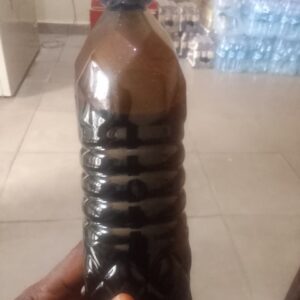
Cold-Pressed Neem Oil — produced by mechanical screw pressing of cleaned, dried neem kernels at ambient temperature — recovers approximately 25–40% of available oil from the kernel while preserving the full complement of oil-soluble bioactive compounds in the pressed oil fraction. The azadirachtin content of cold-pressed neem oil — typically 500–5,000 ppm (0.05–0.5%) depending on seed quality, pressing temperature, and seed origin — represents the oil’s primary commercial value for biopesticide formulation, veterinary product manufacturing, and therapeutic skin care applications. The characteristic dark green to brown colour and intensely pungent sulphurous-garlic odour of cold-pressed crude neem oil are the sensory indicators of high azadirachtin content. An oil that is pale, relatively odourless, and visually resembles refined vegetable oil is an oil that has lost most of its azadirachtin through heat degradation or has been refined, and a buyer who needs azadirachtin should not be purchasing it.
Solvent-Extracted Neem Oil — produced using hexane or similar solvents to extract residual oil from neem cake after cold pressing, or to extract total oil from whole kernels — recovers significantly higher proportions of the available oil (80–95% of total oil vs. 25–40% for cold pressing) but degrades azadirachtin severely during the extraction process temperatures, produces oil with solvent residues requiring post-extraction treatment, and delivers lower-quality oil whose reduced bioactive compound content makes it commercially appropriate only for industrial applications where azadirachtin content is not a specification parameter. Solvent-extracted neem oil is not appropriate for biopesticide formulation, therapeutic cosmetics, or veterinary active ingredient applications. This is the most important specification clarification in neem oil procurement, and it is the one that buyers most commonly fail to make explicit when approaching undifferentiated neem oil suppliers.
Paradise MultiTrade supplies cold-pressed crude neem oil exclusively as our primary commercial grade, with solvent extraction not part of our supply chain quality framework for reasons of bioactive compound integrity. Contact our team immediately if any supplier you are evaluating cannot confirm their neem oil is cold-pressed rather than solvent-extracted.
The Fatty Acid Profile — The Chemical Foundation Beneath the Bioactive Complexity
While neem oil’s commercial value is primarily driven by its bioactive compound content rather than its fatty acid profile (uniquely among the botanical oils in this series), the fatty acid composition nonetheless determines its physical properties, its stability characteristics, its cosmetics formulation behaviour, and its suitability as a carrier for agricultural and therapeutic applications:
Oleic Acid (C18:1) — approximately 40–55% of total fatty acids — the dominant monounsaturated fatty acid that gives neem oil reasonable oxidative stability compared to highly polyunsaturated oils, good skin penetration properties in cosmetics applications, and the carrier oil functionality for its more volatile bioactive compounds.
Stearic Acid (C18:0) — approximately 15–25% of total fatty acids — the saturated fatty acid responsible for neem oil’s semi-solid consistency at temperatures below approximately 20°C. This solid-at-cool-ambient-temperature property is commercially relevant: buyers importing neem oil for countries or seasons where warehouse temperatures drop below 20°C will receive oil that has solidified in drums and requires gentle heating (below 38°C — to avoid azadirachtin degradation) before use. This is normal behaviour, not a quality defect.
Palmitic Acid (C16:0) — approximately 15–20% of total fatty acids.
Linoleic Acid (C18:2) — approximately 10–16% of total fatty acids — the essential omega-6 fatty acid that contributes to neem oil’s therapeutic skin care properties, particularly its documented role in reinforcing the skin barrier function and reducing acne-related inflammation at sites of Cutibacterium acnes (formerly Propionibacterium acnes) colonisation.
Arachidic Acid (C20:0) — approximately 1–3% — the same long-chain saturated fatty acid present in groundnut oil and moringa oil as a minor but analytically significant component.
The Azadirachtin Fraction — The Commercial Heart of Neem Oil’s Value
The azadirachtin and related limonoid compounds in cold-pressed neem oil — present at 500–5,000 ppm depending on seed quality and pressing conditions — are not fatty acids. They are a chemically distinct class of terpenoid compounds whose concentration determines neem oil’s value for every application where biological activity against insects, fungi, bacteria, or parasites is the procurement objective. Their presence in the cold-pressed oil — carried in the oil phase from the seed’s lipid-rich endosperm — distinguishes neem oil from every other agricultural oil in commercial trade.
Azadirachtin — the primary insect growth regulatory and feeding deterrent limonoid — has been documented through research published by the US Environmental Protection Agency’s biopesticide programme and reviewed in agricultural entomology research accessible via NCBI’s plant-insect interaction database as the most commercially significant naturally occurring insect control compound in existence. Its multi-mechanism activity — simultaneously disrupting insect growth regulation, suppressing feeding behaviour, deterring oviposition, and repelling pest insects — provides a pest control mode of action that synthetic insecticides rarely achieve with comparable breadth in a single compound.
Nimbin and Nimbidin — the antifungal and antibacterial limonoids whose activity against Candida species, dermatophytes, and a broad range of pathogenic bacteria is documented through antimicrobial research accessible via NCBI — provide neem oil’s therapeutic skin care and agricultural fungal disease control properties.
Salannin and Gedunin — additional limonoid compounds contributing to the complete biopesticide activity profile of properly cold-pressed neem oil — whose specific mechanisms of action are documented in entomological and pharmacological research published by the Biopesticide Industry Alliance (BPIA).
The analytical method for azadirachtin quantification in neem oil — HPLC-UV or HPLC-MS following AOAC International validated procedures, and EPA validated methods for azadirachtin determination — is the quality specification parameter that biopesticide manufacturer buyers prioritise above all others in their neem oil procurement evaluation.
The Three Commercial Oil Grades
Crude Cold-Pressed Neem Oil — the primary commercial form for biopesticide formulation, organic agriculture direct application, veterinary product manufacturing, and therapeutic cosmetics with high bioactive content requirements. Dark green to brown, intensely pungent, semi-solid below approximately 20°C, with azadirachtin content of 500–5,000 ppm in quality material from Sahel-origin seeds. This is the form that preserves maximum azadirachtin, maximum nimbin/nimbidin, and maximum salannin content — the form that experienced biopesticide buyers specify when their product quality depends on azadirachtin yield per kilogram of neem oil processed.
Refined Neem Oil (RBD) — bleached and deodorised to remove the characteristic colour and pungent odour while retaining the fatty acid profile and most of the non-volatile limonoid fraction. Refined neem oil is more commercially accessible for personal care formulation, where the crude oil’s intense odour creates consumer acceptability challenges, while retaining meaningful concentrations of non-volatile bioactive compounds, including the fatty acid-phase nimbin and nimbidin fractions. This grade is appropriate for cosmetics manufacturers who need the therapeutic properties of neem oil in formulations where the crude oil’s odour cannot be masked by fragrance or essential oil additions.
Cosmetic-Grade Neem Oil — cold-pressed crude oil that has undergone additional quality selection for low peroxide value, confirmed azadirachtin content, and microbiological safety testing beyond standard food-grade oil certification — meeting the specific purity requirements of professional cosmetics formulation. This grade references the Cosmetic Ingredient Review (CIR) safety framework for neem oil in personal care products and the INCI Decoder nomenclature that classifies neem oil (Azadirachta Indica Seed Oil) within the international cosmetics ingredient naming system.
Benefits and Industrial Uses of Nigerian Neem Oil
Agricultural Biopesticide Industry — The Irreplaceable Natural Active
The global biopesticide market’s dependence on neem oil is foundational rather than peripheral — and the scale of this dependence is difficult to appreciate without considering the downstream product volumes it supports. Every major registered azadirachtin-based biopesticide product — including Neemazal-T/S (Compo Expert), AzaMax (Certis USA), Neemix (Certis USA), Azatin (OHP), and dozens of equivalent formulations across European, Asian, and American markets — depends on cold-pressed neem oil as the starting raw material from which azadirachtin is either used directly or extracted and standardised for formulation. The agricultural pest management programmes of organic farms across Europe, North America, and Australia — totalling tens of millions of certified organic hectares that cannot legally use synthetic insecticides — all ultimately depend on properly produced neem oil for insect pest management.
Market intelligence from Grand View Research’s biopesticides market analysis values the global biopesticide market at over USD 4 billion with projected compound annual growth exceeding 14% through 2030 — driven by regulatory restriction of synthetic pesticides across EU, North American, and increasingly Asian markets, expanding organic farmland certification, and the growing integration pest management (IPM) adoption that positions neem oil as the backbone of natural insect pest management in commercial agriculture.
Direct soil drench and foliar spray applications — crude cold-pressed neem oil emulsified with water and a small quantity of liquid soap (as an emulsifier) and applied either as a foliar spray or soil drench, provide broad-spectrum insect pest, fungal disease, and mite control in organic and IPM agricultural systems. The mode of action — azadirachtin disrupting insect moulting hormones, salannin suppressing insect feeding, nimbidin inhibiting fungal cell wall synthesis — provides simultaneous pest and disease management from a single application that no single-mode synthetic alternative matches.
Stored grain protection — Neem oil’s traditional application protecting stored grain from weevils, beetles, and moth larvae remains commercially relevant in modern organic grain storage, with Neem oil applied to grain storage facility surfaces and directly to grain, providing documented protection documented through FAO’s stored product pest management research programme.
Soil nematode management — neem oil applied as a soil drench acts against root-knot nematodes and other soil-dwelling plant pathogenic nematodes through direct contact toxicity and by suppressing nematode egg hatching — a soil health application documented through agricultural research accessible via NCBI’s plant pathology database. For organic vegetable farmers managing nematode pressure without synthetic nematocides, neem oil is the most commercially available and legally permissible natural nematocidal material.
Fungal disease management in organic horticulture — neem oil’s nimbin and nimbidin antifungal activity provides documented efficacy against powdery mildew, black spot, rust, and leaf spot fungal diseases in fruits, vegetables, and ornamental crops — making it a multi-function integrated pest and disease management tool that the certified organic horticulture sector depends on globally. Research on neem oil’s antifungal crop protection efficacy is published through Phytopathology journal — the primary peer-reviewed publication of the American Phytopathological Society (APS).
The European Biopesticides Association (EBICo) and the Biopesticide Industry Alliance (BPIA) both represent the commercial biopesticide industry’s interest in maintaining and expanding azadirachtin’s regulatory approvals — providing the industry advocacy context within which Nigerian neem oil’s position as a raw material supplier to the global biopesticide industry is secured by regulatory frameworks rather than merely by market preference.
For biopesticide manufacturers evaluating Nigerian cold-pressed neem oil as azadirachtin extraction raw material or direct formulation feedstock, contact our export team to discuss azadirachtin content documentation, HPLC test certificates, and supply volume arrangements.
Organic Agriculture Direct Application Market — Farmer-Level Procurement
Beyond the industrial biopesticide formulation market — which processes crude neem oil into registered products — there is a large and growing direct-application market for crude cold-pressed neem oil among organic farmers, market gardeners, and home gardeners who prepare their own spray formulations from bulk neem oil. This direct-application market is served through agricultural supply distributors, organic farming cooperatives, and online agricultural supply channels in the USA, EU, UK, Canada, Australia, and New Zealand.
The US National Organic Program (NOP) and EU Council Regulation (EC) 834/2007 on organic production both permit neem oil as an approved input material for certified organic production — establishing the regulatory framework that makes crude cold-pressed neem oil commercially accessible to the global organic agriculture supply chain without requiring the formal biopesticide registration process that formulated azadirachtin products require.
For organic agriculture input distributors building neem oil supply programmes for farmer-level procurement, contact our team to discuss bulk crude neem oil packaging options — from 25L jerricans for small-scale distributor supply through 200L drums for wholesale agricultural cooperative supply through IBC totes for large-scale organic agriculture input manufacturer procurement.
Cosmetics and Personal Care Industry — The Therapeutic Botanical Active That Requires an Odour Management Strategy
Neem oil’s position in the cosmetics industry is commercially unusual — it is simultaneously one of the most clinically substantiated botanical actives available for specific therapeutic skin care applications (anti-acne, anti-dandruff, anti-inflammatory, anti-parasitic) and one of the most challenging cosmetics ingredients to formulate palatably because of its intense characteristic odour. Understanding how leading cosmetics formulators manage this paradox is essential for cosmetics ingredient buyers evaluating neem oil procurement:
Anti-acne formulation — this is neem oil’s most commercially significant cosmetics application in Western markets. Cold-pressed neem oil’s nimbin and nimbidin antifungal and antibacterial activity against Cutibacterium acnes — the primary bacterium implicated in acne vulgaris — combined with its linoleic acid content’s documented role in correcting the low-linoleic-acid skin surface lipid deficiency specifically associated with acne-prone skin (documented through dermatological research published via NCBI) and its anti-inflammatory properties that reduce the erythema and swelling of active acne lesions — gives neem oil a three-mechanism anti-acne activity that no single synthetic active fully replicates.
Premium natural anti-acne brands, including Pai Skincare, Thursday Plantation, and dozens of independent natural beauty brands across Europe and America, have built commercially successful anti-acne product lines incorporating neem oil — managing the odour through essential oil masking (tea tree, lavender, peppermint), deodorised refined neem oil, or neem extract formulations where the pungent volatile compounds have been removed while retaining the non-volatile bioactive compounds. Market intelligence on the global acne treatment market is published by Mordor Intelligence’s acne treatment market analysis — confirming natural anti-acne as one of the most commercially active new product development segments in premium skin care.
Anti-dandruff and scalp health formulation — neem oil’s antifungal activity against Malassezia species — the fungal organisms primarily implicated in seborrhoeic dermatitis and dandruff — documented through NCBI’s dermatology pharmacology publications — makes it a clinically substantiated active for scalp health formulation. Major anti-dandruff shampoo brands, including Himalaya Herbals and multiple Ayurvedic hair care brands, have incorporated neem oil as a primary anti-dandruff active. The natural hair care movement’s embrace of neem oil for scalp health — particularly in the Afro-textured hair care segment where scalp health management is a primary consumer concern — is tracked through Mintel’s global hair care innovation database.
Eczema and psoriasis management — neem oil’s anti-inflammatory triterpenoid compounds and its linoleic acid-mediated skin barrier function support have been documented in clinical and observational research accessible via NCBI’s dermatology clinical publications as beneficial for managing atopic dermatitis symptoms — reducing pruritus, improving skin barrier integrity, and reducing inflammatory lesion frequency. For pharmaceutical-adjacent therapeutic skin care brands developing evidence-based formulations for dry, sensitive, and eczema-prone skin, neem oil provides a botanical active with genuine clinical evidence that consumer marketing can legitimately reference.
Natural insect repellent personal care — neem oil’s documented insect-repellent properties — emerging from its azadirachtin and terpenoid compound portfolio — have positioned it as a natural DEET-free alternative in personal care insect repellent formulations: body lotions, sunscreens, and dedicated insect repellent sprays whose consumer appeal is driven by growing DEET-free demand tracked through Grand View Research’s insect repellent market analysis.
Nail care and cuticle treatment — neem oil’s combination of antifungal activity against nail infection organisms, fatty acid emolliency, and linoleic acid penetration into nail plate tissue makes it a valued ingredient in natural nail strengthening, antifungal nail treatment, and cuticle conditioning formulations — a growing natural nail care application category tracked through Euromonitor International’s beauty market intelligence.
The CBI Netherlands natural cosmetics ingredient market intelligence specifically identifies neem oil as a growing category in European natural cosmetics ingredient procurement, with West African origin documented as a developing supply source for European cosmetics manufacturers seeking supply chain diversification from Indian origin. Contact our export team to discuss cosmetic-grade neem oil specifications.
Veterinary Products Industry — The Natural Parasite Control Foundation
The veterinary natural products sector’s adoption of neem oil as a primary active ingredient in flea, tick, and mite control products for companion animals and livestock is one of the most commercially established and volume-significant applications for crude and refined neem oil outside the agricultural biopesticide market. Pet owners’ accelerating rejection of synthetic organophosphate, pyrethroid, and neonicotinoid-based flea and tick products — driven by growing consumer awareness of these products’ documented neurotoxicity risks to pets and children — has created a major market opportunity for neem oil-based veterinary pest control formulations documented through Grand View Research’s veterinary parasiticide market report.
Pet shampoos and topical flea and tick control — neem oil incorporated into pet shampoos, flea and tick sprays, and spot-on formulations provides documented repellent and pest-deterrent activity against fleas, ticks, and mites at concentrations of 0.5–2% in finished products. Research on neem oil’s veterinary parasite control applications is published through NCBI’s veterinary science publications and through the American Veterinary Medical Association (AVMA) publications on alternative parasite management approaches.
Livestock pest management — neem oil applied to livestock housing, bedding, and directly to animal skin provides protection against flies, lice, mites, and biting insects in organic and natural livestock farming operations — with applications documented through agricultural research published by the FAO’s Animal Production and Health Division.
Ear mite treatment formulations — neem oil’s specific activity against acarid mites — combined with its anti-inflammatory and wound-healing properties — position it as a primary active in natural ear mite treatment formulations for dogs and cats. Neem oil ear drop formulations are one of the fastest-growing product categories in the natural pet care market, tracked through Mintel’s pet care product innovation database.
Pharmaceutical Industry — Traditional and Emerging Applications
Neem oil’s pharmaceutical applications bridge the traditional medicine world — where Ayurvedic practitioner-prescribed neem oil preparations have a 4,000-year clinical practice history — with the emerging Western pharmaceutical interest in neem-derived compounds as drug leads:
Ayurvedic pharmaceutical raw material — the Ayurvedic Pharmacopoeia of India formally recognises neem oil (Nimba Taila) as a pharmaceutical-grade Ayurvedic drug substance — used in medicated oil preparations for skin disease management, joint pain treatment, and parasitic skin infection. Ayurvedic pharmaceutical manufacturers in India, the UK, USA, and Canada who produce GMP-compliant Ayurvedic medicines require authenticated, quality-tested neem oil meeting Ayurvedic Pharmacopoeia specifications as a pharmaceutical manufacturing raw material.
Antimicrobial drug lead research — neem oil’s nimbin and nimbidin limonoids’ documented broad-spectrum antimicrobial activity — reviewed comprehensively through NCBI’s antimicrobial pharmacology database — has attracted pharmaceutical research investment as the global antimicrobial resistance crisis intensifies demand for novel natural antimicrobial compound leads. For pharmaceutical research institutions investigating neem oil limonoids as antimicrobial drug candidates, authenticated, analytically characterised cold-pressed Nigerian neem oil is the appropriate starting raw material.
Topical antifungal pharmaceutical applications — neem oil’s documented efficacy against Candida, dermatophyte, and Malassezia fungal species positions it as a candidate pharmaceutical active for registered topical antifungal preparations. Research on neem oil’s antifungal pharmaceutical efficacy — published through the International Journal of Pharmaceutics — documents the concentration-response relationships and formulation considerations relevant to topical antifungal pharmaceutical development using neem oil as the primary active.
Traditional medicine applications — neem oil’s applications in traditional Nigerian medicine — used externally for skin conditions, scalp diseases, and joint pain management across Hausa, Yoruba, and Igbo healing traditions — represent a traditional knowledge validation base whose ethnobotanical documentation is published through NCBI’s ethnomedicine research and the Journal of Ethnopharmacology, providing the evidence context that herbal medicine manufacturers require when sourcing neem oil as a traditional medicine ingredient.
Wood Preservation and Industrial Applications
Neem oil’s documented efficacy as a natural wood preservative — protecting timber against wood-boring insects, termites, and fungal decay — has established a growing industrial application in sustainable building and timber treatment sectors whose preference for non-toxic, environmentally benign wood treatment alternatives to chromated copper arsenate (CCA) and other synthetic timber preservatives is driven by occupational health regulation and consumer demand for chemical-free building materials.
Research on neem oil’s wood preservation efficacy is published through Forest Products Journal, and its application in sustainable construction is documented through publications of the International Research Group on Wood Protection (IRG) — providing the technical specification framework within which neem oil-based wood treatment products are positioned in the sustainable construction materials market.
Why Buy Neem Oil from Nigeria?
The Azadirachtin Concentration Argument — Sahel Stress, Superior Yield
The commercial case for Nigerian Sahel-zone neem oil begins with the same environmental quality argument we established in the neem seed article — and is reinforced by the oil’s processing dimension: neem seeds grown under moderate drought stress in the Sahel’s semi-arid conditions accumulate limonoid compounds, including azadirachtin, at concentrations significantly higher than seeds grown in more humid, less stressed conditions. When these high-azadirachtin seeds are cold-pressed at ambient temperatures that preserve heat-labile azadirachtin in the oil phase, the resulting crude oil has azadirachtin concentrations at the high end of the commercially available range — typically 1,500–5,000 ppm in optimally produced Nigerian Sahel crude cold-pressed neem oil versus 500–2,000 ppm in standard Indian origin commercial neem oil.
This 2–3× azadirachtin concentration advantage translates directly into biopesticide extraction economics for buyers who process neem oil into standardised azadirachtin products: more azadirachtin per kilogram of raw oil means lower raw material cost per unit of finished azadirachtin product, which either reduces production costs or improves product quality margins — both commercially actionable outcomes that analytical procurement teams calculate and act on. For buyers who have been accepting Indian origin azadirachtin concentrations as the default specification, the opportunity to evaluate Nigerian Sahel origin material whose azadirachtin content may be 2–3× higher is a commercial exercise worth conducting. Contact our team to arrange sample supply and independent HPLC azadirachtin analysis.
The Cold-Pressing Commitment — Quality Infrastructure That Most West African Neem Suppliers Do Not Have
The commercial differentiator that separates Paradise MultiTrade’s neem oil programme from the broader West African neem oil market is not merely origin but processing infrastructure integrity. Cold-pressing neem oil — at temperatures that preserve azadirachtin in the oil fraction — requires mechanised screw press equipment whose capital cost and technical operating requirements exceed the capacity of the informal village-level oil extraction operations that constitute most of Nigeria’s current neem oil production. Our processing partner facilities in the northern producing states operate mechanised screw presses with temperature monitoring, crude oil filtration systems, and quality testing protocols that consistently deliver crude neem oil with documented azadirachtin content rather than undifferentiated oil whose bioactive compound concentration is unknown.
For buyers whose procurement specifications require documented azadirachtin content with HPLC certification, Paradise MultiTrade’s cold-pressing infrastructure is the operational basis for that documentation. For buyers who accept supplier declarations of azadirachtin content without analytical verification, we strongly recommend making HPLC azadirachtin certification a mandatory procurement requirement regardless of which supplier they are evaluating. Contact us to discuss our azadirachtin documentation programme.
Supply Diversification From India’s 85–90% Neem Oil Market Dominance
India’s dominance of global neem oil supply — producing approximately 85–90% of commercially traded neem oil from the world’s most developed neem processing industry, centred in Rajasthan, Maharashtra, and Tamil Nadu — creates the same structural supply concentration risk that we have documented across castor oil, sesame oil, and gum arabic in this series. Indian monsoon harvest failures, export policy interventions, and domestic demand growth from India’s own growing organic agriculture and natural pest management sectors all create supply disruption and price volatility that buyers without diversified origin positions must absorb entirely.
Nigerian origin provides West African neem oil supply diversification — from a Sahel-growing environment whose azadirachtin concentration advantage over Indian origin has been analytically documented, whose Atlantic coast logistics position provides competitive transit times to European markets, and whose naturalised neem tree population provides supply volume potential that commercial cultivation expansion can progressively supplement. The supply chain risk management logic for building Nigerian-origin neem oil positions is identical to the logic we have made for Indian-origin-concentrated commodities across this entire series. Contact us to discuss building a Nigerian neem oil position alongside existing Indian origin procurement.
EU Biopesticide Regulatory Compliance Infrastructure
Neem oil entering EU markets as a biopesticide raw material must comply with the regulatory framework established by EU Regulation 1107/2009 on Plant Protection Products and the specific azadirachtin active substance approval under Implementing Regulation (EU) 2020/765. Paradise MultiTrade coordinates the regulatory compliance documentation — including azadirachtin content certificates, heavy metal screening, pesticide residue analysis, and product identity documentation — that EU-bound neem oil shipments require for import clearance and biopesticide formulation compliance. For biopesticide manufacturer buyers operating within the EU regulatory framework, this compliance documentation infrastructure is not a supplementary service but a fundamental procurement requirement whose absence from an alternative supplier’s offer should immediately disqualify that supplier from consideration. Contact us to discuss EU biopesticide regulatory compliance documentation for your shipment requirements.
Complete Export Documentation from a Licensed Exporter
Every neem oil shipment processed through Paradise MultiTrade carries phytosanitary certification from the Nigerian Agricultural Quarantine Service (NAQS), NEPC export documentation, certificate of origin, commercial invoice, packing list, and bill of lading. For biopesticide manufacturer buyers, we coordinate azadirachtin content analysis by HPLC following EPA validated methods and AOAC International analytical procedures. For cosmetics-grade buyers, we coordinate GC fatty acid profile, peroxide value, FFA, colour, and microbiological safety testing. For agricultural organic input buyers requiring organic certification compliance documentation, we coordinate the organic input eligibility declarations referenced by IFOAM. EU-bound shipments comply with Regulation (EU) 2017/625. Our NEPC Export Licence No. 0042385 and CAC Registration No. RC-9284647 is current and verifiable through NEPC.
Nigeria’s Neem Oil Export Strength and Global Market Demand
The Global Market — Multiple Simultaneous Growth Drivers
The global neem oil market benefits from simultaneous demand growth across five commercially independent application sectors — each growing for distinct reasons that collectively make neem oil one of the most multi-directionally demand-supported commodities in the global natural products market:
Agricultural biopesticide — growing with the synthetic pesticide regulatory restriction wave and organic agriculture expansion, as documented by the IFOAM global organic agriculture statistics.
Organic agriculture direct application — growing with certified organic farmland area expansion driven by the EU Farm to Fork Strategy and the USDA organic programme growth.
Natural cosmetics — growing with the clean beauty market’s demand for natural, clinically substantiated antimicrobial and anti-inflammatory actives tracked by Mintel and Euromonitor beauty ingredient databases.
Veterinary natural products — growing with pet owner rejection of synthetic parasite control products tracked by Grand View Research.
Traditional medicine — growing with the global Ayurvedic and traditional medicine market’s expansion, tracked through Grand View Research’s traditional medicine market report.
Market sizing across all these application sectors is tracked through Grand View Research’s neem oil market analysis and Mordor Intelligence’s neem products market report — both documenting the neem oil market at hundreds of millions of USD with consistent growth projections across the forecast period.
Key Export Destination Markets
Germany — Europe’s most significant biopesticide development market and organic agriculture input sector — is the primary European destination for crude cold-pressed Nigerian neem oil. German biopesticide companies, including Certis Europe, W. Neudorff GmbH, and Bio-Crop Protection AG are major azadirachtin-based biopesticide product manufacturers whose neem oil raw material procurement runs into significant volumes annually. The German Chemical Industry Association (VCI) and the Federal Office of Consumer Protection and Food Safety (BVL) both engage with neem oil’s regulatory and market development in the German market context.
The Netherlands — the EU’s primary agricultural commodity import and distribution hub, home to major natural crop protection product distributors and organic agriculture input companies — is the primary entry point for Nigerian neem oil entering the broader EU agricultural biopesticide market. Dutch importers and distributors serve the European organic farming community across Germany, France, Belgium, Denmark, Sweden, and beyond. CBI Netherlands market intelligence on agricultural inputs provides market entry guidance for West African neem oil exporters targeting European biopesticide and organic agriculture buyers.
The United Kingdom — where the natural pest control market for both professional horticulture and consumer garden use is well-developed, where the natural cosmetics sector has established commercially successful neem oil-containing product lines, and where the veterinary natural pet care market is among Europe’s most sophisticated — represents both agricultural input and cosmetics-grade procurement opportunities for Nigerian neem oil. UK import requirements are coordinated through APHA and the HSE Pesticides Regulation.
The United States — the world’s largest organic agriculture market and the most commercially developed natural pet care and natural cosmetics market — is the highest-value destination for crude cold-pressed Nigerian neem oil across all application sectors simultaneously. American biopesticide companies, organic farming input distributors, natural cosmetics brands, and veterinary natural product manufacturers collectively represent the most diverse and volume-significant buyer community for Nigerian neem oil internationally. US neem oil import compliance for biopesticide formulation is administered through the EPA’s biopesticide programme.
India — paradoxically, India imports neem oil from West African origins during domestic supply shortfalls, when Indian harvest failures create processing capacity underutilisation that is commercially served through imported raw material. Indian neem oil import data is tracked through APEDA.
Japan — where organic agriculture input standards are among the most stringent globally and where the natural cosmetics market values clinically substantiated botanical actives with documented traditional use histories — represents a premium Asian destination for certified cold-pressed Nigerian neem oil. Japanese food and agricultural import intelligence is tracked through JETRO.
Why Choose Paradise MultiTrade International Limited?
Azadirachtin Content Documentation as Standard. For biopesticide manufacturer buyers whose procurement economics depend on azadirachtin yield per kilogram of raw neem oil — we coordinate HPLC azadirachtin content analysis through accredited laboratories on every export lot, providing the documented quality basis for procurement decisions that extractive biopesticide buyers require. We have made this point in the neem seed article, and we make it again here with greater specificity: do not purchase crude cold-pressed neem oil for biopesticide applications without HPLC azadirachtin certification on the specific lot you are buying. The variation in azadirachtin content between lots — from different seeds, processed at different temperatures, stored for different durations — is large enough to make per-unit azadirachtin cost calculations meaningless without lot-specific analytical data. Contact us to discuss azadirachtin specification and documentation.
Cold-Pressing Commitment — Confirmed in Writing. We provide written confirmation with every neem oil order that the oil was produced by mechanical cold pressing rather than solvent extraction — a documentation commitment that most neem oil suppliers do not make explicit because the distinction between cold-pressed and solvent-extracted oil is either not understood or not honestly disclosed in undifferentiated neem oil trading. For buyers who specify cold-pressed neem oil in their procurement requirements, our written cold-pressing confirmation is the contractual basis for holding supply quality to specification. Contact us to discuss cold-pressing process documentation.
All three commercial grades are available. We supply crude cold-pressed neem oil for biopesticide manufacturers, organic agriculture direct applicators, Ayurvedic pharmaceutical manufacturers, and veterinary product formulators who need maximum azadirachtin content; refined neem oil for cosmetics manufacturers who need therapeutic neem oil properties in formulations where the crude oil’s odour is commercially unacceptable; and cosmetic-grade cold-pressed neem oil with specific peroxide value, FFA, and microbiological testing for professional cosmetics formulation without full refining. Contact us to specify your required grade.
Integrated Neem Seed and Oil Programme. Paradise MultiTrade’s neem oil export is directly connected to our established neem seed export programme — allowing buyers who currently source Nigerian neem seeds for their own oil extraction to transition to sourcing fully processed crude neem oil from the same Nigerian origin without changing their raw material quality reference point. And allowing buyers who are sourcing neem oil from non-Nigerian origins to evaluate our neem seed as a raw material option if their processing economics favour in-house extraction. Contact us to discuss transitioning between seed and oil procurement.
Multi-Commodity West African Agricultural Sourcing. Neem oil buyers frequently source complementary Nigerian agricultural and botanical commodities. Alongside neem oil, Paradise MultiTrade exports moringa oil, sesame oil, castor oil, sheanut and shea butter, gum arabic, hibiscus flower, moringa seeds, neem seeds, fresh ginger, turmeric, bitter kola, kola nut, cashew nut kernel, and raw cashew nuts. Explore our full range of Nigerian export commodities and consolidate your West African botanical oil and agricultural ingredient sourcing through one verified, licensed export partner.
Product Specifications
| Specification | Details |
|---|---|
| Product | Nigerian Neem Oil (Azadirachta indica seed oil) |
| Common Names | Neem oil, Margosa oil, Nimtree oil, Neem seed oil, Dogonyaro oil (Hausa/Nigerian) |
| Origin | Nigeria (Kano, Katsina, Jigawa, Kaduna, Zamfara, Borno, Sokoto States) |
| Extraction Method | Mechanical cold pressing (solvent extraction NOT used — confirmed in writing with each order) |
| Grades Available | Crude cold-pressed (maximum azadirachtin); Refined (RBD); Cosmetic-grade cold-pressed |
| Azadirachtin Content (Crude) | 1,500–5,000 ppm (Sahel-origin, cold-pressed — HPLC documented per lot) |
| Oleic Acid (C18:1) | 40–55% of total fatty acids |
| Stearic Acid (C18:0) | 15–25% |
| Palmitic Acid (C16:0) | 15–20% |
| Linoleic Acid (C18:2) | 10–16% |
| Arachidic Acid (C20:0) | 1–3% |
| Physical State | Semi-solid below ~20°C (normal behaviour — not a defect) |
| Colour (Crude) | Dark green to brownish-yellow (characteristic of authentic cold-pressed) |
| Colour (Refined) | Pale yellow to near-colourless |
| Odour (Crude) | Intensely pungent, sulphurous-garlic characteristic (strength indicates azadirachtin content) |
| Odour (Refined) | Faint to neutral |
| Free Fatty Acid (FFA) | ≤5% (crude cold-pressed); ≤0.1% (refined) |
| Moisture Content | ≤0.5% (crude); ≤0.1% (refined) |
| Peroxide Value | ≤10 meq/kg (crude fresh); ≤2 meq/kg (refined) |
| Iodine Value | 65–90 g I₂/100g |
| Saponification Value | 190–196 mg KOH/g |
| Microbiological | Total viable count, Salmonella (absent/25g), E. coli per food/cosmetics safety standards |
| Packaging Options | 25L jerricans; 200L drums; 1,000L IBC totes (liquid above 20°C — drums may solidify in cold conditions) |
| Supply Capacity | Crude: 20–500+ MT; Refined: 10–200+ MT per shipment |
| MOQ | Crude cold-pressed: 5 MT; Refined: 3 MT; Cosmetic-grade: 2 MT |
| Shelf Life | Crude cold-pressed: 12–18 months (cool dark storage, sealed); Refined: 18–24 months |
| Export Documentation | Phytosanitary Certificate (NAQS), Certificate of Origin, NEPC Export Licence, Azadirachtin HPLC Certificate (per lot, cold-pressed grade), Certificate of Analysis (AOCS/AOAC methods), Cold-Pressing Process Confirmation, EU Biopesticide Compliance Documentation (on request), Organic Input Eligibility Declaration (on request), Microbiological Certificate, Commercial Invoice, Packing List, Bill of Lading |
| Payment Terms | T/T, Letter of Credit (LC at sight), Escrow |
| Loading Port | Lagos (Apapa / Tin Can Island Port), Nigeria |
| Incoterms Available | EXW, FOB Lagos, CNF, CIF |
Packaging and Export Process
Neem Fruit Collection and Seed Preparation. Neem fruits ripen between June and August across Nigeria’s northern Sahel producing states — collected by harvesting communities who gather fallen ripe fruits from beneath productive trees across roadside, urban, and farmland neem populations. Fruits are depulped — the thin outer flesh removed — exposing the seed for drying. Speed of seed drying after collection is the most critical quality management step: azadirachtin in the seed tissue begins degrading rapidly in the presence of moisture and elevated temperature. Seeds dried promptly to below 10% moisture under the Sahel harmattan conditions retain maximum azadirachtin content. Seeds that sit in humid piles before drying begin azadirachtin degradation immediately, with concentrations falling measurably with each additional day of delay.
Seed Cleaning and Kernel Preparation. Dried neem seeds are cleaned — removing extraneous matter, soil, and damaged seeds — then decorticated: the hard outer shell is removed to expose the oil-rich kernel. Decorticated kernels provide higher-quality crude oil with better colour and lower FFA than whole-seed pressing, which includes tannins and pigments from the shell in the crude oil fraction.
Cold Pressing — Temperature Management Is Critical. Decorticated neem kernels are fed into mechanical screw presses whose operating temperature is monitored continuously. Azadirachtin is heat-labile — beginning to degrade at pressing temperatures above approximately 40–50°C. Our processing partner facilities maintain pressing temperatures in the 25–38°C range through controlled feed rate and press geometry management — preserving maximum azadirachtin content in the oil fraction while maintaining acceptable oil recovery yield. Pressing temperature logs are maintained as part of the quality management documentation for pharmaceutical and biopesticide-grade lots.
Crude Oil Filtration and Storage. Crude cold-pressed neem oil is filtered through coarse filter cloth to remove seed particle suspension, then settled in covered tanks before decanting from any residual sediment. The crude oil is stored in sealed containers — preferably under nitrogen headspace — in cool, dark conditions that minimise the further azadirachtin degradation and peroxide value increase that occur progressively under light and oxygen exposure. Azadirachtin degrades even in properly stored crude neem oil over time — buyers should understand that oil tested at 4,000 ppm azadirachtin at the point of production may test at 3,000–3,500 ppm after 6 months of storage, and should plan procurement schedules that minimise storage duration between pressing and use.
Refining (for RBD and cosmetic-grade). Crude neem oil designated for refined production undergoes degumming, neutralisation, bleaching, and steam deodorisation — producing the pale yellow to near-colourless, mildly odorous refined neem oil. The volatile terpenoid compounds responsible for the most intense odour components are removed during steam deodorisation, while the heavier, less volatile non-volatile limonoid fraction (including heavier nimbin and nimbidin derivatives) is partially retained in the refined oil. Cosmetic-grade cold-pressed oil undergoes additional quality selection — peroxide value verification below 5 meq/kg, microbiological testing to cosmetics application standards — without refining, preserving the full azadirachtin content with enhanced safety documentation.
Azadirachtin HPLC Testing. Crude cold-pressed lot samples are submitted to accredited laboratories for azadirachtin quantification by HPLC-UV following EPA-validated methods. Testing is conducted on samples collected immediately after pressing and again on samples from the sealed container before shipment — providing both a production-point and a pre-shipment azadirachtin certificate that biopesticide buyers can reference for their own formulation quality management. Lead time from order confirmation to container loading runs 14–21 days for crude cold-pressed grade; 21–35 days for refined grade; an additional 7–10 days for lots requiring full azadirachtin HPLC documentation and EU biopesticide compliance documentation. Contact us early — particularly during the October–January post-harvest window when fresh-season seed availability enables maximum azadirachtin content production.
Frequently Asked Questions
What is the difference between cold-pressed and solvent-extracted neem oil, and why does it matter so much for biopesticide buyers?
This is the most commercially consequential distinction in the entire neem oil procurement market. Cold-pressed neem oil — produced by mechanical pressing of neem kernels at ambient temperature — preserves azadirachtin and related limonoid bioactive compounds in the oil phase at concentrations of 1,500–5,000 ppm in quality Sahel-origin material. The intense characteristic odour, dark green to brown colour, and semi-solid consistency at cool temperatures are the sensory signatures of high-azadirachtin cold-pressed oil. Solvent-extracted neem oil — produced using hexane or other solvents at temperatures that degrade azadirachtin — recovers a higher oil yield per kilogram of seed but delivers azadirachtin concentrations typically below 200–500 ppm and often undetectable. The two products are not interchangeable for biopesticide applications. Buying solvent-extracted neem oil for azadirachtin-dependent applications is purchasing a commodity edible oil, not a biopesticide raw material. Paradise MultiTrade provides written cold-pressing process confirmation with every crude neem oil order and HPLC azadirachtin certificates per lot. Contact us to confirm the extraction method documentation for any neem oil lot under evaluation.
How should I store neem oil to preserve azadirachtin content after delivery?
Azadirachtin degrades progressively under the influence of heat, light, oxygen, and time — even in properly sealed containers. To maximise the azadirachtin content available for use at the point of formulation: store in sealed, opaque containers (drums or jerricans — not transparent containers) in cool, dark warehouse conditions at below 20°C (refrigeration is not necessary but temperatures above 30°C significantly accelerate degradation); maintain nitrogen headspace in partially used containers to prevent oxygen-driven degradation; do not heat neem oil above 38°C for liquefaction when solidified — gentle warming in a warm water bath (below 38°C) is the appropriate liquefaction method; plan procurement schedules that minimise storage duration between receipt and use — ordering 3-month supply at a time is preferable to ordering a full year’s supply at once when azadirachtin content preservation is a commercial priority. Under optimal storage conditions, crude cold-pressed Nigerian neem oil maintains commercially viable azadirachtin concentrations for 12–18 months from pressing date. Contact us for more detailed storage protocol guidance.
What azadirachtin content should I specify for biopesticide formulation applications?
The appropriate azadirachtin specification depends on your formulation target. For azadirachtin extraction and standardisation (producing registered azadirachtin concentrates for commercial biopesticide product manufacturing): specify minimum 2,000 ppm (0.2%) azadirachtin in the crude cold-pressed oil — the level at which extraction yield economics support commercial azadirachtin concentrate production. For direct formulation crude oil biopesticides (products formulated with whole crude neem oil rather than extracted azadirachtin concentrate): specify minimum 1,000–1,500 ppm azadirachtin — sufficient for direct formulation efficacy. For organic agriculture direct application (farmers preparing home spray formulations from bulk crude neem oil): any authentic cold-pressed crude neem oil with documented azadirachtin content above 500 ppm provides useful biological activity. Nigerian Sahel-origin cold-pressed neem oil consistently delivers 1,500–5,000 ppm, depending on seed quality and pressing conditions — we recommend specifying a minimum of 1,500 ppm and accepting lots that test at this level or above. Contact us to discuss the azadirachtin specification appropriate for your specific formulation system.
How does neem oil’s odour affect cosmetics formulation, and what strategies do brands use to manage it?
Cold-pressed crude neem oil’s intensely pungent sulphurous-garlic odour — a commercial challenge that has prevented some cosmetics brands from formulating with neem oil despite its clinical efficacy credentials — can be managed through several formulation approaches: (1) Essential oil masking — using tea tree oil, lavender oil, peppermint oil, or citrus essential oils at 2–5% of formulation to mask the neem odour behind more cosmetically acceptable aromatic profiles. This is the most common approach in artisan and natural cosmetics brands whose consumer base accepts botanical complexity in their products. (2) Refined neem oil — using RBD refined neem oil whose steam deodorisation removes the most volatile and intensely pungent odour compounds while retaining meaningful concentrations of non-volatile bioactive compounds. This approach sacrifices some azadirachtin content for consumer odour acceptability and is appropriate for formulations targeting mainstream rather than natural specialty consumer segments. (3) Low-concentration inclusion — including crude neem oil at 1–2% of formulation rather than 5–10%, where the masking capacity of other formulation components manages the residual odour at a lower concentration. (4) Neem extract — using water-based or glycerin-based neem leaf or seed extracts from which the volatile odour compounds have been excluded in the extraction process. Contact us to discuss which grade is most appropriate for your specific formulation system.
What EU regulatory requirements apply to neem oil used as a biopesticide active substance?
Neem oil’s regulatory status in the EU biopesticide market is governed by EU Regulation 1107/2009 on Plant Protection Products — under which azadirachtin is the approved active substance whose EU approval status was confirmed and renewed through Implementing Regulation (EU) 2020/765. Biopesticide manufacturers who formulate commercial plant protection products containing azadirachtin from neem oil must hold or reference a current EU plant protection product authorisation for their specific formulated product in each EU member state market where it is sold. The neem oil raw material itself — as the feedstock for azadirachtin-based products — is subject to the food and botanical import requirements of Regulation (EU) 2017/625 rather than the plant protection product regulation directly. Paradise MultiTrade coordinates the complete EU-relevant documentation package for biopesticide manufacturer buyers — including azadirachtin HPLC certificates, identity documentation, heavy metal screening, and pesticide residue analysis that EU authorisation holders require from their raw material suppliers. Contact us to discuss EU biopesticide regulatory compliance documentation.
What is the Nigerian neem seed and neem oil harvest and production season?
Neem fruits ripen between June and August across Nigeria’s northern Sahel producing states, with seed collection, drying, and initial processing concentrated in this window. Oil pressing from fresh-season dried seed (after 4–6 weeks of proper drying) begins in August–September and continues through approximately February–March of the following year from the season’s seed inventory. Cold-pressed neem oil from the August–October pressing window — closest to harvest — has the highest azadirachtin content as seed storage duration and associated azadirachtin degradation are minimised. By February–March, seed that has been stored for 6+ months may show 20–30% lower azadirachtin content than the October fresh-season press, even under optimal storage. Buyers requiring maximum azadirachtin content should specifically request fresh-season October–November pressing and plan procurement to receive oil within 2–3 months of pressing. Contact us to align your procurement schedule with the Nigerian neem harvest and pressing calendar.
What transit times should I expect from Nigeria?
Crude cold-pressed neem oil in drums or IBC totes (standard dry container — no temperature control required, but note that oil will solidify in containers if ambient temperatures drop below 20°C during transit to cold-climate destinations; gentle heating is required for liquefaction before use): Europe (Rotterdam, Hamburg, Antwerp, Felixstowe) — approximately 14–20 days from Lagos. UK (Tilbury, Felixstowe) — 14–18 days. Germany (Hamburg) — 14–20 days. Netherlands (Rotterdam) — 14–18 days. USA (East Coast — New York, Baltimore, Savannah) — 18–25 days. India (Nhava Sheva, Mundra) — 10–15 days. UAE (Jebel Ali) — 10–14 days. Japan (Yokohama) — 25–32 days. Australia (Melbourne, Sydney) — 25–32 days. Note: For biopesticide manufacturer buyers whose azadirachtin content specification is lot-specific — we recommend building a 2–3 week buffer between the azadirachtin certificate date and your formulation production date to account for transit-period degradation in the documentation-to-use timeline. Contact us to plan your complete procurement and logistics programme.
Ready to Source Premium Nigerian Neem Oil — Cold-Pressed Crude With Azadirachtin Certification, Refined, and Cosmetic-Grade Azadirachta Indica Seed Oil for Biopesticide Manufacturers, Organic Agriculture Input Companies, Cosmetics Formulators, and Veterinary Product Manufacturers?
If you are a biopesticide manufacturer sourcing high-azadirachtin cold-pressed neem oil as azadirachtin extraction raw material or direct formulation feedstock for registered plant protection products, an organic agriculture input distributor building bulk crude neem oil supply for farmer-level organic pest management programmes, a natural cosmetics brand developing anti-acne, anti-dandruff, or scalp health product lines incorporating clinically substantiated neem oil actives, a veterinary natural product manufacturer sourcing crude or refined neem oil for DEET-free flea, tick, and mite control formulations, an Ayurvedic pharmaceutical manufacturer requiring authenticated cold-pressed neem oil for traditional medicine preparation, a wood treatment and sustainable construction materials supplier sourcing neem oil for natural timber preservation, or a pharmaceutical research institution investigating neem limonoids as antimicrobial drug leads — Paradise MultiTrade International Limited is the licensed Nigerian exporter whose neem oil supply programme combines Sahel-origin azadirachtin advantage, cold-pressing process integrity, lot-specific HPLC documentation, and West African supply chain diversification from India’s 85–90% market dominance.
We supply Nigerian neem oil in crude cold-pressed, refined, and cosmetic grades — azadirachtin documented by HPLC per lot as standard for biopesticide buyers, cold-pressing confirmed in writing for every order, Sahel-origin concentration advantage at 1,500–5,000 ppm against Indian origin’s typical 500–2,000 ppm, and exported with full regulatory and analytical documentation to buyers in every major regulated destination market.
Request a Quotation — share your required grade (crude cold-pressed, refined, or cosmetic), azadirachtin content specification if applicable, volume, application context (biopesticide formulation, organic agriculture direct application, cosmetics, veterinary, Ayurvedic pharmaceutical), EU biopesticide regulatory compliance documentation requirements, destination market, and preferred incoterms. We respond with a detailed, competitive quote within 48 hours.
Contact Our Export Team — speak directly with our export coordinators about lot-specific HPLC azadirachtin content, cold-pressing temperature management documentation, fresh-season October–November harvest window procurement scheduling for maximum azadirachtin content, EU biopesticide raw material compliance documentation, refined grade odour management for cosmetics applications, integrated neem seed and neem oil procurement options, and long-term contract supply arrangements.
Explore Our Full Product Range — alongside neem oil, Paradise MultiTrade exports neem seeds, moringa oil, moringa seeds, castor oil, sesame oil, sheanut and shea butter, gum arabic, hibiscus flower, fresh ginger, turmeric, bitter kola, kola nut, cashew nut kernel, and raw cashew nuts. One licensed Nigerian exporter. One consolidated West African botanical oil and agricultural ingredient sourcing relationship. Consistent quality, azadirachtin documentation, cold-pressing integrity, and regulatory compliance across every commodity.
Buy Nigerian neem oil, Azadirachta indica oil Nigeria supplier, cold pressed neem oil Nigeria bulk export, crude neem oil Nigeria wholesale, Nigerian neem oil for biopesticide, cosmetic neem oil Nigeria export, neem oil for organic agriculture Nigeria, West African neem oil bulk buyer
Paradise MultiTrade International Limited | NEPC Export Licence No. 0042385 | CAC No. RC-9284647 | Lagos, Nigeria | www.paradisemultitrade.com

Reviews
There are no reviews yet.