
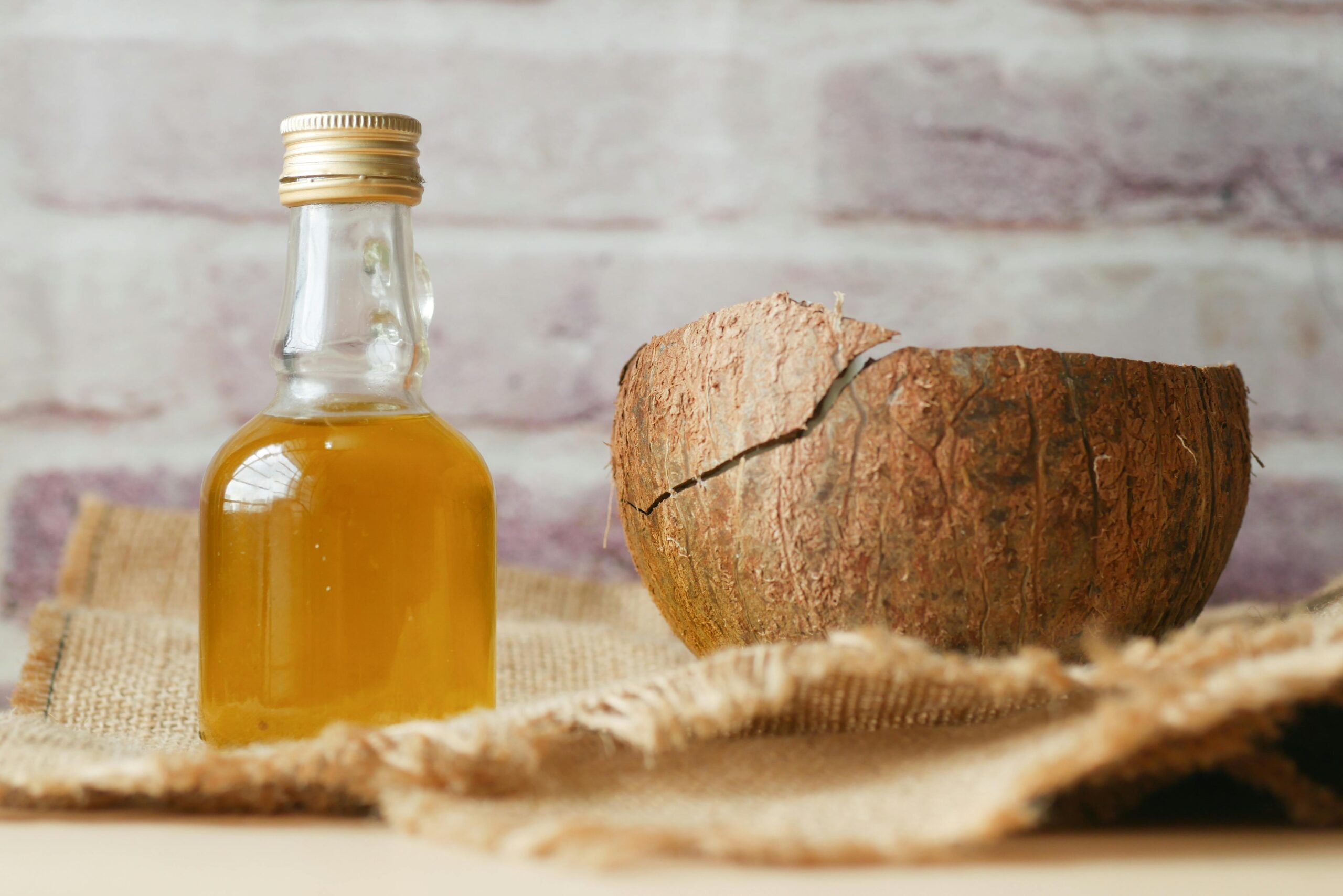

Nigerian Coconut Oil: The World’s Most Versatile Natural Fat — How Nigeria’s Atlantic Coastal Belt Produces One of the Most Commercially Competitive Coconut Oil Origins Outside Southeast Asia, and Why Global Buyers Are Finally Paying Attention
Coconut Oil Exporter Nigeria — Virgin Cold-Pressed, Refined Bleached Deodorised, and Fractionated Coconut Oil, Direct Coastal Origin Sourcing, Bulk Supply to Food Manufacturers, Cosmetics Formulators, Pharmaceutical Ingredient Buyers, and Wholesale Importers Worldwide
Coconut oil exporter Nigeria is a search phrase that surprises buyers who encounter it for the first time — not because Nigerian coconut oil does not exist, but because the global coconut oil trade’s overwhelming geographic concentration in Southeast Asia (Philippines, Indonesia, India, and Sri Lanka account for approximately 90% of world coconut oil production) has made West African coconut origin feel like commercial novelty rather than commercial reality. That perception is both understandable and increasingly outdated. Nigeria’s Atlantic coastal belt — spanning Lagos, Ogun, Ondo, Cross River, Akwa Ibom, Rivers, Delta, and Edo states — supports a coconut cultivation tradition extending more than a century, producing Cocos nucifera fruit of genuine commercial quality in volumes that are growing as both domestic processing investment and international buyer awareness develop simultaneously.
What makes the Nigerian coconut oil commercial story particularly compelling is not merely that it exists — it is that its timing is commercially fortuitous. The global coconut oil market is simultaneously experiencing its most dramatic consumer demand growth in history, driven by the functional food movement’s embrace of medium-chain triglycerides (MCTs), the cosmetics industry’s acceleration of coconut oil adoption as a premium natural ingredient, and the pharmaceutical sector’s growing interest in lauric acid and caprylic acid derivatives as antimicrobial and metabolic health actives — precisely as the Southeast Asian origins that have historically supplied this demand are facing growing sustainability scrutiny, supply concentration risk concerns, and price volatility from climate-driven harvest variability that is pushing serious procurement professionals to evaluate alternative origins.
Nigeria is not Southeast Asia. It does not have the plantation scale of the Philippines or the processing infrastructure depth of Indonesia. But it has something that no Southeast Asian origin can offer: a genuinely West African provenance for a product whose global brand value is being built on natural, traditional, minimally processed credentials — and a coastal agricultural community whose traditional coconut farming and small-scale coconut oil processing represents exactly the authentic, community-based, traceable origin story that premium natural food, beauty, and wellness brands are actively seeking in their supply chains.
At Paradise MultiTrade International Limited, coconut oil is one of our most commercially dynamic emerging export categories — sourced from established coconut farming and processing communities across Nigeria’s primary coastal and riverine producing states, processed into virgin cold-pressed, refined bleached deodorised (RBD), and fractionated coconut oil grades appropriate to the full spectrum of international buyer requirements, and exported with full regulatory and food safety documentation to buyers across Europe, North America, the Middle East, and Asia. To move directly to pricing, request a quotation here and our export team will respond within 48 hours.
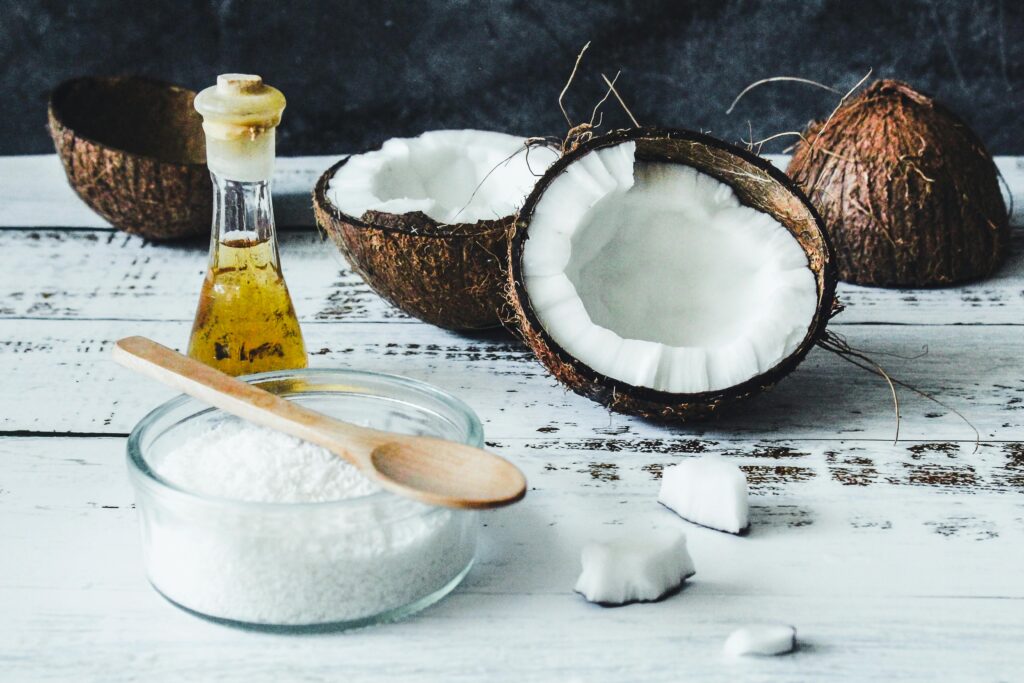
History and Origin of Coconut Oil — How a Pacific Island Tree Conquered Global Commerce and Arrived in Nigeria’s Coastal Communities
The Most Widely Travelled Seed in Human History
The coconut palm (Cocos nucifera) holds a distinction that no other commercially cultivated tree can claim: it was distributed across virtually the entire tropical world by natural ocean drift and deliberate human cultivation before the first European explorer set foot on any tropical shore. The coconut’s extraordinary buoyancy — a mature coconut can float in seawater for up to four months without losing germination viability — and its ability to colonise virtually any sandy, well-drained tropical coastal environment gave it a natural distribution range spanning the entire tropical Pacific, Indian Ocean, and Atlantic coastal belt long before any organised agricultural dissemination took place.
Genetic and archaeological evidence places the coconut’s probable centre of origin in the Pacific island region — most likely in the island arc between the Philippines and Papua New Guinea — with a second independent domestication centre proposed in the Indian Ocean coastal zone of South Asia. From these origins, coconut palms spread through a combination of ocean drift, deliberate transport by Pacific Islander and Indian Ocean maritime trading cultures, and the systematic planting programmes of Arab, Portuguese, and later Dutch and British colonial maritime powers who recognised the coconut’s value as a provisioning tree for long ocean voyages — providing both fresh drinking water (from the coconut water) and calorie-dense food (from the kernel) along any tropical coastal route.
The documented history of coconut oil commerce is almost as long as the history of coconut cultivation itself, with coconut oil extraction through traditional pressing of dried coconut meat (copra) practised across the Pacific, South Asian, and Southeast Asian coconut belt for at least 2,000 years. The ancient Indian Ayurvedic medical tradition describes coconut oil (narikela taila) as both a food and a medicine — used topically for skin and hair care, consumed internally for digestive support, and applied in oral care as the origin of the modern “oil pulling” practice. Historical documentation of coconut oil’s Ayurvedic applications is reviewed in research published through the Journal of Ethnopharmacology — establishing a traditional knowledge validation base that modern pharmaceutical and nutraceutical buyers reference when evaluating coconut oil-derived ingredients.
The Colonial Coconut Belt — How the Palm Reached Nigeria’s Atlantic Coast
Coconut palms arrived on Nigeria’s Atlantic coastal belt through multiple historical pathways — the oldest of which appears to be natural ocean drift along the West African coastal current system that carries floating seeds southward from the Saharan Atlantic coast. Arab and Swahili traders introduced cultivated coconut varieties to the East African coast by at least the 9th century CE, with westward diffusion across sub-Saharan Africa following the transcontinental trade routes.
The most commercially significant introduction, however, came through Portuguese maritime trade — the same colonial commercial network that brought chilli pepper, cassava, maize, and neem to West Africa through the 16th and 17th centuries. Portuguese trading ships operating on the West African coast routinely carried coconuts as ship provisions and traded coconut palms with coastal communities across the Bight of Benin and Bight of Bonny — creating the foundation of the Lagos Lagoon, Niger Delta, and Cross River coastal coconut farming communities whose descendants produce Nigeria’s commercial coconut crop today.
British colonial agricultural development in the early 20th century further formalised coconut cultivation in Nigeria’s coastal states, with the colonial agricultural department establishing demonstration plantations in Lagos and nearby areas and encouraging coastal communities to expand coconut cultivation for both domestic food production and export copra supply. Research on the historical development of West African coconut cultivation — published through colonial agricultural records digitised and accessible through JSTOR’s academic database and reviewed in agricultural history publications from the African Studies Association — documents this development trajectory from traditional coastal subsistence crop to commercial export commodity.
Nigeria’s Coconut Oil Commercial Development Today
Nigeria’s coconut oil production is concentrated along the Atlantic coastal belt — with the highest density of productive coconut palm populations in Lagos State (particularly Badagry, Ikorodu, and the Lagos Island communities), Ondo State’s Ilaje and Okitipupa coastal zones, Delta State’s coastal communities, Cross River and Akwa Ibom states’ coastal farmlands, and the Rivers State Niger Delta zone where coconut palms grow prolifically alongside the tidal channels and beach ridges of the Delta coast.
According to FAO production statistics, Nigeria’s coconut production — while considerably smaller than the dominant Southeast Asian origins — constitutes a meaningful and growing agricultural sector whose domestic processing capacity for coconut oil is expanding as private investment in small-scale and medium-scale oil processing responds to both domestic demand growth and international export market development. The Nigerian Export Promotion Council (NEPC) has recognised coconut and coconut-derived products as part of Nigeria’s priority non-oil export commodity portfolio — with active market linkage and quality standards development supporting the progressive formalisation of Nigerian coconut oil export infrastructure.
International trade flow data from ITC Trade Map confirms Nigerian coconut oil entering export channels — primarily through informal diaspora food import networks and increasingly through direct procurement by European natural cosmetics ingredient companies and health food distributors who are actively building West African botanical oil sourcing programmes. The Global Coconut Alliance (GCA) — the international body representing the global coconut industry across production, processing, and trading sectors — tracks Nigerian coconut production within its broader West African coconut development programme, providing market intelligence relevant to international buyers evaluating Nigerian origin material.
What Is Nigerian Coconut Oil? Botanical Profile, Processing Methods, and the Fatty Acid Chemistry That Drives Multi-Sector Demand
The Palm and Its Fruit — Botanical Foundation of Commercial Production
Cocos nucifera — the coconut palm — is the sole commercially significant species of the genus Cocos, a tall, graceful, single-stemmed palm reaching 25–30 metres at maturity, thriving in tropical coastal environments characterised by high humidity, abundant sunshine, and sandy, well-drained soils within the influence of coastal sea breezes that moderate temperature extremes. Its productive life spans 60–80 years, with fruit production beginning at 5–7 years and reaching peak yields between 15 and 50 years — making the coconut palm one of the longest-productive tree crops in tropical agriculture.
The coconut fruit — technically a drupe, not a nut — is a complex structure consisting of an outer green or brown husk (exocarp), a fibrous intermediate layer (coir — the source of the commercial fibre industry), a hard inner shell (endocarp), and within the shell, the commercial kernel: the thick, white, oil-rich coconut meat (endosperm) surrounding the central cavity containing coconut water (the liquid endosperm consumed as a beverage). It is the dried kernel — called copra when dried for oil extraction — or the fresh kernel that constitutes the primary raw material from which all forms of commercial coconut oil are produced.
The Chemistry That Makes Coconut Oil Commercially Extraordinary — The MCT Story
Coconut oil’s commercial significance is not merely its versatility as an edible fat or a cosmetics ingredient — it is the specific and unusual fatty acid composition that makes it functionally distinct from virtually every other commercially produced vegetable oil.
Coconut oil is composed of approximately 90% saturated fatty acids — the highest saturated fat content of any commercially traded edible oil. This extraordinary saturation level — which would appear to be a liability in the context of nutritional science’s long-standing association of saturated fat with cardiovascular disease risk — is in fact the source of coconut oil’s most commercially valuable properties. The specific saturated fatty acids in coconut oil are not the long-chain saturated fats (primarily palmitic and stearic acids) found in animal fats and palm oil — they are predominantly medium-chain triglycerides (MCTs) — saturated fatty acids with chain lengths of 8–12 carbon atoms that are metabolised fundamentally differently from long-chain fats and whose physiological effects have made them the subject of extraordinary commercial and clinical interest.
The primary MCT fatty acids in coconut oil are:
Lauric Acid (C12:0) — approximately 45–52% of total fatty acids — the dominant fatty acid in coconut oil and the compound responsible for most of its documented antimicrobial, antiviral, and immunomodulatory properties. Lauric acid is converted in the body to monolaurin, a monoglyceride with documented antimicrobial activity against lipid-enveloped viruses, bacteria, and fungi that has attracted significant pharmaceutical and nutraceutical research interest. Research on lauric acid and monolaurin’s antimicrobial properties is published comprehensively through NCBI’s antimicrobial research database, providing the clinical evidence foundation that pharmaceutical and nutraceutical buyers evaluate when sourcing coconut oil for antimicrobial ingredient applications.
Caprylic Acid (C8:0) — approximately 6–8% of total fatty acids — the shortest MCT and the fastest-metabolised fatty acid in coconut oil. Caprylic acid is the primary active ingredient in the commercial MCT oil supplement market — specifically targeted for ketogenic diet support, cognitive performance enhancement, and athletic energy support applications. Research on caprylic acid’s metabolic properties and ketone production is documented through NCBI’s metabolism research database, providing the clinical reference framework that MCT supplement manufacturers evaluate when sourcing coconut oil as caprylic acid raw material.
Capric Acid (C10:0) — approximately 5–7% of total fatty acids — similarly fast-metabolised and present in commercial MCT oil blends alongside caprylic acid. Capric acid’s contribution to MCT oil’s ketogenic and energy metabolism properties is documented through food science and clinical research accessible via the American Oil Chemists’ Society (AOCS) publications.
Myristic Acid (C14:0) — approximately 16–18% of total fatty acids — contributing to coconut oil’s solid consistency at room temperature (melting point approximately 24–26°C) and its skin conditioning properties in cosmetics applications. Myristic acid’s cosmetic ingredient applications are documented through the Cosmetic Ingredient Review (CIR).
This specific fatty acid architecture — MCT-dominant, lauric acid-rich, with documented antimicrobial, metabolic, and cosmetic functionality — is the commercial foundation of every application sector’s demand for coconut oil. No other commercially available plant oil has remotely comparable MCT content — the closest competitor, palm kernel oil, has similar lauric acid content but different minor fatty acid fractions and different processing characteristics. This chemical uniqueness makes coconut oil functionally irreplaceable across its primary application sectors in a way that directly parallels gum arabic’s irreplaceability in beverage emulsification — no synthesis or substitution fully replicates its performance.
The Three Commercial Processing Grades
Virgin Coconut Oil (VCO) — produced by cold pressing fresh coconut meat (wet milling process) or by cold pressing dried copra without heat treatment, retaining the natural coconut aroma, full MCT profile, and higher tocopherol and polyphenol content that characterise minimally processed coconut oil. VCO is white to slightly off-white in colour, has a characteristic fresh coconut aroma, and retains the full complement of heat-sensitive bioactive compounds, including tocopherols and polyphenolic antioxidants. This is the grade demanded by premium food brands, nutraceutical supplement manufacturers, premium cosmetics formulators, and health-conscious retail consumers who specifically communicate “virgin” or “unrefined” status in their product positioning. The Asian and Pacific Coconut Community (APCC) standard for virgin coconut oil — the international quality benchmark — defines specific parameters for free fatty acid content, moisture, colour, and sensory properties that VCO must meet.
Refined Bleached Deodorised Coconut Oil (RBD) — produced by bleaching crude coconut oil (from copra pressing) with activated clay to remove colour, then deodorising through steam stripping to remove the characteristic coconut aroma, producing a white, odourless oil with standardised fatty acid profile and neutral sensory characteristics. RBD coconut oil is the form used in industrial food manufacturing (baked goods, confectionery, margarine, frying), in mainstream cosmetics and personal care manufacturing where neutral colour and odour are required, and in pharmaceutical excipient applications where standardised purity is mandatory. It retains the MCT fatty acid profile of VCO but loses most of the minor bioactive compounds removed during processing.
Fractionated Coconut Oil (MCT Oil) — produced by fractionating coconut oil through controlled crystallisation to remove the longer-chain lauric acid fraction and isolate the caprylic (C8:0) and capric (C10:0) acid fractions, producing a completely liquid oil at room temperature that does not solidify even under refrigeration. Fractionated coconut oil — commercially marketed as MCT oil — is the most commercially exciting coconut oil derivative in the current supplement market, with the global MCT oil market experiencing extraordinary growth driven by ketogenic diet adoption, sports nutrition applications, and cognitive performance supplement positioning. Market analysis from Grand View Research’s MCT oil market report values the global MCT oil market at over USD 2 billion and projects compound annual growth exceeding 6% through 2030.
Benefits and Industrial Uses of Nigerian Coconut Oil
Food Manufacturing Industry — The Functional Fat That Bakes, Fries, and Formulates
Coconut oil’s stability — its high saturation level makes it one of the most oxidatively stable edible fats available, with a shelf life measured in years rather than months under proper storage conditions — combined with its high smoke point (approximately 177°C for virgin, 232°C for refined) and its specific melting behaviour (solid at room temperature, liquid above 25°C) makes it an extraordinarily versatile food manufacturing ingredient across multiple product categories.
Bakery and confectionery — RBD coconut oil is widely used as a shortening alternative in biscuit, cookie, and pastry production — providing flakiness and texture without the trans fats associated with hydrogenated vegetable shortenings that have been progressively removed from food manufacturing formulations under regulatory pressure. Its ability to remain solid at ambient temperatures in bakery environments while melting cleanly in the mouth provides the specific fat functionality that shortbread, pie crust, and puff pastry formulations require.
Frying and cooking oil — RBD coconut oil’s high smoke point and oxidative stability make it an excellent frying oil for snack food manufacturers and food service operations, producing fewer oxidative degradation products than polyunsaturated vegetable oils during extended frying cycles. This functional advantage is documented through food lipid chemistry research published by the AOCS.
Dairy alternative and plant-based food manufacturing — VCO and RBD coconut oil are the primary fat sources in most commercially produced coconut-based dairy alternatives, including coconut milk, coconut cream, coconut yoghurt, and coconut-based ice cream — products whose market growth has been documented through Innova Market Insights as among the fastest-growing segments in the global plant-based food industry.
Confectionery coating and chocolate compound — coconut oil’s specific melting behaviour — solid at room temperature, melting cleanly at mouth temperature — makes it a functional ingredient in compound chocolate coatings, chocolate bar formulations, and confectionery coatings where controlled melting behaviour is a critical consumer experience parameter.
For food manufacturing buyers evaluating Nigerian coconut oil as a sourcing option, contact our export team to discuss RBD and VCO specifications and supply arrangements.
Nutraceutical and Dietary Supplement Industry — The MCT Revolution
This is the most commercially dynamic growth sector for coconut oil derivatives — and the one that has most dramatically transformed the commercial landscape for coconut oil procurement over the past decade. The convergence of three simultaneously expanding consumer health trends has created an MCT supplement market of extraordinary commercial scale:
Ketogenic diet support — the ketogenic diet’s mainstream adoption in the USA, UK, Germany, Australia, and increasingly Asia has driven explosive demand for MCT oil as the primary exogenous ketone source that allows ketogenic dieters to achieve and maintain ketosis more efficiently. The ketogenic diet’s clinical evidence base — reviewed through the American Academy of Neurology for epilepsy applications and through NCBI’s metabolic disease publications for weight management and metabolic syndrome applications — provides the scientific foundation for MCT oil’s nutraceutical positioning.
Cognitive performance and brain health — the “brain fuel” positioning of MCT oil — based on the ability of medium-chain fatty acids to cross the blood-brain barrier and provide alternative fuel for neurons when glucose metabolism is impaired — has driven a separate category of cognitive health supplement products targeting Alzheimer’s disease prevention, age-related cognitive decline, and general cognitive performance enhancement. Research on MCT oil’s cognitive benefits is reviewed in publications from the Alzheimer’s Association and through clinical research accessible via NCBI.
Sports nutrition and energy performance — the sports nutrition industry’s adoption of MCT oil as a rapid-uptake energy source for endurance athletes — bypassing the carnitine-dependent transport mechanism required for long-chain fats and providing faster energy availability than long-chain triglycerides — has created a third major demand stream for fractionated coconut oil in the global sports supplement market tracked by Grand View Research’s sports nutrition market analysis.
The global nutraceutical industry’s coconut oil and MCT oil procurement — spanning virgin coconut oil for general wellness supplement capsules and softgels through fractionated coconut oil for MCT-specific products — represents a multi-billion-dollar ingredient sourcing category whose growth trajectory is strongly positive. Market intelligence is tracked by Mordor Intelligence’s coconut oil market report and by the Natural Products Association (NPA) annual market intelligence publications.
For nutraceutical buyers evaluating Nigerian VCO or fractionated coconut oil for supplement applications, contact our export team to discuss purity specifications, fatty acid profiling, and supply arrangements.
Cosmetics and Personal Care Industry — The Ingredient That Moisturises a Billion Heads of Hair
Coconut oil’s position in the global cosmetics industry is one of the most commercially entrenched natural ingredient stories of the past three decades — driven by the cultural heritage of coconut oil use in South Asian, Southeast Asian, Pacific Islander, and increasingly West African hair and skin care traditions that collectively represent the largest traditional botanical cosmetics user base on earth.
Hair care is the most commercially significant single cosmetic application for coconut oil globally. Coconut oil’s unique ability to penetrate the hair shaft — documented in landmark research published through the Journal of Cosmetic Science that showed coconut oil’s low molecular weight lauric acid penetrates hair fibre to reduce protein loss during washing and styling — gives it a documented performance advantage over any other vegetable oil in hair care applications. The global natural hair care movement’s embrace of coconut oil as a foundational ingredient — particularly in the Afro-textured hair care segment where coconut oil’s moisturisation and protein-loss-reduction properties address specific textural challenges — has driven its adoption across every tier of the hair care market from pharmacy private label through luxury professional salon products.
Skin moisturisation and body care — coconut oil’s emollient properties, excellent skin compatibility, and documented antimicrobial activity (relevant in formulations for acne-prone or infection-prone skin) have established it as one of the most widely used natural skin care ingredients globally. Research on coconut oil’s skin care efficacy — including a clinical trial demonstrating superior moisturisation performance relative to mineral oil in patients with atopic dermatitis — is published through NCBI’s dermatology research database, providing the clinical evidence foundation that medical skin care brands cite in coconut oil formulation.
Lip care — coconut oil’s melting point (24–26°C for VCO) makes it an ideal lip balm ingredient — providing the protective occlusive film and emollient conditioning that lip care formulation requires, while melting comfortably at body temperature.
Oil cleansing and makeup removal — the oil cleansing method — using coconut oil (or oil blends containing coconut oil) to remove makeup, sunscreen, and environmental pollutants through the “like dissolves like” principle — has been adopted across both artisan and mainstream beauty brands as a gentle, effective makeup removal alternative to surfactant-based cleansers. This application is tracked as a significant growth category through Mintel’s UK and US skin care trend databases.
Scalp health — coconut oil’s antifungal activity against Malassezia species (the fungal organisms associated with dandruff) and its anti-inflammatory properties position it as a natural active in scalp health formulations — an application for which Nigerian-origin virgin coconut oil can be positioned alongside Nigerian neem oil as part of a West African botanical scalp care active ingredient portfolio.
Cosmetics ingredient market intelligence for coconut oil is tracked through Euromonitor International’s beauty ingredient trend reports and ingredient innovation data from Innova Market Insights — both documenting coconut oil as one of the most active natural ingredient categories in global cosmetics new product development. The CBI Netherlands market intelligence on natural cosmetics ingredients specifically documents Nigerian and West African botanical oil opportunities for European cosmetics buyers — providing direct market entry guidance relevant to Paradise MultiTrade’s European coconut oil marketing development.
Pharmaceutical Industry — Lauric Acid, Excipients, and Antimicrobial Applications
Coconut oil’s pharmaceutical applications span multiple established and emerging categories — with regulatory approval at the highest international pharmacopoeial levels providing the institutional legitimacy that pharmaceutical procurement teams require:
Pharmaceutical excipient — coconut oil (refined grade) is listed in the United States Pharmacopeia (USP) and the European Pharmacopoeia (Ph. Eur.) as an approved pharmaceutical excipient — used in topical formulations (creams, ointments), oral preparations (soft gel capsule fill material, tablet coating), and suppository bases where its specific melting behaviour, biocompatibility, and chemical stability are relevant. This pharmacopoeial listing status facilitates Nigerian coconut oil’s use in pharmaceutical formulation without additional safety dossier development for excipient qualification — a regulatory advantage that reduces barriers to adoption for pharmaceutical buyers.
Monolaurin production — the conversion of coconut oil’s lauric acid to monolaurin (glycerol monolaurate) through chemical or enzymatic glycerolysis produces a compound with documented broad-spectrum antimicrobial activity against bacteria, viruses, and fungi that has attracted pharmaceutical and nutraceutical development interest as both a direct antimicrobial active and as an antimicrobial preservative enhancer in pharmaceutical and personal care formulations. Research on monolaurin’s antimicrobial mechanisms is published through NCBI and reviewed by the International Journal of Antimicrobial Agents — providing the clinical evidence foundation for pharmaceutical development of monolaurin-based antimicrobial products.
Caprylic acid pharmaceutical derivatives — caprylic acid isolated from fractionated coconut oil is used in the production of caprylic acid triglyceride (caprylic/capric triglyceride), a pharmaceutical excipient and solvent used in injectable formulations, oral liquid preparations, and topical drug delivery systems. The European Medicines Agency (EMA) pharmaceutical quality guidelines reference caprylic/capric triglyceride across multiple drug formulation application areas — establishing the regulatory framework for coconut-derived caprylic acid derivatives in European pharmaceutical manufacturing.
Oral Care Industry — The Ancient Dental Health Application
The traditional Ayurvedic practice of “oil pulling” — swishing coconut oil in the mouth for 15–20 minutes as a dental hygiene practice — has been adopted by Western oral health consumers at remarkable speed since approximately 2012, driven by social media-led health trend dissemination and by clinical research published through NCBI’s dental research database documenting coconut oil pulling’s documented efficacy in reducing Streptococcus mutans (the primary cavity-causing bacterium) in saliva and reducing plaque formation comparably to chlorhexidine mouthwash in certain clinical parameters.
The commercial consequence of this clinical validation and mainstream consumer adoption has been the development of a dedicated coconut oil oral care product category — oil pulling pouches, coconut oil toothpaste, and coconut oil-based mouthwash formulations — that represents a significant and growing retail category tracked through Mintel’s oral care database. Nigerian VCO with documented lauric acid content and microbiological purity certification is appropriate raw material for oral care product manufacturers developing this category.
Traditional Food and Diaspora Market
Across the Nigerian coastal communities and among the West African and diaspora communities in Europe and North America who originate from coconut-producing states — particularly Ondo’s Ilaje and Okitipupa communities, Lagos coastal areas, and the Niger Delta coastal communities — coconut oil is a traditional cooking fat and food preparation ingredient whose authentic West African origin carries cultural meaning beyond its generic commodity identity. The growing West African food culture, with mainstream recognition that has been documented across previous product articles in this series — most visibly through media coverage in Bon Appétit and Food & Wine — creates a cultural authenticity commercial pathway for Nigerian-origin coconut oil in diaspora food retail that generic Southeast Asian commodity coconut oil cannot occupy.
For diaspora food importers and West African food retailers, contact our team to discuss VCO supply in retail-ready packaging appropriate to diaspora food market distribution.
Why Buy Coconut Oil from Nigeria?
The West African Provenance Advantage — Authenticity in a Commodity Market
In the global coconut oil market — where the product’s premium positioning increasingly depends on natural, traditional, minimally processed credentials that resonate with health-conscious consumers — the specific geographic and cultural origin of coconut oil is becoming a commercial differentiator rather than a commodity footnote. Nigerian virgin coconut oil produced by coastal community traditional pressing methods carries a West African origin story and an authentic traditional production narrative that no Filipino or Indonesian plantation-derived coconut oil can replicate — regardless of how sustainably the plantation was operated.
For premium food brands, natural cosmetics companies, and specialty health food retailers whose product positioning specifically communicates authentic botanical origin, artisan production methods, and community sourcing provenance, Nigerian origin coconut oil offers a genuine and commercially defensible differentiation from the conventional Southeast Asian commodity that their competitors source indistinguishably. This is the same premium provenance argument that has allowed Nigerian gum arabic to be positioned against Sudanese origin, Nigerian shea against Ghanaian, and Nigerian alligator pepper against Cameroon origin — and it creates the same first-mover commercial advantage for buyers who establish Nigerian coconut oil sourcing relationships before the mainstream market discovers the origin.
Supply Chain Diversification From Southeast Asia Dominance
The Philippines and Indonesia together account for approximately 75–80% of world coconut oil production and export — a concentration that creates structural supply risk analogous to China’s dominance of garlic and Sudan’s dominance of gum arabic. When La Niña or El Niño weather events reduce Philippine or Indonesian coconut harvests — as they do with cyclical regularity — global coconut oil prices spike sharply and buyers without diversified origin positions face procurement disruption and cost inflation simultaneously. Historical price volatility in the coconut oil market is documented through World Bank commodity price monitoring and Tridge’s coconut oil market intelligence — data that makes the supply chain diversification argument for Nigerian origin commercially concrete rather than hypothetical.
Sustainability and Smallholder Community Production
Nigerian coconut oil production is predominantly smallholder community-based, with family farms of 0.5–5 hectares managed by coastal farming families rather than large-scale industrial plantations. This smallholder production system carries specific sustainability advantages that the global coconut oil industry’s sustainability scrutiny increasingly highlights:
The Rainforest Alliance’s sustainability certification framework and the Asian and Pacific Coconut Community (APCC) sustainable coconut production guidelines both address the tension between large-scale monoculture coconut plantations (associated with biodiversity loss and soil health degradation in Southeast Asian producing regions) and smallholder-managed coconut gardens (which typically maintain higher biodiversity, better soil health, and more equitable income distribution). Nigerian community-based coconut production aligns naturally with the smallholder sustainability model that sustainability procurement frameworks increasingly prefer.
The Fairtrade International coconut producer certification programme — which supports fair income for smallholder coconut farmers — is directly relevant to Nigerian coastal community coconut production, providing the formal certification pathway for buyers whose procurement sustainability commitments require documented fair trade sourcing.
Complete Export Documentation from a Licensed Exporter
Every coconut oil shipment processed through Paradise MultiTrade carries phytosanitary certification from the Nigerian Agricultural Quarantine Service (NAQS), NEPC export documentation, certificate of origin, commercial invoice, packing list, and bill of lading. For food-grade buyers, we coordinate a certificate of analysis, including fatty acid profile by GC, free fatty acid content, moisture, peroxide value, saponification value, iodine value, and colour measurement following AOCS analytical methods. For pharmaceutical-grade buyers, we coordinate USP and Ph. Eur. pharmacopoeial specification testing. EU-bound shipments comply with Regulation (EU) 2017/625 on official controls for food and botanical imports. Our NEPC Export Licence No. 0042385 and CAC Registration No. RC-9284647 is current and verifiable through NEPC.
Nigeria’s Coconut Oil Export Strength and Global Market Demand
The Global Market — Explosive Growth Across Multiple Demand Drivers
The global coconut oil market is experiencing its most commercially dynamic period in history — driven by simultaneous demand expansion across food, nutraceutical, cosmetics, and pharmaceutical sectors in a combination that no previous decade has seen. Market analysis from Grand View Research’s coconut oil market report values the global coconut oil market at over USD 5 billion and projects compound annual growth of 6–7% through 2030, with the MCT oil subsegment growing significantly faster. Mordor Intelligence’s comprehensive coconut oil market analysis provides complementary market sizing and regional demand data that confirms the geographic expansion of coconut oil consumption beyond the traditional Asian and Pacific markets into European, North American, and Middle Eastern premium food and beauty markets.
The Global Coconut Alliance (GCA) publishes annual market intelligence on global coconut production, processing, and trade that provides the industry benchmark data against which Nigerian origin development can be assessed. The APCC Statistical Yearbook documents the technical and commercial standards framework within which international coconut oil trade operates — including VCO quality standards that Nigerian production must meet for premium market positioning.
Key Export Destination Markets
The United Kingdom represents the most immediately commercially significant European destination for Nigerian coconut oil, combining the UK’s large Nigerian and West African diaspora community’s traditional coconut oil consumption with Britain’s premium natural food and beauty market’s sophisticated demand for origin-specific, cold-pressed botanical oils. The UK’s Food Standards Agency (FSA) food safety framework and its post-Brexit botanical import compliance infrastructure managed by APHA govern food-grade coconut oil import compliance frameworks that Paradise MultiTrade navigates for UK-bound shipments.
Germany and France — Europe’s most commercially active natural cosmetics and health food ingredient markets — represent the primary European food manufacturing and cosmetics ingredient destinations for Nigerian coconut oil. German food manufacturers’ sophisticated use of coconut-derived fats in organic and natural food production, and French cosmetics brands’ premium natural ingredient sourcing, both create structured procurement demand. The CBI Netherlands market intelligence on coconut products for European buyers provides specific guidance on European quality requirements and market entry conditions for developing-country coconut oil exporters.
The United States — the world’s largest MCT oil supplement market and premium coconut oil food and beauty ingredient market — represents the highest-value export opportunity for Nigerian coconut oil, particularly in the VCO and fractionated MCT oil categories. American food supplement buyers source through specialised ingredient distributors and direct import programmes managed through FDA food import compliance — a regulatory framework that Paradise MultiTrade coordinates for US-bound coconut oil shipments.
The UAE and Saudi Arabia — where coconut oil is used extensively in South Asian diaspora cooking communities (the largest single expatriate demographic in both countries) and in the Gulf’s rapidly expanding premium personal care and natural food retail sector — represent active and growing Middle Eastern export destinations. The Dubai Wholesale City food and beauty ingredient import infrastructure provides the distribution platform for Nigerian coconut oil entering Gulf markets.
India — simultaneously a major coconut oil producer and consumer — creates periodic import demand from Nigerian-origin coconut oil during domestic supply shortfalls, and represents a growing export destination for premium West African VCO positioned at the high end of India’s expanding organic and artisan coconut oil retail segment. Indian coconut oil market intelligence is tracked through APEDA export and import data.
Japan and South Korea — where premium natural ingredient beauty markets are among the most commercially sophisticated globally and where MCT oil supplement demand is growing rapidly with ketogenic diet adoption — represent high-value Asian destination markets for Nigerian VCO and fractionated coconut oil. JETRO’s food and cosmetics ingredient import data tracks these market dynamics.
Why Choose Paradise MultiTrade International Limited?
All Three Commercial Grades Available. We supply virgin cold-pressed coconut oil for premium food, nutraceutical, and cosmetics buyers; refined bleached deodorised (RBD) coconut oil for industrial food manufacturing, mainstream cosmetics, and pharmaceutical excipient buyers; and fractionated coconut oil (MCT oil) for supplement manufacturers and sports nutrition buyers. Each grade has distinct specifications, processing characteristics, and analytical documentation requirements discussed at the quotation stage. Contact our team to specify your required grade.
Fatty Acid Profile Documentation as Standard. Coconut oil buyers — particularly pharmaceutical, nutraceutical, and premium cosmetics buyers — need documented fatty acid profiles confirming lauric acid content, MCT fraction distribution, and FFA level. We coordinate GC fatty acid profiling through accredited laboratories following AOCS analytical methods on every export lot. Contact us to discuss analytical requirements.
West African Provenance Documentation for Premium Brand Positioning. For buyers who want to communicate Nigerian West African origin in their product positioning — whether for food brands, cosmetics brands, or specialty supplement companies whose marketing specifically calls out African botanical ingredient provenance — we provide the supply chain origin documentation, community sourcing narrative, and production method certification that premium brand positioning requires. This is a service that generic Southeast Asian commodity coconut oil exporters cannot provide.
Packaging Flexibility Across Supply Chain Levels. We supply coconut oil in configurations appropriate to every supply chain level — from retail-ready 500ml and 1L glass jar packaging for diaspora food retail buyers, through 25L jerricans and 200L drums for wholesale distributors and food service buyers, through IBC totes and flexi-tanks for large-scale food manufacturing and cosmetics ingredient buyers. Contact our team to discuss packaging appropriate to your distribution channel.
Multi-Commodity West African Botanical Oil Sourcing. Coconut oil buyers frequently source complementary Nigerian botanical oils and natural ingredients. Alongside coconut oil, Paradise MultiTrade exports cold-pressed neem oil, crude shea butter and shea kernels, red palm oil, moringa seed oil, sesame seeds, hibiscus flower, gum arabic, fresh ginger, turmeric, bitter kola, kola nut, cashew nut kernel, and raw cashew nuts. Explore our full range of Nigerian export commodities and consolidate your West African natural ingredient sourcing through one verified, licensed export partner.
Product Specifications
| Specification | Details |
|---|---|
| Product | Nigerian Coconut Oil (Cocos nucifera) |
| Origin | Nigeria (Lagos, Ondo, Cross River, Akwa Ibom, Rivers, Delta, Edo States) |
| Grades Available | Virgin Cold-Pressed (VCO); Refined Bleached Deodorised (RBD); Fractionated (MCT Oil) |
| Lauric Acid Content | 45–52% of total fatty acids |
| Total MCT Content (C8+C10+C12) | 65–75% of total fatty acids |
| Caprylic Acid (C8:0) | 6–8% |
| Capric Acid (C10:0) | 5–7% |
| Myristic Acid (C14:0) | 16–18% |
| Free Fatty Acid (FFA) | ≤0.5% (VCO); ≤0.1% (RBD); ≤0.1% (Fractionated) |
| Moisture Content | ≤0.1% all grades |
| Peroxide Value | ≤10 meq/kg (VCO); ≤1 meq/kg (RBD and Fractionated) |
| Saponification Value | 248–265 mg KOH/g |
| Iodine Value | 6–12 g I₂/100g |
| Melting Point | 24–26°C (VCO and RBD); liquid at all ambient temperatures (Fractionated) |
| Colour | Water-white to pale yellow (VCO); Water-white (RBD); Colourless (Fractionated) |
| Aroma | Fresh coconut (VCO); Odourless (RBD); Odourless (Fractionated) |
| Microbiological | Total viable count, Salmonella (absent/25g), E. coli per food safety standards |
| Packaging Options | 500ml, 1L glass jars (retail); 25L jerricans; 200L drums; 1,000L IBC totes; Flexi-tanks (bulk) |
| Supply Capacity | VCO: 5–100+ MT; RBD: 20–500+ MT; Fractionated: 5–50+ MT per shipment |
| MOQ | VCO: 2 MT; RBD: 5 MT; Fractionated: 2 MT |
| Shelf Life | VCO: 24 months; RBD: 24 months; Fractionated: 24 months (all sealed, cool dark storage) |
| Export Documentation | Phytosanitary Certificate (NAQS), Certificate of Origin, NEPC Export Licence, Certificate of Analysis (AOCS methods), Microbiological Certificate, Commercial Invoice, Packing List, Bill of Lading |
| Payment Terms | T/T, Letter of Credit (LC at sight), Escrow |
| Loading Port | Lagos (Apapa / Tin Can Island Port), Nigeria |
| Incoterms Available | EXW, FOB Lagos, CNF, CIF |
Packaging and Export Process
Fruit Harvest and Collection. Nigerian coconut palms produce year-round, with peak harvest intensity varying by state and microclimate, but generally maintaining productive harvest cycles of 45–60 days across the coastal growing regions. Mature coconuts are harvested by skilled climbers or using long-handled harvest poles — collecting fruits at the appropriate stage of maturity for the intended processing route. Copra production (for RBD) requires fully mature fruits; fresh wet-milling (for VCO) requires either mature or semi-mature fresh coconuts.
Copra Production (for RBD Coconut Oil). Harvested coconuts are dehusked, split, and the white kernel meat is removed from the shell. Kernel meat is dried through sun-drying on elevated platforms or through mechanical hot-air drying to reduce moisture from approximately 50% in fresh kernel to 5–7% in finished copra. Copra quality — moisture content, freedom from mould, and aflatoxin control — is the most critical quality management challenge in RBD coconut oil production and requires careful post-harvest handling protocols that Paradise MultiTrade mandates for its copra supply network.
Wet Milling (for Virgin Coconut Oil). Fresh coconut meat is grated or milled, mixed with water to extract coconut milk, then the milk is separated from coconut oil by centrifugation, natural settling, or fermentation — without any heat application that would degrade temperature-sensitive VCO bioactive compounds. This cold process preserves the natural tocopherols, polyphenolic antioxidants, and fresh coconut aroma that characterise high-quality VCO. The APCC VCO standard provides the quality benchmark specifications that wet-milled Nigerian VCO must meet for international market positioning.
Oil Refining (for RBD). Crude coconut oil pressed from copra undergoes bleaching with activated clay (to remove colour and minor contaminants) followed by steam deodorisation (to remove the characteristic coconut aroma and any residual volatile contaminants) — producing the white, odourless RBD coconut oil used in food manufacturing and mainstream cosmetics applications.
Fractionation (for MCT Oil). RBD or crude coconut oil is fractionated through controlled crystallisation — chilling the oil to precipitate the longer-chain lauric acid fraction as solid crystals while keeping the C8 and C10 fractions liquid — then separating the liquid fraction through filtration or centrifugation to produce the completely clear, colourless, odourless MCT oil used in supplement and pharmaceutical applications.
Analytical Testing and Packaging. Finished oil of each grade is tested for fatty acid profile (GC), FFA, peroxide value, moisture, and microbiological safety before packaging confirmation. VCO and RBD are packed in appropriate containers for the buyer’s market channel. Pre-export documentation is prepared alongside NAQS phytosanitary inspection. Lead time from order confirmation to container loading runs 14–28 days for VCO and RBD; 21–35 days for fractionated MCT oil requiring additional processing steps.
Frequently Asked Questions
What is the difference between virgin coconut oil, RBD coconut oil, and fractionated coconut oil — which should I specify?
Virgin coconut oil (VCO) is cold-pressed from fresh coconut meat without heat or chemical treatment — retaining natural coconut aroma, full fatty acid profile, and higher bioactive compound content including tocopherols and polyphenols. Specify VCO for premium food brands, nutraceutical supplements, premium cosmetics formulation, and any application where natural processing credentials and maximum bioactive content are the priority. RBD coconut oil is refined, bleached, and deodorised — white, odourless, with a standardised fatty acid profile. Specify RBD for industrial food manufacturing, mainstream cosmetics, and pharmaceutical excipient applications where neutral sensory characteristics and standardised purity are required. Fractionated coconut oil (MCT oil) is liquid at all temperatures, composed primarily of C8 and C10 fatty acids, and completely odourless and colourless. Specify MCT oil for ketogenic supplement formulation, sports nutrition, pharmaceutical solvent applications, and carrier oil formulation where liquid-at-all-temperatures performance is required. Contact us to confirm which grade matches your application.
What is the lauric acid content of Nigerian coconut oil, and why does it matter?
Nigerian coconut oil from coastal-belt production contains approximately 45–52% lauric acid by weight of total fatty acids — consistent with the global commercial benchmark for Cocos nucifera oil. Lauric acid is the primary bioactive fatty acid in coconut oil — converted in the body to monolaurin, a compound with documented broad-spectrum antimicrobial activity against lipid-enveloped viruses, bacteria, and fungi. For pharmaceutical buyers sourcing coconut oil for antimicrobial formulation or monolaurin production, lauric acid content is the primary quality specification. For nutraceutical buyers marketing coconut oil’s immune support properties, lauric acid content documentation supports product label claims. We document lauric acid content alongside the complete fatty acid profile by GC analysis on every export lot. Contact us to discuss fatty acid profile documentation.
Is Nigerian coconut oil quality comparable to Philippine or Indonesian origin?
Nigerian coconut oil from coastal-belt cold pressing of Cocos nucifera has the same botanical species identity and the same fundamental fatty acid profile as Philippine or Indonesian origin coconut oil, with comparable lauric acid content (45–52%), total MCT content (65–75%), and functional properties across food, cosmetics, and pharmaceutical applications. The primary commercial differentiation is not quality but origin provenance — Nigerian origin provides the West African botanical authenticity that premium brand positioning increasingly values, and supply chain diversification away from Southeast Asia concentration that procurement risk management increasingly prioritises. We encourage buyers to commission comparative fatty acid analysis on Nigerian and their current origin samples to verify the quality equivalence analytically. Contact us to arrange sample supply for comparative testing.
What food safety certifications are available for Nigerian coconut oil?
Food-grade Nigerian coconut oil from Paradise MultiTrade’s supply network carries NAFDAC processing facility certification (Nigeria’s food safety authority), phytosanitary certificate from NAQS, and a full certificate of analysis covering fatty acid profile, FFA, peroxide value, moisture, saponification and iodine values, colour, and microbiological testing. For EU buyers, we comply with Regulation (EU) 2017/625 and coordinate aflatoxin testing for copra-derived RBD coconut oil where EU buyers require documented mycotoxin compliance. For US buyers, we coordinate FDA prior notice filing and provide documentation supporting the FDA’s food import requirements. For pharmaceutical buyers, we coordinate USP and Ph. Eur. pharmacopoeial specification testing. Contact us to discuss food safety documentation for your specific destination market.
Is Nigerian coconut oil available year-round or seasonally?
Nigerian coconut palms produce fruit year-round — unlike many seasonal crops in our export portfolio, coconut is a perennial fruiting crop with 45–60 day harvest cycles throughout the year, providing a continuous raw material supply for oil processing. Fresh coconut for VCO wet-milling is available year-round, though with some seasonal peak variation in production volume. Copra-derived RBD coconut oil is available year-round from both fresh production and stored copra inventory. Buyers planning year-round supply programmes do not need to accommodate harvest seasonality restrictions the way they would for seasonal products in our portfolio. Contact us to discuss year-round supply scheduling.
How should coconut oil be stored after delivery?
Store in sealed containers (drums, IBC totes, or consumer packaging) in a cool, dark environment. VCO will be solid at ambient temperatures below 24–26°C — this is completely normal and does not indicate quality compromise. Do not store VCO or RBD coconut oil above 35°C for extended periods — elevated temperature accelerates oxidative degradation and peroxide value increase. For fractionated MCT oil — which remains liquid at all ambient temperatures — the same dark, sealed, cool storage applies without the melting/solidification considerations. Keep all coconut oil away from strong odour sources — particularly VCO, which can absorb ambient odours in unsealed storage conditions. Under proper storage, all grades maintain quality for 24 months from production.
What transit times should I expect from Nigeria?
Coconut oil (standard dry container for solid VCO and RBD; standard container for fractionated liquid MCT oil — no temperature control required): Europe (Rotterdam, Hamburg, Antwerp, Felixstowe) — approximately 14–20 days from Lagos. UK (Tilbury, Felixstowe) — 14–18 days. USA (East Coast — New York, Baltimore, Savannah) — 18–25 days. Canada (Halifax, Montreal) — 18–28 days. UAE (Jebel Ali) — 10–14 days. India (Nhava Sheva) — 10–15 days. Japan (Yokohama) — 25–32 days. France (Le Havre) — 14–18 days.
Ready to Source Premium Nigerian Coconut Oil — Virgin Cold-Pressed, RBD, and Fractionated MCT Oil for Food Manufacturers, Cosmetics Formulators, Pharmaceutical Buyers, and Wholesale Importers?
If you are a premium food brand sourcing authentic West African-origin virgin coconut oil for natural food product positioning, a cosmetics formulator building Nigerian coconut oil into natural hair care and skin care product lines, or a pharmaceutical ingredient buyer sourcing USP/Ph. Eur.-grade coconut oil excipient or caprylic acid derivative raw material, a nutraceutical company developing MCT oil or VCO supplement products, an organic food distributor building West African botanical oil sourcing programmes, a diaspora food importer supplying Nigerian and West African communities, or a wholesale commodity trader evaluating Nigerian coconut oil as a supply chain diversification position — Paradise MultiTrade International Limited is the licensed Nigerian exporter your procurement programme needs.
We supply Nigerian coconut oil in virgin cold-pressed, RBD, and fractionated MCT oil grades — coastal-origin sourced from Nigeria’s Atlantic belt producing communities, fatty acid profiled and food safety tested as standard, packaged across the full range of supply chain configurations from retail jars through bulk IBC totes, and exported with full regulatory and analytical documentation to buyers in every major regulated destination market.
Request a Quotation — share your required grade (VCO, RBD, or MCT oil), volume, fatty acid specification requirements, food safety documentation needs, destination market, packaging configuration, and preferred incoterms. We respond with a detailed, competitive quote within 48 hours.
Contact Our Export Team — speak directly with our export coordinators about fatty acid profile analysis, VCO cold-press processing documentation, RBD refining specification, MCT fractionation process details, pharmacopoeial testing for pharmaceutical buyers, West African provenance documentation for premium brand positioning, and long-term contract supply arrangements.
Explore Our Full Product Range — alongside coconut oil, Paradise MultiTrade exports neem seed oil, sheanut and shea butter, red palm oil, moringa seeds, gum arabic, sesame seeds, hibiscus flower, fresh ginger, turmeric, bitter kola, kola nut, cashew nut kernel, and raw cashew nuts. One licensed Nigerian exporter. One consolidated West African natural oil and agricultural ingredient sourcing relationship. Consistent quality, analytical documentation, and regulatory compliance across every commodity.
Paradise MultiTrade International Limited | NEPC Export Licence No. 0042385 | CAC No. RC-9284647 | Lagos, Nigeria | www.paradisemultitrade.com


Reviews
There are no reviews yet.