
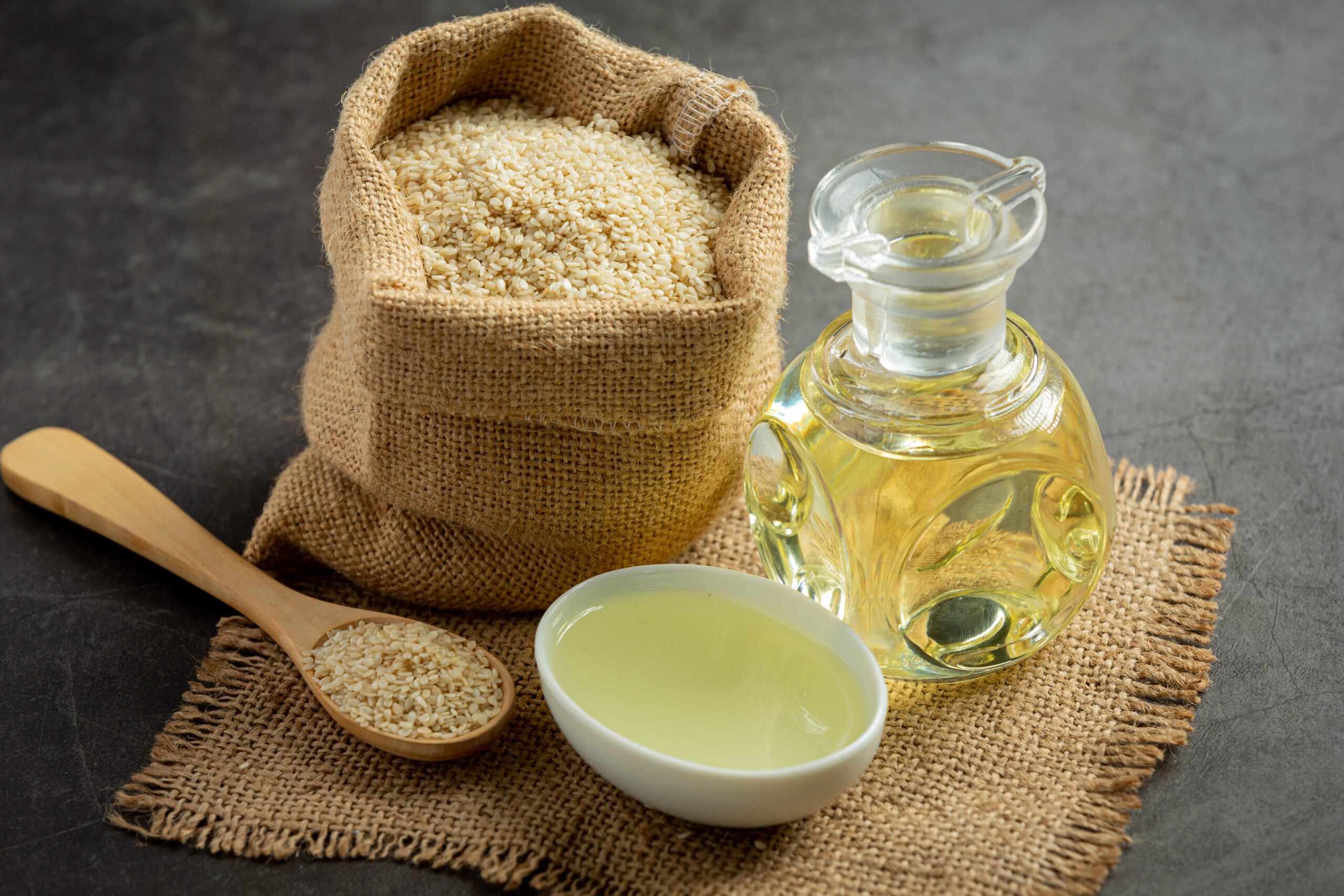

Nigerian Sesame Oil: The Queen of Oilseeds Whose Oxidative Stability, Sesamol Antioxidant Chemistry, and 5,000-Year Culinary Heritage Make It the One Vegetable Oil That Serious Food Scientists, Cosmetics Formulators, and Pharmaceutical Researchers Cannot Stop Writing About
Sesame Oil Exporter Nigeria — Cold-Pressed Virgin, Toasted, and Refined Sesamum Indicum Oil, Direct Sahel Belt Sourcing, Bulk Supply to Food Manufacturers, Nutraceutical Ingredient Buyers, Premium Cosmetics Formulators, and Pharmaceutical Ingredient Companies Worldwide
Sesame oil exporter Nigeria is a search phrase that tells an experienced agricultural commodity buyer something important before the conversation even begins — because buyers who specifically search for Nigerian sesame oil rather than generic Indian or Chinese sesame oil have typically already done their homework. They already know that Nigeria is the world’s fourth-largest sesame seed producer. They already know that Nigerian white sesame — grown across the Sahel and Sudan savanna belt of the northern states under the specific growing conditions that produce seeds of exceptionally high oil content and low colour — is among the most analytically competitive raw sesame seed material in international trade. And they have often arrived at this specific search precisely because they have been working with Indian or Ethiopian sesame for years and have encountered either a quality limitation, a pricing problem, or a supply consistency challenge that has sent them looking for an alternative West African origin that the mainstream sesame oil buyer community has not yet saturated with procurement competition.
Sesamum indicum — the sesame plant — is the world’s most ancient oilseed crop in continuous commercial production. It predates soybean cultivation by millennia, predates sunflower oil commerce by thousands of years, and predates the olive oil trade that Europeans associate with the Mediterranean’s most ancient food culture. The Assyrian gods of ancient Mesopotamia were offered sesame wine before creating the world. Egyptian records from 1600 BCE document sesame as a medicinal plant of the highest category. The Roman legions carried sesame oil as one of their primary dietary fat supplies. And in West Africa — where sesame cultivation is documented across the Sahelian agricultural zone for centuries before European contact — the plant they call simsim (Hausa), eeku (Yoruba), or òrí ẹpa (Yoruba regional) has been pressed for oil, ground into paste, and cooked into food with a culinary intimacy that reflects not an adopted crop but a genuinely indigenous agricultural relationship.
What makes sesame oil commercially extraordinary — beyond its historical depth — is a specific biochemical property that no other commercially produced vegetable oil possesses in comparable concentration: the sesamol-sesamolin-sesamin lignan complex that gives sesame oil oxidative stability so exceptional that properly extracted cold-pressed sesame oil can remain shelf-stable for three to five years without refrigeration or antioxidant addition. This is not an incidental quality feature. For food manufacturers whose product quality depends on frying oil stability, for cosmetics formulators whose product shelf life determines commercial viability, and for pharmaceutical ingredient buyers whose excipient stability specifications are among the most exacting in any industrial procurement category — sesame oil’s intrinsic antioxidant architecture is the single most commercially significant differentiating property of any edible or cosmetic oil available in international trade.
At Paradise MultiTrade International Limited, sesame oil is one of our most commercially connected export categories — directly linked to our established Nigerian white sesame seed export programme, providing buyers who have been purchasing Nigerian sesame seeds with the option to source fully processed sesame oil from the same origin and through the same documented supply chain. We supply cold-pressed virgin, toasted (roasted), and refined sesame oil sourced from processing operations across our primary sesame production states of Benue, Nasarawa, Kogi, Niger, Taraba, Jigawa, and Kano, and exported with full regulatory and analytical documentation to food manufacturers, premium cosmetics formulators, pharmaceutical ingredient buyers, and wholesale importers across Europe, Asia, the Middle East, and North America.
To move directly to pricing and specifications, request a quotation here, and our export team will respond within 48 hours.
History and Origin of Sesame Oil — The World’s Most Ancient Commercial Oil and Its Journey Into Nigeria’s Agricultural Identity
Queen of Oilseeds — A Title Earned Across Five Millennia
The designation of sesame as the “Queen of Oilseeds” — an honorific that appears in the technical literature of multiple oilseed science traditions — is not romantic exaggeration. It reflects an evidence-based assessment of the sesame plant’s combination of agronomic resilience, seed oil content, fatty acid quality, antioxidant stability, and culinary versatility that no other oilseed crop has matched simultaneously across the full breadth of its commercial applications. Research on sesame’s biochemical and agronomic properties published through NCBI’s comprehensive sesame review database confirms the scientific basis for this commercial pre-eminence — with sesame’s lignan antioxidant content, its balanced oleic-linoleic fatty acid profile, and its extraordinary oxidative stability identified as properties that distinguish it from every other commercially available edible oil.
The botanical origin of Sesamum indicum is the subject of ongoing scientific debate — with genetic evidence pointing toward East African origin (the wild Sesamum species most closely related to the cultivated form grow in East Africa and Sudan), possible parallel domestication in the Indian subcontinent, and ancient cultivation records from both African and South Asian civilisations. The Kew Royal Botanic Gardens’ economic botany collection maintains extensive sesame botanical reference materials — documenting the species’ distribution, domestication history, and commercial development across its geographic range.
What is not disputed is the antiquity of sesame oil commerce. Archaeological evidence from the Harappan civilisation of the Indus Valley — dated to approximately 2500 BCE — documents sesame cultivation and oil extraction at a commercial scale that suggests the industry was already well-established by that date. Assyrian tablets from 2200 BCE describe sesame wine offered to the gods at the creation of the world — establishing sesame’s sacred status in one of humanity’s earliest literate civilisations. Egyptian hieroglyphic texts from the New Kingdom period document sesame as a standard component of workers’ food rations at major construction sites. Roman agricultural writer Pliny the Elder described sesame oil as one of the most medicinally valuable oils known in the ancient Mediterranean world — a characterisation that anticipated by two millennia the modern pharmacological research that has confirmed sesame oil’s remarkable bioactive compound profile.
The trans-Saharan and trans-continental commodity trade routes that carried sesame westward from its East African and South Asian centres of cultivation into West Africa established the crop in the Sahelian agricultural zone that would eventually become northern Nigeria. By the time of the Kanem-Bornu Empire — the West African Sahel kingdom that flourished from the 9th through the 19th centuries in what is now northeastern Nigeria, Chad, and Niger — sesame was an established component of the agricultural system, traded across Saharan routes alongside salt, gold, and other high-value commodities of the trans-Saharan economy. This historical commercial embedding of sesame in northern Nigerian agriculture is documented in West African agricultural history research accessible through the African Studies Association’s publications — providing the deep-time commercial context within which Nigeria’s contemporary sesame oil export development is positioned.
Nigeria’s Sesame Belt — The Geographic and Commercial Foundation
Nigeria’s sesame production is geographically concentrated in the Middle Belt and Sudan savanna states — the ecological zone of 600–1,200mm annual rainfall, deep well-drained sandy loam and loamy soils, and 160–200 frost-free growing days that Sesamum indicum thrives in:
Benue State — Nigeria’s most commercially significant sesame-producing state, home to what is arguably the highest density of commercial sesame cultivation in sub-Saharan Africa outside the Sudan-Ethiopia corridor. Benue’s Tivland agricultural communities have cultivated sesame — which they call shara in Tiv — as both a food crop and a cash crop for generations, developing a farming system integration of sesame with yam, sorghum, and maize that maximises land productivity while maintaining the sesame stand quality that international buyers recognise.
Nasarawa and Kogi states — the Middle Belt secondary production zone, producing sesame in the transition between the forest-savanna Guinea belt and the drier Sudan savanna, contributing significantly to Nigeria’s total sesame output with varieties that have been selected over generations for high oil content and the white seed colour that premium export buyers specify.
Jigawa and Kano states — the Sahel zone sesame production area, producing sesame under more arid conditions than the Middle Belt — with rainfall of 600–800mm and a sharper dry season that concentrates oil development in the seed and produces the clean white colouring that Japanese and South Korean premium sesame buyers most highly value.
Taraba and Niger states — expanding production zones where commercial sesame cultivation has grown significantly over the past decade in response to export market development and the NEPC’s active sesame export promotion programme.
According to FAO production statistics, Nigeria is consistently ranked among the world’s top five sesame seed producers, with annual output running into hundreds of thousands of metric tonnes that make it sub-Saharan Africa’s most significant sesame origin for export markets. The Nigerian Export Promotion Council (NEPC) has maintained sesame as one of its flagship non-oil export commodities — with Nigeria having established itself as a credible and increasingly preferred sesame seed origin for Japanese tahini manufacturers, South Korean sesame oil producers, Chinese sesame paste processors, and European health food ingredient buyers over the past two decades.
Sesame oil — as a processed derivative of Nigeria’s established sesame seed export — represents the logical next step in the value chain development of this commodity: converting an established Nigerian agricultural export into a higher-value-added processed product whose additional processing margin is retained in Nigeria rather than being captured by processing industries in importing countries.
What Is Sesame Oil? The Biochemistry of Extraordinary Stability and the Commercial Product Landscape
Sesamum Indicum — The Botanical and Agronomic Foundation
Sesamum indicum is a herbaceous annual plant of the Pedaliaceae family — reaching 60–120cm in height, producing narrow oblong leaves and distinctive bell-shaped flowers (white, pale yellow, or pale pink depending on variety) that develop into elongated seed capsules containing 50–100 small, flat, oval seeds arranged in four internal chambers. The seeds — approximately 3mm in length and 2mm in width — range in colour from white through cream, yellow, brown, red, and black, depending on variety, with the white-seeded varieties commanding the highest commercial premium in the international sesame oil and tahini market because they produce the palest, most aesthetically preferred oil and paste.
Nigerian commercial sesame production focuses predominantly on white sesame varieties — specifically the varieties with the white-to-cream seed coat that Japanese sesame oil producers, South Korean roasted sesame oil manufacturers, Middle Eastern tahini producers, and premium health food ingredient buyers most consistently specify. These white varieties produce seeds with an oil content of approximately 48–58% by dry weight — among the highest oil contents of any commercially traded oilseed — alongside a protein content of approximately 20–25%, making sesame simultaneously one of the most oil-rich and most protein-rich oilseeds in commercial agriculture.
The oil content of Nigerian Sahel-zone sesame seeds — produced under the specific combination of moderately high temperature, well-drained sandy soils, and the sharp diurnal temperature variation of the continental semi-arid climate — has been measured at the higher end of the 48–58% range in analytical research published through Nigerian agricultural institutions and accessible through NCBI’s agricultural science database. This high oil content advantage — the same quality logic that we have applied to Nigerian chilli pepper’s capsaicin concentration, Nigerian garlic’s allicin content, and Nigerian neem seed’s azadirachtin content — translates directly into better extraction yield economics for sesame oil processors who evaluate raw seed on the basis of oil recovered per tonne of seed processed.
The Sesamol Complex — The Biochemical Property That Makes Sesame Oil Unique
The commercial distinction of sesame oil from every other vegetable oil in international trade rests ultimately on a family of phenolic lignans — sesamol, sesamin, sesamolin, and episesamin — that are unique to Sesamum indicum and are present in sesame oil at concentrations that dwarf the antioxidant compound content of any competing edible or cosmetic oil.
Sesamol — produced from sesamolin during pressing and roasting through enzymatic and thermal transformation — is a phenolic antioxidant of remarkable potency, documented through research published in NCBI’s antioxidant chemistry database to be more effective at preventing oxidative rancidity in edible oils than butylated hydroxytoluene (BHT) — the most widely used synthetic antioxidant in commercial food manufacturing — at comparable concentrations. The commercial consequence of sesamol’s antioxidant potency is sesame oil’s extraordinary shelf stability: properly cold-pressed sesame oil stores without rancidity development for 2–5 years at ambient temperature — a shelf life that palm kernel oil, groundnut oil, coconut oil, and virtually every other commercially produced vegetable oil cannot approach without added synthetic antioxidants or refrigeration.
Sesamin and sesamolin — the precursor lignans that transform into sesamol during processing — are present in raw sesame seed at concentrations of approximately 0.3–0.5% of seed weight and carry their own documented pharmacological activity independent of sesamol: sesamin has been documented through NCBI’s nutrition and metabolism research to inhibit delta-5-desaturase (a key enzyme in arachidonic acid synthesis from dietary linoleic acid) — a mechanism with implications for anti-inflammatory dietary intervention that has attracted pharmaceutical and nutraceutical research investment in sesamin as a dietary supplement active ingredient. These lignans together constitute what food chemists call the sesamol complex — the biochemical signature that makes sesame oil uniquely valuable and analytically distinct from every other edible oil.
The Fatty Acid Profile — Balanced, Stable, and Commercially Versatile
Beyond the lignan complex, sesame oil’s fatty acid composition provides an additional layer of commercial differentiation:
Oleic Acid (C18:1) — approximately 35–45% of total fatty acids — the primary monounsaturated fatty acid that contributes to sesame oil’s cardiovascular health positioning and its moderate oxidative stability beyond the lignan-provided protection.
Linoleic Acid (C18:2) — approximately 40–50% of total fatty acids — the essential omega-6 polyunsaturated fatty acid that would ordinarily create oxidative instability (polyunsaturated fatty acids are the primary substrate for rancidity development) — but whose tendency toward oxidation is specifically and potently suppressed by the sesamol complex, making sesame oil the remarkable exception to the general rule that high linoleic acid content equals short shelf life.
Palmitic Acid (C16:0) — approximately 8–11% of total fatty acids.
Stearic Acid (C18:0) — approximately 4–7% of total fatty acids.
This oleic-linoleic balance — combined with the sesamol complex’s antioxidant protection — gives sesame oil a combined health, stability, and flavour profile that has made it the premium cooking and salad oil of Asian cuisines for millennia and is increasingly driving its adoption in European and American premium food formulation, where clean-label stability and documented health benefits are commercial requirements.
The Three Commercial Oil Grades
Cold-Pressed Virgin Sesame Oil (Light Sesame Oil) — produced by mechanical cold pressing of cleaned, unroasted white sesame seeds at ambient temperature — producing a pale, golden-yellow to light amber oil with a mild, delicate sesame flavour, maximum sesamol complex concentration, highest tocopherol content, and the purity specifications required by pharmaceutical excipient buyers, premium natural cosmetics formulators, and health food ingredient buyers who specifically market the oil’s cold-pressed, unrefined credentials. This is the grade demanded by buyers who want maximum sesamol content and the most complete bioactive compound profile.
Toasted (Roasted) Sesame Oil — produced by pressing sesame seeds that have been roasted at controlled temperatures (160–200°C) before pressing — producing the deep amber to dark brown, intensely aromatic oil with the characteristic toasted sesame flavour that is the defining taste of East Asian cuisine. Toasted sesame oil is not a cooking oil in the conventional sense — its deep flavour and relatively lower smoke point make it a finishing oil, a flavouring agent, and a condiment applied after cooking to add sesame’s characteristic aroma to Asian dishes. The South Korean, Japanese, Chinese, and broader Asian food industry’s demand for toasted sesame oil — both for direct food use and for incorporation into marinades, dipping sauces, noodle seasonings, and prepared food products — represents the single largest volume demand stream for sesame oil globally.
Refined Sesame Oil (RBD) — bleached and deodorised to remove the characteristic sesame aroma and most of the natural colour — producing a neutral, pale oil with the standard edible oil appearance and sensory characteristics required for industrial food manufacturing applications where sesame oil’s flavour would compete with the finished product’s intended taste profile. Refined sesame oil retains the fatty acid profile and the bulk of the sesamol lignan complex (which survives mild refining conditions better than most oil bioactives), making it a commercially competitive industrial food ingredient whose stability advantage distinguishes it from other refined edible oils even in its processed form.
Benefits and Industrial Uses of Nigerian Sesame Oil
Food Manufacturing Industry — The Stability Champion of Asian Cuisine and Clean-Label Formulation
Sesame oil’s most commercially significant food industry application is simultaneously its most culturally specific: the toasted sesame oil that defines East Asian — specifically Korean, Japanese, and Chinese — cuisine, and that the multi-billion-dollar Asian food export industry incorporates into hundreds of finished food products consumed across the world.
South Korean food manufacturing — the world’s single most commercially significant buyer of toasted sesame oil — consumes sesame oil at extraordinary volumes in the production of gochujang (fermented chilli paste), doenjang (fermented soybean paste), bibimbap sauce, bulgogi marinade, japchae noodle seasoning, and virtually every other signature Korean condiment and prepared food product whose export has made Korean cuisine a global mainstream phenomenon. South Korea’s sesame oil import volumes — tracked through JETRO’s Korea food import intelligence and ITC Trade Map — make it one of the most commercially significant sesame oil buyer countries relative to its population size, with consistent annual import volumes running into tens of thousands of tonnes sourced primarily from Nigeria, Ethiopia, Sudan, and India.
Japanese food manufacturing — where sesame oil appears in ramen soup bases, gyoza dumpling seasoning, sesame dressing, sushi preparation, and tempura dipping sauce — is the second most commercially significant East Asian food market for sesame oil. Japanese buyers are among the most quality-exacting sesame oil purchasers globally — specifying seed colour (white sesame mandatory for premium toasted oil quality), oil purity (rigorous pesticide residue testing standards), and flavour profile consistency that rewards reliable-quality origins. The Japan Oilseed Processors Association (JOPA) represents the Japanese sesame processing industry and publishes the quality standards framework that Japanese sesame oil manufacturers apply to raw seed evaluation. Nigerian white sesame seeds’ reputation among Japanese buyers — established through more than two decades of consistent quality supply — positions Nigerian sesame oil as a natural extension of the raw seed commercial relationship.
Chinese food manufacturing — the world’s largest sesame-consuming market, both as raw seed for tahini (zhima jiang), sesame paste, sesame candy, and sesame cake, and as sesame oil for cooking and flavouring — processes enormous volumes of sesame annually at facilities concentrated in Henan, Shandong, and Liaoning provinces. Nigerian sesame seed is one of the primary import origins for Chinese sesame processors, creating the established buyer relationship from which the sesame oil supply can be developed as a value-added export extension. Chinese sesame processing market intelligence is tracked through the China National Grain and Oils Information Centre (CNGOIC).
Middle Eastern tahini and sesame product manufacturing — where tahini (sesame paste) is a dietary staple consumed at per-capita rates that dwarf consumption anywhere outside the sesame-producing world — creates significant cold-pressed sesame oil demand from the olive oil pressing by-product of the sesame milling process. Middle Eastern sesame oil buyers in Turkey, Lebanon, Israel, Saudi Arabia, and the UAE are active procurement communities whose specifications align closely with Nigerian white sesame oil quality characteristics. Middle Eastern food import intelligence is tracked through the Abu Dhabi Agriculture and Food Safety Authority (ADAFSA).
European clean-label food formulation — where sesame oil’s documented antioxidant stability, its omega-6/omega-9 fatty acid health profile, and its status as a natural, minimally processed ingredient with 5,000 years of culinary heritage make it one of the most commercially attractive natural edible oil ingredients for product developers creating clean-label dressings, marinades, specialty oils, and functional food products. The European Specialty Food Ingredients Association (ELC) and Mintel’s European food ingredient innovation database both document growing European food manufacturer interest in sesame oil as a premium, stable, naturally antioxidant-protected edible oil for high-quality food formulation.
For food manufacturing buyers evaluating Nigerian cold-pressed or toasted sesame oil for Asian cuisine ingredient or clean-label food formulation applications, contact our export team to discuss grade specifications and supply arrangements.
Nutraceutical and Dietary Supplement Industry — Sesamin, Sesamol, and the Lignan Revolution
The nutraceutical industry’s discovery of sesame lignans — specifically sesamin and sesamolin — as dietary supplement active ingredients with documented health benefits is transforming sesame oil from a culinary ingredient category into a pharmaceutical ingredient development priority whose upstream procurement is growing independently of the food industry’s demand.
Sesamin supplement market — sesamin’s documented ability to inhibit delta-5-desaturase — reducing the conversion of dietary linoleic acid to pro-inflammatory arachidonic acid — positions it as a natural anti-inflammatory dietary supplement with implications for arthritis, cardiovascular inflammation, and metabolic syndrome management. Research on sesamin’s pharmacological mechanisms is published comprehensively through NCBI’s nutrition and metabolism publications — providing the clinical reference framework that nutraceutical brands developing sesamin supplement products use to substantiate their health claims. The global sesamin supplement market — tracked through Grand View Research’s sesame oil market analysis — is growing rapidly with expanding consumer awareness of lignan supplements’ anti-inflammatory applications.
Antioxidant supplement applications — sesamol’s extraordinary in vitro antioxidant potency — documented to exceed BHT, vitamin E, and numerous other established dietary antioxidants at equivalent concentrations in published research from NCBI — has attracted nutraceutical formulation interest in sesamol as a standalone antioxidant supplement ingredient and as a natural antioxidant synergist in multi-ingredient antioxidant complex formulations. The Natural Products Association (NPA) tracks sesame-derived supplement ingredient development within the broader natural products market intelligence framework.
Cardiovascular health positioning — sesame oil’s combination of oleic acid cardiovascular benefits, linoleic acid essential fatty acid status, sesamin’s documented effects on blood lipid profiles, and sesamol’s antioxidant vascular protection creates a multi-mechanism cardiovascular health positioning that clinical nutritionists document through research accessible via NCBI’s cardiovascular nutrition database. The American Heart Association (AHA) dietary guidance acknowledges polyunsaturated fat-rich oils, including sesame oil, as components of heart-healthy dietary patterns — providing the institutional endorsement that cardiovascular health supplement and functional food brands incorporate into their product development logic.
Blood pressure management — clinical research on sesame oil’s antihypertensive effects — documented through a landmark randomised controlled trial published in the Yale Journal of Biology and Medicine, demonstrating significant blood pressure reduction in hypertensive patients using sesame oil as their exclusive cooking oil — has generated pharmaceutical and nutraceutical research interest in sesame oil as a functional food for blood pressure management. This clinical evidence — one of the most specifically documented therapeutic effects of any edible oil in controlled clinical trials — distinguishes sesame oil from most competing edible oils whose health benefits are supported primarily by epidemiological associations rather than clinical intervention evidence.
For nutraceutical buyers sourcing Nigerian cold-pressed sesame oil for sesamin supplement raw material, antioxidant complex formulation, or cardiovascular health functional food ingredient development, contact our team to discuss sesamin and sesamol content documentation and supply specifications.
Pharmaceutical Industry — Excipient, Topical Active, and Ayurvedic Medicine Feedstock
Sesame oil’s pharmaceutical history is as long and as medically credible as any botanical oil in the pharmacopoeial record — with recognition from ancient Ayurvedic medicine through classical Chinese medicine to modern Western pharmaceutical formulation:
Pharmacopoeial excipient — refined sesame oil is listed in the United States Pharmacopeia (USP) as an official pharmaceutical excipient — used as a vehicle for lipid-soluble injectable drug preparations, as a carrier in oral liquid formulations, and as a topical drug delivery vehicle in dermatological preparations. Its combination of chemical stability (sesamol-protected against oxidative degradation), physiological compatibility, and established safety record makes it one of the most pharmaceutically trusted vegetable oil excipients. The European Pharmacopoeia (Ph. Eur.) similarly lists sesame oil as an approved pharmaceutical excipient — establishing the dual pharmacopoeial framework that pharmaceutical-grade Nigerian sesame oil can support.
Ayurvedic and traditional medicine — sesame oil (tila taila in Sanskrit) occupies the single most important position in Ayurvedic therapeutic oil medicine — used as the primary base for virtually all medicated Ayurvedic oil preparations (including Kshirabala Taila, Dhanwantharam Taila, and dozens of other classical preparations) and as the primary medium for Abhyanga (therapeutic oil massage). The Ayurvedic Pharmacopoeia of India formally recognises sesame oil’s pharmaceutical status in the Ayurvedic drug system — creating a regulated pharmaceutical procurement demand from the global Ayurvedic industry (the largest traditional medicine manufacturing industry in the world by value) that specifically requires authenticated, quality-tested sesame oil as a pharmaceutical manufacturing raw material.
Anti-inflammatory topical applications — sesamol’s documented anti-inflammatory properties — specifically its inhibition of 5-lipoxygenase and cyclo-oxygenase inflammatory pathways documented through NCBI’s pharmacology publications — position sesame oil as a candidate active ingredient in anti-inflammatory topical pharmaceutical formulations. Research on sesame oil’s topical anti-inflammatory efficacy is published through dermatological pharmacology journals, including the International Journal of Dermatology — providing the clinical evidence framework that pharmaceutical and medical device companies evaluating sesame oil for topical drug formulation reference.
Neonatal skin care and emollient — sesame oil’s traditional use as an infant massage oil across multiple South Asian and Southeast Asian cultures has attracted clinical validation through research accessible via NCBI documenting its safety and efficacy as a neonatal skin emollient — creating pharmaceutical and medical baby care product procurement interest in certified food-grade and pharmaceutical-grade sesame oil for infant care formulation. For pharmaceutical buyers sourcing sesame oil for neonatal care product development — contact our team to discuss purity specification and documentation.
Cosmetics and Personal Care Industry — The Penetrating Emollient With Built-In Antioxidant Protection
Sesame oil’s cosmetic applications build directly on its two most distinctive properties — its penetration into skin and hair fibre that exceeds most vegetable oils of comparable molecular weight, and its sesamol antioxidant protection that prevents the oxidative rancidity development that limits the cosmetics’ shelf life of most natural oil-containing formulations.
Facial oil and anti-aging serum — sesame oil’s documented penetration into the upper dermis — supported by its oleic acid content’s disruption of skin lipid bilayers and its specific molecular structure’s compatibility with skin lipid composition — makes it a premium facial oil ingredient whose skin-cell-nourishing properties are amplified by sesamol’s antioxidant protection at the skin surface. Research on sesame oil’s skin care properties is published through NCBI’s dermatology research database — providing the clinical foundation that premium natural anti-aging brands use to substantiate sesame oil formulations.
Sun protection and UV protection — sesame oil has documented UV-absorption properties — with research published through NCBI’s photobiology database measuring approximately 30% UV reflection efficacy and an SPF value of approximately 2–4 for pure sesame oil. While insufficient as a standalone sunscreen, this natural UV absorption property — amplified by sesamol’s ability to neutralise UV-generated free radicals at the skin surface — makes sesame oil a substantiated natural photoprotective component in mineral and broad-spectrum sunscreen formulations where the natural photoprotection narrative has marketing value.
Hair care and scalp treatment — sesame oil’s hair shaft penetration properties — comparable to coconut oil but with a lighter, non-occlusive finish — combined with sesamol’s antioxidant protection of hair proteins against UV and oxidative damage, position it as a premium hair care ingredient in natural hair treatment products. The Ayurvedic tradition’s use of sesame oil as the foundational hair care oil in Shirobhyanga (head oil massage) practice provides a deep traditional knowledge validation for its hair benefits — validation that the natural hair care market is actively commercialising across Indian-heritage and Afro-heritage hair care product lines where traditional botanical hair care authenticity commands premium pricing. Mintel’s hair care innovation database tracks sesame oil’s growing presence across natural hair care product launches globally.
Body massage and spa therapy — sesame oil’s combination of excellent spreadability, gradual skin absorption rate (remaining on the skin surface long enough for effective massage techniques without immediate absorption), warming sensation, and traditional Ayurvedic massage credential makes it one of the most commercially established massage oil bases in the global spa and wellness industry. The Global Wellness Institute (GWI) documents the spa and wellness industry’s growing preference for authentic, origin-documented botanical oils over generic mineral oil formulations — a trend that creates specific commercial opportunity for Nigerian cold-pressed sesame oil positioned within the Ayurvedic and natural wellness traditions.
Nail and cuticle care — sesame oil’s skin penetration and conditioning properties — alongside its antimicrobial activity documented through research in NCBI’s microbiology publications — make it a valued component in natural nail care formulations, cuticle conditioning treatments, and nail strengthening preparations for the growing chemical-free nail care market.
The CBI Netherlands market intelligence on natural cosmetics ingredients specifically documents West African botanical oils as a growing European cosmetics ingredient category — with sesame oil from Nigerian white sesame origin positioned alongside shea butter, moringa oil, and neem oil as part of the West African botanical beauty ingredient portfolio that Paradise MultiTrade supplies from a single export source.
For cosmetics buyers sourcing cold-pressed Nigerian sesame oil for premium anti-aging, hair care, sunscreen, or Ayurvedic beauty formulation, contact our export team to discuss grade specification, sesamol content documentation, and supply arrangements.
Traditional Medicine and Naturopathic Industry
Sesame oil’s role in traditional medicine systems across three continents — Ayurveda (Indian), Unani (Islamic), and multiple West African and East Asian traditional healing traditions — creates sustained procurement demand from herbal medicine manufacturers, Ayurvedic pharmaceutical companies, and naturopathic medicine product developers who require authenticated, quality-tested sesame oil as a raw material for traditional medicine preparations.
The World Health Organization’s traditional medicine research programme recognises sesame oil’s documented traditional therapeutic applications — providing the international institutional legitimacy that supports regulatory recognition of sesame oil-based traditional medicine products across multiple national regulatory frameworks. The American Botanical Council’s HerbalGram publications have reviewed sesame’s traditional medicine history and modern evidence base, providing the evidence synthesis that naturopathic medicine buyers use when sourcing sesame oil for professional-grade traditional medicine preparation.
Why Buy Sesame Oil from Nigeria?
The Oil Content Advantage — More Oil Per Tonne of Seed
The commercial case for Nigerian sesame oil in the food processing and extraction industry rests on the same environmental quality argument that runs through this entire product series: the specific growing conditions of Nigeria’s Middle Belt and Sahel sesame zones — deep, well-drained sandy soils that drain excess moisture from the rooting zone, moderately high temperatures during pod and seed development, the sharp diurnal temperature variation of the continental climate that concentrates secondary metabolites and lipids in developing seeds, and the dry harmattan conditions at harvest that facilitate thorough field drying — produce sesame seeds with oil content at the high end of the 48–58% commercial range.
For sesame oil processors whose production economics are calculated on oil extracted per tonne of seed — every percentage point of oil content advantage translates directly into either additional product output from the same seed input or equivalent output from less seed — the oil content advantage of Nigerian Sahel-zone white sesame is the primary procurement economics driver. Research on sesame seed oil content variation by growing environment and variety — published through Nigerian agricultural research institutions and accessible through NCBI’s agricultural science database — documents this oil content advantage analytically and provides the scientific foundation for the commercial claim.
The Established Seed-to-Oil Traceability Chain
Nigeria’s status as an established world-class sesame seed exporter — with decades of documented quality supply to Japanese, South Korean, Chinese, and Middle Eastern sesame processors — provides Paradise MultiTrade with a quality assurance foundation for sesame oil export that most other Nigerian oil categories do not yet have. The same farming communities, the same quality grading systems, the same international buyer relationships, and the same post-harvest management protocols that have made Nigerian white sesame seed consistently commercially competitive in international markets provide the upstream quality foundation from which sesame oil export is directly derived.
For buyers who have been sourcing Nigerian sesame seeds and have observed the seed quality consistency at first hand — the transition to sourcing Nigerian sesame oil is a logical procurement step whose raw material quality risk is already understood. The oil is extracted from the same quality-graded seeds. Contact our team to discuss transitioning from seed to oil procurement or adding sesame oil to an existing seed procurement programme.
The Sesamol Content Differentiation — Not All Sesame Oils Are Equal
The sesamol complex concentration in sesame oil varies by seed variety, growing environment, pressing method, and processing temperature, and for pharmaceutical, nutraceutical, and premium cosmetics buyers whose procurement economics depend on bioactive compound content, these differences are commercially consequential. Research on sesamol and sesamin content variation across sesame oil origins and processing methods — published through NCBI’s food chemistry and pharmacology publications — documents that cold-pressed oil from unroasted seeds retains the highest sesamol complex content, while the roasting step of toasted sesame oil production partially converts sesamolin to sesamol (increasing sesamol content) but reduces total lignan concentration through thermal degradation.
For pharmaceutical and nutraceutical buyers who specify sesame oil on sesamin or sesamol content, we coordinate HPLC lignan complex analysis through accredited laboratories, providing the documented bioactive content certification that ingredient specification procurement requires. Contact us to discuss sesamol and sesamin content documentation.
Supply Chain Diversification From India-Dominant Global Sesame Oil Trade
India currently dominates global sesame oil production and export, with Indian sesame oil flowing to Middle Eastern, European, and American markets through a well-established processing and trading infrastructure. The supply diversification argument that we have made across garlic, castor oil, and gum arabic applies equally here: buyers who are India-concentrated in their sesame oil procurement carry exposure to Indian monsoon variability (sesame is a kharif crop whose yield is directly dependent on rainfall timing and distribution), Indian export policy interventions (India has historically imposed export restrictions on agricultural commodities during domestic supply shortfalls), and the pricing dynamics of a market where Indian domestic consumption growth is progressively tightening export availability.
Nigerian origin provides West African supply diversification — from an origin whose sesame seed quality credentials are established in international markets, whose Sahelian growing conditions produce oil content and sesamol levels competitive with Indian benchmark material, and whose export infrastructure is progressively formalising to support the quality and regulatory documentation that serious international buyers require. Trade intelligence for the sesame oil market dynamics is tracked through Tridge’s sesame oil commodity intelligence platform and ITC Trade Map — providing the price and supply flow data that procurement teams use to evaluate the timing and economics of Nigerian origin development.
Complete Export Documentation from a Licensed Exporter
Every sesame oil shipment processed through Paradise MultiTrade carries phytosanitary certification from the Nigerian Agricultural Quarantine Service (NAQS), NEPC export documentation, certificate of origin, commercial invoice, packing list, and bill of lading. For food-grade buyers, we coordinate a certificate of analysis, including fatty acid profile by GC, sesamol and sesamin content by HPLC (on request), free fatty acid content, moisture, peroxide value, iodine value, saponification value, colour measurement (Lovibond or Gardner), and pesticide residue screening following AOCS analytical methods and AOAC International validated procedures. For pharmaceutical-grade buyers requiring USP and Ph. Eur. pharmacopoeial specification testing, we coordinate the complete monograph testing package through accredited GMP-compliant laboratories. EU-bound shipments comply with Regulation (EU) 2017/625 on official controls for food imports. Our NEPC Export Licence No. 0042385 and CAC Registration No. RC-9284647 is current and verifiable through NEPC.
Nigeria’s Sesame Oil Export Strength and Global Market Demand
The Global Market — Ancient Commodity, Modern Commercial Dynamism
The global sesame oil market — tracked through Grand View Research’s sesame oil market report — is valued at over USD 1.5 billion and growing at compound annual rates of 5–7% driven by the simultaneous expansion of Asian food manufacturing globally, the European and American premium natural oil market’s adoption of sesame as a clean-label stable cooking and functional food oil, the nutraceutical industry’s discovery of sesamin and sesamol as marketable supplement actives, and the cosmetics industry’s growing appetite for stable, antioxidant-rich botanical oils. Mordor Intelligence’s comprehensive sesame oil market analysis provides complementary market sizing, confirming sustained global demand growth across all primary application sectors.
The International Sesame Conference (ISC) — the global academic and industry forum for sesame science, agronomy, and commerce — tracks research and market developments across the global sesame value chain, including oil extraction technology, lignan analysis, and market development — providing the technical and market intelligence infrastructure within which Nigerian sesame oil development is scientifically grounded.
Key Export Destination Markets
South Korea — the world’s most commercially significant toasted sesame oil import market relative to population — is the priority commercial target for Nigerian toasted sesame oil export. South Korean food manufacturers import sesame oil and sesame seeds at volumes that dwarf any European country, processing them into the gochujang, doenjang, sesame dressing, and prepared food products that Korean cuisine’s global commercial explosion has driven into supermarket shelves across North America, Europe, and Asia. Korean sesame oil import intelligence is tracked through KATI (Korea Agro-Fisheries and Food Trade Corporation). Nigeria’s established white sesame seed supply relationship with Korean buyers positions sesame oil as a natural procurement extension.
Japan — where the Kadoya sesame oil brand and multiple other Japanese sesame oil manufacturers process imported seeds and oil into the premium roasted sesame oil that Japanese consumers use in cooking, salad dressing, and ramen preparation — is the second most commercially significant Asian destination for Nigerian sesame oil. Japanese import quality standards — the most exacting of any major sesame oil buyer market, with rigorous pesticide residue limits administered by the Japan Food Safety Commission — require the highest documentation standard that Paradise MultiTrade provides.
China — the world’s largest sesame processing and consuming market — imports sesame from Nigeria as seed and is a natural target for sesame oil as a processed product whose value-added processing margin is retained in Nigeria. Chinese sesame oil market intelligence is tracked through CNGOIC and ITC Trade Map trade flow data.
Germany and the Netherlands — Europe’s most active specialty oil ingredient markets — represent the primary European destinations for premium cold-pressed Nigerian sesame oil. German organic food manufacturers, Dutch specialty oil traders, and the broader European health food ingredient distribution network that supplies natural food retailers across the EU are active procurement communities whose quality specifications align with cold-pressed Nigerian sesame oil’s documented properties. CBI Netherlands market intelligence on specialty oils provides European buyer guidance directly relevant to Nigerian sesame oil market entry.
The Middle East — where sesame (tahini, halva, sesame candy, and sesame oil) is deeply embedded in the food cultures of Turkey, Lebanon, Israel, Jordan, Egypt, and the Gulf states — represents a natural diaspora-cultural demand stream for Nigerian sesame oil whose flavour profile is familiar and whose white sesame seed origin credential aligns with Middle Eastern specification preferences. UAE import intelligence is tracked through ADAFSA.
The United States — where the Asian-American food retail sector’s demand for Korean, Japanese, and Chinese sesame oil drives consistent wholesale import procurement, and where the natural food, nutraceutical, and Ayurvedic health product sectors create additional specialty procurement streams — is a growing and commercially diverse destination market for Nigerian sesame oil. US food import compliance is administered through the FDA’s food import programme.
India — the world’s largest Ayurvedic medicine manufacturing market — paradoxically imports sesame oil from African origins during domestic supply deficit periods and creates pharmaceutical and Ayurvedic procurement demand for authenticated sesame oil meeting Ayurvedic Pharmacopoeia standards. Indian sesame oil trade data is tracked through APEDA.
Why Choose Paradise MultiTrade International Limited?
Seed-to-Oil Origin Integrity — A Unique Commercial Proposition. Unlike sesame oil exporters who aggregate oil from multiple undocumented processing origins, Paradise MultiTrade’s sesame oil export programme is directly linked to our established Nigerian white sesame seed export supply chain — meaning buyers can source both the seed and the oil from the same origin, through the same exporter, with the same quality documentation infrastructure and the same supply chain traceability. For buyers who want to verify the seed quality that produced the oil they are purchasing, this seed-to-oil transparency is a commercial guarantee no unrelated oil trader can provide. Contact our team to discuss integrated seed and oil procurement.
All Three Commercial Grades Available. We supply cold-pressed virgin sesame oil (for pharmaceutical, premium cosmetics, nutraceutical, and clean-label food buyers), toasted sesame oil (for Asian food manufacturing, Korean cuisine ingredient, and gourmet food buyers), and refined sesame oil (RBD) (for industrial food manufacturing, mainstream cosmetics, and pharmaceutical excipient applications). Each grade has distinct processing specifications, analytical requirements, and pricing discussed at the quotation stage. Contact us to specify your required grade.
Sesamol and Sesamin Content Documentation. For nutraceutical and pharmaceutical buyers who evaluate sesame oil procurement on sesamol and sesamin content — the bioactive compounds that differentiate therapeutic sesame oil from generic edible oil — we coordinate HPLC lignan complex analysis through accredited laboratories on request. This analytical capability distinguishes Paradise MultiTrade’s sesame oil commercial offer from commodity sesame oil suppliers who cannot document the bioactive content that premium buyer applications require. Contact us to discuss sesamol and sesamin documentation.
White Sesame Specification Integrity. Not all sesame oil is created equal — and the seed colour specification is the foundation of sesame oil quality across all three commercial grades. We source exclusively from white sesame seed — the variety specification that Japanese, Korean, and Middle Eastern premium buyers mandate and that produces the palest cold-pressed oil, the most flavour-balanced toasted oil, and the most colour-neutral refined oil. We do not blend white and brown or mixed sesame seed in our oil production. Contact our team to discuss white sesame seed specification documentation for your oil lot.
Multi-Commodity West African Natural Oil Sourcing. Sesame oil buyers frequently source complementary Nigerian agricultural and botanical commodities. Alongside sesame oil, Paradise MultiTrade exports sesame seeds, groundnut oil, coconut oil, neem seed oil, sheanut and shea butter, red palm oil, palm kernel oil, moringa seeds, hibiscus flower, gum arabic, fresh ginger, turmeric, bitter kola, cashew nut kernel, and raw cashew nuts. Explore our full range of Nigerian export commodities and consolidate your West African natural oil and agricultural ingredient sourcing through one verified, licensed export partner.
Product Specifications
| Specification | Details |
|---|---|
| Product | Nigerian Sesame Oil (Sesamum indicum) |
| Common Names | Sesame oil, Gingelly oil, Til oil, Benne oil, Simsim oil, Tila taila (Ayurvedic) |
| Origin | Nigeria (Benue, Nasarawa, Kogi, Niger, Taraba, Jigawa, Kano States) |
| Seed Specification | White sesame (mandatory for all oil grades) |
| Grades Available | Cold-pressed virgin; Toasted (roasted); Refined Bleached Deodorised (RBD) |
| Oil Content of Seed | 48–58% by dry weight (high end of commercial range) |
| Oleic Acid (C18:1) | 35–45% of total fatty acids |
| Linoleic Acid (C18:2) | 40–50% of total fatty acids |
| Palmitic Acid (C16:0) | 8–11% |
| Stearic Acid (C18:0) | 4–7% |
| Sesamol + Sesamin + Sesamolin | Documented by HPLC on request (higher in cold-pressed; modified in toasted grade) |
| Free Fatty Acid (FFA) | ≤0.5% (cold-pressed); ≤0.1% (RBD) |
| Moisture Content | ≤0.1% all grades |
| Peroxide Value | ≤10 meq/kg (cold-pressed fresh); ≤1 meq/kg (RBD) |
| Iodine Value | 104–120 g I₂/100g |
| Saponification Value | 186–195 mg KOH/g |
| Refractive Index (40°C) | 1.465–1.469 |
| Colour (Lovibond 5¼”) | Yellow 35 / Red 3.0 max (cold-pressed light amber); Yellow 70 / Red 9.0 (toasted dark amber); Yellow 10 / Red 1.0 (RBD) |
| Aroma | Mild delicate sesame (cold-pressed); Intense roasted sesame (toasted); Odourless (RBD) |
| Pesticide Residue | Screened per EU/Japan MRL requirements — critical for Korean and Japanese buyers |
| Microbiological | Total viable count, Salmonella (absent/25g), E. coli per food safety standards |
| Packaging Options | 25L jerricans; 200L drums; 1,000L IBC totes; Retail bottles (250ml, 500ml, 1L) on request |
| Supply Capacity | Cold-pressed: 5–100+ MT; Toasted: 10–200+ MT; RBD: 20–500+ MT per shipment |
| MOQ | Cold-pressed: 2 MT; Toasted: 5 MT; RBD: 5 MT |
| Shelf Life | Cold-pressed: 24–36 months (exceptional — sesamol protected); Toasted: 18–24 months; RBD: 24 months |
| Export Documentation | Phytosanitary Certificate (NAQS), Certificate of Origin, NEPC Export Licence, Certificate of Analysis (AOCS methods), Sesamol/Sesamin HPLC Profile (on request), Pesticide Residue Certificate, Microbiological Certificate, Commercial Invoice, Packing List, Bill of Lading |
| Payment Terms | T/T, Letter of Credit (LC at sight), Escrow |
| Loading Port | Lagos (Apapa / Tin Can Island Port), Nigeria |
| Incoterms Available | EXW, FOB Lagos, CNF, CIF |
Packaging and Export Process
Sesame Seed Sourcing and Quality Grading. The foundation of Nigerian sesame oil quality is the seed quality management that begins at the farm level — and the same quality grading protocols that Paradise MultiTrade has applied to our sesame seed export programme for years apply directly to the seed that enters our oil production supply chain. White sesame seed designated for oil processing is:
Graded to a minimum 99% purity (freedom from foreign matter, damaged seeds, and off-colour seeds). Moisture-tested to confirm the 6–8% moisture specification that prevents in-storage mould development. Pesticide-residue screened on representative lot samples — a critical step for Korean and Japanese market compliance where sesame pesticide residue limits are among the strictest of any edible oil buyer market globally. Stored in clean, dry, ventilated warehouses in 50kg polypropylene bags on elevated pallets — away from moisture, pest activity, and odour sources.
Roasting (for toasted sesame oil only). Sesame seeds designated for toasted oil production are fed through rotating drum roasters at carefully controlled temperatures of 160–200°C for 15–25 minutes — the critical processing step whose temperature and time parameters determine the balance between flavour development (higher temperature and time increases roasted character) and sesamol complex preservation (excessive heat degrades lignan compounds). The Maillard reaction between sesame seed proteins and reducing sugars during roasting produces the hundreds of volatile aromatic compounds that constitute the characteristic toasted sesame oil aroma — the specific volatile compound profile that Korean and Japanese food manufacturers evaluate in their incoming sesame oil quality assessment. Roasting temperature management is the most critical quality parameter in toasted sesame oil production and is monitored continuously through calibrated temperature logging systems at processing facilities in our supply network.
Cold Pressing (for virgin oil). Unroasted, quality-graded white sesame seeds are fed directly into mechanical screw presses at ambient temperature — producing cold-pressed sesame oil at pressing temperatures below 50°C that preserve the sesamol complex, tocopherols, and natural flavour compounds in the oil fraction. The crude cold-pressed oil is filtered through filter cloths to remove seed fragments and suspended solids, allowed to settle for 24–48 hours, and decanted from any remaining sediment before packaging.
Refining (for RBD sesame oil). Cold-pressed or hot-pressed crude sesame oil undergoes degumming (phosphatide removal), alkali neutralisation (FFA reduction), bleaching (colour removal using activated clay), and deodorisation (steam stripping) — producing the colourless to slightly pale yellow, odourless refined sesame oil used in pharmaceutical excipients, industrial food manufacturing, and mainstream cosmetics applications.
Pesticide Residue Testing — The Non-Negotiable Step for Korean and Japanese Buyers. Korean and Japanese food safety authorities apply pesticide residue maximum levels (MRLs) to sesame oil that are among the most comprehensively specified in the global food safety regulatory system. Compliance with Japan’s Food Safety Commission pesticide MRL standards and Korea’s Ministry of Food and Drug Safety pesticide limits is a non-negotiable prerequisite for sesame oil entry into these markets. Paradise MultiTrade coordinates pesticide residue screening — using GC/MS and LC/MS/MS multi-residue analysis covering over 400 compounds — as a standard pre-export step for all sesame oil lots designated for Korean and Japanese market entry. Contact us early in the procurement process to discuss pesticide residue testing protocols for your specific destination market requirements.
Analytical Testing and Certification. All oil lots are tested for fatty acid profile (GC), FFA, peroxide value, moisture, iodine value, saponification value, refractive index, colour (Lovibond), and microbiological safety. Sesamol and sesamin content by HPLC is conducted for pharmaceutical and nutraceutical grade buyers on request. USP/Ph. Eur. Pharmacopoeial testing is coordinated for pharmaceutical excipient buyers. Lead time from order confirmation to container loading runs 14–21 days for toasted and cold-pressed grades; 21–35 days for RBD requiring additional refining steps; additional 5–7 days for lots requiring full pesticide residue analysis panel.
Frequently Asked Questions
What is the sesamol complex, and why does it make sesame oil shelf-stable for years without refrigeration?
The sesamol complex — comprising sesamol, sesamin, sesamolin, and episesamin — is a group of phenolic lignans unique to Sesamum indicum that are present in sesame oil at concentrations of approximately 800–1,000 ppm in cold-pressed oil. Sesamol, specifically produced from sesamolin during pressing through enzymatic action, is a more potent antioxidant than BHT (butylated hydroxytoluene), the synthetic antioxidant most widely used in commercial food manufacturing, at equivalent concentrations. In practice, this means that properly cold-pressed and stored sesame oil resists the oxidative chain reactions that produce rancidity in other vegetable oils — maintaining quality for 2–5 years at ambient temperature without any added antioxidants. For food manufacturers, this eliminates the need for antioxidant addition in sesame oil-containing formulations. For cosmetics formulators, it dramatically simplifies the preservation system design of sesame oil-containing products. For pharmaceutical excipient buyers, it provides the oxidative stability that injectable and oral pharmaceutical formulations require from their oil vehicle. We document sesamol and sesamin content by HPLC on request. Contact us to discuss lignan documentation for your application.
What is the difference between cold-pressed sesame oil, toasted sesame oil, and refined sesame oil — which is right for my application?
Cold-pressed virgin sesame oil — from unroasted white sesame at ambient temperature — produces a pale golden oil with a mild, delicate sesame flavour, maximum sesamol complex content, and full bioactive compound profile. Specify for pharmaceutical excipient applications (USP/Ph. Eur.), nutraceutical sesamin supplement feedstock, premium natural cosmetics formulation, clean-label specialty food oil, and Ayurvedic medicine manufacturing. Toasted sesame oil — from roasted seeds at 160–200°C — produces the dark amber, intensely flavoured oil that is the defining taste ingredient of Korean, Japanese, and Chinese cuisine. Specify for Asian food manufacturing, Korean gochujang and doenjang ingredients, ramen seasoning, sesame dressing production, and gourmet food applications where flavour is the primary value driver. Refined sesame oil (RBD) — colourless, odourless, standardised — is specified for industrial food manufacturing where neutral sensory characteristics are required, mainstream cosmetics formulation, pharmaceutical suppository bases, and applications where sesame oil’s stability advantage is valued but its flavour and colour must not appear in the finished product. Contact us to confirm which grade matches your formulation or manufacturing requirements.
Why is pesticide residue testing so critical for sesame oil entering Korean and Japanese markets?
South Korea and Japan apply some of the world’s most comprehensive and stringent pesticide maximum residue limit (MRL) frameworks to sesame oil, with the Japanese Positive List System (PLS) requiring specific tolerances or a 0.01 ppm default limit for pesticides not individually listed, and Korea’s Ministry of Food and Drug Safety maintaining similarly comprehensive limits. Sesame grown with certain pesticide applications that are permitted in Nigerian or Indian agriculture may exceed these limits — making pre-export multi-residue pesticide screening an absolute requirement for sesame oil entering Korean or Japanese market channels. A single pesticide residue exceedance at the port of entry results in lot rejection and return shipment at the exporter’s cost — a commercial outcome that pre-export screening prevents entirely. Paradise MultiTrade conducts GC/MS and LC/MS/MS multi-residue pesticide analysis covering 400+ compounds as a standard pre-export step for Korean and Japanese market lots — with compliance certificates provided alongside standard analytical documentation. Contact us to discuss pesticide compliance protocols for your target market.
What is sesamin, and why are pharmaceutical and nutraceutical buyers specifically sourcing sesame oil for it?
Sesamin is a lignan compound found in sesame seed and sesame oil at concentrations of approximately 0.3–0.5% of total seed weight. Its pharmacological significance is its documented inhibition of delta-5-desaturase — the enzyme that converts dietary linoleic acid (omega-6) to arachidonic acid — a critical step in the inflammatory pathway that produces prostaglandins and leukotrienes responsible for chronic inflammation associated with cardiovascular disease, arthritis, and metabolic syndrome. By reducing delta-5-desaturase activity, sesamin reduces arachidonic acid synthesis and consequently reduces inflammatory prostaglandin production — a natural anti-inflammatory mechanism documented through clinical and biochemical research published via NCBI. Nutraceutical supplement manufacturers producing sesamin capsules and pharmaceutical researchers investigating sesamin’s therapeutic applications for cardiovascular and inflammatory conditions are both procurement communities whose upstream raw material requirement is high-sesamin-content sesame oil or sesame seed extract. We coordinate HPLC sesamin analysis on request. Contact us to discuss sesamin content documentation for nutraceutical or pharmaceutical applications.
Is Nigerian sesame oil quality competitive with Indian or Ethiopian origin material?
Nigerian white sesame oil — from the Middle Belt and Sahel production zones of Benue, Nasarawa, Jigawa, and Kano states — is analytically competitive with the established benchmark origins for international sesame oil trade. The fatty acid profiles are botanically equivalent across Sesamum indicum varieties from different origins — the oleic-linoleic balance, the palmitic and stearic fractions, and the iodine value ranges are consistent with the same species regardless of growing origin. Nigerian sesame’s specific advantages are its high oil content (Sahel-grown seeds consistently at the upper end of the 48–58% oil content range), its white seed colour specification integrity (critical for pale cold-pressed oil and well-coloured toasted oil production), and its established quality documentation infrastructure from two decades of sesame seed export to the same buyer communities who now procure sesame oil. We supply samples for independent GC fatty acid profiling and sesamol HPLC analysis at buyers’ accredited laboratories for direct comparative testing. Contact us to arrange a sample supply.
What is the Nigerian sesame harvest season and when should I plan procurement?
Nigerian sesame is planted at the onset of the rainy season — June through July in the Middle Belt and Sahel producing states — and harvested between September and November when the seed capsules ripen and begin to split open (the primary harvesting cue). Field drying of cut sesame plants runs through November, with threshed, cleaned seed available for oil processing from approximately October through May of the following year. Oil processing runs from October through June from fresh-season seed, with stored and processed oil available year-round from inventory. Toasted sesame oil — requiring the most specific raw seed quality for roasting — is best produced from the October–January post-harvest window when seed is freshest, and moisture is most consistently controlled. Buyers planning large-volume toasted sesame oil procurement should initiate discussions in August–September to discuss forward pricing, seed quality pre-assessment, and production scheduling before the October harvest window. Contact us to plan your procurement cycle.
What transit times should I expect from Nigeria?
All sesame oil grades (standard dry container — no temperature control required): Europe (Rotterdam, Hamburg, Antwerp, Felixstowe) — approximately 14–20 days from Lagos. UK (Tilbury, Felixstowe) — 14–18 days. Germany (Hamburg) — 14–20 days. South Korea (Busan) — 25–32 days. Japan (Yokohama, Kobe) — 25–32 days. China (Shanghai, Tianjin, Guangzhou) — 22–28 days. UAE (Jebel Ali) — 10–14 days. Turkey (Mersin, Ambarlı) — 12–16 days. India (Nhava Sheva, Mundra) — 10–15 days. USA (East Coast — New York, Baltimore, Savannah) — 18–25 days. Note: For Korean and Japanese market shipments, pesticide residue testing adds 5–7 days to production lead time and should be factored into shipping schedule planning. Contact us to plan your full procurement and logistics timeline.
Ready to Source Premium Nigerian Sesame Oil — Cold-Pressed Virgin, Toasted, and Refined Grades for Asian Food Manufacturers, Clean-Label Food Brands, Nutraceutical Ingredient Buyers, Pharmaceutical Formulators, and Premium Cosmetics Companies?
If you are a South Korean food manufacturer sourcing authentic toasted sesame oil for gochujang, doenjang, or Korean prepared food production, a Japanese sesame oil processor evaluating Nigerian white sesame seed origin for your premium roasted sesame oil brand, a nutraceutical company developing sesamin lignan supplement products or cardiovascular health formulations, or a pharmaceutical excipient buyer sourcing USP/Ph. Eur.-grade sesame oil for injectable drug formulation or Ayurvedic medicine preparation, a premium cosmetics formulator building cold-pressed sesame oil into anti-aging skin care, natural hair treatment, or Ayurvedic beauty products, a European health food ingredient buyer sourcing clean-label, stable, naturally antioxidant-protected cooking oil, or a wholesale sesame oil trader building West African Nigerian origin positions in your commodity portfolio — Paradise MultiTrade International Limited is the licensed Nigerian exporter your supply chain needs.
We supply Nigerian sesame oil in cold-pressed virgin, toasted, and refined grades — from white sesame seed sourced across Benue, Nasarawa, Jigawa, Kano, and Kogi producing states, with fatty acid profiling, sesamol/sesamin HPLC analysis, and multi-residue pesticide screening available as standard for Korean and Japanese market compliance, and exported with full regulatory and analytical documentation to buyers in every major regulated destination market.
Request a Quotation — share your required grade (cold-pressed, toasted, or RBD), volume, sesamol or sesamin content specification if applicable, pesticide residue compliance standard (EU, Japan, Korea, or USA), destination market, packaging configuration, and preferred incoterms. We respond with a detailed, competitive quote within 48 hours.
Contact Our Export Team — speak directly with our export coordinators about toasted oil roasting temperature specification and flavour profile documentation, sesamol and sesamin HPLC analysis, Korean and Japanese pesticide residue compliance testing protocols, pharmacopoeial testing for pharmaceutical buyers, seed-to-oil traceability documentation, integrated sesame seed and sesame oil procurement consolidation, and long-term supply contract structuring.
Explore Our Full Product Range — alongside sesame oil, Paradise MultiTrade exports sesame seeds, groundnut oil, coconut oil, neem seed oil, sheanut and shea butter, palm kernel oil, red palm oil, moringa seeds, gum arabic, hibiscus flower, fresh ginger, turmeric, bitter kola, cashew nut kernel, and raw cashew nuts. One licensed Nigerian exporter. One consolidated West African natural oil and agricultural ingredient sourcing relationship. Consistent quality, sesamol-documented bioactive content, pesticide compliance, and regulatory certainty across every commodity.
Buy Nigerian sesame oil, Sesamum indicum oil Nigeria supplier, cold pressed sesame oil Nigeria bulk export, roasted sesame oil Nigeria wholesale, Nigerian sesame oil for the food industry, refined sesame oil Nigeria export, sesame seed oil Nigeria cosmetics, West African sesame oil bulk buyer
Paradise MultiTrade International Limited | NEPC Export Licence No. 0042385 | CAC No. RC-9284647 | Lagos, Nigeria | www.paradisemultitrade.com


Reviews
There are no reviews yet.