
Understanding Crude Oil Lifting Procedures: The Complete Guide for International Buyers and Sellers

If you’ve spent time around international oil trading, you’ve probably heard someone say:
“The lifting is scheduled for next month.”
To many beginners, that sounds like someone is simply “picking up oil.”
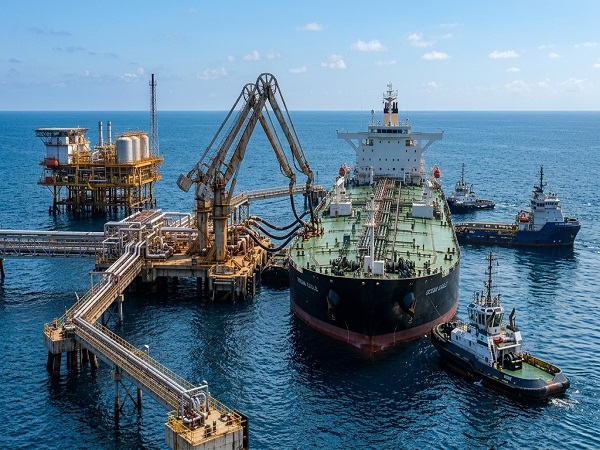
In reality, crude oil lifting is one of the most important operational stages in international petroleum trading. It is the carefully coordinated process of transferring crude oil from an approved export terminal or offshore loading system into a nominated tanker for international shipment.
Understanding lifting procedures separates professional oil traders from people who only forward documents. International refinery procurement teams, commodity traders and shipping companies expect everyone involved in a transaction to understand how cargo actually moves from Nigerian export infrastructure to overseas refineries.
If you’re new to crude procurement, first read our guide on How Refineries Buy Crude Oil , which explains how buyers evaluate suppliers before lifting is ever discussed.
What Does “Crude Oil Lifting” Actually Mean?

Crude oil lifting is the physical loading of crude oil into an export vessel under approved commercial, operational and regulatory procedures.
Think of it this way.
A crude oil transaction has three broad phases:
-
Commercial agreement
-
Operational preparation
-
Physical lifting
Many people focus only on contracts.
Professional traders understand that lifting is where contracts become real operations.
Why Lifting Is So Important
Imagine selling one million barrels of crude.
Nothing has truly moved until:
-
the vessel arrives,
-
inspections are completed,
-
loading begins,
-
cargo measurements are confirmed.
That is why experienced buyers treat lifting as a major milestone.
Whether the cargo involves Bonny Light , Forcados , Qua Iboe , Bonga or Egina , the lifting stage determines whether the cargo actually enters international trade.
The Complete Crude Oil Lifting Process
A typical lifting operation follows a structured sequence.
Step 1: Commercial Agreement
Before any tanker moves, commercial terms are agreed.
This may include:
-
crude grade
-
quantity
-
pricing formula
-
delivery basis
-
payment structure
If you’re still learning delivery terms, our guide on FOB vs CIF in Crude Oil Trading explains how shipping responsibilities are divided.
Step 2: Cargo Scheduling
Once commercial approval exists, operational planning begins.
Terminal operators coordinate:
-
loading window
-
berth availability
-
storage readiness
-
operational capacity
Timing matters because export terminals handle multiple vessels.
Step 3: Vessel Nomination

One of the first technical terms you’ll hear in real oil deals is vessel nomination.
This means selecting and officially presenting the tanker that will load the cargo.
The nominated vessel must meet operational requirements established for the loading location.
Professional buyers evaluate:
-
vessel size
-
compatibility
-
arrival schedule
-
operational readiness
Step 4: Regulatory Clearance
This is where Nigeria’s regulatory system becomes important.
The Nigerian Upstream Petroleum Regulatory Commission (NUPRC) oversees upstream petroleum regulation and export-related operational requirements.
Recent NUPRC procedures require exporters to obtain necessary export clearances, including digital approvals and shipment tracking through official systems before cargo movements proceed.
This is one reason legitimate oil transactions involve more than simply exchanging commercial documents.
Step 5: Terminal Preparation

Before loading begins, terminal personnel prepare the facility.
Preparations include:
-
equipment checks
-
pipeline readiness
-
loading arm preparation
-
safety verification
-
operational coordination
According to NUPRC operational guidelines, lifting activities require proper planning, competent supervision and adherence to approved operational procedures.
Step 6: Safety Inspection
Safety is not optional.
Before loading begins, multiple operational checks may be performed.
These include verifying:
-
loading equipment
-
communication systems
-
emergency procedures
-
operational readiness
NUPRC’s lifting operation guidelines emphasize that lifting activities should be planned and supervised by competent personnel with appropriate operational experience.
Step 7: Cargo Measurement
Professional transactions depend on accurate measurement.
During lifting, cargo quantities are carefully measured.
Measurement helps determine:
-
loaded quantity
-
commercial settlement
-
operational records
Accurate measurement protects both buyers and sellers.
Step 8: Crude Oil Loading

Now comes the moment everyone imagines.
Loading begins.
Crude flows from:
-
terminal storage
-
offshore loading systems
-
production-linked infrastructure
into the nominated tanker.
This stage is carefully monitored throughout the operation.
Step 9: Final Documentation
Once loading is completed, operational records are finalized.
Depending on the transaction, documentation may include:
-
cargo measurement records
-
loading confirmations
-
inspection documentation
-
shipping documentation
We’ll dedicate an entire article to crude oil documentation later in this series.
What Is a Lifting Window?
One important commercial concept is the lifting window.
A lifting window is the agreed period during which the cargo is scheduled for loading.
Example:
Loading Window: October 15–18.
This gives operational flexibility while maintaining commercial planning.
How Offshore Lifting Works

Not every cargo loads at a traditional dock.
Deepwater projects like Bonga and Egina use FPSOs (Floating Production Storage and Offloading vessels).
In offshore lifting:
-
crude reaches the FPSO from subsea wells,
-
storage occurs offshore,
-
export tankers receive cargo at sea.
This requires specialized operational coordination.
What Can Delay a Lifting Operation?

Even legitimate transactions can experience delays.
Common causes include:
-
weather
-
vessel arrival timing
-
terminal congestion
-
operational scheduling
-
regulatory clearance
-
equipment readiness
Experienced buyers build flexibility into their planning.
How Lifting Affects Pricing
Lifting influences commercial economics.
Delayed loading can affect:
-
freight scheduling
-
vessel costs
-
commercial timing
-
operational coordination
This is another reason procurement teams evaluate logistics—not just crude quality.
The Regulatory Framework Behind Lifting
Nigeria’s petroleum operations exist within a structured regulatory framework.
The NUPRC oversees upstream petroleum regulation under the Petroleum Industry Act, while the NMDPRA regulates midstream and downstream activities.
Professional buyers should rely on official guidance rather than outdated internet procedures when evaluating lifting requirements.
Common Mistakes New Traders Make
Avoid these common mistakes:
-
thinking lifting simply means “shipping”
-
ignoring vessel nomination
-
overlooking terminal scheduling
-
assuming paperwork alone guarantees loading
-
confusing commercial agreements with operational readiness
Successful oil trading depends on understanding both contracts and operations.
Frequently Asked Questions
What is crude oil lifting?
Crude oil lifting is the physical loading of crude oil into an approved export vessel under commercial, operational and regulatory procedures.
Who nominates the vessel?
The nominated vessel is presented as part of the agreed commercial and operational process, depending on the transaction structure.
Can lifting happen offshore?
Yes. Offshore lifting occurs through systems such as FPSOs serving projects like Bonga and Egina .
Why is the lifting window important?
It defines the scheduled period during which cargo loading is expected to occur.
Why does NUPRC matter?
NUPRC oversees upstream petroleum regulation and export-related operational requirements in Nigeria.
Why Paradise MultiTrade Focuses on Operational Knowledge
At Paradise MultiTrade International Limited, we believe international oil trading requires more than finding buyers and sellers.
Our Oil & Gas division focuses on:
-
international buyer sourcing
-
trade facilitation
-
logistics coordination
-
export documentation awareness
-
crude market intelligence
-
commercial due diligence
Understanding lifting procedures helps buyers, traders and facilitators participate more confidently in legitimate international petroleum transactions.
Conclusion
Crude oil lifting is the operational bridge between a signed commercial agreement and a successful international shipment. From vessel nomination and terminal scheduling to safety inspections, cargo measurement and regulatory clearance, every stage requires careful coordination.
For companies exploring Nigerian crude procurement opportunities, mastering lifting procedures builds credibility with refinery procurement teams, shipping professionals and legitimate commercial counterparties. As Paradise MultiTrade’s Oil & Gas knowledge hub grows, this operational understanding becomes an essential foundation for participating confidently in real-world oil transactions.