
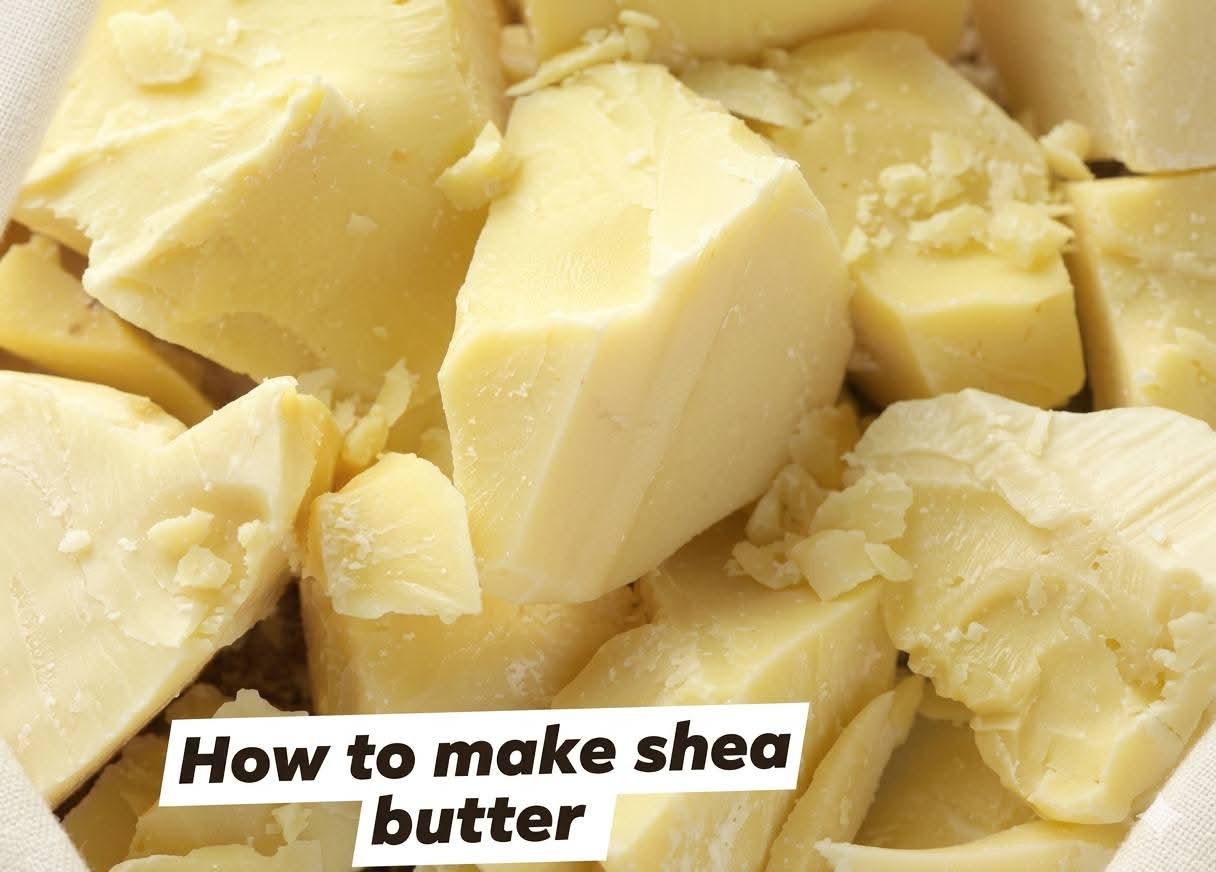

Nigerian Shea Butter: The Vegetable Fat That the Global Chocolate Industry Depends On as a Cocoa Butter Alternative, That the Premium Cosmetics Industry Has Built Multi-Billion-Dollar Product Lines Around, and That Nigerian Women Have Been Processing From Wild-Harvest Trees Across the Sahel Belt for 5,000 Years
Shea Butter Exporter Nigeria — Raw, Refined, Ultra-Refined, and Food-Grade Shea Butter, Direct Sahel Belt Sourcing, Bulk Supply to Chocolate and Confectionery Manufacturers, Premium Cosmetics Formulators, Pharmaceutical Ingredient Buyers, Soap Manufacturers, and Global Wholesale Importers Worldwide
Shea butter exporter Nigeria is a search phrase whose buyers arrive in one of two completely different commercial contexts — and understanding which context applies immediately is the first quality marker of a sophisticated shea butter procurement conversation. The first context is the cosmetics market: buyers who have discovered shea butter through its extraordinary skin care properties — its stearic and oleic acid emollient combination, its high unsaponifiable fraction’s documented skin-healing activity, and the premium positioning of “shea butter” as a consumer-facing ingredient claim that commands premium retail pricing across body care, lip care, hair care, and facial skin care product lines globally. The second context — less familiar to buyers who come through the natural cosmetics channel but equally commercially significant by absolute purchase volume — is the food manufacturing market: specifically the chocolate and confectionery industry’s use of shea butter as a Cocoa Butter Equivalent (CBE) — a commercially and legally defined category of vegetable fat whose specific stearic and oleic acid composition allows it to replace between 5% and 20% of cocoa butter in chocolate formulations under EU Directive 2000/36/EC on cocoa and chocolate products, dramatically reducing the chocolate manufacturer’s exposure to cocoa butter price volatility without compromising the finished product’s snap, melt profile, or consumer eating experience.
These two industries — premium cosmetics and global chocolate manufacturing — are the commercial anchors of Nigerian shea butter’s international export value. Between them, they consume millions of tonnes of shea butter annually from West African sources, making shea one of the most commercially significant agricultural export commodities on the African continent. And Nigeria — whose shea producing belt spans the entire Sahel and Sudan savanna zone from Kebbi and Sokoto states in the northwest through Kano, Kaduna, Niger, Kwara, Benue, Nassarawa, Plateau, Gombe, Adamawa, and Taraba states to the northeast — is, depending on the production year, either the world’s first or second largest shea nut producing nation, sharing the top position with Mali in a production geography that collectively constitutes sub-Saharan Africa’s most commercially significant non-oil agricultural product by international market value.
The commercial argument for Nigerian shea butter is not merely that Nigeria produces large volumes. It is that Nigeria’s specific production geography — the latitude band, soil conditions, rainfall regime, and the centuries of community management that have shaped the parkland agroforestry systems where shea trees grow — produces shea butter with the stearic acid content, unsaponifiable fraction concentration, and iodine value that both the cosmetics and food industries prize most highly. And that Paradise MultiTrade’s established supply infrastructure — connecting rural northern Nigerian shea-producing communities to international food manufacturers and cosmetics brands through a documented, licensed, quality-assured export programme — provides buyers with access to this quality at a commercial scale.
At Paradise MultiTrade International Limited, shea butter is one of our highest-value and most commercially multidimensional export categories — sourced from established community processing networks across Nigeria’s primary shea producing states, processed into raw/crude, refined bleached deodorised (RBD), ultra-refined cosmetics grade, and food-grade CBE-specification shea butter appropriate to the full range of international buyer requirements, and exported with full regulatory, analytical, and sustainability documentation to buyers across Europe, North America, the Middle East, and Asia.
To discuss sourcing immediately, request a quotation here, and our export team will respond within 48 hours.
History and Origin of Shea Butter — Five Millennia of African Processing Knowledge and the 20th Century Discovery That Changed the Chocolate Industry
Vitellaria Paradoxa — The Tree That Belongs to the Community, Not the Farmer
Vitellaria paradoxa — the shea tree — is not a cultivated crop in the conventional agricultural sense. No farmer planted the shea trees of Nigeria’s Sahel and Sudan savanna belt. They were not introduced from another continent, not brought by colonial agricultural administrators, and not developed through plant breeding programmes. They grew, over centuries and millennia, as part of the natural woodland that historically covered the West African Guinea savanna — and they were retained when that woodland was progressively converted to agricultural land, specifically because the communities who understood the tree’s value chose to keep them standing in their fields, around their villages, and along their farm boundaries.
This parkland agroforestry management system — where Vitellaria paradoxa trees are protected and managed within agricultural landscapes rather than planted in monoculture plantations — is one of the most sophisticated traditional conservation and agricultural management systems documented in tropical African agriculture. Research on the West African shea parkland system — published through ICRAF/World Agroforestry’s extensive parkland research programme and accessible through NCBI’s agroforestry research database — documents a system that simultaneously provides food security (shea fruit is eaten fresh and the nuts are processed for butter), income security (shea butter provides the primary independent cash income for millions of West African rural women), soil fertility management (shea trees fix atmospheric nitrogen and cycle nutrients through leaf litter), and biodiversity conservation (the parkland supports far higher biodiversity than monoculture alternatives).
The human relationship with shea butter in West African communities is among the deepest and most continuous of any food-medicine-cosmetics ingredient documented in this series. Archaeological evidence from sites in the Sahel and Sudan savanna zones — including excavation reports accessible through JSTOR’s African archaeology database — documents shea nut carbonisation and apparent fat extraction from contexts dating to 2000 BCE and beyond. Ancient Egyptian traders sourcing “karité” fat through trans-Saharan routes, medieval Arab travellers documenting “Galam butter” in their West African trade accounts, Portuguese explorers noting the fat’s use across the coastal trade networks — all confirm the continuous, uninterrupted, multi-civilisational tradition of shea butter production that precedes every international market development by millennia.
The Traditional Processing Heritage — Knowledge Embodied in Community Practice
Traditional shea butter extraction — practiced by women across Nigeria’s northern producing communities and largely unchanged in its essential steps for centuries — is a labour-intensive, multi-day process whose specific steps are specifically designed to produce the quality attributes that commercial buyers now pay premium prices to access:
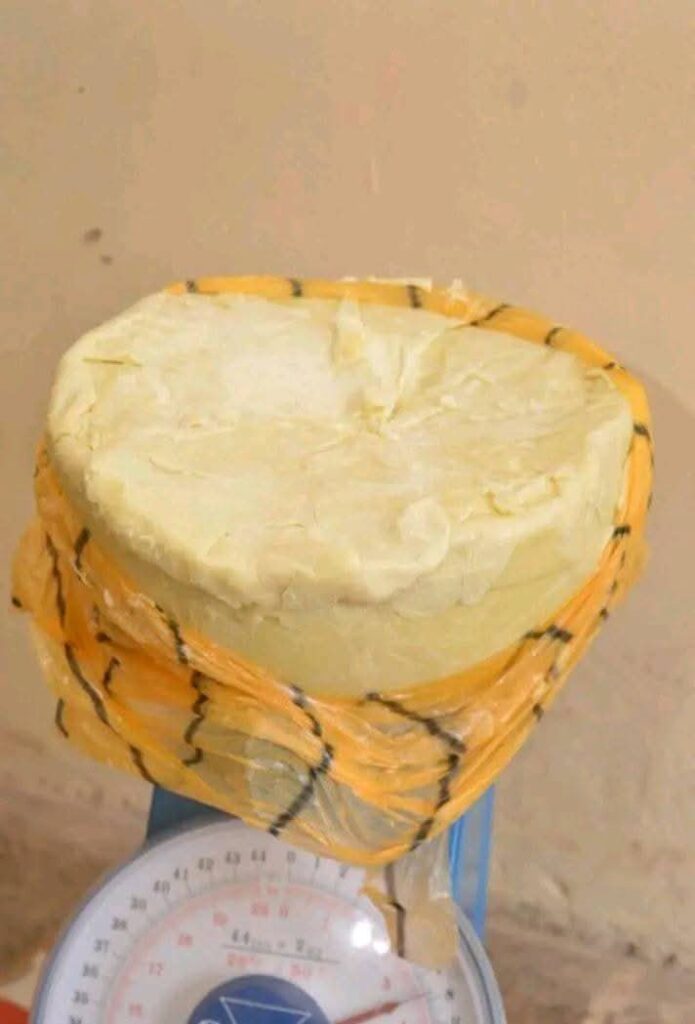
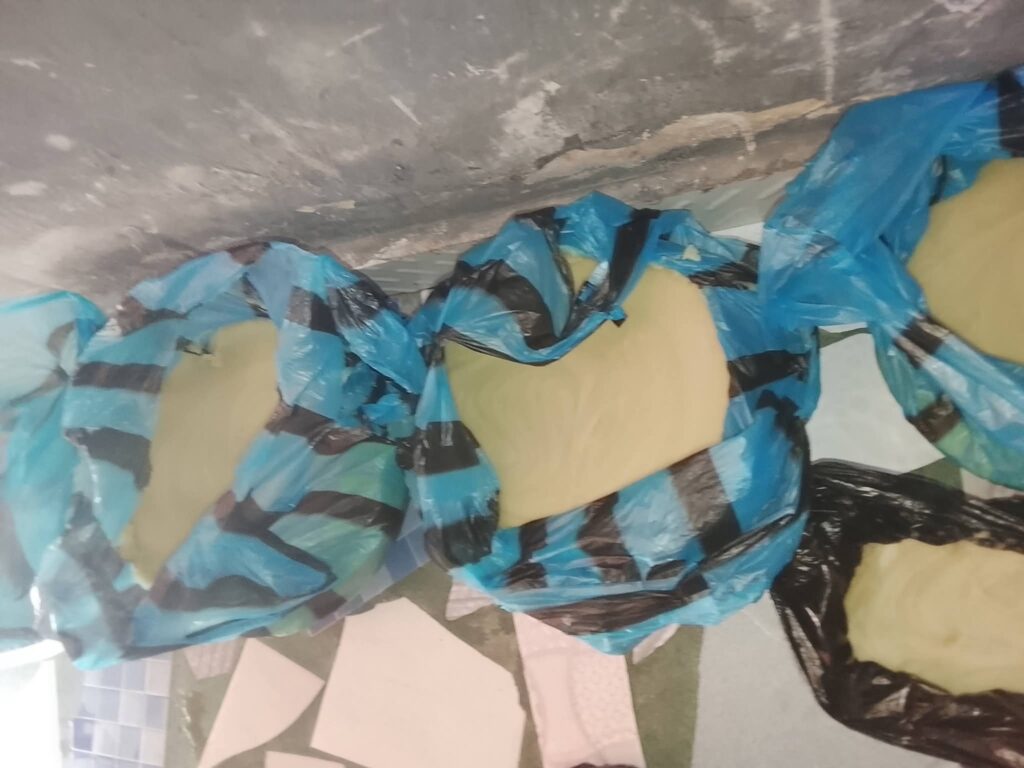
Fruit collection — ripe shea fruits collected from beneath trees when naturally fallen (maximum ripeness indicator). Pulp removal — the sweet edible outer pulp consumed or sold as fresh fruit, leaving the raw shea nut. Nut drying and cracking — the outer husk cracked to reveal the oil-rich kernel. Kernel boiling and roasting — traditional heat treatment that facilitates oil extraction and reduces moisture. Milling and kneading — the roasted kernel ground and kneaded with water to separate the fat. Water separation — the fat floated from the aqueous phase and collected. Final clarification and drying — the raw butter slowly heated to remove remaining moisture, producing the traditional raw shea butter whose characteristic ivory to yellow-green colour and mild nutty aroma are the sensory signatures of authentically produced West African shea.
The Global Shea Alliance (GSA) — the international trade association representing shea industry stakeholders across production, processing, and commercial use — has extensively documented this traditional processing system and its relationship to quality output, providing the technical framework within which commercial shea butter quality is evaluated and certified globally.
The Chocolate Industry Discovery — The Commercial Revolution That Globalised West African Shea
While shea butter’s cosmetics and food use within West Africa has never required external discovery — the communities who produce it have known its value without any outside validation — its commercial integration into the global chocolate manufacturing supply chain represents a 20th-century discovery that permanently transformed the scale and commercial significance of the shea butter international market.
Cocoa butter — the natural fat of the cocoa bean, extracted during chocolate manufacturing — is the most precisely characterised of any vegetable fat in food manufacturing. Its specific triglyceride composition produces the unique combination of properties that makes chocolate what it is: the sharp snap at room temperature from its high saturated fat crystalline structure; the complete, clean melt at body temperature that delivers the “mouth-feel” of chocolate; and the specific fat crystal polymorphism that gives tempered chocolate its characteristic gloss. These properties made cocoa butter both irreplaceable in chocolate manufacturing and extraordinarily expensive — with cocoa butter prices tracking the notoriously volatile cocoa market whose supply is concentrated primarily in Côte d’Ivoire and Ghana.
The discovery that shea butter’s specific stearic acid and oleic acid composition — combined with its particular triglyceride structure — produced a fat whose physical properties could substitute for cocoa butter in chocolate formulations at replacement rates up to 20% without compromising the sensory quality that consumers expect from chocolate created the commercial foundation for the CBE market. EU Directive 2000/36/EC formally recognised this substitution within European chocolate regulation — establishing the legal framework within which European chocolate manufacturers (including Mars, Nestlé, Lindt, Ferrero, and Cadbury/Mondelez) could specify shea-based CBE in their formulations while maintaining “chocolate” product status. The economic motivation was straightforward: replacing 20% of the cocoa butter in a billion-dollar chocolate manufacturing operation with competitively priced shea CBE generates significant cost savings while maintaining product quality — making Nigerian shea butter a commercial priority for some of the largest food manufacturing procurement teams on earth.
What Is Shea Butter? The Chemistry That Drives Two Billion-Dollar Industries Simultaneously
Vitellaria Paradoxa — Botanical Profile of the West African Sahel’s Most Commercially Significant Tree
Vitellaria paradoxa is a large, long-lived deciduous tree of the Sapotaceae family — growing to 15–20 metres at maturity with a life span that can exceed 200 years and with commercial fruit production beginning approximately 15–20 years after germination and continuing for decades thereafter. The tree’s extraordinary longevity — combined with its deep taproot system that accesses subsoil moisture during Sahel dry seasons — produces the near-drought-proof production reliability that makes shea one of the most resilient agricultural commodities in West Africa’s increasingly climate-stressed Sahel environment.
The shea fruit is a drupe — an outer fleshy, green to purple fruit approximately the size of a plum that splits when ripe to reveal the nut within. The nut’s outer shell is cracked to access the oil-rich kernel — constituting approximately 45–55% of nut weight. The kernel’s fat content ranges from approximately 45–55% of dry kernel weight — the oil available for extraction as shea butter.
The Fatty Acid Profile — The Stearic-Oleic Balance That Makes Shea Commercially Irreplaceable
Shea butter’s commercial significance in both the food and cosmetics industries rests on one of the most commercially distinctive fatty acid profiles of any widely traded vegetable fat — a near-equal balance of stearic and oleic acid that is found in no other vegetable fat at comparable concentrations:
Stearic Acid (C18:0) — approximately 35–50% of total fatty acids — the long-chain saturated fatty acid that gives shea butter its characteristic solid consistency at room temperature, its sharp melting profile above body temperature, and its extraordinary structural compatibility with cocoa butter’s triglyceride crystalline lattice that enables it to function as a CBE in chocolate without disrupting the tempering and crystallisation behaviour that defines chocolate quality. Stearic acid is also commercially significant in cosmetics for its distinct skin feel — less greasy than palmitic acid, with a smooth, dry emollient character that contributes to shea butter’s characteristic skin application experience.
Oleic Acid (C18:1) — approximately 40–55% of total fatty acids — the same oleic acid that dominates avocado oil, moringa oil, olive oil, and groundnut oil in our oil articles — providing shea butter’s skin penetration depth, its cardiovascular health nutritional positioning in food applications, and the balance of softness and spreadability that distinguishes shea butter’s cosmetics application aesthetics from the harder, more brittle character that pure saturated fat alternatives produce.
Palmitic Acid (C16:0) — approximately 3–8% — a minor but structurally important saturated fatty acid contributing to overall fat body and consistency.
Linoleic Acid (C18:2) — approximately 3–8% — the essential omega-6 fatty acid contributing to shea butter’s skin barrier function reinforcement and its mild anti-inflammatory properties in cosmetics application.
Arachidic Acid (C20:0) — approximately 1–3% — the long-chain saturated acid whose presence distinguishes shea from simpler fat compositions and contributes to the fatty acid profile’s overall commercial specificity.
This stearic-oleic dominant, low-polyunsaturated-fat profile gives shea butter three commercially defining physical properties:
Solid at room temperature, liquid above body temperature — the melting point of approximately 28–45°C (varying by grade and processing method) gives shea butter the “melts on contact with skin” experience that cosmetics consumers respond to as a premium quality signal, while remaining solid enough for body butter, lip care, and hair butter formulations to hold their form during storage and retail display.
Extreme oxidative stability — shea butter’s low polyunsaturated fat content (typically below 8% total PUFA) gives it a shelf life of approximately 24 months for raw butter and 24–36 months for refined butter without antioxidant addition — making it one of the most stable cosmetics fats available and reducing formulation preservation burden significantly compared to oils with higher PUFA content.
Cocoa butter polymorphic compatibility — the specific triglyceride composition of shea butter — dominated by stearic-oleic-stearic (SOS) triglycerides that closely mirror the SOS-dominant cocoa butter triglyceride structure — enables physical compatibility in chocolate fat crystallisation that no other commonly traded vegetable fat achieves at the same level.
The Unsaponifiable Fraction — The Most Commercially Significant Minor Component in Premium Cosmetics
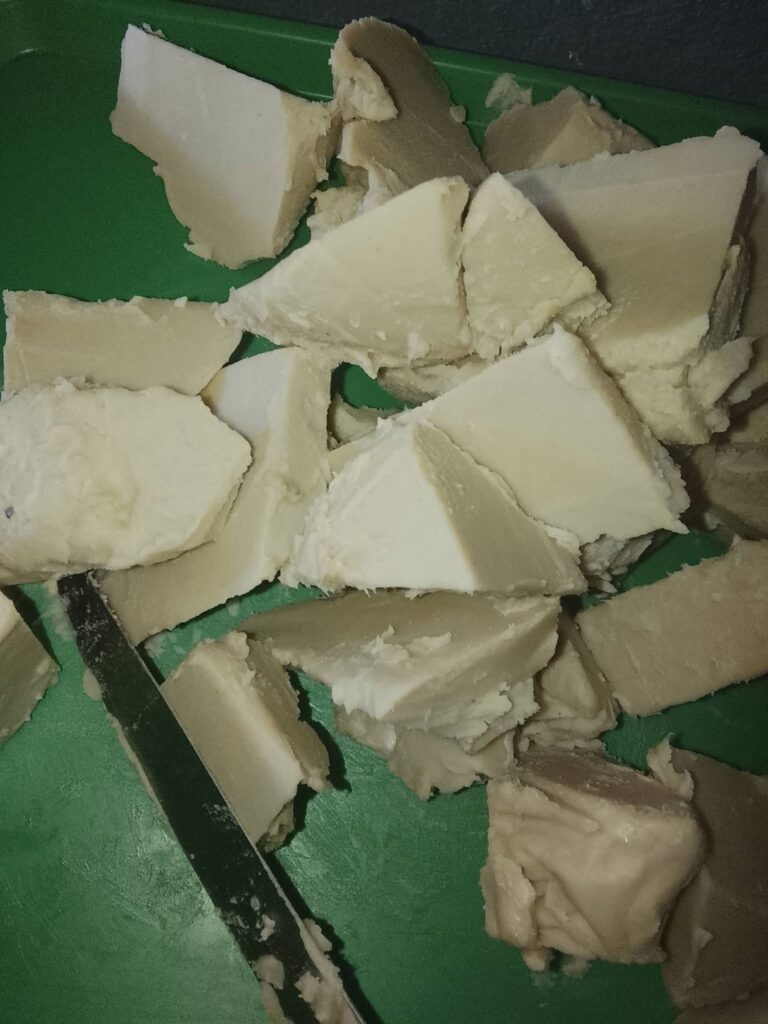
Here is the phytochemical property that most decisively distinguishes shea butter from every other commonly traded edible fat and that drives its premium pricing in the cosmetics industry far beyond what its fatty acid profile alone would justify: the unsaponifiable fraction.
Most commonly traded vegetable fats and oils have unsaponifiable fractions of 0.5–2% by weight — the minor compounds that do not react with lye during soap-making (and that survive refining processes largely intact). Shea butter’s unsaponifiable fraction is 5–17% by weight — an extraordinary concentration of non-fatty-acid bioactive compounds that is 3–15× higher than any other commonly traded vegetable fat and that constitutes the primary scientific basis for shea butter’s documented therapeutic skin care properties:
Triterpene Alcohols (lupeol, alpha-amyrin, beta-amyrin, butyrospermol) — approximately 60–70% of the total unsaponifiable fraction — the most clinically researched components of shea butter’s bioactive profile. Lupeol’s documented anti-inflammatory activity through NF-kB pathway inhibition — reviewed through NCBI’s anti-inflammatory research database — provides the molecular pharmacological basis for shea butter’s documented reduction of inflammatory skin conditions including eczema, contact dermatitis, and rosacea. Alpha-amyrin and beta-amyrin’s documented skin elasticity-supporting and collagen-stimulating properties — published through cosmetics dermatology research in the Journal of Cosmetic Dermatology — provide the scientific foundation for shea butter’s anti-aging cosmetics positioning.
Vitamin E (tocopherols and tocotrienols) — present at approximately 100–450 IU per 100g in raw shea butter — providing natural antioxidant protection both for the butter itself (extending shelf life) and for the skin to which it is applied (protecting against UV and environmental oxidative damage).
Plant Sterols (beta-sitosterol, stigmasterol, campesterol) — documented through research published via NCBI to reinforce skin barrier function through the same mechanism that plant sterols provide cardiovascular health benefits — making them both cosmetically beneficial in topical application and nutritionally functional in food-grade shea butter applications.
Cinnamic Acid Esters — the specific phenolic compounds unique to shea butter within the unsaponifiable fraction that have attracted pharmaceutical research interest for their documented UV-absorbing properties and their contribution to shea butter’s mild natural SPF (approximately SPF 2–6 for raw butter with high cinnamic acid content).
The commercial consequence of this exceptional unsaponifiable fraction is decisive: shea butter is not merely a moisturising fat. It is a moisturising fat with embedded bioactive compounds that have documented anti-inflammatory, anti-aging, UV-protective, and skin barrier-reinforcing activities that no other vegetable fat provides at comparable concentrations. This is why premium cosmetics brands can charge 3–5× the price of cocoa butter or palm kernel fat for shea butter-based body care products while providing genuine performance superiority that consumer experience confirms.
The Five Commercial Grades
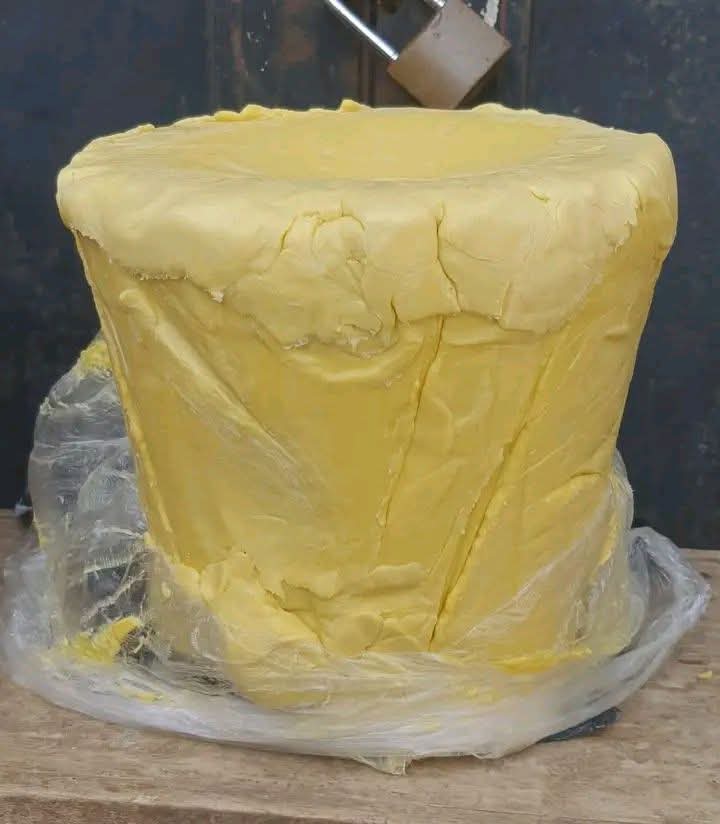
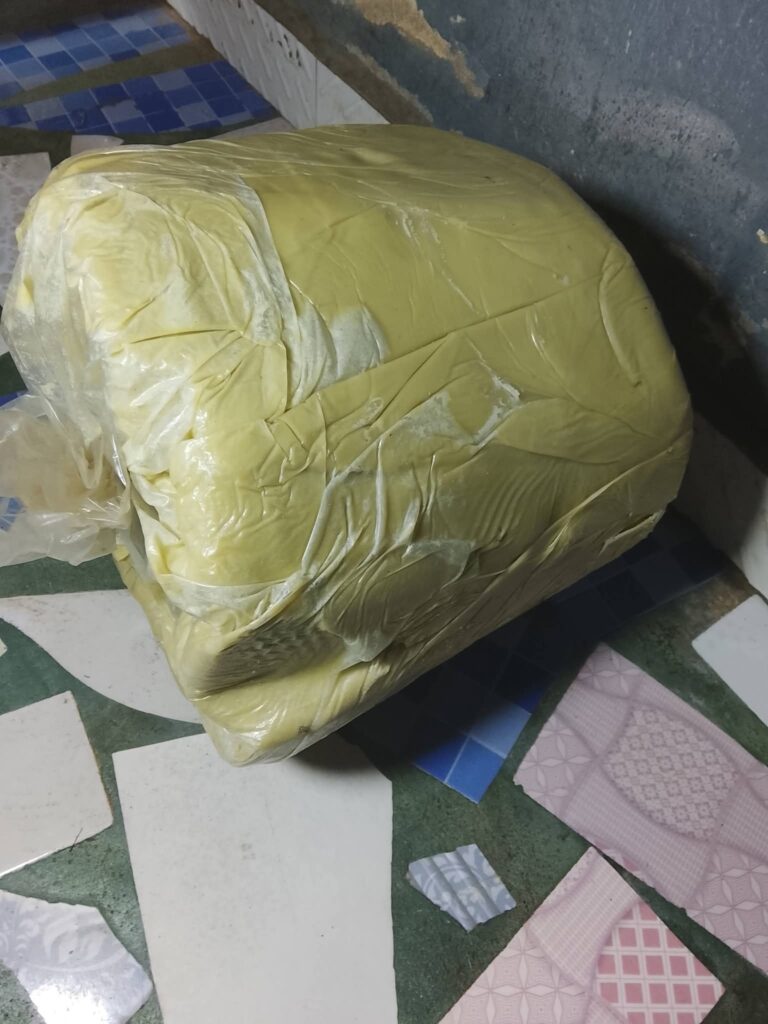
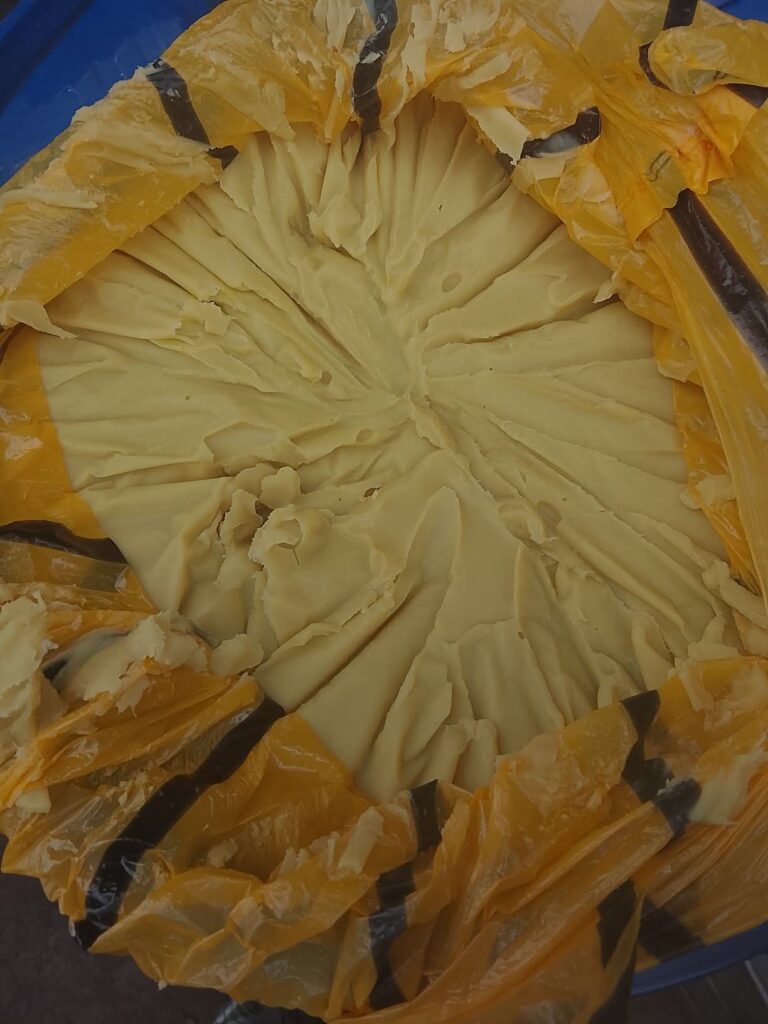
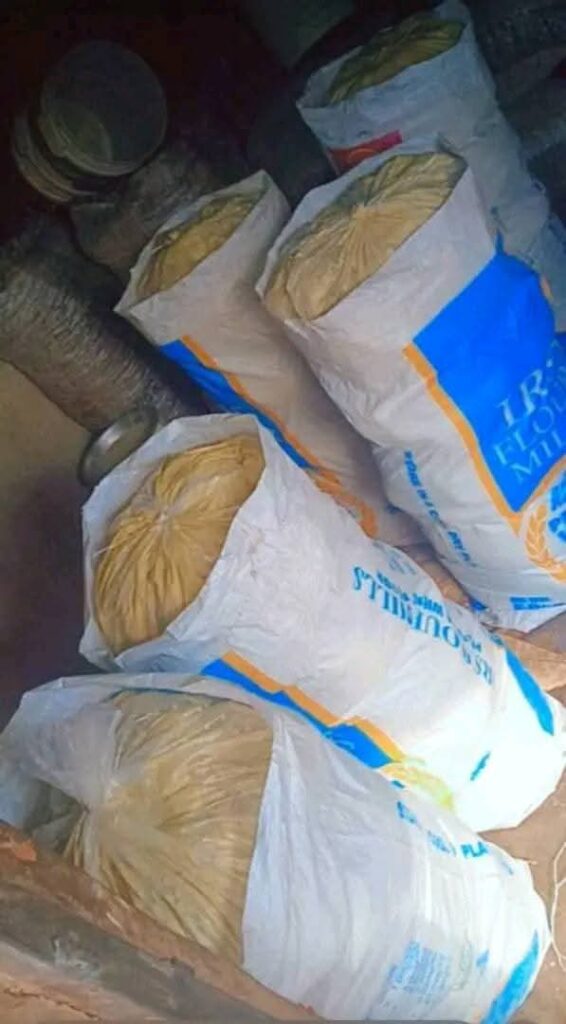
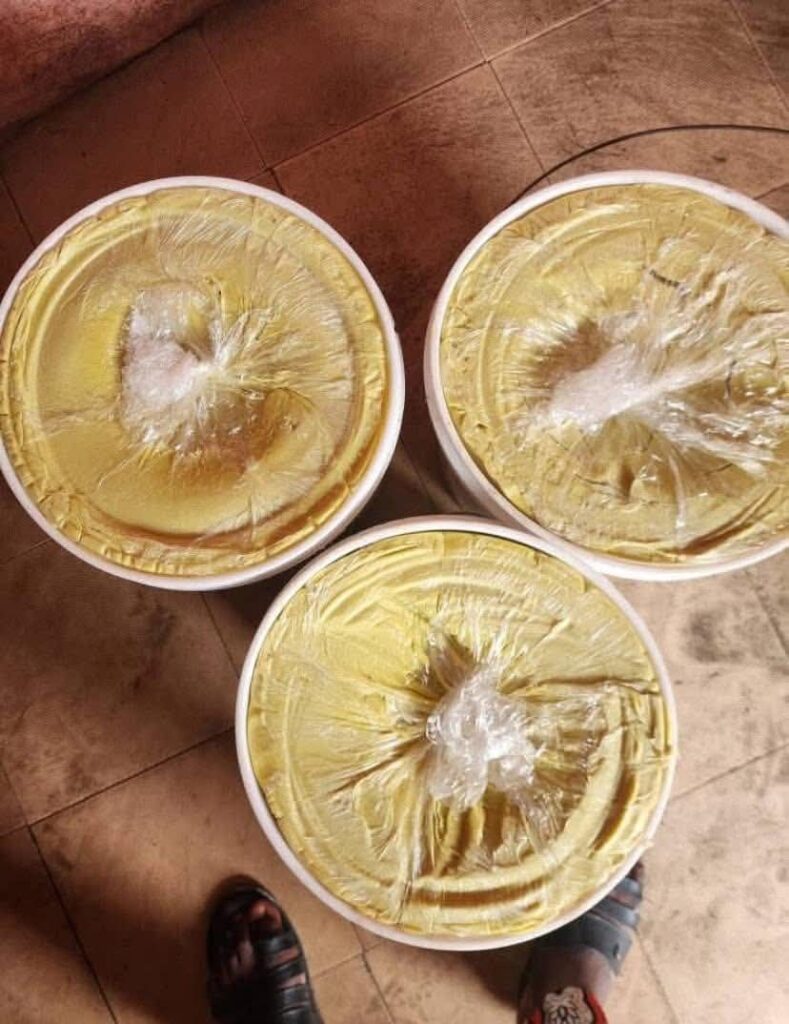
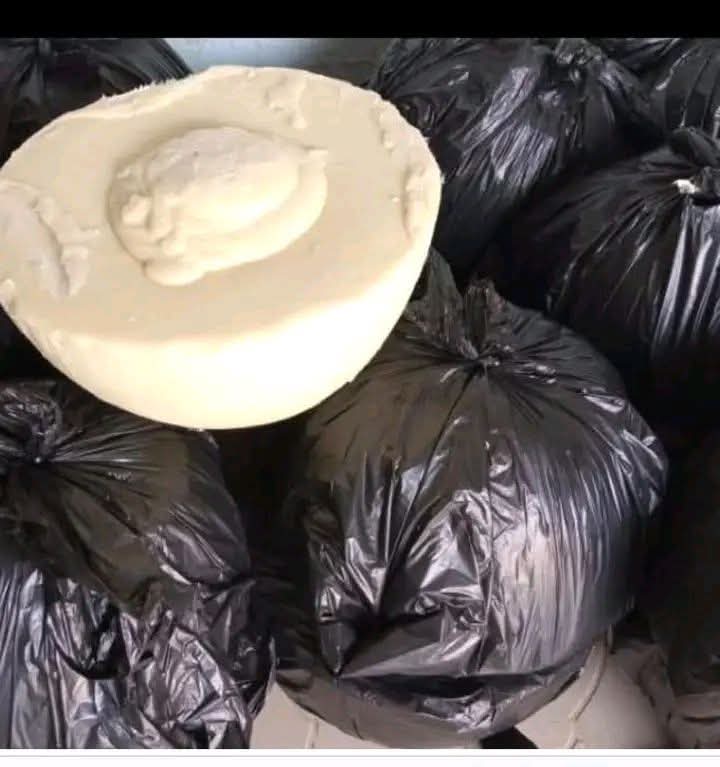
Grade A — Raw/Crude Shea Butter — traditionally extracted, minimally processed, retaining the full unsaponifiable fraction, natural tocopherols, and characteristic ivory-to-yellow-green colour and mild nutty aroma. This is the form with maximum bioactive compound content, demanded by artisan cosmetics manufacturers, natural beauty brands communicating traditional African processing heritage, and shea butter enthusiasts who value unrefined authenticity. Also the form preferred for food applications in West African traditional cooking.
Grade B — Refined Shea Butter (RBD) — bleached and deodorised to produce pure white, odour-neutral shea butter with standardised purity. The refining process removes colour and aroma compounds while partially reducing the unsaponifiable fraction content. This is the standard cosmetics industry procurement specification — preferred for complex formulations where the crude butter’s natural colour and aroma would interfere with finished product aesthetics.
Grade C — Highly Refined Shea Butter — additional refining steps beyond standard RBD, producing shea butter with ultra-low free fatty acid content and minimum colour for the most demanding cosmetics formulation applications.
Grade D — Ultra-Refined / Cosmetics Grade Shea Butter — pharmaceutical-adjacent purity specification with complete deodorisation, bleaching to water-white colour, and free fatty acid content below 0.1% — the grade required for premium leave-on skin care formulation, pharmaceutical excipient use, and cosmetics applications where purity standards are most stringent.
Grade E — Food-Grade Shea Butter (CBE Specification) — refined to food safety standards with specific iodine value, slip melting point, and triglyceride composition specification confirming the SOS triglyceride profile that enables cocoa butter equivalence in chocolate formulation. This grade requires conformance to the CODEX Alimentarius vegetable fat standards and to EU Directive 2000/36/EC CBE specification requirements.
Benefits and Industrial Uses of Nigerian Shea Butter
Chocolate and Confectionery Manufacturing — The Cocoa Butter Equivalent Market
This is the application that most surprises buyers who encounter shea butter primarily through the cosmetics channel — and it is commercially enormous. The global chocolate market — tracked through Grand View Research’s chocolate market analysis which values it at over USD 130 billion — uses cocoa butter as its primary natural fat whose annual production constraint (tied to cocoa bean production from Côte d’Ivoire and Ghana’s notoriously volatile harvests) creates persistent price pressure and supply risk for the world’s largest chocolate manufacturers.
EU Directive 2000/36/EC permits European chocolate manufacturers to replace up to 5% of cocoa butter with vegetable fats meeting the CBE specification in products labelled “chocolate” — and up to 20% in products labelled “chocolate family confectionery.” The six vegetable fats approved as CBEs under this directive include shea, illipe, sal, kokum, mango kernel, and palm oil fractions — with shea butter’s specific stearic-oleic triglyceride profile making it the most widely used CBE globally, dominating the market ahead of its permitted alternatives.
The commercial arithmetic is straightforward: if a chocolate manufacturer uses 1,000 tonnes of cocoa butter per year at USD 5,000–8,000 per tonne (recent price range based on World Bank commodity price data), replacing 5% with shea CBE at USD 1,500–2,500 per tonne saves USD 175,000–275,000 annually on a single production line. Scale this across Mars, Nestlé, Mondelez, Ferrero, and Barry Callebaut’s multi-hundred-thousand-tonne cocoa butter annual consumption — and the commercial scale of the shea CBE market becomes legible as one of the most commercially significant industrial food ingredient applications in the world.
For food-grade CBE specification shea butter — including iodine value documentation, slip melting point, and triglyceride composition analysis confirming SOS content appropriate for cocoa butter replacement — contact our export team to discuss specification and supply arrangements.
Margarine and spreads manufacturing — shea butter’s high stearic acid content and specific melting profile make it a valuable hardstock in margarine and vegetable spread formulation — providing structure and melt behaviour without the trans-fatty acid concerns that partial hydrogenation of liquid oils historically created. The European Food Safety Authority (EFSA) has published assessments of shea butter’s safety in food use — confirming its approved status in margarine and spread formulation across EU markets.
Bakery fat applications — shea butter’s solid consistency and flavour neutrality in refined form make it a premium alternative to palm oil and partially hydrogenated vegetable fats in shortening formulations for premium bakery applications. Market intelligence from Innova Market Insights confirms shea butter’s growing adoption in clean-label bakery fat formulation as food manufacturers move away from palm oil in response to sustainability concerns documented through RSPO certification frameworks.
Premium Cosmetics and Personal Care — The Global Skincare Standard
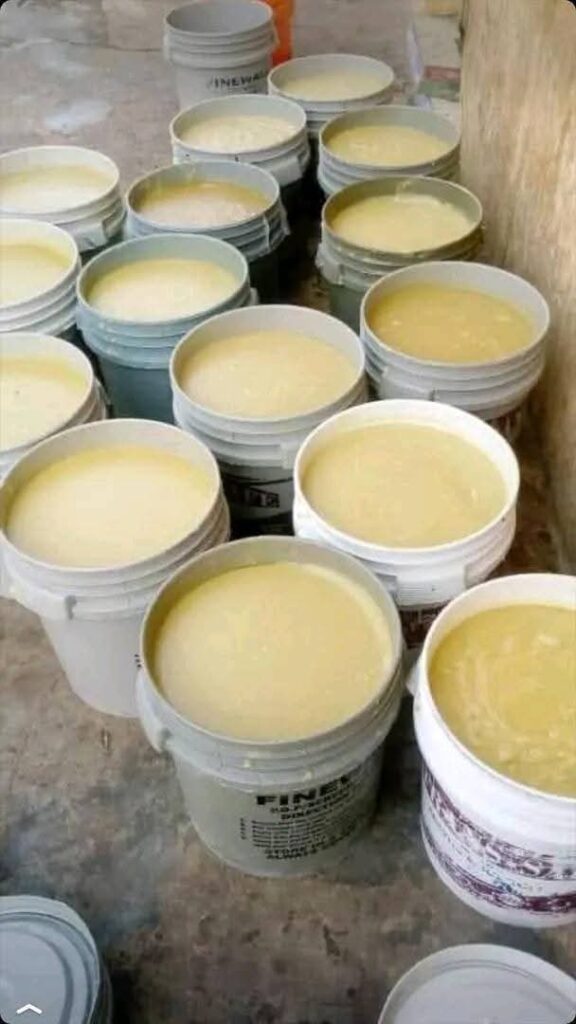
Shea butter’s position in premium cosmetics is one of the most commercially well-established natural ingredient stories of the past three decades — driven by a combination of performance genuinely superior to synthetic alternatives, the compelling African provenance narrative whose cultural authenticity resonates with consumers globally, and the certification and sustainability infrastructure (Fairtrade, organic, community-sourced) that allows premium brands to build ethical sourcing stories around shea that no synthetic alternative can replicate:
Body care — the most commercially significant single cosmetics application by volume. Premium body butter products whose hero ingredient is shea — including L’Occitane’s Shea Butter range, SheaMoisture’s extensive body care line, The Body Shop’s Shea body butter, and hundreds of independent natural beauty brands whose shea body butter products constitute their highest-revenue SKUs — have collectively built the “shea body butter” category into one of the most commercially valuable personal care product categories globally. Market intelligence from Mintel’s global body care market database confirms shea butter as the single most specified natural ingredient in premium body care product development globally.
Lip care — shea butter’s specific melt-at-body-temperature profile, its non-greasy application aesthetics, and its documented lip barrier reinforcement properties make it the premium natural ingredient of choice for lip balm, lip butter, and lip treatment formulations across every market from mass retail through prestige cosmetics. The Cosmetic Ingredient Review (CIR) has confirmed shea butter’s safety in lip care applications — including confirmed food-contact safety relevant to the lip application context.
Hair care — shea butter’s penetration into hair fibre, its documented reduction of protein loss during washing, and its specific combination of moisturisation and heat protection make it a primary active in the natural hair care movement’s product development — particularly in Afro-textured hair care where deep moisture, frizz management, and thermal protection are the primary consumer requirements. The Textured Tresses natural hair care community and the Naturally Curly platform both document shea butter’s role as one of the most trusted and widely used natural hair care ingredients across the Afro-textured hair consumer community.
Facial skin care and anti-aging — shea butter’s unsaponifiable fraction’s documented anti-inflammatory, UV-protective, and collagen-supporting triterpene alcohol content gives it an evidence-based anti-aging positioning that premium facial skin care brands including Kiehl’s, Clarins, and Caudalie have incorporated into product formulations targeting the anti-aging facial care market tracked by Grand View Research’s anti-aging market report.
Natural and organic cosmetics certification — shea butter meets the COSMOS-Standard certification criteria for natural and organic cosmetics ingredients — making it a cornerstone ingredient for COSMOS-certified product developers across the EU natural cosmetics market. The CBI Netherlands market intelligence on natural cosmetics ingredients specifically identifies shea butter as one of the most commercially significant West African natural cosmetics ingredients with growing European buyer demand and premium sustainability certification requirements.
For cosmetics-grade shea butter procurement — including Grade A raw butter for artisan and natural brands and Grade D ultra-refined for mainstream cosmetics formulation — contact our team to discuss grade specification, unsaponifiable fraction content documentation, and supply arrangements.
Pharmaceutical Industry — From Traditional Healing Fat to Pharmacopoeial Excipient
Shea butter’s pharmaceutical applications span the traditional medicine spectrum — where it has been the primary topical treatment for skin conditions, muscle pain, rheumatism, and wound healing across West African healing traditions for millennia — through to modern pharmaceutical excipient use documented in international pharmacopoeias:
Pharmacopoeial excipient — shea butter is referenced in the European Pharmacopoeia (Ph. Eur.) as a pharmaceutical excipient whose applications include suppository base formulation (its specific melting point above room temperature but below body temperature makes it an ideal suppository vehicle), topical drug delivery vehicle (its oleic acid content facilitates transdermal penetration of active pharmaceutical compounds through the same mechanism documented for other oleic acid-rich fats), and ointment base formulation (its semi-solid consistency and skin compatibility make it suitable for medicated ointment formulations). The United States Pharmacopeia (USP) similarly engages with shea butter within its natural pharmaceutical ingredient framework.
Wound healing and dermatological pharmaceutical applications — shea butter’s documented promotion of wound healing — through its lupeol-mediated anti-inflammatory activity, its skin barrier function support, and its documented stimulation of dermal fibroblast collagen synthesis accessible through NCBI’s dermatology research publications — positions it as a therapeutic active in topical wound care pharmaceutical preparations. Several pharmaceutical companies have incorporated shea butter extract into registered dermatological preparations for eczema, psoriasis, and wound management.
Nasal congestion and respiratory therapeutic applications — shea butter’s traditional use across West African healing traditions for nasal congestion management (applying raw shea butter directly to the nostrils) has been validated through limited clinical research documenting its anti-inflammatory and mucosal membrane-supporting properties documented through NCBI’s ethnomedicine publications. Several natural pharmaceutical companies have developed shea butter-based nasal preparation products for the growing natural pharmaceutical personal care market.
Ayurvedic and traditional medicine pharmaceutical applications — shea butter is incorporated into multiple traditional medicine formulations in West African healing traditions and is recognised within the broader African traditional medicine documentation programme of the World Health Organization’s traditional medicine research initiative — providing institutional framework for its use in traditional medicine pharmaceutical preparations.
For pharmaceutical-grade shea butter procurement including Ph. Eur. excipient specification compliance testing, contact Paradise MultiTrade to discuss pharmaceutical-grade supply requirements.
Nutraceutical and Dietary Supplement Industry
Triterpene supplement applications — shea butter’s lupeol, alpha-amyrin, and beta-amyrin content — the same unsaponifiable triterpene compounds that drive its cosmetics bioactive profile — have attracted nutraceutical research interest for internal anti-inflammatory supplement applications. Research on lupeol’s systemic anti-inflammatory, antidiabetic, and anticancer properties — reviewed through NCBI’s phytochemistry and pharmacology database — documents a pharmaceutical-adjacent bioactivity profile that nutraceutical brands are progressively building supplement product lines around. The Natural Products Association (NPA) tracks shea butter triterpene supplement development within the broader natural health products market.
Heart health food positioning — shea butter’s stearic acid content is metabolically distinct from other saturated fats: stearic acid does not raise LDL cholesterol at the same rate as palmitic acid or myristic acid — a clinically documented metabolic property reviewed through NCBI’s cardiovascular nutrition research that gives food-grade shea butter a cardiovascular health positioning more favourable than palm oil or coconut oil despite comparable saturated fat content. For food manufacturers developing clean-label saturated fat alternatives with better cardiovascular health positioning than palm oil — shea butter provides the technical functionality and the favourable nutritional profile simultaneously.
Soap Manufacturing — The Traditional Application That Remains Commercially Significant
Shea butter’s traditional soap-making application — producing the creamy, skin-conditioning lather that West African black soap and shea butter soap are known for — remains commercially significant in both artisan soap production and industrial soap manufacturing:
Artisan soap making — raw shea butter incorporated into cold-process and hot-process artisan soap formulations provides skin conditioning, natural colour, and the specific fatty acid profile that produces a creamy, moisturising lather distinctly superior to conventional soap. The Handcrafted Soap and Cosmetics Guild (HSCG) documents shea butter as one of the most widely used premium additives in artisan soap formulation globally.
Industrial soap manufacturing — shea stearin (the harder fraction separated from shea butter through fractionation) provides a palm oil alternative in soap manufacturing whose clean-label positioning and deforestation-free sourcing credentials increasingly attract European soap manufacturers seeking RSPO-equivalent certified sustainable fat alternatives.
Why Buy Shea Butter from Nigeria?
The Stearic Acid Concentration Argument — Sahel Climate and Fat Composition
Research on geographic variation in Vitellaria paradoxa fat composition — published through NCBI’s food chemistry and plant science database and conducted through IITA’s and ICRAF’s West African shea research programmes — documents a consistent north-south quality gradient: shea butter from drier, more northerly Sahel-latitude production zones consistently has higher stearic acid content and lower iodine value (indicating a higher proportion of saturated fatty acids) compared to shea butter from more southerly, more humid savanna zones. This higher stearic acid content is the specification that the confectionery CBE market most values, as it yields better cocoa butter compatibility and more precisely controlled chocolate fat crystallisation behaviour.
Nigeria’s northern Sahel producing states — Kano, Kaduna, Niger, Kebbi, Sokoto, and Zamfara — sit at the latitude band that consistently produces the highest-stearic-acid shea butter in the West African production geography. This geographic quality advantage translates directly into a higher CBE market value per tonne of Nigerian shea butter, making Nigerian origin premium positioning within the commercial shea butter market analytically justified rather than merely promotional.
Supply Diversification From the Broadly Distributed West African Supply Base
Unlike the extreme origin concentration documented for nutmeg (Indonesia 75%), gum arabic (Sudan 60%), or castor oil (India 85%), shea butter supply is distributed across a broader West African geography — with Nigeria, Mali, Burkina Faso, Ghana, and Côte d’Ivoire all contributing significant volumes. This lower concentration means that supply diversification is less about avoiding a single-origin catastrophe and more about accessing origin-specific quality advantages — specifically the Nigerian Sahel zone’s stearic acid concentration premium — within a supply base that already has geographic breadth.
For cosmetics buyers who source shea from multiple West African origins, Nigerian origin provides the specific stearic-oleic balance and unsaponifiable fraction concentration that their premium product formulations require. Tridge’s shea butter commodity intelligence and ITC Trade Map track Nigerian shea’s specific contribution to global shea supply flows.
The Sustainability and Women’s Empowerment Credential
No other ingredient in this entire article series carries a sustainability and gender empowerment narrative as powerful, as authentic, and as commercially valuable to European and American premium brands as Nigerian shea butter. The shea parkland management system — maintained primarily by rural Nigerian women who own the harvesting rights, process the nuts through traditional methods, and receive the primary income from shea butter sales — constitutes one of the most significant women’s economic empowerment programmes in sub-Saharan Africa, operating without formal NGO support, without government programme management, and without international development institution involvement. It operates because the system has always worked and because the women who operate it have the knowledge, the infrastructure, and the economic motivation to maintain it.
The Global Shea Alliance (GSA) documents the economic impact of shea butter production on West African women’s income across the producing countries — confirming that shea represents the primary independent cash income source for millions of rural women in Nigeria and across the shea belt. The Fairtrade International certification programme provides formal certification for shea butter supply chains that meet premium price, income stability, and community investment standards — enabling European and American premium cosmetics brands to communicate the women’s empowerment story with verified certification backing.
For cosmetics brands whose marketing specifically communicates women’s empowerment, ethical sourcing, and African community development credentials — Fairtrade-certified Nigerian shea butter from Paradise MultiTrade’s supply chain provides the authenticated provenance story whose commercial value in premium natural beauty positioning exceeds the mere ingredient quality argument. Contact our team to discuss Fairtrade-certified shea butter supply.
Complete Export Documentation from a Licensed Exporter
Every shea butter shipment processed through Paradise MultiTrade carries phytosanitary certification from the Nigerian Agricultural Quarantine Service (NAQS), NEPC export documentation, certificate of origin, commercial invoice, packing list, and bill of lading. For cosmetics-grade buyers, we coordinate unsaponifiable fraction content, free fatty acid content, peroxide value, iodine value, slip melting point, colour (Lovibond), and microbiological safety testing following AOAC International validated procedures. For food-grade CBE specification buyers, we coordinate the complete triglyceride profile analysis, iodine value, slip melting point, and food safety documentation required under CODEX Alimentarius vegetable fat standards and EU Directive 2000/36/EC. For Fairtrade-certified supply, we coordinate Fairtrade International certification documentation. EU-bound shipments comply with Regulation (EU) 2017/625 on official controls. Our NEPC Export Licence No. 0042385 and CAC Registration No. RC-9284647 are verifiable through NEPC.
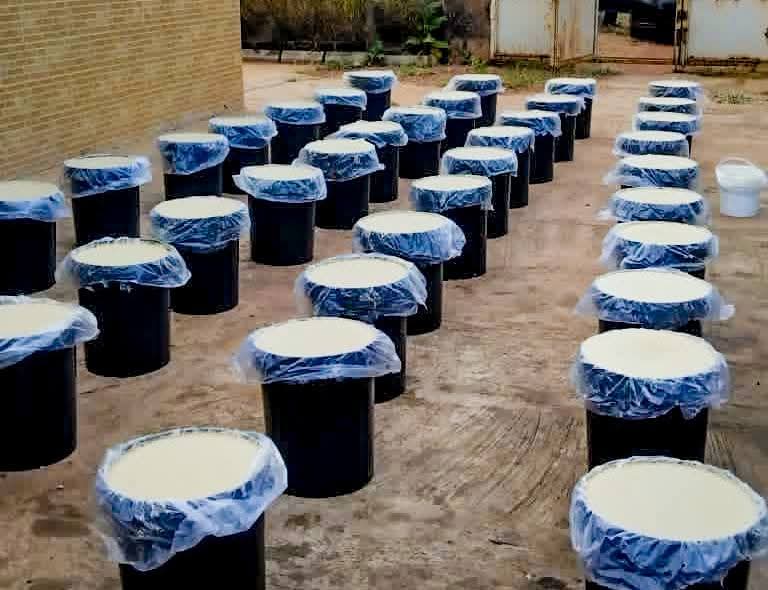
Nigeria’s Shea Butter Export Strength and Global Market Demand
The Global Market — One of the Fastest-Growing Natural Ingredient Markets in the World
The global shea butter market — tracked through Grand View Research’s shea butter market analysis which values the market at over USD 2 billion and projects compound annual growth exceeding 6% through 2030 — is driven by simultaneous demand growth from the premium natural cosmetics sector, the food manufacturing CBE market, and the pharmaceutical and nutraceutical industries. Mordor Intelligence’s comprehensive shea market report confirms the multi-application growth trajectory — with natural cosmetics identified as the primary value-growth driver and chocolate manufacturing identified as the primary volume-growth driver.
The Global Shea Alliance provides the most authoritative industry statistics on global shea production, processing volumes, export flows, and market development trends — confirming Nigeria’s position as a dominant producing country whose commercial export infrastructure is progressively formalising to match its production potential.
Key Export Destination Markets
France — Europe’s most commercially significant premium cosmetics market and home to some of the world’s most sophisticated shea butter users including L’Occitane, Clarins, Caudalie, and hundreds of independent natural beauty brands — is the highest-value cosmetics-grade destination for Nigerian raw and refined shea butter. French cosmetics ingredient sourcing intelligence is tracked through FEBEA and the premium naturals sourcing networks that French cosmetics buyers maintain across West Africa.
Germany — Europe’s largest organic and natural cosmetics market and home to sophisticated food manufacturing including major confectionery companies (Ritter Sport, Haribo’s parent group HARIBO, and multiple chocolate manufacturing operations) whose CBE procurement runs into significant annual volumes — is a dual cosmetics and food manufacturing destination tracked through BLE Germany’s food import intelligence.
The United Kingdom — whose premium natural beauty sector (including The Body Shop, Lush, Neal’s Yard Remedies, and hundreds of independent natural beauty brands) has built some of the most commercially successful shea butter product lines in the world — is a primary European cosmetics-grade destination. UK food import requirements for food-grade shea are administered by the Food Standards Agency (FSA).
The Netherlands — the EU’s primary agricultural commodity import and distribution hub, home to Barry Callebaut’s European processing operations and multiple major cosmetics ingredient distributors — is the most commercially accessible EU entry point for Nigerian shea butter at both food manufacturing and cosmetics grade.
The United States — whose natural beauty market has produced commercially explosive shea butter brands (SheaMoisture now owned by Unilever, Sundial Brands) and whose food manufacturing sector includes Mars, Mondelez, and Hershey as major CBE buyers — represents the highest-volume single-country destination for Nigerian shea butter across all application grades. US food import compliance for food-grade shea is administered through FDA’s food import programme.
Japan and South Korea — whose premium cosmetics markets are among the most quality-demanding globally and whose consumers have demonstrated exceptional willingness to pay premium prices for authenticated natural ingredients with strong origin stories — represent growing Asian destinations for ultra-refined Nigerian shea butter in luxury cosmetics formulation. Japanese and Korean import intelligence is tracked through JETRO and KATI.
India — whose Ayurvedic wellness and natural cosmetics markets are growing rapidly alongside its confectionery manufacturing sector’s CBE adoption — represents a growing South Asian destination for Nigerian shea butter across multiple application grades. Indian market intelligence is tracked through APEDA.

Why Choose Paradise MultiTrade International Limited?
All Five Commercial Grades Available. We supply Grade A raw/crude shea butter for artisan natural cosmetics and traditional food applications, Grade B standard refined (RBD) for mainstream cosmetics formulation, Grade C–D ultra-refined for premium cosmetics and pharmaceutical excipient applications, and Grade E food-grade CBE specification for chocolate and confectionery manufacturers — from the same documented Nigerian Sahel origin supply chain with consistent quality management across all grades. Contact us to specify your required grade.
Unsaponifiable Fraction Content Documentation for Premium Cosmetics Buyers. We coordinate unsaponifiable fraction quantification through accredited laboratories — providing the specific documentation that premium cosmetics brands require to substantiate their “high unsaponifiable content” marketing claims with analytical evidence. This documentation is not standard in commodity shea butter trading — it is the analytical service level that distinguishes Paradise MultiTrade’s premium cosmetics programme. Contact us to discuss unsaponifiable fraction documentation.
CBE Specification Documentation for Chocolate Manufacturers. We coordinate the complete analytical package for food-grade CBE specification shea butter — including triglyceride profile by HPLC, iodine value by Wijs method, slip melting point, free fatty acid content, peroxide value, and moisture — producing the specification compliance certificate that EU Directive 2000/36/EC CBE use in chocolate formulation requires. Contact us to discuss CBE specification documentation.
Fairtrade and Sustainability Certification Programme. We coordinate Fairtrade International certification documentation for cosmetics brands whose marketing specifically communicates women’s empowerment, ethical West African sourcing, and community development credentials through their shea butter supply chain. We also coordinate organic certification documentation for certified organic formulation buyers. Contact our team to discuss sustainability certification options.
Multi-Commodity West African Sourcing. Shea butter buyers frequently source complementary Nigerian agricultural and botanical commodities. Alongside shea butter, Paradise MultiTrade exports sheanut, gum arabic, sesame seeds, sesame oil, neem seed oil, moringa oil, castor oil, hibiscus flower, moringa seeds, fresh ginger, bitter kola, cashew nut kernel, and raw cashew nuts. Explore our full range of Nigerian export commodities and consolidate your West African natural ingredient sourcing through one verified, licensed export partner.
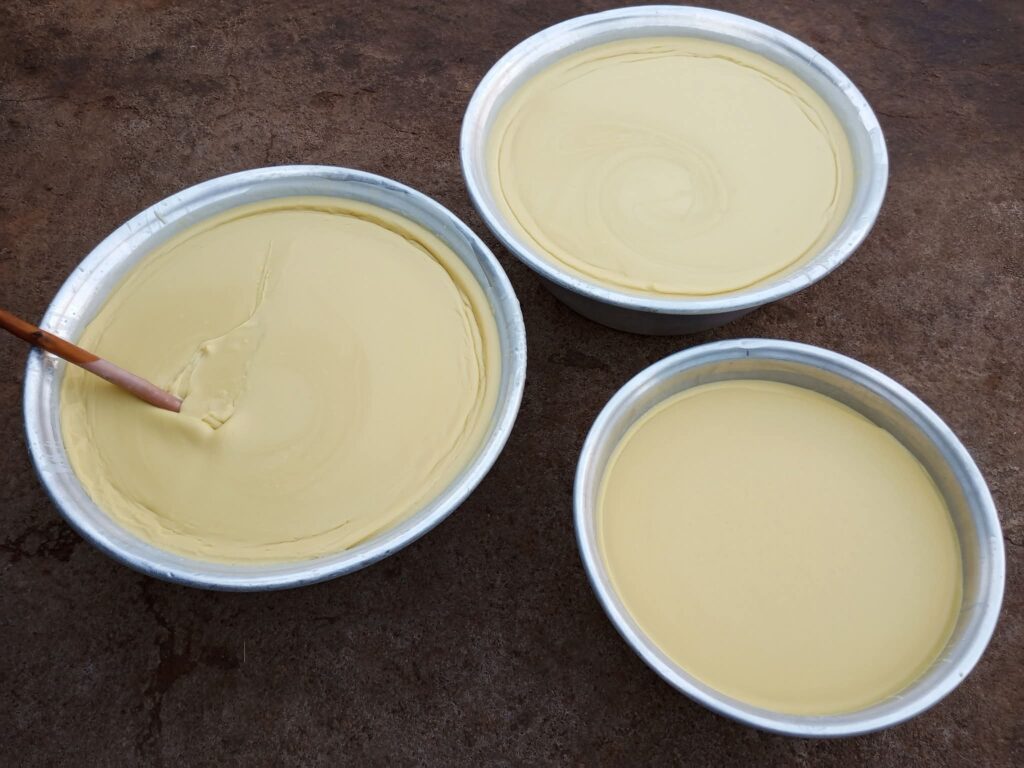
Product Specifications
| Specification | Details |
|---|---|
| Product | Nigerian Shea Butter (Vitellaria paradoxa) |
| Common Names | Shea butter, Karité butter, Beurre de karité (French), Ori (Yoruba), Kadanya mai (Hausa), Ōkwuma (Igbo) |
| Botanical Species | Vitellaria paradoxa C.F. Gaertn. (Sapotaceae) |
| Origin | Nigeria (Kano, Kaduna, Niger, Kwara, Kebbi, Sokoto, Zamfara, Benue, Nassarawa, Plateau, Gombe, Adamawa, Taraba States) |
| Grades Available | Grade A (Raw/Crude); Grade B (Refined RBD); Grade C–D (Ultra-refined/Cosmetics); Grade E (Food-grade CBE specification) |
| Stearic Acid (C18:0) | 35–50% of total fatty acids |
| Oleic Acid (C18:1) | 40–55% of total fatty acids |
| Palmitic Acid (C16:0) | 3–8% |
| Linoleic Acid (C18:2) | 3–8% |
| Unsaponifiable Fraction | 5–17% (Grade A raw); 3–8% (refined grades) |
| Iodine Value | 52–70 g I₂/100g (Grade A); 52–65 (CBE specification Grade E) |
| Free Fatty Acid (FFA) | ≤4% (Grade A); ≤0.1% (Grade D); ≤0.5% (Grade E food) |
| Peroxide Value | ≤10 meq/kg (Grade A fresh); ≤2 meq/kg (refined grades) |
| Slip Melting Point | 28–45°C (Grade A, natural variation); 32–38°C (refined, controlled) |
| Moisture Content | ≤0.5% all grades |
| Colour (Lovibond) | Yellow 30–70 / Red 3–8 (Grade A); Near white (Grade D) |
| Aroma | Characteristic mild nutty (Grade A); Neutral (refined) |
| Vitamin E Content | 100–450 IU/100g (Grade A) — documented on request |
| Microbiological | Total viable count, Salmonella absent/25g per food/cosmetics standards |
| Sustainability | Fairtrade certified available; Organic certified available |
| Packaging Options | 25kg cartons; 50kg drums; 190kg drums; 1,000kg IBC totes (all grades) |
| Supply Capacity | Raw Grade A: 100–5,000+ MT; Refined: 50–2,000+ MT per season |
| MOQ | Grade A: 5 MT; Grade B RBD: 5 MT; Grade D Ultra-refined: 1 MT; Grade E Food: 5 MT |
| Shelf Life | Grade A: 24 months; Refined grades: 24–36 months |
| Export Documentation | Phytosanitary Certificate (NAQS), Certificate of Origin, NEPC Export Licence, Certificate of Analysis (AOCS/AOAC methods), Unsaponifiable Fraction Certificate, Fatty Acid Profile (GC), CBE Triglyceride Profile (HPLC — Grade E), Fairtrade/Organic Certificate (where applicable), Microbiological Certificate, Commercial Invoice, Packing List, Bill of Lading |
| Payment Terms | T/T, Letter of Credit (LC at sight), Escrow |
| Loading Port | Lagos (Apapa / Tin Can Island Port), Nigeria |
| Incoterms Available | EXW, FOB Lagos, CNF, CIF |
Packaging and Export Process
Fruit Collection and Nut Preparation. Shea fruit falls naturally from trees when fully ripe, between June and September in Nigeria’s northern Sahel producing states, aligned with the early-to-mid rainy season when the fruit reaches full maturity. Community harvest involves the collection of fallen fruits beneath the trees — a labour-intensive but quality-optimal process that ensures full ripeness at collection. The sweet outer pulp is consumed or sold as fresh market fruit, leaving the nut, which is sun-dried over 2–4 weeks, to the hard, stable dry nut form that stores safely for extended periods.
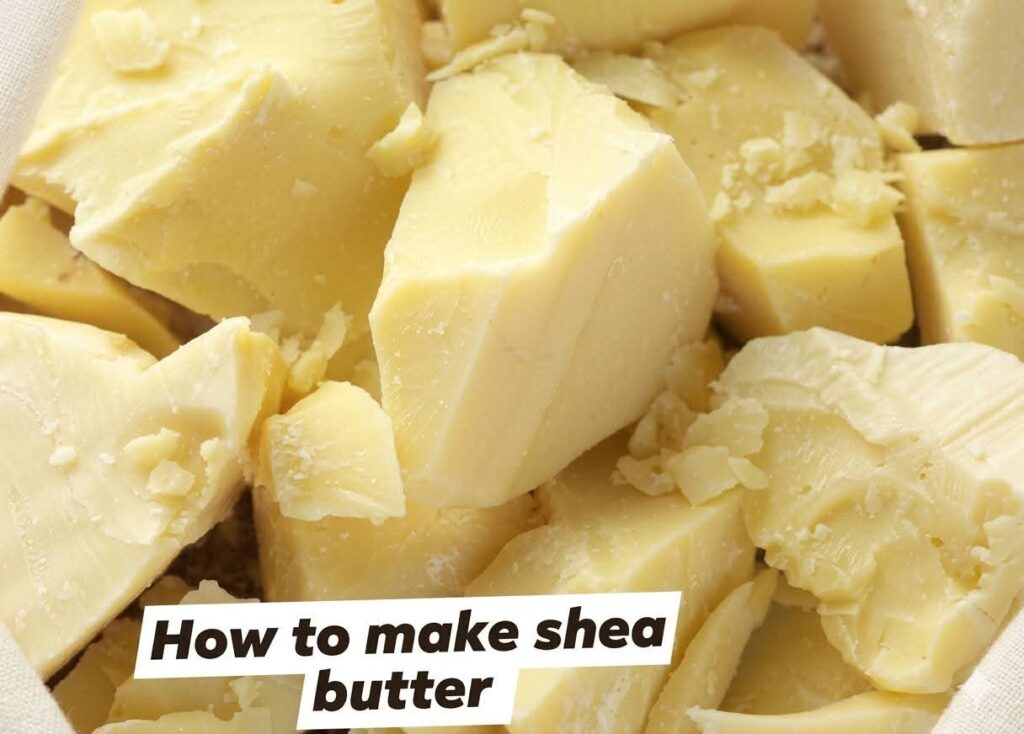
Traditional Butter Extraction (Grade A). Community women process dried shea nuts into raw butter through the traditional multi-step process: cracking the outer shell, roasting the kernel to facilitate fat extraction, grinding the roasted kernel into a thick paste, kneading the paste with water to separate fat from the aqueous phase, floating the fat off the water surface, and final clarification through slow heating that drives off residual moisture. The resulting raw shea butter — in its characteristic ivory to yellow-green colour — carries the full unsaponifiable fraction, natural tocopherols, and characteristic mild aroma that premium natural cosmetics brands specifically seek.
Industrial Refining (Grades B–E). Raw shea butter designated for refined production is processed through: degumming (removing phospholipids and gum substances), neutralisation (reducing free fatty acid content with caustic soda), bleaching (removing colour compounds with activated clay), and deodorisation (steam stripping at 220–240°C removing volatile aroma compounds). For food-grade CBE specification (Grade E), additional processing steps including fractionation (separating the higher-stearic fraction) and precise triglyceride profile verification through HPLC analysis are completed before specification documentation is issued.
Quality Testing. Unsaponifiable fraction content (AOCS method), free fatty acid content (acid value), peroxide value, iodine value (Wijs method), slip melting point, fatty acid profile by GC, colour (Lovibond), moisture, and microbiological safety testing are conducted on all lots. Food-grade CBE lots additionally undergo full triglyceride profile analysis by HPLC confirming SOS content within the CBE specification range.
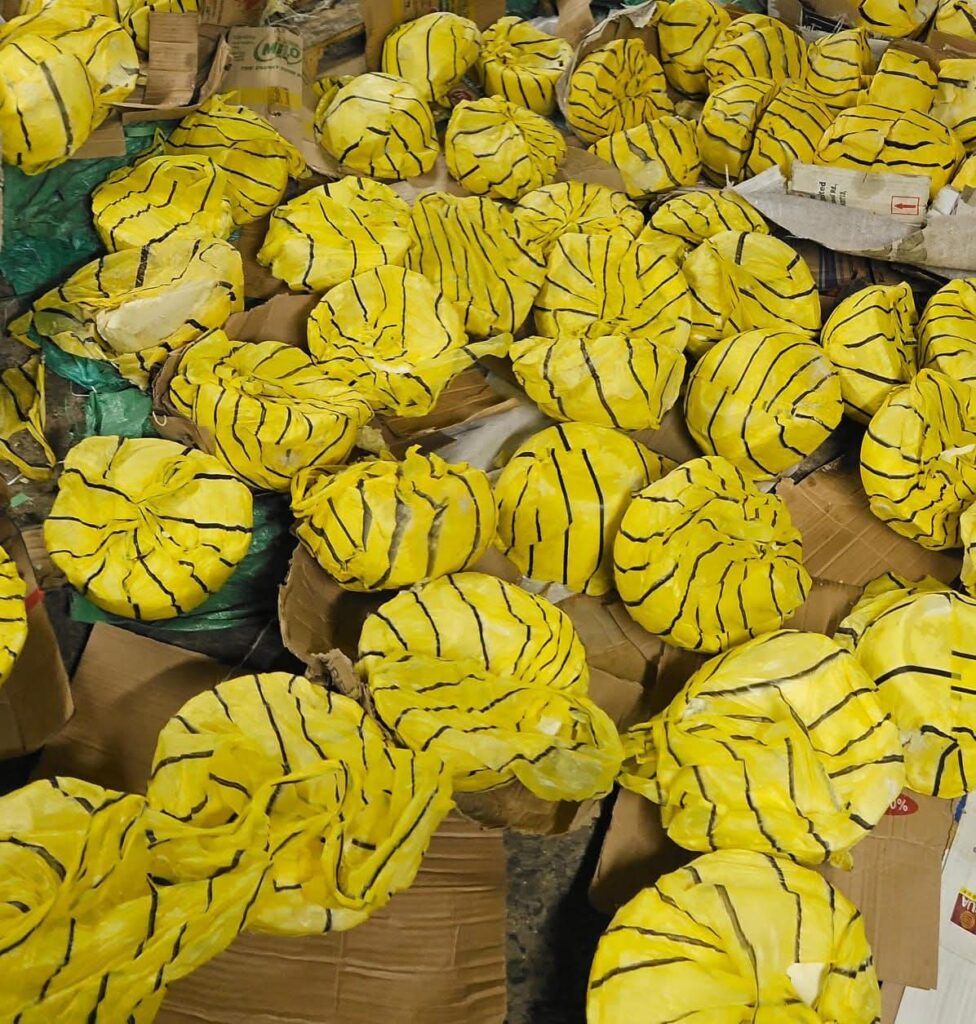
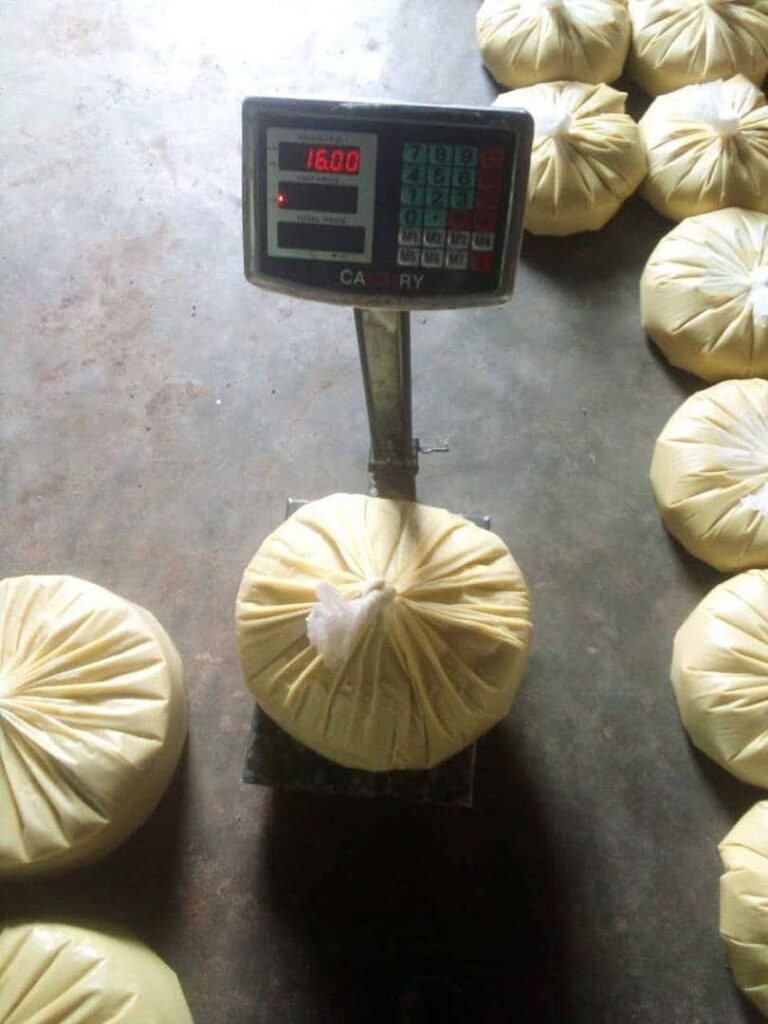
Packaging. Raw shea butter is packaged in 25kg cartons (the most common artisan and natural cosmetics buyer format) or 190kg drums. Refined shea butter is packaged in 190kg drums or 1,000kg IBC totes. Packaging is designed to prevent moisture ingress and light exposure during transit — the two primary quality degradation drivers for shea butter in transit.
Lead Times. Grade A raw shea butter: 14–21 days from order confirmation to container loading. Refined grades B–D: 21–35 days. Grade E food-grade CBE specification: 28–42 days including HPLC triglyceride profile analysis. Contact us early — particularly for food-grade CBE specification orders where the triglyceride analysis adds laboratory time.
Frequently Asked Questions
What is the difference between raw shea butter and refined shea butter and which grade should I specify?
Raw (Grade A) shea butter retains the complete unsaponifiable fraction (5–17%), full tocopherol content, characteristic ivory-to-yellow-green colour, and mild nutty aroma of traditionally processed West African shea. Specify Grade A for: artisan natural cosmetics products where “raw” and “unrefined” credentials are communicated to consumers, natural hair care applications where maximum bioactive content is the priority, and Fairtrade-certified supply chains where traditional processing by West African women communities is part of the brand narrative. Refined (Grade B–D) shea butter is white to near-white, odour-neutral, with standardised free fatty acid content and partially reduced but still meaningful unsaponifiable fraction. Specify refined grades for: complex cosmetics formulations where the raw butter’s colour and aroma would interfere with finished product aesthetics, pharmaceutical excipient applications requiring pharmacopoeial purity specifications, and mainstream personal care products whose consumer positioning does not specifically communicate “raw” credentials. Contact us to confirm which grade is appropriate for your specific application.
What is a Cocoa Butter Equivalent (CBE) and how does shea butter qualify for this application?
A Cocoa Butter Equivalent (CBE) is a vegetable fat whose specific triglyceride composition — particularly its SOS (stearic-oleic-stearic) triglyceride content — makes it physically compatible with cocoa butter in chocolate fat crystallisation behaviour. Under EU Directive 2000/36/EC, European chocolate manufacturers may use up to 5% CBE (replacing cocoa butter) in chocolate products labelled “chocolate.” Shea butter qualifies as a CBE because its high stearic and oleic acid content produces the SOS-dominated triglyceride profile that mimics cocoa butter’s crystallisation behaviour most closely among commercially available vegetable fats. The specific analytical parameters that CBE specification shea butter must meet include: iodine value within a defined range (typically 52–65 g I₂/100g), slip melting point within the cocoa butter compatibility range, and HPLC triglyceride profile confirming minimum SOS content. Paradise MultiTrade coordinates the complete CBE specification analytical package for food-grade buyers. Contact us to discuss CBE specification documentation.
What is the unsaponifiable fraction, and why do premium cosmetics brands specify it?
The unsaponifiable fraction is the portion of shea butter that does not participate in saponification (soap-making) — the minor compounds that are not fatty acid triglycerides and therefore survive both refining and the soap-making process. Shea butter’s unsaponifiable fraction of 5–17% is 3–15× higher than any other commonly traded vegetable fat. It contains the triterpene alcohols (lupeol, alpha-amyrin, beta-amyrin) whose anti-inflammatory and skin-healing properties are the scientific basis for shea butter’s therapeutic skin care efficacy, the vitamin E compounds providing antioxidant protection, the plant sterols reinforcing skin barrier function, and the cinnamic acid esters contributing mild UV protection. Premium cosmetics brands specify unsaponifiable fraction content as a quality indicator because higher unsaponifiable content correlates with greater therapeutic efficacy in skin care application, and because the processing methods that preserve unsaponifiable content (cold processing, low-temperature extraction) are incompatible with industrial mass production shortcuts that would reduce costs at the expense of quality. We document unsaponifiable fraction content by the AOCS analytical method on every Grade A and Grade B export lot for premium cosmetics buyers. Contact us to discuss unsaponifiable specification.
Is Fairtrade-certified Nigerian shea butter available, and what does the certification process involve?
Yes — Fairtrade-certified Nigerian shea butter is available through Paradise MultiTrade’s community-linked supply chain programme. Fairtrade International certification for shea butter supply chains involves: audit and certification of the producer groups (women’s cooperative processing groups) by an accredited Fairtrade certification body confirming democratic governance, minimum price floor protections, Fairtrade premium payment (USD 72/MT above the Fairtrade minimum price, directed to community development projects), gender equity commitments, and environmental standards compliance. The Fairtrade International standards for shea provide the complete certification specification framework. For cosmetics brands whose marketing specifically communicates women’s empowerment, community development, and ethical West African sourcing — Fairtrade certified Nigerian shea provides the third-party verified credential whose premium brand value typically justifies the modest price premium above standard uncertified shea. Contact us to discuss Fairtrade-certified supply availability and premium pricing.
How does Nigerian shea butter compare to Malian or Burkinabe origin in terms of quality?
The primary quality variable across West African shea origins is the stearic acid to oleic acid ratio — which varies on a north-south gradient tied to the Sahel latitude of the producing zone. Nigerian Sahel-zone shea — from Kano, Kaduna, Niger, and Kebbi states — sits at the same latitude as comparable Malian and Burkinabe Sahel-zone production zones and produces stearic acid concentrations analytically comparable to the best Malian and Burkinabe material. What distinguishes Nigerian origin commercially is not quality differentiation but supply chain factors: Nigeria’s larger total shea population (one of the world’s two largest), Paradise MultiTrade’s established Lagos-based export infrastructure and NEPC licensing, and the logistics advantage of Lagos port’s Atlantic coast access versus Burkinabe and Malian shea’s landlocked route to sea export through Ghanaian or Ivorian ports (adding transit time and cost). For buyers who currently source from Malian or Burkinabe origin — Nigerian origin provides comparable quality at competitive total landed cost with potentially shorter European transit times. We welcome comparative sampling. Contact us to arrange independent analytical comparison.
What is the Nigerian shea collection and processing season and how does it affect procurement?
Nigeria’s shea fruit falls and is collected between June and September — the early-to-mid rainy season peak when fruit reaches full maturity across the northern Sahel producing states. Nut drying following collection takes 2–4 weeks, with dried nuts available for butter processing from approximately August onwards. Traditional butter processing continues through the dry season — October through April — when community women process the season’s nut stock into butter for both domestic use and commercial sale. The most freshly processed Grade A butter — with the lowest peroxide value and fullest tocopherol content — is available from approximately October through January. Refined shea butter from industrial processing of seasonal stock is available year-round from inventory. Buyers planning large Grade A natural butter orders should initiate discussions by July–August to coordinate the production season’s allocation. Contact us to plan your procurement cycle.
What transit times should I expect from Nigeria to my destination?
All shea butter grades (standard dry or refrigerated container — refrigerated recommended for Grade A in tropical-destination shipments to prevent liquefaction during transit in hot ambient conditions): UK (Tilbury, Felixstowe) — 14–18 days. Netherlands (Rotterdam) — 14–18 days. Germany (Hamburg) — 14–20 days. France (Le Havre) — 14–18 days. USA (East Coast — New York, Baltimore, Savannah) — 18–25 days. UAE (Jebel Ali) — 10–14 days. India (Nhava Sheva) — 10–15 days. Japan (Yokohama) — 25–32 days. Canada (Halifax, Montreal) — 18–28 days. Note on temperature: Shea butter melts above approximately 28–38°C. For shipments to warm-climate destinations (UAE, India, Southeast Asia) where container temperatures may exceed the melting point during transit, refrigerated containers or insulated packaging are recommended to maintain solid form at the destination. Contact us to plan your complete logistics programme, including temperature management recommendations for your destination.
Ready to Source Premium Nigerian Shea Butter — Raw, Refined, Ultra-Refined, Food-Grade CBE, and Fairtrade-Certified For Chocolate Manufacturers, Cosmetics Formulators, Pharmaceutical Buyers, and Global Wholesale Importers?
If you are a European chocolate or confectionery manufacturer building shea-based CBE supply programmes to reduce cocoa butter price exposure under EU Directive 2000/36/EC, a premium natural cosmetics brand developing body butter, lip care, hair care, or anti-aging skin care products incorporating raw or refined Nigerian shea butter with unsaponifiable fraction documentation, a Fairtrade-committed cosmetics brand seeking certified West African shea butter with authenticated women’s empowerment and community development credentials, a pharmaceutical ingredient buyer sourcing shea butter for suppository base, topical drug delivery vehicle, or dermatological pharmaceutical formulation, a natural soap manufacturer sourcing raw shea butter for cold-process artisan soap or shea stearin for industrial soap hardstock, a nutraceutical brand developing triterpene supplement products around shea butter’s lupeol and amyrin bioactive content, a food ingredient distributor building West African shea butter supply programmes for European food manufacturing buyers, or a wholesale commodity trader building Nigerian shea butter inventory positions at the most commercially advantageous point in the supply chain’s development — Paradise MultiTrade International Limited is the licensed Nigerian exporter your shea butter supply programme needs.
We supply Nigerian Vitellaria paradoxa shea butter — raw Grade A through ultra-refined Grade D and food-grade CBE specification Grade E — from Sahel-zone Kano, Kaduna, Niger, and Kwara producing communities, unsaponifiable fraction content documented for cosmetics premium buyers, CBE triglyceride profile by HPLC for chocolate manufacturer buyers, Fairtrade certification available for ethical sourcing programme buyers, and exported with full regulatory and analytical documentation to buyers in every major regulated destination market.
Request a Quotation — share your required grade (A through E), volume, unsaponifiable fraction specification if applicable, CBE specification if applicable, Fairtrade or organic certification requirement, destination market, packaging format, and preferred incoterms. We respond with a detailed, competitive quote within 48 hours.
Contact Our Export Team — speak directly with our export coordinators about grade selection for your specific application, unsaponifiable fraction content analysis, CBE triglyceride specification documentation for chocolate manufacturers, Fairtrade and organic certification coordination, stearic acid content by producing zone, transit temperature management for warm-climate destinations, women’s empowerment supply chain narrative documentation, and long-term contract supply structuring.
Explore Our Full Product Range — alongside shea butter, Paradise MultiTrade exports sheanut, gum arabic, moringa oil, neem oil, sesame seeds, sesame oil, castor oil, hibiscus flower, moringa seeds, fresh ginger, bitter kola, cashew nut kernel, and raw cashew nuts. One licensed Nigerian exporter. One consolidated West African natural fat, botanical oil, and agricultural ingredient sourcing relationship — from the Sahel’s most ancient agricultural resource through the most commercially sophisticated pharmaceutical-adjacent ingredient in our portfolio. Consistent quality, unsaponifiable documentation, CBE specification compliance, sustainability certification, and regulatory compliance across every commodity.
Paradise MultiTrade International Limited | NEPC Export Licence No. 0042385 | CAC No. RC-9284647 | Lagos, Nigeria | www.paradisemultitrade.com
Reviews
There are no reviews yet.