
Nigerian Gum Arabic: The Ancient Forest Exudate That Emulsifies Soft Drinks, Stabilises Pharmaceutical Formulations, and Defines the Global Confectionery Industry — Sourced From the Sahel’s Most Productive Acacia Belt
Gum Arabic Exporter Nigeria — Acacia Senegal and Acacia Seyal, Food-Grade E414, Pharmaceutical and Industrial Grade, Direct Sahel Origin Sourcing, Bulk Supply to Beverage Manufacturers, Confectionery Companies, Pharmaceutical Buyers, and Industrial Importers Worldwide
Gum arabic exporter Nigeria is a search phrase that carries a commercial history stretching back more than 4,000 years — to the ancient Egyptian and Phoenician traders who were among the first to recognise that the dried resinous exudate from certain acacia trees in the African savanna possessed a set of functional properties that no synthetic compound and no other natural material available to them could replicate. They were right. Four millennia later, the global food, beverage, pharmaceutical, cosmetics, printing, textile, and industrial chemical industries are still using gum arabic — still sourcing it from the same acacia trees in the same African Sahel belt — because its unique combination of solubility, emulsification capacity, film-forming ability, and physiological inertness remains unmatched by any alternative natural or synthetic material across the full breadth of its commercial applications.
Nigeria sits within the global gum arabic producing belt with a geographical and biological advantage that the international market has historically undervalued relative to the more commercially prominent positions of Sudan and Chad — but that serious buyers who have evaluated Nigerian origin material on its merits consistently find competitive. The Acacia belt across Nigeria’s northern states — spanning Borno, Yobe, Jigawa, Katsina, Kano, Zamfara, Sokoto, and Kebbi states — encompasses both Acacia senegal (the primary species for premium food-grade gum arabic production) and Acacia seyal (the secondary species producing a distinct grade with specific industrial applications), growing in the wild populations and increasingly in managed agroforestry systems whose sustainable harvest provides livelihoods for hundreds of thousands of northern Nigerian farming and pastoral communities.
At Paradise MultiTrade International Limited, gum arabic is one of our most strategically significant non-oil agricultural export categories — sourced from established collecting and processing communities across Nigeria’s primary Acacia belt states, graded and cleaned to international food-grade and industrial-grade specifications, and exported with full regulatory and analytical documentation to buyers across Europe, North America, the Middle East, and Asia who are building or deepening their Nigerian origin positions in a commodity whose global supply concentration around Sudan creates structural procurement risk that West African alternatives — including Nigeria — are increasingly well-positioned to address.
To move directly to pricing and specification discussions, request a quotation here and our export team will respond within 48 hours.
History and Origin of Gum Arabic — The World’s Oldest Commercially Traded Natural Polymer
A Material That Predates Every Other Commercial Additive
The commercial history of gum arabic is not merely long — it is foundational to the history of human trade itself. Archaeological evidence of gum arabic use in ancient Egypt — identified through analysis of mummy wrappings, hieroglyphic pigment binders, and pottery sealants — dates to at least 3,000 BCE, making it one of the earliest natural materials intentionally harvested, processed, and traded by human civilisations. The ancient Egyptians called it kami — using it as a binder for pigments in tomb paintings that have survived 5,000 years with extraordinary colour preservation, as a sealant for papyrus document inks, and as a pharmaceutical excipient in medical preparations described in the Ebers Papyrus (circa 1550 BCE), one of the oldest comprehensive medical texts known to exist.
The Phoenicians — the ancient Mediterranean’s most commercially sophisticated trading culture — established the first formalised international gum arabic trade routes, carrying the material from East African and North African sources northward into the Mediterranean world where it found application in wine clarification, textile dyeing, and cosmetics preparation. By the time of the classical Greek and Roman civilisations, gum arabic was sufficiently well-established in commerce to appear in the writings of both Theophrastus (who described the acacia tree from which it was harvested around 300 BCE) and Pliny the Elder (who documented its commercial and medicinal applications in his Naturalis Historia of 77 CE). Historical trade route documentation and commodity market research accessible through the Oxford Academic Journal of Economic History and the JSTOR academic database confirm gum arabic’s position as one of the most continuously traded natural commodity products in recorded human commercial history.
The Arabic name — gummī arabicum — that gave the commodity its English trade name reflects not the material’s geographic origin (which is sub-Saharan African, not Arabian) but the Arab trading intermediaries through whom it reached European markets — a historical naming artefact identical to the misnaming of several other African botanical products in European trade vocabulary. By the medieval period, Arab traders carrying gum arabic northward from the Sahel through trans-Saharan caravans were the dominant commercial link between the acacia forests of West and East Africa and the consumers of the Arab world and Mediterranean Europe — a trade geography documented in the accounts of Arab travellers including Ibn Battuta and in the commodity records of Saharan trading cities including Timbuktu and Agadez.
The Sahel Acacia Belt — Ecology, Geography, and the Source of Commercial Supply
Acacia senegal and Acacia seyal — the two acacia species that produce commercially significant gum arabic — are native to the semi-arid Sahel and Sudan savanna belt of sub-Saharan Africa: the ecological zone between the Sahara desert to the north and the Guinea savanna woodland to the south, characterised by annual rainfall of 250–700mm, seasonally dry sandy soils, and intense sunshine that create precisely the stress conditions that trigger maximum gum exudate production in acacia trees.
Gum arabic is not a primary metabolic product of the acacia tree — it is a wound response. When the tree’s bark is damaged — by insects, drought, fire, or deliberate human tapping — the tree produces a polysaccharide gel that seals the wound, protecting the underlying tissue from pathogen invasion and moisture loss. This exudate — collected from wound sites on the tree bark, dried in the open air, and graded by colour, particle size, and transparency — is the commercial product of trade. The biology of this stress-response production mechanism is directly relevant to quality: trees experiencing greater environmental stress — specifically drought stress of moderate intensity — produce more gum of higher quality than trees growing in more benign conditions. This is why the Sahel’s semi-arid conditions are not merely compatible with acacia cultivation but are actively necessary for the production of the highest-grade gum arabic that the global food and pharmaceutical industries require.
The acacia belt stretches across an enormous geographic arc — from Senegal and Mauritania in the far west through Mali, Burkina Faso, Niger, and Nigeria in the central Sahel, continuing eastward through Chad, Sudan, Ethiopia, and Eritrea to Somalia and Kenya. Within this belt, Sudan has historically dominated global gum arabic production and export — accounting for approximately 60–70% of world supply in most years, with its distinctive hashab (Acacia senegal) gum from Kordofan province commanding the premium price benchmark that defines the global market’s quality reference. Chad is the second largest producer. Nigeria, Mali, Niger, and Senegal collectively constitute the western Sahel producing zone whose combined output and growing commercial infrastructure make it an increasingly commercially significant supply base for international buyers seeking to diversify beyond the Sudan-Chad concentration that currently dominates global gum arabic procurement.
Nigeria’s specific position within this producing geography — documented through production data maintained by the Food and Agriculture Organization and technical research published by the International Centre for Research in Agroforestry (ICRAF/World Agroforestry Centre) — has been underappreciated in international market intelligence relative to its actual commercial potential. The Nigerian Acacia belt states contain significant natural populations of both Acacia senegal and Acacia seyal — with the most commercially productive zones concentrated along the southern Sahel belt of Borno, Yobe, Jigawa, Katsina, and Sokoto states, where the species distribution overlaps with the annual rainfall range (300–600mm) that produces maximum gum yield and quality.
Nigeria’s Gum Arabic Commercial Development Trajectory
Nigeria’s gum arabic production and export history reflects the broader pattern of underinvestment in non-oil agricultural commodity development that has characterised much of Nigeria’s economic history — with the country’s oil wealth historically diverting institutional attention and investment away from the agricultural exports that could have built a more diversified and resilient export economy.
The commercial turning point in Nigerian gum arabic’s international profile came with the establishment of the Nigerian Gum Arabic Company (NGAC) — a Federal Government of Nigeria initiative that recognised gum arabic’s enormous export potential and committed institutional resources to developing the production, processing, and export infrastructure needed to convert Nigeria’s biological endowment into international commercial revenue. The Nigerian Export Promotion Council (NEPC) has actively supported gum arabic export development — recognising it as one of Nigeria’s most commercially significant non-oil export opportunities given the scale of the country’s Acacia belt resources and the structural market supply concentration around Sudan that creates ongoing international buyer interest in West African alternative sources.
International gum arabic trade flow data from ITC Trade Map confirms Nigerian gum arabic entering international export channels at growing volumes — with European food ingredient companies, American beverage manufacturers, pharmaceutical ingredient buyers, and industrial chemical companies all represented among the growing buyer community sourcing from Nigerian origin. The International Gum Arabic Association (IGAA) — the industry body representing the global gum arabic trade — tracks Nigerian production and export within its annual market reports, documenting the progressive development of Nigeria’s position within the global gum arabic supply system.
What Is Gum Arabic? Botanical Profile, Chemistry, and the Two Commercial Species
The Biochemistry of the World’s Most Versatile Natural Additive
Gum arabic is a complex mixture of polysaccharides and glycoproteins exuded from the bark of acacia trees in response to damage. Its primary structural component is arabinogalactan — a highly branched polysaccharide consisting of a galactose backbone with arabinose, rhamnose, and glucuronic acid side chains — that gives gum arabic its characteristic combination of high water solubility (dissolving at concentrations up to 50% in water), low viscosity at high concentration (unlike most polysaccharide gums that thicken dramatically with concentration), excellent emulsification capacity, and remarkable film-forming ability.
This specific molecular architecture — unique among natural gums in combining high solubility with low viscosity — is what makes gum arabic functionally irreplaceable in many of its most commercially important applications. No other natural gum or synthetic polymer matches the combination of properties that allows gum arabic to simultaneously be highly water-soluble, provide stable oil-in-water emulsification, form protective encapsulant films, act as a crystal growth inhibitor in confectionery, and be completely physiologically inert (neither digested in the small intestine nor toxic to mammalian systems at any commercially relevant concentration).
The detailed biochemistry of gum arabic — including molecular weight distribution, protein fraction composition, and the structural basis of its functional properties — is comprehensively documented through research published in the Carbohydrate Polymers journal — the primary peer-reviewed publication for polysaccharide chemistry — and through technical monographs published by the Joint FAO/WHO Expert Committee on Food Additives (JECFA) that establish the food safety and specification framework for gum arabic as a food additive.
Acacia Senegal vs. Acacia Seyal — The Two Commercial Species and Why the Distinction Matters
Acacia senegal (Hashab Gum) — the premium food-grade species, producing gum arabic with the full molecular profile and functional properties that the global food, beverage, pharmaceutical, and cosmetics industries rely on for their most demanding applications. Acacia senegal gum is characterised by:
Higher arabinogalactan-protein complex content — the fraction responsible for the most powerful emulsification performance. Better solubility at high concentration. Superior emulsification stability in complex beverage formulations. More uniform molecular weight distribution. Higher protein content (typically 1.5–2.5%) that contributes to the emulsification interface stabilisation mechanism that makes gum arabic uniquely effective in beverage flavour emulsion applications.
Acacia senegal gum from Nigeria’s northern Sahel states — harvested from wild populations and increasingly from managed agroforestry plantings across Borno, Yobe, Jigawa, and Katsina states — is the primary quality grade for food-grade E414 applications and pharmaceutical excipient use.
Acacia seyal (Talha Gum) — the secondary commercial species, producing a gum that is chemically related but functionally distinct from Acacia senegal gum:
Higher overall polysaccharide content with lower protein fraction — producing a gum with different viscosity profile and slightly different emulsification characteristics. More reddish-brown colour (compared to the pale amber of senegal gum) due to different pigment compound profile. Lower solubility ceiling — begins to gel at lower concentrations than senegal gum. Different functional properties that make it preferred in specific industrial applications including lithography, textile sizing, and certain paper coating applications where its distinct rheological behaviour is technically advantageous.
Acacia seyal gum from Nigeria is recognised within international quality standards published through JECFA as a distinct but legitimate food-grade gum arabic — approved under the same E414 designation as senegal gum but with specific quality parameters applicable to the seyal type.
Paradise MultiTrade sources and supplies both species — clearly identified and documented by species in all commercial and regulatory documentation. Contact our team to specify your application requirements so we can confirm which species and grade is appropriate for your procurement needs.
The Grading System — From Raw Kibble to Spray-Dried Powder
Nigerian gum arabic enters international trade in several physical processing stages, each serving different buyer requirements:
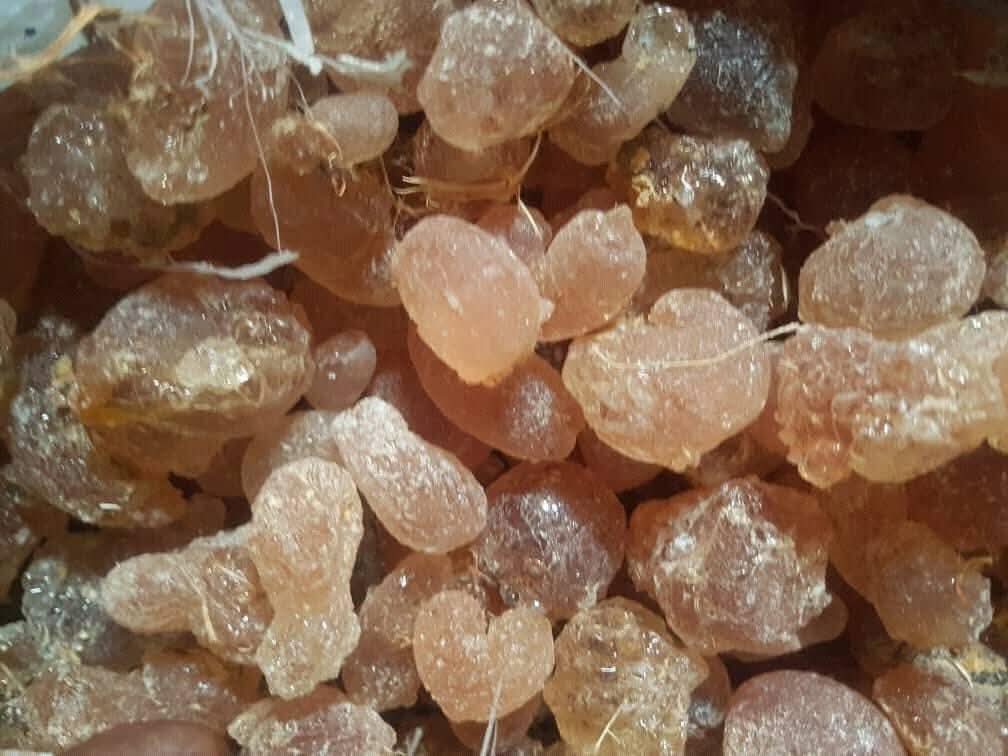
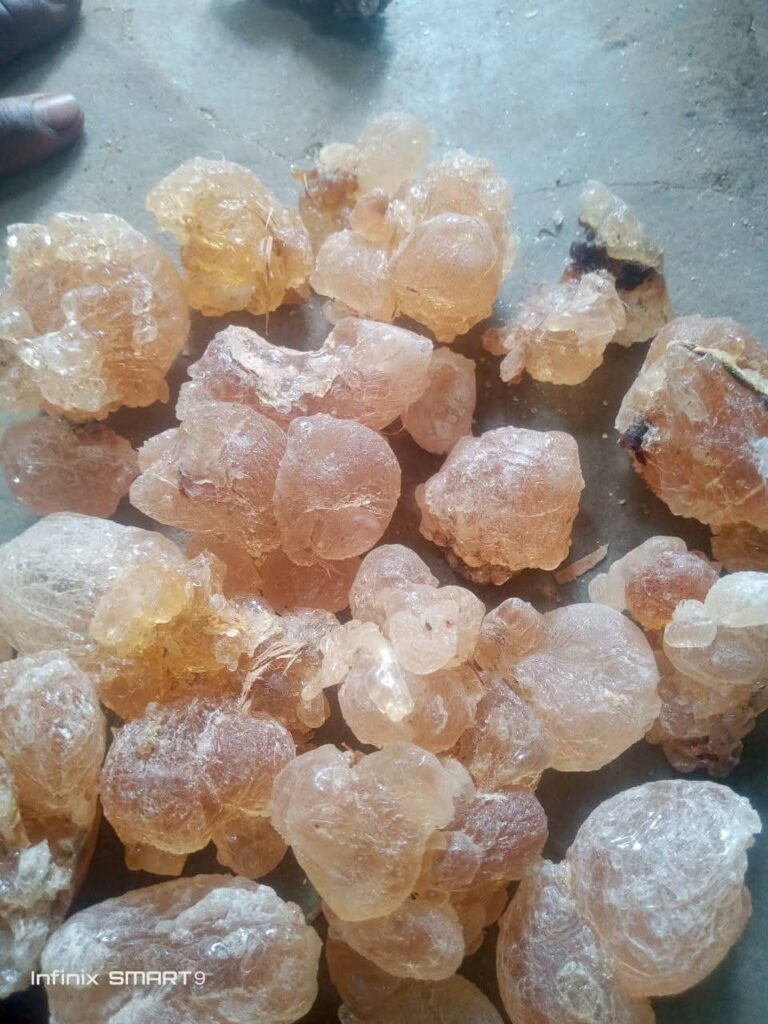
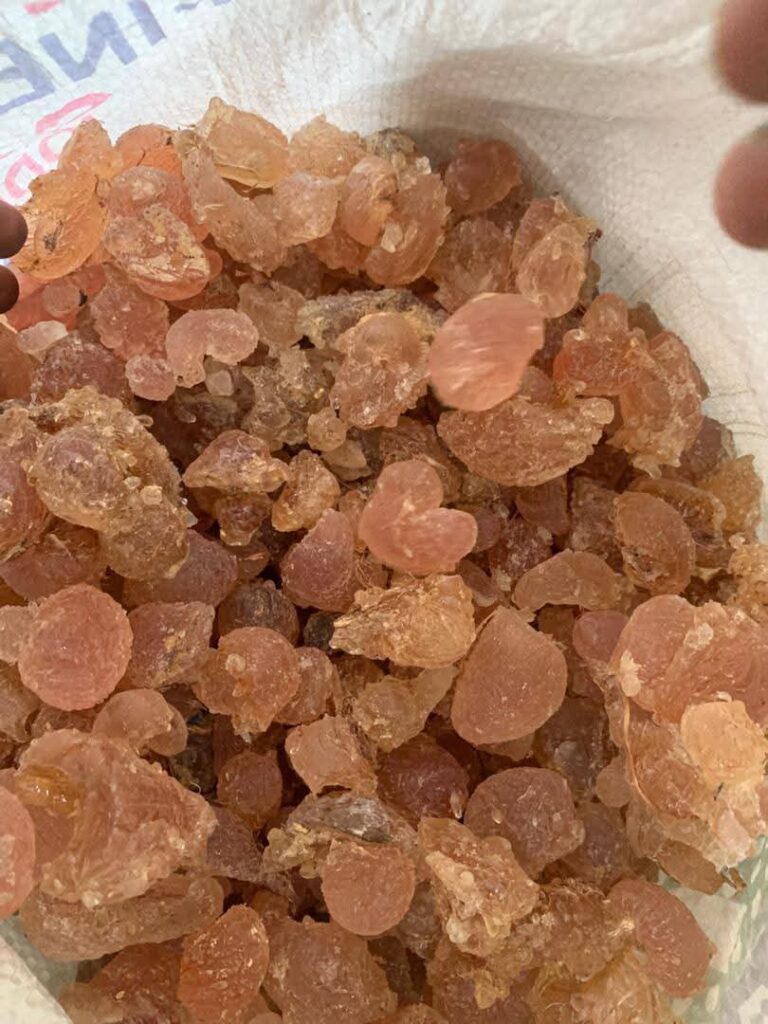
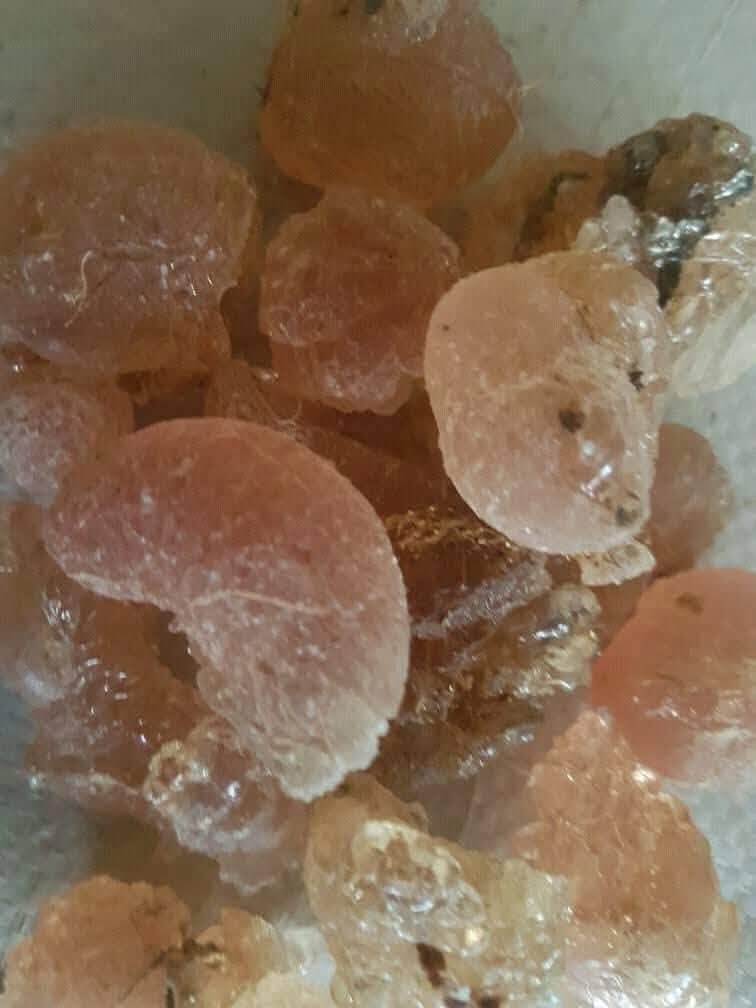
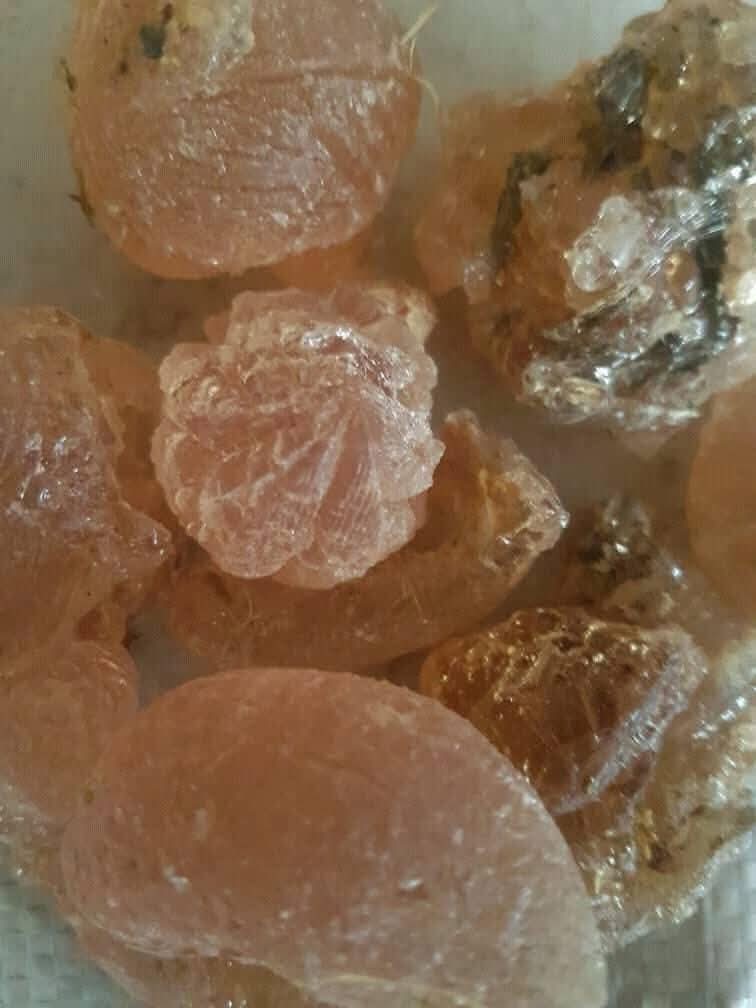
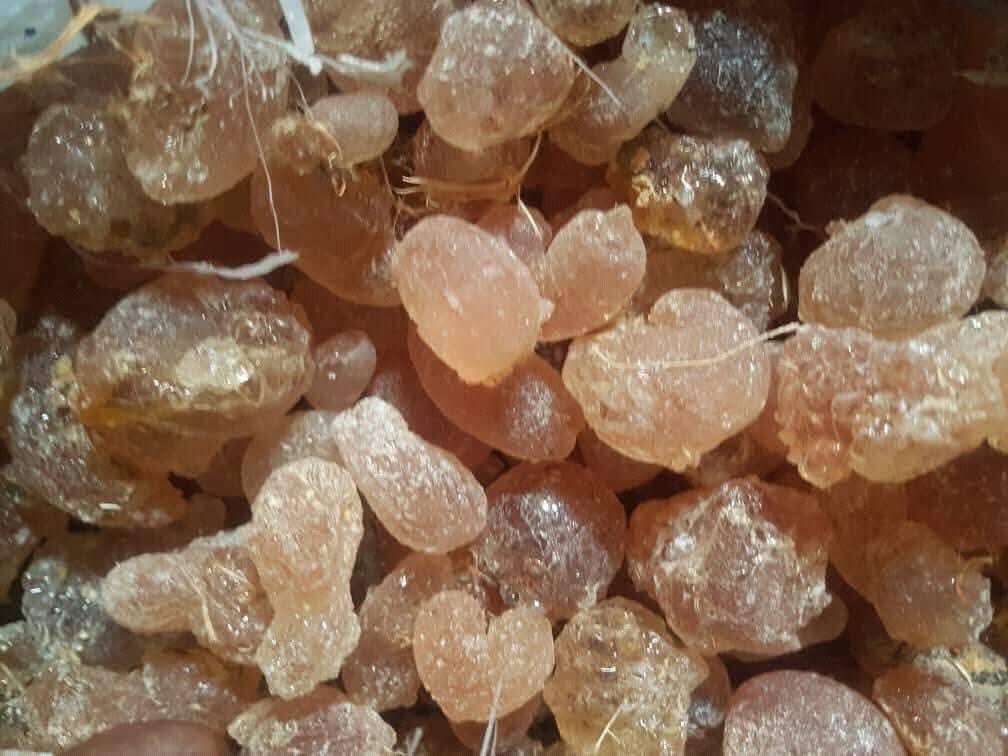
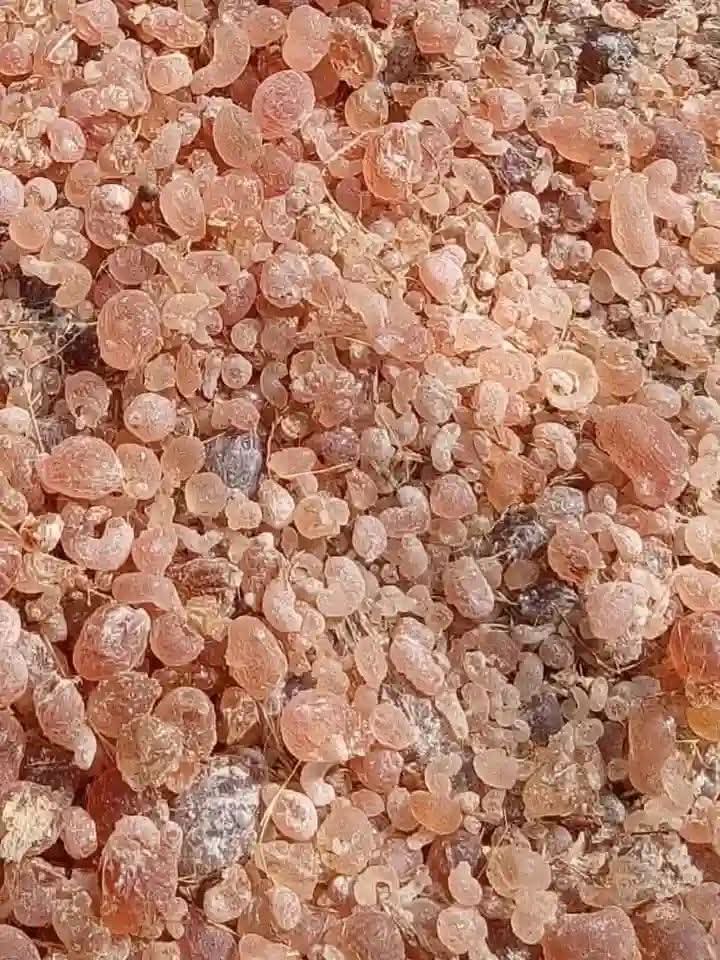
Kibbled (Hand-picked) Gum — the traditional and most widely traded form: irregular nodular pieces of dried gum exudate, hand-sorted on the collecting tree or at aggregation points to remove bark, soil, and other contamination. Colour ranges from pale amber to deep amber-brown depending on the tree age, harvest season, and species. This is the primary form in which Nigerian gum arabic reaches the commodity cleaning and processing facilities that produce the higher-value processed forms.
Cleaned and Sieved Kibble — kibbled gum that has been mechanically cleaned to remove bark, insect parts, sand particles, and other extraneous material, and sieved to a more uniform particle size distribution. This is the standard form for direct industrial buyer purchase and for further processing into spray-dried grades.
Spray-Dried Powder — the highest-value processed form, produced by dissolving cleaned kibble gum in water, clarifying through filtration, and spray-drying to produce a uniform, free-flowing cream-white to pale yellow powder with particle size controlled to buyer specification. Spray-dried gum arabic dissolves instantly in water — eliminating the dissolution time required for kibble gum — and provides the most consistent colour, particle size, and functional property profile of any physical form. This is the preferred form for beverage manufacturers, pharmaceutical excipient buyers, and food manufacturers who require precise, consistent ingredient performance in automated production processes.
Benefits and Industrial Uses of Nigerian Gum Arabic
Beverage Industry — The Irreplaceable Emulsifier in the World’s Most Consumed Soft Drinks
This is gum arabic’s most commercially significant application in the modern global food industry — and it is one whose scale most buyers outside the beverage ingredient sector dramatically underestimate. The world’s largest-selling carbonated soft drink brands — and this list includes Coca-Cola, Pepsi, Sprite, Fanta, Dr Pepper, and hundreds of regional brand equivalents across every major market — use gum arabic as the flavour emulsifier that keeps citrus and other flavour oils stably dispersed throughout the beverage without phase separation.
The technical mechanism is straightforward but commercially critical: citrus essential oils — the primary flavouring agents in most carbonated soft drinks — are oil-phase compounds that are naturally immiscible with the water-phase of the beverage. Without an emulsifier, these oils would rapidly separate to the surface, creating an uneven, unstable product with inconsistent flavour delivery. Gum arabic stabilises the oil-in-water emulsion through its arabinogalactan-protein complex — with the protein fraction adsorbing at the oil-water interface and creating a steric barrier that prevents droplet coalescence and maintains stable, fine-droplet flavour emulsion throughout the beverage’s shelf life.
The functional performance of gum arabic in this application — specifically its ability to create stable, fine-droplet emulsions at the low-to-moderate concentrations practical in beverage formulation — is documented extensively in food science research published by the Institute of Food Technologists (IFT) and through technical papers in the Journal of Food Science. No other natural emulsifier — and very few synthetic alternatives — performs comparably across the combined requirements of high solubility, emulsification stability, flavour neutrality, regulatory approval, and consumer labelling acceptability that beverage manufacturers require from their flavour emulsion ingredient.
The commercial consequence of this technical irreplaceability is enormous: global gum arabic consumption by the beverage industry alone runs into tens of thousands of tonnes annually — and this consumption is non-discretionary. A beverage manufacturer whose gum arabic supply is disrupted cannot simply substitute an alternative and maintain product quality. They need gum arabic, and they need it reliably. This supply dependency is precisely why the global beverage industry’s supply chain risk managers treat gum arabic procurement with unusual seriousness — and why origin diversification away from Sudan-dominant supply is a strategic priority for procurement teams managing supply risk responsibly.
Market intelligence on the global food hydrocolloids market — which encompasses gum arabic alongside other natural gums — is published by Grand View Research’s food hydrocolloids market analysis and Mordor Intelligence’s gum arabic market report — both documenting the beverage industry as the single largest demand segment and projecting sustained demand growth driven by expanding soft drink consumption across emerging markets.
For beverage manufacturers and flavour ingredient suppliers evaluating Nigerian origin gum arabic for beverage emulsifier applications, contact our export team to discuss food-grade E414 specification, emulsification performance documentation, and supply volume arrangements.
Confectionery Industry — The Crystal Inhibitor, Glazing Agent, and Texture Modifier That Every Major Brand Relies On
Gum arabic’s applications in confectionery manufacturing are multiple, technically sophisticated, and collectively represent one of the most significant single-industry demand streams in the global gum arabic market. In confectionery production, gum arabic functions simultaneously as:
Crystallisation Inhibitor — in high-sugar confectionery including toffee, caramel, and soft candy production, gum arabic prevents the unwanted crystallisation of sucrose during manufacture and storage — maintaining the smooth, amorphous texture that defines quality confectionery. Its mechanism involves adsorbing at crystal nuclei and blocking crystal growth at the molecular level — a function documented in confectionery science research published through the American Association of Candy Technologists (AACT).
Glazing Agent — gum arabic is the primary glazing material used to produce the shiny, smooth sugar shell on dragée confectionery — including M&Ms, Smarties, jelly beans, and hundreds of similar pan-coated confectionery products. The glazing process uses concentrated gum arabic solution applied in multiple layers over a rotating confectionery pan — each layer building the smooth, hard, glossy coating that defines the product’s visual appeal and provides a barrier against moisture and oxygen that extends shelf life.
Adhesive Binder — in sugar crystallisation on fruit gums, chocolate almonds, and nut clusters — gum arabic solution is applied as an adhesive coating that binds sugar crystals uniformly to the confectionery surface, creating the characteristic “sugared” coating of specific confectionery types.
Film-Forming Encapsulant — gum arabic’s film-forming properties are used to encapsulate flavour compounds, volatile oils, and sensitive active ingredients in confectionery formulation — protecting them from oxidation and premature flavour loss during storage and providing controlled release during consumption.
The confectionery industry’s gum arabic consumption is tracked through market intelligence published by the National Confectioners Association (NCA) in the USA and the Confederation of the Food and Drink Industries of the EU (FoodDrinkEurope) in Europe — with both documenting sustained confectionery production growth that underpins consistent gum arabic demand.
Pharmaceutical Industry — Excipient, Emulsifier, and Delivery System Component
Gum arabic’s pharmaceutical applications are among its most technically sophisticated and commercially demanding — requiring the highest quality raw material with the most stringent purity, microbiological safety, and consistency documentation.
Tablet Binder and Coating Agent — in solid oral dosage form manufacturing, gum arabic solution is used as a granulation binder (improving tablet compressibility and integrity) and as a film-coating material (providing a smooth, protective surface on tablets that improves swallowing ease and provides moisture barrier protection for moisture-sensitive active ingredients). Its use in pharmaceutical manufacturing is governed by monographs in the United States Pharmacopeia (USP) and the European Pharmacopoeia (Ph. Eur.) — the international regulatory frameworks that define pharmaceutical-grade gum arabic specifications.
Emulsifier for Oral Pharmaceutical Formulations — gum arabic is approved as an excipient for oil-in-water pharmaceutical emulsions — suspensions and emulsified preparations where stable oil dispersion in an aqueous vehicle is required for dosing accuracy and bioavailability. The JECFA monograph on gum arabic and the European Food Safety Authority (EFSA) safety assessments confirm gum arabic’s safety profile for pharmaceutical excipient application.
Demulcent and Throat Coating — traditional and modern pharmaceutical applications of gum arabic as a throat-coating, mouth-soothing demulcent are documented through the WHO’s traditional medicine monograph programme and validated by clinical evidence of mucoadhesive properties relevant to throat and mouth care pharmaceutical formulation.
Controlled Release Systems — gum arabic’s film-forming and microencapsulation properties are applied in controlled-release pharmaceutical tablet coating and microparticle formulation — where the gum arabic matrix controls the rate of active ingredient release from the dosage form. Research on gum arabic-based controlled release systems is published through the International Journal of Pharmaceutics — the primary peer-reviewed publication for pharmaceutical formulation science.
For pharmaceutical-grade gum arabic with USP/Ph. Eur. specification compliance, microbiological testing to pharmaceutical standards, heavy metal screening, and full documentation package, contact Paradise MultiTrade to discuss pharmaceutical procurement requirements.
Nutraceutical and Prebiotic Supplement Industry
One of the most commercially significant and fastest-growing applications for gum arabic in the modern health product industry is its function as a prebiotic dietary fibre — a role that has attracted substantial clinical research attention and that is transforming the way nutraceutical ingredient buyers evaluate gum arabic procurement.
Gum arabic is classified as a soluble dietary fibre — it is not digested or absorbed in the small intestine but passes intact into the large intestine where it undergoes fermentation by beneficial gut bacteria (specifically Bifidobacterium and Lactobacillus species). This fermentation produces short-chain fatty acids — butyrate, propionate, and acetate — that nourish the colonic epithelium, maintain gut barrier integrity, and modulate immune function in ways that are now comprehensively documented in the microbiome research literature accessible through NCBI’s gut health research database.
Clinical trials specifically on gum arabic as a prebiotic fibre — published through NCBI and reviewed by the International Scientific Association for Probiotics and Prebiotics (ISAPP) — have documented dose-dependent increases in beneficial gut bacteria populations, improvements in bowel function, and reductions in inflammatory markers in healthy subjects consuming gum arabic as a dietary supplement. These clinical findings have positioned gum arabic as a uniquely well-researched prebiotic ingredient — one of the few natural fibres with clinical trial evidence for specific prebiotic efficacy rather than merely theoretical substrate availability.
The global prebiotic ingredient market — valued and projected through Grand View Research’s prebiotic market report — is one of the fastest-growing segments of the functional food and supplement ingredient market, driven by the explosion of consumer and clinical interest in gut microbiome health. Within this market, gum arabic’s combination of well-established safety, excellent solubility, neutral flavour, and clinical evidence base positions it as a premium prebiotic ingredient whose demand trajectory is strongly upward.
For nutraceutical buyers sourcing gum arabic as a prebiotic supplement ingredient — either as a direct supplement powder or as a functional ingredient in food products making prebiotic/gut health claims — contact our team to discuss prebiotic-grade specification and labelling documentation support.
Food Industry — Stabiliser, Texturiser, and Clean-Label Additive
Beyond its role as a beverage emulsifier, gum arabic’s applications across the broader food manufacturing industry are remarkably diverse:
Bakery and Confectionery Glaze — gum arabic aqueous solutions applied as surface glazes on bakery items (breads, pastries, croissants, Danish pastries) provide the characteristic shiny, lacquered finish that distinguishes premium bakery products and creates a moisture barrier that extends surface crispness during retail display.
Flavour Encapsulation — spray-dried flavour encapsulates using gum arabic as the wall material are among the most widely used commercial flavour delivery systems in food manufacturing globally. Gum arabic’s film-forming properties, oxygen barrier function, and flavour neutrality make it the preferred encapsulation matrix for citrus oils, mint oils, vanilla, and numerous other volatile flavours used in powdered beverages, instant soups, dry seasoning mixes, and functional food powders.
Natural Stabiliser in Dairy and Non-Dairy Products — gum arabic functions as a stabiliser in yoghurt drinks, flavoured milk beverages, plant-based milk alternatives, and ice cream overrun control — contributing to texture consistency, preventing syneresis (whey separation in yoghurt), and improving mouthfeel in low-fat dairy formulations.
Wine and Beer Fining Agent — gum arabic is used in wine stabilisation to prevent tartrate crystal formation in bottled wine and to improve mouthfeel and body — an application documented in oenological research published by the American Journal of Enology and Viticulture. In craft brewing, gum arabic is used in certain specialty beer styles for body and head retention improvement.
Clean-Label Positioning — the global food industry’s clean-label movement — consumers’ strong preference for food products whose ingredient lists contain recognisable, natural-sounding names — has specifically benefited gum arabic, which is a naturally occurring botanical ingredient with a 4,000-year history of human use, regulated under E414 in the EU with full safety approval documentation from EFSA — a regulatory profile that food manufacturers developing clean-label product formulations specifically value.
Printing, Lithography, and Textile Industries
Gum arabic’s industrial applications outside the food and pharmaceutical sectors represent a significant and often overlooked commercial demand stream — one whose volume and value are substantial even though the buyers occupy a completely different procurement universe from food ingredient buyers:
Lithographic printing — the printing industry’s use of gum arabic as a dampening solution ingredient and plate-treatment material in offset lithography is one of the most technically specific and irreplaceable industrial applications of any natural material. In offset lithographic printing — still the dominant technology for high-quality commercial printing despite digital disruption — gum arabic solution applied to the printing plate forms a hydrophilic film that repels oil-based ink from non-image areas while allowing ink adhesion to image areas. No synthetic substitute performs comparably in this application, making lithographic printing one of gum arabic’s most technically protected commercial demand segments. The International Printing Industries Association (IPIA) tracks gum arabic usage in printing industry technical literature.
Textile sizing and finishing — gum arabic is used in textile manufacturing as a sizing agent — applied to warp yarn threads before weaving to improve their resistance to the mechanical stress of the weaving process — and as a finishing agent that improves fabric hand, lustre, and printing quality. The American Association of Textile Chemists and Colorists (AATCC) publishes technical standards relevant to gum arabic use in textile processing.
Watercolour paint and ink production — artists’ grade watercolour paints use gum arabic as the primary binder medium — the material that disperses pigment particles, controls paint flow and drying behaviour, and determines the luminosity and transparency of dried paint film. This application — small in volume but high in unit value — is supplied through specialist art material manufacturers who source pharmaceutical or food-grade gum arabic for its exceptional purity and consistent functional properties.
Adhesive formulation — gum arabic’s adhesive properties — particularly its ability to produce a strong, fast-setting, water-resoluble bond — make it the traditional material for postage stamp and envelope adhesive formulations, and a component in certain specialty adhesive products where water-resolubility is a required functional property.
Cosmetics and Personal Care Industry
Gum arabic’s film-forming, emulsifying, and conditioning properties have established it as a functional ingredient in an expanding range of cosmetics and personal care formulations:
Mascara and eye cosmetics — gum arabic is a film-forming binder in mascara formulation — contributing to film integrity, smear resistance, and lash-coating properties. The Cosmetic Ingredient Review (CIR) has assessed gum arabic’s safety in cosmetic applications — confirming its approved status for eye area use.
Facial mask and peel-off mask formulations — gum arabic’s film-forming properties are used in peel-off facial mask products where a flexible, adherent film must be formed on skin and subsequently peeled away intact. The INCI Decoder nomenclature system classifies gum arabic (Acacia Senegal Gum) within the established international cosmetics ingredient naming framework.
Hair care — gum arabic solution is used as a natural hair setting agent and curl-defining treatment — forming a flexible, humidity-resistant film on hair fibre that provides hold without the stiffness and flaking associated with synthetic polymer hair care ingredients. This clean-label, naturally-derived hair styling application is growing in popularity in the natural hair care movement particularly relevant to Afro-textured hair care products.
Skincare stabiliser — gum arabic functions as a texture modifier, film-former, and emulsion stabiliser in face creams, serums, and sunscreens — contributing to product consistency and the conditioning skin-feel associated with polysaccharide-containing skincare formulations.
The CBI Netherlands natural cosmetics ingredient market intelligence has specifically identified natural plant-based film-forming and emulsifying ingredients — including gum arabic — as a growing category in European natural cosmetics ingredient sourcing, creating commercial pathway development opportunities for Nigerian origin gum arabic in the cosmetics ingredient market.
Why Buy Gum Arabic from Nigeria?
Supply Diversification From the Most Concentrated Commodity Supply in Any Major Food Ingredient Category
The global gum arabic supply is more dramatically concentrated around a single origin than virtually any other food ingredient traded at significant global volume. Sudan accounts for approximately 60–70% of world gum arabic production — a market dominance that makes even China’s dominance of garlic production (70–75%) appear comparable, but with the additional dimension that Sudan’s supply is subject to geopolitical risk, regional conflict vulnerability, and harvest variability from Sahel drought that creates periodic supply shocks of extraordinary commercial severity.
The commercial history of global gum arabic supply disruption is well-documented and commercially instructive. Sudan’s civil conflicts — most recently the devastating civil war that began in April 2023 and has fundamentally disrupted agricultural production and export logistics across the country — have periodically reduced Sudanese gum arabic export availability dramatically, causing global price spikes that have disrupted procurement planning for major beverage, confectionery, and pharmaceutical manufacturers across the world. The Tridge gum arabic commodity intelligence platform and ITC Trade Map trade flow data both reflect the price and supply volatility caused by Sudan-origin disruptions — data that makes the commercial case for Nigerian origin diversification compelling without requiring any quality argument whatsoever.
For procurement managers at major beverage companies, confectionery manufacturers, and pharmaceutical ingredient suppliers who carry gum arabic as a category-A supply chain risk — Nigeria represents the most commercially accessible and production-scale-credible West African alternative origin. The International Gum Arabic Association (IGAA) — which represents the commercial interests of the global gum arabic trade including producers, exporters, and buyers — has specifically engaged with West African origin development including Nigeria as a strategic supply chain resilience priority for the global industry.
Nigeria’s Acacia Belt Ecological Advantage
Nigeria’s northern Sahel states contain extensive natural acacia populations — both Acacia senegal and Acacia seyal — growing in the semi-arid conditions that optimise gum production quality. The ecological conditions of Borno’s Lake Chad basin, Yobe’s Sahel zone, and the acacia populations of Jigawa and Katsina closely approximate the conditions of Sudan’s Kordofan province — the benchmark premium gum arabic production zone — in terms of rainfall range, soil type, and seasonal drought stress that drives maximum gum exudate production.
Research on Nigerian acacia gum quality parameters — published through the African Journal of Biotechnology and accessible through NCBI’s plant science database — has documented Nigerian Acacia senegal gum’s molecular weight distribution, protein content, emulsification performance, and functional property profile as consistent with international food-grade specifications — providing scientifically credible quality documentation that international buyers can reference when evaluating Nigerian origin material against the Sudan benchmark.
Agroforestry Development and Sustainable Supply Expansion
One of the most commercially significant medium-term advantages of Nigerian origin gum arabic is the active development of managed acacia agroforestry systems that are progressively expanding sustainable production capacity beyond the limitations of wild tree harvest. The World Agroforestry Centre (ICRAF) has conducted agroforestry development research across Nigeria’s Sahel states — developing improved acacia variety selection, plantation spacing optimisation, and sustainable tapping protocols that progressively increase gum yield per tree and per hectare of managed acacia stand.
For international buyers building long-term supply partnerships with Nigerian origin exporters, this agroforestry development trajectory means that supply capacity is growing — not constrained at fixed wild harvest levels — providing the supply volume growth potential that buyers planning for expanding procurement needs require from their strategic supply relationships.
The sustainability and land restoration credentials of managed acacia agroforestry — documented through research from the Sahel and West Africa Club (SWAC/OECD) and the United Nations Convention to Combat Desertification (UNCCD) — are additionally commercially significant for European and American buyers whose procurement sustainability commitments include supporting land restoration and livelihood development in climate-vulnerable Sahel communities. This sustainability positioning aligns directly with the EU’s Green Deal and Farm to Fork Strategy — which specifically promotes sustainable sourcing from developing-country agricultural producers.
Complete Export Documentation from a Licensed Exporter
Every Nigerian gum arabic shipment processed through Paradise MultiTrade carries phytosanitary certification from the Nigerian Agricultural Quarantine Service (NAQS), NEPC export documentation, certificate of origin, commercial invoice, packing list, and bill of lading.
For food-grade buyers requiring E414 compliance documentation, we provide JECFA specification compliance testing including moisture content, total ash, acid insoluble ash, specific rotation, optical rotation, nitrogen content (for protein fraction determination), and microbiological safety testing. For pharmaceutical-grade buyers requiring USP and Ph. Eur. monograph compliance, we coordinate the full pharmacopoeial specification testing package through accredited analytical laboratories following AOAC International validated methods.
EU-bound shipments comply with Regulation (EU) 2017/625 on official controls for food imports and reference EFSA’s published safety assessment of gum arabic (E414) for regulatory compliance documentation. Our NEPC Export Licence No. 0042385 and CAC Registration No. RC-9284647 are current and verifiable through NEPC.
Nigeria’s Gum Arabic Export Strength and Global Market Demand
The Global Market — Scale, Structure, and Nigeria’s Strategic Position
The global gum arabic market — tracked through FAO commodity statistics, ITC Trade Map trade flow data, and commercial market intelligence from Grand View Research and Mordor Intelligence — is valued at several hundred million USD annually and demonstrates consistent demand growth driven by expanding food and beverage manufacturing across emerging markets, growing nutraceutical industry interest in gum arabic’s prebiotic properties, and sustained pharmaceutical and industrial demand.
The IGAA publishes annual market reports tracking global gum arabic production, export volumes, pricing trends, and demand by application sector — the primary industry intelligence resource for procurement managers building gum arabic supply chain strategies. The market structure they document — Sudan-dominant with growing buyer interest in West African and East African alternative origins — directly describes the commercial opportunity that Paradise MultiTrade is building Nigerian gum arabic supply chains to address.
Key Export Destination Markets
France — Europe’s Gum Arabic Processing Hub
France is the single most commercially significant European market for gum arabic import and processing — the result of historical trading relationships between French colonial West Africa and the French food ingredient industry that established France as the primary processing and distribution centre for Sahelian acacia gum entering European markets. French companies including Nexira (formerly ALLAND & ROBERT, one of the world’s largest gum arabic processors) and several other gum arabic specialist processors are headquartered in France — sourcing raw gum from multiple African origins and producing the cleaned, sieved, and spray-dried gum arabic products that European and American food manufacturers procure for their beverage, confectionery, and food ingredient applications.
The French gum arabic processing industry’s raw material procurement infrastructure — including the trading networks, quality assessment capabilities, and logistics routes — is the most commercially developed in Europe and represents the primary entry point for Nigerian origin gum arabic entering the European food ingredient market. Buyers and processors in France can contact Paradise MultiTrade directly for Nigerian origin raw gum supply. Contact us to discuss supply arrangements.
Germany and the Netherlands — Secondary EU Processing and Distribution Markets
German and Dutch food ingredient distributors and processors are the secondary European markets for gum arabic — supplying the broader German food manufacturing sector and the broader European distribution network through Rotterdam and Hamburg import infrastructure. The CBI Netherlands market intelligence on food ingredient imports documents European buyer quality requirements and market entry conditions for food-grade gum arabic from developing-country origins.
The United States — The World’s Largest Single-Country Gum Arabic Import Market
The USA is the world’s most commercially significant single-country destination for gum arabic imports — driven by the American carbonated beverage industry’s enormous gum arabic consumption for flavour emulsification (with Coca-Cola and PepsiCo collectively representing a substantial fraction of total US gum arabic demand), the American confectionery industry’s glazing and coating applications, and the rapidly growing American prebiotic supplement market. US food additive regulatory compliance requires gum arabic to comply with FDA Generally Recognised as Safe (GRAS) status — confirmed through the FDA’s GRAS notification programme — alongside USP monograph specifications for pharmaceutical-grade applications.
Japan and South Korea — Sophisticated Quality-Focused Markets
Japan and South Korea are among the most quality-exacting gum arabic importing markets globally — Japanese food manufacturers in particular apply stringent functional performance specifications to gum arabic procurement for beverage emulsification and confectionery applications. These markets command premium pricing for consistently documented, high-quality gum arabic from verified origins — creating a commercial opportunity for Nigerian origin material that meets Japanese specification requirements. Market intelligence on Japanese food ingredient import trends is tracked by JETRO.
India — Growing Processing and Re-Export Hub
India is an emerging significant market for gum arabic — importing raw gum from African origins for processing and redistribution to South Asian food manufacturers, and as a growing domestic food manufacturing sector expands its use of natural emulsifiers and stabilisers in processed food production. Indian gum arabic import and processing market intelligence is available through APEDA (Agricultural and Processed Food Products Export Development Authority).
Why Choose Paradise MultiTrade International Limited?
Both Species Available, Clearly Documented. We supply Acacia senegal (premium food-grade) and Acacia seyal (industrial-grade applications) as clearly identified, separately documented product streams — not mixed or undifferentiated. For buyers who need species-specific documentation for food additive compliance or pharmaceutical excipient qualification, this species integrity is a non-negotiable quality requirement that Paradise MultiTrade delivers as standard. Contact our team to specify your species requirement.
Multiple Processing Grades Available. We supply raw kibble gum (for buyers who conduct their own processing), cleaned and sieved kibble (the standard commercial grade for most industrial buyers), and spray-dried powder (for buyers who need the highest processing consistency and instant solubility). Each form has distinct specifications, processing lead times, and pricing discussed at the quotation stage.
Food-Grade E414, Pharmaceutical USP/Ph. Eur., and Industrial Grade Documentation. Our analytical documentation infrastructure covers the full range of buyer compliance requirements — from JECFA-specification food-grade documentation for E414 compliance to pharmacopoeial specification testing for USP and Ph. Eur. pharmaceutical excipient qualification to industrial-grade certificates for printing, textile, and adhesive applications. Contact us to specify your grade and documentation requirements.
Prebiotic Fibre Positioning Support. For nutraceutical buyers developing prebiotic supplement products or functional food products making gut health claims, we provide the fibre content documentation, clinical evidence reference documentation, and regulatory support materials needed to support EFSA and FDA prebiotic ingredient substantiation. Contact our team to discuss prebiotic grade specification.
Supply Continuity Commitment. We understand that gum arabic is a category-A supply risk ingredient for our beverage, confectionery, and pharmaceutical buyers. Our sourcing relationships across multiple northern Nigerian states — Borno, Yobe, Jigawa, Katsina, and Sokoto — provide geographic production diversification within Nigerian origin that reduces single-location harvest risk. We actively communicate harvest condition updates and supply availability forecasts to buyers managing forward procurement planning.
Multi-Commodity West African Sourcing. Buyers sourcing Nigerian gum arabic frequently have parallel requirements for other Nigerian agricultural exports. Alongside gum arabic, Paradise MultiTrade exports sesame seeds, hibiscus flower, moringa seeds, fresh ginger, dry split ginger, Nigerian onions, garlic, turmeric, chilli pepper, bitter kola, kola nut, cashew nut kernel, and raw cashew nuts. Explore our full range of Nigerian export commodities and consolidate your West African agricultural and food ingredient sourcing through one verified, licensed export partner.
Product Specifications
| Specification | Details |
|---|---|
| Product | Gum Arabic (Acacia senegal and Acacia seyal) |
| Common Names | Gum arabic, Gum acacia, Acacia gum, E414, Hashab gum (senegal), Talha gum (seyal) |
| Origin | Nigeria (Borno, Yobe, Jigawa, Katsina, Zamfara, Sokoto, Kebbi States) |
| Species Available | Acacia senegal (premium food/pharmaceutical grade); Acacia seyal (industrial/secondary food grade) |
| Physical Forms | Raw kibble; cleaned and sieved kibble; spray-dried powder |
| Moisture Content | Maximum 15% (kibble); Maximum 10% (spray-dried powder) |
| Total Ash | Maximum 4% (on dry basis) |
| Acid Insoluble Ash | Maximum 0.5% |
| Nitrogen Content | 0.27–0.39% (protein fraction indicator — senegal grade) |
| Optical Rotation | -26° to -34° (specific rotation at 589nm, 5% solution) |
| Viscosity (1% solution) | 1.0–100 mPa·s (low viscosity profile — characteristic of authentic gum arabic) |
| Colour (Kibble) | Pale amber to amber (senegal); amber-brown to reddish-brown (seyal) |
| Colour (Spray-Dried) | Cream-white to pale yellow powder |
| Solubility | Freely soluble in water; insoluble in ethanol |
| Microbiological | Total viable count ≤1,000 CFU/g; Salmonella absent/25g; E. coli absent/g per JECFA |
| Heavy Metals | Lead ≤2mg/kg; Arsenic ≤1mg/kg per JECFA specification |
| Packaging Options | 25kg, 50kg polypropylene bags (kibble); 25kg multi-wall paper bags (powder); custom on request |
| Supply Capacity | 20–500+ MT per shipment (subject to seasonal harvest availability) |
| MOQ | 5 Metric Tonnes |
| Shelf Life | 36 months properly stored (dry, cool, sealed, away from odour sources) |
| Export Documentation | Phytosanitary Certificate (NAQS), Certificate of Origin, NEPC Export Licence, Certificate of Analysis (JECFA/USP/Ph. Eur. specification), Microbiological Certificate, Heavy Metal Certificate, Commercial Invoice, Packing List, Bill of Lading |
| Payment Terms | T/T, Letter of Credit (LC at sight), Escrow |
| Loading Port | Lagos (Apapa / Tin Can Island Port), Nigeria |
| Incoterms Available | EXW, FOB Lagos, CNF, CIF |
Packaging and Export Process
Tapping and Collection. Traditional gum arabic harvesting in Nigeria’s Sahel states follows a seasonal cycle aligned with the tree’s biology: tapping begins at the onset of the dry season (October–November), when the declining soil moisture triggers maximum gum exudate production, and continues through the dry season until March–April. Harvesting communities tap Acacia senegal trees by making incisions in the bark — removing a strip of bark to expose the underlying cambium — and returning 2–3 weeks later to collect the dried gum nodules that have exuded from the wound site. This wound-response collection cycle continues across the dry season, with multiple collection rounds per tree.
Initial Sorting and Grading at Collection Point. Experienced collectors sort gum nodules at the collection point — removing bark pieces, soil particles, and obvious contamination before bagging for transport. This field-level sorting is the first quality control stage and determines the proportion of material that will grade to exportable quality at cleaning facilities.
Transport to Cleaning Facilities. Collected raw gum is transported in large woven bags to cleaning and grading facilities in the producing states — typically commercial operations in Maiduguri (Borno), Potiskum (Yobe), Katsina, and Kano where mechanical cleaning equipment is available.
Mechanical Cleaning and Sieving. At cleaning facilities, raw gum undergoes mechanical cleaning through rotary drum cleaners and aspirators to remove bark fragments, insect pieces, sand, and other extraneous material. Cleaned gum is then sieved to separate particle sizes and graded by colour and transparency — with the cleanest, palest amber, most transparent nodules graded as premium food/pharmaceutical quality and darker, more opaque material graded to industrial applications.
Spray Drying (where specified). For spray-dried powder production, cleaned kibble is dissolved in purified water, filtered through centrifugal clarifiers to remove remaining particulate matter, and spray-dried at controlled inlet temperatures to produce a uniform powder without degrading the heat-sensitive protein fraction that is critical for emulsification performance. Temperature control during spray drying is the most critical processing quality parameter — excessive heat degrades the arabinogalactan-protein complex and reduces emulsification performance in the finished product.
Analytical Testing. Lot samples are submitted to accredited laboratories for full JECFA specification analysis including moisture, ash, acid insoluble ash, nitrogen content, optical rotation, viscosity, microbiological safety, and heavy metal screening. For pharmaceutical-grade orders, USP and Ph. Eur. monograph testing is conducted at accredited pharmaceutical analytical laboratories.
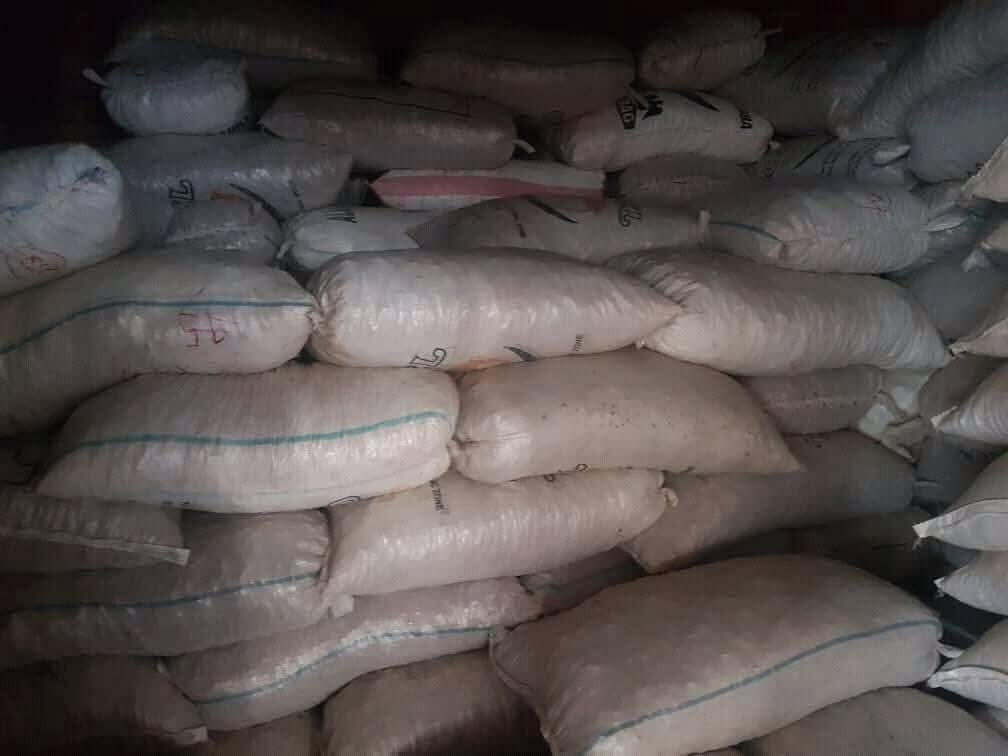
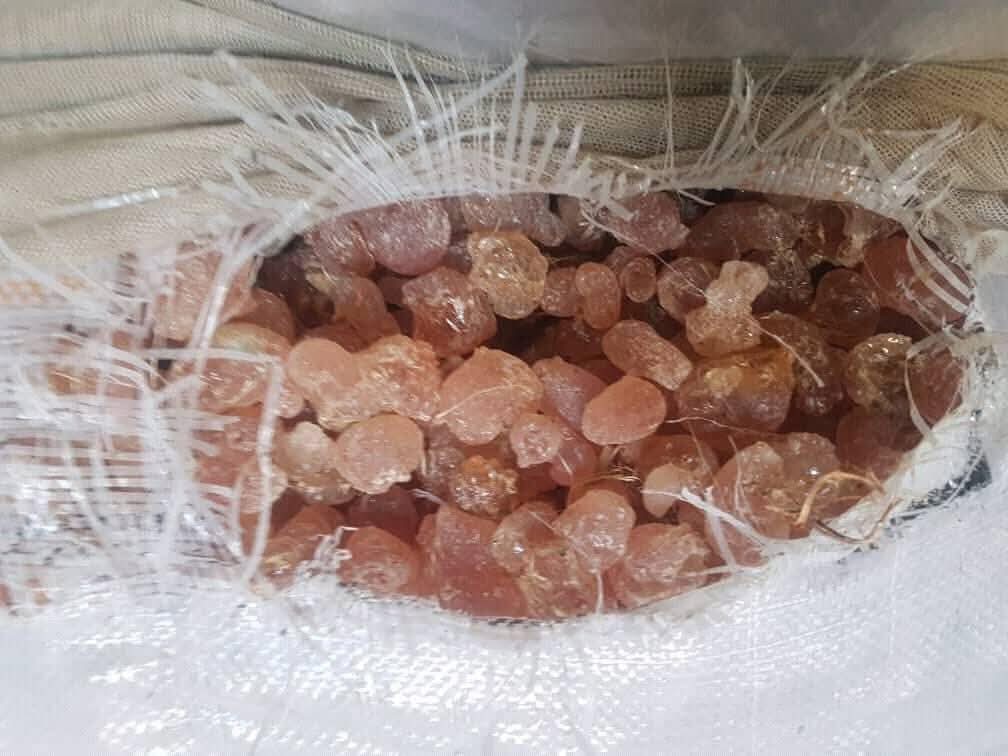
Packaging and Loading. Cleaned kibble gum is packed in 25–50kg polypropylene woven bags. Spray-dried powder is packed in 25kg multi-wall moisture-barrier paper bags with sealed inner polythene liner. All bags are clearly labelled with species, grade, lot number, moisture content, net weight, and export documentation reference. Lead time from order confirmation to container loading runs 14–28 days for cleaned kibble; 21–35 days for spray-dried powder orders requiring processing. Contact us early to plan around Nigeria’s October–April gum collection season.
Frequently Asked Questions
What is gum arabic and what makes it functionally unique among food additives?
Gum arabic is a natural polysaccharide-glycoprotein complex exuded from the bark of Acacia senegal and Acacia seyal trees in the African Sahel in response to bark damage. Its functional uniqueness derives from a specific molecular architecture — an arabinogalactan backbone with a covalently linked protein fraction — that produces an unmatched combination of high water solubility (up to 50% in water), very low solution viscosity at high concentration, excellent oil-in-water emulsification capacity, film-forming ability, and complete physiological inertness (not digested or absorbed in the mammalian gastrointestinal tract). No other natural gum, synthetic polymer, or combination of additives replicates this specific combination of properties across all the applications where gum arabic is commercially used — which is why it remains the reference material in beverage emulsification, confectionery glazing, pharmaceutical tablet coating, and flavour encapsulation after 4,000 years of continuous commercial use. Contact us to discuss application-specific functional performance documentation.
What is the difference between Acacia senegal and Acacia seyal gum arabic?
Both are classified as gum arabic (E414) under international food additive regulations — but they are chemically and functionally distinct. Acacia senegal produces the premium food-grade gum with higher protein content (1.5–2.5%), superior emulsification performance, better solubility at high concentration, and the full molecular weight distribution expected in JECFA and pharmacopoeial specifications. It is the species required for beverage flavour emulsification, pharmaceutical excipient applications, and the most demanding confectionery applications. Acacia seyal produces a gum with higher overall carbohydrate content, lower protein, different viscosity profile, and more brownish colour — suitable for certain food stabilisation applications, industrial uses including lithography and textile sizing, and applications where the seyal’s specific rheological behaviour is technically advantageous. Paradise MultiTrade supplies both species clearly identified by species name in all documentation. Contact us to confirm which species is appropriate for your application.
Why is supply chain diversification away from Sudan so important for gum arabic buyers?
Sudan accounts for approximately 60–70% of global gum arabic production — creating a supply concentration risk that has materially disrupted global gum arabic availability multiple times in recent decades. Sudan’s April 2023 civil war — which has severely disrupted agricultural production and export logistics across the country — is the most recent and most severe example of geopolitical supply disruption that gum arabic buyers have faced. Historical disruptions have caused global price spikes from USD 800 to over USD 3,000 per tonne for premium grades within single years. For procurement managers at beverage companies, confectionery manufacturers, and pharmaceutical producers who carry gum arabic as a business-critical supply chain ingredient, this concentration risk requires active origin diversification. Nigerian origin — with comparable ecological conditions, growing commercial infrastructure, and Paradise MultiTrade’s direct sourcing capability — provides the most immediately accessible West African alternative origin for buyers seeking to reduce Sudan concentration risk. Contact us to discuss building a Nigerian origin position in your gum arabic procurement programme.
What food additive regulatory approvals does gum arabic hold in major markets?
Gum arabic (E414) holds the most comprehensive regulatory approval portfolio of any food additive globally — approved as Generally Recognised as Safe (GRAS) by the US FDA, approved as a food additive in the EU under Regulation (EC) 1333/2008 with EFSA safety assessments confirming no acceptable daily intake (ADI) necessary, assessed as safe by JECFA with published specification monograph, and listed in USP and Ph. Eur. pharmacopoeias for pharmaceutical excipient use. This regulatory approval breadth — across all major consuming markets simultaneously — is matched by no other natural food additive and simplifies international market access for gum arabic from Nigerian origin relative to novel food ingredients requiring new market-by-market regulatory submissions.
Is Nigerian gum arabic’s quality comparable to Sudanese origin premium grade?
Nigerian Acacia senegal gum from the Sahel belt states of Borno, Yobe, and Jigawa — growing under ecological conditions that closely approximate Sudan’s Kordofan province in rainfall range, soil type, and seasonal drought stress — produces gum with molecular weight distribution, protein content, and emulsification performance consistent with JECFA food-grade specification requirements. Research on Nigerian gum arabic quality parameters published through NCBI confirms specification-compliant quality from Nigerian-origin Acacia senegal trees. For beverage and food industry buyers, functional performance testing through emulsification stability assays in your specific formulation system is the most commercially relevant quality assessment — and we welcome arrangements for buyers to conduct their own functional performance testing on Nigerian origin material before committing to supply volumes. Contact us to arrange sample supply for functional testing.
What is gum arabic’s prebiotic status and what clinical evidence supports it?
Gum arabic is classified as a soluble dietary fibre — specifically a prebiotic fibre — on the basis of clinical trial evidence demonstrating selective stimulation of beneficial gut bacteria growth and activity following oral consumption. Clinical trials published through NCBI have documented dose-dependent increases in Bifidobacterium and Lactobacillus species populations in the gut microbiome of subjects consuming gum arabic as a dietary supplement — meeting the prebiotic definition established by the International Scientific Association for Probiotics and Prebiotics (ISAPP). For nutraceutical buyers developing prebiotic supplement products or functional foods making gut health claims, we provide fibre content documentation, clinical evidence reference packages, and support for prebiotic ingredient regulatory substantiation under EU and US frameworks. Contact our team to discuss prebiotic grade specification and documentation.
What transit times should I expect from Nigeria, and when is gum arabic available?
Gum arabic collection in Nigeria runs from October through April — aligned with the dry season when acacia trees produce maximum gum exudate in response to drought stress. Cleaned kibble from the October–April collection season is available for export through approximately September of the following year. Spray-dried powder produced from the season’s raw gum is available year-round from inventory. Transit times: Europe (Rotterdam, Hamburg, Antwerp) — approximately 14–20 days from Lagos. USA (East Coast) — 18–25 days. France (Le Havre, Marseille) — 14–18 days. Japan (Yokohama) — 25–32 days. UAE (Jebel Ali) — 10–14 days. India (Nhava Sheva) — 10–15 days. Contact us to plan your procurement schedule around the Nigerian gum collection season.
Ready to Source Premium Nigerian Gum Arabic — Food-Grade E414, Pharmaceutical USP/Ph. Eur., and Industrial Grade, Acacia Senegal and Acacia Seyal, from One of the World’s Most Significant Producing Nations?
If you are a beverage manufacturer building supply chain diversification away from Sudan-dominant gum arabic procurement, a confectionery company sourcing glazing and encapsulation grade gum arabic, a pharmaceutical ingredient buyer sourcing excipient-grade gum arabic for tablet coating and oral formulation, a nutraceutical company developing prebiotic supplement products, a printing industry supplier sourcing lithographic-grade gum arabic, a cosmetics formulator investigating gum arabic as a natural film-former, or a food ingredient trader building West African origin positions in your hydrocolloid portfolio — Paradise MultiTrade International Limited is the licensed Nigerian exporter your gum arabic supply chain needs.
We supply Nigerian gum arabic — Acacia senegal and Acacia seyal clearly identified by species, in raw kibble, cleaned sieved kibble, and spray-dried powder forms — Sahel-origin sourced from Borno, Yobe, Jigawa, Katsina, and Sokoto states, analytically tested to JECFA, USP, and Ph. Eur. specification standards, and exported with full regulatory and technical documentation to buyers in every major regulated destination market.
Request a Quotation — share your required species (senegal or seyal), physical form (kibble or spray-dried powder), grade (food, pharmaceutical, or industrial), volume, specification requirements (JECFA, USP, Ph. Eur., or industrial), destination market, and analytical documentation requirements. We respond with a detailed, competitive quote within 48 hours.
Contact Our Export Team — speak directly with our export coordinators about species-specific quality documentation, functional performance data for beverage emulsification applications, pharmaceutical excipient qualification support, prebiotic fibre documentation, spray-drying processing specifications, supply continuity arrangements for business-critical procurement programmes, and long-term contract supply structures.
Explore Our Full Product Range — alongside gum arabic, Paradise MultiTrade exports sesame seeds, hibiscus flower, moringa seeds, turmeric, cloves, Nigerian onions, garlic, fresh ginger, dry split ginger, chilli pepper, bitter kola, kola nut, cashew nut kernel, and raw cashew nuts. One licensed Nigerian exporter. One consolidated West African agricultural and food ingredient sourcing relationship. Consistent quality and documentation across every commodity.
Buy Nigerian gum arabic, Acacia senegal Nigeria supplier, gum arabic bulk export West Africa, Nigerian gum acacia wholesale, gum arabic for food industry Nigeria, E414 gum arabic Nigeria, gum arabic for pharmaceutical industry, Acacia seyal Nigeria bulk buyer
Paradise MultiTrade International Limited | NEPC Export Licence No. 0042385 | CAC No. RC-9284647 | Lagos, Nigeria | www.paradisemultitrade.com

Reviews
There are no reviews yet.