
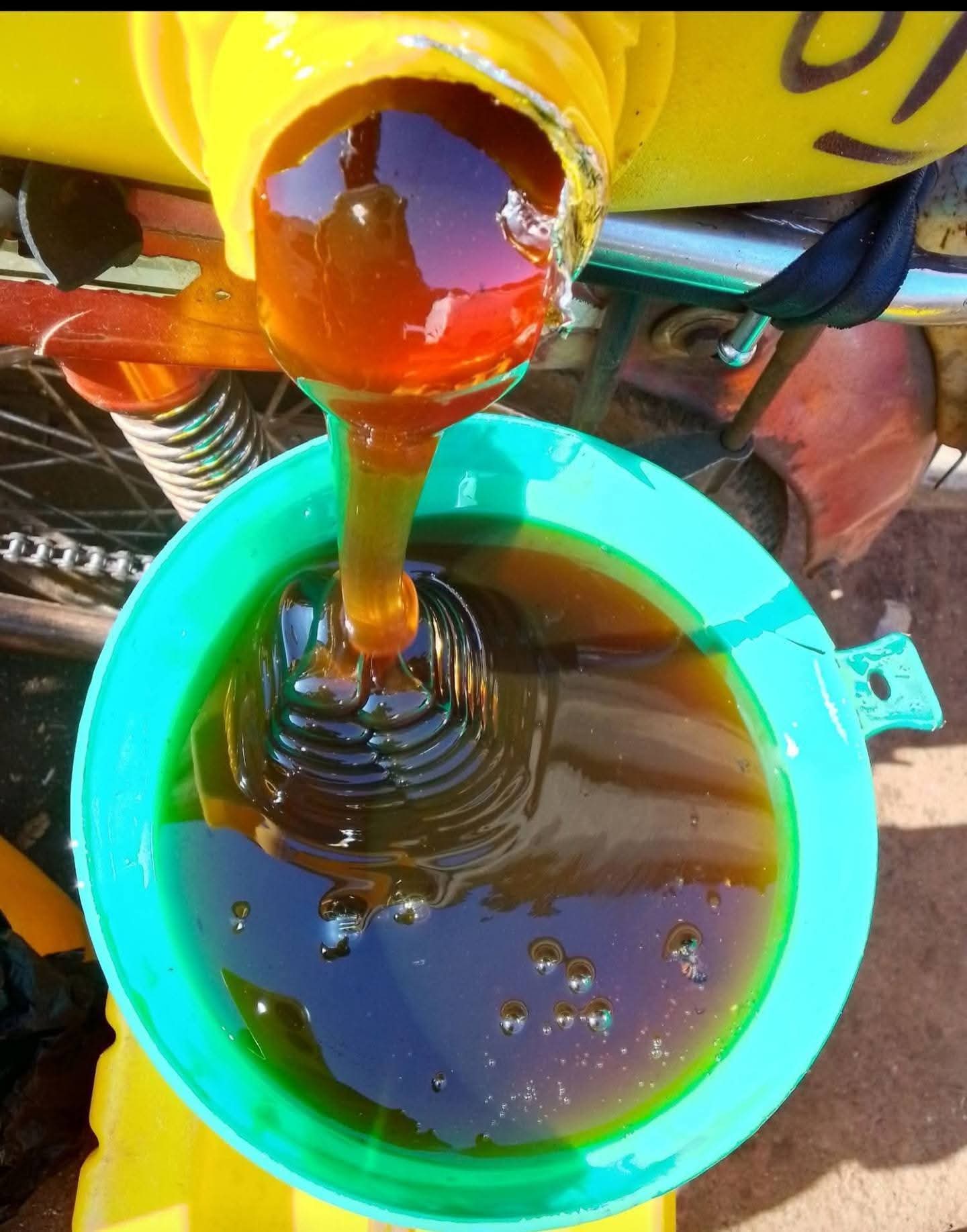

Nigerian Raw Bush Honey: The Wild-Harvested, Unheated, Unfiltered Multifloral Honey Whose African Forest and Savanna Floral Origins Give It an Enzyme Profile, Antioxidant Density, and Antimicrobial Activity That Commercial Apiary Honey Cannot Match — and That the Global Premium Honey Market Has Not Yet Fully Discovered
Raw Bush Honey Exporter Nigeria — Unfiltered Wild Forest Honey, Savanna Multifloral Honey, Monofloral Specialty Varieties, and Creamed/Set Honey, Direct Community Harvest Sourcing, Bulk Supply to Premium Food Retailers, Health Food Manufacturers, Wound Care Product Developers, Cosmetics Formulators, and Global Wholesale Importers Worldwide
Raw bush honey exporter Nigeria is a search phrase that arrives in the global premium honey market at precisely the commercial moment when the structural conditions for a major new honey origin’s discovery are most aligned. The Manuka honey story — New Zealand’s extraordinary commercial success in building a premium honey market worth over USD 500 million annually around a single floral source (Leptospermum scoparium, the Manuka bush) by documenting its specific methylglyoxal (MGO) antimicrobial properties and creating a verifiable quality grading system based on UMF (Unique Manuka Factor) ratings — is the commercial template whose logic Nigerian raw bush honey is uniquely positioned to replicate, extend, and in several dimensions exceed.
New Zealand built the Manuka premium on one plant. Nigeria’s wild bee foraging territory spans four distinct ecological zones — the humid tropical forest belt of the south and southeast, the Guinea and Sudan savanna of the Middle Belt, the Sahel parkland agroforestry zone of the north, and the montane grassland communities of the Jos Plateau — each producing honey with a distinct floral origin composition, a distinct colour and flavour profile, and a distinct bioactive compound portfolio reflecting the specific botanical community from which the wild bees foraged. Nigerian wild bees — predominantly African subspecies of Apis mellifera whose defensive behaviour and wide-ranging foraging territories have kept them largely unmanaged and therefore producing genuinely wild-origin honey — collect nectar from shea blossom, African locust bean flowers, moringa, neem, baobab, forest canopy species, savanna grass flowers, and hundreds of indigenous African botanical species whose specific phytochemical transfers into honey create a bioactive profile that no commercial European or Asian apiary honey can replicate.
Honey is simultaneously the most universally beloved natural food on earth and — documented through Europol food fraud intelligence reports and the European Commission’s EU food fraud network data — the third most adulterated food product globally after olive oil and milk, with an estimated 70–80% of internationally traded honey containing adulterants ranging from added glucose-fructose syrups through dilution with water through mislabelled floral or geographic origin. In this context — where most “honey” on supermarket shelves is something less than what its label claims — authentic, documented, analytically verified raw bush honey from wild Nigerian colonies is not merely a natural food product. It is one of the most commercially defensible quality credentials in the global premium honey market. The challenge has never been the quality. It has been building the documentation infrastructure that communicates that quality to buyers who know enough about honey to value it.
At Paradise MultiTrade International Limited, raw bush honey is one of our most commercially differentiated food export categories — sourced from established wild honey harvesting communities and traditional beekeeping cooperatives across Plateau, Benue, Nassarawa, Cross River, Ondo, Ekiti, Niger, and Kwara states where Nigeria’s most commercially significant honey production zones intersect with community harvesting traditions maintained across generations, processed under cold handling protocols that preserve the full enzyme activity, pollen content, and antimicrobial compound integrity that define genuinely raw honey, and exported with full food safety, botanical origin, and quality analytical documentation to international buyers.
To discuss sourcing immediately, request a quotation here and our export team will respond within 48 hours.
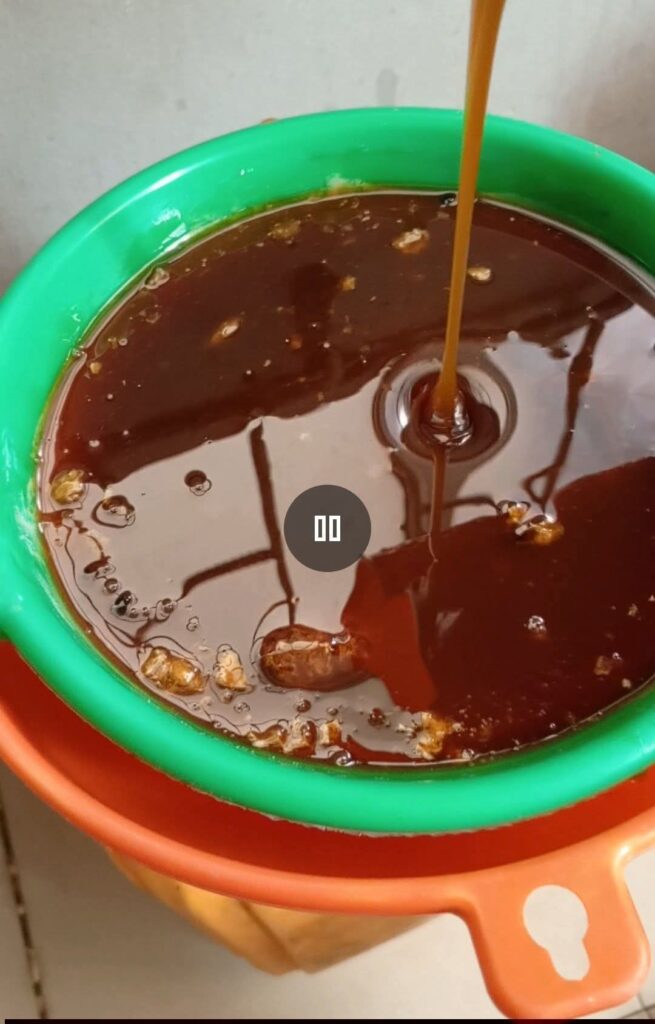
History and Origin of Nigerian Raw Bush Honey — From Ancient Forest Harvesting to the Global Premium Honey Market
Bees, Honey, and Human Communities in the West African Forest
The human relationship with honey in West Africa is older than agriculture itself. Archaeological evidence of honey harvesting in African forest and savanna environments — documented through rock art at sites including the Drakensberg Range and equatorial forest archaeological contexts reviewed in research accessible via JSTOR’s African archaeology database — dates human honey foraging practices on the African continent to at least 8,000–10,000 years BCE. The specific foraging and harvesting practices — locating wild bee colonies in tree hollows, cliff faces, and termite mounds; subduing the bees with smoke from smouldering vegetation; harvesting the honeycomb by hand — are described in oral traditions and historical accounts across virtually every West African ethnic group whose territory includes forest or woodland zones where wild bee populations are established.
In Nigeria specifically, honey holds cultural significance across multiple dimensions simultaneously: as a food of prestige and celebration, as a medicine whose application across wound healing, respiratory illness, digestive disorders, and skin conditions is documented across Hausa, Yoruba, Igbo, Fulani, Tiv, Efik, and dozens of other Nigerian ethnic healing traditions; as a religious and ceremonial offering in traditional spiritual practices; and as a trade commodity whose value in pre-colonial Nigerian market systems is documented through historical accounts reviewed in African Studies Association economic history publications.
The Apis mellifera subspecies that produce Nigerian honey are primarily African honeybees — specifically Apis mellifera adansonii (the West African bee), Apis mellifera jemenitica (the Arabian/Saharan bee whose range extends into northern Nigeria), and local populations of related African subspecies. African honeybees differ from European Apis mellifera subspecies (Italian, Carniolan, Buckfast) in commercially significant ways: they are more defensive and aggressive toward colony disturbance, they have stronger swarming tendencies, and they produce honey with a specific enzyme and antimicrobial compound profile documented through comparative honey research accessible via NCBI’s apiculture science database to have potentially superior antimicrobial activity to European commercial honey — reflecting the evolutionary pressure of a tropical disease environment whose bacterial load is significantly higher than the temperate European environments where commercial honey bee subspecies evolved.
Nigeria’s Honey Production Geography — Four Ecological Zones, Four Distinct Honey Profiles
Nigeria’s honey production geography spans four ecologically distinct zones — each producing honey with distinct botanical origin, colour, flavour, and bioactive compound profile:
The Forest Belt Honey Zone — Cross River, Akwa Ibom, Rivers, Delta, Edo, Ondo, and Ogun states — produces the darkest, richest, most bioactively complex honey in Nigeria’s portfolio. Wild bee colonies in the humid tropical forest and forest-savanna transition zone forage on the extraordinary botanical diversity of Nigeria’s remaining forest — including forest canopy species, understory medicinal plants, and the rich diversity of flowering trees documented through the International Union for Conservation of Nature (IUCN) West African forest biodiversity database. Dark forest honey’s phenolic antioxidant content — documented through research published via NCBI to correlate inversely with honey colour lightness — places it in the premium antioxidant-dense honey category that health food buyers specifically seek.
The Middle Belt Savanna Honey Zone — Plateau, Nassarawa, Benue, Kogi, and Kwara states — produces the most commercially diverse honey in Nigeria, ranging from the montane Jos Plateau community honey (whose cool highland growing environment produces flowering species analogous to European meadow honey) through the forest-savanna transition zone honey of southern Benue and Kogi, whose mixed botanical origins create complex multifloral flavour profiles. Plateau State’s highland honey production — from bees foraging at 1,200–1,800 metres altitude across the Jos Plateau grassland community — produces honey with a lighter colour, floral complexity, and moderate antioxidant profile that positions it as Nigeria’s most mainstream-accessible premium honey.
The Guinea Savanna Honey Zone — Niger, Kwara, and the northern reaches of Kogi and Benue states — produces honey from the mixed woodland savanna flora whose most commercially significant floral contributors include shea blossom (Vitellaria paradoxa honey is documented as one of West Africa’s most prized monofloral honeys for its delicate floral sweetness) and African locust bean blossom (Parkia biglobosa) whose large, fragrant flowers attract massive bee foraging activity during the March–April flowering season.
The Sahel Parkland Honey Zone — Niger, Kebbi, Zamfara, Katsina, and the northern reaches of Kano and Kaduna states — produces lighter, cleaner-flavoured honey from the parkland agroforestry flora dominated by neem, moringa, and Sahel savanna flowering species. Neem honey — produced from the abundant neem tree populations of northern Nigeria — has attracted specific pharmaceutical research interest for its potentially elevated antimicrobial compound profile reflecting neem’s documented bioactive properties discussed in our neem article.
The Nigerian Export Promotion Council (NEPC) has formally recognised honey and bee products as priority non-oil export commodities — with market development support connecting Nigerian honey producers with international food buyers, health food retailers, and premium wholesale distributors. The International Trade Centre (ITC) Trade Map confirms Nigerian honey entering formal international export channels at growing volumes — with European health food buyers, Middle Eastern premium food importers, and American natural food distributors among the most active procurement communities.
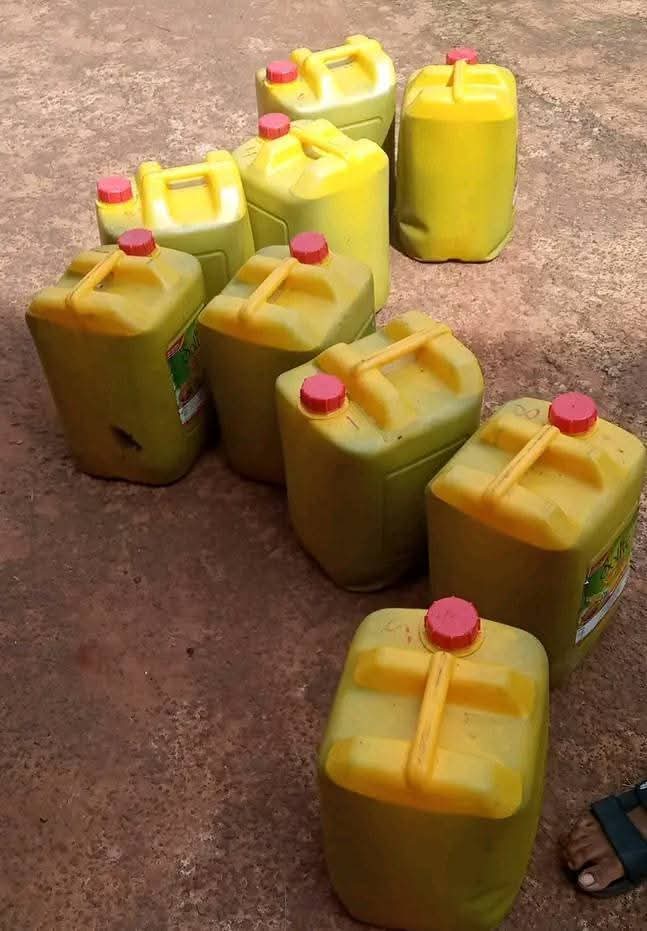
What Is Nigerian Raw Bush, Honey? The Chemistry That Defines Premium Quality and Separates Authentic Raw Honey From Commercial Substitutes
The Critical Definition — Raw Means Unheated and Unfiltered, Not Just “Natural”
The most commercially significant quality distinction in the global honey market — and the distinction that separates premium raw bush honey from the commodity honey that dominates supermarket shelves — is the one that the label “raw” communicates: the honey has not been heated above the temperature of the natural hive (approximately 37–40°C) during extraction, processing, or packaging. This single processing parameter determines the preservation of every bioactive compound whose presence makes raw honey therapeutically and nutritionally superior to commercially processed alternatives:
Enzymes — honey contains several naturally occurring enzymes whose activity is destroyed by heating above approximately 40°C. Diastase (amylase) — whose activity is measured as the Diastase Number (DN) and used as the primary heat-treatment indicator in EU honey regulations — converts starch to simpler sugars and provides an indirect measure of honey’s freshness and processing integrity. Glucose oxidase — the enzyme responsible for producing hydrogen peroxide from glucose and oxygen, creating honey’s primary antimicrobial mechanism — is the most heat-sensitive of honey’s natural enzymes, losing significant activity above 40°C and becoming essentially inactive above 70°C. The complete destruction of glucose oxidase through commercial honey heating is the primary reason that heated commercial honey has demonstrably lower antimicrobial activity than raw honey from the same floral source. Invertase — catalysing the conversion of sucrose to glucose and fructose — and catalase — managing hydrogen peroxide concentrations to optimal antimicrobial levels — complete the enzyme portfolio that raw processing preserves and commercial processing destroys.
Hydroxymethylfurfural (HMF) — a compound absent from fresh honey but produced progressively from fructose under acidic conditions and accelerated dramatically by heat — is the primary heat and aging damage indicator in international honey quality regulations. EU Honey Directive 2001/110/EC sets a maximum HMF limit of 40 mg/kg for standard honey and 80 mg/kg for honey declared as originating from tropical regions. Fresh, properly processed raw honey from wild Nigerian colonies typically has HMF content below 5–10 mg/kg — dramatically below regulatory limits and far below the levels typical of commercially heated honey. High HMF content is both a heat-processing indicator and a predictor of reduced nutritional and therapeutic efficacy.
Pollen — the microscopic pollen grains from flowers visited by bees that become trapped in honey during collection and processing — serve three commercially critical functions in premium honey: botanical origin verification (pollen analysis under microscopy confirms which plant species were foraged, providing documentation of geographic origin and floral source); nutritional contribution (pollen is one of the most nutritionally dense natural foods, containing protein, vitamins, minerals, and phytonutrients); and allergen exposure potential (relevant for medical honey applications where pollen-documented origin matters for patient safety management). Commercial filtering removes most pollen, depriving the buyer of both nutritional value and the forensic authentication tool that pollen analysis provides.
Propolis traces — the antimicrobial resin compound that bees collect from tree buds and bark to seal and sterilise their hive — are present in trace quantities in unfiltered raw honey, contributing additional antimicrobial and anti-inflammatory compounds documented through NCBI’s propolis pharmacology research.
Beeswax traces — small wax fragments in unfiltered raw honey contribute to the characteristic grainy texture that raw honey buyers recognise as an authenticity indicator.
The Antimicrobial Chemistry — What Makes Nigerian Bush Honey Therapeutically Significant
Honey’s antimicrobial properties — documented through clinical research accessible via NCBI’s wound care and antimicrobial medicine publications — operate through four synergistic mechanisms:
Hydrogen peroxide (H₂O₂ release) — produced continuously through glucose oxidase activity in diluted honey, creating a sustained low-level antiseptic environment documented to be effective against clinical wound pathogens, including Staphylococcus aureus, Pseudomonas aeruginosa, and Escherichia coli. The H₂O₂ mechanism is responsible for most conventional honey’s antimicrobial activity — and its dependence on glucose oxidase activity explains why raw honey consistently outperforms heated honey in antimicrobial assays.
Low water activity — honey’s high sugar concentration (typically 75–80% total sugars) creates an osmotic environment that dehydrates and kills most bacterial cells through osmotic stress — a physical antimicrobial mechanism independent of enzymatic activity.
Acidic pH — honey’s natural pH of 3.5–4.5 (from organic acid content, including gluconic acid, acetic acid, and others) inhibits bacterial growth through pH-mediated stress.
Phytochemical antimicrobials — honey-specific phenolic compounds, flavonoids, and other phytochemicals whose specific composition reflects the floral sources of the honey — with tropical and forest-origin honey consistently demonstrating higher total phenolic content and correspondingly higher non-peroxide antimicrobial activity than temperate commercial honey. The specific phenolic compounds that give Manuka honey its MGO-based antimicrobial superiority are the flavonoid-phenolic-MGO combination from Leptospermum flowers, and while Nigerian forest honey does not contain MGO in comparable concentrations, its total phenolic content from West African forest flora has demonstrated antimicrobial activity documented through Nigerian university research published via NCBI that is competitive with the baseline antimicrobial activity of premium honey from other tropical origins.
The Mānuka Reference — The Commercial Template That Nigerian Honey Can Follow
The Mānuka honey industry’s success — building a USD 500+ million premium honey market from one New Zealand shrub species — is documented through New Zealand’s Ministry for Primary Industries Mānuka honey science programme and market intelligence from Mintel’s global honey market database. The commercial elements that made Mānuka premium work were: a specific bioactive compound (methylglyoxal/MGO) that could be measured and graded; a standardised quality rating system (UMF/MGO rating) that communicated quality to consumers unambiguously; rigorous origin authentication (DNA pollen testing confirming Leptospermum origin); and a premium pricing structure supported by the above — creating a honey product retailing at USD 30–100+ per 250g jar versus commodity honey at USD 3–8 per jar.
Nigerian raw bush honey does not need to clone the Mānuka model exactly — but the commercial logic is directly applicable: document specific bioactive properties that differentiate Nigerian honey from commodity alternatives, create a quality grading and authentication framework that buyers and consumers can trust, and build premium pricing on the back of verified quality rather than marketing narrative alone. The Global Honey Market intelligence published by Grand View Research documents the premium raw honey segment growing at double the rate of the overall honey market — confirming that the consumer and food industry appetite for premium raw honey with documented origin and bioactive properties is the fastest-growing commercial opportunity in the honey category.
Three Commercial Honey Varieties and Four Processing Forms
Multifloral Bush Honey — the primary commercial form, produced from bees foraging across a diverse range of wild flora within a specific ecological zone — forest belt, Middle Belt savanna, or Guinea savanna. Multifloral bush honey’s complex flavour profile, characteristic dark colour (forest zone) to amber (savanna zone), and bioactively diverse phenolic compound content make it the most commercially versatile form for health food retail, food manufacturing, and wholesale distribution.
Monofloral Specialty Honey — produced from specific floral source dominance where the landscape composition and seasonal flowering creates near-single-source nectar collections: shea blossom honey (Vitellaria paradoxa — prized for its delicate floral sweetness), neem honey (Azadirachta indica — strong, slightly bitter, with specific antimicrobial compound contribution from neem’s bioactive profile), locust bean honey (Parkia biglobosa — rich, complex, prized in West African traditional food culture), and moringa honey (Moringa oleifera — mild, floral, produced from moringa plantation areas). Monofloral specialty honeys command premium pricing in the gourmet food and premium health food markets.
Comb Honey — the most premium and most unadulterated form — honeycomb sections whose wax-sealed cells contain raw honey exactly as the bees produced and stored it, with maximum pollen, enzyme, and wax content intact. Comb honey cannot be adulterated by any currently available method detectable through conventional sugar analysis — making it the gold standard authentication form for buyers who need absolute certainty of genuine raw honey.
Creamed / Set Honey — raw honey that has been allowed to granulate in a controlled manner — either naturally (all raw honey eventually granulates as glucose crystallises out of supersaturated solution) or through seeding with fine-crystal honey. Creamed honey’s smooth, spreadable texture makes it more consumer-accessible than liquid raw honey while retaining full raw honey bioactive properties, making it preferred for retail jar formats.
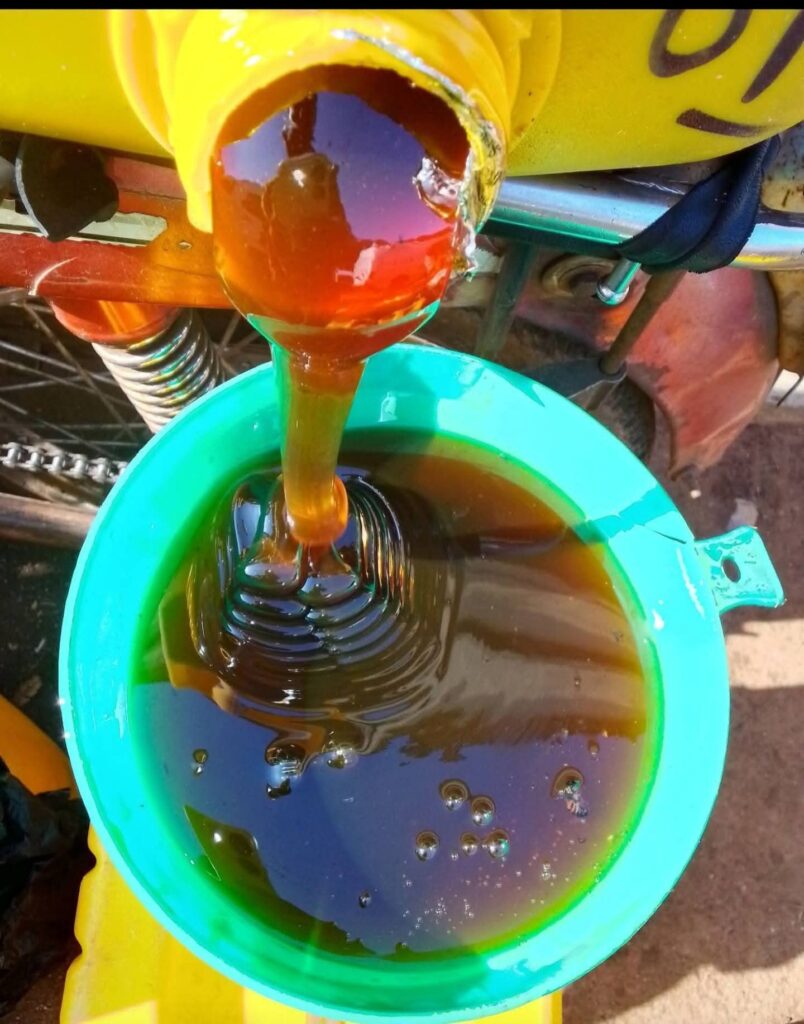
Benefits and Industrial Uses of Nigerian Raw Bush Honey
Premium Food Retail and Health Food Manufacturing — The Raw Honey Revolution
The global premium honey market’s growth — tracked through Grand View Research’s honey market analysis, which values the market at over USD 9 billion globally, with the raw/premium segment growing significantly faster than commodity honey — reflects a consumer awareness shift whose commercial momentum is now established and accelerating. Consumers who have read about Manuka honey’s antimicrobial properties, who understand the enzyme and pollen destruction caused by commercial heating, and who increasingly apply the “raw” quality standard to honey that they apply to olive oil, dairy, and other natural foods, are the primary driver of the premium honey segment’s outperformance.
Premium retail jar honey — the most commercially accessible initial market for Nigerian raw bush honey — positions directly against Manuka, raw acacia, raw wildflower, and other established premium raw honey categories at retail price points of USD 15–40 per jar (250g) in European and American health food retail. The Specialty Food Association documents premium raw honey as one of the most commercially active specialty food product categories globally.
Natural health food manufacturing — raw honey is a premium ingredient in energy bars, granola, natural cereal, power balls, and the broad category of natural health food products where “sweetened with raw honey” is a meaningful product differentiator over “sweetened with sugar” or even “sweetened with conventional honey.” Market intelligence from Innova Market Insights confirms raw honey’s growing adoption in clean-label natural food product formulation.
Artisan food products — raw honey as a finishing condiment for artisan cheese, as a component in craft cocktail syrups, as an ingredient in premium salad dressings, and as a flavour component in artisan chocolate — create a premium food service and artisan food manufacturing demand stream whose buyers specifically value authentic origin provenance and verified raw status.
Bakery and confectionery — raw honey at low inclusion rates in premium baked goods, artisan candy, and luxury confectionery — where the honey’s flavour complexity and natural sweetener positioning contribute to both taste and clean-label marketing. The Institute of Food Technologists (IFT) documents honey’s functional food manufacturing applications, including moisture retention, flavour development (Maillard reaction contributions), and natural preservative activity in baked goods.
For premium food retail and health food manufacturing buyers evaluating Nigerian raw bush honey, contact our export team to discuss honey variety, pollen analysis documentation, and supply arrangements.
Medical and Wound Care Industry — The Most Clinically Documented Natural Antimicrobial
Honey’s wound care applications — the most clinically substantiated therapeutic use of any food product — have transitioned from traditional medicine observation to formal pharmaceutical product status over the past three decades. The clinical evidence base is robust, documented through systematic reviews and randomised controlled trials accessible via NCBI’s clinical medicine database:
Registered medical honey wound care products — Medihoney (Comvita, New Zealand — the world’s most commercially successful medical honey product), Activon (Advancis Medical, UK), and L-Mesitran (Theo Medical, Netherlands) are registered medical devices/pharmaceutical products based on Manuka honey or medical-grade honey whose clinical efficacy in treating chronic wounds, burns, and post-surgical wounds is documented through clinical trials published in wound care journals including the Journal of Wound Care and reviewed by NICE (National Institute for Health and Care Excellence, UK). These products have established the regulatory framework and clinical evidence base that medical honey needs — and the pharmaceutical development opportunity for Nigerian forest honey with documented antimicrobial properties is exactly the kind of new natural pharmaceutical active that medical wound care product developers investigate. The Wounds UK professional organisation tracks medical honey product development internationally.
Veterinary wound care — honey’s wound care applications in veterinary medicine — for treatment of wounds, abscesses, and post-surgical sites in dogs, cats, horses, and livestock — constitute a growing commercial demand stream for raw honey from documented clean sources. The American Veterinary Medical Association (AVMA) has published guidance on veterinary honey wound care applications confirming the evidence base for this application.
Hospital infection management — the growing clinical interest in honey as a complementary tool for managing antibiotic-resistant wound infections — particularly MRSA (Methicillin-resistant Staphylococcus aureus) — documented through NCBI’s antimicrobial resistance research publications creates institutional demand for medical-grade honey from documented antimicrobial testing in hospital infection management contexts.
For pharmaceutical and medical wound care product developers evaluating Nigerian raw honey’s antimicrobial profile, we coordinate Total Activity (TA) testing and Minimum Inhibitory Concentration (MIC) determination against standard wound care pathogens through accredited microbiological laboratories — providing the antimicrobial activity documentation that medical product development requires. Contact Paradise MultiTrade to discuss medical-grade honey supply and antimicrobial documentation.
Nutraceutical and Dietary Supplement Industry — The Antioxidant, Prebiotic, and Immune Support Markets
Antioxidant supplement applications — raw honey’s total phenolic content and FRAP (Ferric Reducing Antioxidant Power) — higher in dark forest honey than in lighter honey varieties — creates nutraceutical product development interest in Nigerian forest honey as a premium antioxidant food ingredient for functional food and supplement formulations. Research on honey’s antioxidant properties published through NCBI’s nutritional biochemistry database documents the direct correlation between honey colour intensity and phenolic antioxidant content — confirming Nigerian dark forest honey’s antioxidant density positioning.
Prebiotic and gut health applications — honey’s content of oligosaccharides — small carbohydrate chains that resist digestion in the small intestine and reach the colon where they selectively feed beneficial Bifidobacterium and Lactobacillus species — creates a prebiotic positioning for raw honey in gut health supplements and functional food formulations. Research on honey’s prebiotic properties reviewed through ISAPP’s prebiotic science publications confirms that raw honey’s oligosaccharide content — destroyed by heat processing — is a meaningful prebiotic contributor in the context of whole diet gut health management.
Immune support formulations — honey’s documented immune-modulatory effects — through its phenolic compounds’ cytokine activity modulation documented via NCBI — create nutraceutical product development interest in raw honey as a natural immune support ingredient for functional food and supplement applications. The Natural Products Association (NPA) tracks raw honey’s growing adoption in immune support supplement formulation.
Sports nutrition and energy product applications — honey’s specific glucose-fructose ratio (approximately 38% fructose, 31% glucose in most honeys) produces a carbohydrate release profile that sports nutritionists document through NCBI’s sports nutrition research as providing both immediate glycaemic (glucose) and sustained (fructose) energy delivery — making it a scientifically substantiated natural sports nutrition ingredient whose clean-label positioning aligns with the premium natural sports nutrition market tracked by Euromonitor International’s sports nutrition market reports.
Cosmetics and Personal Care Industry — The Humectant Healer
Honey’s cosmetics applications are built on its specific combination of humectant activity (attracting and retaining moisture from the environment into skin tissue), antimicrobial wound-healing properties, and the documented anti-inflammatory activity of its phenolic compound content:
Anti-acne and skin-clearing formulation — raw honey’s combination of antimicrobial activity against Cutibacterium acnes (the primary acne bacterium), its anti-inflammatory properties reducing erythema, and its humectant moisture balance effects that prevent the skin dehydration that triggers excess sebum production — creates a cosmetically substantiated multi-mechanism anti-acne active. Research on honey’s anti-acne efficacy documented through NCBI’s dermatology publications confirms the clinical evidence base that natural anti-acne brands require for substantiated product claims.
Wound healing and scar reduction skin care — raw honey’s fibroblast proliferation stimulation and collagen synthesis promotion — documented through clinical research accessible via NCBI’s wound care science publications — creates cosmetics application interest in honey for premium anti-aging skin care whose wound-healing mechanism targets the same cellular aging processes that pharmaceutical anti-aging approaches address.
Hair care and scalp treatment — honey’s humectant and conditioning properties, its mild antimicrobial activity against scalp conditions including seborrhoeic dermatitis, and its specific enzyme content that has documented hair protein-strengthening properties create hair care formulation applications tracked through Mintel’s natural hair care innovation database.
Premium cosmetics ingredient sourcing — the Cosmetic Ingredient Review (CIR) has confirmed honey’s safety in cosmetics applications, and the INCI Decoder classifies honey (Mel) and honey extract within the international cosmetics ingredient naming system — providing the regulatory framework for professional cosmetics formulation.
Traditional Medicine — The 5,000-Year Clinical Trial
Nigerian honey’s traditional medicine applications — comprehensively documented across Hausa, Yoruba, Igbo, Fulani, and dozens of other Nigerian ethnic healing traditions through ethnomedicinal research published in the Journal of Ethnopharmacology — include wound healing and infection management, cough and respiratory illness treatment, digestive disorder management, eye infection treatment, and general strength and vitality tonic use. This traditional knowledge validation — sustained across millennia of daily clinical observation — provides both the cultural authenticity narrative that premium traditional food and herbal medicine brands require and the empirical observation base that guides pharmaceutical research direction in investigating specific honey antimicrobial and therapeutic mechanisms.
Why Buy Raw Bush Honey From Nigeria?
The Wild Forage Diversity Argument — A Continent’s Botanical Pharmacy
The commercial argument that most distinguishes Nigerian raw bush honey from every other premium honey origin in the world is the extraordinary botanical diversity of its foraging territory. Manuka honey’s premium is built on one plant species whose specific compound contribution creates a measurable, marketable quality attribute. Nigerian wild bees forage across forest and savanna ecosystems whose botanical diversity includes thousands of flowering species — including documented medicinal plants like neem, moringa, bitter kola (Garcinia kola), Vitex doniana, Daniellia oliveri, and hundreds of others whose specific phytochemical transfers into honey create a bioactive complexity that single-source honey cannot achieve.
Research on the relationship between honey floral diversity and bioactive compound richness — published through NCBI’s food chemistry and pharmacognosy publications — documents that multifloral honey consistently demonstrates higher total phenolic content and more complex antimicrobial profiles than monofloral alternatives — because the synergistic interaction of multiple phenolic compound classes produces antimicrobial activity through more pathways than any single compound achieves alone. Nigerian forest and savanna honey’s extraordinary botanical diversity is not a quality challenge to manage — it is the primary commercial quality advantage to document and communicate.
The Adulteration-Free Position — Authentic Documentation in a Market Defined by Fraud
The global honey market’s adulteration crisis — documented through European Commission food fraud statistics, Europol food fraud intelligence, and research published via NCBI on honey authentication methods — creates a specific commercial opportunity for authenticated raw honey from documented wild harvest communities. When 70–80% of commercially traded honey contains adulterants that standard sugar analysis cannot detect (C4 sugar syrups are now detectable through IRMS — Isotope Ratio Mass Spectrometry — but not through conventional refractometry), the honey from community wild-harvest sources with documented harvest locations, pollen analysis confirming botanical origin, full enzyme activity testing confirming raw status, and C4 sugar IRMS authentication testing carries a market premium that informed buyers specifically seek and are willing to pay for.
Paradise MultiTrade’s authentication programme for raw bush honey — coordinating pollen analysis, diastase number, HMF content, C4 sugar IRMS testing, and total phenolic content measurement through accredited food analytical laboratories — provides the documentation infrastructure that transforms wild Nigerian honey from an undifferentiated commodity into an authenticated premium product. Contact our team to discuss the complete authentication documentation package.
The First-Mover Commercial Opportunity
Nigerian raw bush honey is at precisely the commercial stage where Manuka honey was in the early 1990s — before the UMF grading system, before widespread consumer awareness, and before the premium pricing that documentation and marketing subsequently built. Early buyers who establish supply relationships, support quality documentation development, and build Nigerian raw bush honey into their product lines now are occupying the first-mover positions that defined the commercial winners in the Manuka category. Contact our team to discuss building a first-mover Nigerian raw bush honey supply position.
The Sustainability and Community Empowerment Narrative
Nigerian wild honey harvesting — practised by rural community harvesters whose knowledge of local bee colony locations, seasonal foraging patterns, and sustainable harvest techniques has been maintained across generations — represents one of the most genuinely sustainable food production systems in this entire article series. No chemical inputs, no industrial processing, no cultivation of any kind — the bees do the work that millions of years of co-evolution with West African flowering plants has equipped them to do, and community harvesters with deep traditional ecological knowledge collect the honey at rates that maintain colony health and production season after season.
The Fairtrade International framework and the Forest Stewardship Council (FSC) principles both provide applicable sustainability frameworks for wild-harvest forest product supply chains whose environmental stewardship and community benefit credentials are documentable — creating the certification infrastructure that premium food and cosmetics brands increasingly require from their honey ingredient sourcing.
Complete Export Documentation from a Licensed Exporter
Every raw bush honey shipment processed through Paradise MultiTrade carries phytosanitary certification from the Nigerian Agricultural Quarantine Service (NAQS), NEPC export documentation, certificate of origin, commercial invoice, packing list, and bill of lading. We coordinate the complete honey quality analytical package: moisture content (refractometer), Diastase Number (Schade Method confirming ≥8 DN per EU requirements), HMF content (HPLC or Winkler/Lund method — confirming ≤40 mg/kg per EU Directive 2001/110/EC), C4 sugar IRMS authentication, pollen analysis confirming botanical and geographic origin, total phenolic content (Folin-Ciocalteu method), antimicrobial activity (Total Activity testing on request), and microbiological safety screening following AOAC International validated procedures. EU-bound shipments comply with EU Honey Directive 2001/110/EC and Regulation (EU) 2017/625 on official controls. Our NEPC Export Licence No. 0042385 and CAC Registration No. RC-9284647 is verifiable through NEPC.
Nigeria’s Raw Bush Honey Export Strength and Global Market Demand
The Global Market — Premium Raw Honey as the Fastest-Growing Honey Segment
The global honey market — tracked through Grand View Research’s honey market analysis valuing the market at USD 9+ billion with projected CAGR of 5%+ through 2030 — is bifurcating commercially between commodity honey (declining margin, adulteration-challenged) and premium raw honey (growing margin, consumer-driven demand expansion). Mordor Intelligence’s honey market report confirms the premium raw segment as the primary value growth driver, with Manuka honey’s commercial success having permanently established the consumer’s willingness to pay substantial premiums for documented bioactive honey.
The International Honey Commission — the scientific organisation coordinating global honey quality standards research — provides the analytical methodology framework within which Nigerian honey’s quality documentation is positioned. The Apimondia International Federation of Beekeepers’ Associations represents the global apiculture community whose market development activities and technical standards increasingly engage with African honey production development.
Key Export Destination Markets
Germany — Europe’s largest honey-consuming market and home to the most sophisticated honey quality standards enforcement in the EU — is the most commercially significant European destination for premium authenticated Nigerian raw bush honey. German food retailers including Alnatura, Denn’s Biomarkt, and the health food sections of Rewe and EDEKA actively procure premium raw honey from documented natural origins. German honey import standards are enforced through BVL and the German Beekeepers’ Association (DIB) quality standards framework.
The United Kingdom — whose premium health food retail sector (Holland & Barrett, Planet Organic, Whole Foods UK, and hundreds of independent health food stores) has built significant consumer awareness around raw honey quality — is a priority destination whose post-Brexit honey import requirements are administered by the Food Standards Agency (FSA).
The United States — the world’s largest honey-consuming nation and home to the most commercially developed premium honey retail sector (including Whole Foods’ premium honey programme, Amazon’s premium honey category, and hundreds of specialty honey retailers) — is the highest-volume destination for Nigerian raw bush honey across health food retail, natural food manufacturing, and nutraceutical ingredient applications. US honey import safety requirements are administered through FDA’s food import programme.
France — whose artisan food culture, sophisticated premium food retail, and natural cosmetics industry all create distinct demand streams for authenticated raw honey from West African wild origins — is a priority European destination tracked through FEBEA cosmetics intelligence for cosmetics-grade honey and through French premium food retail networks for food-grade supply.
The UAE and Gulf States — where premium natural food retail, traditional medicine market for authentic honey, and the specific Gulf consumer preference for documented natural honey of high quality create consistent demand — represent growing Middle Eastern destinations tracked through ADAFSA food import intelligence.
Japan — whose premium food market’s extraordinary quality expectations and specific consumer appreciation for authenticated natural foods from unique geographic origins create the ideal commercial conditions for Nigerian monofloral honey premium positioning — represent a growing Asian destination tracked through JETRO.
Why Choose Paradise MultiTrade International Limited?
The Complete Authentication Package — Not Just a Certificate of Analysis. Our raw bush honey authentication programme goes beyond standard food safety testing to the specific suite of tests that sophisticated honey buyers require to verify genuine raw status and authentic origin: Diastase Number (DN) confirming enzyme integrity and confirming no heat treatment; HMF content confirming freshness and confirming no overheating; pollen analysis confirming botanical and geographic origin; C4 sugar IRMS testing confirming no high-fructose corn syrup or cane sugar adulteration; and total phenolic content confirming bioactive density. This is the documentation level that premium wholesale buyers, medical honey developers, and pharmaceutical ingredient buyers require — and it is the standard Paradise MultiTrade provides as the baseline for every commercial raw honey export. Contact us to discuss the complete authentication package.
Multiple Ecological Zone Sourcing — Forest, Savanna, and Highland. We source from multiple Nigerian ecological zones — providing buyers with access to dark forest honey (highest phenolic content, most complex flavour, premium antioxidant positioning), Middle Belt savanna honey (amber, balanced, most commercially mainstream), and Plateau State highland honey (lighter, floral, most accessible flavour profile) as distinct product lines with differentiated quality and flavour credentials. Contact us to specify your required honey variety.
Monofloral Specialty Honey Programme. We source shea blossom, neem, locust bean, and moringa monofloral specialty honeys from Nigerian producing zones where single-flower dominance during the relevant flowering season creates documented monofloral character — providing premium specialty honey buyers with product line differentiation that commodity multifloral honey cannot offer. Contact our team to discuss monofloral honey availability and pollen analysis documentation.
Cold Chain and Temperature Management Commitment. Raw honey quality — specifically enzyme integrity and HMF suppression — requires temperature management throughout the supply chain. We maintain cold storage for honey inventory, pack in temperature-appropriate containers, and provide cold chain logistics guidance for buyers whose destination warehouse conditions require temperature management. Contact us to discuss temperature management for your specific destination.
Multi-Commodity West African Natural Product Sourcing. Raw honey buyers frequently source complementary Nigerian natural food and botanical commodities. Alongside raw bush honey, Paradise MultiTrade exports shea butter, bitter kola, alligator pepper, moringa seeds, gum arabic, hibiscus flower, fresh ginger, turmeric, sesame seeds, cashew nut kernel, raw cashew nuts, egusi melon seed, crayfish, and raw cashew nuts. Explore our full range of Nigerian export commodities and consolidate your West African natural food and botanical ingredient sourcing through one verified, licensed export partner.
Product Specifications
| Specification | Details |
|---|---|
| Product | Nigerian Raw Bush Honey |
| Types Available | Wild multifloral forest honey; Savanna multifloral honey; Plateau highland honey; Shea blossom monofloral; Neem monofloral; Locust bean monofloral; Comb honey (whole comb sections) |
| Bee Species | Apis mellifera adansonii (West African honeybee) and related African subspecies — wild/semi-managed colonies |
| Origin | Nigeria (Plateau, Benue, Nassarawa, Cross River, Ondo, Ekiti, Niger, Kwara, Ondo States) |
| Processing | Raw — unheated (below 37°C throughout), unfiltered (coarse-strained only) |
| Colour | Dark amber to near-black (forest honey); Amber (savanna honey); Light amber (highland honey) |
| Moisture Content | ≤20% (EU Honey Directive maximum) — typically 17–19% in quality Nigerian raw honey |
| Diastase Number (DN) | ≥8 (EU minimum) — typically 12–25 in freshly harvested raw honey |
| HMF Content | ≤40 mg/kg (EU standard); ≤80 mg/kg (tropical honey EU limit) — typically <10 mg/kg in fresh raw honey |
| C4 Sugar (IRMS Test) | Negative — confirming no added high-fructose corn syrup or cane/beet sugar adulterant |
| Total Phenolic Content | Documented by the Folin-Ciocalteu method (higher in dark forest honey) |
| Total Activity (Antimicrobial) | Available on request — tested against standard wound care pathogens |
| Pollen Analysis | Melissopalynology report confirming botanical origin and geographic origin — provided per lot |
| pH | 3.5–4.5 (natural acidity confirming genuine honey character) |
| Water Activity | ≤0.60 (confirming microbial stability) |
| Electrical Conductivity | 0.3–0.8 mS/cm (confirming mineral content appropriate for floral origin type) |
| Microbiological | Total viable count, Salmonella absent/25g, yeast count within stability limits |
| Packaging Options | 1kg, 5kg, 25kg food-grade plastic pails; 300kg food-grade drums; Retail jars (250g, 500g, 1kg) on request |
| Supply Capacity | 5–500+ MT per season (subject to harvest availability) |
| MOQ | Bulk: 500kg; Retail-packed: 100kg |
| Shelf Life | 24 months (sealed, cool, dark storage) |
| Export Documentation | Phytosanitary Certificate (NAQS), Certificate of Origin, NEPC Export Licence, Honey Quality Analysis Certificate (Moisture/DN/HMF/C4 Sugar/Phenolics), Pollen Analysis Report, Microbiological Certificate, EU Honey Directive 2001/110/EC Compliance Declaration, Commercial Invoice, Packing List, Bill of Lading |
| Payment Terms | T/T, Letter of Credit (LC at sight), Escrow |
| Loading Port | Lagos (Apapa / Tin Can Island Port), Nigeria |
| Incoterms Available | EXW, FOB Lagos, CNF, CIF |
Packaging and Export Process
Harvest Season. Nigerian honey has two primary harvest seasons aligned with the flowering cycles of the producing zones: Main season: October–January (post-rainy season, when most forest and savanna flora has completed its flowering cycle and colonies are at maximum honey storage); Minor season: April–June (aligned with the early-rainy-season flowering peak, particularly significant for shea blossom monofloral harvest in the northern savanna zones). Plateau State highland honey — from cooler montane conditions with a different flowering calendar — is primarily harvested between March–June.
Wild Colony Harvesting Protocol. Community harvesters locate wild colonies in tree hollows, cliff faces, or traditional log hive installations using traditional ecological knowledge of colony location patterns, seasonal foraging behaviour, and colony health indicators. Smoke from smouldering plant material — preferably dry leaves and bark from aromatic trees whose smoke composition is bee-calming — is used to pacify the colony during harvesting. Honeycomb sections are harvested leaving adequate honey stores for colony survival — the sustainable harvesting practice that maintains productive wild colony populations season after season.
Cold Extraction. Harvested honeycomb is processed under cold conditions — honey is extracted by gravity straining through stainless steel sieves at ambient temperature (maintained below 37°C), removing large wax particles and bee fragments while retaining fine wax, pollen, and propolis in the honey. No centrifuge spinning, no warming, no ultrasonic treatment — protocols that would either destroy enzyme activity or remove the pollen content that enables botanical origin authentication.
Quality Sampling and Testing. Representative samples from each lot are submitted for: moisture content by refractometer; Diastase Number (Schade method); HMF content by HPLC or Winkler/Lund method; C4 sugar IRMS authentication; pollen analysis by melissopalynology; and microbiological safety testing. Lots failing any parameter are rejected from export channels — redirected to domestic market applications where applicable regulatory standards differ.
Packaging. Approved honey is transferred into food-grade packaging — 25kg food-grade plastic pails (most common bulk buyer format) or 300kg food-grade steel or plastic drums for large-volume buyers. Retail jar packing (250g, 500g, 1kg glass or food-grade plastic jars with tamper-evident seals) is available for importer-buyers distributing to retail channels. Temperature during packaging is maintained below 37°C throughout.
Storage and Transit. Packed honey is stored in cool, dark warehouse conditions (below 25°C ideal; below 30°C acceptable for short-term) before container loading. For shipments to warm-climate destinations where ambient container temperatures may exceed 35°C during transit, temperature-controlled containers are recommended to prevent accelerated HMF development during extended transit. Lead time from order confirmation to container loading: 14–21 days for standard multifloral honey; 21–35 days for monofloral specialty honey and comb honey requiring specific harvest season coordination; an additional 5–7 days for lots requiring full IRMS C4 sugar testing.
Frequently Asked Questions
What makes Nigerian raw bush honey different from commercial honey sold in supermarkets?
The distinction operates on three levels simultaneously. Processing: Commercial honey is heated to 60–70°C during processing for easier filtering and bottling — destroying all enzyme activity (diastase, glucose oxidase, invertase), eliminating the glucose oxidase-based antimicrobial mechanism, and progressively building HMF content that signals heat damage. Nigerian raw bush honey is never heated above 37°C throughout extraction, straining, and packaging — preserving the complete enzyme activity and the primary antimicrobial mechanism that makes honey therapeutically significant. Origin: Commercial honey is frequently blended from multiple geographic origins, often includes added sugar syrups (C4 sugar adulteration), and carries no botanical provenance documentation. Nigerian raw bush honey is single-origin, documented through pollen analysis confirming the specific West African flora from which the bees foraged, and authenticated by C4 sugar IRMS testing confirming no added sweetener adulterant. Completeness: Commercial filtering removes pollen, wax particles, and propolis traces from honey, eliminating the nutritional contribution of these components and removing the forensic botanical origin evidence that pollen provides. Nigerian raw bush honey retains pollen, wax traces, and propolis — delivering the complete honey as the bees produced it. Contact us to discuss raw status documentation for your specific application.
How does Nigerian raw honey compare to Manuka honey, and how should I position it commercially?
Manuka honey’s premium is built specifically around its methylglyoxal (MGO) content — a specific antimicrobial compound produced from dihydroxyacetone in Leptospermum scoparium nectar during honey ripening — that creates a peroxide-independent antimicrobial mechanism measurable and gradable by UMF/MGO rating. Nigerian raw bush honey does not contain MGO at equivalent concentrations — because Leptospermum does not grow in Nigeria. However, Nigerian forest honey’s total phenolic content and glucose oxidase-mediated H₂O₂ antimicrobial activity — both documented through research accessible via NCBI — provide genuine antimicrobial activity through different mechanisms. For commercial positioning — Nigerian raw bush honey should not be positioned as a “Manuka alternative” (which implies inferiority to an established reference). It should be positioned on its own merits: authentic West African wild honey, extraordinary botanical diversity from tropical forest and savanna flora, verified raw status through enzyme documentation, and the specific cultural and geographical authenticity of West African traditional honey harvesting. Contact us to discuss positioning strategy for your specific market.
What EU regulatory requirements apply to Nigerian honey and what documentation is required?
Nigerian honey entering EU markets must comply with EU Honey Directive 2001/110/EC quality standards and Regulation (EU) 2017/625 food import controls. Specific requirements include: moisture content ≤20% (≤23% for baker’s honey); HMF ≤40 mg/kg (≤80 mg/kg for declared tropical origin honey); Diastase Number ≥8 (≥3 for honey with naturally low enzyme content where HMF is ≤15 mg/kg); freedom from antibiotics (residue testing for tetracyclines, sulfonamides, and other veterinary drug residues — particularly relevant for managed apiary honey where veterinary treatment may be used); heavy metal screening; pesticide residue compliance; microbiological safety; and phytosanitary certification from NAQS. Honey from third countries requires Border Inspection Post veterinary inspection upon EU entry. Paradise MultiTrade coordinates the complete EU compliance documentation package including veterinary drug residue screening as standard for all EU-bound honey. Contact us to discuss EU compliance documentation.
What is pollen analysis (melissopalynology) and why does it matter for authentication?
Melissopalynology is the microscopic examination of pollen grains trapped in honey, identifying the plant species from whose flowers the bees foraged by comparing the pollen grain morphology against reference collections of known pollen types. Because pollen grain shape, size, and surface structure are species-specific, an experienced palynologist can determine which plant species contributed to the honey and in what relative proportions — providing botanical origin documentation that cannot be falsified by adulteration or origin mislabelling. For Nigerian raw bush honey, pollen analysis: (1) confirms the honey’s geographic origin by identifying West African flora species absent from European, Asian, or American honey; (2) confirms the ecological zone of production (forest flora species vs. savanna flora species vs. highland meadow flora species); (3) documents monofloral character for specialty honey varieties (confirming dominant shea or neem pollen percentage in respective monofloral varieties); and (4) provides the independent third-party authentication that premium buyers require to substantiate geographic origin claims on product labels. We coordinate melissopalynology analysis through accredited honey analysis laboratories. Contact us to discuss pollen analysis documentation requirements.
How should I store raw bush honey after delivery, and does raw honey expire?
Raw honey correctly produced and packaged does not expire in the biological sense — archaeological honey found in Egyptian tombs (thousands of years old) has been documented as still chemically intact and theoretically edible. However, raw honey does change over time — and managing these changes properly preserves its commercial quality: (1) Granulation — raw honey will crystallise naturally as glucose precipitates from the supersaturated solution. This is a natural quality indicator of genuine raw honey (adulterated honey with added glucose-fructose syrups often resists granulation). Crystallised honey retains full nutritional and antimicrobial properties — it can be gently re-liquefied by placing the sealed container in warm water (below 37°C) without compromising raw credentials. (2) HMF development — store below 20°C to minimise HMF accumulation during the 24-month shelf life. (3) Moisture management — raw honey is hygroscopic (absorbs moisture from humid air). Store in sealed containers and do not expose to humid environments — moisture absorption above 20% can trigger fermentation by naturally present osmotolerant yeasts. (4) Light exposure — store in opaque or dark containers to prevent light-driven enzyme degradation. Contact us for complete storage protocol guidance.
What is the Nigerian honey harvest season, and how should I plan procurement?
Nigeria’s two primary honey harvest seasons: Main season (October–January) — the largest volume season, when post-rainy-season flora has flowered, colonies have reached maximum honey stores, and the dry harmattan season conditions facilitate harvesting and honey processing. The best quality honey — lowest moisture, highest enzyme activity, most recently produced — is available October–December. Minor season (April–June) — smaller volume, important for shea blossom monofloral honey in northern producing zones where shea flowering (March–April) creates the monofloral harvest opportunity. Comb honey is available primarily from the main season harvest. Buyers planning large-volume main season procurement should initiate discussions by August–September to coordinate harvest community allocation. Buyers specifically requiring shea blossom monofloral honey should initiate discussions by January–February for the April–June harvest window. Contact us to plan your procurement cycle.
What transit times and temperature management should I expect?
Standard refrigerated or insulated container (recommended for honey — maintaining below 25°C throughout transit): UK (Tilbury, Felixstowe) — 14–18 days. Netherlands (Rotterdam) — 14–18 days. Germany (Hamburg) — 14–20 days. France (Le Havre) — 14–18 days. USA (East Coast — New York, Baltimore, Savannah) — 18–25 days. UAE (Jebel Ali) — 10–14 days. Japan (Yokohama) — 25–32 days. Canada (Halifax, Montreal) — 18–28 days. Temperature note: For European winter shipments (October–March), ambient container temperatures will typically remain below 25°C without refrigeration — standard dry container is acceptable. For summer European shipments (June–September) and for all Middle East and Southeast Asian destinations, refrigerated containers are recommended to prevent temperature excursions above 30–35°C that would accelerate HMF development during transit. Contact us to plan logistics with temperature management appropriate to your destination and season.
Ready to Source Premium Nigerian Raw Bush Honey — Wild Forest, Savanna Multifloral, Highland, and Monofloral Specialty Varieties With Complete Authentication Documentation for Premium Food Retailers, Natural Health Manufacturers, Medical Honey Developers, and Global Wholesale Importers?
If you are a European premium food retailer sourcing authenticated raw honey from documented wild African origin for health-conscious consumers who understand the difference between raw and commercial honey, a natural health food manufacturer developing functional food products sweetened with verified raw honey whose enzyme activity and bioactive content are analytically documented, a medical wound care product developer investigating West African forest honey’s antimicrobial profile for natural pharmaceutical wound care applications, a cosmetics formulator incorporating raw honey as a humectant, antimicrobial, and wound-healing active in natural skin care and hair care formulations, a nutraceutical brand developing antioxidant, prebiotic, or immune support supplement products incorporating high-phenolic African forest honey, a specialty food importer building West African monofloral honey collections for gourmet food retail or premium gifting markets, a pharmaceutical research institution investigating Nigerian wild honey’s antimicrobial activity against antibiotic-resistant clinical pathogens, or a global wholesale honey buyer building Nigerian origin positions before competitive buyer awareness from the premium raw honey market’s progressive discovery of West African wild honey arrives — Paradise MultiTrade International Limited is the licensed Nigerian exporter your raw bush honey supply programme needs.
We supply Nigerian raw bush honey — wild forest, savanna multifloral, Plateau highland, shea blossom monofloral, neem monofloral, locust bean monofloral, and whole comb — sourced from community wild-harvest networks across Plateau, Benue, Nassarawa, Cross River, and Ondo producing zones, raw status confirmed by Diastase Number and HMF testing as standard, C4 sugar IRMS adulteration testing available, pollen analysis botanical origin confirmation per lot, EU Honey Directive 2001/110/EC compliant with full veterinary residue and food safety testing, and exported with complete authentication documentation to buyers in every major regulated destination market.
Request a Quotation — share your required honey type (multifloral forest/savanna/highland or monofloral specialty), volume, authentication documentation requirements (EU compliance package, C4 sugar IRMS, pollen analysis, antimicrobial activity testing), application context (food retail, food manufacturing, medical/pharmaceutical, cosmetics, nutraceutical), preferred packaging format, destination market, and incoterms. We respond with a detailed, competitive quote within 48 hours.
Contact Our Export Team — speak directly with our export coordinators about raw status authentication documentation, EU Honey Directive compliance testing, C4 sugar IRMS authentication, pollen analysis botanical origin reports, monofloral variety availability and harvest season scheduling, antimicrobial Total Activity testing for medical honey development, cold chain logistics for temperature-sensitive destinations, and long-term supply programme structuring.
Explore Our Full Product Range — alongside raw bush honey, Paradise MultiTrade exports shea butter, bitter kola, alligator pepper, moringa seeds, moringa oil, gum arabic, hibiscus flower, fresh ginger, turmeric, sesame seeds, cashew nut kernel, raw cashew nuts, bitter kola, kola nut, and crayfish. One licensed Nigerian exporter. One consolidated West African natural food, botanical medicine, and agricultural ingredient sourcing relationship — from the forest’s most ancient liquid gift through the continent’s most commercially sophisticated pharmaceutical botanical. Consistent quality, authentication documentation, food safety compliance, and buyer trust across every commodity.
Paradise MultiTrade International Limited | NEPC Export Licence No. 0042385 | CAC No. RC-9284647 | Lagos, Nigeria | www.paradisemultitrade.com
Reviews
There are no reviews yet.